Author: Mei Ling Tan

  • GE, Samsung granted US$900m contract for Java 1 plant Indonesia

    GE, Samsung granted US$900m contract for Java 1 plant Indonesia

    The developer of the Java 1 combined-cycle power plant, claimed to be the biggest of its kind in Southeast Asia, has granted an engineering, procurement and construction contract worth US$900 million to a consortium consisting of General Electric (GE), Samsung C&T and PT Meindo Elang Indah Indonesia.

    PT Jawa Satu Power, a joint venture between state-owned energy giant Pertamina and Japan’s Marubeni and Sojitz Corporation, is currently in the process of developing the Java 1 power plant in Karawang, West Java, Indonesia, with a total investment value of around $1.8 billion.

    The Java 1 facility, expected to commence operations in mid-2021, will have a total capacity of 1,760 megawatts (MW), enough to supply electricity to about 11 million households in Indonesia.

    “Efficiency in power plants is important to maintain competitive and affordable electricity rates for the public. Our high-efficiency gas turbine called GE 9HA.02 and asset performance management software will play their role for those purposes,” GE Indonesia president and CEO Handry Satriago said in a statement on Thursday.

    Jawa Satu Power president director Ginanjar has high hopes that GE’s gas turbines will provide reliable and clean energy to the public.

    It has also signed a 25-year agreement with GE Power Services, which provides operations and maintenance management for gas plant assets.

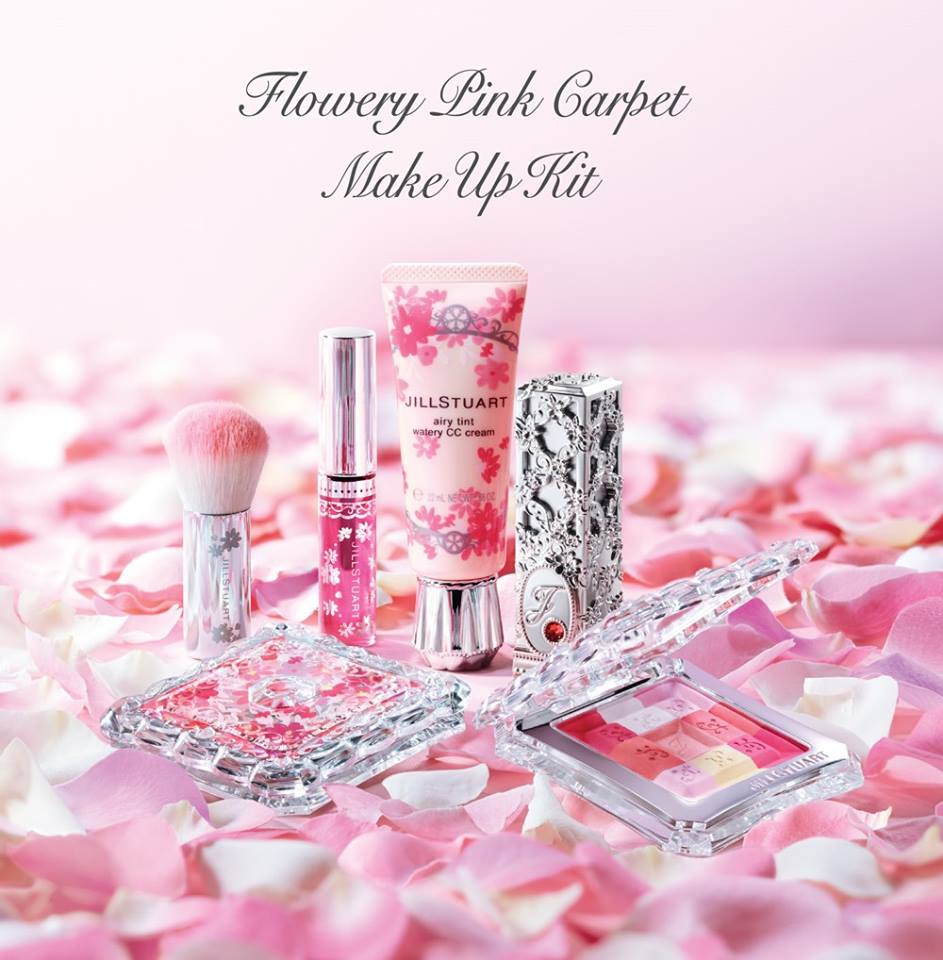
  • Jill Stuart Beauty debuts in Singapore

    Jill Stuart Beauty debuts in Singapore

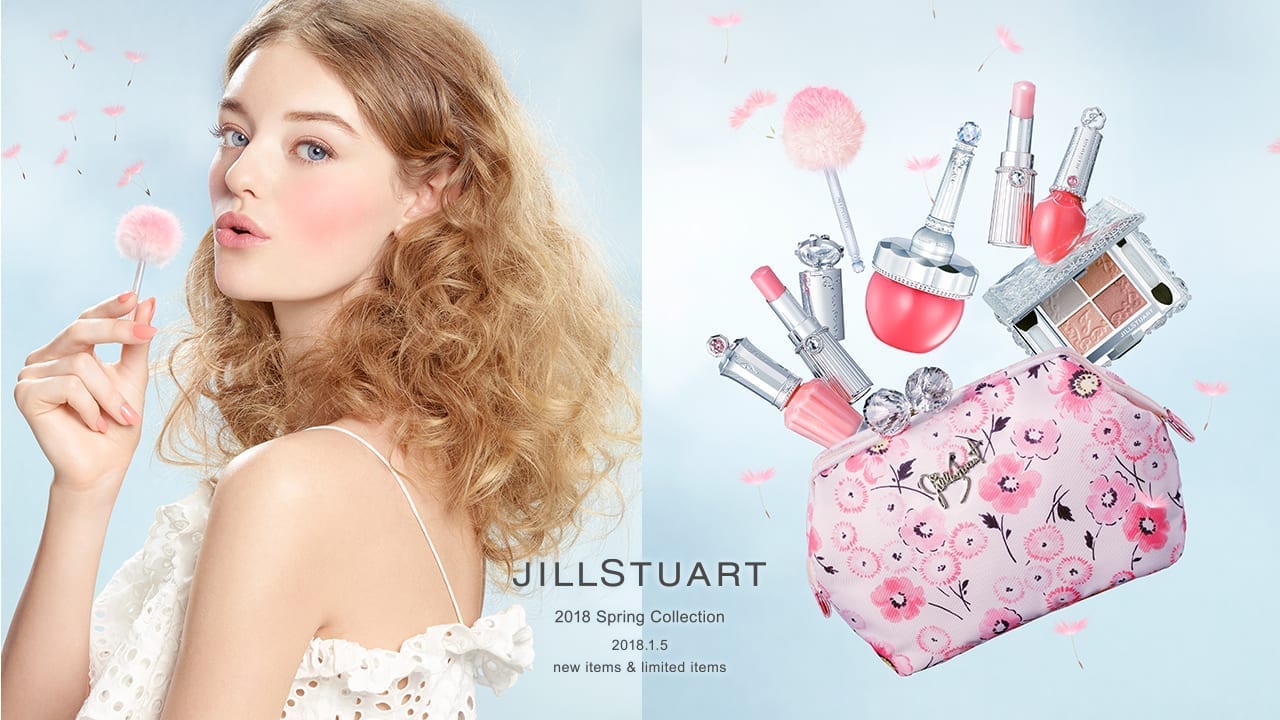
    Japanese-influenced beauty brand Jill Stuart is to open its first presence in Singapore – inside Sephora Ion Orchard.to

    The concession will debut on March 29, offering Singaporeans its full product range, including lipsticks, eyeshadows and blushes, its best-selling items.

    Jill Stuart was founded in 2005 and has built a reputation for its embellished silver packaging inspired by the make-up style of Japanese women.

    Fans of the brand are commonly referred to as ‘Jill girls’, a phrase born in Jill Stuart’s philosophy about being “all for girls to be ‘kawaii’ (cute).

    Jill Stuart is a New York-based designer and her cosmetics brand was developed with Kose Corporation. Her products are already sold in Korea, China, Hong Kong, Taiwan and Thailand.

  • Permanent Pokemon Center opens at Nihonbashi Takashimaya Tokyo

    Permanent Pokemon Center opens at Nihonbashi Takashimaya Tokyo

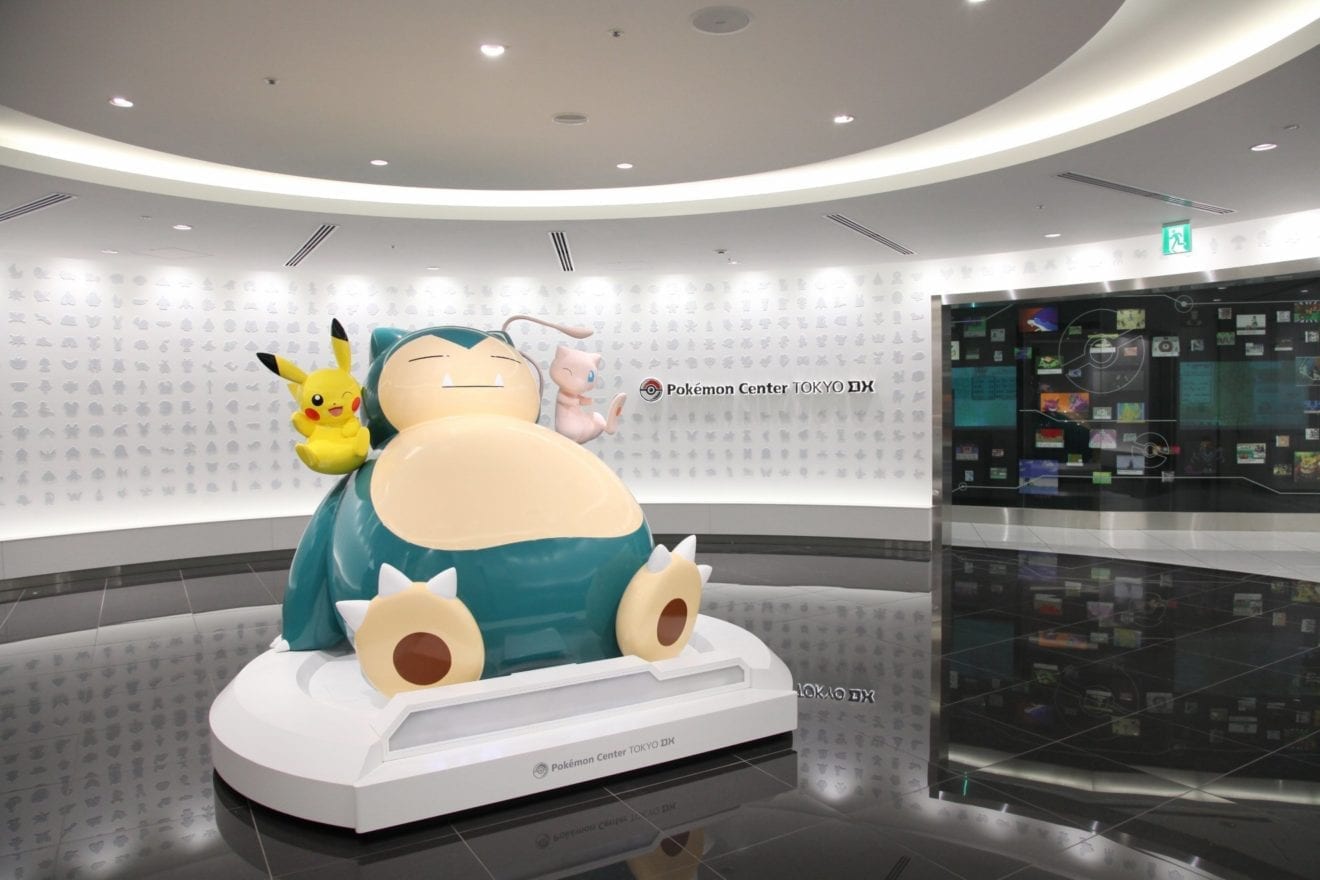
    Japanese fans can step into a whole world of Pokemon in a new experiential store in Tokyo.

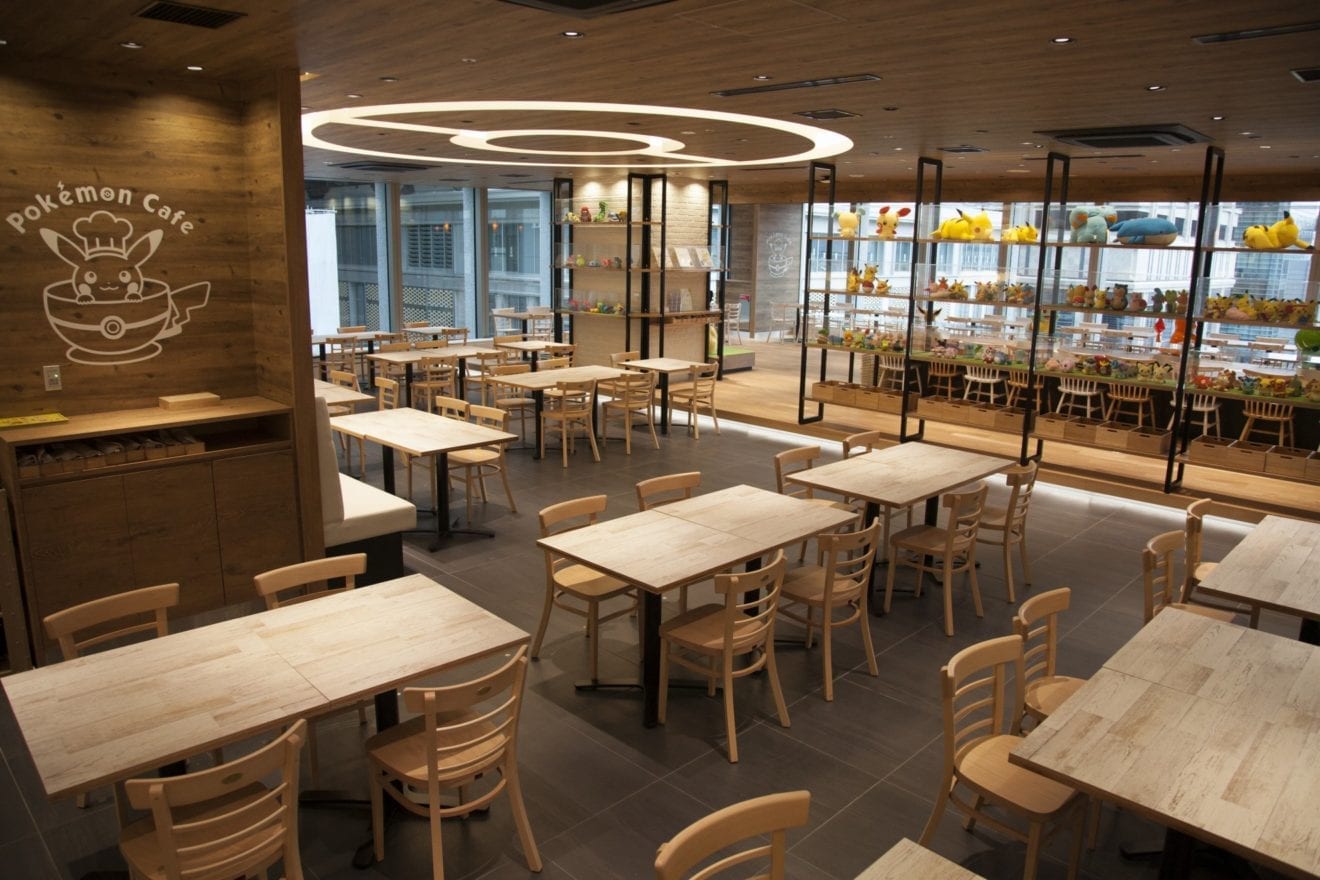
    The Pokemon Center brings the game franchise to life with a range of Pokemon merchandise on sale. This is the Japanese franchise’s third Pokemon Center, and by far its largest with 1300sqm of floor space. It is also the first to include a cafe, which offers a range of foods including themed curries and pancakes in the shape of the Pokemon character Pikachu.

    Located inside the Nihonbashi Takashimaya Department store, it serves as another example of how traditional department stores are embracing new experiential concepts to make up for declining sales in traditional categories.

    The store opened yesterday and a special promotion will run until April 22 offering shoppers giveaways, including assets to use in the smartphone-based Pokemon game.

    Merchandise on sale at the Pokemon Center include soft toys and accessories.

    Earlier stores are in Sapporo, which was recently upgraded, and at the Tokyo Skytree complex, which opened in July 2016.

  • Woods Bagot celebrates completion of Sunshine Insurance Finance Plaza

    Woods Bagot celebrates completion of Sunshine Insurance Finance Plaza

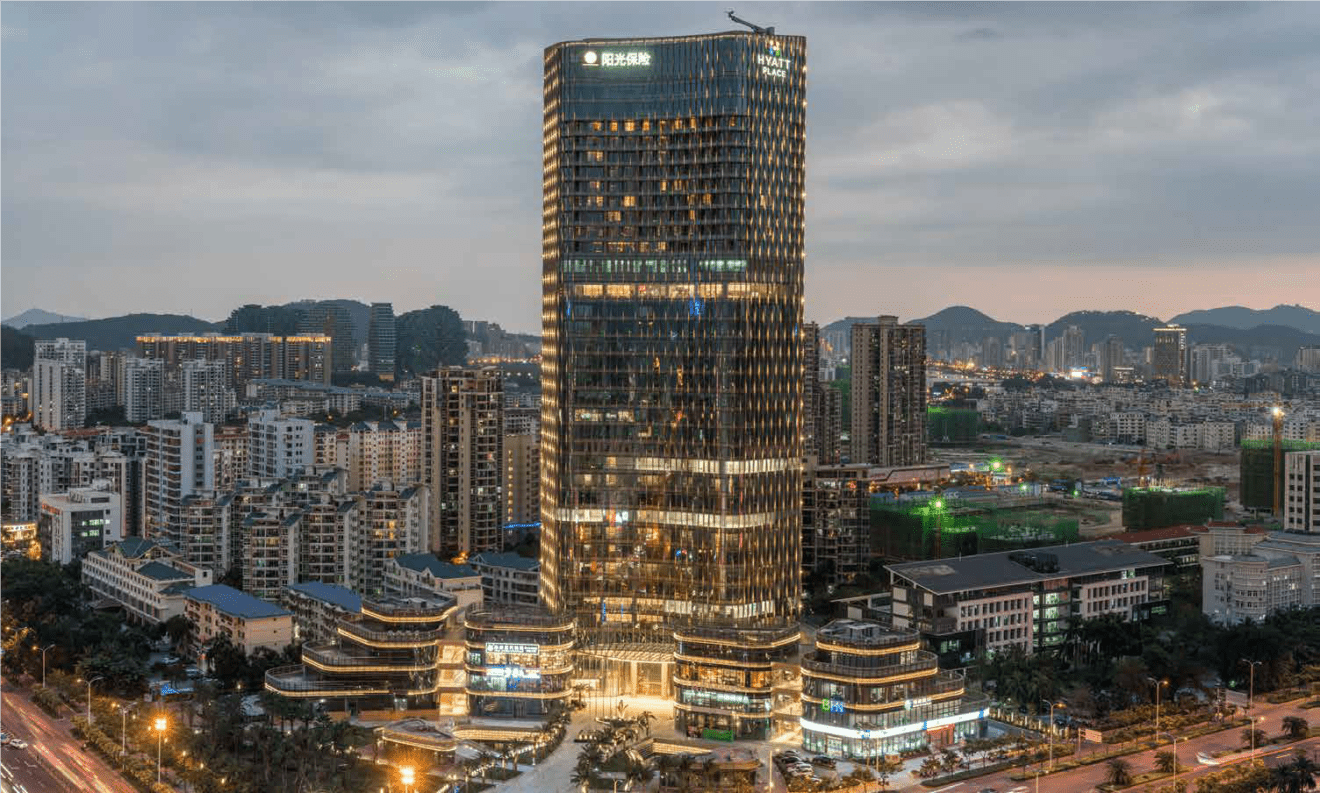
    Sunshine Insurance Finance Plaza provides a soaring new addition to Sanya Bay’s rising skyline. Located at the southern tip of China’s Hainan Island, the mixed-use development features a 37-storey tower rising above a tiered retail podium and lush gardens. The tower comprises A-grade offices, a 4-star Park Hyatt Hotel, a private clubhouse and a rooftop pool.

    Inspired by a strand of pearls, the landscaped gardens are dotted with low pavilions and cooling fountains. A grand allée lined with palm trees reflects the vertical axis of the site. Because this seaside resort is humid and windy, indigenous flora was planted at the office building’s entries to modulate the temperature and buffer the ocean winds. The effect is an urban oasis in the middle of what locals often refer to as “the Hawaii of China.”

    Patrick Daly, the lead architect, said, “We were honored to design this new HQ for China’s preeminent insurance company. Our goal was to design a complex that seamlessly transitions between a variety of uses, moderates the tropical climate, and provides stunning views of the island, the ocean, and the hills beyond.”

    At the base of the tower is a curved play of tiered, multilevel podiums that serve the people who live near and work in the building, as well as the surrounding community. This shared use is de rigueur for Woods Bagot’s work in China.

    Acting as a community link, the four orb-shaped edifices connect to the outdoor common spaces by way of pedestrian paths and also feature roof decks and high-end retail spaces. Below, locals can enjoy an underground concourse with everyday amenities, where they will be sheltered from heavy rainfall during the winter months.

    Standing at 525 feet/160 meters, the central, curved pillar also serves multiple demographics. The concave portion includes the entryway to the offices, while the convex beckons hotel visitors and employees. Inside the offices, employees enjoy interior “pocket” atriums inserted into the sides of the tower to provide meeting places for companies. Large meeting places take the form of roof decks for the hotel.

    The strong western sun determined the shape of the tower. To alleviate its heat, the design team landed on a curved shape to disperse its rays on both sides. The blades on both the main pillar and the podium’s façades help to further disperse the heat while also alluding to the local population’s history of basket weaving.

    Sunshine Insurance Finance Plaza brings nature into the city, connecting work and play in a green and sheltered setting.

  • 7-Eleven brings facial-recognition technology to stores in Thailand

    7-Eleven brings facial-recognition technology to stores in Thailand

    7-Eleven Thailand is to roll out advanced AI technology, including facial recognition of employees and customers, across all 11,000 stores in the kingdom.

    The convenience store chain’s parent, CP All, has signed a contract with US-Chinese technology company Remark to use its KanKan data intelligence and AI-based facial recognition and behavior-analysis technologies which it says will provide enhanced customer support, business analysis, employee management and security.

    An estimated 10 million people walk into 7-Eleven Thailand stores each day and the KanKan technology can monitor such things as how long a customer lingers in specific places in-store, and even record their emotions. It can identify members of 7-Eleven’s loyalty program allowing management to offer them tailored promotions.

    From a store-management perspective, the technology can monitor stock levels on shelves and provide real-time operations performance and competitor analysis, check employees on and off shift and identify unauthorised personnel on site.

    “The KanKan implementation at 7-Eleven marks our first major collaboration with Remark,” said CP Group chairman Soopakij Chearavanont.

    “The 7-Eleven team evaluated many AI technologies and selected KanKan because it has the most robust platform for meeting business objectives, namely, driving revenues, reducing costs and rapidly improving profit margins.”

    Remark Holdings’ CEO and chairman, Kai-Shing Tao said the 7-Eleven partnership represents “an incredible opportunity to implement our KanKan technologies on a massive scale”.

    Chearavanont told a media briefing that the technology would help the chain cut costs, improve revenues and increase margins.

    Remark has promised that no images of human faces will be stored on servers by 7-Eleven, apparently addressing privacy concerns relating to what happens to recordings, something being raised by lobby groups around the world.

    The companies say only facial features – not whole faces – are used to generate data which is encrypted.

    “No human faces or images ever leaves the KanKan system or goes on the public network,” the company said.

  • Indonesia’s authority to start ticketing violators of ride-hailing app rules

    Indonesia’s authority to start ticketing violators of ride-hailing app rules

    The Transportation Ministry in April will start ticketing ride-hailing drivers who violate the rules as stated in Transportation Ministerial Regulation No. 108/2018 on non-route public transportation.

    The ministry will pay particular attention to drivers who do not have a driver’s license for public transportation (SIM A general) and the document that demonstrates the vehicle has passed a roadworthy test, said Transportation Ministry land road transportation director general Budi Setiyadi in Jakarta on Wednesday.

    He said there was no reason for drivers to violate the rules as the government had helped them and the vehicle owners by providing cheap driver’s licenses and free roadworthy tests.

    “Transportation Minister Budi Karya Sumadi instructed me to complete the issuing [of driver’s licenses and vehicle roadworthiness documents] in March so that in April we can start ticketing [violators],” said Budi.

    The ministry has started deploying officers on roads to advise ride-hailing drivers who do not have the two documents. The officers currently only issue warning tickets to the drivers.

    Budi said the ministry had recorded a high demand for the two documents as the deadline was approaching. He said in Jakarta alone, 18,000 roadworthy documents for ride-hailing vehicles had been issued and about 1,000 drivers had also obtained their new driver’s licenses.

  • The Artist Belgian brewery plans to expand in Asia

    The Artist Belgian brewery plans to expand in Asia

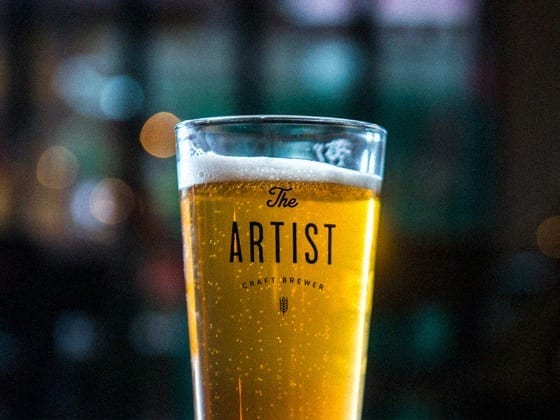
    Belgian craft  brewery The Artist has opened its first outlet in Asia – in Hong Kong – to test its concept before entering other markets around the region.

    The 3500sqft Artist House in Causeway Bay’s Fashion Walk shopping centre, promises an immersive experience, selling Belgium-brewed craft beer, craft beer cocktails and other beverages. It also has its own in-house micro-brewery and hydroponic aqua-farm allowing customers to make their own beer. Amateur brewers can even add their own photographs to their beer bottles.

    Co-founder Benjamin Cox says the venue can be used for events and customers can experience a 360-degree virtual-reality tour of the original brewery in Belgium.

    The company decided to launch its brand in Hong Kong due to the fact that the city is a unique platform in Asia.

    “From a testing perspective, Hong Kong allows young brands to confront their new offering with a diverse crowd of very demanding consumers. This allows us to improve, develop and sharpen our offering to prepare the brand for a wider Asia expansion,” said Cox.

    “Hong Kong’s key advantage is its international business environment and mindset which allows easier implementation and early stage execution. We will use the city as our regional base to expand in other Asian places such as Japan, Mainland China, Taiwan and Korea, among others.”

    Associate director-general of investment promotion, with InvestHK, Dr Jimmy Chiang, said the opening of The Artist House offers a new craft beer experience to local and regional customers.

    “Hong Kong people love craft beer and the city has a high number of international and Mainland Chinese visitors. It is the best place for the company to promote its brand in the region.”

  • Shinsegae to sell Scotland’s Glenmuir clothing

    Shinsegae to sell Scotland’s Glenmuir clothing

    Scottish golfwear brand Glenmuir has opened its first Korea pop-up store in Gangnam.

    Located in Shinsegae Department Store, the short-term store offers the company’s Spring/Summer 2018 collection.

    Glenmuir plans to open a permanent shop inside Shinsegae Department Store in the near future.

    “We are excited to bring Glenmuir to customers in Korea through our pop-up store in Shinsegae Gangnam,” said Seonghun Park, of Glenmuir Korea.

    The pop-up will close on March 29.

    Glenmuir items are currently sold at SK Pinx golf club on Jeju Island, and on Shinsegae’s online store.

    Founded in 1891 in Lanark, the brand is sold in luxury golf resorts in more than 30 countries, including Australia, Belgium, France, Germany, Japan, Sweden, Switzerland, and Russia.

  • Lukfook Group Swept Multiple Awards at the “Chuk Kam Jewellery Design Competition 2018”

    Lukfook Group Swept Multiple Awards at the “Chuk Kam Jewellery Design Competition 2018”

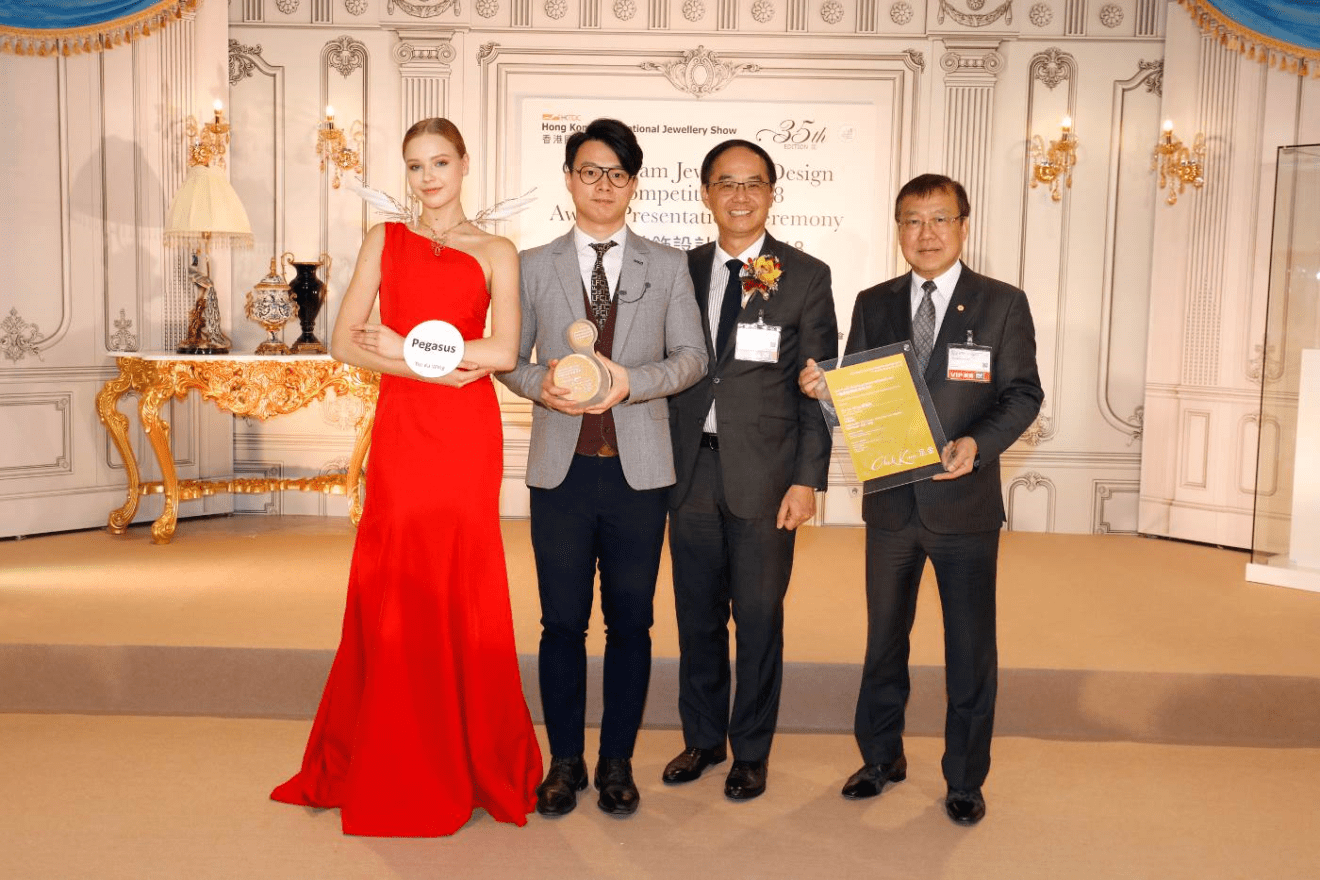
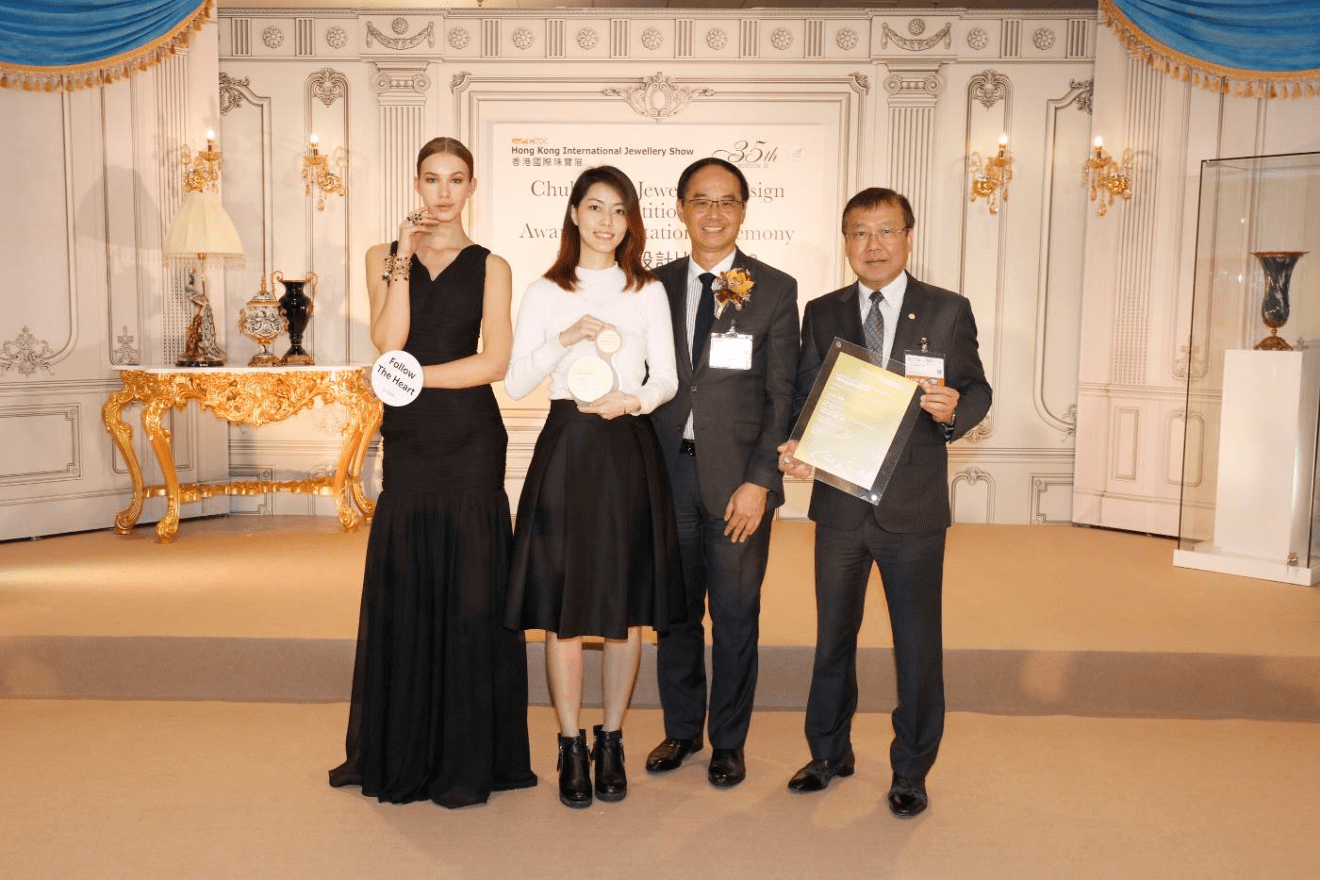
    Luk Fook Holdings (International) Limited is pleased to announce that the Group’s design pieces stood out from the crowd and won multiple accolades at the “Chuk Kam Jewellery Design Competition 2018”. The recognition includes the Group’s various jewellery designers with winning entries, namely “Pegasus” by Mr. Tse Ka Wing, “Follow the Heart” by Ms. Li Yim and “Tattoos” by Ms. Chun Hiu Ling in “The Fashionable 18K Group”, while “ ’WiFi’ Times” by Ms. Wang Wen Jing in the “Open Group”.

    Mr. Wong Wai Sheung, Chairman and Chief Executive of the Group said, “We are thrilled at sweeping four awards at the ‘Chuk Kam Jewellery Design Competition 2018’, closely after being awarded the “Best of Show Award (Open Group)” at ‘The 19th Hong Kong Jewellery Design Competition’, which affirms the outstanding talents and capabilities of the Group’s design team. The Group actively participates in jewellery design competitions to encourage its design team to aim high in innovation and craftsmanship, as the Group pursues perfection in the design and quality of its products. In future, the Group endeavors to provide cutting-edge and diversified products to align with a wide spectrum of customers’ tastes. ”

    The “Chuk Kam Jewellery Design Competition 2018” was organized by Hong Kong Jewellers’ & Goldsmiths’ Association and sponsored by Hong Kong Trade Development Council and World Gold Council. The objectives of the competition are to stimulate the creativity and raise the standard of craftsmanship of Chuk Kam jewellery industry; and to arouse the market demand of Chuk Kam jewellery.

  • Vietjet to Operate Direct Flights Connecting Vietnam and India

    Vietjet to Operate Direct Flights Connecting Vietnam and India

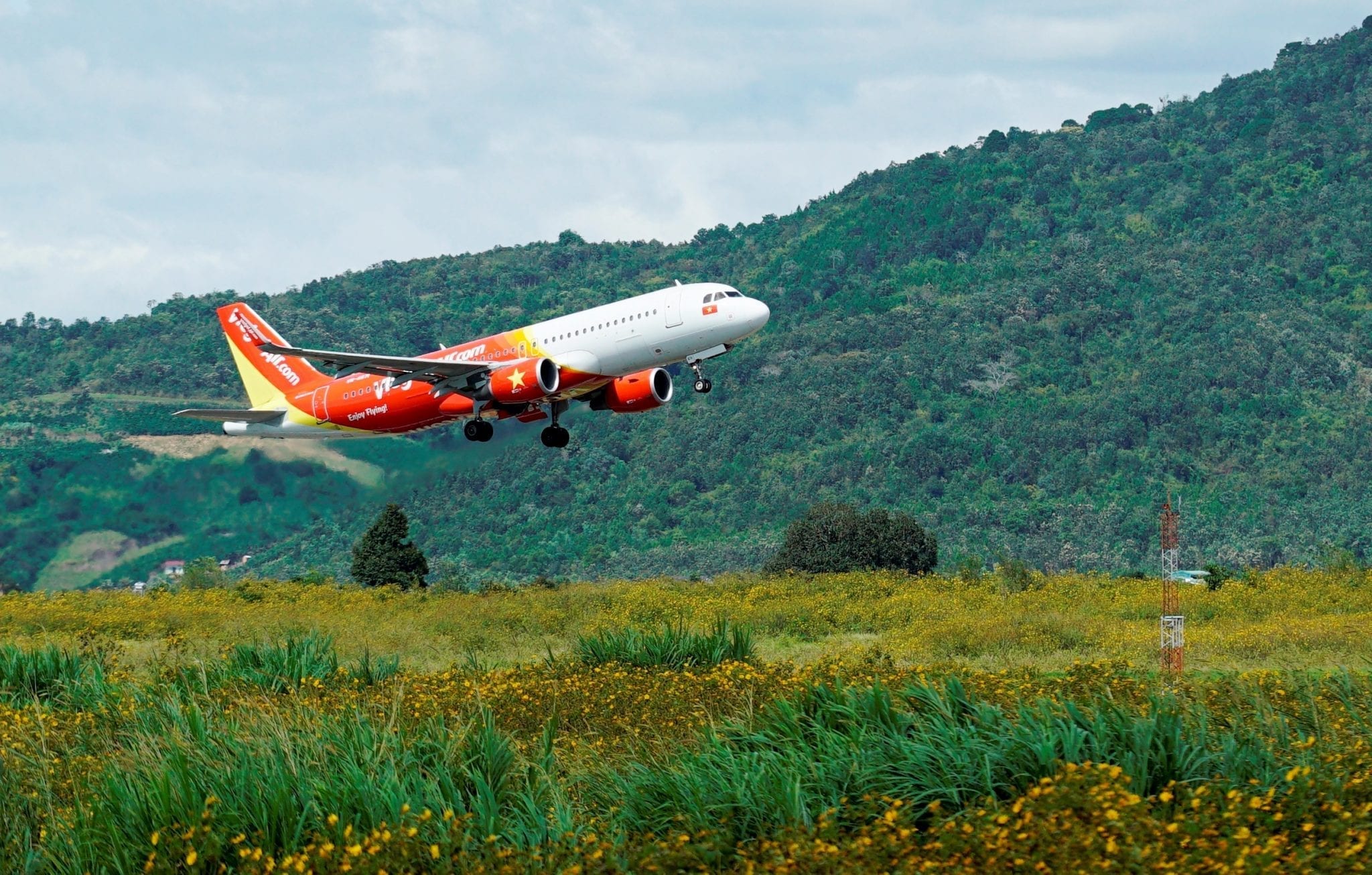
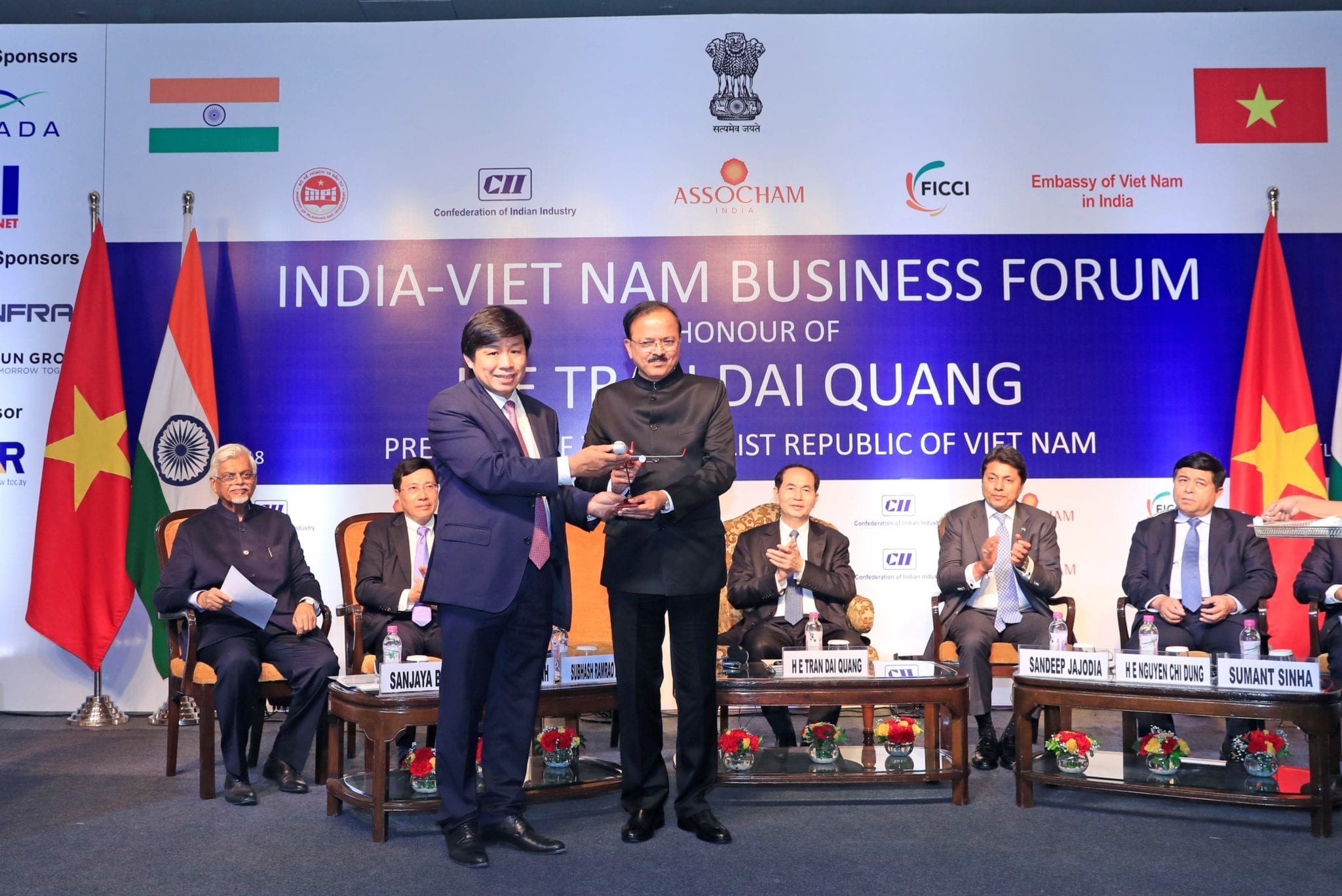
    In the third quarter of 2018, travelers from India will be able to fly direct to Vietnam and vice versa following an announcement made at the recent Vietnam – India Business Forum. The move is set to create bigger opportunities for the airline as there are currently no direct flights from India to Vietnam.

    The announcement which was witnessed by H.E Vietnam President Tran Dai Quang and senior leaders of Vietnam and India also marks a significant milestone for the country especially in light of the 45th anniversary of diplomatic relations between Vietnam and India and the 10th anniversary of strategic partnership between the two countries.

    The first route is scheduled to connect Ho Chi Minh City with New Delhi on a basis of four flights per week.

    Located in Southern Asia, India has the second largest population in the world, making it a huge potential market for Vietjet in the future. It is an extremely diverse country, with vast differences in geography, climate, culture, language and ethnicity. The country is also blessed with marvelous natural landscapes and grand architectures which have been listed in UNESCO’s World Heritage List including The Great Himalayan National Park Conservation Area, Ajanta Caves, Taj Mahal and Humayun’s Tomb to name a few.

    Vietnam on the other hand, is a bustling country that possesses an eclectic mix of local hotspots. From crystal-blue beaches to misty mountains and buzzing cities with mouthwatering cuisines, Vietnam is certainly a place that caters to the whims and fancy of any type of traveler. Some of the must-see destinations in Vietnam include Hanoi, the country’s cultural capital; Hue, a romantic citadel; the magnificent Da Nang, one of Vietnam’s most important port cities, and Ho Chi Minh City, Vietnam’s economic hub.

    The introduction of the new route thus presents Vietjet with an opportunity to not only tap into the growing tourism market but also facilitate trade integration and exchange between Vietnam and India.

    Modeling itself as a ‘Consumer Airline’, Vietjet will continue to meet the growing demands of consumers by introducing new routes, expanding its fleet, investing in modern technology, and offering greater value-added products and services. The airline also prides itself in offering diverse promotional programs on tickets and entertainment especially during the festive seasons.

    Vietjet is favored and known as a pioneer for its many interesting entertainment activities and special promotions during the festive seasons. With its high-quality services, special low-fare tickets and diverse ticket classes, Vietjet offers passengers enjoyable flights with a dynamic and friendly flight crew, comfy seats, amazing hot meals and special surprises from the airline’s inflight activities.

  • 2018 is looking good for Sa Sa sales

    2018 is looking good for Sa Sa sales

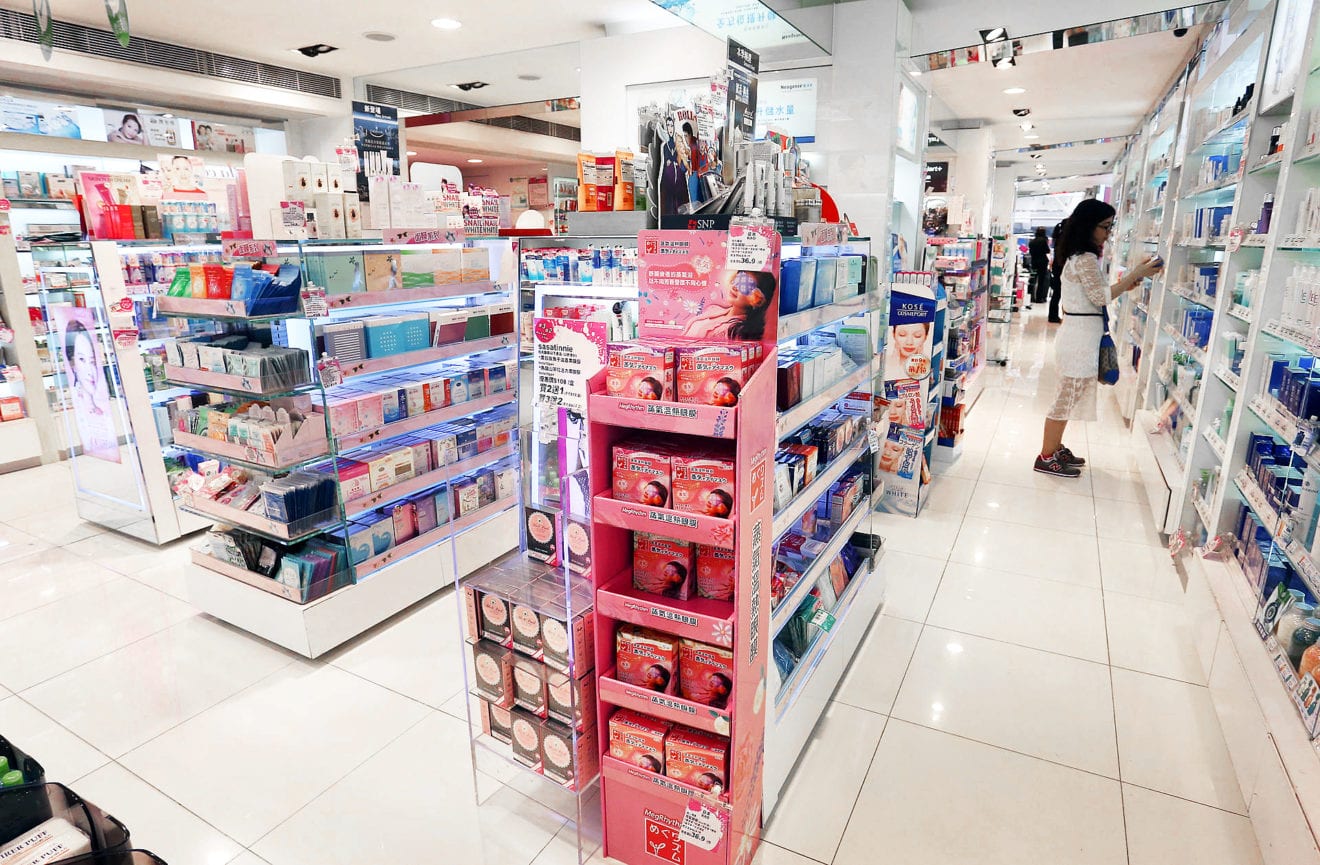
    Sa Sa International has released sales figures combining January and February – the first true indicator of how the Hong Kong retail market is performing so far this year.

    Sa Sa sales in Hong Kong and Macau surged 14.6 per cent during the period, and same-store sales rose 11.1 per cent.

    Official government figures show Hong Kong retail sales rose 4.1 per cent in January, compared to last year, but that figure was relatively meaningless given the timing of Lunar New Year, which fell in February this year and in January last year, preventing a true comparison. A government spokesman said at the time of the data’s release that, after taking the Lunar New Year factor into account, the figures suggested consumer sentiment was “rather robust” entering 2018.

    These Sa Sa sales figures suggest a positive rebound from January 1 to February 28.

    Chairman and CEO Simon Kwok said the number of transactions through Sa Sa stores rose 9 per cent and the average sale per transaction by 5.2 per cent.

    “The overall performance was in line with our expectations. Sales growth was mainly driven by the increase in store traffic and consumer consumption. The number of transactions with locals and mainland tourists increased by 6.3 per cent and 12.5 per cent respectively, while

    their average sale per transaction also increased by 4.6 per cent and 3.6 per cent respectively.”

    Kwok says Sa Sa is benefitting from Hong Kong’s retail market recovery, and  is “cautiously optimistic” about the outlook of Hong Kong and Macau markets.

    “We will continue to optimise product offerings and enhance customers’ shopping experience to cater for consumer demand in the fast changing markets,” he said in a stock exchange filing.

  • Infested Chinese Garlic Imports Kick Up a Stink in Indonesia

    Infested Chinese Garlic Imports Kick Up a Stink in Indonesia

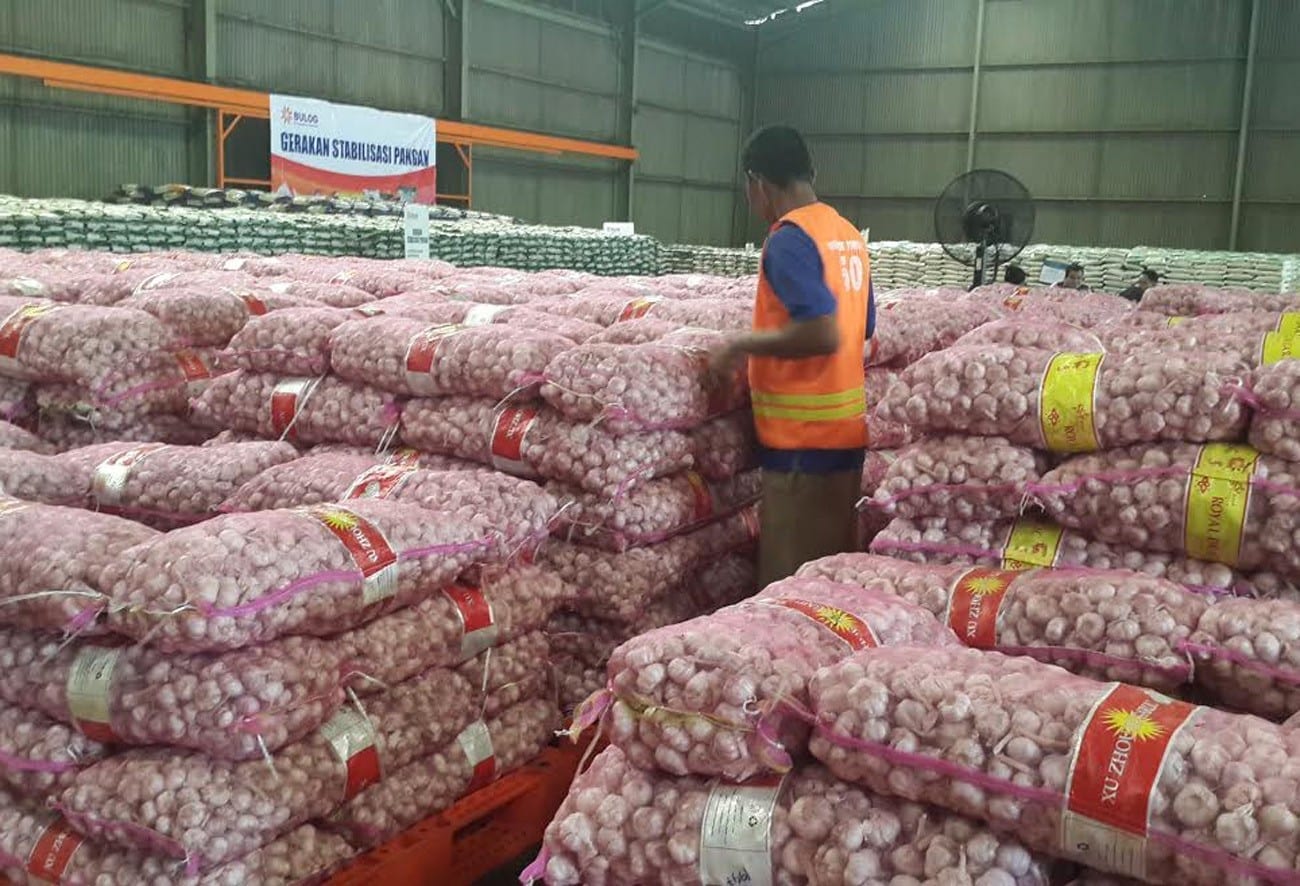
    Indonesia has impounded more than 200 tons of garlic imported from China, warning that a microscopic worm infestation found in the shipment could put at risk plans by the Southeast Asian country to boost its own garlic crop.

    Since coming to power in 2014, Indonesian President Joko “Jokowi” Widodo has pursued self-sufficiency policies to protect farmers, but efforts to rely on domestic supplies of everything from beef to rice have at times caused shortages and price spikes.

    Chinese food imports have previously proved sensitive in Indonesia. In 2016, Beijing’s embassy in Jakarta expressed alarm at media reports accusing China of using a “biological weapon” against Indonesia, after four Chinese nationals were arrested for planting imported chilli seeds contaminated with a bacteria.

    The 232 metric tons of garlic were imported from China in mid-February and after arriving at Jakarta’s port were shipped to the island of Sumatra, the Ministry of Agriculture said.

    This could be “very damaging to our garlic farming when we are trying to achieve self-sufficiency,” the ministry said in a statement on March 12.

    Despite being certified as free of pests in China, samples of the shipment contained ditylenchus dipsaci, a microscopic worm that infects onions and garlic, the ministry said.

    The nematology department at the University of Nebraska-Lincoln describes the worm as “one of the most devastating plant parasitic nematodes.”

    When quarantine officials reported the discovery to the importer, the garlic had already been sent to North Sumatra, the agriculture ministry said.

    The controversy even stirred a heated debate in parliament this week when a member of Jokowi’s ruling party called for a police investigation.

    Soetrisno, the chief executive officer of Tunas Sumber Rejeki, the company that imported the garlic, could not immediately be reached for comment.

    The Chinese embassy in Jakarta declined to comment.

    The garlic is currently being stored at a warehouse in Belawan Port, Sumatra, that has been sealed by police and the quarantine agency.

    Banun Harpini, the head of quarantine at the agriculture ministry, said on Wednesday the importer would be blacklisted. It was not immediately clear what other penalties would be levied.

    Indonesia plans to be self sufficient in garlic in 2019 by increasing the growing area for the crop by more than 70,000 hectares, but this may be an ambitious target since last year the country imported 434,000 tons of garlic, more than ten times the amount grown domestically.

    This year, the agriculture ministry expects 392,000 tons will be imported, mostly from China and India.

  • WeChat gives more effort to support anti-counterfeit

    WeChat gives more effort to support anti-counterfeit

    WeChat has tightened its anti-counterfeit measures with 38 improvements to its Brand Protection Platform revealed in its annual Brand Owner Protection report released yesterday.

    WeChat claims more than 72,000 vendors were punished last year for attempting to sell counterfeit goods on its platforms.

    WeChat has also standardised the online infringement complaint system to make it easier for companies and individuals to report offenders.

    The WeChat team collected more than 126,000 valid infringement clues through user complaints on its Brand Protection Platform, 99.9 per cent of which led to crackdowns facilitated by brand owners.

    Fake-selling had even been occuring on so-called ‘mini programs’. As of early February, 976 mini programs have been permanently banned by WeChat. More than 22,300 infringing links and pieces of content have been removed.

    WeChat’s monthly active users reached 1 billion worldwide last week.

    More than 180 domestic and foreign enterprises from 18 countries and regions covering more than 400 well-known trademarks at home and abroad have registered on WeChat’s Brand Protection Platform. Most of the registered enterprises are from the US, China, Switzerland, Japan and France.

  • Online sales surge boosts Zara owner Inditex

    Online sales surge boosts Zara owner Inditex

    Surging online sales have boosted Zara parent’s Inditex’s net profit in the past fiscal year by 7 per cent.

    Inditex, which also owns brands including Pull & Bear, Bershka and Massimo Dutti, reported an increase in net profit for the 12 months ending January 31 to €3.37 billion (A$5.27 billion) from €3.16 billion a year earlier.

    Sales rose 9 per cent to 25.34 billion euros in the fiscal year, with revenue for online sales growing by 41 per cent.

    In FY17, Inditex invested €1.8 billion in further developing its integrated stores and online model and upgrading its technology. Specifically, the rollout of RFID technology has improved flexibility and response times by integrating stores and online inventories, the company said.

    Pablo Isla, chairman and CEO of Inditex, described it as a year of “solid growth”, and highlighted, “the unique strength” of their integrated stores and online model and its significant growth potential.

    He added that “the prescient investments made in technology and logistics in recent years,” coupled with space optimisation, had positioned the company for continued growth across all its markets.

    The group, which during 2017 opened its first stores in Belarus and launched its online sales platform in India, Vietnam, Singapore, Thailand and Malaysia, was founded in 1975 by Amancio Ortega and has become the world’s largest clothes retailer with eight brands.

    Inditex owns 7,475 shops worldwide, an increase of 183 stores from the previous year when factoring in shop closures, but 29 less than three months earlier.

    Florence Allday, beauty and fashion associate at Euromonitor International, said Inditex faces a period of uncertainty as the changing retail environment and globally volatile currencies make this rapidly evolving market sector even more competitive.

    The fashion conglomerate may be one of the most dynamic players in the industry, Allday said, but the past few months have seen Zara and its direct global competitors vie to remain in favour with their female, millennial demographic in a market that is fast-maturing and reaching saturation.

    Currently, Zara has the fourth largest global market share in the apparel and footwear category, behind Hennes & Mauritz (H&M), Adidas and Nike. Other significant competitors include Asos, Boohoo and Primark.

    Allday said rankings and shares in the global apparel and footwear market remained static in 2016, with sportswear giants taking the top two spots.

    Inditex ranked fourth, maintaining its positioning as one of the leading non-sportswear companies in the world. Inditex’s key rival is H&M, which slightly outperformed Inditex due to more dynamic store expansion and an aggressive pricing strategy. H&M also utilises far more visible marketing, including collaborations with high-profile designers that attract widespread fashion press.

    “Although Inditex does rank higher than H&M in the global footwear market the company will need to utilise its vertical operations and exploit its widespread geographic coverage, to overtake H&M in apparel, capitalising on the narrowing gap between the two rivals,” Allday said.

    “Further still, players such as Fast Retailing [Uniqlo parent] continue to move up the ranks, capturing consumers’ demand for value-orientated product offerings, threatening the dominance of Inditex and H&M.”

    Allday said despite Zara’s status as the world’s largest fast fashion retailer, its sales slowed last year due to a lack of distinction between seasonal collections, and general market saturation.

    “To continue to be a key player in the fast fashion arena, Zara needs to ensure that its constant, uninterrupted flow of new designs and products is matched by a digital retail experience that is equally seamless,” she said.

    “With competitors like Asos, Amazon and Missguided enjoying enormous sales and growth, thanks to their sleek online platforms, Zara must streamline its payment and delivery options to ensure that its online shoppers remain loyal. Consumer attitudes are shifting, preferring to pay more for quality over quantity.”

    “To ensure that it remains relevant, Zara must emphasise the quality and longevity of its garments and justify its low price points to ethically-conscious consumers.”

  • Malaysia’s Q4 retail sales up a disappointing 3.1%

    Malaysia’s Q4 retail sales up a disappointing 3.1%

    The Malaysian retail industry reported a modest growth rate of 3.1% in the fourth quarter of 2017 compared with the same period in 2016, coming in below expectations due to the rising cost of living which the eroded purchasing power of Malaysian consumers, said independent retail research firm Retail Group Malaysia.

    “This latest quarterly result did not meet market expectations. Members of MRA (Malaysia Retailers Association) projected the fourth quarter growth rate in November 2017 at 3.8%. It was also below Retail Group Malaysia’s forecast of 4.5%,” the firm said in its March 2018 Malaysia Retail Industry Report.

    It said the quarterly result is consistent with the Consumer Sentiment Index for the same period published by the Malaysian Institute of Economic Research (MIER).

    “During the latest quarter, the Consumer Sentiment Index (by MIER) improved to 82.6. Malaysian consumers remained cautious in their monthly spending while juggling with higher cost of living.”

    During the fourth quarter of 2017, the performances of all retail sub-sectors were mixed. The supermarket and hypermarket sub-sector was the worst performer.

    For the whole of 2017, the retail sale growth rate was 2.0% (or RM99.8 billion) compared with the same period a year ago. The retail industry’s performance last year lagged the gross domestic product growth rate of 5.9%.

    “After a rollercoaster ride in 2017, members of the retailers’ association are hopeful that their businesses will begin to recover in 2018. They estimate an average growth rate of 5.4% during the first quarter of 2018, due to the Chinese New Year period.”

    Based on its first quarterly projections of retail sales for 2018, Retail Group Malaysia estimates 4.7% growth in retail sale this year (or RM104.4 billion).

    “At this moment, this projection is considered optimistic by MRA members. The prospect of the retail industry this year is still highly dependent on the economic performance and consumer confidence level,” it said.

    It explained that the upcoming Malaysia general election is one of the main reasons Malaysian consumers have been taking a wait-and-see attitude on their retail spending.

    Retail sales may rise after the official election campaign starts. When campaigns begin, there will be many political and social activities throughout the country. This should motivate consumers to spend.

    “Post-election, consumer spending may improve further as Malaysians will focus on their own economic future and release the pent-up demand.”