Author: Mei Ling Tan

  • Van Don airport Vietnam aims to serve 5m passengers

    Van Don airport Vietnam aims to serve 5m passengers

    The Ministry of Transport on Saturday announced a detailed plan for Van Don International Airport in the north-eastern province of Quảng Ninh for the 2020-30 period.

    Earlier, the Prime Minister had approved the airport’s plan to become one of the country’s top 10 international airports after he gave his nod to develop Van Don into a special administrative-economic unit (special economic zone) in the northern region.

    Under the detailed plan, the airport will be designed to serve both civil and military flights and will be able to receive 2-2.5 million passengers every year by 2020 as well as large aircrafts such as B777, B787, B747-400 and A350. The airfield will be expanded to serve five million passengers annually by 2030.

    The airport will be able to handle at least 51,000 tonnes of goods per year by 2030.

    By 2020, the airport’s runway will be 3.6km long and 45m wide. This will make it the longest runway in Việt Nam.

    Speaking at the announcement ceremony, Deputy Minister of Transport Lê Đình Thọ said the project was the result of the strong determination shown by the Government and ministries of the province in ensuring necessary infrastructure for its socio-economic development.

    Thọ has asked the concerned departments and units to inspect and manage the project.

    Nguyễn Văn Thành, vice chairman of the People’s Committee of Quảng Ninh Province, affirmed that the provincial authorities will ask the investor to speed up the construction process in accordance with the plan approved by the Prime Minister.

    Van Don International Airport will be built on 290ha in Đoàn Kết Commune, Van Don District, under the build-operate-transfer format, with an estimated investment capital of VNĐ7.5 trillion (US$351.8 million). This will include some VNĐ640 billion for site clearance. The project will be divided into three phases. In the first phase, the total investment will be VNĐ3.9 trillion.

    Sun Group has been chosen as the strategic investor for the project, which began in 2015 and is expected to become operational in the second quarter of 2018.

    Van Don International Airport will be the first airport where a province has mobilised capital by itself.


  • The famous “crazyshake” restaurant Black Tap is heading to Singapore

    The famous “crazyshake” restaurant Black Tap is heading to Singapore

    New York’s Black Tap Craft Burgers & Beer is about to make its Asian debut at Singapore’s Marina Bay Sands.

    Paying homage to the great American luncheonette experience, it will offer classic craft burgers, craft beers and its colourful CrazyShake milkshakes.

    Run my Michelin-starred chef Joe Isidori and restaurant/nightclub developer Chris Barish, Black Tap opened in New York in 2015.

    Isidori earned his Michelin star while executive chef of fine-dining restaurant DJT, while Barish is known for the Gordon Ramsay Pub and Grill, and Gordon Ramsay Steak.

    Black Tap Singapore will open in the third quarter at the South Promenade of The Shoppes at Marina Bay Sands, offering a casual vibe reminiscent of a classic American luncheonette and featuring ’90s hip hop and ’80s pop music. It will seat 150 guests.

    A commissioned wall mural will depicts elements of urban life in Singapore.

  • Apple Japan to open store in Shinjuku Tokyo

    Apple Japan to open store in Shinjuku Tokyo

    Apple will launch a new store in the Shinjuku ward of Tokyo on Saturday, April 7. It will be the company’s eighth retail outlet in the country.

    Shinjuku is a special ward that’s a major commercial and administrative centre, housing the Northern half of the busiest railway station in the world (Shinjuku Station) and the Tokyo Metropolitan Government Building, the administration centre for the government of Tokyo. As of 2015, the ward has an estimated population of 337,556.

    With the opening of its Shinjuki establishment, Apple will  have 504 retail stores in 24 countries and an online store available in 39 countries.

  • Audit asks Vietnam’s Sabeco to pay $111m

    Audit asks Vietnam’s Sabeco to pay $111m

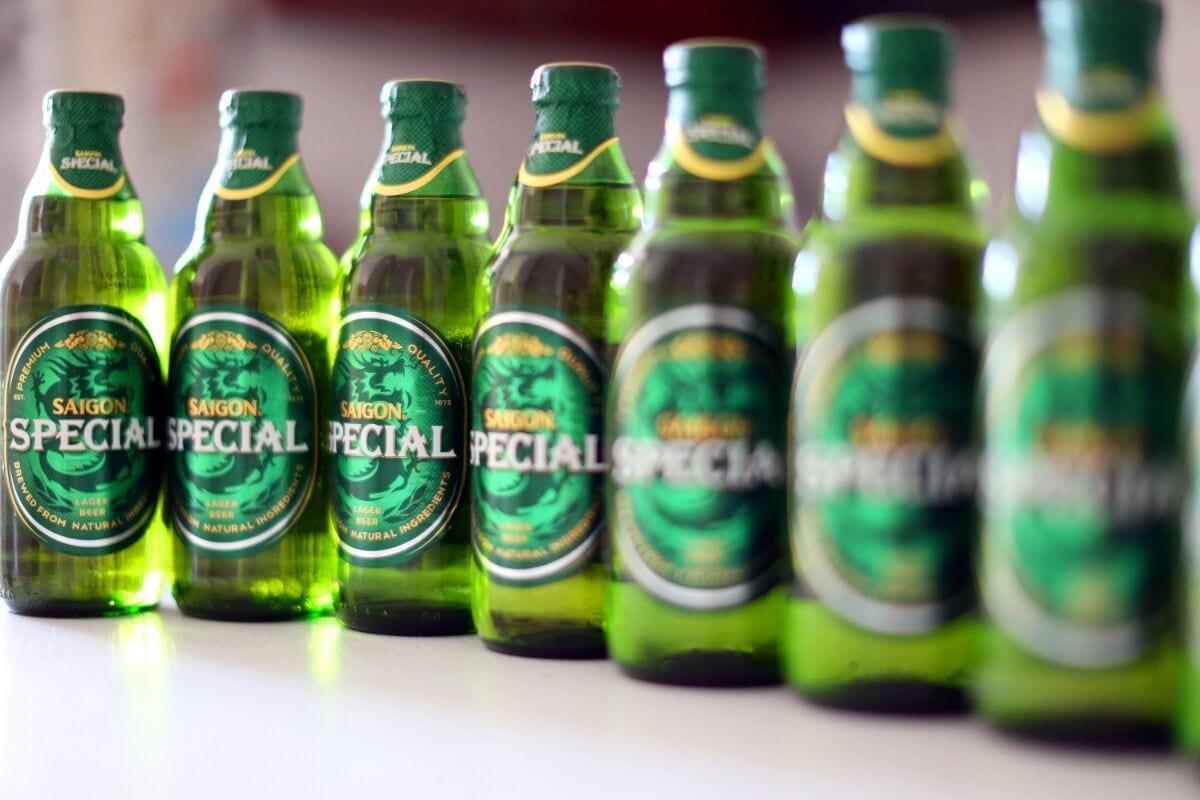
    The State Audit of Vietnam has proposed the Saigon Beer-Alcohol-Beverage Corporation (Sabeco) pay the State Budget nearly VND2.5 trillion (US$110.9 million) worth of dividends, taken from the brewer’s undistributed profit for the period prior to 2016.

    The amount that brewer Sabeco should pay to the State Budget was calculated based on the State’s ownership ratio of 89.59 per cent at Sabeco as of December 31, 2016.

    According to Sabeco’s financial report audited by PwC Vietnam Co Ltd, the undistributed profit for the prior-2016 period was more than VND2.9 trillion and the distributed profit was VND2.78 trillion.

    For the dividends of the remaining profits that had not been distributed before 2016, the representative of the Government in managing the State capital in Sabeco on November 4, 2016 sent a letter to the Ministry of Industry and Trade (MoIT) for guidance.

    In response, MoIT has not had a plan to make dividend payment out of Sabeco’s profits. The ministry asked the State capital representative at Sabeco to deliver financial reports each year since it started operating until the end of 2016 and asked for the opinions of the Prime Minister about the remaining undistributed profit.

    In addition, the State Audit of Vietnam demanded MoIT clarify individual and collective responsibilities for miscalculating the valuation of Sabeco Pearl, a subsidiary of Sabeco.

    In June 2016, Sabeco sold its entire 14.7 million shares or 26 per cent stake in Sabeco Pearl on a full-package deal at the price of VND13,247 per share, and the bidding price was VND13,347 per share.

    The deal has remained confidential and the buyer has remained unknown.

    According to the State audit agency, the valuation of Sabeco Pearl showed some mistakes and miscalculations, which reduced the value of Sabeco Pearl and resulted in the loss of State capital.

    Losses in 10 other firms

    The State Audit of Vietnam reported that Sabeco had made a provision fund for its financial losses in 10 long-term investment projects, in which Sabeco had 20 per cent of total charter capital.

    The provision was calculated at 77.8 per cent of the total investment value, including aVND154 billion investment in the Orient Commercial Joint Stock Bank (OCB) and Đông Á Joint Stock Commercial Bank (DongA Bank).

    Most of those investment deals were not Sabeco’s core businesses and the State Audit asked the MoIT to “clarify the causes and consider individual and collective responsibilities that were involved in the 10 investment deals.”

  • Parcel Santa to Collaborate with Singapore Press Holdings and Buzz Express to Expand E-Commerce delivery coverage

    Parcel Santa to Collaborate with Singapore Press Holdings and Buzz Express to Expand E-Commerce delivery coverage

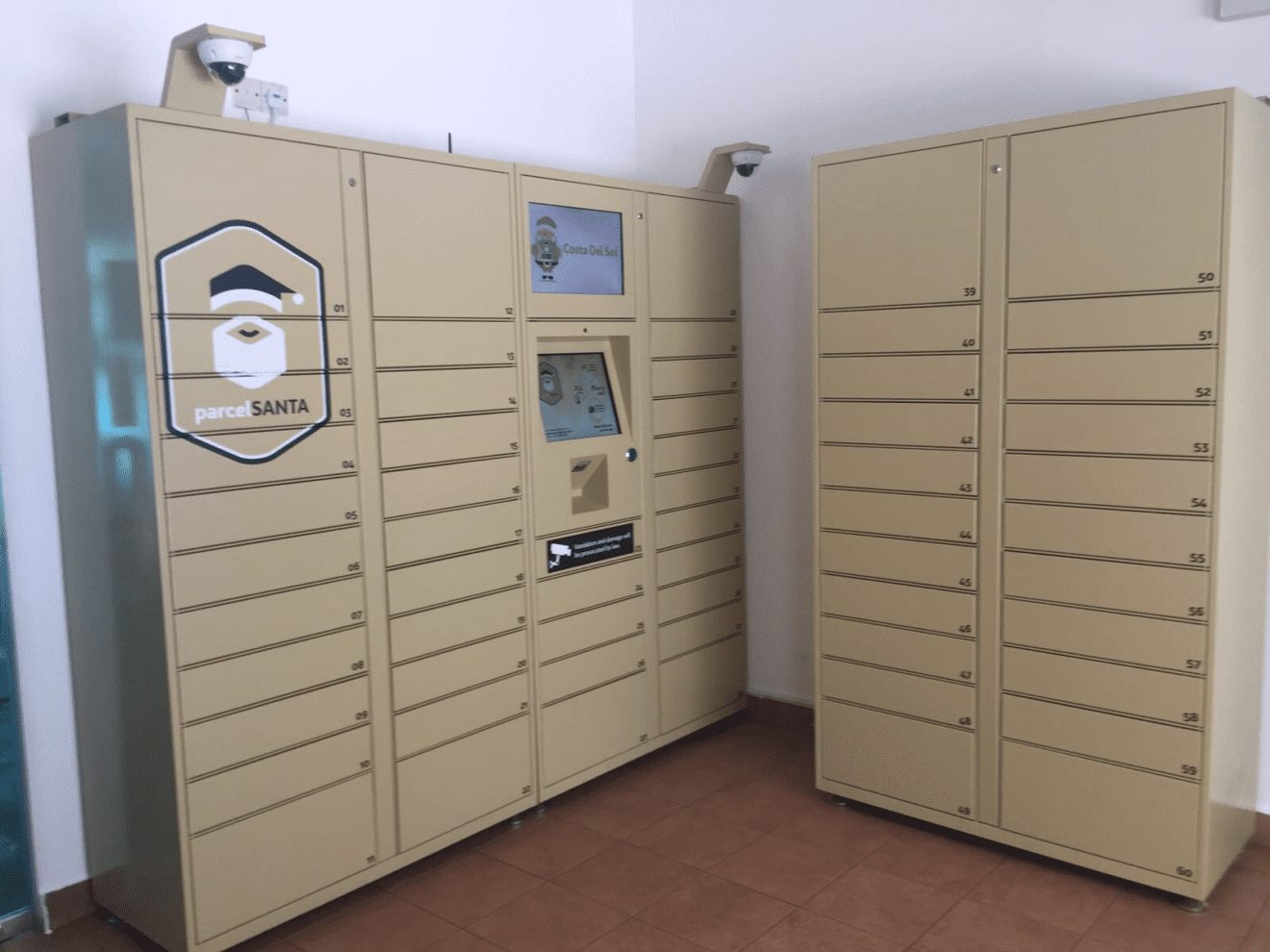
    One-year old sensor technology and parcel locker start up, Parcel Santa, has inked an agreement with Singapore Press Holdings and Buzz Express to utilize the latter’s extensive delivery network to make e-commerce deliveries to Parcel Santa lockers, located in Singapore condominiums.

    Parcel recipients will be informed via SMS when their parcels are delivered to secured lockers, which they have up to twenty-four hours to collect, using a One Time Password (OTP).  Recipients may choose to reschedule delivery to lockers or pay a small fee to extend the collection period.

    The entire delivery process is monitored by Parcel Santa’s back office system, with sensors able to identify when authorized recipients have collected their parcels.  The use of sensors and real-time communication ensures that parcels are received without repeated delivery attempts – which is in line with Parcel Santa and SPH’s corporate objectives to be environmentally friendly corporate citizens.

    As part of this collaboration, non-perishable items delivered by SPH’s network may also leverage Parcel Santa’s back office system and lockers as an end-mile collection point by recipients.

    The service offers the following benefits to the ecosystem:

    1. Environmental Sustainability – minimizes the use of motor vehicles to make repeated delivery attempts
    2. Safety and Security – parcels and couriers are pre-registered and tracked, and only authorized recipients may collect them
    3. Consumer Empowerment – to facilitate e-commerce, shoppers can make purchases and not have to wait for delivery
    4. Property Asset Enhancement – condominiums can offer this service with the latest customer-recognition, IoT (Internet of Things) and 3G/4G wireless transmission technology

    Parcel Santa lockers have been installed in one hundred residential condominium locations across Singapore.  The company is in the process of Series A fund raising to expand its target footprint of 500 condominium installations in Singapore – and initiate its expansion into the Southeast Asian region.  With the latest addition of SPH, Parcel Santa’s delivery partners include DHL Express, FedEx, UPS and WMG Delivery.  Once registered, couriers from partner companies may use Parcel Santa lockers to facilitate deliveries.

    “Since launching one year ago, we have been playing catch up with increasing e-commerce activity in Singapore as the demand for online shopping and other deliveries is on the rise, said Mr. Jim Huang, Co-Founder and Chief Executive Officer of Parcel Santa.  “The addition of SPH and Buzz Express’ networks is a very natural progression in partnering with one of Singapore’s most established delivery networks to provide wider convenience and brings great value to our customers”, he said.

    “SPH has a long history of delivering media and parcels in Singapore, with a reputation of being always on-time and reliable, said Mr. Spencer Tan, Deputy General Manager of SPH.  “With a delivery network of 3,000 delivery staff, SPH and its Buzz Express reaches every corner of Singapore as we deliver media and consumables.  As we strive to become a Greener player in the end mile logistics industry, Parcel Santa offers a unique ability to prevent or minimize failed or missed delivery attempts”, he said.

  • CapitaLand Retail to Manage Luxury Mall in Phnom Penh, Cambodia

    CapitaLand Retail to Manage Luxury Mall in Phnom Penh, Cambodia

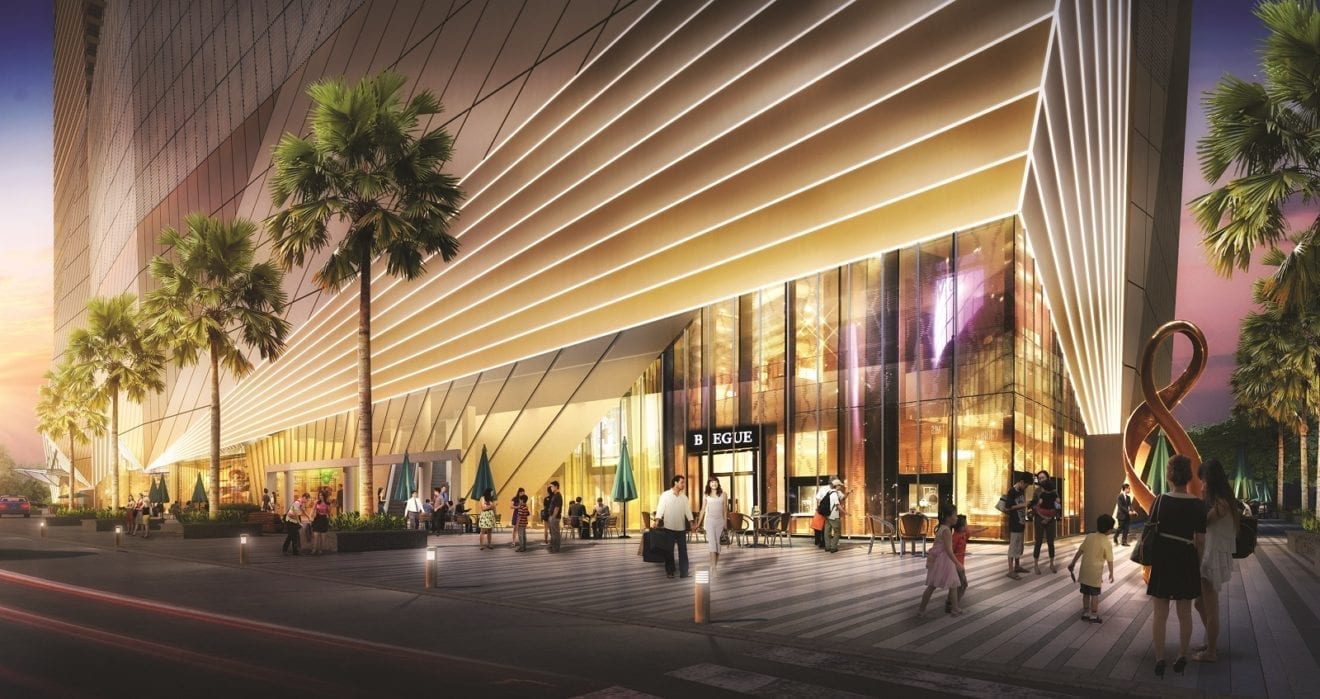
    CapitaLand Retail has signed an agreement to manage a mall in Phnom Penh, the capital of Cambodia and one of the fastest growing economies in Southeast Asia.

    The mall is the retail component of The Peak, an upcoming high-end integrated development majority owned by Singapore-based developer Oxley, in partnership with Cambodian company Worldbridge Land.

    The deal extends CapitalLand’s expertise in operating shopping malls to a new market after Singapore, China, Malaysia, Japan, India and Vietnam.

    Mr Wilson Tan, CEO of CapitaLand Retail, said, “As the retail operating platform of the group, CapitaLand Retail is focused on growing our premier retail operations into a global platform. Through management contracts, we can scale CapitaLand’s shopping mall network in an asset-light manner. With CapitaLand’s proven track record in running successful malls across Asia, we are well-placed to explore new growth opportunities by offering our professional expertise in retail management to property owners.”

    Located in Chamkarmon District in central Phnom Penh, The Peak is a freehold 55-storey integrated development comprising an office tower, the country’s first Shangri-La Hotel with 300 guest rooms, and two luxury residential towers with 1,014 apartment units sitting atop a mall.

    CapitaLand will oversee asset planning, pre-opening and retail management for the five-storey mall with a Gross Floor Area (GFA) excluding car park of about 420,000 square feet (sq ft) and Net Lettable Area of about 260,000 sq ft.

     Currently under construction, the mall is expected to commence operations in 2020.

    “Cambodia has in recent years attracted the interest of international retailers – including Singapore-based brands – who are keen to tap the country’s rising spending power and growing tourist arrivals. This has led to an increase in demand for well-located and well-designed retail spaces in the country. Given The Peak’s strategic location in central Phnom Penh and high-grade building specifications, it is well-positioned to meet the requirements of quality retailers seeking to serve the growing aspirations of the city’s community. CapitaLand will leverage our expertise in retail asset management and industry leading retailer network of about 17,000 leases to maximise the retail potential of The Peak,” Mr Tan added.

    Located along the river esplanade, The Peak overlooks the Mekong River and Phnom Penh’s bustling cityscape. Surrounded by high-end residential developments and key commercial and government buildings, The Peak’s immediate catchment area covers the prime residential and commercial districts of Chamkarmon and Diamond Island.

    In Phnom Penh, CapitaLand also manages three serviced residences through its wholly owned serviced residence business unit, Ascott. They are CASA Meridian Residence, which is operational, and Somerset Norodom Phnom Penh and Somerset Meridian Square Phnom Penh opening this and next year respectively.

  • ‘1000 Won Coffee’ Is Getting Much Popular In South Korea

    ‘1000 Won Coffee’ Is Getting Much Popular In South Korea

    The South Korean retail industry suggest that the popularity of “1,000 won coffee” is constantly growing. People are fond of it as it is brewed directly from the coffee machines and they get the opportunity to taste it while shopping at the convenience stores.

    The costs of basic necessities including foods are rising in South Korea, but to the coffee lovers, “1,000 won coffee” is always unique, delicious and worth drinking. According to 7-Eleven officials, instant brewed coffee was first introduced to the industry in 2015. Between 2015 and 2017, approximately 45 million cups of Americano from its brewed coffee brand Seven Café were sold (cost 1,000 won per cup).

    Another convenience store brand in South Korea managed by the GS CompanyGS 25 also sold approximately sold 64 million cups of instantly brewed coffee directly from the machines in 2017. In 2016, the number was at 23 million. On the other hand, South Korea’s largest chain store (having more than 10,000 convenience stores), CU sold instant brewed coffee (at the rate of 1,200 won per cup) over 60 million cups in 2017. In 2016 and 2015, CU’s figures were 45 million and 25 million respectively.

    Traditional banana-flavored milk replaced

    One of the 7-Eleven officials, Lee Na-ra said that the brewed coffee ranked first in 2017 beating the traditional banana-flavored milk that was on the top. The result was same in all the 7-Eleven stores across the nation. Presently, the brand not only has a major presence in the Republic of Korea, it has over 9,000 stores spreading across the nation. The first 7-Eleven was unveiled in 1989 in Songpa-gu in Seoul with a franchise license under the Lotte Group.

    The 7-Eleven Lee Na-ra further said that the brand only utilizes high-quality coffee beans that are imported from various nations such as Ethiopia, Brazil, and Columbia. The workers roast the coffee beans separately at the factory before making it ready for brewing and offering to the customers.

    Why office workers drink instant brewing coffee frequently?

    To the office workers, the instant brewing coffee acts as an energy booster. They tend to drink several cups of coffee every day. Another reason for drinking it frequently is that its price is quite cheap. An office worker named Kim Dong-in said that since the price is about one-third compared to coffeehouse chains like Starbucks, he prefers to drink it three to four cups a day.

  • FJ Benjamin sets up advisory board to integrate online and offline retail

    FJ Benjamin sets up advisory board to integrate online and offline retail

    Fashion and lifestyle retailer F J Benjamin has set up an advisory board to help the company integrate its bricks-and-mortar stores and online sales channels.

    The omni-channel advisory board will advise F J Benjamin’s management on strengthening links between new digital channels and the group’s network of over 200 stores and 1,500 points of sale in Singapore, Malaysia and Indonesia, the company said in a statement on Tuesday.

    The advisory board comprises domain experts as well as senior F J Benjamin executives. The domain experts are: Marcelo Wesseler, former CEO of SingPost e-commerce and now managing partner of e-commerce platform developer Codem; Jon Sugihara, head of global strategic partnerships at Google; and Tito Costa, chief marketing officer at Zalora.

    “We are pursuing an omnichannel strategy where we hope to harness our existing customer database in the region, which should have the twin impact of both optimising our regional network as well as growing our business volume online,” said F J Benjamin director of corporate strategy Ben Benjamin, who is also on the advisory board.

    “We have observed the online ecosystem evolve rapidly over the past two years, including last mile logistics, payments and mobile commerce, and feel that the time is now ripe to pursue an economically viable business model that will integrate the online ecosystem with our retail infrastructure.”

    F J Benjamin manages over 20 brands – incuding Guess, Marc Jacobs, Nautica and Swarovski – and operates 226 stores.

  • Hong Kong business icon Li Ka-Shing announces retirement

    Hong Kong business icon Li Ka-Shing announces retirement

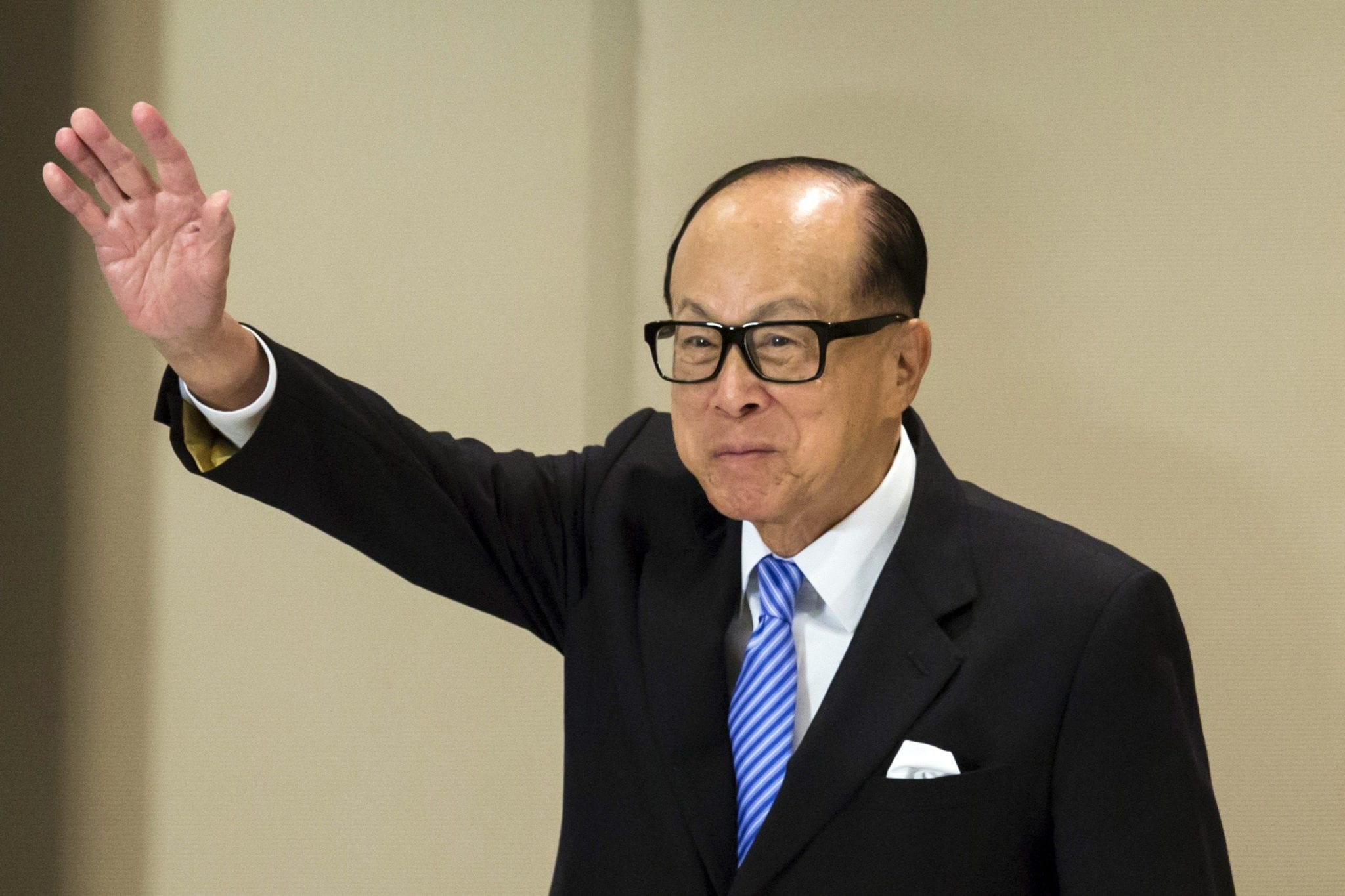
    Li Ka-Shing, business tycoon and Hong Kong’s richest man, has announced his retirement from conglomerate CK Hutchison Holdings Ltd., He is handing over all corporate responsibilities to his eldest son Victor.

    Li, with a net worth of $35.4 billion, has dominated Hong Kong’s business landscape for over two decades in areas including retail, telecommunications and real estate. He was ranked No. 23 on Forbes magazine’s list of world billionaires in 2018.

    CK Hutchison Holdings will now be headed by Victor Li, who was chosen as his father’s successor in 2012. The company reported attributable profits of $4.48 billion in 2017, making it the largest nonfinancial Hong Kong company listed on the Hang Seng.

    Li now intends to serve as senior adviser to the company and develop his charitable organisation, the Li Ka-Shing Foundation.

  • Retailers Urge White House To Rethink China IP Tariffs

    Retailers Urge White House To Rethink China IP Tariffs

    Retail giants like Walmart, Target and Best Buy and their powerful lobbying groups on Monday urged the Trump administration to hold off new tariffs aimed at punishing China for its intellectual property practices, saying that such an aggressive step will only make matters worse.

    The White House is preparing to wrap up its sweeping audit of China’s IP regime, focusing mainly on Beijing’s policies requiring U.S. companies to hand over their proprietary technology as a condition of market access. The administration is said to be readying steep tariffs to punish China.

    A coalition of retail titans wrote a letter to the White House urging President Donald Trump to rethink the move, saying that while China’s IP policies deserve scrutiny, sweeping tariffs are not an effective remedy for the problem.

    “Investigating technology and intellectual property policies and practices is critically important to our innovative economy,” the companies wrote Monday. “Yet were this investigation to result in a broadly applied tariff remedy on imports from China, it would hurt American households with higher prices and exacerbate a U.S. tariff system that is already stacked against working families.”

    The administration kicked off its investigation of China under Section 301 of the Trade Act of 1974 last year. The law allows for a wide variety of responses if the U.S. finds that a foreign country is violating its trade obligations.

    Supporters of the multilateral trading system had hoped that the White House would use Section 301 as a pretext for a new World Trade Organization case against China, but it looks as if the administration is leaning in favor of bypassing the WTO and imposing unilateral tariffs.

    A day before the retailers sent their letter, the White House received a similar missive from business associations including the Information Technology Industry Council, the National Retail Federation and the U.S. Chamber of Commerce.

    Much like their individual member companies, the organizations pleaded with the White House to moderate its response and build a coalition with its allies to counter China.

    “Imposition of unilateral tariffs by the administration would only serve to split the United States from its allies, hinder joint action to effectively address shared challenges, and ensure that foreign companies take the place of markets that American companies, farmers and ranchers must vacate when China retaliates against U.S. tariffs,” the groups said.

    Both letters said that while tariffs will affect Chinese imports, they will also raise costs that will eventually be passed down the supply chain to U.S. consumers.

  • Smiggle Asia shows positive growth

    Smiggle Asia shows positive growth

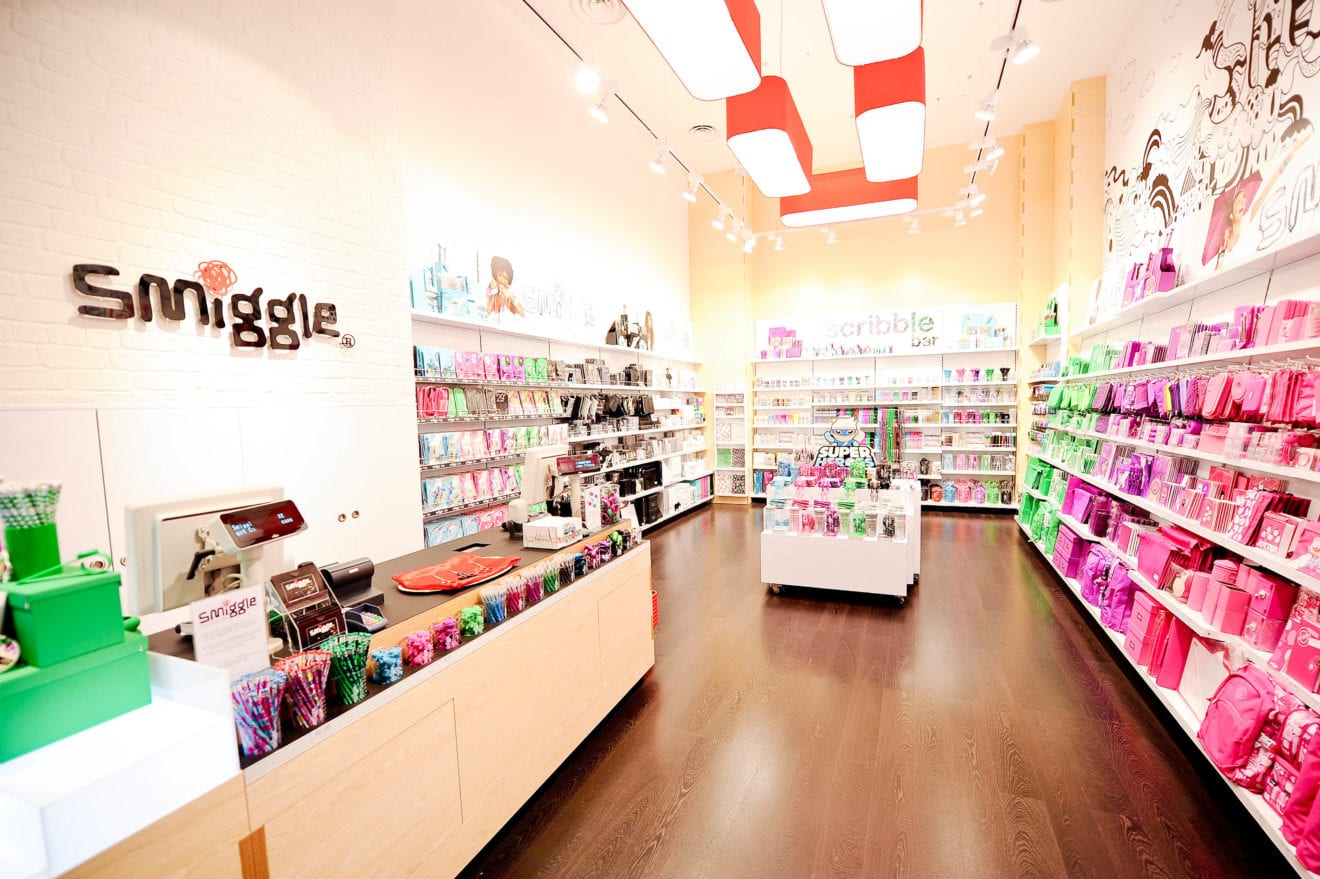
    Smiggle Asia is thriving, its success here encouraging the stationery retailer’s parent to expand in other global markets.

    Smiggle, a subsidiary of Australian listed company Premier Investments, opened three new stores in Hong Kong in the first half of its current trading year and a further two in Malaysia. Both markets now have 13 Smiggle stores trading.

    “The brand now expects to have between 17 and 19 stores operating in Malaysia within three years of first opening. This is well ahead of the original plan,” the company said in an earnings filing.

    “The Smiggle Asia division had an exceptionally strong half. Singapore, the most mature of the Asian markets, enjoyed strong like-for-like growth with tourists providing valuable insights into potential new Smiggle markets.”

    The brand achieved record global sales of A$170.7 million (US$131.6 million) in the first half, up 26.7 per cent on the same time last year, underpinned by the opening of 35 new stores. More than 60 per cent of Smiggle sales during the period were from outside Australia. Smiggle now has 332 stores across Australia, New Zealand, Singapore, England, Scotland, Wales, Northern Ireland, Hong Kong, Malaysia and Ireland.

    The company will open a global flagship on Oxford Street in London in May as the UK business aims for $200 million in annual sales by next year.

  • Toys R Us Asia assures it will not be affected by US’s liquidation

    Toys R Us Asia assures it will not be affected by US’s liquidation

    Toys R Us Asia has repeated earlier assertions that its business will not be affected by the liquidation of Toys R Us stores in the US and UK, amid reports that Australian operations would likely need to close.

    Toys R Us Asia’s joint-venture partner Fung Retailing, which owns approximately 15 per cent of the toy retailer’s Asia-Pacific arm, has clarified that its 400 stores in greater China and Southeast Asia remain open for business.

    “Toys R Us Asia is open for business and continuing to serve our customers as we always do,” Toys R Us Asia president Andre Javes said.

    “We are a financially robust and self-funding retail operation, which continues to significantly grow and invest in this region.

    “Every year we are opening new stores in all our markets and particularly in China where we now operate over 150 stores and will be opening another 30 in the coming months.”

    Toys R Us Asia operates as a separate legal entity to Toys R Us Inc, and according to Fung is “financially independent from all other Toys R Us operating companies around the world”.

    Last week, Toys R Us’s US-based CEO David Brandon was quoted by The Wall Street Journal as saying that the retailer’s 39 stores in Australia would likely be liquidated.

    The Australian operations are currently being run by local MD Dianne Guerreiro, who less than six months ago was charting expansion for the business, outlining a plan to open up to 20 stores in the coming years.

    Toys R Us Australia has also said it is “business as usual” despite the US collapse.

    The US parent announced that it would be winding down the majority of its operations last week after efforts to save the company collapsed when lenders decided not to extend their support for the ailing business.

    The toy retailer, which has more than 800 stores across America, has struggled to keep up with escalating competition from the likes of Amazon and Walmart in recent years, particularly as online shopping has become more prevalent.

    Fung Retailing did not elaborate on its plans for the Asian arm if its US-based partner Toys R Us Inc goes under.


  • SPAR to establish largest cooperative food retail chain in Greece

    SPAR to establish largest cooperative food retail chain in Greece

    SPAR Hellas has announced its entry into the Greek market with the ambition to create and operate the largest food retail chain of independent retailers in the country. It will be part of SPAR International, the world’s largest food retail chain with over 12,500 stores in 44 countries and overall sales of up to €33.1 billion. SPAR Hellas plans to develop more than 350 SPAR stores nationwide over the next four years. The stores will offer up to 1,400 SPAR Own Brand products, with many sourced from Greek producers and suppliers.

    A strategic cooperation between SPAR Hellas and the ASTERAS association will develop SPAR’s retail presence in Greece. Within the next 3 years, ASTERAS will convert most of its existing 200-store network to the SPAR Brand. To build its capabilities and resources further, ASTERAS has entered into a joint co-operation with the MESIS association, which leads to a group with more than 500 stores across Greece and a reported €700 million in sales.

    The first 10 SPAR stores are due to launch in Greece by July and SPAR Hellas aims to operate a total of 80 stores by the end of 2018. The SPAR network in Greece will grow both by the conversion of ASTERAS and MESIS stores and by SPAR Hellas operating new, company-owned stores.

    In addition to its global, dynamic brand, SPAR International offers licensed partners comprehensive support including store development, private label ranges, staff education and skills development, high-end supply chain distribution and the design and implementation of locally focused marketing campaigns. Access to international best practice and the local expertise of the team at SPAR Hellas will ensure a full set of services and benefits for all licensed partners, helping them grow their business in a competitive retail environment.

    Speaking about the strategic new initiative, Mr. Fivos Karakitsos, CEO of SPAR Hellas said: “SPAR is establishing in Greece in order to develop the most modern cooperative network of independent retail stores in the country. The combination of Greek retailers’ excellent local knowledge with SPAR’s international best practice and global brand will result in innovative store layouts for the customer, excellent fresh products, a wide range of private label products and value for money. High-levels of customer service will be delivered through continuous staff training programs. SPAR Partners will build on their traditional roots, creating a strong family focused business which is unique in the Greek market. SPAR Hellas in turn, consists of a well-regarded team from the areas of sales, marketing, operation and supply, something that guarantees the highest level of support for the retail network. Our vision is that SPAR will become one of the strongest Greek retail players in the market and we are excited to play our part in strengthening the Greek economy.”

    Mr. Tobias Wasmuht, SPAR International’s CEO said: “We are delighted to welcome SPAR Hellas to our network of partners all over the world. SPAR was founded on the principle of ‘Better Together’. Uniting the shared resources and expertise of ASTERAS and MESIS under the internationally recognized SPAR Brand will benefit all three parties. The Greek retail market is competitive, but SPAR will act as a dynamic force, bringing quality, fresh produce, value and an excellent retail experience for our customers. I am confident that SPAR will create growth opportunities for independent retailers and Greek producers and suppliers and bolster the growth of the Greek economy.”

    Mr. Georgios Vogiatzakis, Development Consultant at SPAR Hellas said: “Supplying local, Greek products in SPAR’s network is a key part of our business strategy. We recognize our responsibility to encourage Greek production and we will continuously strengthen both local production and thereby the economy. The private label products will gradually be produced in our country and we will offer quality producers the opportunity to access the SPAR network. We will open SPAR stores throughout Greece and will harness the power and expertise of the SPAR Brand to grow the business.”

    Mr. George Papantonis the president of group ASTERAS said “The cooperation with SPAR sets a totally new trajectory for ASTERAS but also for the market. With the increased cooperation through partnerships like the one with MESIS, we can achieve the union of the convenience business for Greece under the brand of SPAR. Our target is that by the year 2021 ASTERAS will report more than 1.20 billion euro in sales and a market share that will be well over than 12% in total.”

  • Singapore firms eye Vietnam food industry

    Singapore firms eye Vietnam food industry

    Many Singaporean firms are interested in investing in food, agriculture, and dining services in Vietnam as they forecast that these sectors will thrive in the near future amidst broader ASEAN integration.

    The statement was made by Andy Yun, Secretary General of Singapore Manufacturing Federation, representing more than 3,000 members operating in automation, biology, construction, heavy industry and more, during the second Vietnam – Singapore business exchange held in the island state last week.

    Yun described Vietnam as a major market in the region with huge potential in agriculture and the food industry. Meanwhile, Singaporean enterprises are strong in technology, supply chains and logistics – a supplementary factor to the bilateral partnership.

    Nguyễn Văn Thân, Chairman of the Vietnam Association of Small and Medium-sized Enterprises, led a delegation of over 100 Vietnamese firms, many of them start-ups, to the event.

    He said many Singaporean enterprises actively connected with Vietnamese ones at the event, proving that bilateral cooperation potential is huge.

    Accounting for over 97 percent of the total, Vietnamese SMEs contribute nearly 40 per cent of the gross domestic product, 33 per cent of industrial production value, 30 per cent of export value and attract more than half of the workforce, he said.

    Singapore is now the sixth largest trade partner of Vietnam in the world and the second largest in ASEAN. Vietnam is also the 12th largest trade partner of Singapore. Two-way trade has grown 12-15 per cent annually over the past years.


  • Converse starts selling online on Lazada

    Converse starts selling online on Lazada

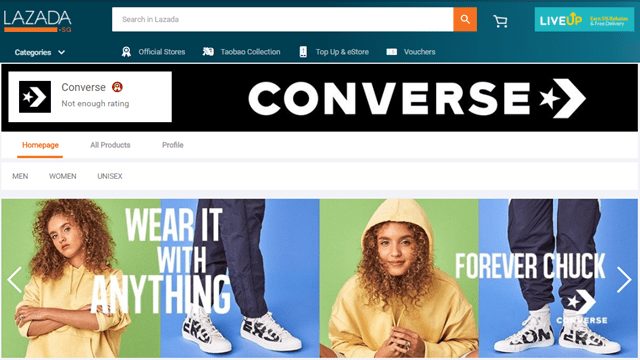
    Lazada has launched the first official Converse online store in Singapore and Malaysia.

    The two companies say they have created “a curated brand experience” which showcases a diverse product offering.
    The store opened on Friday and will expand later this year into Indonesia, Thailand, the Philippines and Vietnam.

    “We look forward to providing Southeast Asian consumers with the broadest selection of Converse products and an elevated shopping experience via our Converse Official Store,” said Dan Brausch, VP of global partner markets with Converse.

    Robin Mah, chief business officer with Lazada Group, said the store allows local fans of the brand to browse and purchase hundreds of styles for men and women.

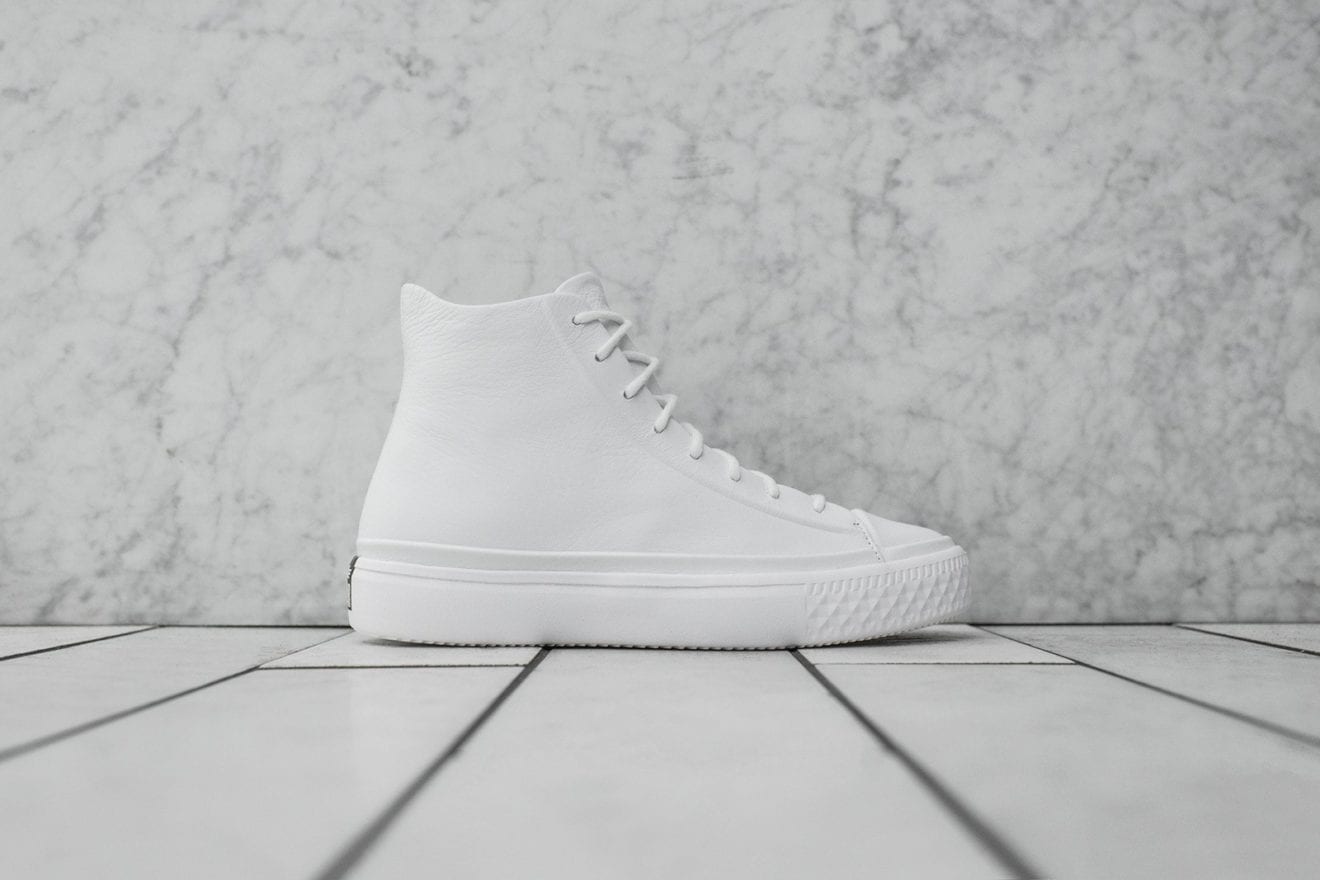
    Popular Converse ranges including the Chuck Taylor All Star, One Star and Chuck 70’s are all available in assorted colours, patterns and materials.