Author: Mei Ling Tan

  • J.Crew hired the Starbucks executive

    J.Crew hired the Starbucks executive

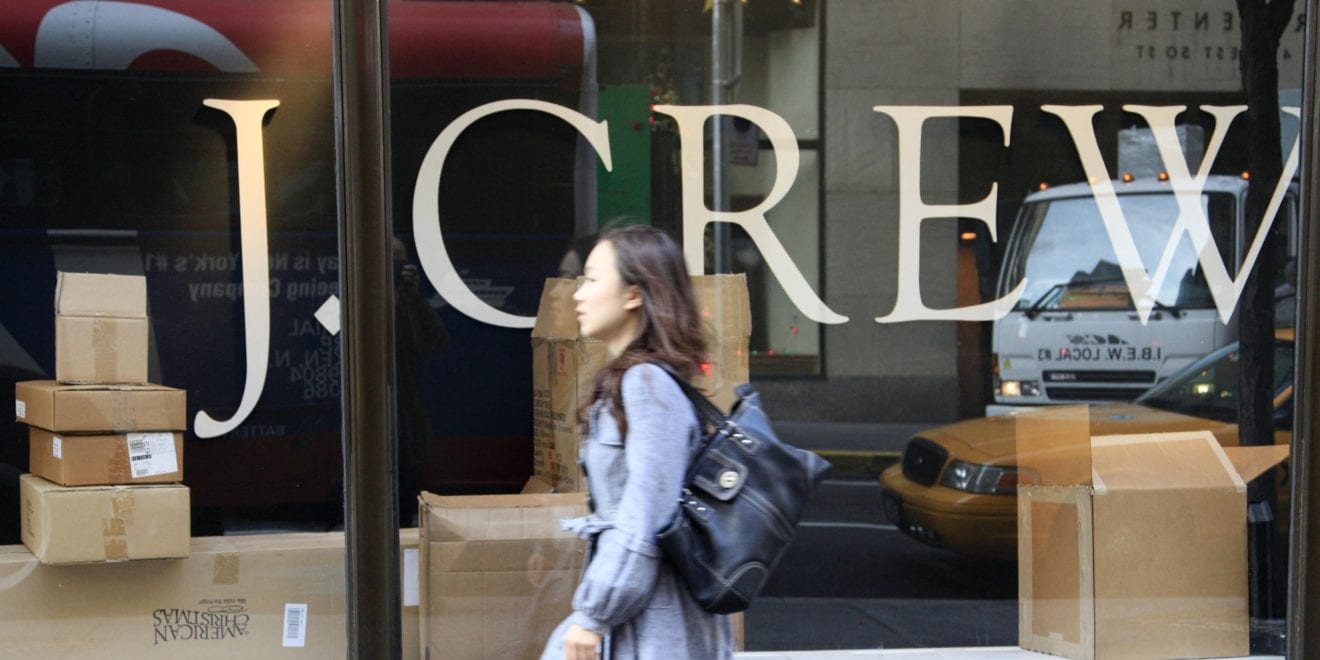
    Adam Brotman, a longtime Starbucks executive who helped mold the Seattle coffee giant into one of the most technologically advanced retailers, is leaving the company after nine years for a top role at J.Crew.

    Brotman will join J.Crew as president and chief experience officer and report to new CEO Jim Brett, who replaced legendary chief executive Mickey Drexler this summer.

    Brotman was most recently the top executive overseeing Starbucks stores but is perhaps best known for the work he did in previous digital-focused roles. As chief digital officer, Brotman oversaw the launch of Starbucks’ popular “mobile order and pay” smartphone feature — which now accounts for 11 percent of total transactions at Starbucks-owned stores.

    He also led the teams that developed the original payment feature inside the Starbucks app. Starbucks said last year that 30 percent of in-store transactions are completed via mobile payments.

    “Adam’s experience with global field operations and cutting-edge consumer-facing digital platforms makes him an invaluable partner in shaping and driving J.Crew Group’s strategic initiatives to the next level,” J.Crew’s CEO said in a statement. “Adam will help us establish customer relationships that leverage all our channels, helping us to serve them in ways that are more meaningful and relevant to how they shop and live.”

    Brotman will join an executive team attempting to lead a turnaround of the classic American clothing giant that has seen sales slide as customers opt for less expensive clothes from fast-fashion retailers and shift loyalty to clothing brands that originated online.

    Amazon’s push into fashion probably hasn’t helped either. Last year, Drexler said J.Crew approached Amazon about a sale.

  • Popular K-beauty Brand, Mamonde Arrives in US

    Popular K-beauty Brand, Mamonde Arrives in US

    South Korean beauty brand Mamonde has expanded into the US via the Ulta retail chain.

    This marks the brand’s first foray outside its home market and the company expects the exclusive retail partnership to be the first step of a broader international foray.

    “We’re delighted to be the exclusive US brick and mortar retailer for Mamonde, with many additional items especially developed for Ulta Beauty,” said Penny Coy, Ulta VP of merchandising, prestige skincare and fragrance.

    The new Mamonde K-beauty skincare collection ranges in price from US$7 to US$38, and is available in select Ulta stores nationwide from this week.

    The complete collection is also available online at Ulta.com.

    Owned by AmorePacific, Mamonde features a full range of nature-inspired, made from flowers cultivated in the Mamonde Garden just outside of Seoul, South Korea.

  • Here’s how BigBasket is riding on Alibaba’s offline retail strategy

    Here’s how BigBasket is riding on Alibaba’s offline retail strategy

    After raising $300 million last month, Indian online grocery startup BigBasket is entering the offline sector. The company is looking to transform its core online business to offline centres that will store daily moving consumer goods, groceries, fruits and vegetables. These offline stores will be placed in apartments and various office complexes. The Bengaluru based firm has already rolled out a new app called BB Instant. To increase offline purchases it is also planning to start subscription based services on FMCG goods.

    Founded by Abhinay Choudhari, Hari Menon, Vipul Parekh and VS Sudhakar in 2011, BigBasket is an online grocery company, which now is looking to exploit the brick-and-mortar space. The company recently raised $300 million in a round led by Chinese giant Alibaba, which contributed $146 million. The company has raised close to $885.7 million in total disclosed investments.

    BigBasket claims to have an average of 3 orders per user every month with the average ticket size ranging from Rs 1,400-1,500. Further the company claims to have monthly sales of over Rs 200 crore.

    This investment comes in at a time when Indian and foreign behemoths are heavily investing in the sector. Recently, Flipkart restarted its grocery business, with the like of Amazon planning to enter the offline stores in India.

    This is not the first time Alibaba has invested in an offline strategic move. The Chinese giant has been looking into physical stores for years, now, in an effort to engage customers to its ecommerce platforms by helping to digitize traditional merchants. It has pumped billions into investments including its own grocery chain, a shopping mall group, Walmart-like chains, among others.

    With the move, BigBasket may be following the footsteps of Hema, the first digital supermarket incubated in China by Alibaba. Consumers shopped using an app, either in person or remotely. Shopping options included buying food to carry out, purchasing in store and buying online with a 30-minute delivery. Similarly, BigBasket has launched a 60-120 minute express delivery through its stores.  

  • McDonald’s Philippines to open more stores

    McDonald’s Philippines to open more stores

    Golden Arches Development Corp (GADC) is planning to invest up to PHP2 billion (US$38.4 million) so McDonald’s Philippines can open at least 40 new stores this year.

    Majority owned by chairman/founder Dr George Yang and his family, GADC is the master franchise holder of McDonald’s in the Philippines and has been a wholly owned Filipino company since 2005.

    The firm says McDonald’s is committed to growing its foothold in the Philippine market through store expansion and digital innovation. The brand last year opened 52 stores across the country and reached new territories.

    Apart from store openings, menu innovations and marketing activities helped McDonald’s Philippines reach PHP42.6 billion system-wide sales last year, up 14 per cent on 2016.

    McDonald’s Philippines president Kenneth Yang says services such as McDelivery have helped the group further expand its market share and post the fastest growth in the quick-service restaurant (QSR) industry.

  • How China is growing its economic influence in the Middle East

    How China is growing its economic influence in the Middle East

    China is becoming a major player in Middle Eastern real estate, with activity driven by tourism and the Belt & Road Initiative.

    Both the overland Silk Road Economic Belt and the Maritime Silk Road, which aim to boost trade links between China and Europe and China and Africa, run through the Middle East.

    The UAE, particularly the trading centre of Dubai, is expected to be a key beneficiary of Chinese investment interest in the next few years. Large state-owned construction companies such as China State Construction Engineering Corporation (CSCEC) and China National Aero-Technology International Engineering Corporation already have a number of projects underway.

    For example, CSCEC has committed to 16 projects in Dubai, mostly in the residential sector, but also in retail and hospitality. The firm is also active in other Emirates; in January CSCEC signed an agreement with Ajman Holdings to build a US$136 million shopping centre in Ajman, one of the UAE’s emirates.

    Chinese construction companies are mostly involved in hospitality and residential projects although JLL is “also seeing more activity in the retail and commercial sectors.”

    Dubai is home to Dragon Mart, a shopping mall said to be the largest trading hub for Chinese products outside of Mainland China, with more than 3,500 retailers. Developer Nakeel Malls plans to expand the mall into Dragon City, a mixed use development which will capitalise on Chinese influence in Dubai.

    At the new masterplanned city of Dubai South, the China Business Hub is intended to become home to hundreds of new Chinese businesses. “China Business Hub will allow Chinese companies to smoothly set up and quickly develop their business in the region and to facilitate all processes such as visa applications,” says Andrew Williamson, Head of Retail at JLL MENA.

    A new destination

    It’s not just business attracting Chinese visitors to the UAE, tourism is increasingly important.

    According to the Dubai Statistics Centre, the number of visitors from China to Dubai rose 49 percent to 573,000 in the third quarter of 2017 compared with the same period the previous year.

    China is also now the biggest source of tourists for Abu Dhabi, with 242,000 visiting in the first nine months of last year, up 68 percent on 2016.

    CSCEC and other Chinese construction firms are working on five hotels in Dubai, with others expected to follow as more Chinese tourists and business travellers arrive in the Emirate, said Amr El Nady, Head of Hotels & Hospitality MENA at JLL.

    r

  • Vietjet announces route expansion plan with  direct flights and Bangkok – Krabi route

    Vietjet announces route expansion plan with direct flights and Bangkok – Krabi route

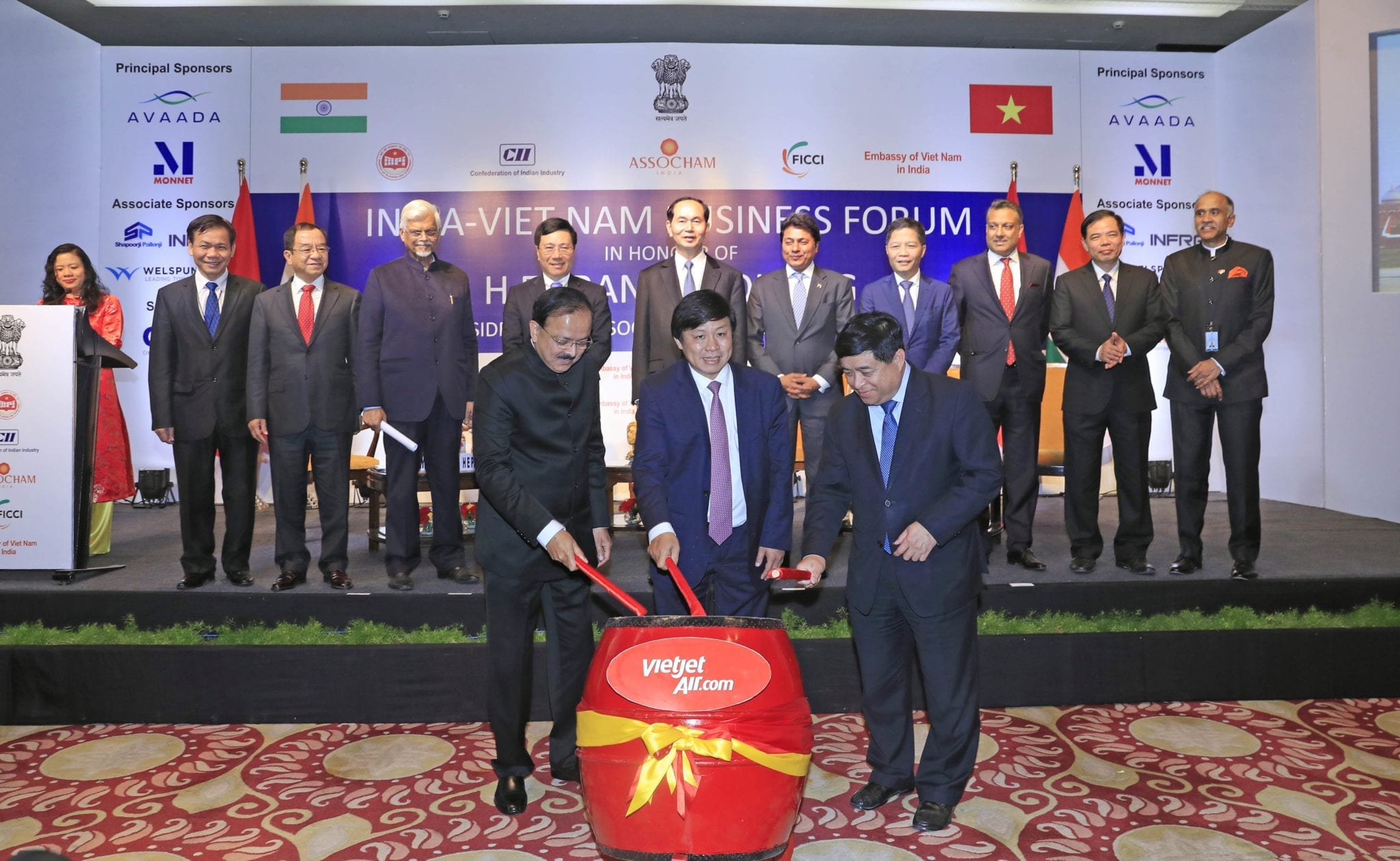
    Vietjet has announced its plan to operate direct flights connecting Vietnam and India, while its subsidiary, Thai Vietjet, is to launch a new direct domestic service between Bangkok and Krabi from April 5, 2018. Both plans are designed to become part of Vietjet’s long term development program to be a “Consumer Airline” that serves all demands of its customers.

    The India route will connect Ho Chi Minh City with New Delhi with four flights a week, serving the growing travel demands of the two peoples and contributing to the region’s integration and trade exchange. The announcement was made at the Vietnam – India Business Forum which was witnessed by Vietnam President Tran Dai Quang and senior leaders of Vietnam and India. It also came as a highlight of the 45th anniversary of the establishment of Vietnam – India diplomatic relationship and the 10th anniversary of strategic partnership between Vietnam and India.

    India, the country with the world’s second largest population, is famous for its diversified culture, religions, cuisine and tourism. Also, the country is well-known for its marvelous nature and grand architectures that are certified as world heritages. Among them are the Valley of Flowers National Park (Uttarakhand), Lotus Temple (New Delhi), Taj Mahal (Uttar Pradesh), Red Fort (New Delhi), etc.

    For the Thailand route, Thai Vietjet will launch a new direct domestic service between Bangkok (Suvarnabhumi) and Krabi, starting from April 5, 2018. The service will operate with two daily return flights and a flight duration of one hour twenty minutes per leg. Departure times from Bangkok (Suvarnabhumi) are 07:10, 19:25 and departure times from Krabi are 09:05, 21:20. Thai Vietjet will deploy an A320 aircraft with 180 seats for the route, representing the airline’s determination to meet passenger demand for popular routes. Krabi is an eternally popular holiday destination, offering great beaches, clean air, beautiful temples, stunning views of both lush mountains and stunning coastlines. It is also a getaway for Bangkok residents to escape the city smog for some clean coastal relaxation. Krabi is also renowned for its world class seafood, beach barbeques and popular nightlife attractions in Krabi Town. With the new Bangkok (Suvarnabhumi) to Krabi flight addition, the airline will be flying five Thailand domestic routes, including Bangkok (Suvarnabhumi) to Chiang Mai, Chiang Rai, Phuket, Krabi and a daily direct flight connecting Phuket and Chiang Rai.

  • China’s Sun Art Retail to go digital with Alibaba

    China’s Sun Art Retail to go digital with Alibaba

    China’s largest offline hypermarket chain Sun Art Retail Group is going full speed on digital retailing, with plans to transform more than 400 outlets within this year to become a member of Alibaba Group Holding’s ecosystem.

    The nationwide store revamp plan came after the e-commerce conglomerate acquired a 36.16% stake in the chain from Taiwanese shareholder Ruentex Group for about $2.86 billion last November, effectively making Alibaba’s control equal to Sun Art’s French owner, Auchan Retail.

    Under the “digital transformation” initiative, all Sun Art’s brick-and-mortar stores, under the RT-Mart brand, will be equipped with point-of-sale machines and automation facilities developed by Alibaba, as well as big data systems that track and analyze customer behavior, according to Peter Huang Ming-Tuan, chairman of RT-Mart China.

    Huang said the adoption of Alibaba’s technologies would cost about 5 million yuan ($790,000) for each store, but business would not be affected as it would not be necessary to close shops during the renovations. With the help of Alibaba’s digital and customer resources, Huang expects the share of online sales to increase from less than 3% of the group’s total at present to between 10% and 20% in the next few years.

    The wider adoption of products offered by Alibaba, however, means the largest player in China’s hypermarket industry — which, as of the end of December, owned 461 complexes in more than 200 Chinese cities — will significantly reduce collaborations with the e-commerce conglomerate’s key rivals, especially Tencent Holdings.

    Huang admitted that it was not clear whether WeChat Pay, the digital wallet developed by Tencent, would be available after the Alibaba-style makeover.

    “Now we are part of Alibaba’s ecosystem, we will have more and more cooperation with Alibaba, and less and less with others,” said Ludovic Holinier, CEO at Sun Art Retail, adding that the group would gradually reduce the use of other companies’ services and products.

    Like Sun Art Retail, many traditional merchants have teamed up with internet companies to retain Chinese customers who are increasingly accustomed to the digital world. And the dominance of big players like Alibaba and JD.com have made it difficult for retail chains to start their own digital services.

    The online-offline alliances come at a time when Tencent and Alibaba are locked in a fierce competition to gain the bigger share of China’s lucrative online payments market, with transactions reaching $5.5 trillion in 2016, according to iResearch. The pair are also trying to recruit traditional retailers with a large number of brick-and-mortar stores as a way to expand their last-mile delivery capacities, and those in the fresh food sectors — which have been the most difficult segment to convert to e-commerce.

    Last December, Tencent purchased a 5% stake in one of China’s largest supermarket chains, Yonghui Superstores, following the announcement of the Alibaba-Auchan-Ruentex alliance. The social media company announced a deal to take a stake in French department chain Carrefour’s China unit. Most recently it teamed up with JD.com, an e-commerce platform rival to Alibaba, to take minority stakes in Chinese retail chain Better Life. Tencent and JD.com agreed to pay $140 million and $117 million respectively for stakes in the chain, which operates about 600 stores in China.

    Besides adopting Taobao Dao Jia, a system that enables customers to buy RT-Mart products on Alibaba’s flagship online marketplace Taobao, Sun Art Retail is also exploring other areas for collaborations with Alibaba, such as offering consumer loans.

    Holinier said the company had been looking into a potential collaboration with Tmall, a business-to-customer e-commerce platform under Alibaba, since December. Taobao and Tmall together had 580 million actively monthly users by the end of December and controlled over 70% market share of online transactions in China.

    Other areas they are currently looking into include co-operations with Hema Xiansheng, Alibaba’s own fresh food grocery unit, and the possibility to jointly roll out customer loans with Alibaba’s financial unit.

    “We have plenty of projects. We have to examine them,” Holinier said.

    However, Sun Art’s latest result seems to be a disappointment for the market. Its Hong Kong-listed shares dropped by 9.7% to close at 9.72 Hong Kong dollars, its steepest drop in more than a year, and outpacing the fall in the benchmark Hang Seng index which lost 2.3% to close at 29,886.29 points on Monday. The drop came in spite of the hypermarket operator announcing an 8.6% increase in net profit for the full year in 2017 to 2.79 billion yuan. Revenue was 102.32 billion yuan, a mere 1.9% increase on the year.

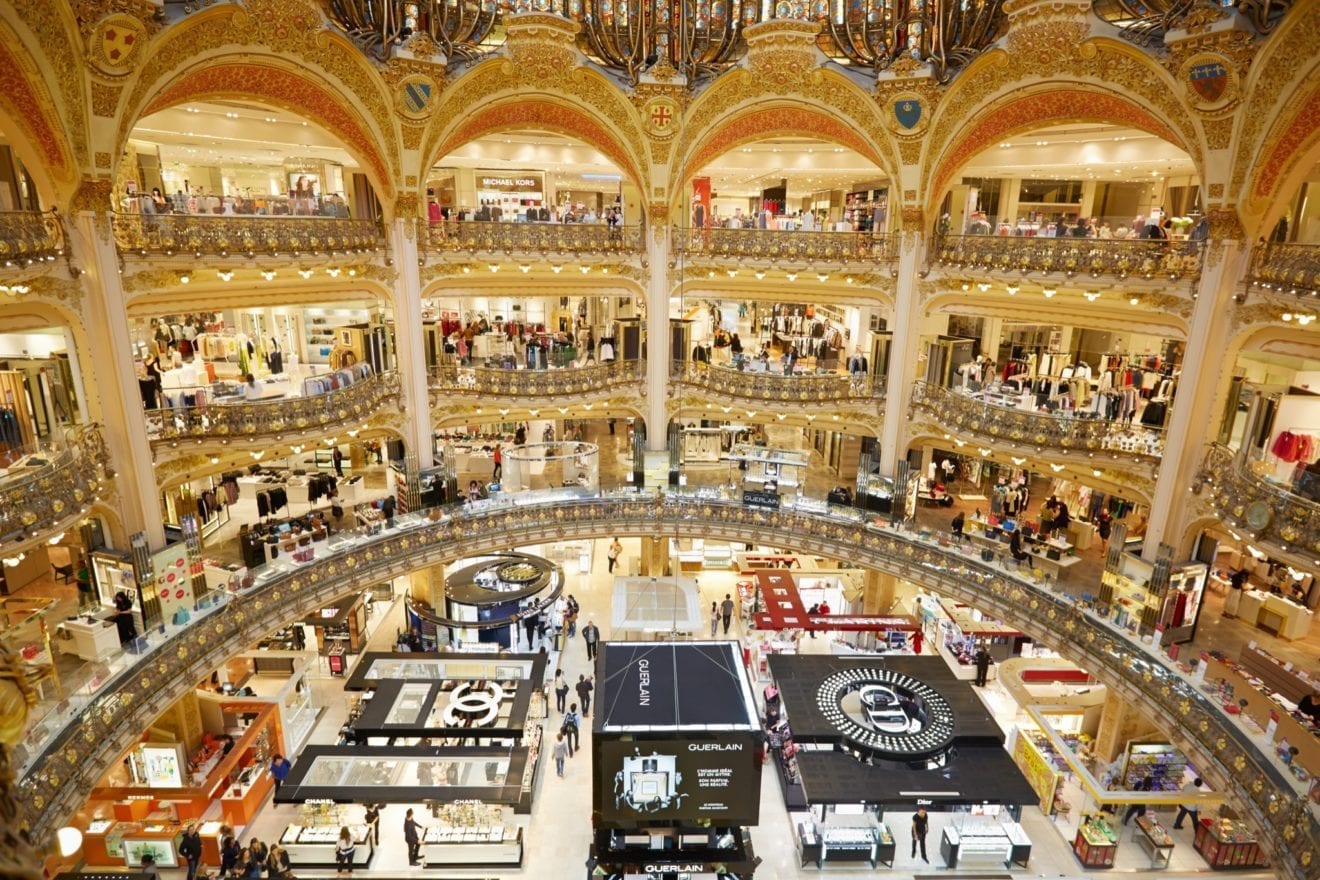
  • Galeries Lafayette Europe names new head of watches

    Galeries Lafayette Europe names new head of watches

    European department store Galeries Lafayette has announced the appointment of Arthur Lemoine to head of watch activities. Lemoine succeeds Daphné de Jenlis, who is taking sabbatical leave but remaining in the group.

    Reporting to the French group’s executive chairman Philippe Houzé, Lemoine will be in charge of luxury watch brands Louis Pion, Galeries Lafayette-Royal Quartz Paris and Augis 1830 as part of the Paris retailer.

    In addition to the new role, Lemoine joins the executive committee of Galeries Lafayette BHV Marais, helmed by Nicolas Houzé.

    Arriving at Galeries Lafayette ten years prior, the 33-year-old executive was most recently in charge of the firm’s Eataly rollout, after the group signed an exclusive franchise agreement with the Italian food chain in France.

    With plans thoroughly underway, the first Eataly in Paris is slated to open in 2019.

    The new appointment looks to strengthen Galeries Lafayette’s plunge into travel retail, by bolstering its luxury watch offering at key airport terminals in Paris.

    Most recently, the department copped a contract to manage a network of watch stores at Charles de Gaulle and Orly airports, coining each Galeries Lafayette-Royal Quartz Paris.

    Meanwhile, the retailer announced last year the slated opening of its first mainland China store. The flagship is scheduled for Shanghai in 2018, with close to a dozen more outlets planned for major cities in China in the next seven years.

    To coordinate international expansion, which in addition to China includes Istanbul, Luxembourg and Kuwait, the group has also created an international development team. At its head is Philippe Pedone, currently CFO for the group’s department store business and a member of the executive committee.

    Galeries Lafayette group annual consolidated revenue is expected to be €4.5 billion, compared to the current €3.8 billion for the current fiscal year, with goals to reach €5.5 billion in 2020, 30% of which is to be generated online.

  • Harrisons to acquire entire stake in Komonoya Malaysia

    Harrisons to acquire entire stake in Komonoya Malaysia

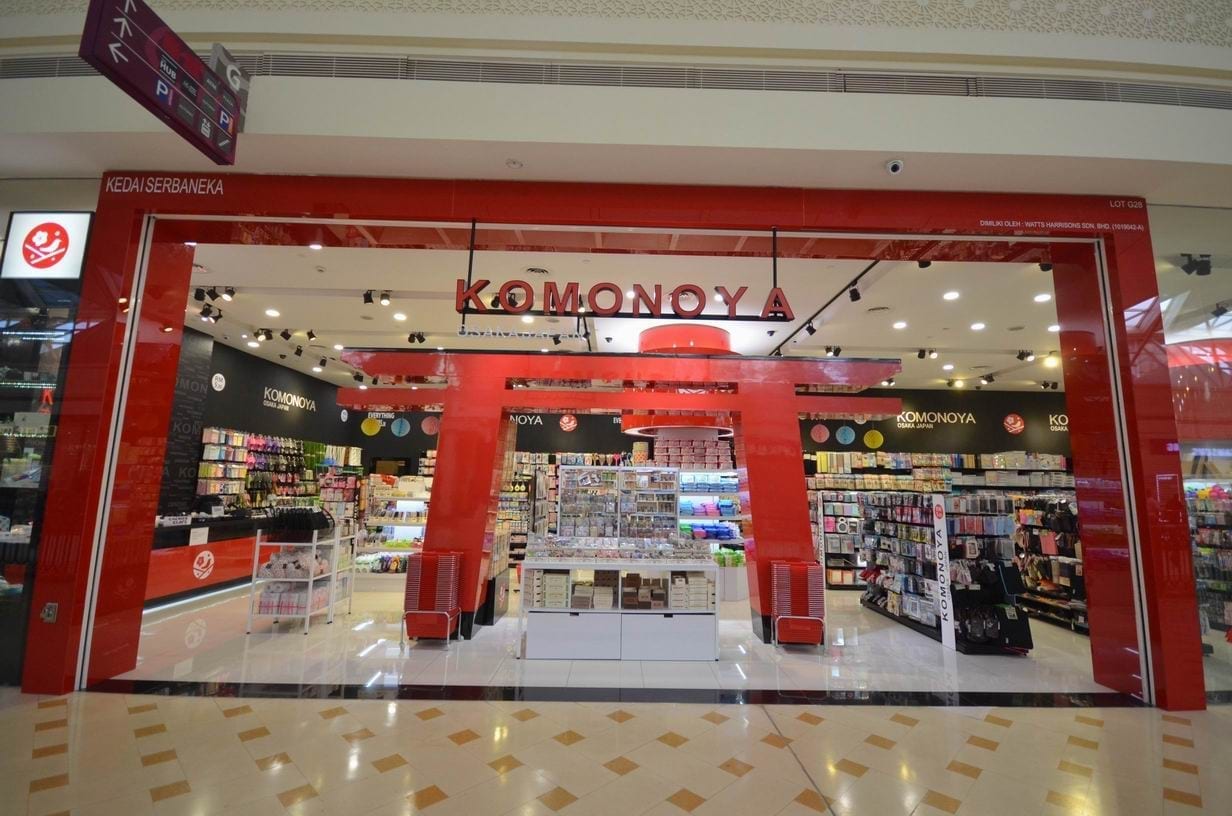
    Harrisons Holdings (M) Bhd has entered into an agreement with Watts Co Ltd to acquire Komonoya products retailer Watts Harrisons Sdn Bhd (WHSB).

    Harrisons said it will pay a nominal sum of US$1 (RM3.91) for the 100% stake, and will also pay on behalf of WHSB the remaining balance of the outstanding debt owed to Watts Co Ltd if WHSB has insufficient cash to pay on the expected completion date of April 5.

    As at May 31, 2017, WHSB’s cash level stood at RM1.93 million, versus the outstanding debt of RM2.33 million.

    In a filing today, Harrisons said WHSB has entered into agreements with Watts Co to grant the former the exclusive right to use the Komonoya name and logo in Malaysia and Brunei as well as non-exclusive wholesale rights to sell products in Singapore, Indonesia, and Dalian, Shenyang and Harbin in China.

    WHSB also entered an agreement to grant itself exclusive franchise retail business and rights to sub-franchise to third parties in Malaysia and Brunei and non-exclusive franchise retail business and rights to third parties in Singapore and sales rights to Dalian, Shenyang and Harbin.

    “The proposed transaction will allow Harrisons to develop another distribution model that comes with the franchisor’s brand (Komonoya) and to embark in the retail sector.

    “With this acquisition and with the support of the Watts Co, Harrisons will be able to expand its distribution network beyond Malaysia to Singapore, Brunei, Indonesia and parts of China thus realising Harrisons’ strategy of expanding its business to overseas. WHSB is already operating in Singapore and Brunei,” said Harrisons.

    Harrisons’ share price closed unchanged at RM3.95, for a market capitalisation of RM270.48 million.

  • Aquazzura Hong Kong plan to open

    Aquazzura Hong Kong plan to open

    Italian luxury shoe label Aquazzura is to open a standalone store in Hong Kong as part of an ambitious global expansion plan.

    While the timing of the seven year old brand’s Hong Kong store opening has yet to be revealed it has been described by the company as “soon”.

    Currently, Aquazzura has just eight boutiques worldwide – in Florence, London, Moscow, California, New York, Miami, Las Vegas and Paris and six shops-in-shops, including one at T Galleria in the City of Dreams, Macau.

    Aquazzura co-founder Edgardo Osorio has revealed plans for nine new stores this year, with six locations revealed so far – Hong Kong, Dubai, Qatar, Milan, Brazil and Paris. Two more US stores will follow next year.

    As our photos show, each Aquazzura store is different, featuring localised design elements to suit the location and customer base.

    “You wouldn’t decorate a house in New York the way you would in Miami or London,” Osorio said in an interview. “There’s a certain DNA but you wouldn’t have the same furniture. You might not even use the same colour palette necessarily.

    “In Dubai, there might be some Middle Eastern-inspired architecture. In London, it’s inspired by an English townhouse with a fireplace and stucco ceilings.”

    The stock in the Hong Kong store – like that in the brand’s other boutiques globally – will vary by as much as 40 per cent from other stores. Expect to see different colours and styles created exclusively for the territory.

    “People nowadays travel everywhere, yet retail is so repetitive. It’s always the same stores with the same windows in every major city in the world,” Osorio told BoF. “If I travel somewhere, I don’t want to go to the same shop that’s around the corner from my house. I want to go somewhere different.”

    Aquazzura is known for its colourful shoe designs and craftsmanship.

    Born in Colombia and raised in Miami and London, Osorio believes he has an eye for “drop-dead glamour”, a passion for modern design and a hand for creating desirable footwear from luxury craftsmanship.

    Shoes from Aquazzura sell from between US$465 for a pair of pool slides to $1500 for embroidered ankle boots. Last year, its global sales exceeded euro 100 million (US$124 million).

    Aquazzura CEO Jean-Michel Vigneau has hinted at further expansion in Asia.

    “We’re focusing on markets where we’ve seen strong performance. In terms of strategic regions, we are focused on the Middle East and are targeting Asia through local partnerships.”

    The company is negotiating a partnership with an unnamed company in Asia.

    Meanwhile, plans are afoot to develop a men’s footwear range next year and follow that up with lifestyle lines including a fragrance and eyewear.

    Osario was just 25 when he launched Aquazzura after working in the industry for 10 years.

    His shoes are now sold in more than 300 of the world’s leading retailers in 58 countries and this year’s boutique expansion is part of a plan to increase the company’s volume of direct-to-customer sales.

  • EPS helps elderly to withdraw money at circle K stores

    EPS helps elderly to withdraw money at circle K stores

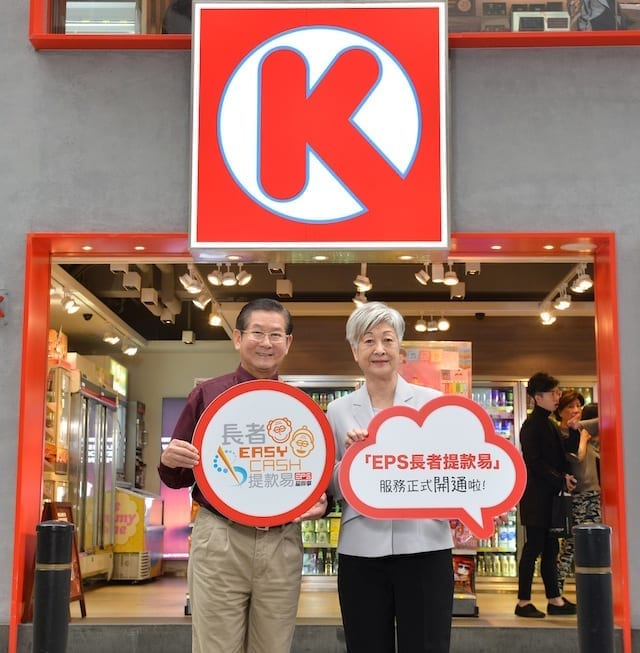
    EPS Company (Hong Kong) has introduced a service that enables the territory’s elderly to withdraw small amounts of cash at Circle K convenience stores.

    The first phase of EPS EasyCash for Senior Citizens has been launched as an extension to the EPS EasyCash service. It allows senior citizens to withdraw money at designated stores without needing to make a purchase.

    EPS GM Raymond So says the company hopes to engage more business partners and plans to expand the service to most districts in Hong Kong by the end of this year.

    “Making customers’ lives easier is Circle K’s core motto,” says CEO Richard Yeung of parent company Convenience Retail Asia. “With Circle K’s extensive network, we hope to provide the community in need with a convenient and fast cash withdrawal channel through this co-operation.”

    To use the service, elders simply go to the counter at  Circle K store and present their senior-citizen card and ATM card issued by EPS member banks. Circle K staff members will help elders make withdrawals of up to HK$500 (in multiples of HK$100).

    In the first phase, the service will start in 34 Circle K convenience stores across Tin Shui Wai, Sheung Shui, Yuen Long, Cheung Chau and Tung Chung, Lantau Island. By the end of the year, the service will be available at most Circle K stores in Hong Kong.

    Established in 1884, EPS Company is a consortium of 20 major banks in Hong Kong with a mission is to provide greater convenience for customers and merchants through electronic payment transfers. Its EPS secured cashless retail payment system is available at more than 30,000 locations in Hong Kong and Macau.

  • DFS to hold the seventh Masters Of Wines And Spirits to Singapore

    DFS to hold the seventh Masters Of Wines And Spirits to Singapore

    One of the most celebrated and revered events in the wine and spirits industry
    returns to Singapore this year, as DFS Group, the world’s leading luxury travel retailer, hosts its seventh Masters
    of Wines and Spirits event. On display will be more than 120 masterpieces from 60 of the world’s most legendary
    wine and spirits houses.

    For the first time, the event will take place across two days; on Saturday March 24 and Sunday March 25 at The
    Warehouse Hotel, a meticulously-restored heritage building on the banks of the Singapore River. Once again,
    Masters of Wines and Spirits captures the heritage and craftsmanship of selected brands and pays tribute to DFS’
    long-standing relationships with some of the world’s most exceptional wineries and distilleries.

    This year’s event will highlight the influence of the distillers’ countries of origin, their personalities and unique
    and varied approaches to craft. As the only event where customers can purchase bespoke, rare, limited edition,
    first edition, and world-class wines and spirits in one location, the seventh Masters of Wines and Spirits offers an
    exclusive and immersive brand experience for DFS’ guests.
    Masters of Wines and Spirits showcases a highly specialized and curated collection of products, many of which
    are DFS exclusives, celebrating the world’s finest industry expertise as well as the knowledge of DFS’ own
    merchants. New brands, as well as signature classics from legendary houses, will all be on display, reveling in
    rarity, heritage and innovation.

    “DFS is delighted to bring the seventh Masters of Wines and Spirits to Singapore, a fitting location for us to host
    our esteemed guests, connoisseurs and collectors to experience a range of the best globally sourced Cognacs,
    wines and whiskies,” said Sibylle Scherer, DFS President Merchandising and Consumer Marketing.
    “This year’s selection has been handpicked by our expert merchants at DFS to inspire and delight our customers.
    This really is a celebration of the diverse talents of the world’s most renowned distillers and winemakers, and a
    true adventure for the senses,” she said.

    “At DFS, we take great pride in bringing together our valued brand partners and loyal customers in an intimate
    and exclusive environment that encourages sharing and discovery,” said Brooke Supernaw, DFS Group’s Senior
    Vice President Wines, Spirits, Tobacco, Food and Gifts. “The 2018 Masters of Wines and Spirits collection sets a
    new bar for this dynamic category, comparing the nuances between traditional versus craft and providing an
    opportunity for our guests to enjoy the very best products from around the world.”

    Master Classes and Whisky Panel

    The 2018 Masters of Wines and Spirits event will feature two exceptional master classes to inspire and enrich
    guests, as well as a whisky panel discussion featuring four of the world’s leading experts.
    The first in this year’s Classes with the Masters is The Balvenie Master Class Workshop – Single Malt Whisky
    hosted by The Balvenie Malt Master, David C. Stewart MBE.

    Mr Stewart will discuss how craftsmanship is brought to life at The Balvenie and guide guests through the entire
    Chapter 3 set of the DCS Compendium, including a tasting of the oldest Balvenie expression ever released. The
    second Master Class, the Château Latour Master Class Workshop – Wine, hosted by Rufus Beazley, Sales and
    Marketing Manager for Château Latour Asia Pacific, will take visitors through a vertical tasting across decades of
    exceptional Château Latour products.

    Presented by The Whiskey House, The Whisky Panel will be moderated by DFS’ own Director of Spirits,
    Frederik Vanden Bulcke and will feature a panel discussion on whisky experts Stephanie MacLeod from John
    Dewar & Sons (Aultmore – Single Malt Whisky), Dr Kirstie McCallum from Bunnahabhain (Single Malt
    Whisky), Chole Wood from Bruichladdich (Single Malt Whisky) and David Croll from The Kyoto Distillery
    (Whisky and Gin).

    The Collection

    More than 30 Cognacs and whiskies include The Balvenie DCS Compendium Chapter 3: Secrets of the Stock
    Model, an eagerly anticipated release that pays tribute to Malt Master David C. Stewart MBE’s masterful skill,
    knowledge, and custodianship in managing The Balvenie’s precious aged stocks. The Model comprises five
    extremely rare single-cask single-malt bottling, ranging in age from 13 to 55 years.

    The Jean-Paul Camus 1945 Private Reserve, an exclusive blend for DFS Masters of Wines and Spirits, comes
    in a hand-carved crystal carafe with silver details that recreates a model designed in 1883 by the Cristalleries de
    Baccarat for Jules Grévy, President of the French Republic. The outstanding Louis XIII Le Jeroboam with T.T.
    Trunks Paris piece is a contemporary design that brings a radical new twist to trunk accessories. The aluminum
    and steel structure holds three small cases made of okume wood, each encased in natural milled buckskin with
    Alcantara trimmings.

    A rare cellar release from Japan is the Karuizawa 1960 Cask #5627. Possibly the oldest cask of Japanese whisky
    ever bottled, this 1960 single cask yielded just 41 bottles, achieving legendary status amongst connoisseurs and
    collectors.

    From the world of Scotch Single Malts, The Aultmore 31 Year Old Exceptional Cask (Cask no. 1635) is part
    of John Dewar & Sons Fine Scotch Whisky Emporium which showcases the rare releases of some of the finest
    and most delectable single cask and single malt expressions. Specially created for Masters of Wines and Spirits,
    Aultmore Cask no.1635 has the color of antique leather and on the nose, the Oloroso sherry adds weight and
    complexity, complimented by notes of vanilla, butterscotch, and Seville oranges. The Bruichladdich Special
    Release showcases three exceptional distillery releases from 1988, 1989 and 1990, presented as the oldest and
    rarest whiskies of Bruichladdich. Created and bottled on the remote Hebridean island home of Islay, there are
    only six bottles per edition. From the Bunnahabain distillery, built in 1881, and deriving its name from the
    Gaelic, Bunnahabhain (Bu-na-ha-venn), meaning “mouth of the river”, comes the Bunnahabhain 1980 Canasta
    Finish. With only 20 units available, this rare cellar release offers a rich oakiness balanced with sweet dried fruit,
    treacle toffee, black coffee, cocoa, roasted nuts, and a hint of coastal brininess.

    Also from Scotland is The Macallan Fine & Rare Master’s selection, specially created for Masters of Wines
    and Spirits, this unique collection features five fine and rare vintages in 70cl, complemented by savoring samples
    in 5cl miniatures. The Glenglassaugh Single Cask Collection 1972-1976 is an elegant, unique and rare selection
    of bottles, offering the whiskey connoisseur a lush, ripe Highland Single Malt Scotch whisky experience. A rare
    release from The Ladyburn distillery is the Ladyburn 1974, a single malt from William Grant & Sons’ treasured
    ancient reserves of maturing whisky.

    More than 30 prestige wines and champagnes are showcased in this year’s collection, including the Harlan
    Estate Double Magnum 100 Point Trifecta from the United States, a special collection created for DFS as an
    exclusive release of three vintages in double magnum format and representing three of the most highly regarded
    vintages produced by Harlan to date. From Australia comes the Penfolds G3, a unique wine entwining three
    vintages of an Australia icon, Penfolds Grange, spanning seven years. French wines in this year’s collection
    include The Pavillon Blanc du Chateau Margaux 2010 Double Magnum; the epitome of great Pavillon Blanc
    vintages. A fine and elegant wine, the 2010 has an exquisite richness and a perfect balance on the palate, thanks
    to higher than average acidity. Chateau Latour’s Vertical Magnum release provides a rare opportunity to
    collect six of the most exceptional vintages produced by Latour; the 1996, 2000, 2003, 2005, 2009 and 2010.
    With only one set being released of the Petrus Magnum Collection 2006, 2007 and 2011, one lucky wine lover
    will experience one of the famous wine labels in the world.

    After March 25, the Masters of Wines and Spirits curated collection will be available for travelers and shoppers
    at DFS, Singapore Changi Airport’s Wines and Spirits Duplexes at Terminals 2 and 3.

    DFS Masters of Wines and Spirits is part of the DFS Masters Series, a signature program of exhibitions that also
    includes the highly-anticipated 10th Masters of Time set to take place in Macau this December. The Masters
    Series is a showcase of the pinnacle of DFS’ leadership and innovation in curating and creating exceptional
    experiences across its five pillars of luxury: Wines and Spirits, Beauty and Fragrances, Watches and Jewelry,
    Fashion and Accessories, and Food and Gifts.
  • The luxury mobile shopper emerges in Asia, says Worldpay

    The luxury mobile shopper emerges in Asia, says Worldpay

    Shoppers in emerging economies such as China and India are seeking a more luxury, personalised shopping service on their mobile, and many Asia Pacific shoppers are even willing to pay more for a product or service if the mobile shopping experience is better. This is according to new research from Worldpay, a global leader in payments.

    Worldpay’s research examined the viewpoints of 16,000 consumers across 10 global markets, including China, India, Japan and Australia in Asia Pacific. Questioning consumers about their last mobile shopping experience and what makes them hit the “pay” button, the research found that mobile payment apps are on track to become the luxury shopping experience of the future.

    Key findings in Asia Pacific include:

     62% of Chinese consumers and 64% of Indian consumers are happy to pay more for an item, trip or service if the mobile user experience is better; far ahead of the global average of 41%

     56% of consumers in India and 54% in China are more likely to shop on a mobile phone if sent a personalised push notification from a nearby store; far outweighing the global average of 35%

     As the mobile shopping experience improves, more Australians are purchasing higher-end goods on their smartphones, with 36% spending over $85 AUD (US$67) on their last purchase

     In Japan, 38% of mobile shoppers spent over ¥7410 (US$69) on their last purchase

     India and China prefer purchasing via apps over mobile browsers more than any other markets in the world, at 82% vs. 18% and 80% vs. 20% respectively. This is compared to the global average of 71% vs. 29%.

    Phil Pomford, General Manager for Asia Pacific, Global Enterprise eCommerce at Worldpay, said: “Shoppers in Asia’s emerging economies are active mobile users who have leapfrogged past traditional modes of online shopping and now demand a personalised, luxury, on-the-go experience in the palm of their hand. Online merchants that can deliver the right experience have much to gain, as Asian shoppers are making bigger, more valuable purchases via their smartphones and are even happy to spend more with merchants that deliver a better experience. At the same time, to capitalise on the mobile shopping opportunity, merchants must consider how to help smartphone shoppers feel secure.”

    Indeed, despite exciting growth in mobile shopping in Asia Pacific, security concerns continue to hinder the full potential of mobile commerce. Australia is behind Asia in terms of mobile app adoption, with significant issues remaining around security and usability – 73% of Australian consumers say they only download apps from brands they trust. The number one reason for smartphone basket abandonment in Australia is concerns that the website wasn’t secure. In Japan, meanwhile, security is also a concern, with just 37% of consumers saying they would be happy for apps to store their payment details, against a global average of 57%.

    Pomford added: “Merchants can help to mitigate shoppers’ security fears by providing a mobile payment experience that’s quick, seamless and familiar. This might mean storing consumers’ payment details so they don’t need to enter them every time, or simply providing a range of payment options so that consumers can always use their preferred method. In China, for example, lack of preferred payment options is the top reason for smartphone basket abandonment – an important reminder that capturing this emerging class of luxury mobile shoppers depends upon providing a comfortable and convenient mobile payment journey.”


  • Bithumb Founder and Former CEO Daesik Kim Returns to Disrupt the Payment Industry

    Bithumb Founder and Former CEO Daesik Kim Returns to Disrupt the Payment Industry

    Daesik Kim, the founder and former CEO of Bithumb—the world’s largest cryptocurrency exchange—is returning to the payments industry as the Chief Cryptocurrency Officer of Bezant, a payment protocol and cryptocurrency for the digital entertainment and e-commerce sectors.

    Bezant has already raised US$6.28 million in its private token sale, and is targeting a total ICO of US$40 million. Kim, who oversaw the day-to-day operations of Bithumb, including an all-time high daily trading volume of over US$6 billion (as of January 13, 2018), will drive business, product, strategy, and partnerships at Bezant.

    Kim, COO of Bezant, said, “Digital entertainment and ecommerce are expanding faster in emerging markets such as Southeast Asia, more so than in the US and China over the next four years. Developed markets are dominated by a few incumbents that charge high commission fees, offering limited payment options, which are plagued by high exchange fees, bank charges, and payment delays.”

    Bezant utilizes a private blockchain network which enables fluid payments and makes microtransactions secure, reliable, transparent, and cost-efficient. This protocol avoids the common problems associated with cryptocurrencies leading to higher fees and slower transaction speeds.

    “With 600 million people in Southeast Asia, a large majority of which are unbanked, Bezant aims to disrupt digital payments and content distribution by applying blockchain and cryptocurrency to eliminate these barriers for buyers and sellers. Bezant’s protocol will minimize transaction fees, provide a decentralised rewards mechanism for sellers to build customer loyalty, establish a transparent rating system on sellers, and enable customers to make borderless payments using their local method,” Kim added.

    Bezant features an experienced development team with product and software engineers from well-known companies such as Ebay, Naver, and Kakao Corp. Bezant has also attracted high-profile advisors and global business development leaders who bring their expertise from the cryptocurrency, payments, digital content, and finance industries to the company.

  • Accelerate, a Digital growth initiative by Capillary, is now a Google Premier Partner

    Accelerate, a Digital growth initiative by Capillary, is now a Google Premier Partner

    Capillary Technologies, whose solutions help businesses get ahead of the digital evolution and stay consumer ready, has announced that their Accelerate initiative is now a Google Channel Partner and Google Premier Badge holder. Amidst the increasing inclination of businesses to unify their multiple sales channels to derive greater ROI out of their digital marketing efforts, this recognition will help brands to drive increased conversions and better spend optimisation through intelligently targeting the right consumer at the right time.

    The Accelerate team envisions this as a means to drive more relevant and targeted results for online as well as offline businesses by driving the right customers through the right channel. Being a Premier Badge holding Channel Partner, Accelerate benefits with dedicated account management for efficient turn-around timings, exclusive industry vertical insights, competitor data and Beta access to new products for associated clients to implement in their digital strategies. This will help brands better orchestrate their customer’s journeys and drive better conversations.

    Soumajit Bhowmik, Director at Accelerate stated – “The increase in digital media consumption has made it an important channel for brands to engage their consumers. Around 10% of brand marketing spends are invested in the digital medium. In the current scheme of things, data sits in silos across the channels – both online and offline. We’re solving just this!”

    In relation to the partnership with Google, Soumajit added, “This recognition is a testimony to our uncompromising commitment towards client success through a sustainable and profitable e-commerce ROI. In a short span of time, we are working with more than 40 premium brands globally like HUL, W, Fair & Lovely, LuLu Webstore, Bata, amongst others and delivering cost-effective and ROI driven cutting edge performance marketing. We look forward to a greater market share of digital marketing spends of online/offline retailers and helping them make e-commerce profitable.”

    Capillary Technologies is looking at this as a means to help accelerate partner businesses while working together to create a more targeted, strategic, and revenue driven approach for marketers across the world.

    Abhijeet Vijayvergiya, VP and Business Head Asia Pacific, Capillary Technologies, commented on what this means to Capillary’s business in Southeast Asia, “This recognition from Google is a testimony to our steadfastness on developing revolutionary products and reinforces our goal to make brands always consumer ready. Southeast Asia is undergoing an incredible transformation thanks to digital technologies. And with Capillary Accelerate, we will push this transformation in the direction that delights both the retailers and the customers.”