Author: Mei Ling Tan

  • Vietjet entices more B-leisure travellers into Vietnam with its expanding flight routes

    Vietjet entices more B-leisure travellers into Vietnam with its expanding flight routes

    When it comes to the MICE (Meetings, Incentives, Conferences and Events) sector, Singapore and Malaysia are widely regarded as the “MICE tigers” of the Southeast Asian region. Hot on their heels is another rapidly-rising economy in this region, Vietnam, which envisions emerging as a serious threat in the coming years.

    According to the Vietnam National Administration of Tourism (VNAT), MICE tourism brings in up to four or five times more than other types of tourism, because this segment of travellers tend to spend more. This has made MICE a catalyst for development in countries like Singapore, Malaysia and Thailand.

    Vietnam has also cast its eyes on this lucrative pie having played host to many big events such as APEC (Asia Pacific Economic Cooperation) 2017, ASEAN Summit 2010, and ASEAN Tourism Forum-ATF 2009.

    The International Congress and Convention Association (ICCA) has stated that Vietnam is emerging as a safe destination in the world and an attractive place for foreign investors. The country’s tourism sector is also actively looking into refining their infrastructure and services to improve their ability to host large-scale MICE events.

    While the major cities of Hanoi and Ho Chi Minh have been the obvious go-to destinations for corporate companies and business travellers to Vietnam in the past, cities in the central region such as Danang, Hoi An and Nha Trang are becoming increasingly affable choices.

    In 2016, Vietnamese cities like Hanoi, Danang, Nha Trang and Ho Chi Minh added to their array of 4 and 5-star international hotels. Nha Trang’s airport was also recently expanded to include more regional and international flights.

    “Business travellers typically outspend the holiday traveller by four or fivefold. So we see plenty of opportunities in MICE tourism, and with the world economy getting back on its feet, there is a renewed demand for exhibitions, meetings and events. Vietnam has great potential in MICE tourism which we have to actively and strategically explore, in order to entice more international organisations to host their events on our shores,” said Vietjet founder and CEO, Nguyen Thi Phuong Thao.

    One way to do this, she adds, is to improve accessibility into Vietnam’s major cities apart from Hanoi and Ho Chi Minh City, which offer greater unexplored natural beauty and cultural experiences for travellers seeking more authentic experiences in business and leisure (B-leisure).

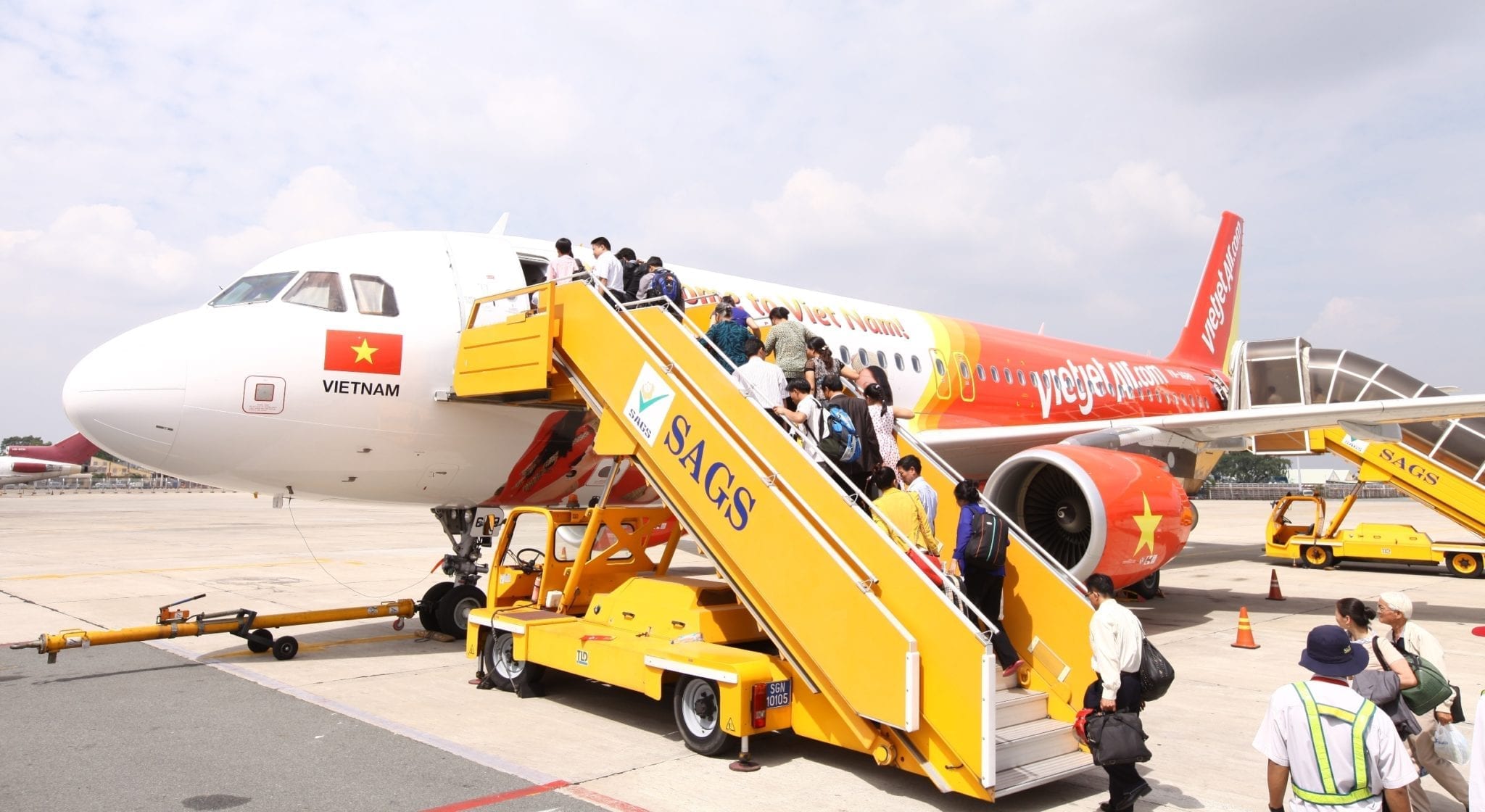
    In hopes to entice more travellers to visit the less-explored cities of Vietnam, Vietjet continues to expand its wings within the country and internationally. The airline currently operates over 350 flights per day connecting passengers to 38 local destinations including Nha Trang, Danang, Hanoi and Ho Chi Minh City, among others, as well as 35 international routes including Kuala Lumpur. In the coming months, Vietjet will continue adding new routes to its ever-expanding list of destinations, connecting passengers to even more destinations across the globe.

    Its innovative in-flight activities and seamless travel experience has garnered many fans across the region, making Vietjet one of Southeast Asia’s increasingly popular airlines for business and leisure.

    There is no denying the vast potential of Vietnam’s MICE industry. The country’s ancient, traditional culture, friendly and hospitable people, safe environment, rich natural resources and beach resorts certainly offer great opportunities for the country to tap into, as it surges ahead to take its place as a favourite MICE destination in this region.

  • LANCÔME Spreads Festive Joy At King Power Rangnam

    LANCÔME Spreads Festive Joy At King Power Rangnam

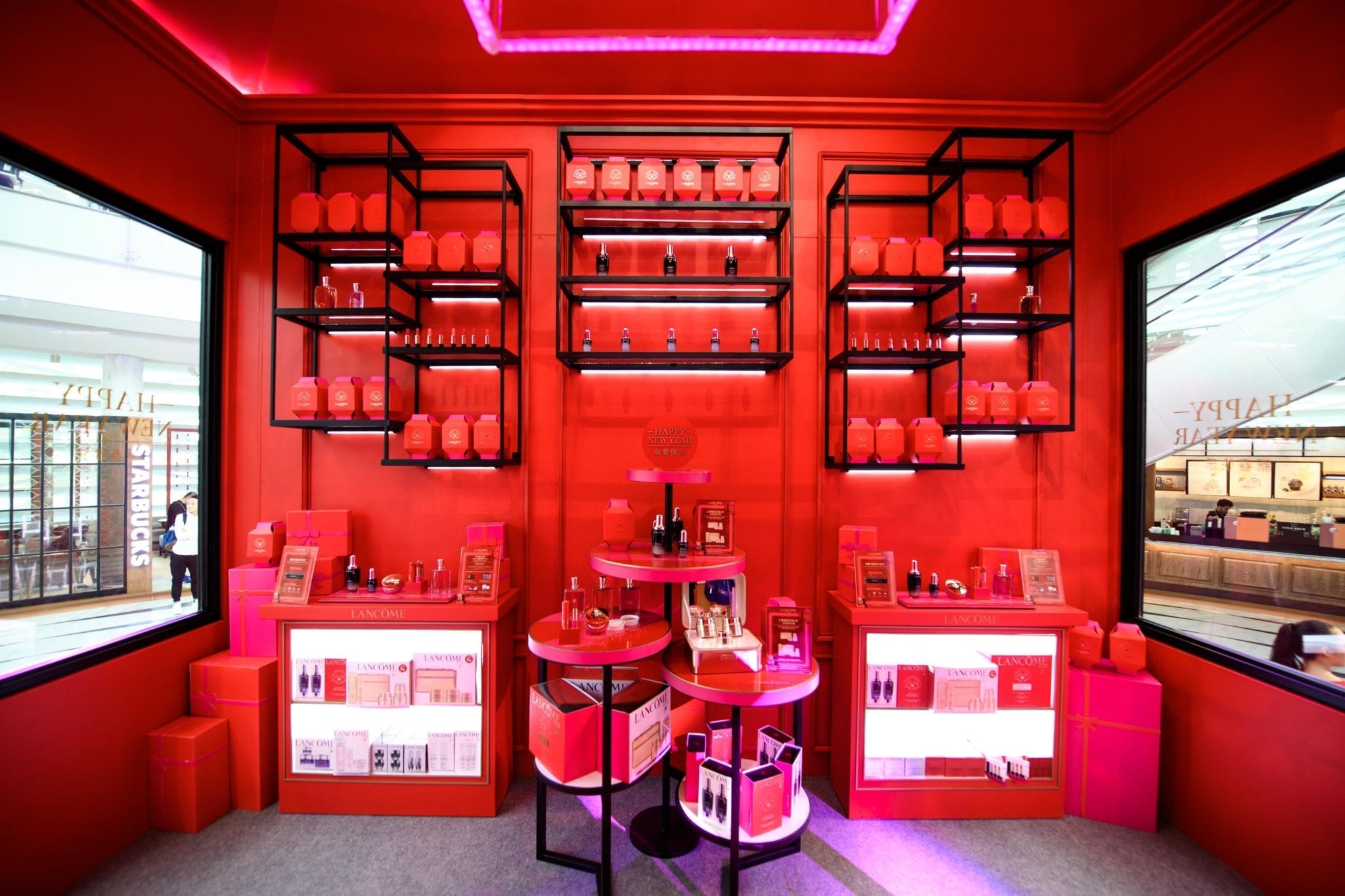
    Lancôme has unveiled its first travel retail pop-up in Asia Pacific, complete with an AR feature.

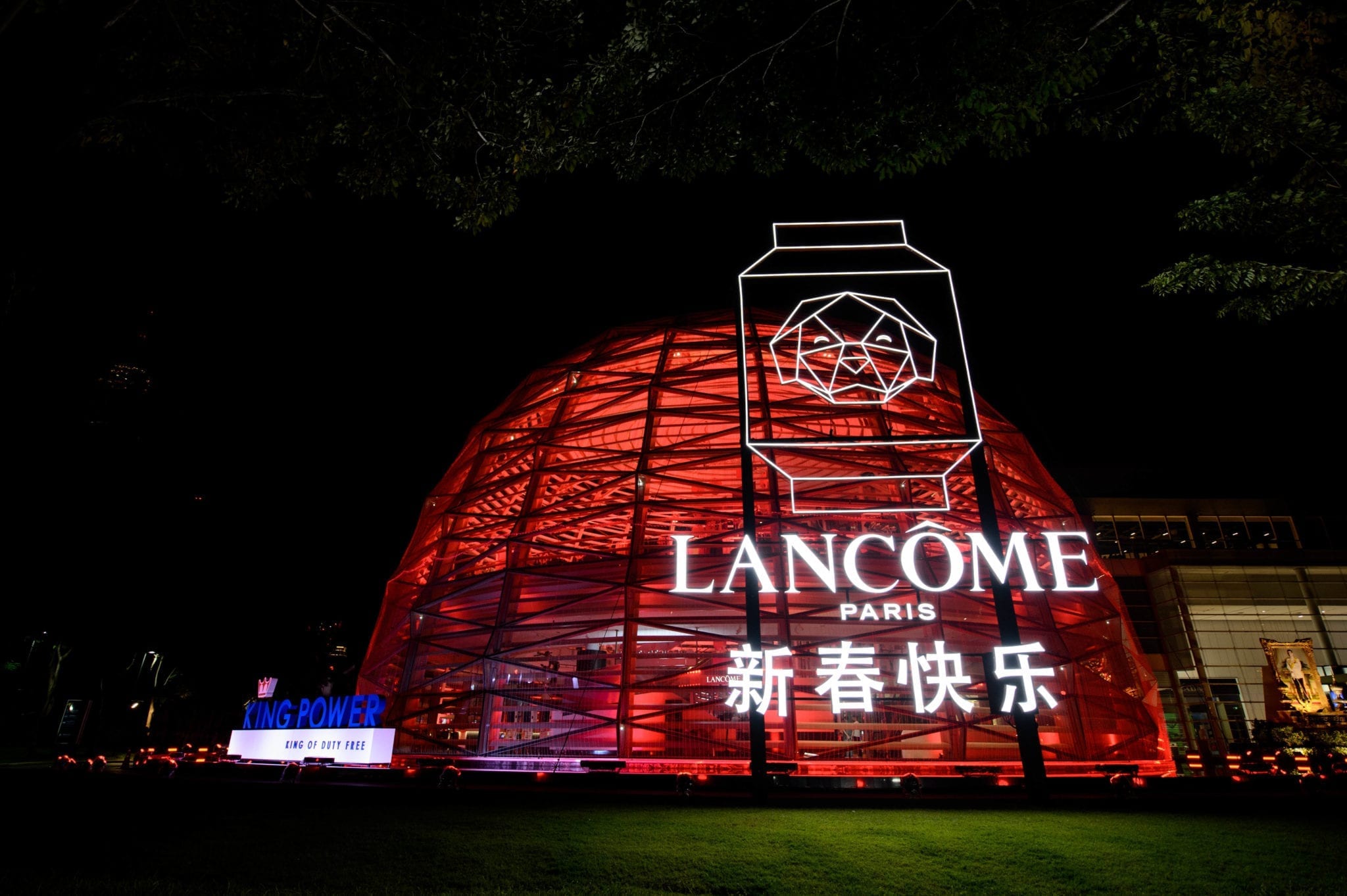
    The activation at the newly-refurbished King Power Rangnam is to mark the Year of the Dog for the luxury beauty brand. The scheme invovles a red facade, pup-up store, light shows and live performances.

    Lancôme Travel Retail Asia Pacific has looked to create a “multi-sensory festive treat” with the campaign. It begins as shoppers approach the store with red lights illuminating the front façade, inside giant TV screens and a fountain symphony of lights and water choreography greet travellers. At the heart of the mall is the Lancôme pop-up which features a lantern-inspired design and digital offerings which draw in shoppers to explore. Inside, an augmented reality photobooth creates images of users with a virtual puppy, while there is also a touch-screen digital game.The bright red colour is both eye-catching and draws in the Chinese New Year theme.

    Lancôme Travel Retail Asia Pacific general manager Tao Zhang said: “Having been inspired by Lancôme’s Chinese New Year campaign design, we specially conceptualised and brought to life this exclusive Chinese New Year pop-up with King Power. Every touchpoint from the digital LED wall to the pop-up was specially created to excite consumers so we hope that this will deliver a memorable brand experience for our travellers. We look forward to sharing moments and memories of happiness with more women during this festive season.”

    Shoppers will also get their hands on limited edition Chinese New Year offers and travel exclusives at the shop. The event launched on 13 February and will end on 31 March in the atrium of the King Power Rangnam Downtown Duty Free Store.


  • The Biggest MUJI Flagship Store in Korea Opens

    The Biggest MUJI Flagship Store in Korea Opens

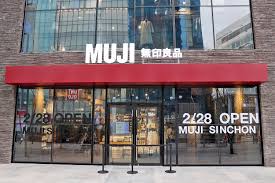
    Muji Korea has opened its largest store in Seoul’s Seodaemun district.

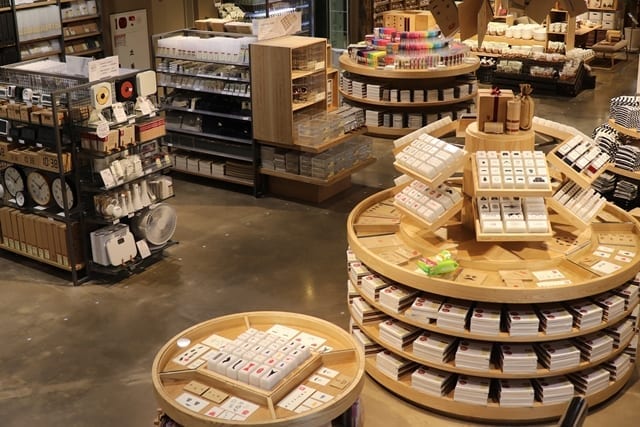
    Called Muji Sinchon, the five-storey store offers new items and services, including Open Muji, Sinchon to Go, a cafe and a books department.

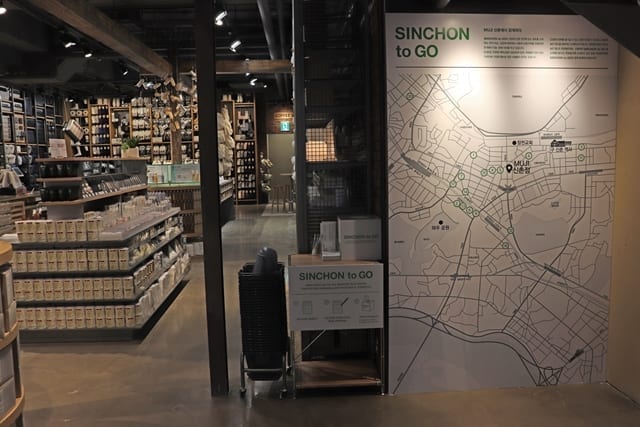
    On first floor, Sinchon to Go shares information of Sinchon area and recommends famous places and shops, which aims to connect tourists and Sinchon area.

    Bathroom and aroma goods are displayed in a Health and Beauty section while travel goods and backpacks are available in Muji to Go area.

    There is also a coffee outlet on that floor.

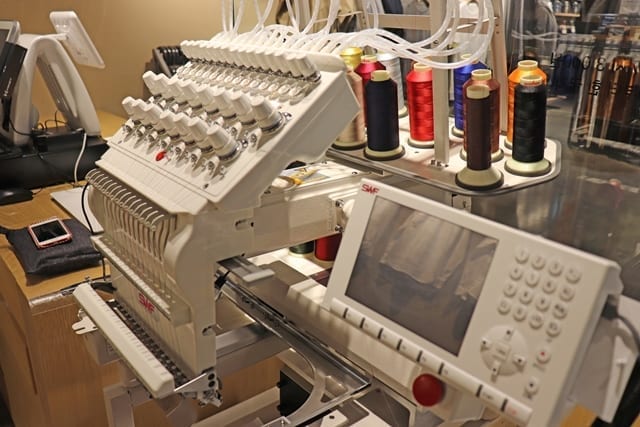
    One level up, customers can experience a custom embroidery service, having words or motifs applied to purchases.

    Apparels and accessories are displayed in women and men categories in Muji Labo.

    On third floor, Muji Yourself offers stationery products as well as the Muji signature Stamp It! service, which allows customers to create their own stamps and notebooks.

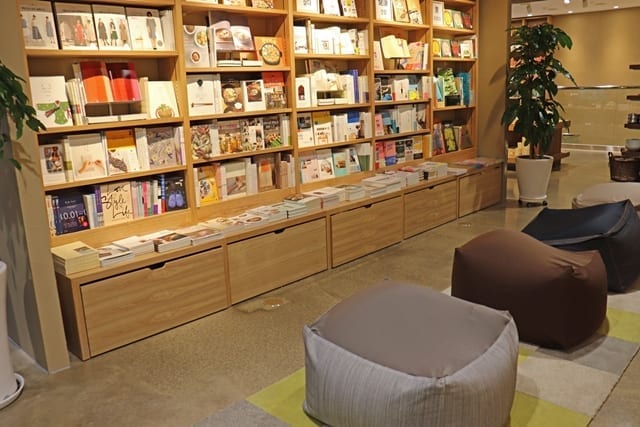
    Books are sold for the first time at Muji Korea on the fourth floor.

    The fifth floor is mainly for communications with a multi-purpose hall suitable for conferences, events, lectures, and workshops.

  • Vietnam commercial banks boost retail banking segment

    Vietnam commercial banks boost retail banking segment

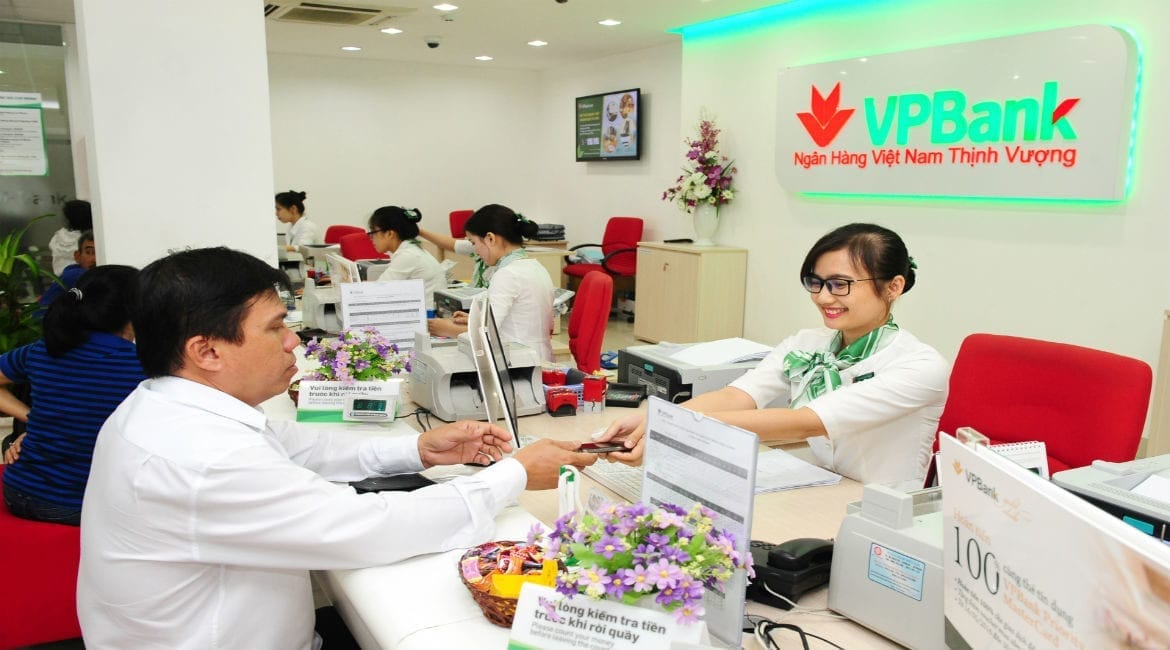
    Commercial banks have adjusted their service fees to individual customers since beginning of the year in order to focus on the retail segment.

    For money transfer services in the same banking system, some commercial banks, such as VIB, VietinBank and Techcombank, do not charge for individual customers when using electronic services.

    These banks charge VNĐ8,800 for the maintenance of their accounts. In addition, the fee for money transfer services among different banks is VNĐ9,900 or higher per transaction, or as a percentage of the transaction amount ranging from 0.1 to 0.3 per cent.

    The Joint Stock Commercial Bank for Foreign Trade of Việt Nam (Vietcombank) has increased its service fees since the beginning of this month.

    The monthly fee of its SMS banking service increased from VNĐ8,800 to VNĐ11,000, including VAT (value-added tax).

    Vietcombank has begun charging VNĐ2,200 per transaction from Vietcombank account holders via its mobile banking app from March 1.

    For internet banking service, Vietcombank’s customers will have to pay VNĐ2,200 for each transaction worth less than VNĐ50 million (US$2,196) and VNĐ5,500 for each transaction worth more than VNĐ50 million.

    The fee for an inter-bank transaction of below VNĐ10 million is VNĐ7,700, and when the amount is more than VNĐ10 million, it charges 0.02 per cent of the total amount per transaction.

    Financial expert Bùi Quang Tín said that the competition among bank service fees was quite fierce as some banks offered free of charge inter-bank money transfer services in order to attract more customers.

    “The recent increase in banking service fees at several commercial banks is understandable as the banks must invest more money to ensure security systems to meet stricter requirements from customers,” he said.

    According to the State Bank of Việt Nam, commercial banks issued 132 million cards as of the end of last year.

    Last year, the number of transactions, including withdrawals and transfers, via ATMs was over 206 million transactions valued at VNĐ563 trillion; while there were 43.5 million POS and EDC transactions with a total value of VNĐ95 trillion.

    As for domestic transactions for non-cash payments, bank cards ranked second in terms of the number of transactions.

    Individual deposit account balances increased by VNĐ42.6 trillion to VNĐ325 trillion in the fourth quarter of last year.

    With a population of more than 93 million and rising consumption, Việt Nam is considered a destination in the retail banking segment.


  • Petronas: Biggest risk now is stronger oil price

    Petronas: Biggest risk now is stronger oil price

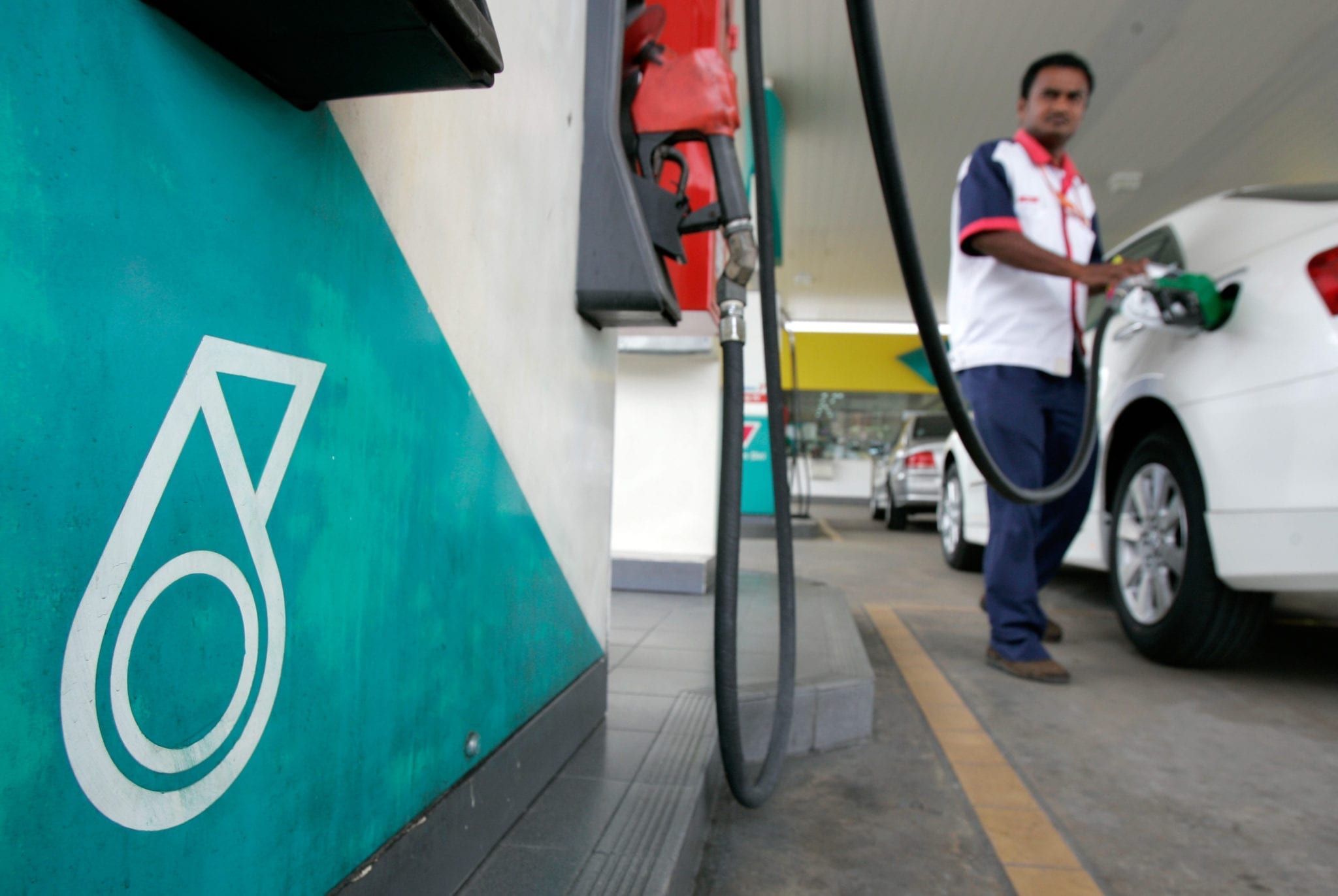
    Petronas which saw its net profit soar 91% last year, considers the biggest risk in the horizon to be the improved oil price which looks to already be making oil and gas players abandon hard-won cost efficiencies achieved over the last three years.

    Although the recovery of global oil prices played a key role in its strengthened performance for 2017, its president and group CEO Tan Sri Wan Zulkiflee Wan Ariffin at a briefing last Friday cautioned that the sustainability of the oil price at current levels, which are supported by the Organisation of Petroleum Exporting Countries (Opec) and non-Opec production cuts, remains to be seen.

    “A concern here, is that with the oil price recovery, costs are showing signs of increasing at a worrying rate. This is likely being driven by a premature exuberance among industry players. If we do not keep these escalating costs in check, the industry as a whole runs the risk of negating the value we have gained from intensive cost-efficiency efforts over the last three years,” he added.

    Wan Zulkiflee said the industry should continue to ensure costs are kept under control, increase efficiencies and drive up value.

    For the fourth quarter ended Dec 31, 2017, Petronas’ net profit rose 61% to RM18.2 billion from RM11.3 billion a year ago due to higher revenue and lower net impairment on assets and well costs.

    Revenue for the quarter rose 14% to RM61.8 billion from RM54.3 billion a year ago due to higher average realised prices for major products and higher sales volume from liquefied natural gas and petroleum products, partially offset by the ringgit strengthening against the US dollar.

    For the full year, its net profit nearly doubled with a 91% jump to RM45.5 billion from RM23.8 billion a year ago while revenue for the year rose 15% to RM223.6 billion from RM195.1 billion a year ago.

    A dividend of RM16 billion was paid to government last year, while it is committed to paying out RM19 billion this year.

    The group is expecting a higher capital expenditure (capex) this year of RM55 billion compared with RM44.5 billion last year.

    “The stronger ringgit will have an impact on our bottom line but it also works in our favour in terms of capex, which is priced in US dollars. The amount of ringgit that we need to spend on those will be lower,” said executive vice-president and group CFO Datuk George Ratilal.

    He said the stronger ringgit will also benefit Petronas when its borrowings, of which 80% are in US dollars, are translated into ringgit.

    The group managed to sign on nine production sharing contracts in 2017, almost double that of less than five in 2016, a feat the state-owned oil multinational attributes to the regulatory environment for oil and gas investments here, where Petronas is the single point of reference.

    Moving forward, Petronas is driving a three-pronged growth strategy that includes maximising its cash generators by sweating its assets and building a solid foundation for growth; expanding its core business by growing its resource base and integrated business model; and stepping out to build capabilities and venture into new business areas such as specialty chemicals and new energy.

    The strategy will see Petronas focusing on regions like Asean, the Indian sub-continent, the Middle East and the Americas.

    Commenting on its plans to venture into new business areas, Wan Zulkiflee said oil and gas will remain its core business but contribution from renewable energy will grow, to some 18% in 2037-2040.

    On the establishment of Petroleum Sarawak (Petros), he said it welcomes the participation of Petros and any other state-owned company that wants to engage in the oil and gas sector, as long as it is within existing arrangements. He did not elaborate.

  • Mobile payments preferred, says survey

    Mobile payments preferred, says survey

    Chinese tourists are taking their cashless lifestyle overseas, preferring mobile payments for shopping, says a new Nielsen/Alipay survey.

    Their joint Outbound Chinese Tourism and Consumption Trends: 2017 Survey provides analysis and insights into consumption and payment behaviours as well as assessing trends. Unlike similar studies, the report focuses on the use of mobile payment platforms by Chinese tourists travelling overseas.

    A growing number of Chinese tourists expect they will use mobile payments when travelling, says the survey, which includes a case study on mobile payment and lifestyle platform Alipay.

    China National Tourism Administration statistics show that Chinese tourists made 131 million trips overseas last year, an increase of 7 per cent from 2016. Data from the International Association of Tour Managers shows that overseas travel spending by Chinese tourists reached US$261 billion in 2016, up 4.5 per cent year-on-year, and ranking first worldwide.

    Key findings of the survey include:

    ● On average, Chinese tourists who took part in the survey visited 2.1 countries or regions in 2016-17, and expect to visit an average of 2.7 countries or regions this year. Chinese tourists spend an average of $762 a head on shopping while non-Chinese tourists spend an average of $486.

    ● Mobile payment is gaining momentum, with 65 per cent of Chinese tourists using mobile platforms while abroad, nearly six times that of non-Chinese tourists (11 per cent). They primarily use mobile payments for shopping, dining and visits to tourist attractions.

    ● More than 90 per cent of Chinese tourists surveyed say they would use mobile payments if more overseas merchants accept it.

    ● The habit of using mobile payments in China, convenience and extra discounts are key factors for Chinese travellers to use mobile payment overseas, while limited merchant coverage overseas is cited as the biggest obstacle.

  • Hong Kong start 2018 with positive number

    Hong Kong start 2018 with positive number

    Hong Kong retail sales rose 4.1 per cent in January, compared to last year.

    While that marked a positive trend to kick off the new year, it was well short of the revised 5.8 per cent growth of December, most likely explained by the timing of Lunar New Year.

    The Census and Statistics Department provisionally estimated the value retail sales in January at $44.9 billion. After netting out the effect of price changes over the same period, the provisional estimate of volume was a 2.2 per cent ahead year on year, while the revised estimate of December’s volume was up 4.3 per cent.

    The C&SD says retail sales tend to show greater volatility in the first two months of the year due to the timing of the Lunar New Year. “Local consumer spending normally attains a seasonal high before the festival. As the Lunar New Year fell on February 16 this year but on January 28 last year, the year-on-year comparison of the figures for January 2018 with those for January 2017 might have been affected by this factor to a certain extent.”

    Accordingly, the real measure of growth in retail sales can only be determined by comparing combined January-february figures for both years in a month’s time, when the February data is released.i

    However,i retail spending was strong during February. There was also a double-digit increase in visitor numbers from the mainland during the holiday week.

    A government spokesman said that, after taking into account the Lunar New Year timing, the sales figures suggested consumer sentiment was “rather robust” entering 2018.

    Predictably, the jewellery and watch sector drove January’s growth, up 10.4 per cent year on year.

    Apparel sales rose 3.3 per cent in value, cosmetics by 12.1 per cent and electrical goods by 21.1 per cent. Those, in order, are the four largest categories contributing to the total retail market.

    Unsurprisingly, given the Lunar New Year timing effect, supermarket sales slumped 13.3 per cent. Department store sales were down 4.6 per cent and food and alcoholic drinks fell 4.6 per cent.

  • First Vietnam’s duty-free cars arrive from Thailand

    First Vietnam’s duty-free cars arrive from Thailand

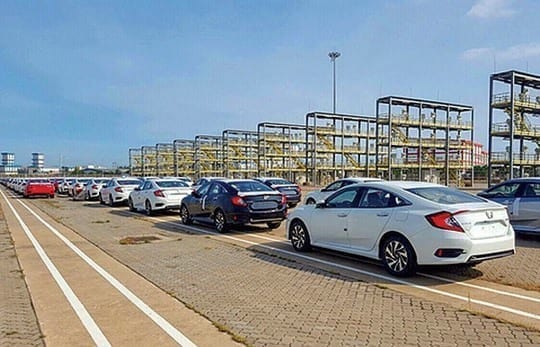
    Over 2,000 Honda cars from Thailand—the  first batches of cars to enjoy zero per cent import duty under the ASEAN Free Trade Agreement (AFTA)—have been imported to Việt Nam.

    Under the AFTA commitments, a zero per cent tax is applicable to cars imported from the bloc, with a localisation rate of 40 per cent or more in the country of origin, starting January 1 this year.

    The current batch has Jazz, Accord, CR-V and Civic models.

    A representative of Honda Vietnam said that to import the autos to Việt Nam, the firm had completed procedures to meet the requirements of Việt Nam’s Decree 116 on the conditions for production, assembly, import, business of warranty service, car maintenance and particularly the Vehicle Type Approval certificate granted by the Thailand Department of Land Transport.

    A consulting staff member at Honda’s Mỹ Đình agent said that the new vehicles would be rolled out to the market in May or early June, as it will take one or two months to complete checks on emission, quality and technical safety at ports.

    “The price of each car is expected to fall by more than VNĐ200 million.  This will be a turning point in the Vietnamese automobile market,” said the staff member.

    Earlier, the insiders calculated that with the zero per cent import tax, the price of imported cars from ASEAN countries to Việt Nam would fall by 20-25 per cent.

    Toyota Motor Vietnam and Ford Việt Nam are completing procedures to meet the requirements of the Decree 116 to import cars which are favourites in Việt Nam, such as the Ford Explorer, Everest, Ranger, Toyota Fortuner and Yaris.


  • MANGO Opens New Flagship Store In Madrid

    MANGO Opens New Flagship Store In Madrid

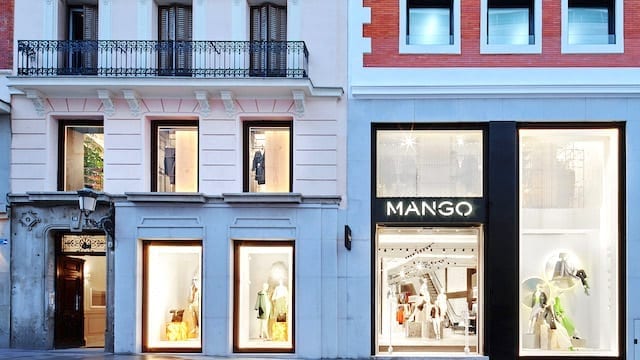
    Fast-fashion retailer Mango has opened a new megastore in Madrid, located in one of the Spanish capital’s most prestigious shopping precincts.

    The 1711sqm store on Preciados Street is twice the size of the store it replaces, stocking mens and womens lines across three floors.

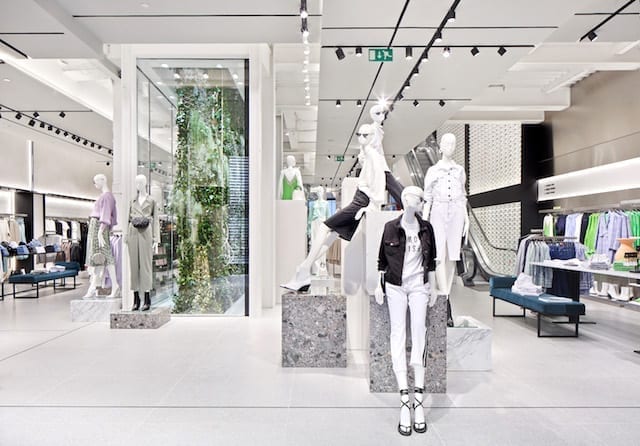
    Featuring an industrial style with exposed beams, the store combines a spectacular exposed wall painted in white with velvet, marble, wood and stone elements, according to Mango.

    On its upper floors, the store has internal patios and landscaped skylights, which give it plenty of natural light.

    Mango invested euro 3.5 million (US$4.3 million) refurbishing and fitting out the building, incorporating the interior style being rolled out across the company’s stores internationally.

    It features digital changing rooms, e-tickets, a PayGo payment facility, WiFi for shoppers and a click-and-collect counter.

    The Preciados Street store is Mango’s 31st in Madrid and its 381st in Spain.

  • Suning.com Sees 500% Rise in Net Profits for 2017

    Suning.com Sees 500% Rise in Net Profits for 2017

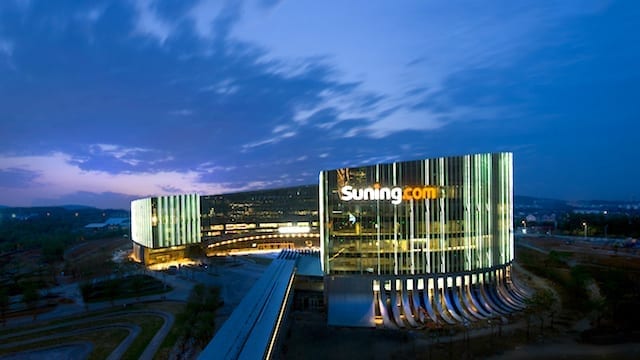
    Chinese smart retailer Suning.com has turned in its best performance since embarking on its O2O business model in 2009.

    Its omni-channel sales of RMB243.2 billion (about US$38.4 billion) last year rose nearly 30 per cent year-on-year, while the net profit attributable to equity shareholders of the company was RMB4.21 billion – an increase of 497.66 per cent.

    The retail subsidiary of Suning Holdings Group, Suning.com focuses on traffic management, merchandising and affiliate marketing, optimising customer experience and improving omni-channel capabilities.

    During the reporting period, total online physical trading volume for the company was RMB126.6 billion (tax inclusive), up 57 per cent, while the number of monthly active Suning.com app users has grown by 106 per cent since the start of the year. In December, the number of orders generated by the app reached more than 89 per cent of the total online.

    At the end of December 2017, Suning had 3867 physical stores with a total area of 5.09 million square metres.

    Still improving

    Through internet technology application, data-oriented management and strong quality control, the business performance of Suning stores continues to improve, says the company. Sales revenue grew 4.17 per cent in the firm’s Mainland China stores with the efficiency of direct-sale stores jumping 34.9 per cent.

    By the end of this year, with a strategic partnership with 300 real-estate developers domestic and abroad such as Evergrande, Sunac and Wanda, Suning plans to add a further 5000 physical stores to its portfolio, all connected to its online presence and covering diversified consumption scenarios including Suning cloud stores, direct-sale stores, fresh-food supermarkets and convenience stores, Redbaby (maternal and child supplies stores), Suning Sports and Suning Cinemas. It says 15,000 internet-connected stores will open within three years for a total of 20,000 by 2020.

    As well as the substantial growth of its retail subsidiary, the logistics and financial services arms of Suning also continued rapid growth. Suning Logistics revenue (excluding Tian Tian Express) grew 135.76 per cent last year. It now has a total area of 686 million square metres of warehousing, with 20,871 express outlets. Suning Financial Services (payment business, supply-chain finance) saw transactions increase by 130 per cent in size overall.

    Founded in 1990, Suning has two public companies, in China and Japan respectively.

  • Acquisition threat real for Vietnam FMCG brands

    Acquisition threat real for Vietnam FMCG brands

    The Sa Giang Import and Export Joint Stock Company has reported a net profit of VNĐ30.5 billion ($1.34 million) on a turnover of VNĐ290.7 billion (US$12.8 million) last year.

    They were almost 4 per cent and 11 per cent up respectively.

    For Sagrimexco, as the company is known, the biggest earner was bánh phồng tôm (shrimp crackers).

    The Sài Gòn Food Joint Stock Company (Sài Gòn Food) also achieved positive business results with domestic sales soaring by 30 per cent.

    Hotpot was its main product.

    Sagrimexco and Sài Gòn Food are among many domestic companies that are leading the Vietnamese fast moving consumer goods (FMCG) market.

    Reports released recently by market analysis firms also show that in the FMCG sector, Vietnamese brands hold the upper hand over their rivals from multinational corporations in both rural and urban markets.

    Kantar Worldpanel’s Asia Brand Power report released on January 15 said in rural areas, Vietnamese brands hold a 78 per cent market share. In large cities, the figure is 71 per cent.

    Kantar Worldpanel’s David Anjoubault said the strengths of Vietnamese brands lie in good understanding of local markets and distribution networks.

    The success is also attributed to their close co-operation with retailers.

    After analysing the four largest market segments — food, beverages, home care and personal care products — Nielsen came to the conclusion that Vietnamese manufacturers earned 42 per cent of the FMCG sector’s total revenues.

    In the food and beverage segments, Vietnamese enterprises have a market share of 69 per cent and 45 per cent respectively. In the home care and personal care segments, multinational brands have advantages, but their growth rates are lower than those of domestic ones.

    Analysts said Vietnamese brands’ domination is easy to understand since they possess many advantages.

    Their quality has improved recently and their prices have become more competitive while they have always had large distribution networks that take them to consumers in the remotest areas.

    More and more modern retail chains are also becoming distributors for local FCMG manufacturers, thus actively helping them expand their market share.
    Besides a good understanding of consumers’ customs and tastes, the local players also understand the importance of investing in technology and being flexible, all of which have helped them quickly capture the imagination of the fickle modern consumer.

    With the current low consumption level in the Vietnamese market, the FCMG sector still offers huge prospects to investors.
    Many analysts fear however that their impressive achievements have put many local FMCG enterprises on the radar of foreign investors, who could easily buy them lock, stock and barrel.

    For instance, in just the last seven months South Korean conglomerate CJ Corp acquired over 70 per cent shares of food processor Cầu Tre Foods and 100 per cent of kimchi distributor Ong Kim.

    In March last year it had shelled out $13.44 million to acquire a controlling interest in Minh Đạt Food.

    CJ also bought a 4 per cent stake in Việt Nam’s leading meat processor, Vissan, when the State giant held an IPO in March 2016.

    To help ward off predatory foreign investors while not violating the country’s World Trade Organsiation commitments, the analysts said the Government should have practical support policies.

    They also stressed the need to simplify administrative procedures to create a fair and healthy competitive environment and help enterprises cut down unnecessary costs.

    In the meantime, the Government should create conditions that enable local FMCG businesses to access loans with preferential interest rates.

    Bank loans remain out of agricultural businesses’ reach

    According to the State Bank of Việt Nam (SBV)’s credit department, as of June 2016 bank loans outstanding to the agricultural sector had been worth over VNĐ1.1 quadrillion (US$48.5 billion), accounting for nearly 20 per cent of the total loans outstanding.

    Loans from Agribank alone made up almost 50 per cent of the total, with the remaining banks accounting for only VNĐ500 trillion ($22.03 billion).

    But a study by the Ministry of Agriculture and Rural Development (MARD) found that 70.1 per cent of enterprises involved in agriculture have faced difficulties in getting bank loans, with 49.4 per cent unable to borrow at all.

    Why do companies in the farm sector find it difficult to get bank loans?

    According to some businesses, the process of borrowing capital from banks remains very complicated with many stringent requirements, one of which is that borrowers have to put up assets for collateral.

    An SBV official said many agricultural enterprises are unable to borrow because of this requirement since they do not have assets.

    Though the central bank has instructed banks to offer unsecured loans to agricultural businesses, they still make up of only 20 per cent of the outstanding loans to this sector, he said.

    Analysts said banks remain apprehensive about lending without collateral despite the Government’s many support policies.

    For instance, it issued Decision No.68/2013/QĐ-TTg on fully subsidising interest on loans for buying machinery and equipment to reduce agricultural losses.

    But a banker revealed that the central bank is tardy in paying the interest subsidies.

    Agricultural companies said the biggest problem for them in getting bank loans are the interest rates.

    Though the rates for loans to agricultural projects with high feasibility are only 6-6.5 per cent, even these are too high for them because the profitability of these projects is very modest, they said.

    Concurring with this, analysts suggested the Government should continue to slash interest rates and bring them down to 3.5-4 per cent.

    MARD has proposed some measures in a draft decree to be submitted to the Government for approval to resolve collateral-related problems for agricultural enterprises and improve their access to bank loans.

    The decree also includes interest rate support policies for them, one of which is that the rates should be 1.5-2.5 per cent lower than for other sectors.

    The Government would bridge the difference in interest rates.

    Analysts said it is imperative to lower interest rates for enterprises involved in agriculture and industry, thus attracting more investors to these sectors.


  • AirAsia shares down on news of special dividend

    AirAsia shares down on news of special dividend

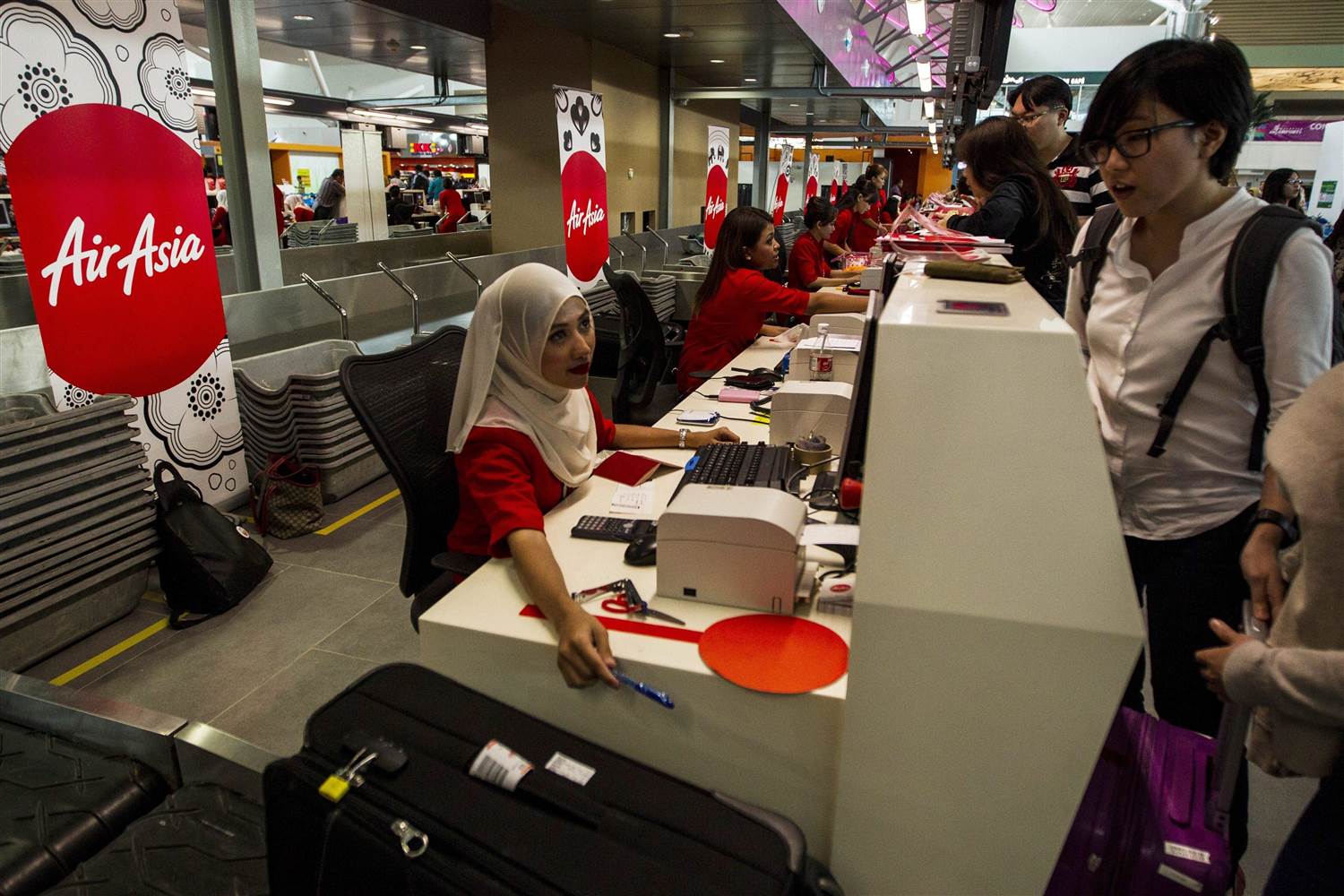
    AirAsia Malaysia share price fell 1.52% at mid day after it plans to use the bulk of the cash proceeds from the sale of its aircraft leasing operations Asia Aviation Capital Ltd to pay out a special dividend to shareholders and settle bank borrowings to improve its financial leverage.

    At 12pm today, AAB’s share price stood at RM4.53 with 13.49 million shares changing hands.

    AAB will sell Asia Aviation Capital Ltd for US$1.18 billion to BBAM Limited Partnership (BBAM) managed entities.

    Under the terms of the agreements, FLY Leasing Limited (FLY), Incline B Aviation Limited Partnership (Incline), Nomura Babcock and Brown (NBB) will acquire a portfolio of 84 aircraft and 14 engines of which 79 Aircraft and 14 engines will be leased back to AirAsia and its affiliates.

    FLY and Incline have also entered into agreements to acquire 48 aircraft to be delivered to AAB and an option to acquire a further 50 aircraft to be delivered.

  • M101 brings world’s first Monopoly-themed hotel to Malaysia

    M101 brings world’s first Monopoly-themed hotel to Malaysia

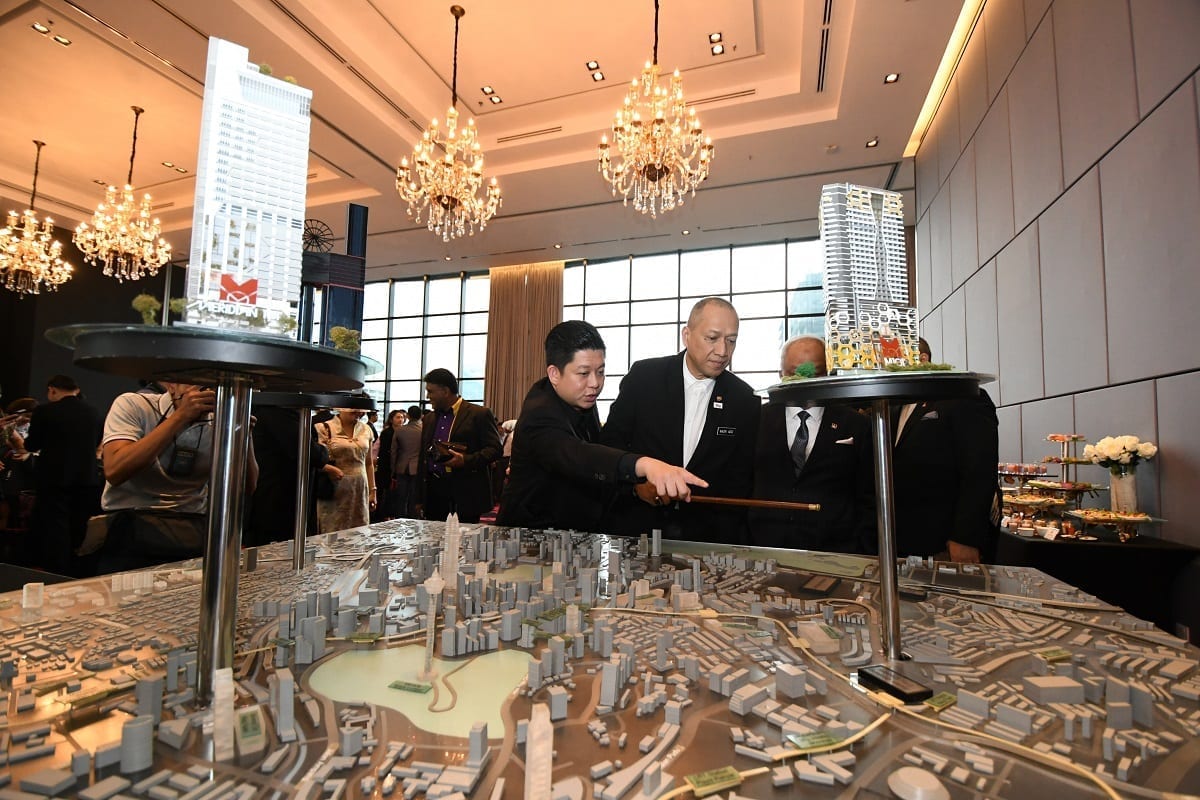
    Property developer M101 Holdings Sdn Bhd is partnering with the US toy company Hasbro Inc for the world’s first Monopoly-themed hotel, which will be located at its existing mixed development project called M101 Bukit Bintang.

    The mixed development project, situated in Bukit Bintang area, include small office flexible office (SoFo), retail lots and hotel suites.

    “The GDV for this development is around RM280 million. We have started construction works two years ago and we expect to hand over the project by end of this year,” M101 CEO Datuk Seth Yap said at the licensing agreement signing ceremony with Hasbro today.

    “Our underlying concept is to collaborate with international renowned brands, a unique and interesting brand that you might not think is possible for a hotel. And there is a lot of international brands that are willing to work with us,” he added.

    M101 had previously announced its collaboration with brands such as Planet Hollywood and Studio F.A Porsche to deliver exclusive suites in its M101 Skywheel project in Kuala Lumpur.

    Upon completion, Yap said the five-star boutique hotel, to be known as Monopoly Mansion by Sirocco, will be managed and operated by the developer’s hospitality arm Sirocco Hospitality Group.

    The Monopoly Mansion will feature 255 luxurious guest rooms, a rooftop pool and sky lounge, a sky ballroom, meeting lounges and a spa.

    To date, Yap said, M101 has launched three projects with a total gross development value (GDV) of RM2.6 billion, namely RED by Sirocco, M101 Skywheel as well as M101 Bukit Bintang.

    On its 2018 outlook, he said this year the group will see a slowdown in terms of sales, as it will be focusing more on its existing projects and project launches.

    He noted that the group’s M101 Skywheel project, which has seen a take up rate of 80% for Phase 1 of its SoFos, registered about half a billion ringgit sales last year.

    The project is targeted to be completed by 2022.

    Going forward, Yap said the group plans to expand its regional presence in Bintan and Bali, Indonesia, as well as Thailand. Currently, the group has presence in 15 countries including China, Brunei, Taiwan, Bangladesh and Sri Lanka.

  • Three Twins Ice Cream opens first Japan store

    Three Twins Ice Cream opens first Japan store

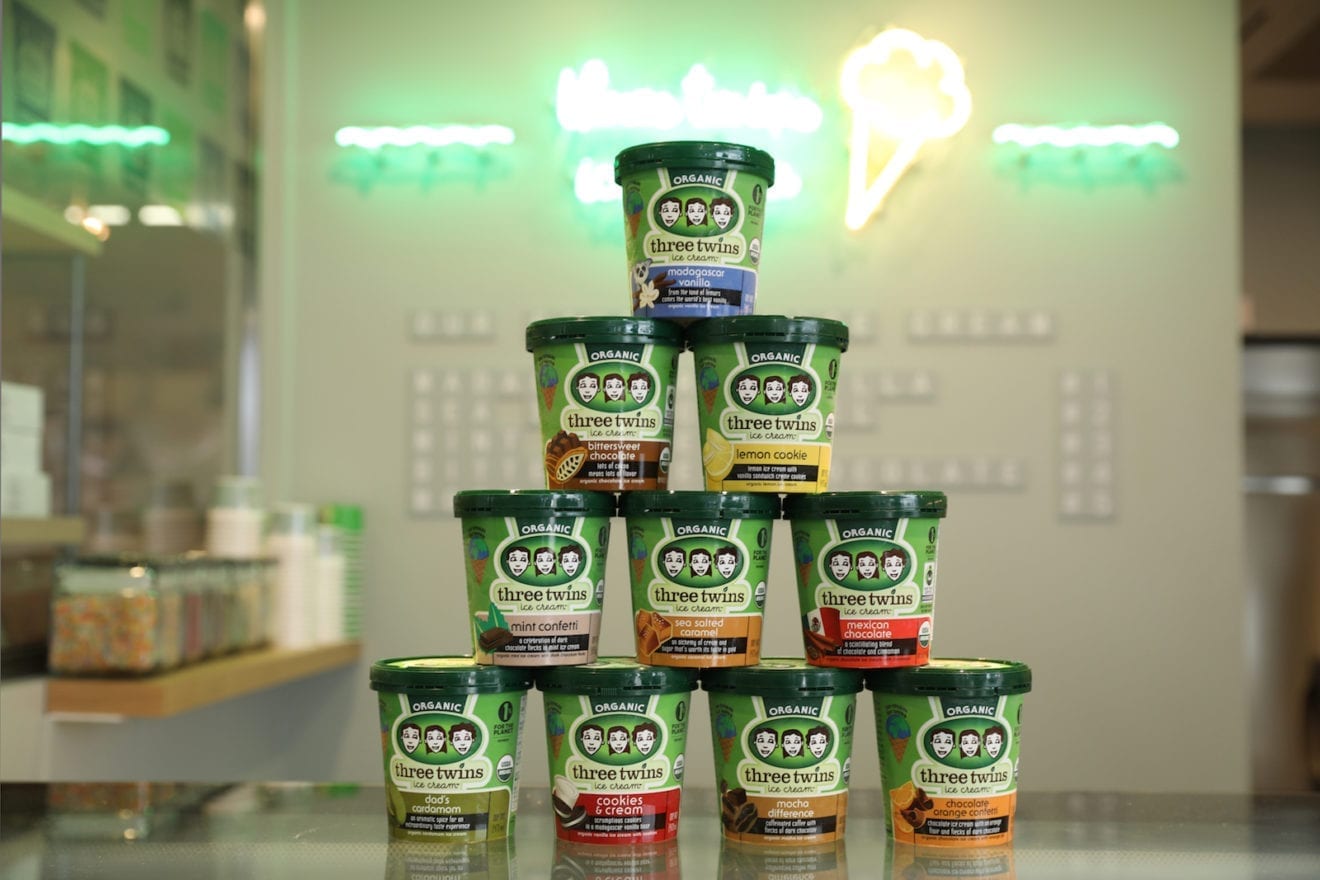
    US organic brand Three Twins Ice Cream has opened its first store in Japan.

    In a partnership with Mash Holdings, which runs several lifestyle and eco brand stores as well as organic cafes and kitchens, the outlet is outside the train station in the Daikanyama area of Tokyo.

    Three Twins Ice Cream founder/CEO Neal Gottlieb says Mash has put “a huge amount of work” into setting up the shop.

    Gottlieb founded Three Twins in California in 2005 with his twin brother Carl, whose wife Liz is also a twin. On its home turf, Three Twins sells more than 20 brands. In Japan, the initial offering will be 11 – Madagascar Vanilla, Bittersweet Chocolate, Lemon Cookie, Mint Confetti, Cookies & Cream, Mexican Chocolate, Chocolate Orange Confetti, Dad’s Cardamom, Sea-Salted Caramel, Strawberry and Mocha Difference. All the ice cream is made in the US.

    Gottlieb says the next step will be to make some flavours especially for Japan. “We will work with the team here and source local ingredients, make the ice cream in the US and send it back to Japan.”

    One of brand’s key selling points is that its products are organic. “Every single ingredient – milk, cream, sugar, eggs, vanilla – is organically produced,” Gottlieb says. “No chemicals are toadded, and no fertilisers, pesticides or herbicides involved. The cows are never given antibiotics; they are raised on organic feed. And none of our products are genetically modified.”

    Beyond the initial store, Gottlieb says he would like to sell cups of the ice cream to natural-food stores “and ultimately I’d love to see it in 7-Eleven and eventually in every retail channel”.

  • Malaysia Airlines sees decline in Q4 load factor, passengers carried

    Malaysia Airlines sees decline in Q4 load factor, passengers carried

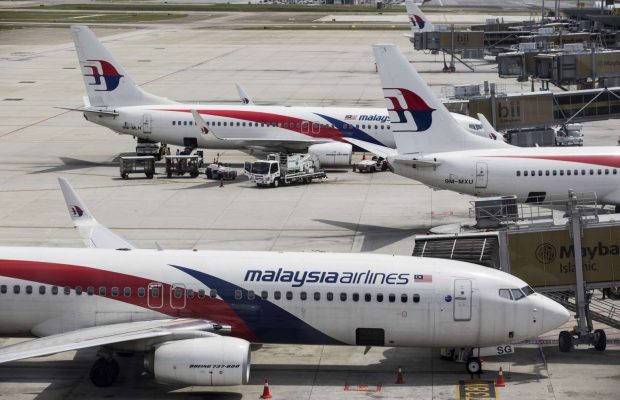
    Malaysia Airlines Bhd’s (MAB) passenger load factor for the fourth quarter (Q4) ended Dec 31, 2017 dipped to 77% from 81% a year ago with a 10.5% drop in the number of passengers carried from 3.8 million to 3.4 million.

    Despite that, Q4 passenger yield was the highest during the year at 23.6 sen, which offset the slight reduction in load factor and also resulted in a 2% improvement in revenue per available seat kilometre (RASK) from 21.6 sen to 22.1 sen.

    Domestic and international passenger load factor stood at 70.5% and 78%, respectively.

    Malaysia Airlines Group (MAG) CEO Izham Ismail said in a statement that the group is firmly anchored to the MAS Recovery Plan and he is happy to see steady progress continue in the fourth quarter.

    “A concerted focus on yield in the second half of the year has seen an overall improvement in yield and RASK bucking the general downward trend of other regional players.”

    Overall he said the airline underperformed against budget compared to the previous year, due to a weaker first half impacted by a weak pricing strategy as well as the hike in exchange rates and fuel.

    “MAB did recover in the second half with closer oversight on yield management and ended the year in a stronger position. Moving forward, we will continue to focus on and drive yield to cushion the group from rising fuel costs and forex volatility,” he added.

    On outlook, Izham said Southeast Asia has strong traffic growth, but overcapacity remains a challenge, pressuring yields.

    “MAB maintains its cautious outlook in the fiscal year of 2018. While the economy is anticipated to be resilient, MAG anticipates that supply and capacity pressure will continue to put a stress on yields although the effect for 2018 is expected to be moderate. The group will continue to be prudent and agile in controlling capacity and has already scaled back on domestic route frequencies allocating aircraft where the best potential returns are seen.”