Author: Mei Ling Tan

  • Apple reseller Malaysia apologises over cancelled warehouse sale

    Apple reseller Malaysia apologises over cancelled warehouse sale

    Following the warehouse sale fiasco on Friday, Switch Malaysia has issued an apology and extended the sale of Apple products to all its branches nationwide.

    In a Facebook posting today, the Apple Premium Reseller said Apple lovers may now enjoy discounted price at 30 of its retail outlets nationwide just for today and Sunday (March 3 and 4).

    The products on discount are MacBook Air 11” (RM2,799), iPhone 6 (32Gb) Gold (RM1,399), iPhone X 64GB (RM4,899) and iPhone X 256GB (RM5,649).

    Apple accessories were also on offer, from as little as RM1. The Apple warehouse sale at MyTown Shopping Centre in Cheras had started yesterday.

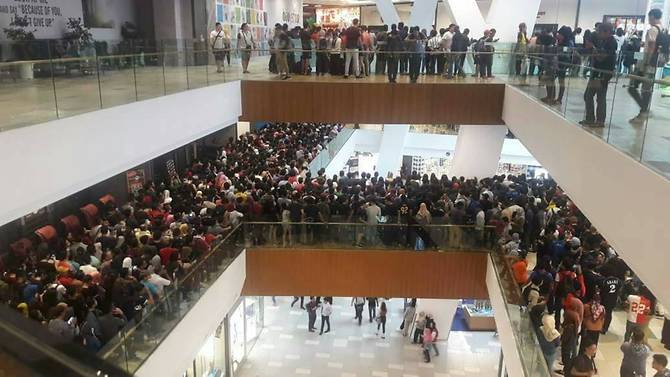
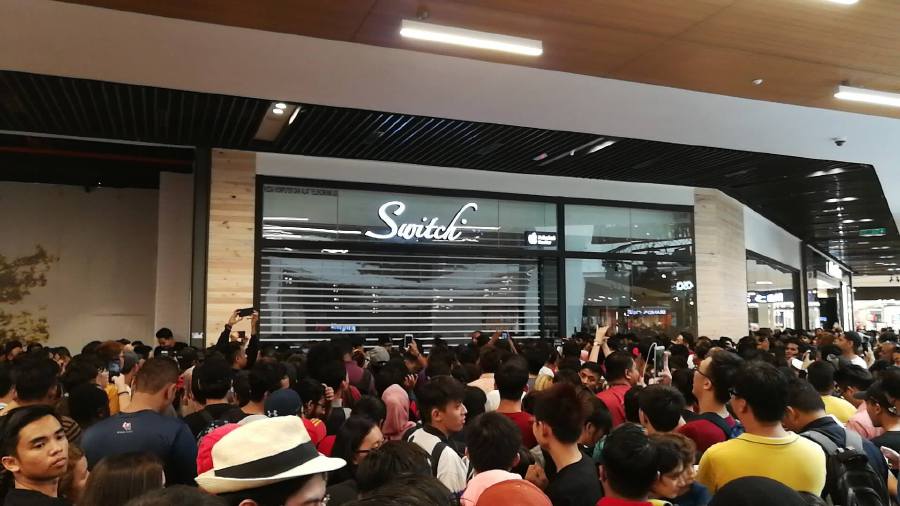
    However, it was cancelled after the mall swamped by thousands of Apple fans.

    Some of them had been standing in queue outside the mall since the night before.

    In an apology, Switch said: “We are truly sorry for the Demo Clearance Event yesterday.

    “We did not expect the magnitude. We were overwhelmed by the 11,000 who turned up,” it said.

    Switch acknowledged that their customers had came from other states, woke up early, stayed up all night, brave the traffic and temperature at night, and trying their best to stay in line at the clearance event. Switch promised its customers that it will do much much better in future.

    Despite the apology, Apple lovers – who were told that they could get an iPhone 5s for RM200 or an iPhone 6S for RM800 (a brand new iPhone 6S retails for RM2,249) – are still upset.

    Facebook user Joseph Lee said: 11k people showed up…but they only had 200 units to sell.

    Another Facebook user Muhammad Syamim advised Switch to hold future warehouse sale via online instead.

    Some scolded the customers for making a mad rush for the warehouse without checking the terms and conditions. Mohamad Azlee said Switch had already mentioned the limited quantity of products on sale. “The 11,000 are too lazy to read,” he said.

  • JD.com launches new accelerator to develop AI and blockchain technologies

    JD.com launches new accelerator to develop AI and blockchain technologies

    JD.com, one of China’s largest e-commerce companies, has launched a new accelerator program called AI Catapult that focuses on blockchain and artificial intelligence startups.

    Based in Beijing, AI Catapult will start with an inaugural roster of companies that include Bluzelle, a blockchain startup based in Singapore providing database services, Bankorus, a leading Chinese robo-advisory provider, CanYa, an Australian cryptocurrency startup, Nuggets, a London-based e-commerce payments and ID platform built on blockchain technology, Republic Protocol, an open source decentralized dark pool exchange, and Devery, a blockchain-powered product verification protocol.

    JD.com said the purpose of the program is to partner with innovation startups to build new businesses and create real-world applications of their technologies at scale.

    Uri Ferruccio, the director of strategy and investment for JD.com’s AI Platform and Research Division, said AI Catapult “will support JD.com as it explores how AI can improve the scalability, security, privacy and efficiency of blockchain, and enable novel and improved applications in areas such as distributed AI.”

    Bowen Zhou, vice president of JD.com’s AI Platform and Research Division, added, “We are excited to work with some of the world’s most innovative startups to explore ways we can scale these cutting edge technologies for the future of retail and other industries, as well.”

    The program will begin in March and will provide selected startups with the opportunity to cooperate with business units throughout JD.com’s retail business and implement their technologies.

    The firm also plans to invest in the growth of the AI and blockchain ecosystem through future commercial, strategic and research partnerships.

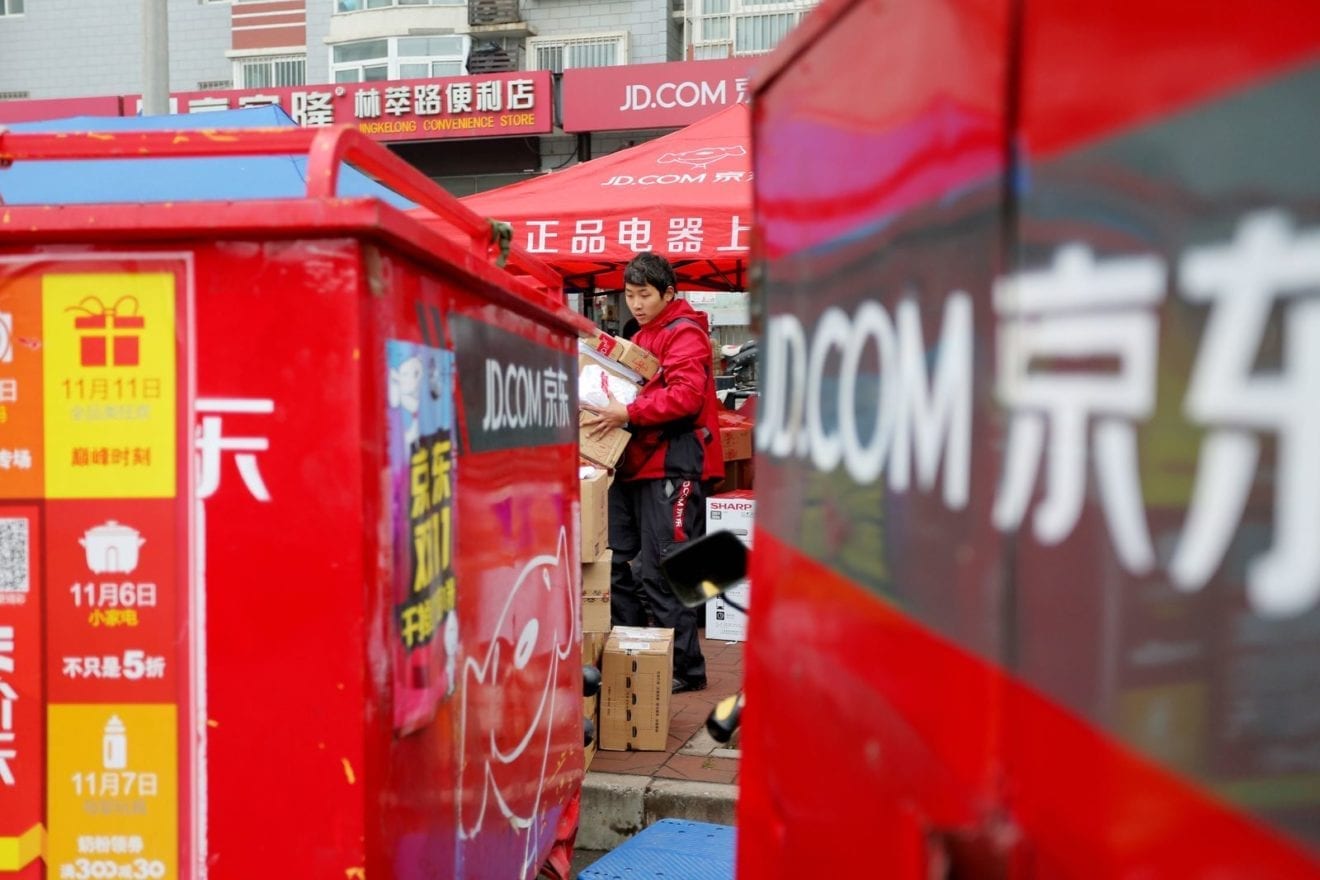
    JD.com already uses blockchain technology in its supply chain to track products and AI to control its logistics drones and automated package sorting centers. The firm joined the Blockchain in Transport Alliance earlier this month to explore the use of blockchain for global freight and logistics. It is also working with Walmart, IBM and Tsinghua University National Engineering Laboratory for E-Commerce Technologies on blockchain applications for food tracking, traceability and safety in China.

    JD.com has over 266 million customers and recorded 658.2 billion RMB, or about US$100 billion, in gross merchandise value in 2016.

  • Flipkart’s Singapore parent infuses Rs. 4500cr into India wholesale arm

    Flipkart’s Singapore parent infuses Rs. 4500cr into India wholesale arm

    the wholesale arm of the country’s largest e-commerce company, has received almost Rs 4,500 crore in what is one of the largest capital infusions for the entity, as per latest regulatory filing at the Registrar of Companies (RoC). This large investment in to the wholesale arm from its parent indicates the aggressive plans that Flipkart has charted out to counter its closest rival Amazon which too runs a wholesale arm. Since raising $4 billion from marquee investors like SoftBank last year, Flipkart has been largely been pushing its logistics and payments businesses adding big bucks to rev up these verticals.

    Flipkart India is one of the core companies that controls the e-tailer’s India operations. The wholesale arm buys products in bulk from various manufacturers and then sells it to merchants who work closely with the online retailer as well as to independent third party vendors. These merchants, in turn, sell these products to consumers on the Flipkart platform. Flipkart Internet is the other significant entity which runs the marketplace for the e-commerce major. This entity too received an investment of about Rs 370 crore recently.

    In March 2016, the Indian government allowed 100% FDI in online retail of goods and services under the marketplace model with riders which restrict a seller from contributing more than 25% of overall sales generated on any e-commerce site. This is why companies like Flipkart and Amazon, which cannot work on the inventory model, prop up few big merchants and help them cater to the growing consumer demand. Having a wholesale arm helps in doing that as they e-tailers cannot directly sell to shoppers. As per the RoC documents, Flipkart’s Singapore parent was issued each share of Flipkart India for Rs 23,900 for raising the new capital.
    An email sent to a Flipkart spokesperson on the development did not elicit a response. The e-tailer’s wholesale entity reported revenues of Rs 15,264 crore for the financial year 2017 compared to Rs12, 818 crore in the previous year showing a growth of about 18%. After a tough 2015- 2016, Flipkart had managed to make a turnaround last year with a bump up in growth numbers on the back of smartphone sale. It also successfully raised massive funds to fight Amazon as Japan’s SoftBank came on board as its largest investor.
    Both Amazon and Flipkart are vying for the largest pie of the Indian e-commerce market and are investing in their businesses at a staggering pace. Amazon has already infused over $3 billion in the Indian market and its international losses–majority of which is credited to India–stood at $3 billion for the full year of 2017. Flipkart Singapore parent reported a 67% jump in losses at Rs 8,771 crore for the financial year ending March 2017. Both the players are also ramping up their infrastructure for new businesses as they look to drive up growth. While Flipkart is setting up new fulfilment centres for its TV and large appliances business, Amazon recently announced it has opened up 15 new warehouses or what it cals Fulfillment Centres to push its grocery and daily consumables business.
    Flipkart is currently engaged in talks with Walmart, the world’s largest offline retailer, for a deal that may give the American retailer a big stake in the homegrown comoany valuing it at upwards of $20 billion, as TOI reported in our February 8 edition.
  • Korea Investment buys 99-yr leasehold of Brussels buildings for $454 mn

    Korea Investment buys 99-yr leasehold of Brussels buildings for $454 mn

    180303-%eb%b2%a8%ea%b8%b0%ec%97%90-egmont-iii

    Korea Investment Management Co. has obtained a 99-year leasehold for €370 million ($454 million) of two buildings in Brussels used as the headquarters of Belgium’s foreign ministry, in the largest property investment by a South Korean investor in the European country.

    The asset manager, a sister company of brokerage Korea Investment & Securities Co. Ltd., will raise €164 million from retail investors in March through public and private funds to finance the deal, the company said in a regulatory filing on Feb. 27.

    For the remainder of the acquisition cost, it plans to borrow €230 million, about 60% of the property’s assessed value, in a three-year loan at a fixed rate of 1.18% per annum. The total financing includes advisory fees and other transaction costs.

    Belgium’s large real estate assets are luring South Korean investors with relatively higher returns. Their annual returns amount to 7-8%, or 2-3% points higher than those of properties in other gateway cities in Europe.

    Korea Investment, part of Korea Investment Holdings Co. Ltd., acquired the leasehold of Egmont I and Egmont II from Cofinimmo, Belgium’s second-biggest listed real estate investment trust company. They were built in 1997 and 2007, respectively.

    It expects to earn annual returns of 6-7% for a five-year investment period.

    Major tenants are Federal Ministry of Foreign Affairs and Foreign Trade and Development Cooperation.

    The two buildings are under a lease agreement with Belgium’s Government Buildings Agency (GBA) which will last until the end of May 2031.

    They have a rentable space of 70,238 square meters and are located in the central business district of Brussels where Belgium’s central bank, stock exchange and supreme court are based.

    The seven-story buildings, valued at €388 million as at end-December 2017 by Savills, generate €13 million in annual rental income which will increase in line with consumer inflation.

    Brussels’ commercial property market quadrupled to €4 billion in value between 2009 and 2016, driven by demand as an alternative to London as a European head office and rent increases.

    Last year, Hanwha Investment & Securities Co. Ltd. acquired Square de Meeus 8, a 11-story office building in Brussels, in a consortium for €210 million.

    The Public Officials Benefit Association, a South Korean retirement savings fund, bought an office complex in Brussels, Brederode, for $120 million via a separately managed account in 2017.

    In early 2016, Korea Investment & Securities and a small-sized domestic asset manager made a joint acquisition of Astro Tower in northeast of Brussels for 230 billion won and resold the interests later to other domestic institutional investors.

  • Bursa Malaysia downtrend likely to continue this week

    Bursa Malaysia is expected to continue its downtrend this week on gloomy investor sentiment as fears of a trade war was triggered by US President Donald Trump’s plan to impose steep tariffs on steel and aluminum imports.

    Affin Hwang Investment Bank Vice-President/Head of Retail Research Datuk Dr Nazri Khan Adam Khan said Trump’s Thursday decision of instituting tariffs of 25% on steel imports and 10% on inbound aluminium shipments had worsened the already cloudy sentiment in the market.

    “Therefore, investors believe the move would have a spillover effect on emerging markets like Malaysia and turn away from the equity market.

    “Trump’s announcement had sparked trade war worries that might involve countries like China, as well as European countries, and they are the major export destinations for Malaysia,” he said.

    Nazri Khan expects the wary sentiment would extend until this week, causing the benchmark FTSE Bursa Malaysia KLCI (FBM KLCI) to lower at around 1,850 points from Friday’s close of 1,856.07.

    For the week just-ended, Bursa Malaysia was traded mostly mixed to lower, despite touching a three-week high of 1,871.46 on Tuesday due to the encouraging corporate earning results.

    Moving in tandem with its regional peers, the local bourse was mostly affected by the new US Federal Reserve Chair’s hawkish remarks on the US monetary policy as fears emerged over the faster pace of interest rate hike.

    China’s sluggish manufacturing data in February and Trump’s tariff hike remarks also played a vital role in influencing the market barometer movement.

    On a Friday-to-Friday basis, the FBM KLCI finished 5.43 points easier at 1,856.07.

    The FBM Emas Index lost 139.83 points to 13,173.95, the FBMT100 Index depreciated 112.65 points to 12,892.74 and the FBM Emas Syariah Index dropped 229.04 points to 13,372.35.

    The FBM 70 dipped 394.07 points to 15,978.48 and the FBM Ace slumped 295.31 points to 6,154.67.

    On a sectoral basis, the Industrial Index decreased 36.68 points to 3,215.45, while the Plantation Index gained 18.50 points to 8,079.99 and the Finance Index surged 226.29 points to 18,228.07.

    Weekly turnover went up to 14.37 billion units worth RM14.20 billion from 12.80 billion units worth RM11.26 billion.

    Main market volume rose to 9.22 billion shares valued at RM13.30 billion from 7.81 billion shares valued at RM10.31 billion.

    Warrant turnover fell to 2.44 billion units worth RM439.50 million versus 2.96 billion units worth RM526.96 million last week.

    The ACE market advanced to 2.67 billion shares valued at RM441.25 million against 2.0 billion shares worth RM403.30 million.

    Gold futures contracts on Bursa Malaysia Derivatives are likely to remain uncertain this week, tracking the US Commodity Exchange’s (COMEX) gold market, said a dealer.

    Phillip Futures Sdn Bhd Dealer Tee Guy Eon said gold prices were expected to continue to be pressured by the expectation of the US Federal Reserve interest rate hike anytime soon.

    “The precious metal is vulnerable towards interest rates, as it could increase the opportunity cost of holding non-interest-bearing gold,” he said.

    For the week just ended, the overall local gold price traded slightly higher, lifted by positive sentiment following the uptrend on the COMEX gold futures as the US dollar eased on worries over US President Donald Trump’s plan to impose heavy tariffs on imported steel and aluminium.

    On a Friday-to-Friday basis, March 2018 and April 2018 decreased 33 ticks each to RM166.20 a gramme and RM166.95 a gramme, respectively, while May 2018 eased eight ticks to RM167.70 a gramme and June 2018 declined 17 ticks to RM167.70 a gramme.

    Weekly turnover rose to 20 lots worth RM334,400 from last week’s 14 lots worth RM236,260, while open interest fell to 70 contracts from 73 contracts.

  • Hong Kong Bans Trade In Ivory

    Hong Kong Bans Trade In Ivory

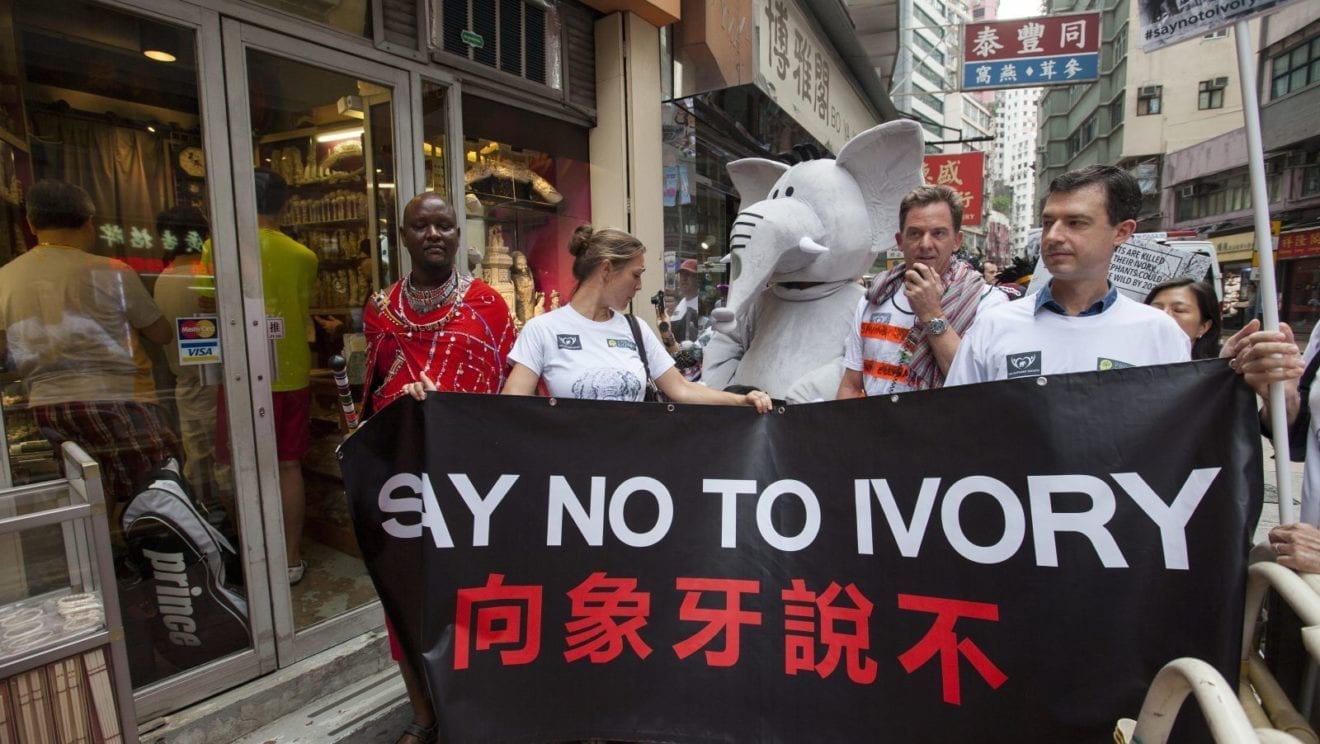
    Hong Kong has voted to ban ivory sales in a landmark move to end the infamous trade in the city.

    Lawmakers overwhelmingly voted for Wednesday’s bill, which will abolish the trade by 2021, following China’s complete ban on ivory sales that went into effect at the end of last year.

    “Shutting down this massive ivory market has thrown a lifeline to elephants,” said Bert Wander of global advocacy group Avaaz.

    “Today is a great day for elephants. Hong Kong has always been the ‘heart of darkness’ of the ivory trade with a 670-tonne stockpile when international trade was banned in 1989,” said Alex Hofford of WildAid Hong Kong.

    The amendment will phase out the trade in three stages, a time period some conservationists say could be exploited as a loophole and too late for African elephants which continue to be killed in huge numbers.

    The steps include a ban on trade in hunting trophies and ivory dating from after 1975, when a global treaty regulating the trade took effect. It would later extend to ivory acquired before 1975, and finally traders would have to dispose of their stock by 2021.

    Penalties for offenders will be increased to a maximum fine of HK$10m ($1.3m) and 10 years’ imprisonment.

    Dozens of demonstrators including schoolchildren gathered outside the city’s legislature to protest against ivory sales holding up signs that read: “Do you really need ivory chopsticks?”

    Angry ivory traders have said they will be forced to close down their businesses and demanded the government compensate them for their stock – which the new ordinance rejected.

    Despite the planned ban, the trade was still flourishing in Hong Kong, which saw its biggest ivory bust in three decades last July when more than seven tonnes of tusks worth more than $9m were seized.

    In the months ahead of Wednesday’s vote, the legislature heard tales of murder and suffering involving African park rangers who were shot dead while protecting elephants and others drowned or set on fire.

    African ivory is highly sought after in China, where it is seen as a status symbol, and used to fetch as much as $1,100 a kilogram.

    Poaching in Africa has seen the elephant population fall by 110,000 over the last 10 years to just 415,000, according to the International Union for Conservation of Nature.

    Despite an overall fall in poaching, Africa’s elephant population has declined in part because of continued illegal killing, said a report last year by the Convention on International Trade in Endangered Species.

  • Aeon Mall to open sprawling new facility at former Space World site

    Aeon Mall to open sprawling new facility at former Space World site

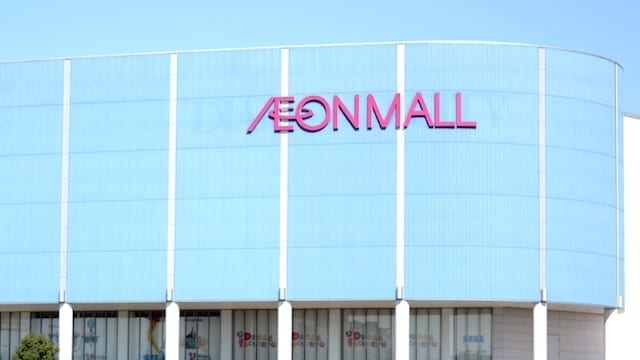
    A Space World amusement park in Kitakyushu city, on Kyushu Island, will be the site of a commercial complex to be developed by Aeon Mall.

    Landowner Nippon Steel & Sumitomo Metal Corp has been discussing development of the Fukuoka Prefecture site with Aeon, with the target of launching a commercial complex by 2021. It will encompass retail, entertainment, culture and dining.

    According to the city government, the two companies have signed a provisional lease contract for the 270,000 sqm lot, with a formal deal expected to be struck after the Space World lease expires at the end of June.

  • More challenging situation for Esprit Holdings

    More challenging situation for Esprit Holdings

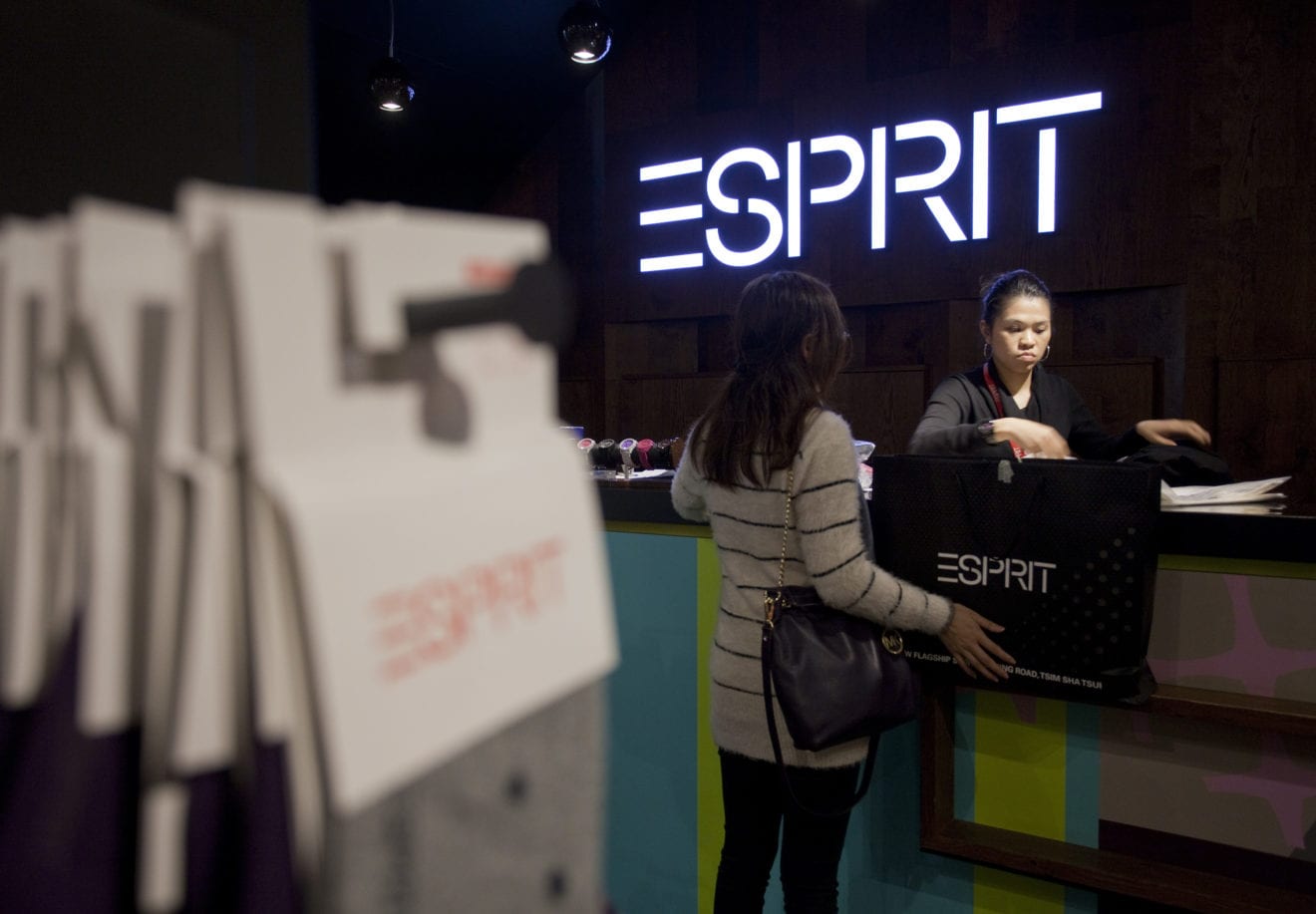
    Trading conditions have continued to be challenging for clothing company Esprit Holdings.

    With the industry changing rapidly, the company says it has had fewer customers in its brick-and-mortar retail stores as well as increased competition in the e-commerce channel. As a result, the group’s first-half performance to the end of December was below management expectations.

    Esprit says it has experienced a significant decline in its China business in recent years.

    While gross profit margin improved by 0.4 points, the group had a net loss of HK$954 million (US$121.8 million) for the half-year, following a net profit of $61 million for the same period a year earlier.

    First-half revenue was $8 billion, a year-on-year decline of 9.6 per cent.

    Esprit says rationalising its distribution footprint by closing unprofitable stores and non-performing wholesale spaces continues to be paramount. During the six months to the end of December, the group reduced total controlled space by 21,766sqm. This, with the 24,122sqm reduction in the previous six months, added up to a year-on-year reduction of 7.4 per cent.

    Revenue for the first quarter fell 7.4 per cent in local currency, while in the second quarter the decrease was 11.7 per cent, larger than expected primarily because of weak sales in its brick-and-mortar stores.

    Representing 12 per cent of total group revenue, Asia Pacific (mainly China, Australia and New Zealand, Singapore, Hong Kong, Taiwan, Malaysia and Macau) saw revenue fall 17 per cent to $966 million.

    In terms of distribution channels, retail contributed 82.4 per cent of the region’s revenue with the e-shop contributing 11 per cent.

    Asia Pacific represented 9.9 per cent of total group revenue, down by 18.4 per cent year on year, and down 20.3 per cent in the first quarter and 17.1 per cent in the second quarter.

    There was a 10.2 per cent reduction in net sales area under the company’s restructure of its store network. “Sales performance was visibly dragged by the underperformance of concession counters in department stores in China.”

    E-commerce accounted for 26 per cent of total group revenue, up from 24 per cent. The channel generated $2 billion in revenue, a 2.5 per cent dip.

    This is Esprit’s 50th-anniversary year, and it has been listed for half that time.

  • South Korean cosmetics to seduce Europe

    South Korean cosmetics to seduce Europe

    South Korean cosmetics brands, wildly successful at home and across Asia, now have their eye on the European beauty market where their penetration is, for now, only skin-deep.

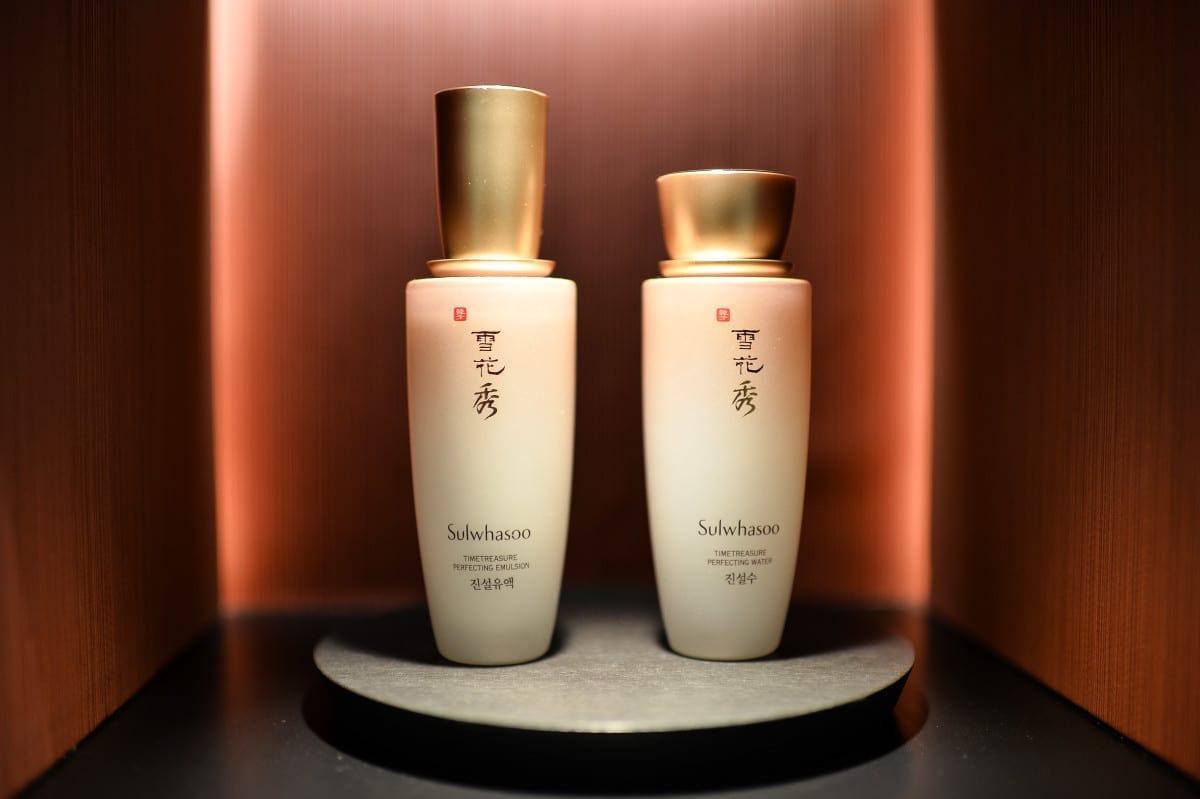
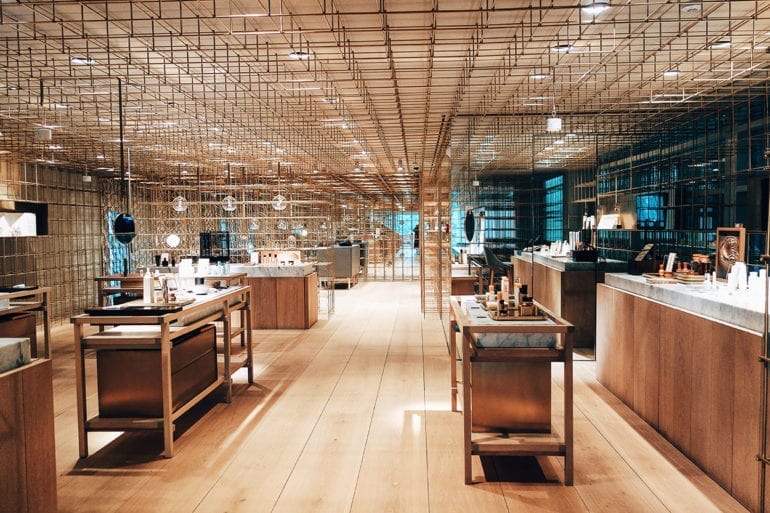
    Picking luxury goods powerhouse France as its bridgehead to seduce European consumers, South Korea’s leading cosmetics firm Amore Pacific launched its top brand Sulwhasoo at the upmarket Galeries Lafayette department store a few months ago.

    Britain is the next planned stop for Amore next year, when the company also plans to launch its other flagship brand, Laneige.

    The Korean industry has a solid reputation for innovation and a particular knack for blending natural far eastern ingredients – such as green tea, ginseng root or even snail slime – into beauty products.

    Hallyu, the “Korean Wave” of pop culture sweeping Asia since the 1990s, has given cosmetics sales a big lift, with young fans wanting to make up just like their K-Drama or K-Pop idols, or even become K-Beauty ambassadors for big brands.
    Amore Pacific, which had sales of around US$5.6 billion last year, is still heavily reliant on its domestic market, which accounts for two-thirds of its revenues.

    Its European and North American operations pale by comparison, generating combined sales of less than US$100 million.

    “The company’s aim today is to widen its geographical presence beyond Asia,” Thierry Maman, head of Amore Pacific Europe, told AFP.

    Tensions with Chinese clients after South Korea allowed the United States to install a missile shield added urgency to the group’s ongoing drive towards “globalisation”, said Maman, who was a manager at French luxury conglomerate LVMH before joining Amore.

    One of the challenges for European expansion is that the Korean Wave of pop culture has not really taken off there.

    The Hallyu association can even be a bit of a drawback, says Laura Koeppler, who co-manages the Korean Smooch online store which sells avant-garde cosmetics made in Seoul to European customers.

    Koeppler said early Korean cosmetics imports to Europe rode a wave of enthusiasm for Kawai, meaning “cute” in Japanese, including TonyMoly and Skin79 which makes face masks in the shape of a panda.

    “Consumers thought that that is what South Korea is about,” she told AFP.

    Koeppler said that, actually “there is real skill” in K-Beauty, which has come up with game-changing products such as BB creams, good at covering imperfections, CC Creams, which improve complexion, and so-called “cushions”, which blend skincare and make-up ingredients into a single product.

    Merging traditional Asian ingredients with ultra-high tech components is another hallmark of Korean cosmetics making.

    South Korean beauty and skincare require different “application rituals” than those Europeans are used to, said Thierry Maman.

    “There is a need for guidance” for European consumers wanting to work Korean products into their routine.

    “The priority for western brands is the effectiveness and the quantity of active ingredients that they manage to incorporate” in a beauty product, he said.

    But in Asia “the smell, the touch and the pleasure that a cream brings” are just as important, according to Maman.

    A number of Western beauty companies have copied South Korean cosmetics inventions, industry experts say.

    But sometimes they simply buy into local companies for fast Asian market exposure, such as when Unilever picked up South Korea’s Carver, LVMH bought a stake in CLIO Cosmetics and Estee Lauder invested in Dr. Jar+ and DTRT.

    These acquisitions “show that western beauty giants acknowledge K-Beauty players as a fast and effective instrument to capture China and emerging Asian markets. Private equity firms will continue to drive such deals, attracting the appetite of western beauty giants”, said Sunny Um, Asian beauty sector analyst at the Euromonitor research firm.

    L’Oreal, the world’s biggest beauty products company, could be next on the takeover trail.

    “We are looking at all acquisition opportunities in South Korea,” L’Oreal’s chief executive, Jean-Paul Agon, said recently.

  • JD.COM signs delivery deal with FamilyMart China

    JD.COM signs delivery deal with FamilyMart China

    JD.com has signed a deal with Japanese convenience-store chain FamilyMart.

    This will enable users to order goods through JD.com’s 24-hour O2O service Jing Dong Dao Jia (“Door-to-Door JD”) and have them delivered from FamilyMart’s 212 core locations in Beijing, Shanghai, Shenzhen and Chengdu within 30 minutes.

    Early this year JD.com launched 7Fresh, its offline fresh-food supermarket, in Beijing. Before that, it invested in Yonghui supermarkets and formed a strategic partnership with Walmart through Jing Dong Daojia. JD.com has also invested in fresh-food delivery app Fruit Day and created a business unit dedicated to fresh food, JD Fresh.

    The e-commerce company has also established co-operations with two other Japanese convenience store chains, 7-Eleven and Lawson, as well as international brands. The company now covers nearly 1000 convenience stores.

    JD.com says that during January, all convenience stores working with it recorded three times higher sales volume than at the same time last year. For 7-Eleven stores, which joined Jing Dong Dao Jia in 2016, there was a 400 per cent increase in sales.

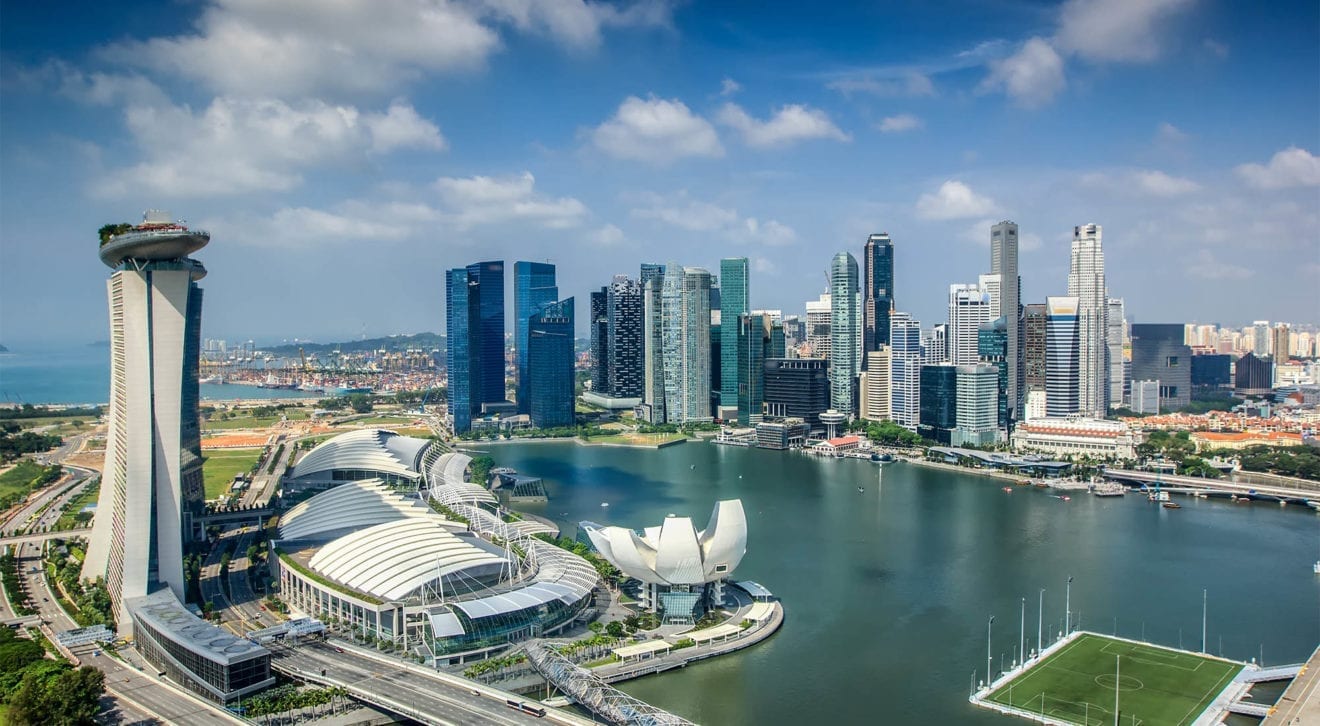
  • Prime retail rents Singapore to stagnate at $35 per sqft

    Prime retail rents Singapore to stagnate at $35 per sqft

    Structural headwinds from e-commerce are blamed for retailers woes.

    Despite economic growth in Singapore, prime rents and yields, which reached $35 psf per month and 4.3% respectively, are expected to stay flat, Savills Investment Manager said.

    According to its 2018 outlook, despite a broader recovery in Singapore’s economy, the country’s increasing interest rate environment, elevated household debt and rising inflation mean consumers are likely to spend cautiously. “Structural headwinds from e-commerce, foreign labour restrictions and high operating costs are forcing retailers to re-examine their strategies and close underperforming stores, driving up vacancy rates. Occupier demand, however, should remain, especially for well-managed regional shopping centres near or integrated with subway stations,” the firm said.

    Savills IM noted that shopping centres in secondary locations and strata-titled shopping centres – where ownership is divided into individual units – will likely continue to suffer, underpinning further rental declines in 2018. “Be cautious of prime retail in Singapore, as leasing demand will be tempered by stagnant consumption growth, structural challenges from e-commerce and supply risks through 2019.”

    As a resolve, Savills IM said that retail market focus should be on neighbourhood regional shopping centres that are near major transportation nodes and are more defensive due to their non-discretionary trade.

    The retail rents problem is also present outside prime properties. The growth of online shopping led to rising vacancy rates and lower retail rents in the past few years. The vacancy rate of island-wide retail space has gradually risen from 4.5% in 4Q13 to 8.1% in Q2.

    The bleak rentals for Singapore’s retail sector are expected to remain weak until 2021. Retailers also face margin pressures from the combined challenges of weaker retail spending and labour costs.

    On a positive note, according to the Singapore Tourism Board, tourism growth helped boost retail sales in H1 2017.

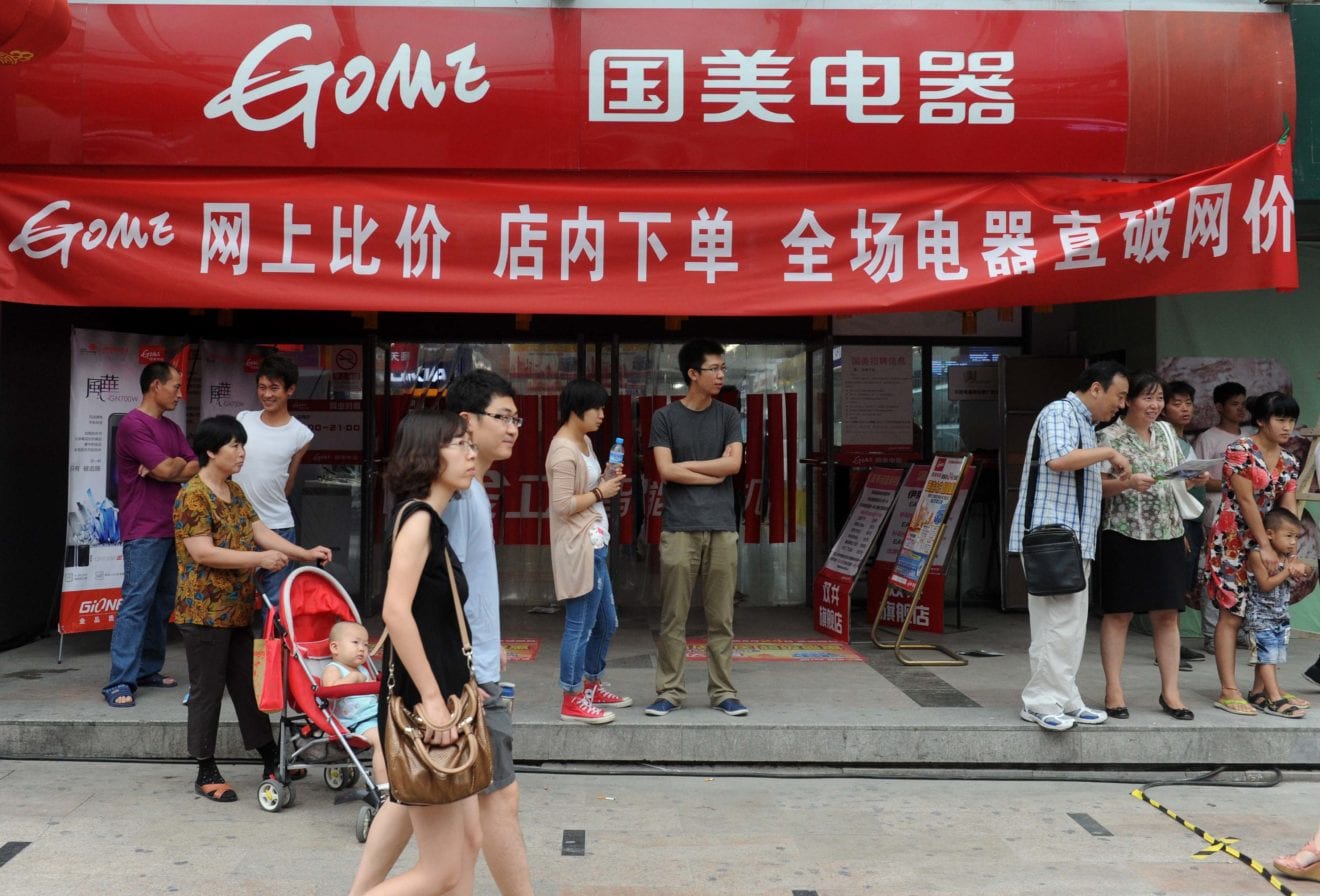
  • Gome Electric issues profit warning

    Gome Electric issues profit warning

    Electrical appliance retailer Gome Retail has issued a profit warning despite a strong year, the result of impairments and financial costs.

    During the 12 months to the end of December the group launched its “Home Living” strategy, a blueprint aimed at helping it evolve into a one-stop provider, going beyond the traditional home-appliance retailer.

    Based on a preliminary review of the latest management accounts, the group’s total gross merchandise volume (GMV) both online and offline is expected to grow by more than 20 per cent year on year. Sales from the comparable stores of the group are expected to increase by more than 2 per cent with the consolidated gross profit margin expected to exceed 18 per cent.

    With the e-commerce business entering the online/offline integration stage, its direct sales revenue decreased by about 7 per cent. However, the GMV from the e-commerce business is expected to more than double.

    With more than 200 million members in its loyalty program, the group is speeding up expansion of its services while expanding into China’s fourth- and fifth-tier cities.

    Despite the strong trading, Gome impaired the goodwill for some of its under-performing business units and long-term assets related to the e-commerce business. That, together with rising financial costs related to the increased debts, is likely to produce a loss attributable to the owners of the company during the year of between RMB300 million (US$47.2 million) and RMB500 million, compared to a net profit 12 months earlier.

    The financial data also covers Artway Development and its subsidiaries from April 1, following its acquisition on March 31.

  • Burberry has new chief creative officer, soon

    Burberry has new chief creative officer, soon

    Fashion company Burberry has appointed Riccardo Tisci chief creative officer, effective from March 12.

    With expertise across womenswear, menswear, leather goods and accessories, Tisci joins Burberry from Givenchy, where he was creative director from 2005 to last year.

    A graduate of Central Saint Martins in London,Tisci will direct all Burberry collections and present his first for the brand in September. He will be based at the brand’s headquarters in London.

    “Riccardo’s skill in blending streetwear with high fashion is highly relevant to today’s luxury consumer,” says Burberry CEO Marco Gobbetti.

    Tisci says he has enormous respect for Burberry’s British heritage and global appeal. Born in Lombardy, Italy, in 1974, he worked with Gobbetti when he was president/CEO of Givenchy from 2004 to 2008.

    Since 2013, Tisci has been collaborating with Nike and previously held design roles at Antonio Berardi, Puma and Ruffo Research.

    GlobalData retail analyst Charlotte Pearce says the market reacted positively to Tisci’s appointment.

    “He will be able to breathe new life into the company and bring a fresh perspective to the luxury British brand. With six months to go before Tisci presents his first show for Burberry in September, he will have time to firmly establish himself in the business and lay out his creative vision for the renowned brand.”

    Peace says it is imperative that Tisci and Burberry CEO Marco Gobbetti work closely together over the coming months – as they would have at Givenchy – to reinvigorate the Burberry brand.

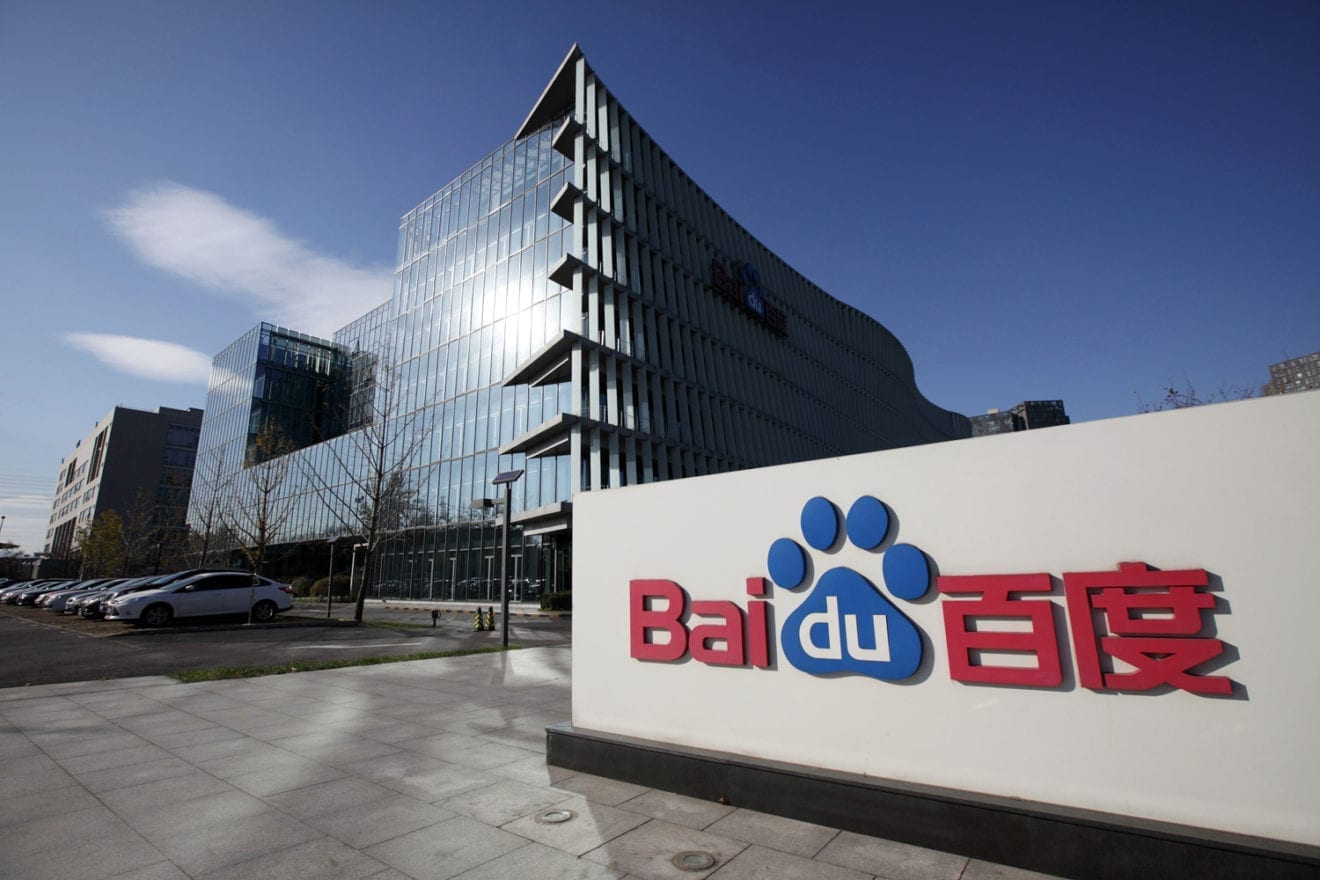
  • Alibaba said to buy out Baidu

    Alibaba said to buy out Baidu

    Alibaba Group Holding Ltd. plans to buy out Baidu Inc. and other investors in Chinese startup Ele.me to shore up its delivery network, a person familiar with the matter said, placing its biggest bet yet in online food and local services.

    An acquisition would hand Alibaba the biggest chunk of Chinese online food delivery and pit it directly against Meituan Dianping, backed by Tencent Holdings Ltd. Ele.me – which means “hungry yet?”. Meituan runs an army of delivery people on motorbikes across the country that could enhance Alibaba’s last-mile ability to get parcels to customers’ doorsteps and complement its Koubei neighbourhood services business.

    Alibaba, which owned 23 per cent of Ele.me as of May, plans to buy the stock from existing investors including Baidu, the person said, requesting not to be named because the matter is private.

    It is unclear how much Alibaba agreed to pay, but Ele.me was said to have been valued at between US$5.5 billion (S$7.23 billion) to US$6 billion in a May fundraising last year.

    The startup then bought Baidu’s delivery business at a US$500 million valuation in August 2017, a person familiar said at the time. The current talks are ongoing and it’s possible terms may change or the deal may not be completed.

    Alibaba, Ele.me and Baidu declined to comment.

    Alibaba shares rose 0.47 per cent to US$194.19 Monday in New York, the highest in four weeks. Baidu rose 2.2 per cent to US$256.25, the highest in more than a month.

    If the deal goes through, Alibaba and Meituan will dominate a Chinese food delivery market that Analysys estimates reached 67.7 billion yuan (S$14.1 billion) in 2017’s final quarter, up 16.2 per cent from the previous three months.

    For Baidu, it is another exit from a business considered peripheral to its core operations in search and artificial intelligence.

    “With its online traffic and Koubei business, Alibaba could create a lot of synergy with this acquisition,” said Steven Zhu, a Shanghai-based analyst with Pacific Epoch.

    “This would be a drag on the margin, because Alibaba now owns more delivery men and inventory, but it has no choice because long-term wise most consumption still takes place offline.”

    Alibaba has taken steps to shore up its logistics in recent months, taking over longtime delivery affiliate Cainiao and drawing up plans to invest in warehouses.

    Unlike e-commerce rival JD.com Inc. however, which builds and runs its own fleet of delivery people, Alibaba’s last-mile capabilities have been confined mainly to third-party partners. Its investments in so-called “new retail,” such as brick-and-mortar stores and grocery chain Hema, also help shore up the network, by providing delivery points and warehousing for parcels.

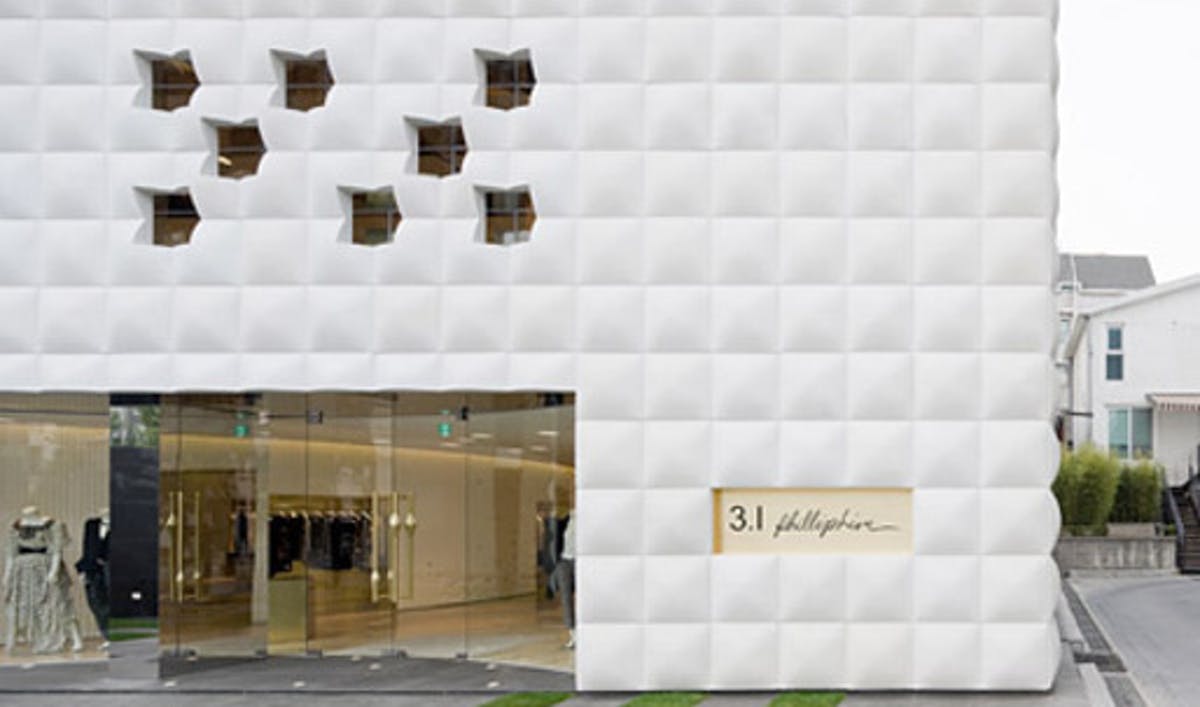
  • 3.1 Phillip Lim opens new stores in Seoul

    3.1 Phillip Lim opens new stores in Seoul

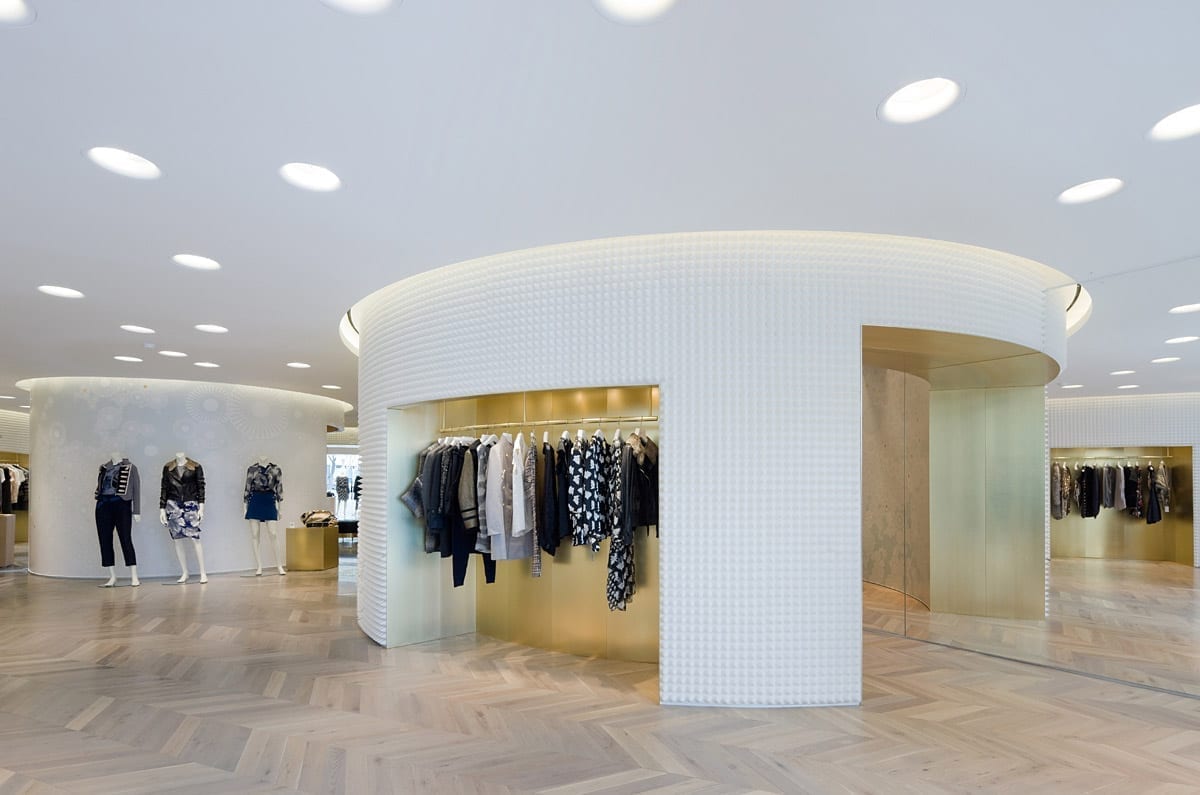
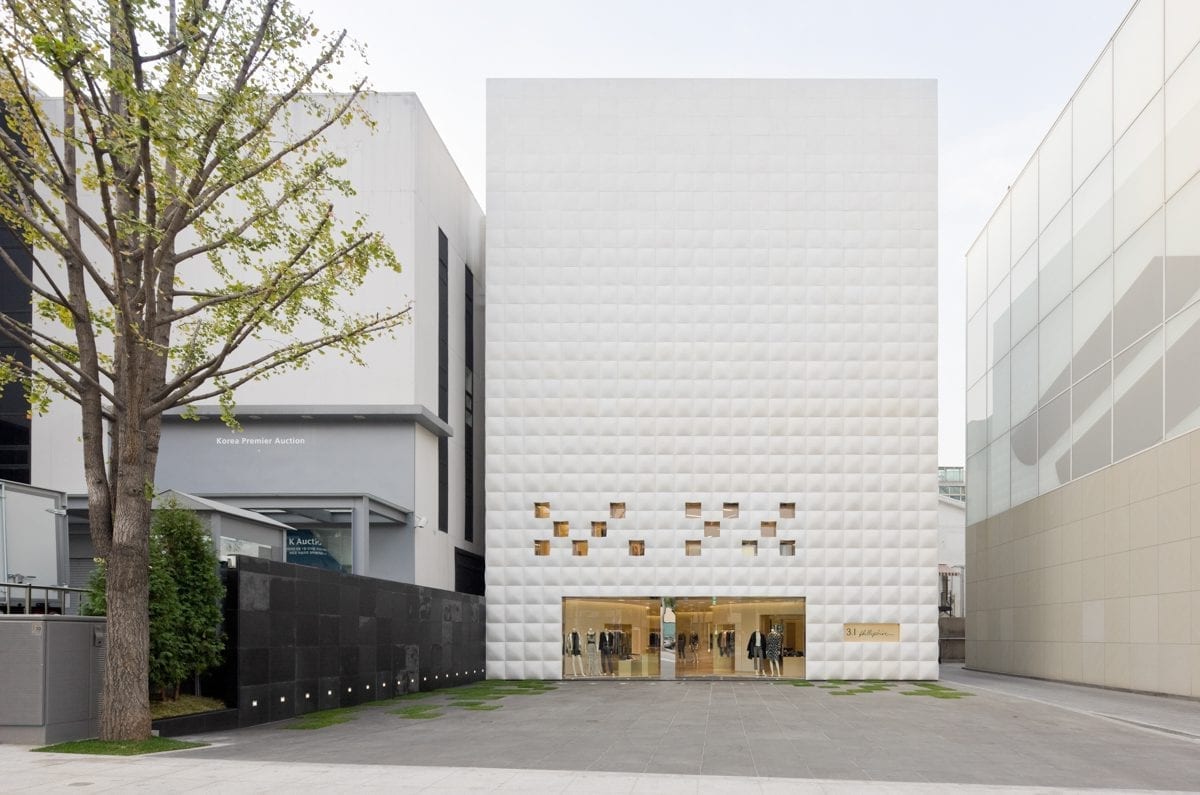
    US fashion brand 3.1 Phillip Lim is opening stores in Seoul via Handsome, the apparel unit of Hyundai Department Store.

    Handsome says 3.1 Phillip Lim men’s and women’s apparel, bags and accessories have just gone on sale at outlets in the luxury hall of Galleria Department Store in Apgujeong.

    Handsome, which has 27 global fashion brands in its portfolio, will expand 3.1 Phillip Lim distribution channels through Hyundai Department Store.

    Launched by Chinese-American designer Phillip Lim in 2005, the label opened its first brick-and-mortar branded store for Korea in Cheongdam-dong in 2009.