Author: Mei Ling Tan

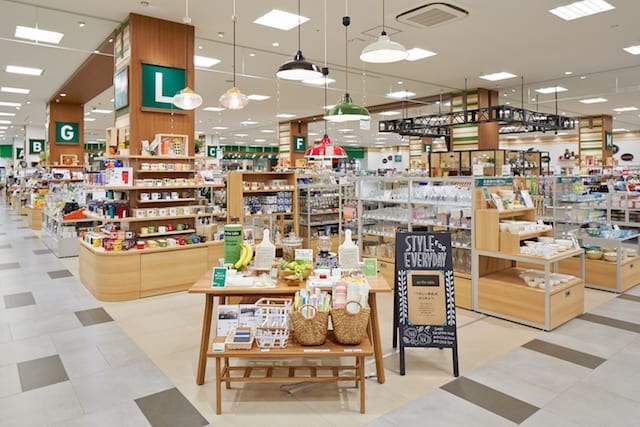
  • Watsons in Korea has a new name: Lalavla

    Watsons in Korea has a new name: Lalavla

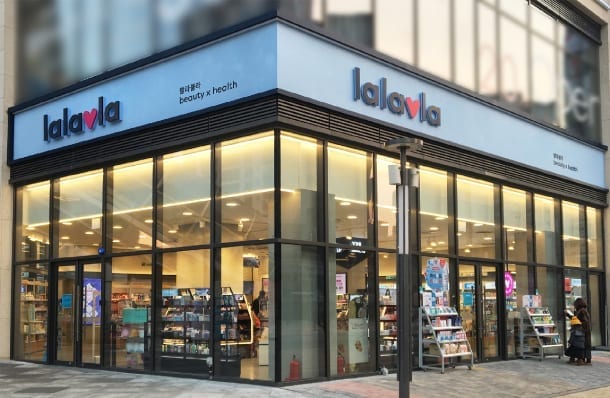
    Watsons personal and beauty care stores across Korea will go through a makeover under a new name “Lalavla,” its operator GS Retail announced on Tuesday in hopes to take on the dominant player Olive Young in the burgeoning street beauty market through localized appeal.

    GS Retail introduced Watsons, the biggest multi-beauty and personal care store brand in Asia, in a 50:50 joint venture with Hong Kong-based A.S. Watson Group in 2005. Last year it bought the remaining 50 percent stake from the retailer’s holding company Hutchison Whampoa Ltd. for 11.9 billion won ($10.8 million) to make Watsons Korea its fully-owned entity. It has since been working on a rebranding initiative.

    The new name – a combination of lalala and blah blah to mean happy chattering – aims to better appeal to young female customers, said a GS Retail official. The shops will be refurbished with the new logo by the end of March.

    There are currently 188 Watsons stores across Korea. GS Retail plans to bolster the number to catch up with CJ Group’s Olive Young, the country’s first and largest health and beauty retailer with 950 shops. Lotte Group runs 96 LOHBS stores and Shinsegae 10 Boots stores.

    Shares of GS Retail closed Tuesday down 1.31 percent at 37,800 won.

  • Developer in China seeks permission for high-rise towers

    Developer in China seeks permission for high-rise towers

    A Chinese businessman who is eyeing a parcel of land on the West Loop has filed a zoning change application that would allow him to build residential towers as tall as 15 stories high with up to 200 units per tower.

    The potential building heights listed in paperwork submitted to the city Monday would rival some of the tallest buildings in downtown Tyler. However, in interviews on Tuesday, the developer and his representative indicated they planned to scale down from what the application says and focus on three- to four-story buildings.

    Xing Tan, the China-based businessman, is seeking to develop a 178-acre piece of land near the intersection of west southwest Loop 323 and Earl Campbell Parkway, near Sam’s Club, that has been vacant for years.

    Tan’s vision is to build an East-meets-West community and sell housing on the land in the Chinese and American markets, according to Karen Lee, his Dallas-based spokeswoman who translated for him during an interview Tuesday. A significant part of the project’s vision is to bring Chinese exchange students to Tyler, Lee said.

    In order to build the residential towers, Tan’s company, America Hongyun City International Enterprise Group LLC, is seeking a zoning change from the city of Tyler that would allow what the company calls “low-rise” and “mid-rise” residential towers, among other things.

    Low-rise towers would be between four and seven stories with a parking garage of up to three stories, according to the company’s zoning application. Mid-rise towers would be between eight and 15 stories with a parking garage of up to five stories, according to the application. By comparison, the Bank of America Building is 20 stories, the People’s Petroleum Building stands at 15 and the old Carlton Hotel is 14.

    The entire ground floor of each tower may be used for commercial space, according to the application. The options include post offices, police departments, banks, restaurants and retail shops. Certain wholesale and manufacturing facilities would be prohibited.

    The property currently is zoned as a planned commercial district, which means the land can be used only for commercial purposes. Tan’s company is seeking to have the property classified as a planned mixed-use district 2, which allows for high-density residential development.

    Kyle Kingma, the city of Tyler’s planning manager, said Tuesday that applications for such high buildings are uncommon in Tyler.

    “It’s not infrequent to have multifamily requests — but mixed-use high-rises, that’s pretty rare,” Kingma said.

    Requests for zoning changes go to the city’s Planning and Zoning Commission, which meets monthly. Kingma said the commission typically considers applications at the regular meeting the month after the applications are submitted, but this project could take a few months.

    “The next step is for the city to review their request and go back to them with some comments and questions on their proposal,” Kingma said. “We’re going to have multiple departments take a look at it.”

    Bryan Rossman, a manager at Adams Engineering, has been representing Tan in the project and presenting Tan’s vision to community leaders. Adams Engineering has been doing due diligence work for Tan’s company and submitted the zoning application on the company’s behalf.

    Rossman said in an interview Tuesday afternoon that the development proposal is not finalized, and that the towers are still just an option.

    “We are just barely in the development process,” Rossman said. “I don’t know who’s wound around the axle about the (building height), but (the investors have) already demonstrated that they want to embrace the local culture.”

    Lee, translating for Tan, said he is used to high-rise buildings where he is from in the Guizhou Province in China, but said Tan is committed to embracing a combination of Chinese culture and American culture. He is now seeking to focus on three- or four-story buildings, she said.

    “The local culture is different,” Lee said. “This is the first case when East meets West, and we (will change our) mindset.”

    Rossman said it is too early in the development process to say whether Tan will submit a revised zoning application.

    “That’s a discussion that is later on in the development process,” Rossman said. “It’s way too early to talk about that.”

  • ZALORA announces partnership with American brand J.Crew

    ZALORA announces partnership with American brand J.Crew

    Asian online fashion destination Zalora and J.Crew have announced they are forming a partnership to expand the US brand’s reach.

    From next month, a curated range of J.Crew’s women’s ready-to-wear and shoes as well as men’s apparel and accessories will be available at Zalora.

    It is J.Crew’s first online venture with a partner into Indonesia, Malaysia, Singapore, Taiwan and the Philippines, and will strengthen its store presence in Hong Kong.

    “Through our innovative platform and expansive logistics network, J.Crew will reach shoppers well beyond capital cities reaching a far wider network of potential customers than ever before,” says Zalora Group CEO Parker Gundersen.

  • The Real China Wine Challenge

    The Real China Wine Challenge

    China’s wine market is as riddled with pitfalls as it is exciting. The Chinese thirst for wine is notoriously insatiable with both money and growth fueling it, this has created a thriving market – but one that definitely has its own peculiar set of challenges.

    None more peculiar than the prominent presence in the market of not fake but “lookalike” wines. Brands that don’t claim to be an exact copy of Latour but are instead La Ture, Latour’s long-lost cousin, or so the branding would imply. This association is the real fakery. By using oh-so-similar branding – down to a slightly more generic tower image – the consumer is lulled into thinking either that it’s a genuine Latour or it’s at least under the same umbrella. And the contents if not the same, will be very, very similar, or so the packaging suggests. How prevalent is this problem and how deep do you need to dig to encounter it?t With bustling trade fairs in Hong Kong, Guangzhou, Chengdu and Shanghai, a simple trip to one reveals all.

    The import statistics are again showing robust growth, with bottled imports seemingly holding their growth rates at a robust 14 percent – Australia leads the pack at 30 percent. Whilst Australia’s volume growth has been exceptional, the average price per bottle has slipped by 20 percent (over the corresponding period). But that’s not the whole picture. If you take a closer look, Penfolds, which has been enjoying a runaway success in China, represents almost 25 percent of Australia’s imports at premium price points. Behind those headline figures there are some worrying trends that directly challenge the relatively novice Chinese wine consumers to find good wines at fair prices on the shelves of both online and offline retailers.

    A brief tour at a Shanghai wine show in November provided some insight – at many of the booths exhibitors headlined their “Authentic Brand” whilst quietly offering a range of “Buyer’s Own Brand” options at seriously low prices – AOC Bordeaux at €1.80 ($2.25) per bottle, Australian Shiraz from AU$2 ($1.60) with a variety of labels, and packaging options. One of the biggest bulk bottlers displayed the all too ironic phrase “Absorption in Global Wine Supply” – if China is on course to drain the various wine lakes around the world then there is no shortage of traders and retailers in mainland China who will create a disposal brand that looks and sounds like a world-leader but is made from the simplest of origins.

    While many of the sensational news stories one hears about China’s wine market revolve around the problem of fake bottles of famous names, the real threat to your average Chinese wine consumer is the raft of “lookalike” brands that are increasingly entering the market. A brief look around the biggest offline stores in Shanghai – some foreign owned and some local, tells a depressing tale – “Byfolds” branded in full Penfold’s livery, “Lafei Manor” (Lafei is the Chinese pronunciation of Lafite) in correspondingly familiar DBR colours and a raft of others – some subtle some not but it does seem to this wine lover’s eyes that the losers in all of this are the consumers.

    While major global brands should be congratulated for bringing their history, stories and globally recognized wines with them, the reality is that behind the top 10 comes an enormous tail of dross that fills the offline shelves of China’s retail landscape. The only function of these wines and “lookalike” labels is to dupe the customer into paying a premium that the packaging, labelling and price that an “authentic retailer” would expect – sadly that is not what’s in the bottle. While Alibaba and the likes keep out the actual fakes they are powerless to stop cynical marketers and sales organizations from pumping “lookalike” brands through their considerable networks. In a mature market, like the UK or Australia, there are checks and balances, gatekeepers and experienced buyers to build, maintain and defend the reputations of the retailer. If you were to buy a regional wine from Tesco’s in the UK or Dan Murphy’s in Australia for example – you would do so in the knowledge that a team of buyers would have worked on that project with the producer to reach a certain quality standard that would stand the test of an expert panel and be priced accordingly.

    Retailers and distributors are aware of these issues and work hard to combat them. A spokesperson from Treasury Wine Estates concurred: “TWE has driven huge success in China, particularly through the growth of our global luxury Penfolds brand. With this success, comes the challenge of illegal copycat producers who infringe on our famous trademarks – this is an issue for many premium and luxury brands. We are aware that some of this copycat wine is being exported out of Australia, as well as being produced in China and other countries. It is therefore critical that genuine producers and third party packagers take action, along with authorities and the wider industry, to stop the production and exportation of illegal copycat wine, to ultimately protect the reputation of Australian wine. TWE has a strategy in place to fight this, and we are continuing to aggressively protect the integrity of our brands.”

    In China there is just a rampant cynicism that does nothing to improve the experience of a thirsty population of wine consumers. Perhaps this is just the state of play in the market and a reality check for brands and importers looking to play in China – the costs of doing business both online and offline are rising rapidly, online marketing and the cost to market effectively in a fiercely competitive field are not going away. If you add in to this mix the huge quantities of wine that have been imported by opportunists who have since dumped their products at cost or a loss then the whole picture becomes even more complex.

  • Vietnamese taxi company sues Grab for unfair business practices

    Vietnamese taxi company sues Grab for unfair business practices

    HCM City People’s Court commenced trial looking into the suit initiated by the local domestic taxi operator Vinasun against the popular ride hailing service, Grab, on accusations of unfair business practices.

    Vinasun, once a dominant player in taxi transport in the southern region, has seen its market share gradually eaten away by Uber and Grab as they continue to gain popularity, especially as the number of smartphone users in the country rises.

    Vinasun claims the ‘illegal operations’ of Grab in Việt Nam are to blame for the company’s falling revenues in 2016 and 2017 – a VNĐ40 billion (US$1.756 million).

    Trương Đình Quý, deputy director-general of Vinasun, based their complaint on the trade law and government’s Decree 37 issued in 2006, which clearly states that the duration of total promotion deals in a year must not exceed 90 days and each promotion programme is not to last beyond 40 days. In addition, businesses that want to hold promotion events must register with the municipal or provincial commerce department.

    Quý alleged that in recent times, exploiting the pilot window that the transport ministry granted for software-based transport services, Grab has conducted “rampant” promotion deals and discounts, akin to the practice of “dumping” of manufactured goods.

    Vinasun also claimed that the company needs to observe 13 regulations, while Grab only has to follow three, creating unfair competition in the field of passenger transport.

    “Industry 4.0 apps are an inevitable trend. However, being just an app-based ride hailing service, Grab has disrupted the taxi transport sector, causing several implications to State management activities in tax collection and ensuring social security for those work for Grab,” Quý said.

    “In addition, Grab drivers themselves are encountering difficulties when the company collects up to 25-28 per cent from the taxi drivers’ earnings as commissions. Even more concerning, Grab Việt Nam reported charter capital of VNĐ40 billion while they claimed they turned a loss of VNĐ938 billion, which earned them special supervision by the finance ministry,” Quý said.

    Quý said that the company has prepared for the case over the last year and is ready to fight against Grab and Uber to the end in a “legally transparent” manner.

    Grab’s lawyers, on the other hand, contended that Vinasun’s allegations are baseless and that their software solution has actually created fair grounds for competition between conventional taxi operators. They also argued that Vinasun’s evidences and methods of loss calculations are all questionable. On these grounds, Grab asks the court to either suspend the lawsuit or reject Vinasun’s case entirely.

    The trial yesterday morning attracted a crowd of taxi drivers from Vinasun and Mai Linh, another well-known taxi company in the country, anxiously awaiting the outcome that could determine the course of their futures.

    Former supreme judge Phạm Công Hùng said that the outcome of the case depends on who has the weightier evidence in court.

    “With that being said, I fully support Vietnamese businesses’ wanting to take matters to court if they see their interests have been violated. This is a totally civilised way of settling business disputes,” Hùng said.

    This is the first time the increasing tension between conventional taxi operators and their app-based counterparts took to the fight to the courtroom, all while Vietnamese lawmakers seek to construct appropriate legal tools to effectively regulate these emerging services.

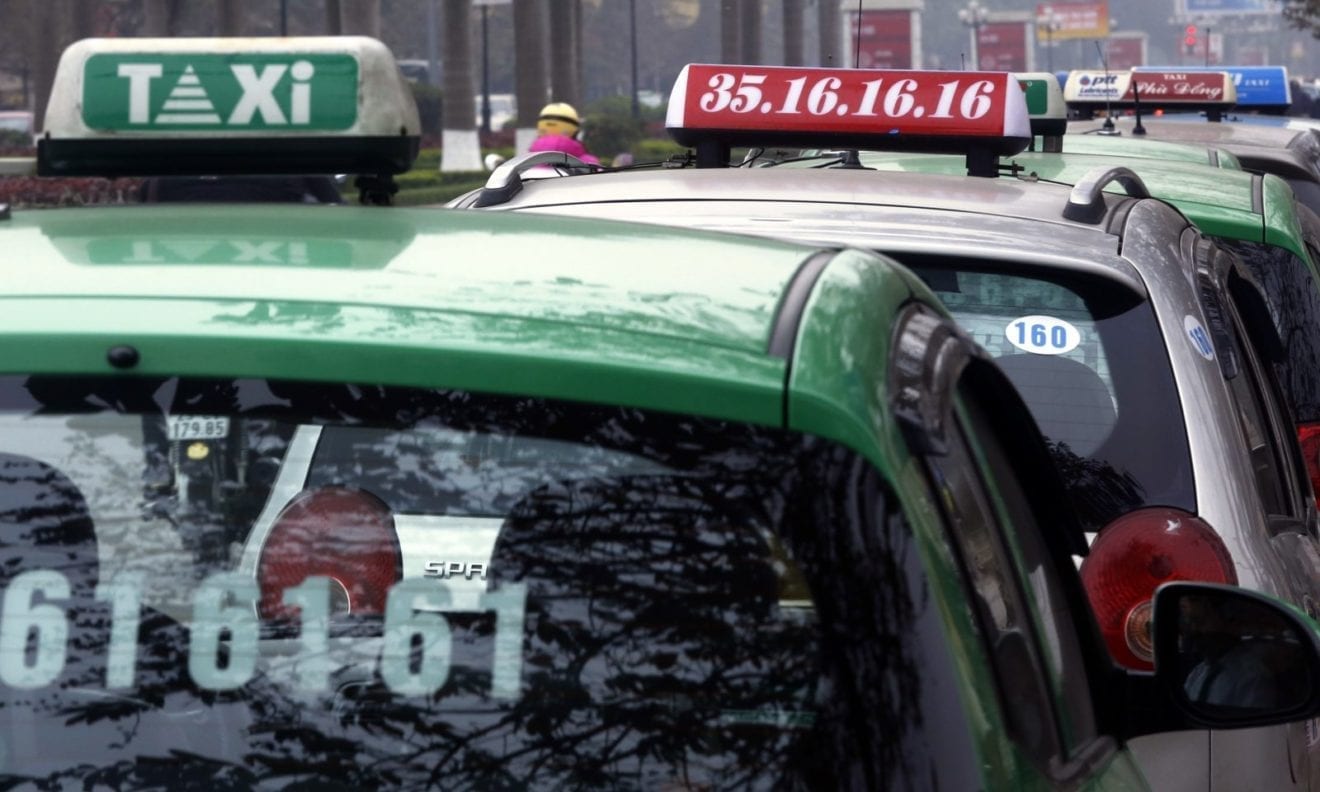
    A new draft decree is in the works, which would require Grab and Uber offices in Việt Nam to register for licences as an enterprise doing ‘electronic business’ and transport cars must have easily identifiable logos on both front and back windows.


  • Citiesocial to expand in Asia after the funding boost

    Citiesocial to expand in Asia after the funding boost

    Following series-A funding of US$2.75 million, Taiwan online retail platform Citiesocial seeks to expand into other parts of Asia.

    Its funding round was led by the Taiwan fund of Alibaba Group Holding.

    Citiesocial, which sells items such as water bottles and kitchenware from emerging brands, plans to use the funds to bolster services and technology to help rising designers grow their presence in Asia, says founder Eric Wang. This will start in the next few months with strategic partnerships with e-commerce channels in China, Japan and Korea, he says.

    Citiesocial curates branded goods as a point of difference from other platforms that offer mainstream brands. It revenue last year reached $20 million, with monthly sales valued 130 times more than at the beginning of 2014. It has 600,000 customers and a staff of 42, including Wang, who describes his customer demographic as “leaning slightly” toward a more mature, well-educated male consumer.

    “We curate goods globally to sell at least in Taiwan and Hong Kong,” he says. “A third of our revenue comes from goods that no-one else sells in Taiwan and Hong Kong.”

    One of Citiesocial’s top performing brands is British men’s accessories maker Vanacci, while it has just sold more than 1000 travel jackets from Kickstarter graduate Baubax.

    Taiwan’s fragmented e-commerce market allowed Citiesocial to be able to pivot many times in its seven and half years with only $700,000. Elsewhere he would have burned that money within the first six months, says Wang, who worked in the US for 18 years.

  • Singapore cannot ban cryptocurrency trading, for now

    The central bank of Singapore has been studying the potential risks posed by cryptocurrencies, but there is as yet no strong case to ban trading of the digital coins in the city-state, Deputy Prime Minister Tharman Shanmugaratnam said.

    “Cryptocurrencies are an experiment. The number and different forms of cryptocurrencies is growing internationally. It is too early to say if they will succeed,” he said.

    “If some do succeed, their full implications will also not be known for some time,” the deputy prime minister said in a written answer to questions from members of parliament on banning the trading of bitcoin or cryptocurrency.

    “The Monetary Authority of Singapore has been closely studying these developments and the potential risks they pose. As of now, there is no strong case to ban cryptocurrency trading here.”

    In another development, the head of the Bank for International Settlements (BIS) said central banks must prepare to act against cryptocurrencies to ensure they do not become entrenched and undermine trust in central banks.

    Agustin Carstens, general manager of the BIS, an umbrella organisation for the world’s central banks, said in a speech that cryptocurrencies such as bitcoin were “probably not sustainable as money” and failed the “basic textbook definition” of being a currency.

    “There is a strong case for policy intervention,” he said, speaking at Frankfurt’s Goethe University today.

    “These assets can raise concerns related to consumer and investor protection. Appropriate authorities have a duty to educate and protect investors and consumers, and need to be prepared to act.”

    “Private digital tokens masquerading as currencies must not subvert this trust (in central banks)”, he warned, but stopped short of suggesting what concrete measures should be taken.

    Carstens described bitcoin as “a combination of a bubble, a Ponzi scheme and an environmental disaster”. The last refers to the energy-intensive process of “mining” the digital currency.

    To prevent cryptocurrencies from becoming “parasites” on existing financial infrastructure, Carstens said that only those exchanges and products which met accepted standards should be given access to banking and payment services.

    “This means same risk, same regulation. And no exceptions
    allowed,” he added.

  • Hong Kong retail real estate sales looking good

    Hong Kong retail real estate sales looking good

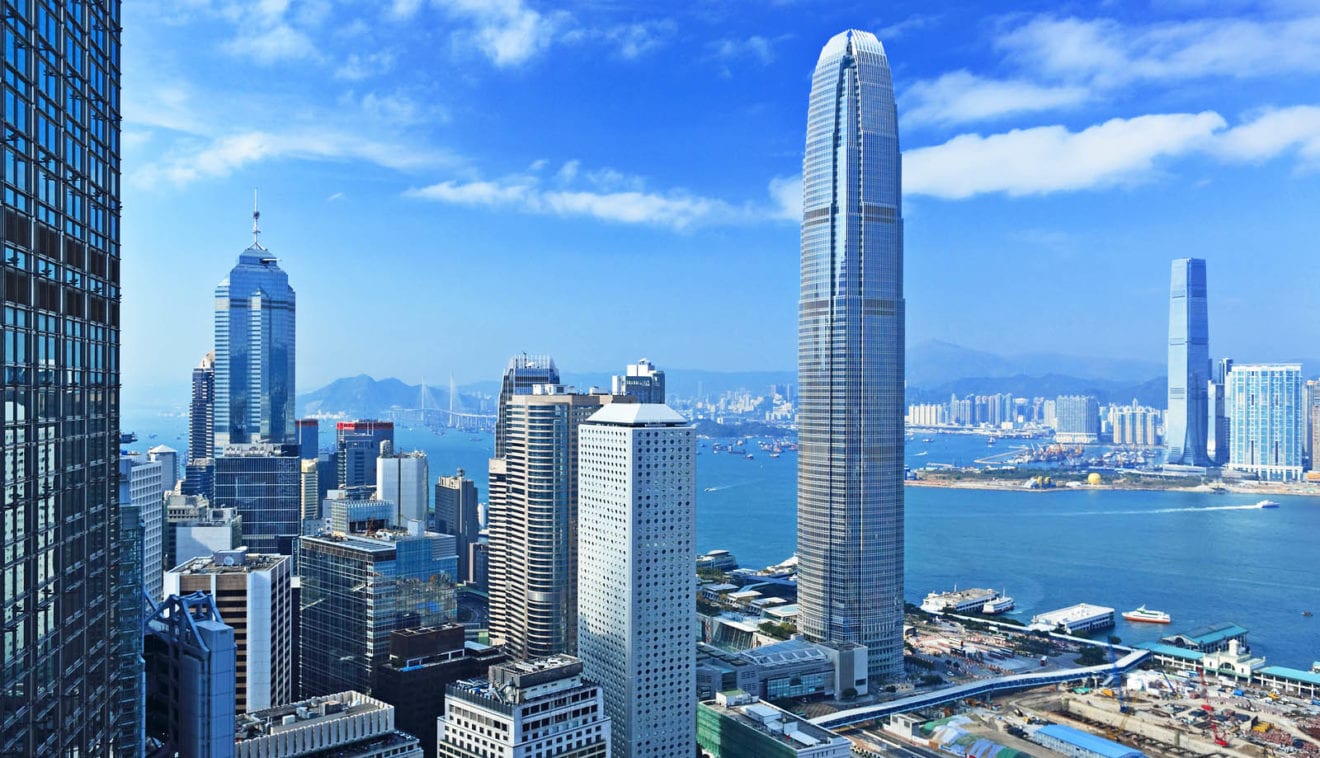
    Hong Kong retail real estate sales are showing signs of growth, more transactions in January and December than any other month last year.

    According to a research report from Midland IC&I, which sourced data from the land registrar, sales of retail space last month totalled HK$3.05 billion (US$396 million). This exceeds the average monthly figure for the first 11 months of 2017, which was HK$2.3 billion. It excludes Link REIT’s HK$23 billion mega-sale of 17 malls in December.

    There were 145 recorded retail shop sales in January.

    Huang Han-cheng, CEO of APH shops, described the market as “still hot” adding the market was benefitting from a return of investors and tax policies.

    Midland said the retail real estate market has been supported by improving retail figures which in turn were aided by rising visitors to Hong Kong.

    The overall Hong Kong property market achieved $16.3 billion (US$2.1 billion) worth of commercial transactions in January, surging 170 per cent year-on-year and representing the second-highest monthly total in nearly five years.

  • 2018 rice export to hit 6m tonnes

    2018 rice export to hit 6m tonnes

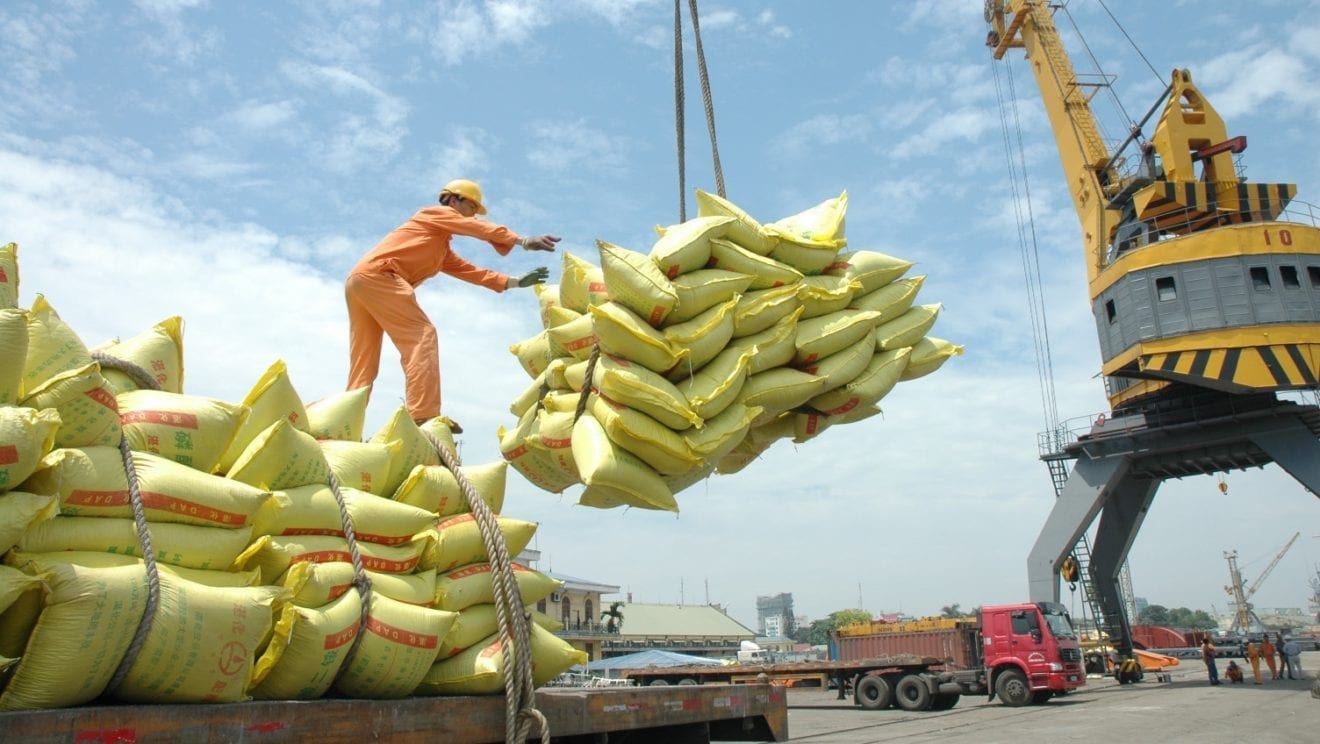
    Việt Nam’s rice export volume in 2018 is expected to increase by 400,000 tonnes from 2017 to reach 6 million tonnes, due to increased demand from Southeast Asia, especially from the Philippines, with China expected to be the country’s largest rice market.

    The Vietnam Food Association (VFA), in a report earlier in January, said countries in Southeast Asia will import a large amount of rice from Việt Nam, helping boost the country’s turnover this year.

    The VFA said Indonesia will import rice from Việt Nam and Thailand again in 2018 to increase reserves, as Indonesia’s rice price has been rising, almost double the floor price.

    Similarly, the National Food Board of the Philippines approved of up to 250,000 tonnes of imported rice to offset declining inventories, due to unfavourable weather in 2017.

    These developments are encouraging for Việt Nam’s rice export market, said the VFA’s report, with export price of 5 per cent broken rice rising to US$400 per tonne from $390.

    Domestic rice price also increased, with the average price between to $267 to $293 per tonne as of January’s end, having increased by $13 to $15 per tonne from December 2017’s price.

    According to the VFA’s data, throughout 2017, the country exported 5.7 million tonnes of rice worth $2.54 billion.

    As mentioned by the US Department of Agriculture (USDA)’s 2018 world rice production forecast, issued late 2017, the main factor behind this year’s rice trade expansion is increased output from Việt Nam, Pakistan and Myanmar, three of the world’s top six rice exporting countries.

    The USDA’s report stated that though 2017 global rice output fell by 20 per cent from 2016’s number, as a result of weak outlook for grain products, long, heavy rainfall and spring floods and other unfavourable weather, meaning there should be positive signals from traditional rice importing markets in Southeast Asia in early 2018.

    In Bangladesh and Sri Lanka, whose rice crops were heavily influenced by harsh weather, demand for rice imports will also increase in 2018. Rising import demand is supported by increased purchasing power in Africa and the Middle East, while China continues to be a leading importer of rice from neighbouring regions.

    As such, Việt Nam will witness an increase in revenue from rice exports to several large consumer markets.

    According to the Department of Crop Production under the Ministry of Agriculture and Rural Development, in early January 2018, the Mekong Delta’s rice producers harvested 860,000 hectares of rice, with an average yield of 5.3 tonnes per hectare.

    Nonetheless, problems remain for national rice production, the majority of which stem from farmers’ ignorance.

    Talking to Vietnam News Agency during a late 2017 agricultural conference in the Mekong Delta, Võ Tòng Xuân, former vice rector of Cần Thơ University and rice expert, emphasised growing competition in global rice markets.

    Xuân warned that Việt Nam needs to find ways to make its rice exports stand out if it wants to achieve export targets.

    Regarding export rice quality, he was convinced that since rice merchants often mix different batches from different farmers into one large batch, there is virtually no way to completely track the origin of any batch.

    Without clear origin, there are no certain product quality controls, and no major national rice brand for Việt Nam, Xuân added.

    He suggested issuing contracts between rice farmers and processing plants for sustainable production, via agricultural co-operatives instead of relying on middlemen.

    Xuân also said that there remain regulations acting as barriers to small and medium enterprises from entering the rice market. Exporting low quality rice and fragrant rice without a brand name is becoming increasingly difficult for Việt Nam, especially in finding niche markets to sell several thousand tonnes.

     

  • Felcra Malaysia wants to export palm oil to Middle East, Africa

    Felcra Malaysia wants to export palm oil to Middle East, Africa

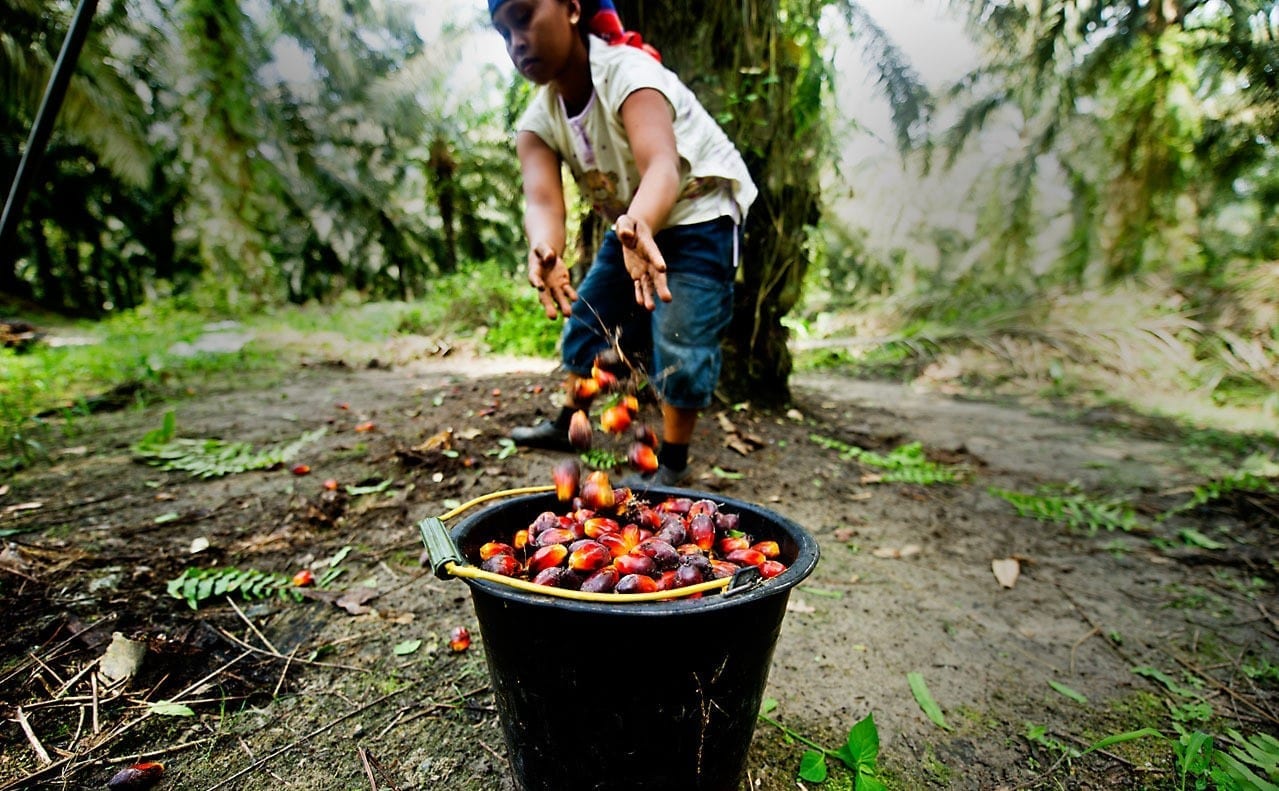
    Felcra Bhd is planning to forge collaborations with international companies for the purpose of exporting palm oil to countries in the Middle East and Africa, said its CEO, Datuk Zulkarnain Md Eusope.

    To increase the agency’s revenue, he said, it must not focus on specific countries only in exporting the commodity.

    “The Chinese government through its ambassador has stated the country’s commitment to import palm oil even if the European Union (EU) countries do not want to buy palm oil from Malaysia.

    “We must diversify our efforts (to increase revenue) following the palm oil issue with the EU,” Zulkarnain said.

    He was speaking to reporters after attending the Perak Region Felcra Employees Aspiration 2018 ceremony with Perak government leaders, which was officiated by State Rural Development, Agriculture, Plantation, Information and Human Capital Development Committee chairman, Datuk Saarani Mohamad, here today.

    Further information on the plan would be announced later after the negotiation process with the companies were concluded, said Zulkarnain.

    In another development, he said Felcra would establish a research and development centre in plantation, agricultural and food sectors, to be located in Felcra Nasaruddin Belia near Parit here.

  • Seven-Eleven becomes first retailer to hit 20,000 stores in Japan

    Seven-Eleven becomes first retailer to hit 20,000 stores in Japan

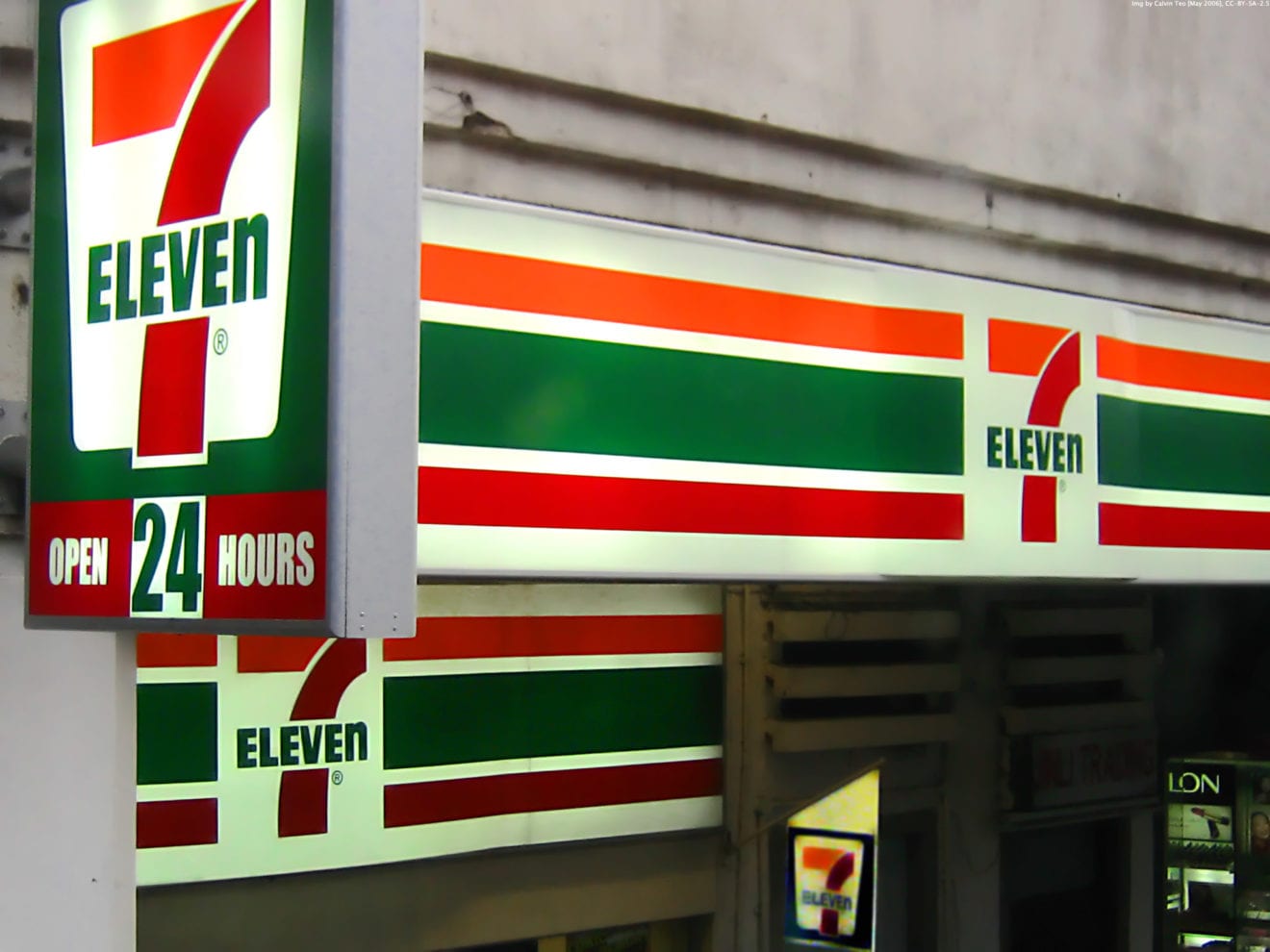
    7-Eleven Japan has become the country’s first retailer to open more than 20,000 stores.

    The Seven & I Holdings unit reported a store count of 20,033 at the end of last month, up by 54 from the end of December. By comparison, Japan has about 24,000 post offices.

    Making its debut in Tokyo’s Toyosu district in May 1974, 7-Eleven grew to 10,000 stores by August 2003. It reached 15,000 outlets in February 2013.

    The convenience stores can be found in all but one of Japan’s 47 prefectures, the holdout being Okinawa, where locations will open next year.

    Revenue for the chain for the year ended February last year totalled ¥4.51 trillion (US$41 billion), nearly double the sales in the year ended February 2004, when it crossed the 10,000-store mark. Average daily sales per store reached ¥657,000 last fiscal year, a 2 per cent gain.

    An increase in female customers has become an important driver of sales. Males made up 65 per cent of visitors during the year ended February 2004, but now men and women visit in roughly equal numbers.

    More women have been attracted as 7-Eleven has expanded its offerings of ready-made packaged dishes and frozen foods, positioning itself as an alternative to supermarkets.

    A Nikkei survey shows 7-Eleven Japan leading the convenience-store sector with a 40.4 per cent share of sales in fiscal 2016, followed by Lawson and FamilyMart Uny Holdings. Together, the trio accounts for about 90 per cent of the market.

  • Asian markets plunge as Wall Street rout spreads

    Asian markets plunge as Wall Street rout spreads

    Asian stocks plunged Tuesday after a record-breaking loss on Wall Street, extending a global rout as panicked investors fret over rising US borrowing costs and cash in profits after months of market euphoria.

    Tokyo led a collapse throughout the region in early trade, diving more than five percent, while Hong Kong was down almost four percent at one point and Sydney sank three percent.

    Dealers tracked their colleagues in New York, where the Dow suffered its worst points fall in history, wiping out all its 2018 gains, while the S&P 500 also took a beating to sit down for the year.

    The heavy selling comes after months of surges fuelled by optimism over the US economy, corporate earnings and the global outlook.

    While traders have been piling into equities, pushing many global indexes to record or multi-year highs, there has been growing concern on trading floors about elevated US Treasury bond yields — at four-year highs — and the likelihood of fresh Federal Reserve interest rate hikes.

    The so-called Vix “fear” index more than doubled in US trade on Monday.

    Among other Asian markets Singapore was 2.3% off, Seoul dived three percent, Taipei lost 3.7%, Manila plunged 2.7% and Shanghai gave up 2.1%.

  • Vietnam, Cambodia’s bilateral trade surged 30% in 2017

    Vietnam, Cambodia’s bilateral trade surged 30% in 2017

    Bilateral trade between Việt Nam and Cambodia last year surged 29.7 per cent against the previous year to nearly US$3.8 billion, the General Department of Customs reported.

    Of the total, Việt Nam’s export turnover to this market was $2.77 billion, rising 26.1 per cent against the previous year. Vietnamese key export goods to Cambodia last year included steel and iron products ($521 million, up 69.7 per cent year-on-year) and oil and petrol ($375 million, up 30 per cent year-on-year).

    Meanwhile, Việt Nam’s imports from Cambodia reached $1 billion, a year-on-year increase of 40.6 per cent, mainly with timber and wood products ($214 million, up 16.9 per cent), cashews ($168 million, up 46 per cent) and rubber ($138 million, up 64 per cent).

    The leaders of Việt Nam and Cambodia have agreed to enhance the comprehensive co-operation between the two nations and raise the bilateral trade value to $5 billion. Việt Nam is currently the third largest trade partner and the fifth largest foreign investor in Cambodia.

    According to the Asia-Pacific Market Department, under the Ministry of Industry and Trade, trade across the border of the two nations has become easier, contributing to making Cambodia the 16th largest export market of Việt Nam.

    In recent years, the economic co-operation between the two nations has seen strong development. Statistics showed that the two-way trade between Việt Nam and Cambodia jumped from only $184 million in 2001 to $3 billion in 2016.

    Major export products of Việt Nam to Cambodia included steel, fertilisers, garments, machinery and plastic products.

    The two countries also expect to soon sign agreements on avoidance of double taxation, border trade and labour co-operation along with a memorandum of understanding on transport cooperation strategy for 2017-25 with a vision to 2030, which will help advance the trade relationship between the two sides to higher levels.


  • Tokyu Hands goes to global GIA Awards finale

    Tokyu Hands goes to global GIA Awards finale

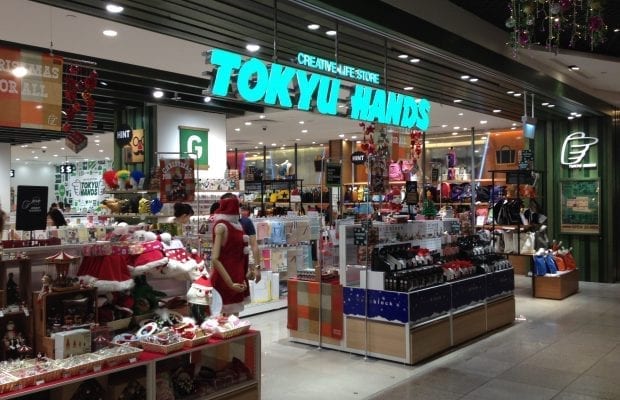
    Eclectic Japanese department store Tokyu Hands has been named one of the global finalists in this year’s GIA Awards in Chicago.

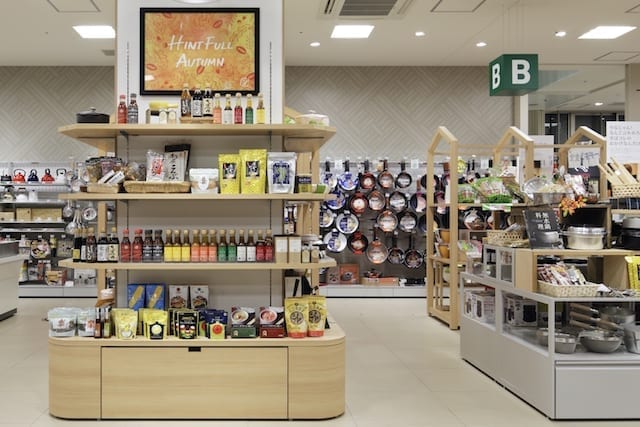
    Tokyu Hands has 75 stores in Japan and three in Singapore, selling items including fashion and interior goods, but with kitchenwares and other household items as its core. Customers range from teens to seniors.

    “Japanese consumers are said to have the harshest eye in the world for quality and design,” observed a spokesperson for the GIA (Global Innovation Awards). “Tokyu Hands’ buyers think deeply about what their customer wants before selecting products. The sales staff are highly skilled and very knowledgeable to meet the demands of customers with severe eyes. That’s a big reason for why many people visit the store.”

    Another Japanese homewares chain, The Loft, won a GIA Award last year.

    Other finalists from Asia in this year’s awards are Cuccina, a small homewares store in China, and Maissone in Singapore which sells offline and online.

    Each national GIA winner is invited to the International Home + Housewares Show in Chicago where the global GIA jury, consisting of four experts representing Asia, Europe and the Americas, plus a rotating group of co-sponsoring trade publication editors from around the world, will select up to five GIA Global Honorees, the winners of the Martin M Pegler Award for Excellence in Visual Merchandising and the GIA Digital Commerce Award for Excellence in Online Retailing.

    The winners from each region will be honored at a festive awards dinner on Saturday, March 10, during the 2018 International Home + Housewares Show in Chicago.

  • Vietnam’s auto imports in record drop in January

    Vietnam’s auto imports in record drop in January

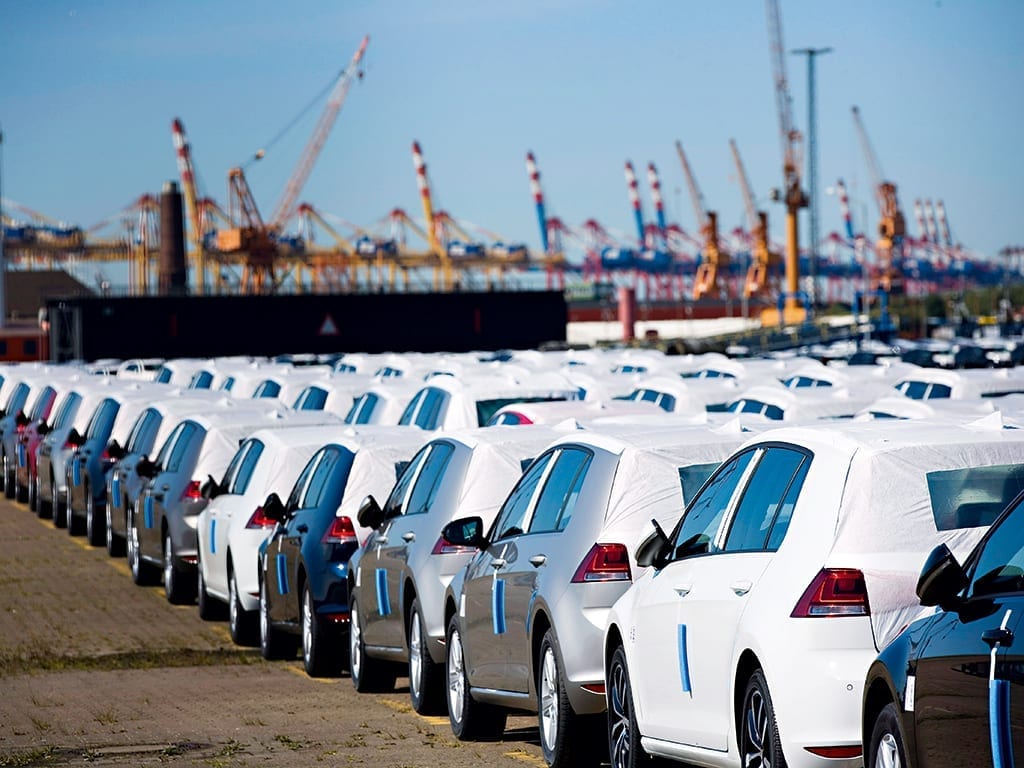
    Some 1,000 cars worth US$94 million were imported to the Vietnamese market in January, reports the General Statistics Office.

    This marks a record drop of 86.2 per cent in volume and 38 per cent in value compared to the previous month.

    The drop comes after auto businesses, including Toyota Motors Vietnam and Honda, stopped importing autos due to the government’s Decree 116, which tightens control over quality, technical safety and environment protection of imported autos.

    Speaking at the government’s monthly press conference on February 2, minister and chairman of the Government Office Mai Tiến Dũng, said a number of embassies and organisations had sent letters to the Prime Minister proposing him to direct relevant ministries and sectors to reconsider the decree.

    Dũng said the Vietnam Automobile Manufacturers’ Association had submitted four letters of recommendation to the government to remove difficulties, saying that the provisions in the decree were inappropriate.

    Meanwhile, several associations, such as Japan Business Association in Việt Nam, and foreign direct investment joint ventures have repeatedly proposed the government to delay the implementation of Decree 116 by at least six months.

    Dũng said there were three major issues arising out of the decree troubling auto businesses and organisations.

    The first is that the importers must obtain a Vehicle Type Approval (VTA) certificate issued by authorities in the exporting country. Dũng explained that VTA was not a certificate of the State body but of authorised agencies or associations of the exporting countries, which aimed to ensure the origin, quality and value of the vehicle.

    Such authorised agencies and associations will also be responsible for recalling the vehicles if they have faults during the production process. This is to ensure the rights and interests of automakers and consumers alike, Dũng said.

    As for the second issue, Dũng said the decree states that the inspection agency will randomly select one unit of each batch to check. The check will be conducted on every batch of imported autos. This regulation will prove to be more costly and time-consuming in testing vehicles. And it is the customer who will have to incur the cost as businesses will ensure their profit.

    Dũng said the government was considering the issue.

    The third problem posed by Decree 116 is that it requires automakers to have a testing route of 800m, with minimum 400m straight, before rolling out the vehicles in the market. According to automakers, this condition will require them to pay more, including registration fee, cost of land and cost of building testing routes.

    Dũng said Prime Minister Nguyễn Xuân Phúc had assigned the Government Office and relevant ministries and sectors to consider the above-mentioned problems. The recommendations would not only ensure the government’s demand on domestic auto production but also the country’s implementation of international standards that Việt Nam was committed to, Dũng said.

    Decree 116’s regulations are being evaluated as a technical barrier for auto importers to overcome. Dũng, however, said all countries were applying necessary measures to ensure the quality of imported products as well as the rights and interests of consumers.

    Further explaining the issue, Dũng said a batch of BMW autos previously imported to Việt Nam was found with a lot of problems related to procedure and origin of the vehicles, in addition to the fact that they were used cars. “If we do not check them carefully, the consumers will be the most vulnerable,” he said.