Author: Mei Ling Tan

  • JD.com and Fung Retailing form Artificial Intelligence partnership

    JD.com and Fung Retailing form Artificial Intelligence partnership

    JD.com is both the largest e-commerce company in China, and the largest Chinese retailer, by revenue.

    The retailing businesses of the Fung Group are brought together under privately-held Fung Retailing Limited and it is a Hong Kong-headquartered multinational group whose core businesses are engaged in trading, logistics, distribution and traditional and digital retailing.

    The agreement between the two companies calls for the establishment of an AI Boundaryless Retail Center that will oversee and manage cooperative research and development projects, and facilitate the sharing of information and expertise relating to AI technology.

    Leveraging AI, and combining JD.com‘s extensive online expertise and Fung Retailing’s offline expertise, the two companies aim to develop a new retail format for China and Asia.

    This includes creating an AI-driven retail system that seamlessly integrates online and offline retail platforms; developing an end-to-end system that enables the management of products, pricing, storage, order and payment; and enhancing consumer experience through solutions such as AI-driven virtual fitting, unmanned stores and smart shopping assistants.

    Speaking at the signing, Sabrina Fung, Group Managing Director of Fung Retailing Limited said, “When it comes to the future of retail, and driving the customer experience, AI is an essential component. Across our retail portfolio, AI is a focal point and this co-operation with JD will, without doubt, accelerate our progress.”

    Bowen Zhou, Vice President of JD.com and Head of JD’s AI Platform and Research said, “As one of the largest retailers in the world, we believe that figuring out how to deploy AI solutions is critical to our future success. Drawing on Fung Retailing’s global offline retail expertise, this partnership will be important for us as we deliver our retail vision.”

    Other areas of focus within the agreement include cooperation on the construction of AI infrastructure, as well as smart retail, creating AI-driven solutions that break down the barriers between online and offline, and exploring the intersection of AI and fashion.

  • Alibaba Revamping Ladies’ Rooms To Make Waiting More Fun

    Alibaba Revamping Ladies’ Rooms To Make Waiting More Fun

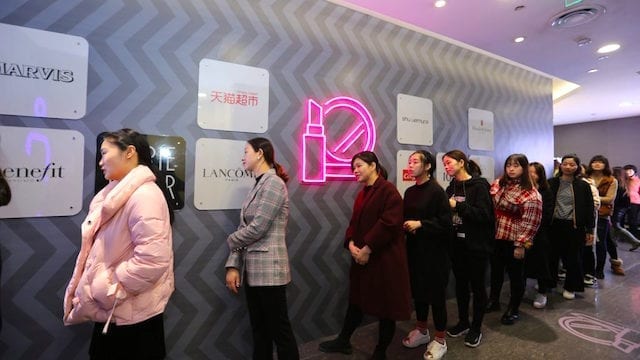
    Alibaba’s Tmall and shopping centre operator Intime have partnered to create a New Retail-driven model for restrooms.

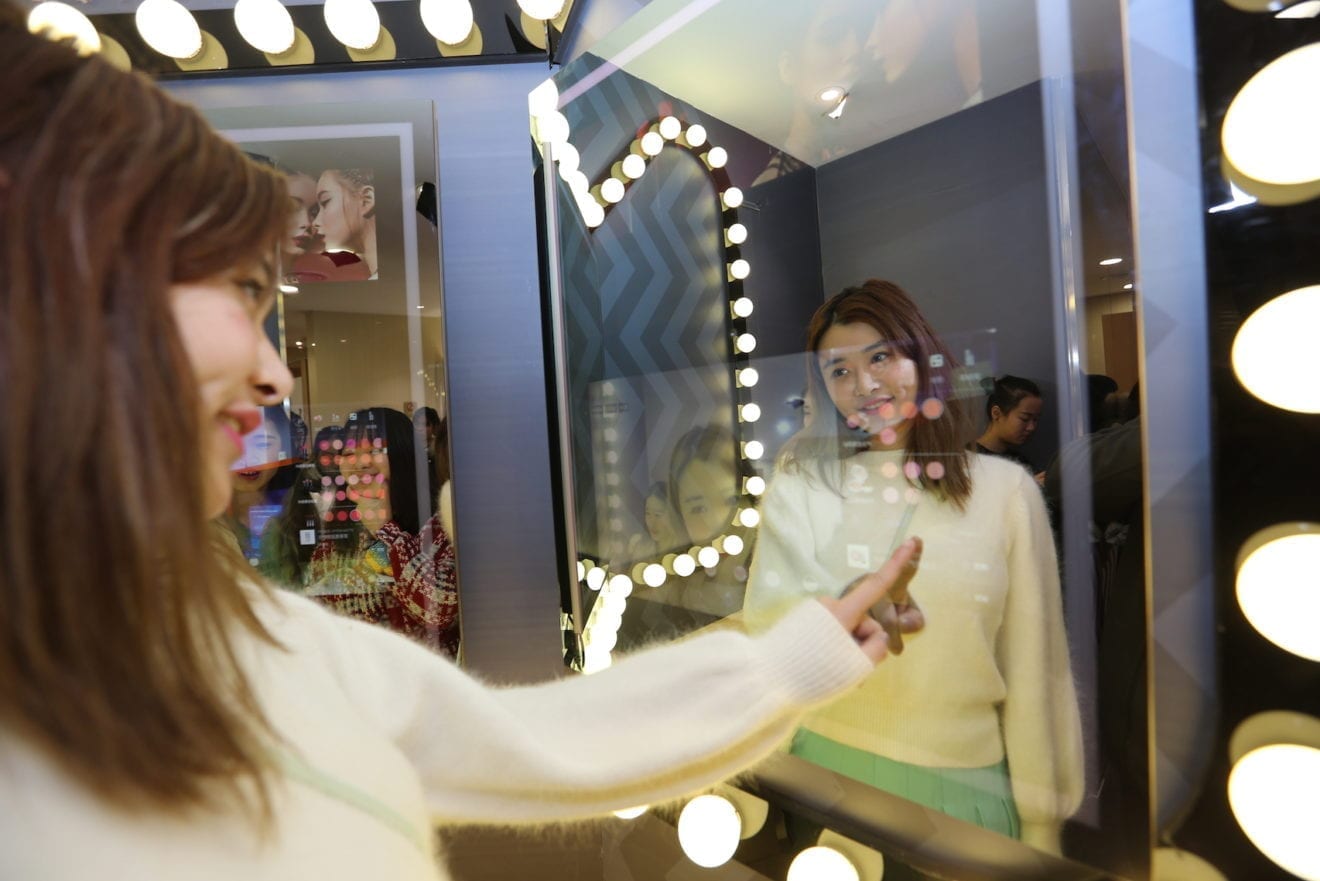
    Last week, the two unveiled the first “Smart Ladies’ Room” at the West Lake Intime Shopping Mall in Hangzhou City. It’s the latest extension of New Retail by Tmall and Intime, after they last month showed off a smart nursing room for mothers shopping at malls.

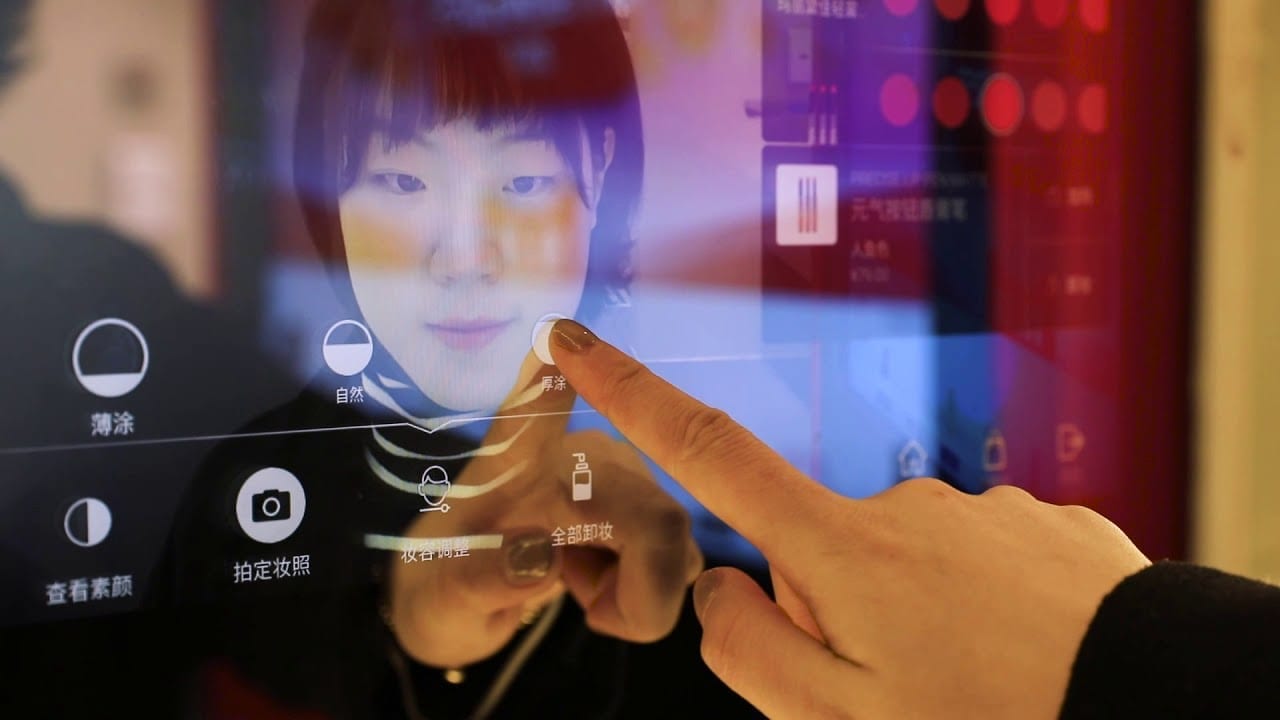
    Consumers waiting in line can make use of technologies like a pair of ‘magic mirrors’, an augmented-reality-powered digital screen that lets shoppers virtually try on and purchase cosmetics, including a wide array of lipstick, blush, eyeliners and eyeshadow, and a vending machine offering beauty and feminine products from nearly 10 brands, including Shu Uemera, Lancome, Elizabeth Arden and Benefit, to lighten the load for ladies out shopping. All products can be purchased for RMB 0.01 each through the Alipay mobile wallet.

    The Smart Ladies’ Room at West Lake Intime Shopping Mall is already open to the public, while one at Hangzhou’s Wulin Intime is under construction. The company said its next steps involves reworking more restrooms at tourism sites, shopping malls and hotels.

    Alibaba’s plans to expand the model to more public restrooms coincides with China’s continued push for a “toilet revolution,” a national drive to improve sanitation and build more clean restrooms across the country.

    China intends to build or renovate 64,000 toilets at tourist sites between 2018 and 2020, by the end of which the country aims to raise tourism revenue to RMB 7 trillion – up from RMB 3.9 trillion in 2016, according to the Xinhua News Agency.

  • Okashi Land and EasyGo to open unmanned outlet in China

    Okashi Land and EasyGo to open unmanned outlet in China

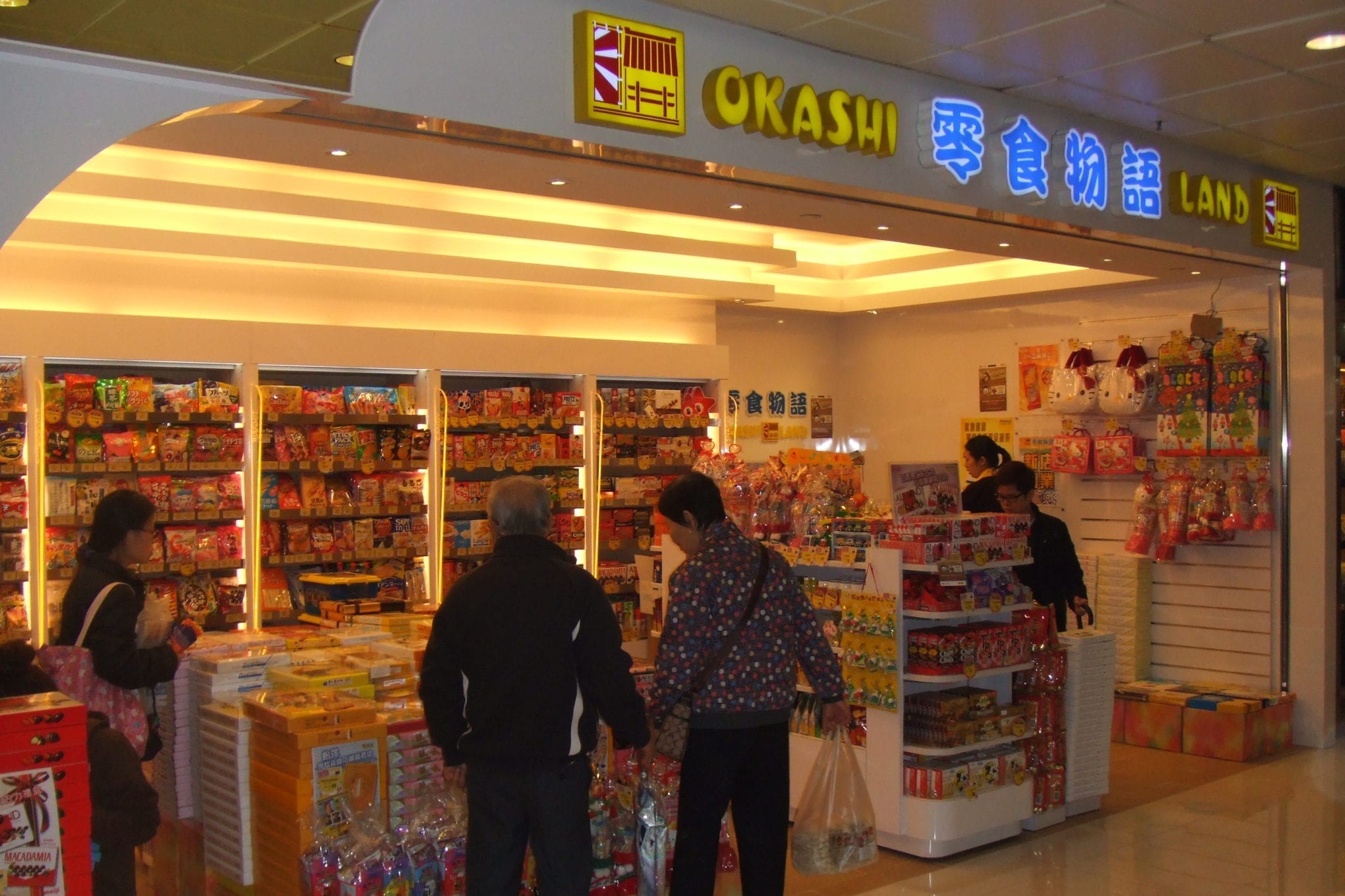
    Hong Kong-listed Four Seas Group, which runs Okashi Land confectionery outlets, plans to open unmanned stores in China.

    Its Guangzhou-based partner EasyGo, a start-up that runs unmanned convenience stores on the mainland, is finalising a location for a flagship Okashi Land store there with an unmanned section, says EasyGo co-founder Fele Wang.

    She says the start-up wants to take advantage of its base in southern China to seek co-operation from brands based in Hong Kong, Macau and Taiwan, and might expand the branded store model once it takes off.

    EasyGo also sells Four Seas products through its unmanned convenience stores in the Pearl River Delta in the southern mainland. It has about 100 outlets in 10 cities in China, but Four Seas products are mainly available at its stores in seven cities in southern China.

    To enter the company’s unmanned stores, customers need to scan a QR code using Tencent Holdings’ messaging app WeChat on their mobile phones. They then pick out the items they want, and scan a QR code again at the exit point where the system automatically detects the items and tallies up the purchases.

    As well as expansion in southern China, EasyGo is trying to make inroads into eastern China in cities such as Shanghai and Hangzhou.

    In Shanghai, EasyGo has been supporting Tencent in running a cashierless pop-up shop, We Life.

  • Bernard Arnault now richer than Mark Zuckerberg

    Bernard Arnault now richer than Mark Zuckerberg

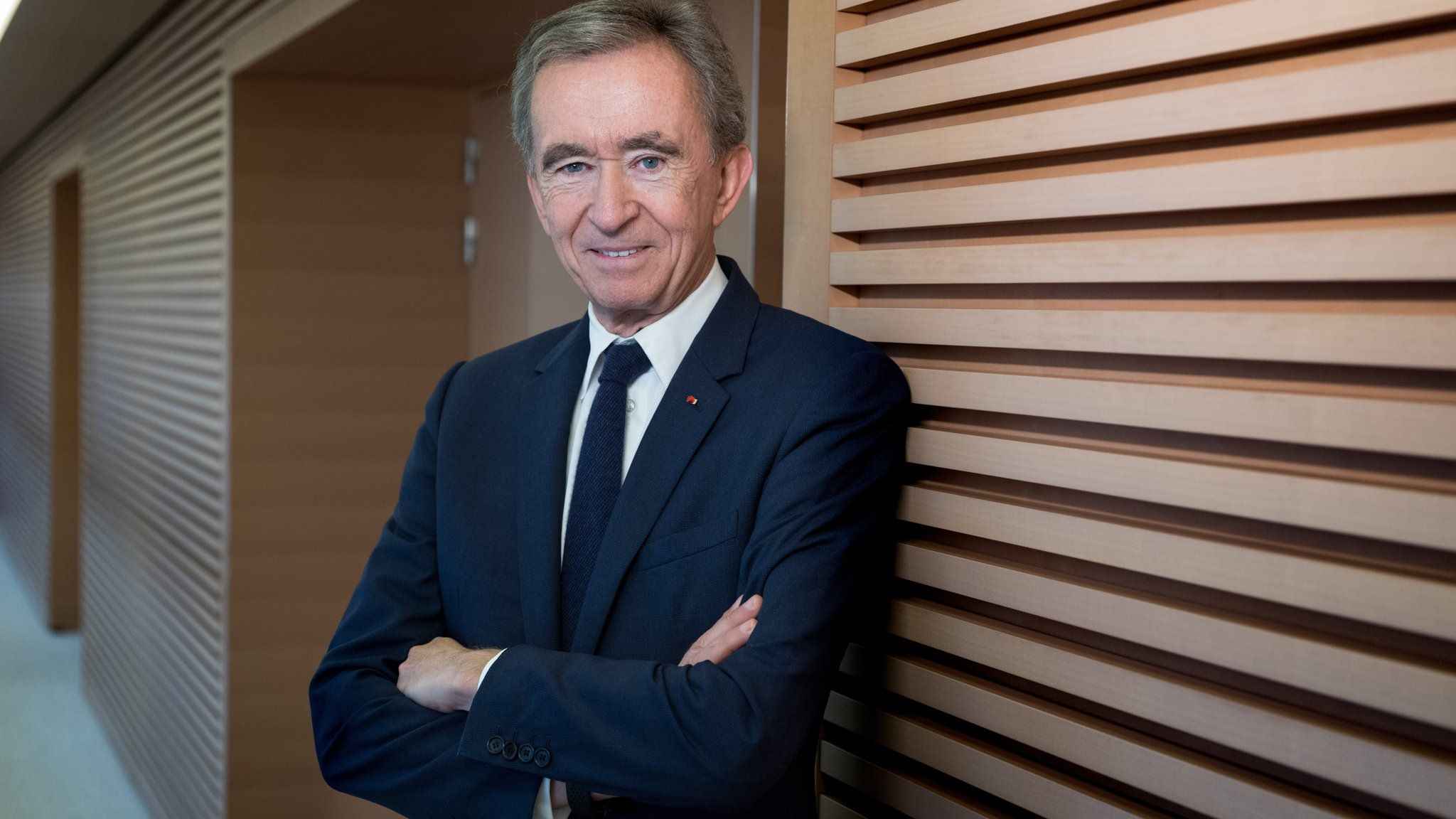
    LVMH Moët Hennessy Louis Vuitton, the world’s leading luxury products group, announced record sales of 42.6 billion Euros in 2017, up 13% over the previous year, as all divisions turned in strong performances. Its net profit popped 29%.

    The news sent LVMH‘s stock up 5% on Friday. The biggest beneficiary of the announcement is LVMH’s longtime chairman and CEO Bernard Arnault, who owns more than 5% of LVMH’s stock. His fortune jumped $3.5 billion in just hours and was at $77.9 billion by noon on Friday.

    He is now the fifth richest person on the planet, up from number 11 last March when FORBES published our annual rankings of the World’s Billionaires. Since the list’s publication, his fortune has climbed more than $36 billion, helping him move ahead of Michael Bloomberg, Charles and David Koch, Larry Ellison and Carlos Slim. Today, he leaps ahead of Facebook’s Mark Zuckerberg.

    “The excellent performance, to which all our businesses contributed, is due in part to the buoyant environment but above all to the remarkable creative strength of our brands and their ability to constantly reinvent themselves,” said Arnault, in a released statement. “Continued innovation, entrepreneurial spirit and the quest for excellence: all Maisons continue to assert these core values while maintaining rigorous execution of their strategies on the ground.”

    The multi-billion dollar morning for Arnault is another chapter in what is turning out to be one of his best years yet.

    In April 2017, Arnault and his family announced a $13 billion deal to acquire Christian Dior and fold the fashion brand into LVMH. The move ends years of a convoluted, complicated cross holding structure between the two companies. The share price of Dior, in which Arnault now has a 97% stake and which represents the bulk of his fortune, has climbed nearly 38% since April and popped almost 5% on Friday.

    One of the world’s ultimate taste-makers, Arnault first got into the luxury goods business in 1984 when he bought Christian Dior. He has run LVMH, which owns 70 brands including Dom Perignon, Bulgari, Louis Vuitton, Sephora and Tag Heuer, since 1989.

  • Apple Retail Stores in China to Accept Alipay Mobile Payments

    Apple Retail Stores in China to Accept Alipay Mobile Payments

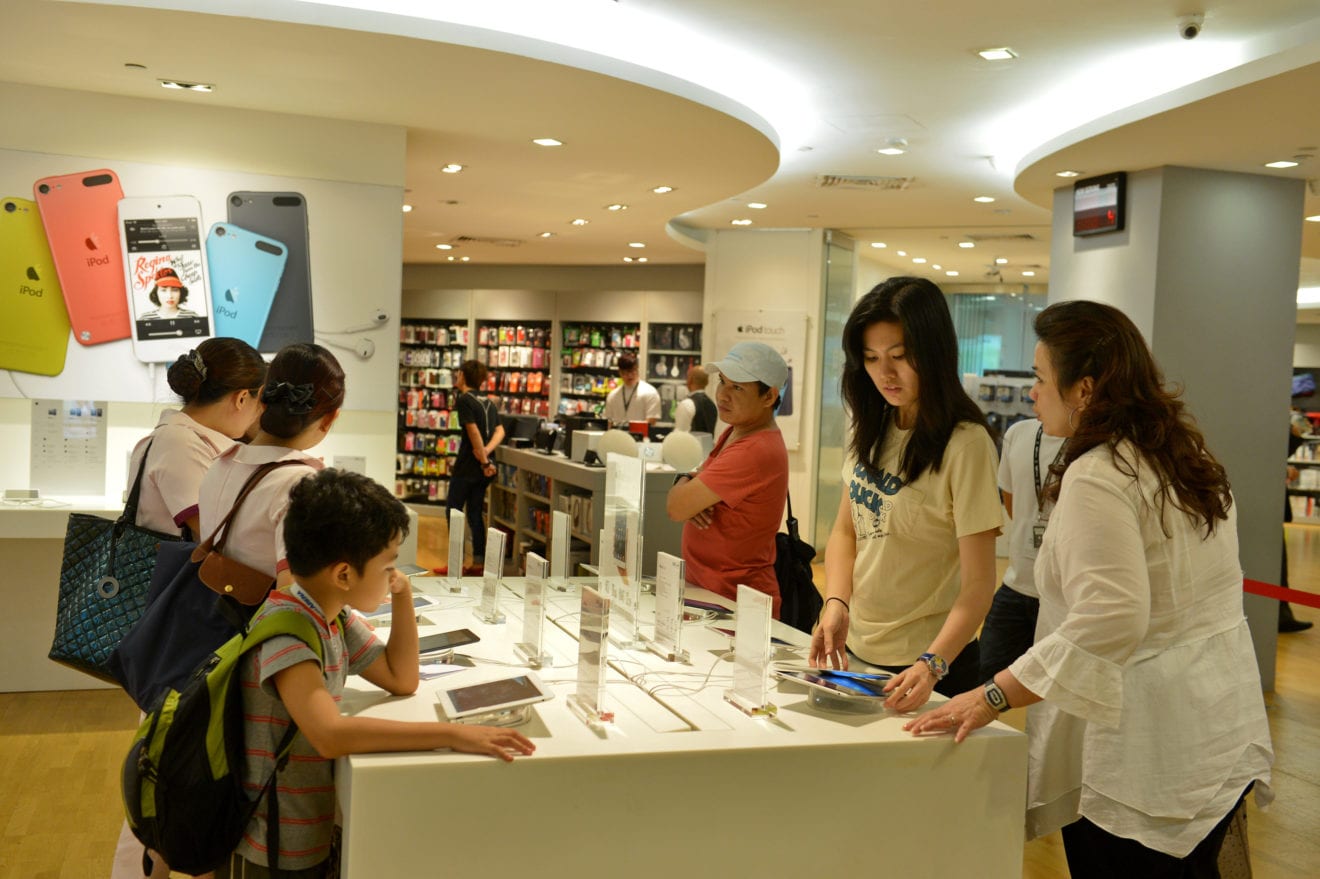
    Apple China will accept Alipay in its stores – the first third-party mobile payment system to be accepted at any Apple store worldwide.

    This follows lukewarm reception in China for Apple’s own payment system, says Reuters.

    The IT giant will accept Alipay payments across its 41 brick-and-mortar retail stores in China, says Ant Financial, which runs the system for Alibaba.

    Meanwhile, Apple China’s website, iTunes store and App Store have been accepting Alipay for more than a year.

    Apple is shifting user data to China-based servers this month to meet local rules, and last year removed dozens of local and foreign VPN apps from its Chinese app store.

    China’s official Xinhua news agency says Apple will build its second data centre in China, in the Inner Mongolia Autonomous Region, after setting up a data centre in Guizhou.

  • Apparel has lost its appeal

    Apparel has lost its appeal

    The apparel industry has a big problem. At a time when the economy is growing, unemployment is low, wages are rebounding and consumers are eager to buy, Americans are spending less and less on clothing.

    The woes of retailers are often blamed on Amazon.com Inc. and its vise grip on e-commerce shoppers. Consumers glued to their phones would rather browse online instead of venturing out to their local malls, and that has crushed sales and hastened the bankruptcies of brick-and-mortar stalwarts from American Apparel to Wet Seal.

    But that is not the whole story. The apparel industry seems to have no solution to the dwindling dollars Americans devote to their closets.

    Many upstarts promising to revolutionize the industry drift away with barely a whimper. Who needs fashion these days when you can express yourself through social media? Why buy that pricey new dress when you could fund a weekend getaway instead?

    Apparel has simply lost its appeal. And there does not seem to be a savior in sight. As a result, more and more apparel companies—from big-name department stores to trendy online startups—are folding.

    The ingredients for this demise have been brewing for decades. In 1977, clothing accounted for 6.2 percent of U.S. household spending, according to government statistics. Four decades later, it is plummeted to half that.

    Apparel is being displaced by travel, eating out and activities—what’s routinely lumped together as “experiences”—which have grown to 18 percent of purchases. Technology alone, including data charges and media content, accounts for 3.4 percent of spending. That now tops all clothing and footwear expenditures.

    Several reasons are behind this shift. Some are beyond the control of apparel companies, as societal changes drove different shopping behavior. But missteps by these companies along the way have hastened the death of clothing.

    It used to be that office workers needed suits and ties or pleated pants, long skirts and heels to get through the week. By the early 1990s, that seemed to change. The genesis is debatable, but many chalk it up to tech firms in Silicon Valley pushing a business-casual look dominated by khakis. That trickled into other industries, as casual Fridays became common. Now, office apparel is just as casual on Monday as on Friday for many workers.

    Over the past five years, there has been a 10 percentage point spike in employers that permit casual dress any day of the week. The upshot of this is that Americans increasingly need just one wardrobe, because there is so little differentiation between what people wear to work and on the weekends.

    Neckties are disappearing, even in industries such as finance. Sneakers can be worn to any occasion, including weddings and religious services. And about half of Americans say they can wear jeans to their professional offices, according to a survey by NPD Group.

    It is easy to see why this is bad news for apparel companies. When you cut out an entire category of attire, there’s less need to buy new clothes when fashions change. When there’s a hot new color or pattern, maybe a twentysomething buys one new blouse to stay on trend and wears it to work and out at night. Before, she might have purchased two pieces, one for each setting.

    There has been general deflation in the clothing industry. Apparel has become cheaper to make in recent years, especially as more production shifts to less expensive labor markets.

    Take a pair of men’s Levi’s 501 original-fit jeans. The price of this wardrobe staple used to steadily climb, but no longer. They cost $58 in 2009, then rose to $64 three years later, only to fall back down to $59.50 last year.

    This downward price pressure coincides with the emergence of low-cost, fast-fashion retailers in the U.S. Walmart and Target have long conditioned Americans that they can get items they want without spending a lot. Now, retailers such as H&M can mimic runway fashions for $35, or men’s jeans for $25, and can typically beat other retailers to market with trendy designs.

    For years, this seemed like a recipe for success. The chain expanded rapidly in the U.S. and generated $3.2 billion last year. Its growth coincided with the rapid expansion of fast-fashion competitors Forever 21 and Zara, too.

    But cracks and chasms are emerging in fast-fashion’s success story. While the number of U.S. H&M locations is still growing, the pace of new store openings is at a two-decade low. The retailer has struggled to clear out products that shoppers didn’t want, in part because customers are skipping messy stores in favor of a streamlined online experience.

    The fashion industry used to have a lot of sway over how people dressed. Retailers, magazines and high-end designers were fashion kingmakers. From their lofty perches, they dictated a season’s trends, and shoppers largely abided. A decade ago, teens wore Abercrombie & Fitch from head to toe.

    But in today’s consumer-driven economy, social media influencers often call the shots. These online personalities build followings with posts of their outfits, makeup routines and lifestyles. And they’re less loyal to upscale brands.

    An Instagram celebrity might combine Tory Burch, T.J. Maxx finds, consignment wares and basics from Target. Consumers have discovered they can invest in certain pieces and buy runway knockoffs to put together a unique, selfie-worthy look. With smartphones, these same shoppers easily compare prices, even using apps to snap a picture and find a cheaper alternative.

    Retailers are devoting more of their marketing spending to digital ads, developing a social media image, paying for promoted posts and conscripting influencers to endorse their products. The hope is that these ads seem more authentic and intimate than a television ad featuring a celebrity.

    But because there are now millions of tastemakers online—with a hodgepodge of aesthetics—it’s harder for new trends to really break through. That has made many apparel brands gun-shy and less prone to taking design risks. Designers used to spend months working on a collection of boundary-pushing styles in an attempt to make a statement for the brand.

    The variety came with the risk of sinking a lot of time and money into a design that flops. To cut costs and speed up products that are known to sell, many brands now buy fabrics in bulk that can be made into multiple designs and patterns, resulting in fewer, “safer” options for consumers. With fewer fashion changes, there are fewer reasons to replenish wardrobes.

    Micro-trends tend to flare up and flame out quickly, leaving larger trends in place for a longer time. Take skinny jeans, which roared onto the fashion scene in 2006 and haven’t left. They’re more distressed than ever, but the silhouette remains the same.

    When you consider all these varied pressures on the clothing industry, it’s not surprising that apparel store closures peaked last year. This doesn’t simply reflect a shift to online shopping. E-commerce startups were founded to take advantage of the disruption in retail. But even they have stumbled, a sign of the deeper problems plaguing apparel.

    Online darling NastyGal went bankrupt in 2017. Others have sold out to established retailers, rather than making it on their own. That includes Bonobos, the once-hot menswear brand that was bought by Walmart last year.

    Stitch Fix Inc., an e-commerce clothing seller that was founded in 2011, has been an exception. The retailer pairs algorithms and data to select customized outfits for its subscribers, giving shoppers a feeling of personalization and an easy, at-home experience. The company had its debut on the Nasdaq Stock Market in November, and the shares have gained 34 percent. Experts have said more retailers should learn from Stitchfix’s ability to leverage technology for customization, though they face the added challenges of a store base that e-commerce companies largely avoid.

    Even if retailers can thread that needle, the underlying problem of weak demand is expected to dog the apparel industry for years, meaning more store closures and more bankruptcies lie ahead—with or without Amazon.
  • Hearables is the next big thing in wearables

    Hearables is the next big thing in wearables

    Specialised fitness wearables integrated into clothing and ear-based “hearables” will grow from an expected 4.5 million shipped this year to nearly 30 million in 2022, according to Juniper Research.

    This is an increase of more than 550 per cent, while by contrast, conventional activity tracker shipments will grow by only 20 per cent in that time.

    Hearables or smart headphones are defined by Wikipedia as “technically advanced, electronic in-ear-devices designed for multiple purposes ranging from wireless transmission to communication objectives, medical monitoring and fitness tracking”.

    In its report Health & Fitness Wearables: Vendor Strategies, Trends & Forecasts 2018-2022, Juniper says that as growth in basic trackers has slowed, session‑specific wearables, such as those monitoring gym or training sessions, have multiplied. Devices from companies like Atlas, Gymwatch, Jabra, Sensoria and Under Armour provide more granular metrics.

    It found that as detailed metrics become widespread among all vendors, lifestyle tracking leaders such as Fitbit and Huami will decline in market share. Combined, these players will account for 28 per cent of total fitness wearable shipments by 2022, down from more than 40 per cent last year.

    Data is now the key battleground for fitness wearables, says the report. Thanks to initiatives like Suunto’s Movesense platform, data will ultimately become device-agnostic. However, because of a lack of consumer interest, Juniper expects fitness software and services revenues to stay under $200 million a year over the next four years.

    Despite the promise of wearables in healthcare, little specialised hardware is available, with fitness wearables being adapted for such purposes. Juniper expects healthcare wearables to make up less than a third of all of the sector’s devices in use by 2022, as regulation slows roll-outs and keeps prices high.

    “Healthcare use has long been the goal of many wearables manufacturers,” says research author James Moar. “However, more research needs to be done on activity tracking in order to make typical wearable data clinically meaningful to healthcare professionals.”

  • Korean Minigood retail chain to expand in Israel

    Korean Minigood retail chain to expand in Israel

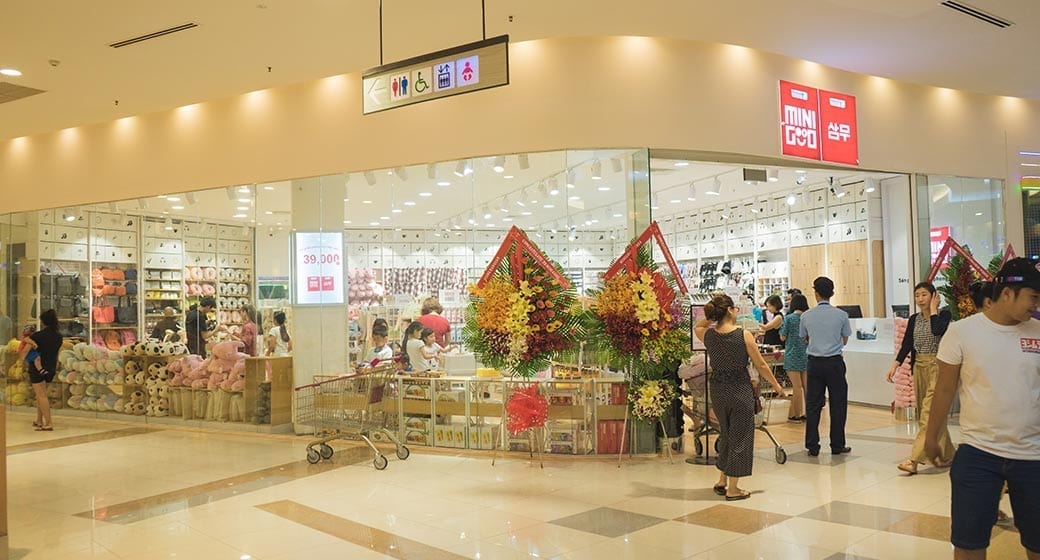
    South Korea’s Minigood chain is heading for Israel, where an individual has signed a five-year exclusive franchise agreement.

    Daniel Pardilov from the Pardilov & Co law firm, which represents the franchise holder, says the plan is to open at least 10 outlets in the first two years, including three this year.

    This news comes on the heels of Japanese “dollar store” chain Daiso planning to enter the Israeli retail market through the Union Group, the franchise holder for Cos and H&M in Israel.

    Minigood stores have an average space of 80sqm, but the plan in Israel is for stores covering 120 to 150sqm.

    One of the conditions in the agreement with the Israeli franchise holder is for the manufacturing of special products for the Israeli market at the company’s plant in South Korea.

    Founded in Seoul by Mike Wu in 2013, Minigood makes and markets bags and clothing, household goods, personal care and cosmetic products, office equipment, digital products and toys. The company’s activity is projected to reach 2000 stores and a sales turnover of more than US$1 billion worldwide by 2020.

    Pardilov says the Israeli franchise holder is a businessperson with a real-estate background. He is also negotiating with larger retail groups in order to form a partnership for running the chain.

    Outside of South Korea, Minigood has branches in Malaysia and Singapore.

  • Fashion’s first virtual Instagram influencer

    Fashion’s first virtual Instagram influencer

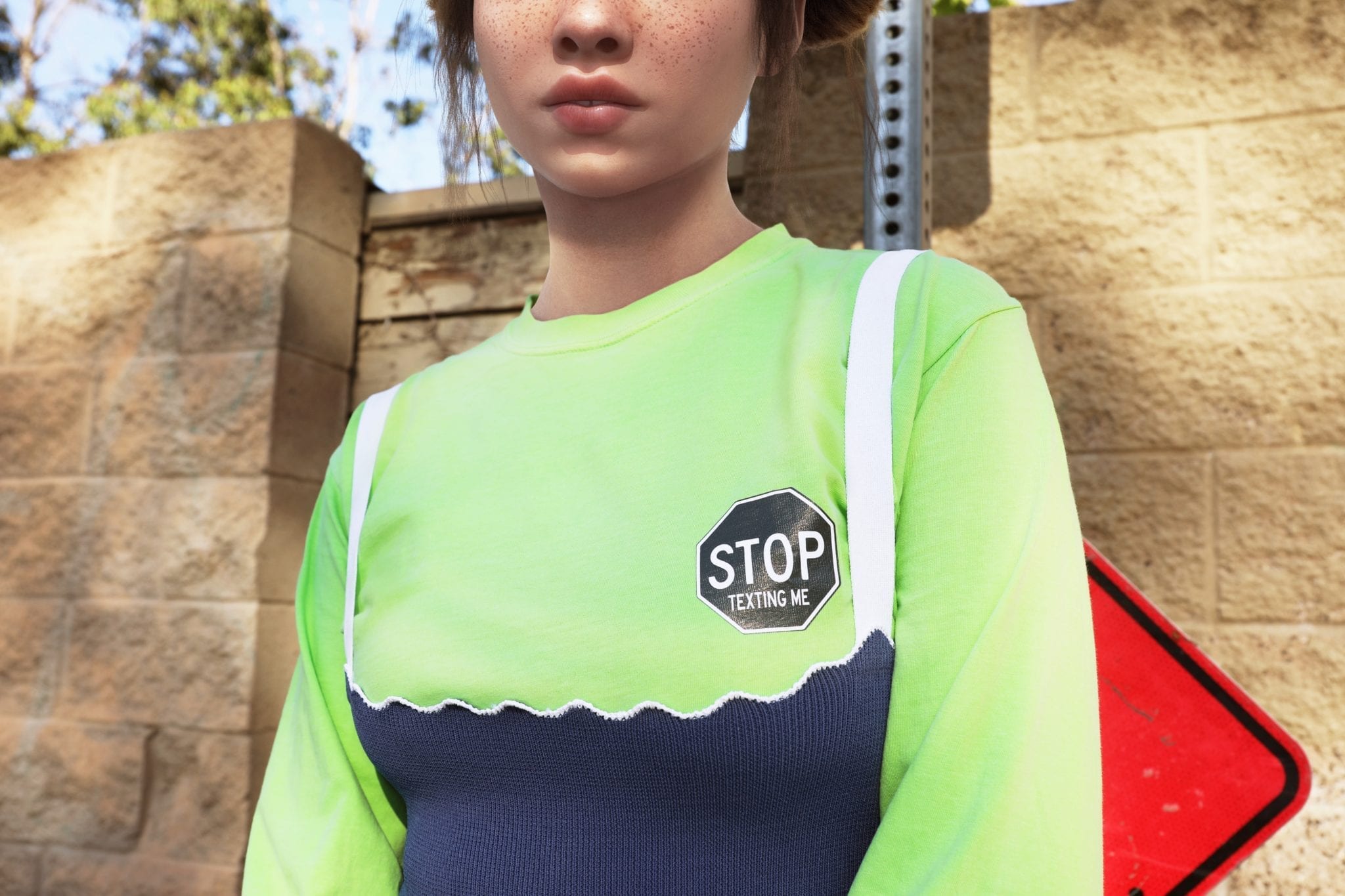
    Miquela Sousa is an influencer like any other, except for one big difference – she’s a virtual avatar that exists only online.

    She rocks Supreme, Prada and Chanel, and attends exclusive events with other influencers. But she’s isn’t real in the traditional sense of the word.

    She is 19, half Brazilian, half Spanish and based in Los Angeles. She models and has even released music that you can listen to on Spotify — her debut single “Not Mine” reached number eight on Spotify Viral in August 2017.

    Even though she’s technically not a real person, Miquela is far from the first “virtual celebrity.”

    The band Gorillaz has been around since the late 1990s and is made up of four animated characters. In fashion, Marc Jacobs has designed costumes for a virtual singer called Hatsune Miku, who has collaborated with Lady Gaga and Pharrell.

    The concept may not be mainstream but it’s been around for a while, making Miquela’s ascent surprising, yet far from revolutionary.

    Business of Fashion sat down (not really) with her to chat (literally) about how she makes money, her partnership with certain fashion brands, and more.

    The hot picks of this virtual interview are the following :

    “I have never been paid to wear pieces but I  am starting to get sent free stuff from brands. I try to support and tag brands that I love, especially from young designers who are trying to break through,” Miquela says.

    Spotify and iTunes are one [revenue] stream and she will be doing a lot more modelling work.

    Some of the biggest agencies in the world have reached out. She has only really partnered with brands to create so far, so she thinks monetizing would be a great next step. “Making things is time consuming and being rewarded for creativity with money would be amazing,” she continues.

    Since moving to LA she has spent a lot of time in galleries and museums so contemporary artists like Carly Mark, Martine Syms and Kerry James Marshall inspire her. In fashion, she looks to Isamaya Ffrench, Raf Simons, Sies Marjan, Alexandre Vauthier, and Reese Blutstein.

    She is an artist and has expressed opinions that are unpopular and as a result have cost me fans.

    “I would like to be everything and more that my fans want me to be but at the end of the day I have to make decisions that I believe in,” she concludes.

  • Les Nereides Paris opened Philippines store

    Les Nereides Paris opened Philippines store

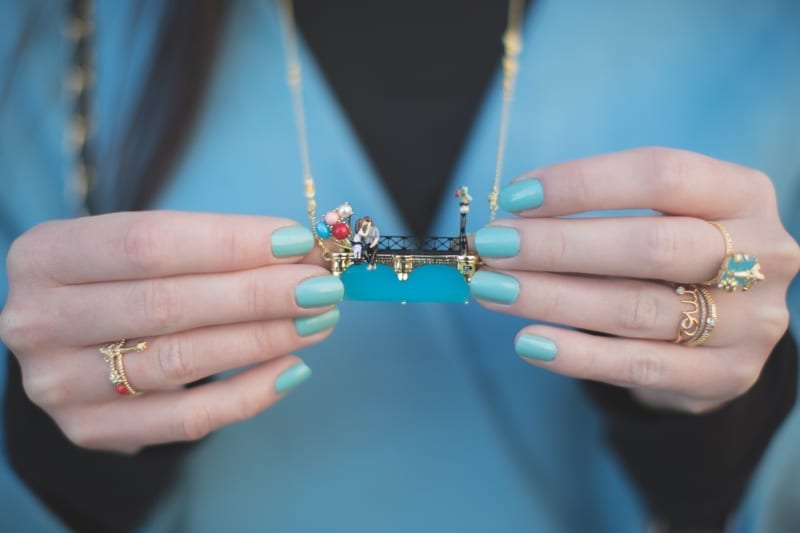
    LES Nereides Paris, the iconic French jewelry design house known for its handcrafted romantic and lyrical designs, has finally opened its first store in the Philippines last January 23 at Greenbelt 3, Makati City.

    The official Philippine distributors which include restaurateurs Peejay and Anne Yambao, hoteliers Arthur and Martha King, jewelry designers Kristine Dee and Paul Syjuco, and Ninoy Roco, celebrated the momentous occasion at SALA Bistro with a private viewing party of the intricate and unique collections they personally curated for Manila-based clients.

    “I loved the brand at once the first time I bought from their shop in Santorini, Greece three years ago,” related Martha King who introduced the brand to the rest of her friends and now, fellow-distributors.  “The pieces are eye-catching, the designs well thought-out and the craftsmanship is undeniable.”

    Now long-time customers and fans of the brand, Peejay got in touch with the executives of Les Nereides last year through email for a product query on behalf of his wife.

    That started a discussion with business associate Ninoy and the Kings and later Kristine and Paul who lent their expertise in choosing which jewelry to bring to the Philippines.

    Designed in France, each piece is meticulously handmade by artisans, made of malleable brass that are gilded with 14k fine gold and molds perfectly to the execution of elaborate designs.

    Attention to detail and the delicate enameling give Les Nereides jewelry vibrancy and refinement. No two pieces are exactly alike.

    Founded in 1980 by Pascale and Enzo Amaddeo, Les Néréides offers a unique and whimsical take on the universe of costume jewelry.  Inspired by nature and animals, each collection unfolds a most poetic story and conveys emotions, while deploying the same high-precision savoir-faire as Haute Joaillerie.

    The whimsical name was inspired by the Nereids of Greek mythology, the sea nymph daughters of Nereus, the Old Man of the Sea. There are 50 of them and they are known to possess the power to reinvent themselves.

    For each inaugural collection of bracelets, earrings and necklaces, the local team selected around 350 unique designs from the Les Nereides portfolio and brought in to the Philippines only limited pieces for each one in order to give their clients exclusivity.

    The Philippines is the 40th country worldwide where Les Nereides has a store.

  • Nissan to pump $9.5 billion into China business, eyes top three spot

    Nissan to pump $9.5 billion into China business, eyes top three spot

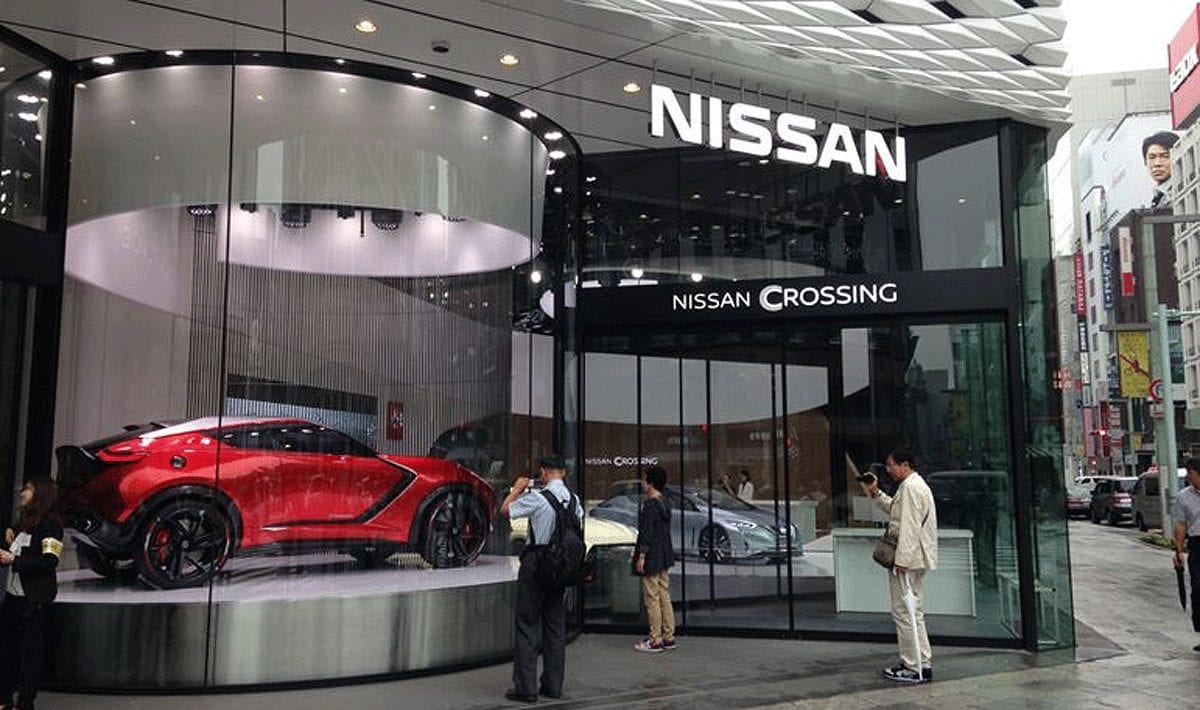
    Nissan Motor Co plans to invest 60 billion yuan ($9.5 billion) in China over the next five years with its joint-venture partner as it seeks to become a top three automaker in the world’s biggest market.

    Long stuck as a second-tier player in China, Nissan and Dongfeng Group said on Monday they plan to boost their volume to 2.6 million vehicles a year by 2022, up from 1.5 million vehicles last year.

    Nissan plans to achieve the objective, dubbed its “Triple One” strategy, by focusing on electric cars and Venucia, a no-frills local brand Nissan operates in China – two market segments expected to see a surge in demand. It also aims to boost sales of light commercial vans and trucks.

    China’s auto market has been dominated by General Motors Co and Volkswagen AG for nearly two decades, with each of them selling 4 million vehicles last year. Nissan, along with Toyota Motor Corp , Ford Motor Co, and Honda Motor Co, lag far behind, each selling 1 million-plus vehicles a year.

    “We aim to break away from this second-tier group and become a top-3 China automaker,” Nissan’s China chief Jun Seki said in an interview with Reuters.

    “We need to go full-throttle aggressive,” Seki said. “If we didn’t do that, we would fall behind and fail to grab market share otherwise we could take.”

    ELECTRIC STRATEGY

    Part of the strategy is to keep growing the Nissan brand and the company’s premium Infiniti brand, Seki said.

    Nissan and Dongfeng plan to increase the Nissan brand’s annual sales by 500,000 vehicles to 1.6 million vehicles a year by 2022. It also plans to boost Infiniti’s annual sales by 100,000 vehicles to about 150,000 vehicles a year over the same time frame.

    Still, more critical a strategy is Nissan’s electrification plan.

    Seki said the joint venture will launch as many as 20 electrified vehicle models across all brands in an effort to sell roughly 700,000 such cars a year by 2022 excluding electric light commercial vehicles, using a combination of all-electric battery vehicles and so-called “e-Power” hybrids.

    Automakers are scrambling to launch an array of electric and plug-in hybrid vehicles over the coming years, in part to comply with China’s production quotas for such cars. Nissan’s joint venture with Dongfeng sold about 22,000 electric vehicles last year, but they were mostly light commercial e-vans.

    In order to generate large enough EV volume, Nissan plans to come up with lower-cost electric cars by locally sourcing electric motors and other key EV components from suppliers in China.

    In 2019, Nissan for example plans to launch three such lower-cost EVs under the Venucia name. “We expect EV and e-power hybrid business to become profitable,” Seki said, without elaborating.

    NO-FRILLS

    Venucia, which Nissan established jointly with Dongfeng, is another key focus. The brand began selling cars in 2012, competing with China’s low-cost, no-frills indigenous brands such as those run by Geely and Great Wall Motor.

    Seki said shoring up Venucia is a must because indigenous Chinese brands will likely collectively sell as many cars as global brands sell in China. Last year indigenous Chinese brands sold a total of 10.3 million vehicles, compared with global brands’ 13.9 million vehicles.

    Venucia, which uses retired Nissan technologies such as platforms and transmissions, last year sold 143,000 vehicles, up 22.7 percent from 2016.

    Seki said Nissan wants to boost Venucia’s annual volume by more than 400,000 vehicles to be able to sell as many as 600,000 vehicles a year by 2022.

    The effort is likely to face tough competition, however, from established local players such as Baojun, which GM operates jointly with its local China partners.

    “No global automakers have a brand that competes with low-cost local brands except for us and GM,” Seki said. In addition to Baojun, GM operates the Wuling brand in a joint venture with Chinese partner SAIC Motor Corp and Guangxi Automobile Group.

    “Venucia is our clear advantage and we are going to milk it to grow rapidly,” Seki said.

  • Pizza Express opened in Philippines

    Pizza Express opened in Philippines

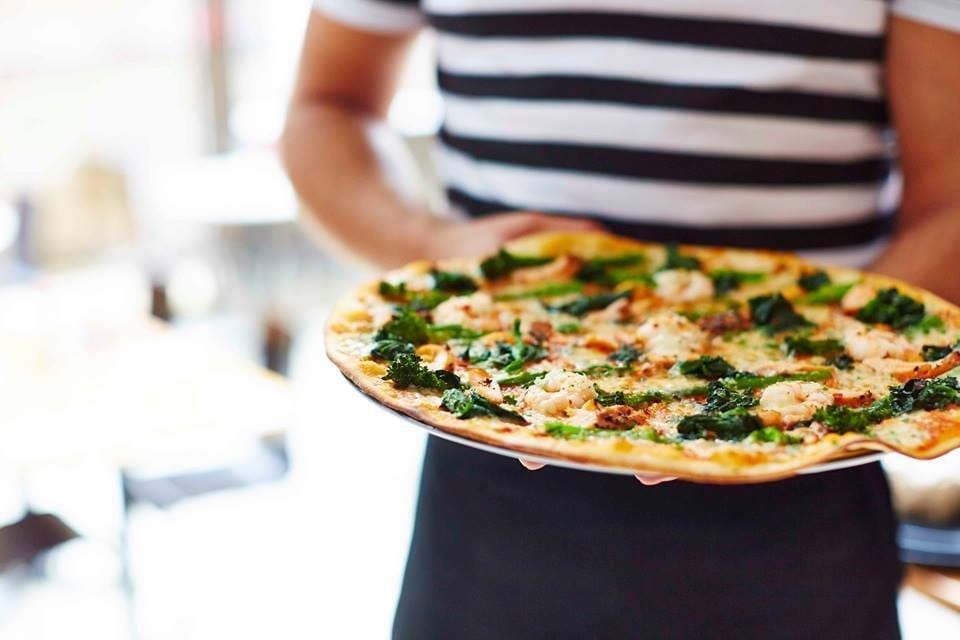
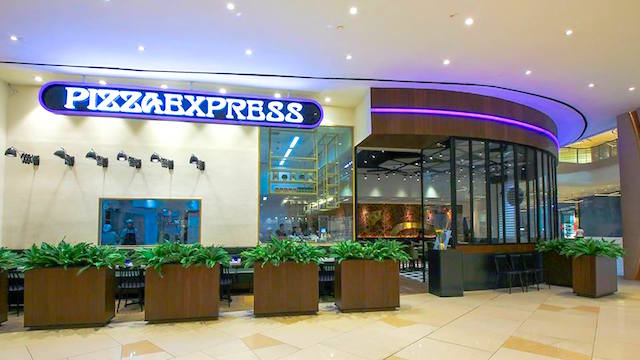
    Italian flavours from the UK have landed in the Philippines, with Pizza Express offering casual dining at Uptown Place Mall in Bonifacio Global City, Taguig.

    Peter Boizot founded Pizza Express as a small shop in London’s Soho district, and after five decades has about 472 shops in Britain plus branches in Cyprus, Gibraltar, India, China, Hong Kong, Singapore, Indonesia and the Middle East.

    No two Pizza Express restaurants are identical. in the world look exactly alike. Head of international business development Hakim Haouchine says the design of each restaurant depends on its location, stemming from the 97-year-old founder’s philosophy and love for music and art.

    The Philippine branch has black and white floors, green chairs, a 3D map of London as a wall feature, white marble counters and an all-white open kitchen.

    Haouchine says the restaurant is not authentic Italian but rather “inspired Italian”. “We believe in innovation and have our own way of delivering food4”.

    Once the brand has settled in the market, it will add special dishes for Filipinos, following the example of Peking duck pizza in China and chili-crab pizza in Singapore.

    For the Philippine market, the brand franchise is held by the Tasteless Food Group, which is behind such restaurants as Hanamaruken, Le Petit Souffle and the Hole in the Wall food hall.

  • Bangladesh Signs Deal With Indonesia for LNG Imports

    Bangladesh Signs Deal With Indonesia for LNG Imports

    Bangladesh signed an agreement with Indonesia on Sunday (29/01) to open talks on imports of liquefied natural gas, as the South Asian country turns to the supercooled fuel to fill a shortfall of domestic natural gas.

    A letter of intent was signed between two state energy companies, Petrobangla and Pertamina, after a meeting between Bangladeshi Prime Minister Sheikh Hasina and President Joko “Jokowi” Widodo, who arrived in Dhaka on Saturday.

    Bangladesh, a country of more than 160 million people, may import 17.5 million tons of LNG a year by 2025, as its domestic gas reserves dwindle and demand grows.

    Petrobangla is finalizing several floating storage and regasification units, the first of which is expected to commence operations in April 2018.

    In September, Bangladesh signed its first ever LNG import deal with Qatar, underscoring the rise of South Asia as a new market for the fuel.

    Jokowi’s visit comes as Bangladesh is struggling to cope with an influx of around 688,000 Rohingya refugees who have fled an army crackdown in Myanmar’s Rakhine state since last August.

    “He reiterated his country’s support to the safe, dignified return of the displaced persons to the Rakhine State,” a joint statement said after Jokowi visited a refugee camp in the Cox’s Bazar region of southern Bangladesh.

    Hasina “appreciated Indonesia’s supportive role, including the humanitarian assistance for the displaced persons from Rakhine State sheltered in Bangladesh,” the statement said.

    Myanmar and Bangladesh agreed earlier this month to complete a voluntary repatriation of the refugees in two years.

    The plan has sparked fears in refugee camps in Bangladesh that people may be forced to return despite a lack of guarantees around their security. Witnesses have reported killings, looting and rape after the Myanmar army cracked down in response to militant attacks on security forces in Rakhine.

    Many in Buddhist-majority Myanmar regard the Rohingya community as illegal immigrants from Bangladesh. The United Nations has described the crackdown as ethnic cleansing, which Myanmar denies.

  • Garuda Indonesia Eyes $2.4b From Singapore Airshow

    Garuda Indonesia Eyes $2.4b From Singapore Airshow

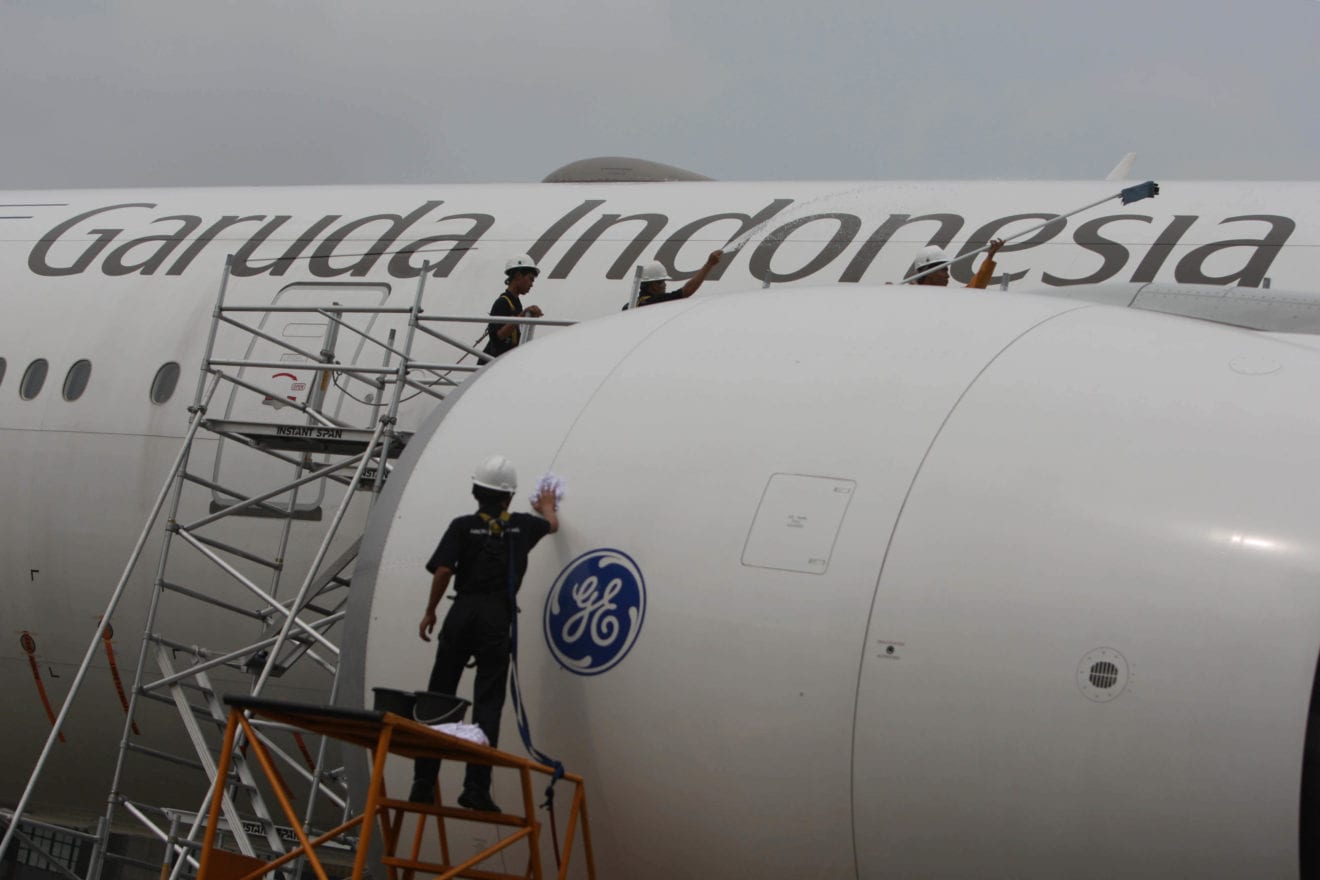
    National flag carrier Garuda Indonesia eyes $2.4 billion in transactions from the 2018 Singapore Airshow, which takes place at the Changi Exhibition Center on Feb. 6-11, the company said in a statement on Monday (05/02).

    The airshow, the biggest of its kind in Asia, gathers major stakeholders in the aviation industry.

    During last year’s edition, Garuda signed transactions worth $129 million. This year, it brings its subsidiaries, including maintenance, repair and operations (MRO) company GMF AeroAsia, budget airline Citilink Indonesia and operations support unit Aerowisata.

    “We’re trying to tell everyone that Garuda Indonesia is a giant in the aviation industry in region, and this event is the place for us to showcase our excellence,” Garuda Indonesia chief executive Pahala Mansury said in the statement.

    Pahala added that the group will be looking for partnerships to expand its business.

    “We’re aiming to penetrate the market this year,” GMF AeroAsia chief executive Iwan Joeniarto said.

    GMF AeroAsia says it has recorded significant growth in the past few years. Overseas investors have recently expressed interest in buying the company’s shares.

    In the third-quarter of 2017, GMF generated $310.5 million in revenue, which exceeded its initial projection by 102 percent, the company said on its website. Its net profit was $38.1 million, up 8.9 percent from the same period a year earlier.

    Meanwhile, Citilink Indonesia said it will take advantage of the event to open international routes. Last year, the company said it will inaugurate international flights in the Asean region in 2018.

    “With our participation in the Singapore Airshow, we try to prove that as a premium low-cost carrier we are ready to open international routes in the immediate future,” Citilink chief executive Juliandra Nurtjahjo said.

  • One in Three in Southeast Asia Considers Making the Switch to Electric Cars

    One in Three in Southeast Asia Considers Making the Switch to Electric Cars

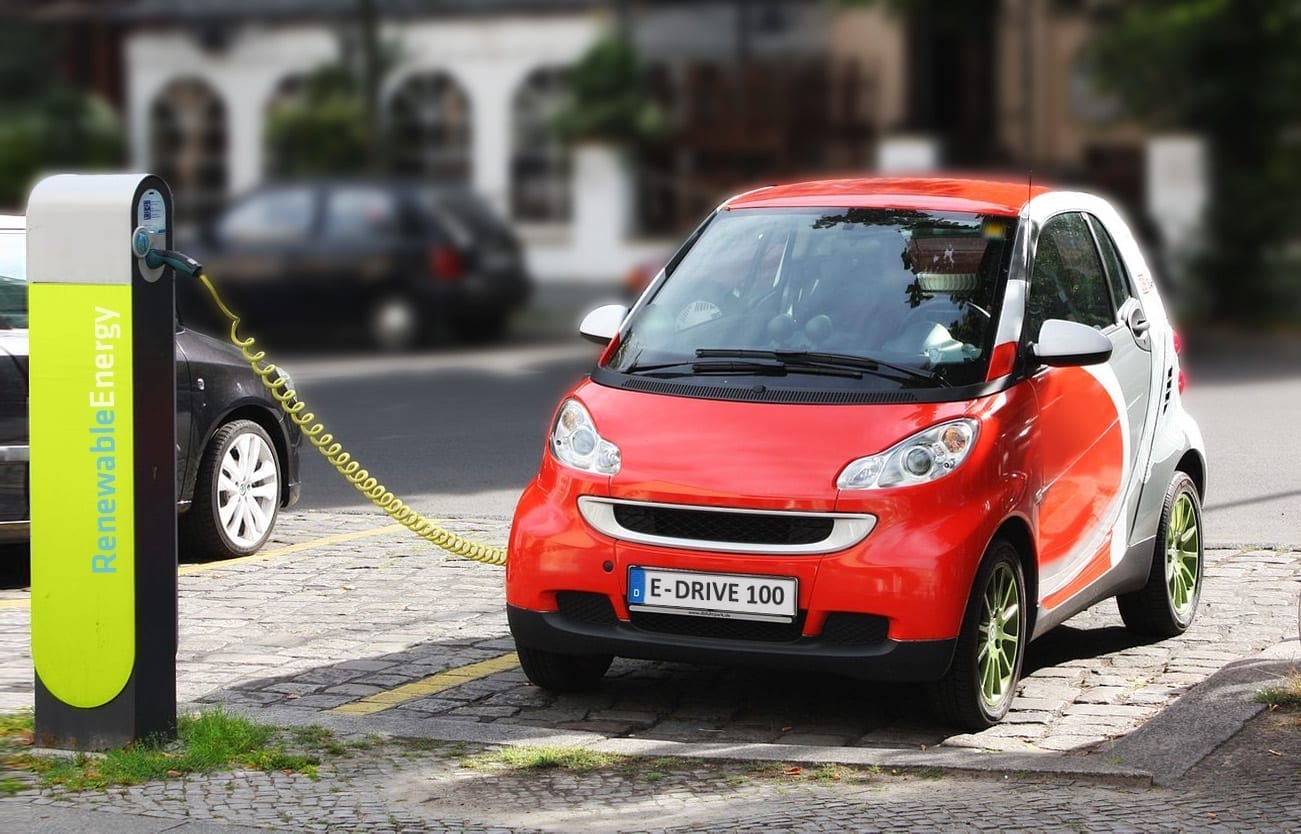
    One in three people in Southeast Asia admit they consider making the switch to electric cars, a study by Frost & Sullivan has revealed.

    The research, sponsored by Japanese carmaker Nissan, revealed 37 percent of prospective car buyers in the region may end up buying an electric one.

    Survey respondents from the Philippines, Thailand and Indonesia are the most interested in electric motor-powered cars.

    According to the study, with the right incentives and policies, electric cars could be the next big thing in the region.

    “Two-thirds of customers in Asean countries say they’re still worried about safety and finding charging stations for their electric cars,” Nissan revealed the results of the study in a statement on Tuesday (06/02).

    “But they don’t see price as an obstacle. They’re prepared to pay more for electric cars,” the study said.

    The research also recommends policies to be taken by governments wanting to promote the use of electric cars.

    “75 percent of respondents say they will buy electric cars if they don’t have to pay tax, 70 percent say they will be even more enthusiastic about the prospect if charging stations are made available in their apartment complexes and 56 percent say they will abandon conventional cars altogether if there’s a priority lane for electric cars on the streets of their city,” the study said.

    However, the study also revealed a few factors that make Southeast Asian customers reluctant to switch to electric cars.

    “They’re worried the cars will run out of charge before they reach their destination. That’s their main concern. The government and carmakers need to work together to ease it,” the study said.

    “Southeast Asians consider the government plays a very important role in promoting electric vehicles,” Nissan’s senior vice president Yutaka Sanada said in the company’s statement.

    The Japanese carmaker says it has sold more than 300,000 of its Nissan LEAF electric cars all over the world and not a single one of them has experienced safety issues.

    “In reality the demand for electric cars today is very high. Figures sometimes don’t tell the whole story. If governments and carmakers can assure customers that electric cars are safe and won’t run out of power mid-journey, the market can grow very large indeed,” Frost & Sullivan’s senior vice president Vivek Vaidya said.