Author: Mei Ling Tan

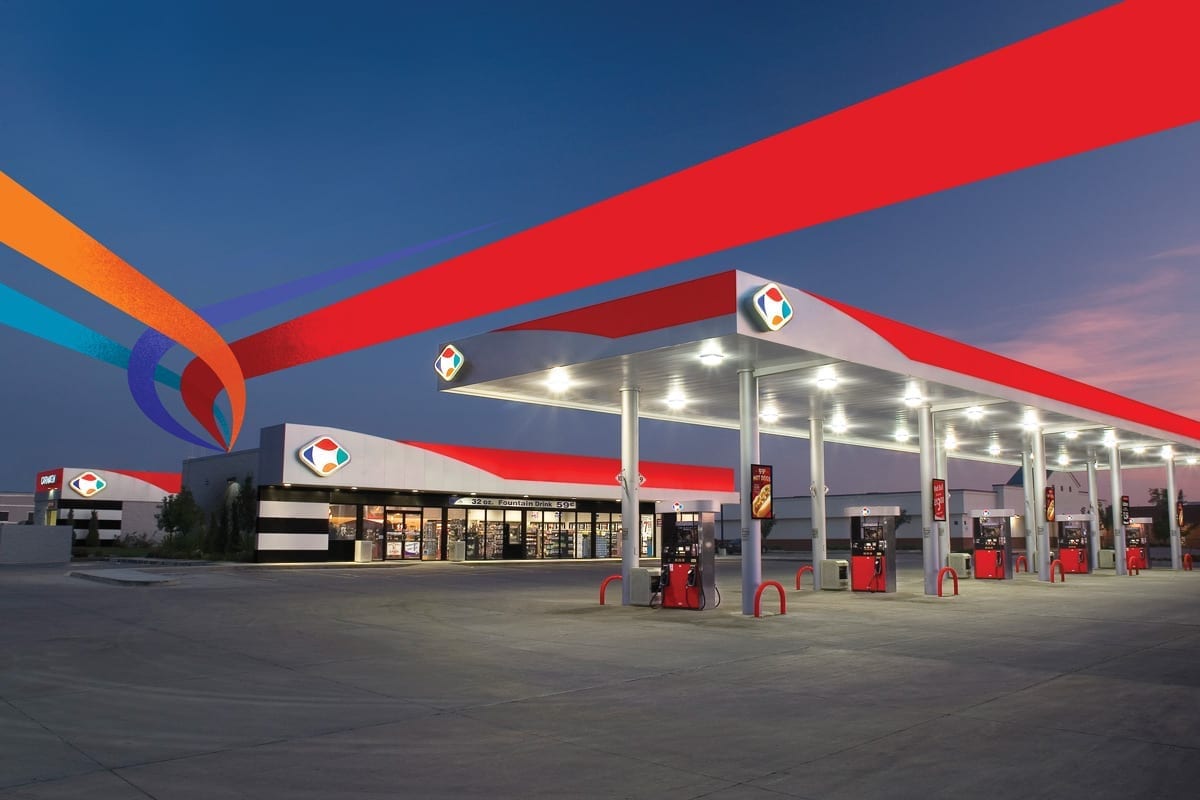
  • EG Group to purchase of Kroger’s convenience store biz for US$2.15 billion

    EG Group to purchase of Kroger’s convenience store biz for US$2.15 billion

    US supermarket chain Kroger has sold nearly 800 convenience stores to British petrol retailer EG Group for $2.15 billion.

    The former Kroger stores operate under the brands Loaf ‘N Jug, Kwik Shop, Tom Thumb and Turkey Hill and collectively tuned over $4 billion last year. Proceeds from the sale will be used to reduce debt, with the balance returned to shareholders.

    Kroger, which has 2800 supermarkets across the US, says the divestment is part of its plan to streamline sales and operations, focusing on its core grocery offer.

    EG (which stands for Euro Garages) has about 370 petrol stations in the UK, France and the Benelux countries. The Kroger acquisition marks its first foray into the US.

    Online publication Retail Dive observed that while Kroger was selling its convenience store business, it is still very interested in opportunities outside grocery.

    “The company recently opened its first restaurant, and announced last year it would introduce its first private label clothing line this fall. Reports have linked Kroger with Ace Hardware, as well. It’s hard to say why, exactly, the retailer decided to give up a $4 billion sales generator while pursuing these unproven channels, but Kroger clearly has a plan, and if recent history is any indication, it’s unwise to bet against it.”

  • GRAB and UBER fighting to dominate the ridesharing in South East Asia

    GRAB and UBER fighting to dominate the ridesharing in South East Asia

    Uber’s founders first tested their app among San Franciscans, a pair of Harvard Business School classmates from Malaysia seized upon a similar idea: They wanted to build Uber, but for Asia.

    In 2012, they launched a ride-sharing service with 40 drivers in Kuala Lumpur. Eventually, they settled on the name Grab.

    Six years later, Grab dominates the ridesharing market in South East Asia, boasting 2.3 million drivers in 168 cities across eight countries.

    In 2017, the company raised $2.5 billion from investors, including Softbank, the Chinese ridesharing company Didi Chuxing, and Hyundai.

    This recent round of funding valued it at $6 billion, making it the most valuable tech startup in South East Asia. Despite Uber’s aggressive investment in the region, it has struggled to beat Grab. That is in part because of Grab’s cultural advantage.

    While Uber has spent close to a decade figuring out what Western users want out of a ride-service, the company has struggled to adapt its findings to parts of the developing world. By contrast, Grab has solved a puzzle facing companies in places that are just coming online: How to make e-pay work in nations that lack financial infrastructure.

    For co-founder Anthony Tan, the transactions Grab facilitates represent the future of his company. We are sitting in the booth of a hotel restaurant in Davos, Switzerland.

    Tan, 35, who is the son of one of Malaysia’s largest automobile distributors, wears a cross and a ring on a chain around his neck. He pauses over his noodle dish as he describes the company’s bustling Singapore headquarters, where he and co-founder Hooi Ling Tan (no relation) have recruited an army of young coders that include alumni of Facebook, Amazon and Google.

    They will need that army. In South East Asia, the ride sharing wars have escalated into an arms race for money and talent. Since Uber launched in the region in 2013, the company has sunk millions of dollars into recruiting riders and drivers.

    Meanwhile, local competitor Go-Jek enjoys a strong market lead in Indonesia, where it is based, and recently raised $1.2 billion in a funding round that included Google as well as Chinese companies Tencent and JD.com and the Singaporean sovereign wealth fund Temasek.

    Dominating ride-share in Southeast Asia comes with significant economic opportunity. According to a December report co-authored by Google, spending on ride-hailing apps in the region has more than doubled over the past two years to $5 billion, and is expected to reach $20 billion by 2025.

    So far, local companies seem to be winning. Despite its huge investments, Uber continues to lose money as it strives to match the discounts and promotions competitors are offering riders and drivers in the region.

    Speaking at the New York Times Dealbook Conference in New York last fall, new CEO Dara Khosrowshahi addressed the company’s business in Southeast Asia, saying the market was over-capitalized. “We’re going in, and we’re leaning forward,” he said. “But I‘m not optimistic that market is going to be profitable any time soon.”

    Citing a source close to Grab, Reuters reported in November 2017 that Uber may look to partner with Grab, as Khosrowshahi moves to cut costs in advance of a possible 2019 initial public offering.

    There is precedent for this. In 2016, as Uber bled money in China, the company sold its China business to Didi Chuxing in exchange for a 20 percent stake in the merged operation.

    Now that Uber has completed its Softbank deal, the two companies share a significant investor, which could pave the way for a similar future partnership. Both Uber and Grab declined requests for comment on the speculation.

  • Gentle Monster flagship store opened in Guangzhou

    Gentle Monster flagship store opened in Guangzhou

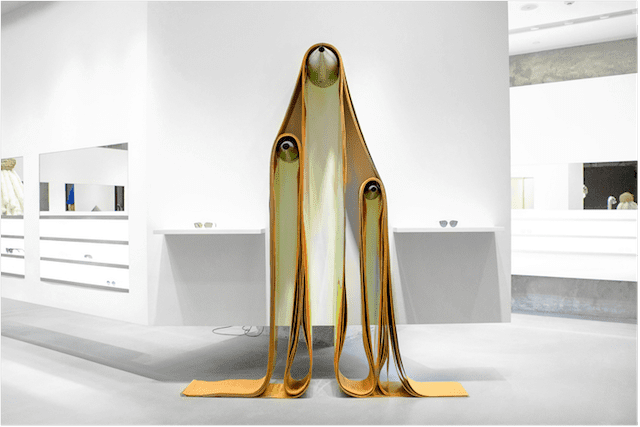
    Korean eyewear brand Gentle Monster has opened its fifth flagship store for China, in Guangzhou.

    It has set up in two adjacent units at the Taikoo Hui mall, which is known for its luxury boutiques.

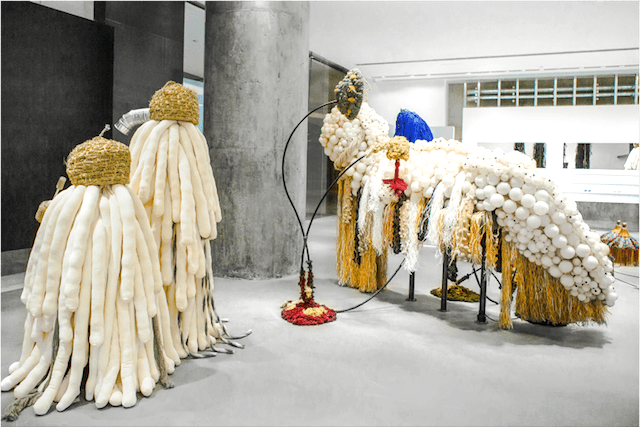
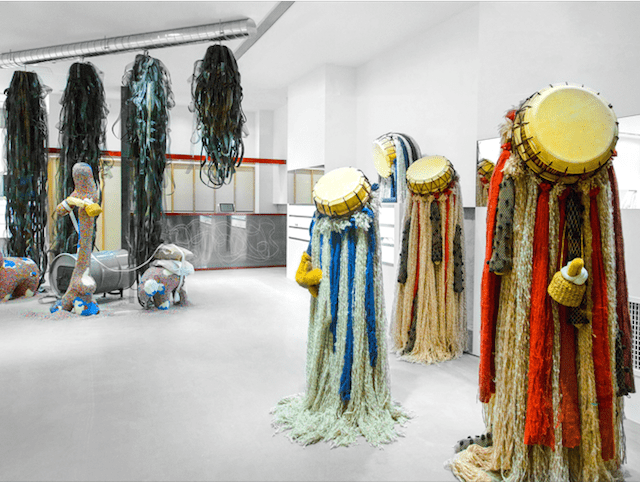
    Like other Gentle Monster flagships, the store has a themed interior design, this time with cues taken from the realm of old folk tales. It specifically zooms in on the purifying process in which spirits transcend into deities.

    The space is dotted with intricate objects. Some move or make sounds, but all look colourful and exotic. White walls, ceiling and wall-mounted panelling form a neutral backdrop for the creations, while Gentle Monster’s merchandise is showcased on shelving attached to the wall panels.

  • Balenciaga’s Platform Crocs sold out in a blink of an eye

    Balenciaga’s Platform Crocs sold out in a blink of an eye

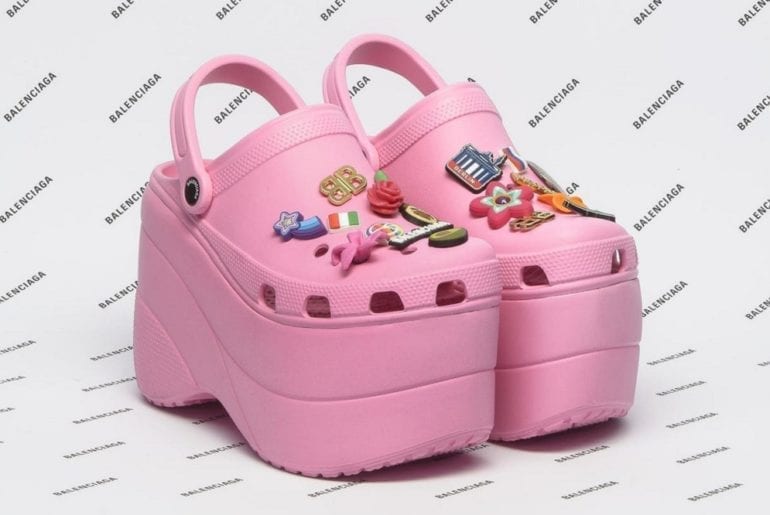
    In October 2017, Balenciaga unveiled an official footwear collaboration with Crocs on the runway in Paris. The Crocs, naturally, divided opinion.

    Critics thought that Balenciaga was trying too hard and collaborated for the wrong reasons, while others might not have loved the design but appreciated the attempt at something different.

    Now, several months on, the Balenciaga Platform Clogs are officially available for pre-order on sites like Barneys New York.

    Just moments after Balenciaga x Crocs’ Platform Clogs were made available to pre-order online, both pairs in the drop, sold out.

    They come in two colors, pink and “toast,” which is more like a dark tan color. A rather genius customization option in the form of pins can be attached to the perforated upper.

    Retail is $850 because, well, they’re still Balenciaga, so if you’re flush with cash and want to be what might resemble a walking meme, head to Barneys via our links below to secure yourself a pair. In the likely even that the links lead to an unavailable page, be sure to stay tuned as we will update you as soon as the collaboration becomes available again.

    In other sneaker news, ZARA’s budget Balenciaga Speed Trainers are actually fire.

  • Max’s to bring Pancake House to Saudi Arabia

    Max’s to bring Pancake House to Saudi Arabia

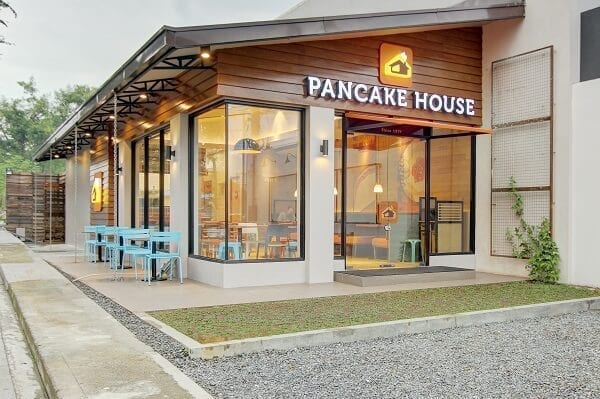
    Max’s Group Incorporated (MGI) is to take its Philippine casual-dining chain Pancake House to Saudi Arabia.

    In a disclosure to the Philippine Stock Exchange (PSE), MGI says it has partnered with Al-Bader National Establishment for Real-Estate Development to open 12 outlets in Saudi Arabia within the next five years.

    MGI president/CEO Robert Trota says the company is targeting 20 to 30 new outlets for this year, mainly across its core brands Max’s Restaurant, Pancake House and Yellow Cab Pizza. It aims to end the year with about 75 to 80 stores abroad.

    MGI’s partner in the venture was founded in 2001 and is primarily engaged in real-estate trading, property development and running shopping malls.

    Pancake House has seven overseas franchised outlets, in Malaysia and the UAE.

  • Max Fashion opens flagship store in Malaysia

    Max Fashion opens flagship store in Malaysia

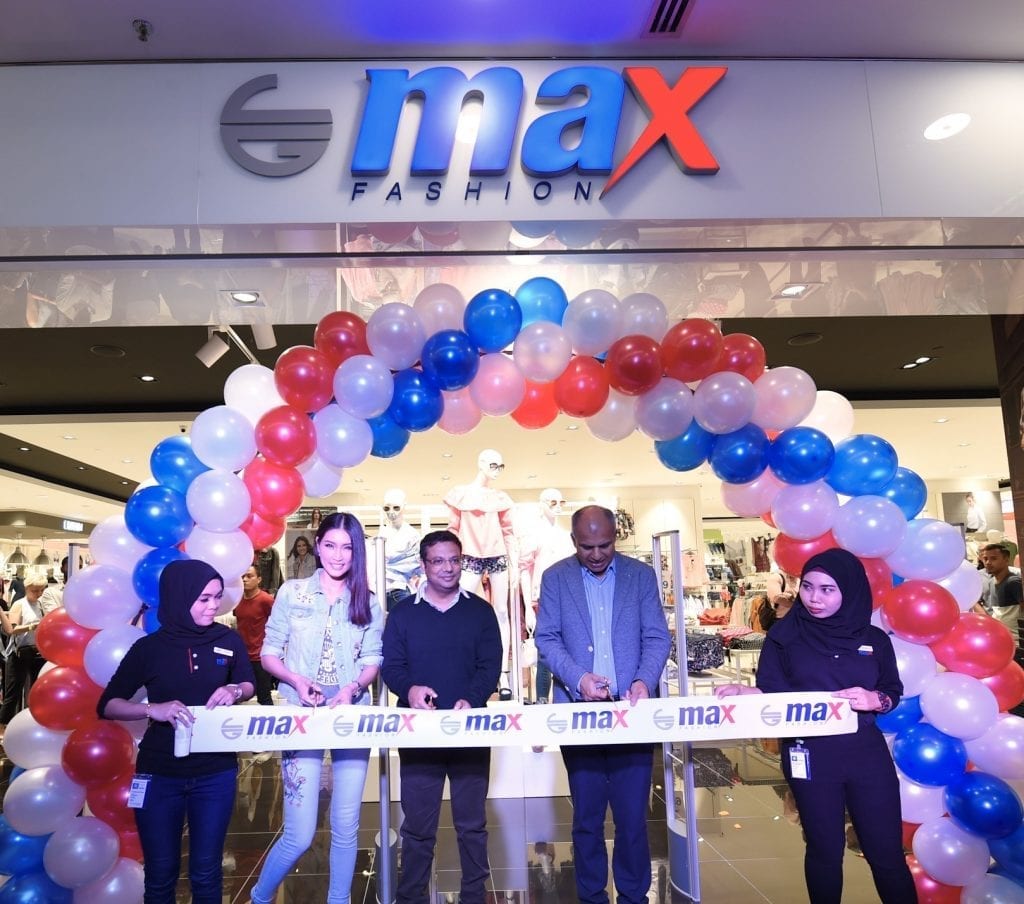
    Value fashion brand Max Malaysia has launched its fourth store, a flagship in 1 Utama Shopping Centre in Petaling Jaya, Selangor.

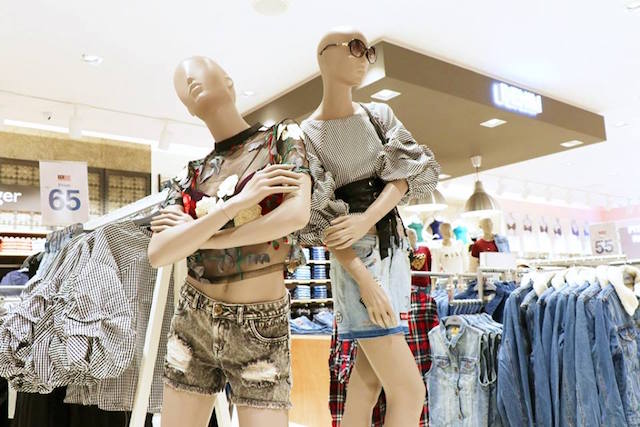
    A red-carpet opening ceremony was hosted by Max CEO and Landmark Group director Ramanathan Hariharan. The store covers more than 10,000sqft (930sqm) and will offer men’s, women’s and children’s fashion as well as sportswear, bags, footwear, lingerie and accessories.

    Malaysia’s first Max store opened in IOI Mall Putrajaya last year, followed by outlets in Sunway Putra Mall and Avenue K Mall.

    The brand plans to have 10 stores in Malaysia by the end of the year.

  • Estee Lauder sales growth mostly contributed by Asian country

    Estee Lauder sales growth mostly contributed by Asian country

    Positive sales growth in Asia has helped boost Estee Lauder net sales to US$3.74 billion for the quarter to the end of December.

    Up from $3.21 billion from the same quarter the previous year, the beauty brand also credits the improvement to growth in online sales globally as well as travel retail.

    “We continued our strong momentum in our second quarter and generated stellar results,” says president/CEO Fabrizio Freda. “In constant currency, our sales grew 14 per cent.

    “We delivered double-digit sales gains across most product categories and many brands, including Estee Lauder, luxury brands and most mid-sized brands.”

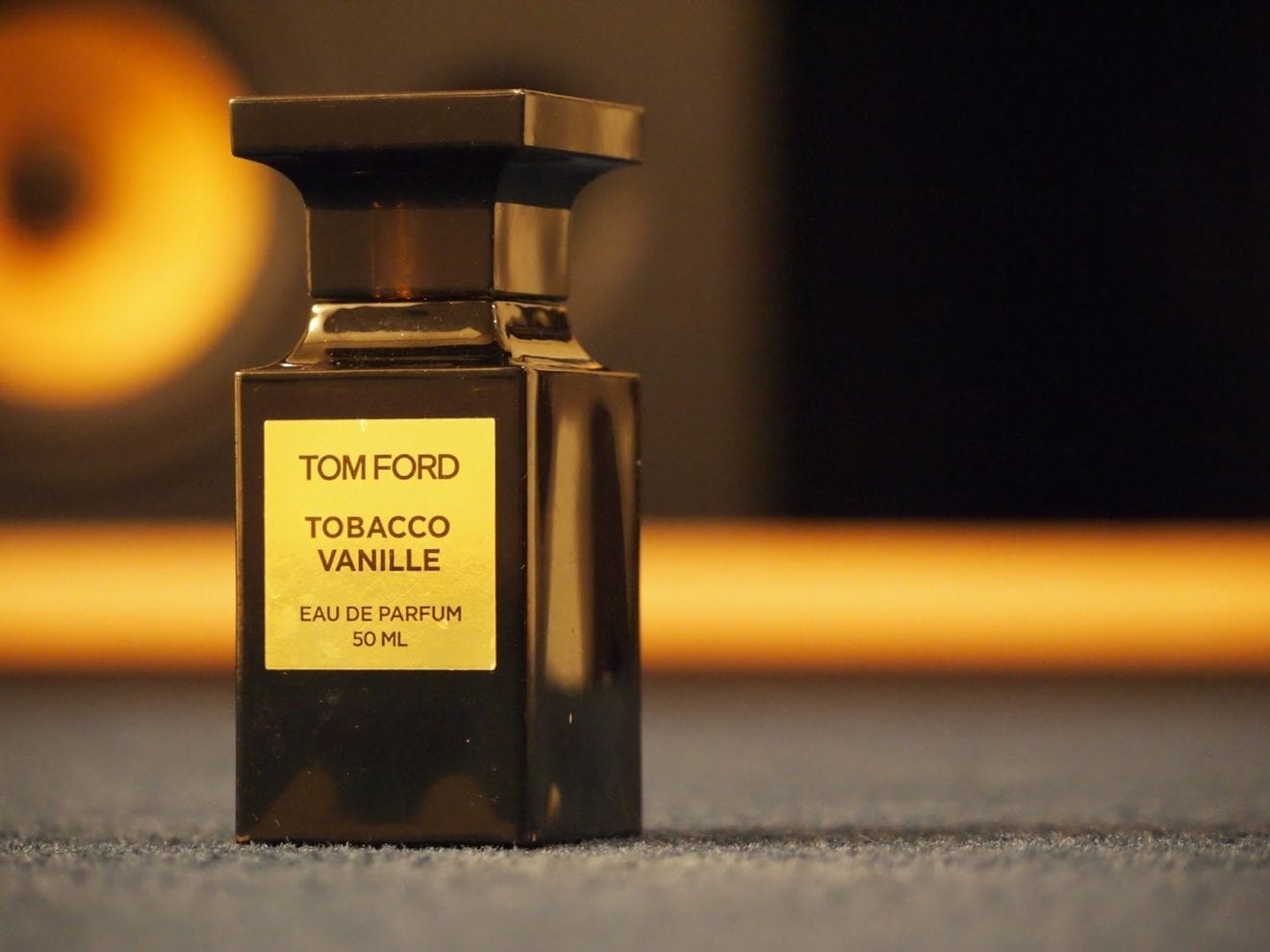
    Tom Ford and the Estee Lauder brand were significant contributors to the company’s growth. Eye shadow and lip colour sub-categories drove Tom Ford sales, while the Estee Lauder brand sales were supported by its Double Wear foundation and Pure Color lip collections.

    The Tom Ford brand also saw success with its Private Blend fragrances and other scent-related product launches, including the limited-edition fragrance Fucking Fabulous.

    Estee’s acquisition of popular lower-end brands such as Becca and Too Faced also supported its growth with incremental sales.

  • With Fastest Growth in Four Years, Indonesia Enters Trillion Dollar Club

    With Fastest Growth in Four Years, Indonesia Enters Trillion Dollar Club

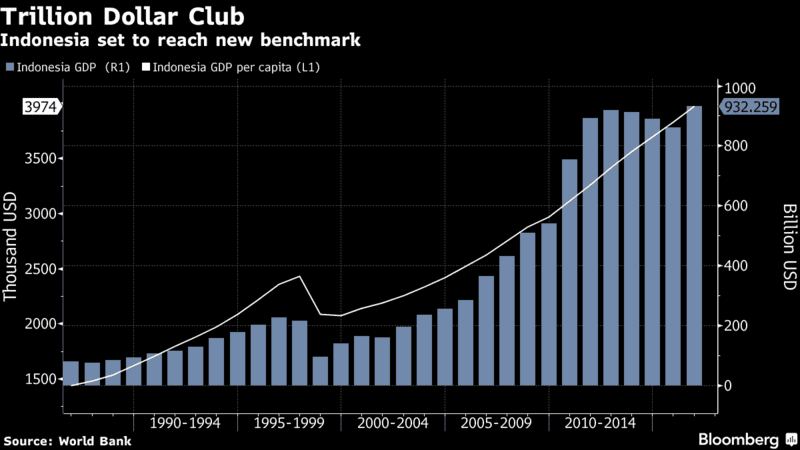
    Indonesia’s full-year gross domestic product growth last year accelerated at the fasted pace in four years, as robust exports and investment growth compensate for weak household consumption, the Central Statistics Agency, or BPS, revealed on Monday (05/02).

    The agency said the economic growth rate was 5.07 percent, the highest since 2014. In 2015, the economy grew only 4.88 percent, while in 2016 at a 5.03 percent rate.

    Indonesia’s nominal gross domestic product was Rp 13,558 trillion, or $1 trillion at the 2017 exchange rate. This places Indonesia in a group of countries with economies above $1 trillion, like Australia, South Korea and India.

    Coordinating Economics Minister Darmin Nasution said he is optimistic this year’s economic growth rate will meet the government’s target of 5.4 percent, as he expects domestic consumption to rise with the upcoming regional elections and the Asian Games in August.

    “[We are] still optimistic … As long as we maintain the investment and exports,” Darmin said.

    Darmin needed to put economic growth in a more positive light, as the 5.2 percent target from the revised 2017 state budget was missed, because consumers withheld spending.

    “The top 20 percent of consumers tended to postpone their spending. There were concerns about politics and aggressive tax policies. Meanwhile, the lowest 40 percent were hit by rising food prices,” said Bhima Yudhistira Adinegara, an economist at the Institute for Development of Economics and Finance (Indef).

    “The key now is in recovering the confidence of the upper class and ensuring timely disbursement of social aid,” Bhima said.

    Gundy Cahyadi, a Singapore-based economist at DBS, said infrastructure projects are expected to continue supporting economic growth in 2018.

    “And if commodity prices are to remain at current levels, we expect investment growth to be more broadly based this year, with possibly positive spillover impact to household consumption,” Gundy said, adding that he expects Indonesian economy to expand by 5.3 percent in 2018.

    In 2017, Indonesia posted a five-year high of $11.84 billion trade surplus, thanks to the recovering global economy and rising commodity prices, with an increase in exports and imports — 9.09 percent and 8.06 percent, respectively.

    Foreign direct investment grew 8.5 percent last year from the previous year.

    “Trade and investments increased, but [household] consumption was still at 4.95 percent. If we want the economy to grow above 6 percent, these three components have to go hand in hand,” BPS head Suhariyanto told reporters.g

  • Why luxury will still need brick-and mortar

    Why luxury will still need brick-and mortar

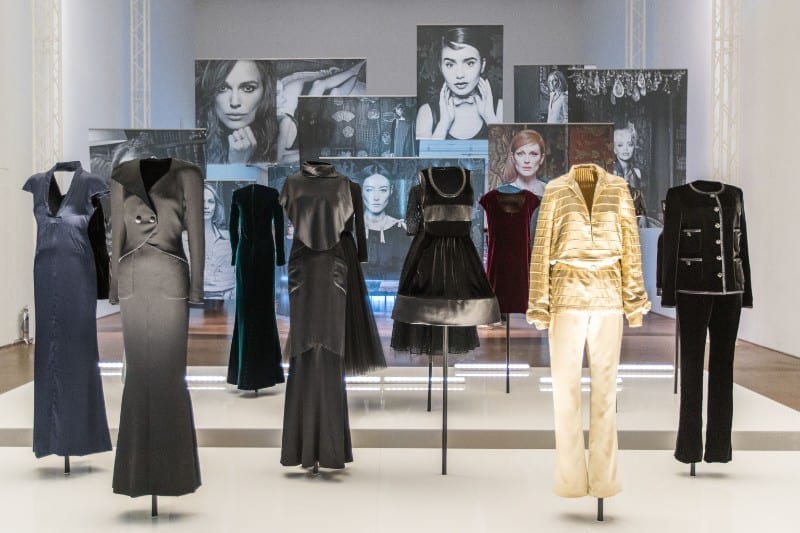
    Guests who visited Chanel’s Mademoiselle Privé at PMQ in Hong Kong got more than they bargained for.

    The luxury maison took its exhibition to the next level, blending augmented reality (AR) with physical experience. With the help of a virtual tour app on the smartphone, the many icons of the luxury maison, from the No.5 fragrance to the couture ateliers, were brought to life.

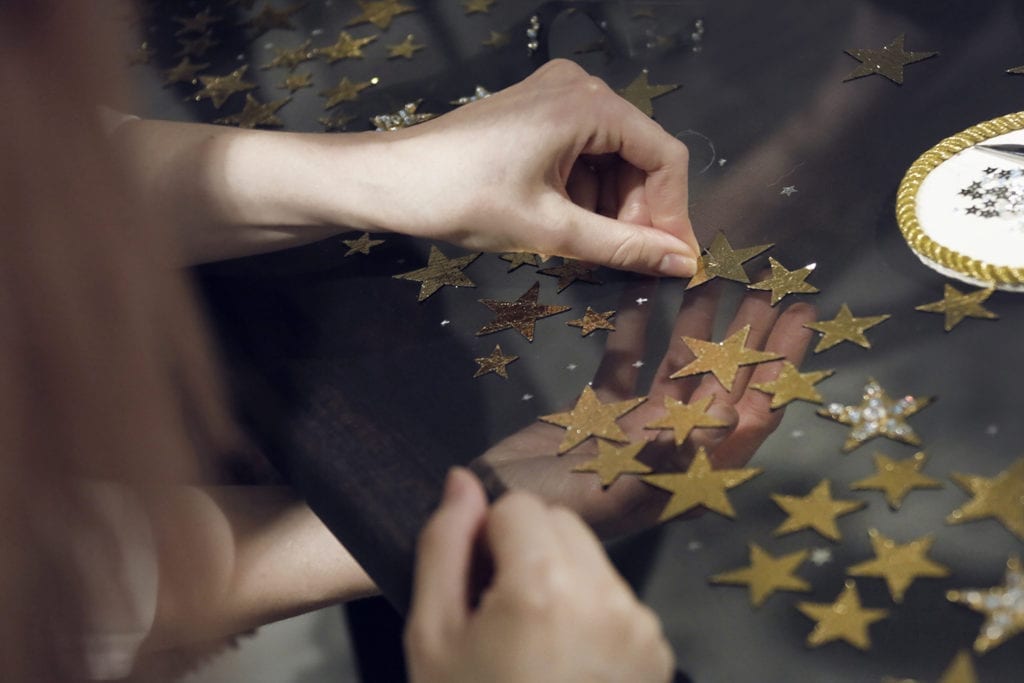
    Apart from exhibits that highlighted the maison’s heritage and savoir-faire, exclusive workshops were held to allow guests to try their hands at Chanel’s prized know-how, such as embroidery and high jewellery making.
    “Chanel is about more than a [mouse] click,” says Bruno Pavlovsky, the brand’s president of fashion. “Despite our investment in e-services for our customers, we still need to have the physical touch for them to understand the brand, to see and try the products. For us, all the digital developments and experiments are [designed to provide] better services for our customers in the boutiques.”

    While luxury brands continue to invest in digital storytelling and services, they are not forgetting about the physical experience either, now even more so than ever. They are not only focusing on retail spaces but also institutions to promote heritage and savoir-faire.

    Chanel’s Mademoiselle Privé exhibition, which travelled from London’s Saatchi Gallery to D Museum in Seoul, is hardly the only example. The maison is launching a Gallery Gabrielle Chanel exhibition space in Paris’s prestigious Palais Galliera fashion museum as well as a permanent location that will bring the house’s metiers d’art ateliers from Maison Lesage to Lemarié under one roof, expected to open in 2020.

    Apart from Chanel, other heritage houses are preserving their legacy through permanent institutions to reach existing and potential customers.

    Pavlovsky agrees on the importance of physical experience when it comes to branding.

    “We are not talking products but the values of Chanel and what makes the brand unique, which is more difficult than talking about the shoes or bags,” he says. “There’s nothing to buy at the exhibition. It’s for people to see, learn and better understand the brand. We believe that it’s quite important that in our key markets, we can share and offer that to our customers.”

    Even in their new retail concepts, brands are integrating their heritage, DNA and patrimony into the designs. Louis Vuitton’s Place Vendôme flagship store – restored from a heritage building circa 1714 and designed by Peter Marino – features more than 30 works by 22 artists ,including a 2015 portrait of a young Louis Vuitton by Yan Pei-ming.

    The Boucheron flagship store, also in Place Vendôme and under renovation, will be paying tribute to the house’s rich heritage.

    “We are renovating the full building in a patrimonial way,” says Hélène Poulit-Duquesne. “The objective is to redo it as if it was being built at the end of the 18th century. It’s our family house.”

    The flagship store, which is set to open doors in September 2018, will include a salon dedicated to hosting educational gatherings.

    The association between arts and fashion has been widely embraced by luxury maisons and many highlight the connection with permanent art spaces and cultural centres, such as the Fondation Louis Vuitton, which opened in Paris four years ago, as well as Fondazione Prada in Milan, which opened its new permanent location in 2015.

    Now luxury brands are also lifting the curtains of their ateliers to put their prized artisanal skills in the spotlight by hosting workshops and classes for customers to get a taste of their craftsmanship.

    Chanel’s Lesage workshops, which allowed fans to learn basic embroidery as part of the exhibition programme, were a sell-out. The pictures and posts on social media platforms proved how successful the classes were.

    While Chanel’s only hosting the classes during exhibition periods, Van Cleef & Arpels has taken the mission further and established L’ecole in Place Vendôme, Paris. Since 2012, the permanent address has been the venue for the brand to host a variety of classes on subjects from the history of jewellery, gemmology as well as savoir-faire.

    The Parisian school made its overseas debut in 2014 and hosted classes for fans in Hong Kong and came back for a third run just last year due to overwhelming results. “We’ve been asked by students to bring it back,” says Nicolas Bos, CEO, and president of Van Cleef & Arpels. “These programmes need some time and repetition to establish. So when we take them abroad, the mindset is that it’s going to last and develop over a long period of time. It’s really about education.”

    It is important to show the rare craftsmanship behind the brand, Pavlosky adds. “Because it’s difficult,” he says. “You cannot  be a good craftsman without the experience. In this digital world, it’s important to remind everyone of that.”

    Digital integrations might be how luxury brands do business today, but physical experience, be it in brick-and-mortar stores or for brand communications, has not been forgotten. As the aptly coined term “phy-gital” suggests, the future of luxury experience might require both experiences going forward hand-in-hand.

    “Both physical and digital aspects are really important, but when you buy a €2 million
    [HK$19.1 million] necklace, you would want to have a full ceremony,” Poulit-Duquesne says.

    Bos also believes that digital and physical experiences complement each other.

    “Definitely the digital world provides fantastic opportunities but we create jewellery that is meant to be experienced, touched and worn. So we really believe in physical experience. The more you offer on digital experiences, the more you need to develop physical experiences to match.”

  • Most expensive whiskey in the world

    Most expensive whiskey in the world

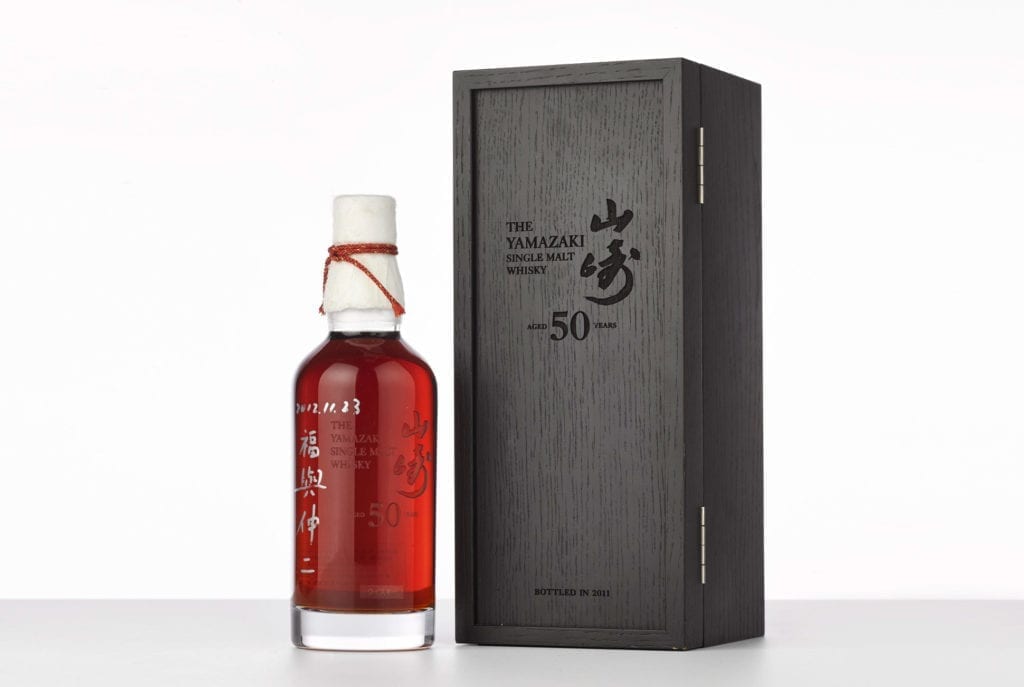
    A rare Japanese whisky just became the most expensive ever sold at auction.

    The Spirits Business reports that a limited edition bottle of Yamazaki 50-year-old single malt fetched $300,000 at Sotheby’s Finest and Rarest sale in Hong Kong.

    That’s more than double its pre-sale price estimate of $140,000.

    Paul Wong, specialist at Sotheby’s Wine, Asia, said: “We are absolutely thrilled with the new world auction record set by the Yamazaki Aged 50 Years NV, the highest price achieved for any single bottle of Japanese whisky, illustrating a whisky market in full swing.”

    Assuming that the bottle contains a fifth of its ultra-rare nectar, each pour is worth around a staggering $16,500. That’s one helluva hangover.

    While the Yamakazi may sound absurdly expensive, it’s a long way off from the priciest whisky ever sold. In 2014, a bottle of Macallan Imperiale M set the record with a $628,205 price tag at Sotheby’s.

    Granted, the faceted crystal decanter held 6 liters of hooch and took 7 craftsmen 50 hours to complete.

    For something a little more affordable but probably just as delicious, check out our boozy lists of the 10 best single malt scotches, 10 rare whiskey collections, and the absolute best whiskeys of 2017.

  • Eight Firms Eye Q1 IPOs at Indonesia Stock Exchange

    Eight Firms Eye Q1 IPOs at Indonesia Stock Exchange

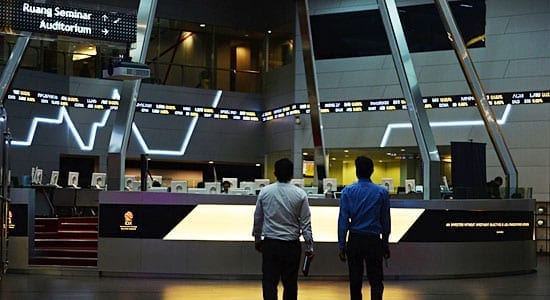
    Eight companies are currently preparing for initial public offerings in the first quarter this year, Samsul Hidayat, a director at Indonesia Stock Exchange said Monday (06/02).

    So far this year, only one company has completed an IPO at the exchange, which is aiming to list more than 35 new companies in 2018.

    Among the eight companies in the pipeline are power company Sky Energy Indonesia and BTPN Syariah, the Islamic banking unit of mid-size lender Bank Tabungan Pensiunan Nasional (BTPN), Hidayat said.

    He did not disclose the potential sizes of the new IPOs.

    In 2017, 37 companies launched IPOs, raising a combined 9.6 trillion rupiah ($710.06 million) in proceeds, according to data from Financial Service Regulator (OJK).

    That compared to 14 companies in 2016, which raised a combined 12.1 trillion rupiah.

  • Pradera Retail Rolls Out Post-Millennial Shopping Center in Shanghai

    Pradera Retail Rolls Out Post-Millennial Shopping Center in Shanghai

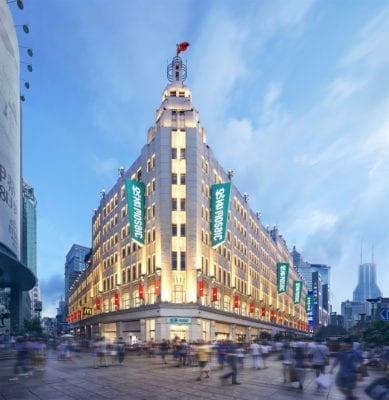
    Global retail asset management specialist Pradera Retail Asia has opened M-Square at Mosaic Shanghai (pictured).

    On the ground floor of Mosaic Shanghai, M-Square assembles brands popular among young consumers such as Korean cosmetic brand Too Cool For School, Taiwanese bubble-tea store Bu’er Tea, coloured contact-lens shop Sweet Color, Hong Kong mixed drink bar Beauty Bowly, fragrance store Scent Boutique, fashion eyewear brand Rebel Without A Clause, and coffee store 72 Now.

    Launch day included a ceremony attended by senior executives from Pradera Retail Asia and Mosaic Shanghai, as well as tenant representatives. There were also performances and interactive activities.

    Next to three subway exits on East Nanjing Road, Mosaic Shanghai covers 40,270sqm over seven floors offering retail, dining, lifestyle and entertainment. It is one of the entertainment leading malls on the East Nanjing Road.

    Mosaic Shanghai is undergoing a business upgrade to provide a shopping experience aimed at young consumers. This will include The Shanghai Dungeon, the first attraction of its type in Asia, set to open this year.

  • Toyota sets tough China sales goal of 1.4 million vehicles for 2018

    Toyota sets tough China sales goal of 1.4 million vehicles for 2018

    Toyota Motor Corp (7203.T) aims to sell 1.4 million vehicles in China in 2018, nearly 9 percent more than it sold last year, but two insiders at the Japanese automaker said production constraints and other hurdles make it a tough target to meet.

    The sales goal announced by Japan’s biggest automaker on Friday comes at a time when the world’s biggest auto market is experiencing a slowdown in overall vehicle sales growth.

    The two people said the target is more a “stretch goal.” It is a target that is not the baseline sales forecast and one that executives acknowledge will be difficult to achieve, they said.

    A big factor that makes selling 1.4 million vehicles this year more of a challenge is Toyota’s manufacturing capacity which the two individuals said remains strained.

    “If we could resolve this capacity issue, it would be easy to make the 1.4 million target. With sufficient capacity, we can possibly sell 1.5 million vehicles,” one of the two people said.

    Toyota’s forecast for 2018 is relatively more upbeat than the previous few years in part because it expects to launch a couple of potentially high-volume subcompact sport-utility vehicles (SUVs) later this year, the people said.

    They said Toyota plans to launch two China-market versions of the subcompact Toyota CH-R crossover SUV in a June-July time frame. The CH-R hit showrooms in the United States in April last year.

    Those two CH-R variants are smallish crossover SUVs that others, most notably Japan’s Honda Motor Co (7267.T), have leveraged to grow sales significantly in China.

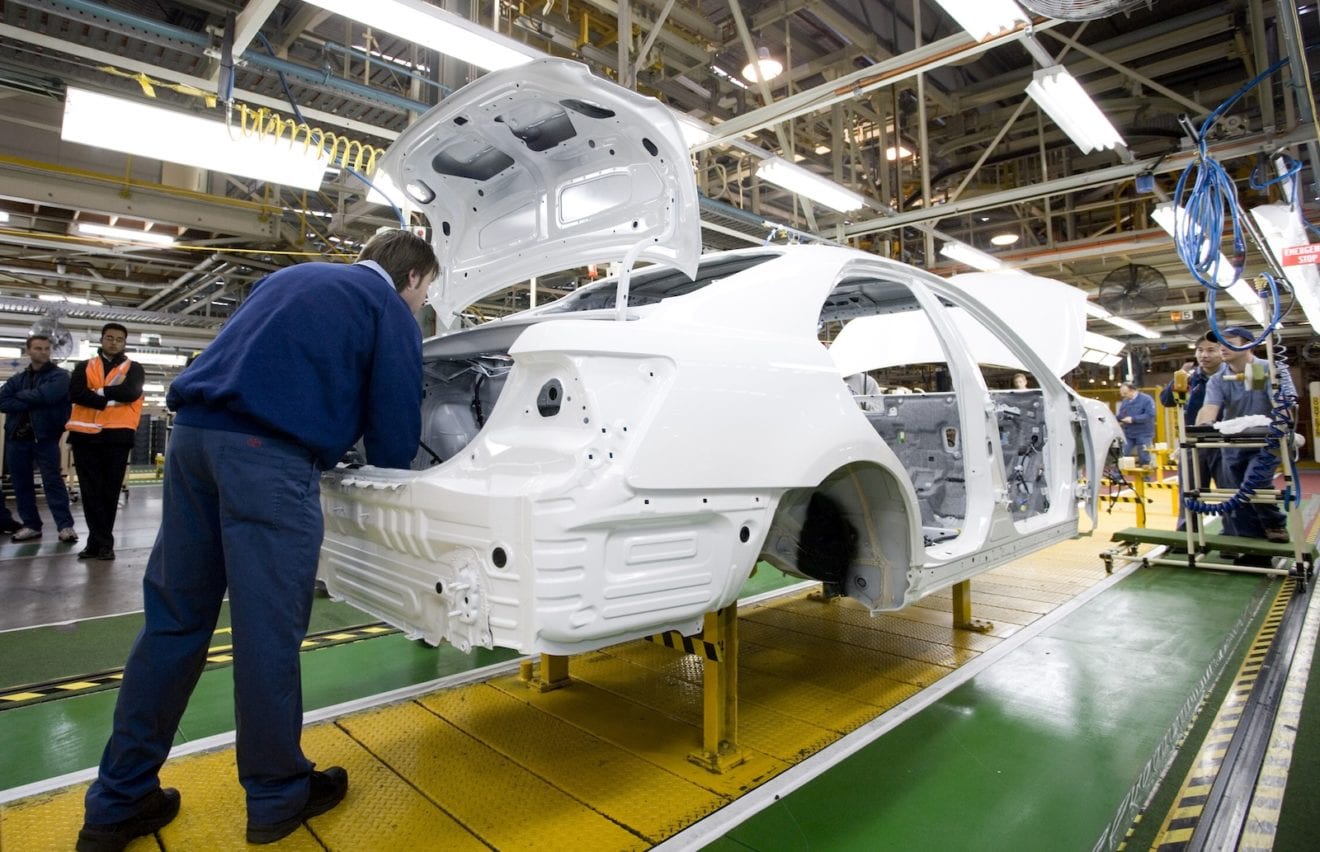
    A Toyota spokesman said that though the 2018 sales target was not one that can be easily achieved due to the highly competitive market environment, the recent launch of a redesigned Camry sedan and the planned introduction of two subcompact SUVs later this year would enable Toyota to challenge the previous year’s numbers.

    China’s overall vehicle market growth was the weakest last year in at least two decades, increasing just 3 percent year-on-year to 28.88 million vehicles, pegged back chiefly by a phasing out of tax breaks on smaller-engine cars that begun in 2017.

    According to data from the China Association of Automobile Manufacturers (CAAM), 2018 will another weak year. It predicts the country’s vehicle market will grow 3.5 percent in 2018.

    On Friday, Toyota said its sales in China in January rose 24.5 percent from a year earlier to 127,500 vehicles. Smaller rival Honda’s sales in China, meanwhile, rose 10.9 percent in January to 126,174 vehicles.

    Honda, which last year sold a total of 1.44 million vehicles in China, did not provide a forecast for volumes for this year.

  • Tapestry takes back Kate Spade China business

    Tapestry takes back Kate Spade China business

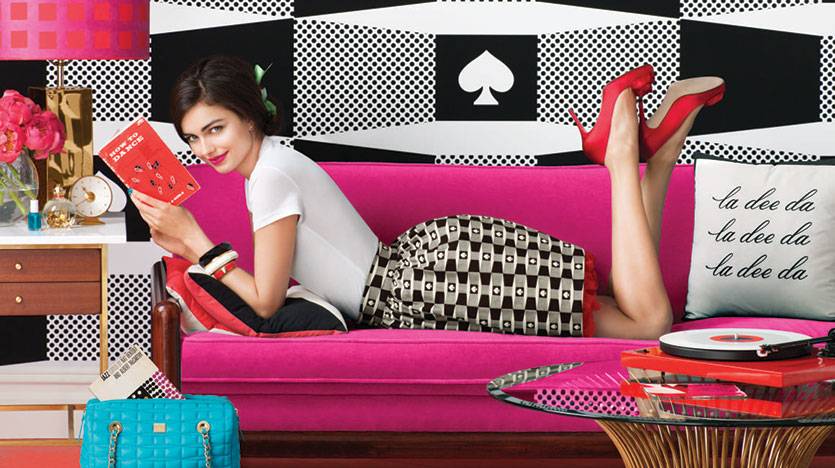
    Tapestry, the fashion retailer formerly known as Coach, has taken back operational control of its Kate Spade China joint ventures in Hong Kong, Macau, Taiwan and the mainland.

    CEO Victor Luis described the move as “an important business development initiative” and part of a plan by the group to assume greater direct control over its international distribution.

    The company has also entered into a purchase agreement to acquire the Stuart Weitzman business in Northern China from its distributor.

    “These transactions are in keeping with our strategic priority to maximise the opportunity with Chinese consumers globally across our brands,” said Luis.

    “In addition, we are excited to announce the buyback of the Coach business in Australia and New Zealand from our distributor, with an expected closing in the third fiscal quarter. As a result, we will be creating a Tapestry hub and center of excellence in Sydney to drive growth across our portfolio, further unlocking the value of a multi-brand operating model.”

    The news was included in the company’s second quarter results announcement in which Tapestry revealed a 35 per cent increase in sales, largely fuelled by the addition of the Kate Spade operations to its figures after its acquisition last July.

    Net sales totalled $1.79 billion for the second quarter, up from $1.32 billion in the prior year, while net income was $63 million.

    Luis said the second quarter performance exceeded the company’s expectations, with a return to growth for Coach, improved sales at Stuart Weitzman and the contribution of Kate Spade which continued to make progress after its integration into the business.

    A “significant step forward”

    Neil Saunders, MD of GlobalData Retail, said after removing the Kate Spade data from Tapestry’s comparable sales numbers, a modest growth rate of 2.2 per cent was achieved, which was still a “a significant step forward for the group”.

    “Most pleasing is the return to growth of the Coach brand which has, for some time, seen revenue slide as the result of a pullback from a number of sales channels, including department stores. The 2.2 per cent increase signals that this period of painful adjustment is mostly over and that Coach has a stable platform from which to expand. A more disciplined approach to discounting and promotions helped margins at the brand, which flowed through to some healthy gains in operating income. In short, Coach’s game plan of becoming less ubiquitous and selling more at higher price points is now delivering.”

    Saunders said Coach deserves credit for an on-trend holiday line up, a compelling marketing campaign, and great in-store execution.

    “However, we also believe that gains were aided by a confident consumer and flattered by a very soft prior year comparative. Both factors were particularly influential in the key North American market.

    This leads us to be a bit more cautious about prospects over the upcoming quarters, especially as comparatives become tougher and gifting sales are less significant.”

    But he said any softness in the North American market can be offset by a more aggressive and coordinated approach to international expansion.

    “On this front, we are encouraged that Tapestry is taking back direct control of the Coach business in Australia and New Zealand and believe that this will help to improve the brand’s presence and influence in the region.”

    Looking beyond Coach, Tapestry’s newest brand, Kate Spade performed less well. Global comparable sales declined by 7 per cent over the period, driven in part by a fall in e-commerce.

    “As much as this looks disastrous, the dip is mostly the result of a deliberate change in strategy, with Tapestry pulling back from the flash sales and heavy discounting that Kate Spade previously used to drive revenue. Predictably, this has resulted in a dramatic volume decline and waning interest among some consumer segments.

    “The intention is clear: Tapestry wants to take Kate Spade through the same process used to rebuild Coach. This is a necessary step to bolster brand value as Kate Spade had become too value-oriented and overly reliant on excessive, and margin depleting, promotions to drive results. We are conscious that weaning Kate Spade off the discounting drug will be far from easy and better numbers will only come through over the medium to longer term.”

  • Nestlé goes pink for Valentine’s Day

    Nestlé goes pink for Valentine’s Day

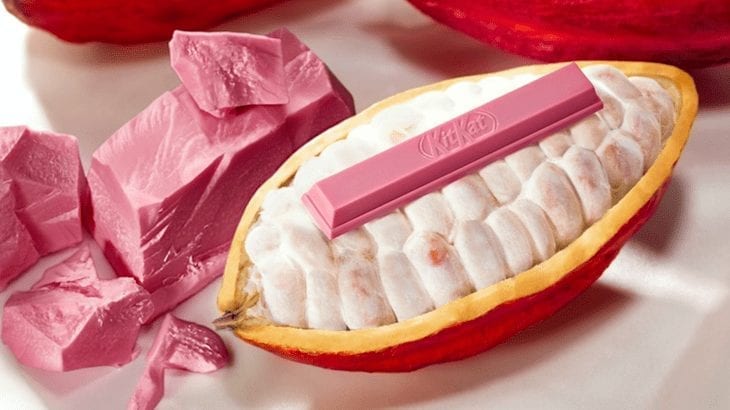
    Nestlé may have struck gold with the release of a new type of Kit Kat made using special “ruby” cacao beans. The new flavor, Kit Kat Chocolatory Sublime Ruby, was launched in select stories in Japan and South Korea on 19 January 19 2018 and shows signs of being a hit.

    The first limited run of 5,000 bars in Japan has sold out and there is even a small black market–or pink market if you prefer–of people reselling the chocolates at a slightly marked up price online.

    In September 2017, the Swiss chocolatier Barry Callebaut announced that they had developed a brand new type of chocolate, using ruby cacoa beans.

    Historically, there have only been three other types of chocolates in existence, according to the company: dark, milk and white. Ruby chocolate is “the fourth chocolate.” The beans have a pinkish red tint and unique taste; they are cultivated in Brazil and the Ivory Coast, among other countries. Chocolate aficionados have eagerly awaited the first ruby chocolates to be released since last summer.

    Nestlé claims to be the first the company to turn the beans into a product. In Japan, the Sublime Ruby Kit Kats were first sold individually at 400 yen ($3.60) for a single package from January 19-25, either at Kit Kat boutique stores or online. From February 1, you can purchase five or seven-piece assorted flavor Valentine’s Day boxes, each including two Ruby Chocolate Kit Kats, that will sell for about $16 and $21 respectively. The main retail shop in Tokyo’s Ginza area will also be offering a Ruby Hot Chocolate set in their cafe, that includes one Ruby Kit Kat, for 1000 yen ($9).

    Kit Kat has been a tremendous success in Japan, partly because the name when pronounced in Japanese, sounds like “Kitto Katsu (きっと勝つ)” which translates as “you (he, she) will surely win.” The company, through clever marketing, convinced Japanese consumers that Kit Kats were auspicious gifts to give to those applying for college or seeking jobs.

    Nestlé has launched over 350 different Kit Kat flavors over the years, including the highly successful green tea version, as well as wasabi, cherry blossoms, beni imo (vermillion potato) and even azuki bean sandwich versions. The firm never has all the flavors available at the same time, but many kinds can be purchased at airports as souvenirs or at boutique Kit Kat stores. It should be noted that some variations have been less successful than others. Last year, Throat Candy (のど飴味) flavored Kit Kats did not appear to do well. These whitish Kit Kats were poorly rated on a website devoted to appraising chocolate snacks, although you might like them, if you like medicinal mint chocolate-chip ice cream, and some ended up on the discount racks of convenience stores.

    The Sublime Ruby edition was designed by a top Japanese pastry chef, Yasuma Takagi, who has spearheaded many Kit Kat creations. Of course, I tried these pinkish delights before writing this. They had a distinct flavor and pleasant sourness that was slightly like a tart berry, but also with a mild sweetness that was reminiscent of milk chocolate.

    Chef Takagi, is quite proud of his work, commenting in press materials: “I am extremely honored to be part of this landmark moment in the history of chocolate, with which I have worked intimately for over thirty years. I have created an especially simple Kit Kat that allows you to enjoy the characteristic fruity fragrance and subtle acidity of Ruby cacao to the fullest. Enjoy wonderful flavors that have never been experienced before.”

    Nestlé suggests that since their new Kit Kat is such a rare and precious chocolate, you should want to give some to that “special person” in your life on Valentine’s Day. It is not a bad sales pitch.