Author: Mei Ling Tan

  • FENDI Opens in Singapore ION Orchard

    FENDI Opens in Singapore ION Orchard

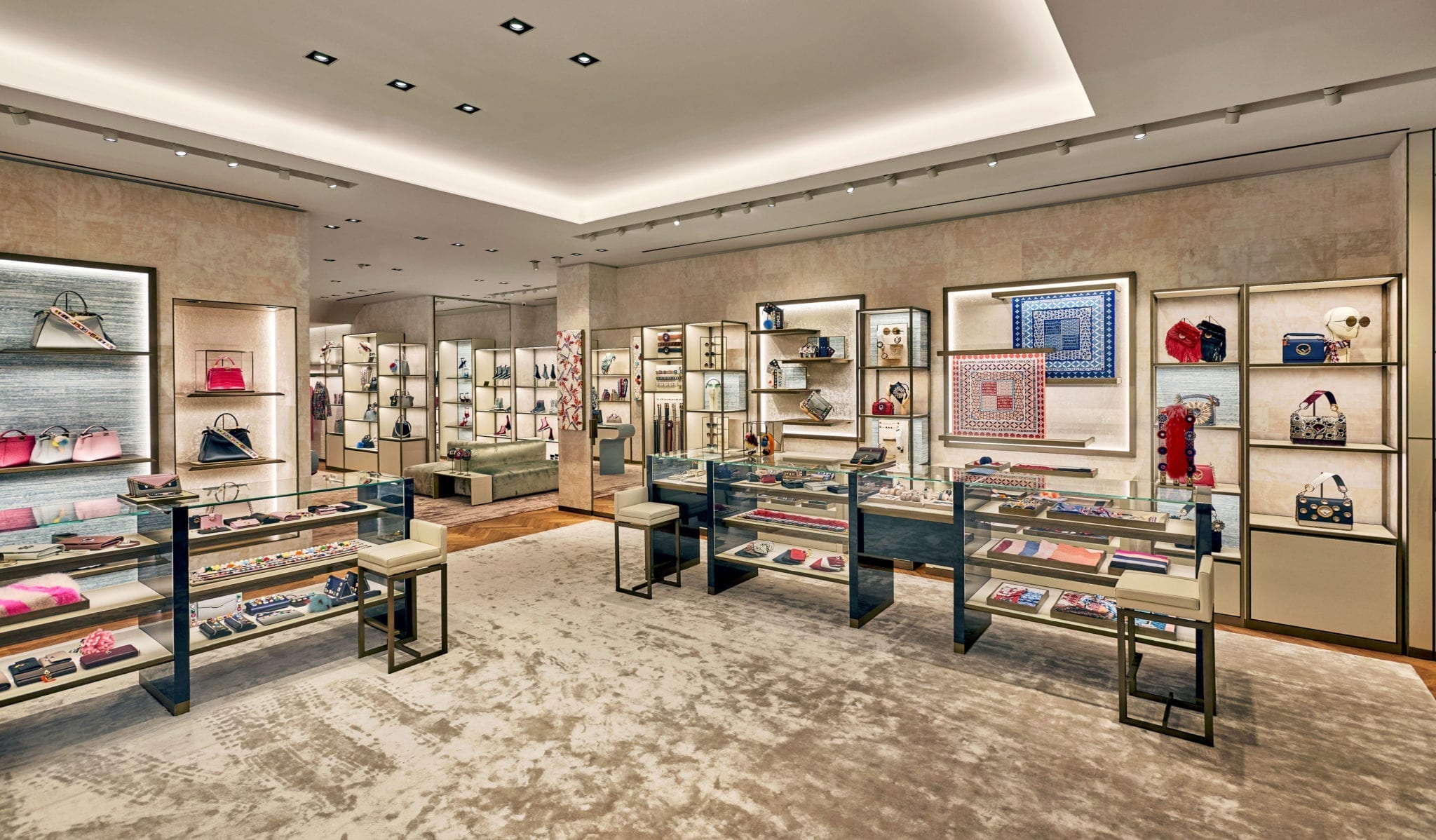
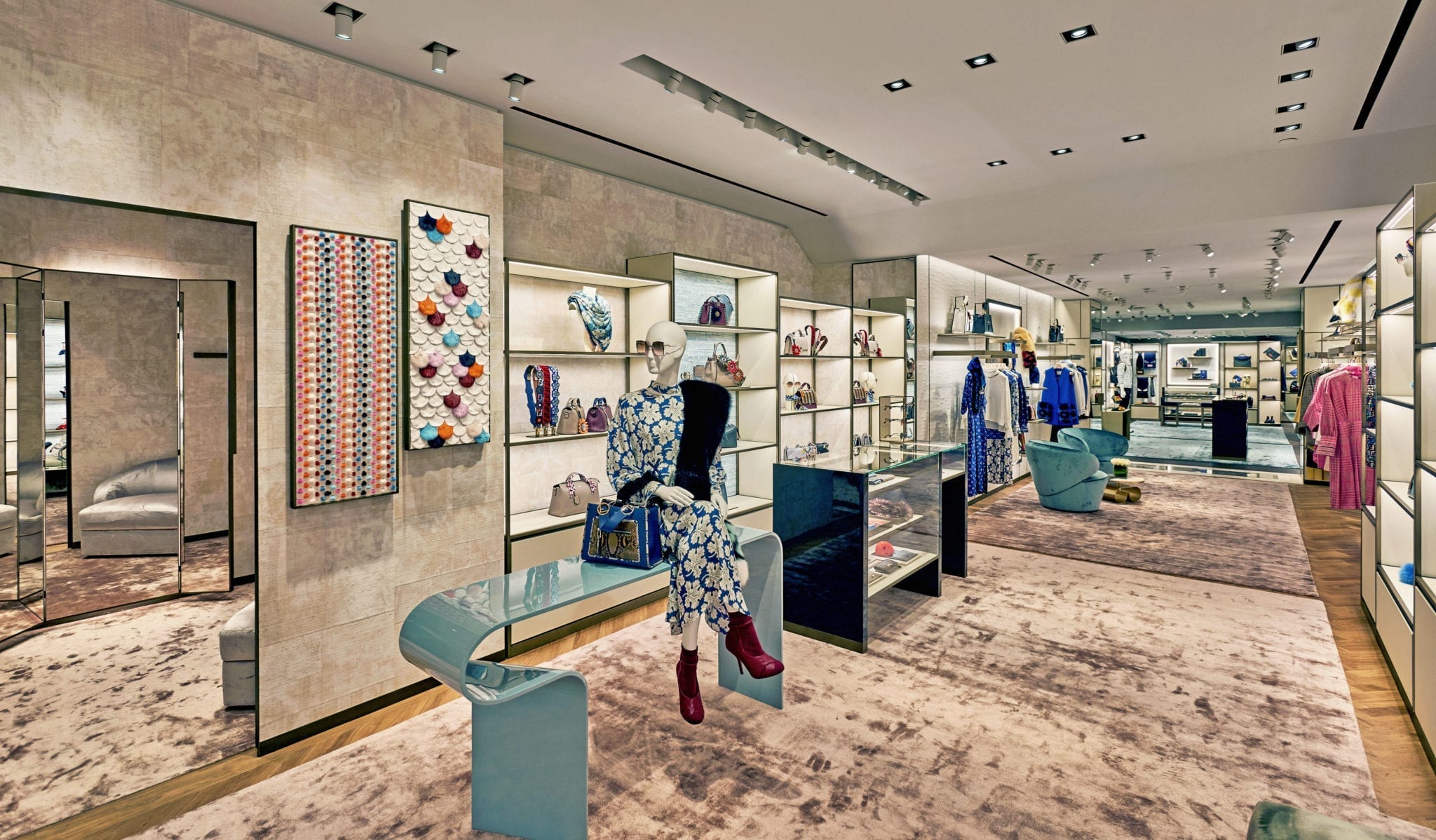
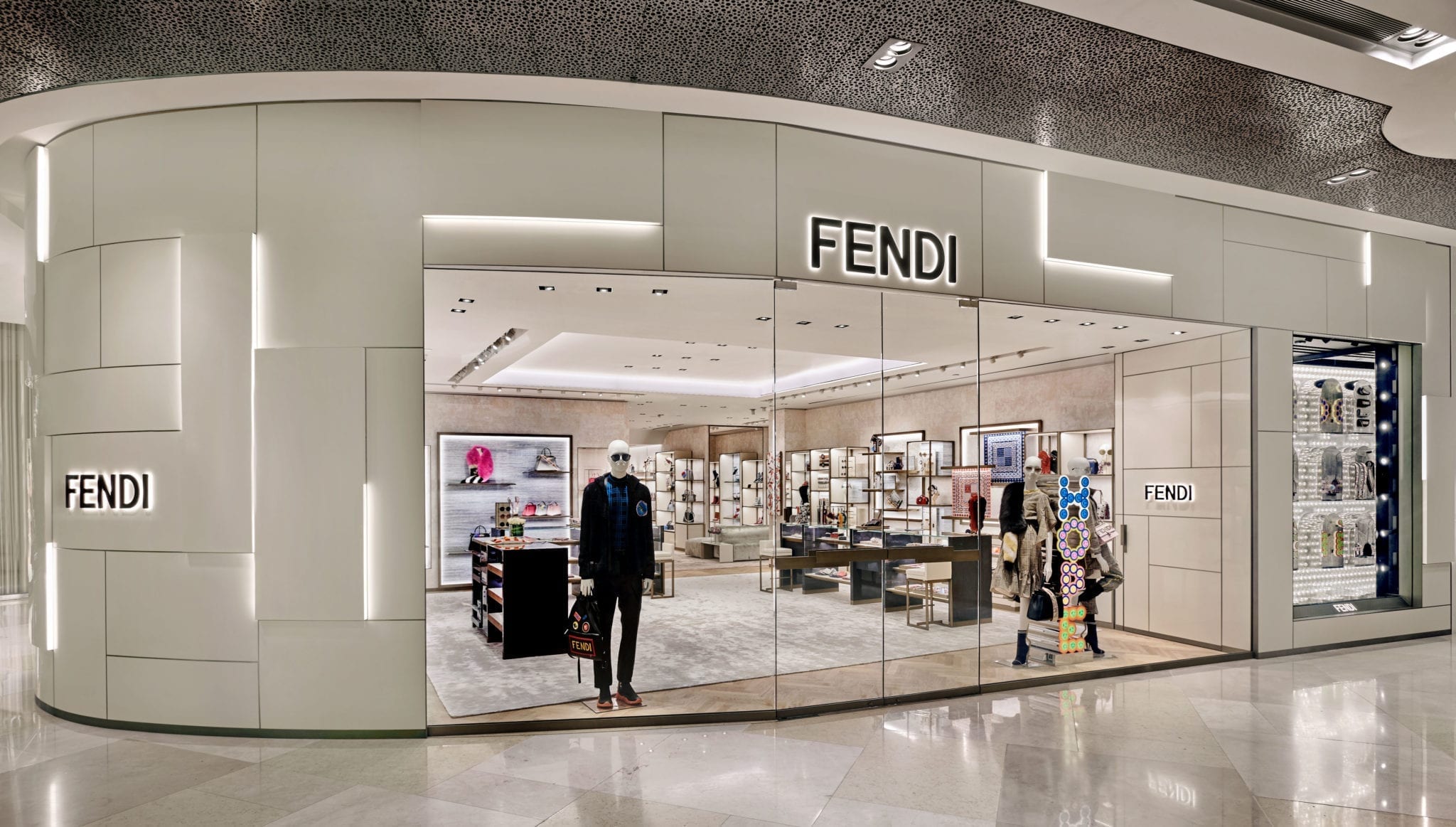
    FENDI opened a brand new store in ION Orchard, right in the heart of the main shopping area in Singapore. The new store has a refreshed store concept, reflecting the culmination of its continuous research of highest standards in store design highlighting its deep heritage.


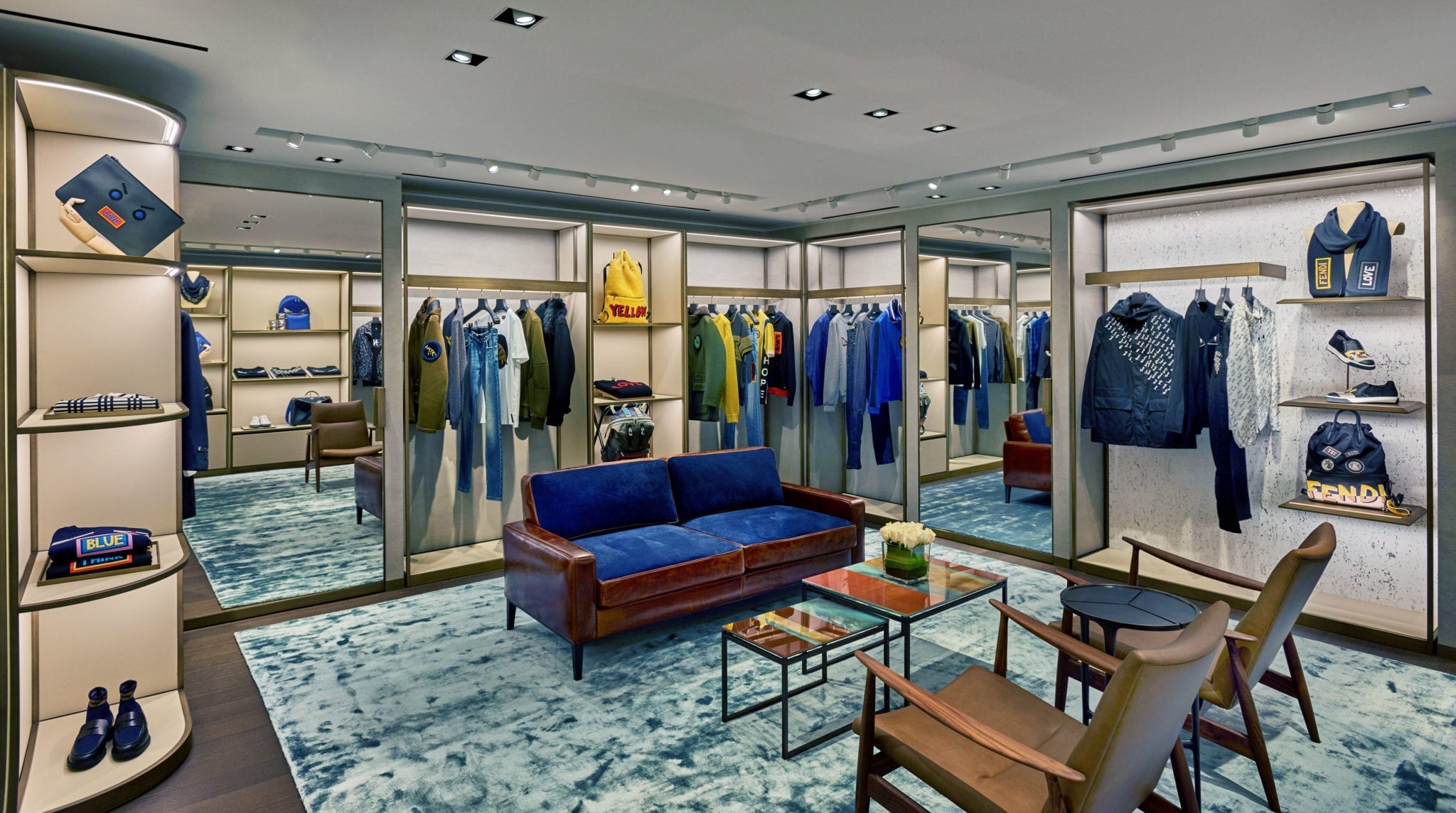
    The ION Orchard store will be the first store on Orchard road to have a full men’s universe collection, featuring Ready-to-Wear, Shoes, Leather Goods, and Accessories.

    At the same time, FENDI will be launching a new travelling pop-up store in Singapore. The FENDI Kiosk is inspired by the city of Rome and will travel to other parts of Asia, after Singapore. The FENDI Kiosk will be available in ION Orchard from 2 to 18 February.

  • Zara mocked in Asia for selling £70 ‘lungi’ – a ‘Thai grandpa’s uniform’

    Zara mocked in Asia for selling £70 ‘lungi’ – a ‘Thai grandpa’s uniform’

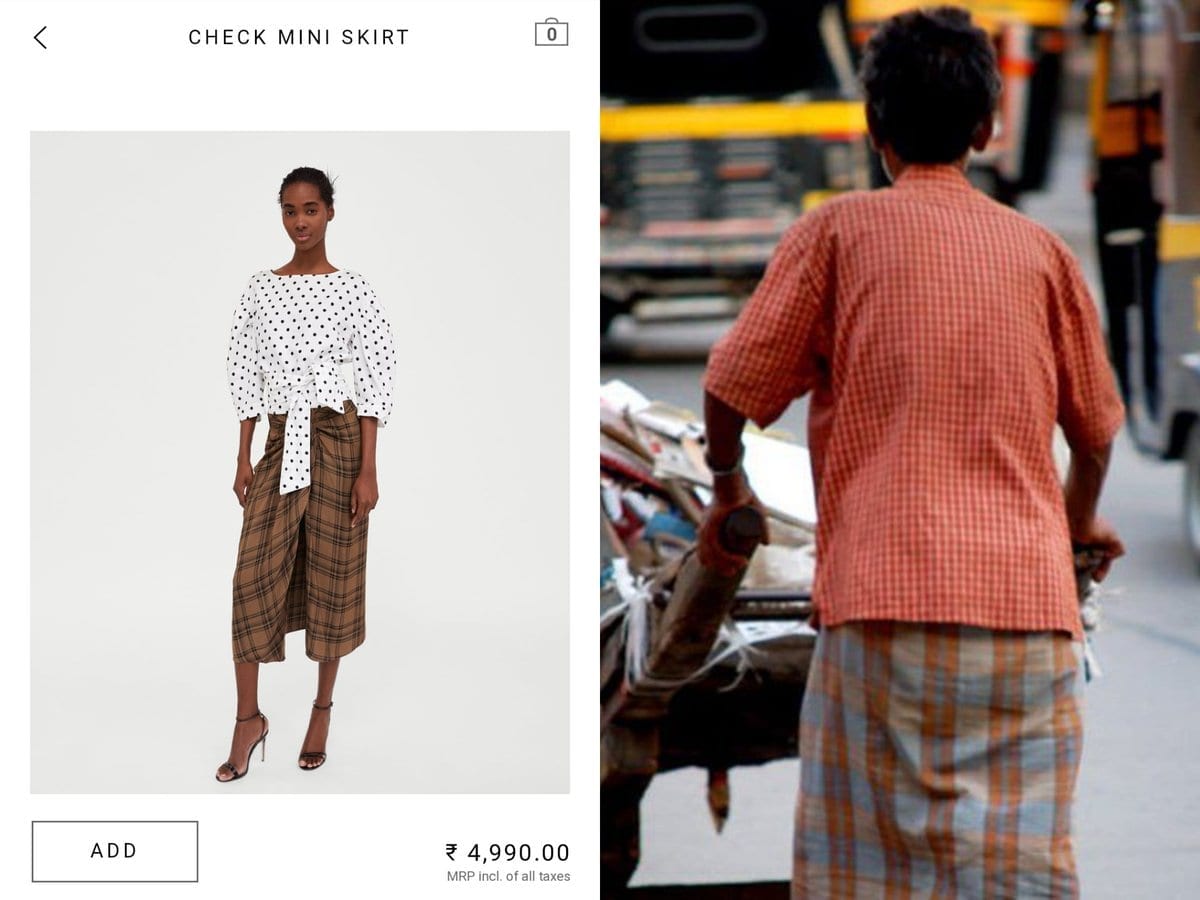
    High street retailer Zara has been widely mocked for marketing a £70 checked skirt which bears a striking resemblance to a cheap sarong worn by Asian grandfathers.

    The fashion brand’s description of the new mink-coloured garment as a “check mini skirt” with “draped detail in the front” sparked laughter across Asia, where social media users pointed out the similarities with the traditional “lungi” worn by their fathers, uncles and grandfathers.

    The lungi is a piece of cloth wrapped around the waist and tied at the front, that has been popular among men in the warmer climes of South and Southeast Asia for generations. It can be picked up in the markets of Thailand, Burma or Bangladesh for a few pounds.

    “Hate to break it to you Zara, but that’s a lungi,” wrote India’s Hindustan Times newspaper, adding that the LungiWala online retailer offered very similar garments for just £4.

    “In other places, it would be available for much cheaper than that. We should know, we’ve seen our fair share of them: we even have a dance for it. (‘Lungi dance’, anyone?)”.

    Meanwhile, Asia-based Coconuts media described the skirt as looking like a “Thai Grandpa’s uniform” commonly used for modesty when washing outside.

    Many social media users made a joke of it.

    “Zara selling lungis is..exactly how my indian mum will be luring my dad to go shopping next weekend,” wrote Australian Twitter user Sarath Chandra.

    Others, however, were upset that the fashion brand had used the design without referencing its origins. Elizabeth Segran, a writer who said she grew up in Singapore, Malaysia and Indonesia, accused the company of failing to acknowledge that the skirt was inspired by the Asian lungi.

    “I am not the only one who is a little peeved by this casual cultural appropriation. Asian Twitter just went up in arms,” she wrote for US magazine Fast Company.

  • H&M hoping to recover profits from its Tmall launching

    H&M hoping to recover profits from its Tmall launching

    Stung by a profit slump, the H&M group is pinning its hopes on China by launching a store on Alibaba’s Tmall next month.

    As well, the Swedish fast-fashion retailer is targeting India, Saudi Arabia and the UAE with new digital stores this year.

    Releasing its full-year report yesterday, H&M admits it has been struggling to keep pace with evolving shopping habits that have depressed sales in its physical stores.

    Sales grew 4 per cent last year but profit after taxes slumped 13 per cent, with CEO Karl-Johan Persson saying the fashion industry is “changing fast”.

    “At the heart of the transformation is digitalisation, and it is driving the need to transform and rethink faster and faster,” he says.

    With physical stores in 69 markets, H&M has an online presence in 43.

    Full-year global sales (to November 30) including VAT increased by 4 per cent to SEK231 billion (US$29 billion). This was a 3 per cent rise in local currencies. Sales excluding VAT reached SEK200 billion.

    Gross profit increased to SEK108 billion, corresponding to a gross margin of 54 per cent, down from 55.2 per cent the previous year.

    Profit after financial items amounted to SEK20.8 billion, down from SEK24 billion. The group’s profit after tax amounted to SEK16 billion, down from SEK18.6 billion.

    Final-quarter fall

    For the fourth quarter, H&M group sales including VAT were down 4 per cent to SEK58.4 billion (2 per cent in local currencies). Sales excluding VAT fell from SEK52.7 billion to SEK50.4 billion.

    Gross profit fell to SEK27.9 billion from SEK30 billion, corresponding to a gross margin of 55.4 per cent (57 per cent). Profit after financial items amounted to SEK4.8 billion, down from SEK7.4 billion.

    Profit after tax was SEK3.9 billion, down from SEK5.9 billion.

    Weak store sales led to increased markdowns and handling costs, impacting the quarter’s results.

    During the year H&M opened 479 stores (497 the previous year) and closed 91 (70), resulting in a net addition of 388 outlets. Eight online markets were launched and the brand entered five new markets. It ended the year with 69 sales markets, 43 of them including an online presence.

    This year the group plans to add about 390 stores to its network and close about 170, a net addition of about 220 stores. On Tmall it will have both H&M and H&M Home.

    At home in Sweden it will also introduce the Afound brand, an off-price marketplace offering products from fashion and lifestyle brands.

  • YouTube most dominant video platform in APAC

    YouTube most dominant video platform in APAC

    According to the research firm, YouTube has a penetration of 81 per cent across the region, higher than anywhere else in the world and the global average, which stands at 78 per cent.

    Nearly half of of digital video viewers, or 576.8 million people, will regularly watch video via the YouTube app or website this year, a number that is expected to grow by 13.4 per cent this year.

    Both India and Indonesia were said to be the fastest growing mobile video markets in the region this year, increasing by 25.3 per cent  and 18.2 per cent respectively.

    EMarketer pinned YouTube’s rapid ascension on the growth of video mobile usage over the past five years. The number of people watching videos on their mobile is expected to increase by 14.5 per cent this year after encountering double-sigit growth over recent years.

    However, China, a market where YouTube is banned, remains the gaping hole in YouTube’s APAC growth.

    There, video viewership remains dominated by Youku, Tencent, iQiyi, LeTV and Sohu, while penetration is expected to reach 65.8 per cent in 2018.

    “YouTube usage is on the rise and has become the most popular video streaming service throughout Asia-Pacific, except in China where it is censored,” said Oscar Orozco, senior forecasting analyst at eMarketer.

    “While regional Netflix adoption is still low, awareness and intent to subscribe is growing. We expect Netflix adoption will continue to expand, while at the same time providing much-needed competition and influence on local streaming providers.”

  • Fujifilm to cut 10,000 jobs at subsidiary amid Xerox takeover

    Fujifilm to cut 10,000 jobs at subsidiary amid Xerox takeover

    Japanese technology firm Fujifilm on Wednesday announced 10,000 job cuts by March 2020 at its Fuji Xerox subsidiary, which it said was facing an “increasingly severe” market environment.

    In a major shake-up, Fujifilm also announced it would be combining Fuji Xerox with US giant Xerox, bringing both companies under its umbrella to create what it said was the world’s largest “document solutions company” by revenue.

    As part of a cost-cutting package that it hopes will save 50 billion yen (RM1.793 billion), Fujifilm announced “personnel reductions of 10,000 people domestically and overseas” at Fuji Xerox.

    Founded in 1934, Fujifilm became synonymous with the photography business but has since expanded into cosmetics and medical equipment.

    Fuji Xerox, which manufactures printers and copiers for offices mainly in Asia and the Oceania regions, employs around 46,000 people in total.

    “It is expected that this combination will generate a large number of synergies,” said Fujifilm in a statement, with Fuji Xerox mainly doing business in Japan and Asia and Xerox in the US and Europe.

    Xerox had faced a revolt from two major shareholders, Carl Icahn and Darwin Deason, who between them control 15 percent of the company.

    They recently published a joint letter urging the company to consider selling itself and calling for the immediate replacement of its CEO.

    The restructuring will have an impact on Fujifilm’s operating income, the firm said, revising down its forecasts for the current fiscal year to 130 million yen from 185 million yen.

    Net profit however was forecast to rise to 140 million yen from 125 million yen due to one-off gains from sales of investment securities.

  • EZbuy to have more product offering

    EZbuy to have more product offering

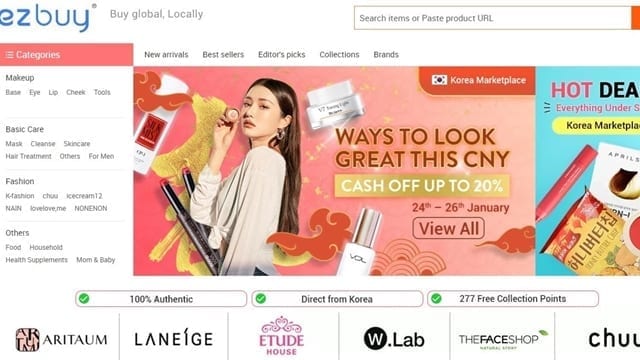
    Singapore’s first global shopping platform EZbuy says it plans to almost double its product offering to 6 million items from brands and sellers in Korea, Taiwan and the US.

    It will bring on board a further 100,000 merchants by the end of the year.

    Its Korea Marketplace offers more than 10,000 items such as streetwear, cosmetics and personal care products. Traffic growth in Singapore for the K-beauty collection has increased more than 100-fold since its launch last year. Top-selling brands include 3CE, April Skin, Etude House, Laneige and Pony Effect.

    The Taiwan Marketplace offers the Buy-For-Me service both on the website and mobile app. Its top products include Biffido, ChiaTe, I-mei, Kiki, Kuaiche and OK Tea (food and snacks); Gracegift, OB Design and Stay Real (fashion, bags, shoes and accessories); and Hanaka Flower, Kose, MKUP and Oguma (health and beauty).

    EZbuy says demand has soared for consumer goods from the US. Best-selling brands on its USA Marketplace include Coach, Forever 21, Gap, Kate Spade and Under Armour (fashionwear and accessories); ColourPop and Sephora (cosmetics); and Mother and Kids (beauty and health supplements).

  • Ogilvy & Mather wins Pizza Hut in Singapore

    Ogilvy & Mather wins Pizza Hut in Singapore

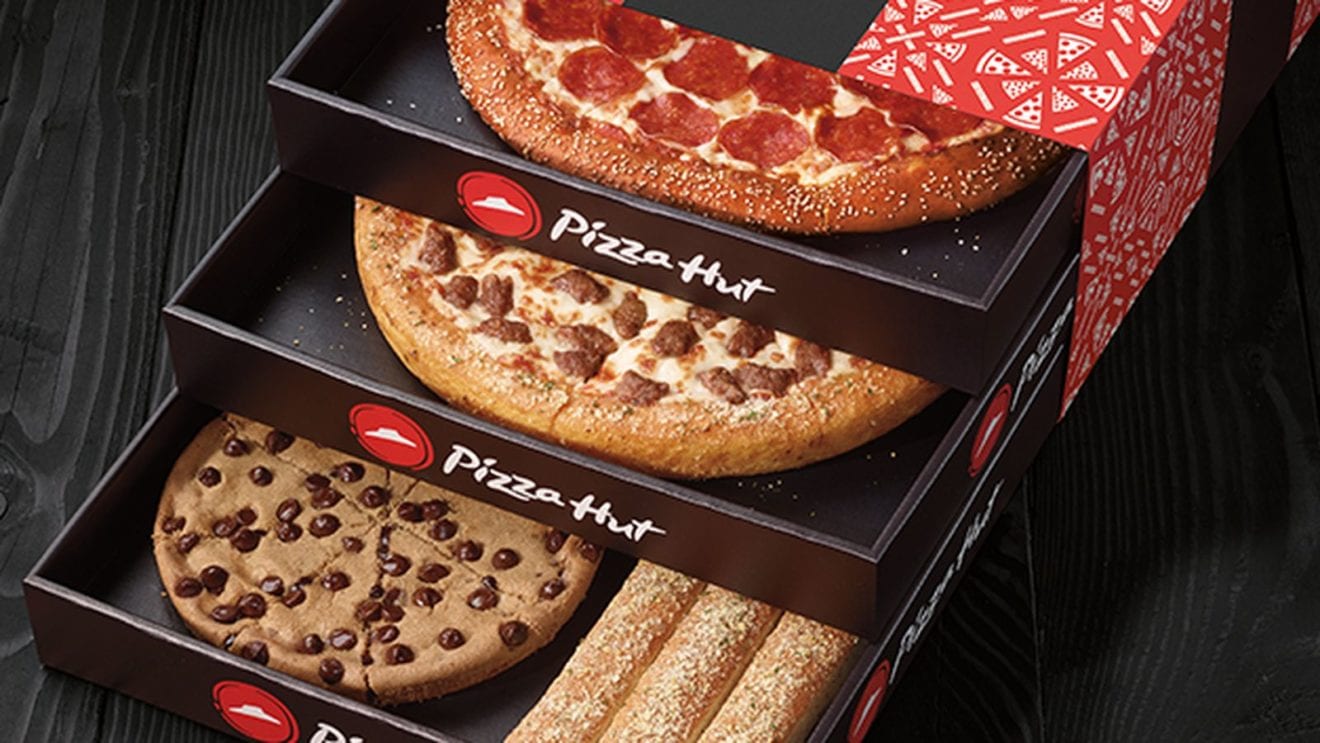
    Ogilvy & Mather Singapore has won the local creative account for Pizza Hut following a pitch.

    The agency-of-record account marks an extension of Ogilvy’s regional creative brief with the restaurant chain’s parent company Yum! Brands.

    Ogilvy did not specify a contract period and instead said the account would be with them until  “discontinued”.

    Although sister WPP agency J. Walter Thompson previously held the AOR role for Pizza Hut in Singapore from 2012, the agency has said it was not the incumbent on the account and did not pitch.

    In a press statement, Ogilvy said it will be tasked with “localising Pizza Hut’s global brand positioning and driving integrated marketing communications”.

    This includes creative strategy, campaign execution, and social media programs aimed at “rekindling brand love from Singaporeans”.

    “Ogilvy has demonstrated a strategic understanding of the nuances of the Singapore market, the Pizza Hut brand and audience, and delivered creative that embodies our new global brand positioning and how we can clearly differentiate from the competition,” said Merrill Pereyra, chief executive officer of QSR Brands (M) Holdings – the local operator of Yum!

    “Having already enjoyed working with KFC in Singapore for three years, we couldn’t be more thrilled to grow our remit with Yum! Brands and to now embark on this creative journey with Pizza Hut as a result of winning the recent pitch. Iconic brands are built across channels, touchpoints and over time – days, months, years,” said Chris Riley, group chairman, Ogilvy Singapore.

    “It is this type of multifaceted, integrated work that really excites our team and we believe will give us the opportunity to make the Pizza Hut brand matter even more with consumers.”

  • Heidi Klum Intimate Solutions is now available in India

    Heidi Klum Intimate Solutions is now available in India

    International Top Model, Heidi Klum Intimate Solutions are available in India exclusively on The Clothing Rental, This collection answers your need to feel effortlessly comfortable every day. The Clothing Rental has got the rights to sell Heidi Klum Intimate Solutions.

    Celebrities and Top Models often wear stunning outfits that are always under the microscope, the world watches in awe as they walk down the red carpet in their effortless chic gowns. Stylist’s best kept secret solutions such as the Dressing Tape: a double-sided tape that sticks on to the garment and the skin while holding a strapless dress, deep neckline or a low back dress in place.  Similarly a low back cannot afford to show the inner garment causing a blunder in press.

    Heidi Klum Intimate Solutions offers multiple options such as the Low Back Converter that can be hooked on to existing bra and lower the back neckline by couple of inches, the wing bra that sticks to the sides or the deep plunge that can be stuck on with a plunge in the front.

    The Clothing Rental, India’s first portal to rent and retail, started in 2005, The Clothing Rental has been a secret destination for the film and media industry professionals. A favorite of top stylists, celebrities and fashionistas The Clothing Rental has dressed the best names in the country with its fashion forward merchandise.

    While the price range of the solutions falls between INR 800 to INR 2800, thus making the international fashion affordable and easily available.

    According to Shilpa Bhatia, Founder, The Clothing Rental, “We cater to top stylists in the country who are dressing up some of the best names in the world, they have a constant need for such merchandise. Bringing it closer to home and offering a much needed variety. The packaging is super cute in glossy hot pink and the pricing is similar to what you would pay on your trip abroad.”

    Tips on purchasing these Intimate Solutions

    1 – Lower Back Converter – When wearing a deep-neck dress, opt for a lower back converter which will make the straps invisible.

    2 – Wing Bra – While wearing a backless dress always opt for a Wing Bra, which is a backless and a strapless bra with clear adhesive wings that are adjustable. It Includes one set of adhesive wing tape that can be reused by simply saving the protectors.

    3 – Plunge Bra – This type of bra is a must-have for low cut tops and push-up padding for added contour, thus making it a perfect option for plunging necklines. It is adorned with attachable straps, u-shaped plunging neckline and contour cups with underwire support.

  • Mori Building and teamLab to launch “MORI Building DIGITAL ART MUSEUM teamLab Borderless” in Odaiba, Tokyo this summer

    Mori Building and teamLab to launch “MORI Building DIGITAL ART MUSEUM teamLab Borderless” in Odaiba, Tokyo this summer

    Mori Building, a leading urban developer in Tokyo, and the art collective teamLab today announced that they will jointly open “MORI Building DIGITAL ART MUSEUM teamLab Borderless,” a full-scale digital art museum in the Palette Town complex of Odaiba, Tokyo in the summer of 2018. The all-new museum concept is a collaborative initiative between Mori Building, a noted supporter of culture and art, and teamLab, an interdisciplinary creative group that utilizes the digital technologies to express art.

    The museum, teamLab’s first permanent exhibition and flagship facility in Tokyo, will boast a massive 10,000 square meters of labyrinthine floor space. The word “Borderless” expresses the museum’s aim to tear down the borders between “one art and another,” “art and visitors” and “oneself and others” by allowing visitors to melt into the art and become part of it. Mori Building and teamLab hope that their groundbreaking museum will inspire people to create enlightened new values and innovative new social frameworks.

    Mori Building actively works to integrate art in cities, including by staging important cultural activities. In the view of the company, cities vitally need culture and art to expand their magnetic power to attract creative people and enterprises from throughout the world.

    teamLab aims to explore a new relationship between humans and the world through art. The collective’s collaborative practice seeks to liberate art from physical constrictions and transcend boundaries in contemporary society, where the border between technologies and creativity is coming fuzzy.

    Through their collaboration, Mori Building and teamLab aim to create a unique destination that enhances the magnetic power of Tokyo toward 2020 and beyond.

  • Ericsson rings up huge losses in 2017

    Ericsson rings up huge losses in 2017

    Swedish telecoms giant Ericsson said Wednesday that it rang up huge losses last year as network competition, restructuring costs and investment in lightning-fast 5G technology pushed it deeply into the red.

    The news sent Ericsson’s share price tumbling nearly nine percent on the Stockholm stock exchange in early trading, in a flat market.

    Ericsson said in a statement it booked net loss of 35.1 billion kronor (3.6 billion euros, US$4.4 billion) in 2017, compared with profit of 1.9 billion kronor the year before.

    The group also booked an underlying or operating loss of 38.1 billion kronor last year after profit of 6.3 billion kronor in 2016, while revenues dropped by 10% to 201.3 billion kronor, the statement said.

    “The focus during 2017 has been on reshaping overall strategy and on improving company structure and performance,” explained chief executive Borje Ekholm.

    “2017 was also the year when 5G went from vision to real business opportunities while we at the same time had good traction for our 4G portfolio,” he continued.

    “We are fully committed to our plans and our targets and expect to see tangible results of our turnaround in 2018.”

    Below target

    In the fourth quarter alone, Ericsson’s net loss widened to 18.9 billion kronor from a loss of 1.6 billion kronor a year earlier, while sales slumped by 12% to 57.2 billion kronor.

    “The fourth quarter was in line with our overall expectation, with gradual improving performance in networks and continued significant losses in digital services. The result is however far below our long-term ambition,” CEO Ekholm said.

    Earlier this month, Ericsson had announced that writedowns of 14.2 billion kronor would be booked in the fourth quarter, originating mainly from goodwill from investments made a decade ago.

    Investors fled after the earnings report was published.

    “When I look at the order book there’s not a lot of meat on the bone in there … I’m surprised the (share price) fall is so steep, but it’s an automated-traded share,” Jonas Olavi of Alfred Berg investment bank said.

    “Ericsson needs to turn over every rock in the search for new sources of income,” Mikael Tornwall, telecoms expert for daily Svenska Dagbladet, said.

    Ericsson said it had reduced the number of its employees and external workforce by 10,000 during the fourth quarter, part of its restructuring plan aimed at cost savings of 10 billion kronor by mid-2018.

  • Innisfree Vietnam to set footprint in online presence

    Innisfree Vietnam to set footprint in online presence

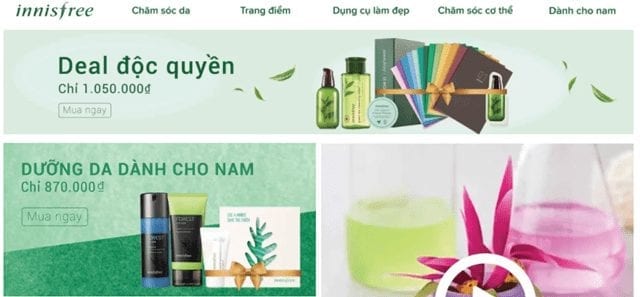
    Innisfree Vietnam today launches its first official online store, on Lazada.

    The South Korean cosmetics brand is offering its full range of products on the site, including bodycare, make-up tools, skincare and men’s categories.

    Online customers will be offered frequent promotions as well as gifts for bulk orders, says Innisfree.

    In its two years, Innisfree Vietnam has opened three stores in Vietnam, all in Ho Chi Minh City.

  • Coca-Cola brings back the Clay Dolls for Chinese New Year

    Coca-Cola brings back the Clay Dolls for Chinese New Year

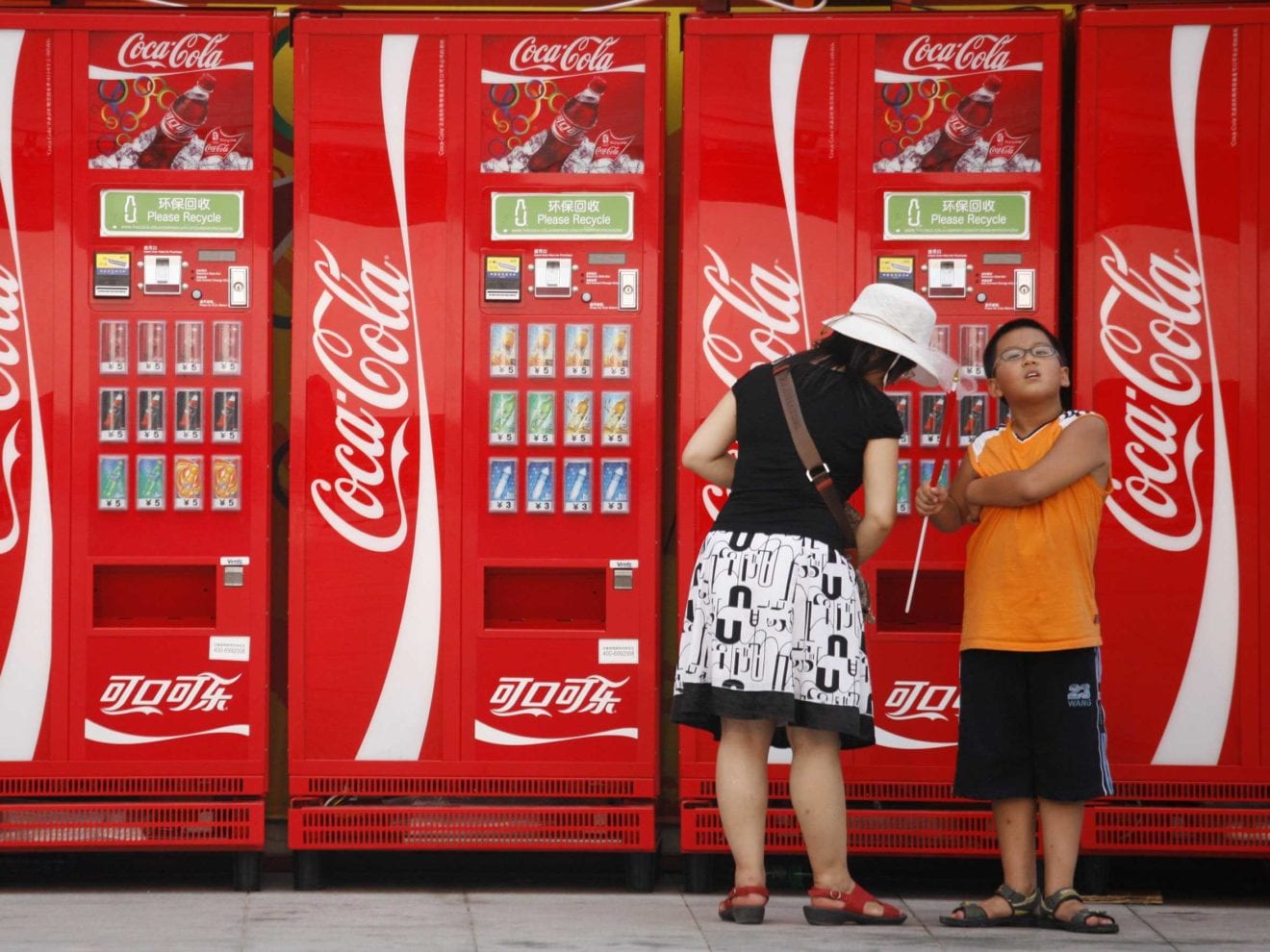
    Coca-Cola China has once again revived its festive ‘Clay Doll’ figures to help promote Chinese New Year festivities.

    The commercial from McCann Shanghai features “evolved and refreshed” versions of the animated dolls, which first appeared in Coca-Cola festive campaigns in 2001.

    Modelled on Chinese traditional folk dolls, the brand usually depicts the pair as gleefully trying to find ways to help bring loved-ones together at holiday time.

    For the 2018 campaign, the Clay Dolls are shown causing mischief around a family dinner table in order to create moments of closeness.

    The full campaign will see the dolls depicted on Coca-Cola packaging, while the ad will be shown on TV, in-store, on OOH, cinema and digital channels.

    The campaign also continues the use of virtual Red Packets, which Coca-Cola launched on the Alipay platform last year, where consumers click to win real money – with amounts ranging from 0.1 to 99 RMB.

    “We’ve found our Chinese audience to be strongly empathetic towards these characters and their cultural significance for Chinese New Year, having been associated with CocaCola for nearly 17 years”, said Richard Cotton, head of creative excellence and content, Coca-Cola China.

    “They are Chinese New Year’s mischievous secret helpers and their characters reflect the spirit of the celebration, which is joyful and exuberant.”

  • McDonald’s to open 1,000 new restaurants, speed up tech upgrades

    McDonald’s to open 1,000 new restaurants, speed up tech upgrades

    Burger chain McDonald’s announced it will open about 1,000 new McDonald’s restaurants starting 2018 after posting strong sales and earnings for the fourth quarter ending December 31, 2017 fueled by strong interest in its value promotions and new menu items.

    Kevin Ozan, McDonald’s chief financial officer, said it is part of their development plans for 2018 to open about 1,000 new McDonald’s restaurants, 75 per cent of which will be funded by their expanded network of developmental licensees and affiliates around the world.

    Ozan added they also plan to continue making meaningful investments in technology to modernise the company’s customer experience and redefine convenience.

    “I’m confident that now is the opportune time to strategically invest in our business and our restaurants to drive profitable growth and become an even better McDonald’s,” he said.

    McDonald’s posted a 5.5 per cent increase in global same-store sales for the quarter, it’s fastest pace in six years. Systemwide sales increased eight per cent in constant currencies.

    In the US, fourth quarter comparable sales increased 4.5 per cent as a result of strong performance of core menu items featured under the McPick2 platform and beverage value, as well as strong consumer response to the new Buttermilk Crispy Tenders and delivery. Operating income for the quarter increased four per cent, reflecting higher franchised margin dollars and G&A savings, partly offset by lower company-operated margin dollars.

    Comparable sales for the international lead segment increased 6.0 per cent for the quarter, led by continued momentum in the UK and Canada, as well as positive results across all other markets. The segment’s operating income increased 14 per cent (seven per cent in constant currencies), fueled by sales-driven improvements in franchised margin dollars.

    Due to the impact of the company’s strategic refranchising initiative, McDonald’s stated its consolidated revenues decreased 11 per cent.

    Steve Easterbrook, McDonald’s president and CEO, said 2017 was a strong year for McDonald’s.

    “Customers responded to the many ways we are making their experience more convenient and enjoyable,” Easterbrook said. “We served more customers more often, achieved our best comparable sales performance in six years, gained share in markets around the world and made tremendous progress with growth platforms such as delivery, mobile order and pay and Experience of the Future.”

    On January 25, 2018, the company’s Board of Directors declared a quarterly cash dividend of $1.01 per share of common stock payable on March 15, 2018.

  • Latest telco Yoodo targets niche online shoppers segment

    Latest telco Yoodo targets niche online shoppers segment

    Yoodo, a new telco which made its debut in the Malaysian market today, is offering customised mobile plans via an online platform especially targeted at the digitally savvy population.

    The telco allows customers to customise their plans by choosing their preferred voice, data, messaging and content offerings–all of which can be done online via its mobile application which is currently available on Google Play Store and Apple App Store. It offers up to 100GB of data, 2,000 mins of voice and 2000 SMSes—from which customers can customise their plans according to their needs.

    A package with data, voice and sms ranges from between RM28 and RM182.

    “Traditional mobile operators design plans based on what they want to sell the customers, developing various plans and features that don’t fit most customer’s individual needs. We’ve flipped that on it’s head and enabled users to customise their own mobile plans, with everything done online to give our customers full control, because frankly, they would do it better,” said the telco’s head, Farid Yunus on Yoodo’s concept.

    With no brick and mortar outlets in place, customers will have to sign up, activate and authenticate their SIM cards via the mobile app, and the SIM will then be delivered to them for free in between one to three days.

    Meanwhile, customers who opt for premium delivery which costs RM15, will receive their SIM cards within two hours. The premium delivery is only available within the Klang Valley, at this juncture.

    As for payment options, bill payments will be auto deducted from customer’s registered credit and debit card.

    For its roaming services, Yoodo offers the Roam Like Home service which enables users to use their domestic data plan while roaming. The service is currently available in 12 countries which includes Bangladesh, India, Myanmar, Singapore, Brunei, Indonesia, Nepal, Sri Lanka, Cambodia, Laos, the Philippines and Thailand.

    Yoodo is owned and operated by Celcom Axiata Bhd and leverages on Celcom’s network.

    “There is a distinction between Yoodo and Celcom. Yes, we are owned and operated by Celcom, but we really operate independently. Essentially we are like a start-up and they funded us… in a way we are a guinea pig to try something new… to try something different not just with a different technology, a different mindset, different rules, different governance even,” Farid explained on the connection between Yoodo and the country’s oldest mobile telecommunications provider.

    Yoodo will also be leveraging on fellow overseas telco subsidiaries of Axiata such as Dialog, Ideas and others, for its roaming services.

    The telco is targeting the digital savvy segment, particularly online shoppers.

    “Well we did our initial research, there are about five million Malaysians who regularly shop online and this is our target market,” explained Farid.

    He said for starters, he “will be happy” if the telco could hit 200,000 subscribers by year end.
  • QSR Brands to open 30 more KFC outlets nationwide this year

    QSR Brands to open 30 more KFC outlets nationwide this year

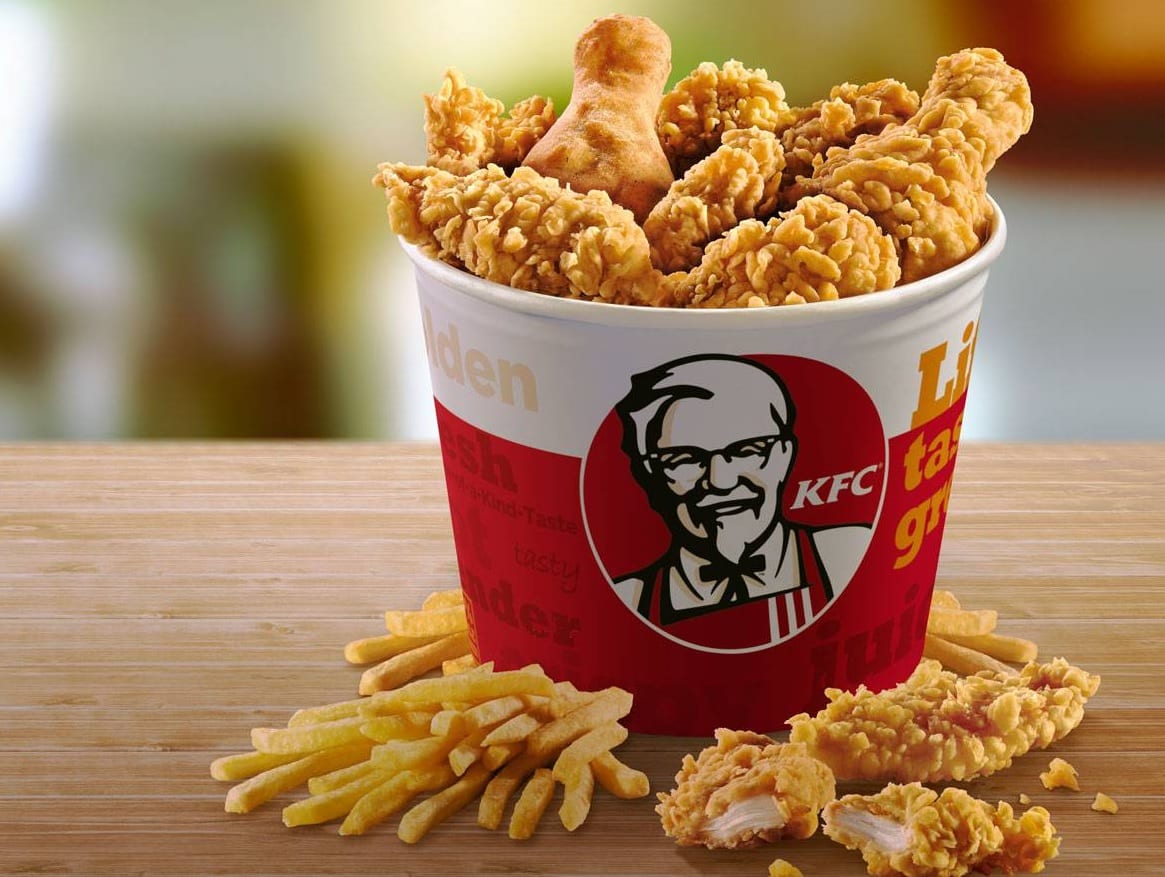
    QSR Brands Malaysia Holdings is investing more than RM100 million (US$25.6 million) into opening at least 35 KFC outlets this year.

    MD Datuk Mohamed Azahari Mohamed Kamil says the company will spend between RM3 million and RM4 million for each outlet, and also plans to enhance 200 restaurants.

    “We see the economic fundamentals growing well this year,” he said at the launch of the KFC Golden Egg Crunch product in Kuala Lumpur.

    “We believe there is a lot of potential in KFC and Pizza Hut, and that this will be a good year for us to capitalise on our growth for both chains.”

    QSR Brands restaurant division CEO Merrill Pereyra says that over the past five years the company has invested nearly RM1 billion for both KFC and Pizza Hut, with a focus on the Malaysian market. The company is the franchisee of more than 750 KFC restaurants in Brunei, Cambodia, Malaysia and Singapore, and also runs Pizza Hut in Malaysia (370 restaurants) and Singapore (75).