Author: Mei Ling Tan

  • Hyundai hopes bigger, revamped Santa Fe SUV will reverse U.S. sales slump

    Hyundai hopes bigger, revamped Santa Fe SUV will reverse U.S. sales slump

    Hyundai Motor unveiled on Tuesday a re-designed Santa Fe, hoping the first makeover of the sport utility vehicle (SUV) in six years will help rectify a sales slowdown at the South Korean automaker, especially in the key U.S. market.

    The revamped version of its top-selling SUV in the United States and South Korea features a longer, more voluminous body than its predecessor while boasting advanced safety features such as warnings on approaching objects from the rear when a car stops.

    The two-row, five-seater SUV was unveiled to South Korean media at a “preview” event, before its official launch in February in the home market.

    While Hyundai did not disclose other details, a source said the model comes with a 2.0-liter and a 2.2-liter diesel engine, a more fuel-efficient eight-speed transmission and semi-autonomous driving features used in its Genesis premium sedans.

    “The new Santa Fe will be a bread and butter model for us this year,” the Hyundai insider said on condition of anonymity since he is not authorized to speak to the media.

    “We have high hopes for the model,” he said. Hyundai Motor declined to comment.

    Hyundai Motor reported last week its worst annual earnings in seven years, battered by its delayed response to the burgeoning SUV market and a diplomatic row with China.

    A firmer local currency also adds to the woes of the automaker, as it is eating into its profits repatriated from overseas and hurts the price competitiveness of its exports in the United States and other markets.

    “The mission of the Santa Fe is to recover Hyundai’s U.S. market share. It carries a big burden on its shoulder,” said Ko Tae-bong, a senior auto analyst at Hi Investment & Securities. The U.S. sales of the aging Santa Fe slumped 25 percent last year even as U.S. industry SUV and truck sales rose 4 percent.

    The model, expected in the U.S. market in the third quarter of this year, will be also “key to recovering the utilization rate of Hyundai’s factory in Alabama”, Ko said.

    Hyundai’s U.S. sales fell 12 percent last year, making it the worst performer among automakers in that market, hit by the conservative design of the Sonata and the Elantra sedans and an absence of a broadbased SUV line-up.

    Hyundai, which has three SUV models – Kona, Tucson and Santa Fe – has said it would diversify its SUV line-up by launching a mini-SUV and a large SUV.
  • Hooters Hong Kong to face legal action from unpaid rent

    Hooters Hong Kong to face legal action from unpaid rent

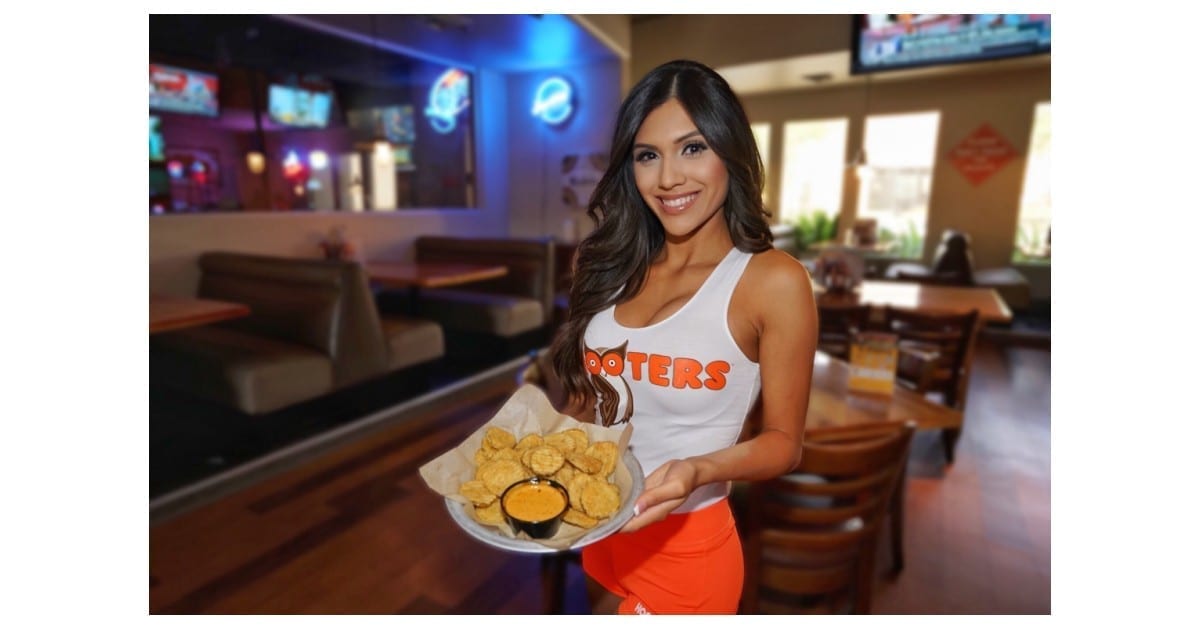
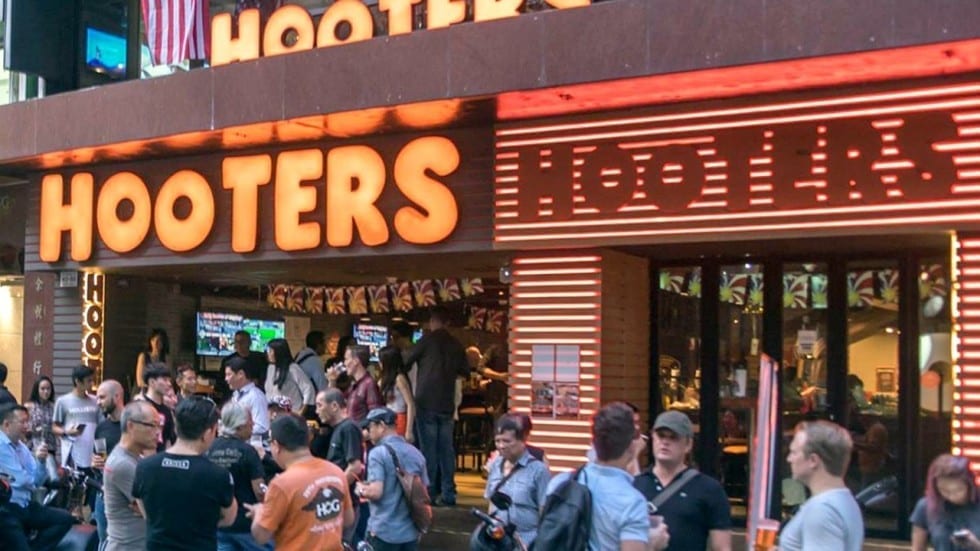
    Again accused of failing to keep abreast of rent payments, Hooters Hong Kong is facing legal action and eviction from its Wyndham Street premises in Central.

    A writ filed by landlord Dor Fook last week says the American restaurant chain has failed to pay nearly HK$1.52 million (US$194,300) in rent since October.

    The document says Hooters Restaurants signed a 10-year lease in March 2016 for its ground-floor venue, agreeing to pay $330,000 a month for the first year. It also signed a five-year lease for a room above the shop, agreeing to a monthly rent of $24,000 for the first year.

    Known for its buxom female servers in skimpy outfits, the restaurant is accused of not paying its rent and rates for the two spaces, constituting a repudiation of the lease.

    Seeking to repossess the premises, the landlord will also claim $371,700 for every month the restaurant stays put, starting from this month, and $17,932 a month for rates.

    This follows a previous threat of eviction in September, when Dor Fook lodged a legal bid for $1.13 million, about three months’ rent. Hooters Asia president Daniel Yong then said the company had paid off all its outstanding debt the day before the bid.

    However, it is reported this week that Yong has left the company.

  • AdParlor closes down Indian offices and moves staffs

    AdParlor closes down Indian offices and moves staffs

    Digital consultancy AdParlor has restructured its South Asian operation after shutting down offices in India.

    The global firm previously had two bases in Delhi and Mumbai to service its telecommunications clients Airtel and the Axiata owned-Robi and Dialog.

    However, in a bid to bring a ” localised presence” to the telcos’ South Asian markets, AdParlor has now decentralised its India hub and moved operations out into Nepal, Sri Lanka and Bangladesh. The Indian office have since been removed from the company’s website, while the new bases have still to be added at the time of publication.

    According to AdParlor Asia chief executive officer Matt Sutton, all 10 staff from India have either been redeployed to the new markets or will stay to maintain unspecified “shared services”.

    A spokesman for AdParlor added: “AdParlor Asia Pacific confirms that the organisation has decentralised its operations from India to South Asia – with localised presence in Nepal, Sri Lanka and Bangladesh now set up in order to service our clients in as seamless a manner as possible, bringing our teams closer to our clients’ businesses in those markets.

    “The South Asian operations were previously set-up in India to support our clients in those neighbouring countries. We will be investing further in those markets throughout 2018.

    “The talent and expertise we have in the market will be redeployed within the AdParlor Asia Pacific business in the South East Asian region, whilst shared services will continue to be managed out of India. We are also committed to investing in these markets and are nurturing digital talent there with an open headcount of 30.”

    AdParlor’s parent company AdKnowledge has been part of a joint venture with the Malaysian telco giant Axiata in Asia since 2016.

    A year ago, Axiata completed a major merger with the Indian-based Bharti in Bangladesh, bringing AdParlor’s three clients together under one umbrella in the market.

    According to Sutton, the Asia operation currently has a 30-strong “open headcount” and is growing across the region.

    However, last year, following the departure of AdKnowledge’s chief revenue officer Damien Lavin, the company also said it had an “open headcount” of 45 people across the markets.

    Currently, the company has offices in Singapore, Hong Kong, Thailand, Malaysia, Indonesia, Korea, Philippines and Taiwan.

  • COCA Restaurant returns to Malaysia after years of absence

    COCA Restaurant returns to Malaysia after years of absence

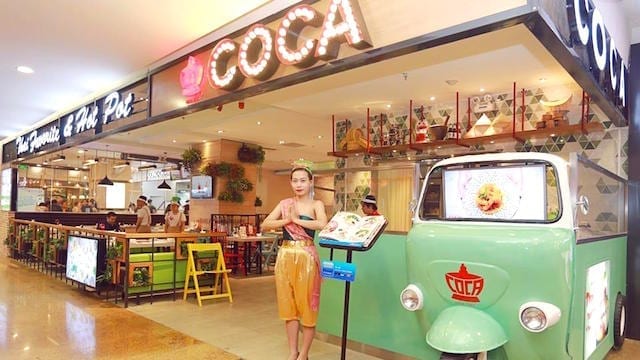
    Thai dining chain Coca Restaurant is returning to Malaysia with plans to open four outlets in the next three years.

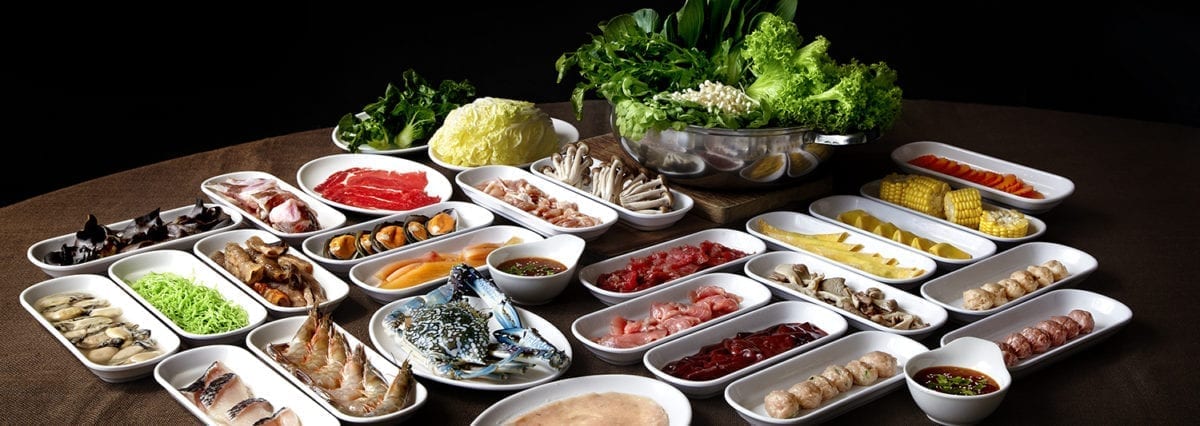
    First up will be an outlet in the Bangsar Shopping Centre in Kuala Lumpur seating about 100 diners and serving an à la carte menu of Thai/Cantonese cuisine along with Coca’s signature hot pot, creative stock broths (including one being created exclusively for Malaysia) and suki sauce.

    Chefs will focus on freshness, including live seafood and premium beef.

    Absent from Malaysia for seven years after a 20-year stretch, Coca returns with a change of partnership and a new strategy to open in upmarket malls as well as introduce freestanding restaurants – a strategy it has used over the past seven years in Thailand, Singapore, Japan, Vietnam and Indonesia.

  • Bollore Logistics Acquires Global Solutions In Denmark

    Bollore Logistics Acquires Global Solutions In Denmark

    This acquisition is part of Bolloré Logistics’ strategic development through external growth. As one of the five international freight forwarding and logistics leaders in Europe, it continues to enhance and strengthen its international network. In Europe, it now has 165 sites in 22 countries with a combined headcount of 5,500.

    This latest transaction will expand further Bolloré Logistics’ global end-to-end offering in the Scandinavian markets. Already established in Norway, it now benefits from Denmark’s Global Solutions network, which has been operating on the Danish market for 11 years, with triple expertise in the airfreight, seafreight and express business
    lines, particularly on the Europe-Asia axis. Global Solutions, now Bolloré Logistics brand, has two offices: an office at Copenhagen airport, and its headquarters in Vejle, the country’s logistics hub.

    For Henri Le Gouis, CEO Europe of Bolloré Logistics, “this new location will enable us to better serve our key account customers in Denmark and more generally in Scandinavia. We will support Danish companies in their international development and logistics projects, particularly in Africa, the continent of the future with strong market opportunities, where we operate as the 1st integrated logistics network. ”

    “We are also aiming to strengthen our range of solutions and services for the Aid & Relief sector, which is strongly represented in Denmark” adds David Smith, CEO Northern Europe of Bolloré Logistics. Thomas Toubro, Managing Director -Founder of Global Solutions, expressed himself “satisfied and honored to be now part of the big Bolloré’s family group. I am very confident for the future, and believe in our ability to elevate Bolloré Logistics to the rank of the leading transport and logistics operators in Scandinavia. “

  • Mitsui Sumitomo Insurance Welfare Foundation awards grants for innovative research on senior citizen welfare and traffic safety

    Mitsui Sumitomo Insurance Welfare Foundation awards grants for innovative research on senior citizen welfare and traffic safety

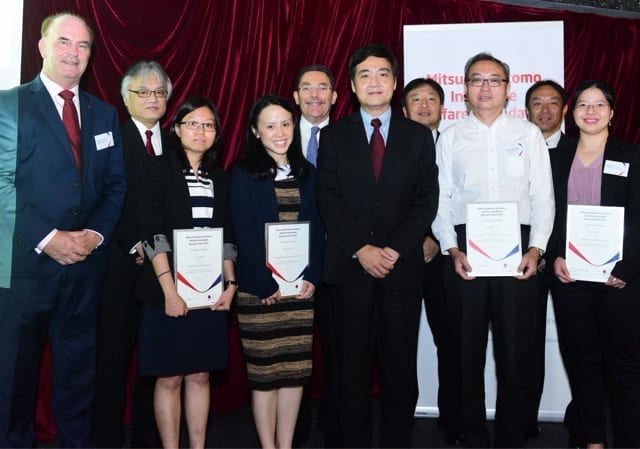
    The Mitsui Sumitomo Insurance Welfare Foundation (“MSIWF”) is pleased to announce today the award of four grants for innovative solutions focusing on senior citizen welfare and traffic safety at the 11th MSIWF Research Grant Awards 2017 ceremony held at Hotel Michael, Sentosa, Singapore.

    The research grants, amounting to SGD38,948 awarded to four researchers in Singapore, focus on impactful research that could support the diagnosis of elderly men with lower urinary tract symptoms; the development of a non-intrusive fall detection monitoring system for the elderly; the adoption of appropriate child car restraints; and improving the elderly’s adherence to their treatment regimen.

    In addition to the award of these grants, the Foundation has also made a commitment to donate 200 smart walking stick holders known as Qanemates to the elderly in Singapore and Japan. Designed by two young Singaporean inventors, Seng Ian Hao (aged 14) and Seng Ing Le (aged 12), Qanemate has won numerous national and international innovation awards, including the most recent 2017 Ageing Asia Innovation of the Year Award and the Singapore LTA Engineering Challenge Award.

    Founded in 1975 by the Mitsui Sumitomo Insurance Company in Japan, MSIWF advocates for budding and inter-disciplinary research focused on the growing ageing population and the rising concerns over traffic safety in Asia.
    This year marks the 11th year of this prestigious grant since its establishment in Singapore. To date, the Foundation has supported a total of 42 projects with a value of over SGD400,000. In total, it has awarded 2,022 grants with a value of over JPY2,339 million (approximately SGD28.2 million) in Japan, Singapore and Thailand since 1975.

    Following a rigorous selection process, the 2017 winners in Singapore are:
    • Dr Neo Shu Hui, Resident at Singapore General Hospital, for her research in determining the effectiveness of incorporating visual analogue uroflowmetry score (VAUS) in primary care physicians’ evaluation process of elderly men with lower urinary tract symptoms to achieve a cost effective, easily administered and non-invasive tool that could potentially reduce unnecessary referrals to specialists;
    • Dr Chong Shu-Ling, Staff Physician, Department of Emergency Medicine, at KK Women’s and Children’s Hospital, for her research on understanding parental knowledge and beliefs on the use (or the lack of use) of child car restraints, in order to create the right approach when communicating to parents on child car safety;
    • Professor Tan Kok Kiong at National University of Singapore, for the development of a wearable, non-intrusive, and location-based fall detection monitoring system for the elderly. The wearable device utilises an accelerometer and an additional level of sound-based detection to enhance the accuracy of fall detection;
    • Ms Lim Zhiying, Senior Medical Social Worker at Singapore General Hospital, for her research to better understand elderly patients’ perspectives of their illnesses and adherence (or non-adherence) to their treatment regimens, particularly those with multiple chronic illnesses and differing physical dependency who require multiple medications daily.

    Mr Alan J. Wilson, Regional CEO of MSIG Holdings (Asia) Pte Ltd, commented: “We are delighted to continue serving the communities we are immersed in, by protecting the things that matter to them. Through the Foundation, we hope to offer meaningful support to advance impactful research that can address the region’s growing concerns of caring for a rapidly ageing population, and road traffic fatalities that have put at risk or claimed many lives each year.”

    In 2017, a total of 193 applications were received in Japan, Singapore, and Thailand. Of these, 40 projects (including nine from Singapore and Thailand) were selected, and four from Singapore were awarded research grants worth SGD38,948.

  • Vietjet 2017 pre-tax profit reaches approximately USD209 million

    Vietjet 2017 pre-tax profit reaches approximately USD209 million

    Vietjet Aviation Joint Stock Company (HOSE code: VJC) announced its consolidated pre-audited financial statement report for 2017 with all indicators growing strongly compared with 2016 and exceeding the plan approved at the company’s Annual Shareholder Meeting.

    Specifically, total net revenue in 2017 reached nearly VND42,258 billion (USD1.86 billion), an increase of 53.7% year on year and exceeded the annual plan by 0.6%. Pre-tax profit stood at approximately VND4,755 billion (USD209 million), up 75.9% year on year and achieved a 126% increase over its yearly plan. After-tax profit of parent company’s shareholders reached VND4,527 billion (USD199 million), equivalent to VND10,065 (USD0.44) earning per share (EPS).

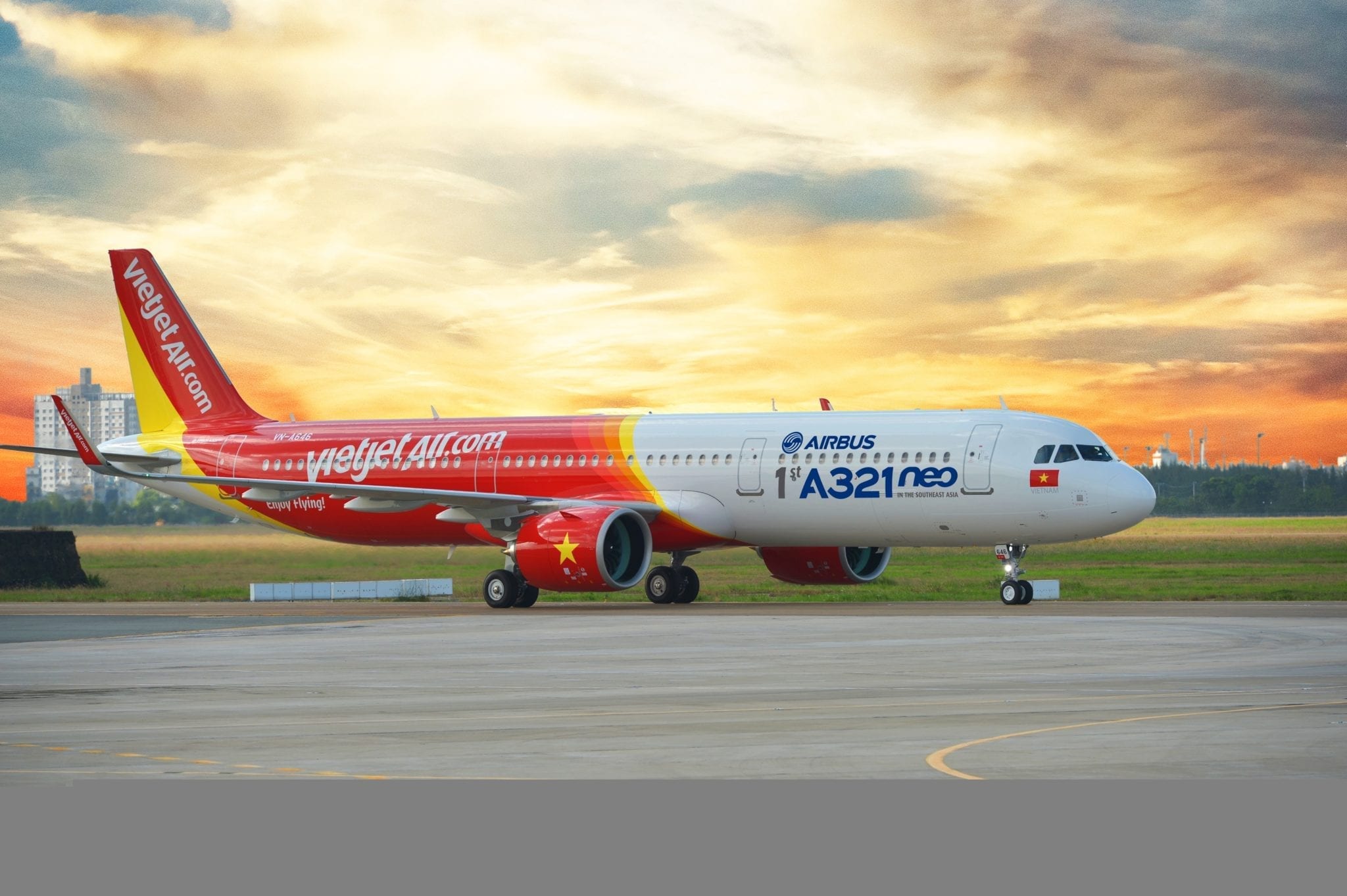
    Thanks to the expansion of its fleet by 17 aircraft in 2017 (including a modern A321 NEO – the first Airbus A321 NEO in Southeast Asia), Vietjet opened 22 new routes (one domestic and 21 international ones), increased its total operating routes to 82, including 38 domestic and 44 international ones. Vietjet carried over 17.11 million passengers in 2017. Air transportation revenue of the year was VND22,577 billion (USD995 million), up 41.8% year on year and exceeded the yearly plan by 4.6%.

    Up to December 31st, 2017, its total fleet consisted of 51 Airbus A320 and A321 aircraft. Vietjet received 39 aircraft out of the total of 219 aircraft ordered from Airbus and Boeing. On time performance in 2017 was 85.59%.

    Cost per available seat kilometers (CASK) excluding fuel decreased to 2.25 US cent, reduced by 7.3% year on year and at the lowest in the world due to the efficient cost control in 2017. CASK including fuel decreased by 2.27% to 3.79 US cent.

    In 2017, Vietjet paid 10% cash dividend, 40% share dividend for 2016 and advanced 20% cash dividend payment for 2017. With its positive business results, Vietjet has increased its 2017 dividend payment from 50% to 60% and

  • Calling Thailand’s brightest start-ups: entries open for Visa’s Everywhere Initiative

    Calling Thailand’s brightest start-ups: entries open for Visa’s Everywhere Initiative

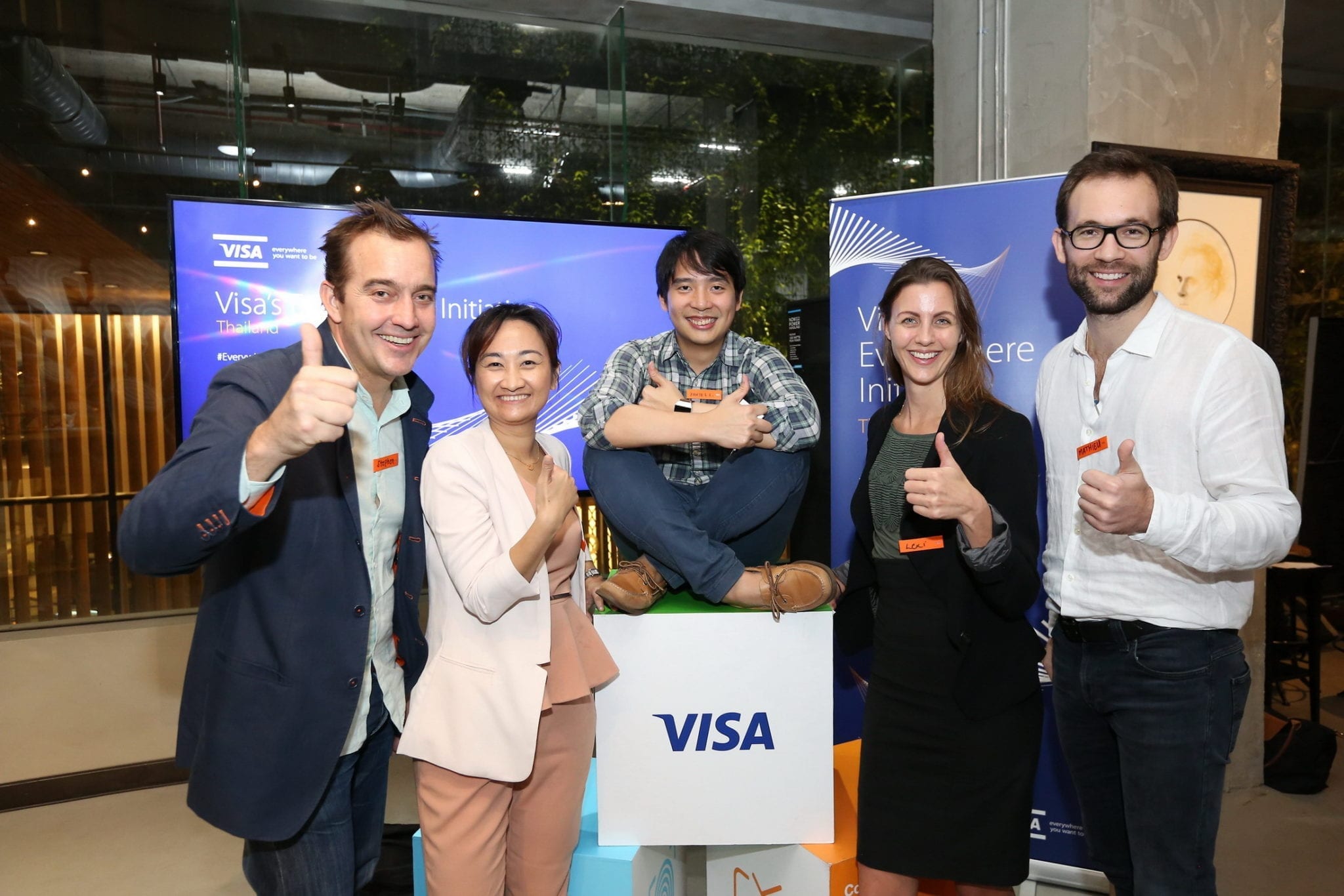
    Visa, the world’s leader in digital payments, has today launched the inaugural Visa’s Everywhere Initiative in Thailand, aiming to attract Thailand-based start-ups who are tackling some of the toughest payment-related problems in the commerce industry.

    Visa’s Everywhere Initiative is a global innovation program that challenges start-ups to build the next big thing in payments and accelerate the future of commerce, leveraging Visa’s world-class network. The 2018 global program kicks off with the Thailand competition.

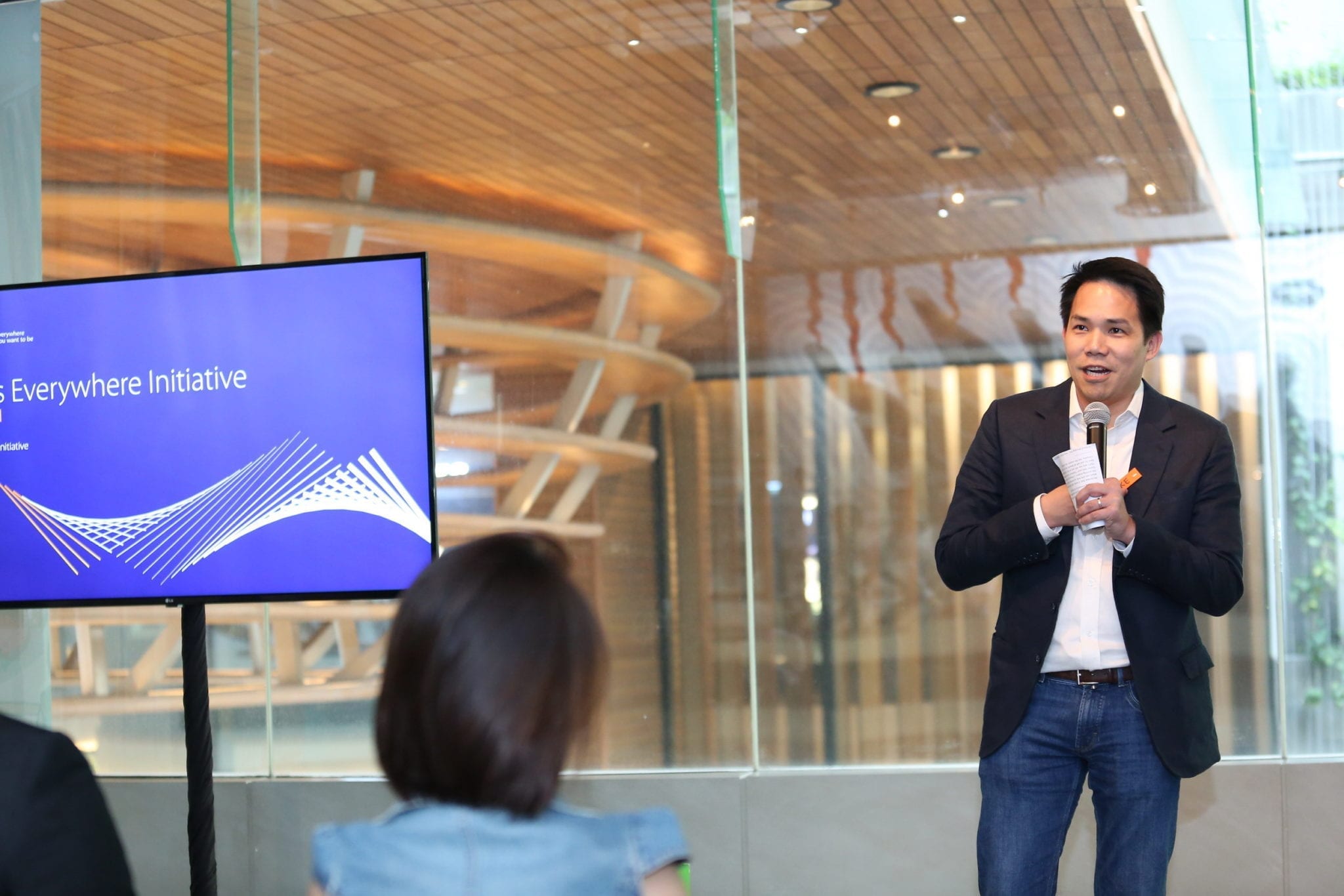
    Suripong Tantiyanon, Country Manager, Visa Thailand announced the program’s three challenges to the start-up community at Visa’s Everywhere Initiative Open House in Thailand. The winner of this challenge will receive THB 1 million in funding as well as mentorship, exposure to Visa’s partners, as well as access to facilities and experts at Visa’s Innovation Center in Singapore.

    The competition is open for entries from yesterday to February 9. To enter, start-ups must submit a solution for one of the three challenge briefs incorporating Visa APIs, a suite of Application Program Interface available through Visa Developer Platform.

    Suripong Tantiyanon, Country Manager, Visa Thailand said: “The goal of Visa’s Everywhere Initiative is to accelerate the digital economy by providing Visa capabilities to enterprising innovators in Thailand. Using Visa Developer Platform, Visa wants to enable co-creations among many of our banking and technology partners. We look forward to seeing many creative solutions in this year’s competition.”

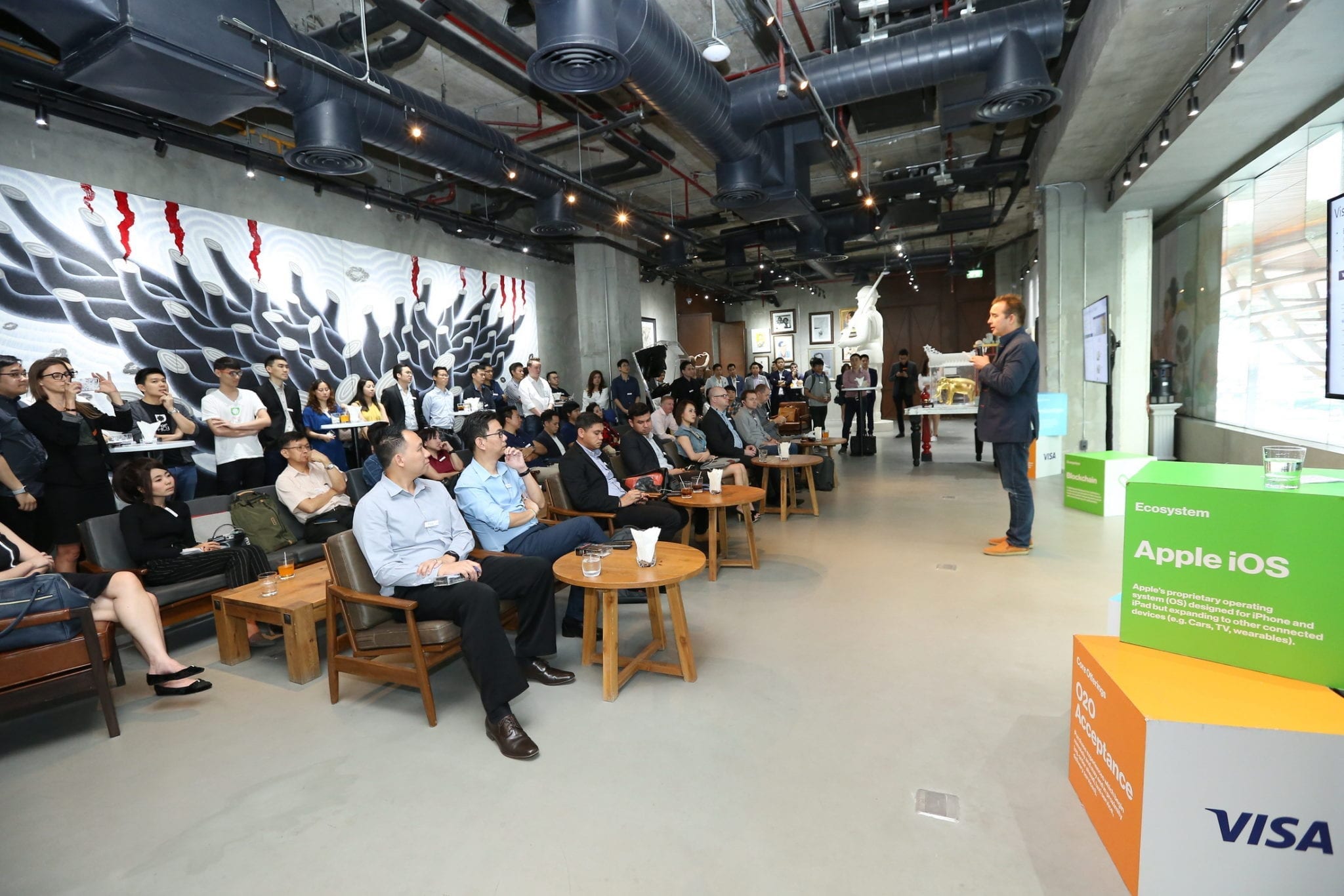
    The program received great interest from the startup community, with many signing up for the Visa’s Everywhere Initiative Open House.

    The program’s challenges are:

    • How can start-ups innovate to create relevant and rewarding digital payment experiences for international tourists visiting Thailand?
    • How can start-ups leverage social media platforms to accelerate commerce and scale access to financial services?
    • How can start-ups innovate to make digital payments easy to access and capable of adding value for merchants?

    The finalists will be invited to pitch their solutions to a panel of industry leaders, including Visa executives, on March 9 in Bangkok. The grand prize includes THB 1 million in funding, mentorship, exposure to Visa partners and access to facilities and experts at Visa’s Innovation Center in Singapore.

    Jessada Sookdhis, President of Thai Fintech Association, said: “We are delighted to support Visa’s Everywhere Initiative, which will help enrich the burgeoning fintech ecosystem in Thailand, bringing solutions to the greater population by solving real needs, and driving wider adoption of electronic payments.”

    Visa’s Everywhere Initiative was created in 2015 to harness the creativity and talent within the startup community worldwide. To date, nearly 2,100 startups have participated, and have collectively raised over $2 billion in funding. The program has selected more than 131 finalists and 36 overall winners. More than 40 countries and regions that have hosted Visa’s Everywhere Initiative including the US, China, Australia, New Zealand, Europe, the Middle East, and Latin America.

  • Little Stories Concept Store, a game for little ones by CLAP

    Little Stories Concept Store, a game for little ones by CLAP

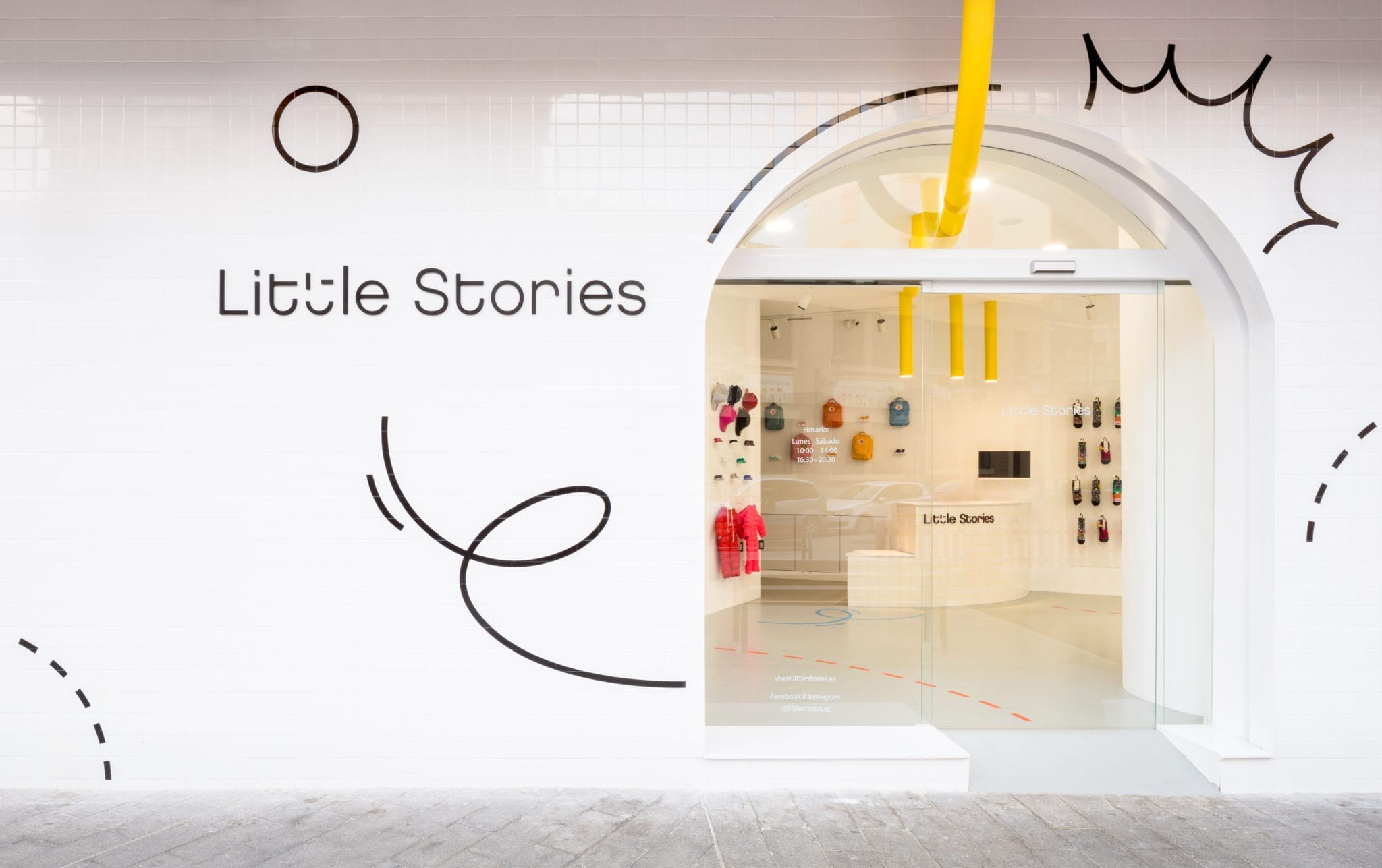
    In March 2017, two partners came to CLAP with the desire to create a Shoes Concept Store exclusively for children. We started with a name, “Little Stories”, and the need to create a strong corporate identity, graphically, to create an interior in accordance with it. After several workshops with the client, we came up with three key points that reflected the essence of Little Stories: game, simplicity and adaptability.

    For the creation of the corporate image we chose a friendly and simple sans serif typography. The corporate image was completed with a system of lines that helps to represent, articulate and express brand identity in different formats.

    Once the identity and corporate image of Little Stories had been defined, we started the creation of the concept Store. CLAP’s goal was to create an experience for little ones. Every detail is designed to encourage imagination and play but at the same time, highlight the products on display.

    The interior of 70 square meters is an open space with large windows that make the interior feel like an enormous shopfront. The product exhibition is completely adaptable and allows a change of distribution thanks to the small movable stands on the floor and the magnetic metal plates on the walls.

    The corporate image of Little Stories accompanies the user from the exterior of the space to the interior, creating a constant game for the little ones and clearing the space for the products to be proudly showcased. Inside, the light points come from tubes that fall from the ceiling in order to illuminate the exposure and focus the clients attention on the product.

  • Uniqlo Collaborates with Ines de la Fressange for a Spring/Summer 2018

    Uniqlo Collaborates with Ines de la Fressange for a Spring/Summer 2018

    UNIQLO today announces it will launch the INES DE LA FRESSANGE Spring/Summer 2018 Collection, starting from Friday, March 16. In its ninth season, the full 82-item collection will be available at UNIQLO Orchard Central (Global Flagship Store), Suntec City and online, while dresses will be available at all stores. Prices will range from $19.90 for a Women’s Waffle Crew Neck Short Sleeve T-Shirt to $199.90 for a Women’s Soutien Collar Coat.

    The collection is the fruit of a collaboration between Parisian chic icon, Ines de la Fressange, and UNIQLO Special Project Design Director, Naoki Takizawa. The range brings together Ines’ belief in designing clothes that all women wear with comfort to reveal their beauty, and the LifeWear philosophy of providing innovative, high-quality clothing that is universal in design and comfort.

    Celebrating Ines’ recollections of boating scenes and vibrant architecture during holidays in port towns around Europe, the range builds on her desire to offer wardrobe essentials that are also fashionable, newly including pyjamas.

    Key Colours & Prints

    The collection features cobalt blue, red and a variety of prints such as borders, checks, dots, flowers, and star patterns. Ines’ signature navy blue and indigo are also showcased in new ways.

    Key Items

    Key items include gingham check cotton parkas, soft easy pants in delightful spring patterns, and 1960s-style cache-coeur dresses with ruffles. Ines’ effortless style extends to the elegantly relaxing pyjamas with prints that are identical to those used in the collection’s tops, pants, and dresses.

  • Hong Kong Retail to Sell Well In Next Five Years, PwC Says

    Hong Kong Retail to Sell Well In Next Five Years, PwC Says

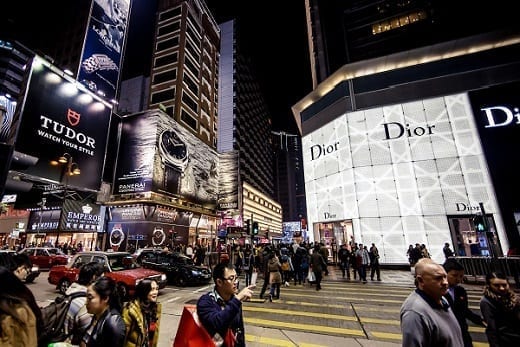
    After steady recovery last year, Hong Kong’s retail sector is expected to improve further this year on the back of a bullish economic outlook, both globally and in China, says PWC Hong Kong.

    Retail sales in Hong Kong for the first 11 months of last year eased up 1.8 per cent over the same period in 2016, and with the traditional shopping spree toward year-end, the full-year increase could reach 3 per cent (government retail sales figures will be released on Thursday).

    Despite store consolidation and a retreat from main-street locations, luxury goods, especially jewellery and watches, was one of the best-performing sectors last year and is expected to further recover,

    Hong Kong’s retail sector could have growth between 4 to 6 per cent this year, which is equivalent to about HK$465 to 480 billion, with a positive outlook for the next five years.

    “All-time-high stock and real-estate markets, both local and global, have created a significant wealth effect, and much improved sentiment in consumption,” says PWC’s Michael Cheng.

    “In addition, tourist arrival numbers in Hong Kong, particularly from China, have been encouraging and recovering steadily under the much better and more stable political and social environment.

    Combined with a low jobless rate and a weakening US dollar against major currencies, Hong Kong’s retail sector should be recovering well in the medium term and exceed the all-time high of 2013 within the next five years.”

    Tourism key

    However, the sector still depends on tourism, particularly from China. From January to November, Mainland Chinese tourist numbers grew 3.6 per cent year on year, compared to 3.1 per cent for all tourists.

    Meanwhile, the Chinese government has slashed tariffs on 187 imported consumer goods, including wines and spirits, pharmaceuticals, and food. While this will strengthen domestic consumption in China, PWC says it will have only a modest effect on Hong Kong retail.

    “Hong Kong still enjoys the world’s freest economy, providing high-quality goods under a well-established legal system that provides excellent consumer protection,” says PWC China tax partner Rebecca Wong. “This encourages legal imports and reduces the attractiveness of purchases made through irregular channels.”

    However, Cheng says retailers need to transform, from being disrupted to becoming disruptors.

    “Embracing technology and data to provide unique customer experiences through diversified platforms and logistics networks are the keys to success.”

  • Daiso stores to penetrate Israeli retail market

    Daiso stores to penetrate Israeli retail market

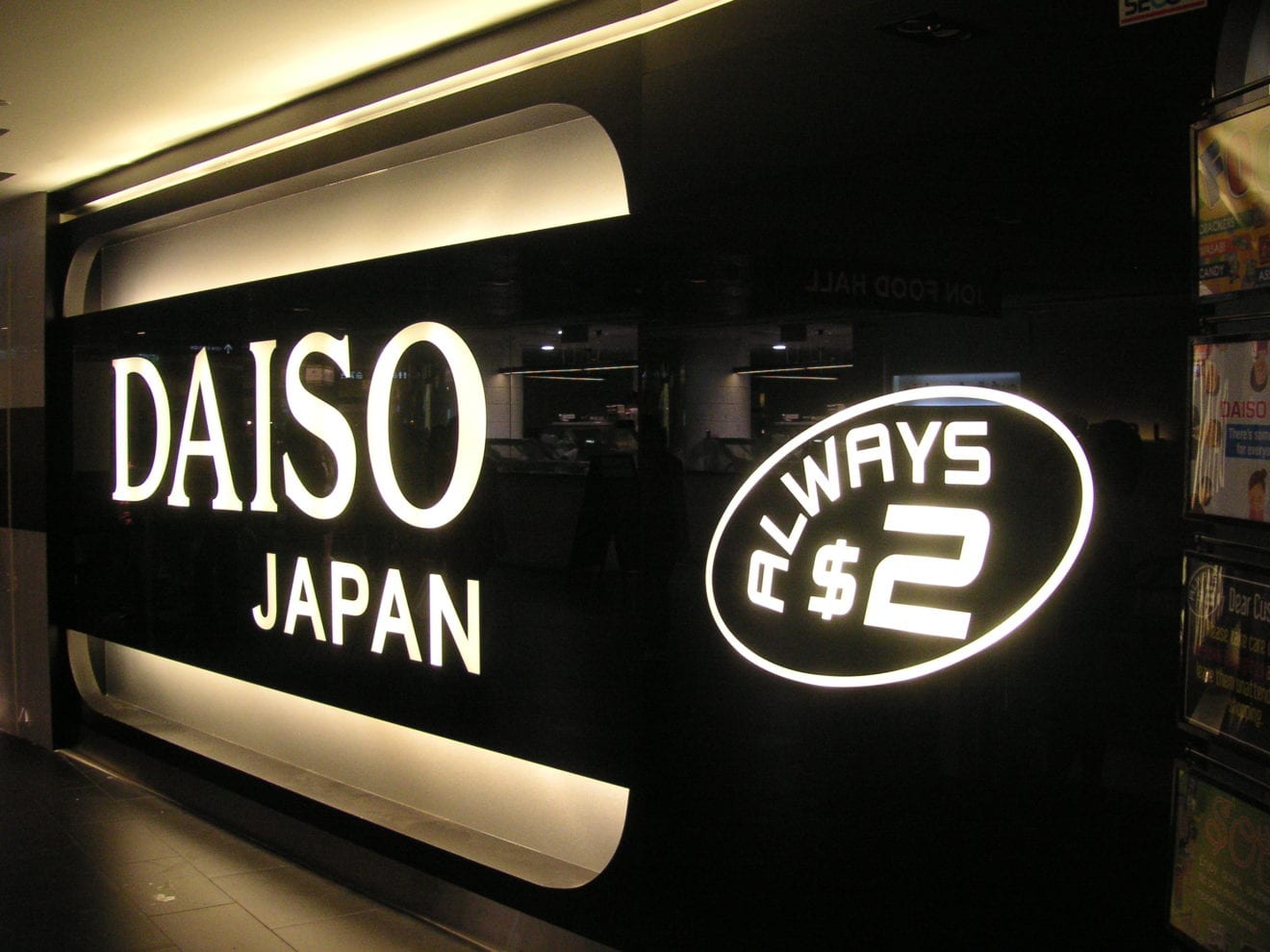
    Japanese “dollar store” chain Daiso is about to enter the Israeli retail market, to be run by the Union Group, the franchise holder for Cos and H&M in Israel and the official importer for Toyota and Lexus.

    Founded in 1977, Daiso will be competing in Israel with chains such as Hastock and Max Stock. It is expected to offer 100,000 products at a fixed low price, including designer products and accessories for the home, toys, design aids, work tools, gardening tools, electronic products, auto products, sewing tools and animal accessories. Most are made exclusively for the Japanese chain’s private label.

    Daiso has 4900 stores in 26 markets, 3000 of them in Japan. The company’s revenue totalled $4 billion in 2015.

    Daiso’s most popular items are batteries and small products for the home.

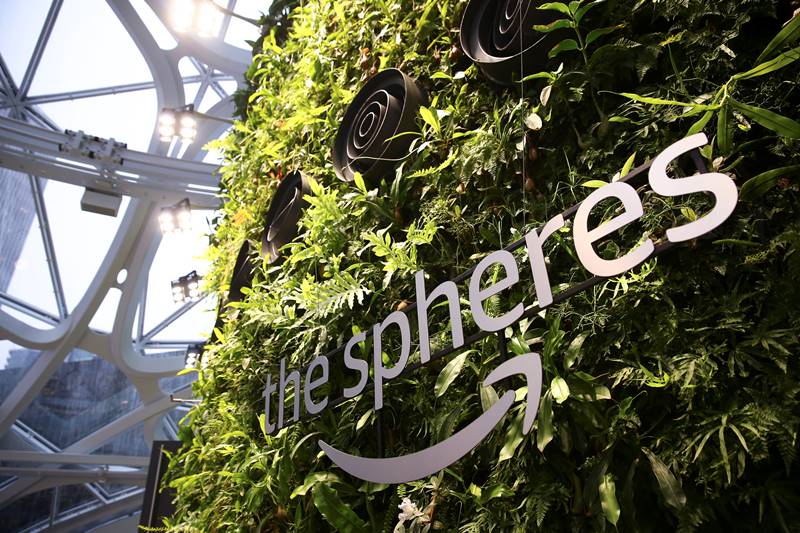
  • Wow! Amazon opens rainforest office space ‘Spheres’ in Seattle

    Wow! Amazon opens rainforest office space ‘Spheres’ in Seattle

    E-commerce giant Amazon has opened a rainforest-like office space in Seattle that it hopes will spark new ideas for employees.

    While cities across North America are seeking to host Seattle-based Amazon’s second headquarters, the world’s largest online retailer is still expanding its main campus.

    Company office towers and high-end eateries have taken the place of warehouses and parking lots in Seattle’s South Lake Union district.

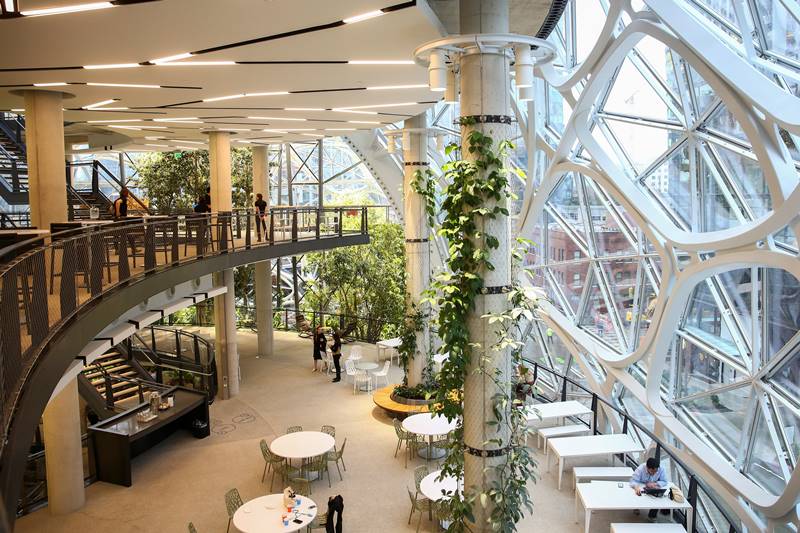
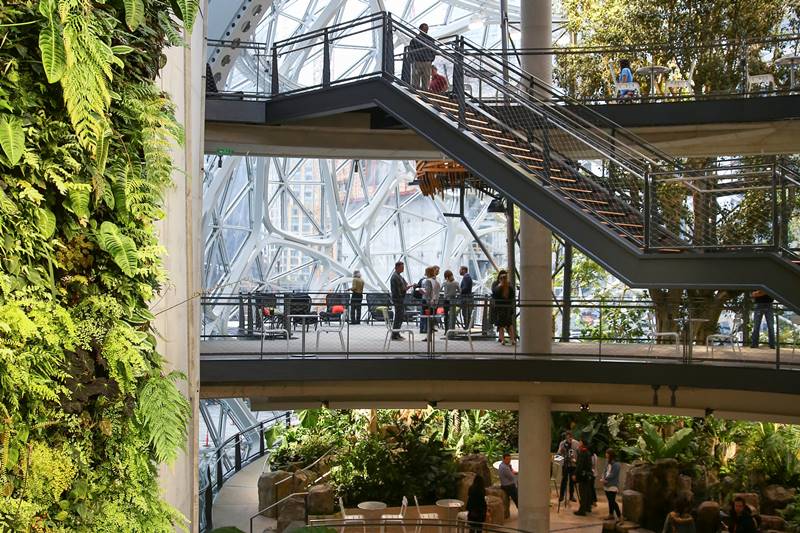
    The Spheres’ three glass domes house about 40,000 plants of 400 species. Amazon, famous for its demanding work culture, hopes the Spheres’ lush environs will let employees reflect and have chance encounters, spawning new products or plans.

    The building’s facade contains 2,643 panes of glass that are energy-efficient, with a film interlayer to keep out infrared wavelengths that produce unwanted heat. The space is more like a greenhouse than a typical office. Instead of enclosed conference rooms or desks, there are walkways and unconventional meeting spaces with chairs.

    There are no enclosed offices, conference spaces or desks in the building and employees can meet in treehouses suspended under 40+ foot trees or in sitting areas and walking paths alongside cascading waterfalls

    Plants, trees, sunlight, soil, and water take center stage – the sound of running water and the scent of flowering plants create an instant botanical immersion that takes visitors far away from the urban landscape

    The project created more than 600 full-time jobs, and is part of Amazon’s more than $4 billion investment in the design, development, and construction of its Seattle headquarters.

    Jeff Bezos, Amazon’s billionaire founder, officially opened the project in a ceremony with Amazon executives, elected officials and members of the media – by voice command.

    “Alexa, open the Spheres,” Bezos said, as a circle in the Spheres’ ceiling turned blue just like Amazon’s speech-controlled devices, whose voice assistant is named Alexa.

    Amazon has invested $US3.7 billion on buildings and infrastructure in Seattle from 2010 to (northern) summer 2017, a figure that has public officials competing for its “HQ2″ salivating.

    Amazon has said it expects to invest more than $US5 billion in construction of HQ2 and to create as many as 50,000 jobs.

    “We wanted to create something really special, something iconic for our campus and for the city of Seattle,” said John Schoettler, Amazon’s vice president of global real estate and facilities.

    Earlier this month, the online retailer narrowed 238 applications for its second headquarters to 20. The finalists, from Boston and New York to Austin, Texas, largely fit the bill of being big metropolises that can attract highly educated tech talent.

    The Spheres will be open to provide educational opportunities to the Seattle community through tours, field trips and partnerships with local schools and universities.

    The Spheres also include a visitor center – called The Understory – that is open to the public year round. The Understory provides a fully immersive, 360-degree experience where visitors can get up close and personal with the science, engineering, and plants behind The Spheres.

    “The Spheres are sure to become an iconic part of downtown Seattle, and I applaud Amazon for its latest innovation,” Gov. Jay Inslee said. “These unique buildings are so much more than a beautiful creative space for Amazon employees. They will help conserve a number of rare plant species from around the world and provide countless educational opportunities for local students – and that’s something Washington can take pride in.”

  • Young shoppers’ big, luxurious spending emerges as new trend

    Young shoppers’ big, luxurious spending emerges as new trend

    Shoppers  in their 20s in South Korea have become more prone to spending big on luxury items and services, emerging as a new consumption trend, according to industry data.

    Mobile commerce company Tmon says the sales pattern over the past three months showed that purchases among young shoppers of luxurious products and high-end services in fashion, food and travel categories have significantly surged.

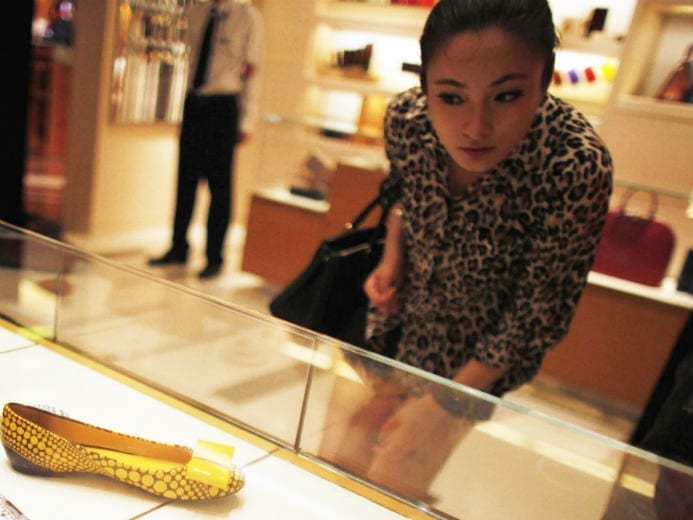
    From 21 October 2017,  Tmon’s overall sales of sneakers from luxury brands like Gucci, Golden Goose, Valentino and Alexander McQueen — which range price between 300,000 won (US$280) and 800,000 won — rose 66 percent, compared to the same period in the previous year.

    The sales increase was particularly high among consumers in their 20s, soaring by 106 percent on-year.

    Over the same period, hotel buffets, particularly dessert buffets, also logged a sales increase of 71 percent on-year among young consumers. The price of a hotel buffet in Seoul begins from 44,100 won per person.

    The company said it had sold over 2,400 entries to such dessert buffets in just two months, portraying young shoppers’ interest in Instagram-worthy food spots.

    “From luxurious goods to upscale brunch bites and private travel products, the tendency of consumers to focus on higher satisfaction is expected to continue throughout this year,” said Han Jae-yeong, Tmon’s chief strategy officer.

    A similar trend can be seen in the popularity of Moleskine, a Milan-based luxury notebook company founded in 1997.

    Its limited edition notebooks — some of which have been inspired by Lego, “Star Wars,” “The Simpsons” and “The Hobbit” — are typically priced from 30,000-40,000 won, but the notebooks quickly sell out.

    “Consumers tend to find high quality and the brand value of Moleskine products worth spending their money on, which also gives them even a sense of ‘achievement’ when they purchase a limited edition, although it’s pricey,” said Yim So-young, a marketing manager for Moleskine in Korea.

    “Korean consumers’ interest in limited edition goods and premium product lineups will only expand in the future,” she added.

    And the trend is more marked among, while not limited to, the younger generation.

    According to Lotte Home Shopping, sales of global premium home electronic appliances such as Blomberg dryers and Balmuda’s steam oven toasters have seen double-digit growth each year since 2015.

    The company said such high popularity is attributable to premium brand products’ high performance and luxurious and sleek design, as well as brand awareness.

    Swiss coffee maker Jura’s E7 automatic coffee machine receives at least 1,000 calls on order each time the product goes on air, the company said. The coffee machine costs nearly 1 million won.

    Among Tmon’s travel products, sales are rising for luxurious accommodation in Japan, such as at ryokan, a type of traditional Japanese inn equipped with Japanese hot springs and private bathing facilities.

    The most expensive ryokan are “Category A+++” which begin at 70,000 yen (US$640) per person. The price for average ryokan begin from 300,000 won per person. Until only recently, ryokan had been considered as accommodations primarily for middle-aged couples or family trips.

    The company, however, said over the past three months, 20-somethings’ purchases of ryokan accommodations through packaged tours or individual trips had soared 166 percent on-year.

    asIndustry watchers say the trend will likely last, as consumers continue to crave satisfactory experiences and pleasures.

    “It is experience that many consumers now prefer, and it’s especially the dominant and preferred choice among those in their 20s, who want to experience the diverse range of the latest, satisfactory products and services,” said Jeon Mi-young, research professor at the Department of Consumer Science at Seoul National University, in an interview with a local daily.

  • SK-II Boutique Spa Malaysia Opens

    SK-II Boutique Spa Malaysia Opens

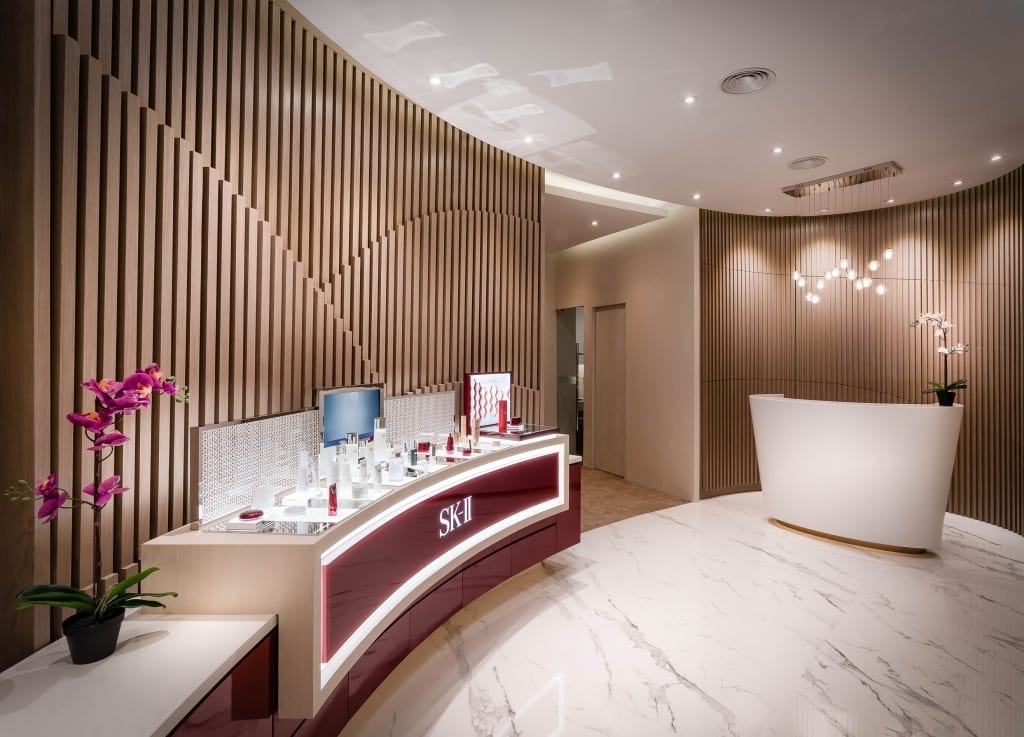
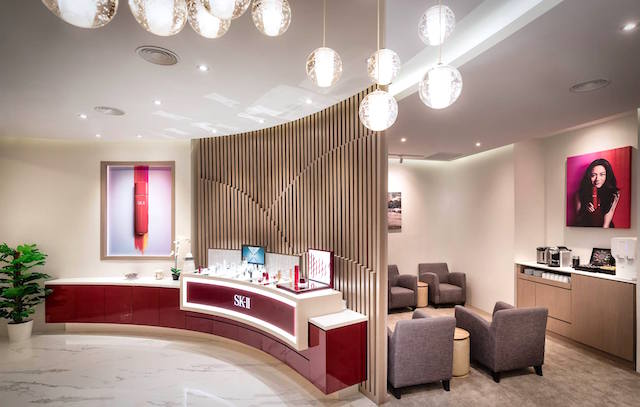
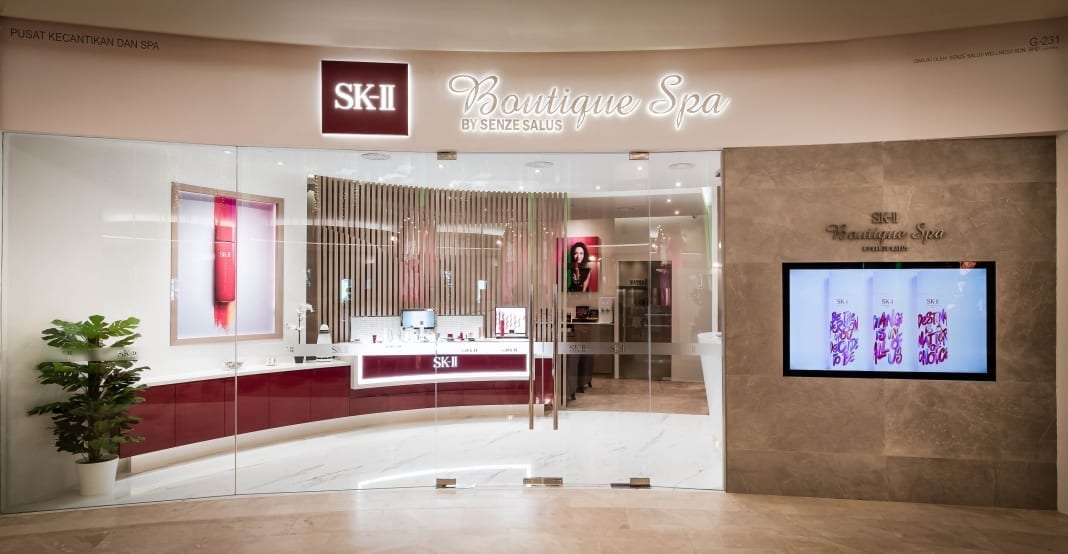
    The SK-II Boutique Spa has opened at The Gardens mall in Kuala Lumpur – its second location after Singapore.

    A Singapore-based Malaysian, Calvin Ng worked for more than 20 years with Procter & Gamble (P&G), the brand owner of SK-II. He then founded Senze Salus, which introduced the SK-II Boutique Spa in 2004. The spa offers facial treatments using only SK-II products.

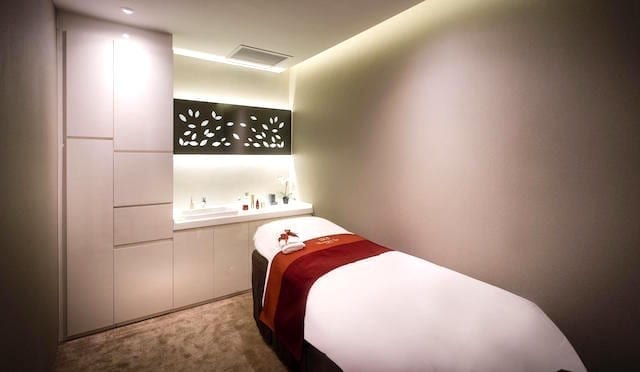
    Its Kuala Lumpur offshoot covers 213sqm and offers 12 soundproof treatment suites as well as a waiting lounge with refreshments, an SK-II beauty bar and a retail section.

    Signature treatments include the SK-II Senzational Facial that tackles multiple skin concerns and incorporates a 55-step facial massage technique. The Senze Oxygenated Facial features a stream of pressurised oxygen infused with SK-II Facial Treatment Essence being applied to the face.

    The SK-II Boutique Spa takes its name from the Japanese skincare brand.