Author: Mei Ling Tan

  • China’s e-commerce giants to buy Dalian Wanda malls

    China’s e-commerce giants to buy Dalian Wanda malls

    Three Chinese e-commerce giants led by Tencent are buying into shopping centres as part of an alliance that will help fund property magnate Wang Jianlin’s HK$30 billion (US$3.8 billion) plan to take his Dalian Wanda Group private.

    Jianlin describes it as the world’s biggest single alliance between the new economy and bricks-and-mortar businesses as he vows to turn his flagship commercial property unit into an online-to-offline service provider.

    After shedding properties in Australia, China and the UK to help reduce debt, he is now selling off nearly 14 per cent of Dalian Wanda Commercial Properties to some of the mainland’s biggest internet and retail players.

    An investor group led by Tencent, along with e-commerce heavyweight JD.com, electronics retailer Suning and Wanda partner Sunac China Holdings, the stake is being sold for RMB34 billion (US$4.36 billion).

    On its website, Wanda presents the share sale as part of a transformation of the company from a real-estate developer with nearly 240 shopping centres across China into a commercial management company focused on integrating online and offline consumption.

    As part of the deal, Dalian Wanda Commercial Properties will be renamed Wanda Commercial Management Group.

    However, the new partners may lead the financing of new malls, with the website statement noting “Tencent, Suning and other investors will use their financial prowess to continuously support Wanda Commercial to speed up its growth, helping the company to achieve its goal of 1000 Wanda Plazas in China as early as possible”.in

    Wanda says the partners are keen to relist the commercial real-estate unit, still privately held after a 2016 buyout led by Wang, “at the earliest opportunity”.

    Also, the new group will use the online resources of Tencent, Suning and JD.com as well as its own offline commercial assets to “carry out various collaborations, jointly building a new consumption model in China that will integrate both online and offline services”.

    Wanda Commercial’s total debt at the end of June was RMB279 billion, according to ratings agency S&P.

    Tencent’s investment of RMB10 billion gives it a 4.12 per cent stake, while Suning and Sunac’s twin outlays of RMB9.5 billion will them a 3.91 per cent stake each, and JD.com’s RMB5 billion yields a 2 per cent stake.

    Meanwhile, WeChat owner Tencent last week said it might buy into French retailer Carrefour’s China business, along with local retailer Yonghui Superstores. This follows Amazon’s acquisition of Whole Foods for US$13.7 billion.

  • Celebrating Lunar New Year with offers from DFS

    Celebrating Lunar New Year with offers from DFS

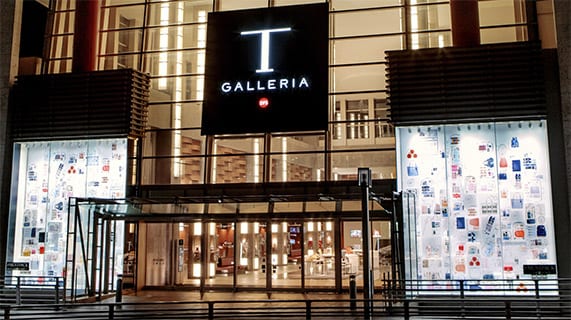
    To celebrate Lunar New Year and the arrival of the Year of the Dog, luxury travel retailer DFS Group will offer special promotions and interactive activities at certain T Galleria and DFS stores worldwide next month.

    There will also be exclusive offers from the group’s Give Joy Together gift guide.

    In-store activities will include a Pokemon Go-inspired game featuring the DFS Lunar New Year dog character Lolo. This will be available at T Galleria by DFS, Hong Kong, Canton Road; T Galleria Beauty by DFS, Hong Kong, Causeway Bay; and T Galleria by DFS, Angkor. It will also be at outlets in Hawaii and Sydney.

    Other activities include a Fortune Tree and Wishing Tree with lucky prize envelopes, and a personalised charm giveaway set for customers taking advantage of Give Joy Together promotions.

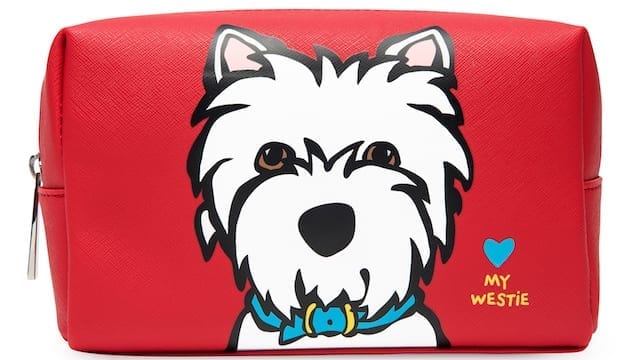
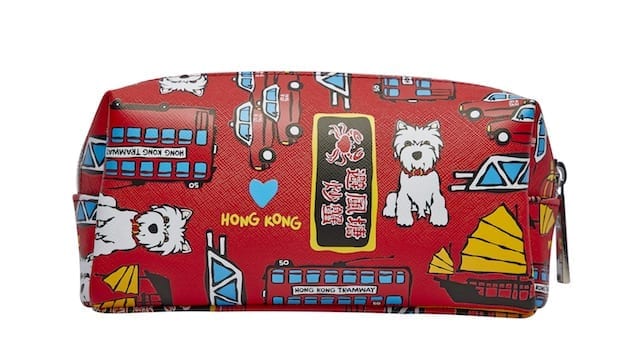
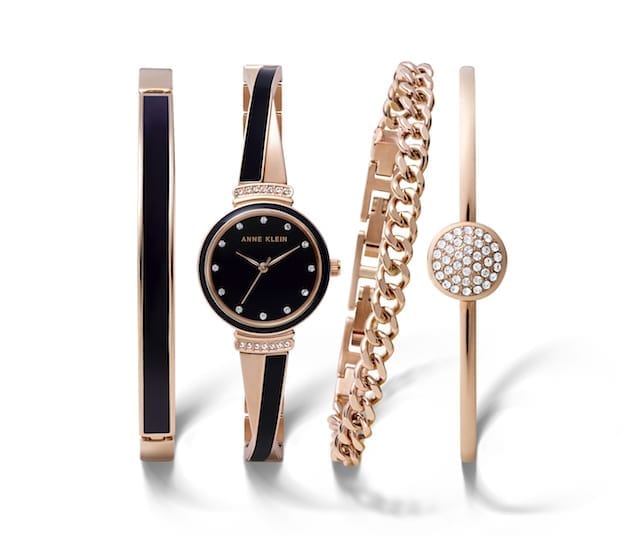
    Exclusive products for the month include: Anne Klein Blush women’s ceramic watch with Swarovski crystals; Bulgari Serpenti Twist Your Time, with either mother-of-pearl or red dial; Emporio Armani Connected touchscreen smartwatch; Estee Lauder limited-edition Pure Color Envy Sculpting Eye Shadow & Lipstick; Hamilton’s Ventura Elvis 80 automatic men’s watch with a complimentary exclusive Elvis Presley tote bag; Marc Jacobs exclusive tote bag; Marc Tetro Hong Kong Pug cosmetic bag and Westie tote bag; Swarovski Haves bracelet, pendant and earrings; and Tiffany & Co Keys Fleur de Lis Key and Keys Petals pendants.

  • First full year of profitability for Airbnb

    First full year of profitability for Airbnb

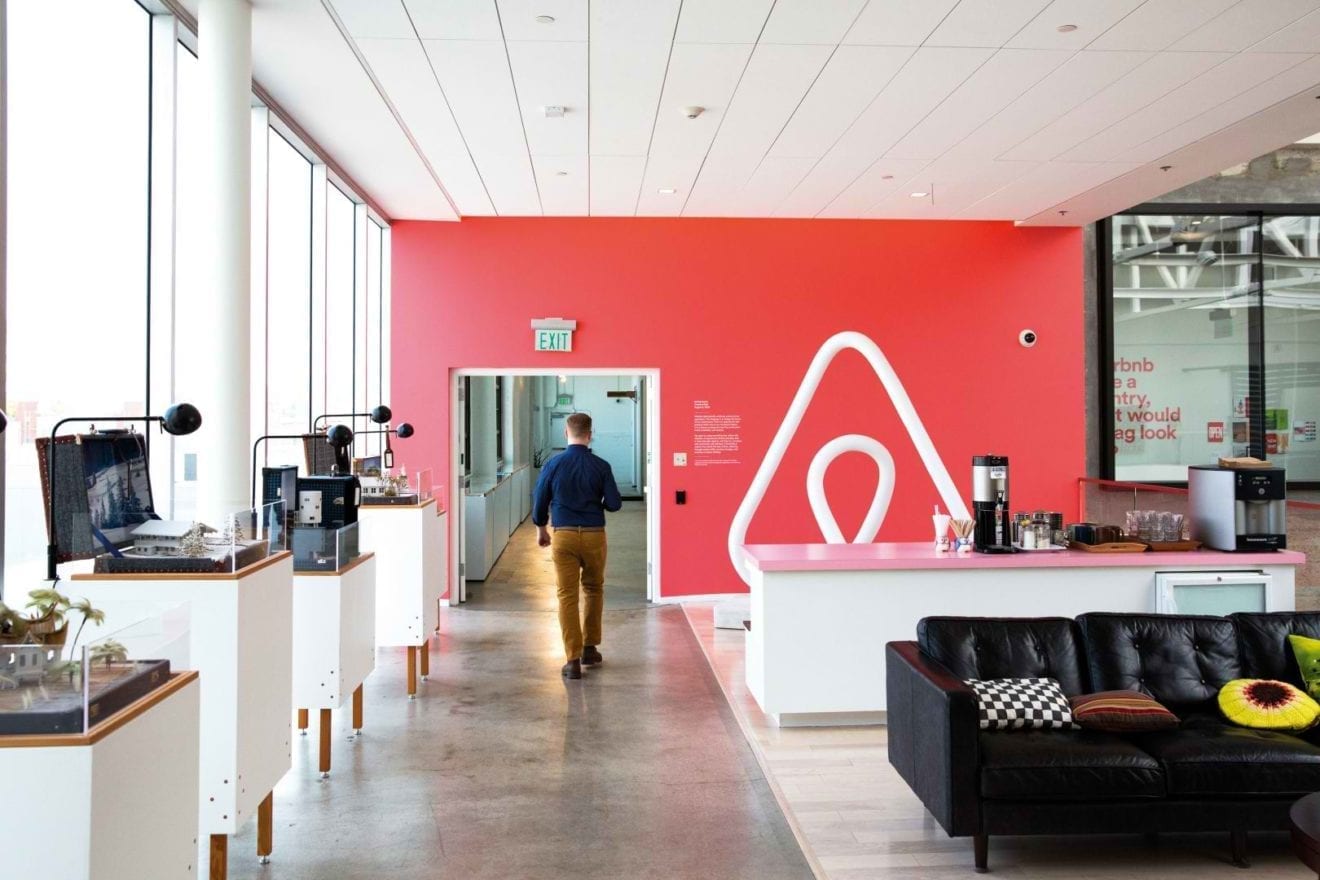
    Airbnb announced it generated earnings of about $100m in 2017 while bookings grew around 150 percent, in a streak of profitability that marks a contrast with heavily lossmaking peers such as Uber and Lyft.

    The 2017 year marks the first full year of generating income for the San Francisco-based company, which became profitable in the second half of 2016, as it managed to defy some of the disruptions in global travel in 2017.

    Airbnb’s earnings before tax, interest, depreciation and amortisation were $100m for the full year, according to a source close to the company, compared with an earnings loss the previous year.

    Airbnb also announced that Ken Chenault, chief executive of American Express, would be joining its board as the first independent director. He will be the sixth board member of the company, joining the three co-founders and two early investors who sit on the board.

    Airbnb’s chief executive Brian Chesky also announced on Thursday a new set of values for the ten-year-old company, which include “having an infinite time horizon” and “serving all of our stakeholders”.

    In a public letter, Mr Chesky said that he wanted to build a company that would last not only through the 21st century, but also the 22nd, without providing specific details about how the company would do that.

    Over the past 18 months, the company has expanded beyond accommodation into areas such as guided tours, and has hinted that it will add services like flight booking and car rentals in the future.

    In his letter Mr Chesky said that Airbnb would continue to grow these newer areas. “If people are good and mostly the same, then we should be able to offer more than people sleeping in one another’s homes,” he wrote.

    Airbnb’s main source of revenue is the commission it takes from accommodation bookings, and it take a cut of between 9 percent and 15 percent per booking.

    The company’s revenues last year were more than $3.5bn, according to FT calculations and previously reported quarterly figures. Gross bookings grew by about 150 per cent, according to a person close to the company.

    The company raised a $1 funding round in 2017, at a valuation of $30bn, and its investors include General Atlantic and Andreessen Horowitz.

  • New shopping center opened in Ho Chi Minh City

    New shopping center opened in Ho Chi Minh City

    Vietnam’s newest shopping centre, Van Hanh Mall, has opened in Ho Chi Minh City, on Su Van Hanh Street in District 10.

    Built on a 90,000sqm site, the shopping complex has 55,000sqm of retail space, which is 90 per cent occupied already, by more than 200 international and local brands.

    Tenants include Bata, Charles & Keith, Levi’s, Mujosh and Nike and a raft of dining options, including Buffalo Wild Wings, Crystal Jade, Sushi Kei, Starbucks and Phuc Long coffee.

    For entertainment, there is a CGV multiplex cinema, a Superbowl amusement center and a giant European-themed bookstore.

    A Co.opXtra hypermarket, operated by Saigon Co.op and Singapore’s NTUC FairPrice, also opened, marking the brand’s third outlet in the city.

    There are nine parking floors from basement to fifth floor, enough space for 350 cars and 3000 bikes.

    Built at the cost of VND1 trillion (US$43.9 million), Van Hanh mall rentals range from US$30-60 per sqm.

  • South Korea is banning foreigners from trading cryptocurrency

    South Korea is banning foreigners from trading cryptocurrency

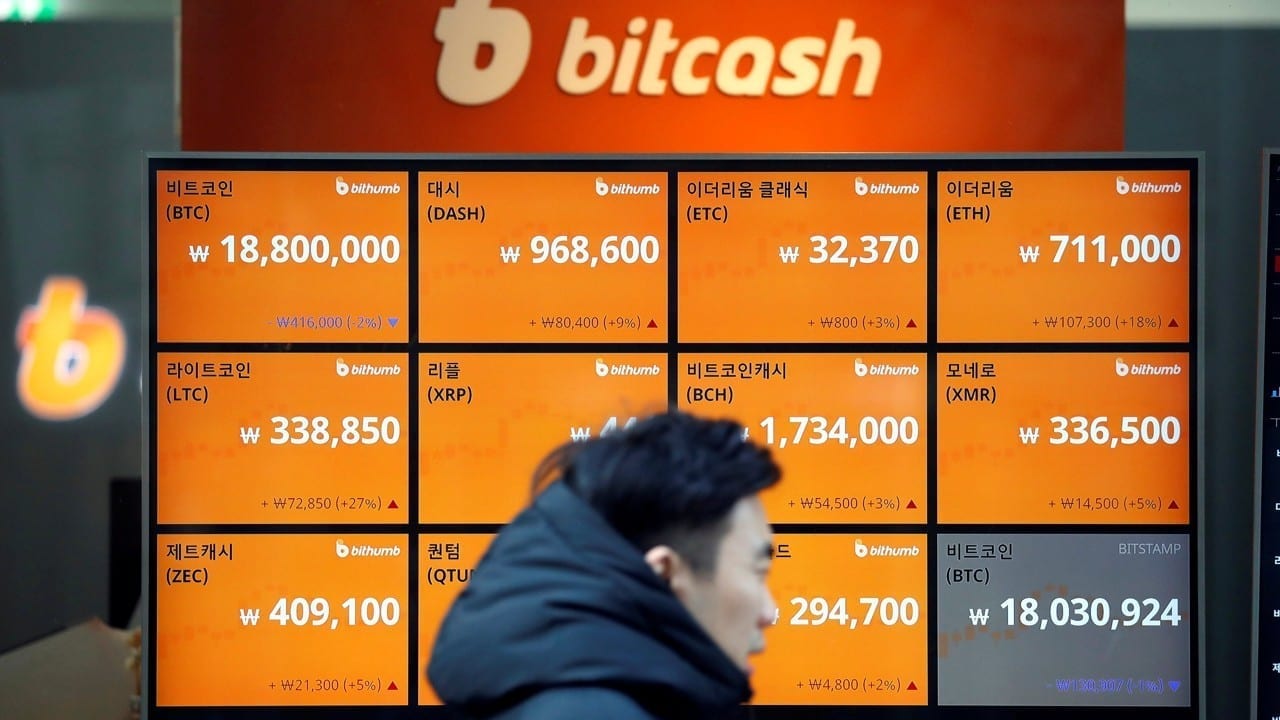
    South Korea’s financial regulators set the pace for sweeping cryptocurrency regulations to curb speculative overheating and illegal activity, including banning foreigners and minors from opening new cryptocurrency accounts.

    Financial Services Commission Vice Chairman Kim Yong-beom announced measures to ban anonymous trading on domestic exchanges, while foreigners and minors would be completely banned from trading through cryptocurrency accounts. Both measures go into effect 30 January.

    They are the first concrete measures to be implemented since the government began observing overheating in the market in September. The system aims to tackle money laundering and related crimes, along with speculation-driven overheating in the market, Kang Young-soo, head of the FSC’s cryptocurrency response team said after the announcement.

    “The government is concerned about manipulation of market conditions and injection of illegal funds while market funds are leaked into speculative investments,” he added. “We view that foreigners’ and minors’ investments contribute to our areas of concern.”

    All foreigners, including residents, nonresidents and “kyopo” ethnic Koreans with foreign citizenship, will be banned from trading cryptocurrencies in Korea, the FSC’s foreign media department said by email. Minors are banned after Prime Minister Lee Nak-yeon earlier claimed the cryptocurrency craze could lead the youth toward crime.

    “If they’re not Korean citizens, then they can invest in exchanges provided in their countries. Why do they have to invest in ours?” Kang quipped.

    The government has been under mounting pressure to deliver on impending regulations over the country’s cryptocurrency market, one of the world’s largest for Bitcoin, Ethereum and Ripple, as the uncertainties have thrown global prices into turmoil. Cryptocurrency trade has gone largely unregulated as South Korea neither recognizes digital coins as financial products or currency.

    But for the past few months, financial authorities and prosecutors have been mulling comprehensive regulations on anti-money laundering, tax evasion, fraud and other illegal activity, including a proposed ban on all initial coin offerings.

    Justice Minister Park Sang-ki threw fuel on the speculative market when he claimed all crypto exchanges would be shut down. The government later clarified that it was one option being considered, along with only shutting down exchanges that were acting illegally. Since then, citizens have railed against the government with over 220,000 signing a petition to demand a response from the presidential Blue House.

    “The government is creating boundaries for instances of foreigners injecting in coins into the country and a phenomenon of more Bitcoins and other cryptocurrency circulating within the Korean market,” says Kim Jin-hwa, corepresentative of the Korea Blockchain Association, which has about 30 member companies including several exchanges. “With the current conditions of our market, higher supply would equate to higher speculation.”

    The targets of the latest regulation, says blockchain startup BlockchainOS Choi Yong-kwan, are Chinese investors who have flooded the cryptocurrency market since their country banned cryptocurrency trade last year. Digital coins from China enter Korean exchanges, then are illegally changed into foreign currencies, which are sent back to China, he explained.

    Under the new rules, foreigners who have already have cryptocurrency trading accounts will be allowed to withdraw their assets, even after the new rules come into force, the FSC explained. But they will be banned from making new deposits through the accounts.

    Meanwhile, all cryptocurrency investors need to establish an account under their legal name at one of six banks rather than anonymous cryptocurrency accounts to trade on a domestic cryptocurrency exchange. The so-called real-name system is part of efforts to establish measures similar to the Know Your Customer (KYC) verification system in the U.S. The Korea Blockchain Association’s member exchanges had already self-imposed an ID verification system for users who create new accounts as of Jan. 1, but this will be replaced by the government’s regulation.

    Results of an investigation found that some companies handling cryptocurrency had been registered as “shopping malls,” but subject banks did not have customer verification procedures or internal systems to recognize this, the FSC said.

    Also, funds deposited into cryptocurrency-handling companies have been deposited to accounts of the company’s major shareholders or its employees, and there have also been cases of deposits to cryptocurrency handling companies from corporate names.

    These transactions are irregular managements of funds, the FSC said, as they can be identified as suspicious transactions because banks have not practiced faithful reporting of suspicious transactions.

    Financial regulators are struggling to keep their own in line, as an investigation found that at least one official, aware of upcoming government announcements, used internal information to profit off cryptocurrency sales. In response, Prime Minister Lee has called for stronger codes of conduct for public servants, while Hong Nam-ki, Minister of the Office for Government Policy Coordination, urged civil servants not to trade during work hours.

    Meanwhile, blockchain insiders say regulators still have little understanding of the technology behind cryptocurrency, even as other government agencies such as the Ministry of ICT are promoting blockchain as part of the country’s “fourth industrial revolution” push.

    The government must walk a fine line to foster the potential of blockchain technologies – which include cryptocurrency – while reining in dangerous behavior such as hacking and fraud. But uncertainty and strict regulations may risk an outflow of assets and innovation.
  • Korea’s PK Market to enter the US market

    Korea’s PK Market to enter the US market

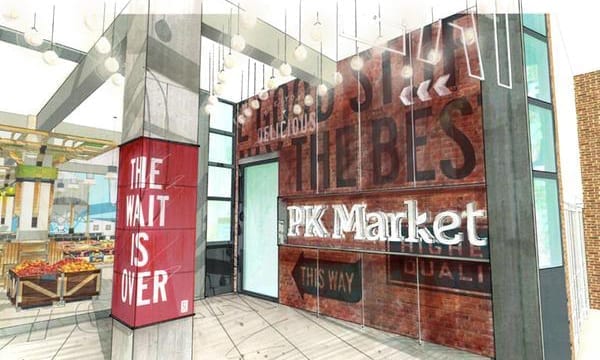
    Shinsegae’s discount chain E-mart plans to enter the US by opening its premium food outlet PK Market.

    While mostly high-end products will be sold at the South Korean group’s outlet, some of its low-tier private brands such as No Brand and Peacock will also be offered.

    E-mart is eyeing cities with significant Asian communities, such as Los Angeles and San Francisco. It may also acquire a food factory in Portland, Oregon, for producing its Peacock products for the US.

    E-mart has also joined hands with US shopping mall giant Taubman, which helped establish Starfield shopping malls in Korea.

    The Korean company has been trying to diversify its global reach, particularly after closing down stores in China over the THAAD row. Its accumulated operating loss in China has reached more than KW150 billion (US$141 million) since 2013, according to industry sources. E-mart finally exited the Chinese market last month.

    Meanwhile, the company plans to open its second outlet in Ho Chi Minh City in May.

  • Honor Opens its First Flagship Store in Myanmar

    Honor Opens its First Flagship Store in Myanmar

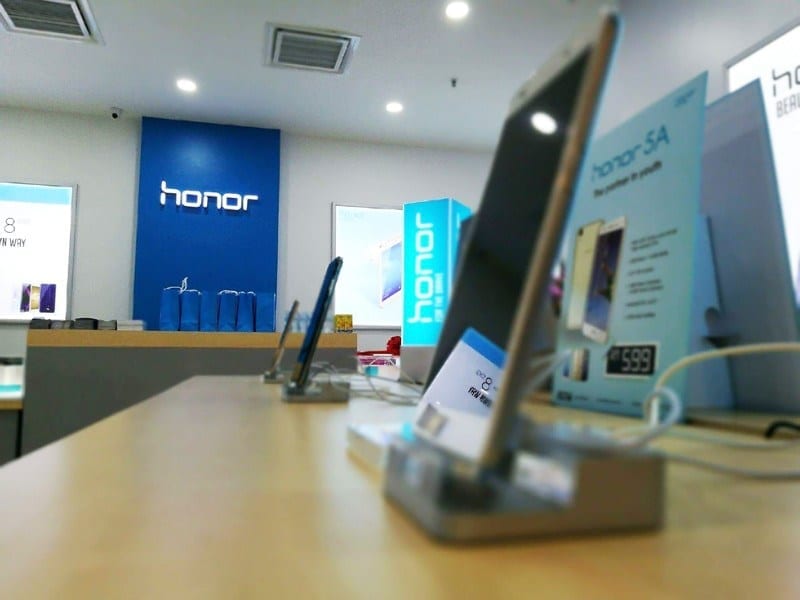
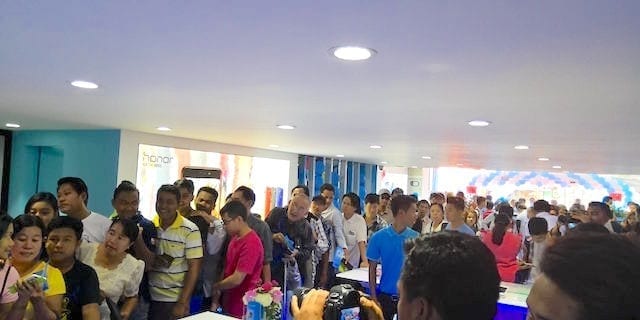
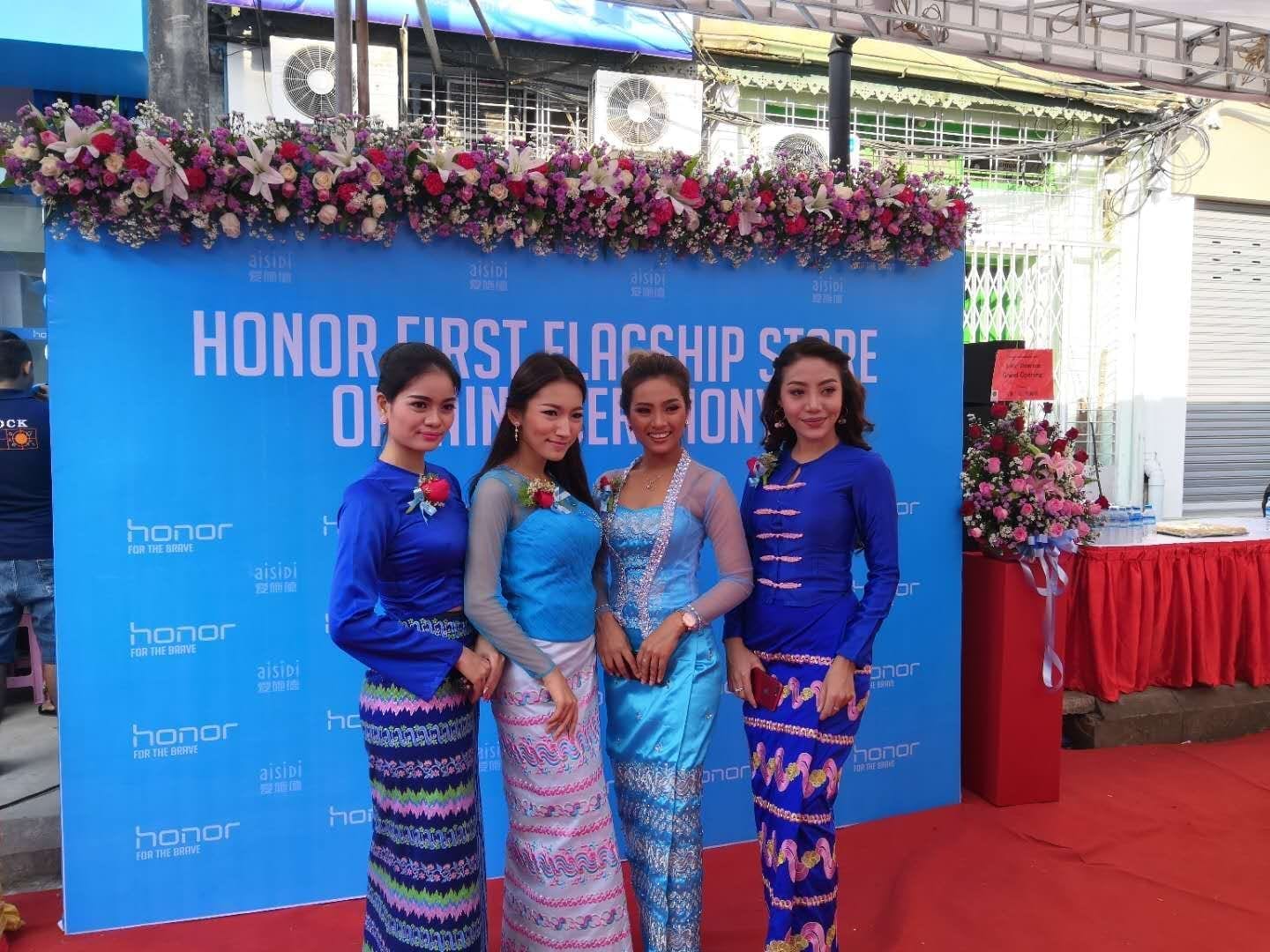
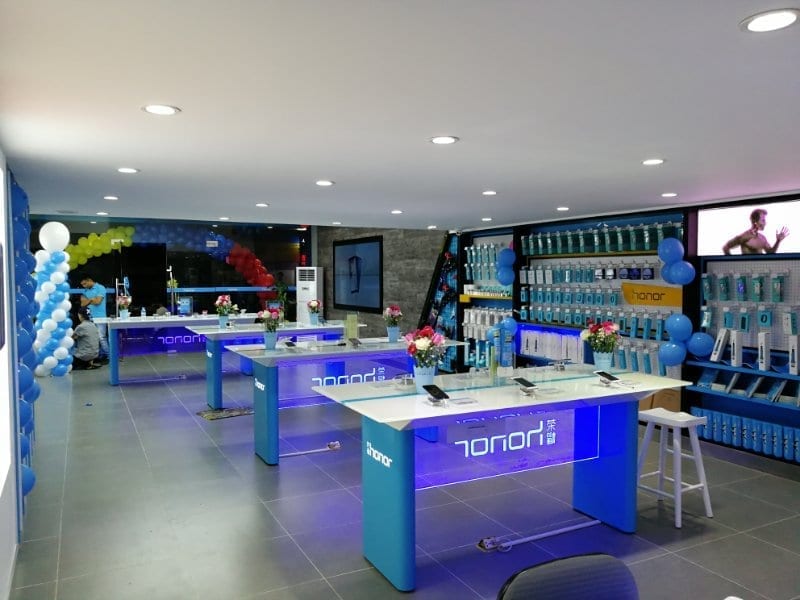
    A flagship store for Honor, a smartphone brand from China’s Huawei Group, has opened in Yangon.

    With its slogan “For the brave”, the brand was created for digital natives and offers internet-optimised products and high specifications at an accessible price level.

    Honor president George Zhao says the Myanmar flagship is a milestone for the brand’s Southeast Asia expansion journey. “Globally, we are confident we will see Honor rise to become a top-five smartphone brand within three years.”

    Four of Honor’s top-rated products feature in the new store: Honor 7X, its first FullView Display smartphone aimed at gamers; Honor V9 Play, a minimalist Scandinavian-style smartphone; Honor 6X, offering budget technology for digital natives; and Honor Holly 6, am affordable high-performance model.

  • Elon Musk has just earned $7.5M for boring out of flamethrowers

    Elon Musk has just earned $7.5M for boring out of flamethrowers

    The Boring Company is getting decently well-capitalized on the back of sales of its flamethrower.

    The no-doubt overpriced piece of knack, which can be made yourself at home using likely around $30 in parts, is selling for $500 and has already netted Elon Musk’s digging venture $7.5 million.

    That’s after just over a day of being on sale, and not counting the revenue from fire extinguisher sales (those sell for just $30, which is itself also overpriced). All told, Musk says he’s sold 15,000 of the flamethrowers thus far, with only a total of 20,000 available in total during the sale.

    Chances are, we are very near the total sell-out of the stock, so if you really want to own this potential piece of transportation history, you would better act fast. Or you could continue living your life, and ignore this particular circus show in favor of paying attention to what will hopefully be the main act: Actually building a network of interconnected underground hyperloops.

    Mr. Musk appeared to suggest the flamethrowers are crucial in case of zombie-linked emergencies. “When the zombie apocalypse happens, you’ll be glad you bought a flamethrower. Works against hordes of the undead or your money back!” he wrote.

    However the flamethrower probably has less to do with zombies than it does to do with Musk’s firm The Boring Company, an infrastructure and tunnelling enterprise.

    In December 2017, the entrepreneur vowed on Twitter that if he could sell 50,000 of a $20 hat made to raise funds for The Boring Company, he would start selling flamethrowers.

    He appears now to be making good on what people believed was a whimsical promise.

    Founded in December 2016, the Boring Company’s project is to create a network of tunnels underneath major US hubs to relieve traffic congestion and enable rapid intercity travel.

    Musk himself later admitted: “The rumor that I’m secretly creating a zombie apocalypse to generate demand for flamethrowers is completely false.”

    Musk said on Twitter that the flamethrower is “great for roasting nuts”, although it can be safely assumed the flames produced by the flamethrower will set light to a wide array of items.

    The Boring Company is also selling a fire extinguisher alongside the gizmo priced at $30.

  • Trunk Clothiers to pilot own-brand wholesaling in China

    Trunk Clothiers to pilot own-brand wholesaling in China

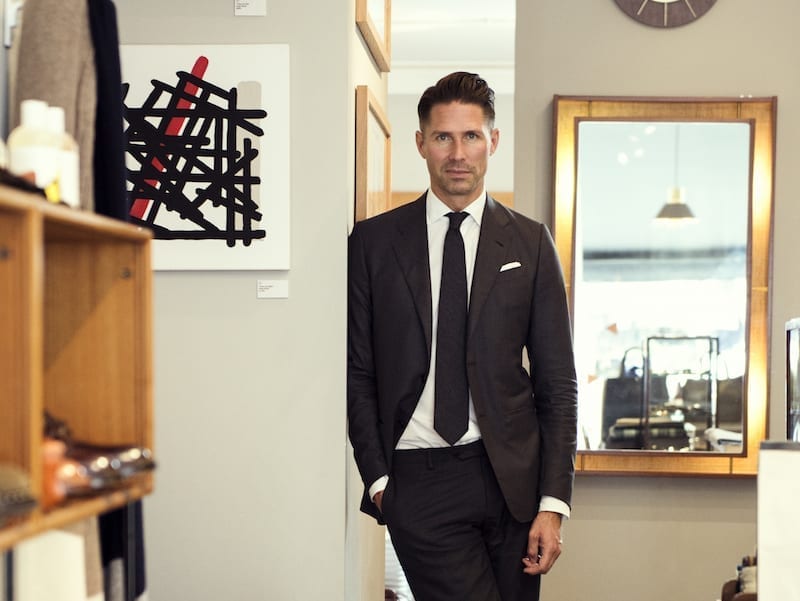
    Gearing up to launch in China, UK menswear boutique Trunk Clothiers is considering a wholesale push of its own-brand offering.

    It plans to trial this through Lane Crawford in Hong Kong, where it already has space, this coming autumn. MD Mats Klingberg says it will pilot a mix of own-label tailoring, shirts and trousers.

    Trunk began collaborating with Lane Crawford last year with a tailoring space at its stores in the Central, Causeway Bay and Tsim Sha Tsui.

    “Coming from a retail background, we have good experience as buyers,” says Klingberg. However, when it comes to taking orders “there’s a lot to learn”.

    “We’re not really set up as a wholesale business. We work with many brands that are also manufacturers, so it would be a natural step for us to do our own thing. It offers more flexibility, because we’re less bound by the seasons. We can also develop our own things based on what we see selling well in the shop, and there’s the creative aspect, too.”

    Meanwhile Trunk’s own-brand offering, which it introduced in 2011 with polo shirts and sweaters, is expanding to t-shirts, outerwear and leather accessories.

    Trunk launched with a shop in London in 2010, followed by its accessories store, Trunk Labs, in 2013.

  • BAssets continues to up stake in 7-11 Malaysia

    BAssets continues to up stake in 7-11 Malaysia

    After rumblings that 7-Eleven Malaysia Holdings is being targeted for privatisation, diversified group Berjaya Assets (BAssets) has taken steps to achieve this.

    BAssets is owned by businessman/investor Vincent Tan Chee Yioun, who has started mopping up 7-Eleven shares on the open market.

    “Something is brewing between 7-Eleven Malaysia and BAssets – a corporate exercise is being contemplated,” the newspaper says, quoting an unnamed source.

    BAssets last week surfaced as a substantial shareholder of 7-Eleven Malaysia. It has a 5.1 per cent stake after acquiring 5.1 million shares on the open market and through direct deals.

    Tan himself is already a major shareholder in 7-Eleven, along with Sultan Ibrahim Sultan Iskandar.

    Including BAssets’ stake, Tan has total equity interest of 42.46 per cent in the 24-hour convenience store chain. He also controls BAssets with a 59.36 per cent stake. Sultan Ibrahim is the second-largest individual shareholder of 7-Eleven Malaysia with a 15.52 per cent direct stake, and he also has a 9.38 per cent direct stake in BAssets.

    Tan’s Berjaya Retail, the single largest shareholder of 7-Eleven Malaysia, has pared down its stake from 48.62 per cent as at January 9 last year to 31.61 per cent in October.

    According to the 7-Eleven corporate website, it has 17,799 stores in Japan, 8469 in Thailand, 5022 in Taiwan, and 477 in Singapore. In Malaysia, it has more than 2100 stores serving about 900,000 customers daily.

  • Meitu try on e-commerce to boost revenues

    Meitu try on e-commerce to boost revenues

    China’s beauty-enhancing app developer and smartphone maker Meitu is looking to boost revenues by expanding further into e-commerce, leading a $5 million funding round in Goxip, a Hong Kong-based online shopping platform.

    Juliette Gimenez, CEO and co-founder at Goxip, said that the Chinese photo-editing applications maker was the biggest contributor to its series A funding round, making it the first e-commerce company in which Xiamen-based Meitu has invested.

    “Meitu will be a strategic partner,” Gimenez said. In addition to the investment, the two companies would cooperate in various ways, including on Goxip’s expansion in the lucrative mainland China market, she said

    Gimenez said she started talking to Meitu’s executives, including founder Cai Wensheng, about six months ago, when the selfie app company was seeking to diversify.

    Meitu, whose image-processing applications are reportedly used to edit more than half of China’s selfies on social media, now labels itself a “mobile internet company.”

    “We will not comment on one single project,” Meitu’s spokesperson said. However, she added: “Meitu’s investment strategy has always been revolving around new technology, beauty and user growth.”

    Last year Meitu rolled out two e-commerce platforms. MeituDIY allowed users to design and create personalized outfits using artificial intelligence and to purchase the items from its platform. The other application, MeituBeauty, specializing in cosmetics and skincare, allows shoppers to try out the products by uploading their selfie.

    The investment in Goxip is also expected to accelerate Meitu’s overseas expansion.

    Goxip partners with more than 500 international online retailers. Its data base comprises more than 36,000 luxury brands and 5 million items, according to its website. The fashion retail platform allows users to search similar products by uploading photos.

    Despite a market cap of 48.97 billion Hong Kong dollars ($6.26 billion), Hong Kong-listed Meitu has not made a profit since it was founded in 2008. But its business segment including online advertising, e-commerce and virtual item sales turned profitable for the first time in the first half of last year, according to its financial filings.

    In December 2017, Meitu acquired a stake in Hong Kong-based media company PressLogic, which uses data and technologies including machine learning to better target advertising on social media.

  • PCCW launches e-commerce platform Habbitzz to plug Hong Kong market

    PCCW launches e-commerce platform Habbitzz to plug Hong Kong market

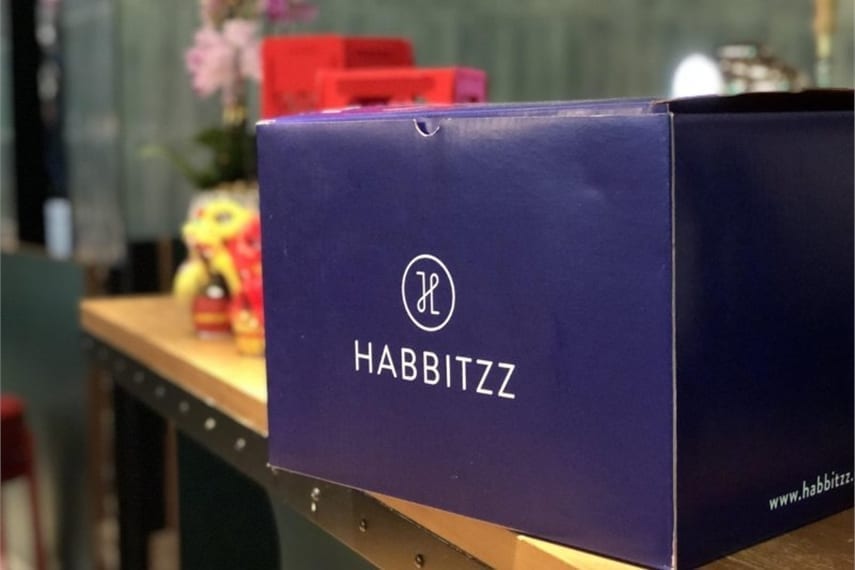
    Hong Kong tech company PCCW is about to launch a B2C e-commerce platform, Habbitzz.

    Kicking off on March 6, it will feature 15,000 SKUs from more than 1000 international brands covering alcohol, babycare, electronics, fashion and beauty, sports and lifestyle, and travel.

    “Think of us as the Amazon of Hong Kong, but remove all the low-end products,” says Habbitzz CEO Alex Bono, who is also senior VP of e-commerce for PCCW solutions, the IT and outsourcing services division of the conglomerate.

    PCCW has been preparing the venture for nine months, and says it came up with the name Habbitzz because it wants Hong Kong consumers to move beyond their more traditional habits of shopping.

    Bono says the goal is to have 100,000 products and services by this time next year, with a broader O2O strategy in the works by 2019 or 2020.

    Alongside the main business of Habbitzz Retail – the webstore reselling products from both mainstream and niche merchants – are two other business lines: Habbitzz Express (warehouse and logistics support) and Habbitzz Services (CRM, data analytics and payment gateway technology).

    “At speed”

    Bono says PCCW is letting Habbitzz have “more freedom to execute at speed”.

    “One year in, this startup will be like five years in a corporation like PCCW that is accustomed to big, finalised products,” he says.

    PCCW had previously tried to grow e-commerce “in a corporate way” with its e-commerce-as-a-service package. In November 2015, PCCW Solutions also ventured into e-commerce logistics. With LTF Asia, it jointly launched a network of automated lockers, House of Parcels, to store online orders for customer pick-up.

    For Habbitzz, Bono has hired almost 100 employees based in Hong Kong and the Philippines including data scientists, software engineers, merchandisers, product managers, search-engine technologists and design specialists.

    Habbitzz’s main local rival, HKTVMall, launched in 2015 and today handles 7600 daily orders, taking in an average of HK$537 an order from 180,000 products out of 2700 brands.

    “There will be categories in which Habbitzz will overlap with HKTVMall, but we aim for premium positioning,” says Bono. “We will definitely not hold any cheap brands.”

    He says Habbitzz is aiming for same-day or even a four-hour delivery window.

  • Zhejiang World Trade Center to have new face

    Zhejiang World Trade Center to have new face

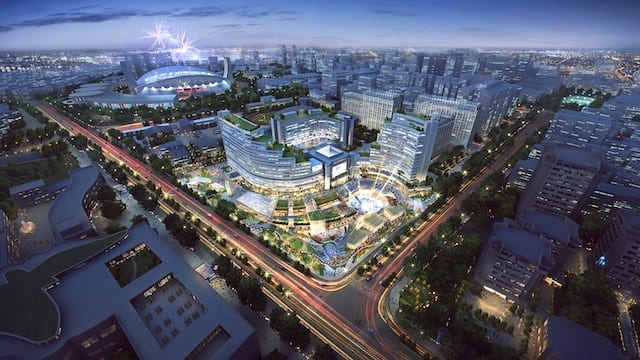
    Hong Kong architectural and interior design practice Leigh & Orange (L&O) has been engaged to redesign the Zhejiang World Trade Center in Hangzhou.

    Built in 1987, the centre was originally designed as a key foreign trade venue during the early years of Chinese economic reform. With the concept of a transit-oriented development, the new design will help rezone the hotel/office/convention centre clusters to become a catalyst for the business community.

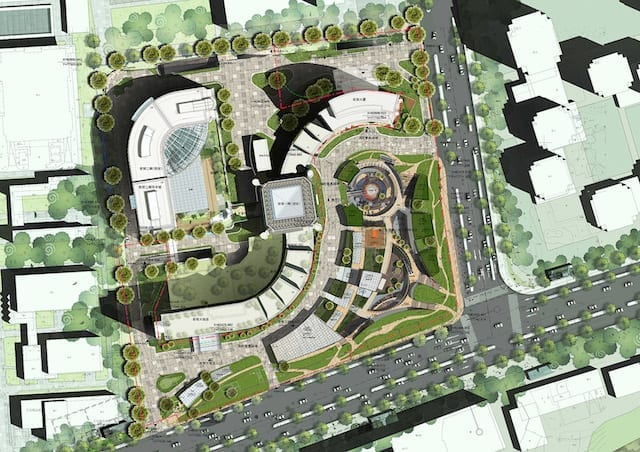
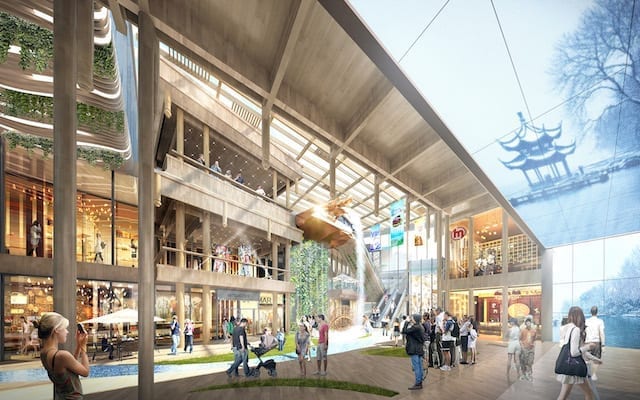
    In heart of the Huanglong financial district, near West Lake, the project is primarily an underground redevelopment with a construction area of 79,250sqm, including 24,700sqm of commercial spaces. The basement retail will be seamlessly connected to the metro, forming a public gathering space and focal point for the community.

    Central to the design is a “retail park” concept, featuring an indoor sport-themed arcade and an outdoor park trail. There will be two major retail anchors, a sports-themed concept store and a flagship bookstore.

    L&O project director Kelvin Li says the project will help shape the future of the Huanglong district. “With the 2022 Asian Games in Hangzhou, we hope to work hand-in-hand with Hangzhou Metro to transform this into a world-class mixed-used development. ”

    Construction will start in April and is expected to complete in 2021.

  • Cotton On’s Factorie to step out from two markets

    Cotton On’s Factorie to step out from two markets

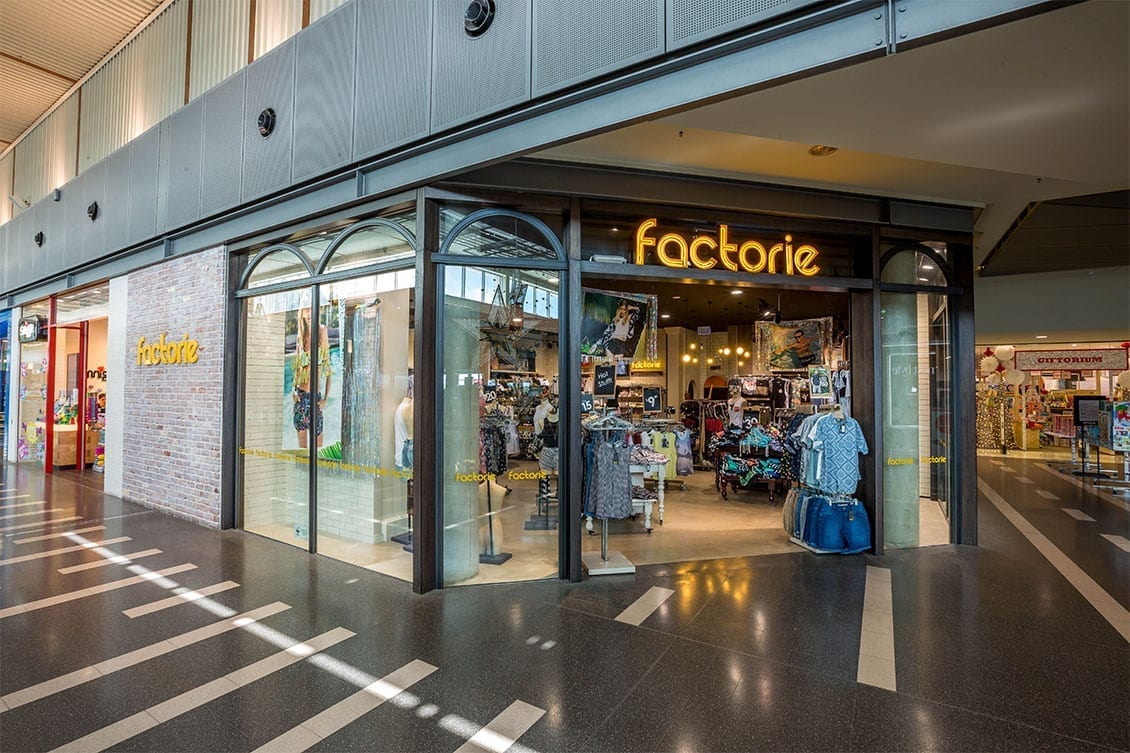
    Cotton On Group has confirmed it is withdrawing its fashion brand Factorie from Malaysia and Singapore.

    A spokesperson says the move impacts eight outlets, four in each country, but the company will seek to improve its store footprint across the markets. “We value the incredible contribution our team members have made to Factorie …they remain our number-one priority and we’re working closely with them to identify opportunities for their redeployment within the business.”

    The spokesperson would not comment on the reason behind the closure. While the stores are scheduled to shutter by the end of next month, Factorie products will still be available online on Zalora.

    Factorie entered the Asia Pacific market in 2013. Its latest move follows fashion brands such as Celio and New Look leaving the Singapore market.

    Meanwhile, the retail industry in Malaysia saw sales dip 1.1 per cent in the third quarter last year. According to a Retail Group Malaysia report, this was because of a drop in purchasing power among Malaysians.

  • Lina’s Paris opened new eatery at Incheon Airport

    Lina’s Paris opened new eatery at Incheon Airport

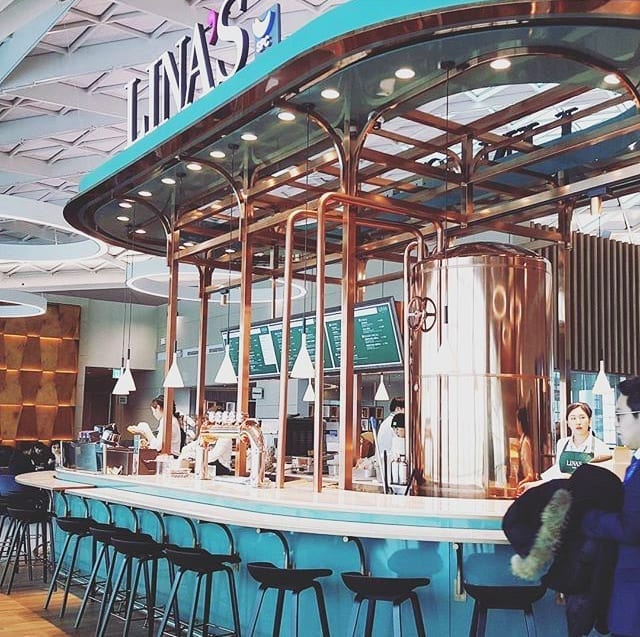
    French restaurant brand Lina’s Paris has opened a kiosk in the new terminal at Seoul’s Incheon Airport.

    Managed by the exclusive franchisee SPC, it is the brand’s 12th outlet in South Korea. Half the sales in the country are beverages, predominantly French coffee and French draft beer.

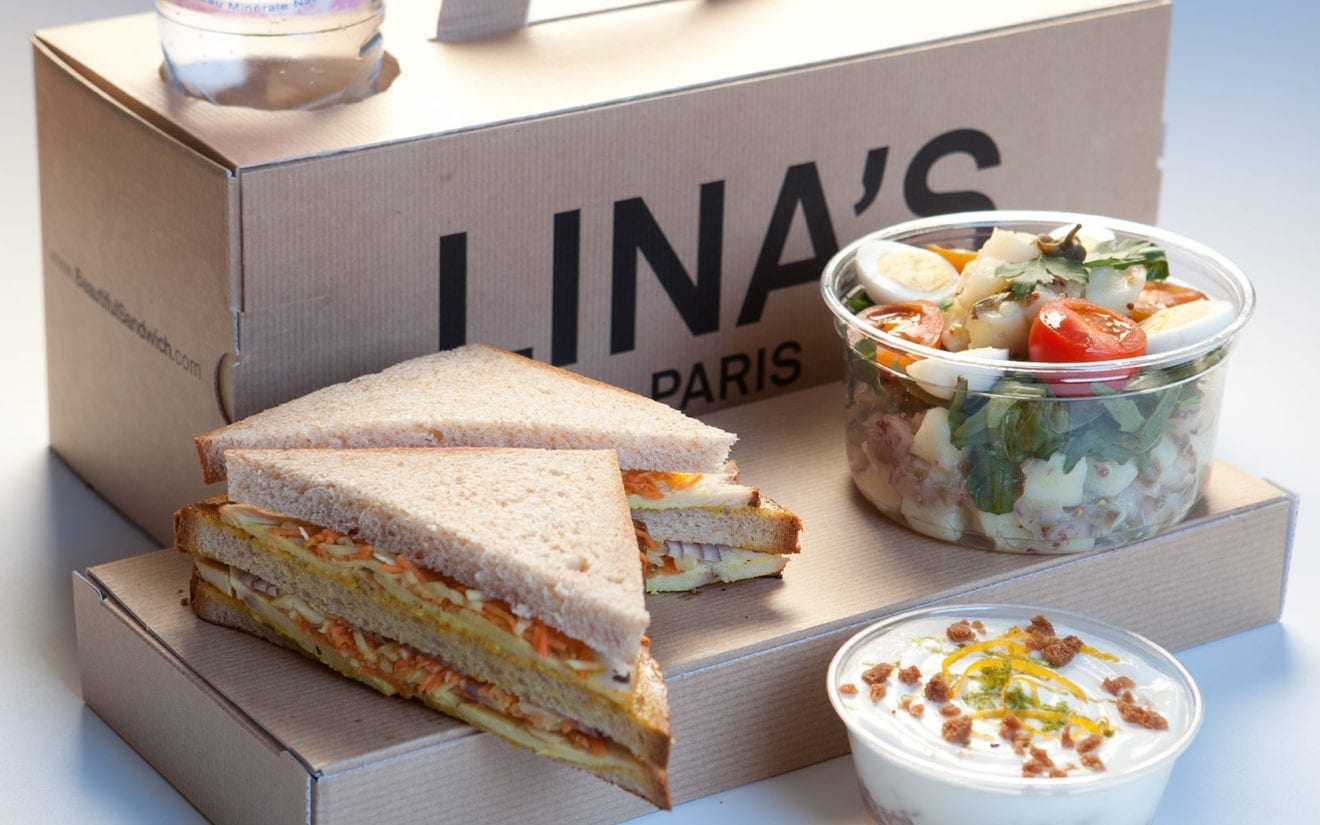
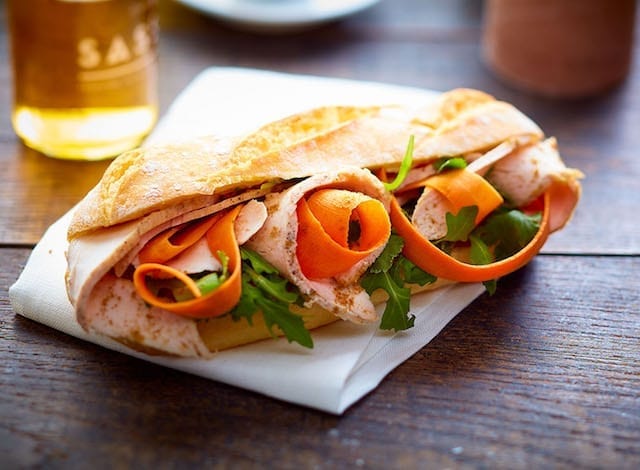
    A concept that is midway between a French cafe and a quick-service restaurant, Lina’s Paris was founded in 1989 based on four factors: a full range of French preparations (breakfasts, sandwiches, salads, hot dishes, soups, fresh juice, sorbet and pastry), a comfortable environment (a lounge area, free Wi-Fi, free press and a Parisian atmosphere), creative and authentic French recipes, and healthy, fresh, quality products and preparation.

    The brand has nearly 55 restaurants in six countries, with South Korea being the first for Asia. Development plans include expansion in Southeast Asia.

    Lina’s Paris will be looking for opportunities at the Paris Franchise Expo from March 25 to 28.