Author: Mei Ling Tan

  • Bank of Indonesia Says Limited Room to Cut Interest Rates

    Bank of Indonesia Says Limited Room to Cut Interest Rates

    Bank Indonesia Governor Agus Martowardojo emphasized on Wednesday (24/01) that there is limited room for lowering interest rates due to the United States Federal Reserve’s plan to increase its benchmark rate, and the need to keep inflation in check.

    “[Room] to adjust the seven-day reverse repo rate is probably very narrow under the current conditions,” Agus told reporters. He added that the central bank will rely more on other monetary instruments to drive the economy.

    Agus said Bank Indonesia will relax reserve requirements by July. Lenders are currently required to keep a minimum reserve of 6.5 percent of their total rupiah deposits at the central bank at any time, comprising daily reserve of 5 percent and a two-week averaging reserve of 1.5 percent.

    Agus said Bank Indonesia will increase the averaging portion to 2 percent to allow lenders to be more flexible in managing their liquidity.

    It will also relax the averaging rules for foreign exchange deposits and sharia-compliant banks.

    The central bank will also allow larger bond purchases as a portion of banks’ loan to deposit ratios, and improve secondary reserve requirements for macroprudential liquidity buffers.

    Agus said the external risk stems especially from the Fed’s plan to increase its benchmark rate, while there are also fears that geopolitical conditions may increase pressure on financial market stability, including in Indonesia.

    Bank Indonesia will also pay more attention to inflationary pressures, especially on volatile goods. Prices of rice, chili peppers and other horticultural items are expected to greatly contribute to inflation this month, he said.

    “We welcome the government’s decision to import rice, and as rice harvest will also take place soon, the prices will be under control,” Agus said.

    Bank Indonesia has set an inflation target of between 2.5 percent and 4.5 percent this year.

    The central bank last cut its benchmark interest rate in October to 4.25 percent from 4.5 percent, as inflation continued to decline at the time. This also complemented the bank’s monetary easing, which saw it cut by 200 basis points from December 2015 until last year.
  • Walmart and Rakuten Announced New Strategic Alliance

    Walmart and Rakuten Announced New Strategic Alliance

    In Tokyo today, Walmart president/CEO Doug McMillon and Rakuten chairman/president/CEO Hiroshi “Mickey” Mikitani announced a strategic alliance aimed at expanding consumer reach and enhancing customer service.

    Included in the collaboration is the launch of an online grocery delivery service in Japan as well as an exclusive retail alliance between the US retail giant and e-reading service Rakuten Kobo. This will enable Walmart to sell e-books and audiobooks, as well as offer Rakuten Kobo e-readers in stores and online in the US.

    “We’re excited to collaborate with the top online shopping destination in Japan,” says McMillon.

    “We look forward to expanding our grocery footprint in Japan and launching eBooks and audiobooks for our customers in the US.”

    Rakuten and Seiyu GK, a Walmart subsidiary, have reached a basic agreement to establish a JV to launch a delivery service for online grocery shoppers in Japan, to be known as Rakuten Seiyu Netsuper and planned to start late this year. With the aim of increasing fulfillment capacity, enriching the merchandise offering and improving customer convenience, the service will establish a fulfilment centre this year as well as offering deliveries from Seiyu stores.

    The service’s merchandise offering will showcase Seiyu’s twin strengths of “quality” and
    “low prices”. It will include not only fresh produce and daily consumables, but also convenience items such as cut vegetables, partially prepared foods and ready-meal kits, as well as local gourmet products from Rakuten Ichiba marketplace merchants.

    An optimised user experience will be offered, with more personalisation enabled by big data and AI. Customers will be able to earn and use Rakuten Super Points on more than 70 services.

    Meanwhile, Walmart will become Rakuten Kobo’s exclusive mass retail partner in the US, offering nearly 6 million titles from thousands of publishers and hundreds of thousands of authors. Walmart will also sell digital book cards in more than 4000 stores.

    All e-book content will be accessible through a Walmart/Kobo co-branded app for Android and iOS devices, a desktop app and Kobo e-Readers, which will also be sold at
    Walmart.

  • Bench Café Opens At The New Bench Flagship Store

    Bench Café Opens At The New Bench Flagship Store

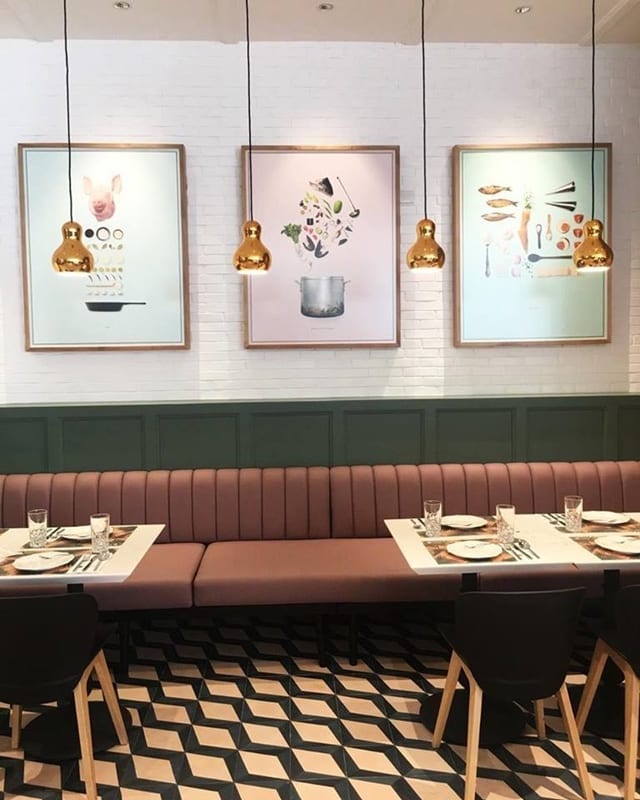
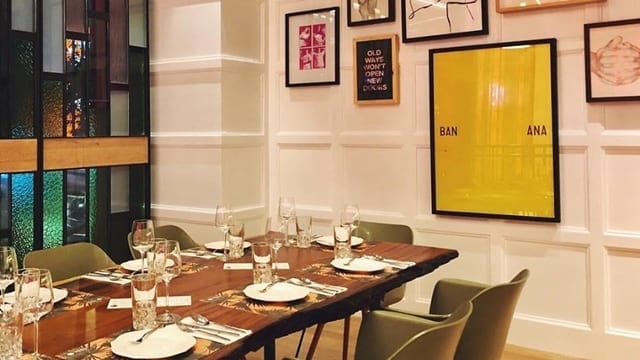
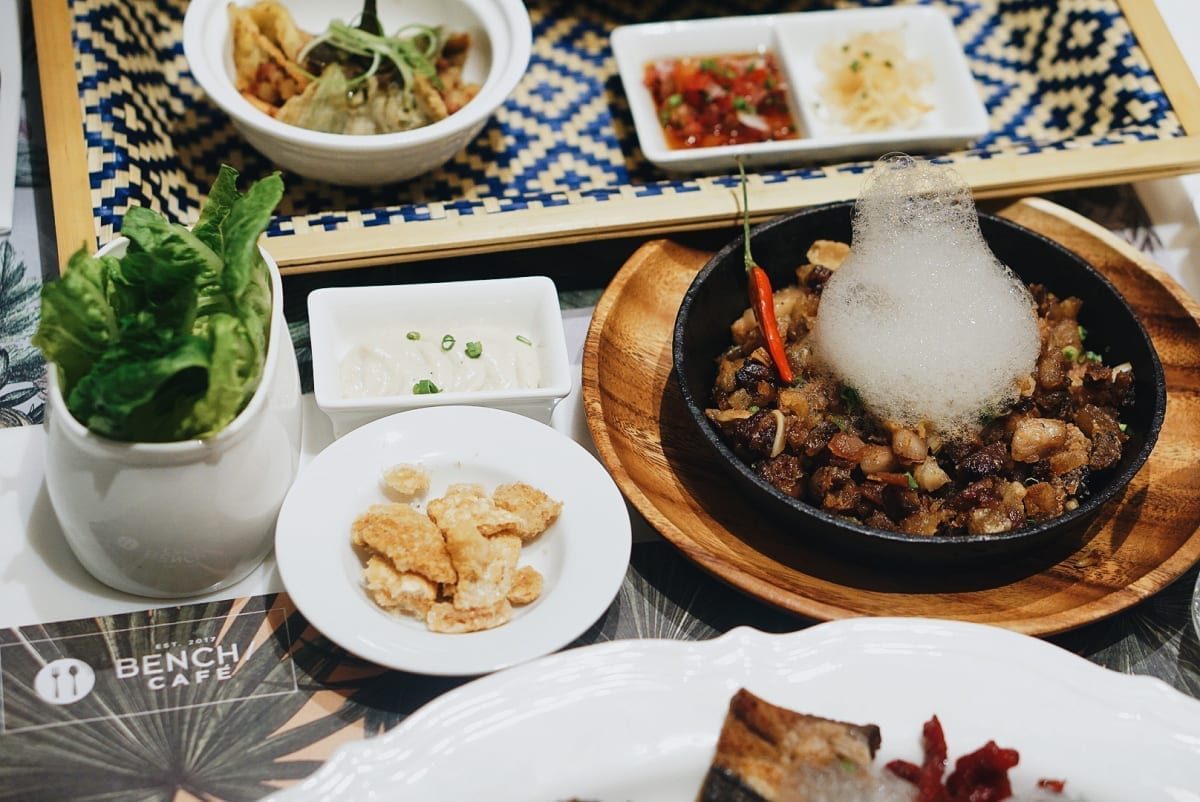
    Philippine clothing brand Bench has opened its own cafe, in its Bonifacio High Street flagship store in Bonifacio Global City, Taguig.

    The interior was designed by Miguel Pastor, and the food is by the Foodee Group under executive chef Carlo Miguel. He has lined up such Filipino dishes as Binagoongan Caesar and “bento boxes” with soup, vegetables, rice and choice of ulam (entree) like fried tilapia and bistek (beef steak).

    “Through food, we tell stories of our past, present and future by making local traditions accessible to more Filipinos and Filipinos at heart,” says Bench, a casual clothing brand that now has a presence in China and the US. It is endorsed by local and international celebrities including Adam Levine, Bruno Mars, Lee Min Ho, Liam Hemsworth and Nicole Scherzinger.

    The company that owns Bench also has franchise rights to such international brands as Aldo, American Eagle Outfitters and Jo Malone. It also manages international restaurant chains like Pablo Cheese Tart and Paul boulangerie.

  • 35,000 smart phones in Viet Nam infected by GhostTeam virus

    35,000 smart phones in Viet Nam infected by GhostTeam virus

    More than 35,000 smartphones in Việt Nam have been affected by the GhostTeam virus, according to the BKAV Technology Group.

    The virus takes advantage of popular Vietnamese applications in Google Play to spread and steal Facebook passwords.

    Hackers provide applications like flashlights and calendars, which, after installing, automatically download the virus.

    The applications sound a security warning and offers suggestions on what to do, tricking users to click on a harmful link.

    BKAV experts warn that smart phone users should scan their phones and change their Facebook password immediately if they discover the virus.

    Vũ Ngọc Sơn, BKAV Technology Group’s deputy chairman in charge of anti-malware, said: “It is very hard for users to be vigilant against viruses infiltrating through Google Play. In this case, users should use anti-virus software to get automatic protection.”

    Google Play has already deleted harmful Vietnamese applications, but smart phones in which they are already installed face a very high possibility of infection.


  • Asos posts massive growth across globe

    Asos posts massive growth across globe

    Online fashion retailer Asos has reported a 30 per cent rise in retail sales during the last four months of 2017.

    Across its international marketplaces including Australia, the retailer said sales were up 35 per cent to 489.5 million pounds.

    The UK-based retailer saw sales increase 23 per cent to hit 300 million pounds in its home market during the period, which the retailer said was driven by a range of initiatives.

    “We acquired 2.6 million active customers year on year and saw encouraging movements across all key customer KPIs,” said Nick Beighton, CEO.

    “Velocity in our technology programmes continued, with a record number of releases.”

    Beighton said its customer proposition was further enhanced in the U.K. by the launch of ‘Try Before You Buy and ASOS Instant, the retailer’s same day delivery proposition.

    “Following this strong start to the year, we remain confident in our full year guidance and delivery of our planned investments in infrastructure to support our global ambitions.”

    The retailer expects its full year capital expenditure to now be around the upper end of the previously indicated range of £200-220m.

  • Singapore’s A DrBrand to expand overseas

    Singapore’s A DrBrand to expand overseas

    Singapore skincare and haircare company A DrBrand is about to expand overseas.

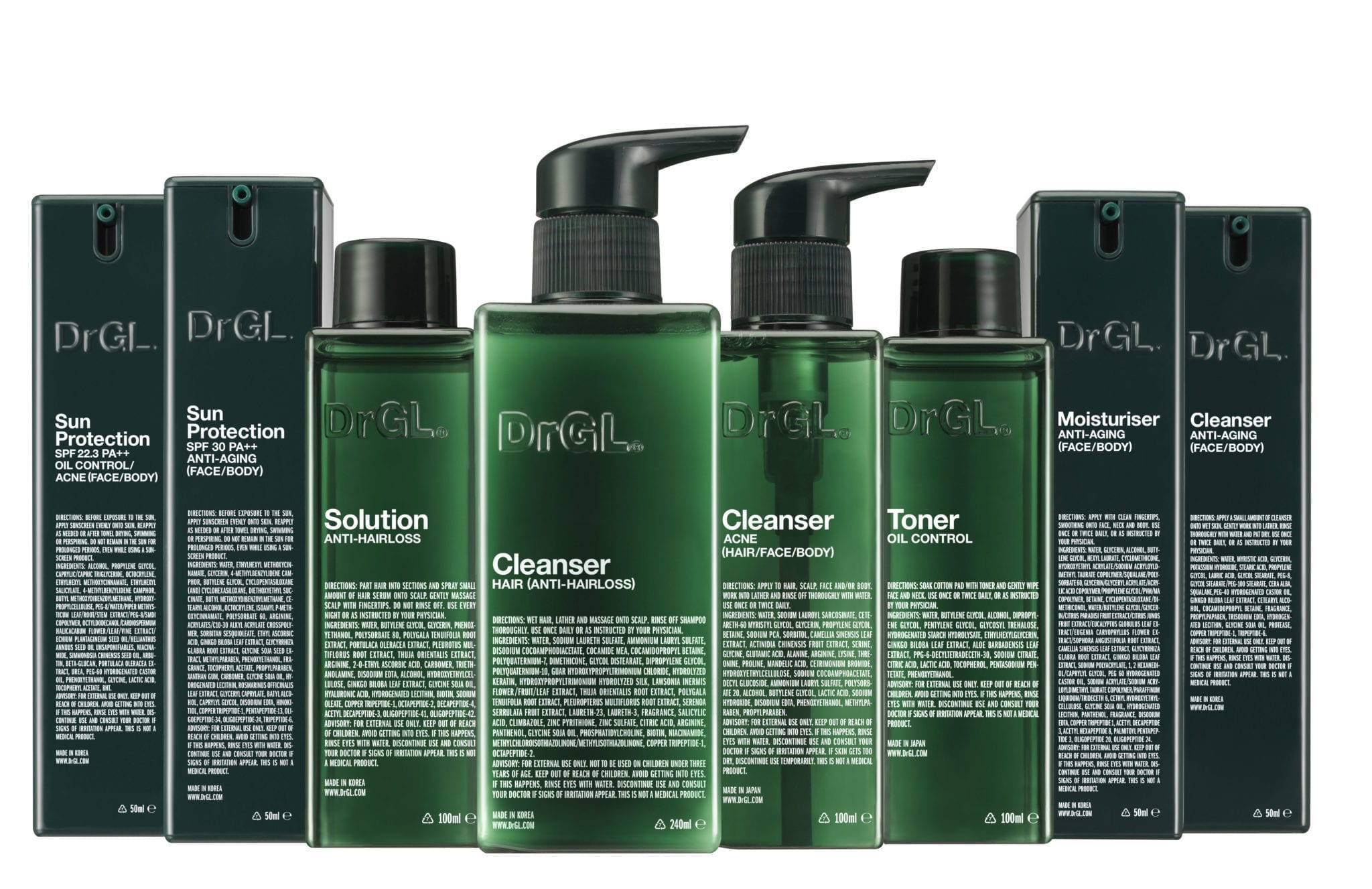
    Distributors have already be signed for its DrGL and DrHair lines in China, France, Germany, Hong Kong, London and the US, progressively from the second quarter this year. A number of partners are in negotiations with the business to open concessions and brick-and-mortar stores and to sell online.

    Dr Georgia Lee is the co-founder of the brand, which encompasses DrGL skincare products, DrHair hair products and the DrSpa chain. What started as a handful of skincare products in 2009 has evolved into a 40-product line. Since 2016, A DrBrand’s revenue has grown 500 per cent year on year.

    In 2011, Dr Lee opened DrSpa, offering face, body and scalp treatments. There are four outlets – at Tangs at Tangs Plaza, Orchard Gateway, Palais Renaissance and TQL Suites, a residential development in Bugis.

    Dr Lee’s friend Patsy Ong-Hahl joined A DrBrand in 2016 as co-founder and chief executive. An angel investor who has grown businesses in various industries, including fashion and tourism, decided to join the company partly because she had seen “the amount of blood, sweat and tears” Dr Lee had put into formulating the products.

  • AirAsia, AirAsia X Malaysia log increase in passenger volume, load factor in Q4 2017

    AirAsia, AirAsia X Malaysia log increase in passenger volume, load factor in Q4 2017

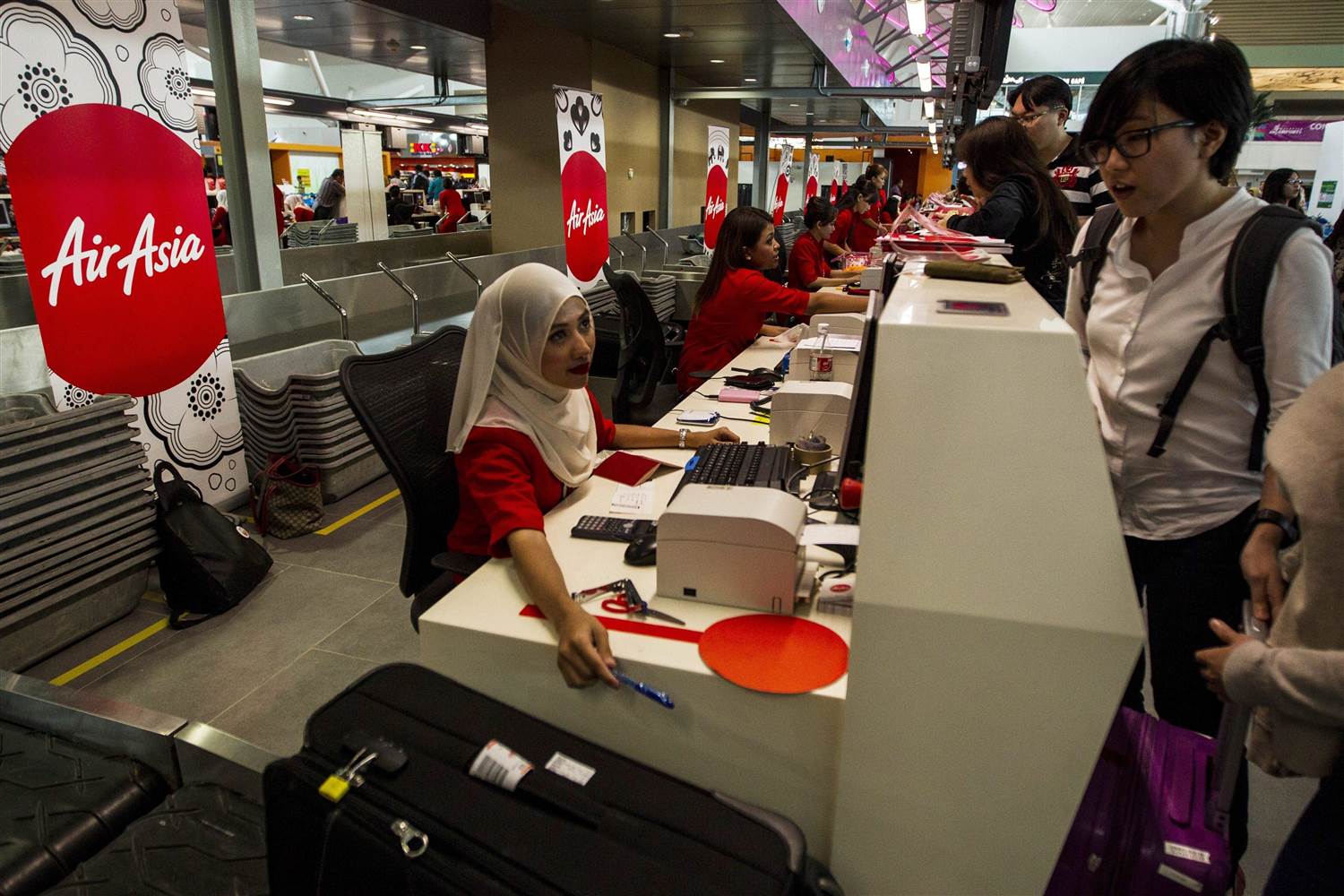
    Budget airlines AirAsia Bhd and its long-haul carrier counterpart AirAsia X Bhd registered higher year-on-year passenger volume and load factor in the fourth quarter of 2017.

    Air Asia carried 10.44 million passengers between October and December 2017, which is a 17% increase from the previous year’s 8.25 million, in line with the 16% seat capacity increase to 11.93 million.

    The low-cost carrier, which saw an expansion to its fleet to 116 aircraft, also saw its load factor improve by 1% to 88% against the 87% registered in the same quarter in 2016.

    Meanwhile, its Malaysian operations reported a 15% increase in passenger volume to 7.79 million from 6.76 million in the quarter under review.

    AirAsia commenced 10 new routes, five originating from Malaysia, two from the Philippines and three from India, while AirAsia Japan commenced its first flight on October 29, 2017, flying between Nagoya and Sapporo.

    On another note, AirAsia X carried 1.54 million passengers in the last quarter of 2017, translating into a 12% increase from the fourth quarter of 2016. Load factor improved 2% to 83% while capacity expanded 10% to 1.87 million from 1.7 million.s

  • Ikea founder passed away

    Ikea founder passed away

    Ingvar Kamprad, the founder of Swedish furniture giant Ikea, has died at the age of 91.

    The furniture giant said Kamprad passed away at his home in southern Sweden on Saturday.

    “The founder of Ikea and Ikano, and one of the greatest entrepreneurs of the 20th century, Ingvar Kamprad, has peacefully passed away, at his home in Smaland, Sweden, on the 27th of January,” the retailer said in a statement.

    “(He) was a great entrepreneur of the typical southern Swedish kind – hardworking and stubborn, with a lot of warmth and a playful twinkle in his eye

    “Ingvar will be very missed and warmly remembered by his family and Ikea colleagues around the world.”

    Founded in 1943 by Kamprad when he was a teen, Ikea began developing its own furniture in the mid-1950s, popularising renowned Scandinavian design – sleek and functional – on an industrial scale and conquering first Europe and then North America before taking on the rest of the world.

    He got the idea for flat-pack furniture as he watched an employee taking the legs off a table to fit it into a customer’s car and realised that saving space meant saving money.

    Kamprad has been previously ranked among the world’s 20 richest people by Forbes magazine. His personal fortune was recently estimated at more than 30 billion euros ($A45 billion) and Ikea is now heading for 50 billion euros in annual revenues.

    Few people can claim to have genuinely revolutionised retail, but Kamprad did, according to Neil Saunders, managing director of GlobalData Retail.

    “When he founded it, Ikea was markedly different to anything that had existed in retail,” he said.

    “Much of this difference was down to Ingvar’s Swedish heritage and instincts.”

    Consumers embraced his ideas, said Saunders who added it is no exaggeration to say that Kamprad’s innovative approach changed not just the furniture sector, but the way people decorated and led their lives at home.

    “He believed that home furnishings should be democratic; that people of all income levels should be able to afford to decorate and furnish their homes stylishly and comfortably. He also believed in thrift, efficiency and hard work.

    “Putting these two concepts together, gave rise to the revolutionary idea of flat-pack furniture. Distributing flat-pack was much more efficient and economical than shipping fully made items. It also divided the effort – prices were lower because the customer had to assemble the product; that was the trade-off or compromise.”

  • Vinamilk set to expand abroad

    Vinamilk set to expand abroad

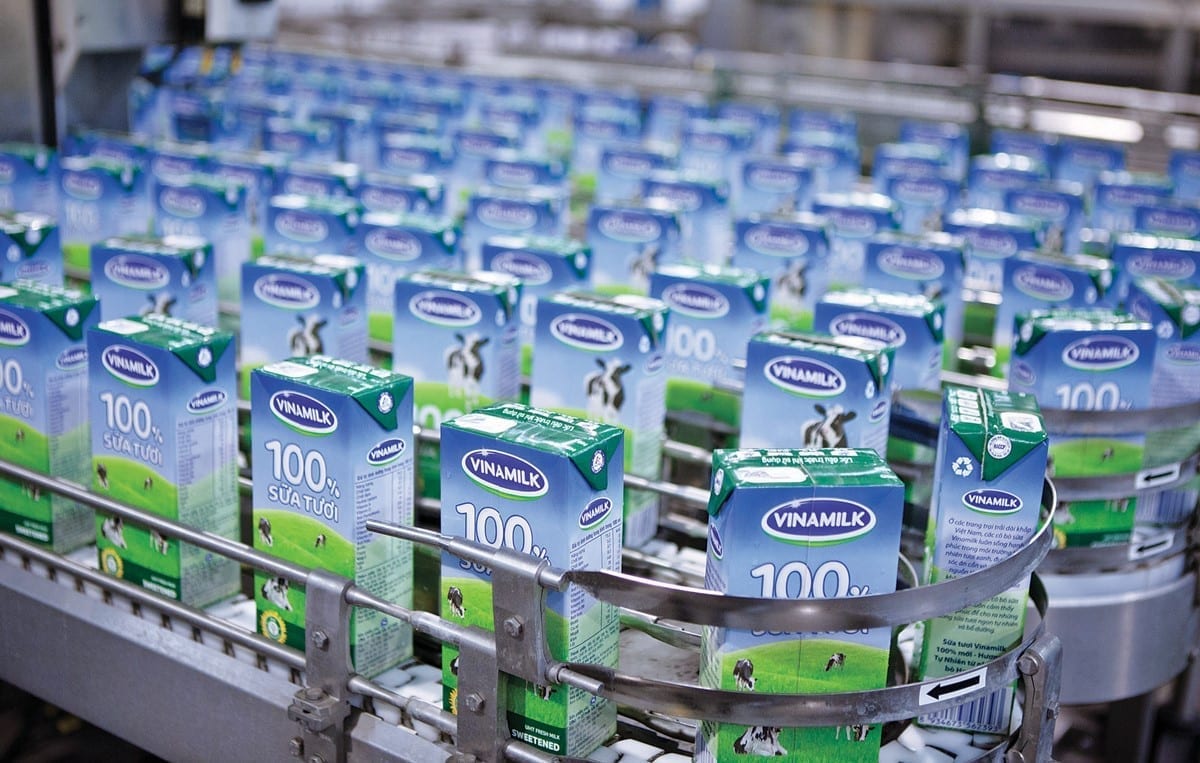
    Dairy giant Vinamilk will continue to expand abroad, especially in emerging market like Laos and Myanmar, this year.

    “Vinamilk will build a plant in Myanmar and an organic cow farm of several thousand hectares in Laos this year,” Đỗ Thanh Tuấn, the company’s PR director, told a press conference in HCM City on Thursday.

    All procedures have been completed for the farm, which will be just 100km from another Vinamilk farm in the central province of Nghệ An.

    “We will expand our [farms in Việt Nam] to meet demand.” Tuấn said.

    Now dairy production in the country only meets 35 per cent of the demand.

    “Vinamilk can collect 750 tonnes of fresh milk from its 10 farms and 8,000 farming households daily, and that is enough to meet the national demand for pasteurised milk,” Tuấn said.

    The company already has plans in place to process coconuts for export, especially to the United States.

    “Việt Nam has huge potential in coconut products, but only one domestic company, TTC, is exporting them. We recognise that demand for coconut products in the US is huge, and Vinamilk decided to enter the market and a large raw material supply area will be set up soon in the southern province of Bến Tre.”

    In the last 20 years, 2017 was the first time the company’s exports declined due to political fluctuations in the Middle East, a big market for it, he said.

    “We only achieved 67 per cent of the year’s export target, but thanks to an immediate change in strategy to focus on the domestic market, Vinamilk’s turnover still increased by 10 per cent from 2016.”

    At the end of last year, the company also marked its presence in the sugar industry by acquiring a 65 per cent stake in the Khánh Hòa Sugar Company for nearly VNĐ1 trillion (US$44 million) and changing its name to the Việt Nam Sugar Joint Stock Company (Vietsugar).

    “Every year, Vinamilk consumes around 130,000 tonnes of sugar, but the price of sugar in Việt Nam is always 30-40 per cent higher than in neighbouring countries, especially Thailand.

    “We will be very active in producing sugar and even plan to triple the capacity of Vietsugar to 500,000 tonnes a year,” Tuấn said.

    He promised that the sugar made by Vinamilk would be cheaper than others’ and the company could take advantage of its 260,000 retail shops to sell the product.

    Last year, the company had a 58 per cent stake of the estimated $4 billion dairy market.


  • Single-brand retailers now easier to enter India

    Single-brand retailers now easier to enter India

    Indian Prime Minister Narendra Modi has removed the need for a federal approval of foreign single-brand retailers entering India.

    He has also relaxed the rule mandating 30 per cent local sourcing giving companies five years to reach the threshold.

    The surprise moves will speed the launch of at least 10 foreign brands believed to have applications in processing at present, including Uniqlo parent Fast Retailing and Tesla, according to a report in the Times of India. Fast Retailing had lodged an application to open Uniqlo stores last November, and Tesla has been in talks with government officials.

    “There are around 10 applications under single-brand retail trading and these will be positively impacted once the amendments in the FDI policy are notified,” Suresh Prabhu, Commerce and Industry Minister said without revealing brand names.

    Apple may be another foreign company to benefit from the about-face. The US tech giant had a previous application to enter the country via its own Apple stores declined because it could not meet local content requirements.

    Foreign brands have long been frustrated by Indian government restrictions on single-brand retailers, which were effectively designed to protect the ‘unorganised’ domestic retail sector, dominated by ma-and-pa retailers.

    Modi is trying to stimulate the Indian economy by relaxing foreign investment rules in a number of sectors, even allowing overseas companies to take a stake in the national carrier Air India.

  • Indonesia to Start Implementing Stricter Regulation for Ride-Hailing Services in February

    Indonesia’s Transportation Minister Budi Karya Sumadi confirmed on Thursday (25/01) the government will start implementing its newly-revised regulation for app-based ride-hailing services in February.

    The new ministerial regulation for services like Uber and Grab was set in October last year. It has been trialled in some major cities including Jakarta, Bandung (West Java), Semarang (Central Java), Surabaya (East Java) and Medan (North Sumatra).

    The new regulation will impose operational area limits for app-based taxis and require their drivers to obtain a public transportation driver’s license. Each driver will also have to join up with a company or a co-operative with at least five members.

    Cars used by app-based taxis will have to undergo regular test to keep their certificate of roadworthiness, or KIR, and each car should have a sticker saying it is being used as a ride-hailing cab.

    “In England, Uber cars have that kind of sticker, that’s easily seen on the street,” Budi told reporters at Kuningan City Mall in Jakarta on Thursday (25/01).

    “The ultimate goal for this regulation is to provide better safety for passengers,” he said.

    Many online taxi drivers have been complaining about the new regulation since it was first introduced in October.

    According to them, the hardest requirement to meet in the new regulation is re-registering the car as a public transportation vehicle and doing the KIR test regularly.

    “The regulation has to be fair,” Budi said. “It’s for everyone’s benefit. But public safety is our top concern. The regular KIR test, for example, is to make sure the cars are in tip-top shape,” Budi said.

    Last Monday, hundreds of online taxi drivers marched to the Transportation Ministry headquarters in Jakarta.

    The drivers promised a bigger street protest next Monday, Jan. 9, in front of the presidential palace.

    The government has also said it will impose tiered sanctions for drivers who disobey the rules, from suspending their license, fines of up to Rp 500,000 ($37) to a two-month jail sentence.

  • Shinsegae to ramp up e-grocery business with $940 million from private equity

    Shinsegae to ramp up e-grocery business with $940 million from private equity

    South Korean retail heavyweight Shinsegae has drawn a US$938 million investment to help it build a major e-commerce business.

    Shinsegae has signed an initial funding agreement with BRV Capital and private equity company Affinity Equity Partners as it strives to make the most of a rapidly expanding Korean online shopping market.

    Shinsegae says it will carve off the online business divisions of Shinsegae Department Store and its discount store chain operator E-Mart and merge them to establish a separate affiliate dedicated to the group’s e-commerce business.

    “Our goal is to launch the new affiliate within this year,” Choi Woo-jung, head of the group’s e-commerce business, said in a press release. “Further details, including the name of the company and its structure, will be decided down the road.”

    Shinsegae plans to carry out new business projects, including mergers and acquisitions, through the spun-off company and raise it as the business group’s key distribution channel with an annual revenue of 10 trillion won by 2023.

    Shinsegae’s e-commerce business has been posting double-digit growth since the launch of an integrated online mall for its subsidiaries, SSG.com, in 2014, it said. The online platform logged 1.5 trillion won (nearly $1.4 billion) in sales in the first nine months of 2017.

    The retailer’s move to expand its e-commerce business comes in line with a steep rise of purchases made over the Internet in South Korea as the use of smartphones has fully caught on with local consumers.

    Transactions made with personal computers and other mobile devices reached 7.55 trillion won November last year, up a solid 21.7 per cent from a year earlier, according to data from Statistics Korea.

  • Alibaba and Kroger in talks

    Alibaba and Kroger in talks

    Looking to fight back against Amazon’s move into the grocery business, Cincinnati-based Kroger is reportedly eyeing an alliance with the Seattle juggernaut’s nemesis: China’s Alibaba.

    Industry speculation has Kroger exploring everything from a technology alliance to an outright acquisition by the Hangzhou-based tech company. Such an epic takeover – which could easily top $50 billion – would be four times larger than last year’s acquisition of Whole Foods by Amazon that sent traditional grocers scrambling to boost their digital capabilities.

    Senior Kroger executives met with senior Alibaba officials last month in China, the New York Post and Reuters reported, citing unnamed sources. While details of a potential partnership were not revealed, an arrangement of some type was disclosed by of all sources, China’s Ministry of Commerce.

    “Alibaba has teamed up with Kroger … to speed up the integration of online and off-line sales,” the Chinese agency said in a statement on Jan. 13.

    Kroger shares rose Thursday as investors pondered the merits of a pact or a takeover of Kroger by Alibaba. Kroger stock climbed as high as $30.46 on Thursday, up 3.3 percent. Shares closed at $30.26, up 2.7 percent.

    Alibaba at the least could provide a digital payment platform to create stores that would not need cashiers or checkout stations. That’s something it has done in China and which Amazon introduced earlier this week in Seattle with a new Amazon Go store.

    With 2,800 stores across the U.S., Kroger could provide Alibaba a massive American platform to compete against Amazon. The Cincinnati-based grocer is the U.S.’s largest supermarket chain. Further, Kroger could direct some business to Alibaba’s site for general merchandise, sources told the paper.

    But while Alibaba’s annual sales last year were only $25 billion versus Kroger’s more than $100 billion, it has pockets nearly as deep as Amazon. The company is worth 10 times Kroger. If Alibaba wants to enter Western markets via an acquisition, it could make a credible offer.

    Wall Street analysts were intrigued at the possibility of a takeover, but seemed to think a partnership was more likely to result from the talks.

    “If these articles are in fact true, we applaud Kroger for thinking outside the box – because a Kroger/Alibaba partnership would be a superior solution… and would meaningfully alter the competitive landscape in the US,” wrote Barclays analyst Karen Short in a Thursday note to investors. “Alibaba could certainly provide Kroger with the most – if not all – of the e-commerce solutions.”

    Wells Fargo analyst Edward Kelly also leaned toward a possible alliance.

    “A partnership with a player like Alibaba would seem to make a lot of sense, as it could provide an attractive opportunity to advance Kroger’s technology platform and digital knowledge without significant upfront cost,” Kelly wrote in a Thursday note to investors.

    Andy Stout, managing director of investments at Simply Money in Symmes Township, said a takeover might be hard to pull off as regulators might resist a foreign ownership for a Fortune 500 company. He noted regulators early this year helped kill the acquisition of Moneygram by Alibaba subsidiary Ant Financial.

    “Regulators would look very closely at a Chinese company buying the third-largest retailer in the US,” Stout said. “In this age of populism, I think regulators probably would not allow Alibaba to buy Kroger.”

    Kroger officials declined to comment Thursday, labeling the reports “rumor or speculation.”

    Speculation of possible Kroger acquisitions or partnerships are in overdrive this month with news outlets suggesting the grocer was eyeing potential takeovers of digital wholesaler Boxed as well as online retailer Overstock.com. The common thread to all these reports besides unnamed sources and Kroger silence was avenues for the retailer to beef up its digital abilities.c


  • LVMH hits up record revenue in 2017

    LVMH hits up record revenue in 2017

    It has been another record year for luxury products group LVMH Moet Hennessy Louis Vuitton.

    Revenue increased by 13 per cent year on year to reach €42.6 billion (US$52.9 billion), while organic revenue growth was 12 per cent.

    All business groups recorded double-digit organic growth with the exception of wines and spirits, where second-half growth was hit by supply constraints.

    Profit from recurring operations reached €8.2 billion, up 18 per cent. Operating margin reached 19.5 per cent, while the group share of net profit was €5.1 billion, growth of 29 per cent.

    Describing the performance as “excellent”, LVMH chairman/CEO Bernard Arnault says the record year was partly because of a buoyant environment but above all a result of the creative strength of the group’s brands “and their ability to constantly reinvent themselves”.

    Key highlights of last year listed by the group include:

    ● Record revenue and profit from recurring operations.

    ● Growth in Asia, Europe and the US.

    ● The success of both iconic and new products at Louis Vuitton, “whose profitability remains at an exceptional level”.

    ● The acquisition of Christian Dior Couture.

    ● Growth at Fendi and Loro Piana.

    ● The first year of integration of Rimowa luggage.

    ● Strong momentum at Parfums Christian Dior, driven by product innovation.

    ● An excellent year for Bulgari and good progress at Hublot and Tag Heuer.

    ● Growth at Sephora.

    ● Free cashflow of €4.7 billion, up 20 per cent.

    “Significant” growth in China helped Hennessy cognac volumes grow by 8 per cent, with 7.5 million cases shipped despite the second-half supply constraints.

    In fashion and leather goods, key events of the year were products arising from collaborations with artist Jeff Koons as well as the Supreme brand, the launch of the brand’s first smartwatch and the inauguration of the Maison Louis Vuitton Vendome in Paris.

    There was rapid growth in Asia for the perfumes and cosmetics segment, and growth was particularly strong in Asia for Bulgari. Asia again shone in the selective retailing group with Sephora continuing to gain market share.

    LVMH says the year was a positive turning point for DFS, with new stores in Cambodia and Italy continuing to grow sales.

    Despite unfavourable currencies and geopolitical uncertainties, LVMH says it is well equipped to continue its growth momentum across all business groups this year.

  • Starbucks China sales rises 30 per cent

    Starbucks China sales rises 30 per cent

    Starbucks China sales grew 30 per cent in the first quarter, overshadowing a lacklustre performance in the US company’s home market.

    Same-store sales in the core Asian market rose a respectable 6 per cent, with the majority of the growth down to new store openings: 700 new Starbucks stores opened, taking its global network to 28,039.

    US same-store sales rose by 2 per cent, driven by a similar increase in the average transaction value. Global revenue reach US$6 billion in the 13 weeks to December 31.

    Neil Saunders, MD of GlobalData Retail, said the strong Chinese result “hides an underlying softness – although we would stop short of saying problem – in the rest of the business”.

    “Barring last quarter – which was affected by one less week of trade than the prior year – Starbucks’ growth trajectory has slowed. This is most noticeable in the US, where both overall and comparable sales growth is trending lower,” said Saunders.

    “This slowdown does not mean the domestic business is broken. Instead, it is a function of maturity and saturation which has made both adding new stores and driving performance from existing locations steadily more challenging. Given that this dynamic will only worsen over time, it raises a question as to how Starbucks intends to remedy the issue.”

    Kevin Johnson, president and CEO of Starbucks, said the strategic acquisition of East China positioned the company to accelerate its growth in the key China market.

    “Today, Starbucks has two powerful, independent but complementary engines driving our global growth, the US and China. Our work to streamline the company is sharpening our focus on our core operating priorities.”