Author: Mei Ling Tan

  • Cypark awarded RM260.51 million solar plant project

    Cypark awarded RM260.51 million solar plant project

    Cypark Resources Bhd has bagged a RM260.51 million contract for the construction of a 30MW large scale solar photovoltaic plant at Empangan Kelinchi, Negeri Sembilan.

    The company told Bursa Malaysia it had on January 26 accepted the conditional letter of award dated January 26, 2018 from Cove Suria Sdn Bhd.

    The engineering, procurement, construction and commissioning of the plant is for a period of 24 months, while operation and maintenance will last for 21 years.

    At 2.31pm, Cypark’s share price was unchanged at RM2.52 on some 227,300 shares done.

  • Jaya Grocer to open five more outlets in 2018

    Jaya Grocer to open five more outlets in 2018

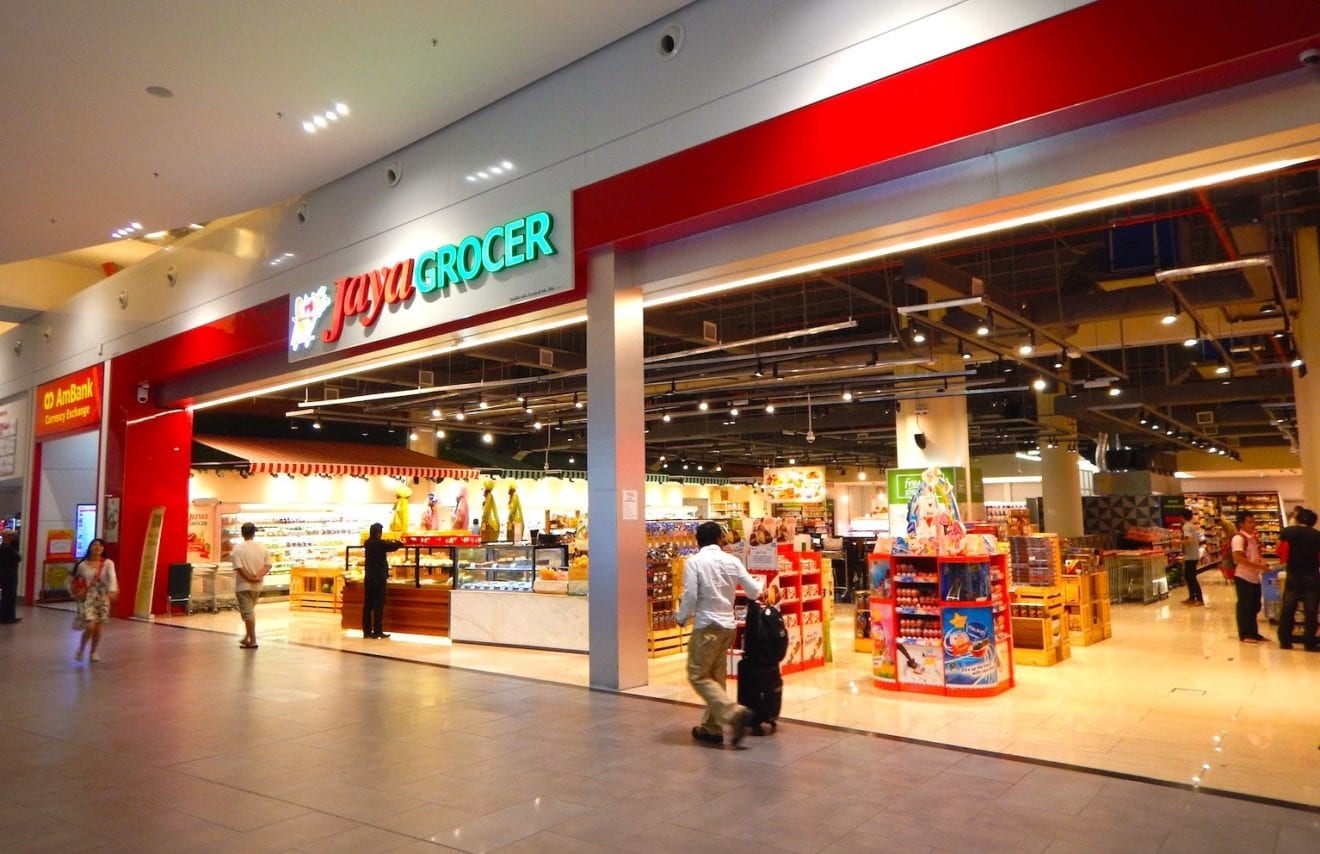
    Neighbourhood fresh grocer Jaya Grocer, which celebrates its 10th anniversity, plans to open five more outlets in the Klang Valley this year.

    Its operations director Daniel Teng said on Thursday the outlets would be at Eco Ardence at Setia Alam in February; Kuala Lumpur Eco City (KLEC) at Bangsar in June; Empire City Damansara in July; Kiara 163 at Mont Kiara in September, and Kuala Lumpur East at Taman Melati in December.

    Jaya Grocer has 22 outlets. The latest outlet opened at Sunway Iskandar Citrine Hub in Johor last week.

    As part of its anniversary celebrations, Jaya Grocer is offering 10 items on special promotional prices each week since the start of the year.

    During a briefing for the media at Starling Mall Jaya Grocer in Damansara Utama, he said the management team is led by retail veterans with a family heritage dating back to pre-Independence Malaya.

    “We are proud of our heritage and are yet humbled by the overwhelming support shown by our loyal customers through the decades,” Teng said.

    On the opening of its Bangsar Market by Jaya Grocer, he said it would be one of the largest “urban fresh grocers” in the country.

    This would be located at the KLEC, a strategic and synergistic public-partnership between developer SP Setia Bhd and Kuala Lumpur City Hall.

    “The concept of Bangsar Market by Jaya Grocer is to bring back the feeling of shopping in a fresh wet market which is clean and well laid out. We hope to meet the discerning demands of sophisticated modern day shoppers in the city,” Teng said.

    Bangsar Market will occupy 54,000 sq ft or the entire second level of the mall.

    On Jaya Grocer’s online delivery service, Teng said it would be gradually expanded to cover more areas in the Klang Valley, beginning with its Pearl Point Outlet in Jalan Klang Lama.

    “Since we started at the end of 2016, our online segment has grown by 30%,” said Teng.

    “It has certainly helped to meet a need among modern consumers with a hectic city lifestyle or busy mothers with young children who cannot spare time to shop in person.

    “We provide same day delivery, with the quickest delivery time being within two hours. Furthermore, we only charge a token for the delivery service and prices remain the same as in-store, including promotional items,” he said.

    Jaya Grocer plans to set up a new distribution centre in Puchong that will help improve the overall supply chain management, Teng said.

    Jaya Grocer is operated by Trendcell Sdn Bhd, which is 45% owned by the Asean Industrial Growth Fund (AIGF). The other 55% being held by the founding Teng family which continues to manage the business.

    AIGF, a private equity fund, is 45% owned by CIMB Private Equity, 45% by Mitsubishi and 10% by the Development Bank of Japan.

    Jaya Grocer started in 2007 with its first outlet in Jaya 33 in Petaling Jaya. Jaya Grocer was set up by the Teng family, who are the founding family of Giant Hypermarket and the TMC (Teng MiniMarket Centre) in Bangsar.

    The family sold the Giant chain to Hong Kong-based Dairy Farm group in 1999 for an undisclosed sum. Meanwhile, TMC Store Bangsar has been wholly owned and operated by GCH Retail (Malaysia) Sdn Bhd since November 1980.

  • Vietnam phone exports to China surge eight-fold

    Vietnam phone exports to China surge eight-fold

    Customs data shows China became the second largest importer of phones and phone parts from Vietnam last year, just behind the European Union with US$11.96 billion, a year-on-year increase of 6.4%.

    Exports of the products to South Korea also rose by a staggering 45.4% year-on-year to US$3.97 billion and shipments to the United Arab Emirates edged up a slight 1.6% to US$3.89 billion.

    The report indicates Vietnam spent US$8.75 billion importing phones and phone parts from China and US$6.18 billion from South Korea last year, up 42.4% and 72.6% from a year earlier.

    Therefore, for these products alone, Vietnam ran respective trade deficits of around US$600 million and US$2.21 billion with China and South Korea.

    Notably, according to the report, China has accounted for around half of phone and phone part exports to Vietnam in recent years.

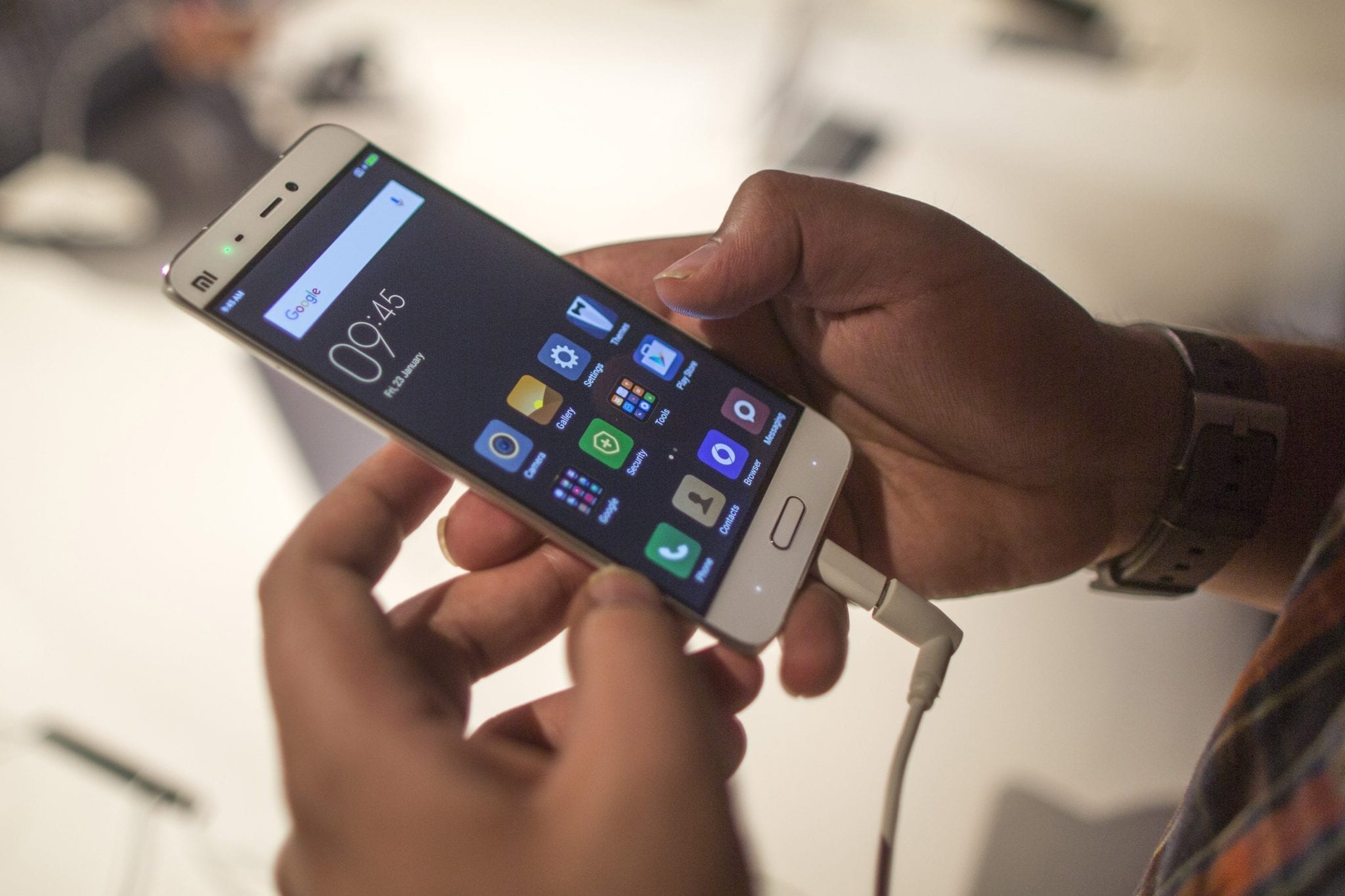
    Apart from hi-end gadgets of tech giants like Samsung, Apple and HTC, industry watchers said Chinese brands such as Oppo, Huawei, Xiaomi and Vivo have dominated the mid-end and feature-phone market segments.

    Although some major Korean phone producers like Samsung and LG have set up shop in Vietnam, many parts suppliers of these tech firms have yet to come to the country. Therefore, analysts forecast Vietnam will have to continue importing phone parts from the Northeast Asian nation this year.

    Customs data shows Vietnam exported phones and phone parts worth US$45.27 billion last year, a year-on-year increase of 31.9%, while the country saw a 54.8% rise in imports of these products at US$16.34 billion. The products made up over 21% of the country’s export revenue last year.

  • JD.com Announced Its Chic New Paris Office

    JD.com Announced Its Chic New Paris Office

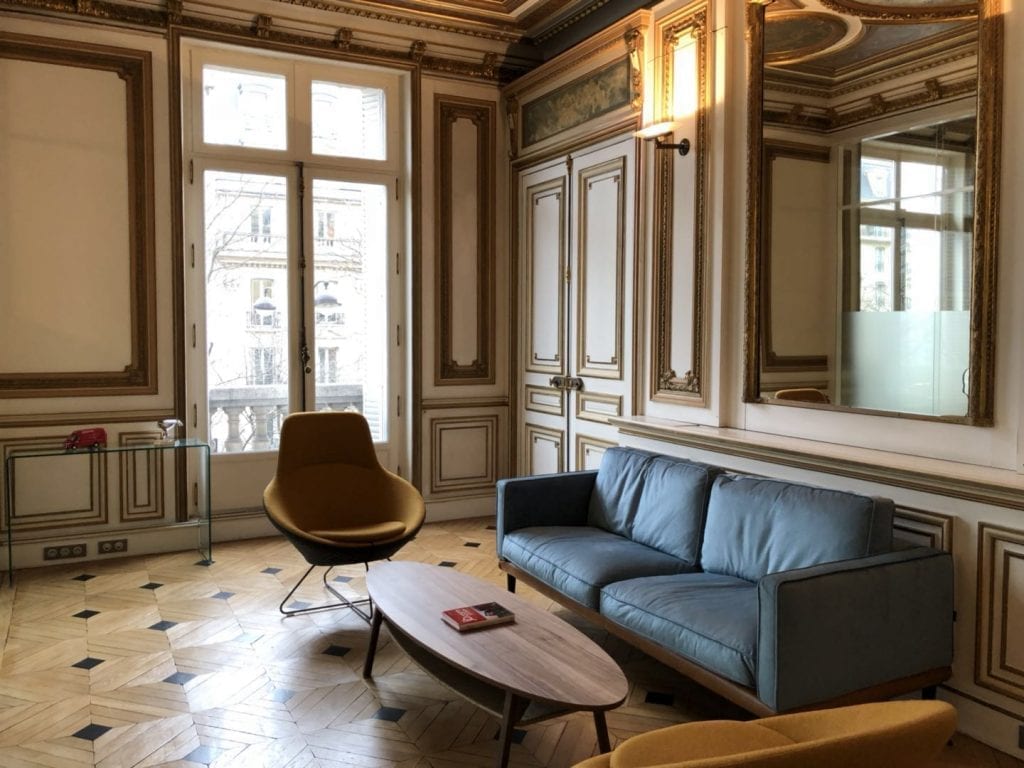
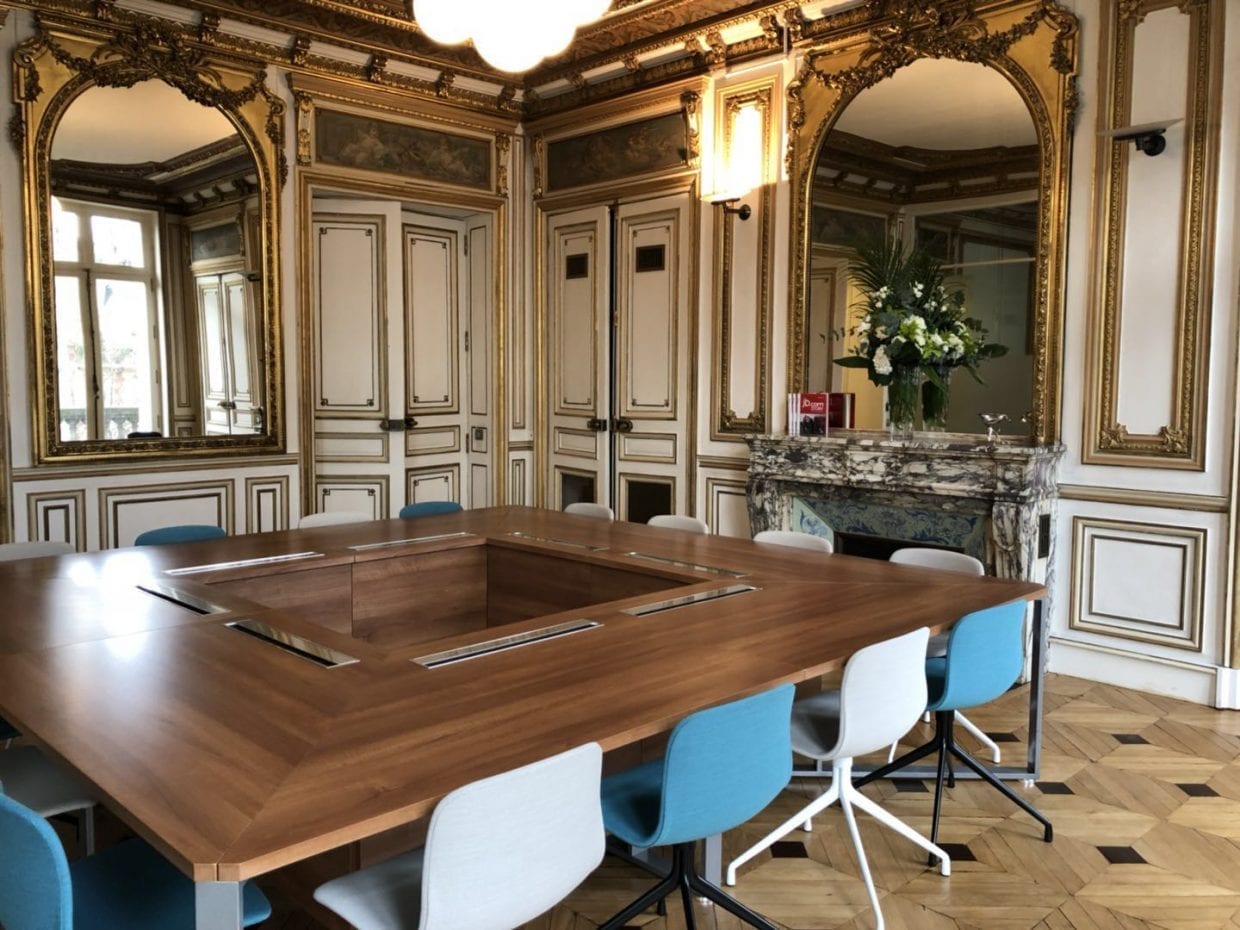
    JD.com announced yesterday that it has opened a Paris office. The move follows an agreement with France’s official trade promotion agency, Business France, to sell €2 billion (US$2.4 billion) in French products to Chinese consumers over the next two years.

    It’s a strategic move, putting JD.com in close proximity to many of the world’s top luxury brands at a time when China’s leading e-commerce platforms are battling for a bigger share of the luxury market.

    JD.com France’s Managing Director, Florent Courau

    JD.com first made public its intentions to woo French retailers earlier this month when French President Emmanuel Macron made a state visit to China. This visit also coincided with another landmark announcement that French luxury fashion house Saint Laurent would be officially partnering with JD.com to sell its collections on the e-commerce site’s luxury platform, Toplife, joining the ranks of La Perla, Tod’s, Emporio Armani, and more recently, Derek Lam.

    Company representatives called the collaboration with France a “milestone” for the e-commerce giant. The newly appointed Managing Director for JD.com in France is Florent Courau, who worked as COO of Sephora in North Asia and, before that, at LVMH for 12 years, six of them in China.

    JD.com intends to leverage stronger relations with the country to broaden its luxury portfolio in Europe, giving its customers access to a wider range and a better quality selection of not only fashion brands, but categories like cosmetics, food, and wine and spirits.

    “Our customers value the quality of French products, making this a critical market for us to further expand our brand relationships,” Courau said in a statement. “Our Paris office will be committed to providing tailor-made support to our French partners who want to seize the immense opportunity that JD offers.”

    A new report released by Bain last week revealed that many luxury consumers were still wary about making purchases online and preferred shopping either at brick and mortar stores, on the brand’s official website, or on its WeChat platform. Luxury aggregators like JD.com’s Toplife and Alibaba’s Tmall Luxury Pavilion were the third most-preferred resource for these consumers.

    But both JD.com and Alibaba have been ramping up their efforts to secure the trust of both consumers and brands in the luxury sector with the launch of these ‘pure play’ platforms—JD.com launched Toplife last fall—that keep luxury goods separate from their other mass market offerings and even counterfeit goods.

    These platforms also let JD.com cater to the specific demands of luxury consumers through offering better customer service, guaranteed authenticity, and a “white glove” delivery service. JD.com has also spent much of the past year forging stronger networks in the luxury industry beginning with $397 million deal with UK luxury platform Farfetch.

    “Since we launched Toplife the goal has been to provide the convenience of online with the personalized feel of making a luxury purchase online,” VP for International Corporate Affairs at JD.com Josh Gartner said. “Our physical presence in France brings us closer to the world’s leading luxury brands and helps us understand them better so we can ensure the integrity of their offline brand identity when they come online with us in China.”

    To smooth the process of entering China’s world of online retail, JD.com also plans to offer a new training program for senior executives on reaching China’s online shoppers, as well as build a logistics center to smooth out the overseas shipping process.

    “Now, we want to bring the best of France, not only in terms of world-class brands, but also in terms of a world-class shopping experience, right to the doorsteps of our luxury consumers,” Gartner said.

  • UNIQLO Thailand to Open First Roadside-Type Store in March

    UNIQLO Thailand to Open First Roadside-Type Store in March

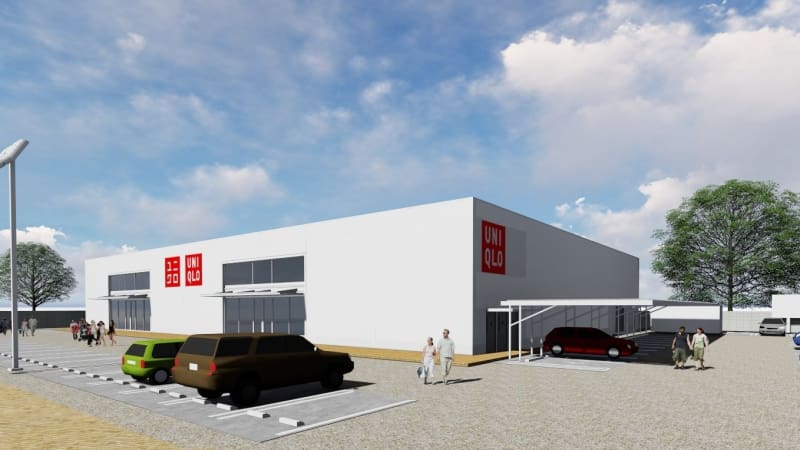
    UNIQLO announced it will introduce a new type of store – its popular roadside store model – to Southeast Asia, with the first store of the region to be launched in the bustling east Bangkok at Phatthanakan Road on Friday, March 23 this year.

    UNIQLO Phatthanakan roadside store will showcase the brand’s full assortment of LifeWear in men’s, women’s and kids’, as well as provide a brand new, world-class shopping experience for customers in Thailand with the new format.

    “We are honoured, and excited to bring our first roadside-type store from Japan to the Southeast Asia region. We believe this new store format will deliver greater convenience for our customers, where each store will serve as a focal point that brings communities together”, said Satoshi Hatase, CEO, UNIQLO Southeast Asia. “Eastern Bangkok, like some other places in Southeast Asia, is ideal for this type of store. Spacious parking space exclusively for UNIQLO customers from the neighbourhood and a considerate store design make the roadside-type store a great place for customers to drop by for a visit with the whole family”, he added.

    A UNIQLO roadside-type store usually features ample parking space for customers, and becomes the centre point of its community through considerate, localised store design. Historically, roadsidetype stores have played a very important role in UNIQLO’s growth throughout Japan, and the model has also been very successful outside Japan, including Korea and Taiwan.

    While carrying on the tradition of a UNIQLO roadside store, UNIQLO Phatthanakan will take the needs of its local customers into consideration to create a truly community-focused store that provides great happiness and convenience through a unique mix of services and products.

    UNIQLO Phatthanakan store will feature an extensive range of the latest line ups for women, men, kids and babies, across a sales area of approximately 1,440 square metres. The store, located at Phatthanakan Road, will open on Friday, March 23 2018.

  • HKCYIA Offers Cruise Talks to the Public FREE

    HKCYIA Offers Cruise Talks to the Public FREE

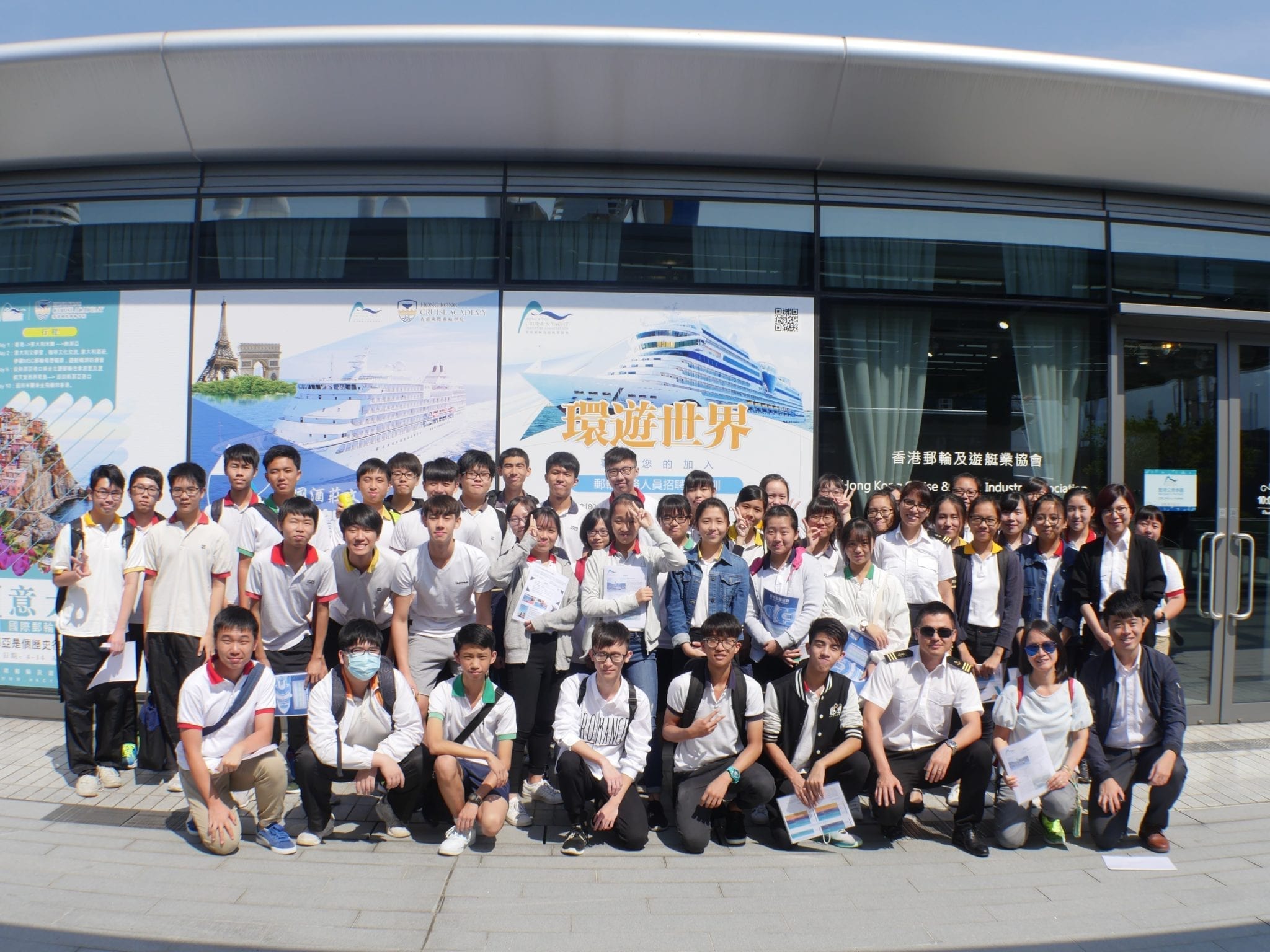
    To promote public awareness of the cruise industry and its contributions to the economy, the Hong Kong Cruise & Yacht Industry Association (HKCYIA) is to provide free talks on cruise careers for youths. This follows the talks for Tourism and Hospitality Studies students which received overwhelming response with over 70 secondary schools having enrolled for the talks since last October.

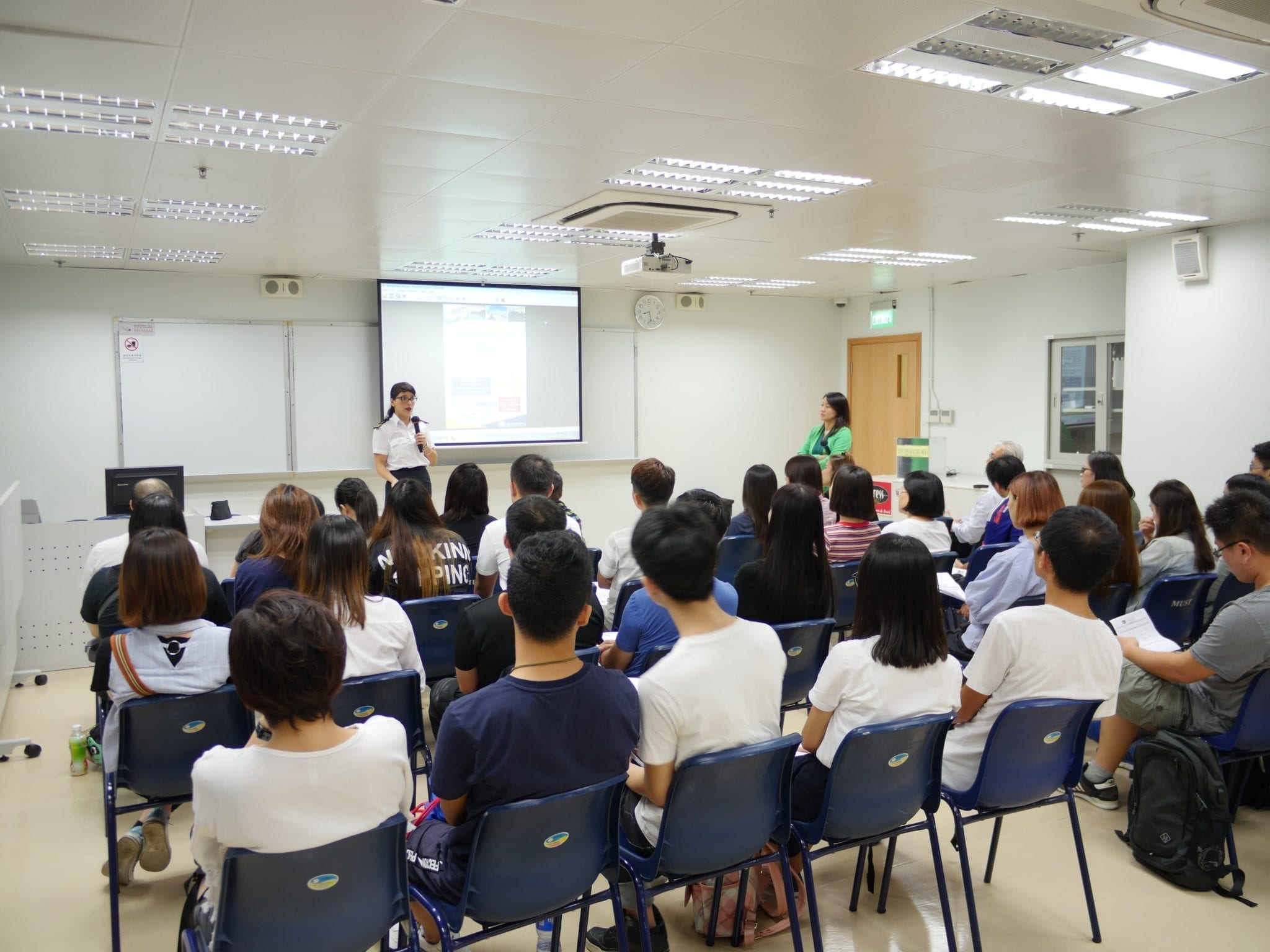
    The cruise talks for the public will be held from now till March. The 3-hour talks will be conducted in English and given by HKCYIA Purser Trainer Laura Escobar, who has over 10 years of experience in the management of European cruises. The talks will cover international cruise information, structure of international cruises, introduction to cruise travel, and career development in cruise industry, providing the public with information about cruise careers and industry developments.

    Kara Yeung, Executive Director of HKCYIA, said “In view of the relatively low awareness of the cruise industry among Hong Kong people, HKCYIA is dedicated to advancing the long-term development of the Hong Kong cruise industry through free talks to the general public. The talks are designed to enable them to acquire a broad knowledge and understanding of the global cruise industry, thereby promoting employment in the fast-growing cruise sector.”
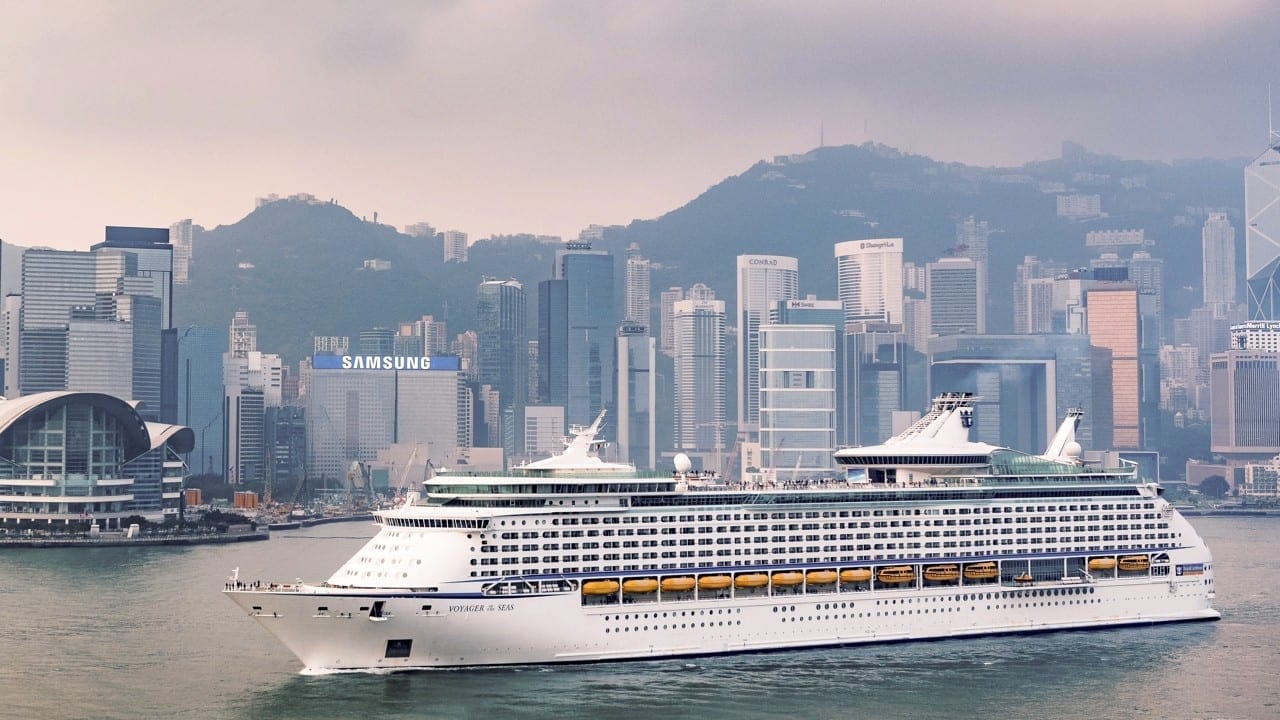
    The free talks will be held at Kai Tak Cruise Terminal where most international cruises berth in Hong Kong.

    Participants can have the opportunity to watch international cruises visiting Hong Kong, including Costa neoRomantica of the Italian Costa Cruises, Queen Elizabeth and Queen Mary 2 of the British Cunard Line. They can also visit the Kai Tak Cruise Terminal and the HKCYIA office. Those wanting to visit the cruises are required to make prior arrangements with travel agencies on their own. For those interested in attending the free talks, please contact Ms. Chan at (852) 2180 0723 for registration as seats will be available on a first-come-first-served basis.


  • Singtel appoints global cyber security chief

    Singtel appoints global cyber security chief

    Singtel has appointed Arthur Wong (pictured) as its new CEO of global cyber security to help fulfil the operator’s ambition of becoming a global leader in the cyber security market.

    Wong joins Singtel from IT services company DXC Technology, where he served as SVP and general manager of the company’s security business.

    DXC was formed from the $25.6 billion merger of Hewlett Packard Enterprise Services (HPE) and Computer Sciences Corporation (CSC), which closed in April.

    Wong has also previously with companies such as HP, Symantec and McAfee in various executive roles. Wong is also the founder of five startups, including IT security companies Secure Networks and SecurityFocus.

    “We are very pleased to bring Art on board as we step up efforts to drive growth in our cyber security business,” Singtel CEO Bill Chang said.

    “This newly-created position reflects our commitment to scaling the Group’s cyber business and accelerating our journey to becoming a global leader in the cyber security space. Art’s wealth of industry experience will help us optimise our cyber security assets and sharpen our business unit’s focus.”

    Singtel’s cyber security revenues grew 84% S$473 million ($361.5 million) in the year ended in March last year and are expected to reach around S$550 million this financial year.

    The company employs over 2,000 cyber security professionals across nine advanced security operations centers in APAC, Europe and the Americas, as well as through its Trustwave managed security services business, which the company acquired in 2015.

  • Honda, Forever 21 to Collaborate on Vintage Collection

    Honda, Forever 21 to Collaborate on Vintage Collection

    Forever 21 has launched a collection featuring classic Honda racing motifs.

    The brainchild of Honda’s brand management agency Earthbound, the F21xHonda racing capsule collection consists of iconic Honda designs from the early 1980s and action sportswear of the 1990s.

    “Pairing nostalgic Honda racing iconography with updated silhouettes and fabrics to create a modern yet timeless aesthetic, the latest collection includes a variety of men’s and women’s apparel,”said the two companies in a statement.

    The women’s collection offers vintage inspired styles from long and short sleeved crop-tops, long sleeve t-shirts and skirts, including items in the Plus size range. The men’s collection features street-wear ready pieces including t-shirts, pull-over sweaters and racing jackets.

    “We are always looking for new and unexpected partnerships,” said Linda Chang, VP of marketing for Forever 21. “This collaboration with Honda racing is especially relevant now with the popularity of racing and motorsport designs. We hope that fans of both Honda racing and our customers will celebrate with us through this collection.”

    Honda Powersports Marketing’s senior manager Mike Snyder said collaborating with a brand like Forever 21 allows Honda motorcycles to access a completely new audience.

    “We are very happy with the collection they have developed. It does a great job of blending Honda’s Racing history with Forever 21’s fashion sense.”

    The F21 x Honda racing collection launched in stores throughout North America and on Forever21.com this week.

  • PepsiCo Cuts Ties With Indofood’s Palm Oil Unit Over Labor Abuse Claims

    PepsiCo Cuts Ties With Indofood’s Palm Oil Unit Over Labor Abuse Claims

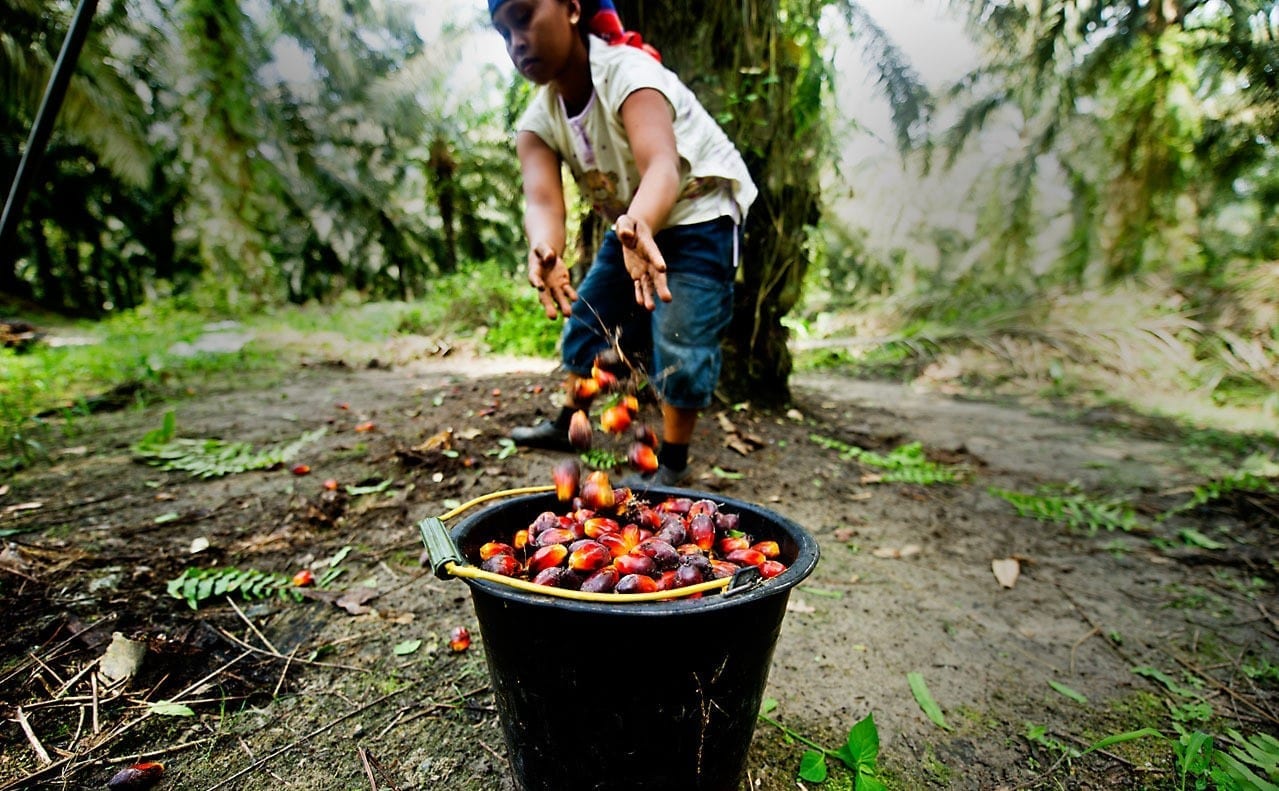
    Food and beverage giant PepsiCo has suspended procurement from a palm oil supplier over claims of labor abuses on its Indonesian plantations, a move hailed by campaigners on Wednesday (24/01).

    A 2016 probe by several campaign groups alleged there were child labor and worker exploitation, such as low wages and hazardous working conditions, on Indonesian plantations operated by Singapore-listed Indofood Agri Resources (IndoAgri).

    Although IndoAgri has taken action to address the complaints, PepsiCo said it decided to suspend ties “pending further progress and visibility around the issues” after it looked into the allegations.

    “PepsiCo is very concerned about the allegations that our policies and commitments on palm oil, forestry stewardship and human rights are not being met,” it said in a statement.

    Neither IndoAgri nor its parent company, Indofood, were immediately available to comment. IndoAgri said on its website that it has a sustainable palm oil policy which ensures human rights are respected.

    Businesses are facing increasing pressure from governments and consumers to disclose what actions they are taking to ensure their supply chains are free from modern-day slavery.

    Indonesia is the world’s largest palm oil producer but it has been regularly linked to the destruction of rainforests and wildlife habitats, as well as displacement of indigenous communities.

    IndoAgri is a subsidiary of Indonesian food manufacturer Indofood, which produces PepsiCo’s snacks in Indonesia under a joint venture partnership. The joint venture sourced palm oil from IndoAgri.

    The investigation was carried out by San Francisco-based Rainforest Action Network (RAN), Indonesian labor rights group OPPUK and Washington-based International Labor Rights Forum.

    “After years of denial, PepsiCo has admitted to the high risks associated with its palm oil supply chain and business partner,” RAN campaigner Robin Averbeck said in a statement.

    Palm oil, used in soap, cosmetics and food spreads, has been one of the fastest expanding crops in the last few decades.g

  • Mary Katrantzou pursues China expansion with an investment from Yu Capital

    Mary Katrantzou pursues China expansion with an investment from Yu Capital

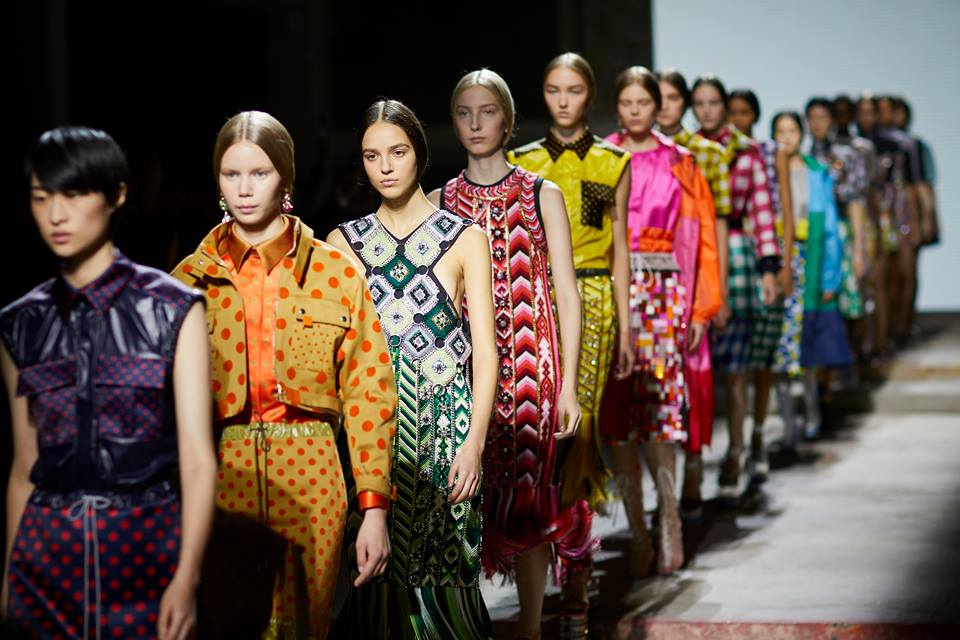
    To boost its presence in China, London-based womenswear brand Mary Katrantzou has received funding from fashion investor Wendy Yu’s investment fund Yu Capital.

    With only two points of sale on the Chinese mainland – in the stores of multi-brand retailer Joyce in Beijing and Shanghai – and one in Hong Kong at On Pedder, the Greek designer firmly believes her brand has expansion potential in China.

    Katrantzou and Yu are friends, and the designer believes Yu to be an investor with “a pragmatic and forward-looking vision”.

    Daughter of Chinese billionaire Jingyuan Yu, the owner of wooden goods company Mengtian, Wendy Yu attended boarding school in the UK, and as an investor aims to “bridge the economic and cultural gap between China and the rest of the world”, reports Fashion Network.

    As well as philanthropic activities, notably with the British Fashion Council, the British Museum and the V&A Museum, she founded Yu Capital in 2015, an investment fund specialising in technology, lifestyle and fashion.

    Along with Yu Culture, which aims to enrich the Chinese cultural scene through international projects and partnerships, and Yu Fashion, which has the goal of working with brands and designers to promote creativity, Yu Capital is part of Yu Holdings, a platform launched by Yu this month with the aim of investing US$20 million in emerging businesses this year.

    Already Yu Capital has invested in brands such as ASAP54, now Fashion Concierge, a fashion-centered search application, and Bottletop, a British leather goods label.

    By becoming a minority shareholder in Mary Katrantzou’s brand, Yu has entered the luxury sector. She says the brand, which has its tenth anniversary this year, owes its fame to its whimsical prints and collaborations with Adidas and Longchamp.

  • More “green” of Apple store Garosugil

    More “green” of Apple store Garosugil

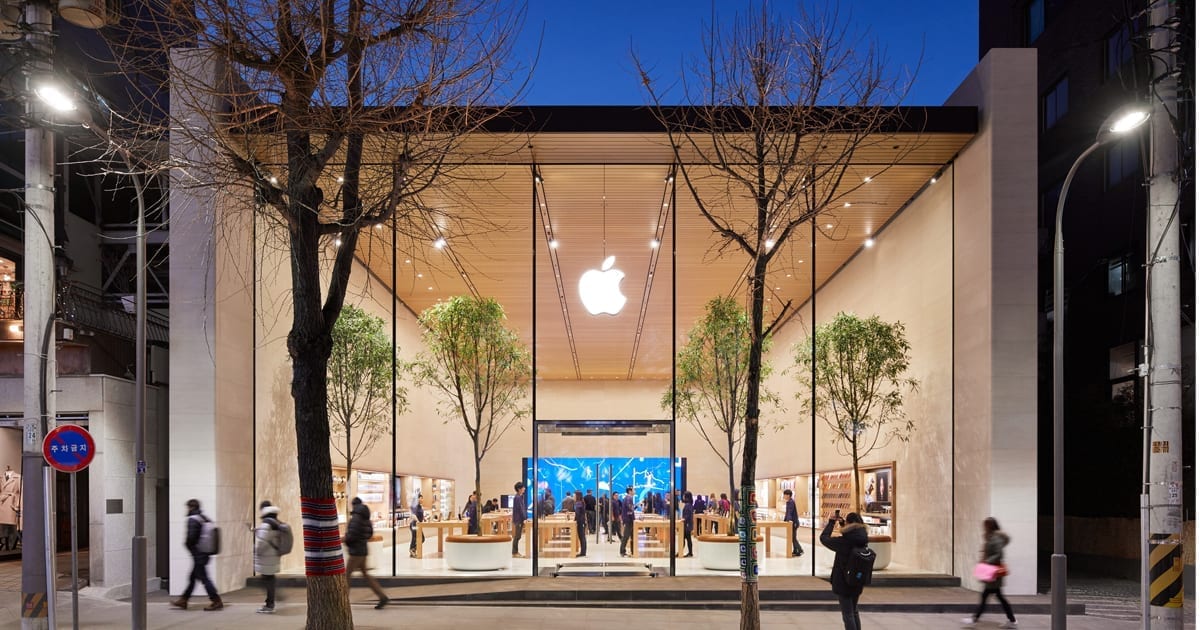
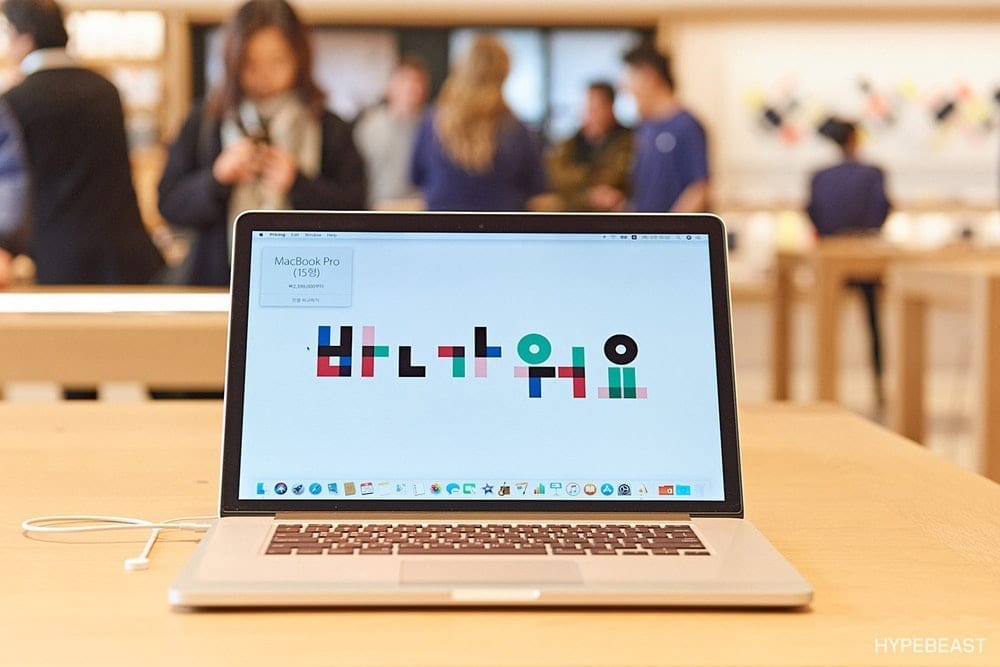
    Opening in Seoul on Saturday, Apple Garosugil will bring Apple’s products, in-store programming and services together in one place for the first time for South Korean customers.

    In the heart of the Gangnam area, the store features a 7.6m glass facade along a tree-lined street, with interior trees mirroring those outside.

    “Our stores are gathering places for the community where everyone is welcome to connect, learn and create,” says Apple senior VP of retail Angela Ahrendts.

    Today at Apple programming offers free sessions daily to inspire participants to unlock their creativity in photography, music, art and design, coding skills and more. The sessions are held in the heart of the store, the Forum, with its video wall.

    Anyone can attend a 30-minute Quick Start session, then go further with experiential photo walks or attend entrepreneurial sessions. Educators and developers can also receive advice and specialised training in the store’s boardroom.

    Apple’s full line of products and a curated collection of accessories are available in the store. Along each side of the store are Avenues, inspired by window displays along a shopping street, which offer interactive displays for visitors. These feature third-party products and accessories.

    Customers can register for Today at Apple sessions through the Apple Store app, as well as explore products and shop.

    Between them, the store’s 140 team members speak 15 languages.

  • Tencent expands WeChat Pay to HK residents

    Tencent expands WeChat Pay to HK residents

    Tencent has expanded its WeChat Pay user base to Hong Kong residents, who now will not need to have a Chinese bank account or credit card to take advantage of the Mainland’s popular cashless payment system.

    With the announcement, Hong Kong residents can now bind and activate their WeChat Pay accounts with any international credit cards, including MasterCard, Visa and JCB.

    They can activate WeChat Pay in two ways:

    • Bind any Mastercard, Visa and JCB credit cards for online payments such as online shopping, taxi hailing, ticket purchasing, bike-shares, food delivery and hotel booking.
    • Bind any credit cards or bank cards issued by 71 banks in China, together with proof of a valid passport, China Resident Identity Card, a Mainland Travel Permit for Hong Kong and Macau Residents or a Mainland Travel Permit for Taiwan Residents, to pay for all online and offline payments. Users with these bank cards can also activate their QQ Wallet.

    Besides Hong Kong residents, Tencent opens WeChat to expatriates living in China as well as to Macau and Taiwan residents.

    According to the 2017 WeChat Data Report that tracked consumption habits of foreign residents in China, over 64% of expatriates use Weixin Pay for their daily needs, especially for splitting bills, food delivery, transportation, dining, as well as shopping in stores, supermarkets and online.

    With the introduction of using credit card accounts, this number is expected to grow as the payment system will be simpler and more convenient to use for citizens outside of China.

    In China, WeChat is being used by a group of friends to split a restaurant bill, check into or out of a hotel, board a bus or train, hail a car service or hop on a bike. WeChat provides access to China’s car hailing service Didi Chuxing and bicycle-sharing system Mobike.

  • I.T group positive sales despite store closures

    I.T group positive sales despite store closures

    Improved consumer sentiment across Greater China and strong sales growth in Hong Kong helped boost third-quarter business for Hong Kong multi-brand fashion group I.T Limited.

    With fewer discounts offered, the group also enhanced its gross margin for the three months to the end of November.

    However, store closures continued in Hong Kong in the face of a persistent upsurge in running costs, causing downward pressure on sales.

    I.T Group operates its own brands, including Chocolate and 5cm, concept stores Izzue and Double-Park; international brands it has local licences for including Kurt Geiger and Camper; and A Bathing Ape, which the company rescued from Japanese owners in 2011.

    While comparable-store sales growth in Hong Kong and Macau rose 2.4 per cent for the quarter, there was a 3.9 per cent dip for the first nine months.

    For Japan and the US, sales growth soared by 25.5 per cent for the quarter and 30.7 per cent for the nine months, while for China the growth was 1.5 and 1.1 per cent respectively.

    Gross profit margin for the quarter was up 1.6 points to 62.9 per cent in Hong Kong and Macau, edging up 0.8 points to 60.9 per cent for the nine months.

    For Japan and the US, the margin fell 0.8 points to 68.9 per cent, and eased 0.1 points to 70.8 per cent for the nine months, while in Mainland China it edged up 0.3 points to 64.8 per cent for the quarter, and rose 2.1 points to 62.8 per cent for the nine months.

    For the group overall, the rise was 1 point to 64.9 per cent for the quarter, and 1.6 points to 63.4 per cent for the nine months.

  • Malaysia’s local telco industry needs consolidation

    Malaysia’s local telco industry needs consolidation

    Celcom Axiata Bhd CEO Michael Kuehner, while welcoming the expected entry of a new player in the local telco scene next week, pointed out that what the industry needs is consolidation and not another player.

    Yodoo is expected to launch its mobile data plan next Tuesday.

    “The market has too many (telcos) than too few. Customers have ample choice in Malaysia, from all price range, from all types of network experience, there is enough to choose from. There is no need for another one coming in.

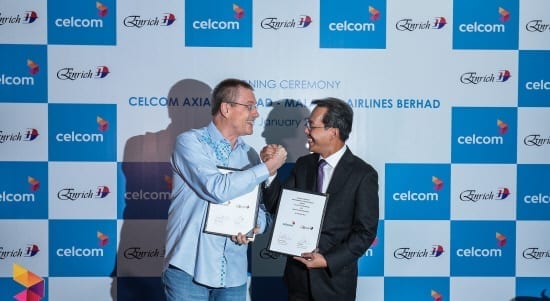
    “No worries about competition. Very happy with competition. We’re strong enough to stay in competition and be successful. Of course there is always the element of competition when it comes to pricing, which possibly has an impact on revenue, but it’s about how strong you are, how much value you deliver to customers and that makes you successful,” Kuehner said after signing a memorandum of understanding (MoU) with Malaysia Airlines Bhd (MAB) to collaborate in enhancing digital lifestyle for travellers today.

    He expects industry growth for 2019 to be flattish after industry revenue fell for the last three years.

    “After three years of shrinking revenue for telcos, maybe a bit of stabilisation possibly on telcos’ revenue side next year, so we’re slightly positive,” Kuehner said.

    Earlier, Celcom Axiata and Malaysia Airlines inked an MoU to provide benefits spanning multiple areas across both companies, including Enrich rewards, flight discounts for Celcom customers, attractive roaming plans and more.

    Kuehner said both Celcom and Enrich customers will enjoy innovative digital offerings and rewards, starting Feb 1. Both companies are still in the exploratory stage to discuss the details.

    On anotehr matter, Kuehner said a merger between Axiata Group Bhd and Telekom Malaysia Bhd (TM) makes sense in terms of scale , delivery and network perspectives.
    He said fixed mobile convergence is a trend worldwide and it is also relevant in Malaysia, adding that TM is strong on the fixed line side while Axiata is strong on the mobile side.

    “It (the merger) makes sense and this is where rumours come from, because a lot of people are talking about it. But not everything that makes sense will always happen. It’s difficult to predict,” Kuehner

    “It (merger) is up to the shareholders. I don’t have an opinion. I’m not the one calling the shots,” said Kuehner, adding that there is no indication on the merger from parent Axiata Group.

    News of a possible merger between the two emerged some nine months ago, with both companies deniying news of a reunion after a demerger in 2008. Analysts are still banking on the merger to set the tone for an industry consolidation, which is deemed as the logical route forward.

  • Innisfree Launches Snoopy-Inspired K-Beauty Makeup Collection

    Innisfree Launches Snoopy-Inspired K-Beauty Makeup Collection

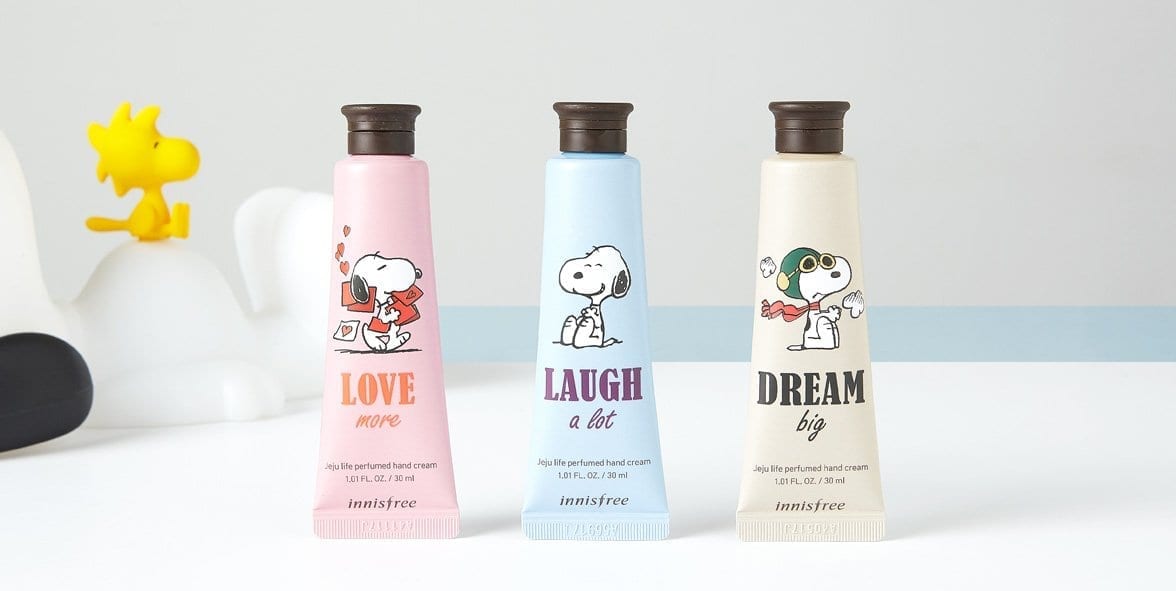
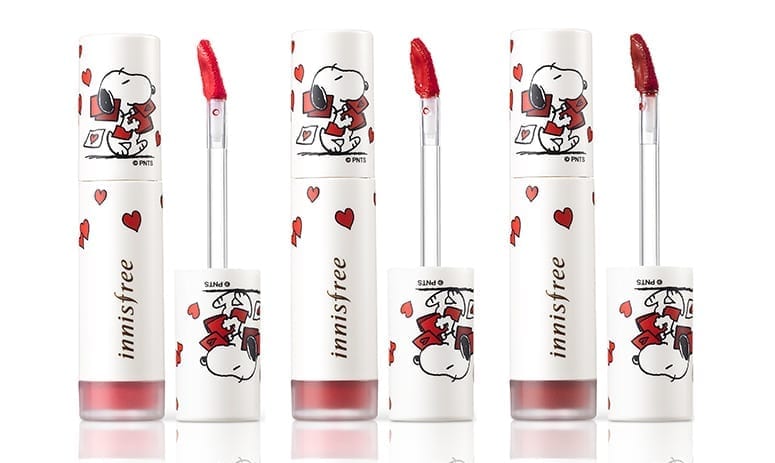
    Korean eco-cosmetics brand Innisfree has partnered with Snoopy to release a limited-edition collection for the Year Of The Dog.

    Called Innisfree x Snoopy, the collection includes five-pastel-shade nail polish, creamy tint, cushion and palette cases, with images of a smiling Snoopy front and centre of the packaging.

    The whole collection is available on Innisfree’s website, selling from US$4 to $12 each until February 28.

    Customers can change the shades of the products as they please.

    Sibling Amorepacific brand Etude House recently released its Lucky Puppy Collection to celebrate the coming Lunar New Year.