Author: Mei Ling Tan

  • Budget bakery boom as Koreans turn to convenience store bread

    Budget bakery boom as Koreans turn to convenience store bread

    In response to escalating prices in bakery franchises, that can exceed 10,000 won for just a few items, South Korean consumers are progressively seeking out more affordable private label (PB) bread. These are readily available in convenience stores and large retailers. As a consequence, the rise in sales of PB bread has prompted industry insiders to refer to the phenomenon as a ‘budget bakery boom’.

    The Surge of Private Label Bread

    Major convenience store chains report that PB bread now constitutes over 20 percent of all bakery sales. The market share of CU’s PB products has more than doubled from 9.4 percent in 2023 to 21 percent between January and September 2025. Similarly, GS25 experienced a rise from 21.1 percent to 24.9 percent, and 7-Eleven increased its PB ratio from 15 to 20 percent within the same timeframe.

    Due to this growing trend, retailers have been quick to introduce new in-house bakery brands. CU’s ‘Bakehouse 405’ launched in August 2023 and currently offers around 30 products. GS25 operates two PB lines, ‘Breadyque’ and ‘Seongsu’, which were launched in 2021 and 2024 respectively. These lines have sold 70 million and 3 million units to date. The ‘Seven Select’ range offered by 7-Eleven features approximately 40 varieties, and Emart24’s ‘Bakery of the Day’ (BOTD) was introduced in June with an initial selection of seven products.

    Price Versus Quality

    The primary attraction for consumers is the price tag. Items from CU’s Bakehouse 405, such as a sweet pastry, are priced at just 1600 won. Similarly, GS25’s bun is priced at 2100 won, and 7-Eleven’s honey hotteok is a mere 1500 won. Even on the higher end of the price scale, Emart24’s apple pie retails for 2400 won, which is less than a third of the price of similar pastries in high-end bakeries.

    In addition to the cost savings, the stores have also expanded their product ranges. Their selections now include a wide variety of items such as bagels, cream buns, baguettes, roll cakes, and even pizza rolls. Retailers stress that PB bread is not only affordable, but also of high quality. This is attributed to their partnerships with small manufacturers, which help to cut out middleman costs and marketing expenses.

    Supermarkets Join the Trend

    Large supermarkets are also following the trend. Homeplus runs ‘Mont Blagé’ bakery corners in over 120 stores nationally, offering traditional red bean, custard, and soboro buns for around 2000 won each. Lotte Mart’s ‘Poongmiso’, which was launched in 2022, is also growing its reach. Meanwhile, Emart has been selling imported ready-made cakes and dough under its ‘No Brand’ and ‘Peacock’ ranges since 2024, highlighting the advantages of affordability and convenience.

    Industry pundits believe that the popularity of PB bread highlights a shift in consumer thinking, driven by continuous inflation. Consumers are prioritising practicality and taste over brand prestige.

    Questions & Answers

    What is causing the ‘budget bakery boom’ in South Korea?
    The ‘budget bakery boom’ is due to rising prices in bakery franchises, prompting South Korean consumers to seek out more affordable private label bread from convenience stores and large retailers.

    How is the industry responding to the increased demand for private label bread?
    The industry is responding by introducing new in-house bakery brands. These brands offer a wide variety of products at a fraction of the cost of high-end bakeries.

    What are the advantages of buying private label bread?
    The main advantages of buying private label bread are affordability and quality. These breads are more inexpensive due to partnerships with small manufacturers that reduce costs. The quality of the bread also remains high, providing consumers with a cost-effective alternative to higher-priced branded products.

  • Apple’s First Foldable Iphone: Predicted Lower Hinge Costs May Impact Retail Price

    Apple’s First Foldable Iphone: Predicted Lower Hinge Costs May Impact Retail Price

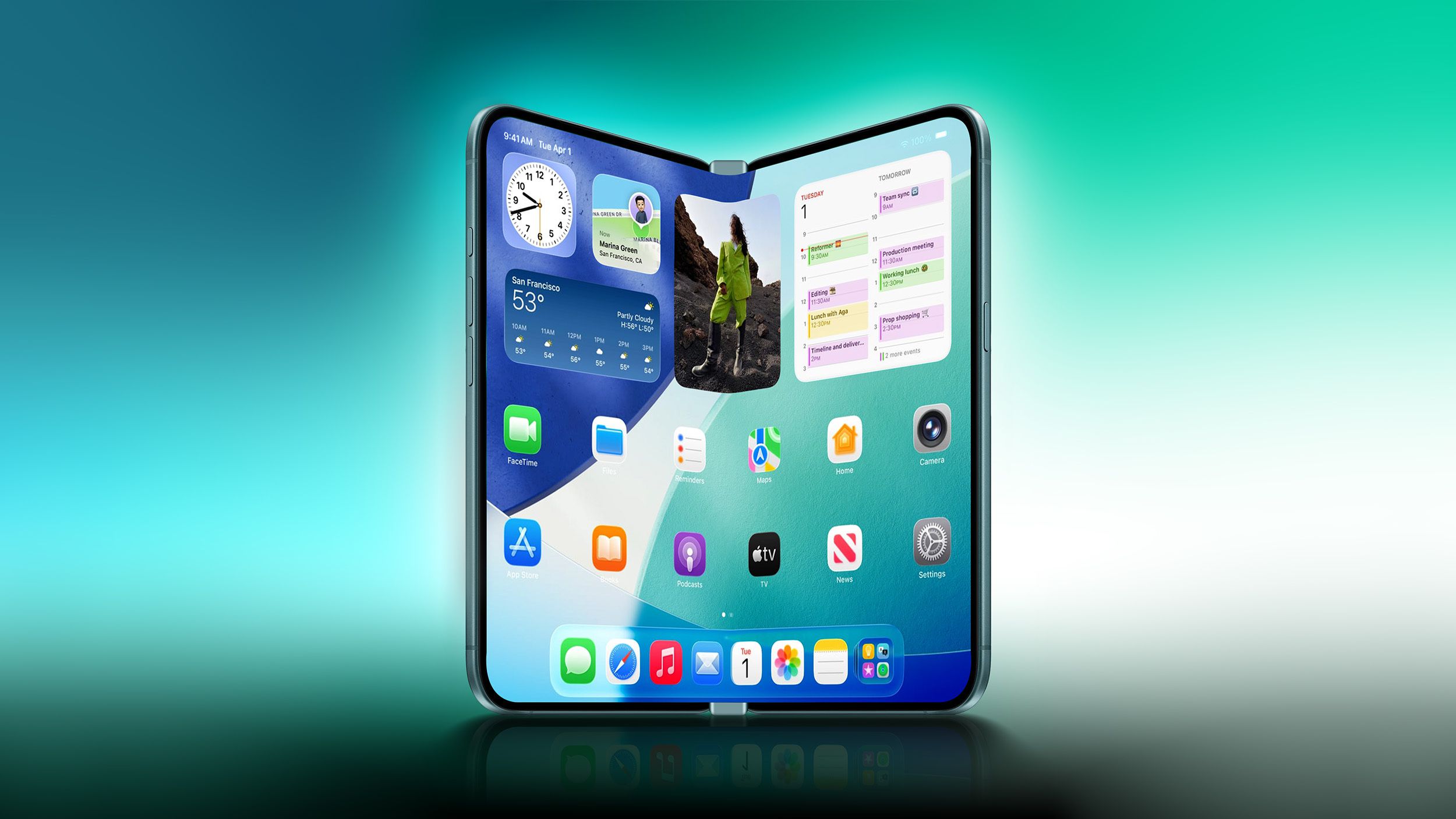
    Apple is reportedly developing its first foldable iPhone, a topic that has been garnering significant interest in recent months. The latest inside information comes from industry analyst Ming-Chi Kuo, who has offered some insight into the potential cost of the phone’s integral component, the hinge.

    Predictions on Hinge Cost for the Foldable iPhone

    Ming-Chi Kuo suggests that the hinge for Apple’s foldable iPhone might be more cost-effective than currently expected, potentially by $20 to $40. The hinge is a crucial component in a foldable phone as it supports the flexible display, enabling it to open and close.

    Creating the ideal hinge for such devices can be challenging, often leading to high production costs. However, Kuo proposes that Apple’s choice of hinge design could reduce these costs significantly.

    Kuo predicts that when the hinge enters mass production, the average cost could be around $70 to $80 per piece. This estimation is considerably lower than the current market expectation of $100 to $120 or even more.

    Partnership for Hinge Production

    It is reported that the task of producing the hinge will be shared between two companies. Foxconn, a long-standing partner in Apple’s supply chain, and Shin Zu Shing are expected to jointly undertake the manufacturing process.

    This partnership is believed to have secured a significant portion of hinge orders from Apple, accounting for around 65% of the total. The remaining orders are anticipated to be fulfilled by Amphenol.

    There are rumors of a potential third manufacturer, Luxshare, joining the production chain. However, this is contingent on the success of the initial foldable iPhone and may not occur until after 2027.

    Expectations for the Foldable iPhone

    Earlier speculations suggested that the foldable iPhone might feature a frame composed of titanium and aluminum, enabling the phone to be both thin and robust. This contradicts Kuo’s previous assertions that stainless steel might be used.

    The launch of the first foldable iPhone is currently projected for late 2026. It remains uncertain whether the potential lower cost of hinge production might lead to a reduction in the retail price of the foldable iPhone. Apple considers various factors when pricing its products, and this approach will likely apply to the new foldable iPhone as well. Current estimates suggest the foldable iPhone could cost around $2,000 to $2,500.

    Questions & Answers

    What is the estimated cost for the hinge of the foldable iPhone?
    The estimated cost of the hinge, when it enters mass production, is around $70 to $80 per piece. This is considerably lower than the current market expectation of $100 to $120 or more.

    Which companies are rumored to produce the hinge for the foldable iPhone?
    Foxconn and Shin Zu Shing are expected to jointly produce the hinge, securing about 65% of the total orders from Apple. The remaining orders are likely to be fulfilled by Amphenol. There is also speculation about a third manufacturer, Luxshare, joining the production later.

    When is the foldable iPhone expected to be launched?
    The launch of the first foldable iPhone is currently projected for late 2026.

  • Google Unveils Eye-catching Farsight Faces For Nest Thermostat: Aesthetic Appeal Meets Functionality

    Google Unveils Eye-catching Farsight Faces For Nest Thermostat: Aesthetic Appeal Meets Functionality

    Google recently released an aesthetically pleasing update for its 4th Gen Nest Learning Thermostat, debuting four new “Farsight” faces. The innovative designs are intended to transform the smart thermostat’s sleek, borderless screen into an eye-catching feature, allowing it to blend more seamlessly into home interiors.

    New Designs for Nest

    The refreshing update introduces four new Farsight faces:

    1. Mathilde Loubes Seasonal Face: A “living canvas” that changes every month, this face displays 12 unique, animated illustrations of flowers and fruits. The design is a collaboration with animated film artist Mathilde Loubes.

    2. Classic Nest Face: This design harks back to the original Nest face, serving as a nostalgic reminder for those who prefer the traditional look.

    3. Minimalist Face: An understated and elegant option for homeowners looking for a clean, minimalistic look.

    4. Temperature Controller: A straightforward, easy-to-read face that allows for quick temperature adjustments.

    More Than Just an Aesthetic Upgrade

    Google’s move to introduce these new faces is seen as a strategic step to leverage design, its key strength against competitors such as the Ecobee Smart Thermostat. While both thermostats excel at regulating home climates, they adopt fundamentally different design philosophies.

    The Ecobee is designed for data enthusiasts, featuring a utilitarian touchscreen that displays temperature, humidity, and readings from various remote sensors. It functions like a compact command center on your wall.

    On the contrary, the Nest has always emphasized its aesthetic appeal, prioritizing design over functionality. These new faces, particularly the artistic Mathilde Loubes Seasonal Face, further reinforce this positioning. Google believes that a smart thermostat should be discreet or aesthetically pleasing. For those who value aesthetics and want their technology to blend into their home decor, the Nest is the obvious choice.

    Personal Reflection

    The direction Google is taking with these thermostat faces is commendable. We invest significant time and effort in curating our home interiors, so it is counterproductive to clutter the walls with plastic gadgets. These updates make the Nest feel more like a tastefully designed piece of decor that also happens to be technologically advanced. The collaboration with an artist is especially noteworthy.

    Being a part of the Google Home and Nest ecosystem, it is heartening to see Google continuously improving its product line. If one were to consider investing in a smart thermostat, the Nest, with these updates, would be a strong contender.

    Questions & Answers

    What are the new features in the 4th Gen Nest Learning Thermostat?
    Google has introduced four new Farsight faces in the latest update to the Nest Learning Thermostat, enhancing its aesthetic appeal.

    What makes the new designs unique?
    The new faces are not just visually appealing but are also functional. The unique designs range from animated seasonal illustrations to clean and minimalistic interfaces, catering to diverse aesthetic preferences.

    How does the Nest Learning Thermostat compare to its competitors?
    While the Nest Learning Thermostat and its competitors, like the Ecobee, are equally efficient in managing home climates, they differ in design philosophy. The Nest emphasizes aesthetic appeal and aims to blend into home decor, while the Ecobee focuses on providing detailed data through a utilitarian interface.

  • Adidas unveils flagship in Singapore’s Changi Airport

    Adidas unveils flagship in Singapore’s Changi Airport

    Adidas has unveiled its flagship store at Jewel Changi Airport in Singapore, offering experiential zones that seamlessly blend brand identity and local narratives.

    The shop offers both lifestyle and performance products in a unified space, aiming to provide shoppers with a comprehensive experience, according to the brand.

    Drawing inspiration from Singapore’s rich Peranakan heritage, the two-level flagship store boasts of innovative tile motifs throughout its interior. The store’s visual layout includes the Jewel Rain Vortex on its second level, serving as a captivating retail backdrop.

    The women’s collection of Adidas takes center stage on the first floor. Meanwhile, the second floor houses the men’s collection, coupled with interactive zones such as the ‘Made for You’ area. This space features a customization studio enabling customers to personally tailor Adidas’s iconic Three Stripes to their preference.

    The Y-3 Premium Corner showcases the brand’s collaboration with Yohji Yamamoto. Featuring mainly black shades and a minimalist presentation, this section strengthens Adidas’s high-end positioning.

    Naful Gani, Adidas’s Senior Manager of Brand Activation in Singapore, spoke about the innovative store design. “With the Jewel Changi Airport store, we’ve deliberately created a space that merges performance and lifestyle to mirror our current way of life – exercising in performance gear, living in Originals, transitioning between the two worlds every day,” he said.

    He further added, “Through the store’s locally-inspired interiors, international visitors get an immediate glimpse of Singapore’s distinctive heritage, while experiencing the comfort and familiarity of a globally recognized brand atmosphere.”

    Questions & Answers

    What is unique about the new Adidas flagship store at Jewel Changi Airport, Singapore?

    The store offers experiential zones that blend the brand’s identity with local storytelling. It houses both lifestyle and performance products under one roof, providing a comprehensive shopping experience. The store’s design draws inspiration from Singapore’s Peranakan heritage.

    What is the ‘Made for You’ zone at the Adidas store?

    The ‘Made for You’ zone is an interactive area featuring a customization studio. This space allows customers to personalize Adidas’s iconic Three Stripes to their liking.

    What is the Y-3 Premium Corner at the Adidas store?

    The Y-3 Premium Corner showcases the brand’s collaboration with designer Yohji Yamamoto. It features a predominantly black palette and minimalist presentation, reinforcing Adidas’s luxury positioning.

  • Google will allow you to hide ads in your search results, but only after scrolling

    Google will allow you to hide ads in your search results, but only after scrolling

    Google is modifying the display and functionality of text advertisements in search results. The biggest development is that Google will now give users the option to hide sponsored search results if they are uninterested. However, there is a small caveat to this new feature.

    Scroll to Hide Sponsored Results

    At present, paid search results on Google are individually tagged as “Sponsored”. Google has revealed that moving forward, text ads in search results will be collectively displayed in a collapsible section at the top of the search page. This section will carry a single, more noticeable label that remains apparent as you scroll through the results.

    Arguably the most significant change is a new feature that allows users to hide all sponsored results with just a single click. This button is located at the base of the text ad section. Once clicked, the advertisements will hide under the sponsored heading. With another tap, users can reveal these ads again if they choose.

    Changes to Search Result Appearance

    Over time, Google has made a series of adjustments to the appearance of paid search results, making them look similar to organic results. While these changes were not always popular among users, the new update is unlikely to elicit negative responses. Google’s aim, it says, is to “make navigation even easier”. However, this goal seems somewhat counterintuitive given the placement of the hide button at the bottom of the sponsored links.

    A constant feature in these developments is the escalating influence of artificial intelligence (AI) in Google Search results. Google has pointed out that the Sponsored results label will now appear above or below the AI Overviews. This means users might have to scroll even further to hide the ads.

    Global Rollout of Google Search Update

    The update to Google Search is already being rolled out worldwide to both desktop and mobile users.

    While hiding ads may improve the scrolling experience in search results, it does not address a central issue some users have: the diminishing usefulness of Google Search. This has led some to experiment with other search engines and AI tools to find the required information.

    Questions & Answers

    What is the main change in Google’s ad display?

    Google is grouping text ads into a collapsible section at the top of the search page with a single, noticeable label. Users can hide or reveal these sponsored results with a single click.

    How is AI affecting Google Search results?

    AI is playing an increasingly important role in Google Search results. The Sponsored results label will now appear above or below the AI Overviews, which may cause users to scroll further to hide ads.

    Are there any concerns with the new update?

    The main concern is that while hiding ads may improve the scrolling experience, it does not enhance the overall usefulness of Google Search, causing some users to explore other search engines and AI tools.

  • Chrome for Android, iOS, adds important summarization feature

    Chrome for Android, iOS, adds important summarization feature

    Have you ever found yourself struggling to comprehend the content of some webpages? For those using Chrome Browser for Android, a new tool might solve this problem. This feature, powered by artificial intelligence (AI), is set to enhance your browsing experience on Google’s browser – courtesy of Gemini.

    Introducing the Gemini Overlay with a Summarize Feature

    The Gemini overlay is available on the stable versions of Android 16 as well as the latest Android 16 QPR2 Beta 2 update. It kicks off with an intuitive prompt that allows you to input a question for Gemini to address. Following this, you will find the “ask about page” option. This feature enables Gemini to clarify or elaborate on a section of the webpage you’re currently viewing. You can also utilize this button to request Gemini to compare two specific items featured on the webpage. Lastly, the overlay comes equipped with a Summarize button that generates a brief synopsis of the webpage displayed on your screen.

    If you have the Gemini app installed on your Pixel device, initiating a long press on the power button should activate the Gemini overlay.

    How to Use the New Summarize Feature

    To make use of this feature, launch Chrome Browser on your Pixel phone and visit a website. Hold down the power button to bring up the Gemini Overlay. Tapping on the Summarize button will provide a concise summary of the webpage content on your screen. This feature can be utilized not only when reading a story on Chrome or viewing a Chrome custom tab like Discover, but it can also summarize Search results and stories read on the Google News app.

    Above the Summarize button, you’ll find the “Share screen with Live” option. Tapping on this, Gemini Live can view and interpret the content displayed on your phone’s screen, transforming Gemini into a powerful visual assistant. Whether you’re looking at a shopping app or directions on the screen, Gemini can provide additional information or help you comprehend complicated instructions.

    The Summarize button is accessible on both Android and iOS platforms. For iOS users, you can access this feature by opening the Chrome app and navigating to a website. Tap on the icon that looks like a stack of paper with text on it and a “+” sign, located on the left side of the Chrome address bar. A “Page tools” pop-up will appear from the bottom of your screen, offering two options: “Search screen” and “Ask Gemini”. Choose the “Ask Gemini” option, which will bring up the Gemini overlay. Click on the Summarize button to view a summary of the displayed content.

    Utilizing Gemini as Your Digital Assistant

    In order to take advantage of this feature, you should have the Gemini app installed on your device. Android phone users can install the app from the Play Store, while iPhone users can download it from the App Store.

    If you’re a Pixel user looking for more comprehensive responses to your queries, you might consider using Gemini as a replacement for Google Assistant. You can do so by opening the Gemini app, clicking on the profile icon in the upper right, and navigating to Settings > Digital assistants from Google. Here, you can choose between Gemini and Google Assistant.

    Questions & Answers

    What is the Gemini overlay?
    The Gemini overlay is a feature on Google’s Chrome browser that uses AI to help users better understand webpage content.

    How can I use the Summarize feature on my Android device?
    To use the Summarize feature, open a website using the Chrome Browser on your Android device. Long-press the power button to bring up the Gemini Overlay, then tap on the Summarize button to get a concise summary of the webpage content.

    Can I use Gemini as a replacement for Google Assistant?
    Yes, if you’re looking for more comprehensive responses to your queries, you might consider using Gemini as a replacement for Google Assistant. This can be done via the settings in the Gemini app.

  • How Casino Gaming Has Evolved In Asia

    How Casino Gaming Has Evolved In Asia

    Casino gaming is now one of the most popular pastimes in Asia, engaging men and women from multiple countries where the hobby is legalized, but it wasn’t always like this. Several technological advancements and evolutions have caused the popularity of gambling to flourish in Asia. In this article, we’ll explore what, exactly, some of these are.

    Cryptocurrency Integration

    One of the biggest factors contributing to the rapid rise in popularity of casino gaming in Asia comes from its integration of cryptocurrency. Crypto and the gambling world go hand-in-hand for countless different reasons, and crypto has improved the gambling experience for millions of gamblers across the globe.

    One only has to look at 99bitcoins top Tether casinos to see the multitude of benefits cryptocurrency has brought to the gambling world. Crypto integrations allow for rapid transaction speeds, low transaction costs, and heightened security, not to mention the additional wager on the volatility of crypto that these assets allow gamblers to make.

    The Rapid Evolution of Online Options

    Another way casino gaming has evolved in Asia, and a factor that has greatly contributed to its growing popularity across the continent, comes from the creation and evolution of online casino gaming. Gone are the days when gamblers needed to visit brick-and-mortar institutions in order to gamble; now, the thrill of the casino scene can be found right at their fingertips. By greatly improving the accessibility and ease of use of casino gaming in this way, online casino platforms have opened up the hobby to a much wider audience.

    Future Technologies

    Finally, one of the primary reasons casino gaming is so popular in Asia, and is certain to remain so, comes from the fact that it is continuously influenced by new and emerging technologies. Take virtual reality (VR), for example. Already, there are VR casino platforms in Asia that allow the gambler to fully immerse themselves in the glitz and glam of a traditional casino, no matter where in the world they are. This has led to a massive increase in popularity for casino gaming, as, by partnering it with new and emerging technologies like VR, the games are attracting a whole new audience of tech enthusiasts who might never have engaged with the casino realm were it not for the integration of this technology.

    On the other hand, the integration of artificial intelligence (AI) technologies into the casino gaming world in Asia has also led to a massive increase in its overall popularity. This technology can have multiple benefits for the casino gamer. For one, AI can greatly increase the security of both traditional and online casinos by continuously scanning for threats and breaches and responding to alerts in real time. Additionally, AI is also known for personalising the gamblers’ casino experience and providing intelligent opponents to practice games against.


  • Deloitte Under Scrutiny: Ai-generated Inaccuracies Found In Aud 440,000 Australian Welfare Report

    Deloitte Under Scrutiny: Ai-generated Inaccuracies Found In Aud 440,000 Australian Welfare Report

    A report commissioned by Australia’s Department of Employment and Workplace Relations, which was paid AUD 440,000 (around 231,200 Swiss francs), looked into an IT system intended to automate sanctions in the country’s welfare framework. The original report was published in July and was quietly updated on the ministry’s website last week. The updated version featured over a dozen deletions of non-existent references and footnotes, a refreshed reference list, and various typographical corrections.

    Report Inaccuracies

    Christopher Rudge, a researcher at the University of Sydney, discovered several inaccuracies in the report. He hypothesized that these inaccuracies could be due to instances of AI hallucinations, which occur when generative models fabricate information that appears to be factual.

    Findings Deemed Unreliable

    While the report now includes a disclaimer that generative AI was utilized to address “gaps in traceability and documentation”, the trust in the report’s findings has been undermined as a result of the reported inaccuracies. “The firm acknowledged the use of generative AI for a significant analytical task but did not initially disclose it,” said Rudge. He expressed concern that the recommendations made in the report could not be fully trusted.

    Nonetheless, the ministry maintained that “the essence of the independent review remains unchanged and there will be no alterations to the recommendations”. There are also reports that Deloitte forfeited the final payment for the report, although the amount was not specified.

    Impact on Deloitte

    This incident does more than just create a financial dent; it also represents a significant blow to Deloitte’s reputation. The firm, which advises corporations, governments, and institutions worldwide on the proper utilization of AI, is now facing scrutiny for the responsible use of these technologies.

    Questions & Answers

    What inaccuracies were found in the report?
    Christopher Rudge from the University of Sydney found several inaccuracies in the report, suggesting they could be the result of AI hallucinations – when generative models create information that appears factual.

    What was the initial reaction to these inaccuracies?
    While Deloitte admitted to using generative AI and added a disclaimer in the updated version of the report, there has been a decline in trust regarding the report’s findings. The ministry, however, maintained that the core of the review and its recommendations remain unaltered.

    What impact has this had on Deloitte?
    Beyond the financial implications, this incident represents a significant reputational setback for Deloitte, a firm that advises on the responsible use of AI worldwide.

  • Liege Airport records a strong growth of +23% in the third quarter of 2025

    Liege Airport records a strong growth of +23% in the third quarter of 2025

    Liege Airport (LGG) has been experiencing an upward trajectory in terms of both aircraft movements and cargo volumes during the third quarter. A robust 23% growth in tonnage was recorded for the months of July, August, and September in 2025 as compared to the same quarter in 2024, while aircraft movements increased by 9%.

    Unwavering Performance

    Liege Airport’s performance remains commendable not only in the short term but also over the past two years. The airport’s CEO, Laurent Jossart, shed light on the recent success, stating that the air cargo community processed a significant 334,956 tons of freight in Q3 2025. This figure represents an impressive 23% growth from the previous year’s Q3 tonnage of 272,210. In addition, a year-to-date growth of 14.4% was reported.

    The notable growth of the last quarter was primarily driven by a healthy uptick in e-commerce imports, as well as the robust European exports flown via Liege Airport, which saw a quarterly growth of 26% compared to the previous year. This substantial growth underscores the increasing significance of Liege Airport to the European export industry.

    Concerning aircraft movements, a total of 7,262 cargo flights were operated – a 9% rise from Q3 2024, which recorded 6,691 cargo flights.

    Europe’s Prominent Full Freighter Airport

    Further highlighting LGG’s success is its consolidation as the leading full freighter airport in Europe, a milestone reached in 2025. In the first nine months of the year, Liege Airport became the leading hub for three verticals – flowers, e-commerce, and horses. Jossart added that a total of 961,640 tons of air cargo passed through their facilities.

    Looking at a longer timeframe, from 2019 to 2024, a recent global air traffic survey positioned Liege Airport among the top 5 cargo airports worldwide in terms of freight growth, having experienced a 29% increase.

    Laurent Jossart concluded by stating that this performance solidifies Liege Airport’s strategy of being a sustainable, efficient, and multimodal European logistics hub.

    Questions & Answers

    What has been the growth rate of Liege Airport in Q3 2025 as compared to Q3 2024?
    The airport recorded a 23% increase in tonnage and a 9% rise in aircraft movements in Q3 2025 compared to the same period in 2024.

    What factors contributed to the significant growth of Liege Airport in the last quarter?
    The growth was primarily driven by the healthy flow of e-commerce imports and the robustness of the European exports flown via the airport.

    What leadership position did LGG consolidate in 2025?
    LGG consolidated its position as Europe’s leading “full freighter” airport in 2025, handling a total of 961,640 tons of air cargo in the first nine months of that year.

  • Google’s Gemini Vs Google Assistant: Exploring The Hotword Controversy On Pixel Phones

    Google’s Gemini Vs Google Assistant: Exploring The Hotword Controversy On Pixel Phones

    A loyal consumer recently expressed curiosity regarding Google’s decision to replace Google Assistant with Gemini, the new AI model, on Pixel phones. The user queried the need to continue using “Hey Google” as the activation hotword, despite the shift to Gemini. The question arises as even after replacing Google Assistant with Gemini, the hotword remains the same, causing some confusion among users.

    Exploring the “Hey Gemini” Hotword Debate

    The suggestion of a hotword change to “Hey Gemini” appears to be a reasonable request as it is more syllable-friendly in comparison to its predecessor. Even though it has more syllables (four) than “Hey Google” (three), users may find it easier to pronounce, eliminating the tongue-twister effect some experience with Google. This alteration could also minimize the cognitive dissonance created when activating Gemini but having to say “Hey Google.”

    Understanding the Current Assistant Activation

    For clarity, if you have set Gemini as your assistant on your Pixel, saying “Hey Google” will activate Gemini. Similarly, if you have the Google Assistant set, using the same hotword will activate Google Assistant. Switching between the two can be done through the Settings > Apps > Assistant pathway, followed by selecting your preferred digital assistant. Regardless of the choice made, the activation hotword remains as “Hey Google.”

    Alternate Activation Methods

    A potential solution to bypass the hotword confusion is the Quick Tap feature. This function allows users to activate their chosen assistant by double-tapping the back of the phone. To use this feature, one must navigate to Settings > System > Gestures > Quick Tap and activate the “Access your digital assistant” option. This way, users can avoid using the power button or saying “Hey Google” to activate their assistant.

    Disabling Power Button Activation

    If users find long-pressing the power button bothersome or confusing, this shortcut can be deactivated. This can be done through Settings > System > Gestures, with the Press & Hold power button toggled off. Users can then opt for a long press of the power button to open either the Power menu or the Digital assistant. The sensitivity of the long press can also be adjusted according to user preference.

    Impact of Google’s Shift to Gemini

    Regardless of the available activation techniques, the optimal way to access either Gemini or Google Assistant is no longer present on Pixel phones. Earlier models, such as the Pixel 2, featured an Active Edge function, which allowed users to squeeze the sides of their phone to activate Google Assistant. However, this feature was removed on later models, starting with the Pixel 5.

    The current debate emphasizes the need for Google to consider a hotword change for Gemini, perhaps to “Hey Gemini” or simply “Gemini.” As Google continues to substitute Google Assistant with Gemini on Android, this is likely to happen. Users are encouraged to make the switch to Gemini on their Pixel for a more seamless experience.

    Questions & Answers

    1. Why do users still have to say “Hey Google” to activate Gemini?
    This is due to Google not yet implementing a hotword change following the shift from Google Assistant to Gemini.

    2. What is the Quick Tap feature on Pixel phones?
    Quick Tap is a feature on Pixel phones that lets users double tap the back of their device to activate their digital assistant, bypassing the need to say the hotword.

    3. What was the Active Edge feature on previous Pixel models?
    The Active Edge feature allowed users to squeeze the sides of their Pixel phone to call up Google Assistant. However, this function was removed in later models, starting with the Pixel 5.

  • Apple’s Leadership Reshuffle: A Strategic Leap Towards Subscription-based Health Services

    Apple’s Leadership Reshuffle: A Strategic Leap Towards Subscription-based Health Services

    Apple Inc. is currently undergoing an extensive internal reshuffling due to the upcoming retirement of its longstanding Chief Operating Officer (COO), Jeff Williams. This strategic reorganization is prompting shifts in the leadership of key divisions such as Health, Fitness+, and watchOS, which provides a clear indication of the company’s future objectives.

    Leadership Transitions at Apple

    Significant alterations are unfolding within the confines of Apple Park. Jeff Williams, the COO and second-in-command to CEO Tim Cook, is nearing retirement, leading to the redistribution of his broad remit across the company. This is not merely a promotion, but a fundamental realignment of how some of Apple’s most crucial product groups will be run in the future.

    The specifics of this executive reshuffle are as follows:

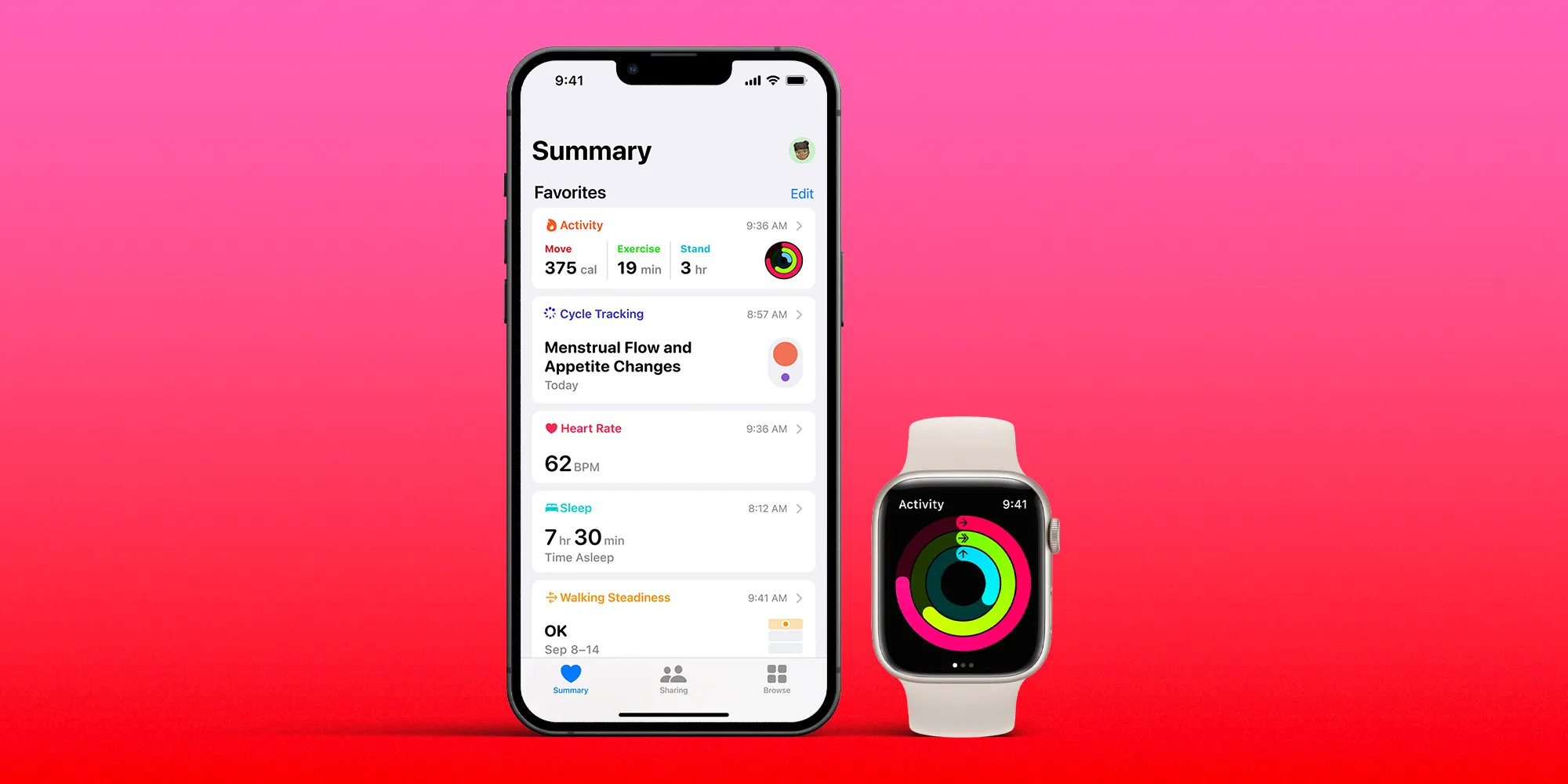
    – The Health and Fitness+ teams are being merged and will report to Eddy Cue, the head of services at Apple.
    – The watchOS team will be overseen by Craig Federighi, who is responsible for software engineering for iOS, macOS, and iPadOS.
    – Full decision-making authority for the Apple Watch hardware will be transferred to John Ternus, the head of hardware engineering, who is rumored to be Cook’s potential successor.

    Strategic Changes for Future Growth

    This reorganization is much more than an administrative makeover; it clearly indicates Apple’s strategic trajectory. By reassigning the entire Health and Fitness division to Eddy Cue, it is aligned firmly with the services business. Given that Fitness+ operates on a subscription model, and a paid Health+ service is reportedly in the pipeline for next year, this alignment is logical. It suggests that Apple envisions a subscription-based future for its health initiatives, akin to Apple Music and TV+.

    Similarly, the consolidation of watchOS under Craig Federighi smoothens software development processes. Federighi will now manage every major Apple operating system, with the sole exception being tvOS. This is expected to facilitate greater integration across the entire ecosystem, leading to a more seamless user experience across iPhone, Mac, and Watch devices. This strategic shift is instrumental in gearing Apple for its next decade of expansion.

    Questions & Answers

    What precipitated Apple’s recent reorganization?
    The impending retirement of Jeff Williams, the company’s longstanding COO, triggered a significant internal restructuring at Apple.

    What are the implications of the reorganization for Apple’s key divisions?
    The Health and Fitness+ teams will now report to Eddy Cue, the head of services at Apple. The watchOS team will be overseen by Craig Federighi, and all Apple Watch hardware decisions will be handled by John Ternus, the head of hardware engineering.

    What does this reorganization indicate about Apple’s future strategy?
    This restructuring signifies Apple’s strategic direction towards subscription-based models for its health initiatives, and greater integration across its ecosystem for a seamless user experience.

  • Google’s Pixel Watch 4: The Game Changer In Smartwatch Industry

    Google’s Pixel Watch 4: The Game Changer In Smartwatch Industry

    Google’s Pixel Watch has been a topic of discussion for several years now, but it has always fallen short of expectations. With each new iteration, the brand seemed to be on the brink of a breakthrough, yet something was always missing, preventing it from realizing its full potential. Issues ranged from incomplete features and charging discrepancies to battery drain problems. However, the Pixel Watch 4 is set to redefine the narrative.

    The Dawn of a New Era

    With the debut of the Pixel Watch 4, it’s clear that Google has transcended the teething troubles that marred its former models. This is the first Pixel Watch that exudes a sense of completion, thereby providing users with a comprehensive smartwatch experience. It is also the first model that could potentially ruffle the feathers of Apple Watch wearers.

    A Detailed Look

    At first glance, the Pixel Watch 4 retains the aesthetic charm of its predecessors. Its glass dome design and rounded body mimic the form of a smooth pebble, which is a signature style of the Pixel Watch line. However, a closer inspection reveals that this model is more than just a clone of its antecedents. It’s a true progression, a marked departure from mere replication.

    Features and Performance

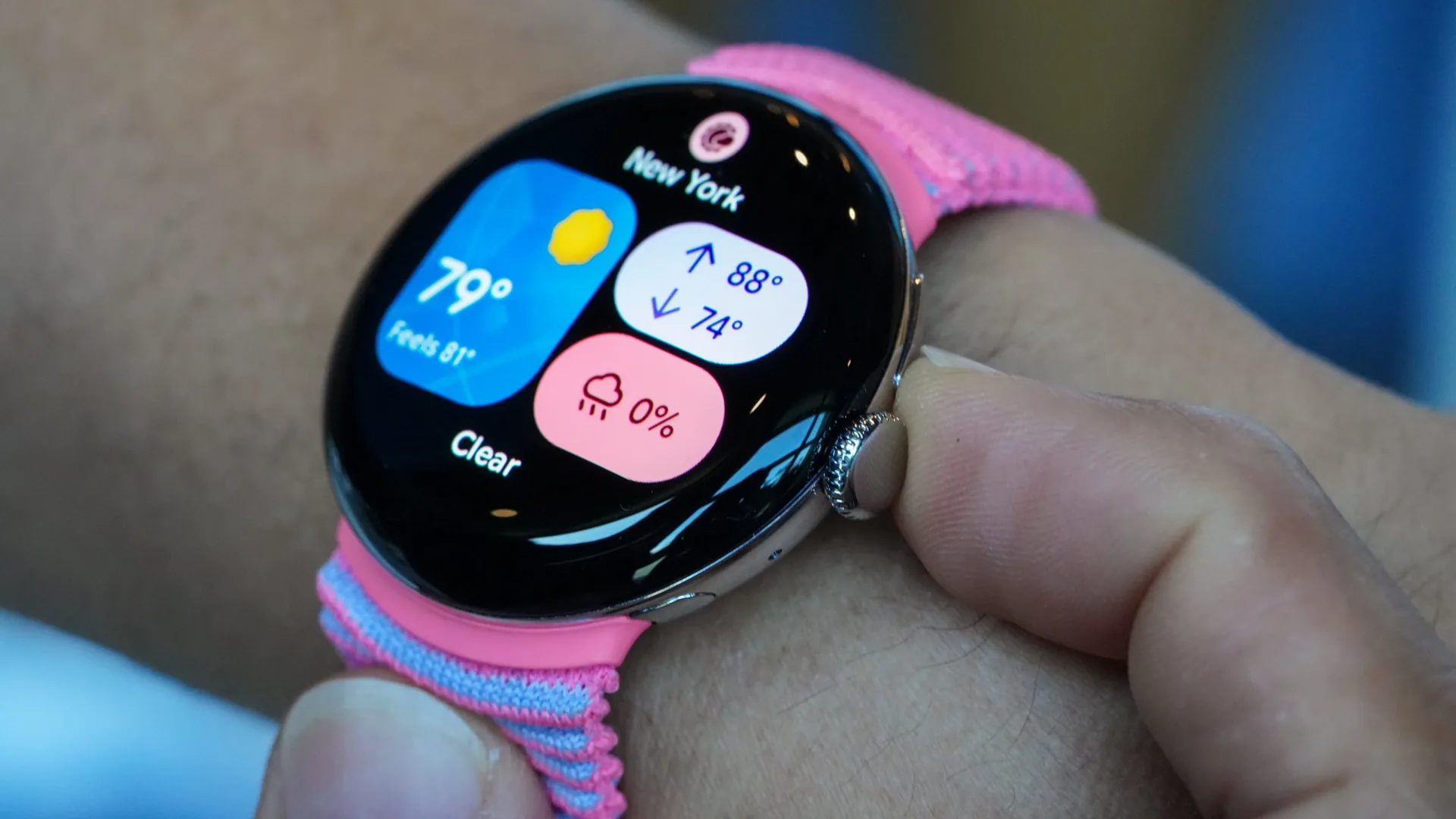
    The Pixel Watch 4’s display boasts an output of 3,000 nits, a figure that matches the luminosity of the premium Apple Watch Ultra 3, but at a lower cost. The display renders vibrant hues and lucid text in any lighting situation, making the animated Wear OS interface and colorful tiles look exceptionally lively.

    Under the hood, the Snapdragon W5 Gen 2 processor works in tandem with Google’s new AI co-processor. The resulting combination powers a smartwatch that delivers remarkable speed. Whether it’s navigating the menu system, launching applications, or scrolling, the Pixel Watch 4 offers a fluid and seamless user experience. This level of consistent performance was previously unattainable in older Pixel Watch models.

    Battery Life and Charging

    The Pixel Watch 4 also boasts an improved battery life. The 45mm model can function for up to 40 hours with the display on and needs just 15 minutes of charging to reach 50% capacity. The smartwatch supports full-day operation, complete sleep tracking, and still manages to keep some power in reserve for the next day. This has finally resolved the panic that often ensued when users forgot to charge their devices.

    Questions & Answers

    What sets the Pixel Watch 4 apart from its predecessors?
    The Pixel Watch 4 stands out due to its complete features, improved battery life, high-speed performance, and an enhanced user experience that feels fully developed.

    How does the Pixel Watch 4 compare to the Apple Watch Ultra 3 in terms of display?
    The Pixel Watch 4 matches the Apple Watch Ultra 3’s display output of 3,000 nits, delivering vibrant colors and clear text in all lighting conditions.

    How long does it take to charge the Pixel Watch 4?
    It takes only 15 minutes of charging for the Pixel Watch 4 to reach 50% capacity, making it a convenient choice for those on the go.

  • New features make the Google Translate app more useful and easier to use

    New features make the Google Translate app more useful and easier to use

    Google Translate, as per the company’s claim, processes a staggering one trillion words every month. Due to the sheer volume and diversity of languages and words, inaccuracies in translation are inevitable. However, Google is testing a new feature for its Google Translate app that could provide more transparency and functionality in its translation process.

    New Features for Google Translate

    Google Translate is experimenting with two new buttons named “Understand” and “Ask,” replacing the existing “Ask A Follow-up” feature that currently doesn’t exist in the iOS version of the app.

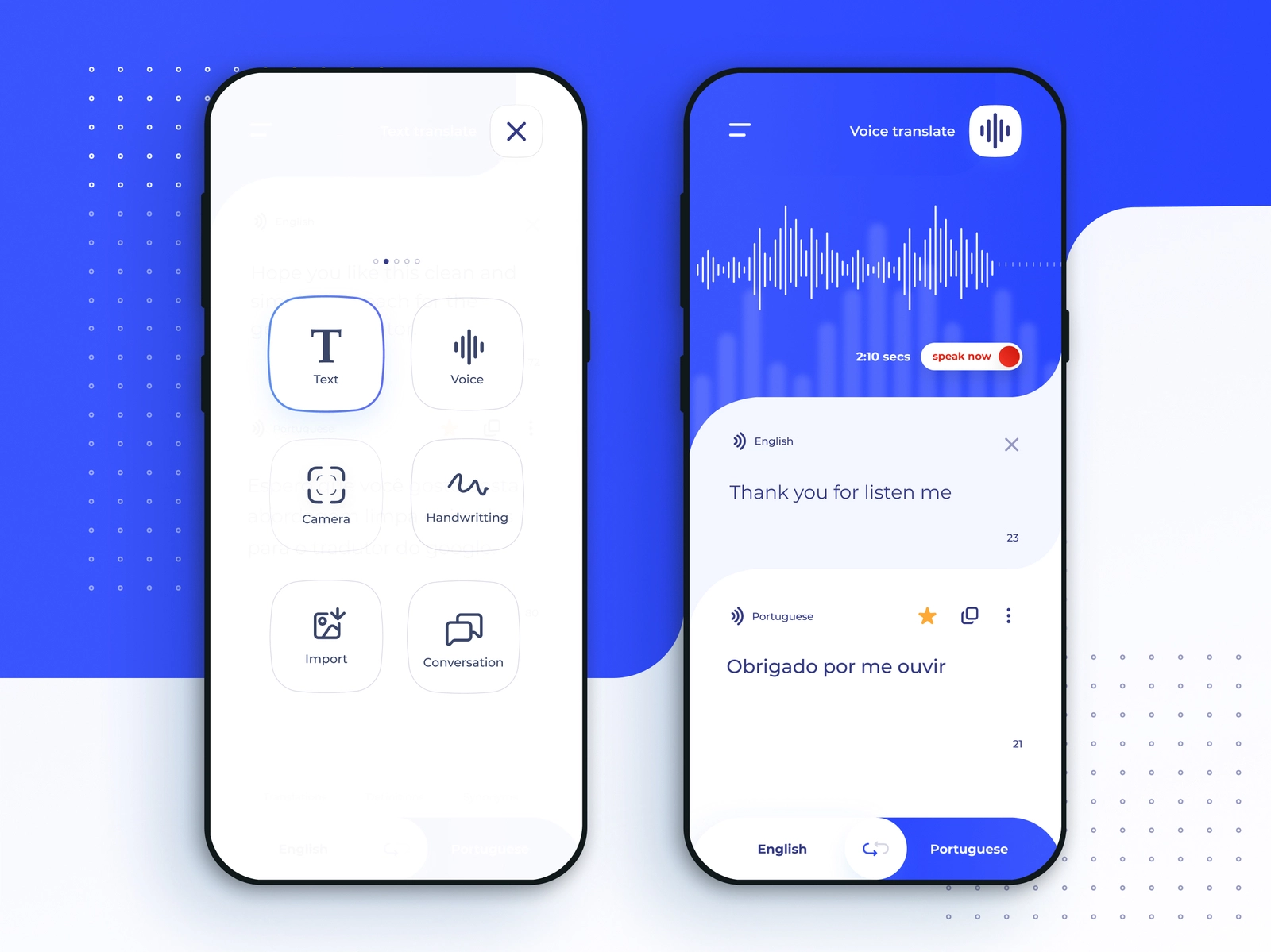
    The “Understand” button aims to shed light on the rationale behind a given translation, offering context and insight about the translated text. This information includes in-depth grammar explanations that delve into sentence structure, explanations of word sense and idioms used in translation, and cultural notes highlighting how cultural nuances such as politeness levels or gender influences have factored into the translation.

    The “Ask” button, on the other hand, empowers users to request AI assistance for a customized or improved translation. Users can request a translation with a specific tone – formal, casual, or simplified, alternative translations, regional variants of the translation, or usage of a particular phrase or word in a sentence. These AI-powered buttons are still considered experimental, though.

    Enhancing Accessibility

    Google is also testing another feature in its Android app that displays translated text in a larger font size, improving accessibility for users with less than perfect vision. This larger font is also visible in the full-screen mode of the app.

    This feature is already available in the iOS version of Google Translate and is expected to arrive on the Android version soon.

    Transforming Language Learning

    Google Translate is expanding its horizons beyond basic language translation, according to product manager Matt Sheets. He added that users can now “listen and speak with confidence on the topics you care about.” These statements align with Google’s earlier announcement that Google Translate would become more educational, offering language-learning features similar to Duolingo.

    In the app, a “Practice” button at the bottom right of the display allows users to select English, Spanish, French, or Portuguese to learn either Spanish or French. Users can also pick their current proficiency level in the language they wish to learn, with options for Basic, Intermediate, or Advanced.

    Questions & Answers

    What are the new features being tested in the Google Translate app?
    Google is experimenting with two new buttons, “Understand” and “Ask,” which aim to provide the reasoning behind a translation and allow users to request a customized translation, respectively.

    What is the purpose of the larger font size being tested in Google Translate for Android?
    The larger font size is designed to improve accessibility for users with less than perfect vision, making it easier for them to see the translation.

    What language learning features does Google Translate offer?
    Google Translate offers a “Practice” feature where users can choose to learn Spanish or French in English, Spanish, French, or Portuguese. They can also select their current proficiency level in the language they’re learning.

  • Apple’s Supply Chain At Risk As China Tightens Rare Earth Materials Regulations

    Apple’s Supply Chain At Risk As China Tightens Rare Earth Materials Regulations

    Apple’s CEO, Tim Cook, has expressed serious concerns about the potential implications of a Chinese invasion of Taiwan on the company’s supply chain, particularly for the electronic chips vital to Apple’s devices. This fear has been sparked by recent satellite images showing China’s mock-up of Taipei, including Taiwan’s Presidential Office. In response, Taiwan’s President Lai Ching-te has accelerated the development of an aerial defence shield for Taiwan.

    Apple’s Close Call

    China’s announcement last week regarding stricter regulations on the export of rare earth materials almost led to a significant predicament for Apple. The new regulations would necessitate licensing for end products made from Chinese materials. Considering China produces 90% of the world’s rare earth materials, which are essential for chip production, this could have spelled disaster. These materials are used to enhance chips’ electrical, optical, and magnetic properties and are also critical as a polishing agent in chip manufacturing. Notably, samarium, a material uniquely found in China, is used by the U.S. to build F-35 fighter jets and missiles.

    Amid Beijing’s crackdown on rare earth materials, there were concerns that China could force chip manufacturers like TSMC, Samsung, and SK hynix to obtain a license. This move could have allowed China to gain control over the advanced chips produced by these foundries. In a worst-case scenario, Apple may not have been able to rely on TSMC and Samsung Foundry for the manufacture of the essential chips for the iPhone and other products.

    The Relief

    However, the situation might not be as severe as initially feared. Taiwan has assured that China’s crackdown on rare earth materials does not affect the materials necessary for chip production. According to Taiwan’s Economy Ministry, China’s restrictions apply to metals that are not required by TSMC, Samsung, or SK hynix. Instead, the production of drones and electric vehicles could be impacted by China’s new policy. China justified its stricter stance, expressing concerns about the materials’ use in “military applications” amid an atmosphere of “frequent military conflict.” These new rules are set to come into effect on November 8th.

    Meanwhile, even though most of TSMC’s suppliers get their metals from China, the company has various sources for its rare earth materials. However, the future could see China imposing restrictions on the materials used for the production of advanced chips, affecting not only Apple but also other major TSMC customers like Nvidia, AMD, and Qualcomm.

    US Efforts and Futures Concerns

    As tensions rise, the U.S. has been stepping up efforts to find alternatives to rare earth materials. Domestic mining has been explored, and significant funding has been allocated for finding alternate sources. The Department of War has granted hundreds of millions of dollars to U.S. firms in this pursuit.

    While the current situation is under control, should China choose to escalate matters, it could expand the crackdown on rare earth materials to include metals used by foundries. This potential move underscores how crucial it is to find alternative sources of rare earth materials outside China.

    Questions & Answers

    What are the implications of China’s restrictions on the export of rare earth materials?
    The restrictions could disrupt the manufacturing processes of major tech firms, as these materials are integral to chip production.

    How could China’s crackdown affect Apple’s supply chain?
    China’s crackdown could potentially affect Apple’s ability to source the necessary materials for chip production, directly impacting their product supply.

    What measures are being taken to mitigate the impact of China’s new restrictions?
    The U.S. is actively seeking alternatives to rare earth materials, with efforts focused on domestic mining and finding other sources. The Department of War has also awarded significant funding to U.S. firms to aid in this endeavour.

  • Haiver Spirits introduces two brewed hard teas

    Haiver Spirits introduces two brewed hard teas

    Haiver Spirits, a renowned vodka brand, has broken new ground in the beverage market, venturing into the ready-to-drink category with the introduction of its first-ever brewed hard teas. This innovative offering marks a significant expansion for the brand, which is well-known for its vodka.

    The Inspiration behind the Brewed Hard Teas

    Matthew Anastassiou, the founder of Haiver Spirits, explained that the motivation behind the creation of these brewed hard teas was his enduring love for iced tea. He had a vision to craft a spirited variation of the classic drink that retained its refreshing essence, while adding a unique twist.

    The drinks are lightly carbonated, a feature that Anastassiou says helps to retain the original flavor of the drink, just as he intended.

    Production and Unique Features

    The hard tea range is produced in Victoria, utilizing Haiver Spirits’ proprietary vacuum distillation techniques. A key characteristic of the range is its infusion with fresh fruits, which lends an element of vibrancy to the two debut flavors – ‘Summer Peach’ and ‘Tropical’.

    In a departure from the traditional blending of tea with spirits, Anastassiou took an innovative approach for the hard tea range. He brewed the beverages on a beer base, a strategic move aimed at giving the product a smooth, full-bodied mouthfeel that closely resembled real iced tea. He described the end product as “crisp and refreshing”.

    Product Availability

    With an alcohol content of 4.5 per cent ABV, the hard tea range is conveniently packaged in 330ml cans. The retail price commences at $26 for a four-pack.

    Questions & Answers

    What inspired the creation of Haiver Spirits’ hard tea range?
    Matthew Anastassiou, the founder of Haiver Spirits, was inspired by his love for iced tea. He wanted to create a boozy version that retained the refreshing quality of classic iced tea while adding a unique edge.

    How does Haiver Spirits’ hard tea range differ from traditional tea-infused spirits?
    Rather than blending tea with spirits, Anastassiou chose to brew the beverages on a beer base. This innovative approach gives the product a smooth, full-bodied mouthfeel that closely resembles real iced tea.

    What is the alcohol content and packaging of the hard tea range?
    The hard tea range has an alcohol content of 4.5 per cent ABV and is available in 330ml cans.