Author: Mei Ling Tan

  • After Flipkart, Royal Enfield Begins Selling 350 CC Motorcycles On Amazon

    After Flipkart, Royal Enfield Begins Selling 350 CC Motorcycles On Amazon

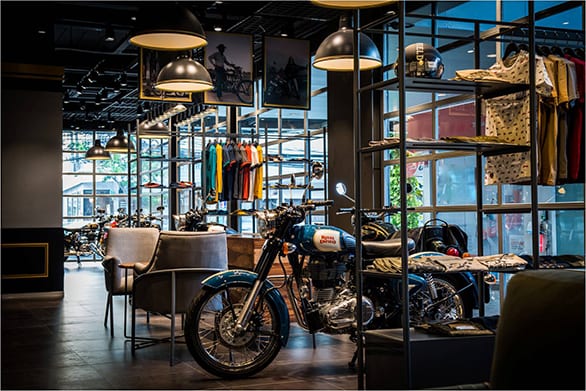
    Royal Enfield, a well-known motorcycle manufacturer, has recently made its entry into the online retail sector by offering its motorcycles for sale on Flipkart. Advancing its ventures in the e-commerce domain, the company has now disclosed its collaboration with Amazon India. This partnership expands consumers’ options for purchasing the company’s 350 cc range of motorcycles directly from these platforms.

    The array of motorcycles now accessible on Amazon includes the Royal Enfield Classic 350, Hunter 350, Bullet 350, Meteor 350, and Goan Classic 350. This offering mirrors the company’s previous approach with Flipkart, which excluded the more costly and larger models such as the Himalayan 450, Guerrilla 450, Scram 440, and the 650 cc range, including models like the Continental GT650, Interceptor 650, among others.

    Partnership Benefits

    Royal Enfield has communicated that its partnership with Amazon India will yield flexible payment options, thereby simplifying the process for customers to acquire a motorcycle. At present, these models are available in five cities, specifically Ahmedabad, Chennai, Hyderabad, New Delhi, and Pune, via a dedicated Royal Enfield brand store on Amazon.

    The company assures that deliveries and after-sales services will be handled by the dealership chosen by the customer in their city. Besides motorcycles, the online store also presents a range of accessories, riding gear, and merchandise. This step follows the company’s previous collaboration with Flipkart, which catered to customers in Bengaluru, Gurugram, Kolkata, Lucknow, and Mumbai.

    Questions & Answers

    What does Royal Enfield’s partnership with Amazon India entail?
    This collaboration enables the company to offer its 350 cc range of motorcycles directly on the Amazon platform. It also provides flexible payment options for customers.

    Which models are available through this online offering?
    The range includes the Royal Enfield Classic 350, Hunter 350, Bullet 350, Meteor 350, and Goan Classic 350.

    What additional services does Royal Enfield provide to online customers?
    In addition to delivering motorcycles, the company also offers after-sales services to be handled by the chosen dealership in the customers’ city. The online store features a variety of accessories, riding gear, and merchandise.

  • Nestle Exits Dairy Methane Action Alliance, Commences Partnership With World Farmers’ Organisation

    Nestle Exits Dairy Methane Action Alliance, Commences Partnership With World Farmers’ Organisation

    Nestle, a global food conglomerate, has announced its decision to exit the Dairy Methane Action Alliance, an international consortium committed to reducing methane emissions. The consortium, established in December 2023, comprises members like Danone, Kraft Heinz, and Starbucks. These members pledge to openly monitor and report methane emissions derived from their dairy supply chains, as well as design and implement strategies to curb these emissions over time.

    Despite withdrawing from the alliance, Nestle has not provided a specific reason for its decision. Nevertheless, the company has affirmed its dedication to lowering greenhouse gas emissions, including methane, across its supply chains. Nestle reiterated its pledge towards achieving net-zero emissions by 2050.

    New Collaboration

    Following its departure from the Dairy Methane Action Alliance, Nestle announced a partnership with the World Farmers’ Organisation. The alliance aims to enhance the resilience of food systems in the face of climate change.

    Climate Alliances Facing Challenges

    Nestle’s withdrawal represents a setback for corporate alliances aiming to mitigate the effects of global warming. This development coincides with the dismantling of several climate protection initiatives by high-profile figures, such as former US President Donald Trump. Additionally, numerous major banks have left the sector’s main group committed to reducing carbon emissions.

    Nestle emphasized its routine assessment of memberships in external organizations, declaring that it has chosen to terminate its membership in the Dairy Methane Action Alliance following such a review.

    By the end of 2024, Nestle had successfully reduced its methane emissions by nearly 21% compared to 2018 levels, according to the company’s 2024 non-financial statement.

    Methane, which is approximately 30 times more potent than carbon dioxide, is a key target in the fight against global warming. Agriculture accounts for nearly 40% of human-induced methane emissions, with the lion’s share originating from livestock, according to the Environmental Defense Fund (EDF).

    The EDF, the organization which established the methane alliance, stated that Nestle’s logo had been taken off its main page, although the company’s name remains visible on other pages. The EDF offered no reason for Nestle’s withdrawal, but acknowledged and appreciated Nestle’s ongoing commitment to addressing dairy emissions through its Dairy Climate Plan and Net Zero Roadmap.

    Questions & Answers

    Question: Why did Nestle leave the Dairy Methane Action Alliance?
    Answer: Nestle hasn’t provided a specific reason for its decision to withdraw from the Dairy Methane Action Alliance.

    Question: Is Nestle still committed to reducing greenhouse gas emissions?
    Answer: Yes, despite its withdrawal from the Dairy Methane Action Alliance, Nestle has affirmed its commitment to lowering greenhouse gas emissions, including methane. The company has also reiterated its goal of achieving net-zero emissions by 2050.

    Question: Has Nestle formed any new partnerships after leaving the Dairy Methane Action Alliance?
    Answer: Yes, Nestle has announced a partnership with the World Farmers’ Organisation, aiming to enhance the resilience of food systems towards climate change.

  • Levi Strauss & Co. Sees Robust Q3 Growth Driven By Direct-to-consumer Sales Surge

    Levi Strauss & Co. Sees Robust Q3 Growth Driven By Direct-to-consumer Sales Surge

    Levi Strauss & Co. continues to prove its strength in the retail industry, experiencing significant profit in the third quarter. The primary factor driving this growth is the double-digit increase in sales through the company’s direct-to-consumer (DTC) channel.

    Financial Performance

    By the end of the third quarter on August 31, the firm’s net revenues had reached $1.5 billion, showing a 7% rise year-on-year. This growth is consistent in both reported and organic terms. Sales in the Americas, Asia, and Europe also saw considerable increases, with 6%, 12%, and 5% respectively. Specifically, the U.S. saw a 3% increase in sales, reflecting the company’s strong presence in the domestic market.

    The DTC channel played a significant role in this surge with net revenues increasing by 11% as per reported data and 9% organically. This is attributed to a 7% jump in the U.S., a 4% rise in Europe, and a staggering 14% surge in Asia. Meanwhile, wholesale net revenues also observed an uptick, though at a slower pace, with a 3% rise in reported terms and a 5% increase organically.

    Profit and Future Strategy

    The company’s operating margin saw remarkable growth, reaching 10.8% from the previous year’s 2.3%. The gross margin also improved by 110 basis points to a robust 61.7%. The driving factors for this improvement were a favorable channel mix and price increases, which were slightly offset by the effects of import tariffs.

    The net income from continued operations, excluding the Dockers business, stood at $122 million, a significant increase from last year’s $23 million. The company also successfully sold the Dockers intellectual property and operations in the U.S. and Canada for $194.7 million as of July 31. The remaining operations are projected to be sold in the first quarter of the upcoming year.

    The President and CEO of Levi Strauss & Co., Michelle Gass, lauded the company’s impressive performance, attributing it to the strategic shift towards becoming a DTC-first, comprehensive denim lifestyle retailer. Despite the complex macroeconomic environment, Gass expresses optimism about the company’s ability to sustain this profitable growth well into 2026 and beyond.

    Expectations for the Coming Year

    Levi Strauss & Co. has revised its full-year guidance upward, predicting a 3% increase in net revenues. This is a significant rise from the 1-2% growth forecast provided in the second quarter. This prediction assumes that import tariffs from China will remain at 30% and the rest of the world at 20%.

    Questions & Answers

    What was the primary driver behind Levi Strauss & Co’s growth in the third quarter?
    The key driver was the double-digit growth in sales from the company’s direct-to-consumer (DTC) channel.

    What led to the improved operating margin of Levi Strauss & Co.?
    The improvement in operating margin was driven by a favorable channel mix and price increases, partially offset by the impact of tariffs.

    What are Levi Strauss & Co.’s growth expectations for the upcoming year?
    For the coming year, the company predicts a 3% increase in net revenues, assuming that import tariffs remain the same.

  • Grab Introduces Electric Car Service In Hanoi, Challenging Xanh Sm’s Market Dominance

    Grab Introduces Electric Car Service In Hanoi, Challenging Xanh Sm’s Market Dominance

    Grab, the renowned ride-hailing company, has launched its electric car service in Hanoi, marking a significant entry into the predominantly electric taxi market, primarily controlled by Xanh SM. This move is a strategic approach by Grab to expand their customer base and champion sustainable transportation options.

    Strategies and Goals

    Nguyen Hanh Linh, the director of Grab Vietnam’s mobility division, revealed that the newly introduced service aims to diversify income opportunities for their driver-partners. This strategy is expected to boost their confidence to make a shift toward electric vehicles. After its launch in Hanoi, Grab has ambitious plans to roll out the service in HCMC.

    The current ride-hailing market in Vietnam is mainly controlled by three major players: Grab, Be, and Xanh SM. Xanh SM stands out by exclusively using electric cars constructed by its sister company, VinFast.

    Customer Choices

    It is noteworthy that Grab users do not have the option to specifically request electric cars. Whether the customer gets a VinFast or BYD electric car is a matter of chance. Grab’s decision to launch the electric vehicle service was influenced by the rising number of electric vehicles on its platform, a trend which has been encouraged by driver incentives in recent years.

    Market Trends and Predictions

    A 2024 report estimated Vietnam’s ride-hailing and food delivery market to be valued at US$4 billion, with the potential to reach up to $9 billion by 2030. A survey conducted in May indicated that 55% of users in major cities chose Grab for ride-hailing services, compared to 32% for Xanh SM and 9% for Be.

    A report by Mordor Intelligence stated that Xanh SM took the lead in the ride-hailing market in the last quarter of 2024, holding a 44.68% share in the second quarter of this year. Grab Vietnam, however, disputed these figures, claiming that the research methods used and data sources were unverifiable and misleading.

    Questions & Answers

    What was the strategic aim behind Grab launching its electric car service in Hanoi?
    The launch aimed to expand Grab’s user base and promote environmentally friendly transportation.

    What is the next city where Grab plans to roll out its electric car service?
    After Hanoi, Grab plans to introduce the service in HCMC.

    How did Grab respond to Mordor Intelligence’s report about Xanh SM’s market lead?
    Grab disputed the findings, claiming that the data sources were unverifiable and the research methods were inadequate, leading to misleading conclusions.

  • Gold prices’ rally continues

    Gold prices’ rally continues

    On Wednesday, the price of gold in Vietnam saw a further increase, continuing its upward trajectory in the wake of record-high global bullion rates. The Saigon Jewelry Company raised the price of its gold bars by 0.42% to VND142.5 million (equivalent to US$5,405.61) per tael. This upward adjustment came after a morning increase of 0.92%.

    Year-to-Date Gains

    Bullion prices have seen a significant rise of 68% in the year-to-date. Currently, these prices are now over VND14 million per tael higher than the global rates. In the day’s trading, the price of a gold ring rose to VND139.5 million per tael, marking a 0.29% increase from its value earlier in the day. It’s crucial to note that in Vietnam, a tael is equivalent to 37.5 grams or 1.2 ounces.

    Global Gold Prices

    Worldwide, gold prices continue their historic surge, breaking past the $4,000 an ounce mark for the first time. This milestone was reached on Wednesday as investors sought refuge in the safe haven asset amid growing geopolitical uncertainties and speculation of further U.S. interest rate cuts. The spot gold price rose 1.2% to stand at $4,032.46 per ounce. Concurrently, U.S. gold futures for December delivery rose by 1.3% to register at $4,054.80 per ounce.

    This precious metal has experienced a twofold increase over the past three years, with a 12% rise in September alone. According to BNP Paribas analyst David Wilson, in most years, one or two risk drivers influence the gold price. He noted, “Right now, everything that is a traditional gold driver is happening.”

    Questions & Answers

    What is the current price of gold per tael in Vietnam?
    The price of gold per tael in Vietnam as determined by the Saigon Jewelry Company is currently VND142.5 million, equivalent to US$5,405.61.

    What factors are contributing to the current rise in global gold prices?
    The rise in global gold prices can be attributed to increasing geopolitical uncertainties and expectations of further U.S. interest rate cuts, driving investors towards the safe haven asset.

    What has been the percentage increase in gold prices over the past three years?
    Gold prices have seen a twofold increase over the past three years.

  • Asia’s Fashion Giant Urban Revivo Makes Strategic Inroad Into Europe With Uk Flagship Store

    Asia’s Fashion Giant Urban Revivo Makes Strategic Inroad Into Europe With Uk Flagship Store

    Urban Revivo, a leading fashion brand from Asia often dubbed as “the Zara of Asia,” has recently launched its flagship store in the UK, on Neal Street in Covent Garden. The 515 square meter store is nestled among unique boutique stores and established heritage brands, marking a strategic inroad into Europe’s vibrant fashion industry and demonstrating the brand’s global ambitions.

    Establishing a Global Presence

    Urban Revivo, founded in 2006, has expanded rapidly across Asia, with over 400 stores spread across China, Southeast Asia, and recently, the United States. The company’s launch in Covent Garden follows its debut in New York’s SoHo district in February, and is set to be followed by further entries into other global fashion hubs including Hong Kong and Tokyo.

    The Covent Garden location offers an exciting opportunity for Urban Revivo to engage with London’s dynamic fashion scene. Vivian Chen, CEO of Urban Revivo International, recognizes that the introduction of new brands often face high entry barriers, necessitating time for consumers to build trust and familiarity. Approximately 60% of the Covent Garden store’s offerings are designed by the company’s London-based European Design Center. This reflects the brand’s “quiet luxury” aesthetic, which Chen describes as a blend of timeless sophistication and subtle individuality.

    Adapting to Different Markets

    Urban Revivo is quick to adapt its brand to resonate with the distinct tastes of its different markets. Chen notes that the European market values longevity in design, quiet luxury, and a clear brand identity, differing from Asian markets, particularly China, where fast-changing fashion trends and brand experimentation are more prevalent.

    Boasting design centers in Guangzhou and London, Urban Revivo is building a connecting bridge between Eastern and Western aesthetics, aiming to create a brand that resonates globally. The brand plans to replicate its successful consumer research and feedback system, which is supported by millions of members, in the UK and European markets.

    Challenges and Opportunities

    Chen recognizes that Europe, home to three major fashion capitals, presents unique challenges due to its rich tradition of art and fashion, and consumers with avant-garde perspectives on cultural trends. However, the company’s success in the UK market serves as a solid foundation for its expansion into the broader European market and other new regions.

    While Urban Revivo is characterized by its fast-fashion model, with a typical turnaround from trend to retail shelf in just 10 days, its approach is more considered. The London store, for example, carries only 800 Stock Keeping Units (SKUs).

    Future Ventures

    Urban Revivo’s global expansion plan includes new ventures into Hong Kong and Tokyo, two of Asia’s most mature and fashion-forward markets. The company plans to open a flagship store in Hong Kong’s Harbour City, a luxury shopping destination in Tsim Sha Tsui, and is preparing to debut its store in Japan’s fashion capital, Tokyo, by the end of this year.

    Questions & Answers

    What is Urban Revivo’s expansion strategy?
    Urban Revivo’s expansion strategy involves establishing a presence in global fashion capitals such as London, New York, Hong Kong, and Tokyo, and adapting its brand to resonate with the distinct tastes of its different markets.

    How does Urban Revivo’s approach differ from traditional fast-fashion brands?
    Unlike traditional fast-fashion brands that flood stores with high-volume, high-turnover SKUs, Urban Revivo’s strategy is more measured. The London store, for example, carries only 800 SKUs.

    What are Urban Revivo’s future expansion plans?
    Urban Revivo plans to expand into Hong Kong and Tokyo, two of Asia’s most mature and style-conscious markets. The company will open a flagship store in Hong Kong’s Harbour City and is preparing to debut its store in Japan’s fashion capital, Tokyo, by the end of this year.

  • Gap Inc. Partners With Google Cloud, Leveraging Ai To Revolutionize Retail And Customer Experience

    Gap Inc. Partners With Google Cloud, Leveraging Ai To Revolutionize Retail And Customer Experience

    Gap Inc. has joined forces with Google Cloud in a multi-year partnership aimed at fast-tracking the company’s tech strategy through the application of artificial intelligence (AI). The overarching objective is to bolster operations and improve consumer interactions throughout its various brands.

    Harnessing the Power of AI

    According to Sven Gerjets, Gap Inc’s Chief Technology Officer, the company is embracing AI as a transformative tool in retail, building its future tech roadmap around it.

    He stated, “This partnership offers us the proficiency and speed to integrate AI throughout our operations, enabling our teams, igniting creativity, and delivering to our customers more swiftly and with a higher degree of personalisation than ever before.”

    The collaboration with Google Cloud will equip Gap with a cohesive, AI-powered platform devised to enhance product development, planning, and pricing processes. This will spark creativity and efficiency across all its brands, which include Old Navy, Gap, Banana Republic, and Athleta.

    To facilitate product design, customer experience, and employee enablement, Gap will utilize Google Cloud technologies such as Gemini, Vertex AI, and BigQuery.

    Reinventing Retail with AI

    Thomas Kurian, CEO of Google Cloud, expressed his enthusiasm about the partnership, saying it’s about revolutionising the retail landscape with AI and supporting Gap in leading the industry in terms of speed, personalisation, and game-changing customer experiences.

    With AI, Gap envisages creating a hyper-personalised shopping experience for consumers, enabling stronger storytelling and relevance to engage a wider audience. Furthermore, Google AI will assist Gap in optimizing ad placements and fortifying omnichannel marketing through Google Ads.

    Gap has already begun leveraging AI tools to aid employees in decision-making and execution, thereby enhancing efficiency.

    Sven Gerjets stated, “By re-engineering our workflows and empowering every employee with AI, we are allowing Gap Inc teams to concentrate on creativity, culture, and customer connection, while preserving the company’s human-centric DNA at the heart of innovation.”

    Questions & Answers

    What is the aim of the partnership between Gap Inc and Google Cloud?
    The partnership aims to accelerate Gap Inc’s tech strategy through AI, thereby improving operations and customer experiences across all of its brands.

    How will Gap Inc implement Google Cloud technologies?
    Gap Inc will utilize Google Cloud technologies to enhance product development, planning, and pricing procedures, and streamline product design, customer experience, and employee enablement.

    How will AI effect the shopping experience for Gap Inc’s customers?
    With AI, Gap Inc aims to create a hyper-personalised shopping experience for customers, enabling stronger storytelling and reach to a wider audience.

  • Vietnam Leads In Projected Salary Growth In Southeast Asia, Says Global Study

    Vietnam Leads In Projected Salary Growth In Southeast Asia, Says Global Study

    Vietnam is projected to have the most significant salary increase among Southeast Asian countries in 2025, with an estimated growth rate of 7.7%, according to a recent study by a leading global professional services firm.

    Salary Increase and Turnover Study for Southeast Asia

    The study, which ran from July to September 2025, assessed salary alterations and staff turnover rates from over 700 businesses in Indonesia, Malaysia, the Philippines, Singapore, Thailand, and Vietnam. The research indicated that the anticipated salary hikes for Southeast Asia (SEA) are projected to be 5.3% for 2026.

    When examining salaries across various industries per country, the life sciences and medical devices sector is predicted to witness the highest increase in Singapore (4.6%), whereas technology is leading in Vietnam (7.1%) and Indonesia (5.9%). In Malaysia, the consulting, business, and community services sector takes the lead with an expected increase of 4.8%.

    Retaining Top Talent and Reducing Attrition

    Rahul Chawla, the partner and head of Talent Solutions for Southeast Asia at the professional services firm, highlighted the dual challenges organizations are currently grappling with. As companies across SEA ramp up their investments in technology and strategic ventures, they are increasingly concentrating on retaining their best and most skilled employees. According to Chawla, balancing escalating compensation costs with the necessity for agility is paramount. The most successful enterprises are utilizing real-time market data and total rewards strategies to stay competitive.

    The study found that employee attrition rates were in double digits across all countries in the region. The Philippines and Singapore are anticipated to have the highest turnover rates, at 20.0% and 19.3% respectively, followed by Malaysia at 18.2%.

    Attrition rates also differ across industries, with the consulting, business, and community services sector topping the list with a rate of 22.6%. This is followed by the retail sector at 21.6% and manufacturing at 17.5%. The research revealed that 42% of businesses report difficulties in hiring or keeping employees.

    Skills Gap Challenges

    The study also found that 63% of businesses are currently dealing with skills gap challenges, while 12% anticipate short-term gaps, and 16% foresee longer-term gaps. Roles in information technology, engineering, and sales remain the most difficult to fill, while new hire premiums range between 1.3 to 8.2%, which is lower than the previous year, indicating an increased focus on cost control.

    The most sought-after “hot jobs” include sales (24%), information technology (24%), artificial intelligence (AI)/machine learning (ML) (21%), cybersecurity (20%), and engineering (19%). This trend towards digital and risk-focused skills suggests that firms are emphasizing sustained compensation strategies to secure skills that are crucial for the future in an increasingly competitive market.

    Evon Lock, head of data solutions for Southeast Asia at the professional services firm, commented that despite the hiring and retention pressures, most organizations remain cautiously optimistic and plan to maintain or slightly increase their workforce.

    Questions & Answers

    What is the expected salary increase in Vietnam in 2025?
    The expected salary increase in Vietnam in 2025 is 7.7%.

    Which industry is projected to have the highest salary increase in Singapore?
    The life sciences and medical devices industry is expected to have the highest salary increase in Singapore.

    What are the most in-demand jobs according to the study?
    The most in-demand jobs are in sales, information technology, artificial intelligence/machine learning, cybersecurity, and engineering.

  • Revolutionizing Retail: How Innovative Design Transforms The Shopping Experience

    Revolutionizing Retail: How Innovative Design Transforms The Shopping Experience

    In the realm of physical retail, innovative and creative designs have a significant influence on the shopping experience. Among the noteworthy brick-and-mortar stores promoting such inventive designs are Farm Rio, Manière de Voir, Crocs, Huckberry, H&M, Todd Synder, and Tm:rw.

    Farm Rio: An Intimate Shopping Experience

    Brazilian brand Farm Rio opened its third and smallest New York City store in August, at 1055 Madison Avenue on the Upper East Side. The store greets customers with a stunning mosaic installation, designed in collaboration with Bisazza, an Italian luxury mosaic maker. The mosaic, composed of 1.9 million hand-placed glass tiles, took over 460 hours to install. This store’s design elements include earthy-green carpets and plush gray seating, creating an intimate and luxurious shopping experience. The brand’s international portfolio includes over 140 locations, including stores in Los Angeles, Paris, and Rio de Janeiro, the brand’s hometown.

    Manière de Voir: A Story of Persistence and Vision

    Manière de Voir, a Manchester-born brand, has opened its first US flagship at 521 Broadway in New York City. The brand’s founder and CEO, Reece Wabara, described the store as a “story of persistence, grit and bold vision.” The spacious store, located just steps away from major retail stores like Nike, Uniqlo, and Sephora, offers customers a chic layout in calming tones and an apparel line that blends a London-inspired streetwear aesthetic with a minimalist Parisian approach.

    Crocs: A New Era of Personalization

    In August, Crocs launched a new store concept called Icon at 543 Broadway in New York’s trendy Soho neighborhood. The 4000 sqft store offers an immersive shopping experience and the brand’s largest personalisation venture yet, drawing customers towards a range of shoes and accessories that blend style and functionality. Customers can customize their purchases with Crocs’ signature Jibbitz charms, including exclusive New York City ones.

    Huckberry: A Blend of Style and Adventure

    Huckberry, a prominent destination for men’s style and adventure, has opened its first permanent store in Georgetown, Washington, DC. The space, part gear shop, part art gallery, was designed with warm materials and clean lines, reflecting the brand’s reputation for men’s lifestyle content. Customers can find a variety of brands ranging from Flint and Tinder to emerging brands from Tokyo, Paris, and New York City.

    H&M: Elevated Shopping Experience

    H&M has inaugurated a new flagship store at The Original Farmers Market in Los Angeles. The store, spanning about 15,000 sqft across two floors, features a gallery-like feel with white, curved walls, wooden fitting rooms, and translucent displays. It operates on RFID-enabled systems, ensuring precise stock accuracy and enabling quick item location within the store. The new LA store serves as a model for upcoming stores in São Paulo, Las Vegas, and Toronto.

    Todd Synder: Refined Elegance

    In August, American menswear designer Todd Snyder opened his first Ohio store, drawing inspiration from refined elements of English sartorial style and the raw aesthetic of industrial design. The store features a comprehensive tailoring shop with a range of Italian suits and sport coats, Italian-made shoes and sandals, and an array of best-in-class brands from around the world.

    Tm:rw: The Future of In-Store Shopping

    Tm:rw, a three-story flagship, opened its doors in July in the heart of Times Square, displaying the world’s largest 3D retail hologram and offering an AI-powered digital avatar and immersive window displays. This new model of experiential retail is designed to let people engage with products in unexpected ways. It features rotating concept areas that span gaming, health and wellness, food, beauty, entertainment, and sports.

    Questions & Answers

    What is unique about the design of Farm Rio’s Madison Avenue store in New York City?
    The store features a beautiful mosaic installation made from 1.9 million hand-placed glass tiles. This nature-inspired mosaic is complemented by green, moss-like carpets and plush, gray seating that resembles smooth stones.

    Can customers personalize their purchases at the Crocs Icon store?
    Yes, customers can personalize their purchases with Crocs’ signature Jibbitz charms, including ones exclusive to New York City, at two customization counters in the store.

    What does the Tm:rw store in Times Square offer?
    The Tm:rw store offers a new model of experiential retail, featuring the world’s largest 3D retail hologram, an AI-powered digital avatar, and immersive window displays. It has rotating concept areas across gaming, health and wellness, food, beauty, entertainment, and sports.
  • Richard Hinson Takes Helm As Ceo Of Minor Dkl, Sets Stage For Coffee Club Expansion

    Richard Hinson Takes Helm As Ceo Of Minor Dkl, Sets Stage For Coffee Club Expansion

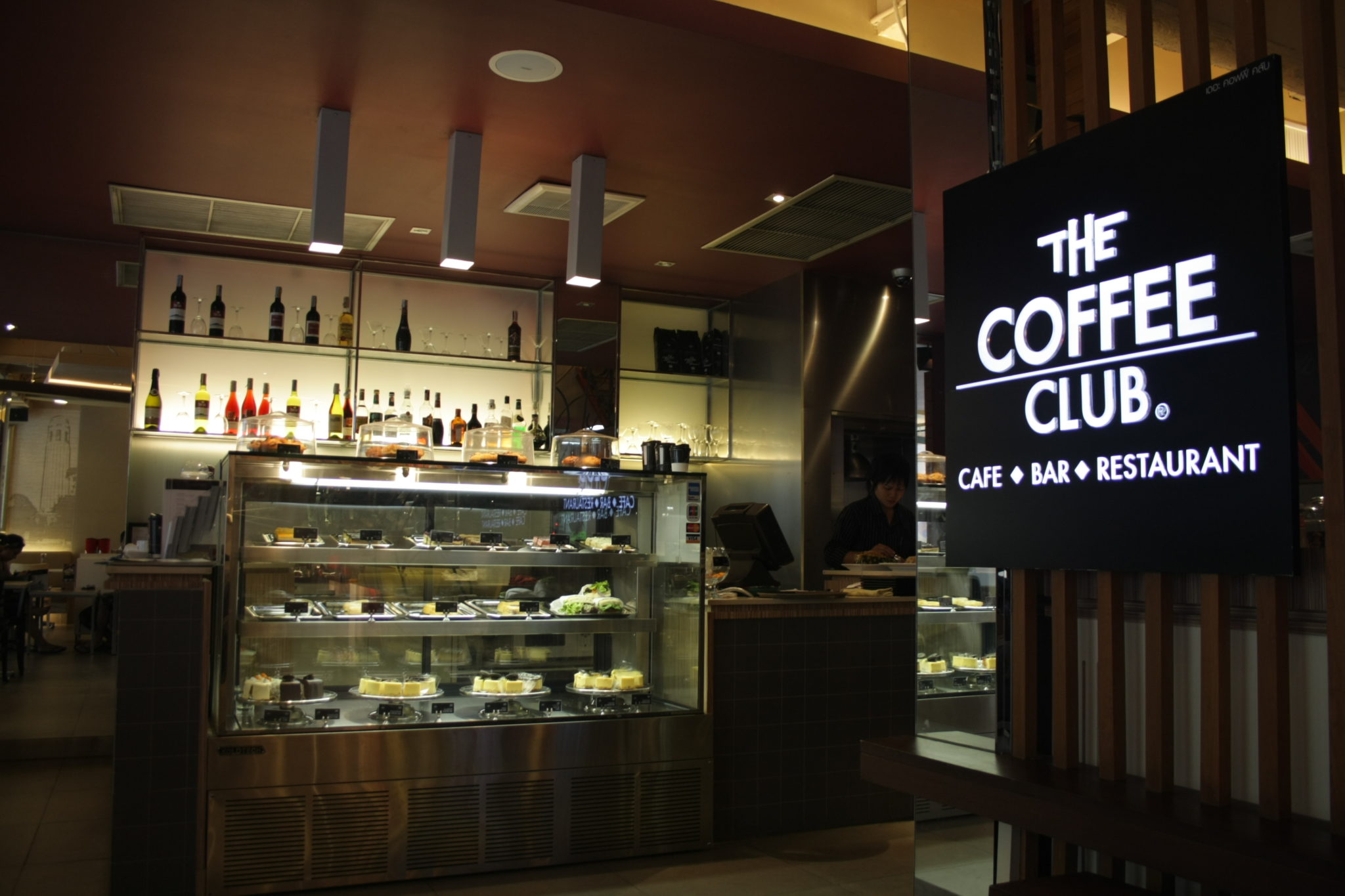
    Minor DKL Food Group, the Australian subsidiary of Thai-based company Minor International, has recently announced the appointment of Richard Hinson as their new CEO. This strategic move sets the stage for the next expansion phase of The Coffee Club.

    Hinson’s Background and Future Roles

    Before joining Minor DKL, Hinson held several high-ranking positions, managing intricate supply chains, high-volume consumer retail, and multi-location hospitality operations. His previous roles involved managing turnaround programs at Retail Food Group and aiding Countrywide in becoming a prominent foodservice distributor in Australia.

    Hinson emphasized the importance of people-centered operations in the success of cafés. “The heart of a successful café lies in its people – our franchise partners, their teams, and the customers who have made The Coffee Club a part of their daily routine,” Hinson stated.

    He pledged his commitment towards bolstering these partnerships and creating a culture that revolves around collaboration and innovation. Hinson aims to ensure a thriving environment for franchise partners and a personalized, memorable experience for every customer. He believes that such an approach will help continue to cultivate a café network that Australians can love and trust for generations to come.

    Hinson’s Plans for The Coffee Club

    In his new role with The Coffee Club, Hinson’s focus will be on strengthening franchise partnerships, boosting operational efficiency, and enhancing the customer experience. He has expressed his intention to support the launch of the new grab-and-go concept, Three Stories Café, which recently opened its first store in South Brisbane.

    Questions & Answers

    What is Richard Hinson’s background?

    Richard Hinson has a wealth of experience in the retail and hospitality sectors, having held senior leadership roles where he managed complex supply chains, high-volume consumer retail, and multi-site hospitality. He has also managed turnaround programs and helped establish a leading foodservice distributor.

    What is Hinson’s primary focus as CEO of Minor DKL Food Group?

    Richard Hinson aims to strengthen franchise partnerships, improve operational efficiency, and enhance the customer experience at The Coffee Club. He also plans to support the rollout of the new grab-and-go concept, Three Stories Café.

    What is the ultimate goal of Hinson’s strategy for The Coffee Club?

    Hinson’s objective is to create a thriving environment for franchise partners and provide a personalized, memorable experience for every customer. He believes that this approach will help build a café network that Australians will continue to love and trust for the years to come.

  • Vietnam And U.S. To Advance Trade Agreement Talks In Upcoming 2025 Meetings

    Vietnam And U.S. To Advance Trade Agreement Talks In Upcoming 2025 Meetings

    Vietnamese representatives are set to visit the United States in October and November 2025, with the goal of progressing discussions and finalizing a balanced trade agreement. Deputy Minister of Industry and Trade, Nguyen Sinh Nhat Tan, revealed this during a recent press conference, pointing out that Vietnam has been diligently working to expedite negotiation proceedings.

    Negotiation Principles and Goals

    The ongoing negotiations are being guided by principles of openness, constructiveness, equality, mutual respect, independence, self-reliance, and shared benefits. These principles consider the level of development of both nations. The ultimate aim is to foster stable and harmonious economic, trade, and investment relationships, in accordance with the Comprehensive Strategic Partnership between Vietnam and the U.S.

    End-of-Year Plans and Measures

    Bui Huy Son, Director of the Department of Planning, Finance and Enterprise Management at the Ministry of Industry and Trade (MoIT), stated the department is committed to meeting set targets and making new strides in the remaining months of the year. The MoIT is set to enforce a resolution from the Politburo that was issued on January 24, 2025, regarding international integration in a new context.

    Simultaneously, the MoIT is carefully observing changes in the U.S. tariff policy and is actively working with relevant authorities from both countries to identify and resolve emerging issues. This is in an effort to limit the risk of unfavorable trade measures being imposed on Vietnamese exports.

    Future Trade Negotiations

    The MoIT is prioritizing the commencement of Free Trade Agreement (FTA) discussions with the Southern Common Market (Mercosur) and the Gulf Cooperation Council (GCC) in the fourth quarter of 2025. It is also planning to initiate talks with Pakistan to broaden export opportunities, and aims to conclude FTA negotiations with the European Free Trade Association (EFTA) by the end of the year.

    Supporting Domestic Enterprises

    The MoIT is committed to addressing issues within domestic enterprises to decrease dependence on the FDI sector. It plans to continue working closely with businesses through regular consultations with industry associations and local authorities, thus providing timely policy advice to the Government and ensuring appropriate support.

    The department will also step up efforts around trade promotion, supply-demand connection, and product marketing to assist Vietnamese companies in reaching new customers and maintaining robust relations with traditional partners, especially in the U.S. market.

    The MoIT reiterated its commitment to enforcing origin-related regulations through inspections, licensing, and violation settlements, while also reinforcing supervision to combat trade remedy evasion and origin fraud.

    Questions & Answers

    What is the purpose of the Vietnamese delegation’s visit to the U.S. in late 2025?
    The delegation aims to progress discussions and finalize a reciprocal trade agreement with the United States.

    What principles guide the ongoing trade negotiations between Vietnam and the U.S.?
    The principles of openness, constructiveness, equality, mutual respect, independence, self-reliance, and shared benefits guide the negotiations, with the development levels of both nations taken into consideration.

    What are the MoIT’s plans for supporting domestic enterprises in Vietnam?
    The MoIT plans to address limitations within domestic enterprises, reduce reliance on the FDI sector, and work closely with businesses for regular consultations. The department also plans to intensify efforts around trade promotion, supply-demand connection, and product marketing.

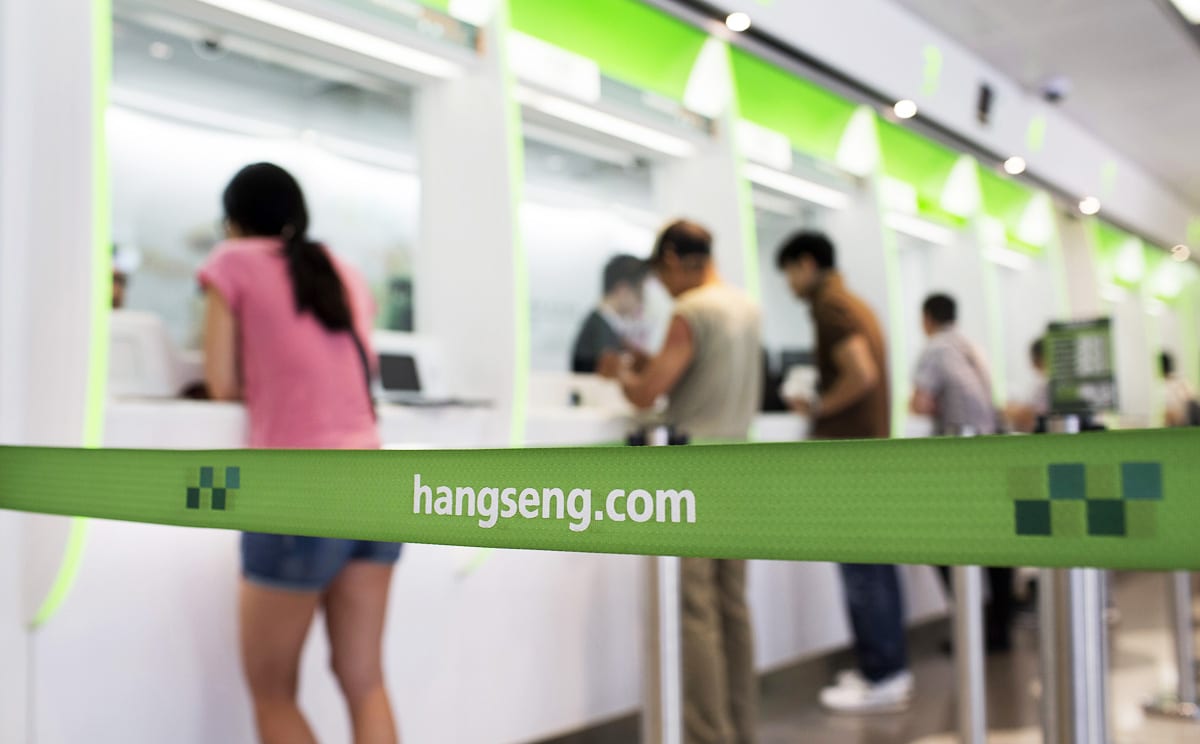
  • Hang Seng Bank Coo Vivien Chiu Breaks Record With $5.14 Million Hong Kong Luxury Apartment Purchase

    Hang Seng Bank Coo Vivien Chiu Breaks Record With $5.14 Million Hong Kong Luxury Apartment Purchase

    Vivien Chiu, the Chief Operating Officer of Hang Seng Bank, has recently acquired a deluxe apartment in Hong Kong for HK$40 million, equivalent to around US$5.14 million. The cost per square foot of the 1,651 square-foot property amounted to HK$24,228, or US$33,517 per square meter, making it a record-setting purchase for the property in the current year.

    Property Details

    The luxury apartment is situated in the Beverly Hill project located in the Happy Valley area of Hong Kong. The property last changed owners in 2014 for a sum of HK$16 million. The recent handover took place on Monday, as per the Land Registry records.

    Chiu previously held positions in various departments at HSBC prior to her tenure at Hang Seng, which began in 2022.

    In a similar vein, Diana Cesar, the CEO of Hang Seng at the time, bought a flat in the upscale Flora Garden complex located in the Tai Hang Mid-Levels area in August, for a sum of HK$26.63 million.

    HSBC to Acquire Hang Seng

    Recently, HSBC announced its plans to acquire Hang Seng Bank for a staggering sum of HK$106.1 billion. Despite the bank’s recent struggles, Hang Seng will retain its own license, governance, and brand after the acquisition.

    This move comes as Hong Kong’s banking sector battles the most significant real estate slump since the late 1990s. Home prices in the city have dropped by approximately 30% from their peak in 2021.

    Housing Sector Recovery

    Despite the downturn, the housing sector has shown promising signs of recovery. According to data from the Rating and Valuation Department (RVD), the official index for second-hand home prices has increased by 1.26% since April. The index saw its fifth consecutive month of growth in August, reducing the overall decline in the year to just 0.24%.

    In August, some 5,291 homes changed ownership, representing an 8.2% decrease from July, but a 44.8% increase compared to the same period in the previous year. The total transaction value reached HK$42.2 billion, a decrease of 8.9% from the previous month but an increase of 48.2% year-over-year.

    Between January and August, the combined sales of new and existing homes increased by 10% from the previous year to 42,379 units. This is the highest level for this period in the past four years, as reported by property agency Midland Realty.

    Questions & Answers

    What is the total cost of the luxury flat purchased by Vivien Chiu?
    The total cost of the flat purchased by Vivien Chiu is HK$40 million, equivalent to around US$5.14 million.

    Who is the former owner of Hang Seng Bank, and what are the terms of the bank’s acquisition by HSBC?
    HSBC is the new owner of Hang Seng Bank. Despite the acquisition, Hang Seng will retain its own license, governance, and brand.

    What are the recent trends in Hong Kong’s housing sector?
    Home prices in Hong Kong have seen significant declines, but recent data shows signs of recovery with the index for second-hand home prices increasing by 1.26% since April.

  • Global Oil Market Fluctuates: Opec+ Decision, Demand Drop, And Ukraine-russia Conflict Factors

    Global Oil Market Fluctuates: Opec+ Decision, Demand Drop, And Ukraine-russia Conflict Factors

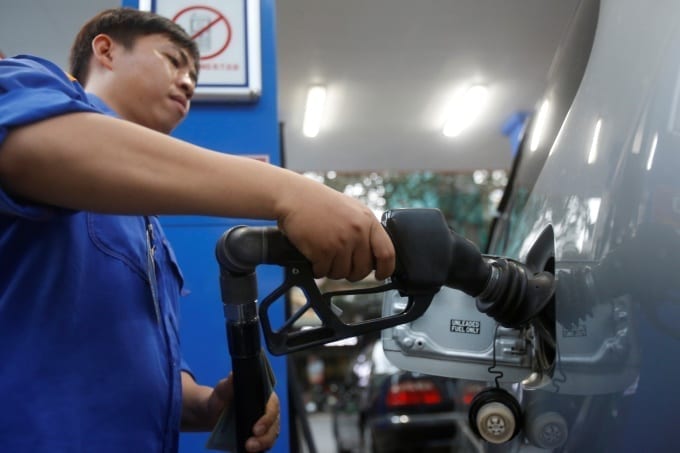
    Over the last week, various elements have shaped the worldwide oil and gasoline market. Among these factors are a smaller-than-predicted rise in oil production for November as stated by OPEC+, a deteriorating trend in global oil demand, as well as ongoing assaults on Russia’s energy base by Ukraine.

    Shifts in Fuel Prices

    There has been a noticeable decline in the prices of RON95 and diesel. RON95 experienced a 2.9% decrease, bringing its price down to $78.3. In parallel, diesel’s cost also fell by 2.6%, reducing its price to $87.66.

    Impacts and Implications

    These shifts in costs indicate a powerful interplay among various factors. The OPEC+ decision to curb the expected rise in production, the fall in global oil demand, and the continued infrastructural attacks in Russia by Ukraine are all working in concert, directly impacting the global oil and gasoline market.

    Questions & Answers

    What factors affected the global oil and gasoline market over the past week?
    Several elements have influenced the worldwide oil and gasoline market in the last week. These include a less-anticipated increase in oil production from OPEC+, a declining global oil demand trend, and ongoing assaults on Russia’s energy infrastructure by Ukraine.

    How have fuel prices changed recently?
    Prices for both RON95 and diesel have seen a significant drop. RON95 decreased by 2.9%, bringing it to $78.3, while diesel fell by 2.6%, reducing its price to $87.66.

    How do these factors interplay to affect the market?
    The various influences such as the unexpected OPEC+ production decision, falling global oil demand, and the continuous attacks on Russia’s infrastructure by Ukraine have a combined effect on the global oil and gasoline market. They work together to cause price fluctuations and shifts in the market.

  • Tesla Unveils Affordable Model Y And Model 3 Variants: High Performance Meets Budget-friendly

    Tesla Unveils Affordable Model Y And Model 3 Variants: High Performance Meets Budget-friendly

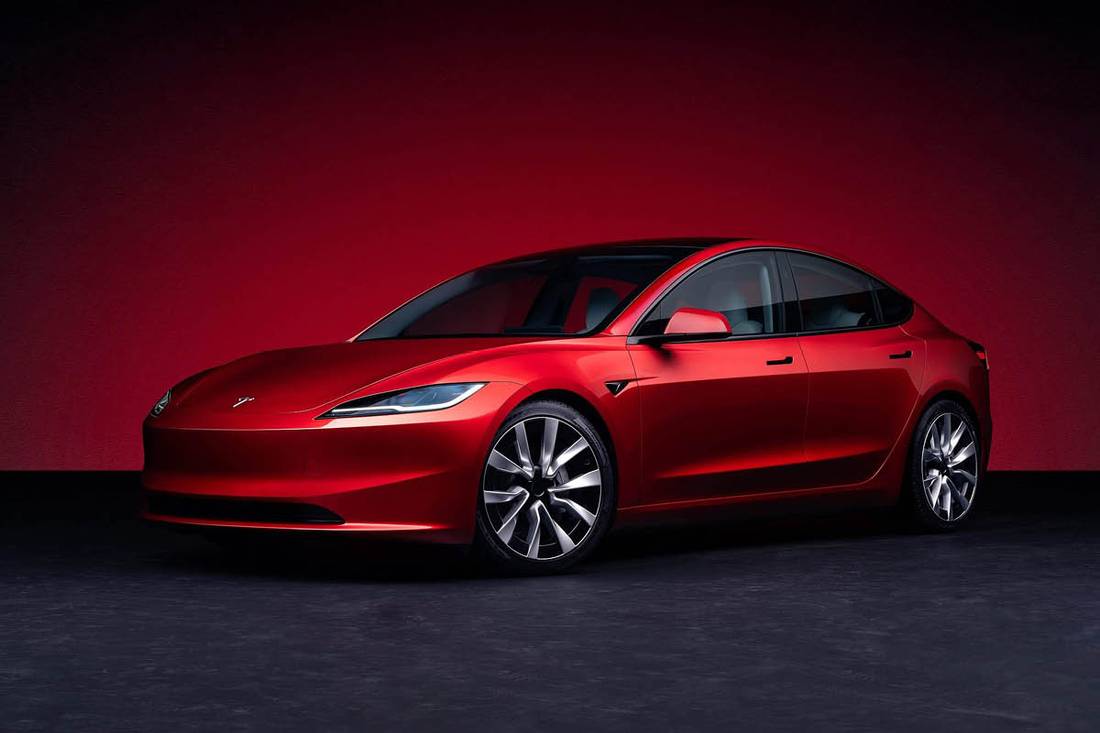
    Tesla has recently unveiled a new line-up of affordable versions of their popular Model Y and Model 3 vehicles. Going by the names of Model Y Standard and Model 3 Standard, these models are designed to offer a more budget-friendly option for consumers, in an attempt to bolster sales and strengthen Tesla’s position in a highly competitive marketplace. These entry-level models are targeted at a wider demographic, aiming to appeal to those who may not have previously considered a Tesla due to the traditionally high price point. Alongside the introduction of these new models, Tesla has also rebranded the Long Range versions of these vehicles under the Premium label. Currently, these new models are only available in the US market.

    The Tesla Model Y Standard

    The Tesla Model Y Standard brings a few changes from its other variants, including the removal of the light bars seen on the front of the higher-end models. This new, more affordable version also features 18-inch wheels. While the panoramic sunroof that is a feature of the higher-end Model Y variants is absent from this model, the color options have also been limited to just three: white, black, and grey.

    This model lacks a few of the “luxury” features seen in its counterparts: the second-row screen, heated rear seats, and it comes with manual steering and side mirrors, as well as a 7-speaker setup instead of the 15-speaker unit seen on the other models.

    However, performance has not been compromised, with the new affordable Model Y variant powered by a 69.5kWh battery capable of producing 300hp and delivering a range of 517 km on a single charge.

    The Tesla Model 3 Standard

    The Tesla Model 3 Standard also features 18-inch wheels as standard, with the option to upgrade to a 19-inch set. This model comes in a standard grey color, with customers having the option to choose a black variant for a premium price.

    On the inside, this model lacks the rear touchscreen unit seen on other variants, but it does retain the panoramic sunroof found on the other Model 3 versions.

    This model shares most of its configuration with the Model Y Standard, including the same 69.5 kWh battery pack, which claims to deliver a range of 517 km. However, the new variant is slightly slower than the Model 3 Premium RWD, achieving 0-100 kmph in 5.8 seconds.

    Despite their reduced-priced cost and the omission of several sophisticated exterior and interior features, both the Model Y and Model 3 Standards retain Tesla’s core digital features, such as the 15.4-inch central touchscreen, Autopilot, and Sentry Mode, among others.

    The Model 3 Standard has now positioned itself as Tesla’s most affordable sedan, with a new price point of around USD 36,990, a drop of nearly USD 5,000 from its previous starting price. The new Model Y Standard is priced at USD 39,990 in the US market.

    Questions & Answers

    What key features have been changed in the new Tesla Model Y and Model 3 standard variants?
    Some luxury features have been removed or downgraded in these models to make them more affordable. These include removal of the light bars, panoramic sunroof and second-row screen in the Model Y Standard, and the rear touchscreen unit in the Model 3 Standard.

    What is the performance capability of the new cheaper variants?
    Both the Model Y and Model 3 standard variants are powered by a 69.5 kWh battery pack that can deliver a range of 517 km on a single charge. The Model 3 Standard can do 0-100 kmph in 5.8 seconds.

    Are the Tesla Model Y and Model 3 Standard models still equipped with Tesla’s basic digital features?
    Yes, despite their lower cost, both models still include key Tesla digital features, such as a 15.4-inch central touchscreen, Autopilot, and Sentry Mode.

  • Techcombank brings an AI-powered experience to 13,000 runners at the Hanoi International Marathon

    Techcombank brings an AI-powered experience to 13,000 runners at the Hanoi International Marathon

    The 4th Techcombank Hanoi International Marathon provides an AI-powered video experience for 13,000 runners. For the first time in Vietnam, an AI video generator enabled every runner to create a personalised video to recreate their race experience
    Hanoi, October 8th, 2025 – Following the success of the previous three seasons, the 4th Techcombank Hanoi International Marathon was held on 5th October 2025 and attracted over 13,000 Vietnamese and international athletes who competed over courses running past many of Hanoi’s most iconic cultural landmarks. For the first time ever in Vietnam, an AI video generator enabled every runner to create a personalised video of their race to celebrate their achievement and spread the spirit of Run for a Greater Vietnam.

    The 4th Techcombank Hanoi International Marathon was held under the direction of the Hanoi People’s Committee, organized by the Hanoi Department of Culture and Sports, in collaboration with Vietnam Technological and Commercial Joint Stock Bank (Techcombank) and Sunrise Events Vietnam (SEV).

    A unique feature of this year’s marathon was the application of AI video generation technology on the racecourse to create personalized highlight videos for every runner. By uploading a photo of themselves to an AI video generator, each runner could receive a video within 24-36 hours that recreated their most memorable moments as they ran past the historic landmarks of Hanoi. These videos enabled every runner to become an ambassador for the Techcombank Hanoi International Marathon and Techcombank’s Run for a Greater Vietnam initiative.

    The 4th season of the Techcombank Hanoi International Marathon attracted nearly 1.5 times as many runners as the previous edition. Offering a well-designed racecourse passing through Hanoi’s most famous historic districts, a unique AI-powered video experience and organized to international standards, the event delivered a world-class experience for its runners.

    More than 13,000 runners from 51 countries and territories competed in the 4th Techcombank Hanoi International Marathon, turning Hanoi into a global meeting point. Participants in the races passed through five historic districts in Hanoi and saw many of the city’s most famous landmarks, including the Ho Chi Minh Mausoleum, Long Bien Bridge, and the National Assembly building. Notably, the half-marathon (21km) featured the oldest ever participant in a marathon in Vientam – an 81-year-old runner.

    Ms. Thai Minh Diem Tu, Chief Marketing Officer at Techcombank, said: “The 4th Techcombank Hanoi Marathon was a fantastic occasion that brought the community together, promoted physical fitness and enabled runners to experience the wonderful city of Hanoi. We believe that a Greater Vietnam is not only built on a strong economic foundation, but also on a healthy, connected, and aspirational community. This is why we continue to support the Techcombank Hanoi International Marathon as part of our long-term strategy to elevate the quality of life for Vietnamese people. For the first time ever in Vietnam AI technology has been used to give every runner a personalised highlights video of their race to enable them to share their experience and spread the spirit of Run for a Greater Vietnam in the community”.

    Techcombank’s Run for a Greater Vietnam initiative encompasses community engagement activities aimed at promoting healthy lifestyles among Vietnamese. These include support for the annual Techcombank Hanoi and Ho Chi Minh City International marathons, which in 2024 attracted over 28,000 runners across the two events.

    In addition to the official races, the 4th Techcombank Hanoi International Marathon event also offered a range of other activities for the community held over three days, from October 3 to October 5, 2025. The highlight of these activities was the KIDS RUN, which comprised two races for young athletes from 5 to 14 years, over distances of 1.5 km and 3 km.

    To coincide with the marathon, Techcombank contributed VND 2 billion to the “For the Poor” Fund of Hanoi to build community houses, the Hanoi Child Protection Fund, and the Hanoi Federations of Basketball, Cycling, and Motorsports. This contribution was part of Techcombank’s long-term strategic mission to create better lives, make a positive contribution to the community, and fulfill its corporate social responsibility for a sustainable future.