Author: Mei Ling Tan

  • Singapore Amplifies Integrated Professional Services: A Strategic Alliance Between ISCA and LawSoc

    Singapore Amplifies Integrated Professional Services: A Strategic Alliance Between ISCA and LawSoc

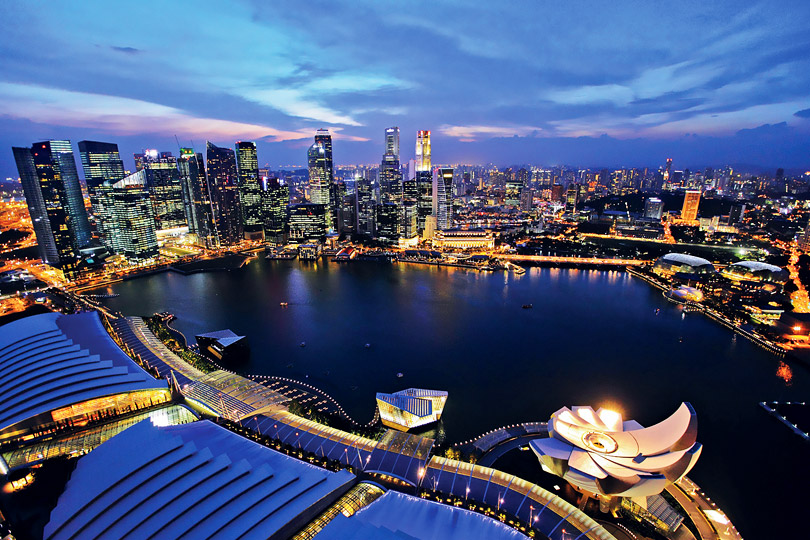
    In an effort to establish itself as a leading regional hub for integrated professional services, Singapore is taking significant strides. This endeavor has been demonstrated through a recent formal collaboration between the Institute of Singapore Chartered Accountants (ISCA) and the Law Society of Singapore (LawSoc). This strategic partnership aims to harmonize the skills of lawyers and accountants to better meet the complex, multi-jurisdictional business needs that are arising as companies expand across borders and the demand for comprehensive advice in legal, financial, and governance disciplines escalates.

    Transition from Compliance to Coordination

    The dynamics of professional services firms are undergoing a structural transformation. Clients are now seeking integrated solutions rather than isolated expertise, especially when it comes to managing risk, facilitating transactions, or expanding into new markets. The alliance between ISCA and LawSoc is a direct response to this shift. The initiative is designed to bring the legal and accountancy professions closer together, to promote multidisciplinary collaboration and to unlock new growth opportunities for firms operating in the region.

    ISCA’s President, Teo Ser Luck, views this collaboration as a vital step towards developing a cohesive ecosystem, saying, “This partnership is of great significance for both organizations. We are in the process of establishing a Professional Services Centre that will connect businesses with the legal and accounting expertise they need to confidently manage the risks associated with operating across borders.”

    Digital Learning as a Cornerstone

    Talent development is a key aspect of this collaboration. ISCA and LawSoc plan to co-develop a digital learning platform tailored to the needs of modern professional workflows. This platform will offer on-demand modules that are accessible at any time and from anywhere. It will also promote cross-disciplinary learning, enabling lawyers to understand more about accounting, finance and governance, and accountants to deepen their knowledge of legal concepts relevant to transactions and advisory work.

    NTUC LearningHub is supporting this initiative by facilitating funding options such as SkillsFuture Credit and the Union Training Assistance Programme (UTAP). They plan to roll out Continuing Professional Development (CPD) courses later this year via NTUC LearningHub’s Learning eXperience Platform.

    A New Professional Services Centre

    Beyond skills development, the partnership between ISCA and LawSoc also has an institutional dimension. They are considering the establishment of a Professional Services Centre in Singapore. This centre would serve as a one-stop platform that connects companies with coordinated legal and accounting expertise. It will be particularly beneficial in assisting foreign investors interested in Singapore, as well as Singapore-based firms looking to expand overseas.

    Strengthening Singapore’s Regional Role

    This collaboration comes at a time of geopolitical uncertainty and economic fragmentation, where Singapore is striving to maintain its position as a reliable and trusted business hub. The Economic Development Board (EDB) views this partnership as a way to reinforce Singapore’s competitive edge in professional services.

    A Model for the Region?

    As cross-border deal flow and regulatory complexity in Asia are expected to increase, Singapore’s integrated approach could serve as a model for other markets. By aligning legal and financial expertise, investing in digital learning, and building institutional support structures, the ISCA–LawSoc partnership signals a broader evolution of the professional services industry—one that prioritizes collaboration over specialization in isolation.

    Questions & Answers

    What is the aim of the collaboration between ISCA and LawSoc?
    The partnership aims to harmonize the skills of lawyers and accountants to better meet the business needs of clients as companies expand across borders and demand for comprehensive advice in legal, financial, and governance disciplines rises.

    What are some key components of this collaboration?
    The collaboration includes aligning legal and financial expertise, developing a digital learning platform for on-demand, cross-disciplinary education, and considering the establishment of a Professional Services Centre in Singapore.

    What does this partnership signify for the professional services industry in Singapore and potentially the region?
    The partnership signifies a broader evolution of the professional services industry, one that prioritizes collaboration over specialization in isolation. It could serve as a model for other Asian markets as cross-border deal flow and regulatory complexity increase.

  • Texas Chicken Set to Conquer Chinese Market with 600+ Stores: The Biggest International Expansion to Date

    Texas Chicken Set to Conquer Chinese Market with 600+ Stores: The Biggest International Expansion to Date

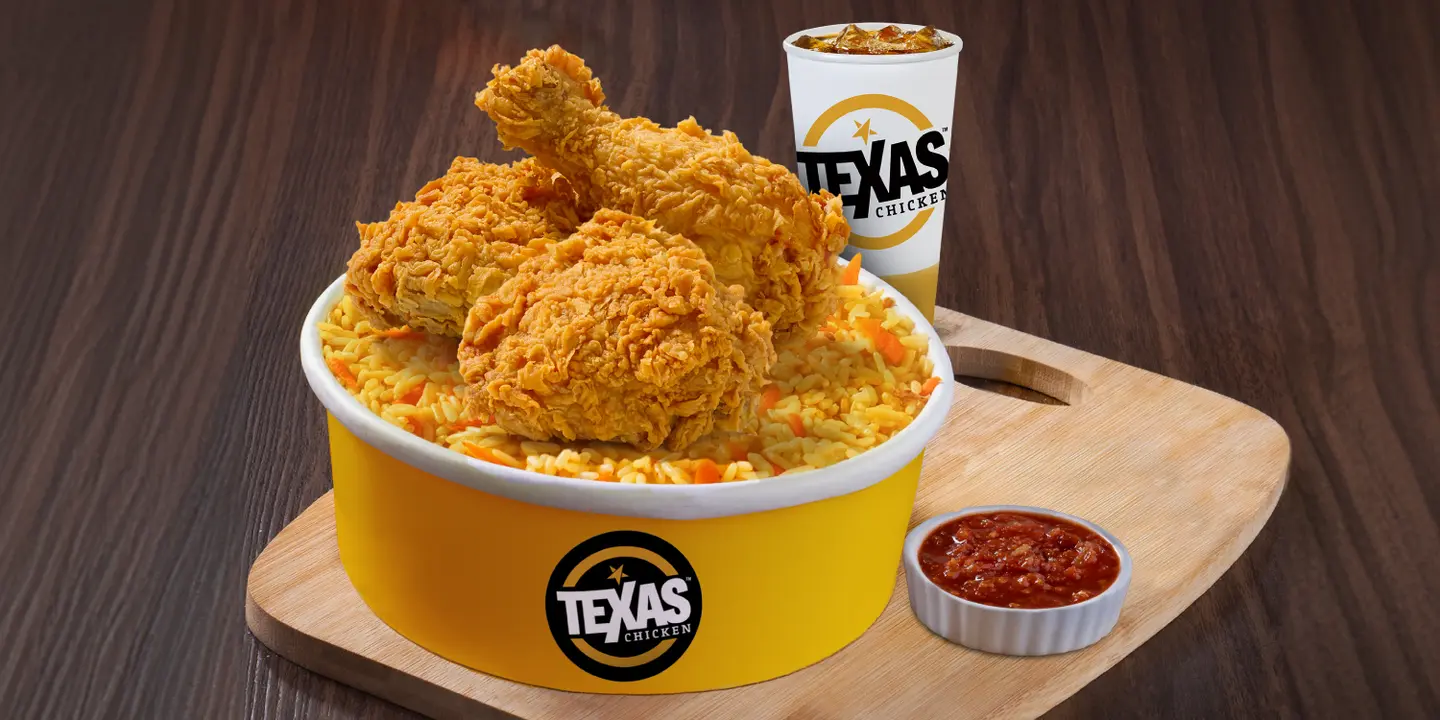
    Texas Chicken, a prominent quick-service restaurant chain, is set to expand its footprint to China. The company plans to inaugurate its first restaurant in the country later in the year, following a significant deal to open over 600 establishments nationwide.

    China: The 27th International Market

    The upcoming debut of Texas Chicken in China signifies its entry into its 27th international market. The first restaurant under this brand will be launched in Shanghai this summer, followed by additional outlets in various locations. The company aims to create a robust presence in the Chinese market by opening more than 600 restaurants throughout the country.

    Strategic Partnership with Deke Shengtang

    To facilitate its successful entry into the Chinese market, Texas Chicken has formed a strategic alliance with Deke Shengtang, a renowned local operator for several quick-service restaurant brands. The partnership entails a franchise agreement that will see the development of 600 or more restaurants across China in the coming years.

    According to Texas Chicken, this franchising agreement marks the company’s most significant international development deal to date, reflecting its long-term confidence in the Chinese market.

    Executives’ Insights

    Roland Gonzalez, the CEO of Texas Chicken, stated, “China is one of the most dynamic and influential consumer markets globally, and we are entering it with a brand primed for connection – boasting big flavour, real value, and a spirit that unifies people.”

    Tim Wadell, EVP of International Business at Texas Chicken, further stated, “The team at Deke Shengtang brings the local expertise and ambition we seek in a partner.”

    The company will release more details about the restaurant design, locations, and future openings in China as the launch date approaches.

    Company Background

    George W Church Sr established Church’s Texas Chicken in San Antonio, Texas, in 1952. Texas Chicken, the sister brand, oversees operations outside the US. The quick-service restaurant chain currently operates over 1400 locations worldwide.

    Questions & Answers

    What is the significance of Texas Chicken’s entry into China?
    Texas Chicken’s entry into China marks its expansion into its 27th international market, representing a significant milestone in the company’s global growth strategy.

    Who has Texas Chicken partnered with for its market entry into China?
    Texas Chicken has formed an alliance with Deke Shengtang, a leading local operator of multiple quick-service restaurant brands, to facilitate its market entry into China.

    What is the expected number of Texas Chicken restaurants in China?
    Following a franchise agreement with Deke Shengtang, Texas Chicken plans to develop 600 or more restaurants across China in the next few years.

  • Byredo Elevates Luxury Shopping Experience with New Flagship Store in Hong Kong’s Central District

    Byredo Elevates Luxury Shopping Experience with New Flagship Store in Hong Kong’s Central District

    Luxury fragrance brand, Byredo, has further solidified its presence in Hong Kong’s high-end retail sector by launching a flagship store in the city’s Central district.

    The New Store’s Unique Design

    The store, situated on Gough Street, boasts a unique architectural design, drawing inspiration from traditional shopfront gates for its stainless steel exterior. Inside, the space adopts a minimalist aesthetic enhanced by a thoughtful selection of materials. Granite flooring, textured plaster walls, and exposed steel elements create a modern, industrial ambiance. Wood and burgundy accents are used sparingly, adding warmth and richness to the overall scheme.

    Prioritizing spaciousness and meticulous product display over cluttered merchandising, the store design aims to offer an enjoyable and comfortable shopping experience.

    Product Range and Customer Experience

    The store’s primary focus is on the brand’s fragrance collection. However, the brand’s body care, home, and cosmetic product ranges are also featured, each having its designated display area. The built-in sink within the store allows customers to try out the products, reflecting the brand’s commitment to interactive and experiential beauty retail.

    Byredo, in a statement, eloquently described the new store as “more than a store, it is an atmosphere. A distilled expression of material, memory, and movement.”

    Byredo’s Expansion in Hong Kong

    The Gough Street store marks Byredo’s second flagship store in Hong Kong. The brand first entered the Hong Kong market in 2015, and just seven years later, it launched its first flagship store on Fashion Walk in Causeway Bay in 2022.

    Questions & Answers

    Where is Byredo’s new flagship store located?
    The new flagship store is located in Hong Kong’s Central district, on Gough Street.

    What is the main focus of the product range in the new store?
    The store primarily showcases Byredo’s fragrance collection, supplemented by body care, home, and cosmetic products.

    When did Byredo first enter the Hong Kong market?
    Byredo made its initial foray into the Hong Kong market in 2015.

  • New Trends in Lifestyle Retail: Sustainability, Personalisation, and Silver Economy Spotlighted at Upcoming Hong Kong Fairs

    New Trends in Lifestyle Retail: Sustainability, Personalisation, and Silver Economy Spotlighted at Upcoming Hong Kong Fairs

    The upcoming Hong Kong Gifts & Premium Fair and Home InStyle, set to take place later this month, are poised to once again underscore Hong Kong’s pivotal role in highlighting changing trends in Asia’s lifestyle and retail sourcing sectors.

    Program Overview

    Scheduled from April 27th to 30th at the Hong Kong Convention and Exhibition Centre, the two events are components of a broader program of seven parallel trade fairs. These fairs cover a wide array of areas including gifts, home, fashion, packaging, and licensing.

    Key Themes of 2026

    This year, the Hong Kong Gifts & Premium Fair will center around four main themes: personalisation, sustainability, health and wellness, and culture and creativity. The Color of the Year for 2026, ‘Cloud Dancer,’ will be showcased, reflecting the fair’s ongoing partnership with Pantone. This demonstrates how international color forecasting is being incorporated into commercial applications across a variety of lifestyle sectors.

    Focus on New Materials and Gerontechnology

    Concurrently, Home InStyle will shed light on innovative materials, cultural design, and gerontechnology. These highlights align with the increasing business interest in aging populations and the expanding ‘silver economy’ throughout Asia. The event will also present international exhibitors known for their design-led and craft-focused products. These range from Bohemian glassware and handmade woven baskets to bamboo homeware and licensed lifestyle items such as illuminated signage featuring popular characters.

    Creating Business Opportunities

    According to the Hong Kong Trade Development Council (HKTDC), these fairs aim to facilitate business opportunities by bringing together a broad spectrum of suppliers and buyers. Simultaneously, they provide a platform to exhibit an assorted mix of lifestyle products and services spanning multiple categories.

    Questions & Answers

    What are the key themes of the 2026 Hong Kong Gifts & Premium Fair?
    The key themes are personalisation, sustainability, health and wellness, and culture and creativity.

    What will Home InStyle highlight in its upcoming event?
    Home InStyle will highlight innovative materials, cultural design, and gerontechnology, which aligns with the increasing business interest in aging populations and the expanding ‘silver economy’ throughout Asia.

    What is the purpose of these fairs according to the Hong Kong Trade Development Council (HKTDC)?
    The HKTDC states that these fairs aim to generate business opportunities by connecting a wide spectrum of suppliers and buyers, while also showcasing a diverse mix of lifestyle products and services across multiple categories.

  • New Zealand’s RubyRed Kiwifruit Takes Vietnam by Storm: Limited Edition, Natural Sweetness at a Premium Price

    New Zealand’s RubyRed Kiwifruit Takes Vietnam by Storm: Limited Edition, Natural Sweetness at a Premium Price

    New Zealand’s ruby-red kiwifruit has made its debut in Vietnam through formal imports, attracting high demand despite its price tag of approximately VND350,000 (US$13.29) per kilogram, which is 20% higher than the cost of gold kiwifruit. Retailers have been selling this vibrant fruit for the past fortnight, with its bold color, unique taste, and edible skin contributing to its popularity.

    Consumer Response

    Local consumers, accustomed to green or yellow kiwifruit, have expressed pleasant surprise at the fruit’s red flesh. A Ho Chi Minh City (HCMC) resident, Hoa, spent VND700,000 on two boxes of the fruit, citing its sweeter and more intense taste compared to other varieties.

    Formal imports involve the shipment of goods in large quantities, subject to strict customs regulations and inspections. Another HCMC inhabitant, Lan Anh, noted that in previous years, some vendors would sporadically hand-carry the fruit into the country, selling it for approximately VND500,000. However, with the initiation of formal, large-scale imports, the fruit’s price has dropped by around 30%.

    The RubyRed Kiwifruit

    The RubyRed kiwifruit, developed by Zespri, the world’s leading kiwifruit producer, through a natural breeding program in New Zealand, is described as boasting a rich sweetness and a striking red hue, a result of anthocyanins. These antioxidant compounds are frequently found in berries. However, the supply of this variety is limited, due to a short growing season spanning only 6-8 weeks, and it yields less fruit than the gold and green variants.

    Vo Thanh Loc, the co-founder of the retail chain Farmers’ Market, revealed that Zespri’s first RubyRed kiwifruit shipment arrived in Vietnam earlier this month. The fruit has quickly become the chain’s top-selling kiwifruit variety.

    Lu Minh Quang, import director of fruit distributor Biovegi Vietnam, disclosed that the company has ordered its first shipment of approximately 80 tons for distribution in Hanoi and HCMC. Quang added that sellers are still gauging the market’s response to the fruit.

    Questions & Answers

    What sets the RubyRed kiwifruit apart from other varieties?
    The distinct red flesh, sweeter taste, and rich antioxidants make the RubyRed kiwifruit stand out from other green or yellow variants.

    What challenges are associated with the supply of the RubyRed kiwifruit?
    The fruit’s short growing season and lower yield compared to other kiwifruit varieties limit its supply.

    What impact has the formal importation of the RubyRed kiwifruit had on its pricing?
    With the initiation of large-scale, formal imports, the price of the RubyRed kiwifruit has decreased by approximately 30% compared to when it was sporadically hand-carried into the country.

  • Vietnam’s Seafood Exports Surge by 8% in Q1 2026, Powered by Strong Chinese Demand

    Vietnam’s Seafood Exports Surge by 8% in Q1 2026, Powered by Strong Chinese Demand

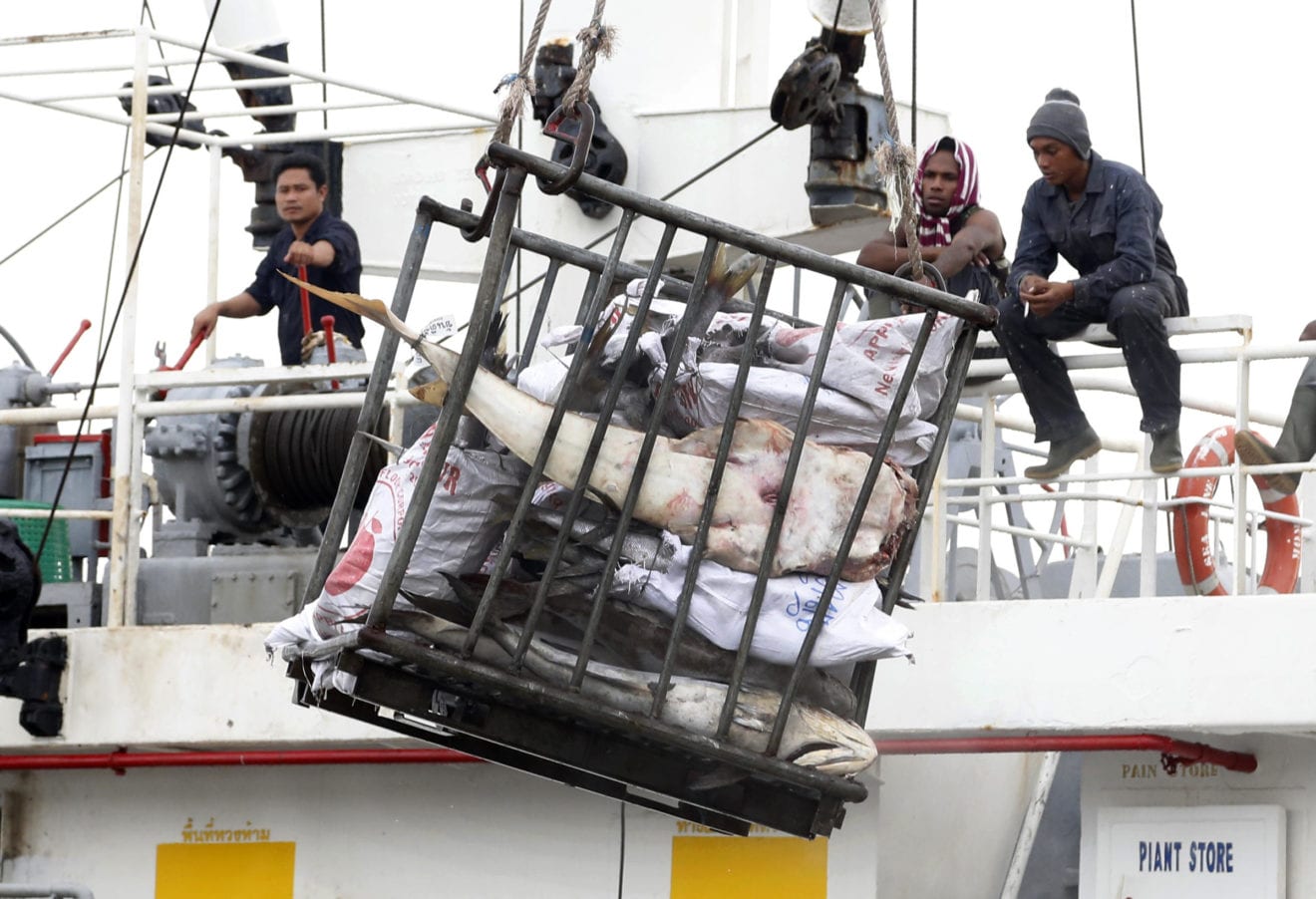
    In the first quarter of 2026, Vietnam saw a nearly 8% increase in seafood exports, amounting to a substantial US$2.64 billion. A primary factor fueling this growth was robust demand from China.

    China’s Role in Vietnam’s Seafood Industry

    During this period, China remained the central seafood importer from Vietnam, with purchases amounting to approximately $764 million. This figure represents an almost 45% year-on-year increase. In March alone, the country’s seafood imports exceeded $250 million, a growth of over 50%. Not only is China the largest seafood importer, but it is also the biggest consumer of Vietnamese pangasius.

    The shrimp category witnessed significant growth, largely attributed to lobster exports. Despite this, exports of whiteleg shrimp, a key product in the U.S. and EU markets, remained consistent.

    Other seafood types, including crab, swimming crab, and molluscs, experienced increased demand across Asian markets. Moreover, tilapia exports skyrocketed by 190% year-on-year, reaching an estimated $35 million in the first quarter.

    The Impact of Other Markets

    China’s robust performance was instrumental in maintaining overall sectoral growth despite a drop in exports to several other markets. Seafood exports to the U.S. decreased by over 10% in the same quarter. This decline can be attributed to weak demand and technical barriers, including the Marine Mammal Protection Act’s Certificates of Analysis requirements and anti-dumping duties on shrimp. There was also a similar decline in exports to Japan and South Korea.

    While exports to the EU remained largely stable, those destined for ASEAN, Australia, and several emerging markets maintained their growth momentum.

    Driving Factors and Predictions

    According to Le Hang, the deputy secretary general of the association, several factors contributed to China’s emergence as the primary growth driver. These include seasonal consumption, steady demand, and advantageous logistics conditions.

    Increased consumption during the Lunar New Year boosted imports of whole shrimp, live seafood, and premium products. This seasonal surge contributed to a sharp increase in high-value items like lobster.

    Despite this growth, Hang warned that these figures may primarily reflect seasonal trends rather than a long-term structural recovery. This is because the increased exports were partly driven by stockpiling and festive demand, which could lead to a moderation of growth in the upcoming months.

    The seafood industry in Vietnam also faces intensifying competitive pressure, particularly from major suppliers like Ecuador. This competition underscores the need for diversification in Vietnam’s seafood industry.

    However, the association remains optimistic. They project that seafood exports will continue to grow in the second quarter, with shrimp and pangasius expected to be the primary growth drivers.

    Questions & Answers

    What was the value of Vietnam’s seafood exports in the first quarter of 2026?
    The value of Vietnam’s seafood exports in the first quarter of 2026 was US$2.64 billion.

    Who is the largest importer of Vietnamese seafood?
    China is the largest importer of Vietnamese seafood.

    What has been the impact of seasonal consumption on Vietnam’s seafood exports?
    Seasonal consumption, particularly during the Lunar New Year, has led to a surge in imports of various seafood items, contributing to the overall growth in Vietnam’s seafood exports.

  • Cathay Pacific Reduces Flight Frequency Amid Surging Jet Fuel Prices: Is Global Aviation at Risk?

    Cathay Pacific Reduces Flight Frequency Amid Surging Jet Fuel Prices: Is Global Aviation at Risk?

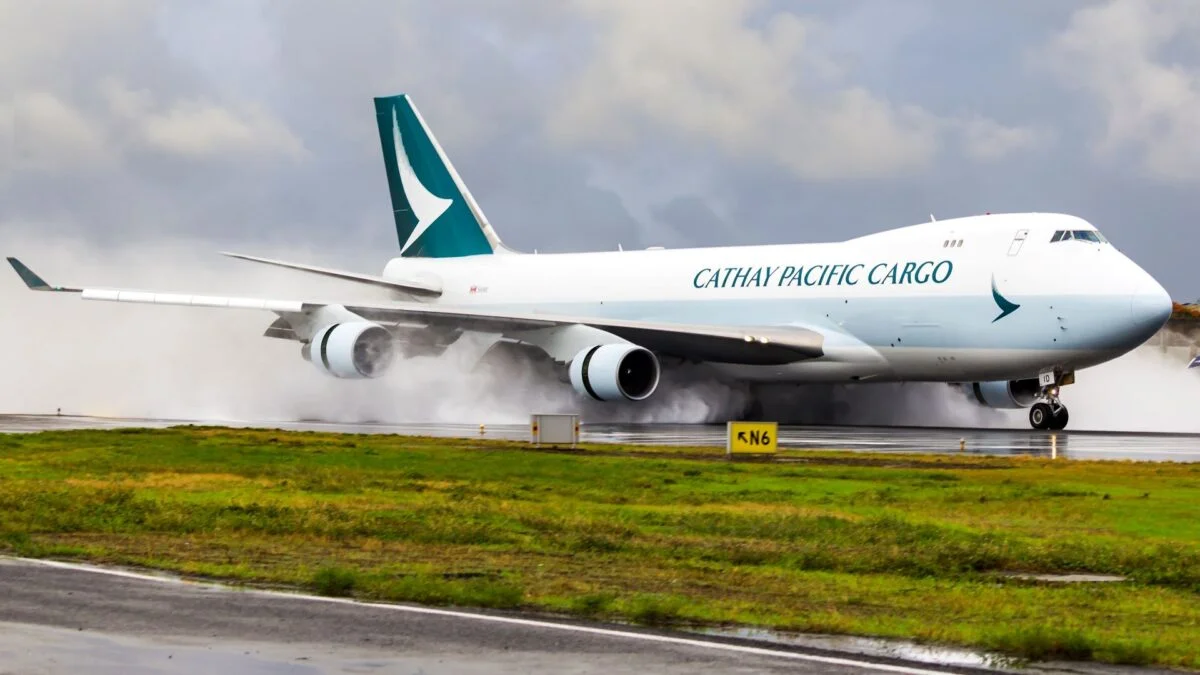
    Cathay Pacific Airways has announced that it will reduce several flights from mid-May until the end of June due to escalating jet fuel prices, influenced by the ongoing crisis in the Middle East. The company plans to eliminate approximately 2% of its scheduled passenger services from May 16 to June 30, 2026. In correlation, its budget division, HK Express, will also reduce about 6% of its flights from May 11, as stated in a recent press release.

    Expansion Plans Remain Unchanged

    Despite the current challenges, the CEO of Cathay Pacific, Ronald Lam, confirmed last month that the Hong Kong-based airline would continue with its strategies to boost passenger capacity by 10% this year. The decision was spurred by the robust demand for long-haul flights to North America, Europe and Australia, following the decrease in traffic through the Middle East after the Iran war.

    Post-June Operations

    After June, Cathay Pacific and HK Express anticipate resuming all their scheduled passenger services, as per the recent announcement.

    Despite a temporary ceasefire between U.S. President Donald Trump and Iran, industry executives have expressed that the global aviation industry is unlikely to experience immediate relief.

    Aviation industry officials have cautioned that jet fuel supplies will continue to be limited and expensive for several months, even if Iran decides to reopen the Strait of Hormuz.

    Questions & Answers

    What is the reason for Cathay Pacific Airways cutting some flights from mid-May to the end of June?
    The airline is reducing flights due to the increasing costs of jet fuel, which are being driven up by the ongoing conflict in the Middle East.

    What plans does Cathay’s CEO Ronald Lam have for this year despite the rise in fuel costs?
    Despite the increase in fuel prices, Ronald Lam said that the airline would push forward with its plans to increase passenger capacity by 10% this year. He cited strong demand for long-haul flights to North America, Europe, and Australia.

    What effect will the ceasefire between U.S. President Donald Trump and Iran have on the aviation industry?
    According to industry executives, the temporary ceasefire is unlikely to bring immediate relief to the global aviation industry. They warn that jet fuel supplies will continue to be limited and costly for several months, even if Iran decides to reopen the Strait of Hormuz.

  • LVMH Navigates Middle East Tensions: Q1 Revenue Slips but Expansion and Innovation Remain Steady

    LVMH Navigates Middle East Tensions: Q1 Revenue Slips but Expansion and Innovation Remain Steady

    In the first quarter, LVMH reported revenues of €19.1 billion (US$22.4 billion), marking a decrease of 6%. This decline is largely attributed to various geopolitical tensions impacting business operations across the globe.

    Geopolitical Impacts on Revenue

    LVMH noted that its robust presence in key markets, specifically in the US and Asia, significantly helped in mitigating the disruptions arising from economic instability and conflict in the Middle East.

    Performance Across Different Business Segments

    Looking at the performance of various business segments, wines and spirits showcased revenues of $1.49 billion, showing a decrease of 2% as compared to the previous year. The fashion and leather goods segment, which is the largest division of the group, witnessed a revenue of $10.8 billion, marking a decline of 9%.

    Simultaneously, revenues from perfumes and cosmetics amounted to $2.39 billion, representing a drop of 6%, while watches and jewellery brought in $2.86 billion, a decrease of 2%.

    Expanding Retail Network and Portfolio Optimization

    Furthermore, LVMH has been proactive in expanding its retail network, especially in the UK, and advancing portfolio optimization initiatives within its duty-free business. DFS, a division of LVMH, entered into an agreement with China Tourism Group Duty Free to vend its Greater China operations, which includes the Gallerias located in Hong Kong and Macau. The group also offloaded airport concessions in Los Angeles and San Francisco to Duty Free Americas.

    In spite of the challenging geopolitical and economic environment, mainly due to the conflict in the Middle East, the company remains watchful yet confident.

    LVMH said, “The group stays committed to the growth of its brands, propelled by a consistent policy of innovation and investment along with a continuous pursuit for quality in its designs, their appeal, and their selective distribution.”

    Questions & Answers

    What was LVMH’s reported revenue in the first quarter?
    LVMH reported revenue of €19.1 billion (US$22.4 billion) in the first quarter.

    Which business segment is LVMH’s largest division, and how did it perform?
    LVMH’s largest division is its fashion and leather goods segment, which reported a revenue of $10.8 billion, marking a decline of 9%.

    What is LVMH’s outlook amidst the challenging geopolitical and economic environment?
    Despite the challenging conditions, LVMH remains vigilant yet confident. The group is committed to the growth of its brands, propelled by a consistent policy of innovation and investment and a continuous pursuit of quality in its designs.

  • HSBC Vietnam Employee Earnings Soar to $35,100, Despite Declining Bank Profits

    HSBC Vietnam Employee Earnings Soar to $35,100, Despite Declining Bank Profits

    Despite a decline in profits, the average earnings of employees at HSBC Vietnam increased by 6.6% to VND925 million (US $35,100) in the previous year. This expenditure on salaries and bonuses for its 1400-strong workforce amounted to around VND1.3 trillion, as revealed in the company’s most recent financial report.

    Comparative Income Analysis

    The increase in HSBC Vietnam’s average salaries brought the monthly income per employee to VND77 million, which is one of the highest in Vietnam. In contrast, the average monthly income at MB bank was VND49 million, Techcombank was VND48 million, and Vietinbank was VND45 million.

    Financial Performance

    However, despite the increased pay, HSBC Vietnam didn’t fare as well financially. The pre-tax profit for the British banking giant’s Vietnamese branch dropped by 7% to VND4.14 trillion, while the operating income remained constant at VND8.74 trillion.

    HSBC in Vietnam

    HSBC, one of the world’s leading financial institutions, established its legal presence in Vietnam in 2009, a full 14 years after it opened its first branch in the country.

    Foreign banks operating in Vietnam, like HSBC, often enjoy capital benefits due to support from their parent companies and primarily cater to corporate foreign clients or concentrate on retail banking.

    Questions & Answers

    What was the average income of employees at HSBC Vietnam last year?
    The average income of employees at HSBC Vietnam increased by 6.6% to VND925 million (US$35,100) last year.

    What is the average monthly income of HSBC Vietnam employees compared to other banks?
    The monthly income per employee at HSBC Vietnam is VND77 million, which is higher compared to MB bank at VND49 million, Techcombank at VND48 million, and Vietinbank at VND45 million.

    How did the pre-tax profit of HSBC Vietnam change last year?
    The pre-tax profit for HSBC Vietnam’s branch dropped by 7% to VND4.14 trillion.

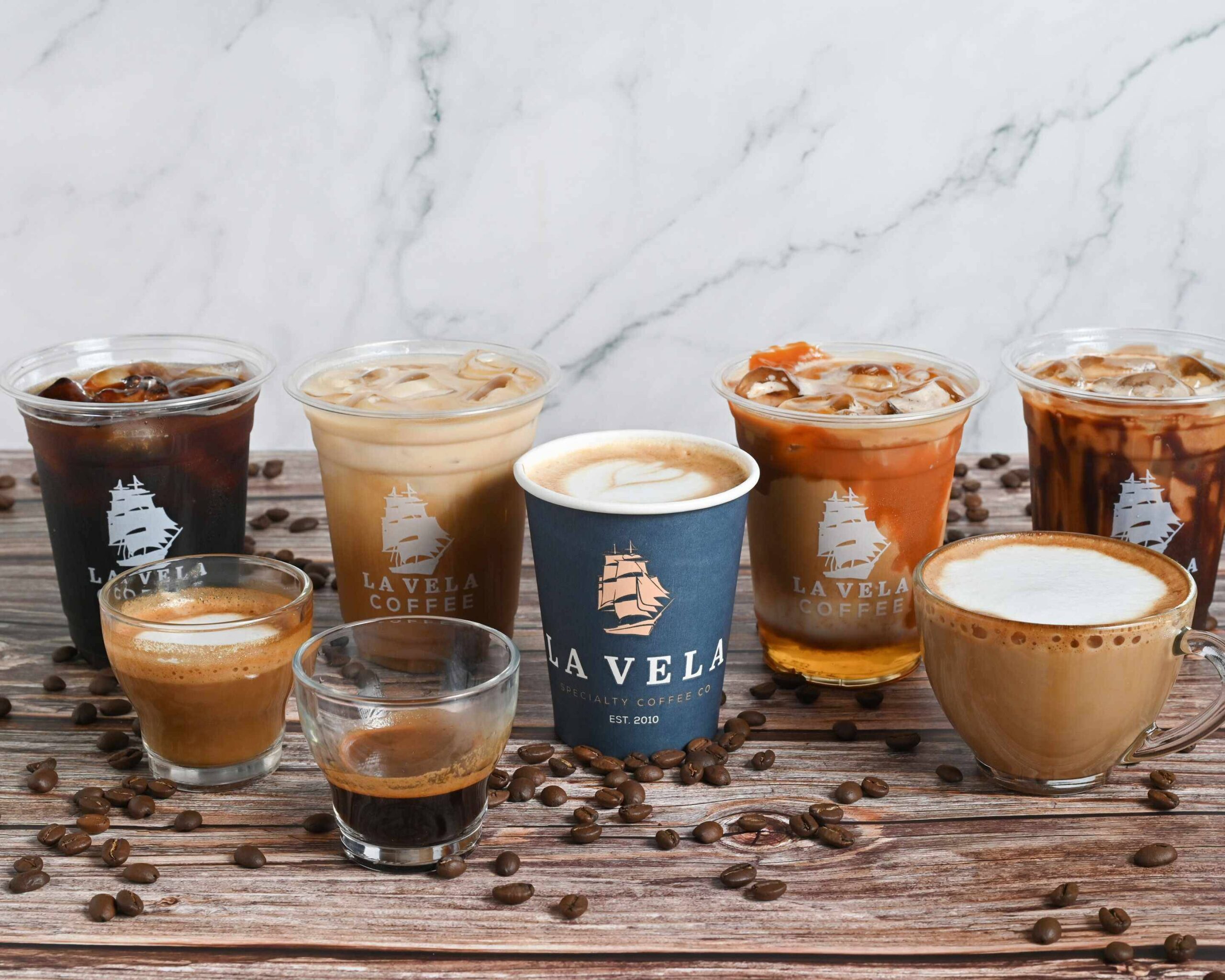
  • Bangkok’s Ve/la Coffee Brand Brews Up Expansion Strategy: New 24/7 Cafe to Perk Up Changi Airport in Singapore

    Bangkok’s Ve/la Coffee Brand Brews Up Expansion Strategy: New 24/7 Cafe to Perk Up Changi Airport in Singapore

    Ve/la, a coffee enterprise originally established in Bangkok, is poised to broaden its horizons with a new cafe at Changi Airport Terminal 1 in Singapore. This will be the brand’s inaugural airport location, as well as its third international market.

    Slated to open by the end of this summer, the cafe will be landside, near Jewel Changi Airport. The strategic location will enable it to serve a diverse customer base, ranging from travelers to local patrons. In another first for the brand, the cafe will remain open 24 hours a day, catering to the round-the-clock needs of the airport’s visitors.

    As the founder of Ve/la, Pete Kasidit Prasitrattanaporn, views it, the decision to expand into Singapore was a logical progression after the brand’s initial foray into the international market in London. He cited Singapore’s geographical closeness to Thailand and its renowned excellence in operational standards as key factors influencing this decision.

    In his words, “At some point, it became apparent that our visions aligned perfectly. Our choice of location is always thoughtfully considered, and this one was an unequivocal decision.”

    Designed to provide a counterpoint to the bustling atmosphere of Changi Airport, the cafe is anticipated to offer a serene space for patrons. Its decor will feature restrained, calming interiors with a focus on natural materials and soft finishes.

    Ve/la’s menu continues to focus on its core offerings of specialty coffee, matcha, and tea. In a nod to local tastes, a unique Kaya Toast Latte, inspired by popular Singaporean flavors, will be offered exclusively at this location.

    The move to expand into Singapore is indicative of Ve/la’s ongoing strategy for international growth, which emphasizes choosing strategic locations and ensuring a consistent brand experience across different markets.

    Questions & Answers

    What distinguishes the upcoming Ve/la cafe at Changi Airport?
    The Ve/la cafe at Changi Airport in Singapore will be the brand’s first airport location, first 24-hour operation, and third international market.

    What led Ve/la to choose Singapore for its expansion?
    Singapore’s proximity to Thailand and its reputation for excellence in operational standards were key factors. The location near Jewel Changi Airport offers access to a diverse customer base including both travelers and local patrons.

    What unique offerings will the Singapore location of Ve/la have?
    The Ve/la cafe in Singapore will offer a unique Kaya Toast Latte, an exclusive offering inspired by popular local flavors.

  • Quench Your Thirst with Lvl Up’s New Electrolyte Hydration Drinks – Now at Chemist Warehouse

    Quench Your Thirst with Lvl Up’s New Electrolyte Hydration Drinks – Now at Chemist Warehouse

    The company Lvl Up has recently expanded its ready-to-drink (RTD) electrolyte beverage offerings with the addition of new flavors that are exclusively sold at Chemist Warehouse.

    New Flavors, More Choices

    The latest offerings come in non-carbonated 330ml cans and include three new flavors: Grape, Mixed Berry, and Lemon-Lime. Each can offers a refreshing, low-sugar beverage that contains just 40 calories, catering to health-conscious consumers who are also seeking flavor and convenience.

    Availability and Pricing

    These RTD electrolyte beverages are available to buy at Chemist Warehouse stores throughout Australia. Alternatively, customers can also make their purchases through the company’s official online platform. Prices for these products range from $4.99 up to $77.99.

    Filling a Market Gap

    Austin Xenos, a co-founder of Lvl Up, noted that the brand identified a clear gap in the market. He observed that Australians, with their busy lifestyles, often overlook hydration. The company sought to address this need by creating a product that combines practicality and taste, contributing to an improved lifestyle without compromising on the health aspect.

    Questions & Answers

    What are the new flavors introduced by Lvl Up in its RTD electrolyte range?
    Lvl Up has introduced three new flavors in its RTD electrolyte range: Grape, Mixed Berry, and Lemon-Lime.

    Where can these new beverages from Lvl Up be purchased?
    These new products from Lvl Up can be purchased at Chemist Warehouse locations across Australia and through the brand’s website.

    What was the motivation behind Lvl Up’s introduction of these new products?
    Lvl Up identified a gap in the market where Australians, given their busy lifestyles, were neglecting hydration. The company aimed to address this by providing a product that delivers on function without compromising on taste or lifestyle.

  • Domino’s Pizza China Gains Momentum: Soars High with Expanding Network, Innovative Menu, and Soaring Customer Loyalty

    Domino’s Pizza China Gains Momentum: Soars High with Expanding Network, Innovative Menu, and Soaring Customer Loyalty

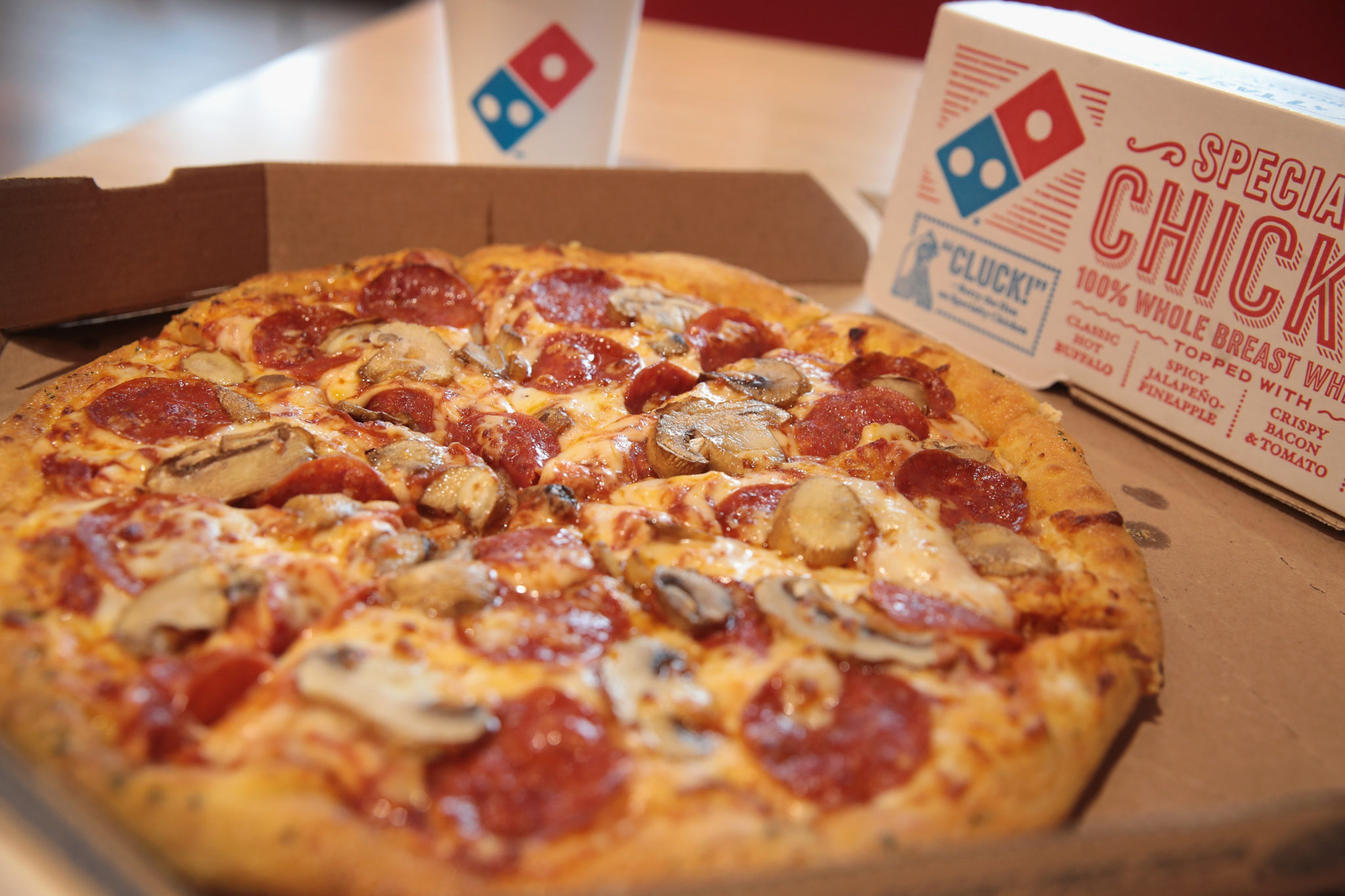
    Domino’s Pizza China (DPC Dash) has reported a robust performance for the first quarter as it continues to grow its customer base and expand its operations. DPC Dash holds the master franchise rights for Domino’s in Mainland China, Hong Kong, and Macau.

    By the end of March, DPC Dash had increased its total number of stores to 1,462 in 72 cities, marking a net increase of 147 stores and an extension into 12 new cities compared to the end of the previous year. The number of new stores, stores under construction, and stores signed account for 65% of the company’s annual target of 350 new stores. The company’s primary growth engine has become non-tier 1 cities, while tier 1 cities continue to contribute to a high-quality revenue base.

    The company’s loyalty program saw considerable growth, with membership numbers rising to 38.8 million by the end of the quarter, up from 27.2 million during the same period the previous year.

    DPC Dash now holds all of the top 50 positions for first 30-day sales among Domino’s more than 22,100 globally located stores. In terms of the number of stores, the Chinese mainland market remains the third largest international market for the chain.

    DPC Dash continues to follow a “go broader, go deeper” expansion strategy to increase its market share. This involves penetrating further into existing cities and expanding into new areas.

    Product innovation remains a key focus for the company, with the introduction of globally inspired flavors such as the limited-edition Yak Beef Matsutake Ham Fortune Pizza released for the Year of the Horse New Year celebration. The company also revived the “Mega Week” promotion and extended the “Crazy Tuesday & Wednesday” offer to boost customer footfall.

    The company’s strong execution, appealing store economics, and operational efficiency continue to drive robust performance in a highly competitive landscape, creating sustainable, long-term value for shareholders, according to the management.

    Questions & Answers

    What is the expansion strategy of DPC Dash in China?
    The company follows a ‘go broader, go deeper’ strategy, which involves penetrating further into existing cities and expanding into new markets.

    How many new stores did DPC Dash open in the first quarter?
    In the first quarter, DPC Dash opened 147 new stores, extending its reach to 72 cities in total.

    What product innovations has DPC Dash introduced recently?
    The company introduced globally inspired flavors such as the limited-edition Yak Beef Matsutake Ham Fortune Pizza for the Year of the Horse New Year. It also brought back the “Mega Week” promotion and extended the “Crazy Tuesday & Wednesday” offer to increase customer footfall.

  • Fry to Fly: Thailand’s Innovative Fuel Exchange Turns Used Cooking Oil into Gasoline

    Fry to Fly: Thailand’s Innovative Fuel Exchange Turns Used Cooking Oil into Gasoline

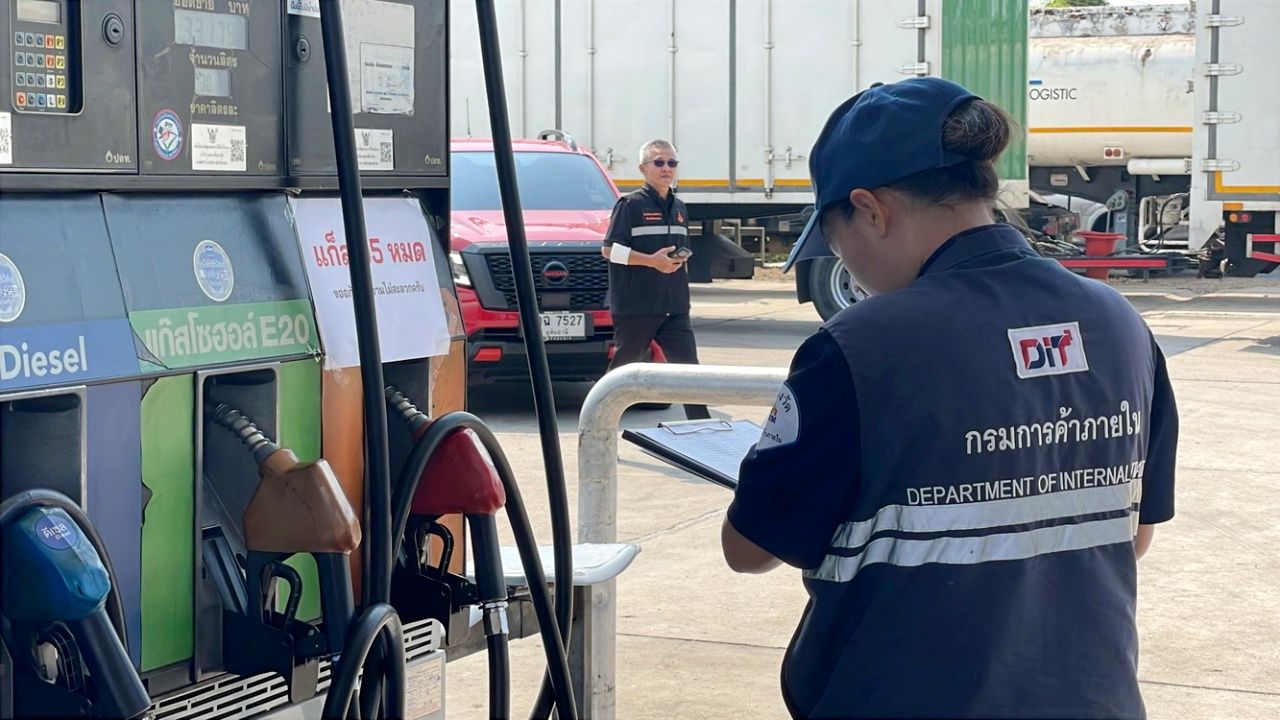
    A leading Thai oil corporation, Bangchak Corporation, has introduced an innovative programme enabling individuals to swap used cooking oil for regular-grade diesel or gasohol, offering relief to the escalating cost of living. Billed as the “Fry to Fly – 2 litres for 1 litre” campaign, it is set to run from April 6-30, with several service stations across Bangkok and neighbouring provinces participating.

    Under this initiative, consumers are invited to bring in 2 liters of used cooking oil, which can be exchanged for 1 liter of either diesel or gasohol fuel on the spot. The offer, however, does not extend to premium fuel grades.

    The campaign is a continuation of Bangchak Corporation’s ongoing efforts to repurpose used cooking oil into sustainable aviation fuel. With this new initiative, the company seeks to provide more immediate, daily benefits to consumers by transforming domestic waste into usable transport fuel. This is particularly crucial in the current climate of increasing energy prices, largely spurred by geopolitical tensions and conflicts in the Middle East.

    Each participant can exchange up to 20 liters of used cooking oil, with the conversion rate set at 1 kilogram of used oil per liter for ease of computation. Fifteen Bangchak service stations in Bangkok, Samut Prakan, Nonthaburi, and Pathum Thani are taking part in this pioneering project.

    Questions & Answers

    What is the “Fry to Fly – 2 litres for 1 litre” campaign about?
    The campaign allows consumers to exchange 2 liters of used cooking oil for 1 liter of regular-grade diesel or gasohol fuel at participating Bangchak service stations.

    What is the purpose of this initiative?
    This initiative is designed to provide direct, everyday benefits to consumers by transforming waste into usable transport fuel, especially during a time of escalating energy costs.

    What is the limit on the quantity of used cooking oil that can be exchanged?
    Each participant can exchange up to 20 liters of used cooking oil under this campaign.

  • Chinese Milk Tea Titans Embark on Global Conquest: Expanding Across US and South Korea Amid Southeast Asia Saturation

    Chinese Milk Tea Titans Embark on Global Conquest: Expanding Across US and South Korea Amid Southeast Asia Saturation

    Chinese milk tea brands are broadening their horizons and expanding into new markets in Asia and the West. These brands have traditionally focused on Southeast Asia as their primary area for foreign expansion. However, with the market becoming overcrowded, they are now setting their sights on other regions. This comes as the tea market grows increasingly saturated, prompting a shift in emphasis from rapid expansion to improving store performance and streamlining operations.

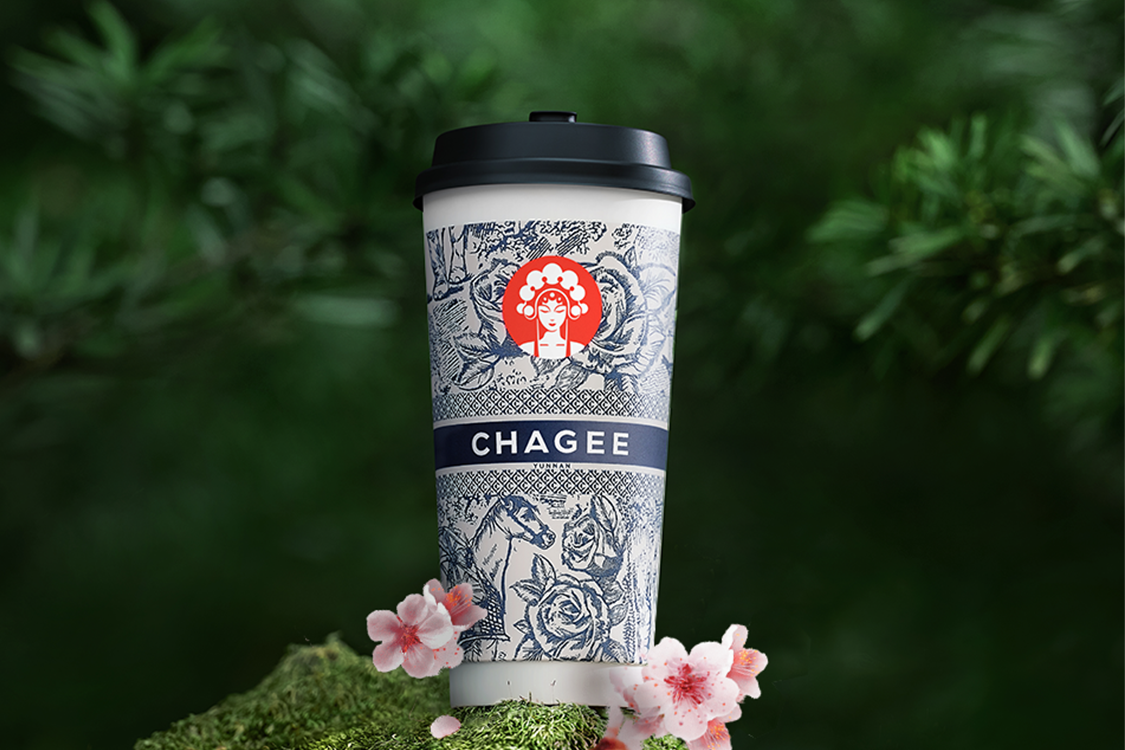
    Over 60 Chinese milk tea brands had established more than 6,100 outlets throughout Asia by the end of 2024, most notably led by major chains such as Mixue and Chagee. Mixue, the largest food and beverage chain globally in terms of store count, has begun adjusting its operations in Indonesia and Vietnam. Despite a decrease in store numbers in these markets, the company maintains its focus on the region while pushing into emerging markets, including its first location in Kazakhstan.

    Expansion and Competition

    Chagee, another renowned milk tea brand, has plans to venture into the South Korean market with three upcoming outlets in Seoul. It joins a growing number of its peers already established in the market, including Heytea, Mixue, ChaPanda, and Auntea Jenny. Chagee has further signaled its intent to spread its reach into Japan.

    Understandably, the homefront competition for these Chinese brands is fierce, with the milk tea boom of the last decade leading to around 420,000 outlets. To attract customers, some brands resort to pricing their products at less than a dollar or offering free online orders.

    Moving Westward

    Besides nearby Asian markets, several brands are also extending their presence to the United States. The country has become a significant focus for the sector, with the number of fresh tea retailers rising by 18.2% annually to 7,845 in 2025. It is projected that the U.S. market for freshly made tea drinks will be worth $2.9 billion by 2029.

    However, penetrating the U.S. market brings its challenges. Amanda Wang, co-founder of beverage chain Ningji Lemon Tea, highlights the need to adapt to local tastes, noting American consumers’ preference for sweeter drinks. She also cites differences in the business landscape.

    Despite these hurdles, various Chinese brands, including Mixue, Chagee, Chahalo, Molly Tea, and Auntea Jenny, have successfully launched U.S. stores or announced expansions in recent years. For instance, Mixue’s recently opened New York store, twice as large as its typical outlet in China, has managed to maintain the brand’s familiar look and affordable prices.

    Competitive Edge and Consumer Response

    Nevertheless, competitive pricing is not the only strength of Chinese tea brands. HeyTea, with its drinks averaging around $10, has enjoyed robust demand. Its Times Square store sold over 3,500 cups on its opening day and has since averaged over 2,000 cups daily. Other brands, such as Chagee and Auntea Jenny, have also experienced strong debuts in the U.S. market.

    Consumers appreciate the diverse flavors offered by Chinese brands, distinguishing them from established chains like Starbucks. Consumers’ preference for different flavors and affordable prices are significant factors driving their patronage of Chinese tea brands.

    Questions & Answers

    Why are Chinese milk tea brands expanding into new markets?
    Chinese milk tea brands are expanding into new markets as their traditional focus area, Southeast Asia, becomes overcrowded, and the tea market becomes increasingly saturated. This has led to a shift from rapid expansion to improving store performance and operations.

    How are Chinese brands faring in the U.S. market?
    Despite facing challenges such as adapting to local tastes and a different business environment, several Chinese brands have successfully launched stores or announced expansions in the U.S. They have garnered a positive response from consumers who appreciate the diverse flavors and competitive prices they offer.

    What distinguishes Chinese tea brands from established chains like Starbucks?
    Chinese tea brands stand out from established chains like Starbucks due to their unique flavors and affordability. They offer a variety of flavors not typically found in Western chains, boosting their appeal among consumers.

  • A2 Milk Faces Financial Downgrade Amid Middle East Supply Chain Hurdles and Stricter Chinese Regulations

    A2 Milk Faces Financial Downgrade Amid Middle East Supply Chain Hurdles and Stricter Chinese Regulations

    The A2 Milk Company has acknowledged a number of issues currently affecting its supply chain, leading to a downgrade in its financial outlook.

    Strong Demand versus Supply Chain Challenges

    While experiencing robust demand, especially for their infant milk formula products in China, The A2 Milk Company is facing supply chain difficulties. The company noted that the cost and availability of extra air freight to expedite product shipments to China has been indirectly influenced by the ongoing conflict in the Middle East. It also reported that inventory levels have been low due to issues at its manufacturer, Synlait Milk.

    Synlait Milk responded by stating its continued efforts to mitigate the impacts on the supply chain linked to its recently enhanced testing protocol for infant milk products.

    Influence of Stricter Regulations

    This new testing protocol was implemented in response to China’s tighter regulations for such products. The A2 Milk Company noted that this change is also leading to longer export clearance times at customs.

    The A2 Milk Company stated that these factors have developed quickly, and are still subject to uncertainty. This is especially true in relation to the unpredictability in freight and clearance assumptions, as well as potential additional indirect impacts that may flow from the Middle East conflict.

    Financial Outlook

    In the lead-up to its full-year results for fiscal 2026, following guidance released on February 16, the company now anticipates lower infant formula sales, increased supply chain costs, and a delay in fourth-quarter cash receipts into fiscal 2027. The company’s projected revenue, EBITDA, and net profit after tax (NPAT) are all expected to be less than previously forecasted.

    Questions & Answers

    What challenges is the A2 Milk Company currently experiencing?
    The A2 Milk Company is facing supply chain issues like the cost and availability of extra air freight required to expedite product shipments to China, which is being indirectly affected by the Middle East conflict. It’s also dealing with low inventory levels due to issues at its manufacturer, Synlait Milk.

    What changes have been implemented by Synlait Milk?
    Synlait Milk has introduced enhanced testing protocols for its infant milk products in an effort to comply with China’s stricter regulations for these products.

    What is the current financial outlook for the A2 Milk Company?
    The A2 Milk Company is expecting lower infant formula sales, increased supply chain costs, and a delay in fourth-quarter cash receipts into fiscal 2027. Predictions for revenue, EBITDA, and net profit after tax (NPAT) are all expected to be less than previously forecasted.