Author: Mei Ling Tan

  • H&M Leverages Young Filipino Talent to Fuel Exciting Growth Opportunities

    H&M Leverages Young Filipino Talent to Fuel Exciting Growth Opportunities

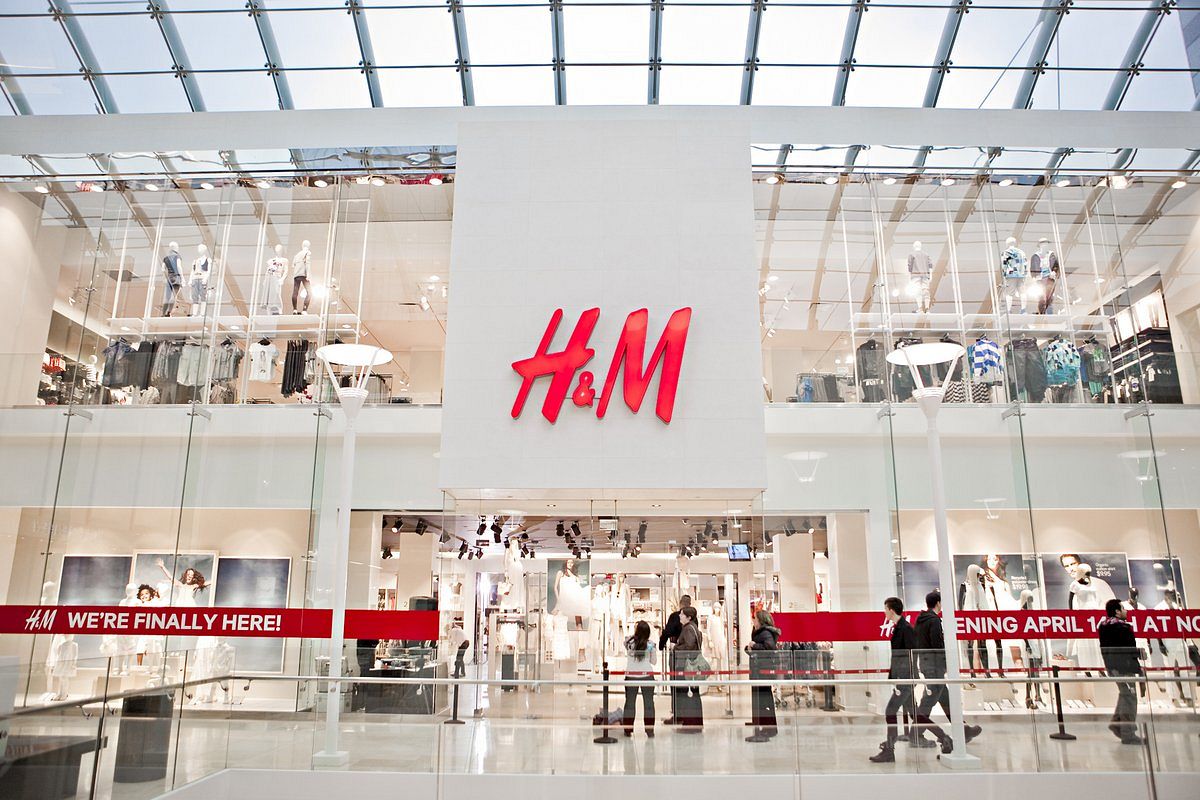
    H&M is setting its sights on the vibrant youth demographic of the Philippines as a catalyst for its growth in Asia, according to Saed El-Achkar, the Regional Manager and CEO of H&M’s Greater China and East Asia Regions. With nearly 11 years of presence in the archipelago, boasting 41 stores and a thriving online platform, the Swedish fashion behemoth recognizes that a confluence of trends is reshaping the Philippine retail landscape.

    Youthful Energy Driving Fashion Consumption

    At the heart of this transformation is the country’s youthful population, with an average age of just 27 years—a statistic that ignites enthusiasm in a way that’s rare in many corners of the globe. “That’s something that you cannot find in many countries around the world, which is incredibly exciting and interesting,” El-Achkar remarked. This youthful energy isn’t just about age; it fuels a fierce passion for fashion and a lifestyle reflective of broader global trends.

    Fashion-forward and Digitally Savvy Shoppers

    Filipino consumers are not just buyers; they are fashion-hungry individuals eager to express their style. El-Achkar emphasized their positive outlook, stating, “Customers are fashion hungry, enthusiastic about life, happy. People want to look good, feel good and be nice, and then continuously celebrate, which is super exciting.” This zest for life, coupled with their strong digital habits, paints a picture of an engaged consumer base. “The Filipino customer is very social, not only physically, but also digitally,” he explained. Their presence on platforms like Instagram and TikTok enhances their connection to fashion, making them a dream audience for any retailer, including H&M.

    Strategic Importance and Cultural Resonance

    Beyond just numbers, the Philippines’ geographic and cultural positioning plays a crucial role in H&M’s regional strategy. Nestled in Southeast Asia, the nation benefits from rich diversity and a growing appetite for international fashion trends. As El-Achkar highlighted, the way Filipino customers perceive fashion and their openness to global trends make the country a pivotal market for the brand. “It is incredibly important for us,” he affirmed.

    A Vision for the Future: Enhancing Customer Engagement

    Looking forward, H&M’s mission is clear: to deepen customer engagement by enriching both in-store and online shopping experiences. “Our journey or our mission is to liberate fashion for the many, make sure that fashion is as close as possible to all our customers… by elevating the fashion level, by elevating the experience, both in our stores and on our online platform,” said El-Achkar. This dual focus on enhanced experience and personal connection is designed to build lasting relationships with consumers, ensuring H&M remains a staple in Filipino wardrobes for years to come.

    Questions & Answers

    What is H&M’s primary strategy in the Philippines?
    H&M aims to capitalize on the youthful and digitally engaged population of the Philippines to drive its growth in the region.

    How does H&M view the Filipino consumer’s relationship with fashion?
    H&M sees Filipino consumers as enthusiastic and fashion-conscious, enjoying both life and personal expression through style.

    What role does digital engagement play in H&M’s approach?
    Digital engagement is crucial, as Filipino customers are highly active on social media platforms, enhancing their connection to fashion brands.

  • Unveiling Singapore’s Exciting New Data Centre Deals: What You Need to Know!

    Unveiling Singapore’s Exciting New Data Centre Deals: What You Need to Know!

    Development in Singapore’s data centre sector saw a sluggish pace in the first half of 2025, according to a report from Cushman and Wakefield. Ongoing restrictions on new developments have kept key indicators largely unchanged, echoing trends from the latter half of 2024. However, this stagnation has not dampened investor enthusiasm, with capital markets buzzing and activity remaining vibrant.

    High-Stakes Investments Shape the Market

    Significant financial maneuvers have emerged from operators in the space. Princeton Digital Group (PDG) has made headlines by securing a definitive agreement with Stonepeak for a staggering US$1.3 billion preferred equity investment. This follows PDG’s impressive US$1.2 billion debt financing. Collectively, PDG accrued US$2.5 billion in the first half of 2025, fueling its ambitious expansion plans across the Asia Pacific region.

    Partners Group Expands Its Data Centre Footprint

    Meanwhile, Partners Group continues to make waves by acquiring GreenSquareDC in Australia and Digital Halo from ARCH Capital. The firm intends to inject approximately US$400 million into the venture while ARCH Capital retains a minority stake. This initiative paves the way for transforming Digital Halo into a robust 500MW data centre platform spanning the Asia Pacific.

    Navigating Market Dynamics: NTT Data and Keppel’s Strategic Moves

    In another move reflecting the shifting landscape, NTT Data announced its intent to list the NTT DC REIT on the Singapore Exchange. This portfolio consists of six operational data centres from the U.S., Austria, and Singapore, valued collectively at US$1.57 billion. With this innovative REIT, the company hopes to expedite its capital recovery cycle, setting the stage for future investments and sustainable growth.

    Keppel, too, is making strides with the first close of its Keppel Data Centre Fund III, securing US$580 million from diverse global institutional players, including pension funds and sovereign wealth entities. The funds are earmarked for a suite of AI-ready hyperscale data centres positioned throughout the Asia Pacific, underscoring Keppel’s commitment to technological advancement.

    Financial Innovations: Nxera’s Green Loan and Alibaba Cloud’s AI Initiative

    Nxera has secured a noteworthy US$475.9 million green loan over five years to drive the development of its 58MW data centre in Tuas. This loan is backed by a consortium of major banks, including DBS and HSBC, and the facility is expected to launch in 2026. This financing underscores the growing trend of sustainable investments within the sector. Meanwhile, in a move that feels almost futuristic, Alibaba Cloud unveiled its AI Global Competence Centre (AIGCC) in Singapore, designed to serve as a collaborative hub for businesses and developers eager to harness advanced AI technologies. The centre aims to partner with academic institutions to cultivate a new generation of AI professionals, ensuring the region’s data expertise remains robust.

    Questions & Answers

    What has contributed to the subdued development activity in Singapore’s data centre sector?
    Ongoing restrictions on new developments have hindered growth, resulting in key market indicators remaining mostly unchanged since late 2024.

    How much capital did Princeton Digital Group raise in the first half of 2025?
    Princeton Digital Group raised a total of US$2.5 billion, combining a US$1.2 billion debt financing with a US$1.3 billion preferred equity investment from Stonepeak.

    What is the focus of Alibaba Cloud’s newly launched AI Global Competence Centre?
    The AI Global Competence Centre aims to foster collaboration among businesses and developers on advanced AI models while partnering with universities to train professionals in the field.

  • Coffee Exports Surge 61% in 2025, Boosting Global Market and Retail Opportunities

    Coffee Exports Surge 61% in 2025, Boosting Global Market and Retail Opportunities

    Vietnam exported 1.23 million tons of coffee worth US$6.98 billion in the first nine months of this year. In a remarkable surge, Vietnam’s coffee exports jumped 61% compared to the same period last year, fueled by climbing global coffee prices, according to the Import-Export Department. Among these shipments, Robusta beans dominated, contributing $4.9 billion, followed by processed coffee and Arabica varieties.

    Prices for coffee reached historic highs in early 2025 before stabilizing at levels comparable to last year from May to July. However, a rebound in August and September saw Robusta futures for November delivery on the London exchange hitting $4,200 per ton, while December Arabica futures traded in New York at $8,258.

    The rise in global prices has been attributed to a weaker U.S. dollar, coupled with supply disruptions in Brazil and Indonesia, primarily due to the ongoing effects of the El Niño weather phenomenon. Notably, a recent 50% tariff on Brazilian coffee imports imposed by the U.S. has opened a lucrative window for Vietnamese coffee, particularly as the U.S. remains one of the world’s largest coffee importers.

    Moreover, Vietnam stands as one of the few coffee-exporting nations equipped to meet the stringent standards outlined in Europe’s new EU Deforestation Regulation, set to take effect at the end of 2026. This readiness could bolster Vietnam’s position in the international market amid evolving demands.

    Yet, the road ahead is not without its hurdles. Exporters have raised concerns about the long-term challenges of enhancing processing capacities, ensuring consistent quality, and crafting a strong national brand. Industry experts opine that the U.S. tariffs will play a pivotal role in shaping the future landscape for Vietnam’s coffee exports, underscoring a transformative moment in the global coffee trade.

    Questions & Answers

    What factors contributed to the increase in Vietnam’s coffee exports this year?
    The 61% surge in coffee exports is primarily attributed to rising global coffee prices, supply disruptions in key producing countries, and an advantageous U.S. tariff on Brazilian coffee, which opened opportunities for Vietnamese coffee in the U.S. market.

    How is Vietnam preparing for future market regulations in coffee export?
    Vietnam is among the few coffee-exporting nations that can meet the upcoming EU Deforestation Regulation standards, which will be implemented from the end of 2026. This positions Vietnam favorably as market demands evolve.

    What challenges do Vietnamese coffee exporters face in maintaining growth?
    Exporters are concerned about upgrading processing capacities, maintaining consistent quality, and building a robust national brand, which are critical for long-term competitive success in the global market.

  • Gas Prices Soar: What Consumers Need to Know About the Latest Spike

    Gas Prices Soar: What Consumers Need to Know About the Latest Spike

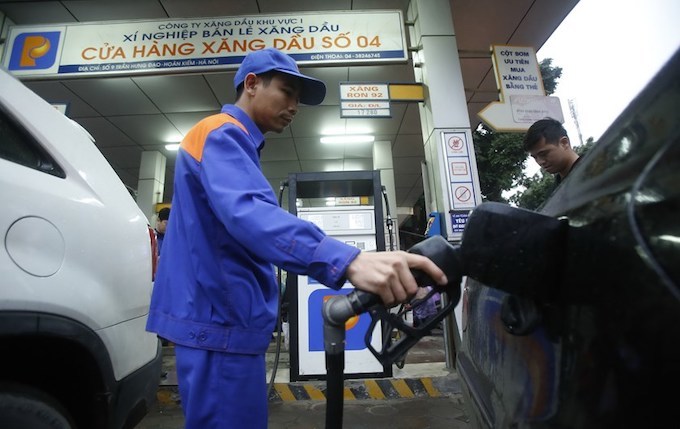
    Gasoline prices in Vietnam saw a notable increase Thursday afternoon, reversing a dip to a five-week low recorded just last week.

    The widely used RON95 fuel rose by 0.19% to VND 20,200 (US$0.77) per liter, while biofuel E5 RON92 edged up slightly by 0.05% to VND 19,620. Diesel, on a more vigorous upward trajectory, increased by a robust 2.03%, bringing its price to VND 19,030.

    This week’s pricing adjustments align with a cocktail of global developments. Analysts noted that anticipated increases in OPEC+’s oil production during October and November, coupled with a rise in U.S. oil inventories, played a significant role in shaping market expectations. Furthermore, ongoing conflicts in Ukraine, particularly attacks on Russian energy facilities, have added layers of complexity to the international energy landscape.

    On a global scale, RON95 saw a 0.3% rise to $80.7 per barrel, while diesel experienced a more substantial increase of 2.4%. With so many market dynamics in play, one might wonder if fueling your car will soon be akin to navigating a rollercoaster ride—exciting, unpredictable, and not always affordable!

    Questions & Answers

    How much did gasoline prices increase in Vietnam this week?
    Gasoline prices in Vietnam saw increases ranging from 0.05% to 2.03%, with RON95 rising to VND 20,200 and diesel leading the charge with a 2.03% increase to VND 19,030.

    What are the key factors influencing these price changes?
    Several factors are at play, including an expected boost in OPEC+’s oil production, increasing U.S. oil inventories, and ongoing conflicts in Ukraine affecting Russian energy facilities.

    How do these local price changes compare to global trends?
    Globally, RON95 rose by 0.3% to $80.7 per barrel, while diesel saw an even steeper increase of 2.4%, suggesting that local prices are closely aligned with international market shifts.

  • Thailand’s Bold Strategy: Unlocking $1.8 Billion in Power Generation Savings

    Thailand’s Bold Strategy: Unlocking $1.8 Billion in Power Generation Savings

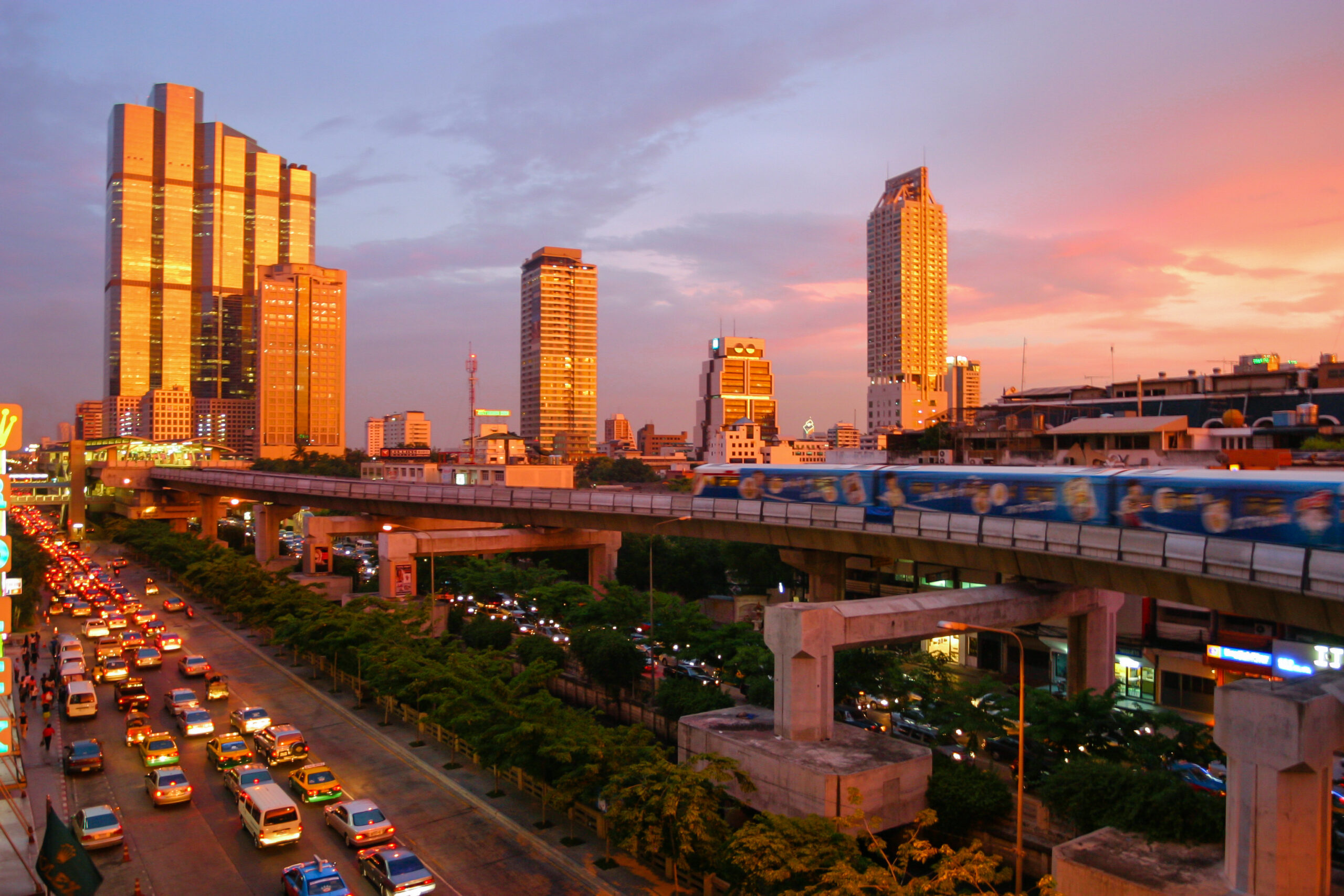
    Thailand is on the brink of a transformative shift in its energy landscape, projected to save an impressive $1.8 billion in power generation costs from 2026 to 2037. This could be achieved by exceeding the current targets of its revised Power Development Plan (RPDP) with significant upgrades in solar and battery storage capacity.

    Unlocking Savings Through Solar and Battery Power

    In an enlightening analysis, Ember has suggested that by boosting solar capacity by 89% and battery storage by 60% beyond the existing RPDP targets, Thailand can realize substantial savings, enhance energy security, and attract vital investments. Currently, the RPDP aims for 36 gigawatts (GW) of solar and 10.5 GW of battery storage by 2037.

    A Proposal for Enhanced Capacity

    Ember’s proposal includes an additional 32 GW of solar capacity and 6 GW, or 15 gigawatt-hours, of battery storage over the plan’s existing goals, coupled with a reduction of 2 GW in new gas-fired capacity. This proactive approach not only aims to prevent the construction of excessive fossil fuel infrastructure but also slashes natural gas consumption by 11% and avoids the use of 2.4 million tonnes of coal.

    Investment for a Greener Future

    The analysis notes that while the total fixed expenditures for this cost-optimal pathway would reach $168 billion by 2037—higher than the RPDP’s estimate of $153 billion—the advantages of embracing solar and battery technology could lead to nearly $16 billion in avoided fossil fuel expenditure. As a result, net savings in power generation costs for Thailand would amount to $1.8 billion, including $0.8 billion saved in variable operation and maintenance costs.

    Rethinking Energy Sources

    Ember’s findings advocate for a robust deployment of solar and battery technologies as the most cost-effective strategy, recognizing the limited wind energy potential in Thailand. Yet, the interplay between wind and solar should not be overlooked, given the natural ebb and flow of solar generation.

    “The energy transition of Thailand towards home-grown renewables could lower energy costs, cut emissions, and strengthen energy security by mitigating dependence on fossil fuel imports,” remarked Lam Pham, the report’s author and energy analyst for Asia at Ember. In short, it looks like Thailand isn’t just aiming for energy independence; it’s gearing up to create its own renewable energy empire.

    Questions & Answers

    What role will solar and battery storage play in Thailand’s energy future?
    Solar and battery storage are set to significantly reduce reliance on fossil fuels, enhance energy security, and lead to considerable cost savings in power generation.

    How much could Thailand save by exceeding its current energy targets?
    By adding more solar and battery storage capacity, Thailand could save approximately $1.8 billion between 2026 and 2037.

    What does the Ember report suggest about gas-fired power plants?
    The report proposes reducing planned gas-fired capacity by 2 GW while increasing renewable capacity, indicating a strategic shift towards sustainability.

  • India Launches Ambitious 5GW Renewable Energy Tender Initiative in August to Boost Sustainable Growth

    India Launches Ambitious 5GW Renewable Energy Tender Initiative in August to Boost Sustainable Growth

    Shifting consumer habits and an evolving retail landscape are pushing brands to rethink their strategies in Asia, particularly in the wake of a retail renaissance fueled by innovation and adaptability. As global giants and local players navigate an environment marked by increasing competition and shifting shopping behaviors, the need to stand out has never been more crucial.

    Engagement Strategies in High Demand

    Brands are tapping into new ways of engaging consumers, particularly through social media platforms. Recent reports indicate that nearly 75% of shoppers in Asia rely on social media for product inspiration. This trend sees retailers harnessing platforms like TikTok and Instagram to create immersive shopping experiences and foster deeper connections with consumers.

    Yet, it’s not just about flashy campaigns; authenticity remains vital. Companies that succeed are those that effectively communicate their values and provide engaging narratives that resonate with local consumers. High-profile collaborations, limited-edition releases, and interactive experiences have become common tools in the marketer’s kit. In a region where personalization holds the key to consumer hearts, brands are increasingly embracing tailored approaches to meet diverse preferences.

    The E-commerce Boom Continues

    E-commerce is riding a wave of growth in Asia, spurred by the pandemic’s acceleration of online shopping trends. Data shows that countries like China and India are at the forefront, with millions of consumers opting for digital marketplaces over traditional retail outlets. This evolution presents a promising landscape for both established players and newcomers eager to capture market share.

    One notable development is the rise of live shopping events, where brands combine entertainment with commerce, transforming how consumers interact with products. Striking a delicate balance between engagement, entertainment, and education has proven effective, as retailers look to bring a personal touch to the digital shopping experience. What’s more surprising is how these events can turn a simple product showcase into a thrilling, must-watch experience, reminiscent of a blockbuster movie premiere.

    Results Driven by Data

    The importance of leveraging data analytics has never been clearer. Retailers are increasingly utilizing insights from consumer behavior to drive decision-making, streamline inventory management, and even influence product design. Understanding the journey of the consumer—from initial interest to final purchase—enables brands to refine their strategies and enhance customer satisfaction.

    Companies that effectively integrate real-time data are more aligned with their customers’ evolving needs, making informed decisions that can drastically reduce overhead and increase profits. The modern retail battleground requires adaptability, and the wise brands are ensuring they remain a step ahead by making data their loyal ally.

    Challenges Ahead

    However, as retailers in Asia push for innovation, challenges abound. Navigating regulatory hurdles, adapting to rapidly changing consumer preferences, and addressing sustainability concerns complicate the path to success. Brands must be agile, ready to pivot in response to unforeseen circumstances while remaining committed to their long-term vision and values.

    In this dynamic landscape, partnerships and collaborations can provide the support needed to tackle these hurdles. Whether it’s teaming up with tech innovators or collaborating with local influencers, the right alliance could very well be the secret ingredient to thriving in Asia’s bustling retail sector.

    Questions & Answers

    How are retailers in Asia adapting to changing consumer habits?
    Retailers are increasingly leveraging social media for consumer engagement, focusing on authenticity and personalized experiences to stand out in a competitive market.

    What role is e-commerce playing in Asia’s retail landscape?
    E-commerce is booming in Asia, spurred by the pandemic, with innovations like live shopping events radically transforming the e-commerce experience and engaging consumers in new ways.

    What challenges do retailers face in this rapidly evolving market?
    Retailers grapple with regulatory hurdles, shifting consumer preferences, and sustainability concerns, all of which require agility and strategic partnerships to navigate successfully.

  • 1inch Exchange Aims to Revolutionize Retail Crypto with Bold New Market Strategy

    1inch Exchange Aims to Revolutionize Retail Crypto with Bold New Market Strategy

    Launched in 2019, 1inch has been on a mission to revolutionize the decentralized finance (DeFi) landscape by aggregating liquidity from various decentralized exchanges (DEXs). This enables users to execute token swaps at the best prevailing prices—swiftly, efficiently, and completely decentralized.

    Redefining Its Brand for a Broader Audience

    In a bold move, the innovative platform has unveiled a rebranding initiative at Token2049, showcasing a new visual and messaging identity along with a revamped web address: 1inch.com. This rebranding effort underscores the project’s significant growth ambitions, particularly its aspiration to bridge the gap between DeFi and traditional finance (TradFi), fostering greater integration with established financial systems.

    The new look comes with what the company describes as a “radically simplified design,” featuring clearer interfaces and streamlined products. By prioritizing user-friendliness, 1inch is aiming to make DeFi more approachable for both everyday users and institutional players. Their fresh slogan, “We move forward as 1,” encapsulates this direction.

    At the summit, which attracted 24,000 Web3 enthusiasts from all corners of the globe, co-founder Sergej Kunz (who prefers to forgo the traditional CEO title) expressed that “soon, DeFi will be indistinguishable from traditional finance—but that doesn’t imply centralization. It means traditional systems and users are coming on-chain. 1inch’s rebrand signals maturity—not a shift in our mission.”

    Channeling Bruce Lee’s Philosophy

    The expansion of 1inch’s software-as-a-service (SaaS) model has led to its non-custodial technology being integrated widely across the industry. Established platforms such as Binance, Coinbase, Ledger, MetaMask, and Trust Wallet now leverage 1inch’s technology to enhance their swap functionalities.

    Interestingly, the name “1inch” draws inspiration from Bruce Lee‘s iconic “one-inch punch,” embodying a philosophy centered on precision, coordination, and effectiveness. This foundational idea mirrors 1inch’s early vision: to connect fragmented liquidity sources with unparalleled efficiency, thereby offering users the most advantageous swap rates.

    A Showcase of Innovation at Token2049

    Token2049 in Singapore was not solely about rebranding; it also served as a platform for several groundbreaking product announcements over the two-day event. For instance, Hypersurface, a new DeFi venture, launched its protocol on HyperEVM, introducing covered calls—one of the most popular yield strategies from traditional finance—into the crypto realm. While covered calls represent a multi-billion dollar monthly volume in traditional markets, they’ve stayed largely out of reach for most crypto investors until now. Hypersurface is determined to change that, enabling users to earn higher yields on Ethereum, Bitcoin, HYPE, and other tokens.

    Additionally, the launch of XAUt0 on Celo marks the first instance of tokenized gold being made available on the platform. This omnichain variant of Tether Gold complements Celo’s existing USDT offerings, which are already utilized by millions. Consumers in over 150 countries can now easily access this ancient store of value directly on an Ethereum Layer 2 network.

    Furthermore, the Celo Foundation rolled out Nightfall, an open-source zero-knowledge privacy solution developed by EY. Operating as a Layer 3 on the Celo network, Nightfall offers low-cost, private, and auditable transactions across multiple token standards. This innovation represents the first application of the technology in a payments-centric blockchain context, poised to expand Celo’s functionalities into the B2B sector—an area projected to exceed $180 trillion in global cross-border flows. Talk about a financial jab that packs a punch!

    Questions & Answers

    What is the main purpose of 1inch?
    1inch aims to aggregate liquidity from multiple decentralized exchanges to provide users with the best available prices for token swaps, enhancing the efficiency and accessibility of DeFi.

    How does 1inch’s rebranding reflect its growth?
    The rebranding to 1inch.com and its simplified design signify a strategic shift towards integrating DeFi with traditional finance, aiming to attract both everyday users and institutional partners.

    What are some of the new products announced at Token2049?
    Key announcements included Hypersurface introducing covered calls to the crypto space, the launch of tokenized gold on Celo, and the Celo Foundation unveiling Nightfall for privacy-focused transactions.

  • Global Financial Institutions Highlight Vietnam as a Rising Star in Economic Growth

    Global Financial Institutions Highlight Vietnam as a Rising Star in Economic Growth

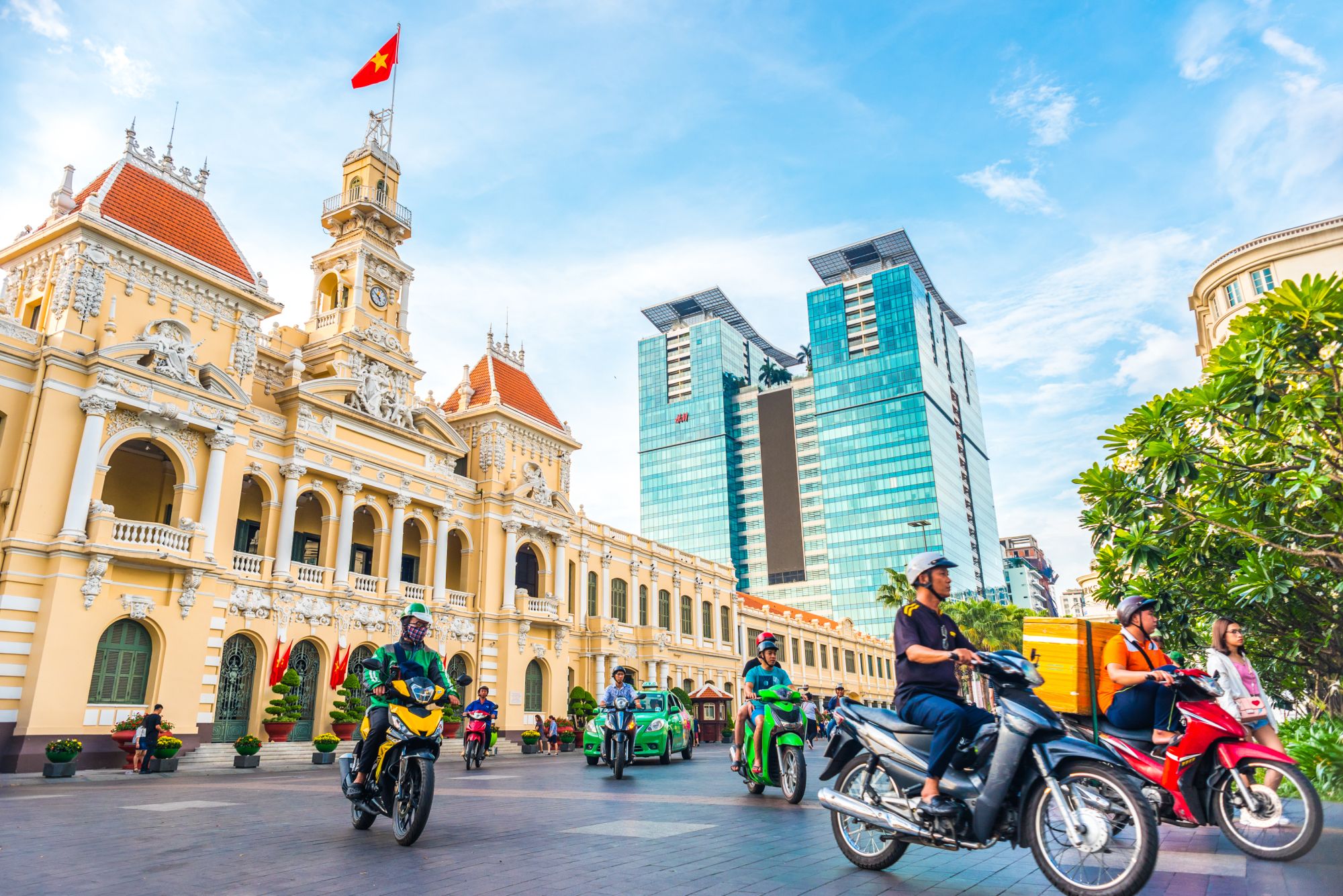
    September’s economic reports from major global institutions paint a glowing picture of Vietnam’s continued growth. While forecasts for 2025 to 2026 vary, reflecting a mix of optimism and caution regarding global risks, the overall sentiment is decidedly positive.

    A Bright Future Ahead

    The Asian Development Bank (ADB) has raised its 2025 growth forecast for Vietnam to 6.7%. This optimistic revision reflects a robust recovery in the industrial and construction sectors. Singapore’s United Overseas Bank (UOB) is even more bullish, predicting a 7.5% growth rate and suggesting that with ongoing reforms, Vietnam could sustain an average long-term growth rate of 7%.

    Conservative Outlooks Amid Global Tensions

    In contrast, the World Bank (WB) and the International Monetary Fund (IMF) maintain a more conservative stance, forecasting growth rates of 6.6% and 6.5% for 2025, respectively. The IMF further warns that growth could slip to 5.6% in 2026 due to the impact of new U.S. tariff policies.

    Starting August 7, 2025, the U.S. will impose 20% tariffs on goods directly imported from Vietnam and 40% on goods identified as “transshipped.” This nuanced distinction is creating waves of uncertainty in key export sectors, leading to concerns among industry stakeholders.

    If broadly interpreted, WB estimates suggest between 1.6% and 10.6% of Vietnamese exports to the U.S. could be affected. This potential disruption is already being felt, as exports dipped by 2% in August, notably harming the textiles, wood, and machinery sectors.

    Domestic Resilience Amid Global Challenges

    Vietnam’s robust economic landscape continues to showcase strong internal drivers. In the first half of 2025, exports soared by 14.2%, while Foreign Direct Investment (FDI) disbursements reached an impressive US$15.4 billion—the highest in five years. This influx, especially from Japan, South Korea, and Europe, not only fuels capital growth but also enhances domestic production value chains.

    Private consumption, which constitutes over 65% of GDP, remains a solid pillar, buoyed by modest inflation around 3.3%. The service sectors—spanning retail to tourism—are witnessing a vigorous recovery, with an influx of nearly 14 million international visitors in the first eight months of 2025, representing a remarkable 30% increase year-on-year.

    Though agriculture contributes less to GDP, it remains essential for social stability and food security. Reports, including those from the UK Investor Magazine, laud Vietnam’s agricultural successes as markers of its economic adaptability and resilience.

    Fiscal Confidence Fuels Infrastructure Growth

    Vietnam’s fiscal position receives accolades as the public debt remains comfortably below 34% of GDP, well beneath the 60% ceiling. This advantageous status allows the government significant leeway for fiscal stimulus, with an ambitious plan for $48 billion in infrastructure investments across over 250 projects set to accelerate disbursement and deliver widespread economic benefits.

    Monetary policy is expected to take a more accommodating turn later this year; some banks are even predicting interest rate cuts to bolster business growth. The IMF has suggested adopting a wider, more flexible exchange rate band to tackle external pressures while preserving overall stability.

    Aiming for Sustainable Growth

    International observers underscore that if Vietnam continues its trajectory of institutional reform and business environment enhancement, a long-term growth target of 7% is well within reach. Fostering domestic business competitiveness, reducing dependence on FDI, and increasing investment in education—particularly in STEM and R&D—are essential steps in this journey.

    With a commendable 7.5% GDP growth in the first half of 2025 and bolstered by international confidence, the government’s growth target of 8.3% to 8.5% for 2025 is viewed as ambitious yet attainable. Shantanu Chakraborty, ADB’s Country Director for Vietnam, emphasizes that effective fiscal and monetary coordination, along with addressing structural challenges such as climate change and energy transition, are pivotal in constructing a balanced and sustainable growth model.

    In summary, Vietnam’s unwavering resolve and strategic policy management position it to solidify its standing as one of Asia’s fastest-growing and most stable economies, ready to carve out its place on the global stage.

    Questions & Answers

    What are the current growth forecasts for Vietnam’s economy?
    The Asian Development Bank predicts a 6.7% growth for 2025, while Singapore’s UOB is even more optimistic at 7.5%. The World Bank and IMF have more conservative projections at 6.6% and 6.5%, respectively.

    What impact will the new U.S. tariffs have on Vietnamese exports?
    New tariffs, effective August 7, 2025, could affect between 1.6% to 10.6% of Vietnam’s exports to the U.S. if broad interpretations are applied, with sectors such as textiles, wood, and machinery already feeling the pinch.

    How is Vietnam managing its fiscal and monetary policy to ensure growth?
    Vietnam has a public debt below 34% of GDP, allowing for significant fiscal stimulus. Accommodative monetary policies and potential interest rate cuts are expected later this year to support business growth.

  • Quips Shakes Up Australian Alcohol Industry With Innovative Resealable Cocktail Pouches

    Quips Shakes Up Australian Alcohol Industry With Innovative Resealable Cocktail Pouches

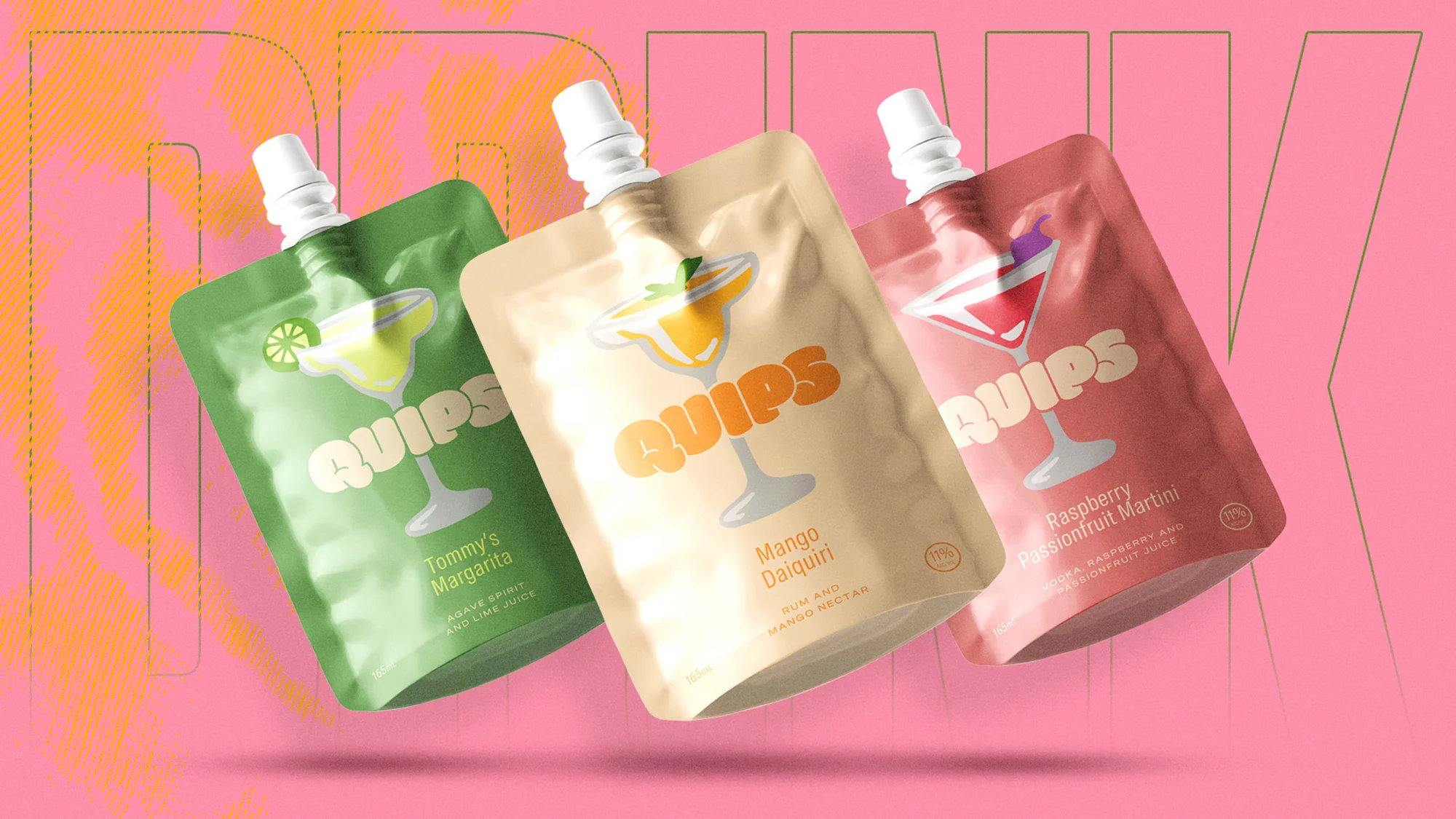
    In a first for the Australian alcoholic beverages industry, cocktail brand Quips has launched a novel range of cocktails housed in a unique pouch packaging.

    Unique Cocktail Packaging

    The pioneering Quips cocktail pouch range boasts an impressive 11 percent ABV. Adding to its distinctiveness, the packaging is resealable, marking a significant industry innovation. This new product line from Quips is launched with three delightful flavours: Margarita, Daiquiri, and Passionfruit Martini.

    Quips’ co-founder, Calvin Koder, underscored that the brand’s offerings provide safer alternatives for consumers, particularly during social gatherings. Key features such as a tamper-proof resealable lid, convenient portability, and options that are devoid of carbonation, ensure enhanced consumer safety and satisfaction.

    Wide Availability

    Quips pouches are currently available for purchase at bottle shops, bars, and public festivals across New South Wales and Victoria. The company also revealed its ambitious plans for a nationwide distribution expansion.

    Questions & Answers

    What is unique about the Quips cocktail pouch range?
    The Quips cocktail pouch range is the first of its kind in Australia’s alcoholic beverage market. It boasts a high ABV of 11 percent and comes with resealable packaging.

    What flavours are available in the Quips cocktail pouch range?
    The Quips cocktail pouch range is launched with three flavours: Margarita, Daiquiri, and Passionfruit Martini.

    Where can Quips pouches be purchased?
    Quips pouches are currently available in bottle shops, bars, and public festivals across New South Wales and Victoria. The company has plans to expand distribution nationally.

  • Monclos Unveils Flagship Store In Seoul: A Sensory Experience In Farm-to-beauty Retail Innovation

    Monclos Unveils Flagship Store In Seoul: A Sensory Experience In Farm-to-beauty Retail Innovation

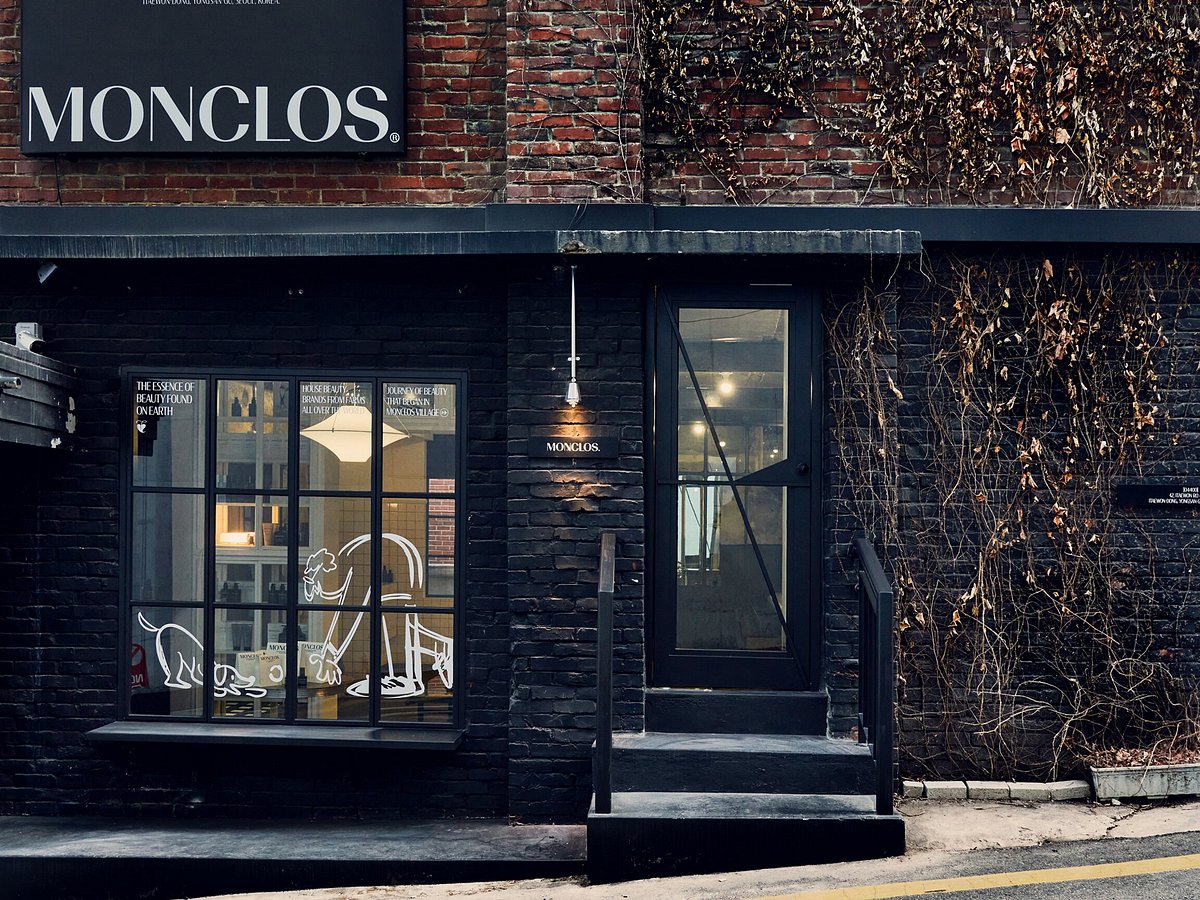
    Monclos, a renowned South Korean beauty brand, recently announced the unveiling of its premiere flagship store, located in the bustling neighborhood of Hannam-dong in Seoul.

    Store Design and Layout

    The store’s design is a reflection of Monclos’ unique farm-to-beauty ethos, with its exterior adorned with a lush curtain of vines, an industrial-style framework, and domestic-style tiles. The interior of the store is partitioned into three distinct areas: a product testing zone dedicated to hair and body care items, a home fragrance section, and a gift area.

    Monclos places a strong emphasis on sensory engagement, creating an inviting environment where products are artfully displayed to mimic common home settings, a departure from the more traditional retail shelving approach.

    Unique Features and In-Store Experience

    The home fragrance zone offers a stunning view of a seasonal mini-garden that transforms throughout the year, adding a dynamic touch of nature to the shopping experience. Additionally, elements of the brand’s farm-inspired characters are subtly integrated into the store’s design.

    The store also offers customers the chance to put a personalized touch on their shopping experience, with the ability to create their own customized hand creams while in-store.

    A Living, Evolving Space

    Monclos describes its Hannam flagship store as a vibrant, living entity that evolves and matures with its visitors. The company emphasizes that the products on offer are not merely for purchase but are designed to infuse everyday life with a refreshing touch and awaken the senses in new and exciting ways.

    Questions & Answers

    What are the unique features of Monclos’ flagship store?
    Monclos’ flagship store features a design inspired by their farm-to-beauty ethos, with areas dedicated to product testing, home fragrances, and gifts. The store is also home to a seasonal mini-garden and offers customers the opportunity to create personalized hand creams.

    How does Monclos’ new flagship store differ from traditional retail spaces?
    Monclos’ new flagship store veers away from conventional retail layouts, instead featuring product displays that mimic everyday home settings. This creates an engaging, sensory shopping experience that offers a refreshing departure from more traditional retail environments.

    What is the vision behind Monclos’ Hannam flagship store?
    Monclos views its new flagship store as a dynamic and evolving space that grows and matures with its visitors. Products are presented not just as items for purchase, but as elements designed to rejuvenate daily life and awaken the senses.

  • Spinneys Expands Into Southeast Asia: Partners With Ayala For Philippine Supermarket Venture

    Spinneys Expands Into Southeast Asia: Partners With Ayala For Philippine Supermarket Venture

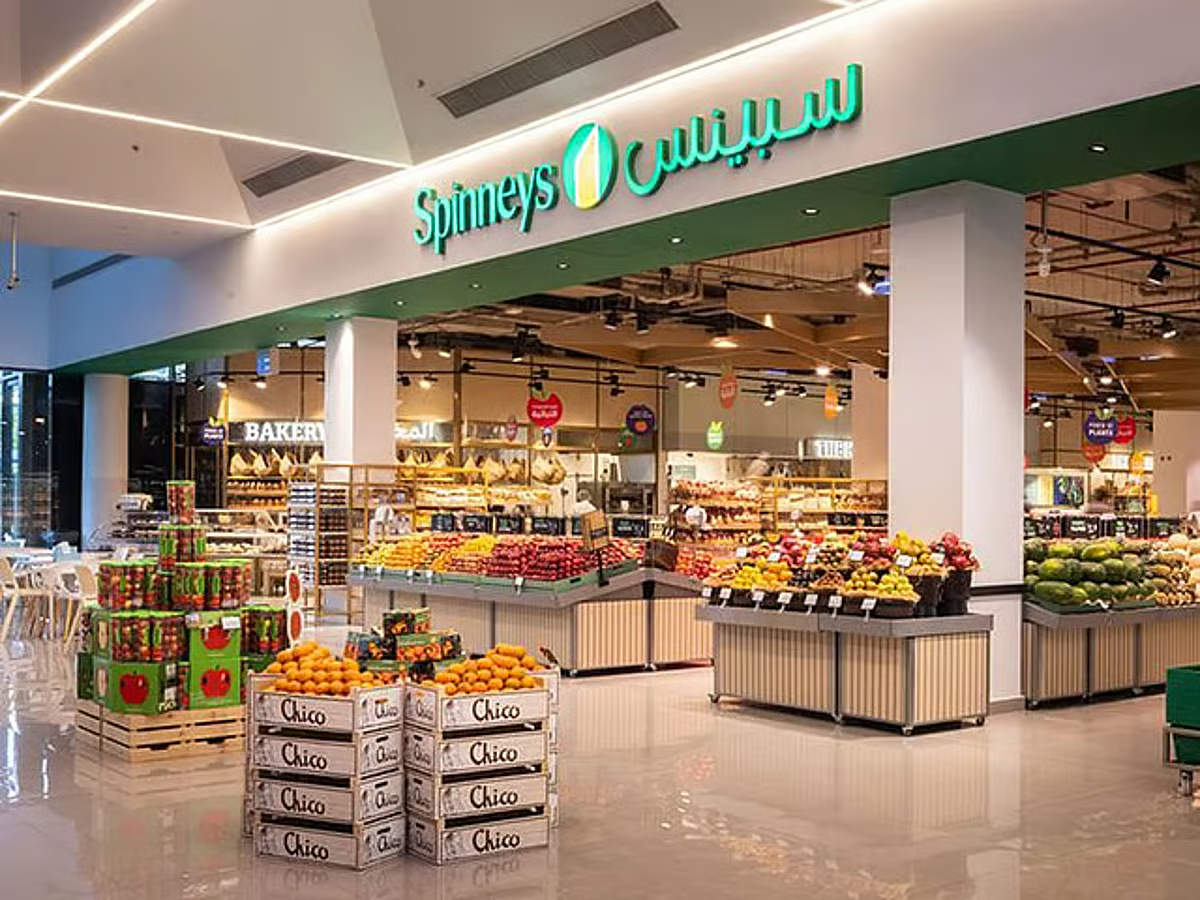
    Spinneys, a thriving fresh food supermarket chain, has made a strategic move into Southeast Asia by partnering with Ayala Corporation to open new stores in the Philippines. This marks the supermarket chain’s first entry into the region.

    According to the terms of the deal, Ayala Corporation will control a majority stake of 60%, while Spinneys will hold 40% in the new venture.

    The rollout of the new stores is planned in two stages. Spinneys will initially manage operations before control transitions to the joint venture fully.

    A Strategic Move into Southeast Asia

    The President and CEO of Ayala Corporation, Cezar Consing, mentioned that this deal underscores the corporation’s expanding role in the Philippines’ retail industry.

    He stated, “This investment is expected to stimulate trade and investment between the Philippines and the GCC.”

    Expressing a similar sentiment, Sunil Kumar, the CEO of Spinneys, said the long-term growth potential in the Philippines is promising. The increasing number of middle and upper-income populations is fuelling the demand for premium food retail in the country.

    Kumar expanded on this by saying, “The Philippines has significant long-term growth potential, with strong economic fundamentals, a growing affluent population, and increasing demand for high-quality offerings. Our partnership with Ayala pairs their deep local knowledge with our operational expertise. This combination provides a strong foundation for measured growth. We are thrilled to introduce our fresh food offerings to a new region.”

    Spinneys has made consistent progress in expanding its footprint in recent years. It opened 10 new stores in the UAE this year and also announced plans to enter the Kuwaiti market.

    Questions & Answers

    What is the stake distribution between Spinneys and Ayala Corporation in the new venture?
    Ayala Corporation will hold a majority stake of 60%, while Spinneys will hold the remaining 40%.

    Who will initially oversee the operations of the new stores in the Philippines?
    The operations of the new stores will initially be managed by Spinneys.

    What factors make the Philippines a promising market for Spinneys?
    The strong economic fundamentals, a growing affluent population, and increasing demand for high-quality offerings make the Philippines a market with significant long-term growth potential for Spinneys.

  • Meta, Volvo and Writers at Work lead the conversation on WhatsApp with Omnichat

    Meta, Volvo and Writers at Work lead the conversation on WhatsApp with Omnichat

    The Commerce Leadership Forum 2025 Series, organized by Omnichat, a frontrunner in omnichannel AI customer experience platforms, recently took place at the Meta offices in Singapore and Malaysia. The event brought together key figures from companies such as Meta, Volvo Car Malaysia, and Writers At Work to delve into the transformative influence of AI, data-driven insights, and the WhatsApp Business Platform on customer engagement.

    The Power of Messaging for Business

    The global trend of businesses using messaging platforms is growing, as evidenced by over 1 billion people interacting with business accounts weekly on Meta’s messaging services. Vicky Yiu, APAC Strategic Partnership Manager at Meta, highlighted the effectiveness of messaging as a means of customer engagement.

    Latest research suggests that 79% of global online adults engage with businesses through messaging on a weekly basis. The WhatsApp Business Platform, including its ‘WhatsApp Flows’ tool, provides interactive chat experiences, facilitating efficient and user-friendly exchanges such as data collection and appointment scheduling.

    Albert Tiong, Regional Program Manager of Meta, demonstrated how Meta Business Messaging can lead to better results across the entire customer lifecycle, compared with traditional channels. From discovery and awareness to consideration, purchase, and re-engagement, two-way conversations enhance marketing, sales, and support outcomes. Businesses that have started using paid messaging products have seen a doubling in numbers year-on-year.

    Integrating WhatsApp into Business Communications

    Patricia Yaw, Director of Marketing Operations and PR at Volvo Car Malaysia, is spearheading the brand’s digital transformation, illustrating that even traditional sectors can progress through conversational commerce. By implementing a centralized chat strategy, Volvo Car Malaysia has been able to deliver a personalized customer experience exclusively through WhatsApp. This strategic shift to a unified WhatsApp Business Platform took place during the brand’s EX30 launch, which set new records for the brand in terms of test drive bookings, media impressions, and PR share of voice.

    WhatsApp has demonstrated impressive performance metrics, including a staggering 93% read rate and a click-through rate seven times higher than that of email. Further, the chatbot effectively handles one out of every four discovery questions, underscoring its efficiency in managing user inquiries.

    AI-Driven Conversational Commerce

    Alan Chan, founder and CEO of Omnichat, highlighted the transformative effect of AI-driven conversational commerce. He discussed how businesses can use automation and personalization to boost sales and improve customer satisfaction.

    “AI-powered conversational agents are revolutionizing how businesses interact with customers,” he said. “Omni AI allows businesses to create tailored AI agents for various purposes, train them by uploading documents and resources, and enable them to deliver faster and more accurate responses. From providing round-the-clock instant support to sending hyper-personalized recommendations, AI enables companies to engage customers effectively at all touchpoints.”

    WhatsApp for Operations and Engagement

    Ang Kai Ning, HR and Finance Director at Writers at Work, revealed how their education center strategically uses the WhatsApp Business Platform, facilitated by Omnichat, to improve various aspects of their operations. WhatsApp has become more than just a messaging app, transforming into a dynamic platform for interactive engagement, promotional messaging, efficient announcement scheduling, and responsive customer service.

    They achieved a 77.71% read rate and an 11.85% click-through rate on webinar promotions, resulting in a 90% turnout. Moreover, chatbot automation handled 75,000 customer messages last year, with 99% of these on WhatsApp, demonstrating the platform’s role in optimizing communications, boosting engagement, and driving results.

    The Commerce Leadership Forum 2025 Series highlighted the value of collaboration and innovation in business growth. By uniting thought leaders and industry experts, the event inspired attendees to adopt new technologies, use data-driven insights, and rethink customer engagement strategies for the digital age.

    Questions & Answers

    What is the significance of the WhatsApp Business Platform for customer engagement?
    The WhatsApp Business Platform provides interactive chat experiences that enable efficient and user-friendly exchanges such as data collection and scheduling. This platform has demonstrated high engagement rates, with a remarkable 93% read rate and a click-through rate seven times higher than that of email.

    How can AI-driven conversational commerce benefit businesses?
    AI-driven conversational commerce allows businesses to create custom AI agents for various purposes. These agents provide faster and more accurate responses, offer round-the-clock instant support, and send hyper-personalized recommendations. This technology revolutionizes customer interactions, enhancing engagement at all touchpoints.

    What role does WhatsApp play in an organization’s operations?
    Besides being a platform for messaging, WhatsApp can also be used for promotional messaging, efficient announcement scheduling, and responsive customer service. It has been effective in streamlining communications, boosting engagement, and driving results, as evidenced by a high turnout rate for webinar promotions.

  • Vietnamese Chain Pizza 4p’s Brings Unique Fusion Flavors To U.s. With Brooklyn Outpost

    Vietnamese Chain Pizza 4p’s Brings Unique Fusion Flavors To U.s. With Brooklyn Outpost

    Pizza 4P’s, a notable Vietnamese restaurant chain, is poised to enter the U.S. market with a premier spot nestled in Brooklyn, New York. This marks a significant stride in the company’s continuing global expansion efforts.

    The restaurant chain is well-regarded for its commitment to a farm-to-table approach and in-house cheese production. With these unique offerings, combined with a distinct fusion of Japanese Omotenashi hospitality and artisanal pizza, the group is set to make its mark in one of the globe’s most fiercely competitive gastronomic landscapes.

    The Brooklyn branch is the fifth overseas establishment for Pizza 4P’s, following its successful foray into Japan, Cambodia, Indonesia, and India. Coinciding with the U.S. inauguration, the group has initiated the search for a General Manager to oversee this flagship outlet.

    Established in 2011 in Ho Chi Minh City, Pizza 4P’s has since blossomed into a regional favorite, boasting over 30 branches sprinkled across Asia.

    This Brooklyn outpost is projected to act as a proving ground for the brand’s operational blueprint and customer allure in the U.S. market. The prospects for further growth and expansion are likely to depend on the market’s reaction and acceptance.

    Questions & Answers

    What is Pizza 4P’s known for?
    Pizza 4P’s is known for its farm-to-table philosophy and homemade cheese, blended with a unique take on Japanese Omotenashi hospitality and artisanal pizza.

    Where is Pizza 4P’s planning to open its first U.S. location?
    Pizza 4P’s is set to make its U.S. debut in Brooklyn, New York.

    How will the Brooklyn location contribute to Pizza 4P’s growth strategy?
    The Brooklyn store is intended to serve as a testbed for the brand’s operational strategies and customer appeal in the U.S., potentially paving the way for further expansion based on market response.

  • Altina Launches Avec Flowstate: A Revolutionary Non-alcoholic Wine With Functional Ingredients

    Altina Launches Avec Flowstate: A Revolutionary Non-alcoholic Wine With Functional Ingredients

    Altina, a producer of non-alcoholic wines, has introduced Avec FlowState to the market. This innovative beverage fuses dealcoholised wine with functional ingredients.

    The Avec FlowState Range

    The Avec FlowState range includes two distinct varietals. One is the FlowState Shiraz, a full-bodied red wine that boasts a rich blend of dark berries, soft tannins, and delicate spice. The other offering is FlowState Mango Spritzer, a light and tropical spritz that combines the flavors of mango and citrus.

    These unique beverages feature a special blend of L-theanine and magnesium. According to Altina, this combination of ingredients has been designed to support mental clarity and balance the nervous system.

    Christina Delay, Altina’s co-founder, has shared her excitement about the new product line. “FlowState is more than just another non-alcoholic wine,” she stated. “It represents a completely new category. Not only does it provide the depth and pleasure of premium wine without the downsides like hangovers or foggy minds, it also adds functional ingredients instead of simply eliminating alcohol. This redefines what a celebratory drink can be.”

    Production and Availability

    Each Avec FlowState bottle is filled with wine that is delicately dealcoholised to retain its flavour and character. This is then combined with botanicals to enhance its complexity.

    The Avec FlowState collection is priced at a recommended retail price of $150 for a set of six bottles. Customers can purchase the range online, as well as at independent bottle shops and grocery stores across the country.

    Questions & Answers

    What is the Avec FlowState range?
    The Avec FlowState range is a line of non-alcoholic beverages produced by Altina. It includes two varietals: FlowState Shiraz, a full-bodied red wine, and FlowState Mango Spritzer, a light, tropical spritz.

    What makes Avec FlowState different from other non-alcoholic wines?
    Avec FlowState is unique as it combines dealcoholised wine with functional ingredients, like L-theanine and magnesium, to promote mental clarity and balance in the nervous system.

    Where can the Avec FlowState range be purchased?
    The Avec FlowState collection can be bought online and is also available in independent bottle shops and grocery stores nationwide.

  • Walmart To Eliminate Synthetic Dyes From Food Brands By 2027 Amid Health Initiative

    Walmart To Eliminate Synthetic Dyes From Food Brands By 2027 Amid Health Initiative

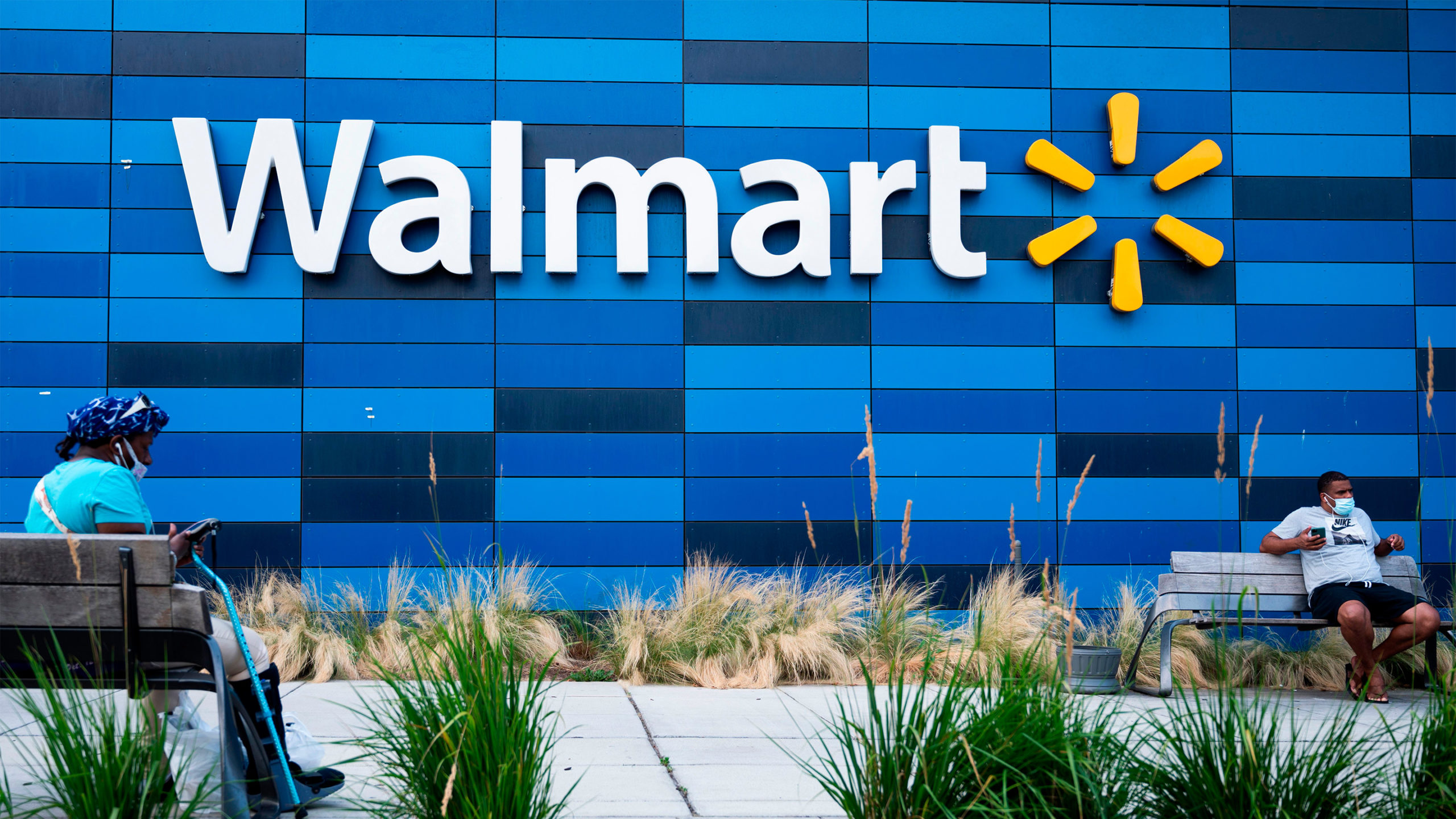
    In a move towards healthier food options, Walmart announced on Wednesday its plans to eliminate synthetic dyes from all its private-label food products in the United States. Products under its Great Value and bettergoods brands will be free of these dyes by January 2027, with this change aligning with efforts from other major corporations.

    Industry Trends Towards Healthier Options

    In response to the Trump administration’s “Make America Healthy Again” initiative, several renowned packaged food producers, including PepsiCo, Campbell’s, and Conagra Brands, have already declared similar intentions. According to Health Secretary Robert F Kennedy Jr., the move is aimed at curbing the adverse effects of ultra-processed food and chemical additives, which have been linked to various health issues such as childhood obesity, diabetes, cancer, mental health disorders, allergies, and neurodevelopmental conditions like autism.

    More Than Just Dyes

    Walmart, recognized as the world’s largest retailer in terms of sales, also intends to ban over 30 other ingredients. These include preservatives, artificial sweeteners, and fat substitutes from its private-label product range.

    “Our consumers have clearly expressed a preference for products made from simpler, more recognizable ingredients, and we are taking their feedback seriously,” said John Furner, President of Walmart US.

    The corporation manages six in-house food brands that enjoy considerable popularity among cost-conscious American consumers. Walmart reported that currently, 90% of its private-brand foods are already free from synthetic dyes.

    A Natural Substitution

    The company plans to replace artificial coloring with natural alternatives such as beetroot, turmeric, black carrots, spinach, and hibiscus. Despite the challenges in substituting blues and greens, Walmart remains committed to this health-conscious transition, a company representative explained.

    Specific changes include replacing yellow #6 and red #40 dyes in their “Great Value” brand gelatin products with Beta Carotene to achieve an orange color. For a cherry hue, the previously used red #40 and blue #1 dyes will be substituted with a blend of carrot, radish, hibiscus, blueberry, and spirulina.

    Impact on the Market

    Brian Ronholm, Director of Food Policy at the non-profit Consumer Reports, believes that as the leading grocer in the US, Walmart’s decision will significantly influence the market and enhance the safety of the food purchased by many Americans.

    The move extends beyond Walmart, as the Walmart-owned warehouse club chain Sam’s Club announced in June. They committed to remove artificial colors and aspartame from its Member’s Mark brand by the end of this year.

    Questions & Answers

    What is Walmart’s timeline for removing synthetic dyes from its private-label foods?
    Walmart plans to remove synthetic dyes from all its private-label foods in the US by January 2027.

    Why is Walmart removing synthetic dyes and other ingredients from its food products?
    The move is in response to consumer demand for products made with simpler, more familiar ingredients. It also aligns with a wider industry trend towards healthier food options, in line with the “Make America Healthy Again” initiative.

    What natural alternatives is Walmart using to replace synthetic dyes?
    Walmart plans to replace synthetic dyes with natural alternatives like beetroot, turmeric, black carrots, spinach, hibiscus, carrot, radish, blueberry, and spirulina. For example, Beta Carotene will replace yellow #6 and red #40 dyes in their gelatin products.