China Unicom has signed business cooperation framework agreements with Kuang-Chi Technologies and KuangChi Science, subsidiaries of Kuang-Chi Group.
The agreement is an integral part of a series of cooperation framework agreements which Unicom signed with strategic investors in key industry verticals participating in its mixed-ownership reform, the Chinese operator said in a statement.
Under the agreement, Unicom will work closely with Kuang-Chi Technologies and KuangChi Science in areas such as military-civil integration, public security, smart cities and smart transportation. The companies will also cooperate to explore new opportunities in cloud computation, big data, internet of things (IoT), artificial intelligence (AI), digital content and payment finance.
Unicom announced its 77.9 billion yuan ($11.7 billion) ownership reform plan in August 2017, bringing in 14 new strategic investors including large internet companies, industrial groups and industry vertical companies and financial enterprises. The operator has already signed framework agreements with internet and e-commerce giants Baidu, Alibaba, Tencent and Jingdong (owner of the JD.com brand).
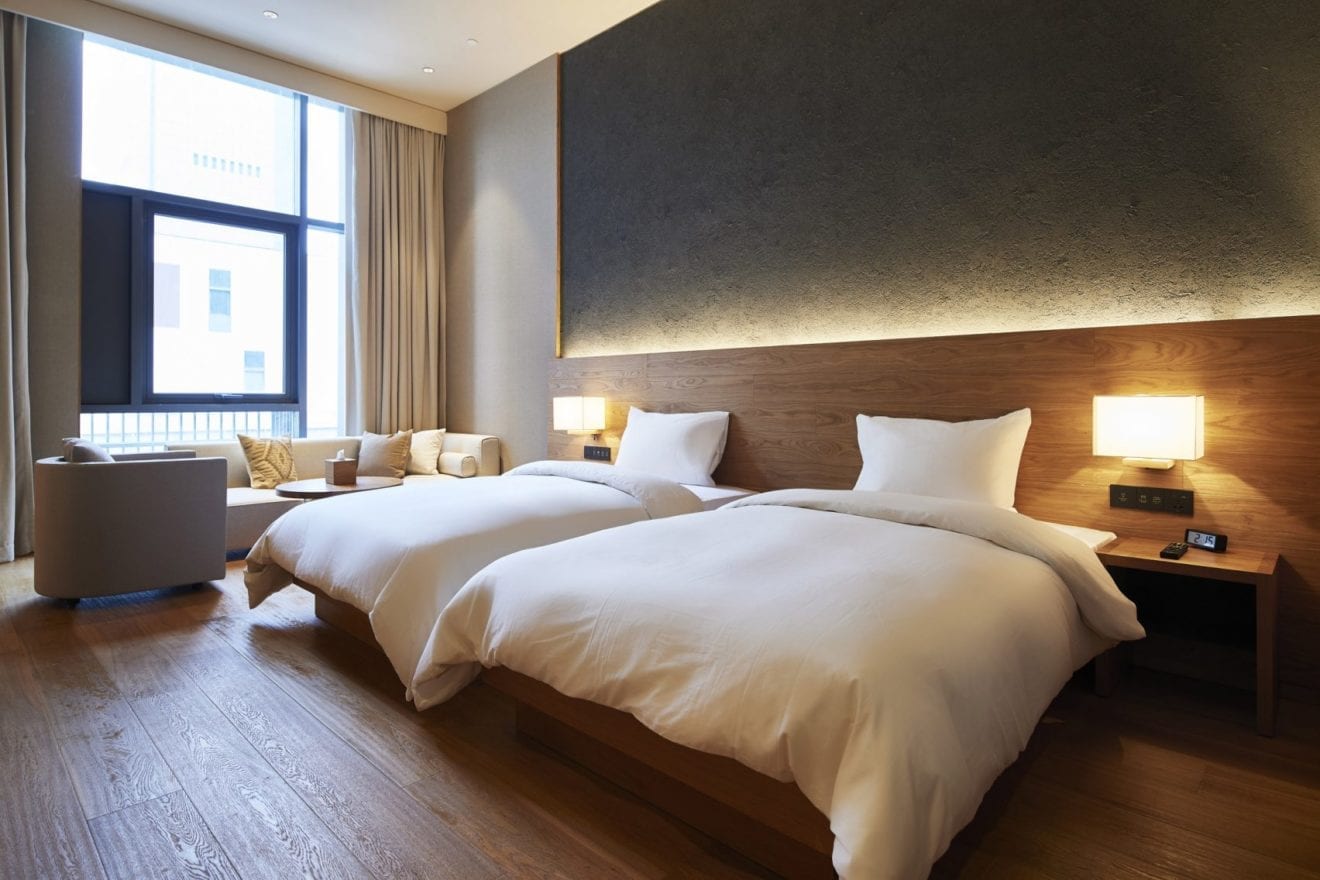
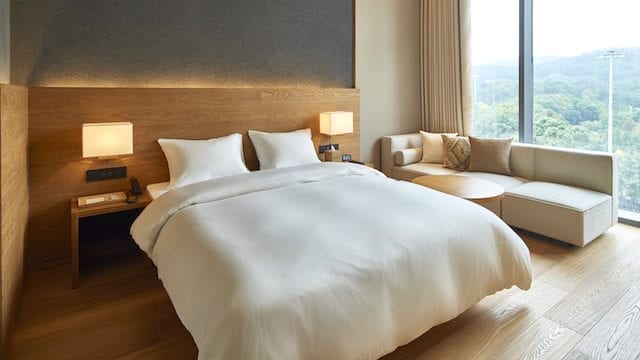
Wood-lined bedrooms, a minimal diner, a library and a shop feature in the Muji Hotel in Shenzhen, which opens next week.
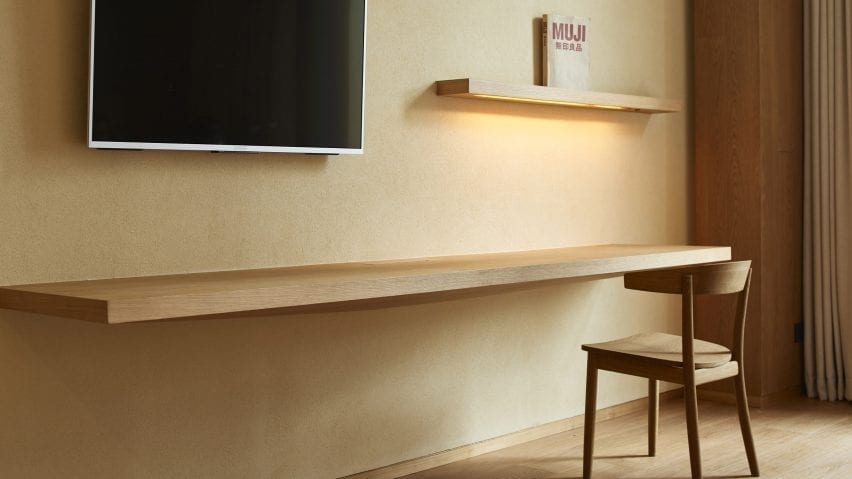
In the Futian district, it is the first hospitality project initiated by the Japanese retailer, known for its minimalist homeware products. These feature in the hotel to reflect Muji’s simple aesthetic – described by the brand as an “anti-gorgeous, anti-cheap” concept.
As well as 79 guest rooms, the hotel will offer a gym, a diner, three meeting rooms, a library and a shop, as reported.
In the bedrooms, Muji products will range from toothbrushes to electric kettles and wall-mounted CD players.
Muji Diner, the third-floor restaurant, will serve local food inspired by international home cooking, all served on Muji dinnerware.
On the same floor and to be open 24 hours a day to the public as well as guests, the library will have a selection of more than 650 books.
A small gym is equipped with running machines, aero-bikes and workout equipment, while a shop allows guests to buy the products they have been using inside the hotel.
A second Muji hotel will follow in Tokyo’s Chuo City next year.
The hotels are the latest architectural project to be initiated by the Muji, following on from a 9sqm prefabricated house and a trio of huts designed by Konstantin Grcic, Jasper Morrison and Naoto Fukasawa.
Established in 1979, Muji is commonly referred to as a “brandless” company as its products bear no logos.
Vietnam’s banking sector posted an estimated 18.17 percent in loan growth in 2017, the Ministry of Finance said on Monday.
On December 29, Vietnam’s General Statistics Office said that credit expanded by an estimated 16.96 percent during the year.
At the same time, the statistics office announced that Vietnam’s economy grew by 6.81 percent during 2017, compared with 6.61 percent the year before, the highest in a decade.
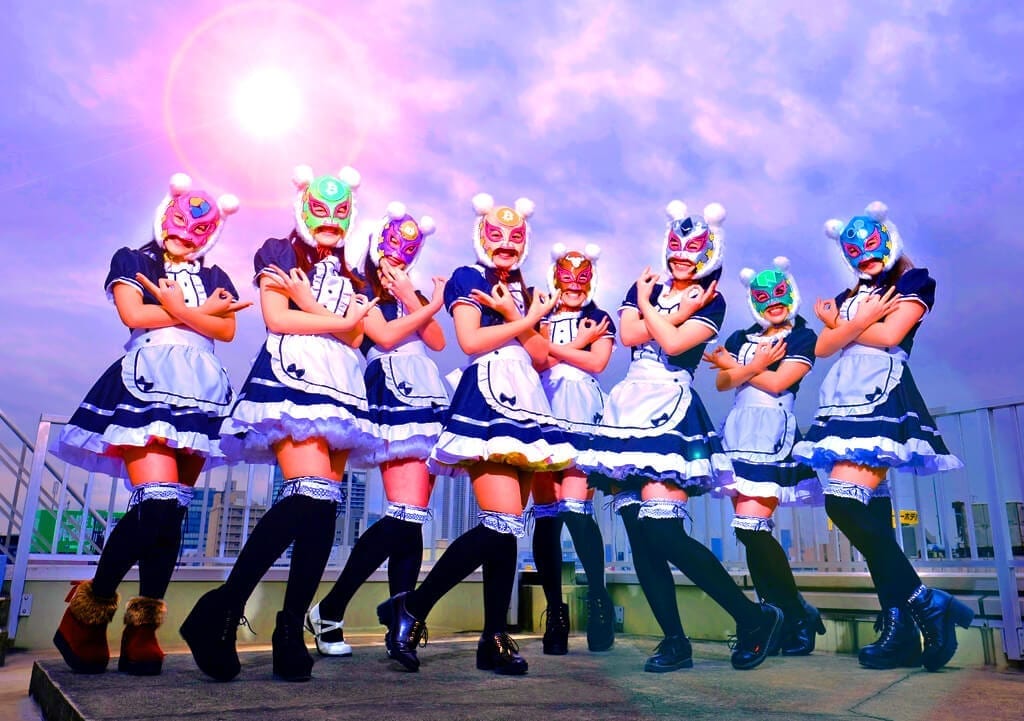
Move over AKB48, Japan has a new all-girl “idol” band – the Virtual Currency Girls – on a mission to educate the public about bitcoin and other cryptocurrencies.
Each of the eight girls in the band, known in Japanese as “Kasotsuka Shojo”, plays a character representing a virtual currency such as bitcoin, ethereum or ripple.
Promotional material shows the performers wearing character masks, frilly mini-skirts and “maid” aprons complete with knee-high socks.
The Virtual Currency Girls are due to hold their debut live concert in Tokyo on Friday (Jan 12), according to their management company Cinderella Academy.
In keeping with the theme, payment for merchandise will be accepted only in virtual currencies.
“We want to promote the idea through entertainment that virtual currencies are not just a tool for speculation but are a wonderful technology that will shape the future,” said the group’s leader Rara Naruse, 18, in an online statement.
In their debut song, The Moon and Virtual Currencies and Me, they warn against fraudulent operators and urge people to make sure of their online security.
The group is tapping into a rich seam in Japan, where bitcoin is recognised as legal tender.
Nearly one-third of global bitcoin transactions in December were denominated in yen, according to specialised website jpbitcoin.com.
The group’s launch comes on the heels of a recent market frenzy which boosted bitcoin up to nearly US$20,000.
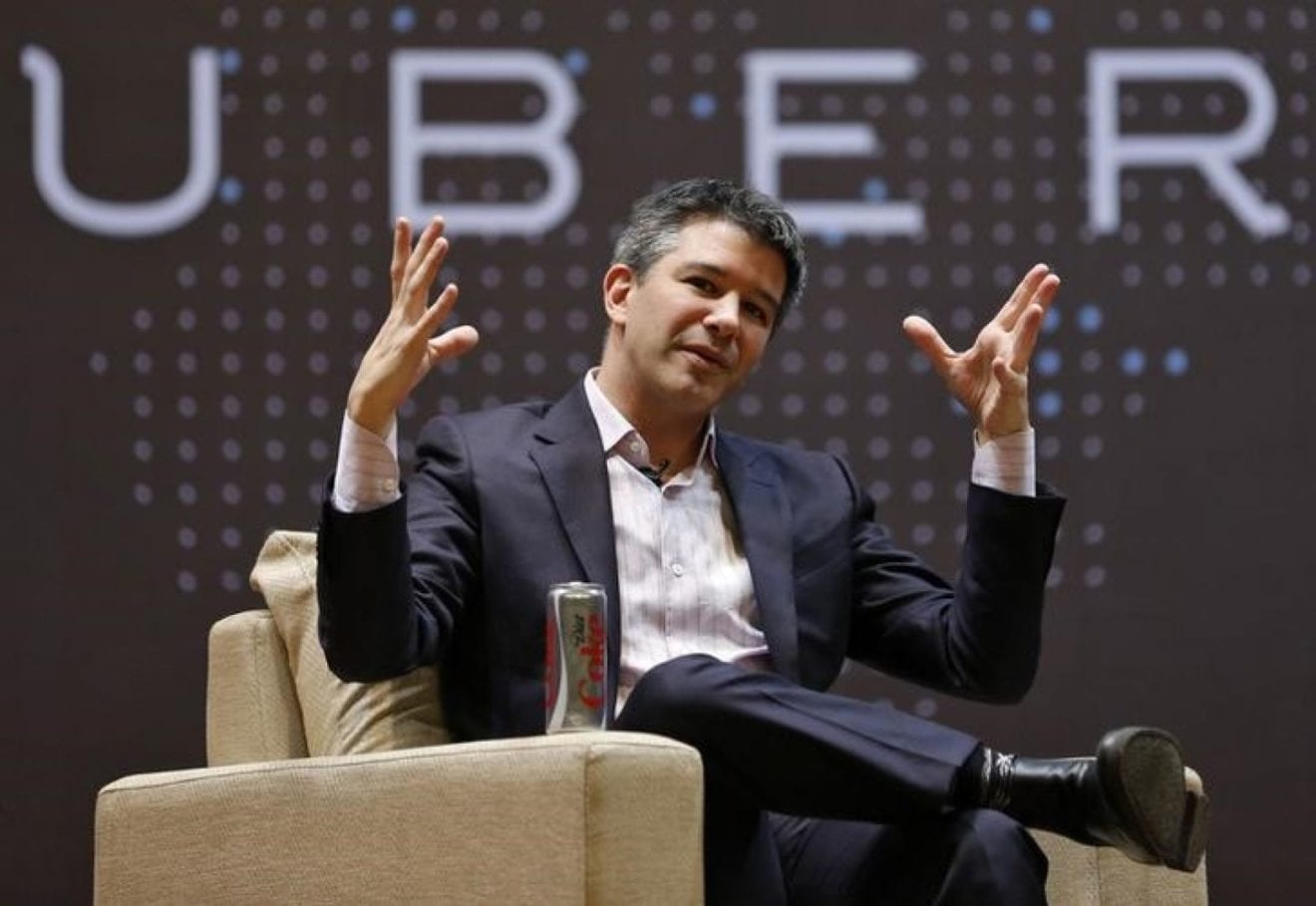
Travellers will now be able to book their rides to the airport a month ahead, following a partnership between AirAsia and Uber.
The low cost carrier and ride-share service will be working together in 52 cities in 16 markets across Asia Pacific and the United States, where AirAsia operates and the Uber app is available.
According to the press release, riders would be able to request or schedule rides up to 30 days in advance, when confirming, booking or checking in for AirAsia flights via web or mobile.
New Uber users would also get free or discounted rides if they enter the promo code “AIRASIA” when registering their account.
“So, whether you’re trying to get home to see your family, or heading to an important business meeting, your travel experience should be seamless, from door-to-door,” he said.
AirAsia Bhd Group chief executive officer Tan Sri Tony Fernandes said AirAsia had found the right ride partner in Uber, as AirAsia was always looking to complement its in-flight experience with services outside the plane.
“Working with Uber allows our guests to plan their entire trip from the moment they step out of their home right until they arrive at their destination,” he said.
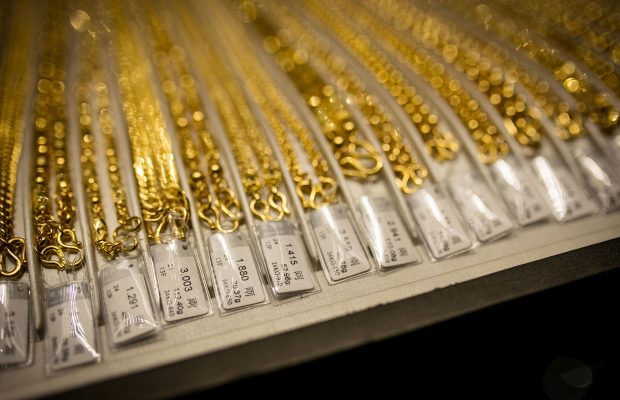
Chow Tai Fook Jewellery Group (1929) said retail sales in Hong Kong and Macau in the third quarter ended December 31, remained unchanged from the same period the year before.
Same store sales grew by 5 percent. Gem-set jewelry sales were up by 22 percent, while gold products sales slipped by 1 percent in the third quarter. In Hong Kong and Macau, same store sales improved as a result of an increase in volume and average sale price to HK$11,800, the jewelry retailer reported today in an update.
Shares of Chinese online retailer LightInTheBox surged by more than a quarter on the New York Stock Exchange early on Monday, after the company announced it had started to accept payment in bitcoin.
The Beijing-based firm is the latest in a growing list of companies keen to involve themselves with digital currencies in an attempt to woo investors. Many companies in China and abroad have had their stocks soar as a result of doing so, despite the Chinese authorities’ increasingly vocal criticism of bitcoin.
LightInTheBox, which sells goods ranging from wedding dresses to electronic devices to overseas customers, saw its shares surge from US$2.38 to US$3.52 at the start of trading on Monday. It said earlier in the day that as of January 5, the virtual currency was a legitimate means of payment on its main sites, LightInTheBox.com and MiniInTheBox.com. All transactions would be processed through BitPay, a US start-up backed by Hong Kong billionaire Li Ka-shing.
The shares later retreated, finishing Monday at US$2.81.
Before yesterday’s surge, the share price had shed 26 per cent between early January last year and January 2, 2018.
“I’m glad to introduce bitcoin as a new payment channel to our customers. We think blockchain could potentially be an important technology for us,” said Alan Guo, chairman and CEO of LightInTheBox, who was one of the founders of Google China.
However, the announcement comes at a time when the Chinese authorities are taking an increasingly firm line against bitcoin and digital currencies more broadly.
Last week, a commentary in state mouthpiece People’s Daily labelled the volatile cryptocurrency a bubble and a modern-day tulip mania.
As such, analysts said other Chinese retailers were unlikely to follow LightInTheBox’s lead.
“Bitcoin payment in China remains a grey area,” said Tang Xiaotang, founder of Chinese retail consultancy Nofashion. “Other Chinese retailers would not dare to go against the will of the government.”
LightInTheBox is not the only US-listed Chinese company to see its share price spike after announcing an interest in cryptocurrencies.
Social media platform Renren – sometimes referred to as the Facebook of China – saw its shares skyrocket in the US after it said it would launch its own virtual token, RR Coin, and that it was developing a blockchain-based open-source platform that can record users’ trading behaviour.
Investors liked the idea so much that shares in the company surged by more than 80 per cent on January 3, the day after Renren made the announcement in a “white paper”.
However, after the initial frenzy, the stock was trading in New York just slightly higher than its level before the surge, and, on Tuesday, Bloomberg reported that Renren had cancelled its initial coin offering, a way of distributing the virtual token and raising cash, after being warned off by regulators.
In September, the People’s Bank of China banned initial coin offerings.
Chinanet Online Holdings, a Nasdaq-listed internet company, surged more than 600 per cent on January 4 after it said a day earlier it would collaborate with another Chinese firm to develop blockchain-related technologies.
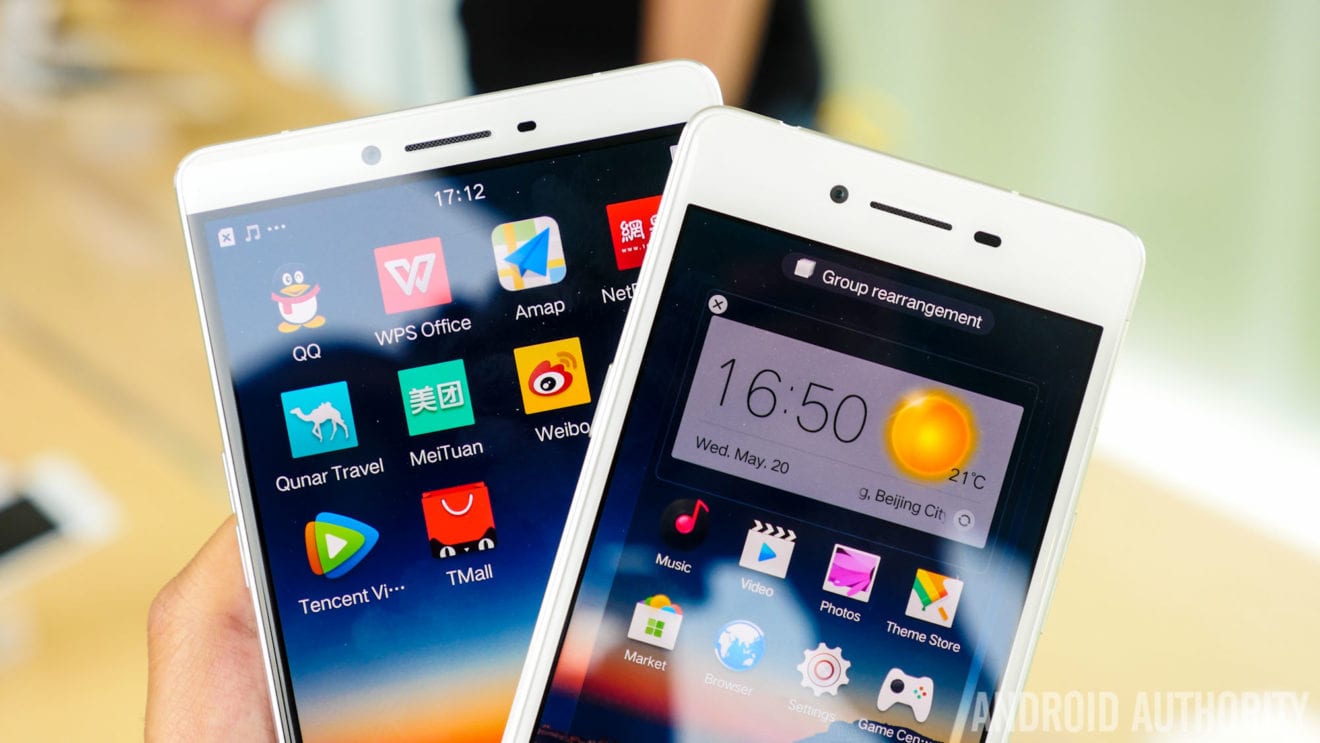
Chinese smartphone makers Oppo and Vivo, which together have a 17% share of the market in India, have slashed trade margins by over 40%, leading to a backlash by neighbourhood stores and mobile phone retail chains.
Industry executives said Oppo and Vivo have lost about 10,000 sales outlets each. Both had about 70,000 outlets each in the country before the margin cuts and the number of stores selling their phones may fall further, they said.
Chains including Sangeetha Mobile, Big C, Lot Mobile, Poorvika, Mobiliti World and Hotspot have stopped selling the two brands or reduced focus on them, three senior industry executives said. These chains have a combined network of over 1,300 outlets.
Oppo and Vivo, both founded by Chinese billionaire Duan Yongping, cut the margin offered to large chains to 14-15% from 23-25%, the executives said. They reduced it to 5-6% for standalone stores from 15-16%.
Sangeetha Mobile has stopped selling Oppo and Vivo in Tamil Nadu due to margin issues, managing director Subhash Chandra said. “The two brands have different margins in different states, which is a problem for multi-state retailers,” he said.
There is now no sales push for Oppo and Vivo, the CEO of a leading chain said.
An Oppo India spokesman confirmed the margin changes and the drop in number of outlets. The spokesperson said some stores were no longer able to sell handsets after the goods and services tax was introduced — he did not elaborate. He also said Oppo has changed its strategy to focus on mid- to high-end models and some stores had to be shed when their sales didn’t match expectations.
These adjustments are being done across markets by different smartphone industry players… All these decisions have been taken keeping in mind health of the company. We believe the company will now be healthier and efficient,” he said.
A Vivo India spokesperson said its retail network has not shrunk and the company plans to add outlets this year.
“Last year, we witnessed good response from the market which contributed towards increase in revenue and market share. As per Counterpoint Research, Vivo V7+ commanded 40% share in ?20,000-25,000 segment in November 2017. We plan to further build on the growth momentum this year,” he said.
The two brands have been forced to reduce margins in India because they are under pressure to become profitable, the CEO of a retailer said. “They are replicating the strategy adopted in China of slowing down the high investment after reaching a certain scale. But India is a different market and their share is already coming down,” he said.
Both have drastically scaled down their huge marketing investment in India over the past three months in outdoor, television and print advertising, executives said.
Vivo had a 9% share of India’s smartphone market in the third quarter of 2017 compared with 5% a year earlier, according to Counterpoint Technology Market Research, a Hong Kong-based firm that tracks device shipments. Oppo’s share increased to 8% from 4% during this time, Counterpoint said.
Oppo currently manufactures phones in India through third-party vendors and is setting up its own unit in Greater Noida near New Delhi. Vivo has an assembling unit in Greater Noida with a capacity of 1-million smartphones per month, according to its website.
Vivo India posted a loss of ?111.66 crore in 2016-17, according to regulatory filings, while sales grew six-fold to ?6,173 crore. Oppo’s earnings figure was not available, although its sales surged seven-fold to ?7,974 crore.
Oppo and Vivo were among the fastest-growing smartphone brands in the third quarter of 2017, Counterpoint said.
The industry executives said Oppo and Vivo’s pace of growth and market share will be under stress this year, which will change the pecking order of Chinese brands in the Indian market with Xiaomi and Lenovo-owned Motorola filling the space.
It launched its own portal in India, marking its entry into the e-comm business.
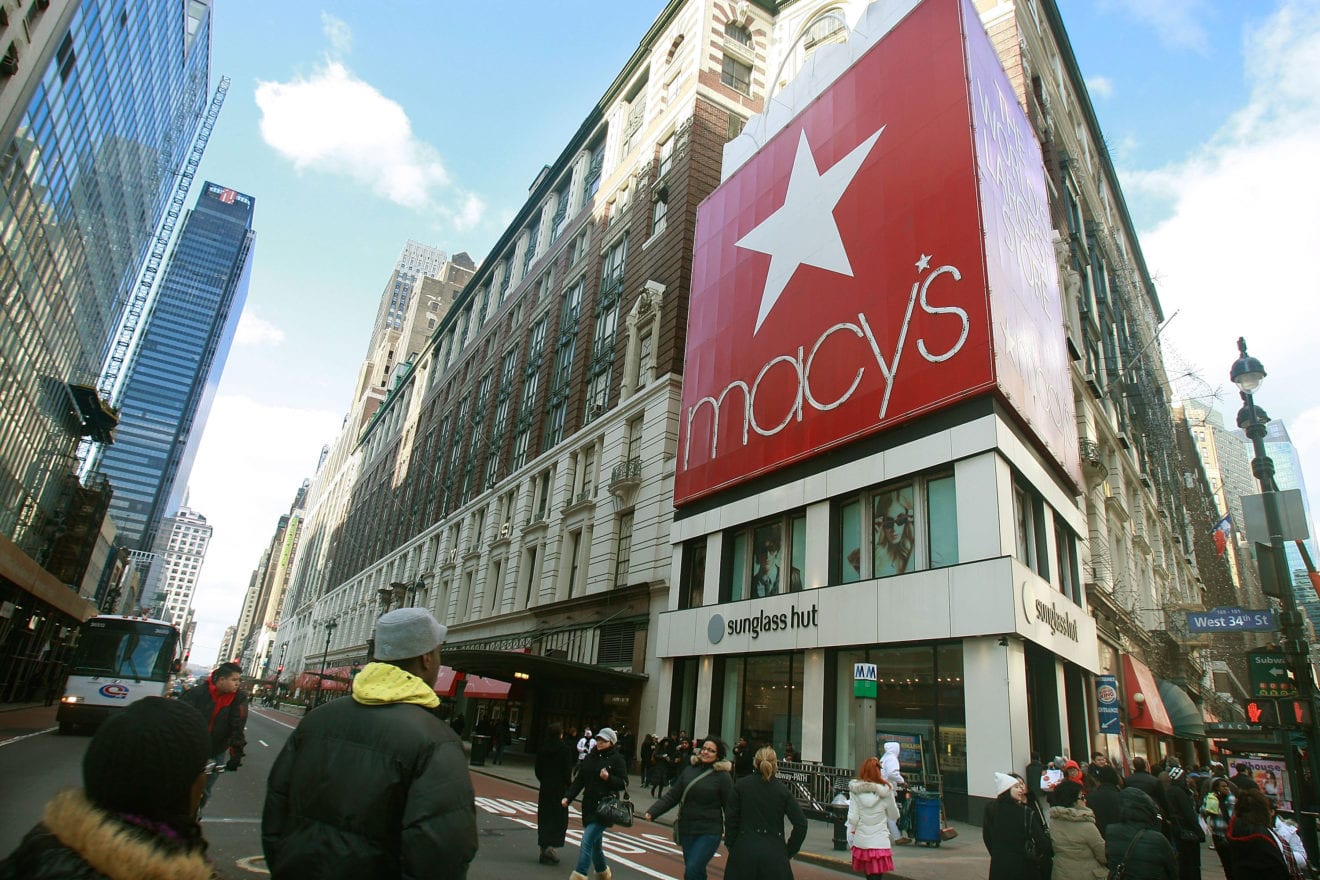
Macy’s, the iconic US bricks-and-mortar retailer, has taken a digital-first approach in its effort to crack the complicated China market by using innovative virtual reality and influencer strategies.
“When we came into China, we started digital first, and we started building big digital homes,” Dustin Jones, Executive Vice-President and Managing Director of Macy’s China, told an audience at the World Retail Congress Asia Pacific event in Hong Kong.
“We view ourselves as not a player or an instrument in China but an orchestrator of a better, more simple, more entertaining consumer transaction,” he added.
To make a splash with Chinese millennials, Macy’s turned to virtual reality. In late October, Alibaba sold 150,000 cardboard VR headsets for just 1 yuan (about US$0.15) on Taobao, China’s equivalent to eBay. In the days leading up to Singles Day – 11 November – customers could use the headsets with Taobao’s app to shop a virtual reality version of Macy’s iconic New York flagship store.
“We created the first virtual reality department store,” said Jones. “We launched that virtual reality department store last year on (Single’s Day) – five million people shopped that virtual reality store with us. We filmed it all in New York in Macy’s Herald Square and made all those products shoppable.”
Macy’s has also tapped live streaming to bring New York fanfare to Shanghai, with a local twist.
“We did a fashion show even last year for what we would call ‘grand opening’ on Tmall. That fashion show was live-streamed in New York with an after-party by a Chinese host. And also, then a talk show was created in Shanghai where we did a fashion show down the side of the very tall building and showed the product in a completely different way, and we sold all of the product through live video,” Jones said.
“On that event, 150m people participated in our live show, and on the two events combined, 300m people participated.”
Replace complexity with simplicity. Prioritize quality over quantity. As the cosmopolitan life continues at an ever-increasing pace, the pursuit of an exquisite, simple, yet practical lifestyle has gradually been on the rise. And unsurprisingly, the Nordic lifestyle, which embodies the very concept of minimalism, has enjoyed a surging popularity.
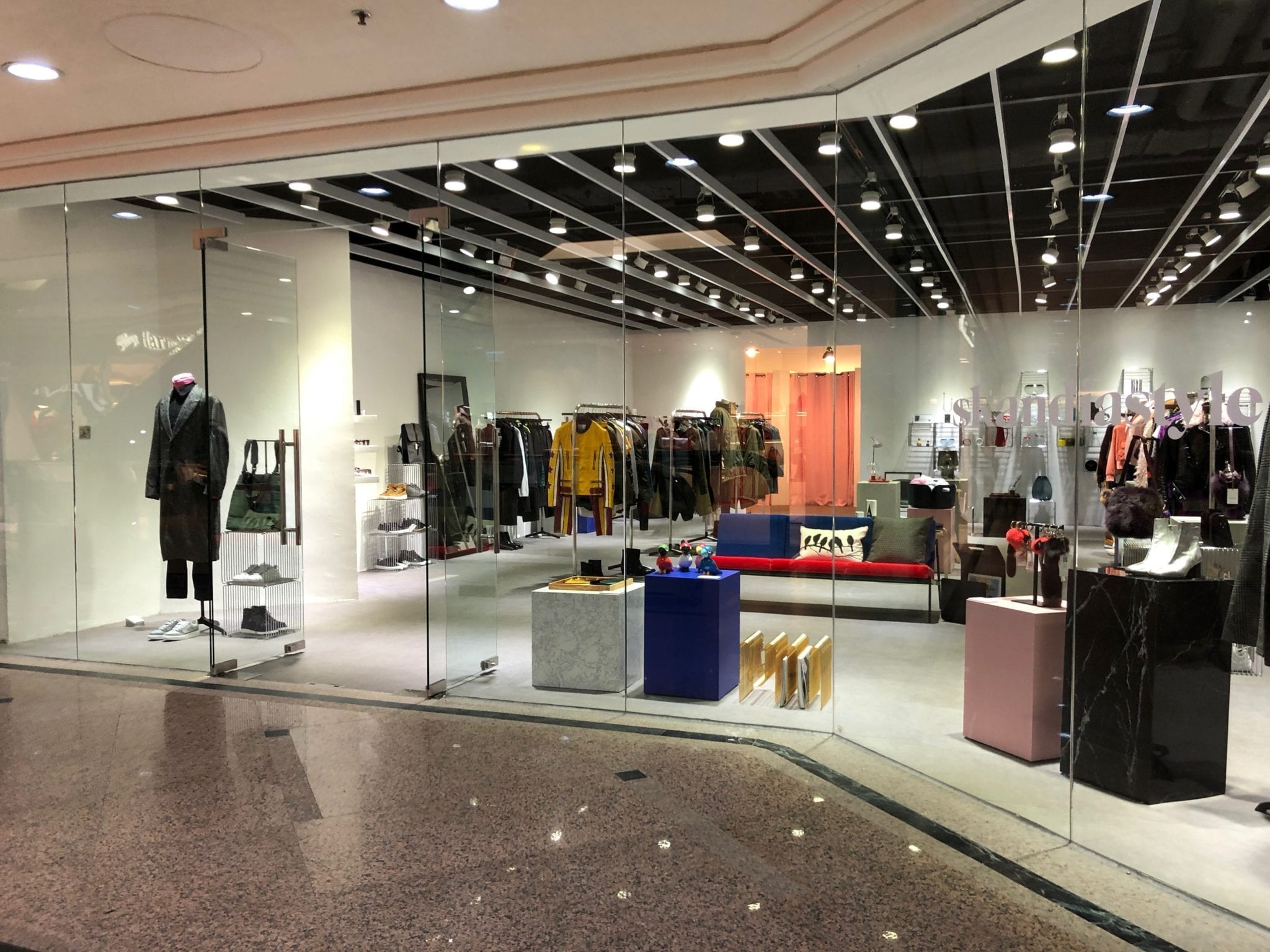
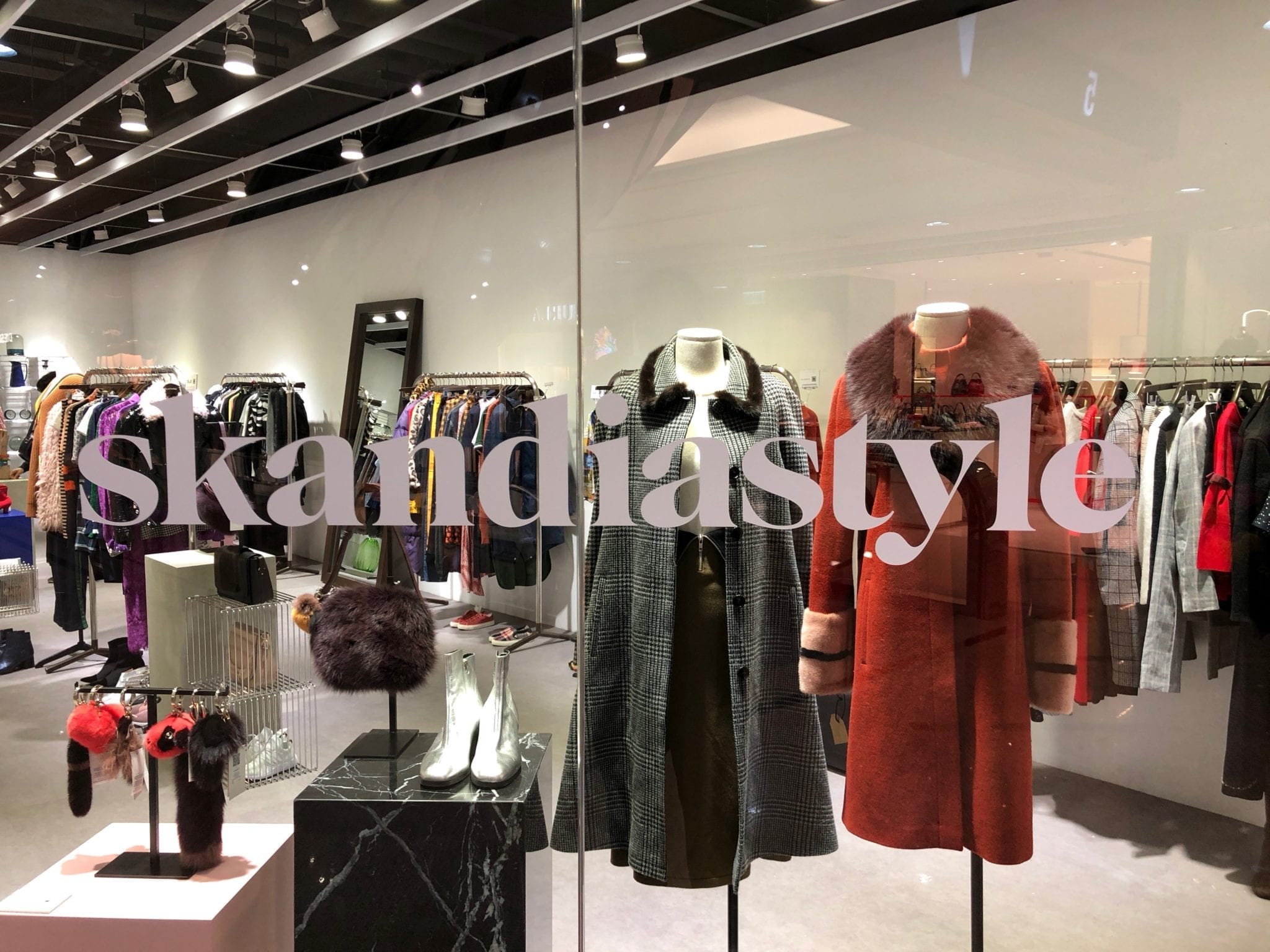
Skandiastyle is presenting Scandinavian cutting-edge design and high-quality lifestyle concepts to Asian consumers in its very first pop-up store in Times Square Hong Kong, until March 2018.
Located on the fifth floor of Times Square in Hong Kong, the Skandiastyle pop-up store epitomizes the Nordic design and lifestyle. The pop-up store is decorated in the style of iconic Nordic interior design, following two key principles: refined craftsmanship and a natural touch. Incorporating elements that are both stylistic and chic, the store will be a physical and concrete space for consumers to get a taste of Nordic style, tradition and culture, where purchases are made through an ecommerce site built by retail technology partner Red Ant Asia.
Red Ant Asia’s Regional Director and Co-founder Elisa Harca said, ‘Hong Kong is at the heart of retail innovation, and the Skandiastyle pop-up store turns the traditional concept of physical shopping on its head, to great effect for both the business and its customers. This kind of O2O model, where superbly-designed destination retail spaces can be built for specific periods of time and for specific audiences because they are closely integrated with the reach, range and delivery capabilities of a first-class ecommerce platform, represents the future for retail in a highly-competitive market.’
Offering a well-curated selection of 30 Scandinavian brands, Skandiastyle is dedicated to bringing to life the essence of this region’s style, which is defined by minimalism and purism. With a wide product range that basically covers every aspect of life, the pop-up store offers men’s and women’s wear, accessories, interior and home ware, all picked from some of the most coveted Nordic brands.
To name a few exclusive brands, Skandiastyle is presenting Swedish home deco brand Design House Stockholm, a considered and well thought-out interpretation of the Scandinavian design that brings life and inspiration to the forefront. The simple and cutting-edge style of Swedish fashion brand Whyred is rooted in art and music with a modern touch. Danish fashion label Designers Remix’ design manifesto is all about minimalism and architecture and key factors in every aspect of its creative process are organic modernism and functionalism. Oh! by Kopenhagen Fur is a Danish fur brand based in Copenhagen. They focus on creating sophisticated yet commercial styles as everyday must-have items within the accessory (bags & charms) and outerwear categories.
As the ecommerce platform, developed by Red Ant Asia’s team of talented developers, finds its foundations in connecting carefully selected Nordic fashion brands to Asia and other parts of the world, Skandiastyle aims to break the barrier of distance and language to introduce the lifestyle and ideology it embodies to the Asia Pacific region in an innovative manner. With an emphasis on attentive services and competitive prices, the platform is able to bring the once remote, and somewhat mysterious, life of Scandinavia (traditionally Denmark, Finland, Norway, Sweden and Iceland) to millions of Asian consumers.
Skandiastyle’s first pop-up store opened its doors on 22nd December, 2017 in Times Square, Shop 501, 5/F and will remain open for 3 months. During the pop-up store period, Skandiastyle is offering an exclusive10% discount on all products with promo code tsqpress10.
Vietjet will convert its existing order for 42 A320neo to the superior and larger A321neo, bringing to a total of 73 A321neo and 11 A321ceo on order for future delivery. The agreement was signed recently by Vietjet President and CEO Nguyen Thi Phuong Thao and Fabrice Brégier, Airbus Chief Operating Officer and President Commercial Aircraft.
The first A321neo “new engine option”, registered as VN-646, has also arrived at Tan Son Nhat International Airport from Hamburg recently, marking a major milestone for Vietjet as it has become the first airline in Southeast Asia to operate the Airbus aircraft powered by Pratt & Whitney’s latest-generation GTF engines.
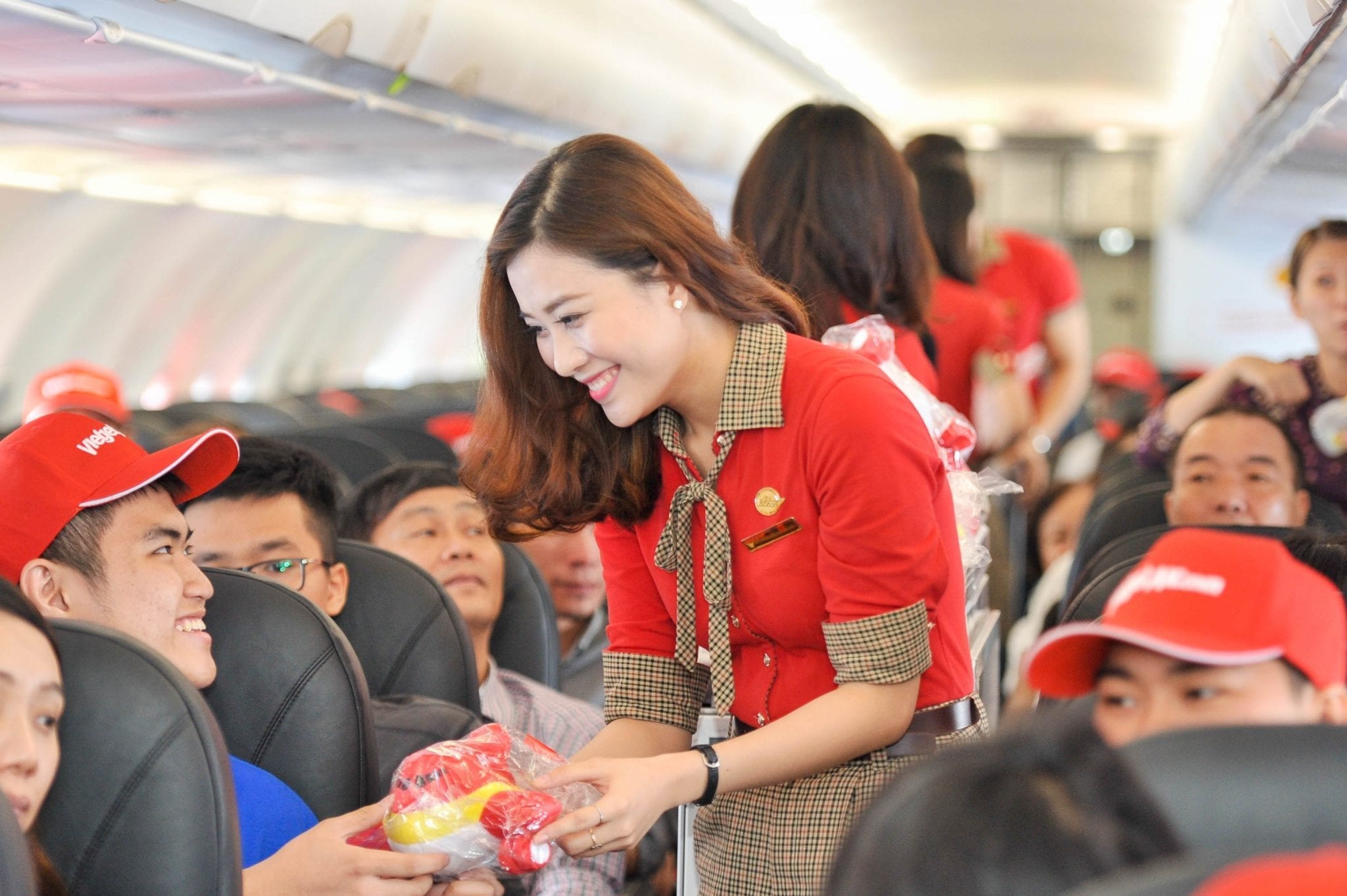
Fitted out with 230 comfy leather-covered seats and high-quality carpeting, the first five rows of Vietjet’s spacious new A321neo have been especially designed to accommodate passengers flying Skyboss, the airline’s premium service. The aircraft’s interior also features a unique color-changing LED light system and striking décor to create a comfortable and refreshing ambience throughout the whole cabin.
The brand new A321neo incorporates the latest in engine design, advanced aerodynamics and cabin innovations. According to the aircraft manufacturer, its GTF engines offer a significant reduction in fuel consumption — at least 16 percent from day one and 20 percent by 2020 — as well 75% reduction in noise and 50% in emissions.
The A321neo is also the 17th aircraft Vietjet has received in 2017 alone, increasing its total fleet to 55. The new aircraft has begun operating on domestic and international routes to and from Vietnam as of January 2018.
“We are proud when a dynamic airline like Vietjet endorses our products,” said Fabrice Brégier, Airbus Chief Operating Officer and President Commercial Aircraft. “The A321neo combines higher capacity with the lowest operating costs in its class, offering unbeatable efficiency. This aircraft will be a real asset in Vietjet’s expansion plans in such a fast-growing market. We look forward to seeing the A321neo flying in Vietjet colours.”
“The A320 family aircraft has greatly contributed to Vietjet’s impressive operation performances with the airline’s technical reliability rate standing at 99.6% in 2017. The aircraft have also helped us maintain some of the lowest operating costs in the airline world,” said Nguyen Thi Phuong Thao, Vietjet President and CEO. “The upgraded A321neo deal once again emphazises Vietjet’s ceaseless efforts to modernize our fleet. We believe that the technical reliability rate and other operation and safety indexes will continue to go up in order to bring maximum comfort, joy and safety to our valued passengers.”
The A320 Family is the world’s best-selling single-aisle product line and comprises four models (A318, A319, A320, A321) seating from 100 to 240 seats. With more than 5,300 orders received from 95 customers since its launch in 2010, the A320neo family has captured some 60 percent share of the market.
Malaysian grocery chain Sam’s Groceria is being sold by owner Mydin Mohamed Holdings as it divests loss-making businesses.
Mydin values the high-end grocery business at US$12.5 million (MYR50 million). The chain has four outlets: in Gurney Paragon Mall and Straits Quay on Penang island, Sunway Carnival Mall in Seberang Perai, and Nu Sentral in Kuala Lumpur.
Managing director Datuk Ameer Ali Mydin says the decision to sell followed the realisation that the stores’ patrons were mainly local Chinese and expatriates. “We do not sell liquor, wine, beer or pork, so we have been unable to meet our customers’ needs.”
Sam’s Groceria, which started in 2013, stocks 60 per cent imported grocery products and fresh food.
Last year, Mydin disposed of another loss-making unit, MyMydin Convenience, and discontinued its Kedai Rakyat 1Malaysia (KR1M) stores.
For the year ended March 31, 2016, the group posted its first loss, of MYR156.6 million, in 60 years. With an internal re-organisation and cost cutting, the group managed to post a small profit last financial year.
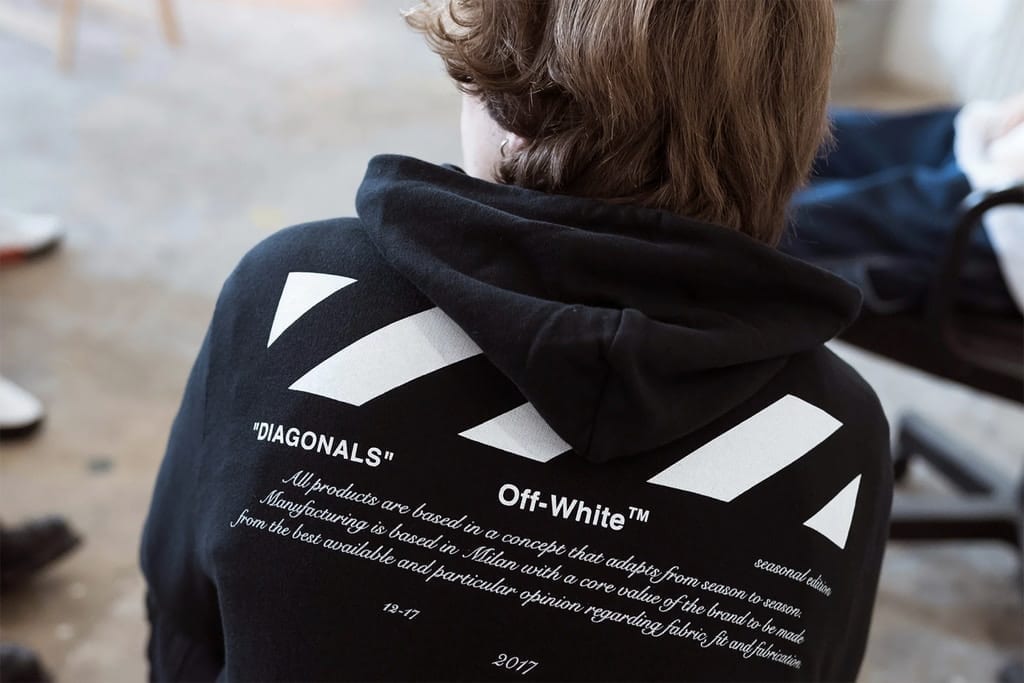
As speculation grows about an Off-White™ x Nike Soccer collection, Virgil Abloh‘s label has debuted a more affordable line. Titled “For All,” the new collection features pieces such as graphic T-shirts and hoodies at a significantly lower price point than Off-White™ mainline pieces, with tees priced at $95 USD and hoodies at $170 USD.
Speaking to the press about the newly-launched line, Abloh explained that “the price tier allows for a new customer to see themselves within the overall concept of the fashion label. Off-White™ can be luxury at a traditional luxury price point, or equally it can be relevant at an affordable price point.”
The “For All” collection is available now from 11 Off-White™ locations around the world — including the brand’s stores in New York, Hong Kong and Sydney. Abloh has also indicated that there could be more affordable collections on the way, telling BoF that he will drop new releases “periodically but with the freedom to decide where and when in each instance.”
As well as dropping the first “For All” capsule, Off-White™ has also recently released a set of limited edition cycling caps.
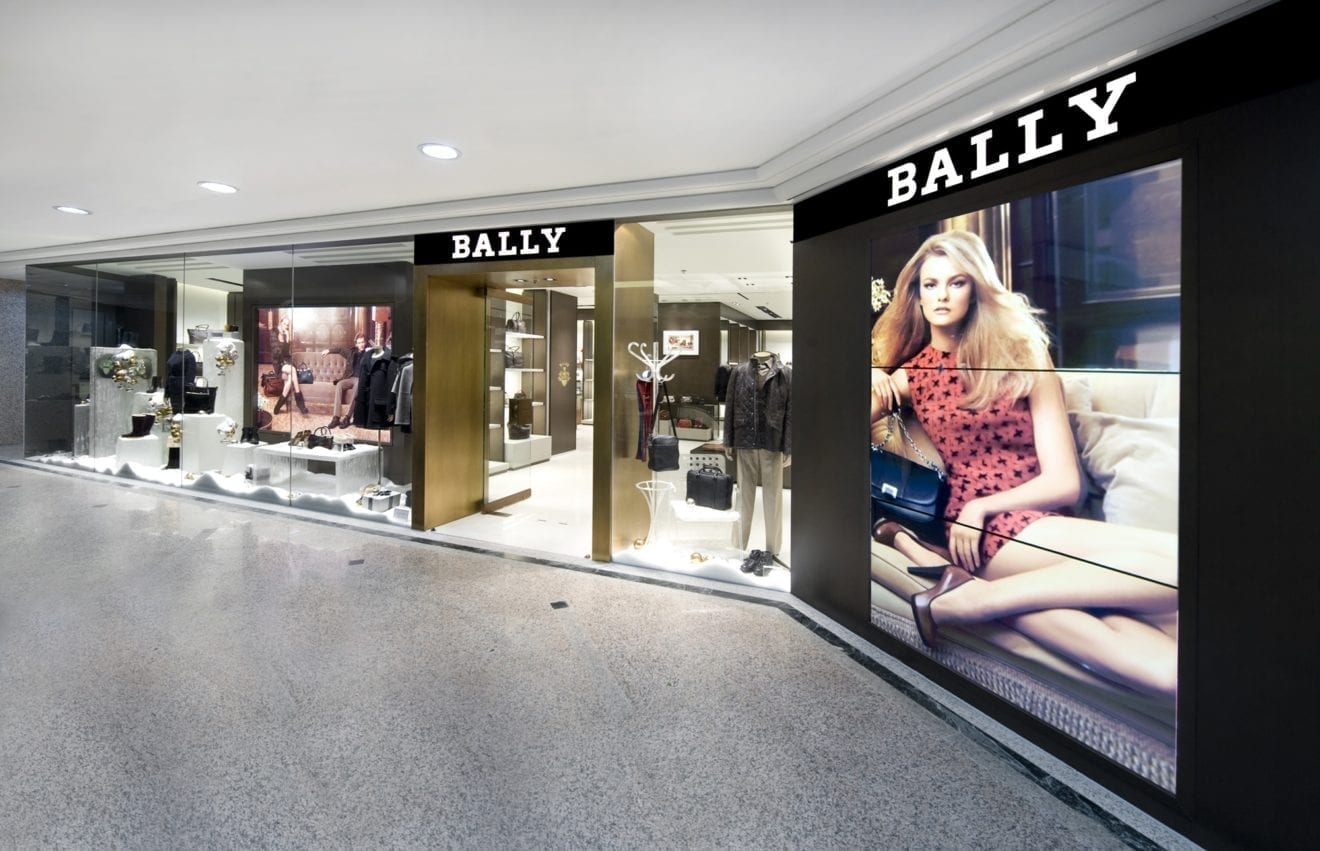
Chinese textile producer Shandong Ruyi Group is emerging as leading bidder for Swiss luxury brand Bally International.
In advanced negotiations with Bally’s owner, JAB Holding, the group has been discussing a price of about US$700 million, insiders say.
Ruyi has pulled ahead of other suitors including Club Med owner Fosun International and Chinese apparel maker Fujian Septwolves Industry, and another buyer may yet emerge.
Ruyi agreed in November to buy a controlling stake in Trinity, the owner of British bespoke suit-maker Gieves & Hawkes, for HK$2.22 billion (U$284 million). The previous month, it said it would buy the owner of material company Lycra. In 2016, it acquired SMCP, whose fashion brands include Sandro, Maje and Claudie Pierlot, and agreed to buy British trench-coat maker Aquascutum last year.
Founded in Switzerland in 1851, Bally was previously owned by US buyout firm TPG, which agreed to sell the firm to JAB in 2008.
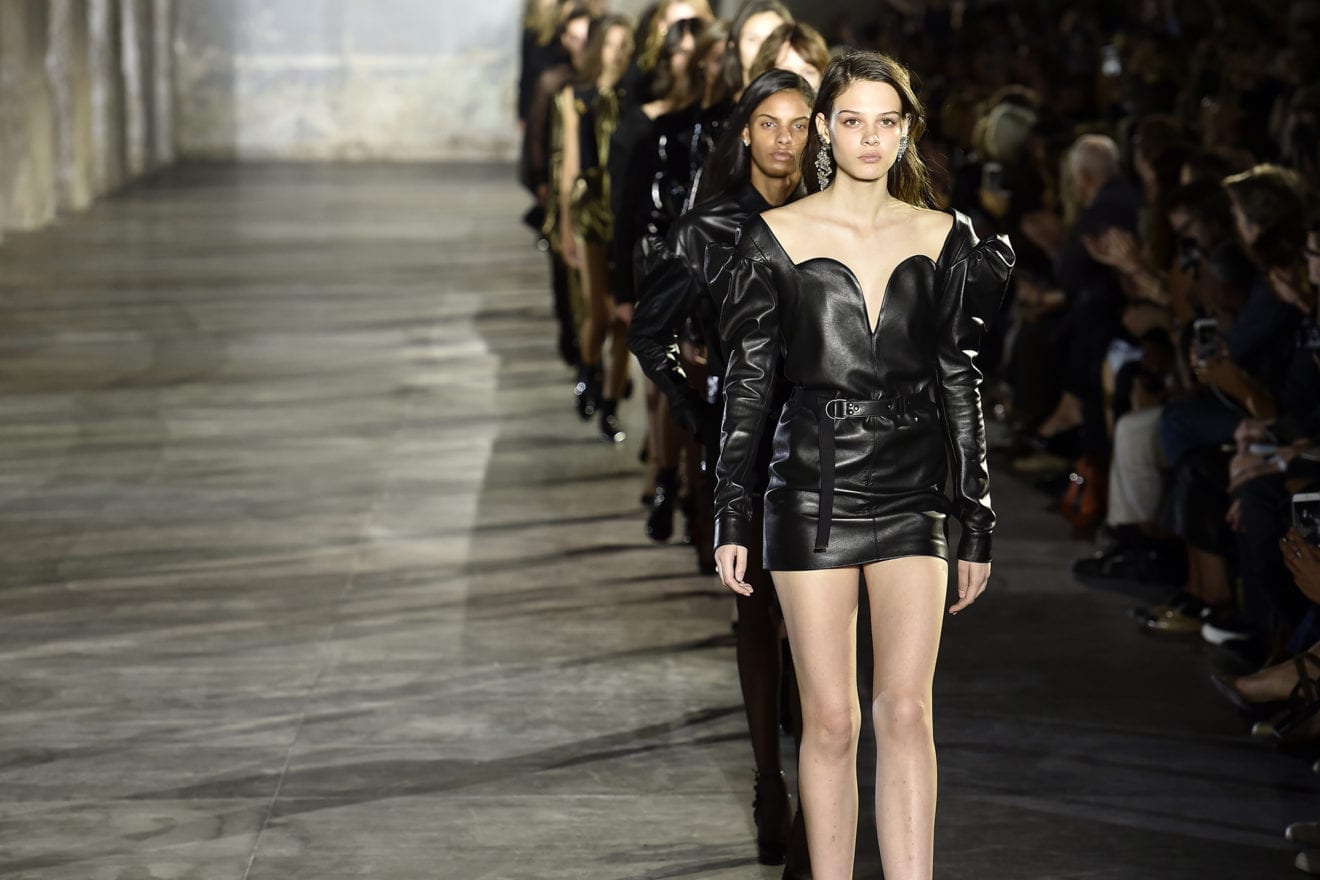
French fashion label Saint Laurent, part of Kering, will start selling online in China through a JD.com portal, joining shopping players like Alibaba in trying to tap strong luxury goods demand from Chinese consumers.
The French brand created in 1961 by its late founder Yves Saint Laurent, said it was partnering with Toplife, a platform launched last October by JD.com, which aims to woo luxury buyers with same-day deliveries and premium services.
“Thanks to the sophisticated logistics network and personalised platform provided by our partnership with Toplife, Saint Laurent will be able to implement its omnichannel development in China, securing a top-level luxury journey to our clients,” said Francesca Bellettini, president and chief executive of Saint Laurent, in a statement.
Brands on the platform will have access to “JD.com’s upper middle class user base” and “an online luxury experience that can match the in-store experience,” said Xia Ding, president of JD.com’s fashion division.
Toplife rivals Luxury Pavilion, a similar portal launched in August, which is backed by Alibaba’s Tmall platform and features products from fashion groups such as Burberry.
Chinese shoppers made up 32 percent of the worldwide luxury market in 2017, more than any other nationality, consultancy Bain & Co said, making it a crucial market for fashion brands.
KPMG has projected, meanwhile, that half of China’s domestic luxury consumption could come from web sales by 2020.
Online shopping has proved a potent earnings driver for fashion brands even if many were initially reluctant to distribute their wares too widely.
Top labels such as Kering’s Gucci or LVMH’s Louis Vuitton recently started marketing directly to Chinese buyers with their own websites in the country.
High-end fashion houses are still wary of alliances with mass-market platforms such as Amazon, however, fearful they will lose control of their image.
JD.com and Alibaba’s specialist luxury platforms have already lured several other brands, touting themselves as more exclusive, selective sites.