Author: Mei Ling Tan

  • Vietjet introduces first A321neo “new-engine option” aircraft to Southeast Asia

    Vietjet introduces first A321neo “new-engine option” aircraft to Southeast Asia

    New-age carrier Vietjet has become the first airline in Southeast Asia to take delivery of an A321neo (new engine option) after the Airbus aircraft landed at Tan Son Nhat International Airport from Hamburg, Germany. The A321neo, registered as VN-646, is powered by Pratt & Whitney’s latest-generation GTF engines.

    Fitted out with 230 comfy leather-covered seats and high-quality carpeting, the first five rows of Vietjet’s spacious new A321neo have been especially designed to accommodate passengers flying Skyboss, the airline’s premium service. The aircraft’s interior also features a unique color-changing LED light system and striking décor to create a comfortable and refreshing ambience through the whole cabin.

    The brand new A321neo incorporates the latest in engine design, advanced aerodynamics and cabin innovations. According to the aircraft manufacturer, its GTF engines offer a significant reduction in fuel consumption — at least 16 percent from day one and 20 percent by 2020 — as well 75% reduction in noise and 50% in emissions. The engines were first introduced by Pratt & Whitney in 2016. Vietjet is one of the very first airlines in the world to incorporate the engines to its aircraft. The A321neo is also the 17th aircraft delivered to Vietjet from Airbus in 2017.
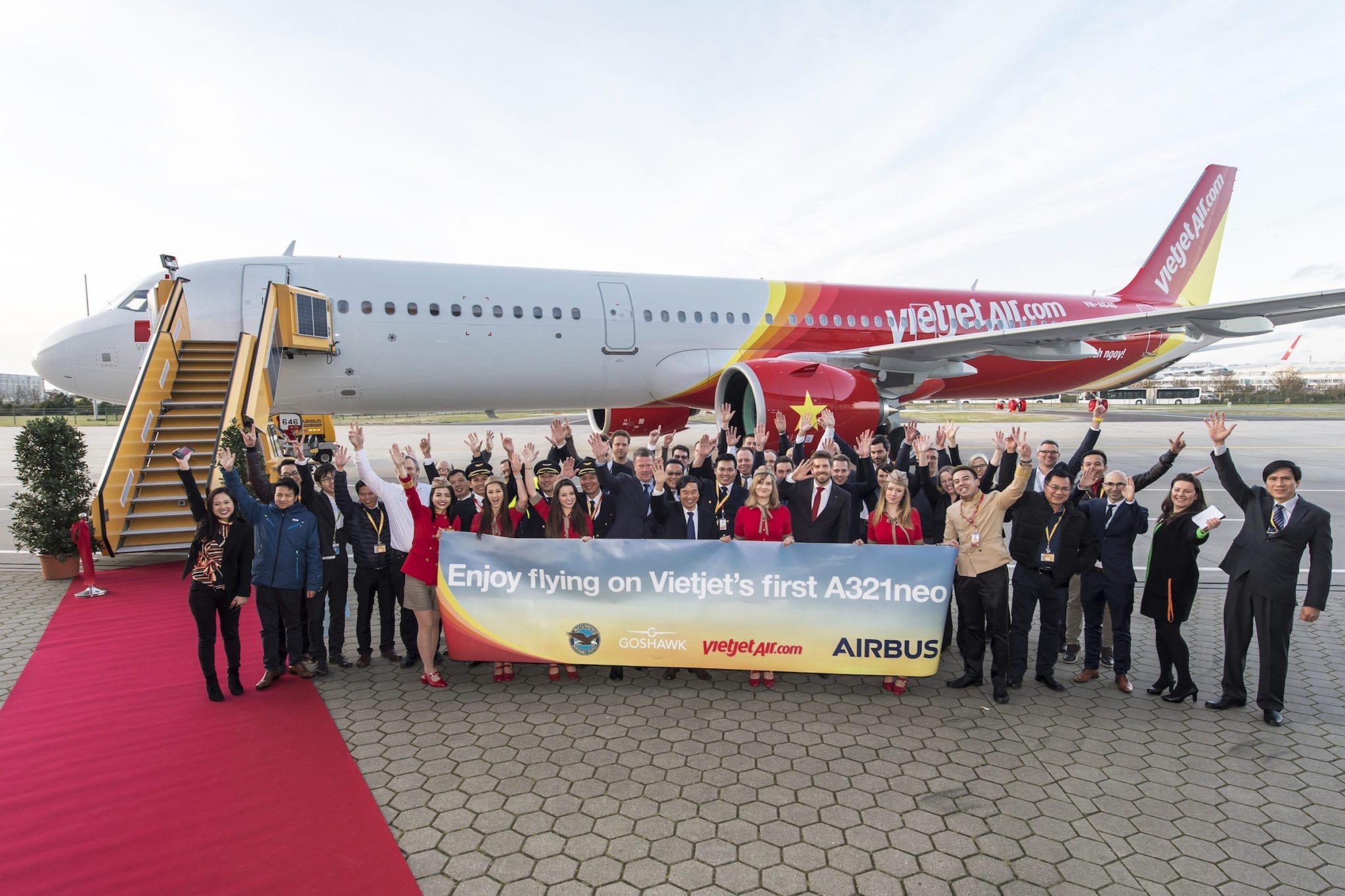
    The new aircraft will begin operating on domestic and international routes to and from Vietnam in January 2018. On receiving the aircraft, Vietjet also announced its decision to upgrade an existing order for 42 A320neo aircraft to the superior, and larger, A321neo models. Accordingly, the airline now has a total of 73 A321neo and 11 A321ceo on order for future delivery.

    “We are proud when a dynamic airline like Vietjet endorses our products,” said Fabrice Brégier, Airbus Chief Operating Officer and President Commercial Aircraft. “The A321neo combines higher capacity with the lowest operating costs in its class, offering unbeatable efficiency. This aircraft will be a real asset in Vietjet’s expansion plans in such a competitive market. We look forward to seeing the A321neo flying in Vietjet colours.”

    “The A320 family aircraft has greatly contributed to Vietjet’s impressive operation performances with the airline’s technical reliability rate standing at 99.6% in 2017. The aircraft have also helped us maintain some of the lowest operating costs in the airline world,” said Nguyen Thi Phuong Thao, Vietjet President and CEO. “The upgraded A321neo deal once again emphazises Vietjet’s ceaseless efforts to modernize our fleet. We believe that the technical reliability rate and other operation and safety indexes will continue to go up in order to bring maximum comfort, joy and safety to our valued passengers.”

    The A320 Family is the world’s best-selling single-aisle product line and comprises four models (A318, A319, A320, A321) seating from 100 to 240 seats. With more than 5,300 orders received from 95 customers since its launch in 2010, the A320neo family has captured some 60 percent share of the market.
  • Centara appoints new Business Development VP to support expansion

    Centara appoints new Business Development VP to support expansion

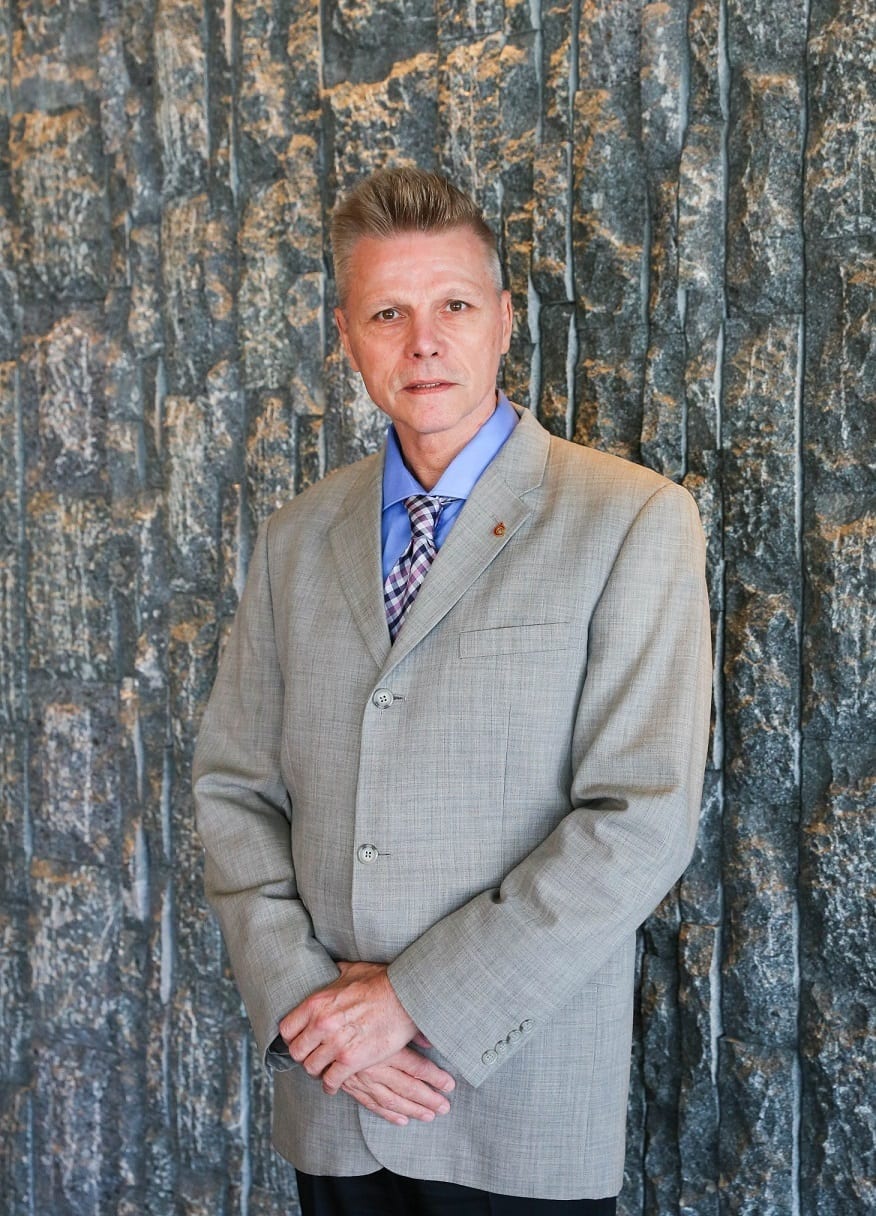
    Centara Hotels & Resorts, Thailand’s leading hotel operator, announced the appointment of Allen Thomas as Vice President Business Development, effective January 1st. Thomas has 28 years of experience developing hotel and resort businesses, a career that includes positions with HPL and Como Hotels and most recently Resorts Holdings International. His appointment marks another significant Centara move in their five year plan to double the company’s size and become a major regional hospitality brand.

    Mr. Thomas will report to Centara’s Deputy CEO Markland Blaiklock. He will be responsible for executing the company’s plan to grow from 58 to 134 hotels over the next five years. Mr. Blaiklock himself was brought on board in October to lead the expansion strategy. In the weeks since then, Centara has already launched its new affordable lifestyle hotel brand COSI; signed a joint venture to take ownership of Centra by Centara Government Complex Hotel & Convention Centre Cheang Watthana; announced a significant upgrade of its technology infrastructure in partnership with Oracle and IDeaS; and finalised an agreement with Nakheel to develop a family lifestyle resort in Dubai.

    Centara’s CEO, Mr. Thirayuth Chirativat commented, “Allen is a tenured industry expert with an impressive track record of growing the brand footprint of hotel and resort businesses in Asia and beyond. We are confident of meeting our expansion targets with a professional of Allen’s calibre leading our Business Development division”.

    With this latest appointment, Centara’s management team is almost complete following its recent reorganisation. The company is building a diverse and experienced leadership structure to set it up for continued future success.

  • Modest sales rise for Bauhaus International

    Modest sales rise for Bauhaus International

    With two more shops at year’s end, apparel company Bauhaus International (Holdings) had a modest rise in same-store sales for its latest nine months.

    The quarter reverses a trend of declining sales and store closures by the streetwear retailer.

    Unaudited figures show sales growth was up 9 per cent for Hong Kong and Macau with a weighted average of 65 shops for the third quarter, while for the nine months growth was 4 per cent from 64 shops.

    Bauhaus designs and makes apparel and accessories which it wholesales and retails under its brand names including Bauhaus, Salad and Tough, and retails third-party labels including Superdry.

    With a constant 82 shops, Taiwan saw sales fall 8 per cent for the quarter and 16 per cent for the year to date.

    For Mainland China, 18 shops saw sales growth of 9 per cent for the quarter, while for the nine months growth was 12 per cent for 19 shops.

    Overall, group sales growth was 4 per cent for 165 shops for the quarter, with a 1 per cent sales dip for 165 shops for the nine months.

    At the end of the year the group had 198 self-managed offline shops, two fewer than nine months earlier.

    These comprised 80 outlets in Hong Kong and Macau at March 31, dropping to 77 at year end, 91 in Taiwan rising to 96 by December 31, and no change in China with 25 shops.

  • Amorepacific bets on luxury cosmetics for Europe push

    Amorepacific bets on luxury cosmetics for Europe push

    After launching in France last year, South Korean cosmetics company Amorepacific aims to introduce one of its luxury brands in Britain this year and in Germany next year.

    It began selling its luxury Sulwhasoo brand of creams and other cosmetic products in Galeries Lafayette department store in Paris in September.

    Amorepacific Europe head Thierry Maman, hired in 2015 from the perfume and beauty arm of LVMH’s Givenchy, says the Paris outlet is a good testing ground.

    The group first tried to break into the French cosmetics market 30 years ago but withdrew after just two years because of poor sales. It bought French perfume house Annick Goutal in 2011.

    Maman says France is a tough market, but Sulwhasoo is betting on drawing customers with its traditional herbal-inspired formulas.

    Amorepacific’s European revenues, including Goutal, are less than €50 million (US$60 million) annually but are expected to rise by 20 per cent is year, he says.

    Sales were hit last year when diplomatic tensions with China cut back Chinese tourists to South Korea. Relations are now on the mend, but Amorepacific’s sales fell 8 per cent to about KW4 trillion (US$3.76 billion) in the year to September.

  • Ford India sales up 27% in December 2017

    Ford India sales up 27% in December 2017

    Ford India’s combined domestic wholesales and exports in December recorded 29,795 vehicles, compared to 23,470 vehicles in the same month last year, registering a growth of 27%.

    The company sold 5,087 vehicles in domestic wholesales, compared to 5,566 vehicles the corresponding month last year. Exports in December stood at 24,708 vehicles, against 17,904 vehicles a year ago.

    Ending the year with sustained growth, the combined domestic wholesales and exports in CY 2017 stood at 262,784 vehicles, compared to 238,098 units in CY 2016 – recording its highest production and wholesale volume ever.

    “The year 2017 saw the Indian automotive industry overcome challenges precipitated by the implementation of GST, increased inflation, after-effects of demonetization, rising crude prices and volatile regulatory environment to register growth,” said Anurag Mehrotra, president & managing director, Ford India.

    “At Ford, we remain committed to India as one of our most important markets, and are focused on the strategic pillars like strong brand, right products, competitive cost and effective scale, to build a profitable business.”

    Ford’s efforts on delivering differentiated customer experience and surprisingly affordable service cost continue to win customers. The introduction of several industry-first service initiatives such as service price promise and parts price promise are enabling Ford customers to know the exact costs of routine repairs, parts, and maintenance, even before they walk into a dealership.

    With two of its world-class plants, Ford continues to deliver on the Make in India promise with the commencement of KA+ exports to mature markets like Europe and New Ford EcoSport to North America.

  • SPH REIT’s net property income up, thanks to higher rents

    SPH REIT’s net property income up, thanks to higher rents

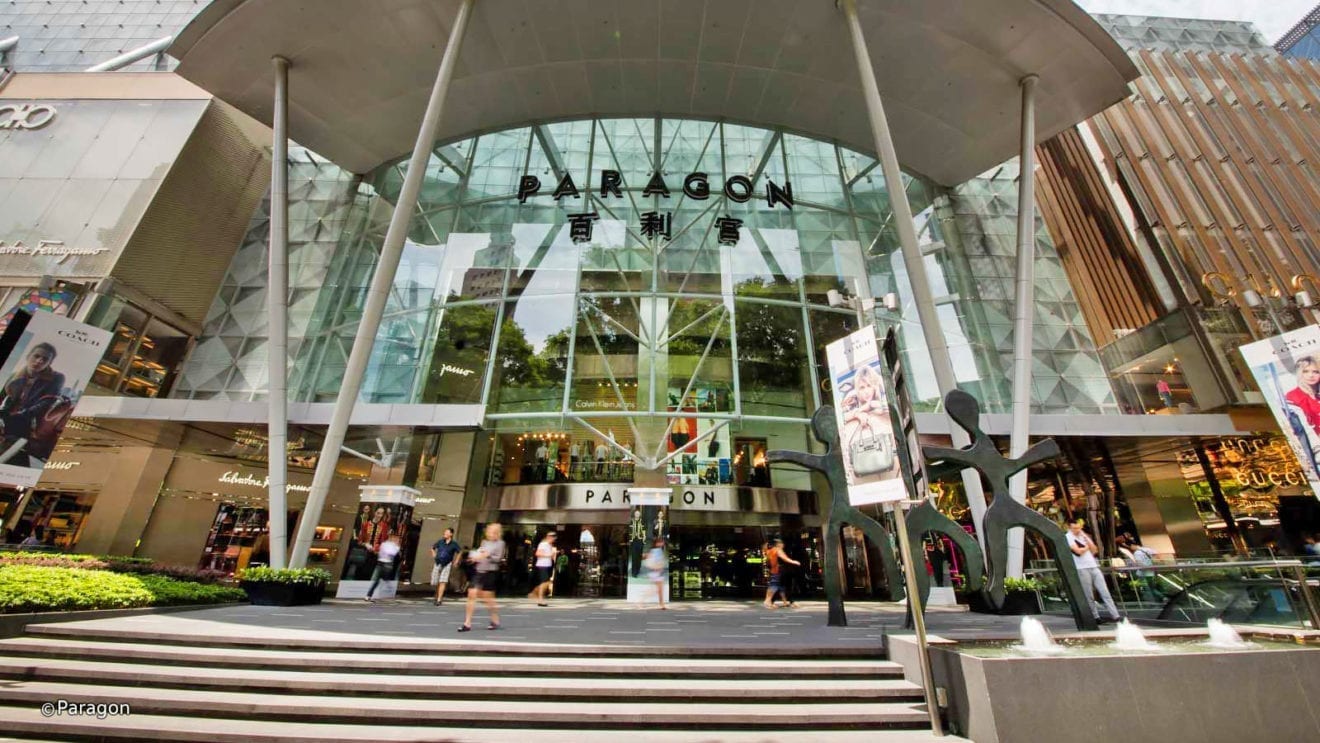
    Higher rental income has helped boost first-quarter turnover at SPH Reit, which owns two malls, Paragon in Orchard and The Clementi Mall in Clementi.

    Both properties continued their track record of full occupancy amid headwinds in the retail environment, says SPH Reit.

    Gross revenue for the quarter, to the end of November, grew 1.7 per cent to S$53.5 million (US$40.2 million), on the back of higher rental income, while net property income rose 1.9 per cent to $42.2 million.

    “In keeping with our long-standing philosophy of partnering tenants toward mutual success, the rental review for tenants takes into consideration occupancy cost,” says the group. “This will better position them to ride on the sales recovery since June.”

    However, there was a negative rental reversion of 10.6 per cent for Paragon’s new and renewed leases, which had mainly been committed 12 months earlier. This represented 4.4 per cent of the mall’s net lettable area.

    There was only one tenancy change at Clementi Mall, and the overall portfolio rental reversion – based on the weighted average of all expiring leases – was a negative 10.6 per cent for the quarter, compared with a positive 1.2 per cent for new and renewed leases last year.

    Meanwhile, SPH Reit Management CEO Susan Leng says the group has maintained its track record of 100 per cent committed occupancy and delivered steady performance. “The Singapore economic outlook has improved and retail sales have shown signs of recovery since June.

  • H&M to open its third store in Vietnam

    H&M to open its third store in Vietnam

    H&M Vietnam is opening its third store, at Ho Chi Minh City’s Vincom Mega Mall Thao Dien.

    The fast-fashion outlet will open on January 27 with limited-edition gifts for its first customers.

    The Swedish brand arrived in Vietnam four months ago, launching at Vincom Dong Khoi in Ho Chi Minh City. A second store followed at Vincom Mega Mall Royal City Hanoi, with more planned to open across Vietnam in the next two years.

    H&M has more than 4500 stores in more than 63 countries.

  • BlackBerry software to be used in Baidu’s self-driving platform

    BlackBerry software to be used in Baidu’s self-driving platform

    BlackBerry said on Wednesday it will collaborate with Chinese internet search firm Baidu Inc to tap the fast-growing autonomous vehicle market.

    BlackBerry, which has developed software QNX Hypervisor 2.0 to run complex computer systems in vehicles, said Baidu will use its software for its self-driving open platform, Apollo.

    “By integrating the BlackBerry QNX OS with the Apollo platform, we will enable carmakers to leap from prototype to production systems,” said Li Zhenyu, general manager of Baidu’s intelligent driving division.

    The automotive industry is one of the fastest-growing segments of the technology market, as automakers race to add more features toward building self-driving cars.

    As part of the agreement, BlackBerry and Baidu will also integrate Baidu’s smartphone integration software for connected cars and its AI system to run on the BlackBerry QNX Platform, the Canadian software maker said.

    U.S.-listed shares of BlackBerry were up 4 percent at $12.50 in premarket trade.

  • Asia Keeps Swiss Watch Recovery on Track

    Asia Keeps Swiss Watch Recovery on Track

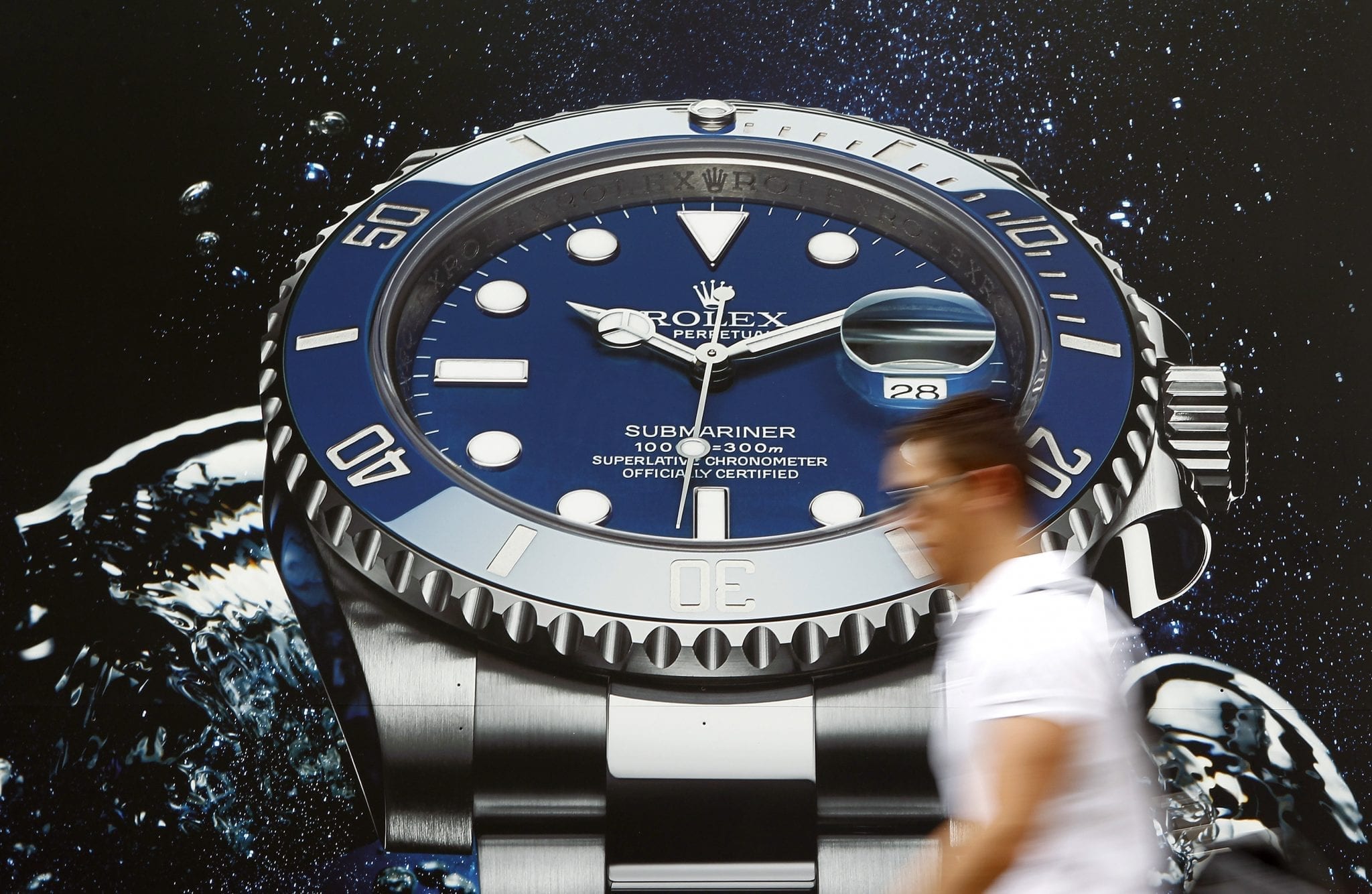
    China and Japan continue to grow as key markets for Swiss watches, reports the Federation of the Swiss Watch Industry.

    China had its strongest growth for 30 months at 39.8 per cent, while Japan, up 22.5 per cent, showed strong growth for the second month in succession.

    Hong Kong has confirmed its recovery with its eighth positive month, exports there rising 4.4 per cent, while exports to Singapore, Switzerland’s seventh-largest market, rose 10.6 per cent.

    Export growth has continued over the seven months to the end of November, says the federation. The total value of exports reached nearly FRF2 billion francs (US$1.9 million), equivalent to 6.3 per cent growth over the figure for the previous November.

    Electronic watch exports were down by more than 1 million units to 15.6 million, a drop of 6.3 per cent. By contrast, mechanical watch exports rose 4.6 per cent to 6.59 million pieces.

    All groups of materials shared in the value growth, in particular steel, up 7.9 per cent. While the other materials category grew 32.3 per cent, the number of pieces fell 1.1 per cent.

    Watches priced at less than FRF200 (export price) fell substantially in November, says the federation, while the other price segments advanced in terms of both value and volume. The FRF200-500 category had the best performance with growth, up 20 per cent.

  • Japan’s Denso considering $440 million investment in JOLED

    Japan’s Denso considering $440 million investment in JOLED

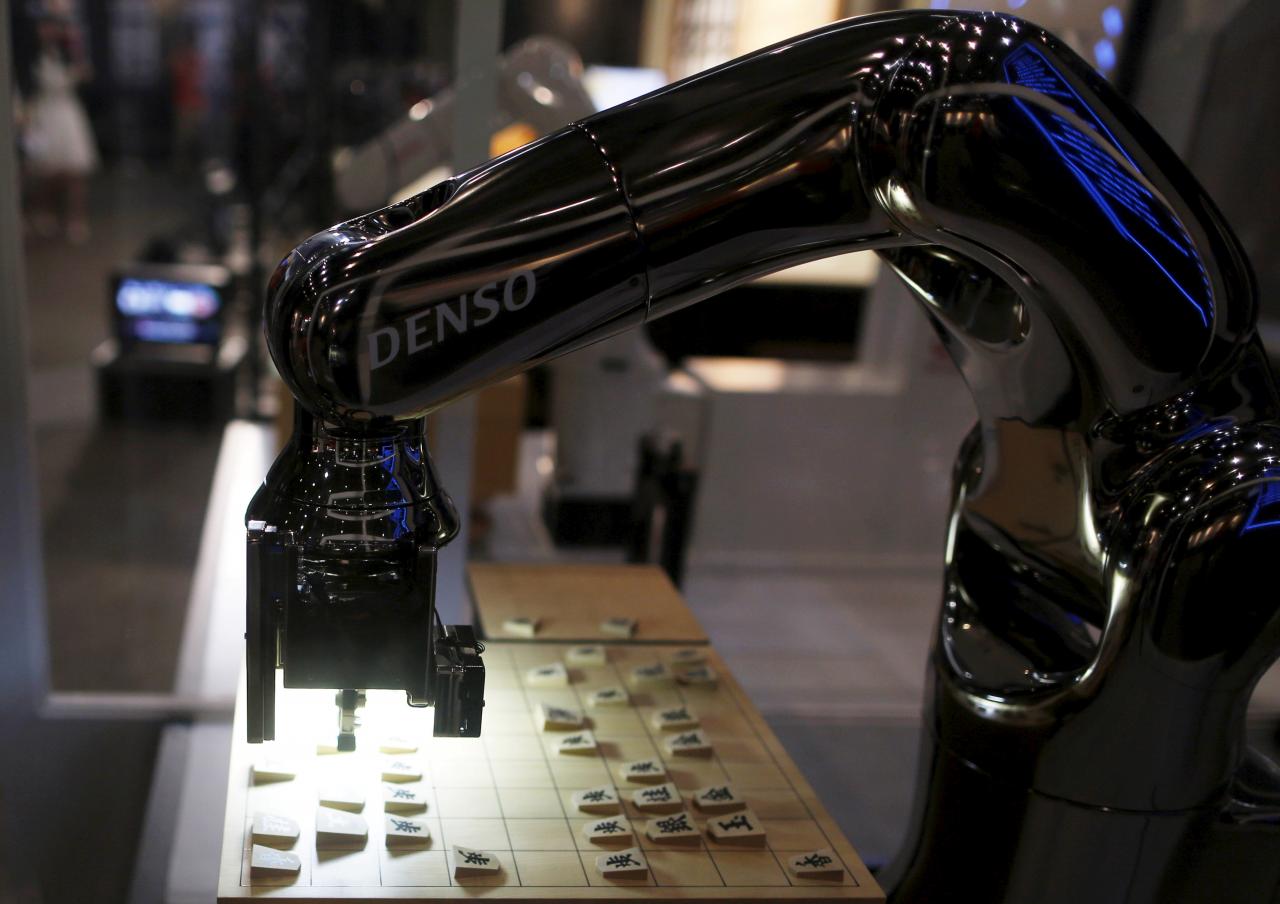
    Japanese auto parts maker Denso Corp is considering a 50 billion yen ($440 million) investment in organic light-emitting diode (OLED) panel maker JOLED, Kyodo news reported, citing sources close to the matter.

    JOLED, majority owned by a state-backed technology investment fund, sold its inaugural batch of OLED screens this month, and has said it wants to raise 100 billion yen by the end of March to expand its currently limited capacity.

    The move comes amid the growing popularity for OLED screens, which are generally thinner and can show more vivid colors than liquid crystal display (LCD) panels. Smartphone makers have been shifting to OLED, including Apple Inc which has adopted them for its iPhone X.

    Cash-strapped domestic display makers such as Japan Display Inc, which has a 15 percent stake in JOLED, and rival Sharp Corp are struggling to respond to the shift, letting Korean rivals Samsung Electronics Co Ltd and LG Display Co Ltd take the lead.

    The Nikkei reported earlier this month that Japan Display had considered investing in JOLED but decided it did not have the funds. Japan Display has said it wants to start mass-producing OLED screens to better compete with Samsung and that it needs capital to do so but has so far declined to disclose details of any negotiations.

    Kyodo’s report said that Sony Corp and Panasonic Corp, which both own 5 percent in JOLED, are also expected to invest 5 billion to 10 billion yen each.

    Sumitomo Chemical Co and Screen Holdings Co are considering chipping in, and the four companies are together seen investing 20 billion to 40 billion yen in JOLED, Kyodo said.

    A JOLED representative said the company was in talks with various materials and equipment makers about the investment, but that nothing specific had been decided.

    A Denso spokesman said the reported plan wasn’t something the company announced, while a Screen Holdings spokeswoman denied the company was considering the investment. Sony said nothing had been decided, while Panasonic and Sumitomo Chemical declined to comment.

    JOLED was created in 2015 by merging the OLED divisions of Sony and Panasonic.

    Analysts have said it lacks the scale and expertise of display makers which have smartphone-size panels. JOLED is 75 percent owned by state-backed fund, the Innovation Network Corporation of Japan.

  • Sears is closing 103 stores

    Sears is closing 103 stores

    Struggling US department store chain Sears will close another 103 stores, as the retailer looks to “right size” the business.

    Part of its strategic assessment of productivity throughout its store portfolio, Sears said 64 Kmart stores and 39 Sears stores will close between early March and early April 2018.

    “As previously announced we will continue to close some unprofitable stores as we transform our business model so that our physical store footprint and our digital capabilities match the needs and preferences of our members,” the company said in a statement.

    The announcement comes after the department store chain’s last financial results, where it posted another loss, although narrower, for the quarter, making it the seventh straight year posting declines.

    The parent company of Sears and Kmart has not reported a profit since 2010, although it has been pushing to return to profitability by closing its stores.

    On its seventh straight money-losing year, Sears posted a net loss of $558 million, or $5.19 a share, during the fiscal third quarter, compared with a loss of $748 million, or $6.99, during the same period last year. The department store chain’s total same-store sales tumbled 15.3 per cent during the latest period.

  • Xiaomi opens first authorised Mi store in Vietnam

    Xiaomi opens first authorised Mi store in Vietnam

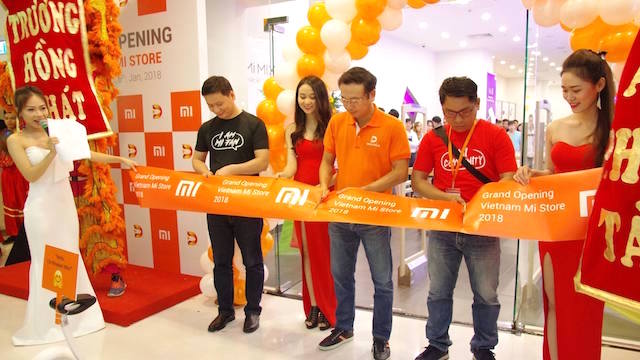
    Xiaomi has officially opened its first Mi Store Vietnam, 10 months after entering the market.

    The authorised store is located in Ho Chi Minh City’s Crescent Mall and is operated in partnership between Xiaomi and local company DigiWorld.

    The partnership was signed in March, which allows DigiWorld to distribute Xiaomi products to other retailers such as Mobile World, Aeon and FPT, both online and offline.

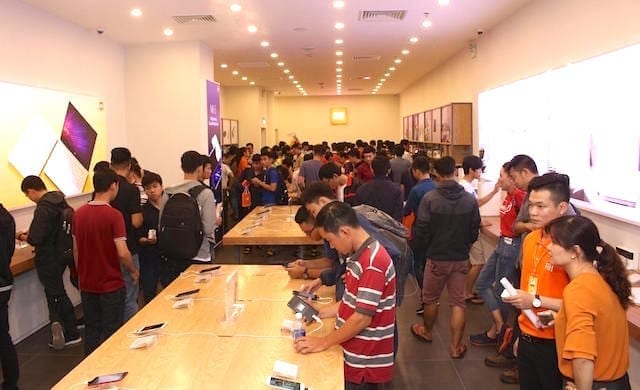
    On opening day, the Mi Store attracted long queues of the Chinese brand’s fans thanks to new product launches and promotions.

    Apart from smartphones and accessories, the store also offers laptops and household items such as vacuum robots, smart scales, bedside lamps and air purifiers.

  • Economists predict bright outlook for Vietnam in 2018

    Economists predict bright outlook for Vietnam in 2018

    Vietnam’s economy has the potential to thrive this year with more foreign direct investment (FDI) and export revenue, but low productivity remains a concern, economists said.

    Last month, the Asian Development Bank (ADB) lifted its economic growth forecast for Vietnam to 6.7 percent in 2018 from its previous projections of 6.3 to 6.5 percent. The World Bank gave a more conservative forecast of 6.5 percent.

    After a 10-year high GDP growth of 6.81 percent in 2017, the government expects the economy to expand 6.5-6.7 percent this year.

    Being an export oriented economy, Vietnam’s somewhat surprisingly fast growth last year owed a lot to the recovering global economy, which expanded 3 percent in 2017, the highest rate since 2011.

    This trend will continue, said economist Vo Tri Thanh.

    Vietnam’s export revenue expanded by 21 percent last year against 2016 to $213.7 billion, the highest in the past five years. Following what Prime Minister Nguyen Xuan Phuc called a “year of records”, the country is targeting export growth of 7-8 percent this year.

    Favorable investment climate

    Investors are positive too, and the sentiment is forecast to continue in 2018 stemmed from confidence in Vietnam’s economic prospects, economist Nguyen Tri Hieu told VnExpress International.

    The favorable investment climate will be aided by projected stable foreign currency, inflation and interest rates in 2018, Hieu said.

    Following 10-year highs in the third quarter of 2017, the VN-Index, a capitalization-weighted index of all the companies listed on the Ho Chi Minh City Stock Exchange, surpassed 1,000 points on January 3 for the first time since the global financial crisis in 2007.

    RongViet Securities Corporation in Saigon said in a report that the VN-Index will increase at least 17 percent this year or even 67 percent in its best scenario, meaning it could end the year somewhere between 1,170 and 1,640.

    The market will be boosted by interests from the foreign sector, said Nguyen The Minh, a senior analyst at Saigon Securities Incorporation. Foreign investors made more than $1 billion of net purchases last year, the highest amount in five years, and they will continue to stick around for more privatization of public giants.

    Foreign direct investment inflow in 2017 also fared well by reaching $35.88 billion, up 44 percent against 2016, according to the Ministry of Planning and Investment – another 10 year high.

    “The FDI scene in the economy continues to thrive,” Forbes quoted Dustin Daugherty, senior associate in business intelligence with consultancy firm Dezan Shira & Associates in Ho Chi Minh City, as saying. “While a lot of attention is paid to big name deals, the number of small to medium-sized enterprises and smaller multinational company investors continues to tick up, and enthusiasm is very high.”

    Foreign investors in the likes of electronics and polyester yarn factories still love Vietnam for its low costs, abundance of labor and matter-of-fact permitting process, analysts on the ground said.

    “I think next year will be as good or better than this,” Daugherty said. “We are not yet at peak for the growth rate.”

    A recent report by auditing firm PricewaterhouseCoopers (PwC) echoed the enthusiasm, saying: “Vietnam is at a tipping point in its economic development led by free trade agreements (FTAs) such as the EU-Viet Nam FTA and an increasingly deregulated business environment.”

    Vietnam’s Greenfield FDI Performance Index has also topped emerging economies, surpassing Malaysia and Thailand on attracting foreign capital, the report found.

    Structural challenges

    However, Vietnam still faces many challenges in boosting economic growth, as the economy still depends on low-cost labor force, outdated technology, and exhausting natural resources, said Hoang Quang Phong, vice chairman of the Vietnam Chamber of Commerce and Industry.

    Most local enterprises remain small and uncompetitive, he added. Vietnam now houses some 700,000 operational firms, but 60 percent of them are not profitable.

    There may also be a slow-down in structural reforms as the government is trying to cut down on spending and investment for a leaner budget deficit and to contain public debt, the World Bank has warned.

    Public investment fell to 16 percent of total spending in the first nine months of 2017, compared with an average of 25 percent in recent years.

    “Structural reform remains a central priority in view of tepid productivity growth” said Sebastian Eckardt, the World Bank Lead Economist for Vietnam, “Building on progress already made, Vietnam can further lift productivity growth through investments in needed infrastructure and skills as well as deeper reforms of the business environment, SOE [state owned enterprise] and banking sector.”

  • Deliveroo heads to India

    Deliveroo heads to India

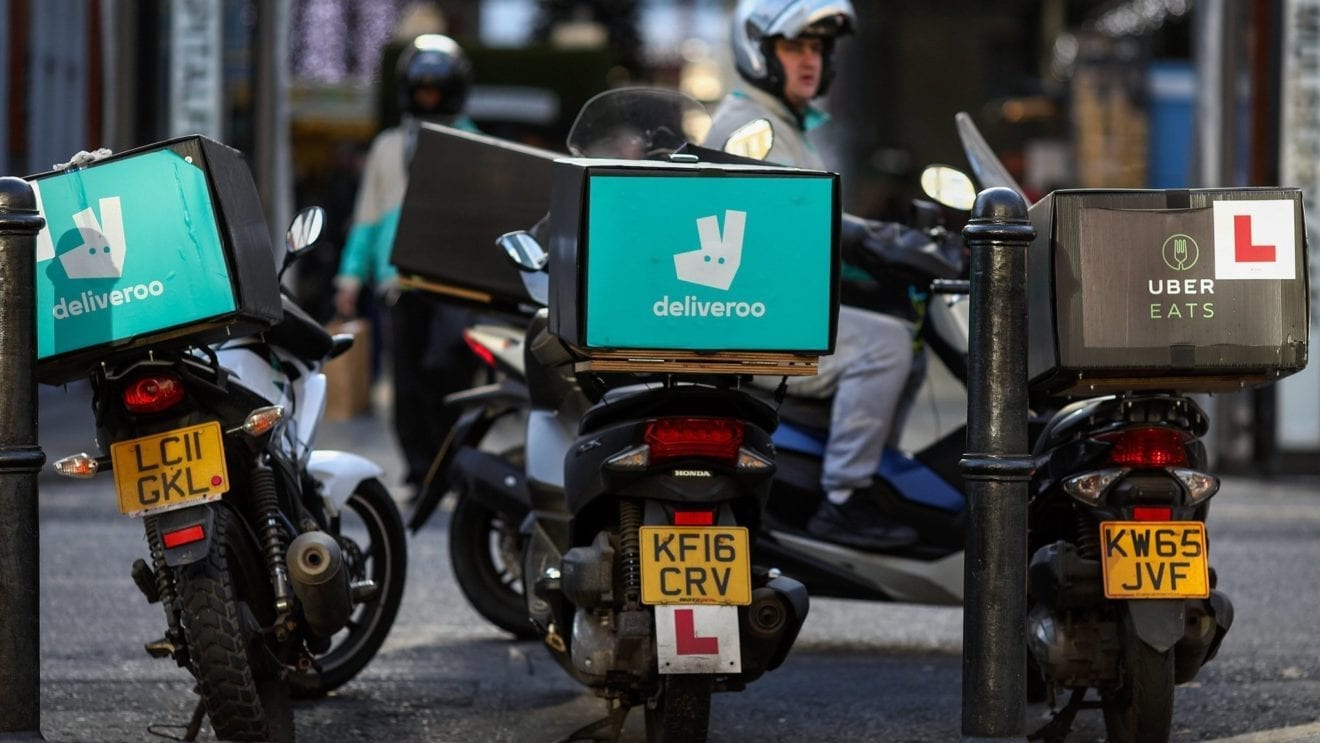
    UK food-delivery startup Deliveroo is preparing to launch in India.

    Valued at US$2 billion, the company is hiring a country head along with a full team, insiders say, according to The Times of India. It will go head to head with local players like Swiggy and Zomato as well as comparatively new entrant UberEats. Ola has also re-entered the category by acquiring Foodpanda from Delivery Hero.

    Founded in 2013 by former investment banker Will Shu, Deliveroo works in 140 cities across 13 countries, including Hong Kong and Singapore.

  • Hyundai Motor, Kia Motors flag slow sales growth in 2018

    Hyundai Motor, Kia Motors flag slow sales growth in 2018

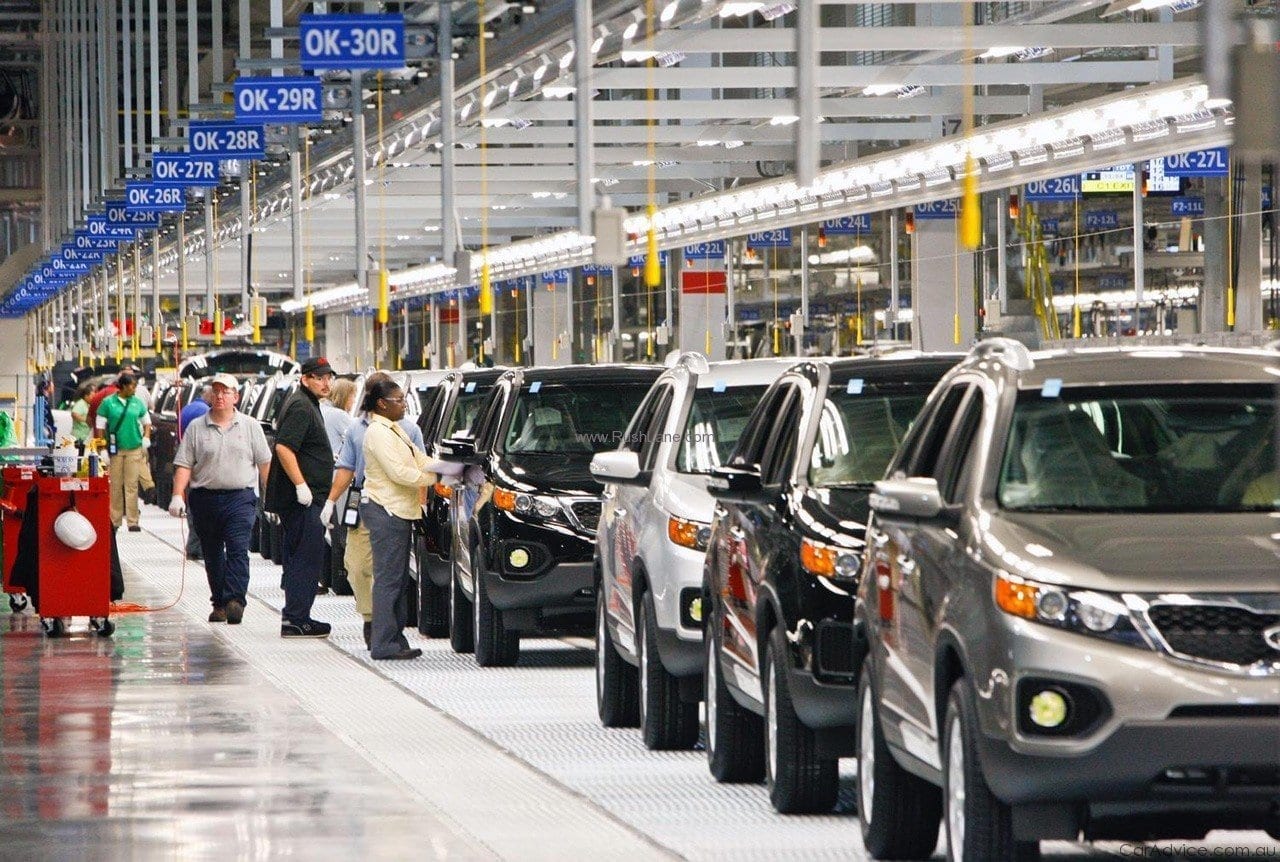
    South Korea’s Hyundai Motor and Kia Motors on Tuesday flagged only modest sales growth in 2018, suggesting a slow recovery from a slump linked to their lack of SUVs in the United States and diplomatic tensions with China.

    Hyundai and smaller affiliate Kia, which together make the world’s fifth-largest automaker, said demand was expected to soften in the U.S. and Chinese markets as they unveiled a combined sales target of 7.55 million vehicles this year.

    Analysts said that would be a slight increase on 2017, when the automakers are estimated to have sold about 7.3 million vehicles, their lowest in five years.

    “The target for Hyundai and Kia is lower than expected. It seems to be a conservative target, reflecting a slow recovery in China and ongoing U.S difficulties,” Kim Jin-woo, an analyst at Korea Investment & Securities said.

    The 2017 sales figures are due out later on Tuesday but analysts expect the South Korean duo to fall well short of their target of 8.25 million vehicles, marking their third consecutive annual miss.

    Hyundai Motor shares declined 2.2 percent after falling as much as 4.5 percent on Tuesday morning, and Kia Motors stocks were down more than 1.6 percent. The broader market rose 0.2 percent.

    The firms’ sales tumbled last year in China, the world’s largest auto market, amid a chill between Beijing and Seoul over South Korea’s deployment of a U.S. anti-missile system.

    Sales in China and the United States were also hurt by a failure to capitalize on surging demand for sports utility vehicles (SUVs).

    While Hyundai Motor has plans to offer more SUVs in the United States and China, analysts said new models such as the redesigned Santa Fe SUV may come too late in the year to significantly impact sales.

    The expiration of a tax cut on small-engine cars in China also would be a negative for Hyundai’s sedan-heavy line-up, they said.

    Hyundai Motor Group Chairman Chung Mon-koo said in a statement the South Korean automakers would launch 12 new or refreshed models this year.

    They would “actively venture into” new markets like Southeast Asia, as protectionism was expected to grow elsewhere, he added.

    South Korea and the United States will hold talks on a trade deal on Jan. 5 although U.S. President Donald Trump has threatened to withdraw from the pact.

    Chung, 79, skipped his annual New Year speech to employees for a second year in a row. He has not made any public appearances since December, 2016.