The items will land in BAPE retailers and online on Saturday, January 6 ranging from ¥4,600 JPY for a kids T-shirt to ¥19,800 JPY for the pullover hoodie (approximately $41 USD to $175 USD). In case you’ve missed it, BAPE’s Double Shark Hoodie is a game changer.
Author: Mei Ling Tan
-

BAPE Celebrates Lunar New Year With Year of the Dog Collection
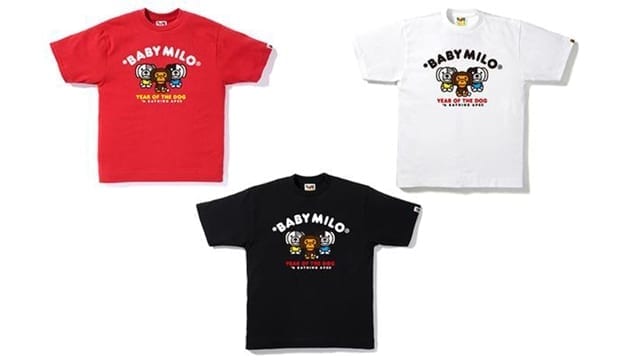
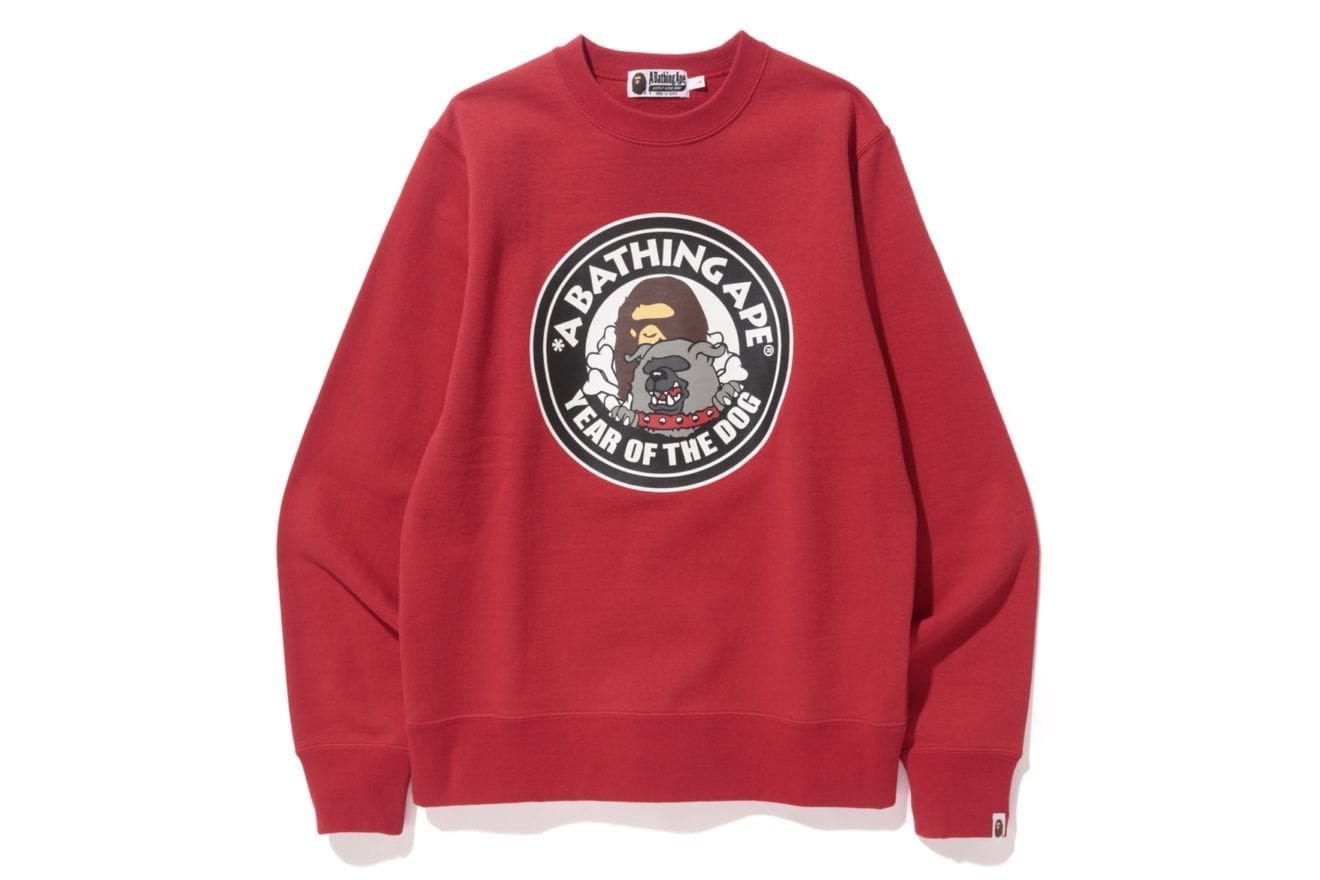
2018 is just around the corner with Lunar New Year celebrations to follow in February. To commemorate the upcoming holiday, Japanese magnate BAPE is once again dropping its Chinese zodiac designs to celebrate the “Year of the Dog.” The collection features the label’s iconic APE head motif alongside a dog spread across black, red and white tees and crewnecks. The capsule will also include apparel decorated with BAPE’s sidekick Baby Milo dressed like dog on hoodies and tees in both adult and kids sizing. -

DHL Express has been named 2018 Top Employer for Asia Pacific
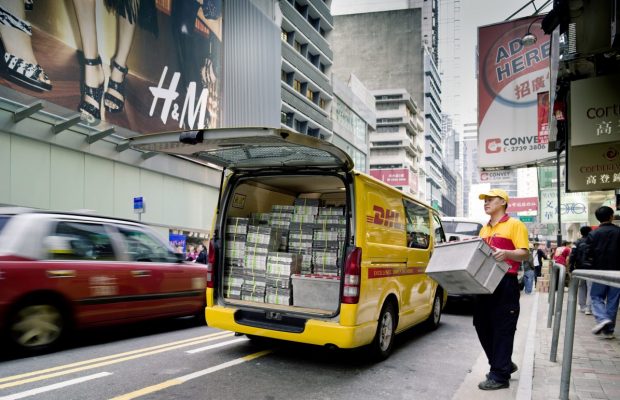
DHL Express, the world’s leading international express services provider, has been named 2018 Top Employer for Asia Pacific as well as eight countries in the region: Australia, Hong Kong, India, Malaysia, New Zealand, the Philippines, Singapore, and Thailand.
The award was conferred by Top Employers Institute, a global organization recognizing excellence in employee conditions, making this the fourth consecutive year that DHL Express has received the award. This further establishes the company as a regional leader in employment practices and talent development, with a workplace culture built on respect, recognition and equal opportunities.
In 2017 alone, DHL Express received a total of 49 awards for its workplace and corporate culture in Asia Pacific, up from 39 awards in 2016 and 34 awards in 2015. This year’s string of accolades are the latest additions to the 96 other awards that DHL Express Asia Pacific has received since 2014, many with strict judging criteria based on employee feedback.
“The DHL culture is built on the two R’s — respect and results. When we value our employees, and provide them with opportunities to achieve, we’re able to deliver the world-class results that our customers rely on to grow their businesses,” said Ken Lee, CEO, DHL Express Asia Pacific. “It is an honor to be acknowledged as a leading employer and an excellent workplace in Asia Pacific once again, and a testament to the hard work and effort that all our employees invest in really making DHL Express a byword for excellence.”
The Top Employer award has consistently recognized DHL Express’ sustained investment in talent growth, including its Certified International Specialist (CIS) and Certified International Manager (CIM) programs that have trained over 43,000 employees in Asia Pacific. Nearly 75% of executive positions in the region end up being filled by internal candidates thanks to the company’s talent development initiatives, and women hold 1 in 3 management roles in DHL Express.
“Diversity in leadership and the workplace help us better understand the full range of our customers’ needs and stories — resulting in more effective service for their businesses,” said A. Mateen, Senior Vice President, Human Resources, DHL Express Asia Pacific. “Thanks to a strong Diversity Management framework in place, coupled with comprehensive feedback from our annual Employee Opinion Survey, we’ve established a workplace culture where everyone has not only a voice, but also the opportunity to grow to their full potential.”
This year, DHL Express was also named Best Employer 2017 for Asia Pacific and nine other countries region-wide, as well as “Best Employer for Women in the Workplace” in South Korea and Taiwan, by human capital firm Aon Hewitt. The Great Place to Work® Institute also recognized DHL Express as one of the “Best Multinational Workplaces in Asia” for five countries as well as the broader Asia Pacific region.
“The success of any logistics operation depends on the skill, adaptability, and resilience of its people, translated across numerous cultures and geographies,” added Ken Lee. “At DHL Express, we’re committed to creating an environment where all employees can thrive and grow. We’re extremely proud to have nearly doubled the number of awards for our culture and workplace this year compared to 2016: each award encourages us to keep working towards a more inclusive, effective, and empathetic culture in every market where we do business.”
-

AirAsia ups Maldives flights to meet growing demand
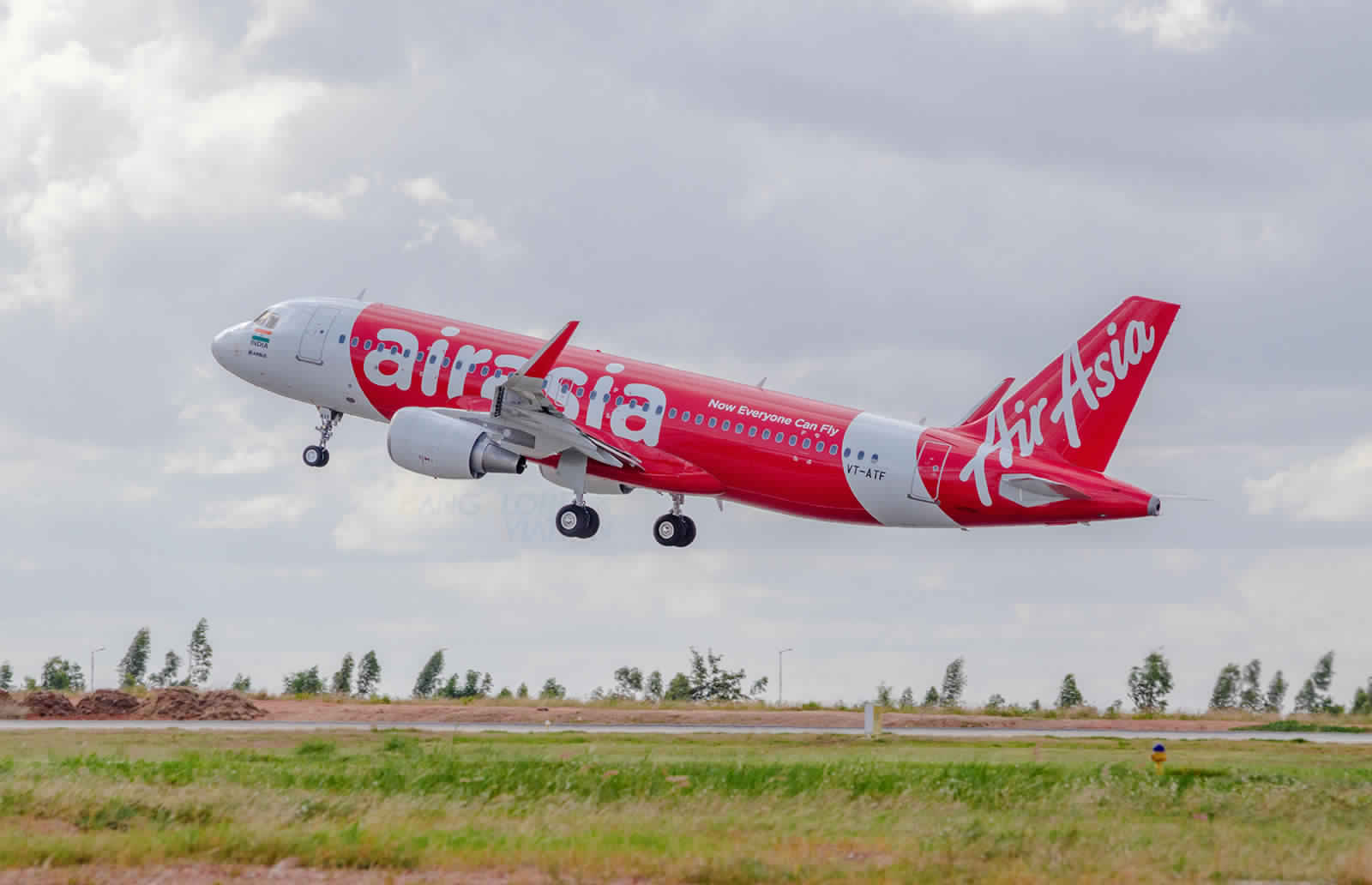
AirAsia is increasing its Maldives operations with the commencement of additional services via its long-haul affiliate, AirAsia X, in addition to the daily flights it currently operates.
In a statement today, the low-cost airline said AirAsia X would operate the Kuala Lumur-Male service at four times weekly, beginning Feb 6, 2018, under the D7 airline code utilising Airbus A330-300 aircraft, equivalent to an increase of 156,000 seats per year.
In conjunction with the additional frequency, AirAsia is offering introductory promotional fares from as low as RM199 all-in fare for one-way travel, inclusive of taxes for all Maldives flights from now until Jan 14, 2018 for immediate travel until May 6, 2018.
AirAsia X Head of Commercial, Barry Klipp, said since commencing the Kuala Lumpur-Maldives service, AirAsia had seen tremendous growth in demand on this route, adding over 130 per cent seat capacity early last year when it increased flight frequency from three to seven weekly flights.
“Despite this increased capacity, we continue to see robust demand from our wide network and we hope that with this additional service offering with a larger capacity on our A330 aircraft, we will be able to capture this demand and further build our market dominance in the Maldives,” he said.
-

Different approaches to bitcoin in Asia
In mid-September, China’s central bank, the People’s Bank of China (PBOC), told virtual currency trading platforms based in Beijing and Shanghai to cease market operations.Authorities also clamped down on ethereum and any other electronic units that are exchanged online without being regulated by any country.
The PBOC said it wanted to fight “speculation” around the crypto-currencies, which “seriously disrupted the financial system”.
This came after the National Internet Finance Association of China — an offshoot of the PBOC — drew up a damning report on virtual currencies, saying they were “increasingly used as a tool in criminal activities” such as drug trafficking.
Experts say Chinese authorities are also concerned about possible capital flight which could harm the value of the yuan.
However, the authorities in Beijing have not yet attacked bitcoin mining — the creation of the digital currency.
Between 60 and 70 percent of new bitcoins are created in China.
Korean concern
Hyper-wired South Korea was also a hotbed for virtual currencies such as bitcoin, accounting for some 20 percent of global transactions, about 10 times its share of the world economy.
But South Korean authorities late last year banned financial institutions from dealing in virtual currencies on fears of a bubble fuelled by retail speculators.
About one million South Koreans, many of them small-time investors, are estimated to own bitcoins and demand is so high that prices are around 20 percent higher than in the US.
Initial coin offerings (ICOs) — where companies sell newly mined cryptocurrencies to investors for real money — were also outlawed.
The government has also pledged to strengthen investor protection rules, in an effort to curb speculation and potential fraud.
Announcing the ban on ICOs in September, South Korea’s Financial Services Commission declared “cryptocurrencies are neither money nor currency nor financial products”.
Youbit, a South Korean exchange trading bitcoin and other virtual currencies, declared itself bankrupt in December after being hacked for the second time this year.
North Korea was accused of being behind the first attack.
Singapore caution
Singapore’s central bank has issued a warning over cryptocurrencies, cautioning the public about the risk of jumping in on the “bitcoin bubble”.
The Monetary Authority of Singapore noted they are not backed by any central bank and are unregulated, which means those who lose their investments have no grounds for redress under Singapore law.
Yusho Liu, co-founder of Singapore-based cryptocurrency wallet Coinhako, says demand has been soaring, with transactions up around 10-fold over the past year.
However, while regulators have been prepared to offer a cautious free rein to the digital units, “financial institutions and service providers have been rather resistant”, Liu told AFP.
“In fact, I believe that only 30-40 percent of the market potential is fulfilled because of the friction generated by such matters. This is the key missing piece of Singapore being the fintech hub,” said Liu.
Japanese jump in
The high-profile collapse of digital currency exchange platform MtGox failed to douse the enthusiasm for virtual currencies in Japan, which in April became the first country in the world to proclaim it as legal tender.
As many as 10,000 businesses in Japan are thought to accept bitcoin and bitFlyer, the country’s main bitcoin exchange, saw its user base pass the one-million mark in November.
Many Japanese, especially younger investors, have been seduced by the idea of strong profits in the context of ultra-low interest rates that offer little in the way of returns.
However, the governor of the Bank of Japan, Haruhiko Kuroda, has recently issued a warning that the recent rise of the bitcoin price was “abnormal”.
-

South Korean economy to uphold decent growth
According to a state-run think tank Sunday, the economy of South Korea is preserving a decent growth rate while private spending is picking up, reaching a compensation for a hold up in corporate investment.
In its monthly assessment of economic conditions, the Korea Development Institute (KDI) declared “facility investment growth slowed down, and construction investment continued its pace of deceleration, while consumer sentiment ran high, with retail sales posting sharp growth.”
KDI found that even though December’s outbound shipment growth slowed down, exports are proving a modest expansion day by day.
-

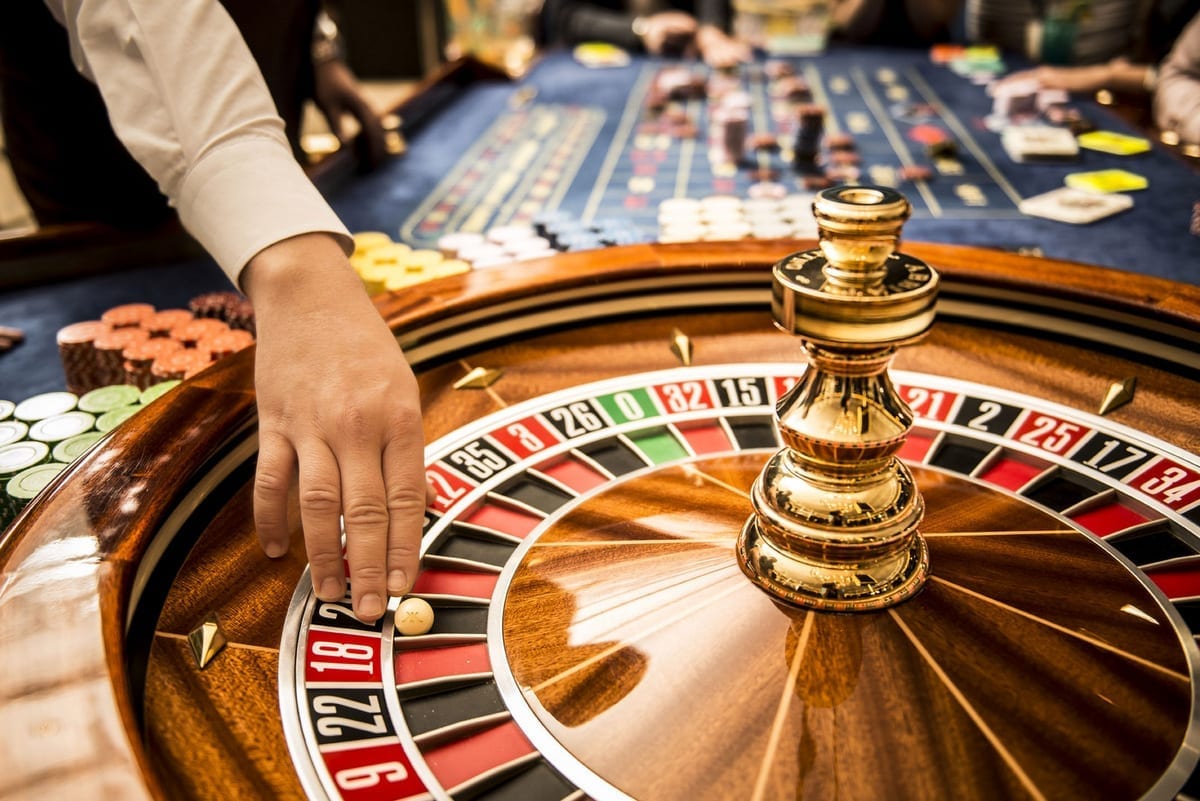
Opening of Jeju Shinhwa World Casino Delayed Yet Again
The casino at the Jeju Shinhwa World resort on South Korea’s Jeju Island has pushed back its opening date yet again, with officials this time citing a delay in the transfer of a casino license from another gaming facility.

Jeju Shinhwa World has opened many resort attractions, but a planned casino has been delayed several times.
The casino, which was to be operated by Hong Kong’s Landing International Development, was originally announced to be opening on December 8.
Two rounds of delays pushed the grand opening to January 18 of this year before Wednesday’s announcement. The opening has now been postponed to a yet unannounced later date.
Landing Looks to Move Casino from Hotel to Resort
According to a spokesperson, the issue is now that Landing International wants to take their current casino operations, which are hosted in a local Hyatt hotel, and move them to the resort.
“We have submitted our application to relocate our casino in Hyatt Jeju to Jeju Shinhwa World,” the spokesperson said. “The Jeju government is currently processing our application and we expect the casino transfer to be approved by the Jeju government after the next sitting of the Jeju [Provincial Council] in February 2018.”
The proposed resort casino would be significantly larger than Landing International’s hotel operation on the island. While their venue in the Hyatt only features 16 electronic machines and 28 tables, the proposed resort casino would feature 160 table games along with 240 slots.
Resort Opens Other Attractions While Waiting on Casino
The Jeju Shinhwa World resort began its first phase of operations just last year, with retail space, hotels, a convention center, and a theme park, which opened last September. Still, the resort won’t be considered truly complete until the casino is opened.
“It is recognized that [a] casino is one of the most essential facilities within an integrated resort to complement better offerings to its visitors with a complete hospitality experience,” the company said last August.
According to Landing International, the company plans to continue offering training to casino workers while they wait for the gambling license to be transferred. In total, the resort has about 2,000 employees, including those that are intended to work at the planned casino.
As with almost all casinos in Korea, only foreigners would be permitted to gamble at the new facility. The only exception to this rule in the country is Kangwon Land, located about 100 miles south of Seoul, which does allow local players.
The Korean government recently ordered the resort to cut its gaming operations down to 18 hours a day from the previous 20-hour schedule, which could reduce revenues at that facility.
Jeju Island is the largest of the islands situated off the coast of Korea. The island makes up the entirety of the Jeju Special Administrative Province, an area that enjoys some degree of autonomy from the central South Korean government.
The island is also a popular tourism destination for Chinese visitors, who can enter Jeju without a visa. However, Chinese tourism to the island has diminished significantly following a temporary travel ban instituted by Chinese President Xi Jinping during a diplomatic standoff last fall.
According to the Bank of Korea, the decline in Chinese tourism may have cost South Korea more than $4.5 billion in revenue
-

Malaysia Gears Up for Election as Najib Targets `Fake News’
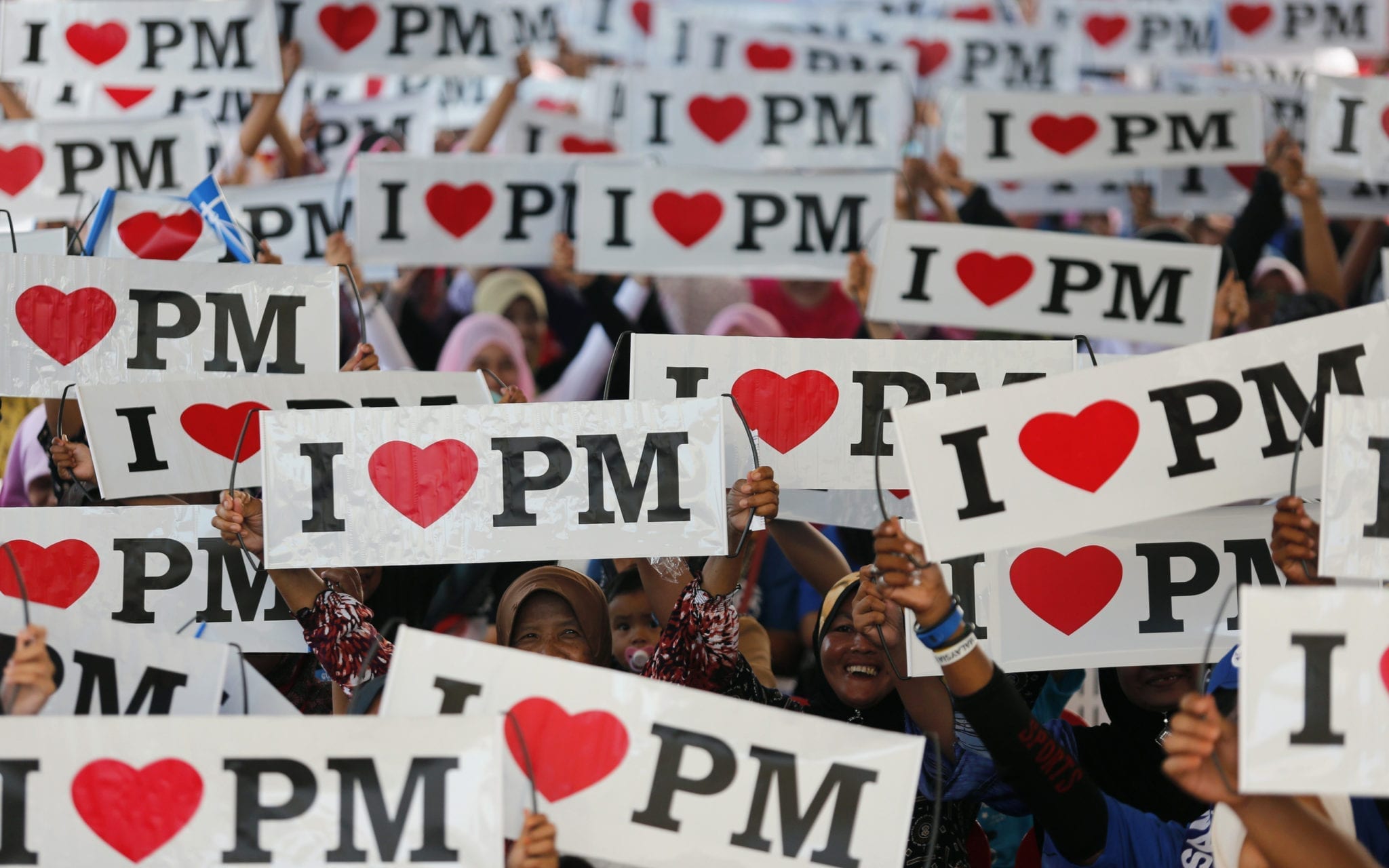
Malaysia’s political parties are gearing up for an election within months, with the ruling party launching a portal aimed at combating “fake news” and the opposition alliance holding a national convention this weekend.
Prime Minister Najib Razak, 64, said the portal, called TheRakyat — or “The People” — was a “significant step” for the Barisan Nasional coalition ahead of elections which must be held by August.“We know that in the 13th general election, we were victims of fake news,” he said at the portal’s launch on Wednesday in Kuala Lumpur. He cited rumors of power outages at voting booths in the 2013 ballot and the suggestion that some votes were therefore not counted. “We believe this will happen again in the 14th general election. That’s why we need a platform to connect to the people.”At stake for the ruling coalition is its unbroken rule of the Southeast Asian nation for more than 60 years. Under Najib it suffered its worst showing yet at the 2013 poll, losing the popular vote for the first time and failing to recapture a two-thirds majority in parliament.A stronger economy and ringgit could boost Najib’s chances this time, even as his rivals criticize him over rising living costs and corruption allegations. Najib has denied the claims of graft and been cleared by local authorities.A disparate opposition — as well as the four-party coalition known as Pakatan Harapan, there are a number of other major groups including the biggest Islamic opposition outfit — may also help Najib. There’s still the possibility of opposition candidates standing against each other in some districts.
Pakatan Harapan will meet on Sunday and is expected to name its pick for prime minister, with speculation centered around former premier Mahathir Mohamad, who split from Barisan Nasional and has become one of Najib’s fiercest critics. Mahathir, who at 92 years of age is now chairman of Pakatan Harapan, said the group would announce “our future plans” at the end of its convention.
The opposition’s de facto leader, Anwar Ibrahim, is in jail on a sodomy conviction, a charge he has denied. Pakatan Harapan would need to install an interim prime minister if it wins the election, then secure a royal pardon in order for Anwar to become premier.
-

New retail fuel prices announced
The Independent Consumer and Competition Commission (ICCC) has announced the new retail fuel prices for this month, which will take effect on January 8, 2018.
According to the ICCC’s calculations, retail fuel prices for petrol, diesel and kerosene will increase throughout PNG as of 8th January, 2018.
“These price increases are attributed to the increases in the Import Parity Prices (IPP) for this month. Furthermore, the increases in the IPP are attributed to the increases in the Mean of Platts Singapore (MOPS) prices for petrol, diesel and kerosene during the month of December, 2017,” ICCC said in a statement.
“Increases in the MOPS prices are attributed to the increases in crude oil prices during the month of December, 2017. The retail price increase particularly for diesel is attributed in the increase in its excise duty in 2018 from 10 toea to 23 toea per litre.”
The domestic retail fuel prices are inclusive of the IPP, domestic sea and road freight rates for the first quarter of 2018, 2018 wholesale and retail margins for petrol, diesel and kerosene; including excise duty for petrol and diesel, and the Goods and Services Tax (GST).
As a result of adding all the various cost components, the table below shows the maximum retail prices for fuel that are to be sold in Port Moresby.
Port Moresby Retail Prices (toea per litre)
Petrol (tpl)
Diesel (tpl)
Kerosene (tpl)
Retail Prices as of 8th January, 2018 346.92
308.76
280.47
Retail Prices as of 8th December, 2017 343.29
286.12
273.94
Price Variance (+/-) toea per litre +3.63
+22.64 +6.53 As stated above, for this month the retail fuel prices in the National Capital District will change as follows:
- Petrol prices will increase by 3.63 toea per litre;
- Diesel prices will increase by 22.64 toea per litre; and
- Kerosene prices will increase by 6.53 toea per litre.
Retail prices in all other designated centres will change according to their approved in-country shipping and road freight rates (for the first quarter of 2018) that are charged by the fuel distributors.
As part of the ICCC’s enforcement and compliance of fuel prices, its investigation officers will conduct inspections at all service stations on Monday, January 8, to ensure prices of petroleum products do not exceed the allowable maximum prices.
The prices set by the ICCC are the indicative maximum retail prices, for which retailers may choose to sell below the maximum price.
“Again, the ICCC would like to remind retailers who sell fuel using pumps to set fuel prices to one decimal place while the ICCC will continue to set the maximum price to 2 decimal places,” said Avi Hubert, acting chief executive officer.
“No fuel pump operator should charge above the Indicative Retail Price for this month’s price regardless of the number of decimals. This is to ensure compliance with the Prices Regulation Act under which the maximum prices of refined petroleum products are set.
“Retailers who are displaying prices to 1 decimal place are urged by the ICCC to round the prices down to ensure prices are within the allowable indicative retail prices. The ICCC inspectors will continue to conduct spot checks after 8th January to ensure ongoing compliance by fuel operators.”
Consumers are advised to report any instances of overcharging by retailers through the ICCC’s Consumer Protection Division on 325 2144 or on toll free number 180 3333.
-

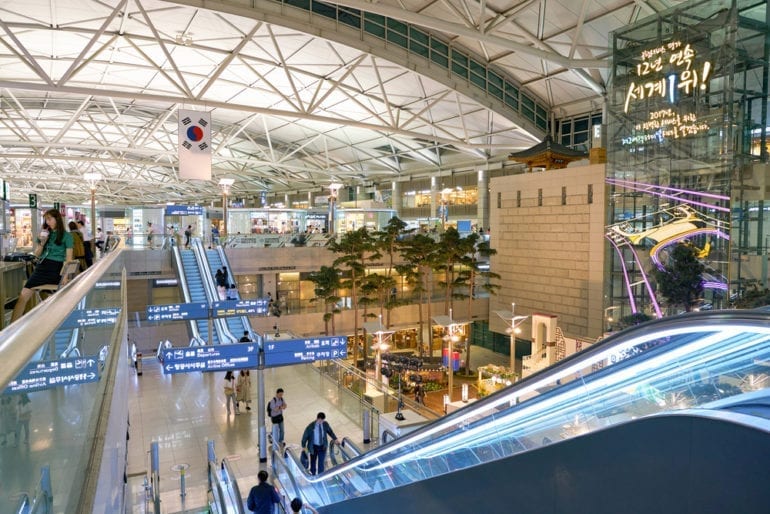
Incheon Airport DF sales notch $2.1bn in 2017
As anticipated, the ‘record-breaking’ figure surpasses the $2bn registered in 2016. The result places Incheon ahead of Dubai Duty Free, which recently reported duty free sales of $1.93bn in 2017.
Many had viewed the THAAD crisis and security issues surrounding North Korea as tempering the South Korean airport’s annual revenue.
“Incheon Airport Duty Free, however, did pretty well tackling those security issues recording the highest duty-free sales figure, beating previous records,” Bum-Ho Kim, Deputy Executive Director of Incheon Airport Corporation’s (IIAC) Concession Development Group said.
“Moving into 2018, Incheon Airport expects further growth with our humble prospects of reconciliation with North Korea as well as the end of THAAD crisis with China.”
In a statement, IIAC confirmed perfumes and cosmetics as the best-selling category with sales of $774m, accounting for 38% of total annual sales.
Liquor and tobacco took second place with $459m, while leathergoods clocked in sales of $301m.
The $2.1bn return has to be regarded as impressive given IIAC’s acknowledgement said on frequent occasions that the situation concerning THAAD on the fortunes of South Korea’s duty free market remains a challenging one.
However, it is worth noting that rising numbers of Korean and international passengers have helped the airport to offset the impact of diminishing Chinese passenger spends in recent times.
In reaction, Incheon has moved to diversify its retail offer over the past few years, confirmed Kim in an in-depth interview in the Top 10 Airport’s report in August.
IIAC confirmed these sentiments in a statement, stating it has ‘confronted these challenges by diversifying [its] customer demography, offering customer-friendly promotions with first-hand experiences, and inviting global and local brands, not to mention increasing passenger traffic’.
Five-year concession contracts were awarded in 2015 to SM Duty Free, City Plus Duty Free, Samick Duty Free and Entas Duty Free with Shinsegae Duty Free, which operates a 2,856sq m fashion store in T1, also adding new luxury brands such as Moncler.
As reported, Lotte Duty Free and Shilla Duty Free secured the eight-year liquor, tobacco and food and perfumes and cosmetics concessions, respectively, for the the new T2 last year, with Entas Duty Free, SM Duty Free and City Plus scooping the SME lots.
Meanwhile, the 4,889sq m re-tendered fashion & accessories concession was secured by Shinsegae Duty Free.
Terminal 2’s retail area covers an impressive 9,597sq m, boasting a number of flagship stores offering unique shopping experiences.
These include make-up showcases from the likes of Chanel, Dior, Sulwhasoo, Lancome, SK2, and Estée Lauder and liquor & tobacco areas featuring tasting bars and new concepts from Ballentine’s, Johnnie Walker, Royal Salute, Hennessy, KT&G and IQOS.
“In 2018, Incheon Airport is hoping to see further increases in our passenger traffic thanks to the opening of Terminal 2 and better political circumstances,” Kim added. “Incheon Airport Duty Free is set to embark on new leap with T2, as well as T1, to satisfy passengers visiting Incheon Airport and lead with the best airport shopping environment.”
-

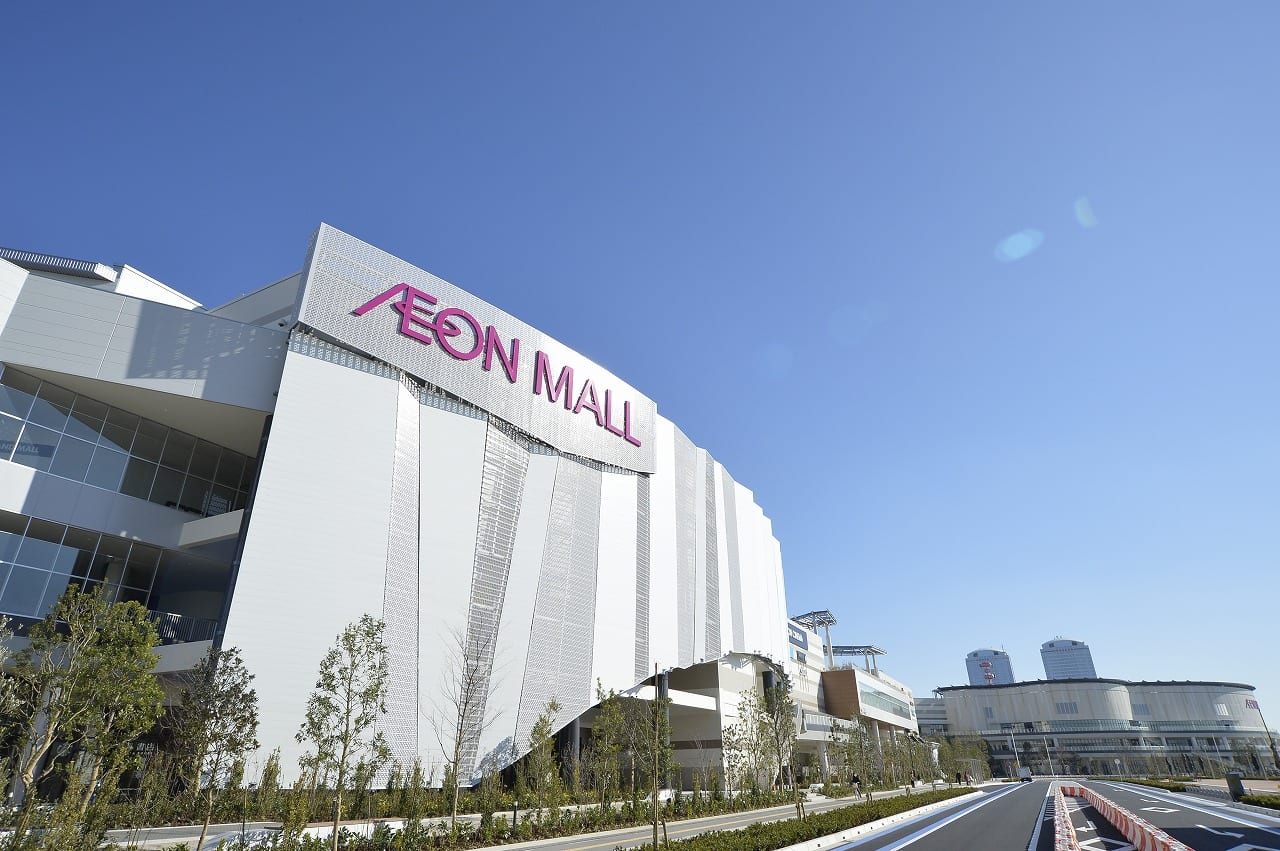
Aeon Mall’s 9-month profit seen rising 10% to record
Strong earnings in China and Southeast Asia have helped boost operating profit for Japanese developer Aeon Mall to about ¥33 billion (US$293 million) for the nine months to the end of November.
This is up about 10 per cent on the same period a year earlier, and would be a record. Its previous high was ¥30.1 billion in 2013as reported. Operating revenue rose 7 per cent to a little more than ¥210 billion.
Its Southeast Asian business has come out of the red, with overseas losses shrinking to nearly ¥1 billion for the period from ¥2.9 billion previously. Thirteen of the company’s 19 malls in China and Southeast Asia turned a profit, up from eight out of 17 a year before.
In Japan, sales rose 3 per cent for specialty-store tenants in its malls offering household products, food and other items, boosting rent revenue correspondingly.
Aeon Mall’s operating profit for the full year through February is expected to rise 11 per cent to ¥50 billion on a 9 per cent gain in operating revenue to ¥295 billion.
-

VIMO to provide Wechat payment at Airport outlets in Vietnam
Dealers are now turning their attention to the release later in the day of key U.S. jobs data, which is expected to show the world’s top economy continuing to improve.
A forecast-smashing reading Thursday on private take-ups boosted optimism, which had already been bolstered by U.S. tax cuts, healthy corporate profits and strong manufacturing figures from around the world.
Global markets powered ahead in 2017 as economies showed long-running improvements after years of faltering.
Greg McKenna, chief market strategist at AxiTrader, said in a note that data from the manufacturing and services sectors “suggests economic strength across the globe remains robust”.
He noted that an index of world factory activity was at its highest level in seven years.
On Wall Street the Dow ended above 25,000 for the first time, leading records across Wall Street.
In Tokyo the Nikkei ended up 0.9 percent at a 26-year high following its more than three percent jump Thursday, while Sydney added 0.7 percent.
Seoul rose 1.3 percent, with dealers buoyed by news that North Korea had accepted the South’s offer of talks next week, further easing geopolitical tensions in the region.
Shanghai closed 0.2 percent higher but Hong Kong lost 0.1 percent and Singapore eased 0.2 percent.
Pause in oil?
While oil prices inched down in Asia they remain elevated after recent rises to around three-year highs thanks to Middle East tensions, while the U.S. sees stockpiles fall as it is hit by a severe cold snap.
The latest gains have given impetus to petroleum-linked firms, sending them rallying this week. In Hong Kong Sinopec was up two percent while CNOOC was also higher. Woodside Petroleum in Sydney was up along with Santos, though Tokyo-listed Inpex eased.
However, Ric Spooner, a Sydney-based analyst at CMC Markets, said: “There’s been a one-way, very steep and uninterrupted rally off the last minor low in mid-December near $56, so it won’t be surprising to see a pause here.”
On forex markets the dollar rose slightly against the euro, but the single currency remains buoyant with the eurozone continuing to improve, which raises the chances of a reduction in the region’s massive stimulus programme, bringing monetary policy in line with the Federal Reserve.
McKenna added: “It’s again the story of a weaker U.S. dollar as the fact its data is solid and improving is lost on traders focused on expectations that the EU strength will drive the European Central Bank to chase the Fed, and that synchronised global growth will, in fact, drag most central banks along the tightening path.”
-

JD.Com, Online Fashion Retailer Meili Ally to Develop ‘No Boundary Retail’
JD.com plans to form a JV with online fashion retailer Meili to build and run a commerce platform on Chinese voice-messaging service Weixin.
Merchants who sell through the new platform, expected to launch before the Lunar New Year next month, will gain access to JD’s logistics network.
The move follows the joint introduction of “no-boundary” retail by JD.com and Tencent in October, a concept that aims to create online communities of consumers with similar buying preferences, fusing e-commerce with social life.
Meili founder/CEO Chen Qi, who will also be the JV’s chairman, says the platform will draw on Meili’s ability to reach female shoppers, particularly in lower-tier cities in China.
Established in 2016, Meili has several platforms including Meilishuo and Mogu Street, and more than 15 million active daily users. It not only provides online retail, but also society and fashion information.
-

Korea cosmetics industry eyes growth recovery in 2018
South Korea’s cosmetics industry is looking to regain growth in 2018 after taking a big hit from China’s retaliation against Seoul over a missile row in 2017.
In March 2017, China banned sales of group tours to South Korea in retaliation against Seoul’s decision to deploy an advanced US missile defense shield, which Beijing sees as a security threat.
The move has dealt a big blow to South Korean cosmetics manufacturers and retailers, whose main customers were Chinese tourists.
Top cosmetics maker AmorePacific Corp. was hit hardest. In the third quarter of the year, its operating profit plunged nearly 40 percent on-year to 132.4 billion won ($123 million), with sales falling 14.2 percent to 1.4 trillion won.
The dismal records marked a drastic turnaround from its stellar performances over the past years. The company had registered double-digit growth in sales and operating profit in recent years.
LG Household & Health Care Ltd., South Korea’s No. 2 cosmetics and household goods maker, was no exception. In the wake of China’s retaliation, its sales edged down in the second quarter after renewing records each quarter.
But its sales climbed 2.9 percent on-year to 1.6 trillion won in the third quarter and operating income gained 3.5 percent to 252.7 billion won as the portion of cosmetics to its business portfolio is low.
Industry watchers predicted cosmetics companies to recover their growth pace in the coming year thanks to efforts to diversify markets and launch new products.
AmorePacific and other industry players have resumed their marketing activities in China by rolling out new products and ramping up efforts to meet the diverse needs of Chinese customers.
Sources said South Korean cosmetics makers’ efforts to tap into new markets, such as Vietnam, the United States and Europe, may boost their competitive edge down the road.
In contrast to the slump of the cosmetics industry, local health and beauty stores, the local version of drugstores, have posted solid growth this year.
The health and beauty sector has been growing at an annual average rate of 22.5 percent over the past five years, with the market size expected to reach 2 trillion won this year. Market leader Olive Young, run by CJ Group, saw its sales jump to 1.1 trillion won last year from slightly over 300 billion won in 2012.
-

HCMC court drops Uber’s lawsuit against tax demand
A court in Ho Chi Minh City has dismissed a lawsuit against the city’s tax department by Uber after the ride-hailing firm asked the court to stop the department from charging it with a million-dollar sum of tax.
The HCMC’s tax department earlier asked five local commercial banks to help collect more than VND53 billion ($2.34 million) of what it believed was back taxes from Uber between January 1 and 10 of 2017.
Instead, Uber Vietnam, a subsidiary of Uber International Services Holding B.V. based in the Netherlands, then filed a lawsuit against the department.
On December 29, the department received an emergency notice from the court, saying that its collection of tax from Uber would be put on hold.
The court has since dropped the lawsuit because Uber Vietnam “does not have the required legal status for such a case.”
At the same time, it has also removed the suspension on tax collection, a source from the department said on Wednesday.
“With this new decision from the court, the HCMC’s Tax Department will continue to force Uber to pay tax by asking for help from commercial banks,” said an official from the department who wished to remain anonymous.
Specifically, Uber will have to transfer its income into the bank accounts of the tax department instead of handing it over to its headquarters in the Netherlands as it has been doing so far.
This process will last until the tax authorities collect enough $2.34 million in tax from the company.
In September, the department ordered Uber to pay VND66.7 billion of back taxes and tax evasion penalties by December 23.
But the company has only paid VND13.3 billion. It has complained to Vietnam’s Ministry of Finance that it is not subject to paying taxes according to Vietnam’s agreement on double taxation avoidance with the Netherlands, where it is based.
Uber International Services Holding B.V. has been repeatedly accused of tax evasion since bringing its ride-hailing business to Vietnam in mid-2014.
Yet Vietnam’s finance ministry said the company has to pay taxes for the income it generates in Vietnam.
Traditional taxi companies in Vietnam have used the tax issues to accuse Uber and Grab for putting up unhealthy competition.
-

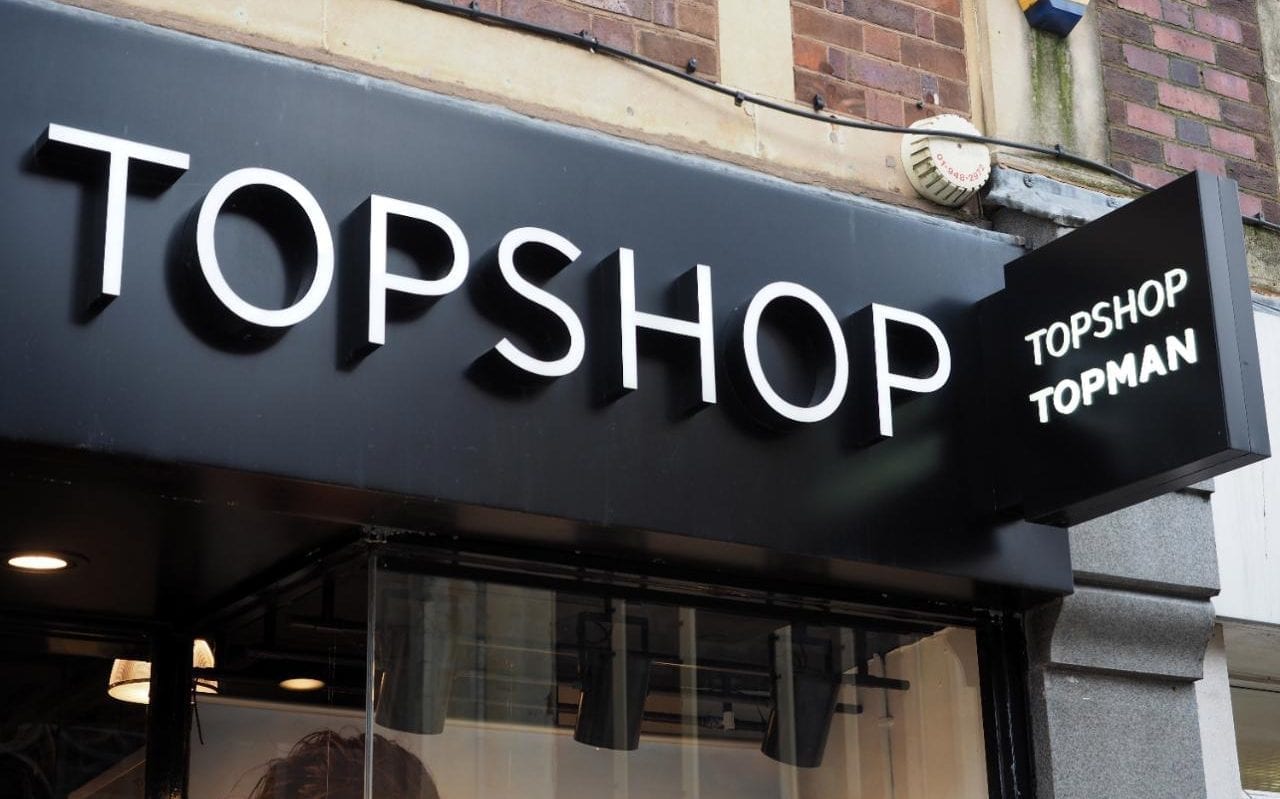
Topshop poised for bricks-and-mortar debut in China
British retailer Topshop is about to make its Mainland China debut – opening its largest store in the world in Shanghai.
To date, the fashion chain has opened just three stores in greater China – all of them in Hong Kong, where it made its debut in 2012. While the company has recently been closing stores in Australia, Spain and other markets, the company sees huge potential in China, despite its late arrival there. (Brands like H&M and Zara have had a China presence for a decade).
A three-story flagship Topshop China store will open on Middle Huaihai Road offering more than 3400sqm of selling space. Huaihai Road is Shanghai’s most prominent retail high street strip featuring giant flagships from Uniqlo and Victoria’s Secret along with smaller maisons for luxury brands.
While Topshop China has lacked a brick-and-mortar presence on the mainland until now, Topshop has maintained an online presence, forming an exclusive partnership with luxury-oriented e-commerce venture ShangPin.com in 2014.