Author: Mei Ling Tan

  • Inside the “Musée de KAKAO FRIENDS”

    Inside the “Musée de KAKAO FRIENDS”

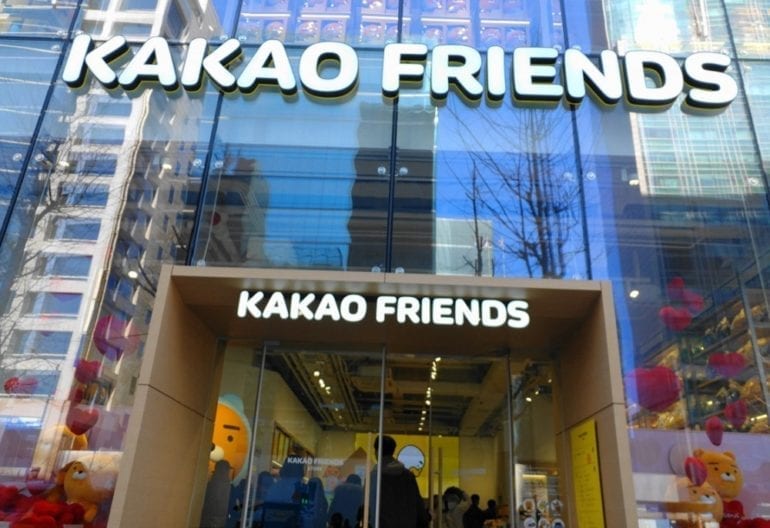
    Kakao Friends is holding a second exhibition at the “Kakao Friends Concept Museum” in Hongdae, Seoul from 15 December 2017 to 27 May 2018.

    This exhibition is dedicated to the cultural icon Kakao Friends which represents modern times.

    Kakao Friends’ second exhibition project theme is ” Musée de KAKAO FRIENDS”, which is a parody of the space and classic works reminiscent of famous museums through the Kakao Friend Character. It is characterized by the reinterpretation as a witty artwork.

    Through this, Kakao Friends, the most popular character in the daily life of the tech-savvy Koreans, has expanded into aesthetic form, expressing the process of being born into a cultural time characterized by artistic inspiration.

    In the seven-section exhibition, visitors can see the parody works of Kakao friends characters Ryan, Muzi, Apeach, Frodo, Neo, Tube, Jay. Each section features a variety of interesting spaces where visitors can experience photo spots and characters all over the body to make unique experiences with Kakao Friends characters.

    The second basement floor of the exhibition hall is a well-coming space that welcomes visitors. It embodies the mysterious character sculpture park with a vague border between outdoor and indoor areas, with the motif of the Versailles Palace in France and the Moma Museum in New York.

    Additionally, in the central ceiling, a large chandelier lighting installation art utilizing the “Ryan Mood Lamp”, a standard product of Kakao Friends, is placed to enlighten the scene.

    The first floor of the exhibition hall is a full-scale work experience space, and the overall concept is composed of an art deco style that can be seen in a typical classical museum.

    In the last section of the exhibition, Kakao friends character illustration is placed on the entire wall to provide a large coloring space where visitors can paint their own characters, giving visitors the opportunity to complete their own works.

    “This exhibition is designed to create opportunities for consumers to experience cultural contents from different perspectives through the Kakao Friend character, which is based on emoticons and is loved by the people,” said Kakao Friends. “I hope that it will be an opportunity to experience a new type of exhibition that combines familiar characters and art.”

    Kakao Friends second exhibition, “Musée de KAKAO FRIENDS”, is operated as an online reservation system, and other details can be found on the official site of the Kakao Friends Concept Museum.
  • Hurom Juice Cafe expansion plan in Vietnam

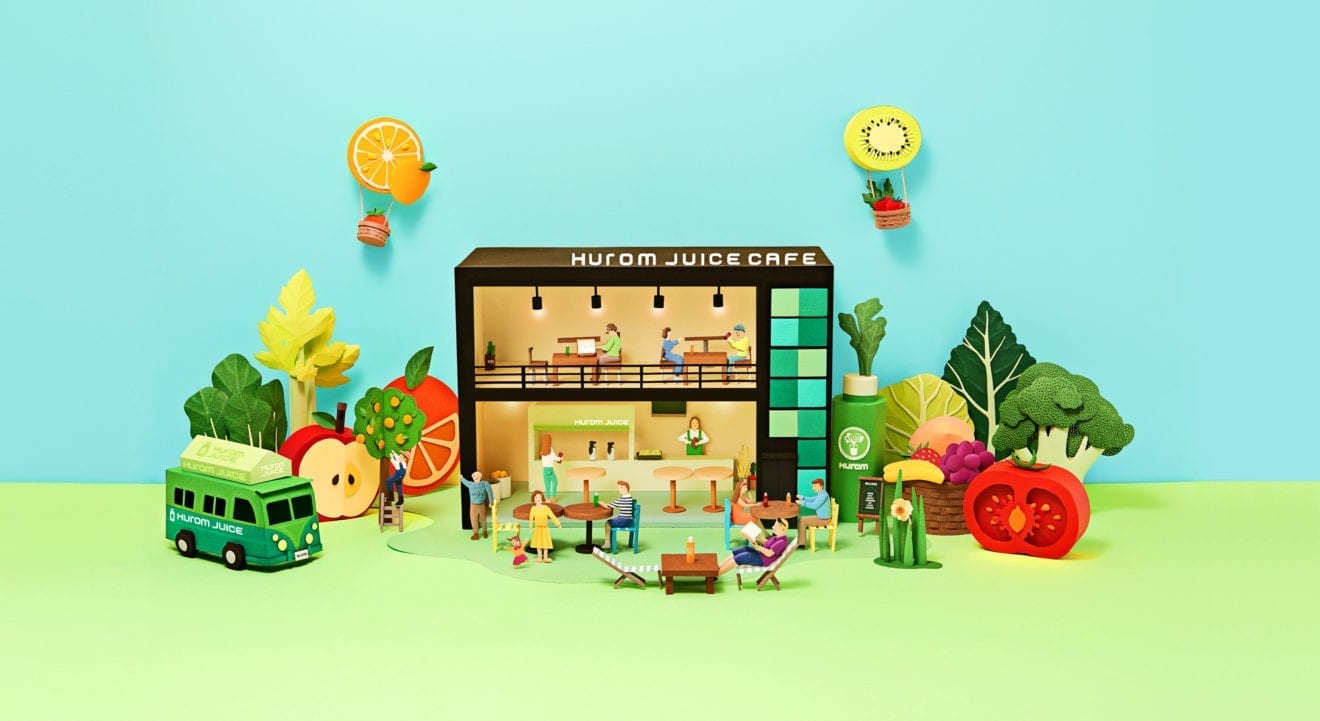
    Hurom Juice Cafe expansion plan in Vietnam

    Vietnam’s eighth Hurom Juice Cafe has opened in the central coastal city of Danang.

    Close to the tourism hotspot My Khe Beach, the cafe serves Korean desserts, tropical fruit bingsu (ice flakes), paninis, sandwiches and brunch as well as juices.

    A second Danang outlet will open close to the Dragon Bridge near the end of this month.

    A Korean manufacturer of juicers and kitchen gadgets, Hurom entered Vietnam in 2014 and has established its cafes in Ho Chi Minh City and Hanoi.

    It also has cafes in Australia, China, Europe, Malaysia, Singapore, Thailand and the US. The company advocates fresh fruits and vegetables for healthier eating.

  • Ralph Lauren : from fashion to coffee

    Ralph Lauren : from fashion to coffee

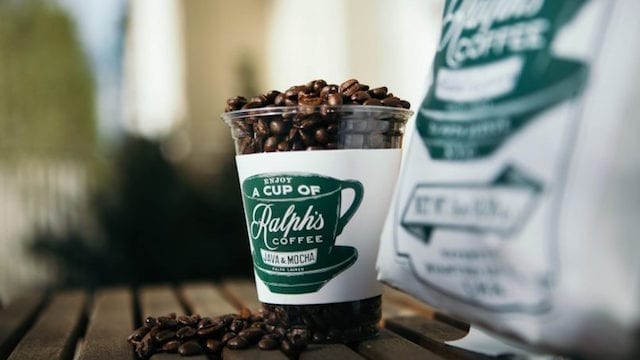
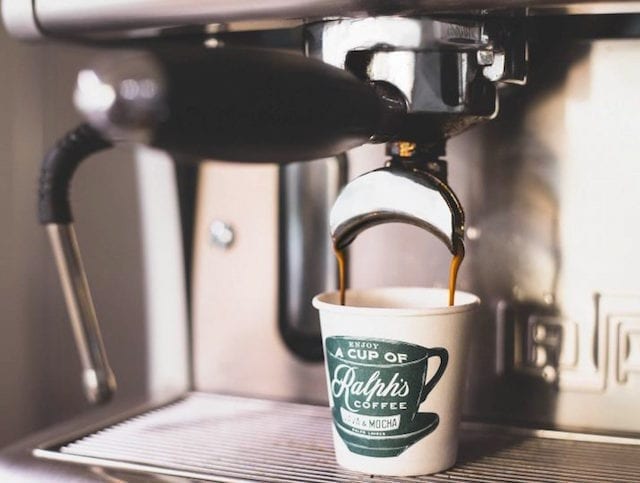
    US fashion label Ralph Lauren is bringing its new F&B venture, Ralph’s Coffee, to Hong Kong.

    It opens next month beside Ralph Lauren’s Ocean Terminal store in Tsim Sha Tsui.

    It will be the Asian debut for Ralph’s Coffee, which is already established in New York City, Chicago, London and Paris. As well as serving American coffee, it will offer cookies and cakes, including a five-layer chocolate cake, and light delicatessen fare to take away.

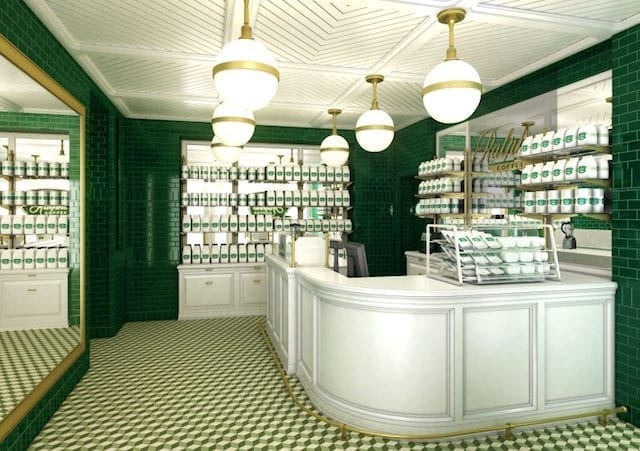
    With a neon sign outside, the coffee shop will feature Ralph’s signature green ceramic tiling and white marble-top counters. The baristas will wear striped shirts, knit ties, classic jeans and butcher’s aprons.

    Ralph’s will offer two roasts from organic coffee beans by La Colombe, which can also be bought by the tin. Special offerings include cortado (one shot of espresso/one shot of milk) and nitro cold brew.

    Also on sale will be artisan chocolate bars from Brooklyn gourmet chocolatier Fine & Raw, as well as Ralph’s Coffee merchandise including casual apparel, totes and mugs.

    The store will be open 12 hours a day from 8am all week.

  • Irispay launches vending-machine store

    Irispay launches vending-machine store

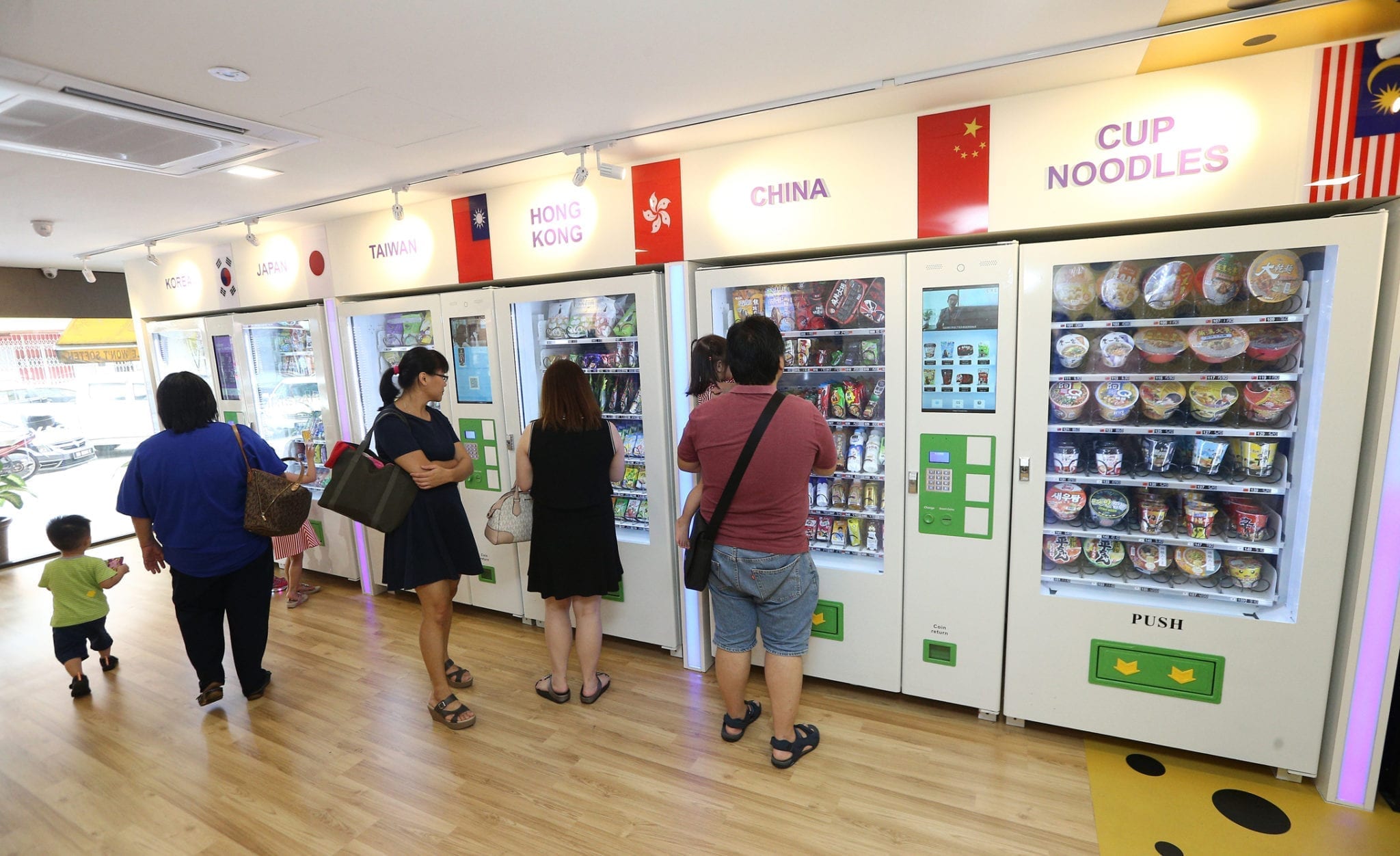
    Malaysian mobile wallet provider Irispay has rolled out its first e-Concept Store  in Kuala Lumpur.

    In Subang Jaya, the 24-hour store runs without the need for staff as reported.

    Customers buy from a line of vending machines, each one dedicated to the country of product origin, such as China, Hong Kong, Japan, Korea and Malaysia. Products include instant ramen, fruit-flavoured drinks and even condoms.

    There are three steps for customers, who use the Irispay mobile wallet app for access: choose a product, scan a QR code, authorise payment.

    An Irispay spokesman says Subang was chosen for the first store because of its large number of students, the company’s target market.

    Irispay says it hopes to expand to as many as 250 stores nationwide this year.

  • MCM stores become art hubs

    MCM stores become art hubs

    MCM offers a harmony of art and fashion, introducing works of art and artists.

    MCM starts art activities in ‘MCM House’ store, Hongdae ‘MCM Popup’ store located in Hongdae youth street in Mapo-gu, and other flagship stores in Seoul.

    All activities take inspiration from the brand’s identity, and the 70s, years in which the brand was established  in Munich, Germany.

    Germany in the 1970s, when art culture flourished, and at the same time, combined with modern cutting-edge materials and design are att he core of the brand. Music, art, travel, and technology are the four priorities, giving Millennials a lifestyle experience that goes beyond fashion.

    The ‘MCM House’ in Cheongdam-dong allows customer to meet art by decorating the 5th floor and the 1st basement floor as a sole art space. The MCM Culture Program, which was launched in July 2017, is a representative example.

    This program is a lecture program of first-generation interior designers and representative photographers in Korea. It is a place where content creators can communicate with the public and meet with their audience.

    As the ‘MCM House’ is being used as a cultural space, the simple structure in which visitors experience the exhibition is transformed into a virtuous cycle structure in which visitors who visit the store look at the products as they were artworks.

    The ‘Kunst Project’, which is currently holding a photo exhibition at Hongdae’s MCM pop-up store, is a representative cultural and artistic campaign for MCM. Kunst means art and has been steadily opening 3-4 projects a year since 2014.

    In the meantime, it collaborated with artists from various art fields such as tattoo, toy art, molding art, sculpture, photography, installation art, graffiti, digital neon art and pop art.

    MCM will continue to carry out arts and cultural activities in the future.

    The ‘MCM Culture Program’ will host the remaining 5 lectures in the MCM House in the first half of 2018. The Kunst Project is also expected to continue throughout the year and is looking for the 12th collaborative artist.

  • Miniso store chain eyes Canadian expansion in 2018

    Miniso store chain eyes Canadian expansion in 2018

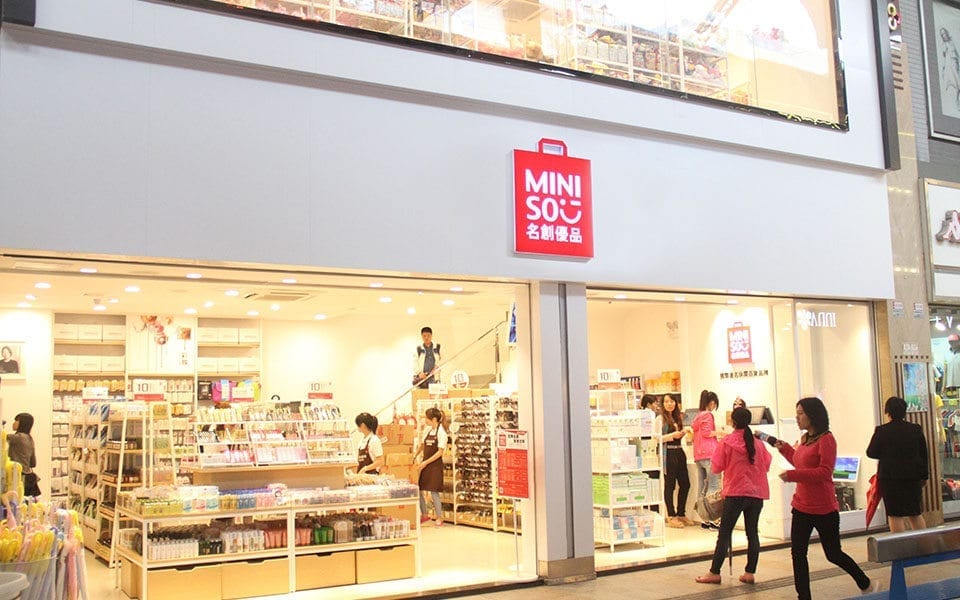
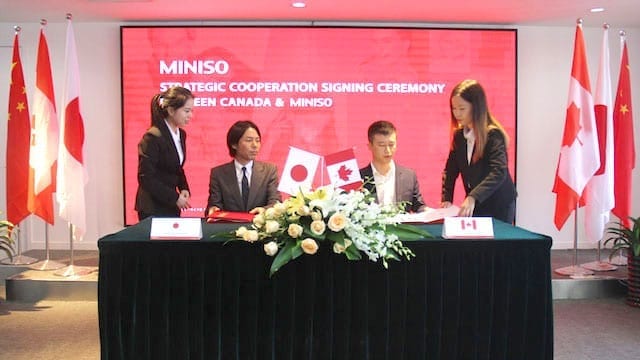
    Chinese discount retailer Miniso is playing a major assault in Canada with 100 stores targeted by year end and 500 within three years.

    Miniso is growing so fast it is difficult to keep an accurate count of its global network, but co-founder/chief designer Miyake Junya said in November he planned to have 10,000 stores trading in 100 countries by 2019, and targets global revenue of US$15 billion. It already has stores in China (1000), Vietnam, Singapore, Hong Kong, the Philippines, Australia, the UAE, Mexico, the US and Europe, among other marketins.

    The first Miniso Canada store opened in Pickering Town Centre last October in a compact 1500sqft (140sqm) space. More have opened since, including a large 4300sqft site in Bramalea City, taking the national tally to about 18.

    “Our philosophy is high-quality goods at an affordable price,” Sherman Leung, district manager, Miniso Canada Investments, said in an interview this month. “We’re a variety-retail, lifestyle store at a very reasonable price.”

    In Canada, concepts like Miniso are seen as a succession of the traditional dollar store model which specialises in cheap goods at just a few rounded-off price points – in the case of Canada’s market-leading Dollarama, which has about 1500 stores, all under C$5. Globally, dollar stores are starting to suffer from quality perceptions in the wake of Miniso’s competitively priced yet reasonable quality goods across many product categories.

  • Gucci’s smart KOL strategies in China

    Gucci’s smart KOL strategies in China

    Google announced the top 10 most searched fashion brands of 2017, among which Gucci claimed the number one spot. What kind of smart strategies has it applied so far?

    The company has chosen three different methods to help itself expand its presence in China, through the WeChat mini program platform, through advertising campaigns, and through ambassador branding.

    Gogoboi: Take advantage of WeChat mini programs
    Gogoboi (Ye Si, 叶嗣) partnered with Gucci earlier this month to launch his 2017 Holiday Collection on his official WeChat account. This is the first time when Gucci offered exclusive online sales via a third-party platform – specifically a WeChat mini program – with a KOL in China. The outcome was remarkable: within 5 days, all of the promoted items were sold out, which was comparable to that of Givenchy’s sales in July 2017.

    Originally a features editor for Grazia China, Gogoboi rose to fame in the fashion world by running his own Weibo account, where he writes style guides and criticizes cultural icons in China. Contrary to other fashion critics who tend to praise all brands regardless of their quality and design, Gogoboi’s comments are usually snarky and negative. However, this does not stop him from being popular among Chinese consumers as he chipped away at the mainstream fashion media and was adored by more and more Gen Z customers. Eventually, Gogoboi gained national recognition for his strong point of view, and his remarks are usually seen as a top “fashion guide” resource in China.

    In April, Gogoboi launched a mini program for his own high-end e-tail store, dubbed Bu Da Jing Xuan (不大精选), which allows customers to shop luxury brands through WeChat on their mobile phones. A mini program is an app used within the WeChat app itself, with no additional downloads. Blurring the lines between sales and critiques, Gogoboi curates a recommendation list for all luxury brands that Bu Da Jing Xuan tries to sell, and Gucci’s 2017 Holiday Collection is one of them.

    Zhou Fenxia (周芬霞): Connecting with ordinary customers
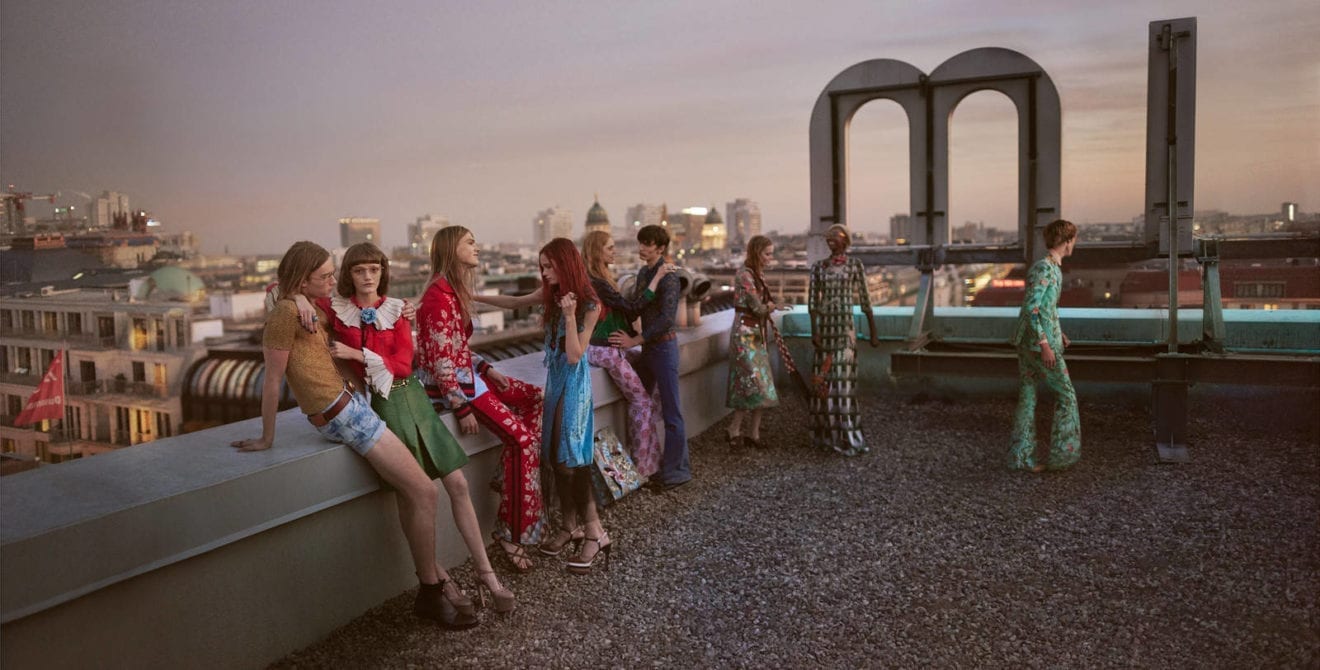
    Gucci unveiled its “Roman Rhapsody” advertisement campaign in September, which features models in different neighborhoods of Rome. The promo video quickly went viral in China not only because of the eye-catching pieces from Gucci’s upcoming collection, but also because a Chinese immigrant, Zhou Fenxia, starred in the promo video. “This is the first time that an ordinary Chinese woman was selected for a high fashion promotional video in three decades, and her personal video clip has gathered the most likes on Gucci’s Instagram,” according to CGTN, an English-language news channel of China Central Television.

    Zhou is neither a professional model nor a TV personality. She is the owner of a Chinese restaurant in Rome, indeed. Zhou met Alessandro Michele, Gucci’s creative director, when he was dining in her restaurant, and Michele quickly realized that Zhou would be a good fit for the “Roman Rhapsody” campaign. “[The reason Gucci came to me was] Probably because of my Chinese identity,” Zhou told Netease (网易) during an interview. “Gucci wants to expand its Chinese market and I think they would like to star Chinese people in their campaigns.”

    Chinese customers are by far the most important national cohort of luxury consumers, accounting for about 30 percent of all luxury purchases in Italy, according to a recent report by ouliannews (欧联网). Choosing a non-celebrity model likely helped Gucci better connect with ordinary customers in China, and this may even be revolutionizing the fashion industry. Michele, who is known for his creativity and originality, does not conform to the chic aesthetic currently dominates the fashion industry, and starring Zhou in “Rome Rhapsody” may signal a new strategy Gucci will use cater to the Chinese market.

    Li Yuchun (李宇春): Redefining fashion icons in China
    Li Yuchun is a Chinese pop singer, songwriter, and actress. In 2016, she obtained another role: the brand ambassador for Gucci in China. Li has broken the stereotype of Asian women being sweet and gentle, and showcases a style of androgyny that has proven a good fit for Gucci.

    Li’s fame in China was also a significant factor in Gucci’s decision to make her its brand ambassador. Li won the national singing contest Super Girl (超级女声), in 2005. Ten years later in 2015, she was picked as one of Business of Fashion’s 500 Global Fashion Leaders. For Gucci, Li represents feminism in some way – to set loose women from the shackles that traditional Chinese culture imposes on them, which is a kind of spirit Gucci would like to convey and continuously uphold.

  • H&M activewear goes sustainable

    H&M activewear goes sustainable

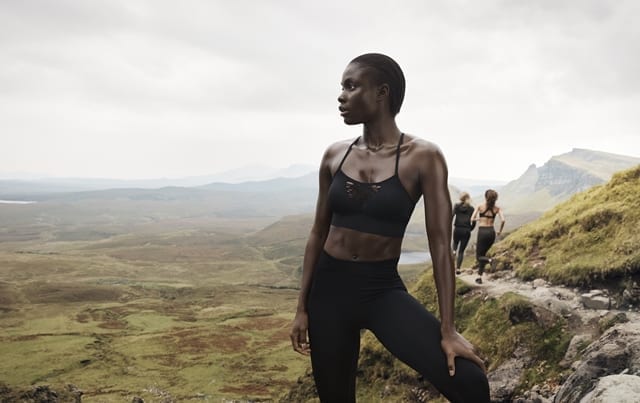
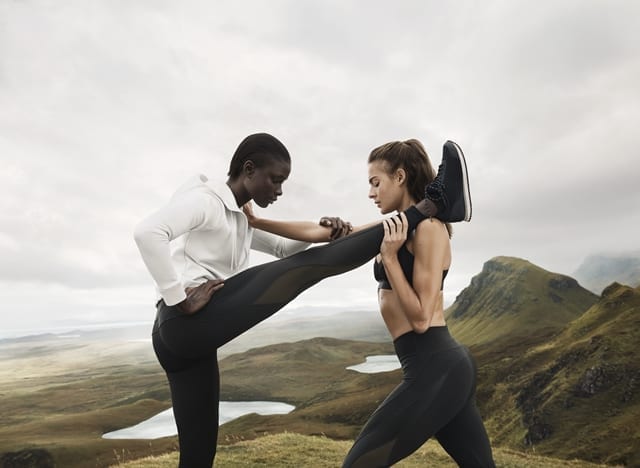
    Blending fashion and practicality, H&M activewear is using sustainable materials in its latest collection.


    With the theme “In it for the long run”, the Swedish fast-fashion brand’s collection includes tights, sports bras, hoodies and tops for training, running and yoga. As well as nature and sustainability being underlined through the prints and colour palette of green tones, black and beige, every piece predominantly uses recycled polyester and elastane.

    The garments are quick-dry and seamless for maximum comfort, offering built-in support and ventilation. The designs feature contrast panelling, criss-cross backs and decorative webbing.

    “By bringing together the functional and feminine, the aim is to give customers a stylish, eco-conscious sports collection,” says H&M head sportswear designer Petra Smeds. “We used a new knitting technique that creates seamless garments using less yarn and producing less fabric waste.”

    Ultimately, H&M aims to create a closed loop for textiles in which unwanted clothes can be reused or recycled.

  • KUHO’s flagship store combines fashion and art

    KUHO’s flagship store combines fashion and art

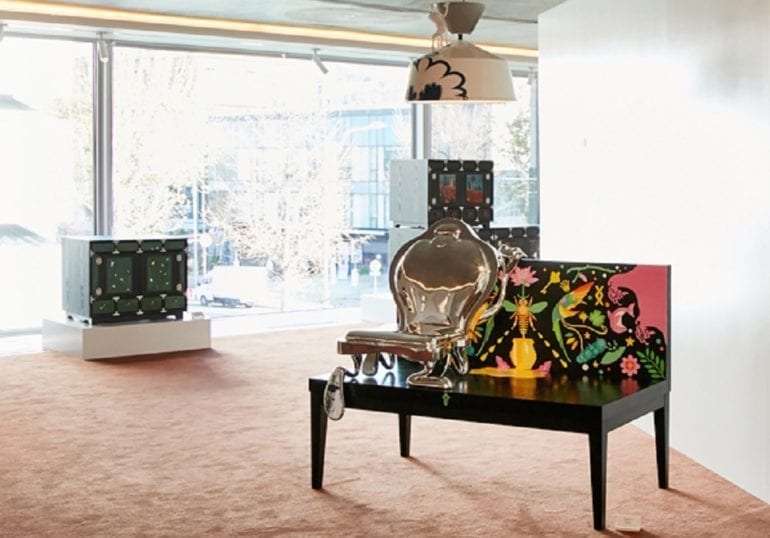
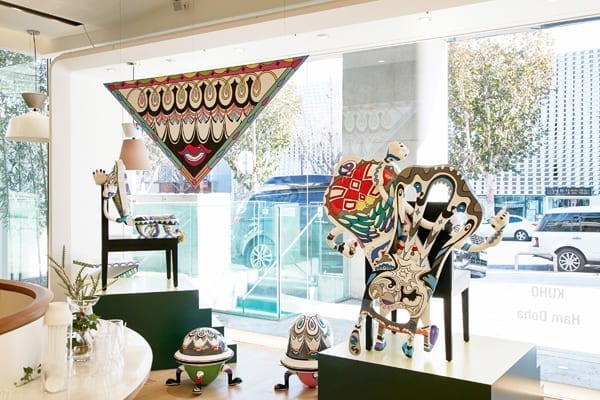
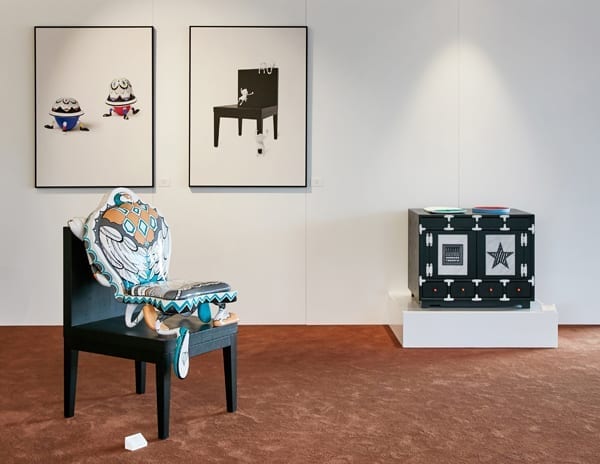
    Samsung C & T’s womenswear “KUHO” showcases the exhibition and collaboration line “Artisan” with Doha, a furniture designer to build its image of a lifestyle brand.

    Ham-Doha Collaboration is held under the theme of “Sentiment” in the showroom on the second floor of the flagship store in Hannam-dong, Seoul, until the 31st of this month.

    Hannam-dong, a lively neighborhood in central Seoul near Itaewon, is becoming a popular spot for all kinds of cultural experiences, including fashion.

    It is in this area full of designer stores and galleries that KUHO, a Korean fashion label, launched its first flagship store, called “The House of KUHO”.

    KUHO introduced ‘Artisan’, an exclusive line to attract young customers. This line is combined with Ham Doha, a famous furniture designer, and artwork with distinctive colors and curves. It has a limited edition including sweatshirts, eco bags, pouches and brooches.

    The exhibition displays 31 works including furniture, lighting, and painting.

    The designer creates a personalized work by projecting the concept of ’emotion’, which is accompanied by all the acts that people feel and sympathize with, in  their interaction feel  furniture.

    Visitors can feel various subjective interpretations about the meaning and expression of the household and change the emotion.

    Park Ji-na, director of “KUHO” said “We have organized exhibitions to share a brand identity that pursues total lifestyle beyond clothing and enhance customer communication. We will strengthen brand identity through the works of Ham designer and Artisan line to deliver differentiated values.”

  • Hong Kong retail sales highest jump in 2017

    Hong Kong retail sales highest jump in 2017

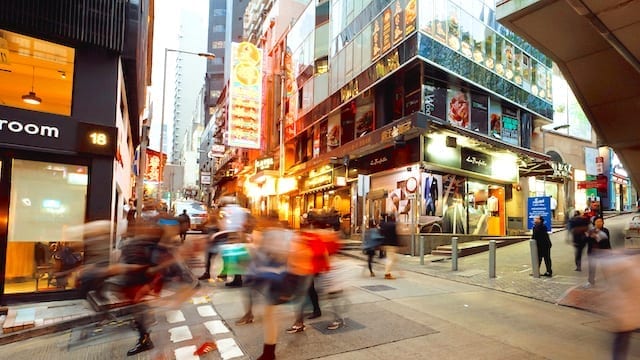
    Hong Kong retail sales in November lept 7.5 per cent, the biggest monthly rise in at least three years.

    Census and Statistics Department (C&SD) data also showed a revised estimate of 3.9 per cent growth in October, fuelling a year-to-date increase of 1.8 per cent against 2016.

    The total volume of retail sales in November, after adjustment for inflation, showed an increase of 6.9 per cent year-on-year.

    A government spokesman described November’s figures as “appreciable year-on-year growth” reflecting rising numbers of visitors and “sanguine consumer sentiment” during the month.

    “The near-term outlook for retail sales remains positive, as consumer sentiment is buttressed by the favourable employment and income situation, and as inbound tourism continues to recover.”

    While jewellery and watch sales led the overall increase, rising 7.9 per cent, not a single retail category showed a decline in November. Cosmetics and medicine sales rose by 12.5 per cent, department store sales by 5.7 per cent, apparel by 3.5 per cent and footwear and accessories by 5.6 per cent. Sales of electrical goods and cameras were up 9.8 per cent.

  • Hye Kyo is now the new face of Sulwhasoo

    Hye Kyo is now the new face of Sulwhasoo

    Sulwhasoo, a brand of AMOREPACIFIC, selected Song Hye-kyo, Asia’s leading actress, as its brand ambassador.

    Song Hye-gyo will play a role in delivering the story of the brand to customers through various global campaigns of Sulwhasoo.

    Song Hye-kyo is a Korean celebrity leading the Korean Wave, also official PR ambassador of ‘Korea-China Economic Trade Partnership’.

    Sulwhasoo brand official said “Song Hye-kyo is a talented actress who is able to communicate with consumers around the world and express her unique personality”.

    “In addition, Sulwhasoo is a brand that has conveyed Korea’s unique cultural beauty. Through Song Hye – kyo, we will be more solidly aroused by the true aesthetics found in the philosophy of tradition, modernity, harmony and balance.”

    The artist Song Hye-kyo, who is loved all over Asia, will show off her timeless beauty and tit will be associated with Sulwhasoo.

    Sulwhasoo pursues the balance between internal and external beauty by gaining wisdom from nature and cultivating beauty as a precious gift.

    Sulwhasoo is indeed made of aunique ingredients of Asian wisdom which are ‘Jiemdan’ and ‘Ginseng.’

    As of 2017, Sulwhasoo has expanded into 12 countries worldwide including Korea, China, Singapore, Hong Kong, Thailand, Indonesia, Malaysia, Taiwan, Vietnam, USA, Canada and France and it is a true global brand not only in Asia and the Americas but also in Europe. It is strengthening its position by conveying Korean beauty and values throughout the world.

  • Following Alibaba, Online retailer JD.com opens offline fresh-food store

    Following Alibaba, Online retailer JD.com opens offline fresh-food store

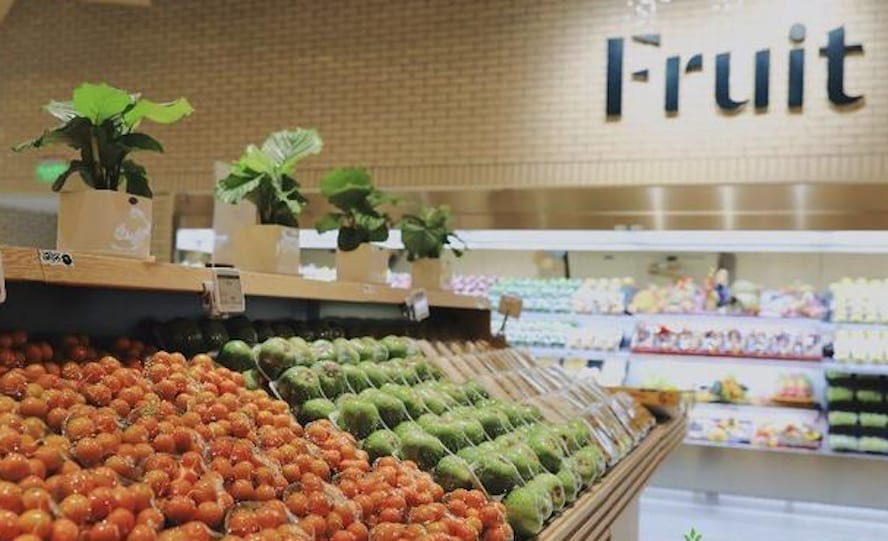
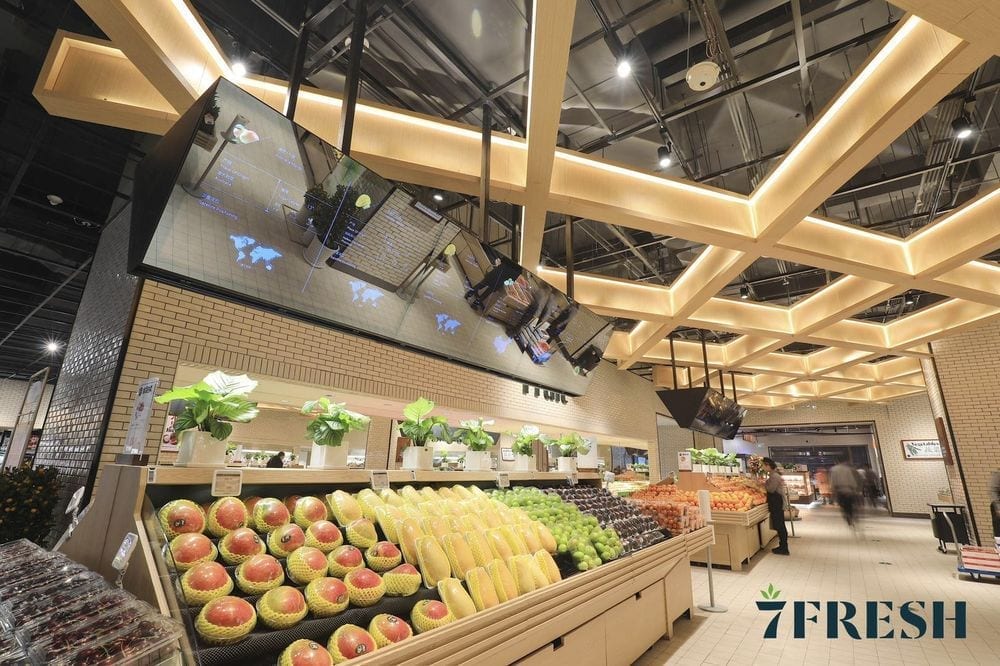
    JD.com owner Beijing Jingdong Century Trade has launched an offline supermarket, 7Fresh, in Beijing.

    Covering 4000sqm, the store is at the Dazu Plaza Shopping Center, near the e-commerce company’s headquarters in Yizhuang district.

    Big-data analytics are being used by 7Fresh to tailor its product offering for its shoppers. To ensure freshness, products are being sourced directly from origin. Fresh produce accounts for 75 per cent of 7Fresh’s total product range. Its food offering includes fruit from New Zealand and beer from Australia.

    Customers who buy fresh seafood and meats can have them cooked in store for immediate consumption. A 30-minute delivery service is also offered for customers who live within a 5km radius of the store.

    Technology introduced by the supermarket includes smart shopping carts and sensor-activated product information. The smart shopping carts do not have to be pushed – they follow the shoppers around, and can even guide shoppers to the correct aisle.

    During a trial period, transactions surpassed 10,000 a day, says JD.com founder/chief executive Richard Liu Qiangdong.

    A second 7Fresh outlet is planned for Beijing’s Haidian district.

  • Amazon : AR will change how we shop

    Amazon : AR will change how we shop

    Amazon saw its biggest holiday shopping season yet, as the draw of its Prime membership program seemed to kick into overdrive, with consumers around the world buying at record levels, the nation’s largest online retailer said.

    Over the course of one week, more than four million people either started free Prime trials, or purchased a membership outright, wooed by benefits such as free two-day, one-day or same-day shipping, as well as one-hour and two-hour delivery perks.

    The retailer’s holiday findings hint at what is poised to propel retail sales next year and beyond — from merchandise purchased via voice commerce to furniture shopping aided by the magic of augmented reality.

    Alexa-enabled Amazon devices such as the Echo Dot and Fire TV Stick with Alexa Voice Remote were not only top selling Amazon items, but also the best-selling products from any manufacturer in any product category and brand sold on the site, according to the e-tailer.

    Amazon additionally scored a hit with its Echo voice-assistant devices, as the Echo Spot, Echo Dot and Echo Buttons sold out. At the same time, the Echo Dot, Fire TV Stick with Alexa Voice Remote and TP-Link Smart Plug Mini ranked as the most popular items purchased by voice.

    Amid a $2.3 trillion global ecommerce market, Amazon shipped more than one million customer packages in a single day in North America and Europe alone, with 19 December 2017 marking the mega load for picking, packing and shipping at its 10 fulfillment centers.

    To meet that demand, the retailer increased the size of its fulfillment and shipping network by more than 30% worldwide this year.

    Just as holiday 2017 is poised to go down in the retail record books as a tipping point for mobile shopping, consumer purchases on Amazon’s app soared nearly 70% this season, the retailer said.

    To take that out of the abstract, more than 1,400 electronics products were ordered per second on the site via a mobile device this holiday.

    “The mobile phone is the new mall, and how a brand looks on a smartphone replaces the physical store window,” according to Oliver Chen, retail analyst with Cowen, in a research note.

    Meanwhile, Amazon shoppers can now see how a sofa would look in their own living room via its AR View feature.

    Shoppers are beginning to give AR more attention on the site, particularly when viewing function-driven, feature rich, high-consideration purchase, such as furniture. Top categories viewed via AR included furniture, toys, Amazon devices, kitchen items and consumer electronics, with the retailer’s black chair with ottoman getting the most views.

    In its Future 100 report, J. Walter Thompson’s Innovation Group files this trend under the “transcendent retail” category, as shopping is “ leaping on the screen and morphing into a more immersive experience,” said Lucie Greene, Director of JWT Innovation, in a press statement on the report.

    Voice technology, augmented reality, and artificial intelligence are transforming the retail industry “to make buying products quicker, easier and more enjoyable.”

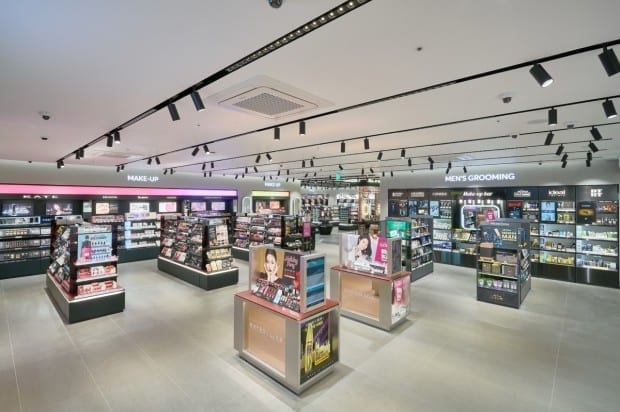
  • Olive Young unveiled new store experience in Korea

    Olive Young unveiled new store experience in Korea

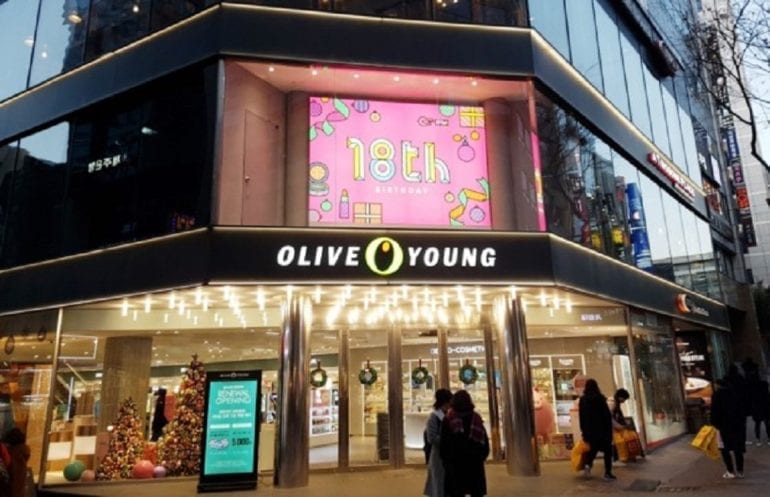
    The Olive Young Myeongdong flagship store reopened in December to celebrate the 5th anniversary of its opening, offering customers a unique and personalized shopping experience.

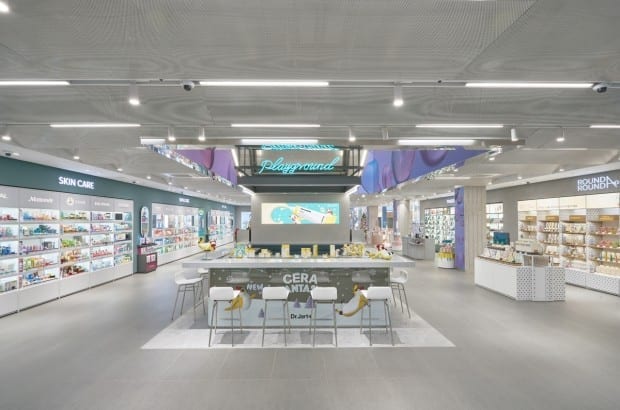
    The store presents a different experience on each floor.  The first floor is a specialized space for skin care with the Derma cosmetic specialty corner. Derma Cosmetics is one of the core products of Olive Young, along with Dr. Jart, CNP, Cell Fusion, and Eucerin.

    On the same floor also a space dedicated to fragrances.

    The second floor dedicated to colours and style is dominated by a large mirror. Consumers can product freely in front of the mirror, talk to friends in the make-up bar, and compare various brands. Olive Young said that the renewal aimed to enhance customer experience and make them staying.

    Another area on the same floor is dedicated to nails with various brands, namely dashing diva, Incoco, Nail’s nail.

    Surprisingly, nail polish is not the king product, following the trend Olive Young focuses on the popular nail sticker types  easy to put on.

    In addition, a key role is played by the so-called “Beauty Advisor”, who helps consumers choosing products. Most of them are fluent in foreign languages, Chinese and Japanese, specifically, and are trained to quickly respond to customers’ requests.

    Olive Young said, “The store is designed based on the trends we found in the data collected from the 5 years of operations of the store. Our aim is to make K-Beauty the mecca for foreign customers as well as the first place to learn about lifestyle trends for domestic customers.”

  • B. by BANILA opens a concept store in Seoul

    B. by BANILA opens a concept store in Seoul

    B. by BANILA has opened a flagship store at COEX Mall in Starfield, Seoul, Korea.

    B. by BANILA flagship store, located on the first floor of the COEX Mall in Starfield, is the first concept store for Banilaco’s new make-up brand ‘B. by BANILA’.

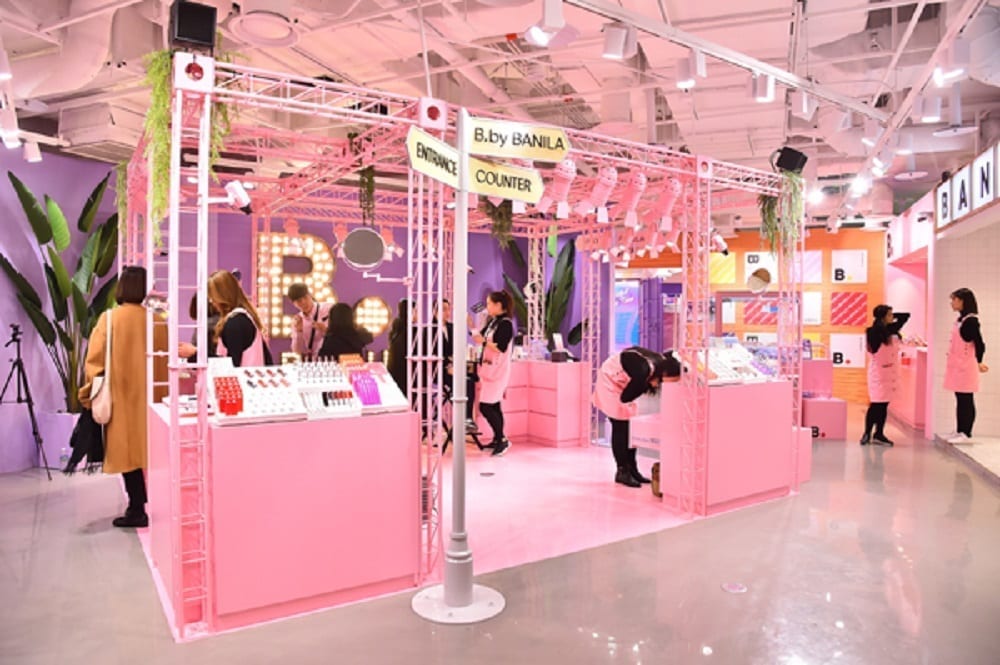
    B. by BANILA flagship store is designed as a space for conceptual beauty festivals where visitors can experience makeup products beautifully made with ‘FFFUN, EASY & QUICK’ and take pictures.

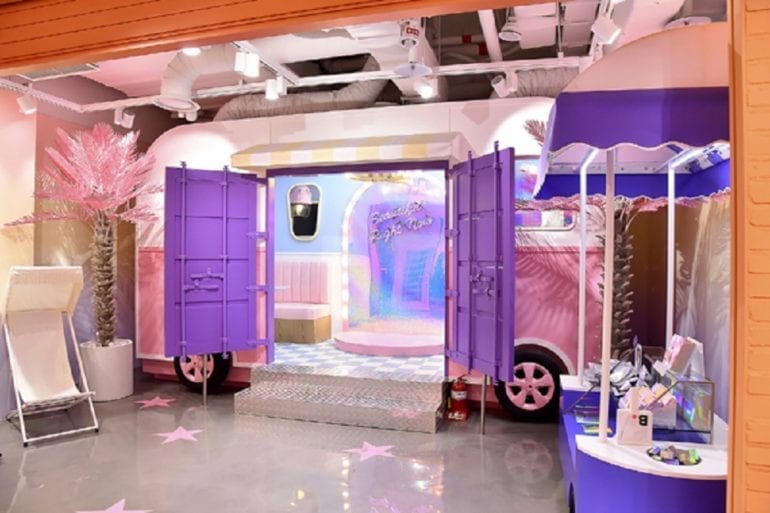
    The entire space of the flagship store is created for selfie from the trailer to the photo wall of the pink neon. Both sides of the store have a studio space with pink photo wall and pink neon sign, and a lip-like lip-slip test zone and a self-catering space to create a festival atmosphere including mirror balls and shiny curtains.

    Additionally, there is space to complete the make-up look by looking at the makeup tutorial video.

    In the middle of the store, there is a truss-like stage and a camping trailer and a movable pink mini stall that are moved around to give a feeling of being in an actual outdoor festival.

    Moreover, objects such as telephone boxes, and trees are decorated to provide a special and enjoyable experience.

    The center stage, the stalls and the camping troller are all designed to allow the customers to experience their own make-up items. In the café-style concept space, customers can also find vanilla cosmetic products.

    “The new store is a sensible and trendy space where customers want to enjoy themselves and their photographs,” said B. by BANILA marketing manager. “I hope customers will find pleasure here, not just for shopping, but also for fun.”

    B. by BANILA will open a second flagship store in Daegu Dongsungro in February 2018.