Author: Mei Ling Tan

  • Asia helps boost Richemont sales

    Asia helps boost Richemont sales

    Double-digit growth in Mainland China, Hong Kong, Korea and Macau have helped boost sales for Swiss luxury goods group Richemont.

    Results for the year to the end of March show Richmont sales grew by 3 per cent at actual rates and by 8 per cent at constant rates to €10.9 billion (US$12.8 billion).

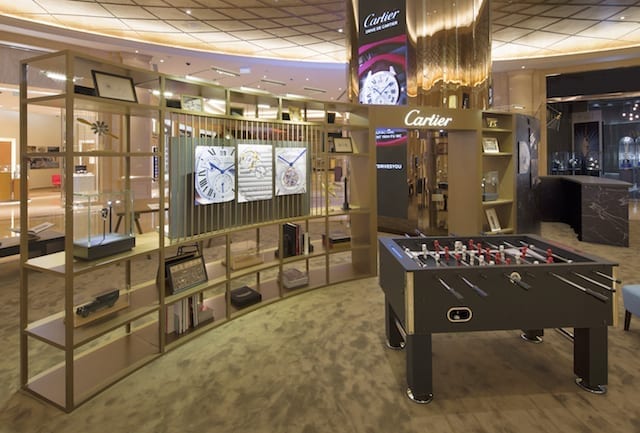
    Richemont’s brands include A. Lange & Sohne, Baume & Mercier, Cartier, Chloe, Dunhill, IWC Schaffhausen, Lancel, Jaeger-LeCoultre, Montblanc, Officine Panerai, Piaget, Purdey, Roger Dubuis and Vacheron Constantin.

    Excluding the impact of exceptional inventory buy-backs, sales grew by 7 per cent at constant rates, with a strong retail performance reflecting solid jewellery and watch sales.

    An improved macroeconomic environment, steady progress on Richemont’s transformation agenda and a mixed currency environment marked the year, says the company.

    Sales were driven by high single-digit growth in retail and double-digit growth in Asia Pacific, with particular strength in the main markets of China, Hong Kong, Korea and Macau.

    Strong overall retail performance reflected solid jewellery and watch sales, says chairman Johann Rupert.

    Asia Pacific sales were strong, with the region accounting for 40 per cent of group sales.

    Japan had a 6 per cent rise in sales, thanks to more tourism purchases.

    Also beneficial were softer comparative figures and the full-year contribution from the reopened Cartier and the new Piaget and Van Cleef & Arpels flagship stores, all in Ginza.
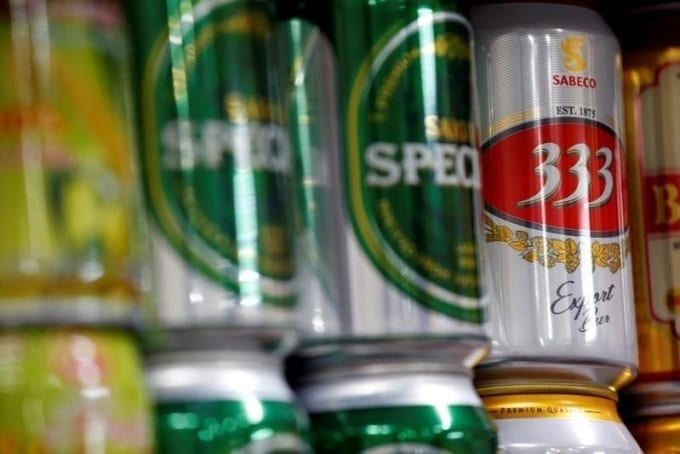

  • Despite growth, Vietnam’s beer market remains established giants’ playing field

    Despite growth, Vietnam’s beer market remains established giants’ playing field

    Many big companies have failed to tap into Vietnam’s competitive beer market despite steady growth, industry experts said.

    Nguyen Van Viet, chairman of Vietnam Beer, Alcohol, and Beverage Association (VBA), said that only big brands such as Heineken and Sabeco are doing well, while others are struggling.

    Take Sapporo for example, the company has maintained low levels of profit despite growing sales because of high operational and advertising costs, Viet said.

    Other big players have been even less successful. Masan Food, whose products are staples in Vietnamese families, has yet to dominate supermarket shelves with its White Lion premium lager beer four years after its launch.

    Another example would be, local dairy giant Vinamilk and British brewing company SABMiller (now belonging to Anheuser-Busch InBev). The two companies joined forces in 2006 to open a brewing venture. Their product has, however, failed to compete against other established brands and remains largely unknown. Vinamilk withdrew from the venture after just two years.

    However, the market is still considered a promising ones. Vietnam’s beer industry has seen a stable 5 percent annual growth even though world’s average consumption hasn’t budged in the past decade.

    According to Euromonitor’s Southeast Asia beer consumption report, Vietnam will be a noteworthy market in upcoming years given the current momentum.

    The international market research company also called Vietnam as “the next battlefield for brewers.”

    Vietnam consumed more than 4 billion liters of beer in 2017, according to VBA’s report.

    The industry aims to produce 4.1 billion liters of beer in 2020 and 5.5 billion liters in 2035

  • What’s behind Style Nanda’s success?

    What’s behind Style Nanda’s success?

    When Style Nanda announced last month that French beauty giant L’Oreal will be snapping up a majority stake, it sent shockwaves across the industry.

    Sure, the company was doing fabulously well and had created quite a stir with its success, but then it was soon forgotten — although not by investors — before being lurched back into the spotlight with the latest news.

    Style Nanda was established in 2005 amid a boom of boutique-sized internet fashion businesses. Out of the throng of budget fashion shopping websites — most of whom sold products they bought wholesale from Dongdaemun fashion market — Style Nanda stood out. Below are the three reasons why.

    1. My way or the highway 

    Style Nanda founder Kim So-hee had a nickname in Korea: Bold Lady. She earned it due to her preference for bold colors and styles. Kim is also famous for her brutal honesty, which became evident when she refused to remove the tags off her Dongdaemun goods to hide their origin. She said she didn’t mind because she was confident about her merchandising choice. She also didn’t want to lie to her customers.

    A spokesperson for cafe24, which first provided a sales platform for Style Nanda, put it this way: “Style Nanda successfully formed its own unique style appealing to younger customers. That’s Style Nanda’s core competitiveness.”

    2. Bravo Hallyu 

    Style Nanda also benefited from the popularity of K-pop and Korean dramas when celebrities began to don Style Nanda items on air.

    “It was a trickle-down effect, and Style Nanda definitely benefited from it,” Seo Yong-ku, a professor of business management at Seoul’s Sookmyung University said.

    Whenever anyone famous appeared wearing Style Nanda items, it was cheap, instant promotion. Later on, Style Nanda paid celebrities on popular dramas to promote stuff to an even wider audience.

    3. She stayed hungry, stayed stupid 

    Style Nanda never settled, and the present was never enough.

    After successfully launching the company’s cosmetics brand 3CE, it launched Speak Undervoice, a new brand selling limited products personally selected by the founder.

    Style Nanda was also constantly trying out new marketing styles. For instance, it recently used a so-called “product truck” to promote its 3CE brand. Employees handed out free makeup products to university students from a vehicle resembling an ice-cream truck — the first for a cosmetics firm.

    Despite these recipes of success, some industry watchers believe Style Nanda should spend more money on research and development. They say more experts should get onboard to grow the brands, especially those like 3CE — currently designed by Style Nanda and produced by ODM companies like Korea Kolmar and Cosmax.


  • Marni names new CEO

    Marni names new CEO

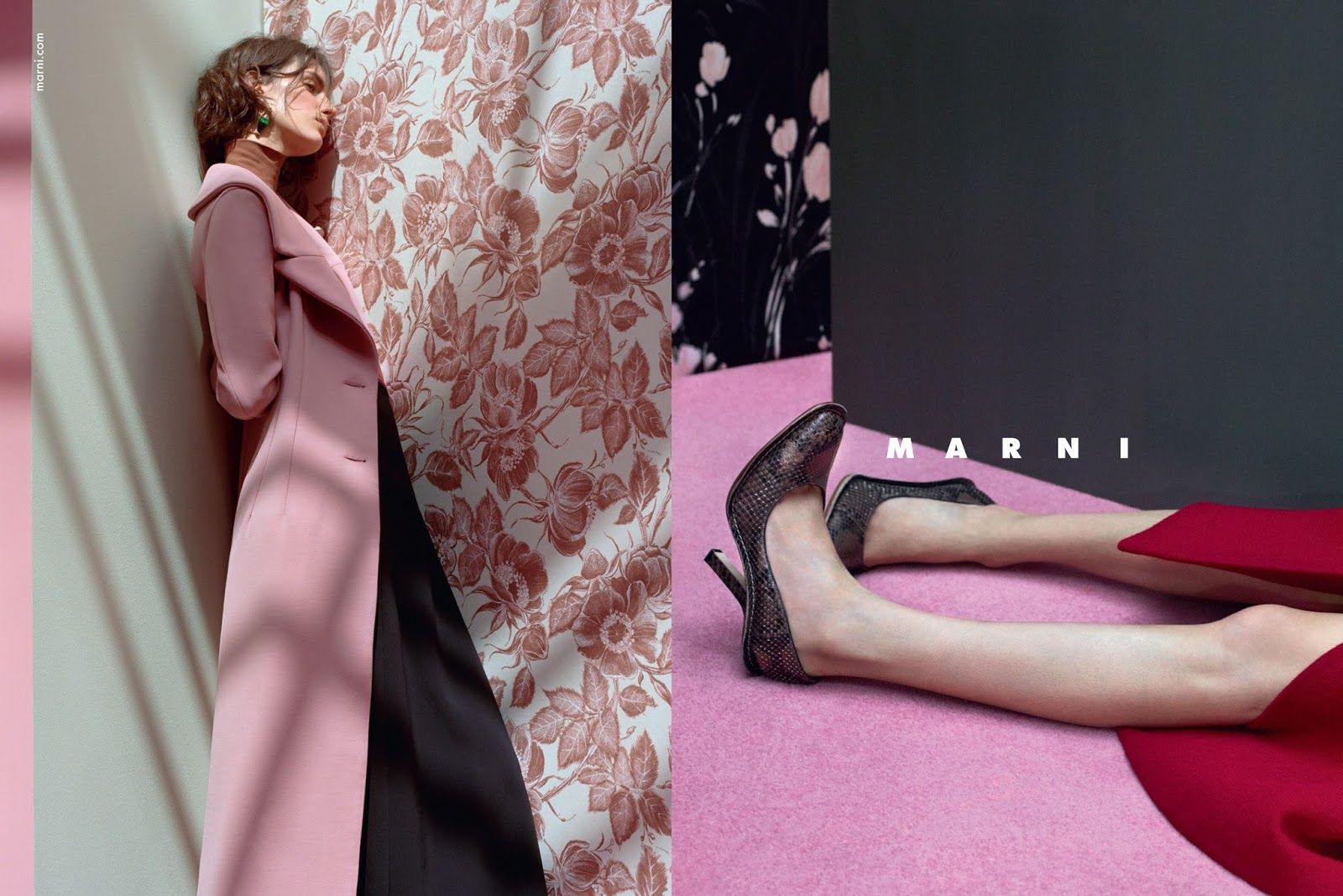
    Italian fashion major Marni has announced the appointment of Stefano Biondo to chief executive officer, effective 15 May 2018.

    The OTB Group-owned luxury label poached Biondo from eyewear company Safilo, where he served as chief brand officer.

    He succeeds Ubaldo Minelli, who was promoted to CEO of OTB in January. Biondo will report directly to Minelli.

    In speaking with WWD, Minelli expressed his confidence in Biondo’s helming of the Marni brand, which has been under management reconstruction globally.

    “Marni has a precise and recognisable identity with incredible potential for growth,” said Minelli.

    “In recent years, we have built a solid foundation for the brand’s future and it is now on the launchpad for true development and success.”

    One of the biggest turning points for the label was in 2016, when Marni appointed a new creative director, Francesco Risso, to replace Marni founder, Consuelo Castiglioni.

    In 2017, Marni’s turnover exceeded 180 million euros, experiencing double-digit growth worldwide, especially in Asia.

    It also highlighted a growth in accessories, specifically handbags, which soared on some 90% in certain markets. Millennial sales were also up, said OTB.

    Marni is present in 54 countries with a wholesale channel of 470 stores and 70 mono-brand stores, with 22 boutiques operated with local partners. Most recently, Marni opened a flagship store in Florence, with several planned for China.

    In 2017, the OTB group quadrupled its Earnings Before Interest and Tax (EBIT) to €21.5 million, despite suffering a 2.4 percent decline in group revenues

    OTB controls Marni, Diesel, Maison Margiela, Viktor & Rolf, Paula Cademartori, Staff International and Brave Kid.

  • US slaps heavy duties on Chinese steel shipped from Vietnam

    US slaps heavy duties on Chinese steel shipped from Vietnam

    The U.S. Commerce Department on Monday slapped steep import duties on steel products from Vietnam that originated in China after a final finding they evaded U.S. anti-dumping and anti-subsidy orders.

    The decision marked a victory for U.S. steelmakers, who won anti-dumping and anti-subsidy duties against Chinese steel in 2015 and 2016 only to see shipments flood in from elsewhere. The industry has argued that Chinese products are being diverted to other countries to circumvent the duties.

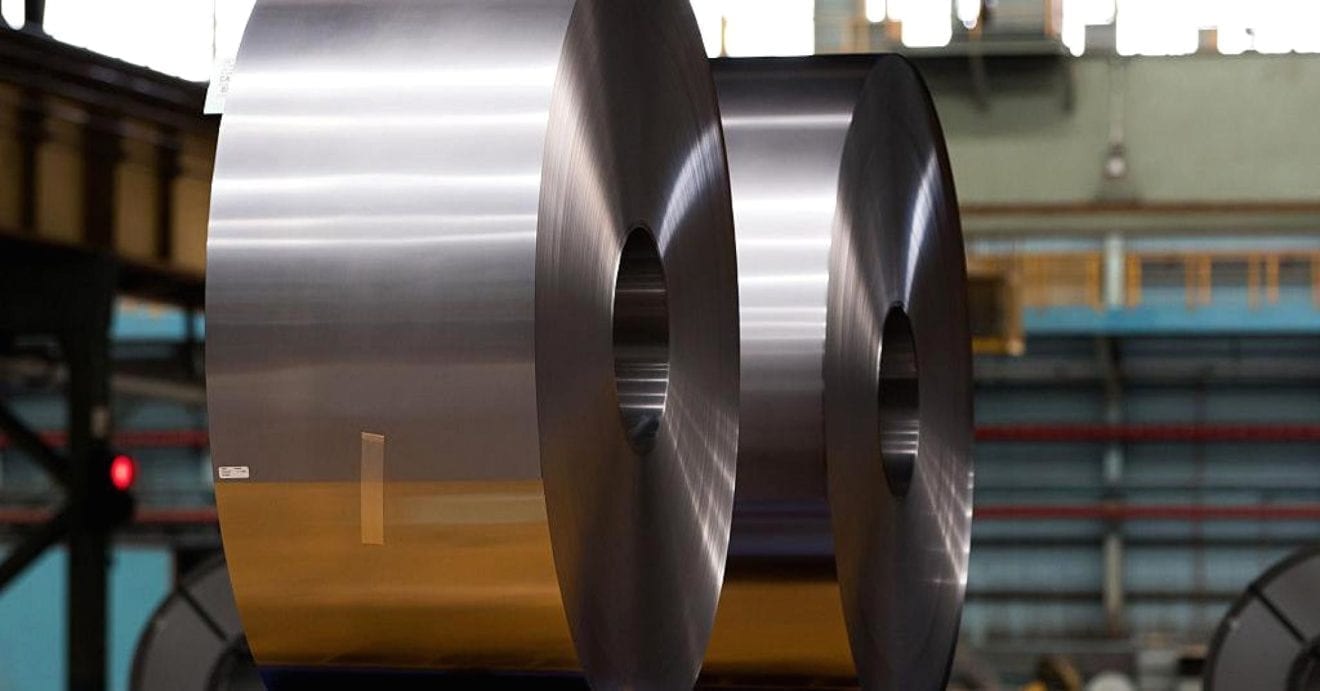
    U.S. customs authorities will collect anti-dumping duties of 199.76 percent and countervailing duties of 256.44 percent on imports of cold-rolled steel produced in Vietnam using Chinese-origin substrate, the Commerce Department said in a statement.

    Corrosion-resistant steel from Vietnam faces anti-dumping duties of 199.43 percent and anti-subsidy duties of 39.05 percent, it said.

    The department has said it would apply the same Chinese anti-dumping and anti-subsidy rates on corrosion-resistant and cold-rolled steel from Vietnam that starts out as Chinese-made hot-rolled steel.

    The duties will come in addition to a 25 percent tariff on most steel imported into the United States that resulted from the Trump administration’s “Section 232” national security investigation into steel and aluminum imports.

    Although the steel subject to the latest anti-dumping and anti-subsidy duties was processed in Vietnam to be made corrosion resistant or cold-rolled for use in autos or appliances, the Commerce Department agreed with the claims of American producers that as much as 90 percent of the product’s value originated from China.

    The global steel industry is struggling with a glut of excess production capacity, much of it located in China, that has pushed down prices.

    The decision followed a European Union finding in November that steel shipments from Vietnam into the EU also circumvented tariffs.

    The Commerce Department said that after anti-dumping duties were imposed on Chinese steel products in 2015, shipments of cold-rolled steel from Vietnam into the United States shot up to $215 million annually from $9 million, while corrosion-resistant steel imports rose to $80 million from $2 million.

    The case stems from a petition filed by U.S. producers ArcelorMittal USA, Nucor Corp, AK Steel Holdings Corp and United States Steel Corp alleging that Chinese producers began diverting their steel shipments to Vietnam “immediately” after the duties were imposed.

  • Designer Parfums acquires Cerruti 1881 fragrance licence

    Designer Parfums acquires Cerruti 1881 fragrance licence

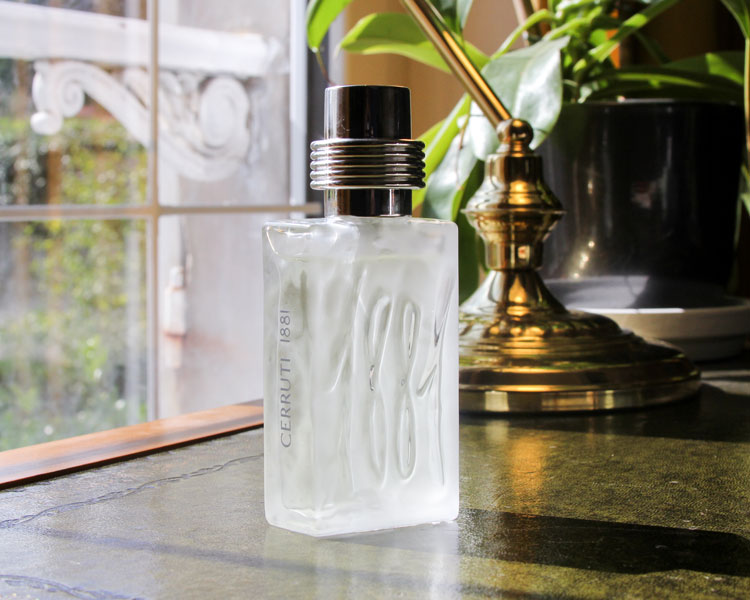
    UK Designer Parfums has acquired the fragrance licence of the Cerruti 1881 brand, chairman/CEO Dilesh Mehta has announced.

    Nino Cerruti founded the brand in Paris in 1967, which is known for its quality products in the world of fashion, accessories and fragrance.

    Cerruti 1881 executive VP Laurent Grosgogeat says scents have been a major category for the brand in the past 40 years. When the Cerruti brothers founded the house in Biella, Italy, in 1881, they were known for making quality wools and textiles.

    Twenty-year-old Nino Cerruti took up the baton in the 1950s and in 1967 founded Cerruti 1881 with its focus on men’s ready to wear. Today, the brand has nearly 100 directly run stores globally and is stocked by leading retailers.

    It launched its first fragrance in 1978, and since April 2011 has been part of Hong Kong-based Trinity Limited, which specialises in high-end men’s pret a porter. Jason Basmajian was appointed chief creative officer in October 2015.

    Designer Parfums offers a range of premium fragrances and beauty products either wholly owned or run under licence. Covering more than 80 countries, its portfolio includes such brands as Aigner Parfums, Ghost, Jean Patou and Jean-Louis Scherrer.

  • Angie Lau X Isabella Wren

    Angie Lau X Isabella Wren

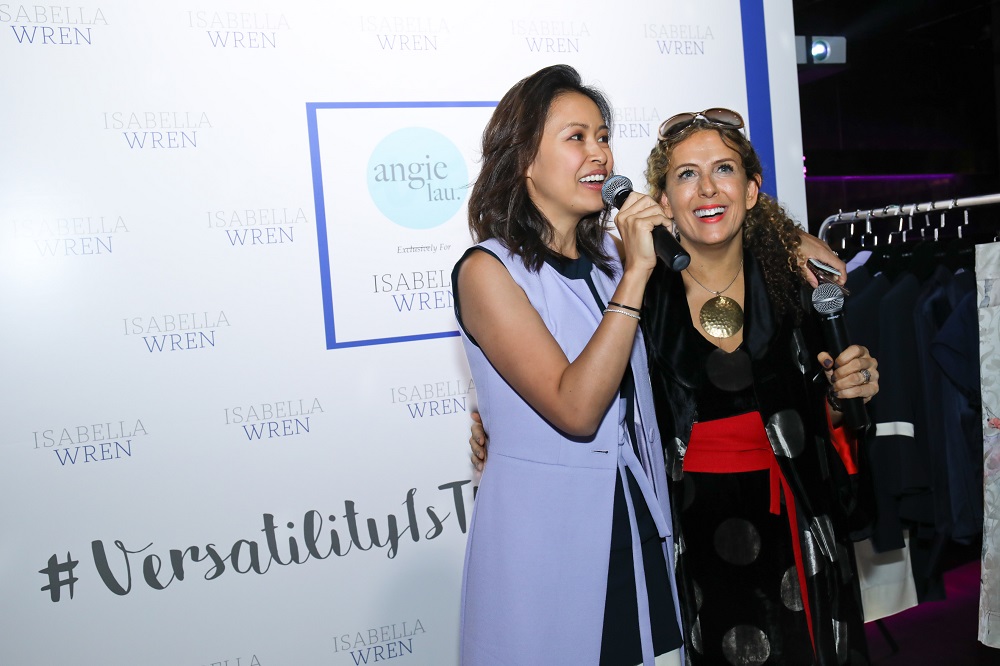
    More than 200 of Hong Kong’s most fashion forward women (and their supporting men) crowded into CÉ LA VI, in the heart of Hong Kong, to celebrate the launch of Isabella Wren’s first capsule collection ever.

    Collaborating with Angie Lau, former TV anchor and style star, Isabella Wren launched the exclusive luxury line Angie Lau x Isabella Wren for Spring/Summer 2018.

    Angie has made an impressive career in television fraternity with being an anchor with an experience of over 16 years. She is an award-winning anchor who has hosted several top personalities, business leaders and influential figures like Li and Fung Chairman, William Fung, Chairman of the Franklin Templeton Mark Mobius, Chief Secretary of Hong Kong’s Bloomberg Anson Change among much more.

    A launch party that offered fashion-seeking crowd its pop-up fix; complete with a measurement station, pieces from the exclusive Angie Lau x Isabella Wren Capsule collection, and of course goodie bags complete with a $100 USD gift certificate to use on www.isabellawren.com for a tailored, made-to-measure, bespoke pieces from Angie’s collection.

    As Angie remarked to the crowd, “This was inspired by all the women I know, at every stage of their lives: mother, mid-career, fresh graduate, jet-setter, traveler.This collection is all about versatility and colour. It’s powerful!”.

    Sarah Chessis, CEO of Isabella Wren, couldn’t agree more, “It’s why I didn’t think twice about working with Angie. Isabella Wren is all those things to women and more! We use innovation to make it easy for our clients to always look good, because it fits perfectly.”

    Fashion sustainability was also top of mind for the socially-minded guests in the crowd.With unique innovation, Isabella Wren whips up each piece only as it is ordered.

    That means there is no waste, no excess inventory, and no guilt.This was welcomed wholeheartedly by Hong Kong’s fashion industry leaders who also came out to support the collection: Clover Group, Under Armour, HKTDC, Lane Crawford, Li & Fung, just to name a few.Some of Hong Kong’s top stylists along with media friends were also on hand to check out the collection which all go together that highlighted the philosophy behind the line: #VersatilityIsTheNewBlack.

    In exquisite Italian wool, jackets lined in silk, beautiful silk jacquard prints — the pieces are as comfortable as they are glamorous. In short: all the things a well-dressed woman wants for Spring/Summer for any and every occasion. It’s luxury redefined: bespoke, stylish, versatile, and sustainable.

  • Vietnam starts antitrust investigation into Uber-Grab deal

    Vietnam starts antitrust investigation into Uber-Grab deal

    Vietnamese authorities have launched an investigation into Grab’s acquisition of Uber’s Southeast Asia operations, which has shown signs of breaching local antitrust laws.

    The investigation is estimated to take 180 days, starting Friday and can be extended by another 120 days, Vietnam Competition Authority under the Ministry of Industry and Trade said in a statement.

    Earlier the same week, the competition authority’s investigation found that Grab’s market share in Vietnam has gone up to above 50 percent since its ride-hailing rival Uber left the Southeast Asian market last month.

    Vietnam’s Competition Law from 2004 requires that all mergers and acquisitions (M&As) that result in a company gaining over 30 percent of market share must be reported to competition authorities. M&As that result in a company gaining over 50 percent of market share are restricted and can only be completed with permission from authorities.

    Previously, Grab claimed that its combined market share with Uber in Vietnam is less than 30 percent, so it doesn’t have to “inform to the competition authority before proceeding and completing this transaction in the country.”

    However, the ride-hailing app company was unable to submit evidence to prove that it did not violate the law.

    In late March, Grab announced its acquisition of Uber in Southeast Asia, which saw Uber taking a 27.5 percent stake in Singapore-based Grab, and Uber CEO Dara Khosrowshahi joining Grab’s board.

    Grab was last valued in July last year at an estimated $6 billion.

  • Department stores boosts retail in Macau

    Department stores boosts retail in Macau


    Department stores have led the way in retail in Macau, with 89 per cent reporting better sales (up 11 points) for March.

    They were followed by cosmetics and sanitary articles (67 per cent), down 33 points. About 15 per cent of retailers saw their sales decline, up eight points from February.

    Retailers interviewed were cautious about their business performance last month, most expecting a drop.

    Most eating establishments in Macau had a buoyant March, with a small slice reporting a decline in income, according to the latest DSEC Catering and Retail Business Survey.

    Of the restaurants and similar establishments surveyed by the Statistics and Census Service, 59 per cent reported an increase in receipts in March while 19 per cent had a year-on-year decline.

    The data was taken from the value of receipts based on a sample of 167 restaurants (53 per cent of the industry’s receipts) and 135 retailers (70  per cent of receipts).

    Of the restaurants surveyed, a record 82 per cent of Chinese outlets led the charge, while the share of Japanese and Korean restaurants with higher receipts surged 53 points to 73 per cent.

    There was a 16-point drop in restaurants with depressed sales to 19 per cent, while 13 per cent of Japanese and Korean restaurants fell by 33 points.

    Restaurants interviewed said they expected business to weaken last month, with 17 per cent anticipating a 6 per cent drop in year-on-year growth in receipts.

    Among surveyed retail outlets, 80 per cent of leather goods retailers expected their turnover to grow, up 20 points from March. On the other hand, 21 per cent of retailers surveyed expect their turnover to decline.

  • Amorepacific Q1 net profit plunges 21%

    Amorepacific Q1 net profit plunges 21%

    Amorepacific Corp., South Korea’s leading cosmetics maker, said on its first-quarter net profit declined 20.9 percent from the previous year, due mainly to a sharp drop in the number of Chinese tourists.

    Net income came to 176.7 billion won (US$163 million) in the January-March period, compared with 223.5 billion won tallied for the previous year, the company said in a regulatory filing.

    Operating profit fell 25.5 percent to 235.9 billion won, and sales declined 8.8 percent to 1.43 trillion won during the cited period, it said.

    The company attributed the weak performance to the decrease in inbound tourists from China, which followed the Beijing government’s ban on sales of Korea-bound package tours amid a diplomatic row over the deployment of a U.S. missile system here.

    China has been gradually lifting its travel ban by region, but the effect has yet to be felt by the South Korean retail and tourism industries, according to market sources.

    The combined net income of Amorepacific Group, which includes smaller brands like Innisfree and Etude, reached 216 billion won in the first quarter, also down 18.9 percent from a year ago.

    Total operating profit was down 26.5 percent to 278.1 billion won, and sales decreased 10.3 percent to 1.66 trillion won during the cited period, it said.

    Amorepacific Corp is steadily pursuing the global market with five global champion brands in order to improve its earnings and become a truly global company.

    Laneige entered the Australian market by being launched in Sephora last March and Mamonde entered the US market in the US ‘ULTA’, and Innisfree and Etude opened their first stores in Japan and the Middle East respectively. The company is also concentrating its efforts on developing new global markets.

    Hera also plans to enter the ASEAN market (Singapore) for the first time in May.

  • Etam Sells China Ready-to-Wear Operations to Hong Kong Investor

    Etam Sells China Ready-to-Wear Operations to Hong Kong Investor

    The majority of the crippled Etam China retail business has been transferred to a Hong Kong investor.

    While the terms of the sale agreement have not been disclosed, French media refer to the Chinese business as being “ceded” and financial incentives may have been included to help offload the business.

    The deal includes the local businesses of brands Etam Weekend, ES and E & Joy, as well as a license agreement for the use of trademarks using the name Etam. However, the French textile company will retain its lingerie business, which is trading well, internationally, including in China.

    Etam China’s sales slumped 28.7 per cent in the second quarter of last year, to €48.4 million. Globally, Etam’s turnover for the first half of last year was €600 million, down 5.3 per cent. Since then, the company has delisted from the Paris stock exchange, so the current status of the business is unclear.

    Zhou is the founder and CEO of Jaoboo Fashion Group and is described as “a distribution expert in China,” according to French newspaper Le Figaro. He takes control “with immediate effect”.

    In a statement, Etam Group said the transaction reflects its strategy to focus on its core business internationally, the development of its lingerie brand.

    “Thanks to Mr Zhou’s experience, Etam’s ready-to-wear brands will continue to grow and win new customers throughout China,” said Laurent Milchior, CEO of Etam Group.

    Zhou added: “The Etam RTW brands are well known to consumers across China and I am excited to have reached an agreement with Etam Group to take the brands and business forward. With Etam’s strong customer base, its brand heritage and our expertise in China, I am confident we have a bright future ahead of us.”

    The transfer follows the an “exceptional” action plan implemented in July last year to put Etam China back on track, including closing outlets, reorganising logistics to a single warehouse, cutting costs and accelerating the sale of off-season products.

    Etam China closed 154 shops in the first six months of last year, leaving it with 2442 points of sale.

  • Vietnam’s GDP growth to slow after record performance in Q1

    Vietnam’s GDP growth to slow after record performance in Q1

    Vietnam’s decade high growth in the first quarter is forecast to slow during the rest of the year, a parliamentary meeting heard on Monday.

    The country’s gross domestic product (GDP) grew 7.38 percent in the first three months thanks to strong performance in three key economic sectors, agriculture, industry-construction and processing-manufacturing, said deputy prime minister Truong Hoa Binh at the opening meeting of the 14th National Assembly, the highest legislative body in Vietnam.

    However, the deputy PM pointed out that GDP growth is unlikely to maintain its momentum for the rest of the year and slow down instead due to lack of any breakthrough factors compared to last year.

    In 2017, Vietnam’s economy expanded rapidly due to strong exports driven by South Korea’s electronics giant Samsung and Taiwanese steel firm Formosa.

    The deputy PM expects this year’s main driver of growth to be processing-manufacturing, the most likely sector to see any breakthroughs.

    Growth this year will be undermined by lower mining output, especially crude oil extraction which is forecast to be down by 2 million tons compared to 2017.

    The reduced tax on some items imported from ASEAN countries is also believed to obstruct growth, deputy PM Binh said.

    Vu Hong Thanh, chairman of the Economic Committee of the National Assembly, said high growth achieved in the first quarter has created a big challenge for the rest of the year if Vietnam is to aim for ever higher growth.

    Thanh is also concerned about increasing healthcare, education and food prices, which are forecast to contribute 2-2.5 percentage points to this year’s inflation hike.

    Protectionism and trade tensions between China and the U.S. have also affected Vietnam’s trade activities, Thanh said.

    The committee asked the government to pay greater attention to growth quality, restructure the economy and to continue to closely monitor the situation, keeping adjustments to fuel, service and food prices in mind.

    Vietnam’s annual trade now exceeds 185 percent of GDP, making it the second most trade dependent economy in Southeast Asia, behind Singapore, according to the Asian Development Outlook 2018 report released last month.

    The Ministry of Planning and Investment has forecast country’s economic growth this year to be at 6.7 or 6.8 percent.

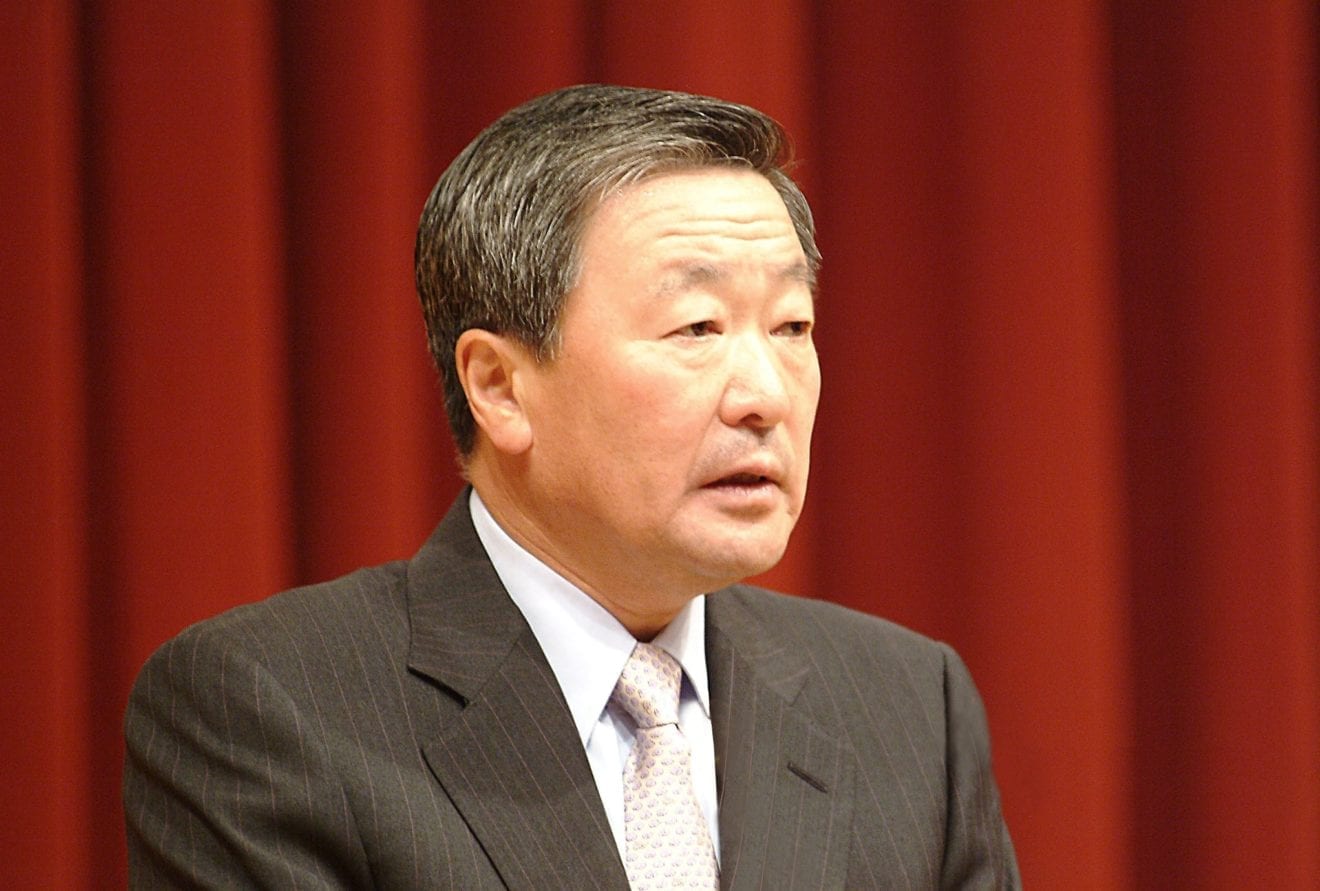
  • LG Group chairman dies at 73

    LG Group chairman dies at 73

    Koo, 73, had been ill for a year, LG Group said in a statement.

    Koo had been fighting a brain disease and had undergone surgery, said a group official who declined to be identified.

    “Becoming the third chairman of LG at the age of 50 in 1995, Koo established three key businesses – electronics, chemicals and telecommunications – led a global company LG, and contributed to driving (South Korea’s) industrial competitiveness and national economic development,” LG said.

    LG Group also established a holding company in order to streamline ownership structure and to begin the process of succession.

    The country’s powerful family-run conglomerates are implementing generational succession amid growing calls from the government and public to improve transparency and corporate governance.

    LG Corp (003550.KS), a holding company of the conglomerate, had said on Thursday its longtime chairman was unwell and it planned to nominate his son to its board of directors in preparation for a leadership succession.

    Heir apparent Koo Kwang-mo is from the fourth generation of LG Group’s controlling family. He owns 6 percent of LG Corp and currently heads LG Electronics’ information display unit.

    He joined the finance division of LG Electronics in 2006 and has been involved in several businesses such as appliances, home entertainment and group strategy, LG said.

    The late chairman adopted Koo in 2004 from his younger brother Koo Bon-neung after his only son died in a car accident.

    The change at the helm is not expected to be disruptive to the group’s business, one analyst said.

    “Although Koo passed away at a relatively early age, his son has already been in a senior position and I don’t think there will be a big change in governance structure or strategic decisions,” said Park Ju-gun, head of corporate analysis firm CEO Score.

    Under Koo’s leadership, the conglomerate changed its corporate brand to LG from Lucky Goldstar and sold LG’s semiconductor business to Hyundai, now SK Hynix Inc (000660.KS), under government-led restructuring in the wake of the Asia financial crisis in the late 1990s.

    Major affiliates are LG Electronics Inc (066570.KS), display maker LG Display (034220.KS) and electric car battery maker LG Chem (051910.KS).

    South Korean prosecutors said this month they raided LG Group’s head office as part of a probe into alleged tax evasion by family members controlling the conglomerate.

    The company said Koo’s funeral would be held privately with family members. Visitors including Samsung Group heir Jay Y. Lee have paid their condolences at his altar.

  • Indonesian ride-hailing app revs up to join Vietnam’s transport market

    Indonesian ride-hailing app revs up to join Vietnam’s transport market

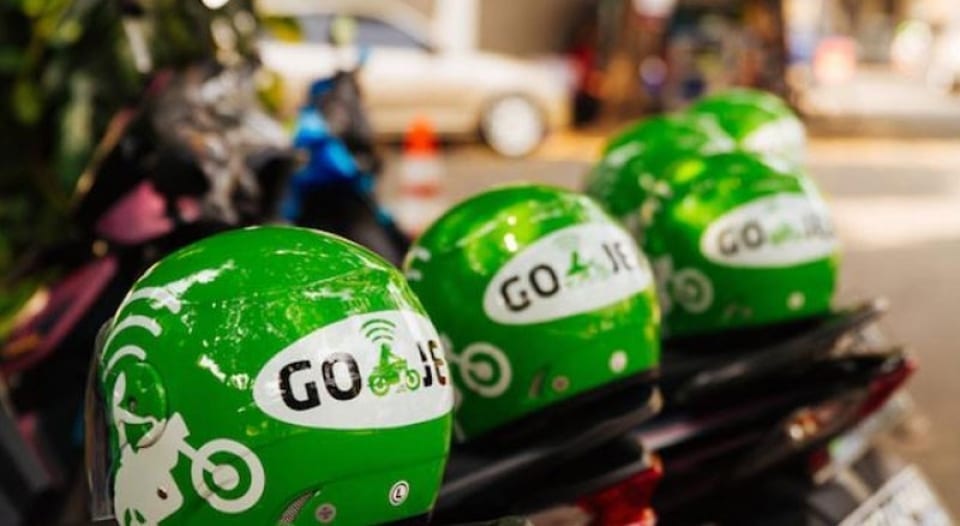
    Indonesian ride-hailing app Go-Jek will officially launch in Vietnam this July, bringing more competition to the market currently dominated by Grab after it had acquired Uber’s Southeast Asia operations in March.

    Founded in 2010, the Indonesian transport startup has since raised over $1.5 billion from investors such as Google or China’s Tencent Holdings, as reported by Reuters.

    Starting out as a phone-based motorbike ride-hailing app, Go-Jek is now a digital platform which offers transportation, logistics and delivery services.

    To attract Vietnamese drivers, Go-Jek won’t initially charge drivers 20 percent commission fee and is offering free installation of its geographical positioning system.

    “This looks like an attractive offer, as I currently have to pay a commission fee of 28 percent for Grab,” Tuan, a Vietnamese Grab driver said.

    Singapore-based blockchain-powered ride-hailing app MVL is also reported to be entering Vietnam’s market in July.

    MVL would not require its driver to pay any commission, but instead generate a profit through selling data generated from its daily operations to insurance and market survey companies, said its CEO Kay Woo during a conference in HCMC earlier this month.

    Ever since Uber left the Vietnamese market last month, Grab has raised suspicions about creating a monopoly in Vietnam, now that one of its biggest rivals is gone.

    An investigation conducted by Vietnamese authorities has said that the deal between Grab and Uber showed signs of breaching Vietnam’s antitrust laws, as reported by local media on Wednesday.

    Preliminary investigation results showed that Grab’s share in Vietnam exceeds 50 percent of Vietnamese market after acquiring Uber, which is a potential sign of violating Vietnam’s regulation on economic concentration.

    Vietnam’s Competition and Consumer Protection Department is considering opening an official investigation into the deal.

  • Metro Holdings buys 35% of JV that’s acquiring Shanghai mixed-use building

    Metro Holdings buys 35% of JV that’s acquiring Shanghai mixed-use building

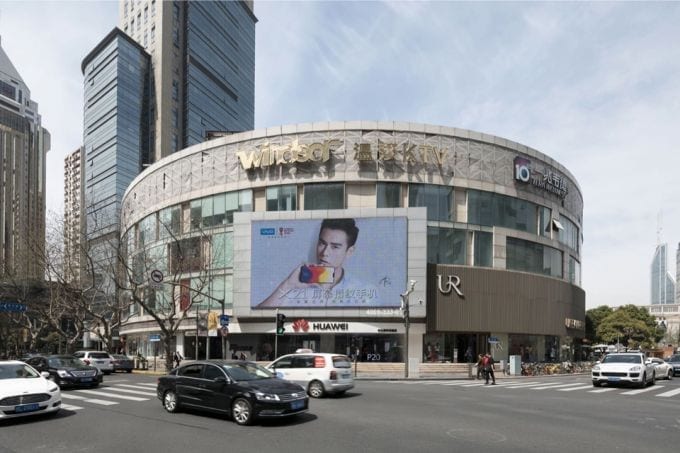
    Metro Holdings, together with other JV partners, is acquiring a 90 per cent stake in Shanghai Plaza for RMB2.9 billion (US$613 million).

    The mixed-used commercial building, with a gross floor area of 40,693sqm spans seven floors in Huai Hai Zhong Road, Huang Pu district, one of the most densely populated urban districts in China. It is also near the shopping district of Xintiandi, People’s Square and the Lujiazui CBD.

    Under the JV agreement signed by the investor, Shanghai Xing Chu Business Consulting, a wholly owned subsidiary of Metro China Holdings, will contribute $56 million for a 35 per cent stake in Shanghai Yi Zhou Property Management, which will be used to acquire and run Shanghai Plaza.