Author: Mei Ling Tan

  • China’s Geely buying stake in Swedish truck maker Volvo

    China’s Geely buying stake in Swedish truck maker Volvo

    The Chinese owner of Sweden’s Volvo Cars is buying a stake in truck manufacturer AB Volvo, expanding a portfolio of vehicle brands that includes shares in Malaysia’s Proton and Britain’s Lotus.

    Geely Holding Group said Wednesday the acquisition of shares from Cevian Capital, a fund manager, would give it 8.2 percent of Volvo’s share capital and 15.6 percent of voting rights. Financial terms weren’t disclosed, though analysts estimated the value of the deal at around 27 billion kronor ($3.3 billion).

    The Swedish company, which also makes buses, construction equipment and diesel engines, was the parent of Volvo Cars until 1999, when it was sold to Ford Motor Co. Geely bought Volvo Cars in 2010.

    “We recognize and value the proud Scandinavian history and culture, leading market positions, breakthrough technologies and environmental capabilities of AB Volvo,” said Geely chairman Li Shufu in a statement.

    The transaction will make Geely the biggest single shareholder in Volvo and the second biggest holder of voting rights. Christer Gardell, the co-founder of Cevian Capital, said Geely would be able to provide Volvo with valuable access to the Chinese market and know-how in the field of electric and self-driving vehicles.

    Li said Geely would support Volvo management’s current strategy.

    Geely owns Geely Auto, one of China’s biggest independent automakers. It agreed in May to buy 49.9 percent of Proton and 51 percent of Lotus, which was owned by the Malaysian automaker.

    Geely also launched a new brand, Lynk & Co., in 2016.

  • Apple apologizes for secretly slowing older iPhones

    Apple apologizes for secretly slowing older iPhones

    Apple apologized for secretly slowing down older iPhones, a move it said was necessary to avoid unexpected shutdowns related to battery fatigue.

    Many customers had interpreted the move as a way to for Apple to juice demand for newer iPhone models, their suspicions fueled by the fact that the company didn’t initially disclose the slowdowns or its reasons for them.

    Apple also said it will cut the price of a battery replacement by $50 to $29 through next year. New batteries had previously cost $79 for those who didn’t purchase the Apple Care maintenance plan.

    “We apologize,” the company said on its website . “We have never — and would never — do anything to intentionally shorten the life of any Apple product, or degrade the user experience to drive customer upgrades.”

    The replacement plan begins in late January for anyone with an iPhone 6 or later that requires a new battery.

    Apple said it will also issue an update to its operating system early next year to give users a better understanding of the health of their battery, so they can see if its condition is affecting performance.

    Hostile customer reaction was swift after a report this month uncovered the intentional slowdown in speed tests. Only then did Apple acknowledge that the slowdown was due to a fix it rolled out last year. Shares dropped 2.5 percent Tuesday — also dinged by analysts predicting lower-than-expected demand for the iPhone X — and only partially recovered by Thursday.

    At least five groups seeking class action status, involving consumers in Texas, Illinois, California and New York, have also sued the company in the wake of the slowdown revelation.

    Ben Bajarin, an analyst with Creative Strategies, said Apple found itself in a tough spot by having to explain what it did to cope with the reality that all lithium ion batteries degrade over time.

    “The error — if anything — was not being more transparent,” he said. “They were legitimately trying to make people’s iPhones last longer.”

  • Seaoil partners with Caltex Australia

    Seaoil partners with Caltex Australia

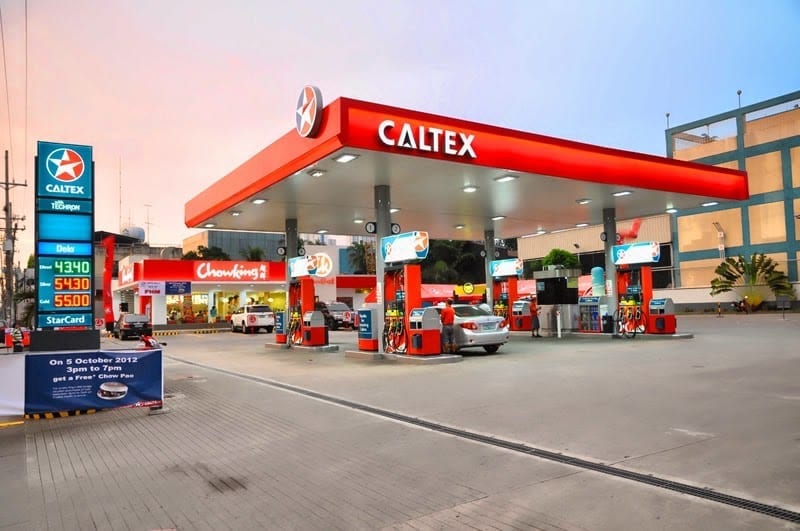
    Independent oil player Seaoil Philippines Inc. has taken in Caltex Australia Petroleum Pty Ltd. as long-term strategic partner for its expansion program.

    In a statement, Seaoil said it has signed a definitive agreement that forges a strategic partnership with Caltex Australia, which will acquire a 20 percent interest in the independent oil firm.

    “We have long sought for a strategic partner to complement our capabilities and competitive advantage, and we are optimistic that Caltex Australia, whose values we share and whose operations is like ours in complexity, can help accelerate our growth,” Seaoil chairman and founder Francis Yu said.

    The new strategic partnership will see Caltex Australia support Seaoil’s current growth strategy, which aims to double its retail network and terminal storage capacity over the next five years.

    Seaoil has over 400 stations nationwide located as far north as Aparri, all the way to the south in Sarangani.

    As part of the formation of the strategic partnership, Caltex Australia will supply fuel to Seaoil via Ampol, its fuel sourcing and shipping business in Singapore.

    Business ( Article MRec ), pagematch: 1, sectionmatch: 1

    “This is an exciting growth opportunity for Caltex Australia. The fact that Seaoil has chosen to enter this partnership with us is a testament to the skills and capabilities we have been building over many years in our company. It also demonstrates the value that can be created from our position as an independent fuel supplier in the Asia-Pacific region. We look forward to being part of Seaoil’s growth over the coming years,” Caltex Australia CEO Julian Segal said.

    Caltex Australia is a 100 percent publicly-owned company listed on the Australian Stock Exchange. It does not share any common ownership with the local Caltex brand, which is owned by Chevron Philippines Inc.

    In terms of size, Caltex Australia has a market capitalization of $6.5-7 billion, well above the combined market capitalization of Pilipinas Shell Petroleum Corp. and Petron Corp. by more than 70 percent.

    Caltex Australia supplies one-third of Australia’s transport fuel needs under the Caltex brand and has an extensive terminal and retail network including 76 depots, 12 terminals operated by Caltex, five major and bunker pipelines, nine airport jet fuel supply sites, and over 1,900 retail sites (including resellers and Australia’s largest retailer fuel network).

    In 2016, it sold over 16 billion liters of transport fuels and supply in excess of 70,000 commercial customers. It also has operations in New Zealand under the Gull brand and Singapore under the Ampol brand.

    In the Philippines, Seaoil has a six percent total market share and is a pioneer in alternative fuels like bioethanol gasoline and biodiesel.

    The company supplies approximately 1.5 billion liters annually through its vast network, its base fuels imported from select refineries in Japan, South Korea and Singapore and enhanced with STP additives. Seaoil conducts at least three daily checks on their fuels to check for consistency in purity and has experienced a 47 percent sales volume growth in the last three years.

    “This partnership will also mean exciting times for our employees, our franchisees, distributors and customers as we leverage our partner’s scale and expertise to provide high quality, affordable and accessible fuels and lubricants to the fast growing Philippine market.” Yu said.

  • Fernandes to be co-group CEO of AirAsia X

    Fernandes to be co-group CEO of AirAsia X

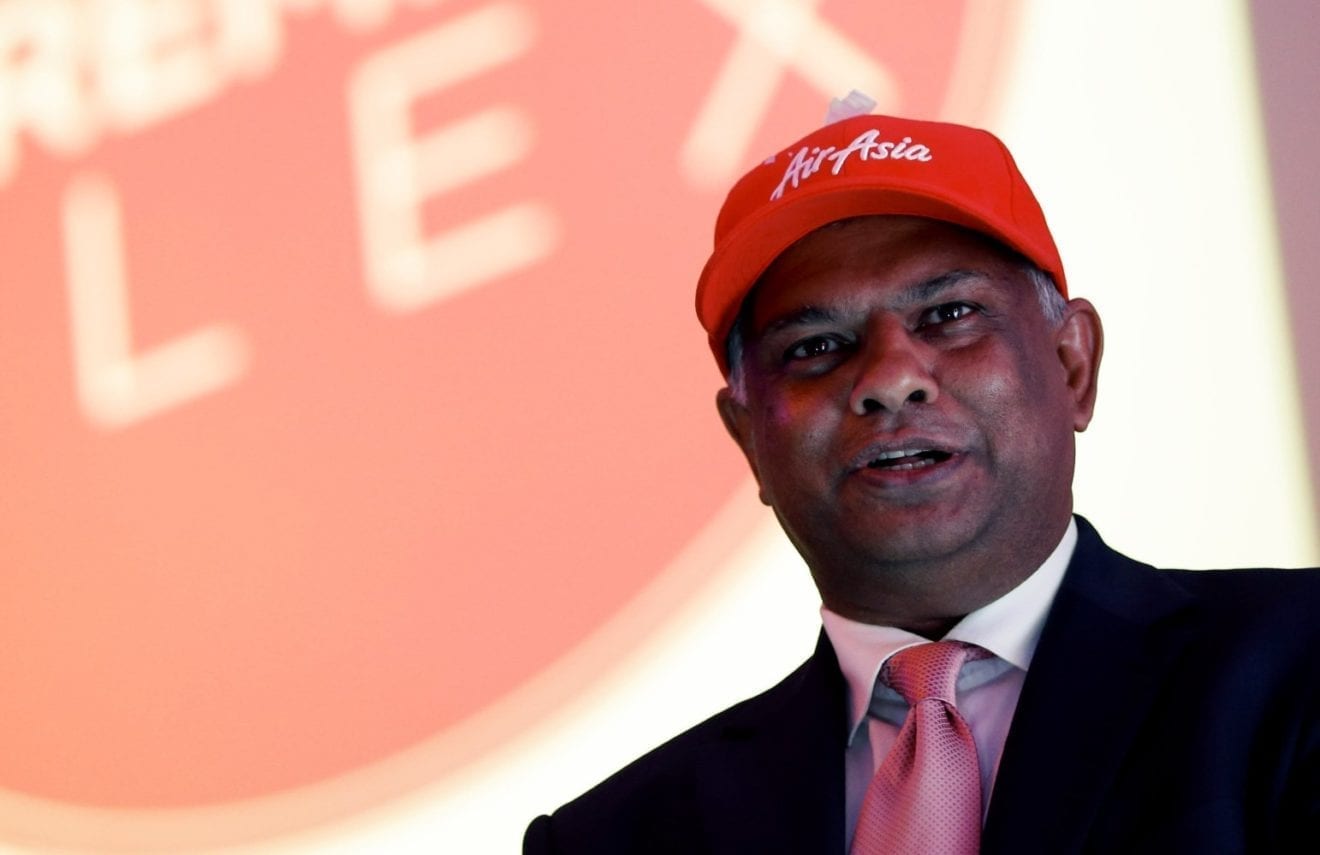
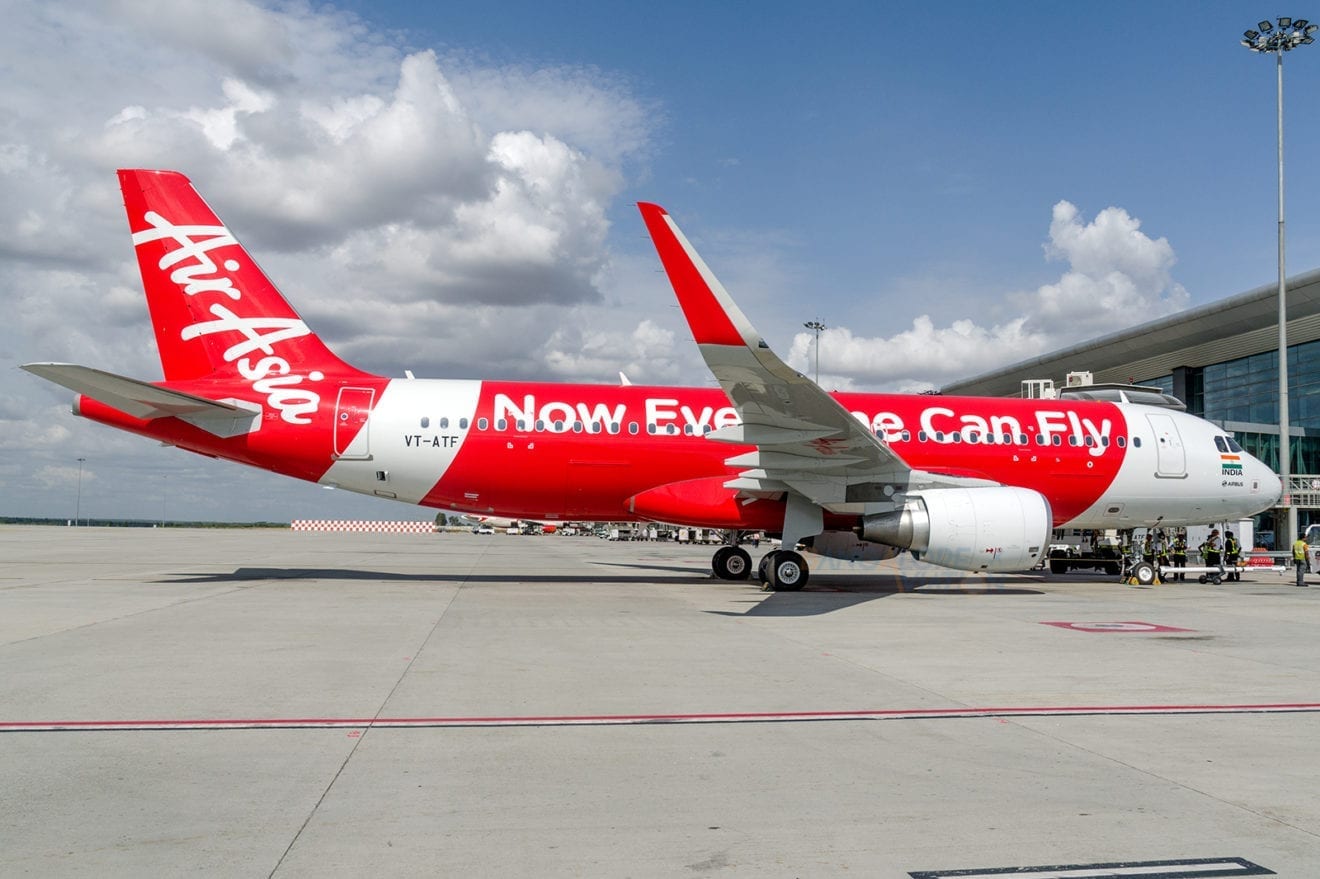
    Tan Sri Tony Fernandes, who is currently AirAsia’s non-executive director, has been redesignated executive director and co-group chief executive officer of the airline. The long-haul sister company of AirAsia told us that the change would be effective on Jan 1, 2018.

    This means Fernandes, 53, will join current group CEO Datuk Kamarudin Meranun at the helm.

    AirAsia Bhd, where Fernandes is already holding the posts of executive director and group CEO, also recently announced changes at the top as part of its internal reorganisation.

    In a separate development, Bernama reported that AirAsia’s unit, PT AirAsia Indonesia Tbk (AAID), has completed the acquisition of 57.25% shareholding in PT Indonesia AirAsia (IAA).

    In a filing with Bursa Malaysia yesterday, AirAsia said, as part of the transaction, AAID completed a rights issues and divestment of its coal trading and transportation businesses.

    “The net cash proceeds of 26 billion rupiah (RM7.78mil) from the rights issue and the divestment would be used for working capital purposes of AAID,” it said.

    It said AirAsia Investment Ltd (AAIL), AirAsia’s wholly-owned unit, would continue to hold a 20.95% direct shareholding in IAA and pursuant to the transfer of IAA Perpetual Securities amounting to 1.27 trillion rupiah to AAID, it has acquired a 47.71% shareholding in the listed AAID.

    Based on yesterday’s last traded price of 240 rupiah, the value of AAIL’s quoted investments in AAID amounted to 1.22 trillion rupiah (RM367.1mil), it said.

    “The objective of the above corporate exercise is to provide IAA access to the equity capital markets, increase its visibility and profile, and also to benefit from the higher corporate governance standards that demand greater transparency and accountability being an integral part of an Indonesia Stock Exchange-listed entity,” it said.

  • Three hospitals to offer cheaper infant formula

    Three hospitals to offer cheaper infant formula

    Parents may soon find it cheaper to feed their newborn babies with a move by three public hospitals in Singapore to switch to cheaper milk powder. Those who feed their babies with infant formula could find their costs halved when the hospitals offer cheaper ready-to-feed (RTF) brands to infants in hospital from July 1.

    As most parents prefer to stick with the formula their infants had been fed while in hospital, this makes it easier for them to continue with the cheaper brands after their babies leave the hospital.

    The two brands to be offered by the hospitals are Nestle’s Lactogen and Danone’s Dulac. The companies clinched a tender against 10 others to supply the hospitals with RTF formula for a year from July 1, 2018, until the end of June 2019.

    The hospitals that will bulk-buy these brands are Singapore General Hospital (SGH), National University Hospital and KK Women’s and Children’s Hospital.

    The retail prices for Lactogen and Dulac are $2.20 and $2.50 per 100g respectively, much cheaper than the six brands now used at SGH, which cost between $5 and $7.50 per 100g.

    As a result of the bulk procurement, parents would pay between $17.30 and $20.90 per kg of formula if they choose to continue with the same brands after the hospital stay, said the Health Ministry. The prices would be maintained for the duration of the contract.

    The hospitals’ move was announced yesterday by Senior Minister of State for Health Amy Khor. It comes after a furore earlier this year over the high cost of infant formula, with prices of most brands more than doubling over the past decade.

    Under the tender agreement, the retail price of the two brands would not be raised during the year specified in the tender.

    Speaking on the sidelines of a tour of SGH’s maternity and labour wards, Dr Khor said there will be significant savings for parents who need to turn to infant formula.

    Breast milk still best

    She said all infant formulas sold here provide the necessary nutrition for babies. The two that won the tender are not necessarily the cheapest, she said, as one criterion is their ability to provide RTF formula for hospital use.

    Even with cheaper formula, Dr Khor stressed that breastfeeding remains the best option for both mother and baby.

    The proportion of mothers who exclusively breastfed at the time of discharge from the three public hospitals has risen from 76 per cent in 2013 to 86 per cent today, she noted. This was largely due to greater awareness of the benefits of breastfeeding, she added.

    Associate Professor Daisy Chan, a neonatologist at SGH, said breastfeeding lowers the mother’s risk of getting breast and ovarian cancers and helps her return to her previous weight faster.

    For babies, it is the “optimal nutrition, (and ) reduces their risk of getting infections, helps them bond with their mother and is free”, she said. Prof Chan said studies also show that babies who are breastfed have slightly higher intelligence.

    But she noted that some infants do require formula, either because their mothers are not able to breastfeed or are not producing enough milk for the baby.

    SGH uses six RTF brands, which are offered on rotation to babies who need them. It charges parents a standard $1 per feed.

    Ms Nabilla Hashim, 29, whose first child, a girl, was born at SGH on Wednesday, plans to breastfeed her daughter for the first two years.

    But the bank receptionist said she may need to supplement breast milk with formula in future.

    Civil servant Teo Ee Hong, 39, who was at SGH with his wife, Ms Chin Siew Mei, 34, who is expecting their fourth child, said his children took different brands of formula, depending on what they had been given in hospital, until age three or four. He said he was not too bothered by the prices.

  • Nationwide e-payments to push cashless society goal

    Nationwide e-payments to push cashless society goal

    As part of Thailand’s aspiration to become a cashless society, the country will soon adopt a new nationwide e-payment method using the so-called QR Code familiar to social media users.

    The Bank of Thailand has approved plans by five commercial banks to introduce the QR Code e-payment service – Kasikornbank, Siam Commercial Bank, Bangkok Bank, Krungthai Bank and Government Savings Bank.

    The addition of the service is expected to help reduce dependence on cash transactions as more businesses are set to accept the new e-payment method.

    During a recent experiment in using the service at Bangkok’s Chatuchak Sunday market, more than 1,000 small vendors as well as service providers including motorcycle taxis accepted payment from customers using their mobile phones to transfer money via the QR Code.

    The method is convenient and carries no additional transaction costs for either sellers or service providers.

    The QR Code e-payment platform was pioneered by China’s e-commerce and social media giants, Alibaba and Wechat, which operate the Alipay and Wechat Pay apps respectively.

    Its popularity makes it possible to live in China today without having to use cash for most goods and services.

    China is now the world’s leader for QR Code e-payments, which has disrupted more traditional payment services such as debit and credit cards.

    The huge number of Chinese tourists in Thailand, totalling nearly 10 million per year, has also prompted the early adoption of the e-payment method among Thai convenience stores and retail operators.

    Earlier, the Thai government launched the PromptPay e-payment service for domestic use, making free of charge small-value money transfers via bank accounts.

    The PromptPay popularity is expected to further grow when the QR Code system is added to the e-payment platform.

    To facilitate nationwide adoption of the new platform, the central bank has taken steps to endorse a single Thai QR Code standard in accordance with the international system for mobile applications.

    In practice, consumers after downloading an app for the service that matches their bank accounts could turn their smartphones or other compatible devices into electronic purses by scanning a seller’s QR code to pay for purchases at various goods and services outlets.

    The money would then be automatically transferred from the buyer’s bank account into the seller’s account based on a similar arrangement with their participating bank.

    The central bank has said that in a future stage it would expand the e-payment platform to cover holders of credit cards so as to make it more versatile.

    Overall, the platform is a crucial element of Thailand’s emerging digital economy and society in which the lifestyle of consumers increasingly is closely tied to mobile phones and other smart devices.

    For the government, any form of electronic payment is useful since it creates electronic records on transactions that make tax collection more efficient. In addition, the economy will benefit from more electronic transactions by increasing efficiency – cash transactions are more expensive due to higher costs.

    For vendors, there is no additional transaction cost since banks are keen to provide the service free of charge at this stage, with some banks even offering additional financial incentives to early adopters without conditions requiring minimum payment per transaction.

    The new service will help banks stay close to both consumers and businesses, big and small. This would allow banks to make use of the huge amount of data generated by both buyers and sellers in multiple ways.

    While electronic transactions offer definite convenience advantages for consumers, experts warn that they should ensure that their personal devices are fully secured.

  • 5 Tips For Powerful Retail Brands

    5 Tips For Powerful Retail Brands

    With the competition so steep in today’s retail market, retailers must build on their brand and their customer service in order to edge ahead of the competition. First, they must learn how to better enhance their services so that they can deliver better than their competitors.

    In today’s powerful market, owning one’s own brand is tantamount to their success. It can help them to edge ahead of the competition and focus on the reasons that customers are choosing them over the competition. In recent research with some of the larger retails in transforming their labels into their own personal brands, we’ve decided to share the Top 5 discoveries along the way.

    1. Train Staff

    Training staff and keeping them up to date with the latest techniques and changes in the industry should be the number one thing for any business in retail. This is a fast paced business and the companies that invest in the knowhow and skills of their workers are the ones that come out on top. There are plenty of corporate e-learning companies and businesses that can help you with this aspect and it can make all the difference.

    1. Never Underestimate A Name

    Names denote the quality of a product. They frequently revert to the normalcy of the market and how the public perceives the product. It’s imperative to find a name with personality as well as a name that reflects the brand. The name must be powerful and assertive enough to draw the attention of the market. Central to the overall design, a Co-operative Food brand name must show the core values of the company without overpowering the product. The field range must show the corporate logo and brand yet allow the product to shine through. Such a decision is the core value and a frequent strategy that will yield more product sales. This helps to keep the integrity of the company at the forefront of the market. It also helps to unify the range, aid in the recognition of the product and the company and show a sense of warmth and well-being. This, in turn, builds up the confidence for the quality and the taste of the product. Shown in multiple colors, such logos further elevate the notion that the company is involved and has it together. This is a benchmark for the market.

    1. Don’t Just Sell The Brand, Sell The Product

    It’s not just about the sale of the product. The label must denote the brand of the product without overpowering the name of the product. It must tell the customer why this product should stand out from the rest of the market. The best way to do this is to sell the brand as well as the product. For Morrison’s, it had to show that they had their own brand as well as an outstanding product. It had to show their commitment to the quality of the fresh food as well as the reason that the food should be chosen over others foods of different brands. The customer had to feel that this product was the superior product over the other products on the market. It denoted an authenticity and although it was wrapped simply, it stood out from the crowd and the design was personalized with a hand-written script. This gave it a personalized and friendly tone that showed not only quality but also, a personalization that others were lacking. This clearly showed that the market cared about the quality and led the consumers to want to buy something that was “hand-made” just for them.

    1. Value Denotes Value

    It’s easy to choose cheap over quality. It’s done every day in every market. However, it’s not always the best way to shop. More attention must be given to what people are seeking and how to get them what they are seeking. The category must point out that the product is quality and worthy of their attention. The range value must be in line with other products, yet offer a value to the consumer. To break the conventional approach, the products would have to stand out from the crowd and offer the customer a value that other products didn’t offer. This meant that the company had to use a different approach and offer them a different level of value. The value range made customers smile and gave them a superior product. This, in return, yielded a year on year growth of 49 percent and the competition was quickly surpassed.

    1. Brand Identity

    Consider that the brand must identify itself vs just the packaging. Thus, it’s vital to consider the identity of the product as well as the quality. Designs should stand out and focus on the quality of the product as well as identify the brand. Color, packaging, and brand should all stand out and be apparent when considering the retail brands and how to make them stand out. This gives a huge impact on the shopping experience.

  • Interviewing For A Career In Retail Management: Tips For Success

    Interviewing For A Career In Retail Management: Tips For Success

    Sitting through an interview is not easy. Coming up with the right questions is often a difficult process; you want to make a good impression and come across as intelligent, but you don’t want to accidentally offend anyone. If you need help, the information below should help.

    Retail Management: Is It Right For You?

    Retail management is a great career choice. Not only will it challenge you, but you’ll be faced with new situations on a regular basis, which means that you will never get bored. You’ll have a large amount of inventory to work with, plenty of coworkers, and a strategy to implement on a daily basis. Your hours may vary, but you can expect to be eligible for some great benefits. There is plenty of opportunity to move up the career ladder; you can start at the bottom and wind up on top one day if you work hard enough!

    Retail management is something that graduates should consider for a variety of reasons. For example, the salary can be very competitive. You may be able to travel, and depending on your job performance, you could move into a senior position over time.

    It is not easy to secure a position in retail management, however. If you want to do well, you’ll have to learn how to make your mark and stand out from the rest that are trying to secure the same positions that you are.

    A great resume is important, after all it’s the first thing people tend to look at when looking to hire someone. Ambitious people who showcase their drive on their CV are always going to be certs when it comes to getting as far as the interview stage. The character Jessica Pearson from suits is a good example of this, she’s driven, savvy and ambitious and there’s a lot that we can learn from the fictional character – you can see what can be garnered in this post about a resume makeover for tv hit “suits” character Jessica Pearson. Yes, she’s fictional, but there’s a lot to be learned from her. Yes, she’s fictional, but there’s a lot to be learned from her.

    To start, find out as much as you can about the company you are interviewing with. However, you should also take things a step further and also look into the industry as a whole. For example, check the news and trade magazines. Find out what the trends are in the industry at the moment. Form your own opinions and be ready to convey those opinions in an intelligent manner.

    If you truly want to stand out, asking well-thought out questions is the best way to do so. Many interviewers want to see that a graduate is invested in their potential new career, and asking questions is one way to show that you are serious about the job.

    By asking questions, you can also convey your enthusiasm for the retail sector. Many interviewees are hesitant to ask questions, but you shouldn’t be; it is important to do so.

    Types Of Questions

    As the interview draws to a close, the person in charge will normally ask you if you have any questions. This is your time to speak; take it seriously, because you have the opportunity to leave the interviewer with a positive impression of you.

    Remember, simply because the interview is winding down does not mean that the employer is paying any less attention to you. He or she wants you to ask intelligent questions. They want to see that you understand the business as a whole and have a firm grasp on what your job responsibilities might be.

    Determine what questions you want to ask ahead of the actual interview. It can be difficult to think of them while you are sitting in the interview chair.

    It is a good idea to have five questions prepared. You likely won’t get to ask that many; the interview will have to end some time, and if people are coming in after you, it can’t extend for too long. However, you should have extra questions ready because a few of the ones you prepared might get answered early in the conversation.

    When you are looking up the specifics of the job, the company and the industry, you can form your questions. However, some people still have a hard time coming up with questions to ask. There are a few questions you can fall back on. For example, ask how the position will help the company as a whole, as it relates to their goals and objections. That question will help you learn more about the mission of the company and what your responsibilities will be.

    You can also ask about current challenges. For instance, note something specific about the company (e.g., they are opening up several new stores) and then follow by asking what type of challenges may crop up as a result.

    Another good question involves the type of training or support you will receive if you get the job. A lot of retail management positions offer job training. Not only will it help you learn your role, but any type of training looks great on your resume. If no training is available, find out what type of support will be offered as you learn the position.

    Also, make sure to ask about career advancement. This question shows the employer that you want to do well in your role and have an eye on the future. You can learn a bit about the structure of the company as well. Another question to ask is how you can show early on that you are mastering your new role. You’ll find out more about what is expected of you.

    Finally, ask why the company is a great place to work for. Your interviewer may not be expecting this question, but it can help you learn more about the benefits involved and what the organization is like as a whole.

    When asking questions, make sure not to pose an inquiry that is easily answered through a bit of research. Don’t ask about money right away either; that is something you can talk about once the job is offered to you.


     

  • AirAsia sets up subsidiary in China

    AirAsia sets up subsidiary in China

    AirAsia is a step closer to setting up a joint-venture low-cost airline operation in China, having received a business licence approval on Nov 13 from the local government (via unit AirAsia Investment) and incorporated a wholly-owned subsidiary. In a filing with Bursa Malaysia on Wednesday, AirAsia said the new subsidiary, AirAsia (Guangzhou) Aviation Service Ltd Company, was expected to have issued share capital of US$1mil.

    “The main objective of establishing the subsidiary is to have an aviation and commercial services company in China. The incorporation of the subsidiary is not expected to have any immediate effect on the issued and paid-up share capital or substantial shareholders’ shareholding in AirAsia,” it said.

    On Sept 25, AirAsia inked a non-binding term sheet with Everbright Financial Investment Holdings, Plato Capital and Oxley Capital to supplement a memorandum of understanding (MoU) dated May 14 between it, Everbright and Henan Government Working Group for purposes of setting up a JV in China to operate a low-cost aviation business.

    China-based Everbright is a conglomerate focusing mainly on financial services. Plato, listed on the Singapore Exchange, is involved in hospitality, education and precision engineering sectors while Oxley is part of the Oxley Group, a Singapore-headquartered private investment firm.

    According to the announcement on the MoU, the JV will also look into developing infrastructure apart from setting up a JV low-cost airline. The JV will invest in the development of a low-cost carrier terminal, an aviation academy for pilots, engineers and crew training as well as a maintenance, repair and overhaul provider in Zhengzhou, which is intended as AirAsia China’s operating base and headquarters.

  • New AirAsia flights set to boost east Malaysia connectivity

    New AirAsia flights set to boost east Malaysia connectivity

    Low cost carrier AirAsia flew two inaugural flights yesterday into Sarawak  from Shenzhen to Kuching and Singapore to Bintulu.

    The two new direct flights are part of AirAsia’s plans to boost the international connectivity into east Malaysia.

    This is in line with the government efforts to improve the tourism industry and flight connections into the state.

    Spencer Lee, head of commercial at AirAsia Berhad said: “We are honoured and humbled to welcome two new international flights into Sarawak today.

    “AirAsia has always been committed towards expanding the markets in Sarawak and these direct flights reiterate our commitment to grow the connectivity in and out of the state.

    “To date, we have flown about 4.8 million guests in and out of Sarawak which is 12.1% more from 2016 with China and Singapore in the top five nationality.

    “We hope the introduction of these new routes will foster the number of visitors into Sarawak next year, and this is only made possible by the continuous support rendered by Sarawak’s state government and tourism authorities.”

    AirAsia now flies to 12 destinations from Kuching with a total of 229 weekly flights one way.

    In addition to Shenzhen, the airline also flies from Kuching to Singapore, Pontianak, Miri, Sibu, Bintulu, Kota Kinabalu, Johor Bahru, Kota Bharu, Penang, Kuala Lumpur and Langkawi.

    AirAsia also flies to three destinations from Bintulu namely Singapore, Kuala Lumpur and Kuching with a total of 39 weekly flights one way.

  • Aston Martin to recall over 5,000 cars

    Aston Martin to recall over 5,000 cars

    British sportscar maker Aston Martin is recalling around 5,500 vehicles in the United States due to problems with powertrains and battery cables, according to documents posted on the National Highway Traffic Safety Administration’s (NHTSA) website.

    The recalls are expected to begin on Feb. 1, 2018, and come as the owners of the carmaker made famous by fictional spy James Bond prepare for a stock market listing or sale of the company.

    The documents on the NHTSA website say Aston Martin is recalling 3,493 DB9, DBS, Rapide, Virage and Vanquish models that were made between 2009 and 2016 due to problems that can cause the transmission park pawl to not engage, which could make the vehicle roll and increase the risk of a crash.

    The Gaydon, England-based company is also recalling 1,953 DB9 and DBS vehicles manufactured between 2005 and 2009 because their battery supply cables can be damaged when the driver seat is in the full rearward location, which could ultimately increase the risk of a fire, the documents said.

    A spokesperson for the carmaker was not immediately available for comment.

  • Huawei aims to ride tech wave to N° 1 brand status in Thailand

    Huawei aims to ride tech wave to N° 1 brand status in Thailand

    Richard Yu, chief executive officer of Huawei Consumer Business Group, said that the firm provides Huawei smartphones as a premium brand to cover mid-tier and the high-end global market. The firm’s new intelligence phone will bring together artificial intelligence (AI), Augmented Reality (AR), Mixed Reality (MR), and Virtual Reality (VR). With the AR technology, the future phone will be paired with an AI processor, an AI camera and an AI operating system. The new intelligence phone will have long battery life and super-fast charging ability.

    “My plan for the next five years: With AI, AR, VR and MR, we will have an intelligent phone. We want to provide the future and next-generation phone. In addition, we will try to improve our marketing, branding, retail and services. Every year, we continue to improve our marketing, branding, retail and services in the Thai market and worldwide. We aim to be the leader in artificial intelligence, VR and MR,” said Yu.

    He said the firm next year would launch its new flagship smartphone with new technology such as improved camera and super-fast charging features.

    The firm now provides smartphone with two brands: Huawei for the mid-tier and high-end market, and Honor for young people, e-commerce, mass market, low-end and mid-tier market. The Honor smartphone is available only in China.

    “We want to enhance our technology and innovation and improve the users’ experience,” said the CEO.

    He said the firm in 2017 gained market share in China, totalling 23.8 per cent. It also became number one in Italy, Spain, and Poland.

    In China, it aims for market share of more than 40 per cent in the next three years. Therefore, the firm wants to build its marketing, enhance branding, build better ecosystem and retail system in the Chinese market.

    He added that Thailand is still a growing market, especially in the premium segment. The overall Thai market is growing. The current market share is around 10 per cent. It aims to be No 1 in market share in Thailand for mid-range and high-end smartphones in the next three years with market share of more than 30 per cent.

    He said the firm plans to invest in Thailand in |marketing, branding, premium stores and shops and services.

    “We have committed to the Thai market for the long term. We want to be the leader as a brand and in market share within three years,” said Yu.

    The firm this year expects 30 per cent revenue growth year on year and expects the trend to continue next year. The firm is targeting 1,000 per cent growth in the global market over the next decade. The firm sees high potential in China, Europe and Japan.

    Regarding upcoming smartphone trends, he said next year consumers will buy smart phones with high storage capacity and memory to support more applications, bigger screen, better camera and processor to support customers who love game. He said AI would become more popular. He said battery life would also become more important for consumers. The firm will come out with smartphone with a battery life improvement of around 20 per cent with super-fast charging and digital single-lens reflex (DSLR) camera features.

    He also said that the smart phone manufacturers would have to consolidate in the future in order to survive.

    The firm continues to cooperate with its business partners to improve its smartphone features and productivity such as Microsoft, Porsche and Leica.

    Last year, the firm invested US$11 billion in research and development.

  • Yamato teams up with JD.com to send goods across China

    Yamato teams up with JD.com to send goods across China

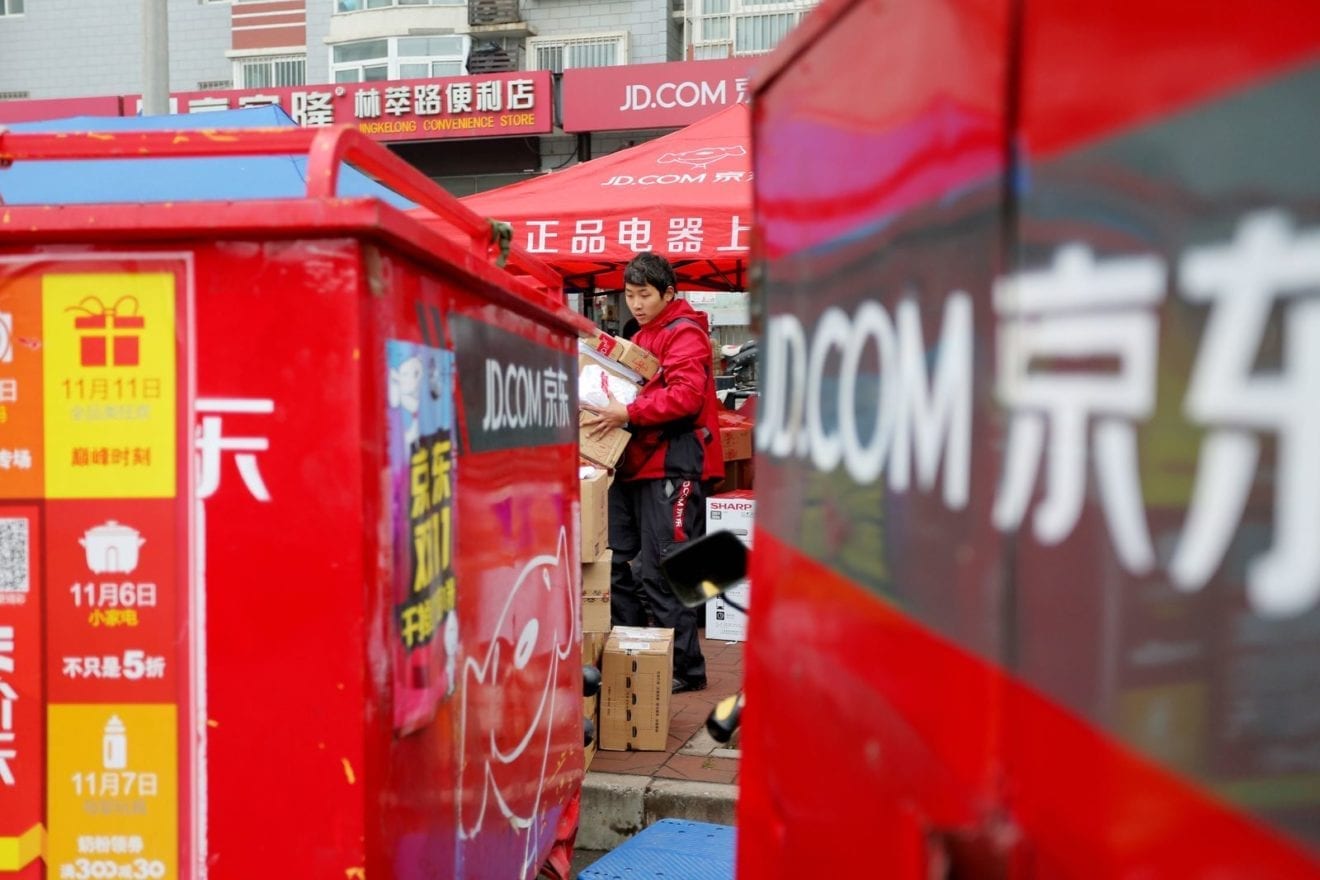
    Yamato Holdings will partner with Chinese e-commerce giant JD.com to ship products from Japanese retailers throughout China starting in 2018, likely boosting Japanese online sales there.

    JD.com is China’s second-largest internet retailer, after Alibaba Group Holding, and operates a nationwide delivery network.

    Yamato will handle international shipping from Japan to China and use JD.com’s network for home delivery under an agreement concluded Monday. Responsibility for clearing customs will be decided later.

    The alliance will enable Chinese consumers buying items on Japanese websites to have purchases delivered to where they live. With cosmetics and food products from Japan popular in China, sales of Japanese companies are growing as they offer goods on internet marketplaces there. Yamato’s service will offer a way into China for small and midsize Japanese business that have yet to enter the country’s online retail market.

    JD.com will receive shipping service support from Yamato as well. The parcel courier is already consulting JD.com on its cold-chain network and other delivery methods to maintain product quality in transit. This will help JD.com better handle fresh Japanese foods and other perishables, expanding its online retail business.

    China-bound online sales from Japan grew some 30% in 2016 to 1.03 trillion yen ($9.08 billion), according to the Ministry of Economy, Trade and Industry. The market is estimated to nearly double to 1.9 trillion yen in 2020.

    New strategy

    The profitability of home delivery services in Japan has been squeezed amid a personnel shortage that has pushed up labor costs. Yamato sees international delivery, which carries high rates, as a growth field.

    Yamato had been able to offer home deliveries from Japan to only those areas where it has a transport network, such as Shanghai and Hong Kong in China. But it is abandoning this model and partnering with other companies to accelerate expansion abroad. Yamato launched a home delivery service in Thailand with Siam Cement in January.

    But the competition is intense. Japan Post already has Japan-China transport infrastructure and holds a large share of such shipments. It partnered with China’s STO Express to launch a low-cost delivery service in October. Nippon Express is also cooperating with Alibaba in China-bound shipping, handling international transport of goods and customs.

  • Inside Singapore’s ‘invite-only’ Johnnie Walker Home

    Inside Singapore’s ‘invite-only’ Johnnie Walker Home

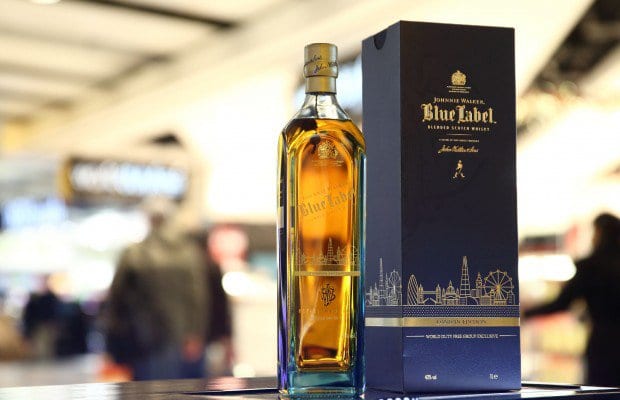
    It‘s a whisky enthusiast‘s dream. Johnnie Walker House is an invitation-only suite located at Asia Pacific headquarters in Singapore. We took a tour of the space, which hosts guests to learn, taste and purchase a variety of high-end offerings.

    The space, which opened last year, is one of 26 private suites in the world and the only one in Southeast Asia. In total, the room boasts more than $700,000 worth of whisky by retail price. One way to gain entrance is by referral.

    We build up our own network of people who might be interested and we invite them to come in,” Sam Fischer, Diageo‘s Asia president told us during a tour of the space. “We build up to people of high net worth and people of influence.”

  • Changi’s crown Jewel scales new heights

    Changi’s crown Jewel scales new heights

    Work on Jewel Changi Airport is moving ahead at full-speed, with construction workers seen scaling its external facade on Tuesday. The complex is scheduled to open in early 2019, and will have five storeys above ground and five basement levels, with a total gross floor area of about 134,000 sq m.

    All terminals at Changi Airport and departure gates will be connected to the complex and be within walking distance. Jewel Changi Airport will have aviation and travel-related facilities, as well as some 300 retail and food and beverage outlets. It will also house one of Singapore’s largest indoor collections of plants, over about 22,000 sq m.

    The Forest Valley, a five-storey garden, will be one of Jewel’s centrepiece attractions. There will also be a 40m-high Rain Vortex at the central core of the complex, which will have a light-and-sound show every night. The Canopy Park, on the topmost level of Jewel, will have play attractions, gardens, walking trails and dining outlets.