Author: Mei Ling Tan

  • South Korea’s service sector investment focused on wholesale, retail and restaurants

    South Korea’s service sector investment focused on wholesale, retail and restaurants

    South Korea’s investment in the service sector has been focused on low value-added areas, such as wholesale, retail and restaurants, official data showed Monday.

    The gross fixed capital formation for the service sector was tallied at 256.1 trillion won ($239.6 billion) in 2015, the findings by the Bank of Korea and the National Assembly Budget Office showed. This represents a solid 13.9 percent increase to 224.8 trillion won reported in 2006.

    The GFCF refers to the net increase in assets that takes into account both investments and deductions within a set period of time.

    The tally, however, showed investments in high value-added areas, such as cultural and education industries, backtracking.

    An injection of funds into this sector reached 18.1 trillion won in 2015, or a 69.2 percent spike from 10.7 trillion won tallied in 2006.From 2006 through 2015, when investment in the service sector shot up the steepest, investment was centered on restaurants and catering, as well as retail and wholesale.

    The increase rate is five times faster than gains for the entire service industry as a whole in the same time period.

    The central bank said the sharp rise has allowed restaurants and catering businesses, and retail and wholesale to make up 7.1 percent of all service sector investments in 2015 from 4.8 percent in 2006.

    On the other hand, investment in the cultural sector contracted 20.8 percent to 7.6 trillion won in 2015 from 9.6 trillion in 2006, with 15.2 percent drop being reported for education-related outlays in the same period.

    Hong Joon-pyo, a senior analyst at the Hyundai Research Institute , said areas where investment has focused on in recent years is closely associated with self-employed posts.

    “Many people who retire and do not have any skill sets often go into these businesses so there has been a natural rise in investment,” he said.

    The economist said that this trend has led to an over saturation of certain service sectors that has eaten into profits.

    Statistics Korea said operating profits of restaurants and catering industries stood at 13.4 percent in 2015 or down 9 percentage points from five years earlier, while numbers for retail and wholesale correspondingly stood at 5 percent or down 2 percentage points.

    The statistical office said this has led to such stores’ average survival rate three years after opening standing at an average of just 39.1 percent. Such dismal numbers are not conducive to sustainable growth for the economy as a whole.

  • China’s Alibaba on road to deliver $100 million to XpressBees

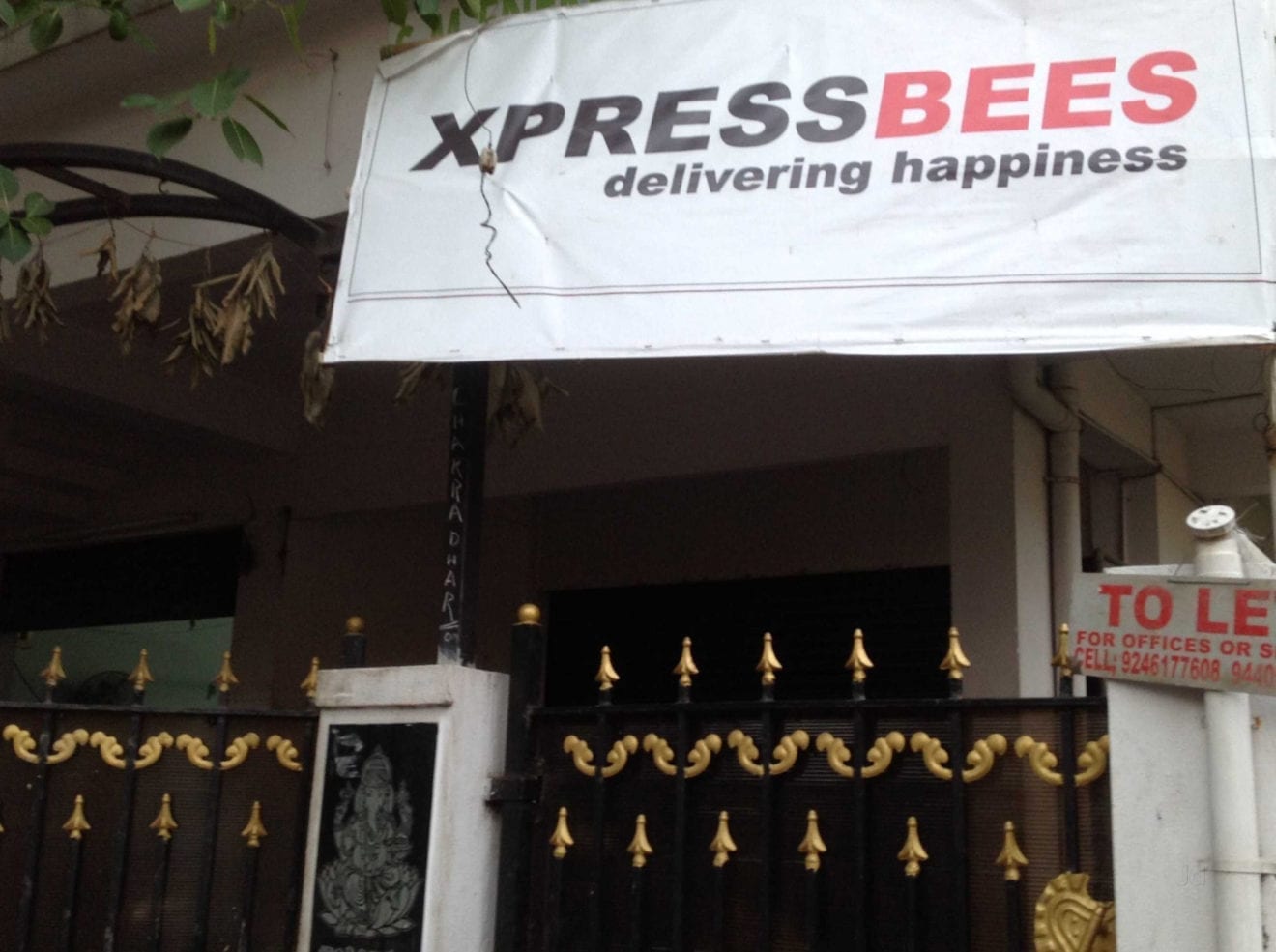
    China’s Alibaba on road to deliver $100 million to XpressBees

    China’s online commerce giant Alibaba Group Holdings is in advanced talks to pick up a significant minority stake in logistics company XpressBees by making an investment of up to $100 million, said three persons with knowledge of the matter.

    The transaction, which is in the final stages of negotiations, will be Alibaba’s sixth investment in the Indian market as it builds a string of assets to take on homegrown market leader Flipkart and global rival Amazon.

    “The deal is likely to close in the next two-three weeks,” said one of the persons mentioned above. The exact stake Alibaba is picking up in XpressBees could not be determined. Alibaba and XpressBees didn’t respond to queries.

    XpressBees is the logistics business spun out of baby and maternity products retailer FirstCry, known for its acquisition of Mahindra’s Babyoye in 2016. The company competes with other online retail-focused logistics services providers like Delhivery and Ecom Express.

    Talks between XpressBees and Alibaba have been on for about 18 months.

    ET had reported in June 2016 that Alibaba was looking to buy, or invest in, an Indian logistics company specialising in deliveries for online retailers, and toward this end had held talks with Delhivery and XpressBees Logistics.

    If the XpressBees investment goes through, it will help Alibaba build what founder Jack Ma calls the “iron triangle” of businesses in ecommerce (Paytm Mall, Bigbasket), payments (Paytm) and logistics, which can feed off each other.

    In China, the Alibaba Group has online retail businesses called Tmall (B2C, focusing on brands) and Taobao (C2C) and a payments business under affiliate Ant Financial, popularly known as Alipay.

    In September, it increased its stake to a majority in one of China’s largest techenabled logistics companies, Cainiao, which is valued at close to $20 billion. At the time, Alibaba had said it plans to invest over $15 billion in the next five years to develop its global logistics network.

    “Alibaba wants to make Xpress-Bees the Cainiao of India, and over time logistics operations for all companies like Paytm Mall and Bigbasket may get consolidated under it giving it a larger captive customer base,” said the second person mentioned above.

    The impending deals in Bigbasket and XpressBees will take total investments in India by Alibaba along with its payments affiliate Ant Financial to about Rs 11,000 crore, or $1.7 billion, out of which over two-thirds is invested in Paytm. In addition, Ant Financial is also said to be in talks to invest up to $200 million in restaurant discovery and food delivery platform Zomato.

    Shifitng Kaurndia as the portfolio in India grows, Alibaba Group is also likely to move one of its key executives from Hong Kong, senior director Kshitij Karundia, to the country to work more closely with the businesses and look for more investments, said the third person familiar with matter.

    FirstCry entered logistics in 2012 when it decided to start express deliveries of its products and began third-party logistics (3PL) at the beginning of 2015. The company was spun off as Busybees in September 2015 and has ramped up orders significantly since then.

    The business has been built by FirstCry founders Supam Maheshwari and Amitava Saha. After the demerger, Saha has been leading the logistics business as CEO while Maheshwari has been heading First-Cry. XpressBees investors include SAIF Partners, IDG Ventures India, NEA, Vertex Ventures and Valiant Capital, some of which may sell a part of their stake in this deal.

    The company saw revenue go up by 121% in FY17 to Rs 185.42 crore while losses grew 61% to Rs 57.71crore, according to filings with Ministry of Corporate Affairs (MCA).

    Owned by Busybees Logistics Solutions, XpressBees has built the business on about Rs120 crore of capital till now, which is in contrast with competitors Delhivery which has raised Rs 1,600 crore, and Ecom Express, which has racked up around Rs1,000 crore in capital.

    With capital coming in from Alibaba, experts said an XpressBees deal could trigger consolidation. While industry sources pegged Delhivery as the market leader with around 300,000 shipments a day, XpressBees is currently logging 170,000-200,000 while Ecom Express has 120,000-130,000. Large players like Flipkart and Amazon India have also built their own logistics operations, which handle most of their shipments.

    The market for logistics-technology businesses, which include delivery startups, truck aggregators and warehousing firms, is expected to surge to $9.6 billion by 2020 from $1.4 billion in 2015, according to a report by investment bank Avendus Capital. Online retail logistics startups will dominate this space with a market size of $6.6 billion by then.

  • Singapore’s electricity markets – trailblazer or flicker of light?

    Singapore’s electricity markets – trailblazer or flicker of light?

    In the industrialized zone of western Singapore some of the only night owls are electricity traders on 24-hour shifts, bidding prices for a commodity traded at half-hour intervals because it cannot be stored and shipped like oil or gold.

    Singapore has come a long way from a government-regulated power supply era. In 2018, it will have a fully liberalized power market where even household consumers can choose to buy the cheapest electricity from a laundry list of suppliers.

    In addition to competitive wholesale and retail electricity markets, Singapore also has a fledgling futures market in the works.

    The question is where does it go from here?

    Can power trading in Singapore rival mature markets in Europe? Or can Singapore become the template for deregulated power markets within Southeast Asia, possibly underpinning the ambitious ASEAN gas and power grids that have been elusive for over two decades?

    Domestically, will associated carbon and gas trading markets develop fast enough to support the power market? Does great power mean great liquidity — can the paper markets generate enough liquidity and trading interest in the longer term?

    HOW A TINY ISLAND PUNCHES ABOVE ITS WEIGHT

    Singapore has gone from a handful of power producers to 14 generators, 17 wholesale market traders and 16 retailers, totaling 47 market players including a small number of solar power producers as of December 2016. This year the number had crossed 50.

    Currently business accounts, which are consumers with an average monthly electricity consumption of at least 2,000 kWh, account for around 80% of Singapore’s total electricity demand, according to the Energy Market Authority. They can already choose their power supplier and by the second half of 2018 around 1.3 million families will also be able to do the same.

    This is estimated to result in savings of S$435 million ($323 million) over five years for consumers through free market competition, according to a 2016 report published by consultancy Sapere Research Group, for the Energy Market Authority.

    The wholesale trading market itself is fairly sophisticated with algorithms using 50,000 mathematical equations to calculate demand, supply and pricing levels, according to the Electricity Market Company. On the Singapore Exchange, independent retailers can buy and hedge their electricity positions using electricity futures.

    But being on a tropical island has its drawbacks.

    Power trading in mature markets like Nord Pool is possible because of variations in demand-supply caused by intraday peaks, summer and winter demand, storms, cross-border trade between countries and multiple fuels like coal, natural gas, renewables and nuclear.

    In Singapore, most of these variations are non-existent, severely limiting trading arbitrage.

    For instance, 95.2% of Singapore’s electricity comes from natural gas, whereas in Europe renewables have proliferated to the point of annoyance, as wind and solar do not provide stable supply.

    In October, Singapore’s deputy Prime Minister Teo Chee Hean said the city-state has an immediate solar power target of 6% by the end of this decade, and potentially as much as 20% in the long term if new technologies are implemented.

    Compared to electricity consumption of 48.6 TWh in 2016, and generation capacity of 13,348.4 MW as of end-March 2017, Singapore’s grid-connected installed solar capacity remains minuscule.

    Cross-border trading is also absent in Singapore.

    In Europe, countries have an interconnectivity target of 10% of installed capacity in the near term and as much as 15% by 2030 has been proposed.

    But in Singapore, regulators are still conducting feasibility studies with Laos, Thailand and Malaysia for cross-border electricity trading, and only a small amount of electricity is actually traded with Malaysia’s southern Johor state.

    Cross-border trading will remain a difficult proposition in Singapore because of energy security considerations that curb dependence on foreign power suppliers, who may also have access to cheaper fuels and lower capital costs.

    SPARKING TRADING INTEREST

    Singapore has also launched its own electricity futures market.

    As of October 1, 2017, total volume traded in the electricity futures market was 4,744 lots or 5,196 GWh since they were launched in early 2015, according to the Energy Market Authority. Comparatively, Singapore’s actual electricity generation rose by 2.6% to 51.6 TWh in 2016.

    This means traded volumes on the paper market are roughly 5% of actual demand. The ratio of paper versus physical trading volumes is a sign of how active the market is.

    For instance, in oil markets, derivatives volumes are 10-15 times of the physical, in the New Zealand electricity market derivatives trade at around 70% of physical, and in the Australian market derivatives volumes are two to three times that of actual consumption.

    There is clearly room for growth there.

    “The development of the Singapore electricity futures market is being modeled on the New Zealand market due to the similarities between the two markets,” William Prajogo, associate director of oil, power and gas derivatives at SGX said.

    He said the electricity futures market is vital for the success of the Full Retail Contestability of the Singapore power market in 2018 as it lowers the barriers to entry for new independent retailers to enter the market, which in turn will create more retail competition.

    “SGX will consider launching more electricity derivatives products in future depending on market demand and growing liquidity levels,” Prajogo said, adding that he expects more market participants such as trading companies, banks and financial institutions to add liquidity to the market.

     NATURAL GAS AND POWER

    There is also a strong correlation between the gas and power markets. It is also vital to have free markets for the primary fuel to facilitate and incentivize free trading of electricity.

    Products like spark spreads, which measures the profitability of a power plant depending on its primary fuel, are common in mature markets where both the fuel and electricity are actively traded and market participants can hedge the spread between electricity prices and fuel costs.

    In Singapore’s case however, primary natural gas supply is still tightly regulated.

    Most of the gas is piped in from Malaysia and Indonesia at prices pegged to high sulfur fuel oil. Less than 25% of the gas burnt is seaborne LNG, and even that is controlled by the two appointed aggregators at oil indexed prices.

    “None of us can predict the future but the common sense point to make would be that for a vigorous futures market in natural gas and electricity to work you need a market designed for a level playing field for everyone to participate in,” Tilak Doshi, managing consultant at Muse, Stancil & Co (Asia) said.

    “The answer lies in promoting contestability in power and gas markets,” he said.

    “Without further liberalizing market design changes, the outlook for full development of the futures market for electricity will be constrained,” Doshi said.
     

  • Singapore defers foreign law firms’ licensing decision to 2020

    Singapore defers foreign law firms’ licensing decision to 2020

    The Singapore Ministry of Law has announced it will defer to 2020 its decision on the renewal of the licences of the second batch of Qualifying Foreign Law Practice (QFLP) firms.

    The second batch includes firms such as Gibson Dunn & Crutcher, Jones Day, Linklaters and Sidley Austin. They secured licences in 2013 for a period of five years. The licences were originally due to expire in 2018, but such will be extended to 2020 until the ministry decides on the renewal.

    QFLP licences allow Foreign Law Practices (FLPs) to practise Singapore law, except in domestic areas of litigation and general practice, for example, criminal law, retail conveyancing, family law and administrative law. The QFLPs can practise the permitted areas of Singapore law through Singapore-qualified lawyers with practising certificates or foreign lawyers holding the foreign practitioner certificate.

    According to the ministry, the second batch of firms have contributed to the growth of Singapore’s economy, as they have increased their revenue from offshore work and doubled their headcount of their Singapore offices since obtaining the permits.

    “However, their respective performances have fallen short of the initial commitments they made in 2012, as they have all been impacted by Asian economies’ weaker than expected growth, drop in commodities prices and decrease in mergers and acquisitions which had resulted in weaker demand for legal services in the region in the last two years,” the ministry added.

    It said its decision will allow it to better assess each firm’s performance and contribution to Singapore and their respective proposals for the new licence period.

  • Chinese brands earn youth’s trust

    Chinese brands earn youth’s trust

    Young people visit a self-service shop in Qingdao, Shandong province. Today’s Chinese youth recognize major domestic brands better than well-known international brands, an AT Kearney report said.

    Chinese millennials, or people born in the late ’80s and early ’90s, and the internet generation, or those born after 1998, recognize major domestic brands better than well-known international brands, according to an AT Kearney report.

    The global consultancy surveyed more than 7,000 consumers in different age-group across China, Japan, India, the United States, the United Kingdom, France and Germany, and found several trends that will drive markets in the future.

    The report found that 71 percent of internet native consumers in China showed an increasing trust in major domestic brands, whereas 57 percent of those showed an increasing trust in international brands.

    “Chinese consumers, especially the young generation, have significantly increased their trust in local big brands. This signals a very positive sign for the rise of Chinese brands,” said He Xiaoqing, partner and head of consumption and retail industry at AT Kearney Greater China.

    “Compared with five years ago, well-known international brands will have an increasingly difficult time to gain or retain consumers’ trust merely by offering quality products and services,” she said.

    In the next 10 to 20 years, young Chinese born in the digital age will become the largest consumer group.

    The report showed that instead of swearing by big brands, about 60 percent of them are expected to prefer brands that commit to social causes, support environmental conservation and have distinctive brand values.

    This trend is particularly obvious in the food sector, with 93 percent of millennials and the internet native consumers willing to pay an extra 5 percent of the price for those products that are environmentally friendly or with a strong sense of social responsibility.

    Young Chinese consumers also tend to pay attention to the history of the brands, the report said.

    The gradual loss of trust in big international brands has been particularly significant in the UK, France, the US, and Germany.

    Now in China and India, they are still able to play the “cool kid” and “quality” cards. In the next few decades, however, it will be a different situation in China, as the younger consumers showed less trust compared to older generations, the survey stated.

    The report found that in today’s age of hyper-connectivity and social networking, individual voices can be amplified to influence the entire market, and companies are facing significant risks of losing their brand values in a short time.

    For instance, in April, a video showing a man being violently dragged off an overbooked United Airlines flight has led to an uproar on social media, and later the market value of the airline shrunk by $1 billion.

    “Consumers in the old world were defined by their possessions, and companies were able to meet their customers’ needs to an adequate degree with static business models and a ‘one size fits all’ marketing strategy that followed major trends,” AT Kearney’s He said.

    “But now, the new business model calls for highly differentiated approaches, which rely on individual influencers and those who are capable of immediately understanding consumers’ signals and translating them into action.”

    In this case, one of the most important steps is to identify the right “influencers”, also known as KOLs, or key opinion leaders.

    The report also introduced the concept of “macro influencer”, such as sports or pop-culture stars with huge number of followers of their social media accounts, as well as “micro influencer”, who are likely to be more segmented.

    For example, “micro influencers” can be bloggers with a fashion sense or foodies. They have fewer followers, but may have more impact than macro influencers because they engage more actively with their followers and therefore build trust more effectively.

  • Asian Pac’s diverse and original real estate projects attract Asia-Pacific investors

    Asian Pac’s diverse and original real estate projects attract Asia-Pacific investors

    Touted as Kota Kinabalu’s one-stop premier shopping destination and one of its largest retail establishments, Imago KK Times Square has set the bar for shopping centres in Sabah’s flourishing capital.

    Encompassing 800,000 sq ft of world-class retail, entertainment and dining outlets, the four-level landmark mall forms part of KK Times Square – a modern, vibrant and strategically located 24-hectare mixed-use development project comprised of office, residential and commercial space.

    It is Kota Kinabalu’s first non-stratified retail establishment with wholly management-owned and operated tenant stores. Since its opening in 2015, it has reached a tenant occupancy rate of 90 per cent with more than 300 retail outlets.

    Imago shopping mall and KK Times Square would have been but invisible twinkles on the Kota Kinabalu horizon without the initiatives of industry-leading Malaysian real estate developer Asian Pac Holdings.

    A company that is forging a reputation as the partner-of-choice among Asian and Chinese developers, consultants and contractors, Asian Pac is reputed for its first-mover advantage, strong local market knowledge and industry expertise honed over more than 100 years.

    With a portfolio of projects ranging from landed real estate, strip malls and high-rise residential towers to township developments and niche projects such as industrial parks, Asian Pac’s generalist approach to property development is a key advantage.

    “Being able to tackle a wide range of property types gives us strength in planning wider scale or stand-alone projects effectively,” says managing director Mustapha Buang. “Our differential edge is that we look into areas others tend to overlook with educated research. We focus ahead and look at what the potentials are. To a certain degree, we have a first-mover approach by looking into locations, themes and ideas that people have never tried before.”

    Led by a strong management team of young multidisciplinary professionals, Asian Pac traces its expertise and origins back to 1913. The company entered Kota Kinabalu in the early 2000s through its construction of KK Times Square.

    Apart from Imago, KK Times Square also houses The Loft Residences – Asian Pac’s premier residential address featuring an exclusive and integrated lifestyle experience.

    Nestled within KK Times Square’s vast leisure and recreational space, The Loft Residences offers 631 highly sought-after units ranging from US$413,898 to US$658,739 – and serviced apartments 1,834 to 4,192 sq ft in size.

    Listed on the main board of the Bursa Malaysia exchange, the company’s business interests include investment holdings, property development and investment, mall and carpark ownership and trading in building materials. By focusing on property investments with recurrent income such as the ownership and management of around 2,500 car parking bays in KK Times Square, Asian Pac keeps itself afloat through economic fluctuations.

    “We are able to renew ourselves frequently because we are quite a small team – compact, agile and capable of quickly adapting to changes,” Buang says. “We do everything in-house from leasing to facility management.”

    Asian Pac’s upcoming projects include investments in off-the-radar land banks. It also envisions to expand beyond Malaysia in the future.

    Driven to beget positive change in Malaysia through sustainable modernisation, Asian Pac has also earned the BCA Green Mark for its environment-friendly projects. Certified by Singapore’s Building and Construction Authority, the BCA Green Mark scheme is an initiative to promote sustainability in the construction and real estate sectors.

    “We always see how to make things work rather than see how things can’t,” Buang says. “We’ll still be looking at creating really sustainable projects that work long-term, and we’ll never say no to potential investors and partners who can bring added value to the table in terms of concepts and ideas – not just in the monetary sense.”

  • Cryptocurrency Exchanges Investigated By South Korean Fair Trade Commission

    Cryptocurrency Exchanges Investigated By South Korean Fair Trade Commission

    The South Korean Fair Trade Commission (FTC) is reportedly investigating 13 major cryptocurrency exchanges in the country for violations of consumer laws, such as electronic commerce laws and contract laws. The investigations came after the bankruptcy announcement by cryptocurrency exchange Youbit after a major hack.

    The FTC said it will look into whether they should remain under the online retail business category, or fall under different category to enforce stronger measures. It will also check whether there is any unfairness among the terms and conditions used by the business operators and take action in accordance with relevant laws and regulations.

    The investigations is a follow-up on the government’s wide-ranging measures to curb cryptocurrency speculation and crimes. According to the government, previous inspections on crypto exchanges revealed that most of the companies (10 companies) demonstrated administrative and technical security procedures such as the installation and operation of access control devices and encryption measures of personal information. Overall, the measures were found to be inadequate.

    Last week, the Ministry of Science and Technology announced that Bithumb, Korbit, Coinone, and Upbit, which are among the 13 being investigated, are required to receive 2018 Information Security Management System (ISMS) certification, a system that certifies that the information protection system of companies with annual revenue of more than 10 billion won and average daily visitor of over 1 million is appropriate. They have also been urged to strengthen the security of their exchanges.

    Small and medium-sized crypto exchanges that are not required to meet this standard will be subject to the Personal Information Management System, an “autonomous certification system that assesses the comprehensive management system of collecting, using and destroying personal information of companies.” For these exchanges, the Korea Communications Commission (KCC) will be responsible, strengthening the protection of personal information. The Commission will also strictly enforce punitive fines and penalties for exchanges that violate related laws.

    The government also warned that cryptocurrency is not a “legal tender whose value is guaranteed by the central bank” and therefore its prices could fluctuate by a great deal and result in enormous losses.

  • How China is leading the ‘new retail’ revolution

    How China is leading the ‘new retail’ revolution

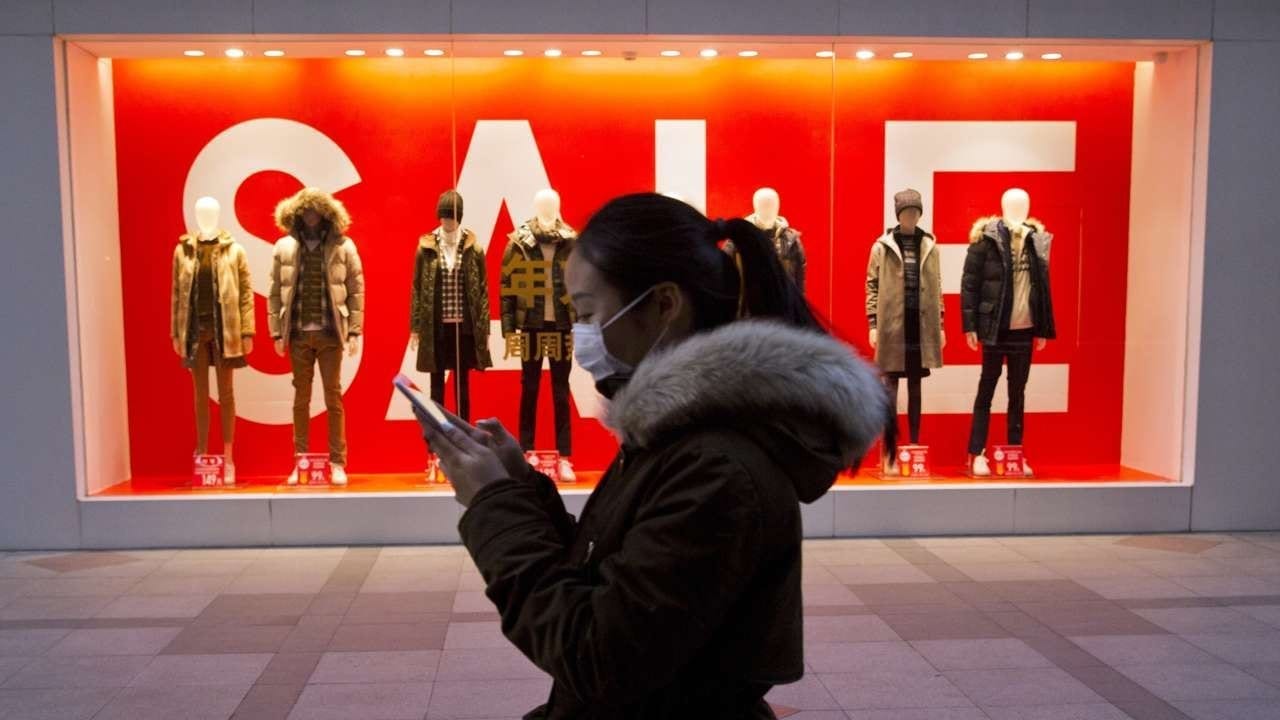
    While the past two years may have been brutal for brick-and-mortar stores worldwide, China’s online and offline retailers have witnessed a “new retail” revolution, driving an increasingly stronger national consumption.

    Since China launched economic reforms in 1978, the country’s retail industry has undergone multiple stages of development.

    With foreign retailers flooding in after China joined the World Trade Organisation in 2001, the scene was diversified. Offline retail started to be challenged by Taobao, Alibaba’s online shopping platform, which was founded in 2003 and grew ­exponentially in the following decade. The transaction amount for Alibaba’s “Singles’ Day” 24-hour online sales each November 11 has grown from 50 million yuan (HK$59 million) in 2009 to 168 billion yuan this year.

    With e-commerce booming, businesses have been adopting an “online to offline” (O2O) model, using online channels to attract offline traffic. In the past few years, this phenomenon has evolved into the notion of “new retail”.

    New retail represents a trend of online merging seamlessly with offline, resulting from the prevalence of digital technology, like mobile payment, wireless internet, sensors and artificial intelligence (AI).

    In this model, online is no longer just a sales channel, but provides ubiquitous touchpoints to interact with consumers and their social groups. By contrast, offline retailers are trying hard to keep consumers in their brick-and-mortar stores for longer, offering better customer experiences by leveraging digital technologies.

    From sales and marketing to ­logistics and inventory management, the new retail revolution is transforming the industry. For example, Amazon Go, the pioneer in new retail in the US, tracks purchasing behaviour with sensors placed on supermarket shelves. After consumers choose their products, they can just walk out of the store, with the amount payable automatically deducted from their mobile payment account.

    Some aspects of the retail operation are also becoming less human-led. In China, logistics firm Cainiao is incorporating hi-tech-enabled hardware and software to improve efficiency. In its logistics park, ­Cainiao deploys drones to monitor the security of the venue. Within the warehouse, several robots called “Geek+” work with staff to sort packages. It also uses computer vision to identify, monitor and ­arrange different orders.

    Improved logistics efficiency is contributing to the consumer experience as well. Consumers will not only receive their packages faster, but also with fewer errors and get fresher goods.

    China’s speed and intensity in new retail have gone into orbit

    Whereas in America, Amazon is at the forefront of the new retail revolution, China’s speed and intensity have gone into orbit. Players big and small are experimenting with various forms of new retail, making the industry more dynamic than ever.

    Driven by the huge market ­opportunities and abundant venture capital, start-ups in China are actively participating in this revolution. For example, Xingbianli, a convenience store and vending machine start-up, offers many popular Korean and Japanese products that could mostly only be bought via daigou (individuals who shop overseas and resell to Chinese consumers). More importantly, it is testing the area of unmanned retail.

    Products have their own bar code, which can be scanned by consumers when they choose their shopping and then check out on the Xingbianli app. There is also a mini-library and a ­café within the convenience store, aimed at making consumers linger.

    Traditional local retailers are also incubating their own new retail formats, such as Super Species, a subsidiary of China’s largest supermarket chain, Yonghui Superstores.

    Super Species specialises in selling fresh produce, such as vegetables and seafood, and combines the traditional market with restaurants, ­cafés, florists, and so on. It has also introduced a Yonghui Partnership Plan, allowing staff to present more innovative retail ideas and pilot them within the stores. Super Species itself is becoming an incubator for those innovative ideas, and new retail here is no longer just about changing the store format, but also the mindsets of all staff.

    Tech giants like Alibaba, Tencent and JD.com are heavily investing and competing head to head in the offline battleground. Alibaba ­invested US$2.9 billion in one of China’s largest supermarket chains, Sun Art Retail Group, in November. It aims to transform Sun Art’s offline business of over 400 ­Auchan and RT-Mart branded ­hypermarkets and provides technology to enhance customer data and inventory management.

    In 2015, JD.com invested US$700 million in Yonghui Superstores. This month, Tencent, a close ally of JD.com, acquired a 5 per cent share in Super Species, and made capital injection for a 15 per cent stake in Yonghui Yunchuang Technology, Yonghui’s supply chain and logistics subsidiary.

    To further compete with Alibaba online and enrich their own ecosystems, Tencent and JD.com are ­investing in VIP.com, a Chinese e-commerce platform specialising in discounted products for women.

    They will together own 12.5 per cent of VIP.com and, as they further monetise their traffic, the new retail battle with Alibaba will ­get fiercer.

    Foreign companies are also ­actively piloting their new retail strategy in China. Earlier this month, the world’s largest Starbucks ­Reserve Roastery opened in Shanghai, leveraging Alibaba’s technology to give consumers a more immersed Starbucks journey.

    This is also the first mass offline application of augmented reality (AR) technology. Consumers can use the Taobao app to unlock the AR features in the store, such as learning about the details of the Starbucks coffee brewing process.

    Technologies are enabling these companies to create new business approaches, while intense competition is driving all players to ­become better. They can’t afford to slow down. China’s scale also allows companies to use the market as a business laboratory and to experiment with business models.

    Consumers will ­increasingly be viewed as a ‘segment of one’ and receive more personalised solutions

    Through fast launch and adaptation, players can fine-tune their business model at a rapid pace.

    Beyond retail, the future consumption landscape will be much more complicated and sophisticated. Digital technologies, especially AI, 5G network and the internet of things, are already blurring the boundaries of industries.

    Eventually, retail will be merely one layer of the consumer lifestyle, albeit a high-frequency one. The internet of things will create a new ecosystem that is ubiquitous and interconnected. Also, 5G network development will facilitate this process in the near future and bring about disruption in the retail world.

    Assisted by machine learning and big data, consumers will ­increasingly be viewed as a “segment of one” and receive more personalised solutions, not just in ­retail, but in every facet of their life.

    To that end, China will be at the global forefront of innovation and experimentation.

  • Philippine capital markets need to be more inclusive

    Philippine capital markets need to be more inclusive

    The local capital markets may have had significant developments over the years but it remains relatively small compared to other emerging economies in Asia.

    In a span of five years, Philippine corporations have already raised over P1.7 trillion from five to eight initial public offerings (IPOs) and 10 to 15 corporate bond transactions a year.

    Retail investors have also stepped up, especially for local equity and fixed-income deals, and now account for 50 percent to 70 percent of the volume, compared to previous years where institutions take up around 60 percent to 70 percent.

    Although the scenario has gotten better, the number of IPOs and bond issues in the country still pale in comparison to other emerging economies in the region. And while participation from retail investors has increased, most of the investors are coming from the more affluent retail, leaving a huge untapped market, such as the overseas Filipino workers and the unbanked sector.

    The challenge, according to BDO Capital and Investment Corp. President Eduardo V. Francisco, is to make the local capital markets more inclusive, enabling the ordinary man on the street to invest in stocks and bonds.

    BDO Capital is a full service investment house wholly owned by BDO Unibank that provides securities underwriting and trading, loan syndication, financial advisory, and private placement of debt and equity among others.

    Speaking before capital market participants during the recent Euromoney Philippine Investment Forum, Francisco emphasized there is more to increasing financial literacy in the country to achieve inclusivity and make the local capital markets on a par with the developed countries.

    One of the solutions, he suggested, is not only to digitize but also to rid of too many touch points for IPO or bond subscriptions as these are roadblocks to encouraging many to invest in the capital markets.

    He added subscribing to equities and bonds in the country is too cumbersome due to the numerous documents, forms and identifications required.

    “Our Monetary Board, Securities and Exchange Commission, Philippine Stock Exchange are open to new ways to raise the number of investors and make it more available to the masses. We have seen them liberalize rules but we need to propose new products or solutions,” Francisco said.

    He added the Philippines should also look into new platforms and models from abroad that the Philippines can adopt, particularly innovative solutions that would minimize documentation.

    “Foreign players with platforms abroad are welcome to bring it here. Fintech solutions are also welcome and we can work with the regulators to get approvals,” he said.

  • What Hong Kong should do to boost our tourism sector

    What Hong Kong should do to boost our tourism sector

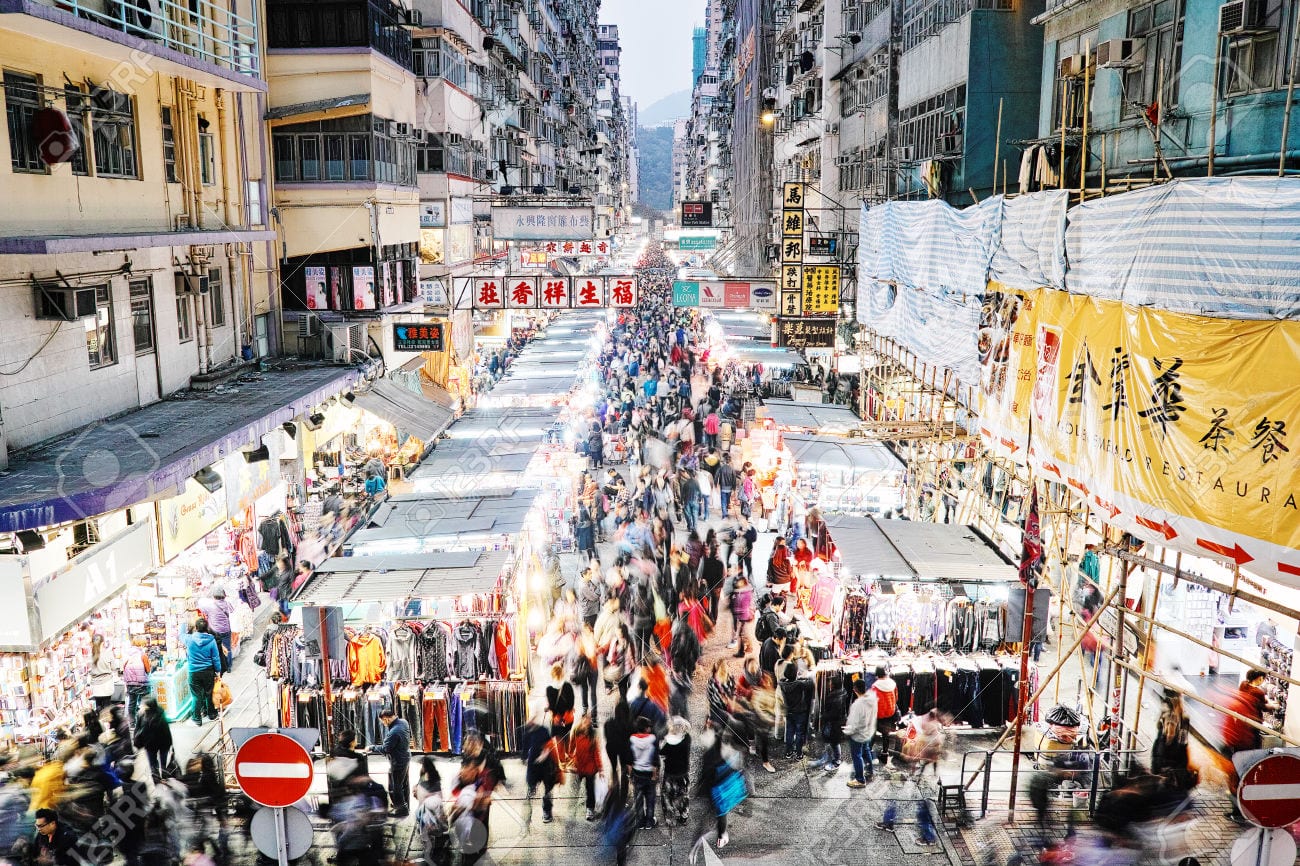
    People from other places may find it hard to imagine, but Hong Kong, although such a small city, can accommodate more than 50 million tourists each year. Of course, most of them are from the mainland.

    But the government should think of how to overhaul our tourism industry and rebuild Hong Kong into a place for cultural nourishment and entertainment activities, rather than just a big shopping mall.

    Chief Secretary Matthew Cheung said more than 52 million tourists visited Hong Kong in the first 11 months of 2017. That’s a 3 percent increase from the same period last year.

    He revealed in his blog that visitors from the mainland and the rest of the world both registered increases. The number of overnight visitors went up by 5 percent in the first 10 months of 2017, from the same period a year ago.

    More than 70 percent of the tourists came from the mainland, while those from other countries including Taiwan, South Korea, Japan and Europe just accounted for 30 percent.

    Hong Kong’s tourism industry, which employs more than 280,000 people, remains heavily dependent on mainland tourists, even after the sector has been hit hard by Chinese President Xi Jinping’s far-reaching anti-corruption campaign since 2012, which caused big-spending mainland shoppers to stay away from the territory. 

    But there are signs they are returning to the city this year. In fact, tourists from across the border treat Hong Kong as their supermarket rather than a place for leisure activities, given the perception that the quality of products and level of consumer protection in the city are higher than those on the mainland.

    But this over-reliance on mainland tourists has distorted the development of local tourism as landlords turn shopping malls originally intended to cater for the needs of the local community into attractions for mainlanders. Such orientation has not only affected the daily lives of local residents but has also turned Hong Kong into a shopping mall city, with malls housing similar retail shops and restaurants offering the same goods and services in all districts from Central and Mong Kok to Sheung Shui and Tung Chung.

    Chief Executive Carrie Lam’s administration understands the challenges facing the tourism industry, but it has not veered away from its old strategy of pouring money into hardware rather than building the city’s “soft power” to highlight the city’s uniqueness as a former British colony and China’s global gateway.

    One of the government’s biggest mistakes in trying to boost the city’s tourism industry is its decision to invest another HK$5.45 billion in Hong Kong Disneyland for its expansion plan. The investment only benefited Walt Disney while Hong Kong is left holding an empty bag as other Disneyland resorts in the region, i.e., in Shanghai and Tokyo, proved to be tough rivals.

    The government should instead promote its own uniquenes through a light show featuring our old districts.  We could, for example, try to bring back nostalgic memories of the old Hollywood Road in Central, showcasing the old office building of Wah Kiu Yat Po newspaper, the Dr. Sun Yat-sen Historical Trail, and other aspects of our storied past.

    While those buildings no longer exist in the real world, we could make use of new technologies such as augmented reality or virtual reality that allow tourists to visit the past by using their mobile phones or other smart devices.

    Perhaps, the government can partner with the newspaper society to come up with gimmicks like giving away old copies of Chinese newspapers – with the tourists’ pictures published on the front page – as souvenirs as well as a reminder of our rich history of press freedom.

    Such a model can be replicated in other different districts of Hong Kong to highlight the colorful tapestry of our culture and society that is older than the British colonial period.

    Another initiative to revive our tourism industry is to sponsor international sporting, cultural and entertainment events. The West Kowloon Cultural Zone could play a leading role in boosting our tourism industry by promoting Hong Kong as a cultural and entertainment hub.

    The government said it will come up with a comprehensive development plan for our tourism industry with new attractions and offerings. It’s about time we did.

  • AirAsia’s Indonesian arm becomes part of AirAsia Indonesia

    AirAsia’s Indonesian arm becomes part of AirAsia Indonesia

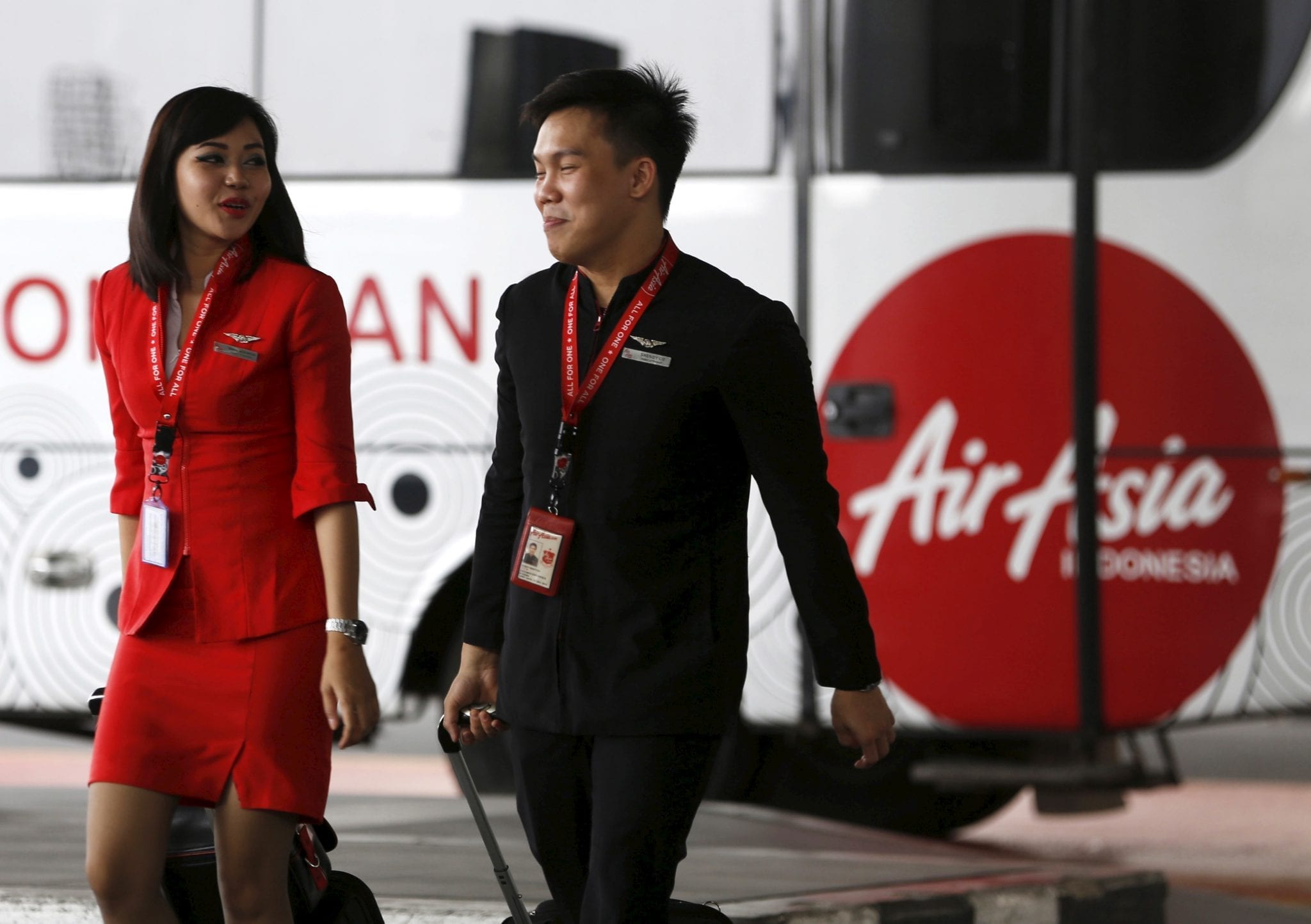
    PT Indonesia AirAsia (IAA), the Indonesian arm of Malaysia-based low-cost carrier AirAsia Bhd., has officially become part of publicly listed company PT AirAsia Indonesia (AAI) following the completion of a recent acquisition.

    The former acquired a 57.25 percent shareholding in the latter on Friday.

    Jakarta-listed PT Rimau Multi Pratama (RMPP) was renamed AAI after the conclusion of its rights issue and divestment of its coal trading and transportation business on the same day.

    In the rights issue, IAA’s shareholders, namely PT Fersindo Nusaperkasa (FN) and AirAsia Investment Ltd (AAIL), acted as standby buyers of the new stocks issued by AAI.

    Overall, the transactions have allowed IAA to control the majority stake in AAI, while FN and AAIL hold the remaining 42.75 percent.

    AirAsia Group CEO Tony Fernandes said its move in Indonesia followed the listing of AirAsia business entities in the stock markets in Malaysia and Thailand.

    “The corporate deal will bring us closer to the One AirAsia vision with which we plan to list all of our business units in ASEAN on the stock market,” said Fernandes in a press statement on Friday.

    AirAsia said in August that it opted for a backdoor listing through publicly listed firm RMPP to expand its business in Indonesia. The decision was made to avoid lengthy and costly procedures that normally result in an initial public offering (IPO).

  • 2018 retail predictions and impact of technology

    2018 retail predictions and impact of technology

    Globally e-commerce is a low hanging fruit with low teens penetration. E-commerce is a proven channel and is expected to continue to gain marketshare to the chagrin of incumbent retailers in 2018.

    International grocery research firm IGD, noted that both traditional retailers and ecommerce players, lured by the rosy prospects of the thriving e-commerce market, have stepped up their online expansion, reaching out to more customers in Asia via online platforms.

    In many Asian countries, with m-commerce getting more popular among online shoppers, the move towards a cashless society is gaining steam. Some retailers have also partnered with payment service providers to offer electronic payment services and mobile wallets to provide their online customers a frictionless payment experience.

    In 2017 IGD predicted that online grocery will be the greenfield that will drive battleground. The excitement revolves around the anticipated significant potential as far as addressable market is concerned. In China, online grocery penetration is around 4% (compared to mid- to high-tens for e-commerce) compared to 1% in the US.

    “We think that online grocery is going to be the next driver because the cost of customer acquisition cost while helping Internet companies to cross-sell,” said Sundeep Gantori (video top rigth), director, Equity Analyst, UBS AG. In this exclusive video interview with Retail Tech Innovation, he describes the key pressure points facing retailers in 2018.

    The strategy for much of 2018 will likely be further integration of digital with brick-and-mortar operations as retailers further embrace advanced technologies to improve customer engagement with tools such as virtual and augmented reality as well as gamification. One clear strategy is alignment of business with the needs of the evolving customer.

    IGD also noted that “experiential shopping” is gaining traction in Asia as consumer palate for additional value – exceptional service and personalized experiences, or as the research firm refers to it: immersive shopping experiences and services.

    The latest IDC FutureScape: Worldwide Retail Predictions says that by 2019 50% of retailers will have adopted an omni-channel commerce platform. IDC forecasts up to a 30% increase in omni-channel profitability as a result of increased revenue and efforts to drive up TCO while driving down inventory costs and operational costs.

    The analyst also predicts that in the same period, the top 30% of retailers will be actively engaged in digital transformation, driving organization shifts and investment strategies in foundational endeavors.

  • KB Kookmin Bank to kick off voluntary retirement program

    KB Kookmin Bank to kick off voluntary retirement program

    KB Kookmin Bank, South Korea’s largest retail lender, said Wednesday it will carry out a voluntary retirement program for workers subject to the wage peak system.

    The bank will pay the equivalent of between 27 and 36 months of salary to those who are eligible for the retirement program, the lender said. An agreement was made between the labor and the management.

    The workers subject to the wage peak system starting from next year can apply for the program. Under the system, employees are supposed to get less pay from the age of 55 to the retirement age of 60.

    Major banks in South Korea have made a series of job cuts in recent years to reduce costs and buttress their bottom lines. KB Kookmin Bank has carried out the program annually since 2015.

  • Bad loans rise at Philippines’ big banks in October

    Bad loans rise at Philippines’ big banks in October

    Bad loans on the books of the country’s biggest banks rose further in October, latest central bank data showed, amid the industry’s rising total lending portfolio.

    Data from the Bangko Sentral ng Pilipinas (BSP) showed gross non-performing loans of universal and commercial banks amounted to P107.69 billion in October this year – which was P9.27 billion higher than the P98.42 billion recorded in the same month in 2016.

    Non-performing loans are left unpaid by borrowers for at least 30 days past the due date. These are seen as risky assets due to higher risk of default.

    Amid the uptick in bad loans, BSP said the rate remains manageable across economic sectors, such as financial and insurance activities, real estate, manufacturing, wholesale and retail trade, as well as electricity, gas, steam and air-conditioning supply.

    The rise in bad loans happened as total loan portfolio of big banks grew at a faster rate of 17% to P7.36 trillion in October, from P6.29 trillion in the same month last year.

    This translated to a lower gross non-performing loan ratio of 1.46% in October, from a year-ago level of 1.56%, BSP data showed.

    The central bank said latest figures indicate the continued adherence to high credit underwriting standards of local big banks.

    Aside from trying to keep bad loan levels low, BSP said big banks continued to earmark sizeable reserves for potential credit losses, which was at P144.94 billion or 1.97% of total portfolio in October this year. This is compared to last year’s P133.05 billion or 2.11% of the total lending portfolio.

    Latest data from the BSP showed the industry’s credit growth eased to 19.9% in October, from 21.1% in September after increasing for 4 consecutive months – which some economists and credit rating agencies see as a possible sign of an overheating economy.

    Loans for production activities are up 18.7% to P6.01 trillion in October, from P5.06 trillion in the same month in 2016, accounting for 88.3% of loans given out by the banks.

    Meanwhile, credit to the real estate sector accounted for 17.2% of the total loan portfolio at P1.17 trillion, followed by credit to wholesale and retail trade and repair of motor vehicles at 13.6%, worth P924.56 billion.

    This was followed by manufacturing sector loans (12.8% of loan portfolio, worth P873.64 billion), and credit to electricity, gas, steam and airconditioning supply sector (12.1% share, P821.87 billion).

    The country’s gross domestic product gowth climbed to 6.9% in the 3rd quarter, from the revised 6.7% in the 2nd quarter of 2017. This brought the average economic growth in the 1st 9 months of 2017 to 6.7%.

    The Philippines has posted positive economic growth for 75 straight quarters since the Asian Financial Crisis.

  • Cebu Pacific issues peak season travel advisory

    Cebu Pacific issues peak season travel advisory

    Cebu Pacific (CEB) and Cebgo remind all passengers during this crunch holiday season to allot ample time to get to the airport, check-in, go through security and immigration checks, and process pre-departure requirements.

    “CEB Domestic Check-in counters are open three hours before the scheduled time of departure and four hours for international flights,” a Cebu Pacific advisory indicated.

    “All check-in counters close 45 minutes before the scheduled time of flights, except those exiting the Dubai and Middle East (one hour) and Shanghai (50 minutes).”

    Cebu Pacific has also deployed roving check-in agents in all of the Philippine airports the carrier operates in, including the NAIA Terminal 3 and Terminal 4.

    “The agents are equipped with iPads with the Levarti MAX Airport application, as well as portable printers. This allows CEB terminal personnel to remotely check-in passengers, assign seats, facilitate payment for baggage and other ancillary services, and even print boarding passes.”

    CEB and Cebgo passengers may also check-in using the following options to cut the waiting and queuing time:

    • CEB Mobile Check-in. Download the official Cebu Pacific Mobile App on the App Store or Google Play and tap on the Check-In option. CEB Mobile Check-in is available from seven (7) days to four (4) hours before an international flight, and up to one (1) hour before a domestic flight.
    • CEB Web Check-in. Visit the Manage Booking section of the Cebu Pacific website (https://www.cebupacificair.com). For international flights, web check-in is available from seven (7) days up to four (4) hours before scheduled flight departure. Those taking domestic flights can do web check-in up to one (1) hour before their scheduled departure.
    • Self-Check-in Kiosks. Passengers at NAIA Terminals 3 and 4 and selected domestic airports can use these kiosks to check-in their flights eight (8) hours up to one (1) hour before the scheduled flight departure.

    Domestic Airports with CEB Self Check-in Kiosks

    • Bacolod: Bacolod–Silay International Airport
    • Busuanga (Coron): Francisco B. Reyes Airport
    • Cagayan de Oro: Laguindingan Airport
    • Clark: Clark International Airport
    • Davao: Francisco Bangoy International Airport
    • Dipolog: Dipolog Airport
    • General Santos: General Santos International Airport
    • Iloilo: Iloilo International Airport
    • Kalibo: Kalibo International Airport
    • Legazpi: Legazpi International Airport
    • Ozamiz Labo: Ozamiz City Airport
    • Roxas: Roxas Airport
    • Pagadian: Pagadian Airport
    • Puerto Princesa: Puerto Princesa International Airport
    • Tagbilaran: Tagbilaran Airport
    • Zamboanga: Zamboanga International Airport
    • Butuan: Bancasi Airport

    Domestic web or mobile check-in guests with check-in luggage can drop these off at the bag drop counter at least 45 minutes before the flight, except those exiting the Middle East (one hour) and Shanghai (50 minutes).

    International web or mobile check-in guests still need to show up at check-in or bag drop counter at least one (1) hour before the flight to present valid travel documents.

    Domestic web or mobile check-in guests with check-in luggage can drop these off at the bag drop counter at least 45 minutes before the flight, except those exiting the Dubai (one hour) and Shanghai (50 minutes). International web or mobile check-in guests still need to show up at check-in or bag drop counter at least one (1) hour before the flight to present valid travel documents.

    Dedicated bag drop counters (D16-D24) are available for web and mobile boarding pass holders at the NAIA Terminal 3.

    Here are other reminders for all CEB and Cebgo passengers:

    • Check the airport terminal screens for the accurate time and boarding gate assigned to the flight. While there is a Public Address system where announcements are made, we strongly encourage passengers to be more alert in checking boarding information. CEB boarding agents are ready to assist passengers and answer queries.
    • Mind the weight of your hand-carry. CEB allows only ONE (1) hand-carry bag with maximum weight of seven (7) kilos.
    • Liquids, aerosols and gels inside a hand-carry bag should be in a container 100 ml or less. These should be placed in a clear, resealable plastic bag.
    • Purchase baggage allowance upon booking, with options ranging from 15 to 40 kilos. This lets you save as much as 71% compared to paying excess baggage fees at the airport.
    • Be security-conscious. When possible, lock and seal your luggage and place easily identifiable markers on your check-in baggage. We strongly advise guests to hand-carry valuable items such as money, jewelry and mobile devices.
    • Proceed to the boarding gate immediately after completing check-in requirements. Guests should be at the gate at least 30 minutes before the scheduled time of departure.