Author: Mei Ling Tan

  • Findmenhair Proclaims The Online Retail Of An Array Of Human Hair Wigs

    Findmenhair Proclaims The Online Retail Of An Array Of Human Hair Wigs

    Findmenhair.com is a portal exclusively dedicated to listing and retailing a wide range of hair replacements products for both the genders including but not limited to wigs, toupees, hair toppers, and lace top closures.

    Alopecia, the medical term for baldness, as well as a thinning or receding hairline is a very widespread problem nowadays in both men and women. Today baldness is an endemic health issue that affects not only middle-aged individuals and senior citizens but also predominates in teenagers and young adults. Hair loss can happen for a variety of reasons, including diabetes, lupus, anemia, cosmetic procedures, autoimmune disease, stress, medications, burns, and childbirth to name a few. Needless to say baldness has an adverse bearing on the way one appears, potentially undermining an individual’s personality and self-confidence. However, bald persons and those with receding hairline can restore their original look by opting for a wig or toupee. Findmenhair.com is a premier online stockist and retailer of a myriad array of hair toppers, standardized and bespoke toupees, human hair wigs, wigs cap, and lace closures that are highly sought after.

    This men’s and women’s hair replacement web-based outlet has been inventorying and selling the aforementioned products for many years now. Findmenhair.com is an authorized website registered in Hong Kong that is extremely popular with numerous men and women who are inconvenienced owing to baldness or loss of hair on their foreheads. Anybody looking for a toupee or hair topper will find the best quality products on this site and that too at ex-factory prices. The online outfit always ensures that its customers not only receive quality items but excellent after sales service as well. The wigs and lace closures are available in a variety of lengths, styles, and colors implying that there is something for every prospect logging into its site. For instance, the Topaz hair toppers for women that have been fashioned out of virgin European human locks are available in 7 distinct lengths, two separate textures (wavy or straight) and wide range of colors

    Another item that enjoys a high level of demand is the half wig human hairs. The ‘long blonde top crown hair pieces human hair half wig clip in-hair extension for balding’ is a hit with women of all ages. One can either go for a stock version or place an online order for a customized wig. It’ll take at least 1 month to complete making the product according to the customer’s specifications. The strands of hair tethered to the wig are original human hairs and have been sourced from haircutting/hairdressing salons and other reliable sources.

    The human hair toppers for women with receding hairlines are available in straight, wavy, and curly styles. The site recommends customers to seek the help of a professional hair stylist or hairdresser for a perfect fit. In order to maintain the hair topper, it is advised to rest the same on a wig stand or mannequin and cleaning the toupee every fortnight.


  • Orchard Road must not lose its bloom

    Orchard Road must not lose its bloom

    Orchard Road has had many incarnations. It got its name from the many nutmeg and fruit orchards that existed in the last century. It has always been an important street, connecting the residential area of Tanglin to the business and commercial areas of Raffles Place and High Street. At one point, the road hosted car showrooms and even a sprawling cemetery. Its current incarnation as Singapore’s premier shopping belt began in the 1960s after the area was zoned for retail. The grand plan to shape Orchard Road’s future in the next 15 to 20 years should look back at these transformations – save the cemetery, of course – even as it looks ahead.

    Incremental efforts are important, no doubt. For example, a Shibuya-style scramble walk is on trial; it may be replicated if it is successful. Adding to the area’s ambience will be an initiative under which, from next July, smoking in public areas will be allowed only at designated areas within the smoke-free zone. However, if Orchard Road is to bloom again, these moves must become a part of a master plan that takes unpleasant realities into unsentimental account.

    Chief among those realities is that shopping may not continue to be the primary activity with which the road is associated. The proliferation of shopping malls around the country gives shoppers more choice than they once had. Also, online shopping is challenging brick-and-mortar stores around the world. In the United States, for example, several leading department store chains have lost value in recent years, and department stores have shed 500,000 jobs since the beginning of this century. Although shopping will continue to attract tourists to Orchard Road, its stores will have to ride on the global trajectory of marrying traditional and online retailing, for example by having smaller stores with limited inventories complement expanding online operations.

    The larger need is to look beyond shopping itself. One way for Orchard Road is to recreate the times when it was a “happening” place because of famous nightspots and roaring discos. The road must not die at night. During the day as well, parts of the belt could be redeveloped in the form of buildings which house civic facilities that attract crowds. Arts venues for concerts and performances, multi-purpose sports hubs, theme parks within malls, or a children’s centre that makes the area family-friendly are ways to rejuvenate the road.

    These should be considered seriously. The problem now is that Orchard Road’s iconic centrality as a shopping belt in the tourist imagination makes it difficult to refashion the purpose of the place. But it is not a zero-sum game. Local shoppers will have more reason to visit the place if they are attracted by other amenities as well. Orchard Road cannot remain frozen in time.

  • China’s 2018 Slowdown Imminent

    China’s 2018 Slowdown Imminent

    Chinese industrial firms continued to ramp up production in the fourth quarter, a private survey on Wednesday showed, but growth in wages and hiring slowed in a further sign of cooling momentum in the world’s second-biggest economy. The quarterly survey of thousands of Chinese firms by China Beige Book International showed “old economy” firms in the commodities sector sustained an increase in net capacity and production. Overall, wages and hiring ebbed in the December quarter, with the retail sector suffering the biggest blow on weak revenue, a hiring slowdown and worsening cash flow.

    The results reinforce views that China’s economy will slacken in 2018 after posting better-than-expected 6.9% growth through the first-three quarters of this year in the run-up to a key meeting of the ruling Communist Party.

    For much of this year activity was supported by robust exports and a construction boom, thanks to a government-led infrastructure spending spree. But a relentless crackdown on debt risks has started to weigh on the economy. “If you expect a noticeable slowdown in 2018, the first post-congress returns support those expectations,” CBB said of its fourth quarter findings. Performance in the retail sector lagged that of other industries, the survey showed, despite Beijing’s efforts to restructure growth towards domestic consumption from years of overreliance on exports and credit-intensive investment.

    Authorities are in the second year of an extended campaign to foster sustainable growth by reducing high levels of debt across the economy, particularly targeting speculative lending in the financial sector and the housing market.

    Mixed Results

    While fourth quarter corporate borrowing fell from the third, and banks sold fewer ‘shadow banking’ investment products, average lending rates fell for a second quarter in a row, CBB said, underscoring the mixed results from the deleveraging process. CBB highlighted weakness in the auto retail segment, where growth is slowing from a high base, while apparel and luxury goods saw rapid inventory growth, which could point to future weakness.

    The fourth quarter survey again showed little evidence of supply-side reform, with industrial commodity firms adding net capacity and ramping up production, as well as boosting their payrolls.
    Beijing said last week that it will push forward structural supply-side reform that saw outdated capacity taken offline, including surpassing a target for cutting 50 million tons of steel capacity this year.

    Trade Deficit Widens

    China’s trade deficit in services widened to $18.3 billion in November from $17.8 billion in October, the foreign exchange regulator said on Wednesday. The deficit was largely due to a $14.9 billion gulf in spending between foreign tourists and the Chinese, who splurge more abroad than do visitors to China, data from the State Administration of Foreign Exchange showed.

    For the January-November period, China’s services trade deficit stood at $234.8 billion, versus a gap of $216.5 billion for January-October. Shanghai stocks suffered their biggest loss in two weeks on Wednesday amid signs of slowing economic growth and year-end liquidity tightness. Benchmark rates in the banking systems kept climbing in signs of liquidity stress. The one-month Shanghai Interbank Offered Rate climbed to 4.93% on Wednesday, the highest level since April, 2015. The 14-day repo rate rose as much as 10%, the highest level in four years.

    Profits Fall

    China’s major industrial firms reported slower profit growth in the first 11 months, but saw progress in improving profitability and lowering debt levels, the National Bureau of Statistics said Wednesday. Businesses with annual revenue of more than 20 million yuan (about $3 million) reported aggregate profits of 6.88 trillion yuan in the first 11 months, a 21.9% increase from one year earlier.

    The growth marked a mild slowdown from 23.3% in the January-October period. In November alone, profits were up by 14.9%, down from 25.1% during the previous month and the weakest pace since April. Combined revenue from main business was up 11.4% in the first 11 months, down from 12.4% in October. NBS statistician He Ping said slowing price growth bit into corporate profits. “Primary calculation showed price changes… reduced profits by 94.4 billion yuan month on month, dragging down the profit increase by 13.8 percentage points,” he said.

  • End of 47-year Japan rice program seen boosting ramen wheat output

    End of 47-year Japan rice program seen boosting ramen wheat output

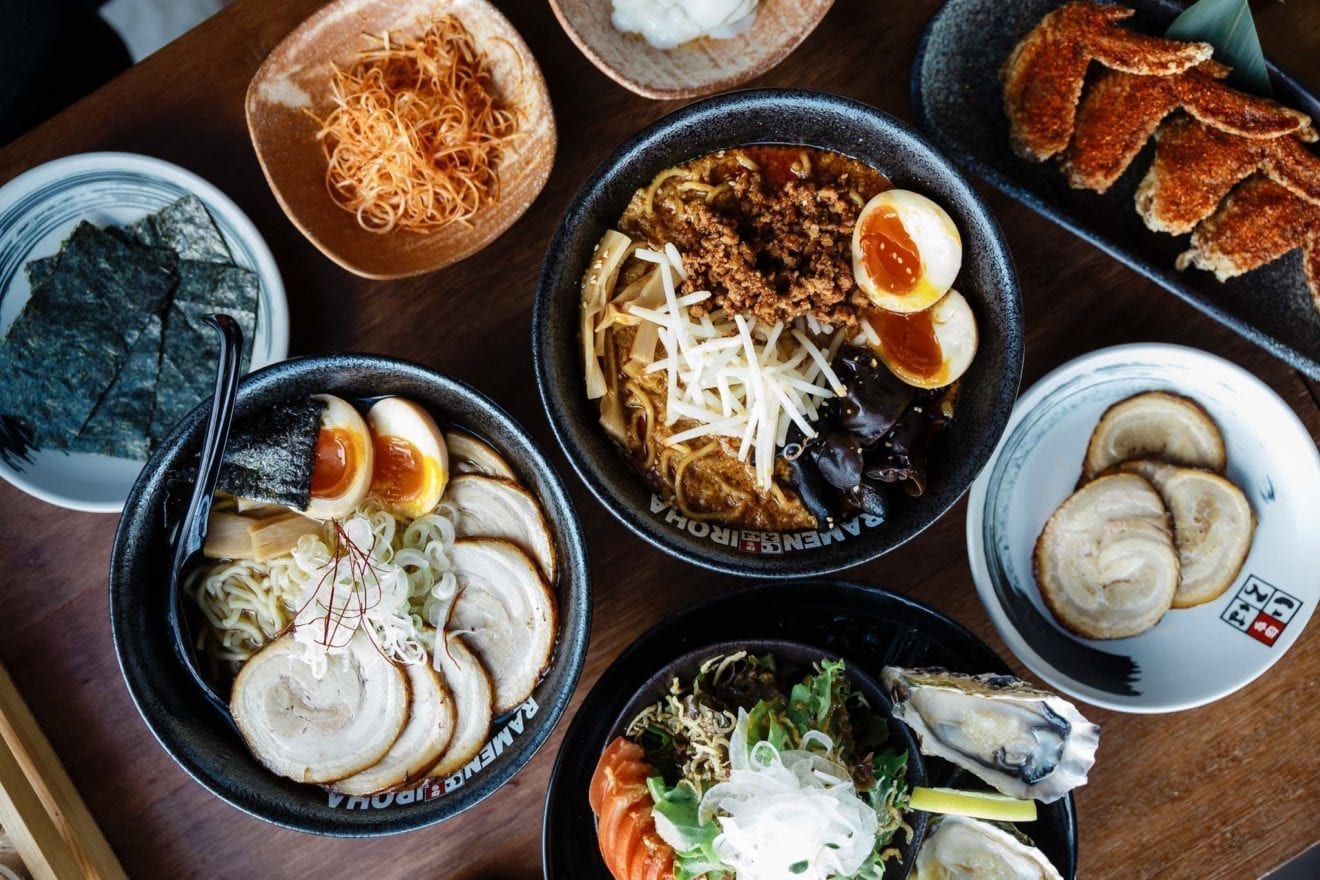
    The end of Japan’s four decades of rice-market control could be good news for noodle lovers. That’s because rice farmers may plant alternative crops like wheat once government control ends by March 31 and look to tap into rising demand for ramen. Fukuoka, on Japan’s southern island of Kyushu, is expanding production of a locally developed variety of grain, known as Ra-Mugi, that’s designed to be perfect for tonkotsu ramen: a dish of cloudy white pork broth, with noodles and slices of pork that originates in the region.

    Ramen demand has climbed in recent years with restaurants opening from London to Sydney, challenging the ubiquity of Japan’s other well-known food export sushi. The number of shops outside the country more than doubled to over 2,000 in the two years to early 2015, Shin-Yokohama Raumen Museum says, with the expansion supported by the government-backed Cool Japan Fund. Asia’s second-biggest wheat importer relies on grain from the United States, Canada and Australia to produce ramen noodles domestically.

    “What is ideal for our ramen noodle is a chewy, sticky one that can preserve its texture in a soup,” said Yuji Yamaguchi, counselor at Tofuku Flour Mills Co., which developed the wheat jointly with the Fukuoka prefectural laboratory. “Ra-Mugi is designed to meet our requests.”

    Foreign tourists

    Tonkotsu ramen was invented in 1937 by noodle-shop operator Tokio Miyamoto and was initially eaten by fish-market workers in Fukuoka as fast food. Two decades later Momofuku Ando invented the instant ramen noodles beloved by college students. The global retail value of instant noodles rose 11 percent since 2012 to $33 billion this year, Euromonitor International estimates.

    In Japan tourists are also driving demand and ramen now ranks alongside sushi and Wagyu steak as one of their top menu choices, according to Motoo Kawabata, a professor for global marketing at Kwansei Gakuin University in Nishinomiya. The number of foreign tourists visiting Fukuoka City rose 24 percent in 2016 to 2.57 million, a fifth straight record. Korean tourists accounted for about 40 percent, according to the city government.

    “After seeing photographs and videos of our outlets via social media, they come here to have a real one,” said Yukari Shibayama, a spokesman at Ichiran’s flagship shop in Fukuoka City. “We have seen a surge in foreign customers to our shop, mainly from Taiwan, Korea and Hong Kong, in the past three years.”

    “Tonkotsu ramen is the best Japanese food for me, along with sushi,” said Jeon Byeong Hyun, a 34-year-old office worker visiting Fukuoka from Busan, South Korea. “I came here to introduce my favorite shop to my friends.”

    Returns

    Farmers may also be encouraged to grow Ra-Mugi wheat as it offers higher returns.

    Yukio Endo, 49, who grows rice, wheat and barley in Fukuoka, must spray crops with fertilizer for a fourth time, with a heavy machine on his back about a month before harvesting Ra-Mugi on his 8-hectare (20 acres) paddy. That compares with three times for other wheat, but is necessary to maintain a high level of protein. Millers request at least 12 percent. “It requires us to work harder, but rewards us better,” he said in an interview. Farmers producing Ra-Mugi can get premium of ¥2,300 ($20) per 60-kilogram bag compared with conventional wheat. Growers are also eligible for a ¥35,000 subsidy for every 0.1 hectare of wheat planted, as the government seeks to curb its reliance on imports.

    Producers are unable to keep up with local demand. Fukuoka, Japan’s second-biggest wheat grower, wants to raise Ra-Mugi production by more than 30 percent to 8,000 tons in the near future, which would be enough to supply about half the ramen shops in the prefecture, said Tadayuki Matsumoto, director at the local government’s agricultural department.

    Hakata-Sanki, the biggest user of Ra-Mugi wheat, uses the variety even though it’s 20 percent more expensive than flour made from imported grain because it helps attracts customers, according to Akira Nakano, the manager of the company’s noodle-making plant in Dazaifu. Sales of Ra-Mugi noodles are set to increase to 300,000 units a month by March from about 230,000 in November and will double by 2019 as it moves to supply more than just its own 14 stores, Nakano said.

  • Thai AirAsia CEO buys back 36.3% of share in Thai Airways

    Thai AirAsia CEO buys back 36.3% of share in Thai Airways

    Thai AirAsia CEO Tassapon Bijleveld has bought back 36.3% of shares in Asia Aviation, a 55% shareholder of Thai AirAsia, at THB4.70 (USD0.14)/share, covering the purchase of around 1.761 billion shares from King Power Group chairman Vichai Srivaddhanaprabha and his family. The size of the transaction was around THB8.279 billion (USD252.3 million). Mr Srivaddhanaprabha and his family bought their stake in 2016 in a THB7.9 billion (at the time around USD225 million) transaction.

    Mr Tassapon, who previously held a 5% stake in AAV and has increased his stake after the transaction to 41.3%, said that he bought back the shares from the Srivaddhanaprabha family because of his love for the airline, which he has managed since its inception. He said the acquisition will allow him to better realise the airline’s vision and direction. “I assure all that the management team who has been running the airline from the very first day will continue to play a critical role in driving Thai AirAsia forward, along with the staff that have always been so dedicated in helping the airline becoming Thailand’s number one airline, which is reflected in our leading market share”, he said.

    He added: “Thai AirAsia will continue to invest in 2018 as planned, which will include amongst other things, the acquisition of seven aircraft. We estimate the number of passengers in 2018 to be around 22 million and we can achieve this by penetrating new markets in ASEAN, India and the People’s Republic of China”. In line with local stock exchange regulations, Mr Tassapon will submit a Mandatory Tender Offer on 08-Jan-2018 to purchase the remaining shares in the market (approximately 58.7%) at THB4.70/share.

  • Pandora opens in Chiang Mai, Thailand

    Pandora opens in Chiang Mai, Thailand

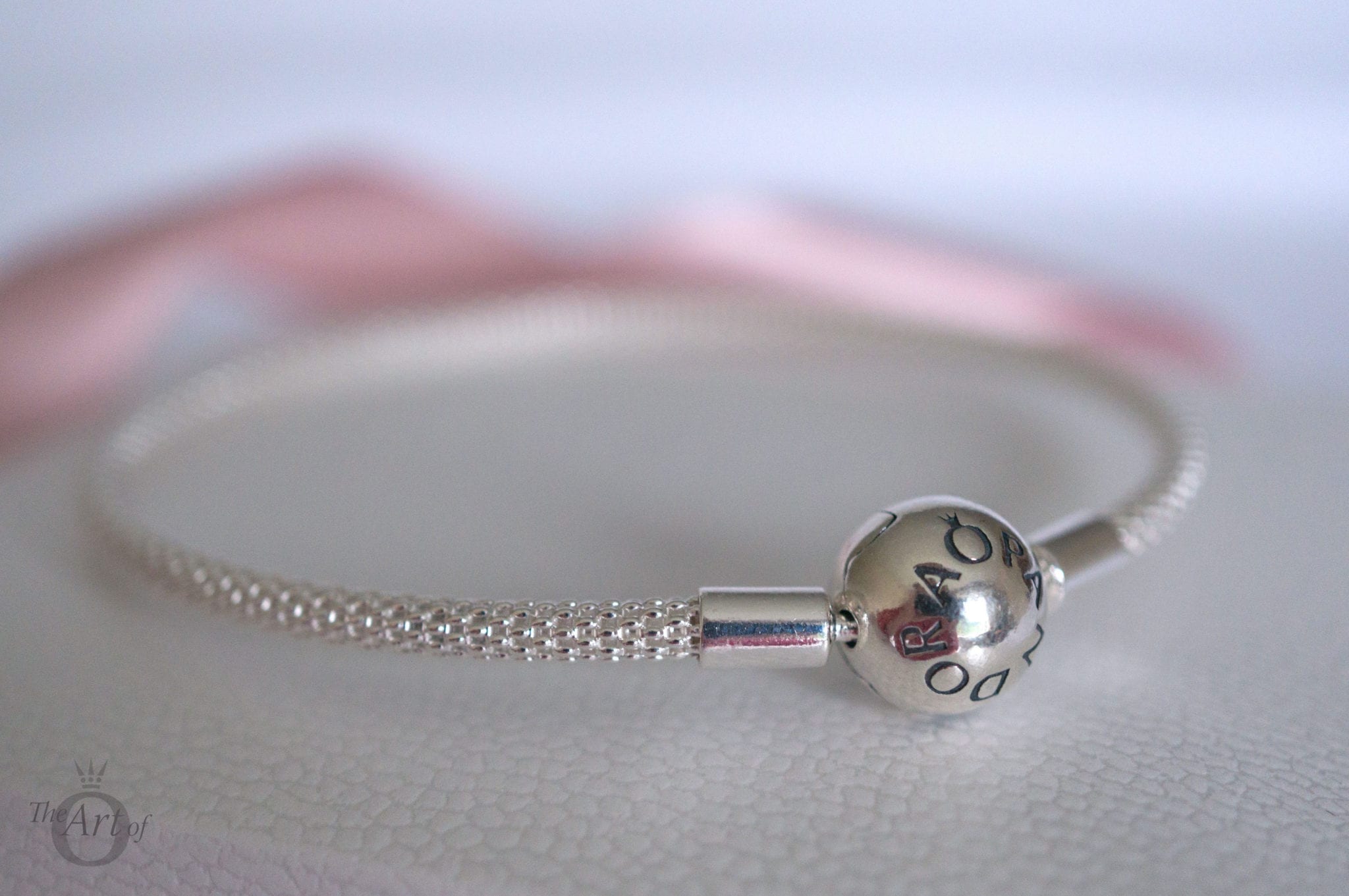
    Spread across 70 square metres, this is the brand’s 28th shop in Thailand and is decked out to resemble an art gallery. The display counters resemble picture frames, with white and pastel pink as the main colours hinting at femininity.

    Pandora encourages women to choose their own accessories to match their lifestyle and individuality. The Facets of Winter series, inspired by stars and snowflakes with colours like sapphire blue, ruby red and emerald green, invites wearers can mix and match the items to create their own style or give them to loved ones to mark any special occasion.

    Pandora also launches a Happy New Year collection to celebrate the Year of Dog. Intricately crafted charms and beautiful tokens of luck are given and received as we say goodbye to the old and welcome the new. Among this year’s novelties is the festive Fortune & Lucky dangle. Inspired by the God of Wealth, it features a man dressed in a traditional outfit holding two 14k gold ingots. Gorgeous on bracelets and necklaces, the dangle brings good fortune to its wearer.

  • Deck Commerce Supports Omni-Channel Retailing for Build-A-Bear Workshop

    Deck Commerce Supports Omni-Channel Retailing for Build-A-Bear Workshop

    Deck Commerce, a leading omni-channel commerce technology provider, today announced that Build-A-Bear Workshop, – an interactive destination for making personalized furry friends – has implemented Deck Commerce’s Distributed Order Management Solution to help streamline, optimize and integrate its omni-channel retail operations.

    Celebrating 20 years of business in 2017, Build-A-Bear is a global brand kids love and parents trust that seeks to add a little more heart to life. Build-A-Bear Workshop has approximately 400 stores worldwide where Guests can create customizable furry friends, including company-owned stores in the UnitedStates, Canada, Denmark, Ireland, Puerto Rico, the United Kingdom and China, and franchise stores in Africa, Asia, Australia, Europe, Mexico and the Middle East.
    To modernize its retail technology and support future growth, Build-A-Bear looked to Deck Commerce to deliver a distributed order management solution that connected their new eCommerce storefront with their existing back-end technology stack. The solution supports a variety of complex order workflows and, most importantly, ensures the ability to deliver outstanding customer service.

    “We selected Deck Commerce to help support our omni-channel retailing vision as we continue to strengthen our Guest engagement,” said Mike Early, Senior Managing Director of Information Technology at Build-A-Bear Workshop. “We are impressed with the solution’s out-of-the-box capabilities, the strong partnership-based approach to working with retailers, and their overall focus on continuing to develop innovative solutions.”

    “We applaud Build-A-Bear for making a solid investment in the technology necessary to deliver the experiences that today’s consumers demand.” said Chris Deck, Founder and CEO of Deck Commerce. “We’re excited to partner with Build-A-Bear to help support new levels of service, productivity and efficiency.”
    Build-A-Bear launched Deck Commerce Distributed Order Management in conjunction with its new cloud-based eCommerce platform, implemented by Lyons Consulting Group. Additional integrations included CyberSource, Avalara, and Channel Advisor.


  • Folli Follie To Open 50 New China Stores

    Folli Follie To Open 50 New China Stores

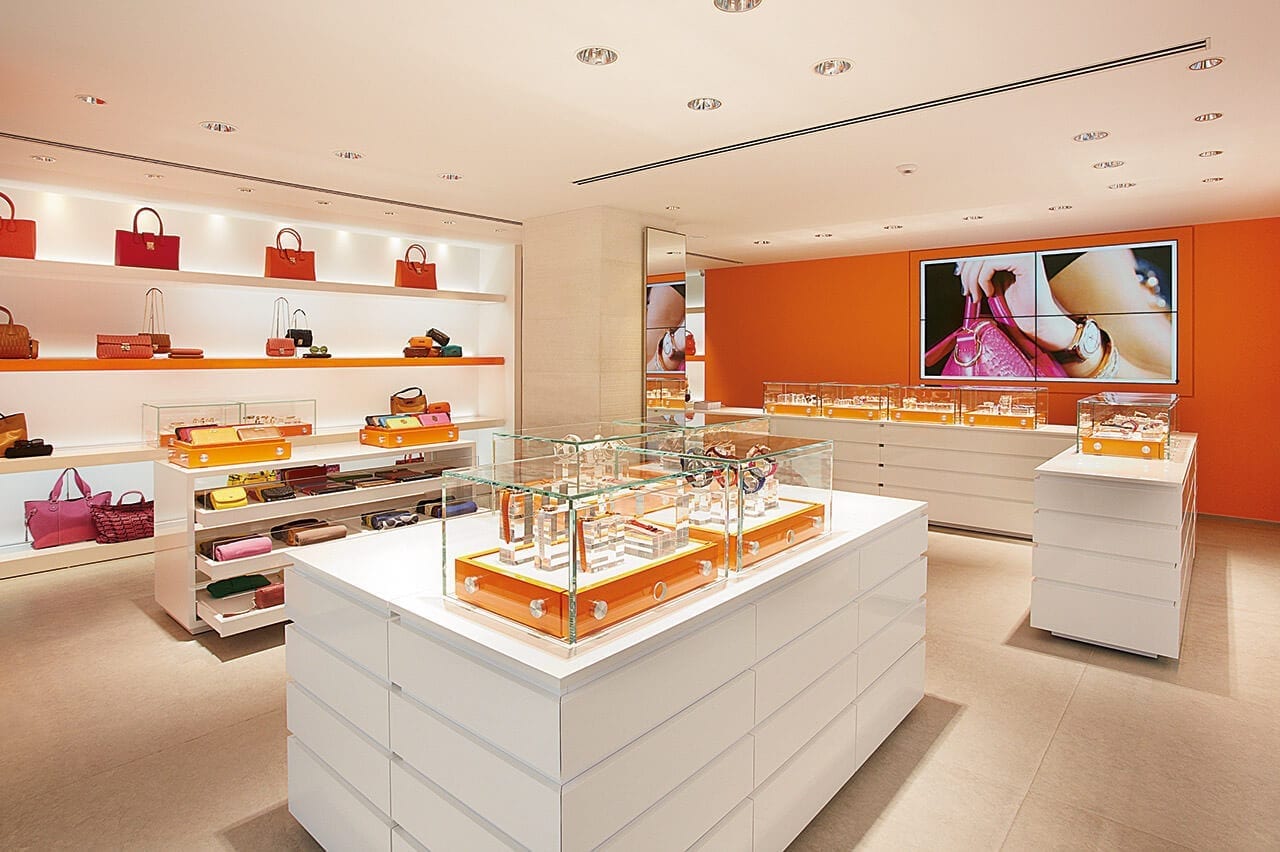
    Greek jewelry- and timepiece-maker Folli Follie plans to open 50 new stores in China next year, showing a renewed faith in a market in which its presence has shrunk in recent years.

    Twenty of the locations will be directly operated by the company, five to seven of which will become its flagship stores in major Chinese cities, including Beijing, Shanghai and Shenzhen, Folli Follie China Director Connie Law told Caixin.

    The other 30 shops will run on a franchise model, Law said.

    The brand recently launched a necklace that includes depictions of dogs ahead of the Chinese year of the dog, the first time the company has launched such a design and a clear attempt to appeal to Chinese consumers.

    Folli Follie became well-known to Chinese fashionistas in 2011 when domestic conglomerate Fosun Group became its second-largest shareholder. The brand had 220 stores in China in 2014, according to a Fosun financial report. This figure has since declined to only 150, Law said.

    An industry insider said that the decline was in part caused by some Folli Follie franchisees switching to rivals such as Austria’s Swarovski.

    Law told Caixin that Chinese consumers are buying entry-level luxury goods at home rather than abroad as the price gap between China and other countries has narrowed.

    As e-commerce continues to rapidly expand in China — online sales grew 32% in the first 11 months of 2017, compared to a 10% increase in total retail spending — Folli Follie has also established stores on online marketplaces, including Alibaba’s Tmall and JD.com.

    But 75% of the company’s spending in China goes to its offline stores, Law said, adding that the company will never abandon its brick-and-mortar business.

  • Duty Zero by CDF off to strong start in Hong Kong

    Duty Zero by CDF off to strong start in Hong Kong

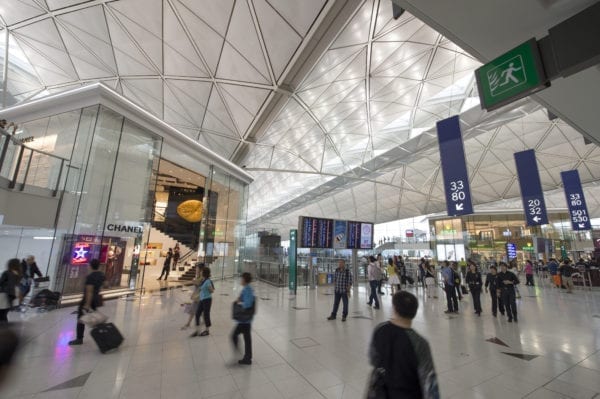
    CDF-Lagardère (CDFL), the joint-venture from China Duty Free Group (CDFG) and Lagardère Travel Retail, which won the contract to operate the duty-free liquor and tobacco stores at Hong Kong International airport (HKIA) has revealed initial performance of its Duty Zero by CDF-branded stores has been better than expected.

    As reported, the six Duty Zero by CDF stores, spanning 1,631sq m were launched by CDFL on November 18. According to the joint-venture, business performance in the first 10 days has been booming with sales revenue higher than expected.

    Purchasing strengths

    The succssful opening is believed to be due to the purchasing strengths of China Duty Free Group (CDFG) and Lagardère Travel Retail, which have been fully exploited in the commodity procurement process. This has led to a wider range of Chinese liquor and tobacco and imported liquor and wine collection being offered to consumers.

    CDFL also suggested the implementation of the most “competitive pricing strategy” in the Asia/Pacific airport market contributed to its early success; liquor and tobacco products are now 15%-30% lower in price.

    Another key factor was the decision of CDFL to equip HKIA with an international management and operation team. This has ensured the smooth and successful operation of the newly opened stores.

    CDFG and Lagardère Travel Retail are also understood to have provided support and assurance to HKIA in relation to commodity mix, supply of goods, pricing strategy and personnel support. This was after CDFG adopted a similar strategy in terms of commodity procurement and pricing following its triumph in the recent Beijing Capital International airport tender.

    In addition, support from parent company China National Travel Service Group, the largest travel service provider in China, on elements such as passenger flow and integrated marketing also helped, according to the retailers.

    “Injected new confidence and expectation”

    When interviewed by Chinese media, China National Travel Service Group vice general manager Li Gang said: “The operation of HKIA represents a milestone and touchstone for the development of China’s duty-free industry.”

    Following its triumph in the HKIA tender, CDFG president Chen Guoqiant vowed to do everything possible to deliver a “satisfactory result” for HKIA and its customers.

    Hong Kong Airport Authority is understood to be please with pleased with the initial performance of the liquor and tobacco stores, which have “injected new confidence and expectation in the international development of China’s duty-free companies”, according to CDFL.

    Over 3,000sq m

    Meanwhile, two Duty Zero by CDF stores, have opened in the East and West lobbies targeting domestic passengers from airlines such as Air China and Hong Kong, European and American passengers respectively.

    Ultimately, eight duty-free liquor and tobacco stores covering 3,400sq m will be introduced, including the “most complete single malt whiskey mix among Asia Pacific airports” and “most complete Asian alcohol and beverage product mix among global airports,” according to CDFL.

    A Hennessy counter and store featuring Hong Kong afternoon tea and local food will also open, with all stores set to be operational by June 2018 and present a “more beautiful” image to consumers.

  • Fiestamall sells quality Pinoy products via ‘Go Lokal!’

    Fiestamall sells quality Pinoy products via ‘Go Lokal!’

    Quality Filipino products are now being sold at the Duty Free Fiestamall, previously a haven of imported and luxury brands.This developed as the government-owned Duty Free Philippines Corp. (DFPC), in partnership with the Department of Trade and Industry (DTI), last week launched “Go Lokal!,” a retail-concept store  showcasing quality products created by Filipino micro, small and medium enterprises (MSMEs).

    In a news statement, Tourism Secretary Wanda Corazon T. Teo, speaking during the launch of the retail concept store, applauded the DFPC and the Department of Trade and Industry (DTI) for spearheading the promotion of Filipino culture and industry.  “As a government agency, we have a responsibility to promote the best from our local entrepreneurs, and the biggest help we can extend to our MSMEs is by showcasing the talent and skills of the Filipino,” she said. “In this manner, we continue to show the world that Philippine-made products are of high quality, yet reasonably priced.”

    DFPC is a government-owned and -controlled corporation (GOCC)  under the Department of Touristm (DOT). DFPC COO Vicente Pelagio A. Angala underscored the role of Go Lokal! in making Filipino products known in the international market, as well as in helping local start-ups and small businesses.

    “This partnership will help us realize our vision of showcasing the Filipino culture to the world, and contributing in the government’s effort to revitalize the country’s heart [sic],” he added.

    Go Lokal! also helps the DFPC stay true to its objective of being the ultimate top-of-mind destination for pasalubong shopping for both local and foreign visitors, Angala said.

    The Go Lokal! store features products crafted by artisans across the country, ranging from snacks made from local ingredients, to home décor, toys, work-study essentials, such as backpacks, journals, desk organizers made from indigenous materials, to clothing and local textile-based fashion accessories like shawls, stylish purses and shoes.

    “To the men and women who have been involved in this project, and to our local entrepreneurs who will get to showcase their products, may this day mark the beginning of a very successful venture— one that the DOT will support,” Teo said.

    The opening of Go Lokal! was also attended by DTI Undersecretary for Management Services Rowel S. Barba, DTI Undersecretary for Trade and Investments Promotion Nora K. Terrado and DFPC Deputy General Manager for Operations Bernardine   R. Belmonte.

    The DFPC was established through Executive Order  46, which was signed on September 4, 1986. This granted the then-Ministry of Tourism, through the former Philippine Tourism Authority (PTA), the exclusive authority to establish and operate a duty- and tax-free merchandising system in the Philippines, for the purpose of augmenting the service facilities for tourists, and to generate foreign exchange and revenue for the government.

    Under the Tourism Act of 2009, the DFPC was reorganized, and mandated that 50 percent of its net income accrue to the DOT for tourism-related projects. Of this amount, 70 percent is remitted to the Tourism Investment and Enterprise Zone Authority, formerly the PTA, a GOCC under the DOT, as well.

    In 2016 DFPC recorded a net income of P164.21 million, down 16.8 percent from P197.27 in 2015. Audited financial figures for any period in 2017 have not been made available by the corporation.

    Aside from the Fiestamall in Parañaque City, other DFPC stores are at the Ninoy Aquino International Airport terminals in Pasay City; the Mactan International Airport Arrival and Departure Outlets, and Cebu Waterfront Hotel in Cebu; the Davao International Airport Arrival and Visitors Center Outlets in Davao City; the Laoag International Airport in Ilocos Norte; the Newport Mall in Resorts World, Pasay City; the Kalibo International Airport Departure and Arrival Area in Aklan; the Clark International Airport Pre-departure and Arrival Area in Pampanga; the Iloilo International Airport; the Market Mall Store in Palawan; the Laguindingan International Airport in Cagayan de Oro City; and the Bacolod-Silay International Airport in Negros Occidental.

  • aCommerce expects online-shopping market share to double to 5.5 percent

    aCommerce expects online-shopping market share to double to 5.5 percent

    E-commerce in the Philippines is gaining ground, given the expectation that its contribution to the total retail market would double to 5.5 percent, according to Southeast Asia’s retail-solutions provider aCommerce.

    Paul Srivorakul, aCommerce Group CEO, said the improved penetration of the online marketplace in the country will further improve as more and more brands move to Web-based retail to expand their presence.

    “Before, it was enough for brands to simply have a web site. But now, brands are starting to realize the importance of utilizing an omnichannel approach to stay ahead of the retail game,” he said.

    The company said this move is due to the changing behavior of the buying public, as they are now beginning to realize that online purchasing is more practical than visiting the so-called “brick-and-mortar” or physical stores.

    In the Philippines aCommerce currently has 25 brand partners. The number could grow to at least 40 next year as its portfolio encompasses consumer goods, home and living, fashion and electronics.

  • Cashless payments now available at Robinsons retail outlets via PayMaya QR

    Cashless payments now available at Robinsons retail outlets via PayMaya QR

    Robinsons Retail Holdings., in partnership with PayMaya Philippines, is now enabling mall-goers to do quick and seamless digital transactions through PayMaya QR, as Robinsons Galleria in Ortigas is now among the first shopping malls in the country to deploy the cashless payments technology.

    The merchants who are now accepting PayMaya QR payments in Robinsons Galleria include Robinsons Department Store, Robinsons Supermarket, and merchants under Robinsons Specialty Stores. (RSSI)–which include brands such as Topshop, Topman, Dorothy Perkins, Burton Menswear, G2000, benefit, Shiseido, Miss Selfridge, and Warehouse, among others.

    Earlier, PayMaya QR was also successfully deployed in select Ministop branches to provide quick and convenient payments inside convenience stores. The technology will soon be deployed at all Robinsons malls nationwide.

    “We’re looking forward to have our customers experience QR-based payment innovation from PayMaya, especially in time for the holiday shopping season. Aside from convenience, this will bring greater flexibility to our customers in terms of the way they pay for transactions inside our malls,” said Robina Y. Gokongwei-Pe, President and Chief Operating Officer at Robinsons Retail Holdings.

    “We are excited to see customers of Robinsons Retail use our PayMaya QR technology. With this collaboration with trailblazing partners like Robinsons Retail, more Filipinos can now experience digital payments at its most convenient,” said Orlando B. Vea, President and CEO at PayMaya Philippines and Voyager Innovations.

    Payments made via PayMaya QR offer utmost convenience especially for mall-goers since all they would need are their mobile phones and their PayMaya app to make instant payments.

    The technology is initially available in select stores in Robinsons Galleria today, with wider deployment in other merchants and Robinsons malls expected soon.

    Loading up their PayMaya accounts to pay for items in these stores is also made easy because top-ups are easily available at Robinsons Business Centers.

    Through its QR-based payments–the first-of-its-kind implementation in the country for QR code payments–PayMaya is paving the way for mainstream adoption of digital payments for all Filipinos nationwide.

    Robinsons is just the latest to adopt PayMaya’s QR-based payment technology, which recently saw an accelerated rollout across the country, particularly in establishments such as Smart Stores; in communities starting with canteens in partner schools like STI and commercial establishments in cashless cities such as Muntinlupa and Malabon; and in popular merchants within SmartSpots already enabled by WiFi connectivity in key cities such as Baguio, Cebu, and Davao.

    PayMaya Philippines, the country’s pioneer and leader in cashless payments, is the digital financial services arm of PLDT’s Voyager Innovations.

  • Hong Kong should vie to become R&D hub

    Hong Kong should vie to become R&D hub

    The Hong Kong government will step up efforts to promote innovation and technology. This was the message from Chief Executive Carrie Lam Yuet-ngor at the grand final of Alibaba’s startup competition Jumpstarter 2017 held in Hong Kong last week.

    Lam promised that her government is serious and determined to do this job well. But Jack Ma, founder and executive chairman of Alibaba, said entrepreneurs can’t wait for government policy, because when the government starts to move, it’s probably too late and the chance is no longer there.

    I think Ma is only half right. Startups should never let themselves be led by government policy.

    Big companies typically try to bargain with the government to obtain more benefits and they are often very well-funded. It’s very difficult for startups to compete with these big boys.

    Startups should hence look for alternative paths and niche opportunities instead.

    For example, Alipay and WeChat Pay went directly for the retail market as soon as they entered Hong Kong. Local startups can hardly do the same thing.

    If the Hong Kong government is keen to innovate with new technology, it should attract top global tech firms to develop R&D in Hong Kong.

    Currently, Facebook, Google, Microsoft, Tencent, Alibaba and Baidu have set up R&D centers in either Singapore or Taiwan thanks to generous packages offered by their governments.

    Hong Kong should focus more on luring these top tech giants to establish their R&D centers here. That would spearhead the city’s technology development.

    If the government is willing to invest in technology research, it would have greater bargaining power when negotiating with these giants.

  • Da Milano eyes an increased revenue with adding 150 new stores

    Da Milano eyes an increased revenue with adding 150 new stores

    High-end leather products retailer Da Milano is eyeing Rs 300 crore turnover and plans to open 150 new outlets across the country for its three brands in three years.

    “We are looking at a turnover of Rs 300 crore by fiscal 2020-21. We will grow our business through our network of retail stores and focus on customer loyalty and satisfaction,” Da Milano Managing Director Sahil Malik told.

    Da Milano expects to close the current fiscal year with a turnover of Rs 200 crore.

    The company currently operates 70 stores in India and six abroad. It is also looking at expanding its overseas operations and plans to open stores in Singapore and London by next fiscal.

    Da Milano recently opened its new store in Dubai.

    “We expect overseas operations to contribute to our turnover in a big way. We are an affordable luxury leather brand and the price points at which offer our products makes the brand attractive,” Malik said.

    Da Milano sells three brands — Da Milano, Rosso Brunello and Wooba.

    “We plan to open 150 stores across our three brands in three years time,” he added.

  • Bangkok’s second IKEA branch opens

    Bangkok’s second IKEA branch opens

    No more taking the expressway across town to shop for affordable furniture at IKEA. The Swedish furniture and home accessories purveyor is opening its second branch in Bangkok in March 2018 in Bangyai, next to gigantic shopping center, Central Plaza WestGate.

    Encompassing more than 50,000 square meters of showroom and retail space, this branch promises to spoil shoppers with endless choices of sofas, chairs, tables and those pretty little things you don’t actually need but are too cute to resist. IKEA Bangyai is the first retail store in Thailand to receive the LEED Green Building certification. Plus, the canteen will offer menu items that are exclusive to this branch.