Author: Mei Ling Tan

  • Estee Lauder launches mobile training via YouCam

    Estee Lauder launches mobile training via YouCam

    Using Perfect Corp’s YouCam, Estee Lauder has introduced mobile-based AR training for its beauty advisers internationally.

    Its ART (augmented reality training) is the world’s first such education program. Using interactive live streaming, it allows the company’s more than 17,000 beauty advisers to engage in real-time training and product briefings via their mobile devices.

    Beauty advisers will be able to interact with instructors, virtually try featured looks, watch presentations and ask questions.

    Estee Lauder will also be able to track attendance, engagement and overall performance of its trainers and participants.

    “We believe this is a turning point in beauty education,” says Estee Lauder global brand president Stephane de La Faverie.

    The training initiative builds on two other technology projects launched as a result of the Estee Lauder-YouCam partnership. In April, Estee Lauder used YouCam for the launch of Pure Color Love lipstick, allowing customers to virtually try all 30 shades in 30 seconds. It has since rolled out Virtual Try On on more than 800 devices in stores and on the YouCam app for its global makeup franchises.

    This month, Estee Lauder introduced YouCam “Look Transfer” technology as part of an influencer launch event for Pure Color Envy Paint-On Liquid Lip Color. The technology recognises the makeup shades used on models in an advertising campaign, allowing consumers to recreate the model’s look via Virtual Try-On. This will debut in stores and through the app next year.

    The YouCam Makeup app can be downloaded free from the App Store and Google Play.

  • Philippines’ Duterte urges fast-track for third telco

    Philippines’ Duterte urges fast-track for third telco

    The Philippines’ president Rodrigo Duterte has announced plans to fast-track the entry of a third operator into the market, and wants the operator to be up and running within the first three months of next year.

    Duterte has directed the Department of Information and Communications Technology and regulator the National Telecommunications Commission to approve all applications and licenses within seven days of a completed submission.

    The president last month approached the Chinese government with the opportunity to become the Philippines’ third major player in partnership with a local company. The as-yet unnamed Chinese telco would take a 40% stake in the venture with a consortium of local companies expected to own the remaining 60%.

    Philippines’ courts have meanwhile been warned against interfering and prolonging the process of the entry of the third player.

    The government has meanwhile moved to allay fears that China’s entry into the telecoms sector may compromise national security in light of the ongoing South China Sea dispute, noting that foreign players already hold minority stakes in incumbent operators Globe and PLDT.

  • More disruption ahead in China, warns KPMG survey

    More disruption ahead in China, warns KPMG survey

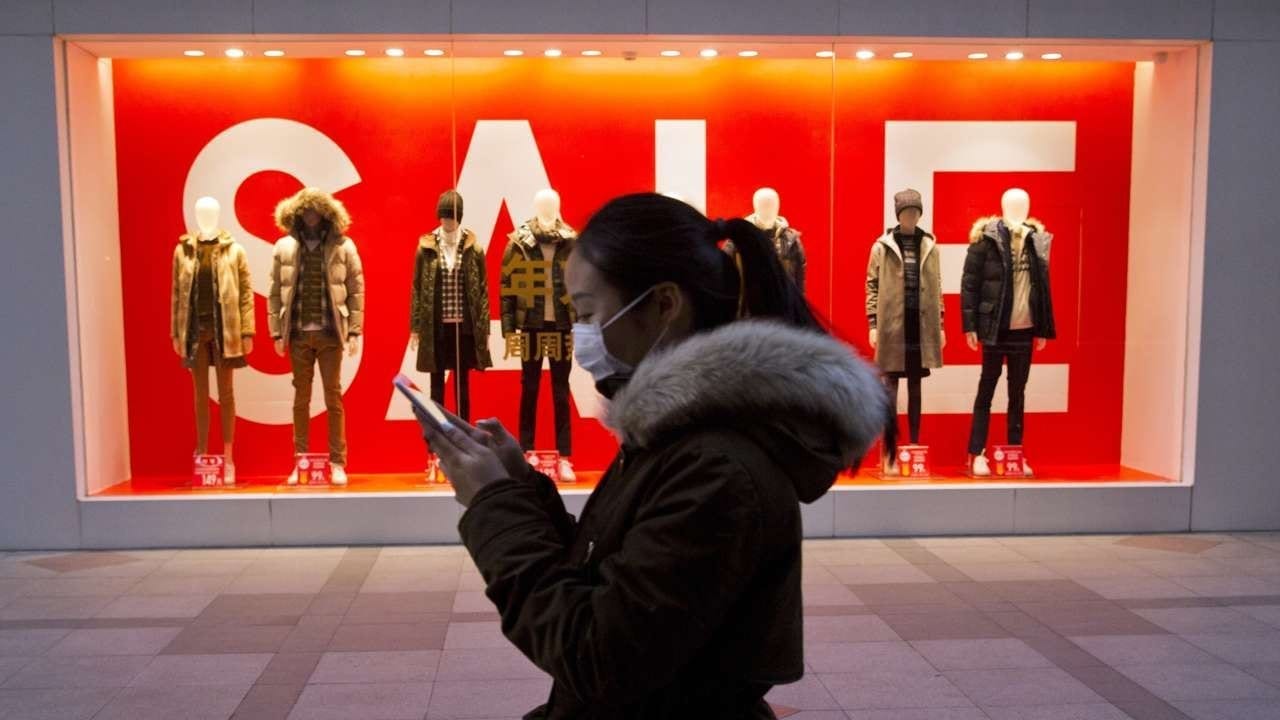
    As their spending power grows, Chinese millennials are set to disrupt the nation’s retail sector, says a joint survey by KPMG China and shopping platform Mei.com.

    Already retailers are transforming their businesses in response with new strategies such as omnichannel platforms, says the fourth annual China’s Connected Consumers survey. It analyses responses from 3004 mainland consumers to understand their current and future shopping habits.

    Online shopping has effectively become a national pastime in China, the research shows, with 77 per cent of respondents identifying it as their favourite leisure activity. This is reflected in the popularity of online shopping festivals such as Double 12 and Single’s Day.

    Nearly nine in 10 millennials are shopping online more than once a week, and 80 per cent expect the frequency to increase in the year ahead. As well as this, 31 per cent of millennials say they are expecting a significant increase in income over the next five years.

    “The modern retail industry is less about what companies can create, but more about what consumers want,” says KPMG China partner/head of consumer and retail Jessie Qian. “We’re living in an increasingly customer-centric world, and the strategic focus of businesses should be on how they can build customer engagement and product distribution based on immediate demands.”

    With the rise of the experiential generation there has been a surge in demand for luxury and affordable-luxury products. In the next year, say 70 per cent of millennials, they plan to spend more on luxury goods and services, mainly clothing, shoes, cosmetics and perfume.

    “It is increasingly difficult for a single brand to be able to fill multiple segments,” says Qian. “As China’s retail market continues to develop, more consumer groups such as millennials will rise to prominence. It is imperative for companies to diversify and maximise their relevance to different groups of consumers.”

  • Ericsson wins contract extension with NBN

    Ericsson wins contract extension with NBN

    Ericsson has announced an extension of its managed services agreement with NBN Co, the company rolling out Australia’ national broadband network, through to 2020.

    Under the renewed agreement, Ericsson will continue to be responsible for providing network operations for the fixed wireless component of the NBN as well as ground systems operations for the network’s two dedicated communications satellites.

    The agreement also covers customer connections and assurance for both technologies, which are being used to provide connectivity in regional and remote areas where it has been deemed not cost effective to deploy fixed line technology.

    The fixed wireless and satellite services currently cover more than 980,000 premises in these areas with more than 290,000 premises connected to date.

    NBN Co provides wholesale access to the national broadband network to its retail service provider customers.

    Ericsson has been NBN Co’s managed services provider since 2011, when it was appointed to build and operate a TD-LTE based fixed-wireless broadband network. This agreement was extended in 2014 to include operations of the NBN’s long-term satellite solution.

    “As we extend our strategic partnership with NBN Co, we look forward to continuing the delivery of fixed wireless and satellite services to regional and rural Australia,” Ericsson Australia and New Zealand managing director Emilio Romeo said.

    “The availability of ubiquitous broadband to homes and businesses across Australia will help to bridge the digital divide and support economic and community growth.”

  • SM Prime adds to Luzon portfolio

    SM Prime adds to Luzon portfolio

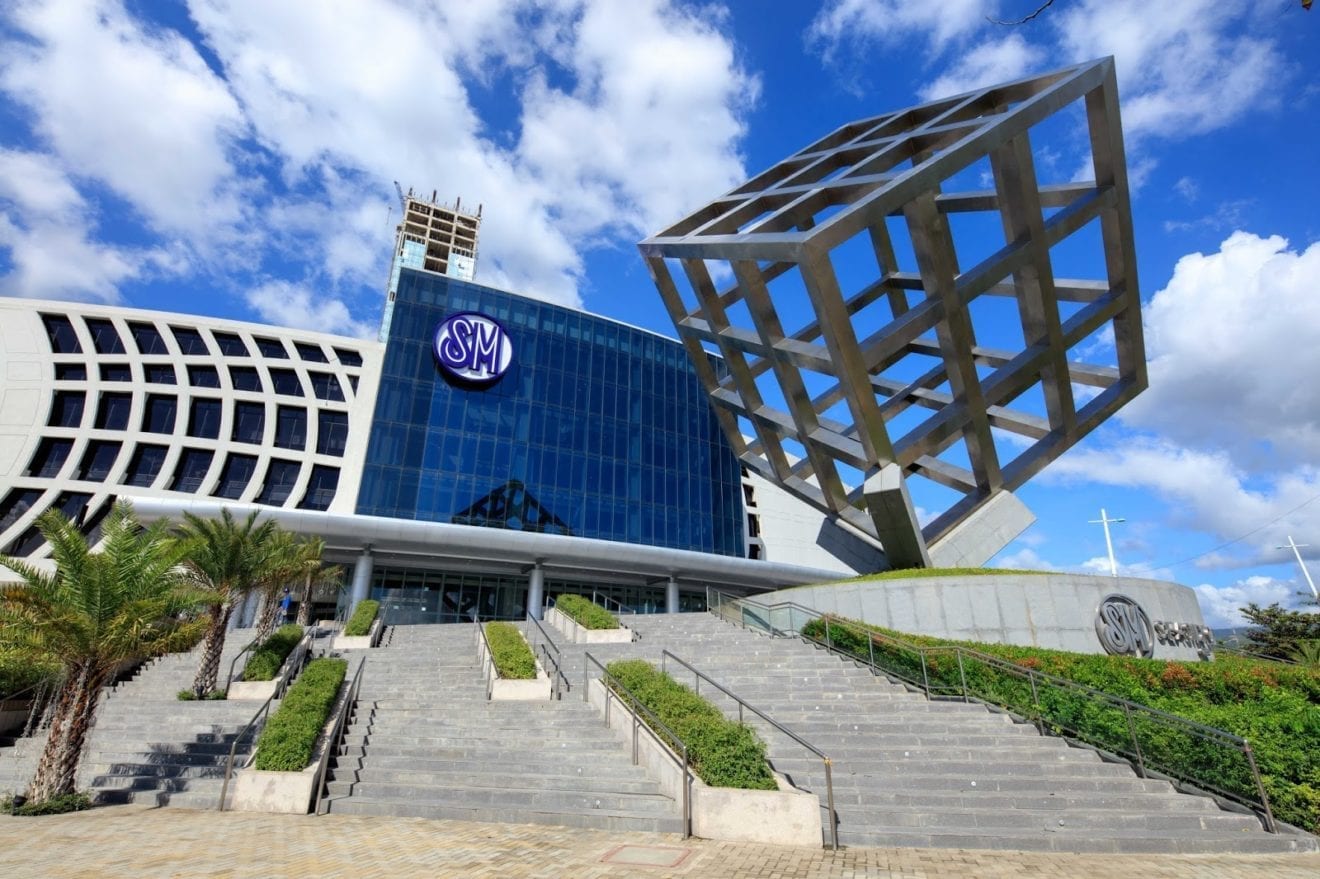
    Philippine integrated property company SM Prime Holdings has opened a mall in Batangas to continue its expansion in southern Luzon.

    SM Center Lemery adds 25,000sqm to SM Prime’s total gross floor area in the Philippines, and follows SM City Batangas and SM City Lipa.

    It opened with nearly 90 per cent of space leased. There are three floors of mixed retail and food tenants including brands such as Ace Hardware, BDO, Miniso, Simply Shoes, SM Appliance Center, SM Hypermarket, Surplus and Watson’s. There are also a Cyberzone and a Wellness Zone.

  • Japanese kidult toy brands to open Korean stores

    Japanese kidult toy brands to open Korean stores

    Several popular Japanese kidult toy brands catering to adult consumers are set to open their first stores in South Korea.

    According to Hyundai I-Park Mall, the renovated kidult select shop Toys & Hobby at its Yongsan location will reopen tomorrow with some of the most representative Japanese toy brands including Tamashii Nations, Animate, Nintendo, and Good Smile Company.

    Tamashii Nations is a high-end line from famous toy brand Bandai, which produces action figures modeled after well-known characters from anime series such as Gundam, Dragon Ball, and Doraemon.

    Most of the items sold by Tamashii Nations are known for being limited editions, and many of the high-end models including super alloy collectible action figures have been sold out in the past, signaling noteworthy support from a devoted anime fan base in South Korea.

    In the past, South Korean fans were only able to get ahold of a narrow range of items at Gundam Base stores. However, with the introduction of Tamashii Nations, fans will now have access to a much wider range of action figures without having to travel to Japan.

    Animate, which is Japan’s biggest anime products retailer with over 150 stores across the country, will open its very store in South Korea.

    Animate stores have been hailed as must-visit places in Japan for South Korea anime fans, and the first South Korea store will hope to live up to expectations by offering products inspired by a variety of both game and anime characters.

    Hyundai I-Park Mall has also said that other ‘kidult’ Japanese brands such as Nintendo, Good Smile Company, and King Kong Studio will open boutiques at the renovated Toys & Hobby store, which will host a total of 18 brands in its spacious 1650sqm.

    In addition, K-pop brand WithDrama, German toy brand Playmobil, drone shop Helsel, and popup store Dotorisup, which specialises in Studio Ghibli characters like My Neighbor Totoro, will welcome fans of all stripes and cultures.

    “Despite having a market nearly 10 times larger, it seems Japan still couldn’t overlook the potential and the growth of the South Korean kidult market in recent years,” said Han Hee-kwon, an official at Hyundai I-Park Mall, commenting on the Japanese companies’ foray into South Korea.

    “With the rise of single-person households and the strong purchasing power of consumers in their 30s and 40s, the kidult market is expected to continue its growth for some time,” Han added.

  • Vinomofo launches click and collect for Christmas

    Vinomofo launches click and collect for Christmas

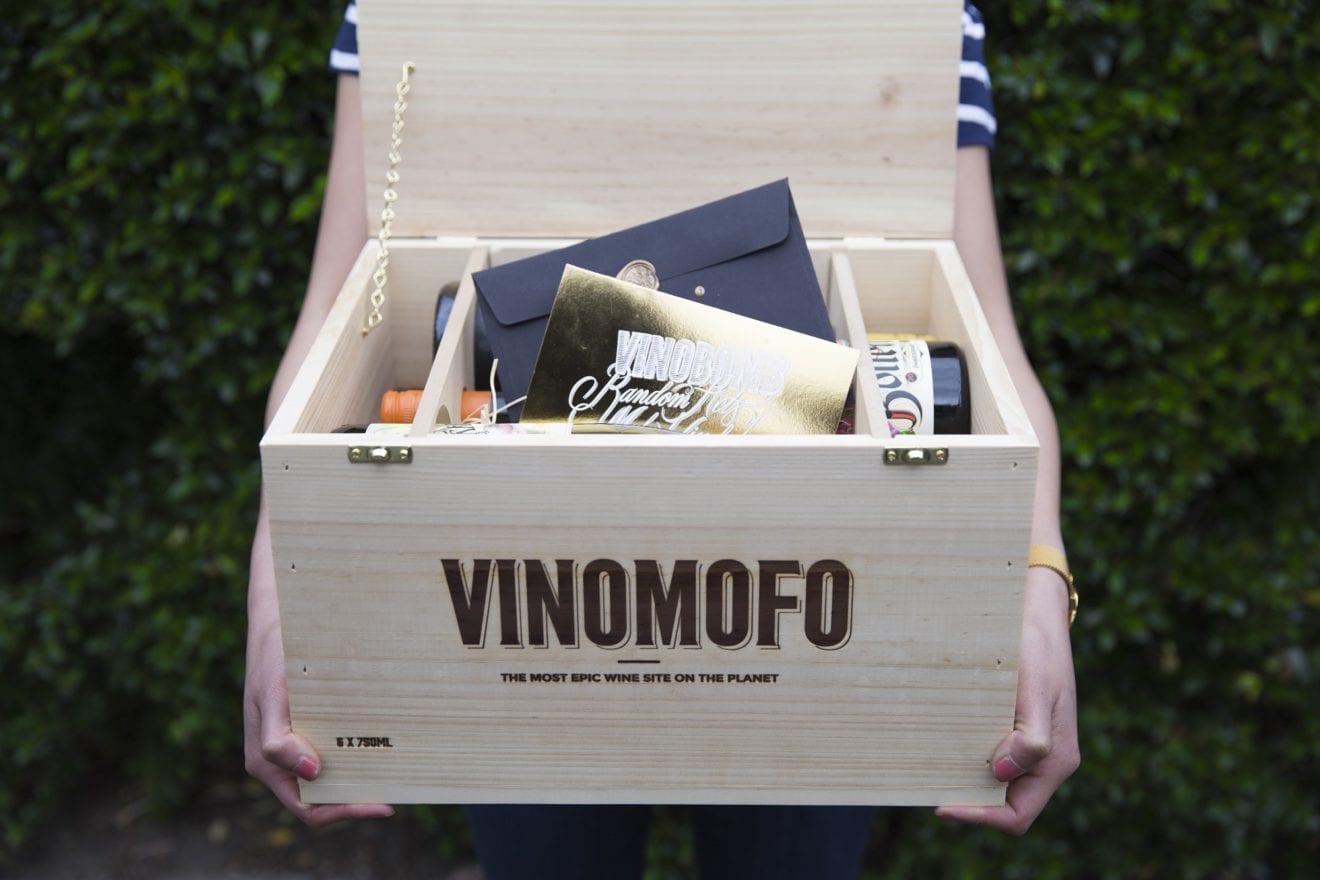
    Online wine retailer Vinomofo will launch a click and collect service tomorrow in the lead up to Christmas.

    The service will operate from the company’s Bridge Street warehouse in Port Melbourne and will be open 9-5 Monday to Friday for customers to collect their online orders, with a 2-hour processing time.

    Vinomofo co-founder and joint CEO Andre Eikmeier said the service has enabled it to bridge the gap between online and offline.

    “Click N Collect enables us to not only provide our mofos with exceptional service, but also helps to bridge the gap between online and offline,” he said.

    “We now have a great mechanism to share our love, passion and ethos with our tribe personally when they come to collect from us.

    “We’ll be engaging with our tribe personally, talking about their wine choices and welcoming them into everything we’re proud of as they walk through the doors of our warehouse.”

    Vinomofo has set up a specific customer pick-up point at its warehouse, which will be manned by a dedicated customer service representative.

    Click and collect has become a popular online delivery option among Australian booze buyers in recent years, with both Coles and Woolworths’ Dan Murphies brand also capitalising on demand for fast-turnaround online ordering.

    Earlier this year Woolworths launched one-hour click and collect through its BWS brand, while Wesfarmers has also rolled out a similar offer under First Choice Liquor.

    Vinomofo’s head of culture Michael Ellis said the service will be limited to its Port Melbourne warehouse in the immediate term, with no plans to roll-out the service into other states with depots or through a partnership with another retailer.

    “What’s most important for us is having consistency across the whole transaction and user experience and delivery is one of those things we’ve never been able to control once the wine has shipped, so what we’re excited about now is coming in and having that more personal interaction with us…as for partnerships, not something we are looking at right now,” he said.

  • Samsung India’s annual mobile phone revenue up 27%

    Samsung India’s annual mobile phone revenue up 27%

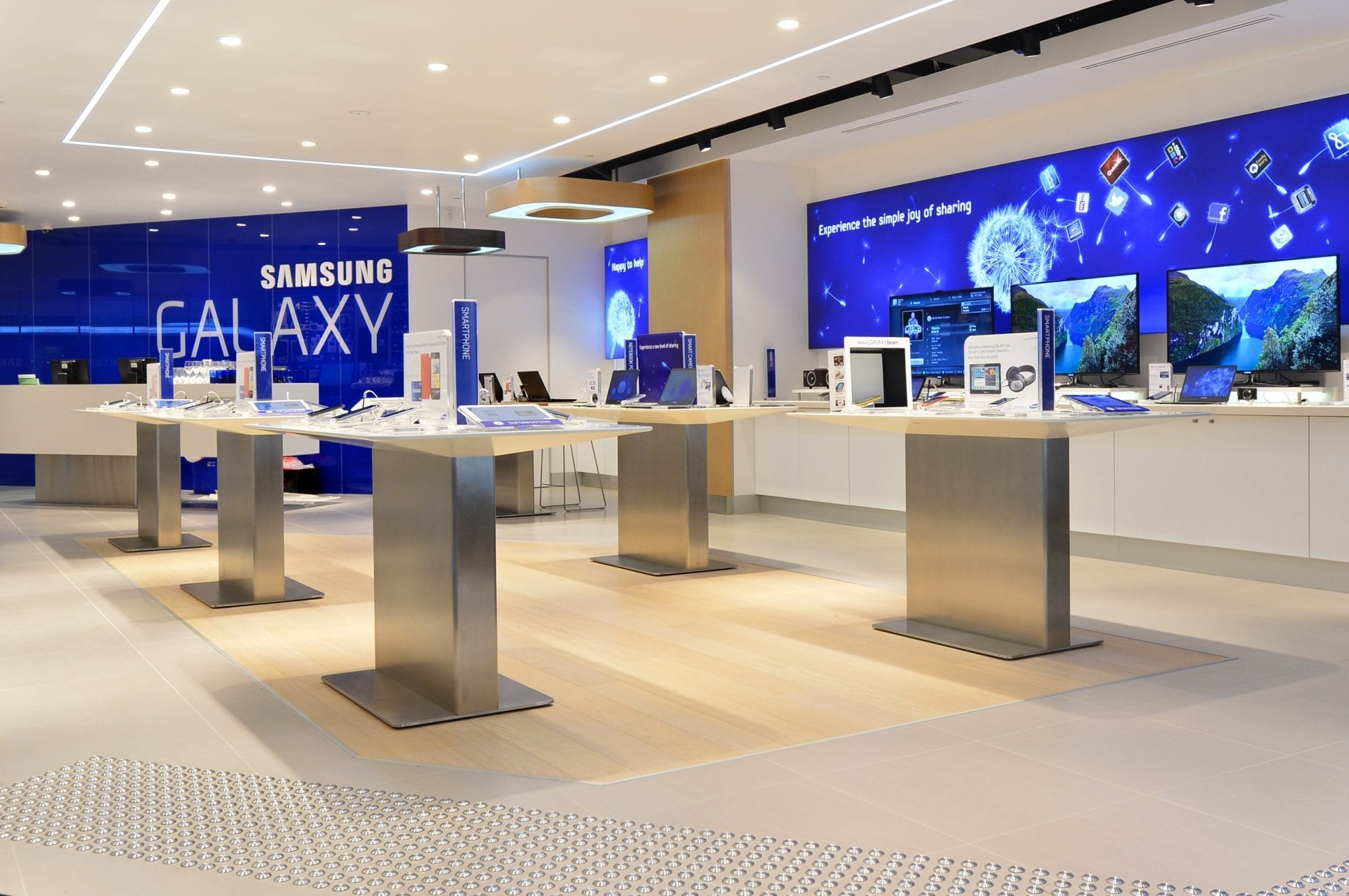
    South Korean electronics major Samsung posted a 27% jump in revenue for its mobile-phone business in India for the year ended March 2017 and the company is hopeful of a similar feat this financial year.

    Samsung India posted revenue of over Rs 340 billion (US$5.3 billion) for the year ended March 2017, helped by local manufacturing and expansion of its retail channels.

    Samsung India’s overall revenue for the fiscal year 2017 was about Rs 570 billion ($8.9 billion), a 20% increase and marginally ahead of the 19% growth of Rs 470 billion ($7.34 billion) in 2015-16. Mobile phones accounted for about 60% of Samsung’s overall business.

    Samsung has been a dominant player in the Indian mobile-phone market, but has faced stiff competition of late from Chinese groups such as Xiaomi, Lenovo, Oppo and Vivo, who collectively enjoy over half of the market.

    A third-quarter report released by research firm International Data Corporation (IDC) in November said Samsung and Xiaomi both enjoy a 23.5% market share each, followed by Lenovo (9%), Vivo (8.6%) and Oppo (7.9%). In the first quarter Samsung enjoyed a market share of 26%, while Xiaomi had 13%.

    Samsung’s best selling brands were Galaxy J2, Galaxy J7 Nxt and GalaxyJ7 Max and those three items contributed to almost 60% of its sales volume.

  • Indonesian Retail Sector Sees More Growth

    Indonesian Retail Sector Sees More Growth

    Despite the expected sluggish economic growth this year, Indonesian food and clothing retailers are gearing up for expansion to capture a greater share of the middle class and its higher income.

    “Expansion is crucial for the retail industry to boost sales turnover, other than renovating old branches,” said Tutum Rahanta, executive at Indonesian Retailers Association (Aprindo), adding he estimated sales turnover from the nation’s retailers to grow between 10 percent and 12 percent this year.

    Last year, Aprindo’s data showed turnover at Rp 150 trillion ($12.75 million).

    Tutum added that competition between retailers is intensifying, so companies must take risks by expanding.

    He said if expansion is delayed, a retailer may lose its market share.

    One retailer eager to expand is Hypermarket operator Matahari Putra Prima, which plans to open 20 new branches over this coming year.

    The company, which is controlled by the Lippo Group, has set aside Rp 700 billion for capital expenditure this year, an increase of 7 percent from 2013, most of which will be used for financing expansion of outlets in eastern Indonesia.

    Danny Kanjongian, corporate communication director at MPP said in January the company plans to open up to 22 outlets this year, mostly in the eastern islands of the country.

    “The company’s cash generation capability is strong, so it can support expansion plans,” Danny told reporters on Friday on the sidelines of an inauguration ceremony of a Foodmart Gourmet outlet in Cilandak Town Square, South Jakarta.

    As of the end of last year, MPP operated 99 Hypermart outlets in as well as 97 Boston Health & Beauty stores and 30 Foodmart outlets.

    Other retailers in different segments, including supermarket chain operator Indomarco Prismatama, department store Ramayana Lestari Sentosa, fashion retailer Mitra Adi Perkasa and electronic retailer Ace Hardware are also in expansion mode.

    Indomarco, controlled by Salim Group through Indoritel Makmur Internasional, the operator of Indomaret, plans to spend Rp 1.3 trillion adding 1,300 new outlets.

    Ramayana, which sells clothes to low-income consumers, plans to spend Rp 350 billion adding six branches this year.

    Mitra Adi Perkasa, which sells a number of well-known fashion brands, is also keen on a massive expansion with previous reports suggesting plans to spend up to Rp 600 billion opening 250 new outlets across the country.

    Despite increasing competition and ballooning expenses, retail businesses in Indonesia will continue to grow over the next few years, according Maybank Kim Eng Securities analyst Janni Asman.

    The country’s growing purchasing power and living standards are the catalyst to that growth, Janni said.

    Indonesia, over the past few years, has been the darling of the investment community, with economic growth of around 6 percent each year since 2007 to 2012 though it is predicted to slow in 2014.

    Gross domestic product has increased five times within 10 years and GDP per capita has increased four times to around $5,000 now.

  • Smart hospitals to boost cloud spending

    Smart hospitals to boost cloud spending

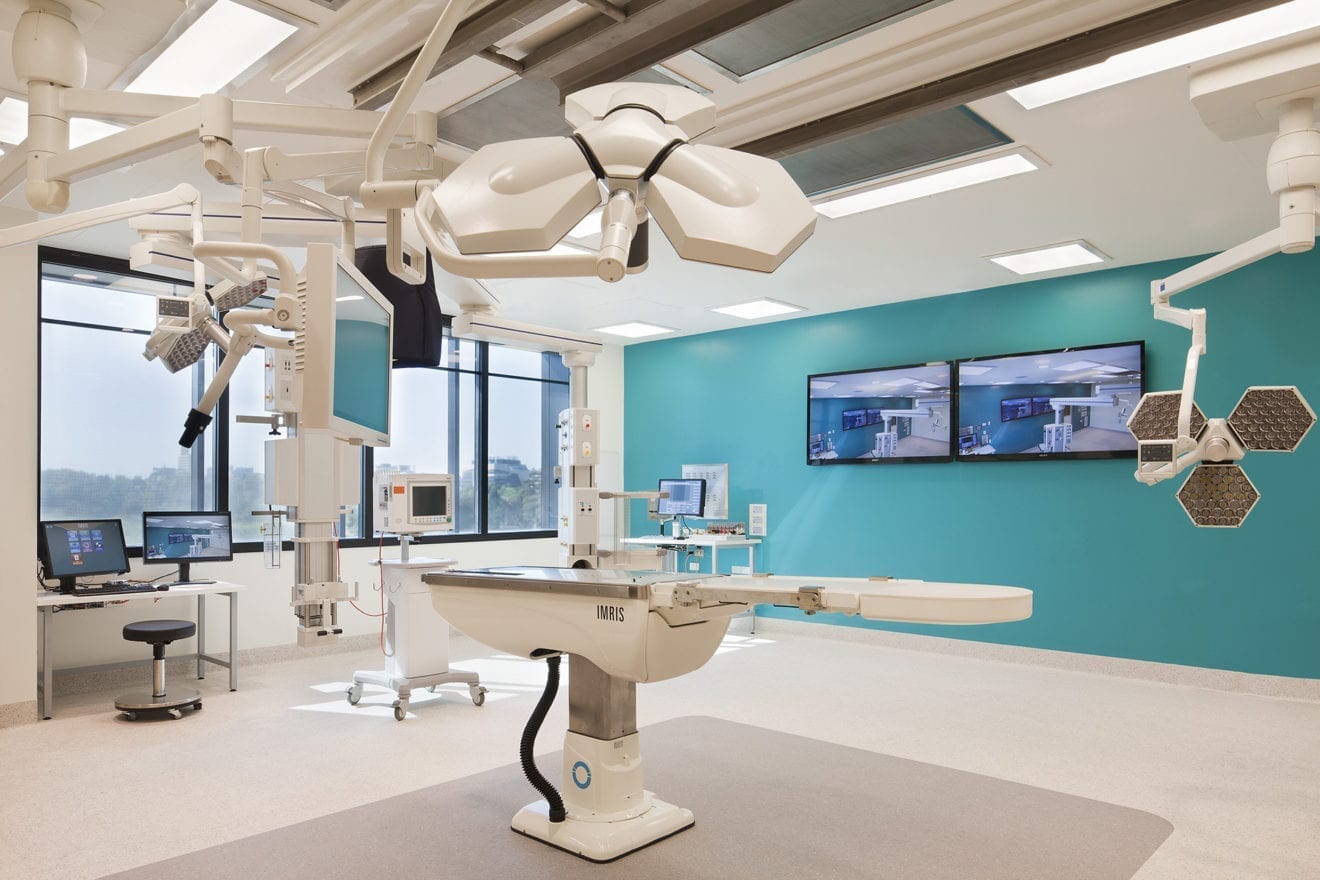
    Frost & Sullivan predicts that by 2025, 10% of hospitals globally will have completed or be in various stages of implementing smart hospital initiatives.

    The research firm projects significant market growth and billions of dollars in revenues for four key segments, including pharmacy automation, mobile asset tracking, data analytics, and cloud computing.

    Frost forecasts the market opportunity to reach about $11 billion with the data analytics market for smart hospitals reaching revenues of $5.9 billion in 2018. The cloud computing market is expected to hit revenues of $5.1 billion.

    There is currently ambiguity around the term “smart”. Transformational Health Industry Analyst Siddharth Shah says a true smart hospital acknowledges digitization as only the first step, and focuses on three major areas – operational efficiency, clinical excellence, and patient-centricity – with technological advances leveraged for these three areas to derive smart insights.

    “Not every hospital needs to become smart in a single step. Instead, the approach they need to take is to implement smart solutions, one by one, and then allow newer solutions to integrate with existing ones in the journey toward becoming smart,” said Shah.

    “This allows hospitals to implement solutions with limited financial investments, reap rewards and ROI, and then implement the next solution.”

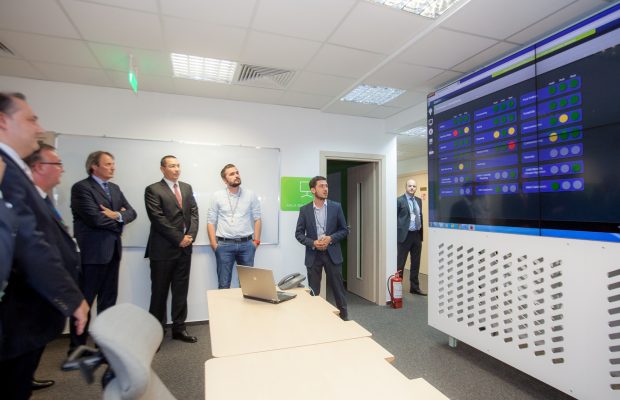
    As for companies, some of the most advanced solution sets are being developed by GE Healthcare for patient flow, including its “Command Center” solution for the Johns Hopkins Hospital. Also noteworthy is the ThoughtWire Ambiant platform, which has customized features, such as the Code Blue events reduction solution developed for Hamilton Health Sciences in Canada.

    IBM is developing and now marketing the “SmartRoom” concept along with the University of Pittsburgh Medical Center. Omnicell has developed pharmacy automation solutions in use by thousands of hospitals and health systems around the world.

    In terms of regional readiness for the adoption of the smart hospital concept, North America leads, followed by Europe and Asia Pacific regarding technological sophistication, regulatory landscape, spending power, and end-user readiness.

    However, the hotspots for current smart hospitals are concentrated in the Asia Pacific region, including Dubai, South Korea, Singapore and Australia, some of which cater to the medical tourism industry as well. Canada and Finland are also hotspots.

    “The two largest challenges obstructing hospitals from achieving the smart hospital vision are interoperability and cybersecurity. To truly achieve a ‘smart’ status by deriving intelligent insights, various devices, systems and networks in the hospital must ‘talk’ to one another in ways that are coherent and complete for a holistic analysis,” observed Shah.

    “Digitization brings in additional vulnerabilities in a hospital for hackers to target, making cybersecurity a challenge.”

  • Mobile now preferred channel for Citi APAC clients

    Mobile now preferred channel for Citi APAC clients

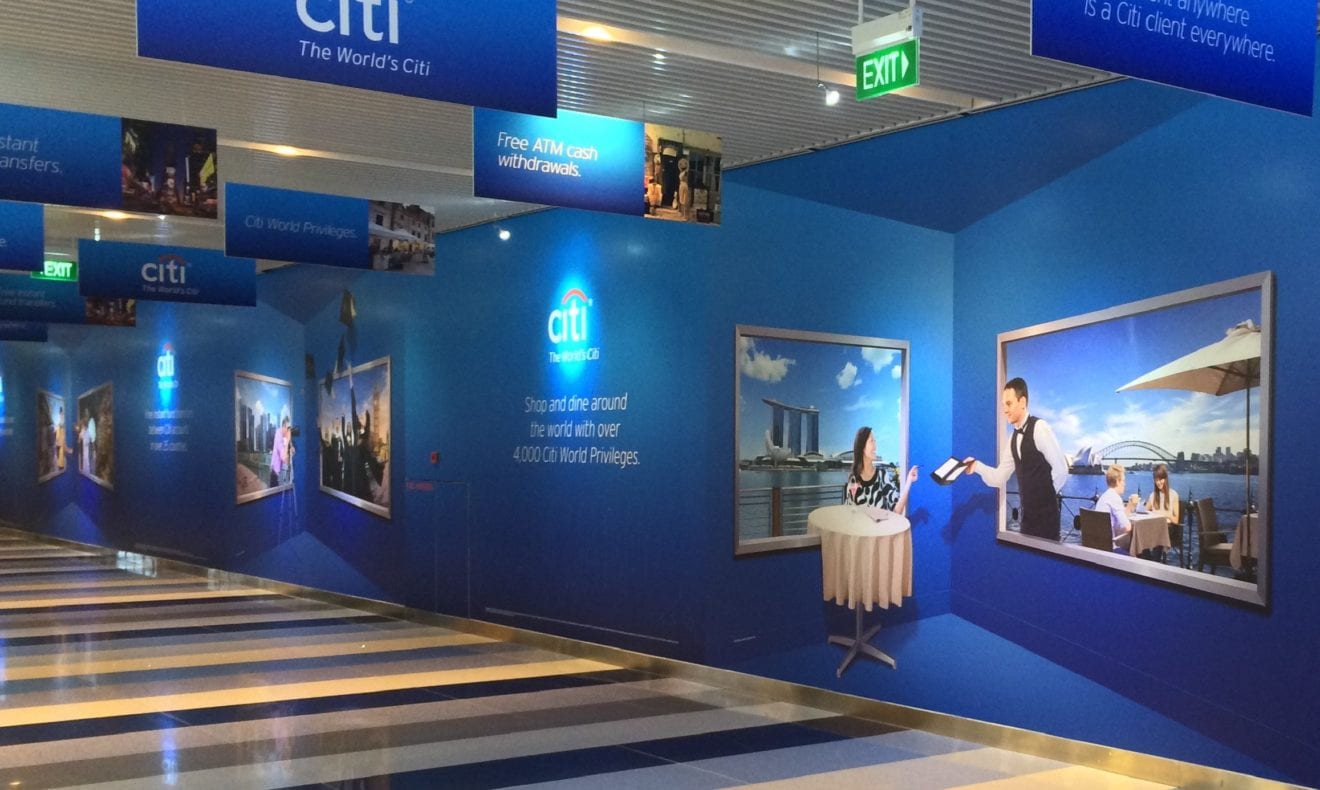
    Citi has announced that mobile banking has become the preferred channel for its consumer clients in Asia Pacific.

    The bank said that during 2017 mobile banking overtook other digital channels to become the preferred channel used by Citi’s Asia Pacific clients. Mobile use at Citi has surged by 48% in the last 12 months, making it the fastest growing digital channel at Citi.

    Digital is also growing rapidly as a source of new business at Citi. Digital acquisition in Citi’s Credit Cards and Loans business grew 57% year-on-year, and digital lending now accounts for 40% of total consumer loans fulfilled by Citi in the region.

    This growth has been underpinned by Citi’s digital investments and growth in partnerships on leading digital ecosystems.

    “At Citi our goal is to deliver remarkable banking experiences to our clients wherever they are. We have been transforming our business to be simpler, faster, scalable and digital. The growth we are seeing in mobile and digital underlines the progress we are making in being increasingly relevant where are clients need us to be,” Citi said head of global consumer banking Asia Pacific and EMEA Anand Selva said

    Citi has digital credit card partnerships with leading players in the region including Amazon, Grab, Lazada, Expedia, and Airbnb. Citi also recently partnered with Facebook to launch its first banking chatbot on the Facebook Messenger platform in Singapore. Giving customers real-time information on their accounts, transaction details and rewards points balances, Citi’s chatbot will be rolled out across the region over the next few months.

    The bank is already active in a number of leading social messaging platforms in Asia Pacific including WeChat in China and LINE in Thailand. Citi also recently reached a major milestone with three million customers having registered to use its voice biometric authentication.

    Across the region, Citi’s digital banking channels and servicing capabilities continue to see strong growth in customer engagement.

    The Asia Pacific Global Consumer Bank’s focus on transforming its business continues to yield positive results. For the third quarter of 2017, the business reported a 5% increase in revenue year-on-year to $1.87 billion, representing its fifth consecutive quarter of revenue growth in the region and making it the fastest growing consumer business for Citi globally.

    A total of 17 out of Citi’s 19 Consumer Banking markets globally are now located in the Asia Pacific and Europe, Middle East and Africa (EMEA) regions.

  • Singtel to develop IoT smart meter infrastructure

    Singtel to develop IoT smart meter infrastructure

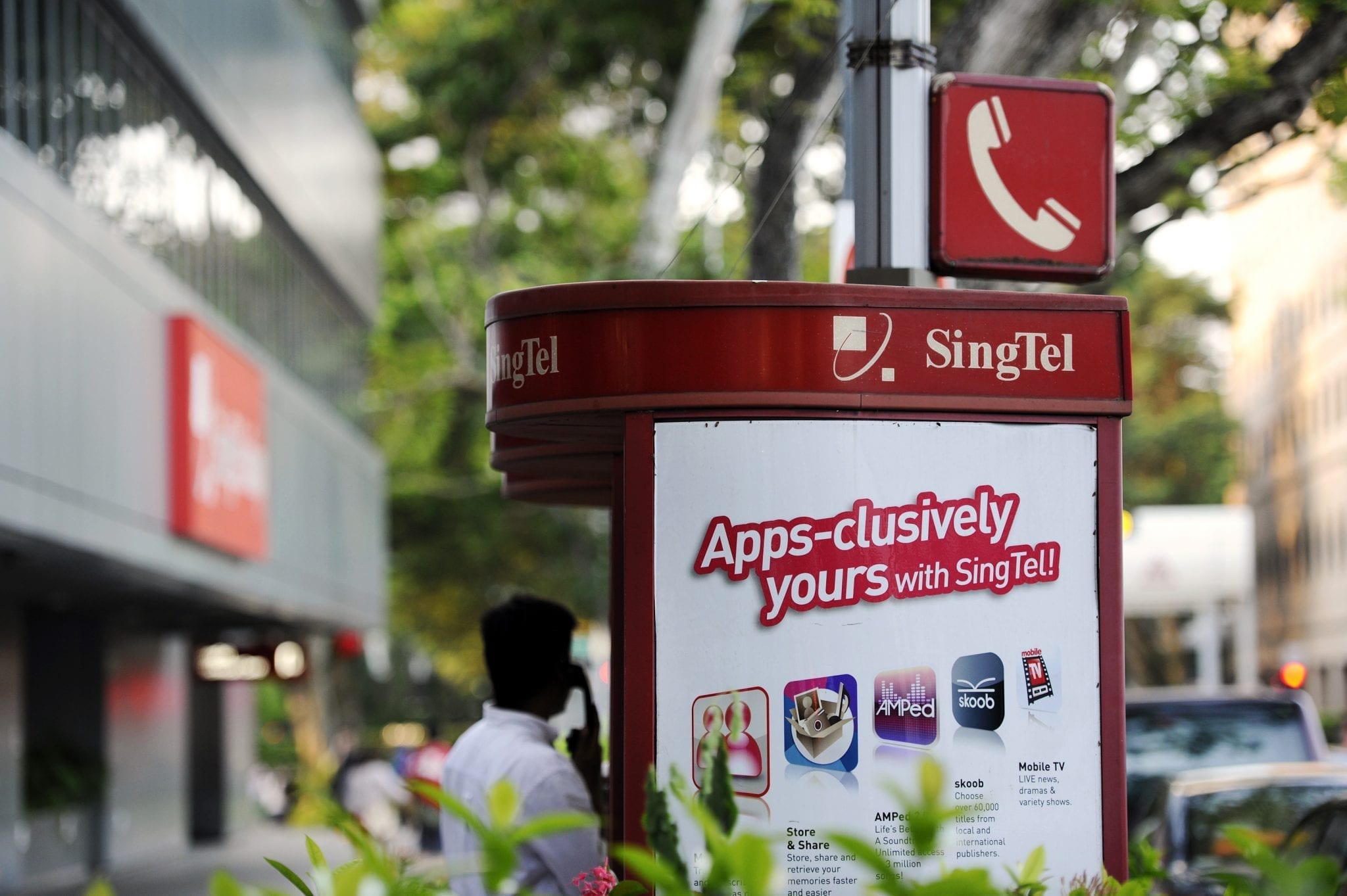
    Singtel has entered an agreement with global smart metering vendor EDMI Limited to develop a smart electric metering infrastructure for Singapore.

    The partners have been testing the use of smart electric meters over Singtel’s nationwide LTE Cat-M1 cellular IoT network to enable the wireless transmission of real-time meter readings to the power grid.

    The companies plan to offer their IoT-powered smart metering solutions for residential, commercial and industrial areas as part of the Energy Market Authority’s plan to roll out smart meters in the city in the second half of 2018.

    Singtel is already providing M2M connectivity for EDMI’s digital electric meters in Singapore.

    “Giving electricity suppliers real-time data on electricity consumption allows them to optimize the distribution of electricity to certain areas and times of the day especially when demand is peaking,” commented Andrew Lim, business group managing director at Singtel’s Group Enterprise.

    “The pairing of smart meters with our IoT network will give consumers more accurate meter readings and ultimately bring cost savings.”

    Singtel launched its Cat-M1 IoT network in September and has been conducting trials with over 20 potential partners at its joint IoT innovation lab with Ericsson, which was established earlier in the year.

  • Toyota expects total sales to rise to record high in 2018

    Toyota expects total sales to rise to record high in 2018

    Japan’s Toyota Motor expects its total vehicle sales to exceed this year’s record by a percent to hit 10.50 million units in 2018, as strong overseas business helps offset weak demand at home.

    For 2017, it expects to sell 10.35 million units worldwide across its Toyota, Lexus, Daihatsu and Hino brands, up 2 percent from a year ago when increased domestic sales helped it post the second-highest sales among global automakers.

    Volkswagen AG, the world’s top automaker, has posted group sales of 9.38 million units for the eleven months to November, up 3.9 percent on the year.

    Toyota, however, expects a 1 percent slide in global production to 10.40 million units next year, compared with 10.52 million this year, as it adjusts existing inventories.

    While Toyota expects overseas sales to boost its global tally, it forecast a 5 percent slide in sales to 1.55 million units at home, where demand has been waning for more than two decades as the population rapidly ages and young people lose interest in car ownership.

    Toyota aims to halve the number of car models it sells in Japan by 2025, although it has pledged to maintain sales of at least 1.5 million passenger cars annually in the country.

  • Bubble tea franchise set to expand throughout New Zealand

    Bubble tea franchise set to expand throughout New Zealand

    New Zealanders have a growing thirst for the popular Asian drink “bubble tea,” with more stores expanding around the country next year.

    Bubble tea or boba tea is made with soft tapioca balls called pearls and originated in Taiwan in the 1980.

    The drink has become popular around the world with global sales of tapioca pearls growing at 4 per cent a year.

    Bubble tea sales in New Zealand are growing around 20 per cent a year, according to Marcus Teh, New Zealand manager of Gong Cha, an international chain of bubble teahouses.

    Auckland’s large Asian student population initially drove its popularity, he said, but this year around 30 per cent of customers were Kiwis.

    The black balls at the bottom of the glass are tapioca pearls.

    “Marketing plays a part but the bubble tea culture and drinks are slowly being loved by Kiwis,” Teh said.

    “We already know our brand is loved by Asians so we are trying to attract more New Zealanders.”

    Retail licensing expert Katrina Hammon said bubble tea bars were the new juice bars.

    “It’s new, different and on trend globally. McDonald’s Germany even added bubble tea to the menu in 2012, so New Zealand is well behind this trend,” she said.

    One of the pull factors of tea was the experience, she said.

    “The Chatime Tea brand, another chain of teahouses has an unique fit out, consumers can see the product being made and add in pearls. There are also healthy options like sugar free options, chia seeds, aloe vera.”

    Gong Cha and Chatime each have more than 1000 stores worldwide and three stores in Auckland.

    A fourth Gong Cha is set to open at Sylvia Park in November.

    Teh said potential franchisees had been in contact asking him to open stores in the South Island. He plans on opening three more stores next year, including in Wellington and Christchurch.

    Gong Cha will hire 20 staff in addition to the team of 30 already working for the company.

    The company was recently voted the most popular food and beverage brand in Singapore, and was also named the most popular tea brand in Korea.

  • Cebu Pacific apologizes for delays in morning flights, cancels one flight due to bad weather

    Cebu Pacific apologizes for delays in morning flights, cancels one flight due to bad weather

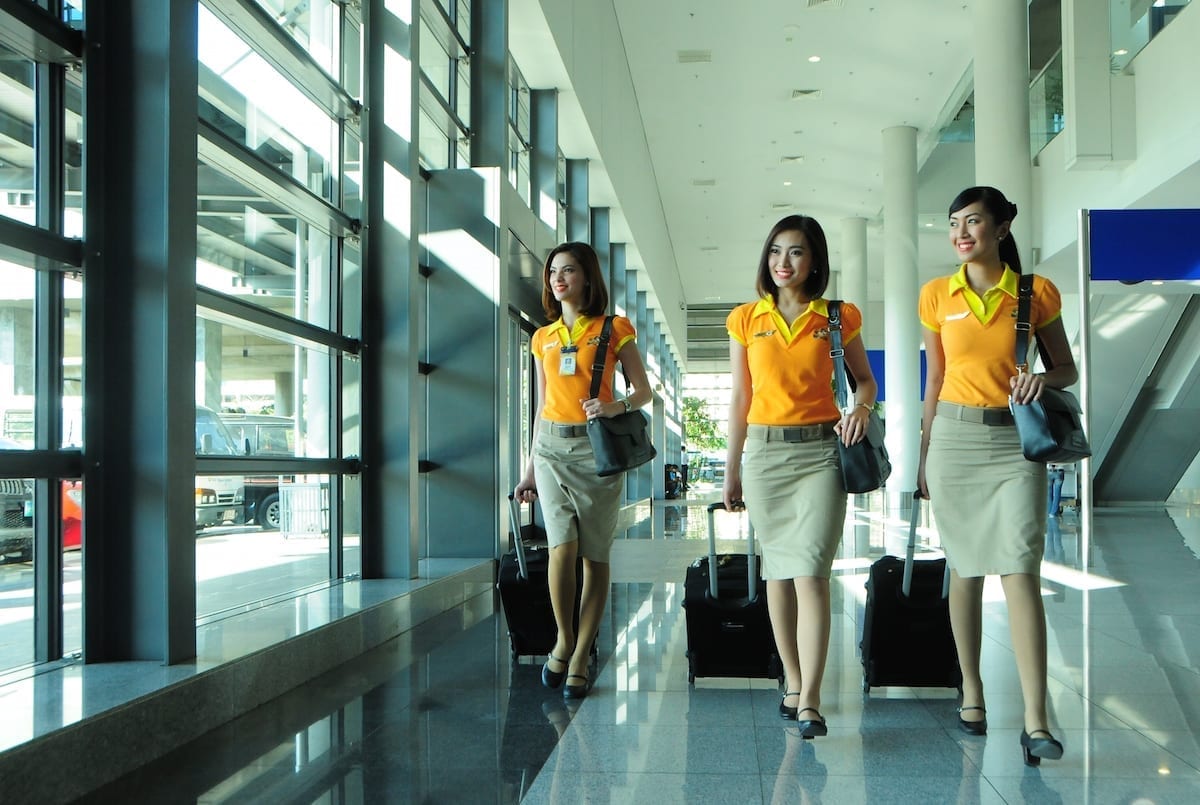
    Cebu Pacific cancelled one domestic flight to Cauayan, Isabela, on account of bad weather Wednesday, even as it apologized for the inconvenience caused by an average 45-minute delay in early morning flights.

    Cancelled due to bad weather was 5J 196/197, Manila-Cauayan-Manila 5J- Cebu Pacific.

    In a separate advisory, Cebu Pacific attributed the flight delays to a temporary slowdown in the production of its flight plans.

    “Early morning flights were delayed by approximately 45 minutes as a consequence and this will also cause a domino effect for flights throughout the day,” said the leading low-cost carrier.

    “We are currently putting measures in place to make up time and thus minimize delays to our schedule. Our airport personnel are on-hand to assist affected passengers. We sincerely this has caused, and appeal for patience and understanding,” said the airline.