Author: Mei Ling Tan

  • Hansa Heavy Lift Develops Tailored Solutions For Floating Unit Customers Globally

    Hansa Heavy Lift Develops Tailored Solutions For Floating Unit Customers Globally

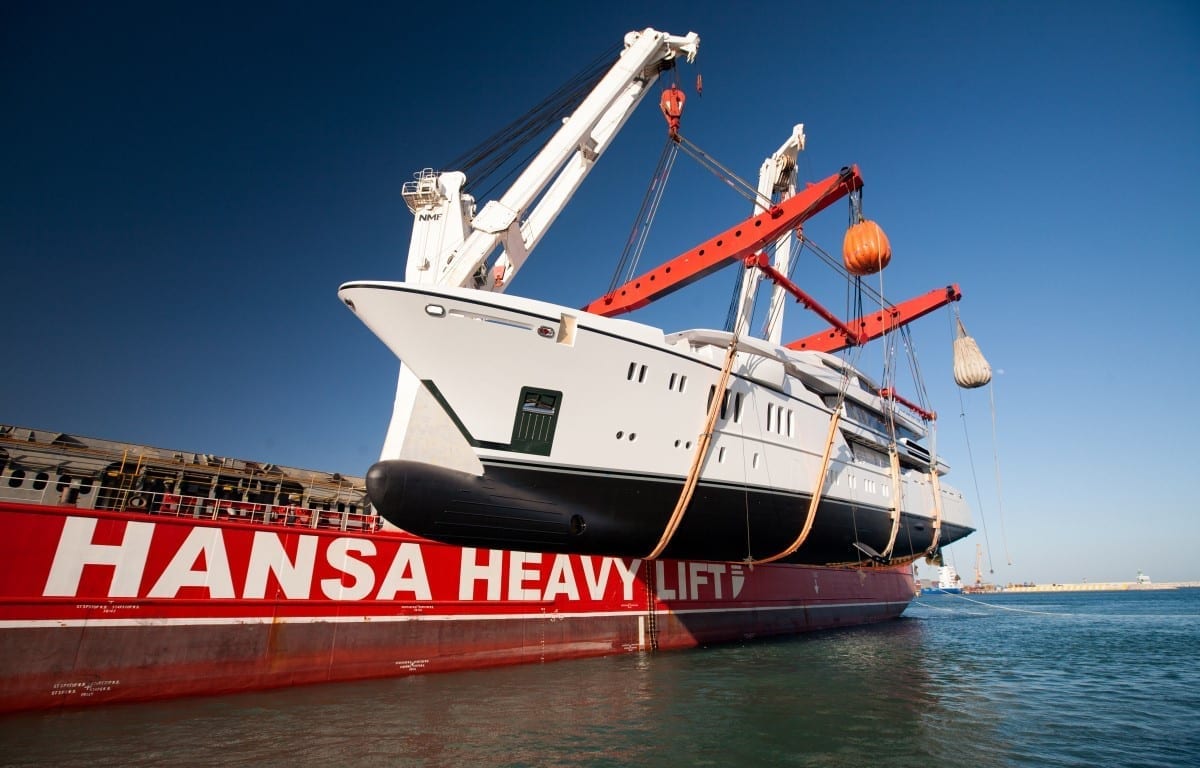
    HANSA HEAVY LIFT has strengthened its position in the floating unit market after successfully completing a series of projects in the Americas, Europe, Asia, and Africa.


    The moves included the transportation of 45 yachts in one consignment, as well as the safe delivery of two oversized barges and three tugs.


    “We see much potential in the floating unit market. Our very adaptable heavy lift ships and engineering know-how ensures we are able to meet our customers’ bespoke requirements globally, no matter the challenges,” said Emek Ersin Takmaz, Head of Projects, Engineering Department, HANSA HEAVY LIFT.


    The consignment of 45 yachts was recorded as the largest number of yachts shipped on a single vessel for Peters & May, and took place aboard HHL New York, with the journeys originating in the USA and the Caribbean and concluding in the UK and Germany, coordinated by bespoke logistics provider Peters & May.


    HANSA HEAVY LIFT crews worked with Peters & May’s expert loadmasters to load the yachts with their masts up at Port Everglades in Florida, USA, St Thomas, and Antigua, and delivered them to the ports of Southampton, UK, and Bremerhaven, Germany.


    “Working with a trusted partner, such as HANSA HEAVY LIFT on key projects such as this, means all stages of the operation – from planning to execution – are flawlessly executed. Both teams’ high attention to detail allowed us to provide the optimum service our clients expect. We look forward to working with HANSA HEAVY LIFT on exciting projects in the future,” said Simon Judson, Global Operations Director, Peters & May Group.


    HANSA HEAVY LIFT also transported a bunker barge from Sydney, Nova Scotia, Canada, to Mazatlán, Mexico, and a petroleum barge from Antwerp, Belgium to Banana, Democratic Republic of Congo.


    HHL Tokyo delivered the bunker barge, which measured 53.37m long by 12.49m wide by 14m high, and weighed 516 metric tonnes, whilst HHL Venice transported the petroleum barge, measuring 71.65m long by 12.30m wide by 6.90m high, and weighed 410 metric tonnes.


    The heavy lift specialist also transported three tugs from Singapore to Russia on board HHL New York. The heaviest tug measured 33.7m long by 10.6m wide by 22.3m high and weighed 467 metric tonnes.


    “This project was a race against time, which required us to find an efficient and cost-effective solution to be able to lift the tugs and transport them safely on our vessel,” said Takmaz.


    “Tailor-made steel structures were designed and suitable lifting solutions developed for each tug by our in-house engineers.”

  • Kanebo Cosmetics President plan to depart

    Kanebo Cosmetics President plan to depart

    Kanebo Cosmetics announced that Masumi Natsusaka, the company’s President, is scheduled to leave his post at the end of the year.

    Natsusaka has served in the role of the president of Kanebo since 2012, and is credited for orchestrating the brand’s recall of 50 products due to white splotches reported on the skin of customers, caused by Rhododenol. Following this, Natsusaka also made improvements to the company’s customer response bureau.

    In addition, Kanebo said Natsusaka’s successor, Yoshihiro Murakam, is planned to start in the head role, effective January 1, 2018.

    Natsusaka joined Kao Corp. in 1986, the owner of Kanebo since 2006, and previously served as president of its global skincare business. He is a graduate of Tokyto’s Rikkyo University.

    Kanebo has been strengthening its global reach and product portfolio in recent seasons. In 2016, the Japanese brand launched a namesake luxury skincare line and high-end cosmetic collection in its domestic market.

    More recently, Kanebo brought the same line to the European market in September 2017. In addition to the new brand, it also revealed its prestige line Sensai in Europe, the Middle East and South Africa.

    Looking ahead, Kanebo Cosmetics aims to bring its new line of skincare products to China in 2020. Kanebo hopes its namesake brand will become a pillar of global operations and is aiming for 30 billion yen ($264 million) in annual sales by 2020.

    In China, the brand already offers midrange products under its Kate, freeplus and other brands, priced at around 1,000 yen to 3,500 yen per item. Kanebo-branded products will be priced higher than those brands, and sales are said to begin in major cities such as Shanghai before being expanded across the country.

    For the year ending December 31, Kao Corp.’s net profit grew 20.3 percent to 126.55 billion yen ($1.17 billion). Net sales for the same period declined 1.1 percent to 1.46 trillion yen. Hindered by currency exchanges, yearly sales would have increased by 3.2 percent.

  • Gucci confirms tax evasion probe

    Gucci confirms tax evasion probe

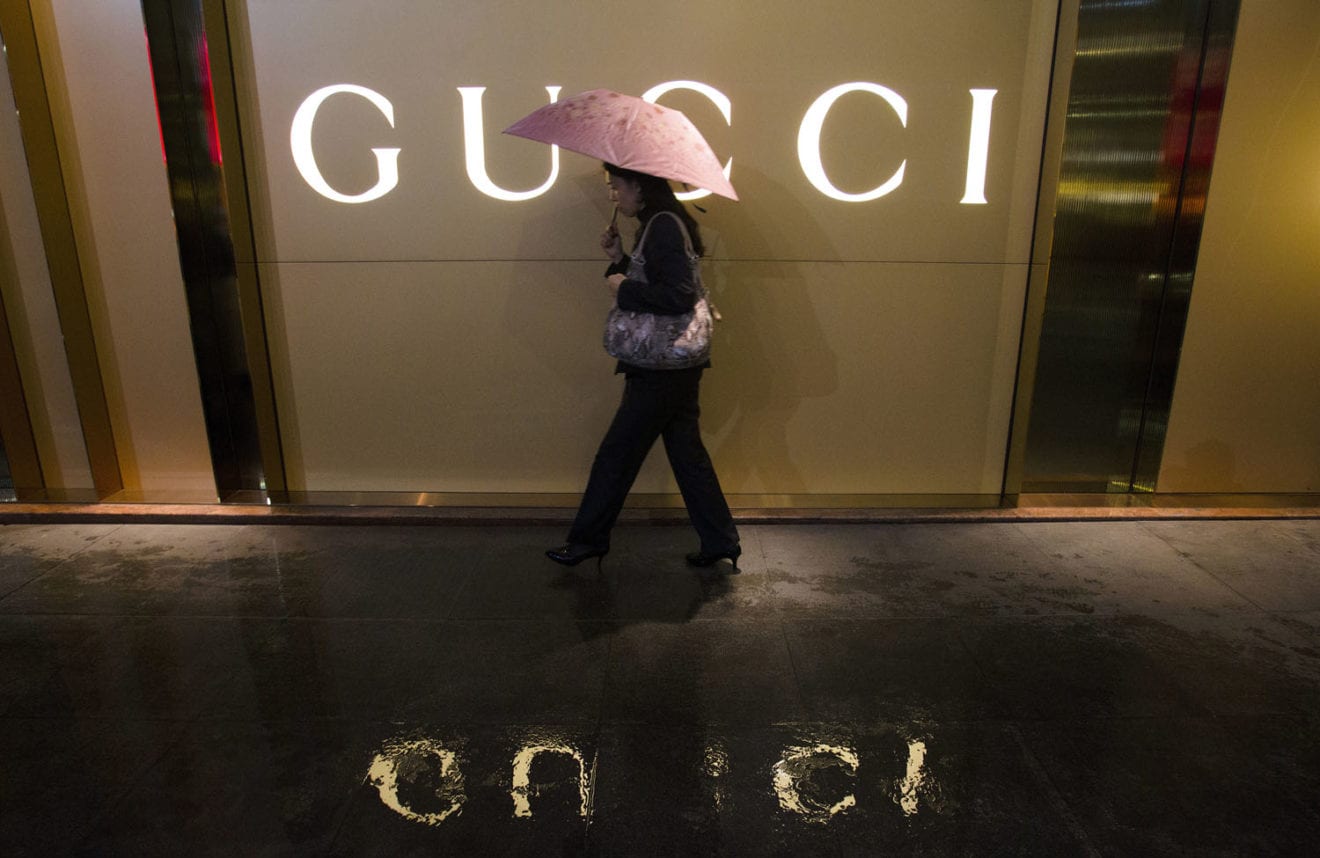
    Italian fashion giant Gucci on Monday said police raided its offices over suspected tax evasion, confirming a report in the Italian press.

    The Milan public prosecutor suspects the fashion house of declaring several years worth of Italian sales in Switzerland, thereby saving around 1.3 billion euros ($1.5 billion) in domestic tax, La Stampa daily said.

    The investigation is reportedly based on information from a former senior Gucci employee who has since left the company, which is part of French luxury group Kering.

    La Stampa said financial police had spent at least three days searching Gucci’s new, ultra-modern Milan headquarters and also other offices.

    “With respect to an article concerning an audit by the local tax police conducted at Gucci’ls offices in Florence and Milan published in an Italian newspaper today, Gucci confirms that it is providing its full cooperation to the respective authorities and is confident about the correctness and transparency of its operations,” Gucci said in a statement.

    Four years ago, fellow Italian fashion behemoth Prada had to pay 470 million euros to the Italian taxman after it declared a decade’s worth of home revenue abroad.

    The Italian tax dragnet has since extended to tech giants — 318 millions euros of Italian revenue for Apple and 306 million for Google while investigations are also under way regarding Amazon and Facebook.

    Gucci has turned in a strong recent performance with third quarter organic growth of 49.4 percent on 1.5 billion euros of sales.

  • Optimized communication processes in Holiday Season

    Optimized communication processes in Holiday Season

    Every year retailers are faced with the challenge of ensuring a positive customer experience when stretched to full capacity. A task made all the more difficult by the fact that a lot of shoppers have already had their nerves worn thin by the stressful search for gifts in a crowded city center. Retarus has revealed the following communication processes to help retailers maintain the highest levels of customer experience:

    1. More targeted controlling of customer flows

    In the lead-up to Christmas, the stream of customers entering shops increases dramatically. The load is especially high in the evenings, on Saturdays and directly before Christmas. Increasingly, online buyers just pop in to shops to pick up their purchases ordered via “Click & Collect”, rather than having to wait for overloaded delivery services. In Southeast Asia, 93 percent of consumers in the region have made online purchases – many of them at regular frequencies. The same study highlighted that 40 percent of consumers are willing to pay extra to collect orders at a convenient 3rd party location, indicating that Southeast Asian consumers prioritise speed of delivery. In light of this retailers in the region have been turning to Click & Collect services to provide customers with the option to collect their puchases without the need of waiting. Cloud Messaging Services enables better management of visitor frequency and an improved service experience for customers. For instance, SMS or email could be used to communicate a clear time window for collecting orders, during which the shop is not so busy or staff numbers have been optimised to meet demand. Special service offers or discounts can also provide customers with an additional incentive to fetch their orders within a given time period. This prevents shops from becoming overcrowded and long queues developing, leading to a much improved customer experience.

    1. Coordinating staff flexibly

    To keep checkout queues as short as possible, while still offering satisfactory levels of expert advice and other services such as a gift wrapping, retailers generally hire temporary, seasonal staff. At the same time, short-term staffing shortages due to illness have to be covered without delay. Cloud-based communication platforms provide valuable support for the coordination of human resources. Using Retarus’ Enterprise SMS Services, retailers only need a couple of clicks to send out an SMS that includes a reply option when they need additional staff. The staffing coordinator then only has to contact those members of staff who gave a positive response to clarify the details of the assignment.

    1. Addressing customers individually

    Once a shopper has entered a store, there is a good chance that they may buy additional goods that were not on their original shopping list. Thanks to cloud messaging services this can be used to good advantage by retailers – especially with Click-&-Collect customers. In combination with the order confirmation or pick-up notification the customer receives, personalised offers by means of SMS or email enables customers to order recommended products or services seamlessly through the reply function. Reminders about an extended period for returns or a personalised holiday greeting can also be achieved without much effort and sustainably strengthen customer loyalty.

  • Shanghai is home for world’s largest Starbucks Reserve Roastery

    Shanghai is home for world’s largest Starbucks Reserve Roastery

    The world’s largest Starbucks Reserve Roastery opens in Shanghai tomorrow, a store the company also describes as its “most beautiful”.

    At 2700sqm (nearly 30,000sqft) the store is twice the size of the Seattle Starbucks Reserve Roastery flagship. It features three coffee experience bars, the largest 27m long. The coffee bar was handcrafted by premiere Chinese artisans and references the unique roasting curve of individual coffee beans.

    Starbucks Reserve Roastery - Shanghai 1

    China is Starbucks’ fastest-growing market with a new store opening every 15 hours. The US coffee chain has been in China for more than 18 years and now has more than 3000 stores across 136 cities. More than 600 of those  are in Shanghai.

    Starbucks Reserve Roastery - Shanghai 2

    Starbucks Reserve Roastery - Shanghai 11

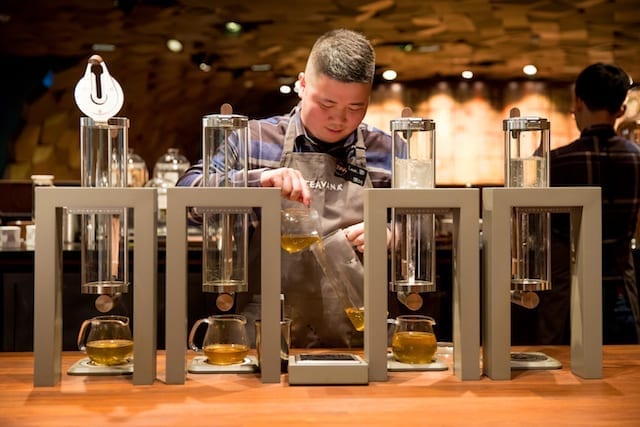
    The ambitious store expands Starbucks’ core offer, with more than 100 beverages on the menu, including Teavana tea infused with nitrogen and a new take on tea brewing with the Steampunk, which uses steam to extract unique flavors from each tea leaf.

    Starbucks Reserve Roastery - Shanghai 3

    Starbucks says the design is unique and will not be repeated elsewhere. Key design features include a ceiling consisting of 10,000 handmade wooden hexagon-shaped tiles inspired by the locking of an espresso shot on an espresso machine.

    Starbucks Reserve Roastery - Shanghai 4

    At the store’s entrance, mirroring the signature copper cask at the inaugural Starbucks Reserve Roastery in Seattle, customers will be greeted by the sight of a two-story, 40-ton copper cask adorned with more than 1000 traditional Chinese chops, or stamps, hand-engraved to narrate the story of Starbucks and its Reserve concept. The cask has a practical purpose, as well – connecting to the three coffee bars with pneumatic copper piping, replenishing all the roasted Starbucks Reserve coffee silos.

    Starbucks Reserve Roastery - Shanghai 8

    New bars and AR

    Besides the coffee experience bars, the new store features Asia’s first Princi bakery and cafe, with more than 30 Chinese bakers and chefs baking 80-plus menu items fresh onsite daily, based on artisanal recipes created by Italian baker Rocco Princi.

    Starbucks Reserve Roastery - Shanghai 9

    And it features China’s first Teavana Bar. Made entirely from 3D printed recycled material, the bar’s light jade colouring was inspired by ancient green clay teapots and the stains formed by brewing over time. Starbucks will continue China’s brewing tradition alongside tea curators as they practice mixology with the help of the Steampunk system’s nitrogen flavor extraction.

    Starbucks Reserve Roastery - Shanghai 10

    Designed by Starbucks, and powered by Alibaba, the Shanghai Roastery will become the first Starbucks location, and the first-of-its kind in China, to seamlessly integrate a real-time, in-store and online customer experience. Roastery customers are invited to immerse themselves in the first Starbucks augmented reality (AR) experience by simply pointing their phones at key features around the Roastery to bring to life information about the Starbucks bean-to-cup story. Guided through the space by a custom-designed AR “tour-guide,” customers can unlock virtual badges and a unique Roastery filter to commemorate their visit.

    “The affinity we have built with our partners (employees) and customers over the past 18 years in China is special and we knew we must bring the Reserve Roastery, our boldest, most premium store ever, to Shanghai, China’s bustling metropolitan hub and one of the world’s most dynamic retail destinations, as well as a gateway to customers from across Asia and the world,” said Howard Schultz, executive chairman of Starbucks Coffee Company. “We’ve created a space that both recognises and celebrates our 46-year history of coffee leadership and retail innovation with China’s rich, diverse culture.”

    Here’s a video from Starbucks showing some of the interior (no sound):

  • Whitesky kicks off Jakarta-Bandung helicopter service

    Whitesky kicks off Jakarta-Bandung helicopter service

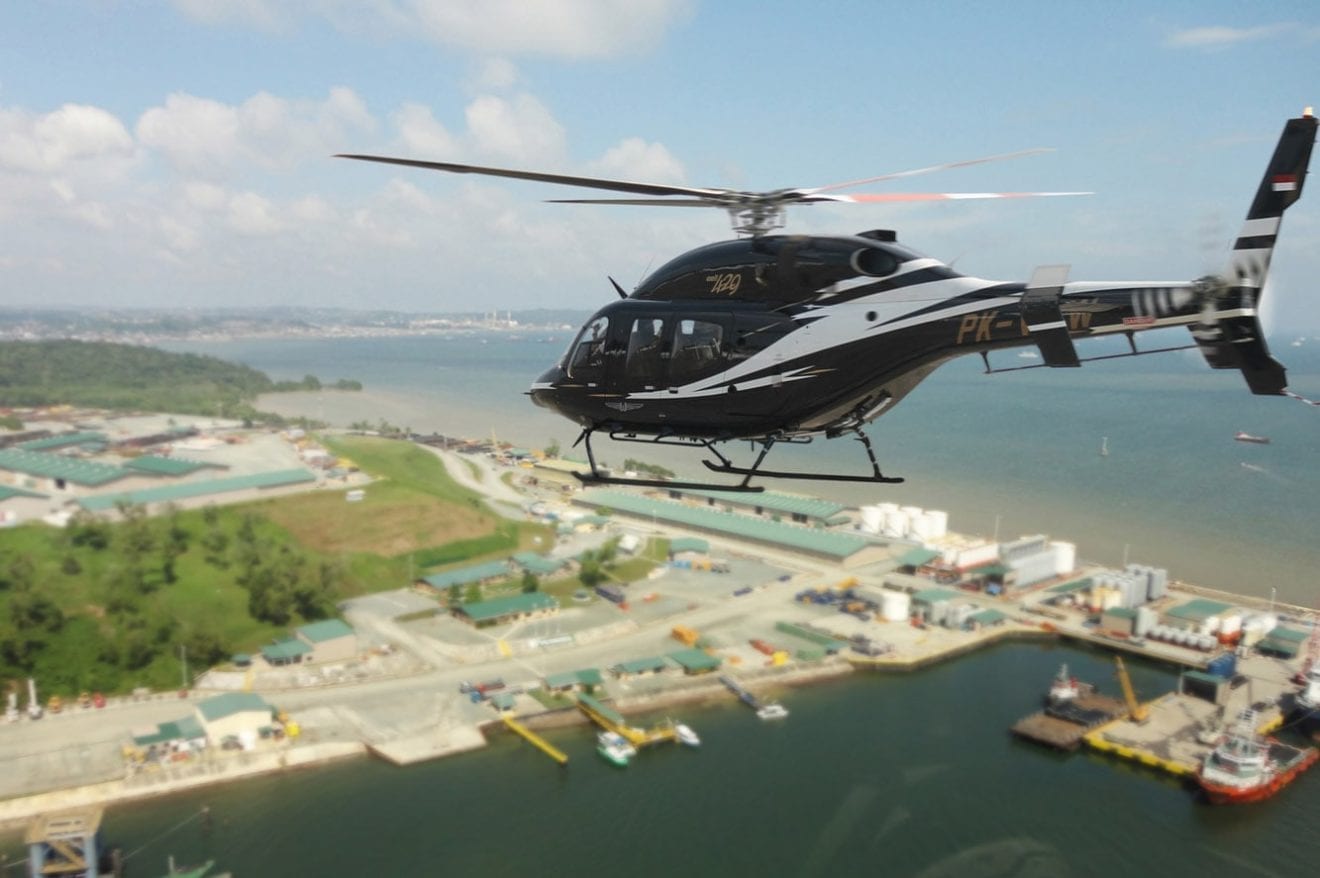
    PT Whitesky Aviation commenced on Monday the operation of its helicopter service from Jakarta to West Java’s capital of Bandung.

    Whitesky Aviation CEO Denon Prawiraatmaadja said on Sunday that the service, named Helicity, had received a license from the Transportation Ministry to operate as a public transportation mode.

    “Helicity is also to support the tourist sector,” said Denon, adding that the fare was Rp 36 million (US$2,664) per trip for six passengers

    Denon said his company operated 30 helicopters for its service across Indonesia.

    He said the operation of Helicity was initiated in response to the government’s aim to improve air connectivity to boost tourism.

    He expressed his optimism about the Helicity market, particularly because of the increasing number of foreign tourist arrivals in Indonesia – 12 million in 2016 and a targeted figure of 15 million in 2017, with each tourist spending an average of US$1,200 per visit.

  • Angry investors file police reports against fintech firm SixCapital

    Angry investors file police reports against fintech firm SixCapital

    Police reports have been filed by angry investors who fear they have lost millions of dollars invested in a local fintech currency trading firm that built a high profile by painting its name on an aircraft and wooing potential clients in Davos, Switzerland.

    SixCapital, or SixCap as the firm is called, promised returns as high as 18 per cent a year but stopped making payouts around June. Investors also had difficulties accessing their performance reports.

    Around 1,000 investors and employees put millions of dollars into the fintech firm that described itself as using “big data and powerful analytics” to make currency trades.

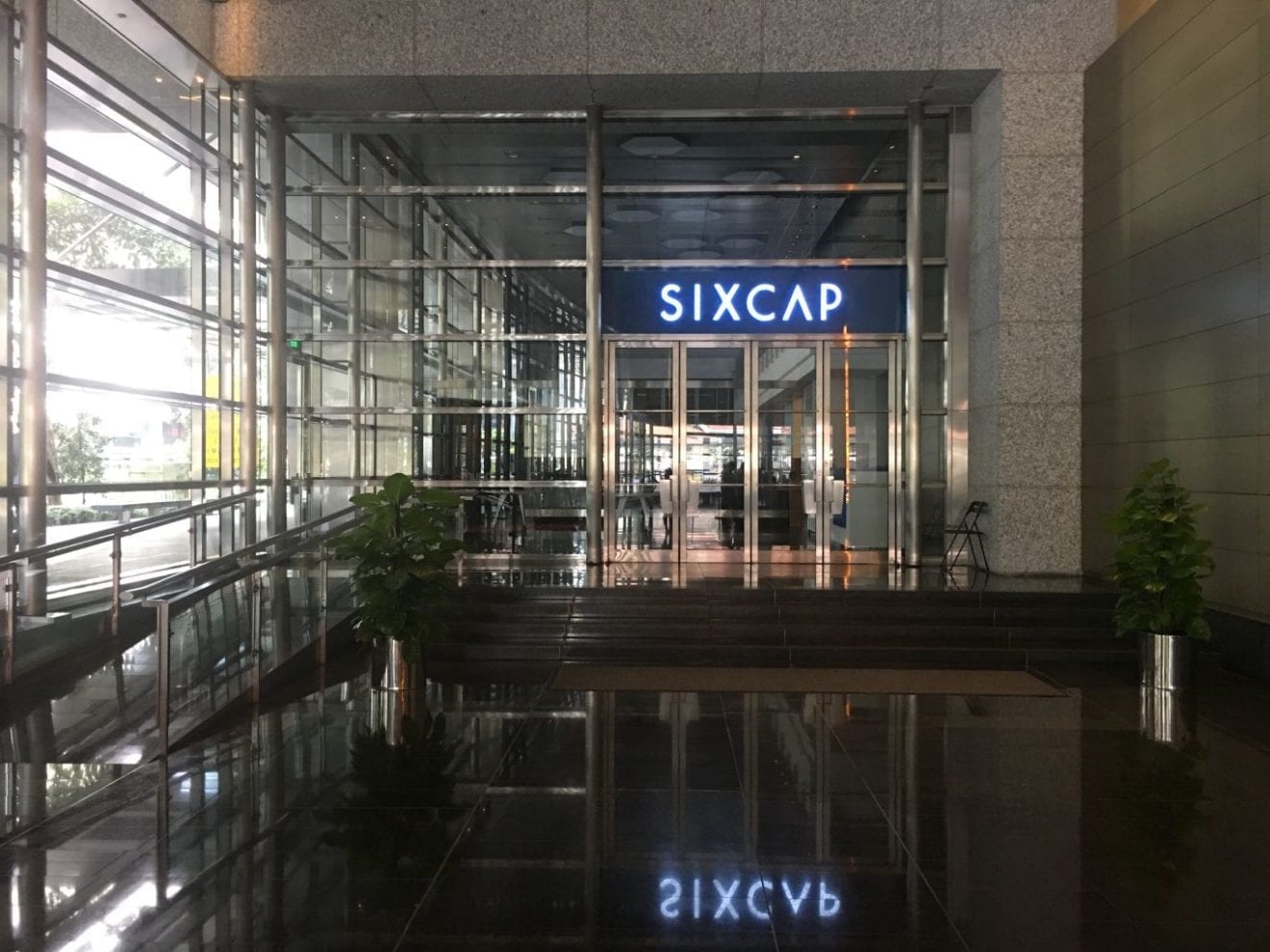
    The firm, which has an office on the ground floor of SGX Centre 1 in Shenton Way, appears to have hit trouble earlier this year.

    It e-mailed clients on June 8, saying that OCBC Bank told it in May that its banking accounts could no longer be supported.

    SixCap said it had been trying to open accounts with other banks since May 25, but “the KYC (Know-Your-Customer) processes these days are more stringent and take longer than before”.

    More recently, in a letter to investors dated Nov 10, SixCap said it had discontinued its two products, Tagg and B’Data, which earn yields for investors through foreign exchange trading.

    Investors were told they could expect their principal back “over a 24-month period beginning in the second half of February 2018”.

    The same letter detailed the abrupt resignation on Oct 9 of SixCap chief scientific officer Abdalla Kablan and 13 of his key IT staff.

    SixCap had acquired Malta-based data analysis start-up Hippo Data, founded by Dr Kablan, earlier this year.

    “By now, almost all the employees in Malta have resigned and left abruptly,” wrote SixCap boss and sole owner Patrick Teng Chee Wai.

    The exodus brought operations at SixCap’s tech firms to a halt, impacting the group’s “various Ricebowl business models”, he said.

    Ricebowl is a forex trading model offered by SixCap.

    Mr Teng said: “Ricebowl is a system being developed and refined with the help of Dr Kablan and he has in fact written academic papers on this system which were shared with the Monetary Authority of Singapore about one to two years ago.”

    The Straits Times could not find these papers, and Mr Teng declined to share them, citing confidential content.

    Dr Kablan said he could not comment and is seeking legal advice.

    Mr Teng’s son, Mr Paul Teng, who was SixCap’s chief investment officer, did not answer questions about Ricebowl.

    He told  last Monday : “I can’t comment because I’ve resigned since Nov 1. I’d rather not talk about it. Ricebowl was always looked after by my dad.”

    One of SixCap’s presentation materials states that FX B Share, the predecessor of B’Data, is governed by Singapore law and vetted by law firm Rajah & Tann.

    Rajah & Tann senior partner David Yeow told by e-mail: “The reference to my firm in the attachment was made without prior notice or approval from my firm.”

    Investors in Tagg and B’Data are now asking how they can recover their money.

    Some filed reports with the police and the Commercial Affairs Department last month as they want an investigation into its transactions.

    A police spokesman told The Straits Times: “It is inappropriate to comment on investigations, if any.”

    The Straits Times visited SixCap’s Shenton Way office before noon on Nov 24 but the lights were off and the door locked. A security guard said it had been closed since Nov 20.

    SixCap’s chief revenue officer, Ms Jaslyn Tan, told The Straits Times that Six Capital (FX Trading) had moved to Marina Bay Financial Centre Tower 3. She did not answer further queries.

    The address she gave was for a serviced office space shared with about 20 other companies. The Straits Times visited the place last Tuesday and was told by a staff member that neither Mr Patrick Teng nor Ms Tan was present.

    It marks a sharp turn of events for SixCap, which worked hard to raise its profile. The firm was a sponsor of some events hosted by The Wall Street Journal and CNBC, where Mr Patrick Teng would appear as a speaker.

    In December last year, SixCap had its livery painted on an AirAsia jet to promote Tagg’s launch in the Indonesian market.

    And in January, Mr Teng and son Paul went to Davos, Switzerland, to ink a memorandum of understanding with an Indonesian university – Universitas Gadjah Mada – on the sidelines of the World Economic Forum.

    SixCap’s most recent product is Thundr TV, a $99 device or app that allows access to TV channels.

    During Thundr’s Singapore roadshow in July, Miss Universe Indonesia 2015 Anindya Putri and Miss Universe Croatia 2015 Mirta Kustan were featured as channel personalities.

    For now, investors are split on what to do. Some believe SixCap will pay them back eventually, while others are not so sure.

    A semi-retired freelance consultant who wanted to be known only as Mr Rao sank $20,000 in Tagg and $80,000 in B’Data. He joined a small gathering of investors on Nov 20 to discuss their next steps.

    Mr Rao, 49, said: “A few retirees indicated that they had poured in significant retirement sums. One lady was the age of my mother. She said that she was going to the temple to pray.”

  • Indonesia Will Officially Ban Bitcoin and Other Cryptocurrencies

    Indonesia Will Officially Ban Bitcoin and Other Cryptocurrencies

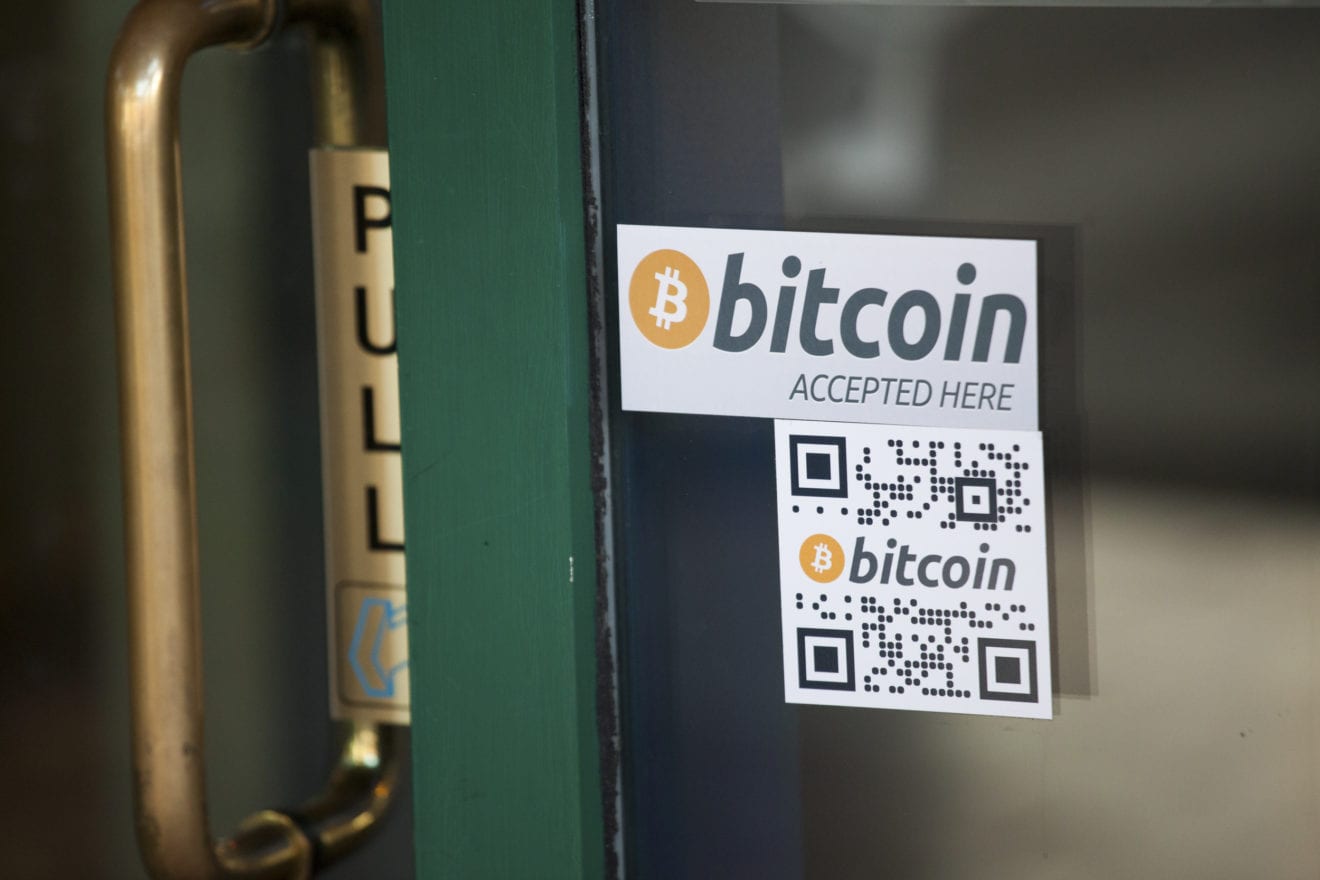
    A lot of countries around the world are deliberating how they should treat Bitcoin and other cryptocurrencies. Taking action is a lot easier said than done, and such decisions need to be reached carefully. Over in Indonesia, it seems a complete ban on all cryptocurrencies is imminent. It is an unfortunate development, but it remains to be seen how effective such a ban can be.

    The past few years have been filled with adversity for any cryptocurrency trying to make a global impact. Whether it is Bitcoin or something else entirely, there is a lot of opposition from the financial sector and governments. Given the unregulated and uncontrollable nature of Bitcoin and other cryptocurrencies, it is evident there are a lot of risks associated with this new form of money. At the same time, there are a lot of new opportunities waiting to be explored by those brave enough to take the plunge.

    It doesn’t appear as if Indonesia will be among those countries giving cryptocurrencies a fighting chance. More specifically, the Bank of Indonesia plans to ban all Bitcoin-related activity in the country. It is unclear why the central bank decided to take this course of action, considering cryptocurrencies are not all that popular in the country. Many people will see this ban as reflecting the government’s fear of allowing consumers to control their own money at all times. Since no bank or government can effectively control Bitcoin, such opposition is not unexpected.

    While digital technology is of great interest to the Indonesian government, it sees cryptocurrencies in a completely different light. There is a high degree of uncertainty associated with this economic model, and investors need to be protected from financial harm. Bitcoin and altcoins represent a fundamental change in the financial sector which will have both advantages and drawbacks. Making an appropriate decision on this topic is not easy, yet introducing a full ban may not necessarily be the best course of action.

    The Indonesian Central Bank aims to preserve the sovereignty of the rupiah as legal tender in the country, which is something everyone will agree on and accept. However, Bitcoin can easily coexist with the rupiah without recognizing the former as official tender in Indonesia. Officially outlawing this new form of money will set an unfortunate precedent. The big question is whether or not such a measure will have success in the long run. People will find a way to access cryptocurrency with or without the approval of the government.

    One thing worth pointing out about this ban is that it will be as absolute as humanly possible. There will be no arbitrage opportunities, business controls, or unhealthy business practices on the part of anyone outside of the legal reach of the Indonesian government. This certainly sets the tone for cryptocurrency in the country, although it still remains an unfortunate decision. Indonesia is one of the places where Bitcoin could potentially do a lot of good if the government would just give it a chance. 

    Another question worth asking is whether or not existing Bitcoin holders in Indonesia will sell their currency or simply hold it. Converting it to the rupiah will become impossible soon, and there will be no way to spend it either. Rest assured there will be some entities that will come up with creative ways to circumvent this ban, assuming it gets implemented in the first place. For now, the country’s central bank has not stated when it will seek to impose this new directive, which creates further doubt and uncertainty.

  • Indonesia Bourse May Snap Losing Streak

    Indonesia Bourse May Snap Losing Streak

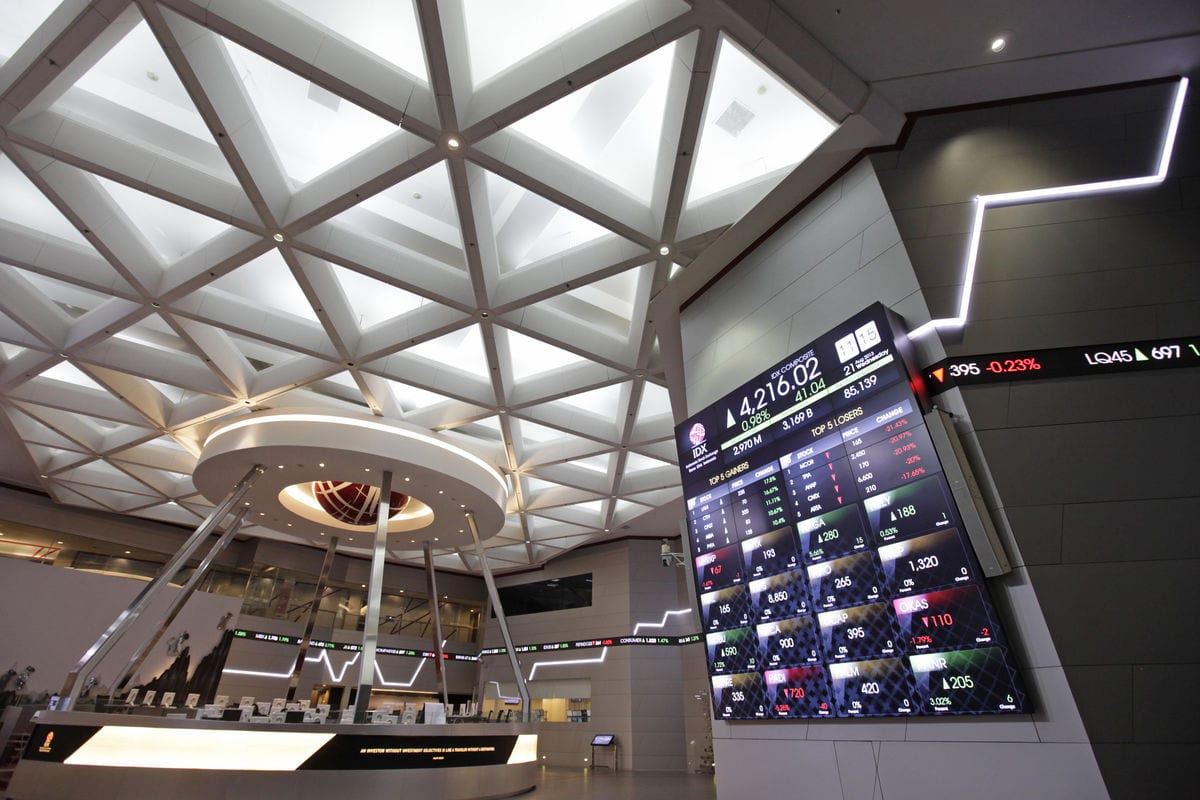
    Ahead of Friday’s holiday, the Indonesia stock market had tracked lower in back-to-back sessions – surrendering almost 120 points or 2 percent. The Jakarta Composite Index now rests just above the 5,950-point plateau, although it may tick higher on Monday as it catches up on missed positive sentiment.

    The global forecast for the Asian markets is soft thanks to political concerns in the United States, although a spike in crude oil prices should limit the downside. The European and U.S. markets were down and the Asian bourses figure to follow suit.

    The JCI finished sharply lower on Thursday following losses from the food and resource sectors.

    For the day, the index plummeted 109.23 points or 1.80 percent to finish at the daily low of 5,952.14 after peaking at 6,058.60. There were 215 decliners and 131 gainers, with 120 stocks finishing unchanged.

    Among the actives, Bank Pan Indonesia skyrocketed 13.68 percent, while Bank Danamon Indonesia plummeted 5.19 percent, Tiga Pilar Sejahtera Food plunged 5.19 percent, Jasa Marga tumbled 1.92 percent, Lotte Chemical skidded 1.62 percent, XL Axiata dropped 1.60 percent, Voksel Electric shed 0.68 percent, Bumi Resources retreated 1.96 percent, Vale Indonesia lost 0.72 percent, Indofood fell 3.62 percent and Bank MNC Internasional and Bank Mandiri were unchanged.

    The lead from Wall Street is negative as stocks opened sharply lower on Friday. They recovered in afternoon trade but still finished firmly in the red as they backed off recent record closing highs.

    The Dow slipped 40.76 points or 0.17 percent to 24,231.59, while the NASDAQ fell 26.39 points or 0.38 percent to 6,847.59 and the S&P 500 dipped 5.36 points or 0.20 percent to 2,642.22. For the week, the NASDAQ slid 0.6 percent, the Dow surged 2.9 percent and the S&P jumped 1.5 percent.

    The late-morning sell-off came on news that former National Security Adviser Michael Flynn has agreed to cooperate with prosecutors in the investigation of Russian meddling in last year’s election.

    However, stocks regained ground as Senate Majority Leader Mitch McConnell, R-Ken., declared that Republican leaders have won over enough reluctant lawmakers to pass their tax reform bill.

    In economic news, the Commerce Department reported a bigger than expected increase in construction spending in October, while the Institute for Supply Management noted a modest slowdown in the pace of growth in manufacturing activity in November.

    Crude oil futures rallied Friday after OPEC producers voted to extend supply cuts through 2018. January WTI oil climbed 96 cents or 1.7 percent to $58.36/bbl. Prices dropped 1 percent for the week.

    Closer to home, Indonesia will release November inflation data later today, with forecasts expected to show an increase of 0.3 percent on month and 3.45 percent on year following the 0.01 percent monthly increase and the 3.58 percent yearly gain in October.

  • Garuda Indonesia Cancels Flight Due to Lack of Pilots

    Garuda Indonesia Cancels Flight Due to Lack of Pilots

    National flag carrier Garuda Indonesia canceled a flight from Singapore Changi Airport to Soekarno-Hatta International Airport on Sunday due to a lack of available pilots. The plane was scheduled to depart at 10 p.m. Singapore time.

    Garuda spokesman Ikhsan Rosan said the pilots who were meant to fly that evening had flown for nine hours on Sunday – the maximum number of hours a pilot is permitted to fly in one day.

    “The pilots should fly for a maximum of nine hours a day after having flown five times but, due to delays, the pilots had reached the flying limit,” Ikhsan told on Sunday night, adding that the pilots were not immediately replaced as all available ones were in Jakarta.

    As a result, hundreds of passengers were forced to reschedule their flights on Monday as all Sunday flights were fully booked.

    One of the passengers, Rudy Bani, 39, said he was frustrated with the airlines because he had a meeting on Monday afternoon.

    “I am a frequent flyer of Garuda and this kind of thing had never happened before. This is the worst,” Rudy said.

    Passengers trying to book morning and afternoon flights on Monday reportedly had a difficult time finding available seats.

  • Mattel Indonesia exports toys worth $150m per week

    Mattel Indonesia exports toys worth $150m per week

    Toy maker PT Mattel Indonesia produces about 2 million toys, including Barbie dolls, a week with total exports worth US$150 million.

    The products of its factory in Cikarang, West Java, account for about 60 percent of the global market, said Mattel Indonesia vice president and general manager Roy Tendean on Monday during the celebration of the company’s anniversary.

    Mattel Indonesia, a subsidiary of Long Angeles’ based Mattel Inc., celebrated its 25 years of operation in Indonesia on Monday.

    He said that the company, which produces Barbie dolls, Hot Wheels, Thomas & Friends, etc., planned to set up a link-and-match program with five vocational schools (SMK) in West Java.

    “We want to contribute to human-resources development as education is the responsibility of educational institutions, the business community and the government,” said Roy.

    The five SMK involved in the program are SMK 1 Cikarang Pusat, SMK 1 Cikarang Barat, SMK 1 Cikarang Selatan, SMK Kerawang and SMK Mitra Industri Cibitung.

    “The link-and-match program is to ensure that students receive balanced teaching materials between the theory and real working experience at a company,” he added, during the event attended by Industry Minister Airlangga Hartanto and the Mattel Inc. chief supply chain officer and executive vice president, Peter Gibbons.

  • Common Myths About Doing Business in Indonesia

    Common Myths About Doing Business in Indonesia

    Some claims are so ingrained that even those who have lived in Indonesia for a length of time have trouble differentiating between what is true and false. The rumors shared through the expat community are not usually spread with bad intentions, but perhaps are based on misguided and outdated information. Many of these myths can be (and are) easily debunked below.

    The Local Shareholder Myth

    One of the most common misconceptions about doing business in Indonesia is that a local shareholder is required for starting a company. In reality, many business lines are open to full foreign ownership.

    Foreign investors are allowed to set up 100 percent foreign-owned trading and real estate companies in Indonesia. In the hospitality industry, that means hotels with three or more stars classification can be fully controlled by a foreign business entity. However, it’s the lesser rated hotels that requires percentage ownership with a cap at 67 percent for foreign holdings and the remaining stakes held by Indonesian shareholders.

    Foreign shareholding depends on your business classification. The document regulating restricted industries is the Negative Investment List or Daftar Negatif Investasi (DNI), and it is revised every three years. The purpose of the DNI is to protect local companies, especially smaller and aspiring businesses, from foreign competition.

    Business through Partnerships

    Another common misconception in Indonesia is that partnerships, specifically marital partnerships, allows business in Indonesia to be more conducive. Whether these partnerships are purely to secure residence permits, company registration or simply for further insight into the Indonesian business culture; it’s all speculative. And, although Indonesians do have a smaller capital requirement when starting a company, asset control is a huge issue–especially if the expat partner in question doesn’t legally hold any.

    For local perspective, it is oftentimes wiser to turn to a professional consultant or lawyer as regulations in Indonesia can change overnight and the information from a “trusted” advisor might become outdated or simply untrue. And, there are alternatives to partnerships for all other issues such as visas and company establishment,.

    Indeed, building a company under a local spouse’s name might seem like a good idea, but it carries high risks.

    Unsecure nominee agreements is one of the diciest ways of starting a business anywhere. As a foreigner in Indonesia, you would not have any legal claims to your business should the marriage go south.

    There are non-financial ways to contribute since paid up capital can be in the form of money or other assets. A personal nominee is only based on good will whereas professionally pledged shareholding agreements keep your assets safe.

    The Question of Marriage

    In Indonesia, religion plays a significant role. Foreigners who wish to marry an Indonesian partner often think they are required to convert to their future spouse’s religion, but there are ways around this statute. Most foreigners who change their faith do it because it is the wish of their spouse or their spouse’s family and they do it by choice, and perhaps a bit of obligation.

    Weddings conducted abroad are currently recognized in Indonesia. It takes a little bit of time and paperwork, but your marriage can be acknowledged by the Indonesian government. However, dual citizenship is not recognized in Indonesia so any move to change citizenship must be scrutinized with a fine-toothed comb.

    Land and Property Ownership

    The Basic Agrarian Law No. 5 Year 1960 dictates that foreigners are not allowed to own freehold land in Indonesia. The same law stipulates that foreigners can only obtain land under the following rights: Hak Guna Bangunan – Right to Build, Hak Guna Usaha – Right to Cultivate, and Hak Pakai – Right to Use.

    It is common practice among foreign investors to buy land or real estate using a local nominee, but this is a high risk maneuver that would waive any legal protection over your investment. Human relations have a tendency to change and there is no guarantee that your nominee won’t take over your land or property. The safest option to invest in property in Indonesia is through a foreign-owned company, which would allow legal ownership of the property.

    Conclusion

    Conducting business in Indonesia may seem arduous. Most businesses that struggle in Indonesia struggle for the same reason anywhere in the world–for lack of demand, high competition or poor management.

    The real issue here is red tape, so be prepared to invest a lot of time into your business venture. Seek advice from experienced people who have a proven track record in the relevant industry and try to ignore hearsay and horror stories. Investors entering Indonesia face entry barriers, but these obstacles are some of the reasons why the competition is relatively low. Opportunities abound, and playing it wisely can provide some lucrative rewards.

  • Stella Artois launches a new pack and limited-edition design

    Stella Artois launches a new pack and limited-edition design

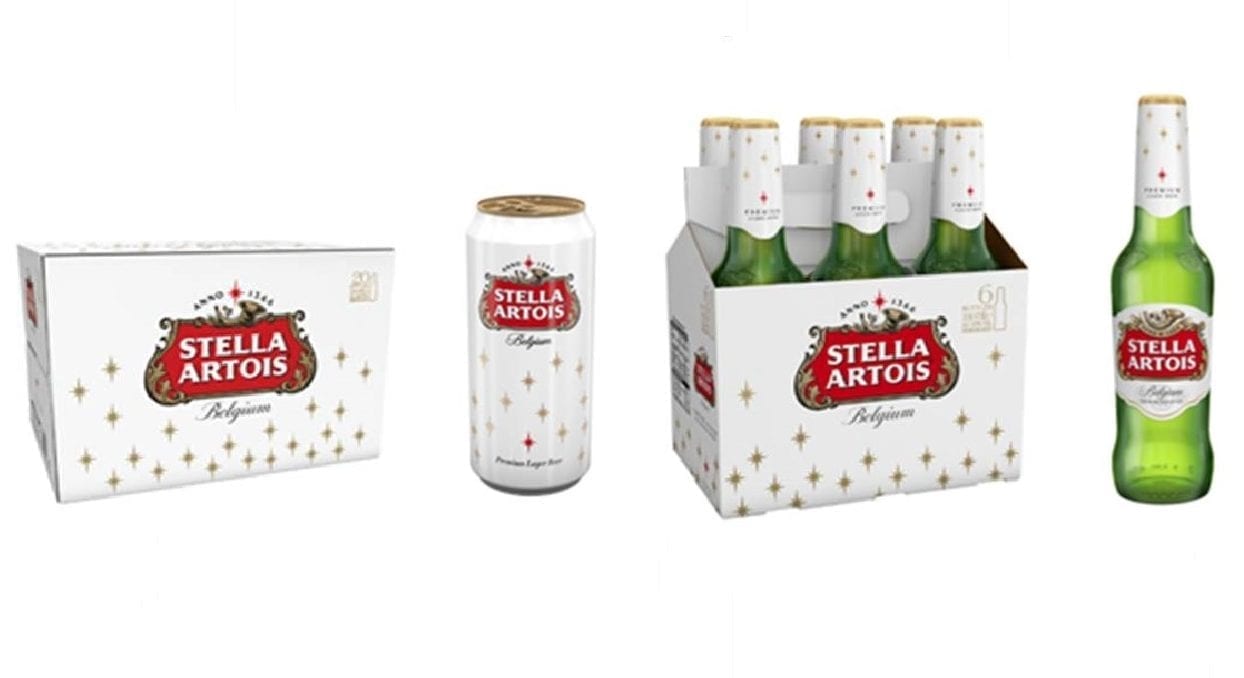
    AB InBev has developed limited-edition packaging for Stella Artois to coincide with the Christmas period.

    The four-pack tote is designed to provide a new unwrapping ritual, with an easy-open tab running around the centre of the pack. The rounded edges and curves create a sleek, premium aesthetic, whilst the eye-catching red handle makes it easier to carry the tote from store to home, or seasonal gatherings.

    The new packaging format will launch in Sainsbury’s and Ocado in time for Christmas, arriving in stores and online on 29 November.

    The Stella Artois brand has a natural association and historic connection to the festive season; in 1926 The Artois Brewery in Belgium first crafted a festive beer as a Christmas gift to the people of Leuven. That special batch was the first to officially include “Stella” in its name. “Stella”, meaning star in Latin, pays homage to this original occasion, accompanied by a star on every bottle.

    Continuing its celebration of the festive period, Stella Artois will launch its limited-edition Christmas design across varying formats*, featuring the gold star across packs. The 750ml Christmas Bottle will also make a return for 2017. Imported from Leuven, the home of Stella Artois, it is perfect for those Christmas sharing moments.

    Matt Leadbeater, senior brand manager, Stella Artois, commented: “Stella Artois is the go-to choice for consumers looking for a quality experience, and the new packaging perfectly represents the premium brand persona.

    “Stella Artois is synonymous with Christmas, with an authentic seasonal story to tell. We hope the unique, limited-edition design will get consumers even more excited for the festive period this winter.”

  • Banks need to Issue New Cards in Indonesia

    Banks need to Issue New Cards in Indonesia

    With the establishment of the national payment gateway Gerbang Pembayaran Nasional (GPN), banks need to distribute new debit cards that work using the gateway to help their customers reduce inter-bank transaction costs.

    The debit cards with GPN’s red eagle logo will be available to the public in January, said BI Governor Agus Martowardojo on Monday, adding that the new cards were accepted by all merchants’ automated teller machines (ATMs) and electronic data capture systems in Indonesia.

    However, BI transformation program head Onny Widjanarko said the GPN cards could not to be used for international transactions such as withdrawing money from foreign ATMs or processing payments in international stores.

    Onny said old debit cards could still be used, but interbank transactions will result in higher costs.

    Agus said banks charged a 2 to 3 percent fee if customers used other bank’s debit cards, but with the new cards the rate would only be about 1 percent.

    He said currently there were 140 kinds of debit cards in Indonesia and 90 percent bear foreign switching network logos.

    Meanwhile, transactions using debit cards in Indonesia reached Rp 17 trillion (US$1.26 billion) per day.

  • Indonesia to promote tourism in Melbourne

    Indonesia to promote tourism in Melbourne

    The Tourism Ministry is going to host Business Gathering event on Dec. 14-15 in Melbourne, Australia.

    The ministry has invited travel agents, tour operators and media to take part in this event.

    “The distance between Australia and Indonesia is not that far and Australians are very interested in destinations in Indonesia. Moreover, 90 percent of them have their own holiday schedule and high buying power for holiday tour packages,” said the ministry’s deputy minister for overseas promotion I Gde Pitana.

    “Our target is to inform the Australian people that Bali is safe now; the eruption has come down. The distance between Mount Agung to Denpasar is 65 kilometers. Bali Promotion is back. If nothing gets in the way, the 15 million target can be achieved,” Pitana added.

    During the gathering, the ministry will conduct a presentation about destinations in Indonesia and entertain visitors with traditional dance performance and souvenirs.

    “Melbourne is chosen because it’s the best business and shopping center in Australia,” told the ministry’s deputy assistant for Asia-Pacific tourism promotion, Vinsensius Jemadu.

    The number of tourism visits from Australian tourists is the four highest in Indonesia.

    This year, the ministry is aiming to welcome 1,816,000 tourists from Australia, an increase by 29 percent from last year’s target, which was 1.4 million people. (kes)