Author: Mei Ling Tan

  • WatchBox starts digging into luxury market

    WatchBox starts digging into luxury market

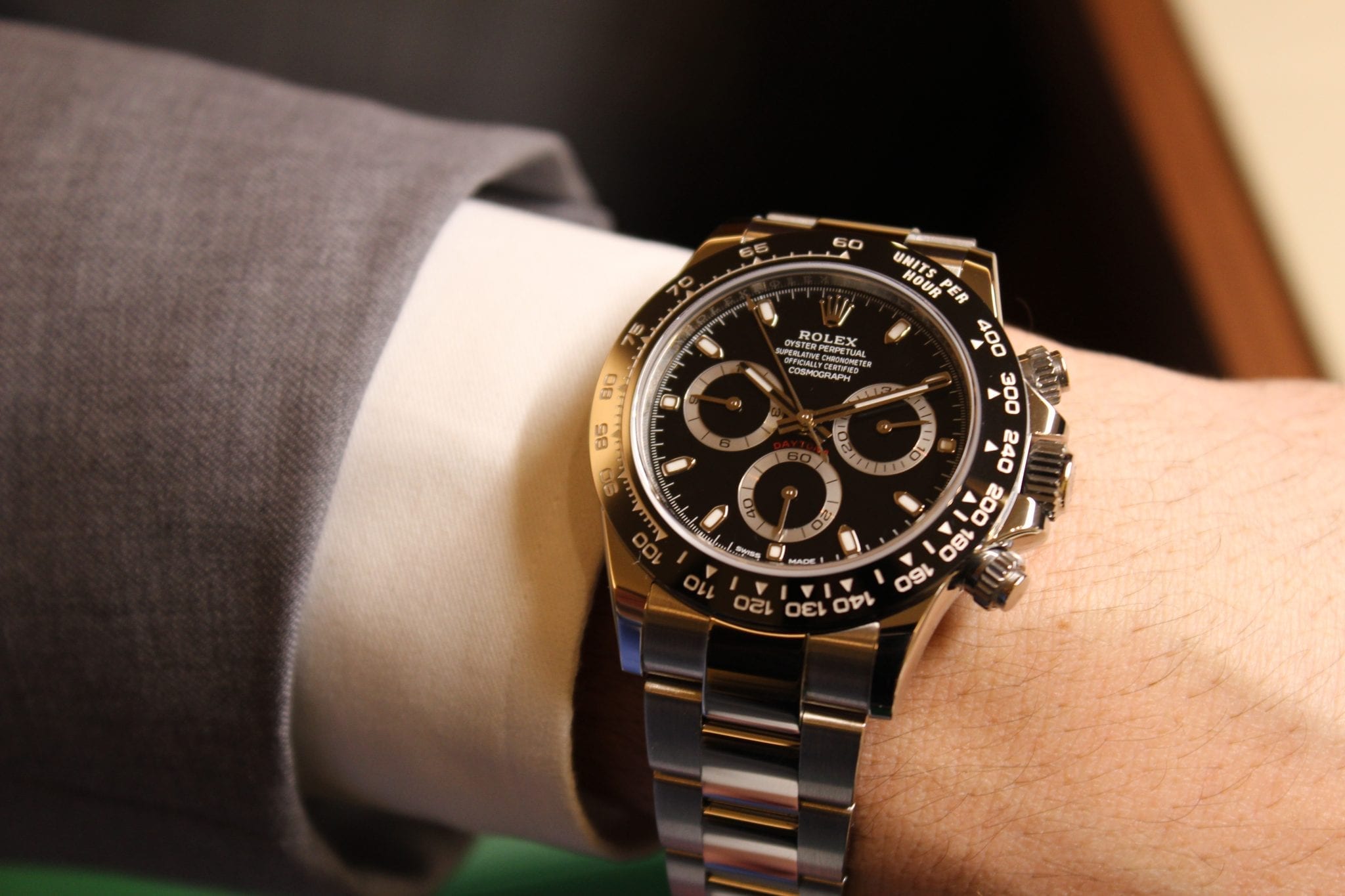
    WatchBox has launched as the first global e-commerce platform specialising in buying, selling and trading pre-owned luxury watches.

    It is the result of a partnership between Govberg Jewelers CEO Danny Govberg, former Sincere Watch owner Liam Wee Tay and investor-entrepreneur Justin Reis. Singapore private equity firm CMIA Capital Partners has led an initial investment round in WatchBox, earmarking more than $100 million of capital to be deployed over the next 18 months for building out the startup’s multi-platform strategy.

    “We are backing a proven leadership team of industry veterans who offer a fresh perspective on the global luxury-watch industry,” says CMIA managing partner Lee Chong Min. “WatchBox’s annualised revenue run-rate is set in the near term to exceed US$200 million. We believe WatchBox will transform the multi-billion-dollar luxury-watch industry.”

    He says CMIA is ready to back further funding rounds to capitalise on “certain business opportunities”.

    Evolving from the business practices of 101-year-old watch retailer Govberg Jewelers, WatchBox has already established a profitable business model for pre-owned watches in the US, with the founders realising the need for a physical location also in Hong Kong, where it has opened an office in the CBD. WatchBox now has dual headquarters, showrooms and “trading floors” (e-commerce centres) in the world’s two largest watch markets.

    Asia’s leadership team includes Tay as chairman and Reis as co-CEO. Tay transformed Sincere Watch from a traditional family-owned company into a pan-Asian luxury-watch institution, taking it public in both Singapore and Hong Kong before selling in 2012.

    “WatchBox capitalises on the estimated $400 billion global pre-owned watch market by embracing advanced technology to offer consumers a scalable platform to buy, sell and trade pre-owned timepieces through a trusted partner,” says Tay.

    As it moves to increase visibility through its e-commerce and digital services – specifically its website, mobile application and social-media presence – Watchbox regards offline integration in key markets as essential.

    “The watch industry is going through a period of consolidation, and the timing is right to build a robust and trusted global trading platform in the pre-owned category,” says Reis, who has had more than 20 years of experience in private-equity investing in Asia.

    Steering WatchBox from the company’s tech hub in the US is co-CEO Govberg, who says Watchbox offers a balance of technology, data systems and 24/7 connectedness, along with personalised service and guaranteed authenticity.

    WatchBox has 130 global associates, showrooms and private offices in Hong Kong and North America, and plans to further expand into other regions across Asia and Europe within the next year.

  • FamilyMart expands to 24hrs gym

    FamilyMart expands to 24hrs gym

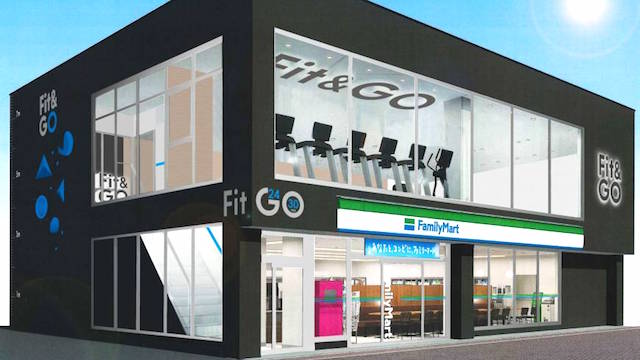
    Japan’s FamilyMart is about to launch a fitness club chain, Fit & Go.

    Like its convenience stores, the gyms will be open 24 hours a day.

    Around-the-clock gyms have been growing in popularity in Japan, mainly supported by the age range of FamilyMart’s primary customer demographic, as reported. While equipment may vary, all locations will offer treadmills and weight machines, as well as personal trainers, says FamilyMart. There will also be showers.

    A certain amount of synergy is expected by the company as customers can buy workout-related items such as towels, soap and dietary supplements in the neighbouring convenience store.

    Attached to FamilyMart in Tokyo’s Ota ward, the first Fit & Go is expected to open in February.

    “While the gyms won’t have as much floor space as larger fitness centres, the aim is to provide a convenient place for people to get in a quick 30-minute workout at the start or end of their daily commute,” says Sora News 24. “It could be a great way to stay in shape, provided you don’t make a habit of rewarding yourself with a piece of FamilyMart’s fried chicken after you’re done.”

  • Nike to launch world’s first sports hijab

    Nike to launch world’s first sports hijab

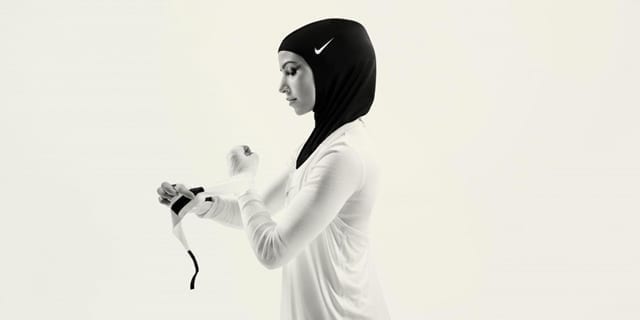
    Nike has launched the world’s first sports hijab, which is being rolled out internationally after months of anticipation.

    Tested by US champion fencer Ibtihaj Muhammad, the pioneering garment is breathable and lightweight, designed to fit “like a second skin” and not interfere with movement.

    Muhammad, who this year had the first-ever hijab-wearing Barbie modelled on her appearance, says she has had many false starts while competing because of her heavy hijab impeding her hearing.

    “It really sank in how much my previous hijab had been hindering my performance when I tried the Nike Pro Hijab,” she says. “Suddenly I could hear. I wasn’t as hot, and it felt like my body was able to cool itself down better and faster.”

    Nike says the Pro Hijab will help to make sports more inclusive for Muslim women. Statistics from Sport England show that just 18 per cent of Muslim women take part in regular sport, compared to 30 per cent of the total female population.


    Other hijabi athletes, including runner Manal Rostom, have also praised the garment’s innovation.
    “It inspires me to reach greater heights and to run farther distances,” says Rostom, who completed the latest New York Marathon in the Nike Pro Hijab. “I believe it’s going to inspire girls worldwide to follow their passion for sport.”

  • VW considers setting up commercial vehicles venture in China

    VW considers setting up commercial vehicles venture in China

    Volkswagen may expand cooperation with China’s Anhui Jianghuai Automobile (JAC) beyond electric cars to jointly develop and build commercial vehicles in the world’s largest autos market.

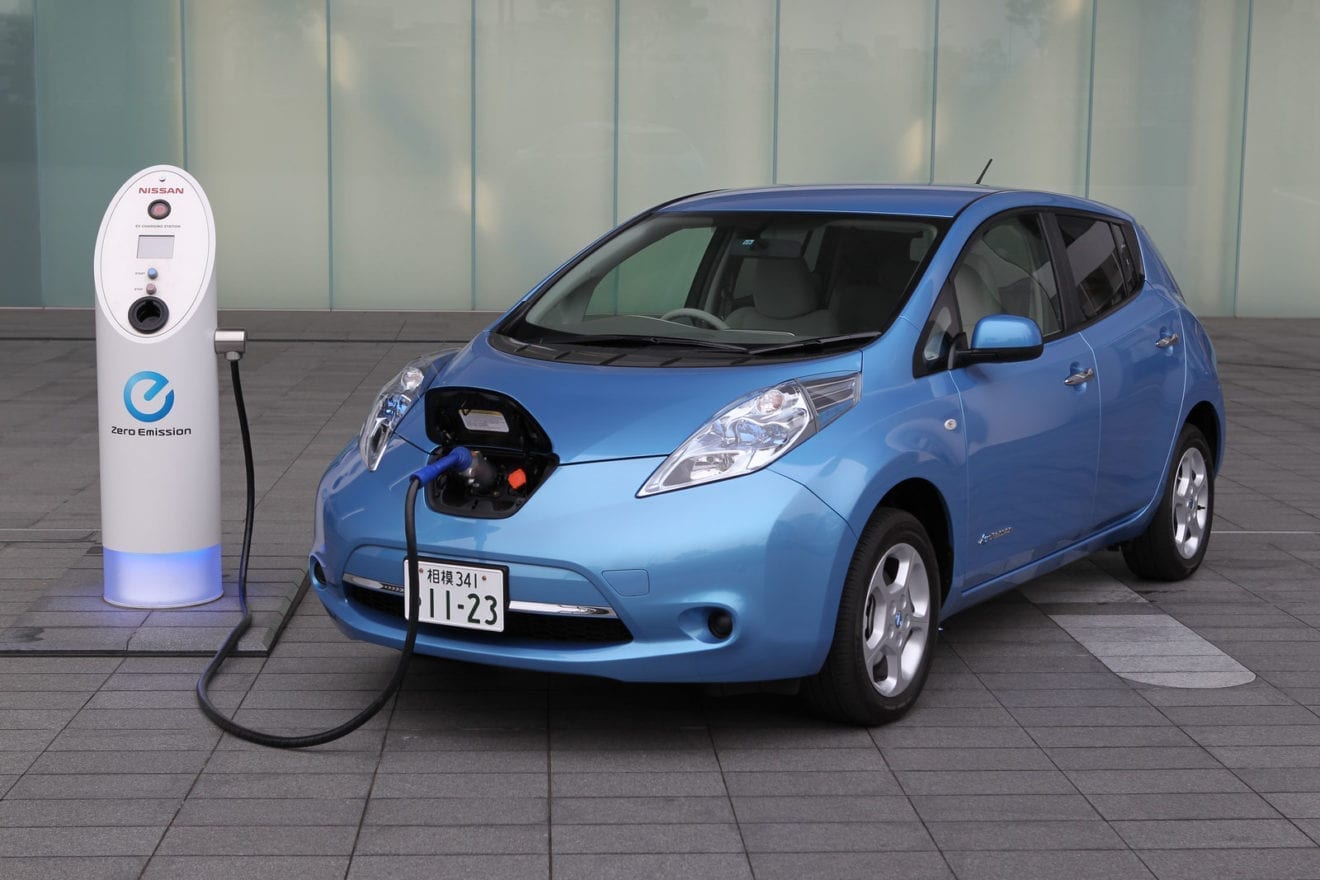
    The German group and JAC announced in June they were to set up a joint venture to develop and build zero-emission passenger cars as Volkswagen (VW) is pushing efforts to achieve the Beijing government’s production and sales quotas for new-energy vehicles.

    On Monday VW said it was looking along with its commercial vehicles division at deepening the cooperation with JAC to include the design, technology, product quality and development of multi-function vehicles.

    The venture would affect combustion engined and alternative-energy powered vehicles, would be owned equally by JAC and VW and would be based in JAC’s home town of Hefei, VW said.

    “VW Commercial Vehicles has a growing number of loyal customers in China,” executive Joern Hasenfuss said. “But there are significantly more opportunities,” he said without elaborating.

    Under the tie-up, VW and JAC could jointly tap growing demand for light pick-up trucks in China while the German group would also save customs duties by building its multi-van and Caddy vehicles at JAC facilities, analysts said.

    It’s also the latest evidence of VW’s foreign expansion not being confined to its passenger car operations.

    In September VW’s commercial vehicles arm started building the Amarok pick-up truck in Ecuador with local partner FISUM after starting production of the box-type Caddy model at a new multi-brand facility in Algeria two months earlier.

  • Oakley China will start with Nanjing store

    Oakley China will start with Nanjing store

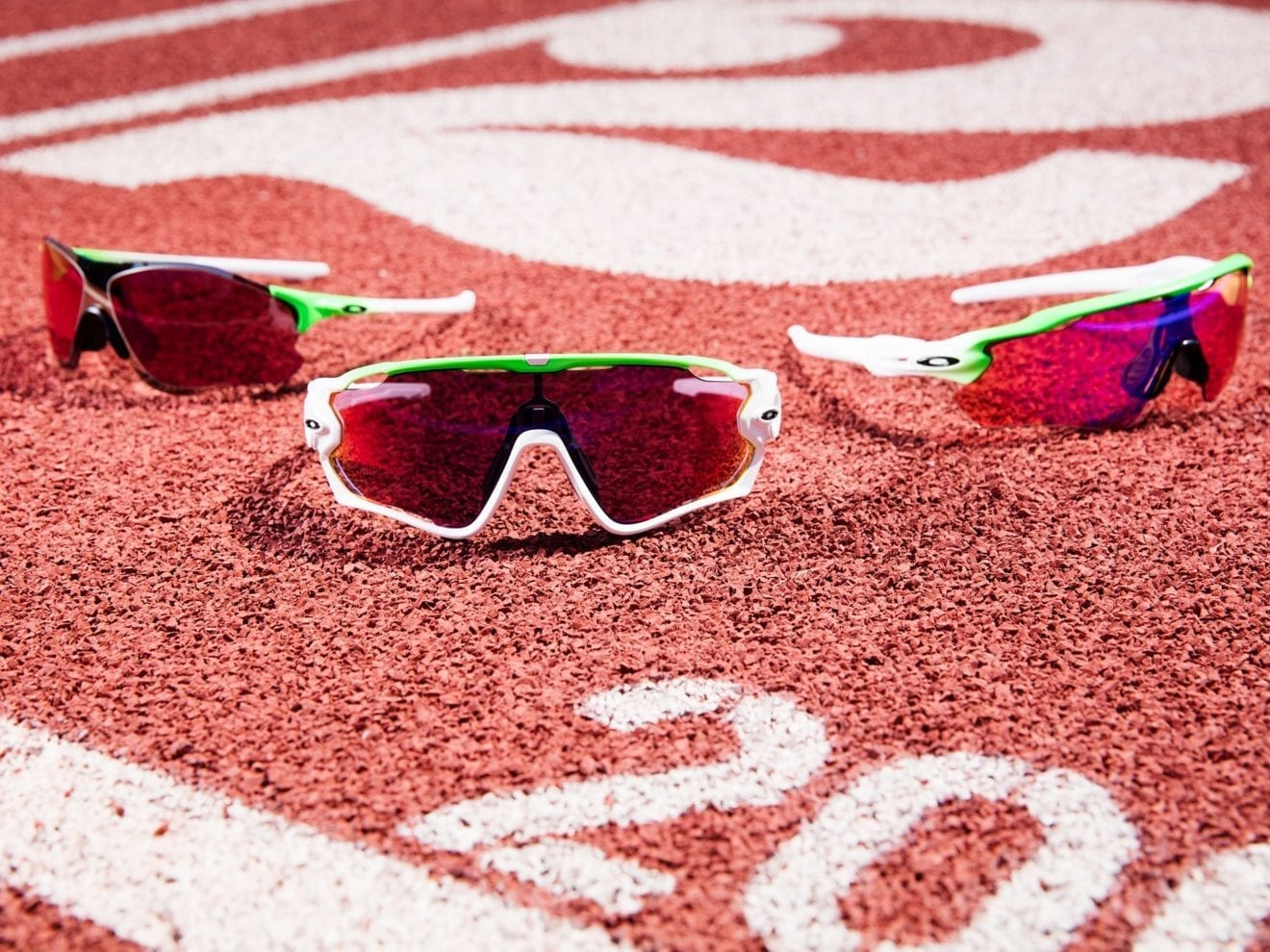
    Oakley China has its first dedicated store, in Xinjiekou’s Deji Plaza, Nanjing.

    The Nanjing store follows the opening in Shanghai of a one-of-a-kind store for the group, being half Oakley and half Ray-Ban. “This Nanjing store is the first Oakley-only store in China, and it not only glasses focused.”

    It also offers the brand’s speciality activewear for such outdoor sports as skiing, cycling and running, and is situated beside other sporting giants Evisu, Nike and Puma, and is across from Adidas.

    Owned by Luxottica, Oakley works not only with Ray-Ban in China but with LensCrafters, another US retailer of prescription eyewear.

    Attending the official opening were Oakley president of retail for greater China Alessandro Donadelli, and LensCrafters, Ray-Ban and Oakley GM for greater China Carl James.

  • Fourth mall in Bulacan by SM Prime

    Fourth mall in Bulacan by SM Prime

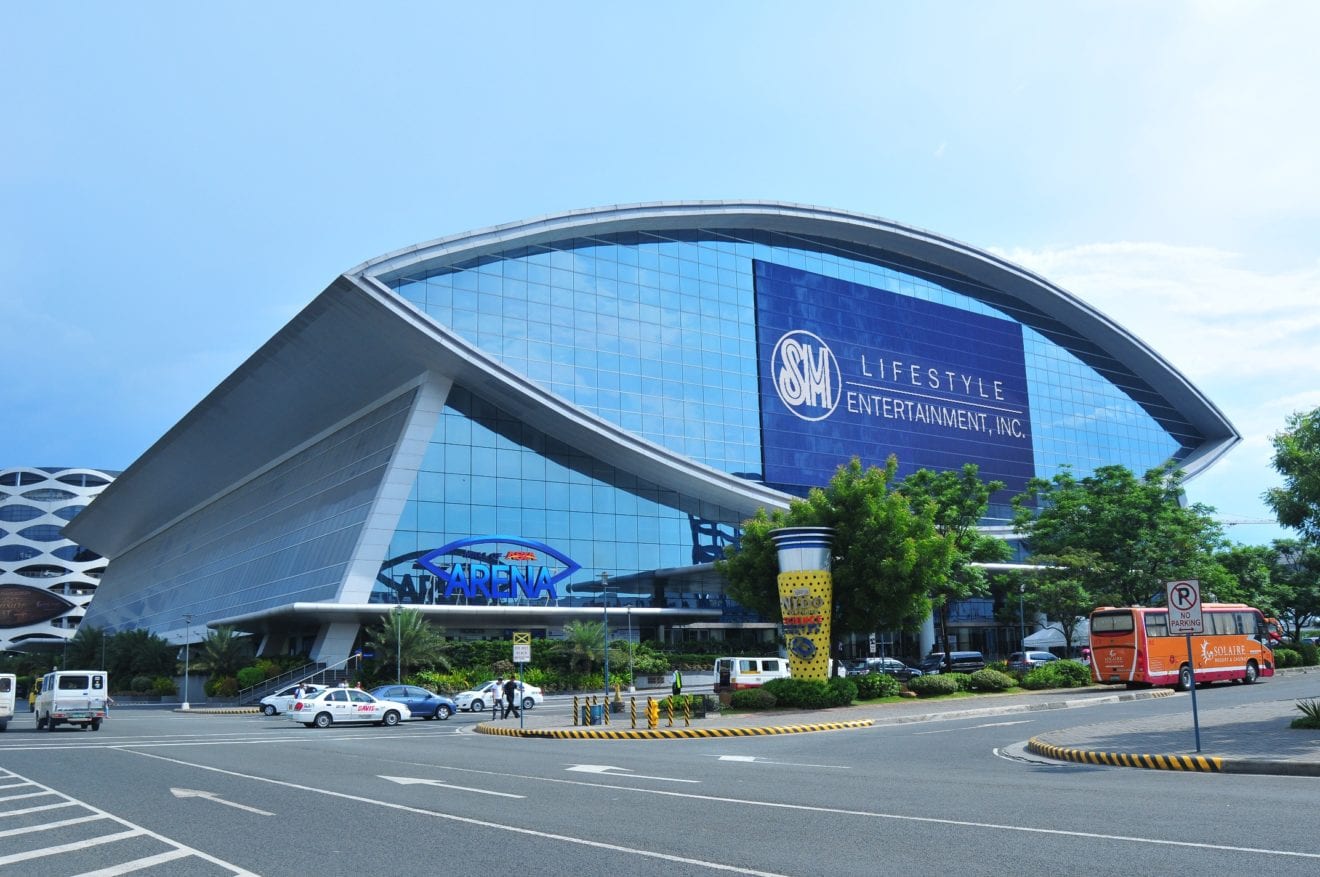
    SM Prime Holdings has continued its expansion in northern Luzon with its latest mall, SM Center Pulilan, in Bulacan.

    Its 66th mall in the Philippines, it adds 27,000sqm in gross floor area (GFA), taking SM Prime’s total GFA to 8 million sqm.

    Opening with 80 per cent occupancy, SM Center Pulilan offers three levels of retail and dining including such brands such as Ace Hardware, BDO, Miniso, Simply Shoes, SM Appliance, SM Hypermarket, Surplus and Watsons.

    It joins the group’s first three malls in Bulacan – SM City Marilao, SM City Baliwag and SM City San Jose Del Monte.

  • Camel is the new black : Max Mara’s exhibition in Seoul

    Camel is the new black : Max Mara’s exhibition in Seoul

    Italian fashion house Max Mara opened its exhibition named “Max Mara, Coats!” at the Dongdaemun Design Plaza in Seoul on 28 November 2017. The brand’s representative product, ‘Coat’, provides a new perspective on their history and tradition.

    This exhibition was held in Seoul at the Dongdaemun DDP six years after Berlin, Tokyo, Beijing and Moscow.

    Many of the stars wore camel-colored coats for this occasion, the signature item of the brand. Many celebrities and influencers such as Um Jeong Wha, Oh Yeon Seo, Yoona of girl’s generation, Son Na Eun of A-pink, Gi EunSe attended the event.

    Various coat collections representing “Max Mara”, including Manuela coat, have changed since the 1950s, with themes of each era. The exhibition space consists of seven themed spaces, allowing visitors to have a unique experience.

    For this exhibition, artist Lee Dae-hyung who is the curator of the Korean Pavilion of the Venice Biennale and artist Kang I-yeon who worked as an artist at the London Victoria & Albert Museum of Art joined forces to celebrate Max Mara’s iconic product.

    A special dome structure ‘deep surface’ that reinterprets the boundary between technology, human and space is also a point of observation which adds a modern touch to the traditional item.

    In particular, for this exhibition, Ian Griffith, creative director of Max Mara, presented a look inspired by the traditional organic bowls used by the royal family of the Joseon Dynasty.

    He created ‘Seoul Special Look’ which combines one button tailored coat with pure camel material, a shirt with a cuff detail and a pencil skirt.

    This ‘Seoul special look’ has been launched in major domestic and international stores starting from the 29 November 2017, opening day of exhibition.

    The exhibition is free and can be booked through the official Max Mara Korean website.

    The exhibition will be held from 29 November to 12 December 2017 at the Dongdaemun Design Plaza (DDP).

  • Shopee giant leaps on its second year

    Shopee giant leaps on its second year

    Fast-growing e-commerce platform Shopee has released impressive statistics in marking just its second birthday.

    Combined annualised GMV from Taiwan and the six Southeast Asian markets where it operates has reached US$5 billion. It has more than 180 million active listings by more than 4 millions sellers, including 5000 leading brands and distributors. Its app has been downloaded more than 80 million time.

    In Singapore alone, where it has its own mall portal, the app has had more than 1 million downloads and features more than 70,000 sellers and brands.

    “Shopee has undergone tremendous transformation since we first launched, and while we are proud of all that we have achieved, this is only the beginning,” said Zhou Junjie, chief commercial officer of Shopee.

    “Shopee has always been committed to listening to the needs and preferences of our users, and has worked to create a platform that is tailored to exactly that. Whether it is providing a fuss-free and convenient shopping experience for buyers, or offering a reliable and secure platform for brands and budding entrepreneurs to expand their online presence, Shopee strives to continue improving the lives of the region’s consumers and businesses with technology,” said Zhou.

    “This year has been a great one for Shopee and we would like to thank our customers, sellers, and partners for their continuous support. Moving forward, we will continue to focus on improving our platform and diversifying our product assortment. We remain committed to helping brands and local entrepreneurs grow and continuously strive to push the boundaries of e-commerce to become the leading online shopping destination of choice in the region.”

    As part of its birthday celebration, Shopee Singapore will be holding a 10-day birthday sale until December 13, featuring promotions across over 10,000 items.

  • Vietnam’s PV Oil hoping to strike it rich with $92 million share sale in January

    Vietnam’s PV Oil hoping to strike it rich with $92 million share sale in January

    Vietnamese state oil distribution firm PetroVietnam Oil Corp (PV Oil) plans to offer 20 percent of its shares in an initial public offering (IPO) in January that aims to raise at least $92 million, its parent firm said on Friday.

    PV Oil will also offer up to an additional 44.72 percent to strategic investors and another 0.18 percent to employees, state oil and gas group PetroVietnam said on its website.

    The sale is part of Vietnam’s broader privatization program that seeks to divest from hundreds of state-owned enterprises to improve their performance and to help raise funds for the tight state budget that is struggling to support growth.

    The government plans to reduce its stake in PV Oil to 35.1 percent, PetroVietnam said. Nineteen companies have submitted applications to become strategic investors, three quarters of which are foreign, the firm added.

    PV Oil is Vietnam’s sole crude oil exporter and among the country’s top oil products retailers with a 22 percent market share, the company said on its website.

    PV Oil is one of several state energy firms earmarked for privatization, along with PetroVietnam Power Co and refinery operator Binh Son Refining and Petrochemical Corp (BSR), whose IPO is also targeted for January at the latest.

    PV Oil said earlier this year its first half pre-tax profits reached an estimated VND202 billion ($8.89 million), down 6 percent from the same period in 2016, while its revenue rose 43 percent on-year to VND23.4 trillion.

  • Uber’s use of encrypted messaging may set legal precedents

    Uber’s use of encrypted messaging may set legal precedents

    Top executives at Uber Technologies Inc used the encrypted chat app Wickr to hold secret conversations, current and former workers testified in court this week, setting up what could be the first major legal test of the issues raised by the use of encrypted apps inside companies.

    The revelations Tuesday and Wednesday about the extensive use of Wickr inside Uber upended the high-stakes legal showdown with Alphabet’s Inc Waymo unit, which accuses the ride-hailing firm of stealing its self-driving car secrets.

    Apps such as Wickr, Signal, Telegram, Confide and Snapchat offer security and anonymity, with features including passcodes to open messages and automatic deletion of all copies of a message after as little as a few seconds.

    There is nothing inherently unlawful about instructing employees to use disappearing messaging apps, said Timothy Heaphy, a lawyer at Hunton & Williams and a former U.S. Attorney in Virginia.

    However, companies have an obligation to preserve records that may be reasonably seen as relevant to litigation or that fall under data retention rules set by industry regulators. In Uber’s situation, chat logs that could help get to the bottom of the trade secrets case are now inaccessible. Uber also faces a criminal investigation over the alleged theft.

    “It’s a knotty question for courts and lawyers on when the obligation arises” to preserve records, said Julia Brickell, general counsel at the legal discovery firm H5. But “if someone uses a communication device to specifically hide information from litigation because you knew it would result in litigation, that would be foul from the start.”

    Richard Jacobs, a security analyst whom Uber fired in April and now consults for the company, testified Tuesday that up to dozens of employees were trained to used ephemeral messaging systems, including Wickr, to communicate so that their conversations would be clandestine and could not surface in any “anticipated litigation.”

    Two officials still at Uber testified Wednesday that multiple teams used Wickr. Among the users, they said, was Anthony Levandowski, a one-time leader of Waymo’s autonomous vehicle efforts who the company alleges brought trade secrets to Uber.

    Wickr key evidence

    It is unclear when Uber began using Wickr, but the company said that in October of last year it began paying for a business version that gave it the ability to preserve messages for as long as a year instead of a maximum of six days.

    While the contents of an individual user’s Wickr account would be impossible to access without the account-holder’s permission, the business version gives the company the ability see whatever information has not been automatically erased.

    In the middle of the contentious court hearing Tuesday, Uber Chief Executive Dara Khosrowshahi tweeted: “True that Wickr, Telegram were used often at Uber when I came in. As of Sept 27th I directed my teams NOT to use such Apps when discussing Uber-related business.”

    U.S. District Judge William Alsup opened the pre-trial hearing by admonishing attorneys that counsel in future cases can be “found in malpractice” if they do not turn over evidence from specialized communications tools.

    An app such as Wickr “could be a way for Levandowski to communicate ‘By the way, how did we do that back at Waymo?’ and all that vanishes in 30 seconds,” Alsup said. “To me it’s plausible that it happened. And the evidence is gone now. Because it was an intentionally set up system to not leave a paper trail.”

    Federal civil court guidelines enable judges to tell jurors that they can presume that information covered up by a litigant and now missing would have been negative for that party, Brickell said.

    Such a declaration could hurt Uber, as its primary defense has been that Waymo has turned up no concrete evidence of the trade-secret theft. Now, Waymo can claim that such evidence was simply deleted.

    “That they were so concerned about covering things up meant that they could have known what they were doing was a crime,” said Nick Akerman, a lawyer at Dorsey & Whitney and a former federal prosecutor in Manhattan. “To me, that’s very powerful evidence.”

    Andy Wilson, chief executive of forensics software maker Logikcull, said it is already common for companies to search for usage of encrypted apps or deleted messages when conducting internal investigations.

    He said his company’s program is used by Salesforce.com Inc and other businesses to scan emails and chat messages. Emails showing a user signed up for a service such as Signal or Telegram are held against them in internal investigations, he said, as are records showing a text was deleted.

    “It’s a huge win for (customers) because it shows ill-intent” on the part of the subject of the investigation, Wilson said.

  • Vietnam’s central bank to provide small change to all toll gate

    Vietnam’s central bank to provide small change to all toll gate

    The smallest denomination banknotes in Vietnam, VND100 and VND200 ($0.01), are both available at the central bank to any individuals or organizations that have a demand for them, a senior official from the bank said.

    Nguyen Thi Dam, director of the State Bank of Vietnam’s branch in Tien Giang Province, said the two notes are still in circulation and the central bank always makes sure they are available to customers.

    Those in need can ask for small notes at any commercial bank or come to the central bank, she said on Friday.

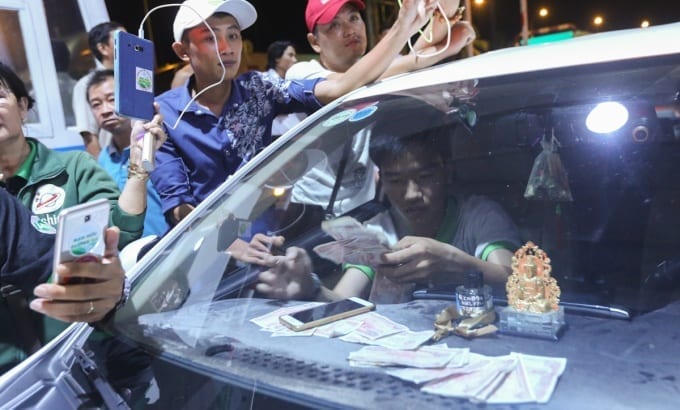
    Her statement follows a renewed dispute at a reopened toll station in Tien Giang where drivers have been protesting by demanding VND100 in change after paying VND25,100 for the VND25,000 toll.

    The situation led to a massive tailback on Thursday running up to the Cai Lay station, forcing staff to give in and allow drivers through free of charge.

    The station had only reopened that morning after disgruntled drivers forced it to close three months ago, but they were quick to pick up from where they left off.

    Their previous tactic was to pay the toll with stacks of VND200 and VND500 notes, forcing staff to spend extra time counting them. This eventually resulted in heavy traffic jams which forced the station’s staff to let cars pass.

    “We’re protesting because this station is in the wrong location, not because of the toll fees,” driver Vo Thanh Hao said. “We drivers will continue to fight against the investor behind the station.”

    The branch in Tien Giang has asked the central bank to provide more VND100 notes, given the high demand for the small denomination at the moment.

    In reality it’s a real challenge to find a VND100 note on the market these days, and they’re often kept as souvenirs now.

    The VND100 note was issued in 1991, and the biggest denomination in Vietnam now is VND500,000 ($22). A cup of iced tea costs around VND2,000 at streetside stands.

    The Cai Lay toll station was opened along National Highway 1 on August 1 for investors to recover the money spent on a project to resurface the highway and build a new bypass around a local town. However, drivers soon started using small change to pay the tolls in protest against the station, claiming it should have been placed along the new bypass instead of on the main road.

    The protests resulted in heavy traffic for days, forcing the station’s operator to temporarily close it on August 15.

    The Transport Ministry disagreed with the drivers’ claim that the station should have been placed along the new bypass, but agreed to cut the toll fees and let locals living near the station pass through for free.

    Luu Van Hao, deputy chairman of the company investing in the BOT (Build-Operate-Transfer) project, also stressed that the toll station is operating in accordance with regulations.

    “Cutting the toll fees is the last resort. We cannot relocate the station like the drivers have asked,” he said.

    There are toll stations every 62 kilometers (39 miles) along the highway, according to a report released by the legislative National Assembly last year. The standard distance set by the government is 70 kilometers.

  • Ex Stuart Weitzman CEO launches new line of luxury sneaker

    Ex Stuart Weitzman CEO launches new line of luxury sneaker

    Former Stuart Weitzman CEO Wayne Kulkin has launched a new brand to take advantage of the fast-growing luxury sneaker category.

    StreetTrend is a partnership between Kulkin and Hilco Global, which is better known in retail circles for managing the liquidation of failed retail businesses, including HMV, Blockbuster and Linens N Things.

    Kulkin says he is confident that luxury sneakers is a trend with staying power. “Consumers are passionate about the growing trend of wearing sneakers in all settings – from the gym to the office, from the park to the bar,” he says.

    “The demand for multiple pairs of shoes is a natural extension of the shift to casual dress at the workplace. People want to make a statement about their personal style from head to toe.”

    Kulkin founded the company early this year, working at first on developing product designs

    “I’ve been a sneakerhead since I was a teenager. Anyone who’s ever met me will tell you that I am always in sneakers, whether it’s with a suit, jeans, or sweatpants.”

    The first products are expected to ship to luxury retail stores in North America and Europe, including Neiman Marcus, Nordstrom, Shopbop and The Shoebox NYC, in Spring/Summer 2018.

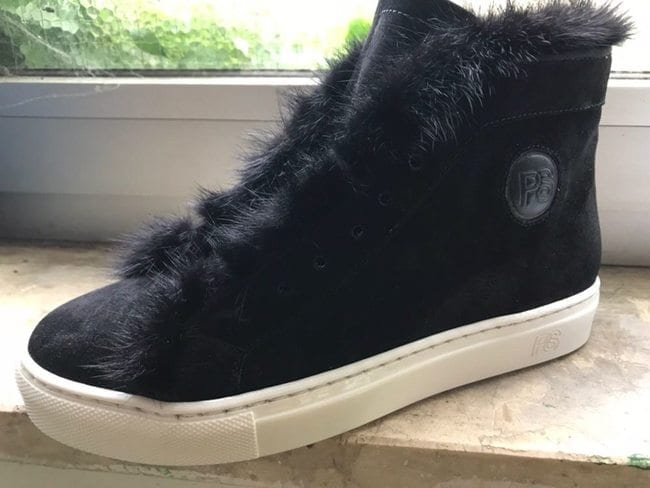
    StreetTrend will manufacture its shoes in Italy and retail them under three brands: p448, Meline, and P.S.821.

    “StreetTrend LLC will design and market Italian-made luxury sneakers that are fresh and innovative,” says Kulkin. “The entire collection is made with the finest materials and handcrafted in Italy. Our goal is to completely exceed consumer expectations on style, comfort, and fit, all at a democratic price point.”

    Kulkin will leverage his deep industry experience in marketing, supply chain and global consumer trends as CEO of the new venture.

    “I’m excited to build something from the ground up. I love the power of ideas and the creative process, and I’m certain we’re tapping into a very exciting consumer need for sneakers that look and feel fantastic.”

    Kulkin spent more than 20 years at Stuart Weitzman and served as its CEO both before and after the company’s acquisition by Coach, (now Tapestry). He started his shoe career as a buyer at Nordstrom, and has been involved with every aspect of the footwear industry over his career.

    Hilco Global’s activities are not restricted to dissolving businesses. The company has invested in many fashion and consumer brands in the past, including Polaroid, Halston, Haute Hippie, Madaluxe Eyewear, Le Tigre, Caribbean Joe, Ellen Tracy and Altec Lansing.

  • Burberry celebrates its flagship store in Seoul with the artist Danny Sangra

    Burberry celebrates its flagship store in Seoul with the artist Danny Sangra

    Burberry held a special event with British illustrator and artist Danny Sangra from 28 to 29 November 2017 to celebrate the new Doodle collection in Cheongdam flagship store, Seoul.

    ‘Doodle’ means ‘playful graffiti’. The Doodle Collection is a playful scribble with a felt marker pen from reversible canvas tote bags, sneakers, silk and cotton blend scarf, wallets, pouches, belts and other small accessories.

    In January, 2018, Burberry will show men’s and women’s wear such as dress, trench coat and sweat shirt by adding gorgeous neon color.

    Burberry official said, “We have grafted a variety of British design elements such as red, white, blue, dark storms, rainbows, stripes and polka dots into the British flag as well as graffiti patterns.”

    Doodle collection products are currently available at Burberry flagship stores and Online (Burberry.com).

    At this special event, Danny Sangra presented his exclusive collection of sketches.

    Danny Sangra, who visited Korea for the Burberry Doodle Exclusive collection, explained how he created a unique illustration for the Burberry flagship store.

    In addition, Danny Sangra’s work station, which is set up separately at the store, allows him to customize the bag directly to the dog’s back.

    Danny Sangra also showed the process of customizing the Doodle bags.

    During the event, both the window and the internal display of the store were transformed into a ‘Doodle Concept’, and a photo booth was also installed to create the artwork design of Danny Sangra into a photo.

    The event will be showcased in five cities in Tokyo, Seoul, Beijing and London starting from New York on 16 December 2017.

    Danny Sangra is also an English director and writer, graduating from Central Saint Martins, and an artist, illustrator, and photographer. He already had collaboration with Burberry’s archival project “Now Then” last summer.

  • LVMH and Céline to launch e-commerce venture

    LVMH and Céline to launch e-commerce venture

    Céline, the only LVMH-owned fashion label without its own e-commerce business, will start offering online sales from a new website next week, two sources close to the matter said.

    The French brand joins a growing line of luxury goods players belatedly pushing into e-commerce, shrugging off long-held concerns such an avenue would hurt their image.

    Artistic director Phoebe Philo’s minimalist, avant-garde designs have turned Céline into one of fashion’s most sought-after labels over the past 10 years.

    Céline will test the water with its clothing collections, shoes and leather “it-bags” usually costing well over $2,000, one of the sources said.

    “The website will launch in France over the course of the coming week,” the source said, adding that the e-commerce business would then be rolled out to the rest of Europe and the United States in 2018.

    Owner LVMH, the world’s biggest luxury goods conglomerate, does not break down sales of individual brands, but analysts estimate Céline’s annual revenue at 700 million to 800 million euros (705.1 million pounds).

    Online sales of luxury goods are set to grow 24 percent in 2017 and make up close to 10 percent of the market, according to consultancy Bain. It forecasts they will represent 25 percent of all luxury sales by 2025.

    Online sales have helped fuel revenue growth at brands such as Kering-owned Gucci.

    Gucci and rival Louis Vuitton, an LVMH brand, launched new sites in China in recent months, while leather handbag specialist Hermes has recently revamped its online business. LVMH set up a multi-brand e-commerce website earlier this year.

    But France’s privately owned Chanel remains a major outlier. The label said last week it had no immediate plans to try to sell its famed tweed jackets or quilted leather bags online.

    LVMH recently denied an October report that Philo may be close to leaving Céline, though the news has fuelled speculation that she could be one of the favourites to replace Burberry’s departing designer Christopher Bailey.

  • Safilo signs distribution deal for Thailand and Cambodia

    Safilo signs distribution deal for Thailand and Cambodia

    Safilo continues to expand internationally, boosting its presence in Asia.

    The Italian eyewear manufacturer has signed an exclusive distribution agreement for Thailandand Cambodia, adding to its international distribution network, now extending to 42 countries.

    Safilo, which is controlled by Dutch investment fund Hal, issued a press release announcing the signing of the deal with Supreme Eyewear, a major local distributor with a 40-year presence in the business. The term of the agreement was not indicated.

    “The distribution agreement for Thailand and Cambodia marks a further step in the development of the Asia Pacific region. It supports the acceleration in the growth of Safilo’s Emerging Markets unit, as per Safilo’s 2020 Strategy,” wrote the group, which hopes as a result to earn “significant market share in highly interesting countries.”

    Supreme Eyewear will distribute all of the brands featured in Safilo’s portfolio – more than 30 labels – from the most accessible ones, like Polaroid and Havaianas, to premium names such as Elie Saab, Dior, Fendi, Jimmy Choo, Givenchy and soon also Moschino.

    Through this geographic redeployment, Safilo is seeking to compensate for the loss of the Gucci license, which still weighs heavily on its financial performance, as shown by the third quarter 2017 , which recorded a revenue of €245.1 million, equivalent to a 14.9% shortfall (-12.3% at constant exchange rates) compared to the same period a year earlier.