Author: Mei Ling Tan

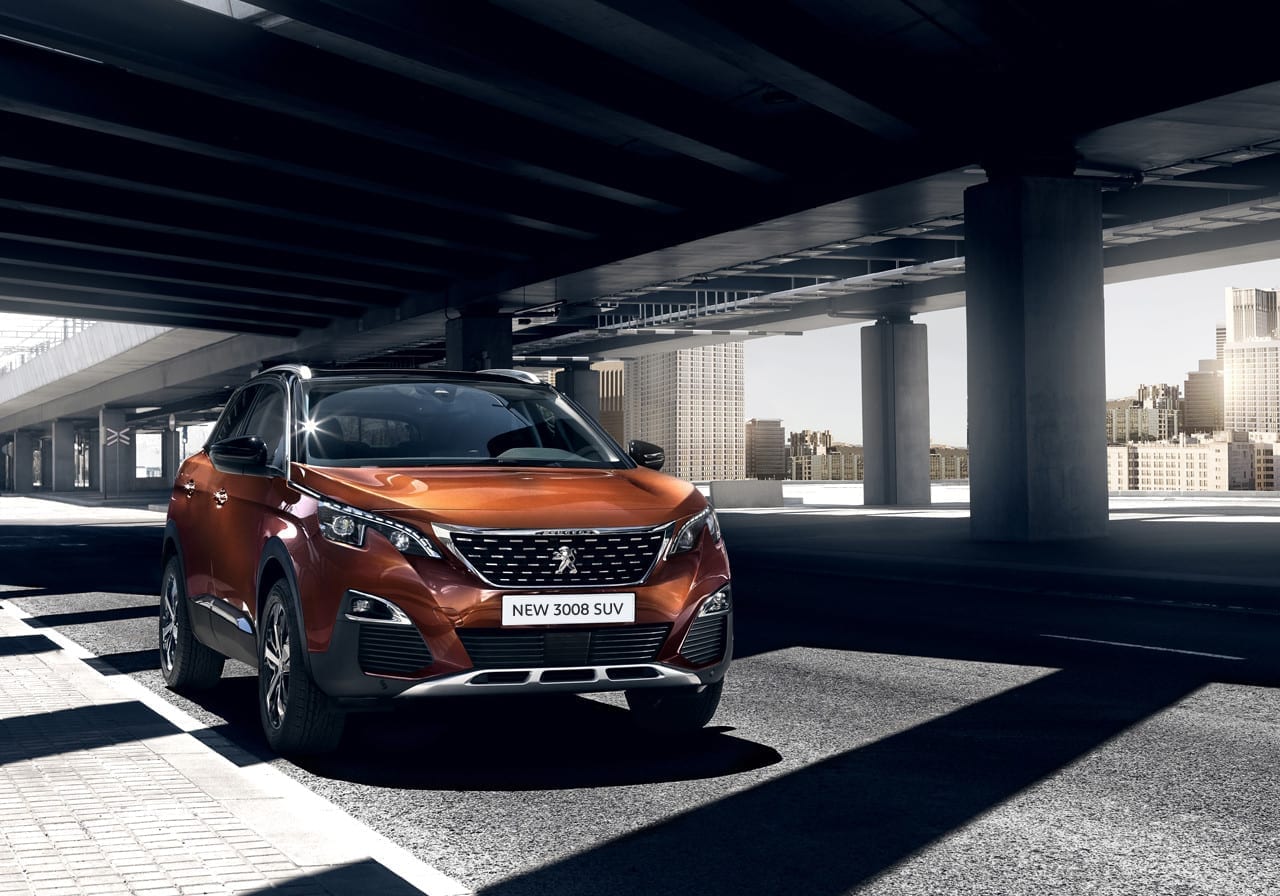
  • Peugeot ups Chinese petrol engine shipments amid diesel slump

    Peugeot ups Chinese petrol engine shipments amid diesel slump

    French carmaker PSA Group is increasing shipments of Chinese-made gasoline engines to Europe as it adapts to a consumer shift away from diesel, Les Echos reported on Monday.

    The maker of Peugeot and Citroen cars now expects to source 100,000 gasoline engines from Chinese plants, an increase on the 55,000 it had previously planned to import in 2017-18, the French financial daily said.

    A PSA spokesman declined to comment.

    Paris-based PSA had announced the import plans earlier this year to accommodate the shift in demand while it converts some domestic engine production capacity from diesel to gasoline.

  • Hanoi gets its first McDonald’s as influx of western fast food chains continues

    Hanoi gets its first McDonald’s as influx of western fast food chains continues

    Global burger behemoth McDonald’s opened its first branch on Saturday in the historic heart of Hanoi, a conservative city renowned for its traditional — and cheap — Vietnamese staples beloved by food-obsessed locals.

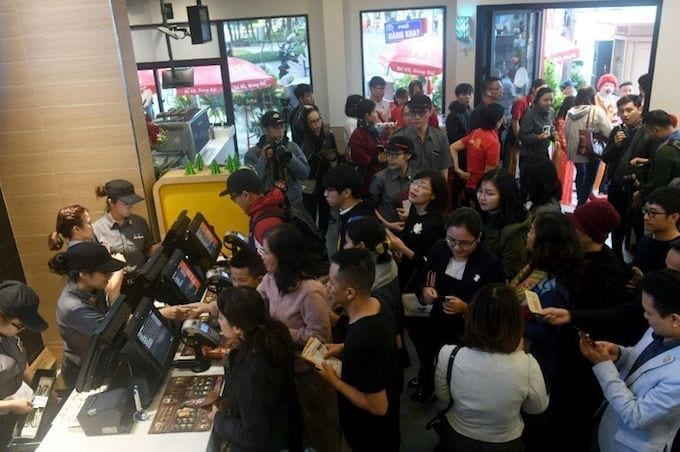
    Hungry customers lined up for Big Macs and Chicken McNuggets at the Vietnamese capital’s first location overlooking the tree-lined Hoan Kiem Lake, which draws millions of tourists annually to see French-era colonial buildings and sample street-food favorites like pho noodle soup and banh mi sandwiches.

    The restaurant is the first outside of the southern commercial hub Ho Chi Minh City, where 16 branches have opened since McDonald’s first came to Vietnam in 2014 to much fanfare, especially among the rapidly-growing middle class and American-obsessed youth.

    The global fast food chain received a similarly warm welcome in Hanoi on Saturday, as hungry diners crammed into the two-storey eatery for a first taste of the Golden Arches.

    For 84-year-old Tran Dinh Luyen, who fought against the U.S. in the Vietnam War, the restaurant was a sign of warming ties with a former enemy.

    “I am happy that McDonald’s has opened a restaurant in Hanoi. It’s a very famous American brand, so it shows how far U.S.-Vietnam relations have come,” he said after mowing down on a Big Mac with his daughter and granddaughter.

    But not everyone agreed.

    “It’s a rip-off … this fast food is for kids only, it’s not good at all,” 90-year-old Ta Xuan Huong said, espousing his love for traditional cuisine.

    Some curious tourists stopped to see what all the fuss was about, perplexed that a brand ubiquitous in the West would draw so much attention.

    “It’s kind of random to see McDonald’s opening… it’s an interesting cultural experience to see how important it is that the store is opening here,” American Dan Moore said, after his wife remarked she might not have expected to find one of the most salient symbols of capitalism in the country.

    Vietnam has seen dizzying economic growth in recent years as it has opened its doors to foreign investment — which has included an influx of western chains like Starbucks, KFC and Burger King.

    Growth in the fast food sector has been buoyed by rapidly rising incomes — annual per capita income has more than doubled in the past decade to about $2,200 today — especially among under-30s, who make up half of Vietnam’s population of 93 million people.

    The fast food industry in Vietnam has seen double-digit growth annually for the past five years, and the country has the highest 2017 growth in Asia-Pacific for fast food chains, according to market research firm Euromonitor International.

    Though meals can cost as much as three times the local fare, customers are still showing strong appetite.

    “Young people like to hang out in fast food restaurants as they are seen as a cool and nice place … and these customers also like the taste of the food,” Euromonitor analyst Samuel Huynh said.

  • Search Engine Optimization For Retail Businesses

    Search Engine Optimization For Retail Businesses

    Search engine optimization (SEO) is a special marketing technique that can help your site rank better in the search engines. The process itself involves not only optimizing the actual content of a company’s website but also external factors such as the quality of the links that are pointing at the website and the company’s social media presence. SEO is a complicated and time-consuming process – especially for retail businesses since they usually have a lot of pages to maintain. Further complicating the matter is the fact that the search engines are continually tweaking their algorithms. That means that you have to stay on the cutting edge of SEO if you want to get good results.

    Retail businesses typically have pages dedicated to every product that they sell. They also have complicated search forms that allow visitors to search for products based on a variety of different factors. Every product on the site needs to be properly optimized to ensure that they come up during these searches.

    That is one of the things that makes optimizing a retail website so challenging. Not only do you have to optimize your site as a whole but you also have to optimize each product page if you really want to connect with potential buyers.

    Understanding The Importance Of Getting Listed Well In The Search Results

    Although the SEO process can take a lot of time, it is definitely worthwhile. Obtaining one of the top spots in the search engines can provide the following benefits:

    * An increase in traffic. Studies have shown that nearly 70% of all of the clicks on a typical search engine page go to the top five results. That means that if your site isn’t in one of the top positions, it most likely won’t get a lot of clicks from the search engines.

    * Instant trust. Search engines do an excellent job of curating content, only delivering high-quality results to their users. As a result, people have naturally come to expect that the top few results in the search listings are high-quality websites. That means that if you can obtain one of these spots, you will instantly have a measure of trust with the people who click through to your site. Appearing in a top position can make your website seem more credible and trustworthy.

    * Decreased advertising costs. Getting your site listed well in the search engines can result in a lot of free, highly-targeted traffic. When compared to other advertising methods such as pay-per-click advertising, SEO is far less expensive. Best of all, the visitors who land on your site are usually easy to convert since they are already looking for the products that you sell.

    The only downside to search engine optimization is that it can take time to see results. It is not an overnight process. Instead, all of the changes that you make cumulatively add up over time, helping your site to rank better and better in the search results. As frustrating as it might be to have to wait for results, it is well worth the effort. The sooner you start, the sooner you can start seeing an increase in traffic.

    Remember – regardless of the size of your business, you can succeed online. You don’t need a huge advertising budget or a large retail shop. Instead, all that you need to do is get your business in front of the eyes of the people who are searching for the products that you sell. Here are some tips that you can use to start optimizing your site today.

    1. Include the right keywords in your content.

    Keywords are the words that people type into the search engines when they are searching for a particular product or service. When deciding what keywords to use in your content, think about the types of words that people type in. For instance, if you sell dresses, avoid general terms such as “clothing”, opting instead for more specific words such as “red evening gowns” or “blue maxi dresses”. Being more specific will help bring in targeted traffic.

    There are also a lot of different keyword tools out there that you can use to help figure out which keywords and search phrases people are using when they are searching for the items that you carry in your store.

    When people are shopping, they tend to use very specific keywords. Because of that, you should incorporate specific keywords in your content. These keywords should clearly identify what the product is as well as other details such as its color, size, and the type of material that it is made from. See more about keywords here.

    1. Create a large site.

    SEO guru Matthew Woodward suggests adding additional pages to your website may help it rank better since search engines tend to favor larger sites over smaller ones. Retail sites are usually already quite big, simply because they have a separate page for every product.

    Along with your product pages, however, you should consider adding additional content such as blog posts, interesting articles, or testimonials from past customers. Product reviews can also be beneficial for helping people find the products that they need. The more time and effort you can put into building a helpful, informative website, the more likely your site is to rank well in the search results.

    The key through all of this, however, is to focus on creating the highest quality content that you can. Check out Matt’s seo tutorials if you want more on this.

    1. Leverage your images.

    Adding images to your website is a great way to help people get a better idea of what they are buying. Images can also be used to help optimize your site. All that you have to do is add a description to them.

    Adding relevant keywords to the name of the image file and to the alt tag for every image on your site is a great way to help the search engines better understand what your content is about. This can boost your rankings, allowing your site to appear higher and bringing in more traffic. SEO tool Yoast have some good tips here.

    1. Make it easy for people to share your content.

    Although social media doesn’t have a direct impact on your overall ranking, it never hurts to have your content shared on as many social media platforms as possible. The easier you can make it for people to share your content, the more likely they are to do it.

    You should have share buttons displayed prominently on every page of your website. That way, all people have to do to share your content is to click on one of those buttons. The more times your content gets shared, the more likely you are to connect with potential buyers.

    1. Make your site mobile-friendly.

    A large percentage of people rely on their cell phones when accessing the Internet. In fact, there are now more people using mobile devices to search the Internet than there are people using desktop or laptop computers. Because of that, you should make sure that your content is mobile-friendly and that it displays correctly on cell phones, tablets, and other mobile devices. Make sure your text is large enough to easily read and that your layout works well on small screens.
     

  • Mamonde flagship to open at Takashimaya

    Mamonde flagship to open at Takashimaya

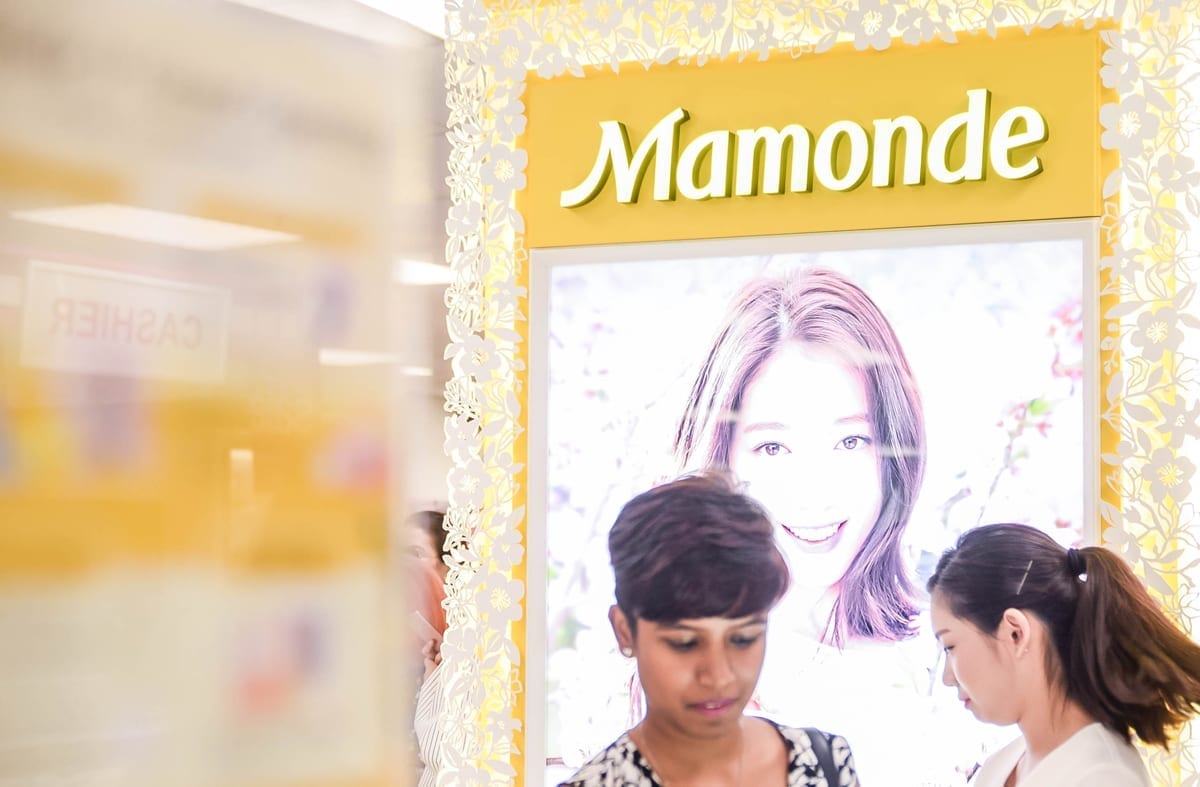
    After launching into Singapore via e-commerce this year, Korean beauty brand Mamonde has opened its first-ever global flagship store at Takashimaya Shopping Centre.

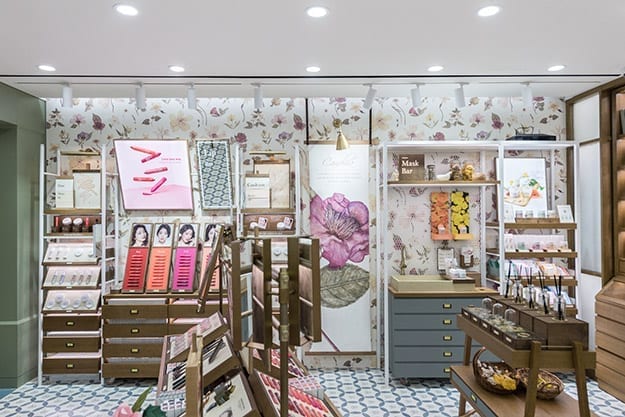
    It is decorated with blooms (both real and illustrated) giving it the air of a sensorial floral studio, as reported. The design inspiration comes from the Mamonde Garden in Korea where the brand harvests its organic ingredients.

    As well as wooden shelves and counters stocked with makeup and skincare products, there is a corner Mask Bar complete with a sink where customers can try out Mamonde’s specialty clay packs or sleeping masks. There is also a Korean eyebrow makeover service.


    Owned by AmorePacific, the skincare and cosmetics brand was launched in 1991.

  • SUPERNAP International Celebrates Grand Opening of The Most Advanced Data Center In The ASEAN Region

    SUPERNAP International Celebrates Grand Opening of The Most Advanced Data Center In The ASEAN Region

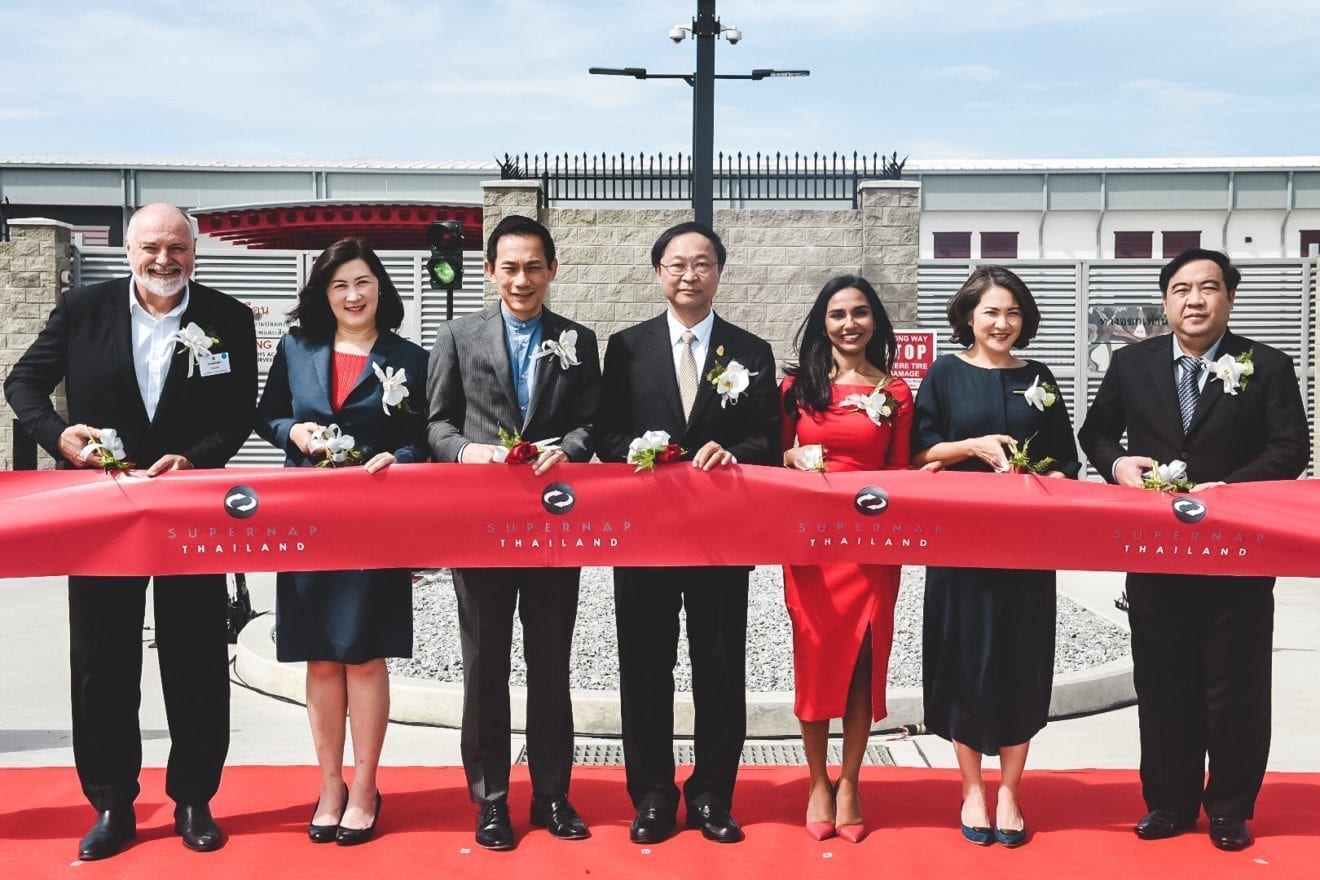
    SUPERNAP Thailand celebrated the grand opening of one of the most advanced data center in ASEAN region, the Bangkok Campus located at the Hemaraj Industrial Estate 2, in Chonburi.  The event was marked with a formal ribbon-cutting ceremony attended by several government dignitaries as well as business and community leaders.

    The SUPERNAP Thailand data center is designed and built to the specifications of the industry-renowned, Tier IV Gold-rated Switch LAS VEGAS multi-tenant/colocation data centers in the United States. Its advanced design and diverse connectivity options are expected to enable clients to respond to rapid market growth and connect to global economies, while helping the Thai government to transform the country into a high-value based digital economy.

    SUPERNAP Thailand Managing Director Sunita Bottse kicked off the ceremony, featuring board members, executives from the government sector and key vendors, by talking about the impact the project will have on the Thailand 4.0 economy.

    “Thailand is moving towards the “Thailand 4.0” era, when industries will rely on digital innovations and online connections,” Sunita Bottse said.   “This new carrier-neutral data center facility, plays an important role in the region as the critical infrastructure that powers the ability of businesses to succeed in the growing Internet of Things, Cloud and Artificial Intelligence markets. Our capability serve the huge scale of the digital world in an efficient and sustainable manner.

    SUPERNAP data center is expected to be a catalyst for attracting more investment to the region and is poised to become the data center hub for Asia Pacific and to accelerate the digital economy growth in the Eastern Economic Corridor (EEC).    

    “Under Thailand 4.0, digital transformation will be instrumental in the realization of this exciting journey. SUPERNAP data center is the digital backbone that will enhance big data and cloud computing that are increasingly essential for the development of EEC and Thailand.”  said Dr. Pichet  Durongkaveroj, Minister of Digital Economy and Society.

    The world-class SUPERNAP Thailand data center is located 110 meters above sea level outside of the flood zone, and 27 kilometers away from the international submarine cable landing station, which links to national and international telecommunication and internet gateway carriers.

    “At SUPERNAP, we have ensured that our data center is up for the challenges as Thailand moves toward being a leader in the digital economy,” said SUPERNAP Senior Sales Engineer Kasem Nincharoen. “The SUPERNAP Thailand growth model is driven by the country’s need for a purpose-built data center facility bringing assured reliability, availability, security, scaleability and disaster risk mitigation supported by the latest proven and industry leading designs.”

    Currently, the SUPERNAP Thailand data center in Chonburi is expected to include:-

    • 21,000 square meters of data center space with two data halls.
    • 20 megawatts of power distribution.
    • Proprietary tri-redundant UPS power system.
    • Up to 33 kilowatts of power per cabinet.
    • Multi-carrier fiber couples with separate paths.
    • Patented Switch SHIELD: dual independent roof 100% penetration –free decks rated to withstand 322 kph winds.
    • 24x7x365 on-site network operations center (NOC), fire, safety and security.
    • On-site, on-net member resources including conference spaces.
  • King Strengthens Candy Crush Licensing Categories, Adding New Jewelry lines to its Offering

    King Strengthens Candy Crush Licensing Categories, Adding New Jewelry lines to its Offering

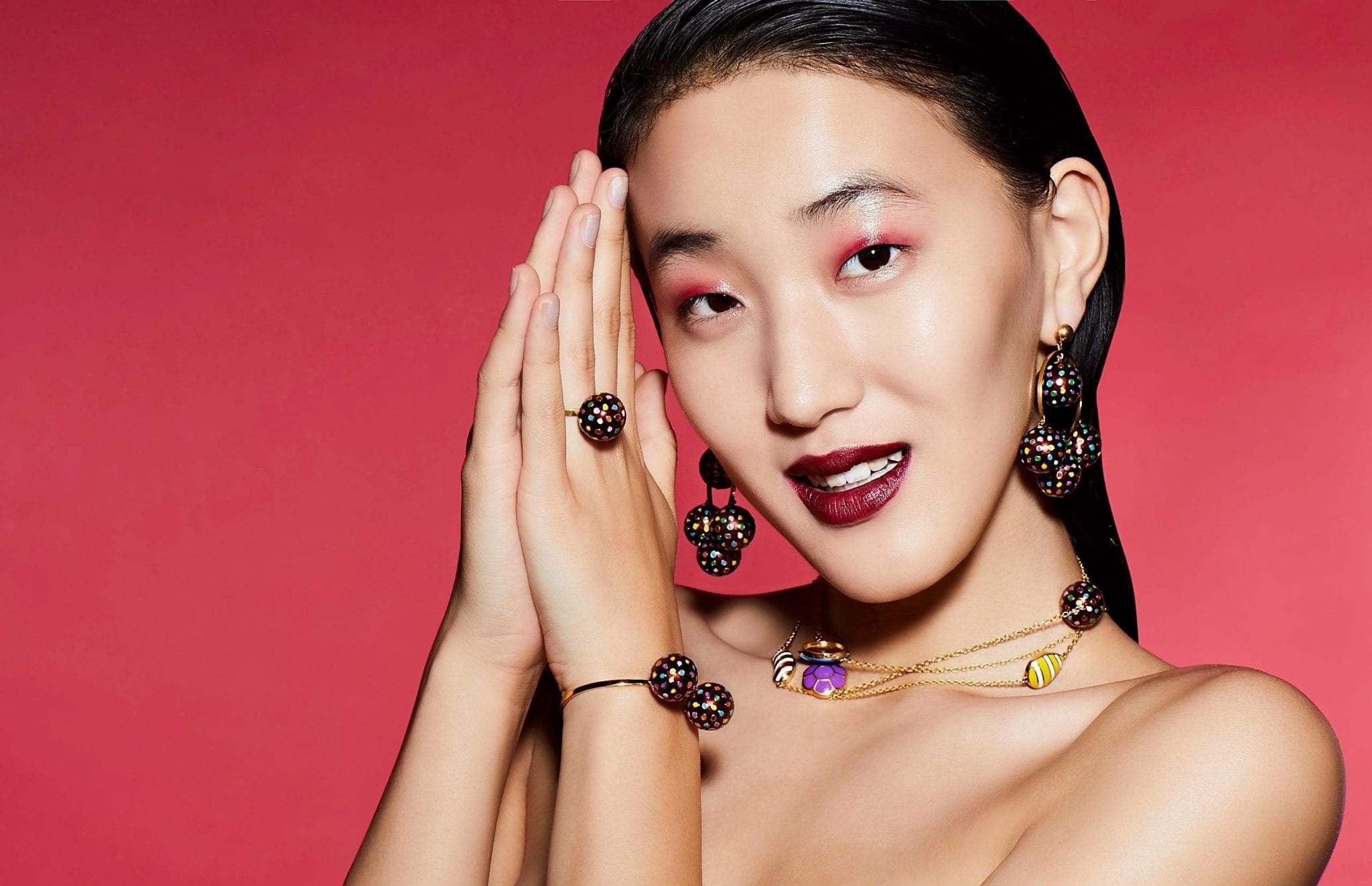
    King Digital Entertainment, a leading interactive entertainment company for the mobile world, continues to expand its Candy Crush consumer products offering, with a new range of jewelry by leading Indian designer Mrinalini Chandra. Fans and candy-lovers around the world will be able to get their hands on a range of necklaces, bracelets, earrings, brooches and rings inspired by the deliciously sweet world of Candy Crush. The deal was facilitated and is being managed by Dream Theatre, King’s licensing agent in India and South Asia.

    The range comprises of two parts; the more competitively priced range features 2D colored candy shapes while the premium range is made from gold and features 3D versions of the candies. The premium range also offers a series of Kaleera.

    The collection comprises of Necklace, Choker necklace, Ring, Cuff bracelet, Earrings, Charm necklace, Charm bracelet, Brooch pin in couture range and Y necklace, Two finger ring, Single finger ring, Lariet necklace, Candy Unit brooch, Earring, Hoop earring, Open bangle, Bracelet in mass range.

    “We’re delighted to be able to offer an array of Candy Crush inspired jewellery to long-time fans of the game,” said Philippe Bost, VP International Consumer Products, Activision Blizzard. “Our colourful designs are really brought to life by this striking jewellery range and the Kaleera series will add extra sweetness to any bride’s special day.’’

    Commenting on the range, jewelry designer Mrinalini Chandra said: “We are very excited about our collaboration with Candy Crush.  Our jewelry will comprise of hand crafted pieces inspired by the game with a quirky but chic aesthetic that is emblematic of our label. It will incorporate traditional craft techniques of Meenakari and Jaali from India infused with modern design aesthetics. Launching in the festive season, the range has something to offer every candy-lover.”

    Founder and CEO of licensing company, Dream Theatre Pvt. Ltd, Jiggy George said “We are thrilled to have facilitated this partnership between Candy Crush and Mrinalini Chandra. The collection is stunning, making it ideal for Candy Crush fans and fashionistas alike.”

    The collection is launched on 29th November 2017, just in time for the Christmas season, and will be available on www.mrinalinichandra.com and leading ecommerce sites.

    Candy Crush Saga is one of the world’s most popular mobile games in the world and along with its sister titles, Candy Crush Soda Saga and Candy Crush Jelly Saga, is played by many millions of people every day. Candy Crush Saga and its sister title, Candy Crush Soda Saga, are two of the top 10 grossing mobile games in the U.S. Over one trillion game rounds have been played in Candy Crush Saga alone since its launch.

    King continues to grow its consumer products offering across the globe supported by its global network of 19 licensing agents. King has signed 145 licensees to date.


  • Uniqlo seeks single brand retail licence in India

    Uniqlo seeks single brand retail licence in India

    Uniqlo has applied to open stores in India, in a bid to rival fellow fast-fashion retailers Zara and H&M, two global firms that are already dominating the Indian retail landscape.

     The Japanese fashion brand, owned by Fast Retailing Company, has officially submitted its proposal to the Department of Industrial Policy and Promotion (DIPP), which will allow it to set up single brand retail stores in India.

    As per India’s foreign direct investment (FDI) policy, 100% equity investment is allowed in single brand retail trading. FDI of up to 49% is permitted automatically, however in respect of proposals involving FDI beyond 51%, it is mandatory to source 30% of the value of goods purchased from India.

    In regards to Uniqlo, it remains unclear how much the Japanese firm will be investing, but India is intent on expanding its global reach via India and was expected to enter the Indian market this year. The firm has delayed its launch, citing location issues to set up their stores.

    “Fast Retailing believes India is a market with great potential, and can confirm that the company has taken the first step towards a later introduction of Uniqlo to customers in India. At the moment, we are awaiting word from the government, and we will be able to discuss potential future steps at a later date,” a spokesperson of Fast Retailing in Tokyo told the Economic Times.

    Fast Retailing had record net profits of 119.2 billion yen (895.5 million euros) in the financial year ended in August, up 148% on the previous year according to the company’s accounts. Revenue increased by 4.2% to 13.9 billion euros.

    However, Uniqlo’s local Japanese market has softened due to poor consumer sentiment in the region, and as a result, Fast Retailing has had to look elsewhere – mostly in Asia and the US – to garner revenue growth. The firm more recently launched apparel vending machines as a soft-launch in the US, to test the retail waters.

    In November 2017, the group said Tadashi Yanai, the founder and president of Fast Retailing, would retire in 2019.

  • Mitsui Outlet Park continue its opening phase

    Mitsui Outlet Park continue its opening phase

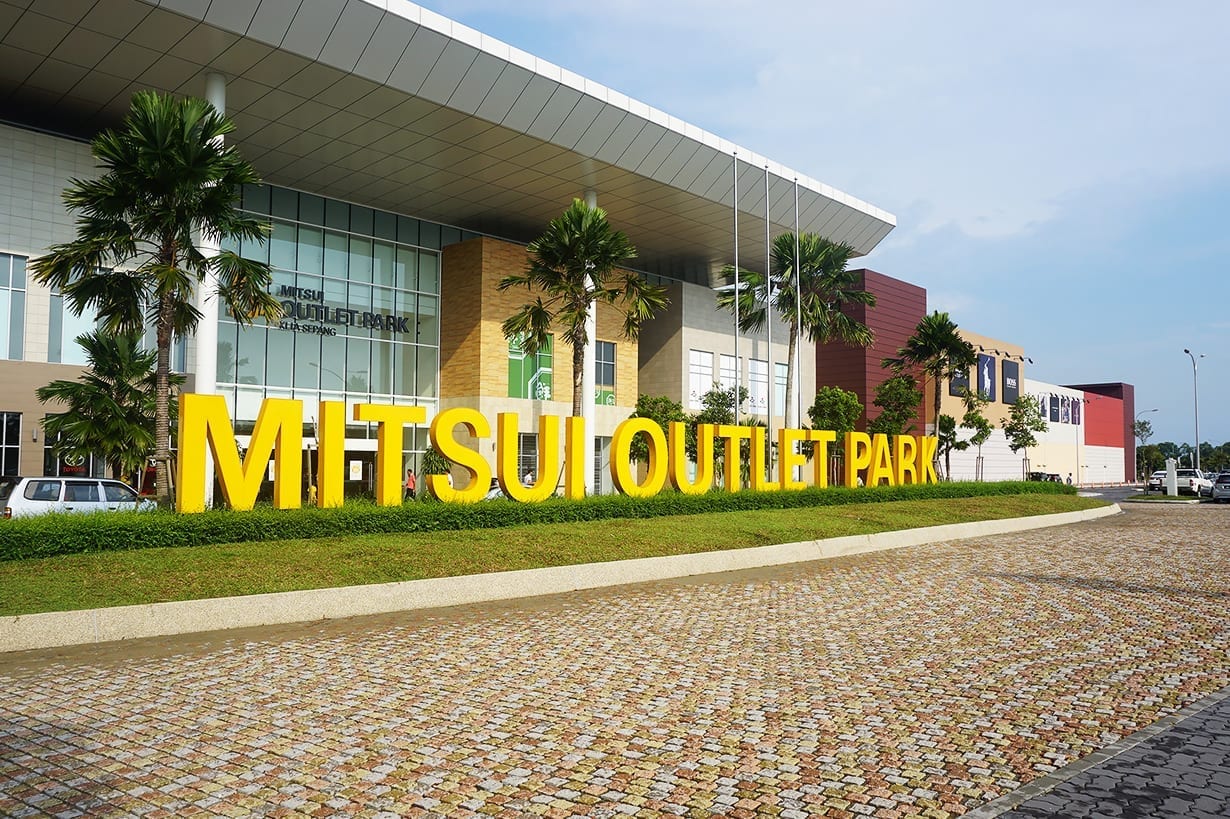
    About 35 new stores are lined up for the soft opening of phase two of Mitsui Outlet Park KLIA Sepang on December 15.

    An official launch is slated for February, says Mitsui Fudosan (Asia) Malaysia, which runs the project in a JV with Malaysia Airport Holdings, MFMA Development.

    Shops making their first appearance in Malaysia include Hummer bags store and The Beauty Laboratory by Shiseido.

    “The expansion will also introduce a good retail mix ranging from fashion apparel and accessories, sports and kidswear to cosmetics and personal care, with diversification into entertainment and amusement as well as specialty stores,” says Mitsui Fudosan.

    Phase 2’s environmental design follows the park’s “tropical resort” theme and also features the Sky Walk, River Walk and Forest Walk. The first phase opened in May 2015.

    Headquartered in Japan, Mitsui Fudosan is expanding in Asia with Shanjing Outlet Plaza Nimbo and Mitsui Outlet Park Linkou in Taiwan.

    For next year the group plans to open Mitsui Outlet Park Taichung Port in Taiwan, followed by Mitsui Shopping Park LaLaport Shanghai Jinqiao in 2020 and Mitsui Shopping Park LaLaport Kuala Lumpur in 2021.

  • Japan inflation ticks up but far from target

    Japan inflation ticks up but far from target

    Japan’s consumer prices rose for the 10th straight month in October, government data showed Friday, but inflation was still far from the target seen as crucial to revive the world’s third-largest economy.

    The core inflation rate was 0.8 percent year-on-year in October, according to data published by the internal affairs ministry, far below the two-percent target set by the Bank of Japan (BoJ).

    When the volatile prices for fresh food and energy were stripped out, prices rose by even less — 0.2 percent, the ministry said.

    Japan’s economy has battled deflation for many years and the BoJ’s ultra-loose monetary policy appears to be having limited impact.

    Other data showed that October household spending — seen as key for exiting deflation — remained flat compared to the same month a year earlier.

    However, this was better than the 0.3-percent drop market analysts were expecting.

    Household spending had fallen by 0.3 percent in September after rising by 0.6 percent in August.

    The unemployment rate remained unchanged at 2.8 percent for the fifth consecutive month, also in line with market expectations, the ministry said.

    Japan has notched up seven straight quarters of economic growth — the longest positive run for 16 years — with the upcoming 2020 Olympic Games giving the economy a shot in the arm.

    However, consumer spending has remained weak and deflation continues to stalk the economy.

    Japan’s weak inflation stands in sharp contrast to other major economies whose central bankers are looking to wind up their easing policies.

    The U.S. Federal Reserve is widely expected to hike rates for the third time this year in December and U.S. policymakers have forecast another three rate hikes in 2018.

    Meanwhile, the European Central Bank has announced it would halve its massive bond purchases from January as the eurozone recovery gathers pace, allowing the Frankfurt institution to begin winding down its crisis-era stimulus measures.

  • Gome Retail Holdings satisfying result

    Gome Retail Holdings satisfying result

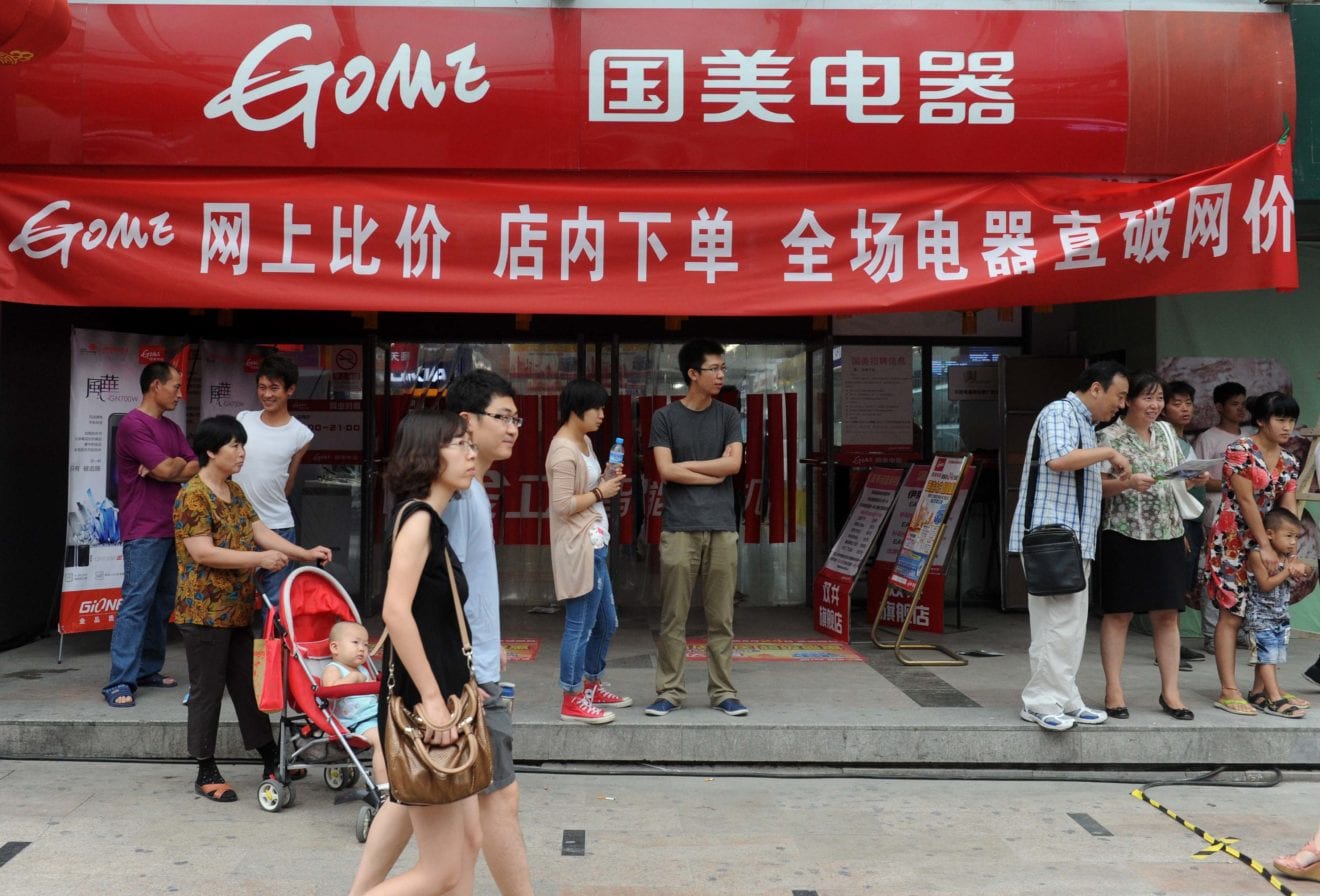
    Both online and offline business showed strong growth for electrical appliance retailer Gome Retail Holdings during the nine months to the end of September.

    Total gross merchandise volume (GMV) of the group for both online and offline grew by 20.04 per cent, while GMV of online e-commerce business grew by 58.13 per cent.

    Sales revenue was about RMB57.4 billion (US$8.6 billion), up 3.68 per cent on the same period last year.

    Consolidated gross profit margin was about 17.05 per cent, up 1.03 points, while profit attributable to the owners of the parent was about RMB220.1 million, a decrease of 10.71 per cent.

  • JD Sports Fashion moves to influence marketing as strategy

    JD Sports Fashion moves to influence marketing as strategy

    UK company JD Sports Fashion has engaged influencer marketing firm Rocketfuel Entertainment to help develop digital content for its brand in Malaysia.

    JD carries brands such as Adidas, New Balance and Nike as well as in-house labels Brookhaven, Pink Soda, Sonneti, and Supply and Demand.

    A JD spokesperson says it is eyeing growth in markets such as Singapore and Thailand, and aims to open 25 outlets by end of next year.

    Its senior brand marketing manager Jaclyn Tan says the biggest draw for its customers is the “extensive range of sneakers from multiple brands, including Western Europe exclusives available only in our stores”.

    CEO Justin Lim says the content will enable JD Sports Fashion to engage with its audience on its social platforms.

    Rocketfuel claims to have a social-media reach of more than 36 million in the region with influential personalities in beauty, fashion, lifestyle, automotive and parenting.

    The sports lifestyle retailer launched a flagship store for Asia last year at Pavilion Elite Kuala Lumpur, and this week opened a store at Putrajaya’s IOI City Mall. It also has outlets at Aeon Mall Tebrau City (Johor Bahru), Mid Valley Megamall, Sunway Pyramid and Sunway Velocity Mall, with another five stores to follow “very soon”.

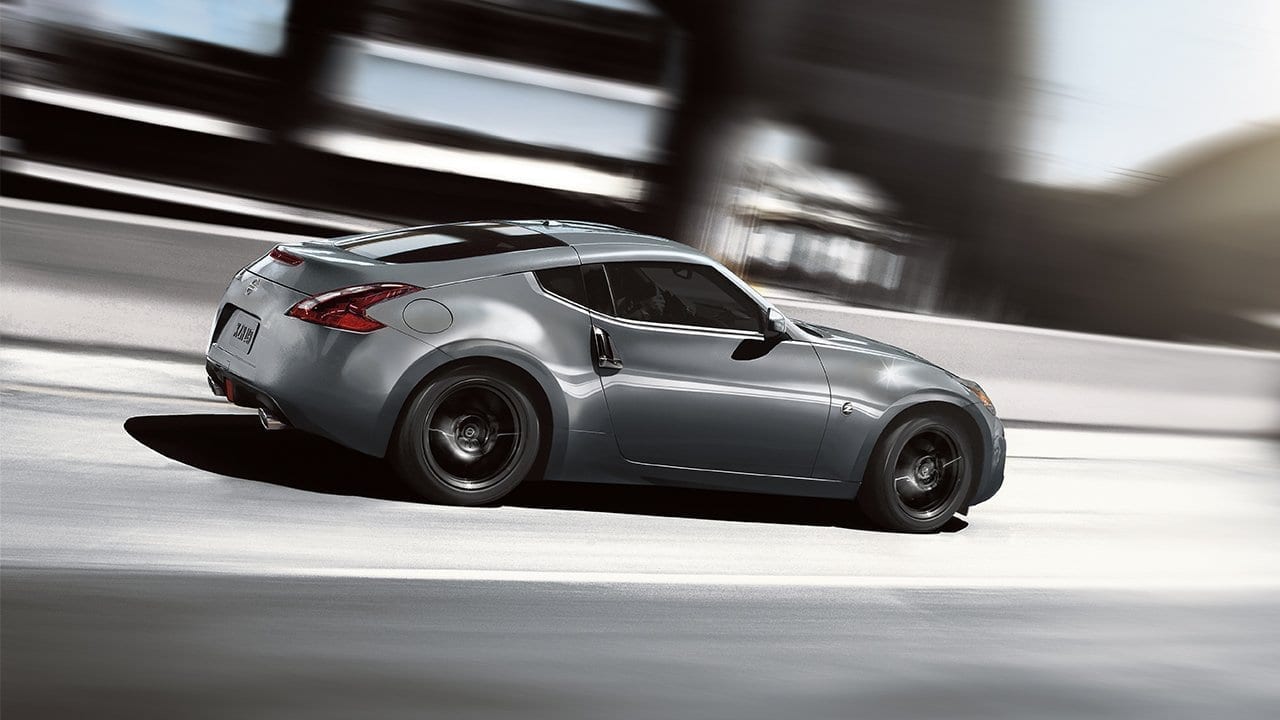
  • Nissan’s Japan car sales slide for second month after compliance scandal

    Nissan’s Japan car sales slide for second month after compliance scandal

    Nissan Motor Co’s sales of domestic passenger cars fell by almost half in November – its second straight month of slides in the wake of a compliance scandal and its first since it resumed production of cars for the home market.

    Revelations that Nissan failed to follow proper final inspection procedures for its domestic market cars have resulted in a recall of 1.2 million cars and a halt to production of vehicles it makes for the Japanese market over three weeks to early November.

    Japan’s second-biggest automaker has previously said it would take a month or so until production returns to regular levels.

    Its sales of passenger cars, excluding minivehicles, tumbled 46.8 percent in November from a year earlier to 16,888 vehicles, the Japan Automobile Dealers Association said on Friday. That follows a slide of around 53 percent in October.

    Nissan said in October that uncertified inspectors had for decades signed off on vehicle checks required by the transport ministry for cars sold in the country. It has blamed staffing shortages and said it would increase the number of trained staff to prevent a recurrence of the issue.

    The checks are not required for exported vehicles.

    The scandal at Nissan has come amidst a raft of scandals at Japanese manufacturers that have raised questions about compliance and quality control, including a data falsification scandal at Kobe Steel Ltd (5406.T).

    Subaru Corp (7270.T) has also admitted it had not been following proper inspection issues going back around 30 years. Last month, sales of its passenger cars fell 13 percent from a year ago.

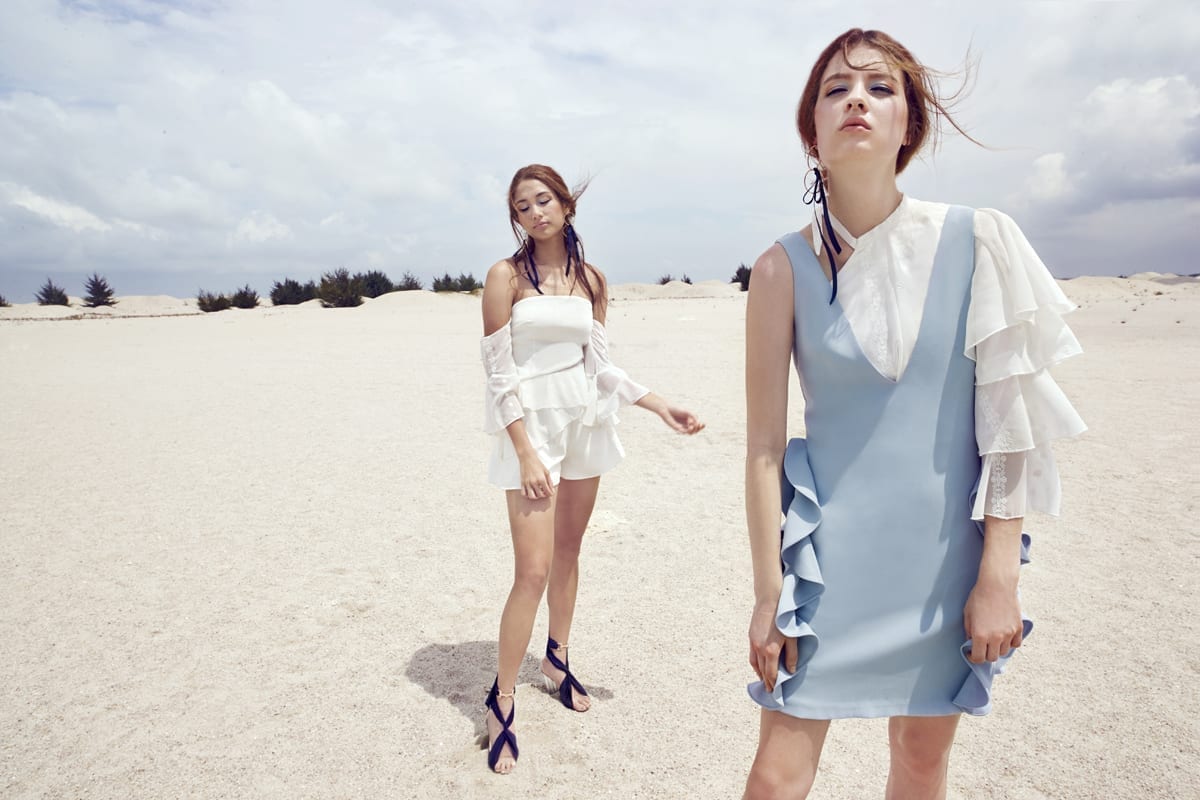
  • Duchess & Co Pop-Up Store Opens in Singapore

    Duchess & Co Pop-Up Store Opens in Singapore

    Duchess & Co, one of Asia’s fastest-growing ecommerce
    and retail fashion womenswear label, is proud to announce their foray into the
    Singapore market with a new showroom boutique at 313@Somerset Mall, located along the
    prestigious Orchard shopping belt. Following the 4-year-old label’s immense success and
    popularity in Peninsula Malaysia, the opening of the Singapore showroom boutique marks a
    new milestone for the brand’s expanding footprint in the South East Asia region.

    The 900 square feet new showroom boosts the brand’s signature modern contemporary
    interior and a cozy shopping ambience. It offers an extensive range of women’s apparel,
    shoes, and accessories. Each Duchess & Co creation is meticulously designed in-house and
    carefully crafted with curated fabrics.

    “We started out as an online fashion portal but quickly opened our first retail store within 4
    months of the Duchess & Co launch, and subsequently opened another store north of
    Malaysia. We then spent the following 2 years building & developing the brand identity as
    well as constantly improving both our in-store and online shopping experience. We are
    proud to have built a strong foundation in Malaysia. Singapore is an important fashion hub
    and gateway to the rest of South East Asia. Opening a pop-up showroom boutique in
    Singapore is a significant achievement as it marks our first overseas venture and elevates us
    to the ranks of many international fashion brands in the vibrant local fashion scene. We also
    wish to pay homage to our Singaporean fans and hope to offer them a unique experience at
    their doorstep,“ said Wendy Tai, Co-founder, who overlooks the business operations and
    international expansion.

    “Opening a pop-up showroom boutique in Singapore will allow us to connect and share our
    brand’s ethos and designs better with our VIPS and new customers. We believe it also helps
    us showcase the quality and cut of our designs,” adds Phang Ju Nn, Co-founder and
    Creative Director of Duchess & Co.

    To celebrate this new milestone, Duchess & Co will be presenting two (2) new lead ready-towear
    collections for the upcoming festive season: DAWN collection as well as ‘Made of
    Stars’. Key limited edition pieces from the Feather series in the ‘Made of Stars’ collection
    will premiere first at the Singapore pop-up showroom boutique for a week, commencing on
    8 December 2017.

    A private celebratory cocktail featuring a star-studded guest list will be held at the showroom
    on Friday, 8 December 2017.

    The pop-up showroom boutique is open now until the end of September 2018.Prices range from SGD59 to SGD399 and new collections will be introduced every 2 months
    in the showroom boutique.

  • Lalamove Adds Delivery Toppings to Burger King Online Orders

    Lalamove Adds Delivery Toppings to Burger King Online Orders

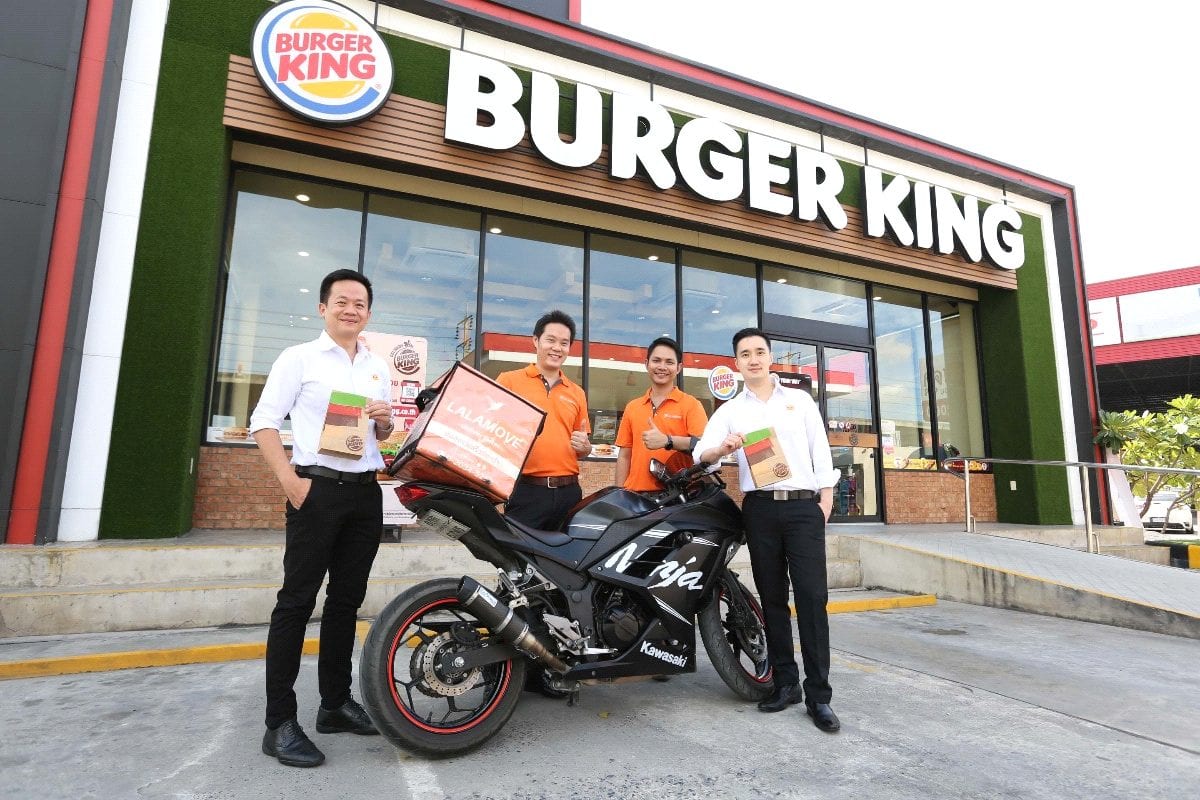
    US global fast-food chain BURGER KING has teamed up with Hong Kong-based on-demand delivery app and Thailand’s top food delivery platform, Lalamove, to launch its new partnership in November 2017 that will ensure better delivery of perfectly flame-grilled burgers to online customers all over Thailand.

    Burger King is the first fast-food burger restaurant chain to be added to the Lalamove delivery service and according to Chanon Klahan, Managing Director of Lalamove Thailand, this represents the delivery app’s reputation and focus on expansion. “To be chosen to join forces with such a successful household name as Burger King is a true sign of confidence in what we can deliver business-wise and of course burger-wise! It also shows Lalamove’s focus on building

    strong partnerships as we grow. With our food-delivery network of drivers, we can definitely help stimulate demand as Burger King continues to expand into new delivery locations.”

    In October 2017, Lalamove announced its own plans for global expansion too, by setting its sights on a presence in more than 100 cities across Asia after securing USD100M Series C funding.

    Prapat ‘Patrick’ Siangjan, General Manager at Burger (Thailand) Limited says, “Burger King has seen an opportunity to grow its customer base substantially. With the addition of an online food ordering channel, which is very popular today, Burger King can greatly expand its delivery zones.”

    “Thanks to Lalamove, which is Thailand’s leading same-day delivery and logistics provider, this collaboration will enable us to meet the needs of our customers better than ever before. By steadily launching new menu items to satisfy the appetites of our increasingly sophisticated customers, Burger King has seen the burger market continuously grow and receive consumer good response, especially in Q1 and Q3 of this year.”

    “In 2018, we plan to increase the number of branches by another 15-20 more new outlets, each with an average investment of 25 million Baht, in Greater Bangkok and strategic provinces nationwide. BURGER KING’s strong selling points will continue to be its focus on sourcing fresh, quality ingredients and creating unique menu offerings that will tantalize consumer taste buds, alongside our famous flame-grilled Australian beef for great-tasting deals at unbeatable prices.”

    With 16 branches already opened this year which brings the company to 89 outlets in total, (84 in Thailand and another 5 overseas), the Burger King brand is firmly established in this country. Consistently rolling out new restaurants in high potential locations enhances the brand and enables Burger King to extend its online delivery service zones to better meet growing consumer demand throughout Thailand. This is why Burger King chose to partner with the new Lalamove online delivery service as a part of its ongoing process to improve its online business as a whole.

    To celebrate this new partnership with Lalamove, Burger King is currently running a promotion offering free delivery with orders of 500 Baht or more from December 1st – 29th  2017.

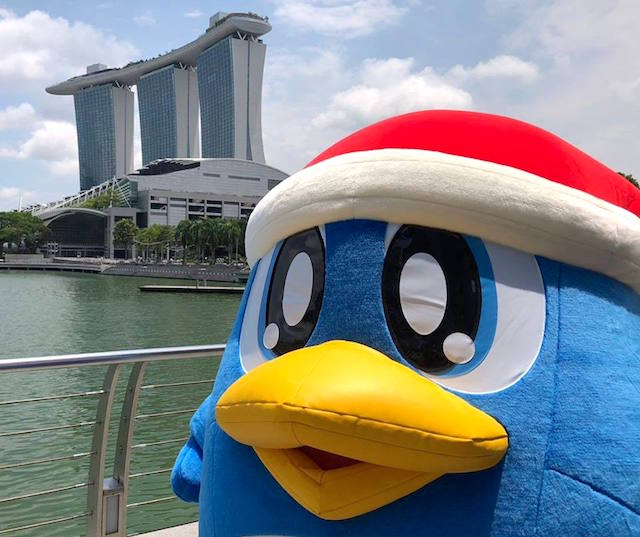
  • More discount from Don Don Donki for Singaporean

    More discount from Don Don Donki for Singaporean

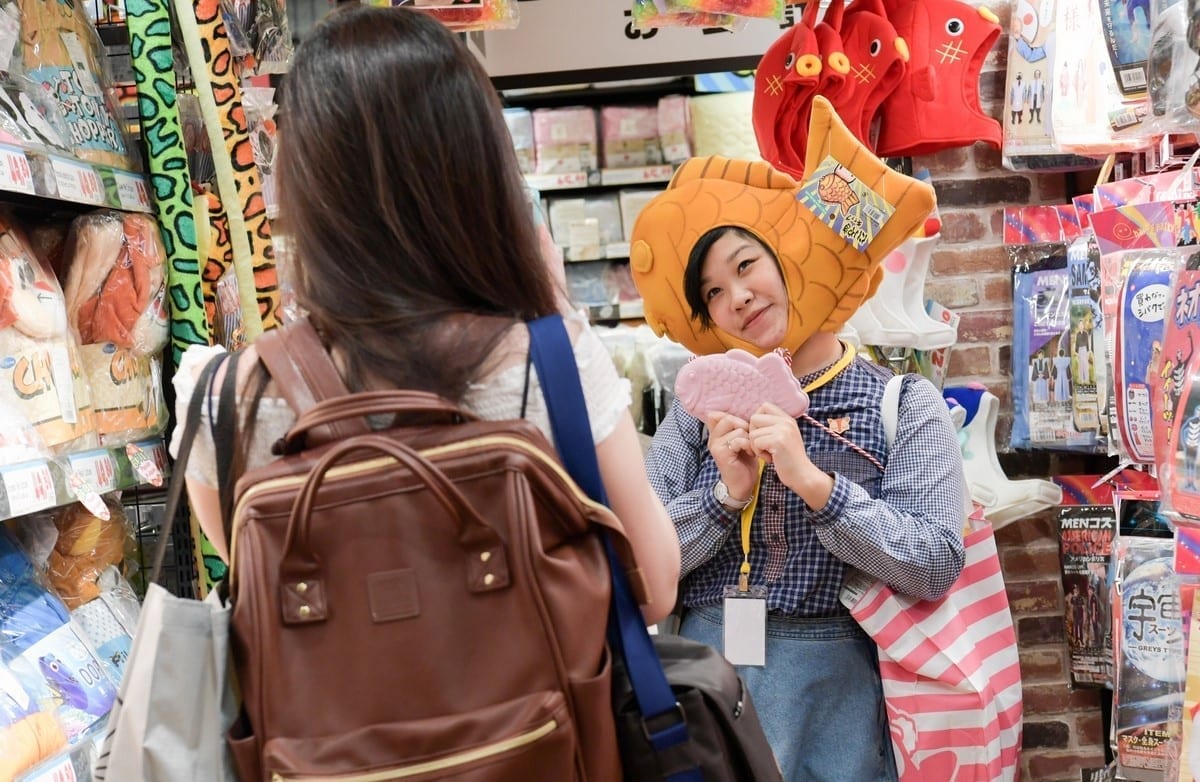
    Japanese discount store Don Don Donki opens its first Southeast Asian outlet at Orchard Central today, to be followed by a second outlet at the 100 AM mall in Tanjong Pagar in June.

    The aim is to have at least 10 stores in Singapore within the next four or five years.

    Over two storeys, the Orchard Central megastore will be open 24/7 and also feature a “night market” concept featuring eight dining outlets in partnership with food manufacturer Hokkaido Marche. This section will launch next month and be open only during dinner hours.

    Don Don Donki’s product range of about 30,000 items was curated for Singapore and spans fresh and processed foods, vegetables, meat, sushi, groceries, beverages, costumes, clothing, cosmetics, novelty goods and household items. A third of the product selection is from Hokkaido.

    Covering 1400sqm, Don Don Donki will also offer products from its in-house brand Jonetsu Kakaku as well as a Hokkaido-themed retail space.

    The brand is known for its wide range of made-and-designed-in-Japan products – from toilet paper to second-hand Rolex watches.

    Better known as Donki, the store was founded by Japanese businessman Takao Yasuda in 1978 and is owned by the Don Quijote Group. Its stores in Singapore will be run by Pan Pacific International Holdings, its holding company for overseas business.

    Name change

    While the stores in Japan are called Don Quijote, its Singapore branch name has been changed to avoid confusion with a local Spanish restaurant of the same name. The term “Don Don Donki” was taken from the store’s theme song.

    “The idea to have Don Don Donki in Singapore was suggested by Hokkaido Marche,” said Yasuda, 68, who “semi-retired” a couple of years ago and moved to Singapore. “When I came here, I realised products in Singapore are very expensive, and in Japan I’m known as the king of discounts.

    “What costs one dollar in Japan is sometimes two or three dollars here.”

    So when he was approached by Hokkaido Marche to partner and open its concepts in Singapore, he agreed immediately.

    Pan Pacific International Holdings director Hideki Okada says the Singapore store is a pioneer for the rest of Southeast Asia. It will be followed by a branch in Thailand next November.

    With 368 stores in Japan, Hawaii and the US, the brand earned nearly ¥828.8 billion (US$7.3 billion) in annual sales for the fiscal year to June 30.