Author: Mei Ling Tan

  • All about tourism in Asia

    All about tourism in Asia

    Leading insurance company, AIG brought together expert panelists from leading organisations Agoda, Hong Kong Airlines and Sunflower Travel to talk about the latest travel trends, habits and risks for travellers from Hong Kong.

    All of the panelists confirmed that their data shows the top destination for all generations of Hong Kong travellers is Japan.

    Meeting these demands, Hong Kong Airlines, has increased its flight departures to Japan and is now the carrier with the most flights from Hong Kong, providing 85 per week.

    Data analysis from Agoda, showed that over the last five years, the demand for Japan has dramatically increased with up to 40% of Hong Kongers choosing this as the number one holiday destination.

    Safety of a country is the main priority for people in Hong Kong. In the last two years, Eastern Europe and Russia have become popular destinations for travellers looking for safer and visa-free long-haul destinations.” Dennis Owen, General Manager of Branding and Social Media at Hong Kong Airlines added, “The top overseas destinations are Japan, Taiwan and Thailand. In 2018, we will see other up and coming destinations including the Maldives, which we have just launched direct routes to following the demand. Other popular destinations will include long-haul travel to the USA.”

    A recent survey by MoveHub, identified Hong Kong citizens as the world’s biggest travellers, taking over 10 holidays a year. According to ESD Life, people from Hong Kong spend 70% of their annual leave travelling overseas.

    Business Monitor International research showed that outbound departures from Hong Kong increased by an estimated 4.7% year-on-year and forecasts that this will keep increasing each year.

    “Social media is playing a huge role in helping the younger generation define their travel choices. People trust people, friends and families over brands. They see their friends posting on social media and want to go to those places. There has also been a significant increase in Hong Kong travellers booking their flights using their mobiles, especially since the screens have become larger and it is easier than ever to use the booking apps. Hong Kongers are price savvy and will book their trips overseas around airline promotions to secure a good deal. In 2018, we expect to see a growing trend for in-depth travel with people focusing on one place to visit rather than multiple destinations. Interest in visiting secondary cities will also increase, especially in countries like Japan,” added Dennis Owen, from Hong Kong Airlines.

    Peter Allen, Managing Director at Agoda Outside, commented, “A large proportion of our customers booking online are Millennials, aged between 31-40 years old. We have found that people in Hong Kong are planners and book their travel up to seven weeks in advance, earlier than any other market in the region. We can also see that they are booking traditional hotels, spending an average of HKD $1,000 per night for short-haul accommodation. Travellers are choosing mid-range hotels with 3 – 3.5 stars however, when travelling to longhaul destinations, they will choose to upgrade to 4 – 4.5-star properties. We are also beginning to see a rapid increase in Hong Kongers booking non-hotel accommodation, especially when visiting Japan during the summer holidays. One reason for this is visitors are wanting to experience how locals are living and will opt for an apartment instead.”

    According to Terrence Leung at Sunflower Travel, “The group travel sector in Hong Kong is dominated by people aged 40 plus with more disposable time and income. With the emerging trend for authentic experiences, retirees are looking for extraordinary journeys, including luxury river cruises along the Amazon and fly-cruises to Antarctica with an average travelling time of 9-12 days for long-haul trips. We also work closely with primary and secondary schools in Hong Kong, arranging educational student group trips to nearby destinations including Singapore, Taiwan, Korea and Japan. The Hong Kong Government is very passionate about this and supports students visiting and learning about other countries.”

    Commenting on new travel trends in the market, Catherine Mak from AIG added, “AIG is always adapting to the way people are travelling. Over the last year, we have noticed a demand for people looking to be protected when taking part in marathon-running holidays. In response to this growing trend, we have adjusted our Travel products.”

  • Victoria’s Secret Tries ‘See Now, Buy Now’ at Shanghai Show

    Victoria’s Secret Tries ‘See Now, Buy Now’ at Shanghai Show

    Victoria’s Secret, the global lingerie name known as much for its “Angel” supermodels and its “Bombshell” branded products, has brought its iconic fashion show to Shanghai, with Alibaba Group’s Tmall and Taobao marketplaces and video-streaming site Youku used as broadcast channels to reach the world’s most sought-after consumers.

    In addition to locating the event in the world’s second-largest economy—the first time it has been held outside of the U.S. or Europe—the company is leveraging the “See Now, Buy Now” format made popular in China by Alibaba. All items seen on the runway, aside from those not yet released in the market, will be available for immediate purchase as Chinese shoppers watch the show.

    Alibaba’s See Now Buy Now fashion show kicks off the 11.11 Global Shopping Festival season every year. Last month, the show mixed the latest clothes and accessories from international names such as Ralph Lauren and MAC with performances by Chinese female rap sensation VaVa and pop icon Chris Lee to create a retail-as-entertainment experience for viewers.

  • Mainland Chinese names drive Hang Seng’s return to 30000

    Mainland Chinese names drive Hang Seng’s return to 30000

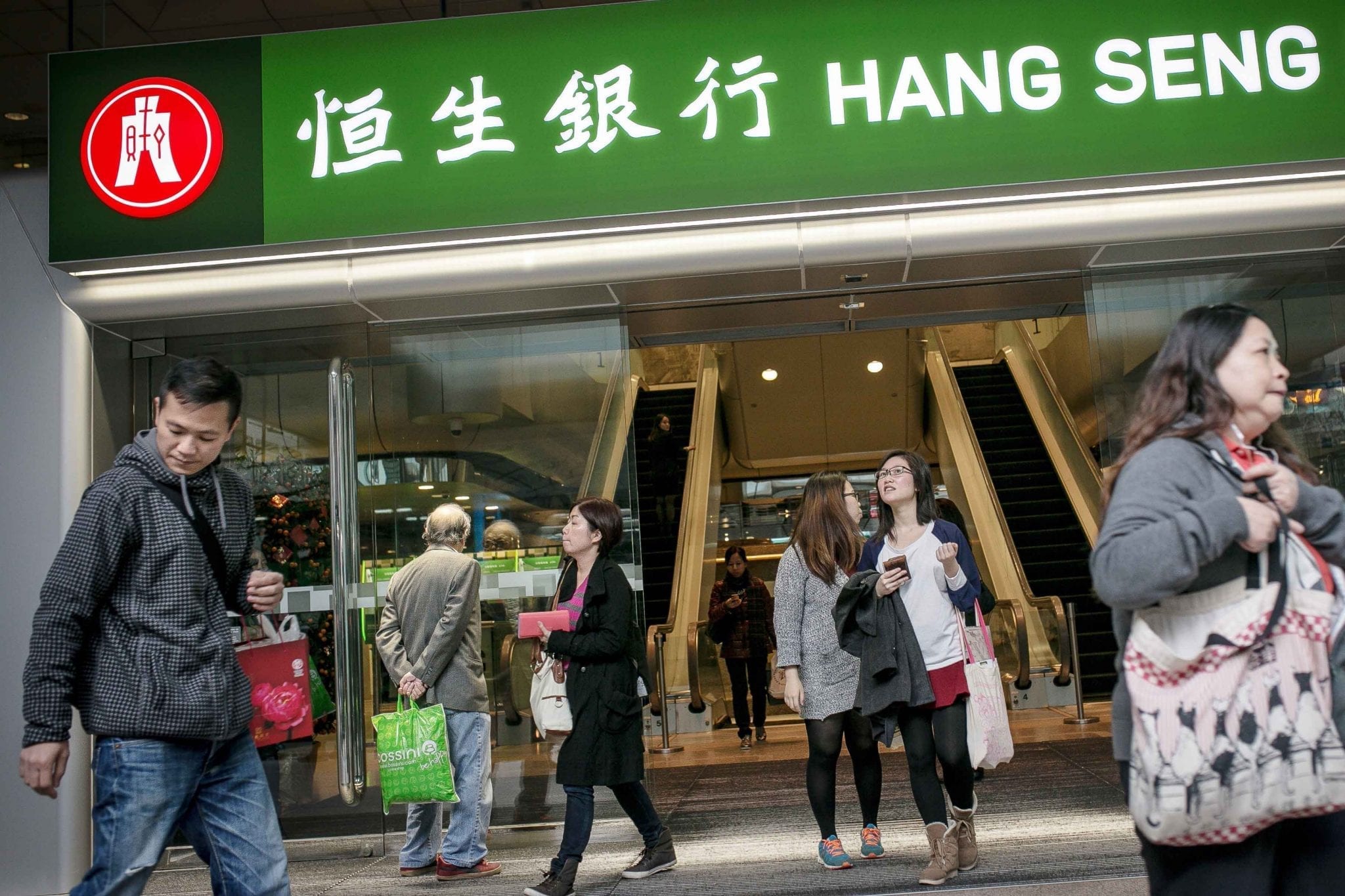
    The Hang Seng Index topped 30,000 for the first time in a decade on Nov. 22 amid a market sea change that is bringing mainland Chinese companies to the fore and leaving many big local names behind.

    The Hong Kong benchmark ended the day at 30,003.49, up 0.62%. It has gained 36% year to date, outpacing major indexes in Japan, South Korea, India and Singapore. The gains have been “driven first and foremost by Western investors,” said Sze Tung, asset manager at Victory Securities.

    Alex Wong Kwok-ying of Ample Capital additionally cites an influx of money from the mainland, where “investors have capital to spare.” Funds flow in via stock connect links established with Shanghai three years ago and with Shenzhen last December.

    Much has changed since the Hang Seng last topped 30,000 in November 2007, including an increase in the number of constituents from 40 to 50. Mainland companies now make up half the index, up from 38% a decade ago, and will become a majority in December when a reshuffle will add Sunny Optical Technology (Group) and Country Garden Holdings.

    The main engine powering the Hang Seng’s ascent also hails from the mainland: Tencent Holdings. The Shenzhen-based internet conglomerate listed in Hong Kong in 2004 and joined the benchmark index in June 2008. It tops the Hang Seng’s weighting list at 10.75%, beating such traditional Hong Kong powerhouses as HSBC Holdings and CK Hutchison Holdings.

    Tencent shares have more than doubled this year, buoyed by a number of positive factors, including China’s large internet user base, the release of mobile game “Glorious Mission” and news of the company taking a substantial stake in Snap, the American operator of photo- and video-sharing app Snapchat. Tencent’s market capitalization recently exceeded $500 billion, a first for an Asian enterprise. The milestone saw Tencent briefly surpass Facebook to become the world’s fifth-largest business by market cap.

    Tencent is not the Hang Seng’s only mainland-based standout. Geely Automobile Holdings’ shares have nearly quadrupled this year and those of Apple supplier AAC Technologies Holdings more than doubled.

    DROPPING OFF THE MAP

    Hong Kong-based companies, meanwhile, are fading into the background. Prominent names such as PCCW — the telecommunications company run by Richard Li Tzar-kai, younger son of tycoon Li Ka-shing — and Li & Fung, known for sourcing Chinese products for U.S. retail behemoth Wal-Mart Stores, have dropped off the benchmark index. Cathay Pacific Airways, Hong Kong’s de facto flag carrier, will lose its decades-old blue chip status in December.

    Mainland businesses, including both H-share companies based on the mainland and “red chips” incorporated in Hong Kong, are latecomers to the territory’s bourse. They gained a foothold in the early 1990s as China sought to work around diplomatic sanctions imposed by Western powers after the 1989 Tiananmen Square crackdown and to get its reform and opening-up policy back on track.

    The first H-share listing came in July 1993 with the Hong Kong debut of Tsingtao Brewery. A watershed followed in September 2006 with the inclusion of China Construction Bank (CCB) in the Hang Seng Index — the first H-shares to make it to the big leagues.

    Mainland companies increasingly favor Hong Kong as a listing destination for its better access to global investment capital and more predictable regulatory framework. These enterprises have a growing presence in the Hong Kong market as a whole. A total of 378 mainland Chinese businesses were listed there as of the end of October, including 226 H-share listings, accounting for almost 40% of the bourse’s total market cap.

  • Japanese property giant, Tokyu invests in Titijaya’s unit

    Japanese property giant, Tokyu invests in Titijaya’s unit

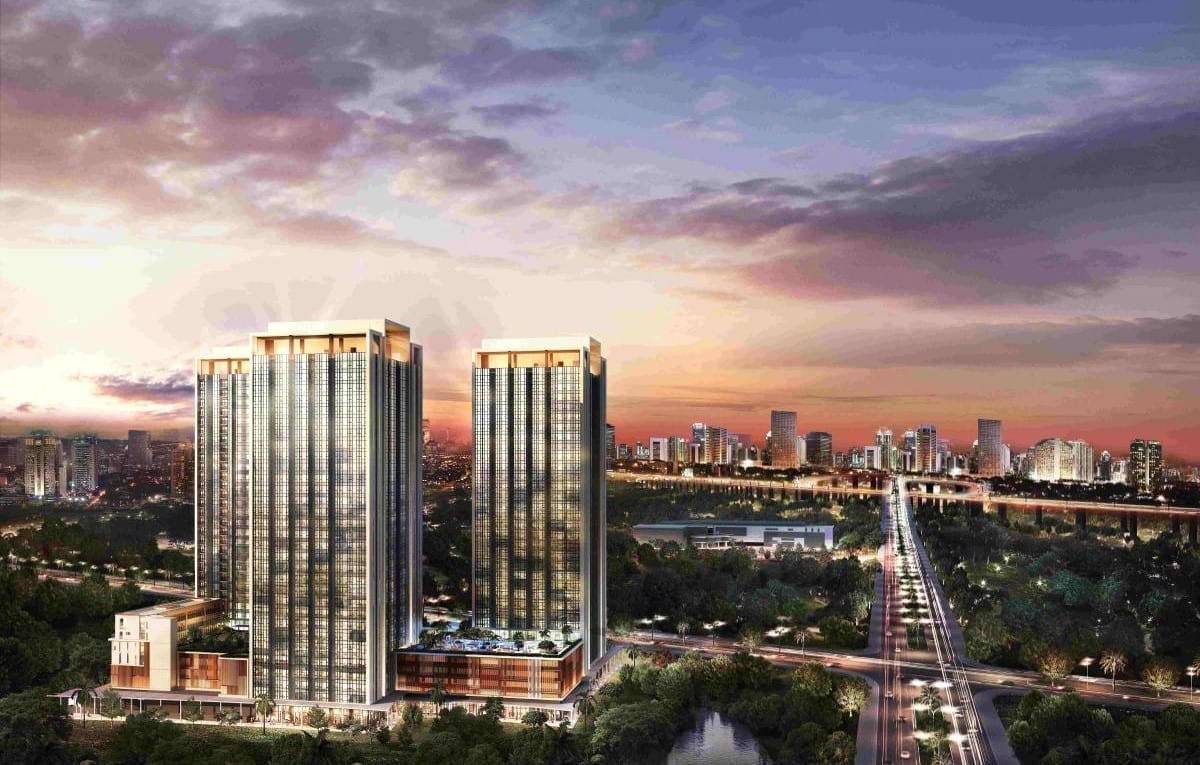
    Titijaya Land Bhd has roped in Japanese leading property giant, Tokyu Land Corp, to be the new shareholder of its wholly-owned Epoch Property Sdn Bhd in a RM47 million deal.

    Epoch Property sealed a conditional share subscription agreement with Tokyu for the subscription of 47 million Class A ordinary shares in Epoch Property worth RM47 million.

    Titijaya said both companies will jointly enhance the development of Mizu Residence which is expected to command a gross development value of RM300 million.

    Tokyu, which holds more than one trillion yen of assets and is ranked third among Japanese real estate companies, is the core company of the Tokyu Fudosan Holdings Group, a Japanese company listed in the First Section of the Tokyo Stock Exchange.

    Tokyu Fudosan is also one of the companies in the Nikkei 225 Index, which refers to the price-weighted average of the 225 top-rated Japanese listed companies.

    Titijaya group managing director Tan Sri Lim Soon Peng believes the collaboration will help establish the two companies as one of the industry leaders, pushing the frontiers of urban development and property management.

    “We are envisioning through the knowledge transfer from Tokyu’s expertise in urban development, especially its expertise in transit-oriented development, retail knowledge, property management (best property management services in Japan), it will further strengthen Titijaya’s objective to offer products that will be a half-step ahead of the times.

    “TOD and enhancing senior living experience are definitely the directions going forward for us, as TOD concept will help a country to reduce carbon footprint while becoming more productive and move livable, and on the other hand, senior living experience values the living experiences for discerning individuals who have an affinity for actively engaging all that life offers,” he said.

  • Nike shapes announces a new era for retail

    Nike shapes announces a new era for retail

    Recently, Nike chief executive Mark Parker fired a reverberating shot across the bow of the entire retail industry.

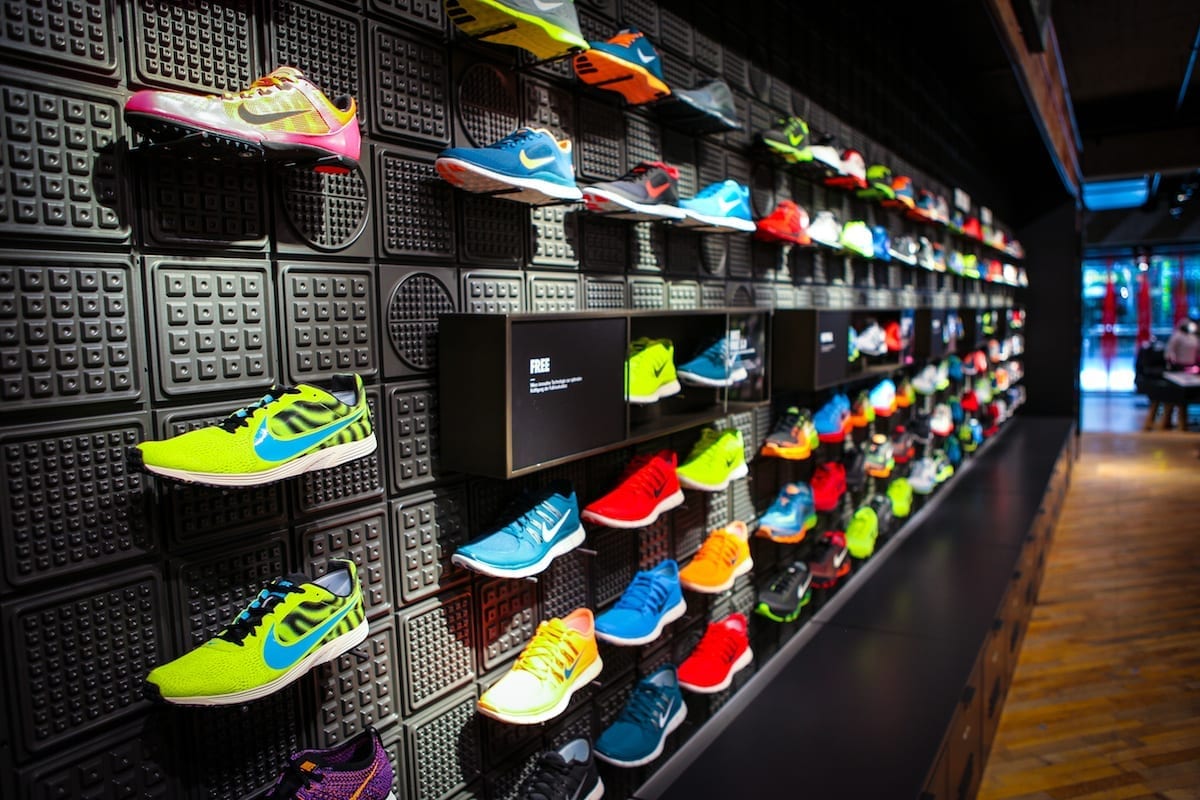
    He announced that out of Nike’s global universe of more than 30,000 retail partners the brand would, going forward, focus its time, attention and capital on forty — FORTY — retailers that Nike calls “strategic wholesale partners.” Partners, he explained, which are willing and able to build out unique and dedicated Nike spaces within their store environments.

    With this one brief announcement, Parker had not only given tens of thousands of merchants around the world a Tony Soprano-style kiss on the cheek, but he  also made the same sweaty-palmed decision that thousands of other brand CEOs secretly wrestle with on a daily basis: whether to abandon the intoxicating volume of the mass market in a sober effort to save their brands from almost certain ruin.

    The power-merchants that made these brands household names were now the very things rendering them commoditized hostages in a high-speed chase to the bottom.

    Once the salvation of many a fledgling brand, mass merchants have increasingly become like kryptonite. In a world constantly seeking what’s next, new or special, mass retail has become toxic in its overexposure. For consumers, to whom shopping experiences matter as much, or more, than products, mass merchants are bringing nothing to the table.

    Nike is merely one in a growing list of labels rethinking their distribution strategies. Earlier this year Coach announced it would leave the floors of over 250 department stores. Michael Kors also made a similar decision. And high-end outerwear brand Canada Goose, a brand that has traditionally been sold through wholesalers, now has a long-term goal of generating at least half its profits from its direct-to-consumer business. One by one, brands are fleeing the mass market and their absence will weigh heavily on all mass merchants.

    However, more important in Nike’s announcement was the bold declaration that only one tenth of one percent of their retailer network — those retailers who could deliver on the brand promise and experience — were even worthy of the brand’s time and attention. The remainder of Nike’s resources, according to Parker, would be dedicated to growing the brand’s direct-to-consumer business through its owned stores and websites, which currently represent about 30 percent of Nike’s total sales.

    This is by no means a minor shift. In fact, what it portends is a complete reformation of the retail market and a breakdown of the wholesale-retail model for revenue.

    Where today the retail market is largely divided by luxury, mid-tier, and discount, the coming decade will see the market more clearly bifurcate into two distinct retail approaches.

    The first will encompass an ever-swelling number of vertically-integrated brands that focus on serving individual consumers at scale and in a manner that best befits the brand. The second will be a new class of “experiential merchants” that use their physical stores and online assets to perfect the consumer experience across a category or categories of products.

    They will define the ideal experiential journey, employing expert “product ambassadors” and technology to deliver customer experiences that are truly unique, remarkable and memorable. So memorable that they leave a lasting, positive experiential imprint on the shopper’s psyche.

    Nike’s announcement was not merely communicating a new brand strategy but more clearly than ever before, foreshadowing an entirely new and revolutionary era of retail.

  • Luk Fook Holdings gets back up to grow

    Luk Fook Holdings gets back up to grow

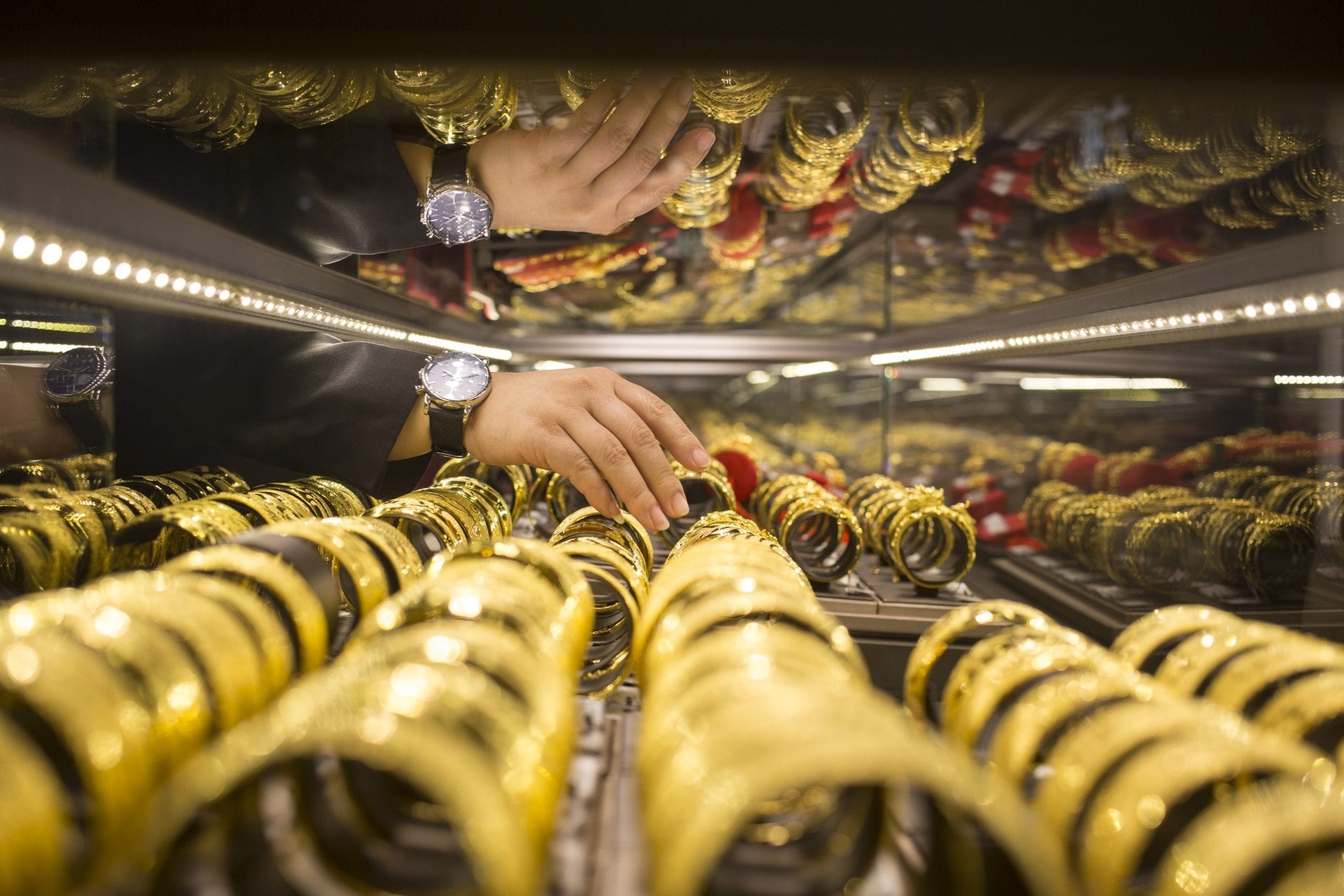
    In a golden first half, jewellery group Luk Fook Holdings (International) saw revenues and profits rise as it continued to expand its retail outlets.

    As well as a return to growth for same-store sales and a doubling of e-commerce sales, its interim results show a 14.9 per cent rise in revenue to HK$6.2 billion (US$794 million) for the six months to the end of September.

    A relatively stable gold price resulted in the group’s overall gross margin dropping to 26.2 per cent from 28 per cent a year earlier, but gross profit rose by 7.5 per cent to $1.6 billion. Profit attributable to equity holders grew by 21.3 per cent to $520.3 million.

    During the six months, the group added 46 Lukfook shops worldwide – 47 (29 licensed) in Mainland China and one in San Francisco, with two closures in Hong Kong. This took its global network to 1542 Lukfook shops (up from 1455 shops a year earlier), spanning Australia, Canada, China, Hong Kong, Korea, Macau, Malaysia, Singapore and the US. It also had 10 3D-Gold shops in China (an addition of one).

    Retail was the group’s primary source of revenue, which grew by 17.1 per cent to $4.7 billion, accounting for 75.1 per cent (up from 73.7 per cent) of total revenue.

    Slide reversed

    Back on track after three years of decline, first-half overall same-store sales growth was 11.2 per cent (minus 31.5 per cent a year earlier). There was double-digit growth in both Hong and Macau and Mainland China at 10.5 per cent (-32.3 per cent last year) and 16.7 per cent (-23.7 per cent) respectively.

    Hong Kong was the key market for the Group with the recovery of both retail sentiment and visitor arrivals. In terms of tourist spending, sales of jewellery, watches, clocks and gifts rose about 4.3 per cent, according to the Census and Statistics Department of Hong Kong. This was reflected in an 8.4 per cent lift in the group’s retail revenue in Hong Kong to $2.8 billion.

    Similarly, official figures in Macau show a 17.5 increase in tourist spending while the group’s revenue grew by 18.8 per cent to $790 million for the half-year.

    Meanwhile, retail revenue from the Mainland China market grew by 43.6 per cent to $924 million, attributed to an improved retail environment and more self-run shops. It accounted for 14.7 per cent of the group’s total revenue, up from 11.8 per cent a year earlier.

    Revenue from e-commerce in China jumped by 104.7 per cent to $136.6 million, accounting for 14.8 per cent of retail revenue, up from 10.4 per cent.

    Overall, first-half revenue from China grew by 25.5 per cent to $2.1 billion, accounting for 34.4 per cent of total revenue (31.5 per cent a year earlier).

  • Vietnam’s biggest brewer to sell majority stake

    Vietnam’s biggest brewer to sell majority stake

    Vietnam said Wednesday it would sell a majority stake in the country’s largest state-owned brewer next month but limit foreign ownership to 49 percent, as the government seeks to pay off public debt.

    The long-delayed sale shares in Sabeco, the leading brewer in the beer-obsessed nation, will take place in December and aims to raise $4.8 billion, according to a statement on the company’s website.

    More than 340 million shares – amounting to 54 percent of the company – are up for grabs, but foreign ownership will be capped to safeguard the local brand, the firm said.

    “Foreign investors are allowed to own a maximum of 49 percent of the registered capital of Sabeco,” the statement said.

    Some 10 percent of Sabeco is already foreign owned, with the rest belonging to the government.

    Prices will be set at a minimum of $14 a share at the sale scheduled for December 18, the company added.

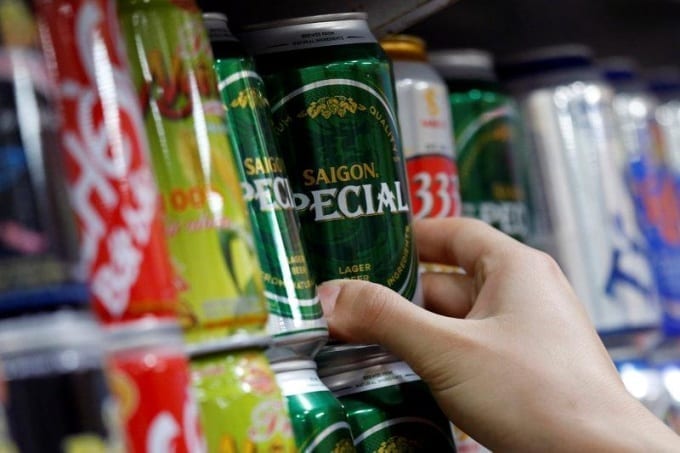
    The brewer, which owns household beer names Saigon Special and 333, said it was committed to “maintaining and developing Vietnam’s beer trademark” in limiting foreign control of the company.

    The sale, which officials originally hinted might happen at the beginning of this year, is part of the government’s privatization push as it seeks to rein in mounting public debt.

    As part of the promised reform, shares of several state-owned enterprises are to be sold off, though plans have repeatedly stalled.

    Vietnam’s public debt hit 63.7 percent of GDP at the end of last year, and is predicted to inch up to 64.8 percent by the end of this year, according to official figures.

    The government-sanctioned debt ceiling is 65 percent of GDP.

    With a population of 93 million people, Vietnam is one of Asia’s leading per capita beer drinkers, including in Hanoi where ubiquitous “bia hoi” streetside beer markets fill daily with thirsty patrons.

    Crown jewels Sabeco and fellow state-owned firm Habeco are the country’s leading brewers, though some foreign players such as Heineken, Carlsberg and Sapporo also have a foothold in the market.

    Dizzying economic growth has seen per capita incomes in Vietnam more than double in the past decade to over $2,200 today, with newfound disposable incomes largely spent on consumable goods.

  • Amazon seizes half of all online Black Friday sales

    Amazon seizes half of all online Black Friday sales

    Amazon is dominating — again.

    Black Friday sales and promotions have helped the company claim between 45% and 50% of all online Black Friday sales, according to a new report from GBH Insights. GBH called the results “eye-popping.”

    This new number, combined with online sales figure estimates for the same timeframe from other analytics firms, shows Amazon’s sales are well over $1 billion for the last 24 hours or so.

    This heralds another blockbuster holiday for Amazon, with estimates that it will take half of all online sales throughout the holiday. It will need to fend off an aggressive Walmart to do so. Walmart has pumped its resources into its new online offerings to make them more competitive and likely had its most ambitious online Black Friday this year.

    Still, Amazon Prime subscriber growth — in terms of both numbers and how much they spend — sets Amazon up well for the rest of the year.

    “Customers purchased millions of Amazon’s Alexa-enabled devices , and Alexa devices were the top sellers across all of Amazon,” David Limp, Amazon’s head of devices, said in a press statement.

    The Echo Dot, Amazon’s cheapest device with its voice assistant, Alexa, was Amazon’s best-seller globally across all categories — and it was on sale over the weekend for $30, the cheapest it has ever been.

    Other best-sellers included the new Fire TV Stick, the new Amazon Echo, and the Fire 7 tablet, the company said.

    The device sales propelled Amazon to a strong Thanksgiving weekend overall.

    Amazon accounted for 45% of online transactions among 50 top retailers on Thanksgiving and 55% on Black Friday, an analysis by Hitwise found. As of Monday, Amazon was on track to take about half of all online sales over Thanksgiving weekend, according to research by GBH Insights.

    People spent a record $6.59 billion online on Cyber Monday, $5.03 billion on Black Friday, and $2.87 billion on Thanksgiving Day, according to estimates from Adobe Analytics. Given these figures, it’s not hard to make a rough guess about the billions Amazon raked in over the holiday weekend.

  • Harajuku girls expected to shop at Bic Camera

    Harajuku girls expected to shop at Bic Camera

    Japanese electronics retailer Bic Camera is targeting teenage girls in a new concept store set to open in the quirky Harajuku shopping precinct.

    Harajuku has been renowned globally as a destination for cosplay fans since way before the pastime became mainstream – and it is something of a mecca for teenagers chasing hip fashion labels and indulgent confectionery and beverages.

    Bic Camera has 41 large-format stores in Japan and counts Best Denki in its shareholder ranks. It plans to sell beauty appliances including facial treatment devices and hair dryers along with cosmetics, stationery and funky smartphone cases at the new store.

    The Harajuku shop, to open on Takeshita Street this weekend, will have two floors – one underground – with a footprint of just 330sqm, making it the company’s smallest to date.

    After refining the concept, the company plans similar stores elsewhere in Japan.

  • My Beauty Atelier concept in Seoul

    My Beauty Atelier concept in Seoul

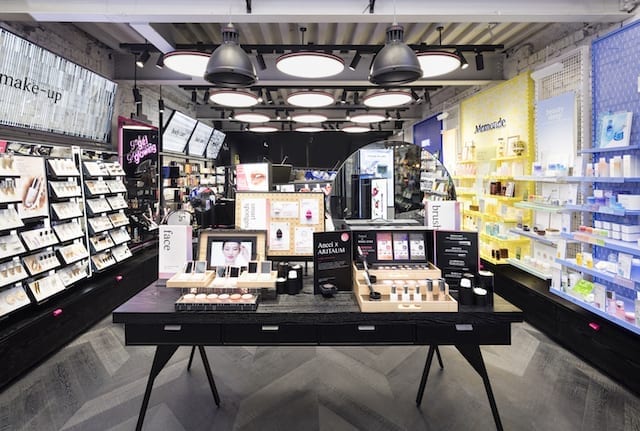
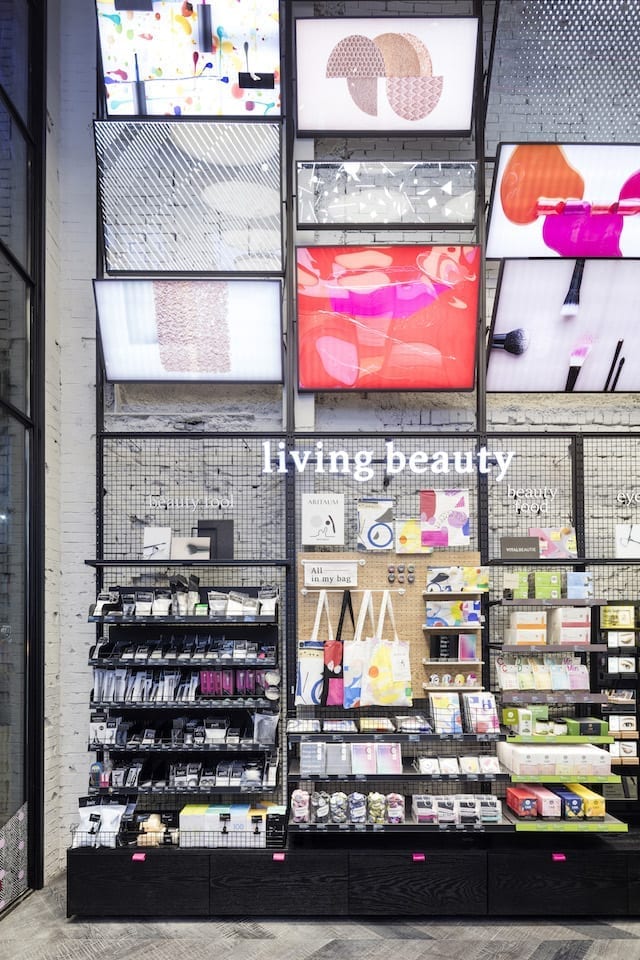
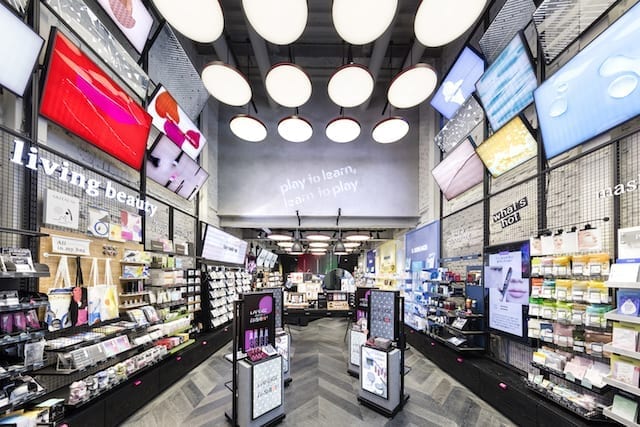
    London-headquartered Dalziel & Pow has created AmorePacific’s latest beauty concept store, My Beauty Atelier in Seoul.

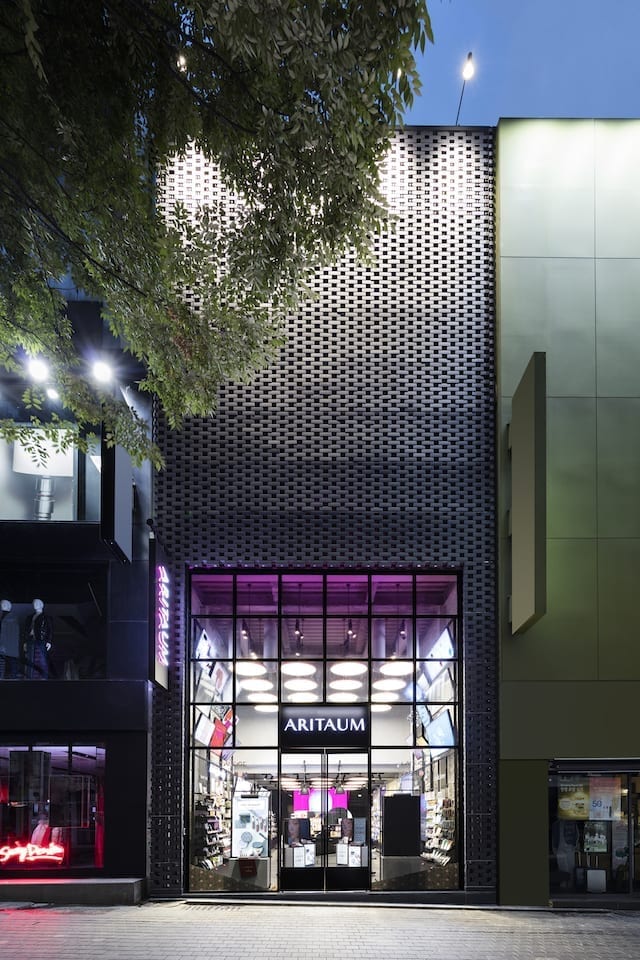
    The design house describes the new store as AmorePacific brand “Aritaum’s “new benchmark for beauty retailing” in South Korea.

    “It is a playground for inspiration and guidance,” said the company, of the 90sqm boutique which opened in October in Seoul’s Myeong-dong district.

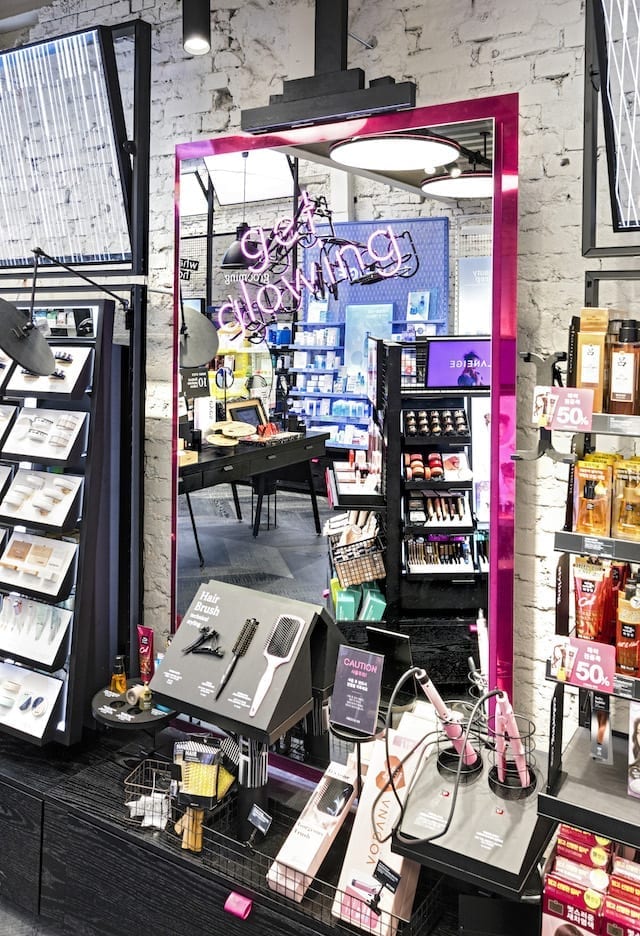
    “The store presents a sense of energy, play and education. It empowers customers to become their own makeup artists with editorial displays offering ‘top 5′, ‘best sellers’ and ‘new crushes’, along with ‘how-to’ guides. The brand talks to the customer as a trusted friend, with an in-the-know voice throughout the communications and bold art direction,” said a Dalziel & Pow spokesperson.

    The offer is structured around key categories, each featuring distinctive colour palettes and expression. Core skincare brands Iope, Laneige, Mamonde and Hanyul – created by Aritaum’s founder  – have a real presence with their own dedicated bays.


    An architectural shopfront features 12m-tall black brickwork backed with mirror cladding and a splash of pink to create a stand out space.

    “On entering, the initial triple-height space with inspirational images and a bespoke lighting installation creates a strong statement. The store’s raw, glamorous Manhattan-inspired tone ensures an edgier and more sophisticated brand aesthetic. A focal table provides a place to play and experiment, integrating iPads that share video tips, alongside an Instagram wall with changing backdrops for selfies using the #aritaumflipcreate,” said the Dalziel & Pow spokesperson.

    “As part of the new experience vision, we created a brand stamp logo, new packaging and redesigned the staff uniforms in the striking monochrome and pink palette.”

    The My Beauty Atelier concept represents a new direction for Aritaum and will be applied to up to 300 stores with the product offer tailored to each location – such as a make-up focus in student areas or a high-end skincare focus in more mature neighbourhoods.

    Aritaum is one of AmorePacific’s 33 health, beauty and personal care brands, a portfolio which also includes Innisfree, Etude House, Laneige, Lolita Lempicka and Annick Goutal.

  • Bubble or brave new world? Bitcoin breaks USD 10000 barrier

    Bubble or brave new world? Bitcoin breaks USD 10000 barrier

    Bitcoin broke through the USD 10,000 barrier for the first time today as it continues a stratospheric rise that has delighted investors but sparked fears of a bubble.

    The virtual currency hit a high of USD 10,379 in Asia, according to Bloomberg News, more than 10 times higher than its value at the start of the year.

    The breakthrough is the latest in a spectacular run for the online money dubbed “digital gold” by its advocates, which began life in 2009 as a bit of encrypted software supposedly written by an unknown coder with a Japanese-sounding name.

    Bitcoin, which was valued at just a few US cents when it was launched, has no legal exchange rate, no central bank backing it and is traded on specialist platforms.

    But it quickly gained popularity as an alternative to traditional investments, while it has been used to pay for items from a pint in a London pub to a manicure.

    The virtual currency has attracted as much anger as praise, however, with the boss of JP Morgan Chase labelling it a fraud and governments, while China and South Korea have expressed concerns.

    It got a major boost last month when exchange giant CME Group announced it would launch a futures marketplace for Bitcoin, which has not been listed on a major bourse before.

    The announcement sparked a surge in its value — it has risen 45 percent in the past two weeks alone.

    But the spectacular rate of growth, which has seen it increase in value from a 2017 low of USD 752 in mid-January, has also triggered concerns, and critics note the currency has suffered wild swings in the past.

    “This is a bubble and there is a lot of froth. This is going to be the biggest bubble of our lifetimes,” warned hedge fund manager Mike Novogratz at a cryptocurrency conference yesterday in New York, according to Bloomberg News.

    Other commentators were more positive about Bitcoin, saying its surging popularity will attract cash from traditional investors, such as hedge funds and asset managers.

    “I think the momentum is still very much to the upside,” Kay Van-Petersen, macro and crypto strategist with Saxo Bank in Singapore, told AFP.

    He said it could still suffer pullbacks, but predicted it would be worth USD 50,000 to USD 100,000 in the next six to 18 months.

    Transactions happen when heavily encrypted codes are passed across a computer network.

    Bitcoin and other virtual currencies use blockchain, which records transactions that are updated in real time on an online ledger and which are maintained by a network of computers.

    Hundreds of other digital currencies have been created since its launch, but Bitcoin remains by far the most popular.

    Bitcoin has suffered controversies.

    In one of the most high-profile, major Tokyo-based Bitcoin exchange MtGox collapsed in 2014 after admitting that 850,000 coins — worth around USD 480 million at the time — had disappeared from its vaults.

    Bitcoin’s use on the underground Silk Road website, where users could use it to buy drugs and guns, was also presented as proof it was a bad thing.

    While analysts expect the currency to suffer falls, they expect it will prosper in the long term and see the CME launch as the next big test.

    “If it survives the CME, there is no reason why it won’t continue to rise higher,” Greg McKenna, from Australia-based AxiTrader.

  • Kingsdown Celebrates 100th Branded Store in China

    Kingsdown Celebrates 100th Branded Store in China

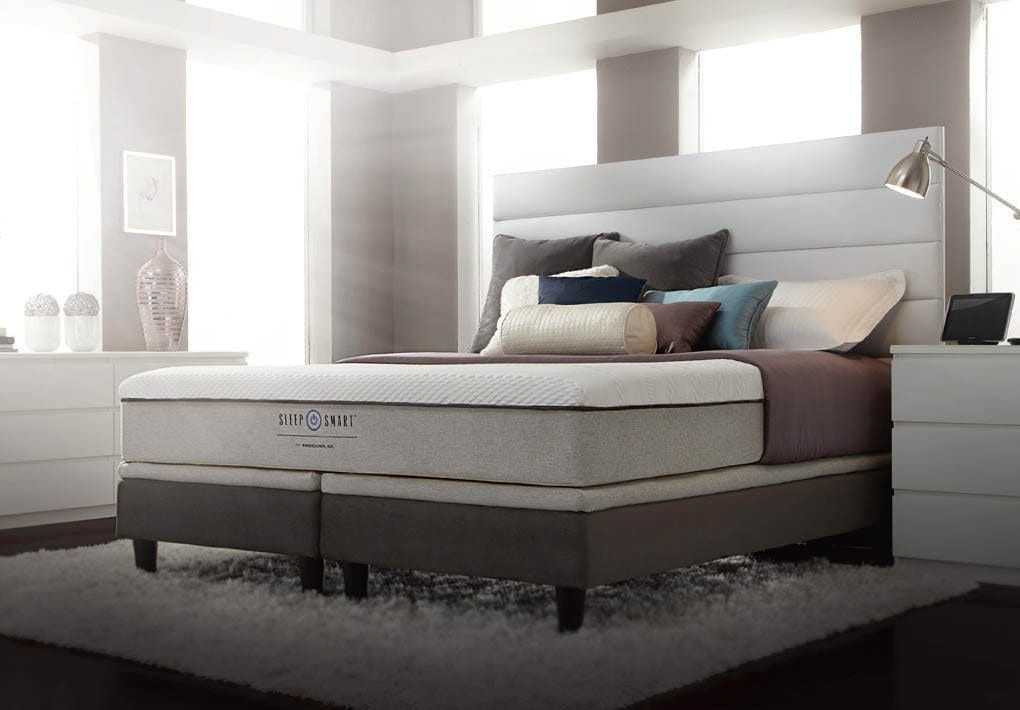
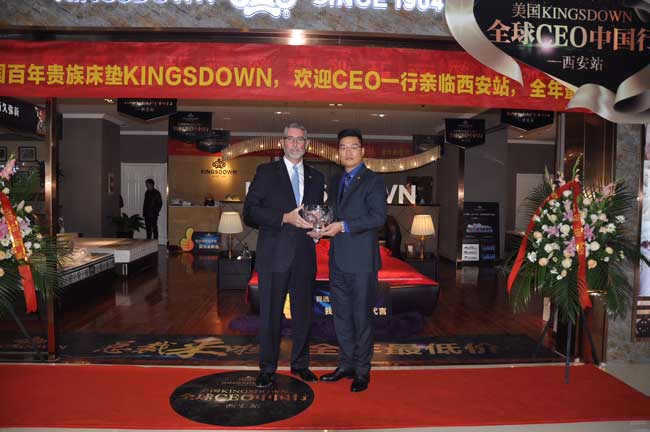
    Bedding manufacturer Kingsdown recently with the opening of its 100th store in Shijiazhuang, China. The store is part of Kingsdown’s ongoing licensing partnership with Asian-based bedding producer and retailer Roth Bedding Technology International Limited.

    The new 2,260-square-foot store, located in the capital and largest city of North China’s Hebei Province, puts Kingsdown on track to have a minimum of 135 stores open in China by the end of this year and solidifies the company’s strategy to have 500 branded stores open throughout China by 2020. Currently, Kingsdown branded stores are in 58 cities.

    Roth and Kingsdown joined forces in 2015. Since then, the partnership has increased the number of Kingsdown branded stores throughout China, capitalizing on the country’s appetite for the American brand’s luxurious style and handcraftsmanship.

    “Our business in China remains strong and continues to flourish, and we couldn’t be happier to hit this important milestone,” said Frank Hood, president and CEO of Kingsdown. “Our ongoing strategic partnership with Roth has been instrumental in the growth and success of the Kingsdown brand in China. The entire Roth team are experts in the market and their leadership and direction have been invaluable.”

    In addition to its continued growth in China, Kingsdown recently opened a second store in Ho Chi Minh, Vietnam, which is part of the company’s ambitious growth strategy throughout Asia. The company’s expansion in Asia coincides with Kingsdown’s continued growth in the U.S.

    Roth Bedding Technology International Limited is based in Hong Kong. The company is a leader in distribution platforms and retail, providing both their partners and Chinese consumers a full-service company that offers quality products.

  • Japan Industrial Production On Tap For Thursday

    Japan Industrial Production On Tap For Thursday

    Japan on Thursday released preliminary October data for industrial production, setting the pace for a busy day in Asia-Pacific economic activity. Industrial output is expected to rise 1.8% on month and 7.2% on year after falling 1.0% on month and gaining 2.6% on year in September.

    Japan also will see October figures for vehicle production, housing starts and construction orders. Housing starts are expected to fall 2.8% on year to 950,000 after sliding 2.9% in September to 952,000.

    Vehicle production was up 1.7% on year in September, while construction orders plummeted 11.6%.

    China will see November numbers for its manufacturing and non-manufacturing PMIs; in October, their scores were 51.6 and 54.3, respectively.

    The central bank in South Korea will wrap up its monetary policy meeting and then announce its decision on interest rates, with the bank widely expected to keep its benchmark lending rate unchanged at 1.25%.

    South Korea also will see October numbers for industrial production and retail sales. Output is expected to add 0.6% on month and 6.1% on year after gaining 0.1% on month and 8.4% on year in September. Retail sales were up 3.1% on month and 8.3% on year in September.

    Australia will provide October numbers for private sector credit and building approvals, plus Q3 data for private capital expenditure.

    Private sector credit is expected to add 0.4% on month and 5.3% on year after gaining 0.3% on month and 5.4% on year in September.

    Building approvals are expected to sink 1.0% on month and surge 14.1% on year after adding 1.5% on month and 0.2% on year in the previous month. Capex is expected to rise 1.0% on quarter after adding 0.8% in Q2.

    New Zealand will see November results of the activity outlook and business confidence indexes from ANZ; in October, their scores were 22.2 and -10.1, respectively.

    Hong Kong will provide October figures for retail sales – which are expected to rise 6.2% on year after gaining 5.5% in September.

    Thailand will release Q3 data for current account and October trade data. In the third quarter, the current account surplus was USD8.32 billion and the financial account deficit was USD6.89 billion. In September, imports were worth USD16.47 billion and exports were at USD21.87 billion for a trade surplus of USD5.40 billion.

    Malaysia will see October numbers for producer prices; in September producer prices were up 1.1% on month and 6.0% on year.

  • L Catterton Asia to form JV sportswear

    L Catterton Asia to form JV sportswear

    LVMH-backed private-equity firm L Catterton Asia has launched a JV between two of its portfolio companies, Chinese menswear fashion group GXG, and Australian compression activewear company 2XU.

    The strategic partnership will enable both companies to capitalise on the growing fitness and sportswear market in China.

    Established in 2007, GXG has a portfolio of four brands – GXG, gxg.jeans, gxg.kids and Yatlas. Its lines are available in more than 2100 stores across China, as well as online through third-party platforms such as Tmall and VIPshop. Its e-commerce GMV is expected to surpass RMB2.5 billion (US$378.5 million) this year, an increase of more than 50 per cent over last year. The company also achieved record sales of RMB485 million in this year’s Tmall 11.11 shopping festival.

    Since acquiring a controlling stake in GXG last year, L Catterton Asia has been working with the company’s management team to expand into new categories. It has supported GXG by offering extra collaboration opportunities and helping with global expansion.

    “GXG and 2XU are led by seasoned management teams with deep understanding and complementary knowledge of the fashion and retail industries, and we look forward to continuing to work alongside and support both teams,” says L Catterton Asia chairman/managing partner Ravi Thakran.

    Founded in 2005, 2XU produces technical athletic wear that is endorsed by elite athletes internationally.

    “Since L Catterton Asia’s investment in 2013, 2XU has experienced significant growth and I am grateful for their partnership as we continue to expand into attractive markets around the world,” says 2XU CEO Paul Higgins.

    With more than $14 billion of equity capital across six fund strategies in 17 offices globally, L Catterton has a team of more than 140 investment and management professionals. L Catterton Asia (previously L Capital Asia) was launched in 2009 and manages more than $ 1.6 billion across two private equity funds, and more than $2 billion including co-investments. It has offices in Singapore and Mauritius, with a regional advisory presence in Hong Kong, Mumbai and Shanghai.

    L Catterton Asia draws on its strategic relationship with Groupe Arnault and LVMH across the investment process. Its investments include Jorya Group, Marubi, Pepe Jeans, Sasseur, Trendy International and YG Entertainment.

  • More Dickson Concepts stores in Taiwan

    More Dickson Concepts stores in Taiwan

    Hong Kong fashion and watch retailer Dickson Concepts has opened three new stores in Taiwan this year as it continues its regional expansion.

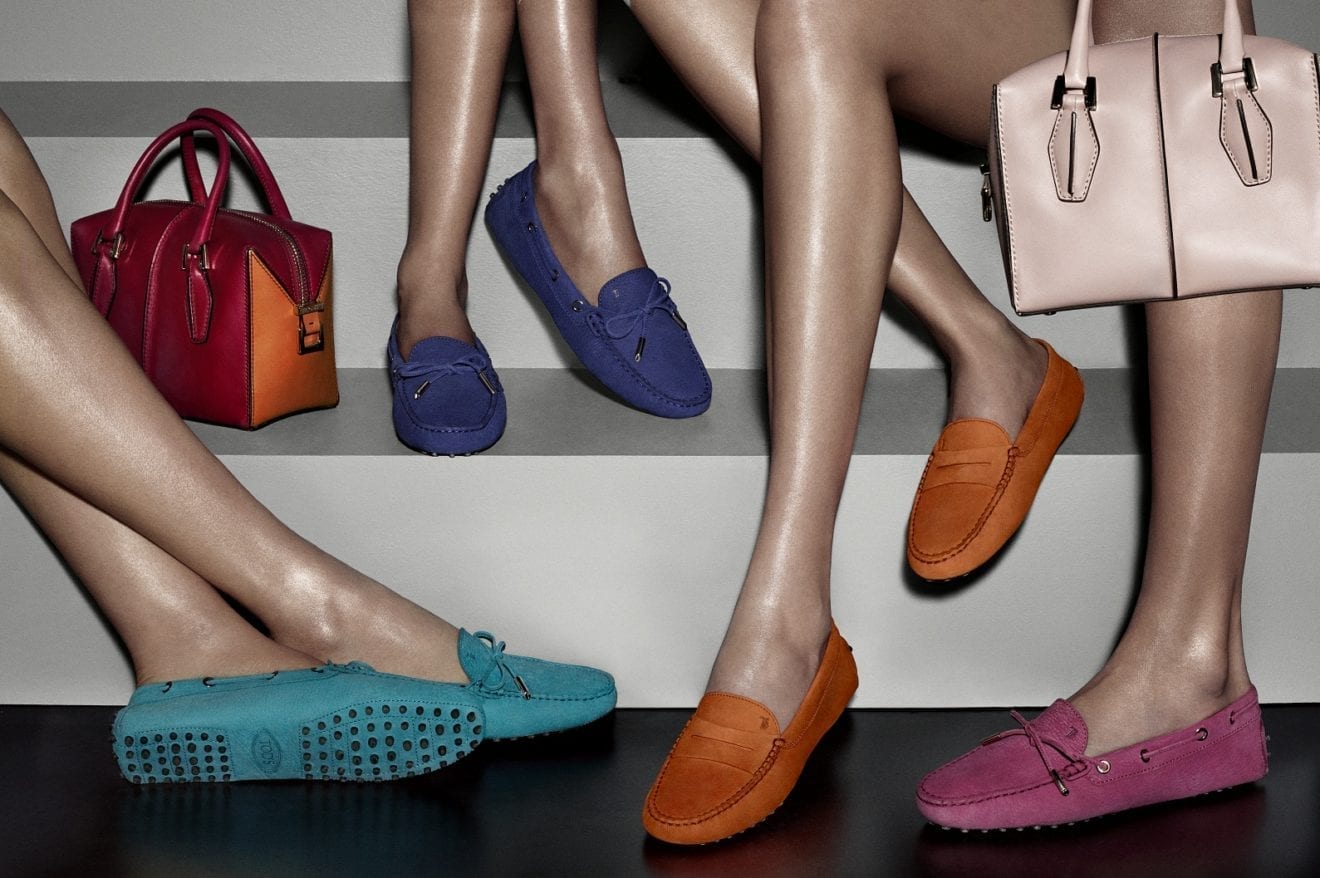
    Dickson Concepts operates retail stores under brands including Tommy Hilfiger, JT Dupont, Bertolucci, Roger Vivier, Tod’s and Harvey Nichols.

    At the end of September, the retailer had 111 stores: 25 in Hong Kong, 58 in Taiwan, 15 in Mainland China, five in each of Singapore and Malaysia and three in Macau. However, Hong Kong accounted for 75.6 per cent of its sales in the first half of this financial year, with Taiwan’s share just 18.4 per cent, despite the higher store count. Mainland China and the rest of Asia accounted for just 6 per cent of sales.

    Dickson Concepts reported total sales of HK$1.576 billion for the first half, an increase of 11.7 per cent. Same-store sales increased by 12.4 per cent. It posted a net profit attributable to shareholders of HK$8.1 million.

    The company said it expects the retail climate in Hong Kong, China and Southeast Asia to “remain volatile” in the foreseeable future.

    “The performance of the group in the Hong Kong retail market has improved slightly, but remains inconsistent,” said the company in its half-year profit announcement.

    “The Taiwan retail market has remained weak due to continued reduction in tourist arrivals from China, primarily caused by poor political relationship between Mainland China and Taiwan. In China, consumer demand continues to be affected by reduced spending on gift-giving.

    “Given these difficult conditions, the group will continue to rigorously control costs and expenses at all levels of operation and adopt a very cautious approach to its further expansion and development strategies.”