Author: Mei Ling Tan

  • Nespresso announces $50m coffee investment in Colombia

    Nespresso announces $50m coffee investment in Colombia

    Nespresso will invest $50 million in coffee cultivation in Colombia as it expands its coffee-sourcing programme for the first time into several former conflict zones in the country.

    The Nestlé brand said that the pledge builds on its long-term commitment to Colombian coffee and its efforts to improve production in regions previously impacted by the conflict, including reviving the industry in areas where production was lost.

    The announcement follows the launch of Nespresso’s limited-edition Aurora de la Paz, a coffee sourced from the region of Caquetá and unveiled earlier this year.

    Early indications suggest that the brand will source up to five times more coffee from Caquetá in 2018, as it expands its efforts into areas that were inaccessible before the peace accord.

    The extension of the program will see coffee-sourcing for the first time from San Vicente del Caguán, a community that found itself at the centre of the armed conflict.

    This region has unique climate, with arabica coffees grown at a low altitude and low temperatures. Combined with the high humidity, this characterises the coffee with rich, fruity notes and fine acidity.

    President Juan Manuel Santos addressed the Nespresso Sustainability Advisory Board, where he welcomed the company’s commitment. He cited the investment as an important contribution to the development of post-conflict areas.

    “Colombian coffee is the finest in the world,” he said. “I welcome Nespresso’s commitment to our country, which highlights the many opportunities that peace opens for Colombia.”

    Nespresso CEO Jean-Marc Duvoisin added: “Quality coffee, and the premiums that farmers can earn, present a very strong opportunity for the long-term sustainability and resilience of coffee farming communities. We are delighted to bring this incredible coffee to the world.”

    Nespresso’s agronomists have started working with more than 500 producers in the Caquetá region in order to implement its AAA sustainable quality programme. The initiative works directly with farmers to improve their productivity, quality and sustainability by sharing good practice, providing technical assistance, and improving standards in farmers’ environmental and social welfare.

    The Caquetá farmers will join the 33,000 Colombian farmers already enrolled in the programme, which was launched in the country in 2004 and ia supported by a team of 150 local agronomists. The extension of the programme into San Vicente will be implemented with the support of Nespresso’s strategic partner, the Colombian Coffee Growers Federation (FNC).

    FNC CEO Roberto Velez said: “We are honoured to build on our partnership with Nespresso, to renew the commitment we have made to Colombia’s coffee farmers and to work together with our communities for a lasting, peaceful and prosperous future.”

    Nespresso Sustainability Innovation Fund CEO Guillaume Le Cunff said: “Our work and partnership with farmers in Colombia is another example of how the Nespresso AAA sustainable quality programme impacts not just the production of the highest quality coffee, but also farmer lives and communities. We look forward to expanding our work with farmers in former conflict zones and extending our commitment to Colombia.”
  • Thai Listed Property Developer Sansiri Invests $80m In Six Global Startups

    Thai Listed Property Developer Sansiri Invests $80m In Six Global Startups

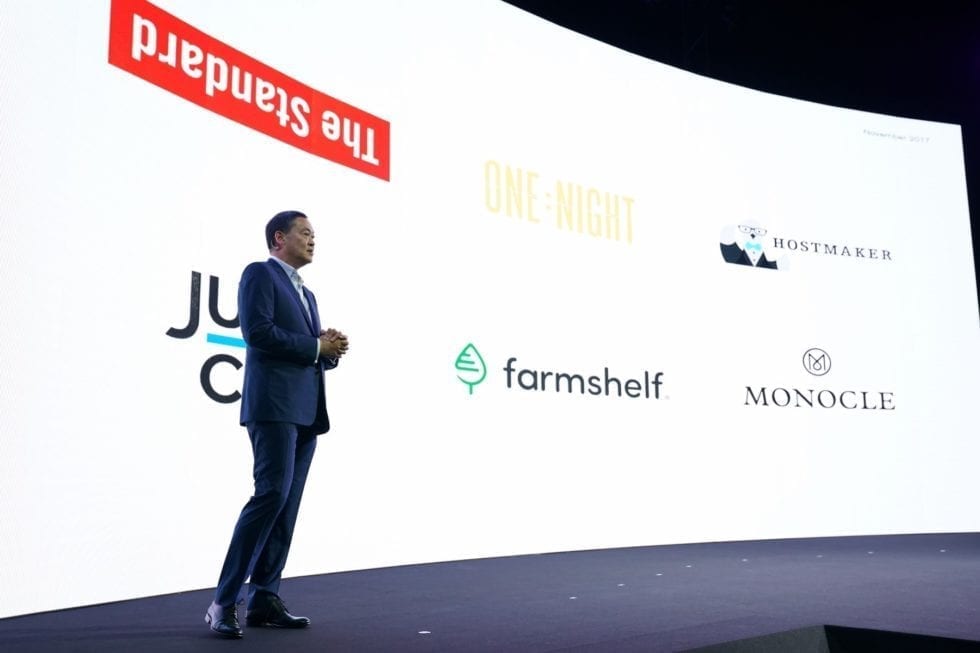
    Thai listed property developer Sansiri Pcl announced an investment of $80 million across six global technology and lifestyle companies as part of a bid to expand beyond real estate development and into the global market.

    Of this, Sansiri will invest about $58 million in US-based boutique hotel chain Standard International and its mobile booking application, One Night. The Thai firm will hold a 35 per cent stake in the hospitality firm.  

    The remaining include a $3.1-million stake in Tyler Brûlé’s lifestyle magazine Monocle; $6.6 million in London’s Airbnb management firm Hostmaker; $12 million in Southeast Asia’s co-working space JustCo; and $300,000 in a smart indoor farm technology firm Farmshelf, according to a Financial Times report.

    Srettha Thavisin, president of Sansiri Pcl, said that the company’s investments will focus on three key activities, which include strategic investment in global lifestyle brands; developing property technologies in partnership with industry disruptors; and enhancing influence and audience through premium lifestyle media.

    Kang Wan Sing, Founder and CEO of JustCo, said that the partnership with Sansiri will support JustCo to launch four co-working spaces in Bangkok. “We expect to have 20 co-working spaces across Asia-Pacific by 2018, giving Sansiri access to our 12,000 members,” he added.

  • Online brand “Imvely” to open 1st flagship store

    Online brand “Imvely” to open 1st flagship store

    The online brand ‘Imvely’ is about to reach 100billion won this year. Lim Ji-hyun, who has a strong presence as a marketing role model promoting her own brand wearing ‘Imvly,’ has an attention by presenting a new growth model that combines model and business.

    The online star brand ‘Imvely’ opened its first flagship store ‘velyne’ in Sangsu-dong, Seoul on the 25th.

    The concept of ‘Imvely’ flagship store, which reflects the signatures and identity of Lim Ji-hyun, is like a ‘mansion’, a ‘house of velyne’ where you customer meet all of Imvely at once.

    Everyone who enjoys online shopping knows “Imvly”, and Imvly is the brand that makes a buzz when buying an open line shop.

    The first flagship store Imvly’s ‘velyne ‘is five stories. The first floor is composed of signature cosmetics brand ‘VELYVELY’ and Imvly’s new products, bestselling products.

    The floor is made up of the lifestyle brand ‘Bleu Home’ and the 4th and 5th floors are composed of its own cafe ‘U’all’.

    Imvly, which has been rapidly growing since its launch, already has a solid product lineup and a self-manufacturing line beyond the limits of online shopping malls.

    The company opened eight new stores in Lotte department store this year, and currently operates 13 stores in Lotte Department Store.

    The annual sales of Imvely, which was about 3 billion won at the time of its launching, increased to 148 billion won in 2015, 70 billion won in 2016 and 100 billion won in sales this year.

    With the open of duty-free shop, Imvely has a positive reputation in the global markets, including China and Japan, as well as the domestic market.

  • Chu Ja-hyeon & Woo Hyo-kwang to become a model of Vivlas

    Chu Ja-hyeon & Woo Hyo-kwang to become a model of Vivlas

    Actors Chu Ja-hyeon and Woo Hyo-kwang, who appeared on SBS entertainment program ‘ Dongsang Imong’ recently, were selected as models of the cosmetics brand Vivlas.

    Vivlas has a brand philosophy of confident beauty. Vivlas official said “we are looking forward to the synergy of Chu Ja-hyeon who is sophisticated and healthy energy, and Woo Hyo-kwang who is honest and loving with the brand philosophy of Vivlas.

    “I often used Vivlas Vital Water Mask packs that lasted for long periods of time, and I’m happy to be selected as a brand model,” Chu Ja-hyeon said.

    Vivlas is a cosmetic brand that pursues the distinctive beauty of a brand philosophy that is characteristic of an independent and imposing woman found in all seasons.

    Especially, ‘revive me lips’ (fountain pen lipstick) is a motif of fountain pen used for signing, so it is filled with the spirit of beauty feminism that supports women who are dignified and beautifully decorate themselves with their own signature.

    The fountain pen lipstick proved to be very popular, with a record of 100,000 copies in 10 minutes, the biggest shopping festival in China.

    Vivlas will hold a ‘ Vivlas Day’ event at Time Square in Yeongdeungpo from December 2 to 3 in commemoration of the launch of the new 3STEP cleansing line.

    The brand models Chu Ja Hyeon and Woo Hyo Kwang will attend the special event of ‘ Vivlas Day’.

    Vivlas Day’ is equipped with an experiential zone where customers can experience new products. In the experiencing zone, various events such as SNS certification event and homepage signup event are going on.

    Vivlas is speeding up to expand its domestic distribution. It opened Lotte Duty-free shop, Shilla, Doota, and Donghwa duty-free shops after the Shinsegae duty-free shop.

  • Foreign Investment Hotspots In Asia Pacific

    Foreign Investment Hotspots In Asia Pacific

    Cross-border real estate investment in the Asia Pacific region could achieve a record high this year as foreign investors shore up interest and seek assets in greener pastures beyond borders.

    As it stands, year-to-date intra-regional cross-border transaction volumes have already exceeded the previous 10-year record high in 2015 (1Q15-3Q15) by 30 per cent, and is currently a 21.8 per cent step up from its 10-year average (2007-2016).

    Singapore the main source of intra-regional capital

    Chinese would be the largest group of foreign investors if inter-regional flows were part of the picture. But in the context of intra-regional capital flows (which only considers deployment within Asia Pacific), Singapore continues to dominate with year-to-date foreign investments currently standing at US$5.6 billion.

    China (US$2.1 billion) and Hong Kong (US$2.9 billion) were ranked second and third respectively given a significant portion of capital are recycled between the two closely-integrated countries.

    These three countries make up 85 per cent of total source of foreign capital within the region.

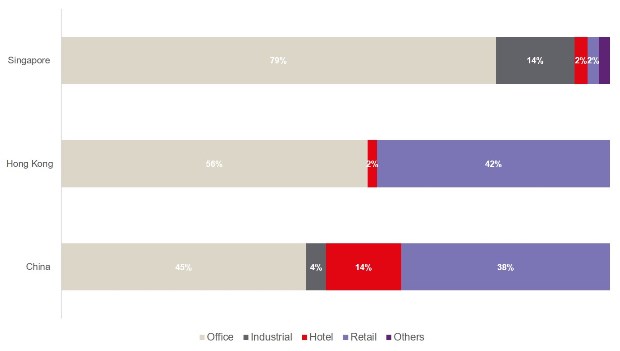
    Much of the capital from these countries is allocated to office assets. From the standpoint of Singapore investors, most are seeking to plough capital in gateway cities such as Melbourne and Sydney, which offer steady and attractive income streams.

    79 per cent of Singapore capital has been allocated into outbound office assets, with 11 out of 18 of the office assets acquired based in Australia.  One such cross-border deal is the acquisition of 206 million Telstra Plaza building by Singapore’s ARA Asset Management and co-investment vehicle Straits Real Estate.

    While 45 per cent of China capital is allocated to office assets, most are flowing into Hong Kong strata-titled opportunistic assets, with a focus on capital growth.

    Figure 1: Allocation of intra-regional cross border capital outflow by asset classSource: JLL

    Australia and China most popular for foreign investors

    Australia and China draw the most foreign investments given assets in those markets generally offer more attractive yields. But relative to domestic purchasers, (Figure 3) India stands out with 65 per cent of its total transactions coming from foreign investors (all of which were Singapore based institutional funds investors).

    One notable example was Singapore sovereign wealth fund GIC’s US$1.4 billion joint venture with DLF Cyber City Developers, which also happened to be the largest cross border deal year-to-date.

    These investors are looking to ride the investment wave via debt deals and joint ventures with local partners, as the market continues to grow in depth and demonstrates their willingness to shift from traditional markets if the opportunity presents itself.


  • Black Friday crushes Singles’ Day Chatter in Southeast Asia

    Black Friday crushes Singles’ Day Chatter in Southeast Asia

    Bigger is not always better – or so retailers are discovering following the conclusion of the biggest shopping extravaganzas.

    While Singles’ Day hit a record US$25.3 billion dollars in sales, it was Black Friday and Cyber Monday that dominated social media chatter in Singapore, Malaysia and Indonesia.

    Meltwater, a global media intelligence company, tracked online reactions in the lead-up to – and during – Singles’ Day, Black Friday and Cyber Monday and found that over eight in ten conversations (82.92%) online were focused on Black Friday and Cyber Monday.

    “The rise of Singles’ Day in recent years has been astronomical, breaking records every year and drawing interest from around the globe. While it’s clear that Chinese consumers are spending and talking about Singles’ Day, this massive spend and conversation in China seems to have translated poorly to other markets in Southeast Asia. Black Friday and Cyber Monday still prevail, highlighting the fact that these markets have yet to be fully penetrated by the Chinese phenomenon,” said Neil Brennan, Area Director, Meltwater Japan and South East Asia.

    Meltwater tracked online perceptions across Facebook, Twitter, Instagram, YouTube, blogs, forums, message boards and review sites from 28 October to 28 November 2017.

    Indonesia generates maximum buzz

    Regionally, Indonesia led the way driving the highest volume of online chatter with 88.6% of conversations centered around Black Friday and Cyber Monday.

    Out of the three markets monitored, Singapore generated the most social media buzz for Singles’ Day, accounting for 22.14% of the conversations, followed closely by Malaysia at 21.97%.

    Share of Voice Regional Singapore Malaysia Indonesia
    Singles’ Day 17.08% 22.14% 21.97% 11.4%
    Black Friday & Cyber Monday 82.92% 77.86% 78.03% 88.6%


    Alibaba for the win

    Conversations across all countries typically revolved around finding good deals and offers from specific retailers. It is noteworthy that Alibaba was a major source of online chatter thanks to its record breaking sales figures. Lazada, backed by Alibaba, also drew a considerable amount of chatter following their Singles’ Day push. The largest trending topic in Indonesia was Taman Anggrek, a famous mall located in Jakarta, known for being one of the biggest in Southeast Asia.

    Trending Keywords Black Friday & Cyber Monday Singles’ Day
    Regional
    1. Sales
    2. Amazon
    3. Best Buy
    1. Alibaba
    2. Lazada
    3. China
    Singapore
    1. Black Friday Sales
    2. Free Shipping
    3. Amazon
    1. Lazada Sale
    2. Taobao Buying Guide
    3. Qoo10 Deals
    Malaysia
    1. Amazon
    2. Black Friday Sales
    3. Cyber Monday Sales
    1. Alibaba
    2. Singles’ Sale
    3. China
    Indonesia
    1. Amazon
    2. Best Buy
    3. Black Friday
    1. Taman Anggrek
    2. Singles’ Sale
    3. Alibaba


    How the platforms stacked up

    A majority of the conversations took place on Twitter, Instagram and online forums. Twitter emerged as the top platform contributing to more than half of all conversations about Singles’ Day and over 85% of chatter on Black Friday and Cyber Monday.

    # Top Three Platforms – Black Friday & Cyber Monday
    1 Twitter – 86.51%
    2 Instagram – 6.81%
    3 Forums – 6.53%


    # Top Three Platforms – Singles’ Day
    1 Twitter – 57.92%
    2 Instagram – 29.67%
    3 Forums – 11.68%


  • Coupang opens Korea’s largest puzzle store

    Coupang opens Korea’s largest puzzle store

    E-commerce platform Coupang has opened what it claims is Korea’s largest toy store.

    While the store specialises in puzzles, it features a catalogue of some 95,000 toys including jigsaw puzzles, 3D puzzles, cast metal puzzles, cubes and fidget toys.

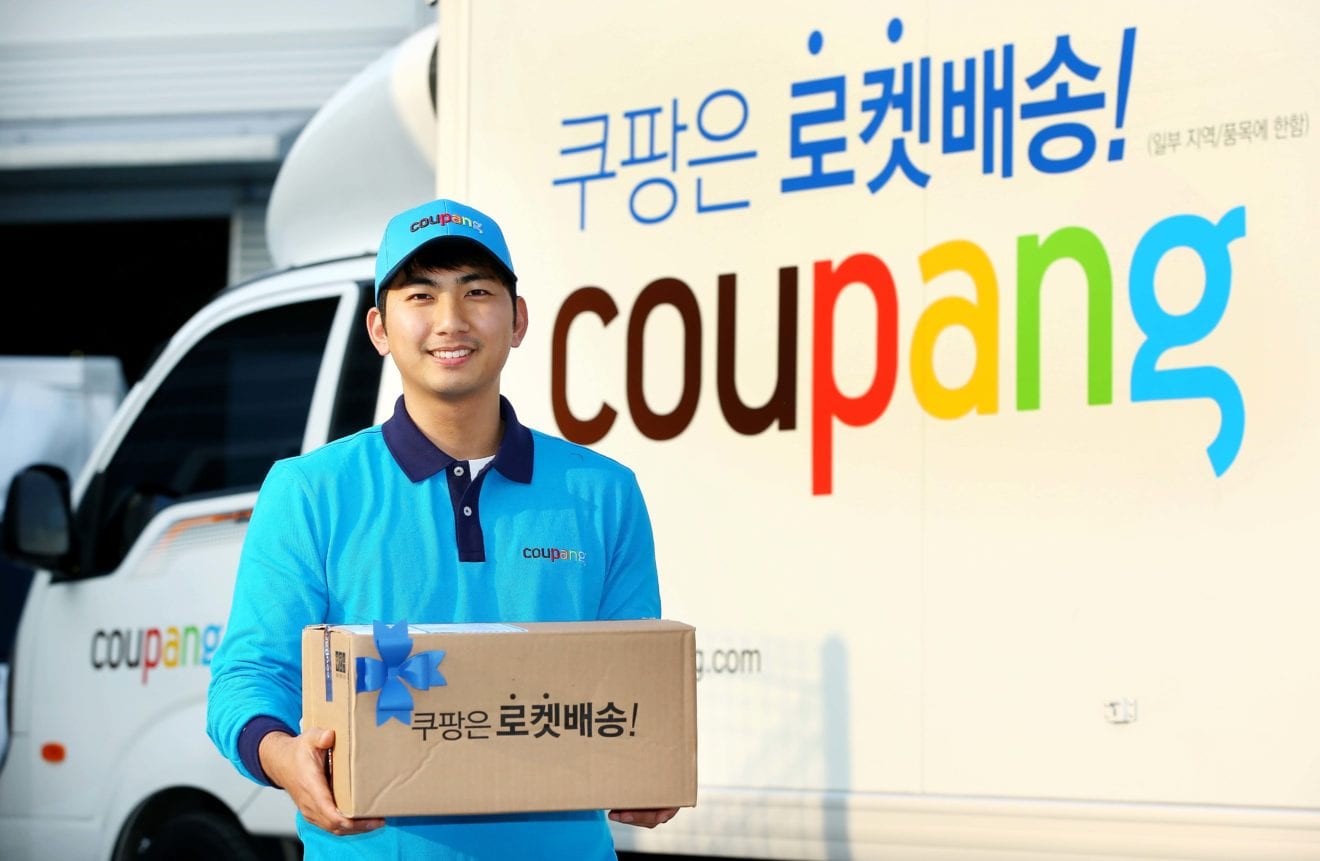
    Coupang launches Koreaís largest puzzle store on November 28 (PRNewsfoto/Coupang)

    Coupang already offers a broad range of products at affordable prices through its specialty stores, including organic foods, men’s grooming products, health supplements and children’s books.

    Coupang’s head of baby, Lee Byeong-hee said that puzzles have become a popular hobby for all ages.

    “We created the puzzle store to offer a range of products from Korean and overseas brands at low prices.”

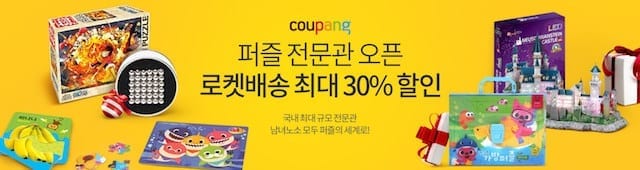
    Key items on sales include Smart Study’s Pinkfong Puzzle Bag, Haksan Publishings One Piece Jigsaw Puzzle, palm-sized ALB Neo Cube Magnet Blocks and the CubicFun L174H 3D Neuschwanstein Castle with LED lights.

    Coupang marked the grand opening with special discounts of up to 30 per cent on some 10,000 Rocket Delivery puzzles.

  • Singapore’s Changi Airport Retains The Megahub Title In Asia

    Singapore’s Changi Airport Retains The Megahub Title In Asia

    Based on connections and destinations served, Singapore’s Changi gains the megahub title in Asia, according to the latest OAG Megahubs International Index 2017.

    If you are looking for an airport that offers the maximum connections and destinations, then of all the 16 airports in Asia that figured in the OAG top-50 annual index, Singapore led the way.

    Singapore was the top ranked Asian airport and in the global-50 list it was placed 6th with a connectivity index of 257.

    In the global rankings, London Heathrow (LHR) was the single most connected international megahub in the world by a clear margin. On a single day in July, there were over 72,000 possible international connections between flights arriving at LHR and flights departing within a six-hour window.

    Frankfurt Airport (FRA) and Amsterdam Airport (AMS) were ranked second and third, ensuring that the top three places went to European hub airports.

    There were some surprises in Asia.  Despite claims that Bangkok is the major aviation hub in the region, the rankings showed it trailed behind three other airports when connections and destinations were considered. Singapore ranked first in Asia, Jakarta second and Kuala Lumpur third.

    Bangkok was the fifth highest in Asia, with a connectivity index of 226, while globally it stood at 13th, trailing Hong Kong that came in at fourth regionally  ( 12th on the global list) with a connectivity index of 233.

  • Japan’s retail sales going down

    Japan’s retail sales going down

    Following a rebound in September, Japan’s retail sales have softened again.

    Despite the 2.3 per cent spike, sales figures for last month eased 0.2 per cent year on year – the first decline in 12 months.

    Sales slipped for general merchandise (a 2 per cent drop after a 1.2 per cent lift in September) and F&B (-1.5 vs 0.6 per cent). Weak spots included fabrics, apparel and accessories (0.5 vs 5.3 per cent), and medicines and toiletries (3.2 vs 5.7 per cent).

    Retail sales in Japan averaged 4.64 per cent from 1971 until this year, reaching a high of 36.5 per cent in January 1979, and a record low of -14.3 per cent in March 1998.

    Department stores had the largest decline, 1.5 per cent, while supermarket sales were flat, losing ground from 1.6 per cent growth in September. Even convenience stores, which usually lead sales, had a mere 0.6 per cent growth last month. It was their worst performance since March 2013.

    While some retail chains are blaming October’s storms for the negative performance, observers say private consumption in Japan is still fragile.

  • SPH Buzz hybrid store has self-service option

    SPH Buzz hybrid store has self-service option

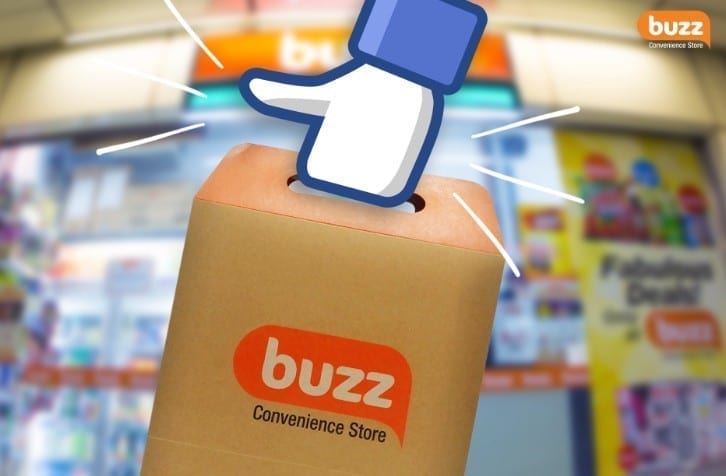
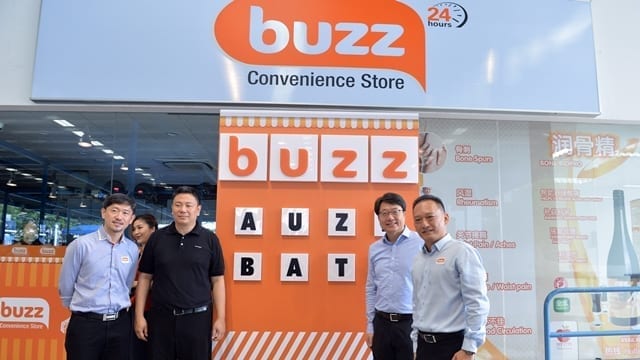
    Convenience-shopping concept company SPH Buzz has partnered with Mastercard to launch a hybrid store that includes attended and unattended retail counters.

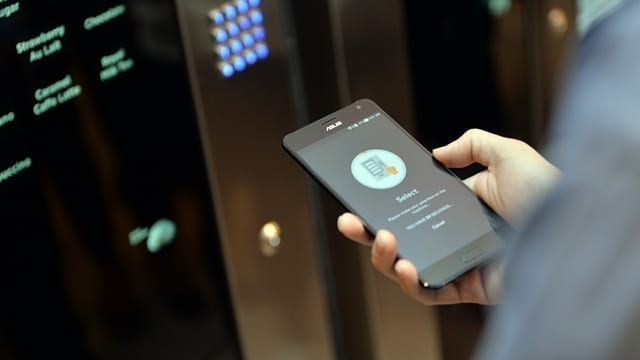
    As part of the deal, SPH Buzz has integrated Mastercard’s mobile commerce platform, Vending Powered by Masterpass, in its unattended machines to enable customers to seamlessly order and pay for goods using their smart devices.

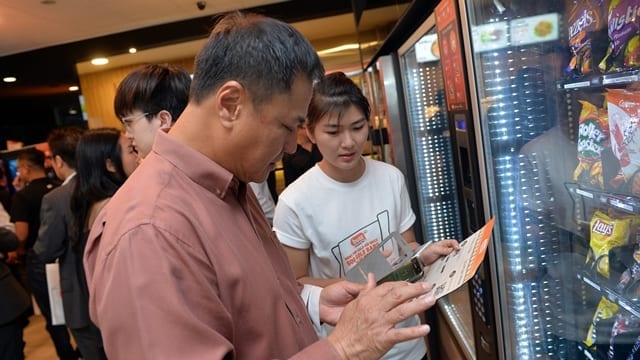
    At the Cnergy Gas Station in Toh Tuck Road, the 827sqft (77sqm) Buzz hybrid convenience store has 16 vending machines. Buzz customers can buy from the machines using Masterpass on their smart device. This is a secure digital payment service by Mastercard that speeds up the checkout process without consumers having to enter their financial and shipping information every time.

    Made by Auresys, the vending machines can dispense beverages (hot or cold), ready-to-eat meals, snacks and confectionary, specialty foods (imported from Japan), beauty and over-the-counter (OTC) medication, and novelty and lifestyle options such as activity trackers, electronic accessories, pre-packed presents and mystery gifts.

    Cafe with snacks

    Also available at the store is a cafe with local snacks and artisanal bread.

    “With the introduction of the automated station, I can now focus on providing a more interpersonal customer service and experience at the cafe,” says Buzz hybrid franchisee Audrey Joan Yap.

    To complete the shopping experience, customers will soon be able to buy such prepaid services as phone top-up cards, tickets to tourist attractions such as Gardens by the Bay, River Safari, Singapore Zoo and Universal Studio, as well as Google and Xbox stored-value cards. Other services such as FOC Wi-Fi, cash withdrawal via smartphone, reloading of EZ-Link cards, and Nets and Nets FlashPay are also available.

    SPH Buzz Convenience Stores deputy-GM Spencer Tan says that as well as offering round-the-clock service, the hybrid store has a backend system that helps forecast demand and alerts the staff to replenishments. “This helps the team to be more productive given the current manpower crunch,” he says.

    SPH Buzz runs a chain of retail kiosks and newsstands at bus interchanges, bus shelters, MRT stations, shopping malls and heartland areas. Started in 2007 as a franchise model, it has 59 stores island-wide.

  • Fiat Chrysler to recall 1,200 SUVs in India for airbag replacement

    Fiat Chrysler to recall 1,200 SUVs in India for airbag replacement

    Italian-American carmaker Fiat Chrysler Automobiles NV will recall 1,200 Jeep Compass sports utility vehicles (SUVs) sold in India, for “replacement of the front passenger air bag,” FCA India said in a statement on Thursday.

    The recalls are part of a bigger recall by the company. The carmaker on Wednesday recalled 7,000 U.S.-market SUVs and 1,000 vehicles sold in Canada and Mexico for the same reason.

    During the airbag module assembly process, “loose fasteners may have inadvertently found their way undetected into a small number of modules,” Fiat said in an emailed statement.

    No injuries, accidents, warranty claims or complaints have been reported, the company said.

  • Coupang opens Korea’s largest toy store

    Coupang opens Korea’s largest toy store

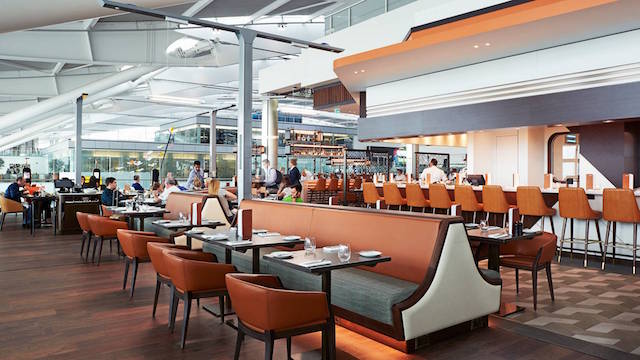
    Brash English chef Gordon Ramsay is to open a chain of airport restaurants around the world in partnership with SSP, a specialist in food and beverage brands in travel locations.

    The company describes the planned Gordon Ramsay airport network – called Plane Food To Go – as a “premium grab-and-go concept”.

    “Gordon pioneered the idea of quality take-on-board meals with his Plane Food picnics eight years ago,” said Mark Angela, chief commercial officer with SSP. “He’s got lots of ideas about creating high quality, healthy food to take on the plane in easy to eat formats, and together we’re going to take that to the next level.

    “Our customers will have a unique opportunity to experience stand-out dishes, all given the Gordon Ramsay Plane Food To Go twist as the team re-create them specifically for the grab & go market.”

    Angela said the Gordon Ramsay airport concept will give customers around the globe the chance to experience “interesting and innovative dishes with a twist” from Ramsay’s extensive portfolio of recipes.

    “Plane Food To Go is a truly revolutionary concept that will roll out worldwide and build upon the massive success of the original Plane Food dining experience from London Heathrow’s Terminal 5,” added Ramsay.

    “As someone who is always in a different airport terminal every week, I know first-hand how much Plane Food To Go will enhance every on-the go travellers dining experience.”

    Ramsay is best known in Asia for his Bread Street Kitchen restaurants in Hong Kong and Singapore and his London House in Hong Kong’s Tsim Sha Tsui.

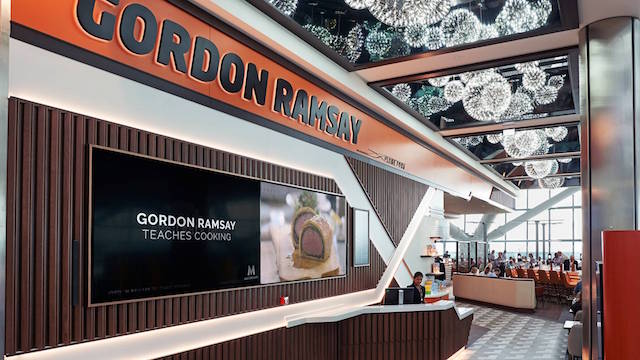
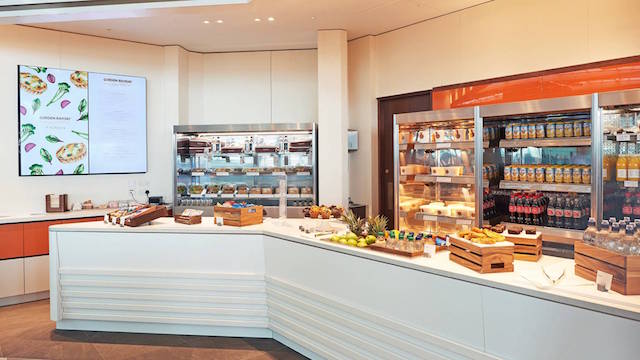
    The images are from the existing Heathrow Airport restaurant.

  • Positive trend for Vietnam retail sales

    Positive trend for Vietnam retail sales

    Vietnam retail sales will exceed US$484.58 billion annually by 2025 and nearly $1.938 trillion by 2035 according to figures from the Ministry of Industry and Trade.

    In a draft strategy document released for public comment, the ministry expects an annual increase in sales of 13 per cent between now and 2020, rising to 14 per cent between 2012 and 2025. The figures were calculated after examining sales trends between 2011 and 2015.

    The paper predicts that domestic retail organisations will account for 80 per cent of the nation’s retail trade by 2020 but foreign direct investment will grow its share beyond 50 per cent as consumers move away from traditional retail models and shop in so-called ‘modern trade models’.

    Modern trade, which now accounts for 30 per cent of retailing, will grow to 35 per cent by 2025 and reach 50 per cent by 2035, the ministry predicts.

    AT Kearney last year ranked Vietnam in the world’s top 30 retail markets and with the best opportunities for multinational retailers.

  • Danone-Lazada plans its strategic partnership

    Danone-Lazada plans its strategic partnership

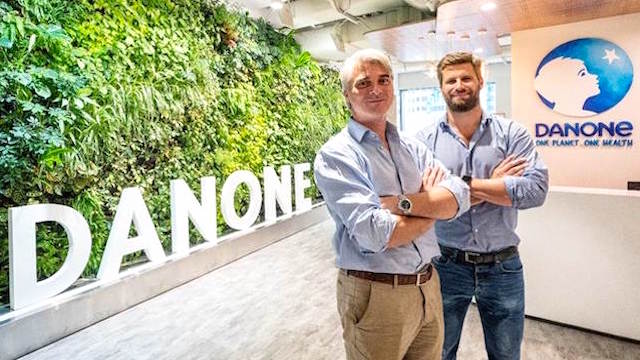
    French FMCG company Danone has teamed with Lazada Group to create a series of online stores for Southeast Asia, starting with Thailand in December.

    The Danone-Lazada strategic regional partnership covers Thailand, Indonesia, Malaysia and Singapore. The two companies say they will create “a superior online shopping experience for key product categories, combining their expertise on shopper needs and behaviours, and bringing convenience and compelling content to the ever-growing number of online consumers across the region”.

    The alliance will begin with Danone’s Early Life Nutrition category, which features a portfolio of brands for families with young children. Danone’s Early Life businesses are already working together in Indonesia, Thailand and Singapore – participating in Lazada mega-campaigns such as Online Revolution on 11.11 and 12.12.

    The joint venture will stretch beyond simple e-commerce by offering parents advice and information on the growth, development and nutritional needs of children. Lazada’s digital platforms will provide convenient ordering solutions, personalised service and exclusive content and events developed with Danone.

    “We have been working with Lazada for more than a year, and accelerating our partnership in the last six months,” says Eric van der Hoeven, VP of growth through engagement at Danone Early Life Nutrition. “We want to support all parents in their journey, and wherever we can, to help them make well-informed feeding decisions for their children at the critical moments in their growth and development. I am very pleased that our constructive collaboration so far will now be taken further in this strategic regional partnership.”

    Lazada CEO Max Bittner says young parents live increasingly busy lives and are often confronted with information overload.

    “Teaming up with a trusted brand like Danone reinforces Lazada’s position as a source of quality products and enables us to serve the best, most relevant content, service and support for parents on their journey.”

    The partnership will come into force by end of November, beginning with workshops bringing together the Danone and Lazada teams in the local countries in sharing insights and planning. The first visible consumer features jointly developed will be implemented on the Lazada websites in Thailand in December.

  • Vinacas Golden Cashew Rendezvous in Vietnam

    Vinacas Golden Cashew Rendezvous in Vietnam

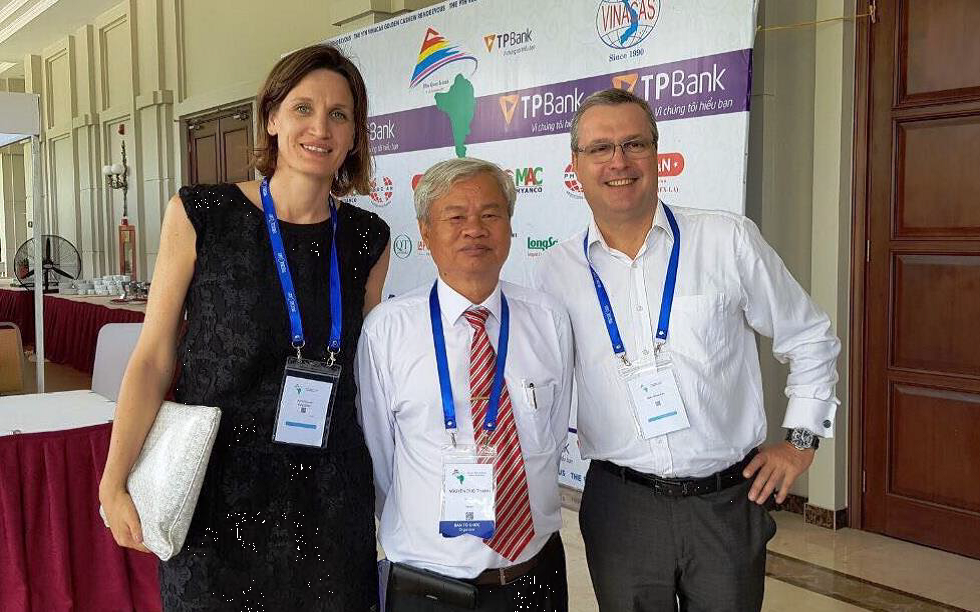
    Last September, Bolloré Logistics organized a conference gathering approximately 50 members from Vinacas – Vietnam Cashew Association – in its Ho Chi Minh Head Office, to share about the upcoming Cashew Campaign 2017 in Tanzania.

    Then, and in order to reinforce its partnership with Vinacas members in Vietnam and promote its expertise in Cashew Nut supply chain worldwide, Bolloré Logistics Vietnam attended the 9th Vinacas Golden Cashew Rendezvous on November 13-15, 2017, in Phu Quoc, Vietnam.

    This event is held every year to promote the international cashew trade. On average, 400 domestic and international delegates are present from over 40 countries.

    As a leader with the largest integrated logistics network in Africa, Bolloré Logistics seized this opportunity to promote its logistics services in Africa to all cashew-related companies in Vietnam and globally. The B2B networking events, conversations and the conference allowed us to refine our knowledge on what can be done for raw cashew importers and cashew kernel exporters in Vietnam in terms of logistics services such as warehousing & fobbing at the country of origin, sea freight from Africa to Vietnam or from Vietnam towards the USA, Europe, and Middle East-South Asia.

    “This was the perfect occasion to gather more information about the soft commodity market trends – especially regarding food safety and regulations, and to further develop our trade lanes to create new opportunities,” mentioned Marc MOESCHLIN, Managing Director at Bolloré Logistics Vietnam.

    Bolloré Logistics’ team consisted of Marc MOESCHLIN, Managing Director at Bolloré Logistics Vietnam; Astrid VANIER, General Manager – Sales and Development at Bolloré Logistics Vietnam and Nhat-Minh NGUYEN, Africa Route Manager at Bolloré Logistics Vietnam. Those mentioned also act as points of contact in Vietnam.