Author: Mei Ling Tan

  • BMW to spend $237 million on battery cell center

    BMW to spend $237 million on battery cell center

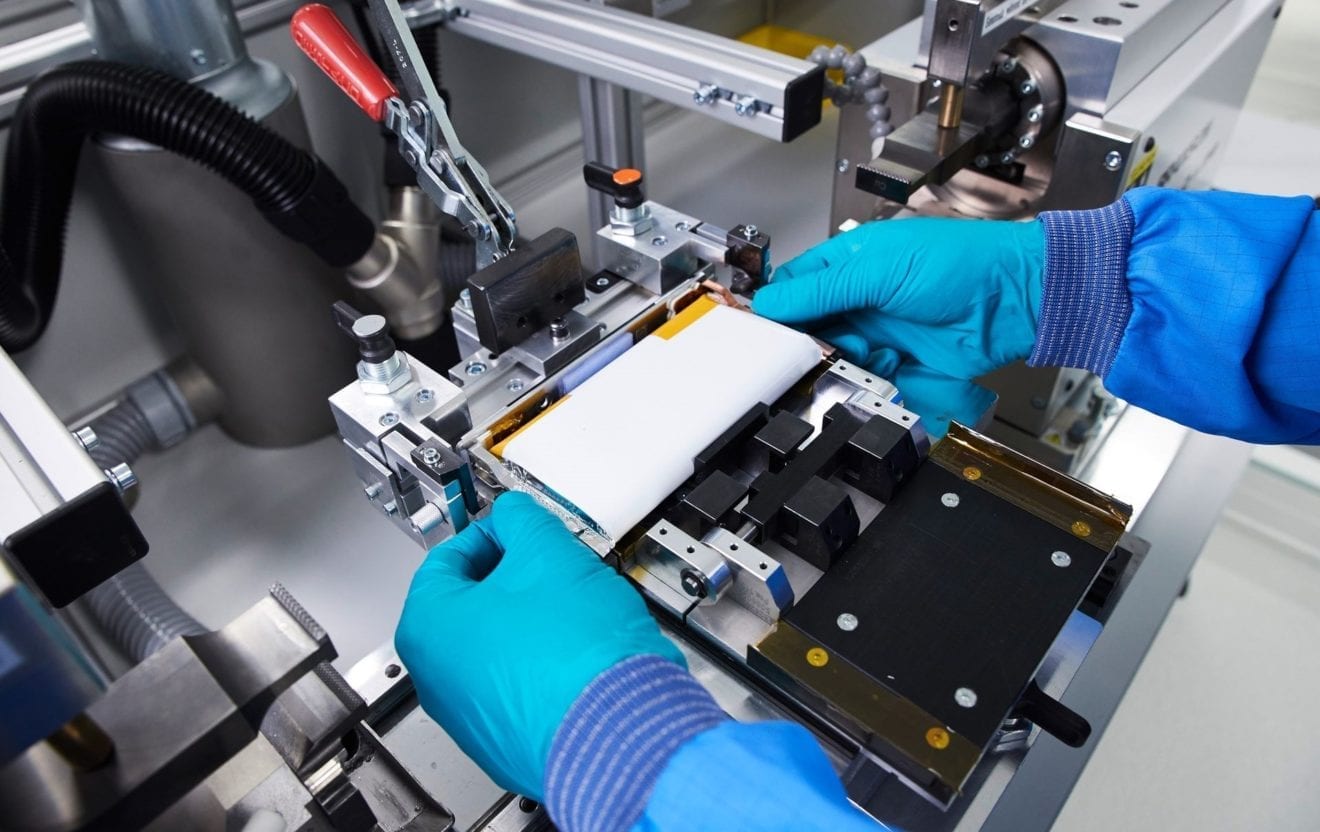
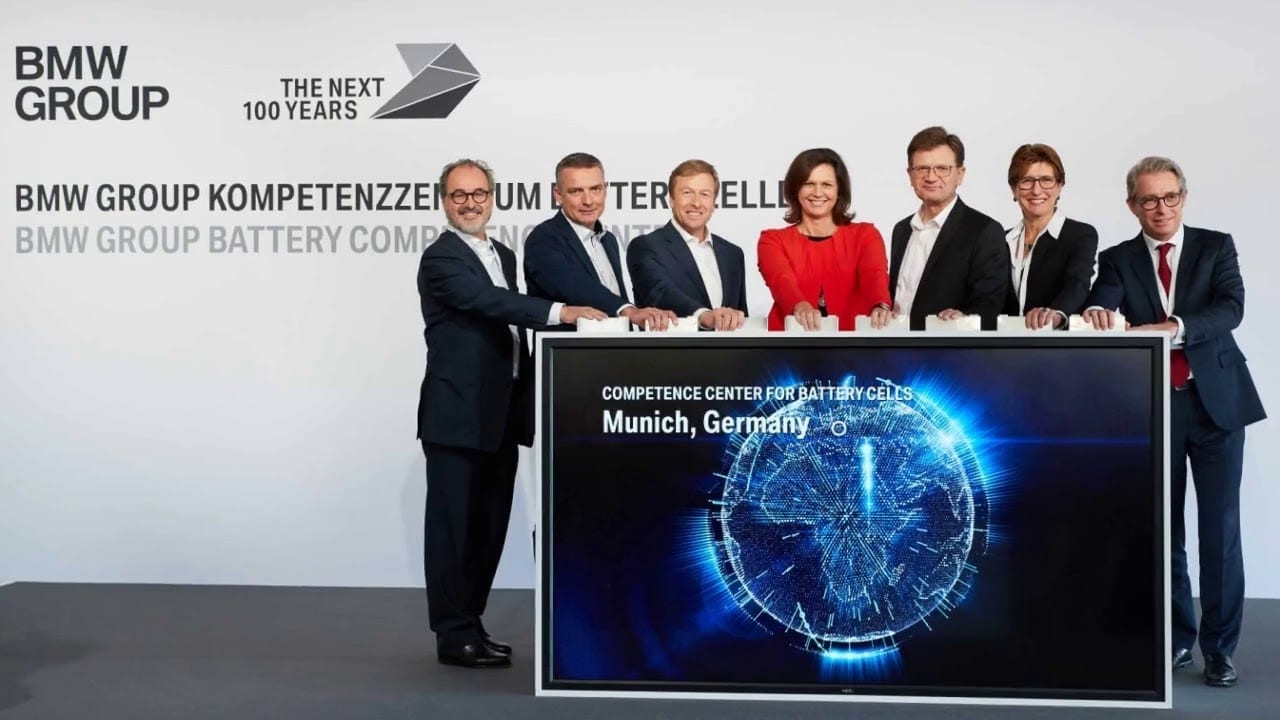
    BMW will bundle its battery cell expertise in a new competence center, the German luxury carmaker said on Friday, adding it would invest 200 million euros ($237 million) in the site over the next four years.

    “By producing battery-cell prototypes, we can analyse and fully understand the cell’s value-creation processes. With this build-to-print expertise, we can enable potential suppliers to produce cells to our specifications,” BMW board member Oliver Zipse said in a statement.

    “The knowledge we gain is very important to us, regardless of whether we produce the battery cells ourselves, or not.”

    The center will open in early 2019, BMW said.


  • Bitcoin to be accepted in Seoul Mall

    Bitcoin to be accepted in Seoul Mall

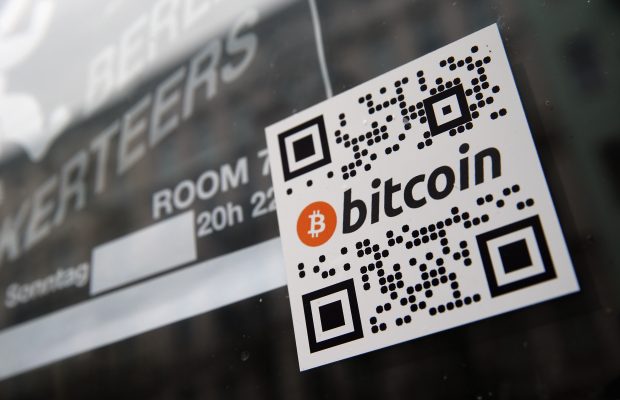
    Seoul’s giant Goto Mall has partnered with a Korean cryptocurrency exchange to enable its retail tenants to accept bitcoin as payment.

    The exchange, HTS Coin, launched in October and developed a smart payment system using cryptocurrencies before launching a mobile app.

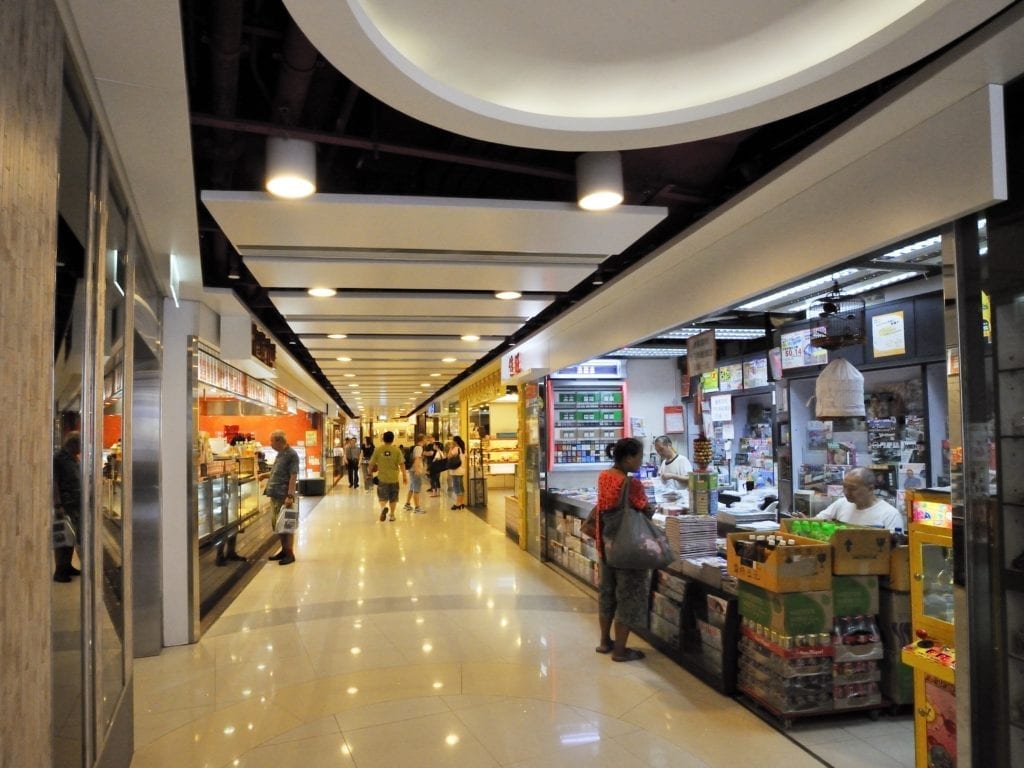
    Goto Mall – also known as the Gangnam Terminal Underground Shopping Centre – has 620 tenants and hosts nearly 500,000 shoppers daily. Stores will begin accepting bitcoin payments by the middle of December, reports Bitcoin.com.

    “I think it is very meaningful to be able to settle the bitcoin used by foreigners and young people at Goto Mall,” said mall CEO Chung Gwi Yeon.

    Some stores in the mall have been accepting bitcoin payments directly in a trial, but Bitcoin.com reports there were problems with store owners losing their passwords and unable to spend the bitcoins they had accepted.

    Newspaper Bridge Economy observed that when the new World Duty-Free store opens in Gangnam Central City next year, Goto Mall can expect to further increase its foreign customer base. “Goto Mall is expected to turn into a bitcoin mecca.”

    Bitcoin will join cash, credit cards and Alipay is primary payment options at the shopping centre.

  • A PornHub pop-up shop has opened in SoHo

    A PornHub pop-up shop has opened in SoHo

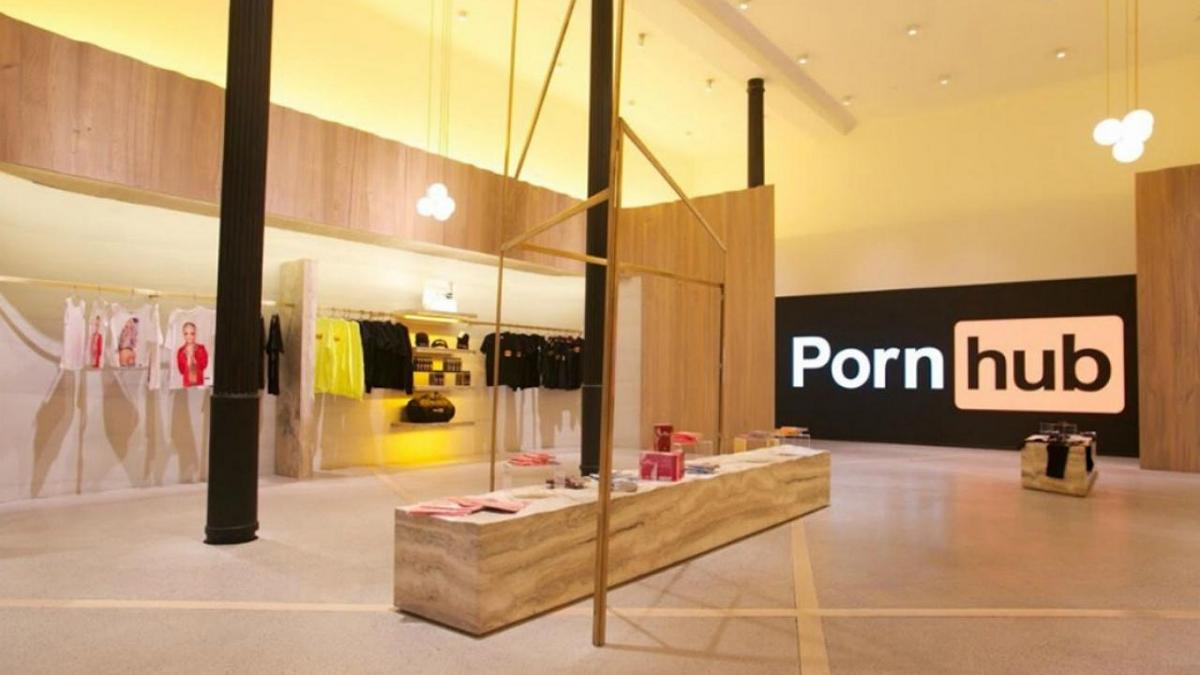
    Pornhub chose Black Friday to open a popup store in New York’s trendy Soho district as the brand continues to position itself as mainstream and connect with fans.

    The store – which will trade until December 20 – features Pornhub-branded streetwear, books, gifts and toys for adults created in partnership with retailer Ann Summers.

    It’s the first of two popups planned by the previously online-only business, which last year attracted 23 billion visits – that’s 44,000 every minute – and streamed nearly 92 billion videos.

    A Pornhub holiday-themed popup shop will be opening in Milan in Italy, at Via De Cristoforis 5 – right by the famous Corso Como, on a street which is home to brands including Christian Louboutin, Chiara Ferragni and Moschino. The Milan store will offer what Pornhub describes as “an intimate boutique environment for European fans of the site to shop Pornhub-branded limited-edition apparel and gifts”.

    In a partnership with the Museum of Sex, the Soho store will offer products from the Museum’s gift shop, including Taschen books, ‘aphrodisiac apothecary herbs’ and sex games. Some of Pornhub’s most popular actresses will also be making appearances during the month.

    “As an online brand, we’ve been limited to interacting with our fans on the site and through social media,” said Pornhub’s VP Corey Price, explaining the strategy behind the store.

    “As we continue to increase brand awareness and expand into new verticals like retail, we are looking for new ways to interact with our fans. We thought it would be great to open up a store where fans can come check out the recent streetwear pieces we’ve collaborated on and some of our product lines,” he said.

    The store will feature products from two of Pornhub’s latest partnerships: a line of streetwear by the clothing brand, Richardson, which includes reissues from their fall line and two new designs; and the Pornhub couple’s sex-toy line from Ann Summers. The Pornhub store will also carry its own products such as limited Pornhub clothing inspired by the iconic Pornhub logo, including both men and women’s clothing; the Adult Coloring Book; and branded gear from content partners Brazzers and Team Skeet.

    The space Pornhub is occupying on Soho’s Wooster St was previously home to Thai-American fashion designer Thakoon Panichgul. Neighbours include such brands as Moschino and Celine

    Casey described the site as “an exceptional location” for Pornhub’s retail debut. The space has been reconfigured to simulate the look and feel of the Pornhub homepage, including a bed inside where people are invited to sit and “interact” with the camera on a live-feed streaming onto Pornhub.com directly. Visitors to the store must be aged 18 or over.


  • Gaw Capital, Consortium Partners To Acquire 17 Shopping Centers in Hong Kong

    Gaw Capital, Consortium Partners To Acquire 17 Shopping Centers in Hong Kong

    Hong Kong-based real estate private equity firm Gaw Capital Partners and a consortium of partners including Goldman Sachs have won a bid to acquire a retail portfolio comprising 17 shopping centers in Hong Kong from Link Asset Management Ltd for HK$23 billion (US$3 billion).

    The portfolio is comprised of a number of strategically-located properties across Kowloon and the New Territories districts that sit in the heart of densely-populated communities and in close proximity to metro stations. The gross floor area of the portfolio totals 2.2 million square feet of prime retail space and comes with over 8,000 parking spaces that are connected to transport links. The properties were priced at an average of around HK$7,922 per square feet, excluding parking.

    “We are delighted to have won the bid together with our consortium partners to acquire and manage these assets,” said Kenneth Gaw, president and managing principal of Gaw Capital, in a company announcement. “Despite the rise in e-commerce, we believe retail facilities such as these continue to be highly important foundations of community life, and we recognize their strong potential to thrive in the years ahead. We look forward to applying our deep experience in repositioning commercial property to add significant strategic value to these shopping centers.”

    The shopping center portfolio include Cheung Hang Shopping Centre, Kai Yip Commercial Centre, Kam Tai Shopping Centre, Lei Cheng Uk Shopping Centre, On Ting Commercial Complex, Shek Lei Shopping Centre I & II, Tai Wo Hau Commercial Centre, Tsz Ching Shopping Centre, Yau Oi Commercial Centre and Yung Shing Shopping Centre, Kwai Fong Plaza, Kwai Shing East Shopping Centre, Lai Kok Shopping Centre, Lee On Shopping Centre, Retail and Car Park within Shun Tin Estate, Tsing Yi Commercial Complex and Lions Rise Mall.

    Gaw Capital, with US$13 billion asset under management, has over 12 years of experience investing in commercial properties in Greater China, and has raised five commingled funds targeting the Greater China and Asia Pacific region since its inception.

    Last week, ERES APAC II – China Outlet Mall Fund, a China outlet mall investment fund backed by Gaw Capital, Allianz and German asset management firm TIAA General Account, reached the first close of US$550 million.

    This October, it entered into a framework agreement to acquire SKY SOHO, a group of Class A office buildings in Shanghai’s Linkong Economic Park district, from SOHO China through one of the funds under its management.

  • Warburg Pincus bets big on Chinese car park operator Sunsea

    Warburg Pincus bets big on Chinese car park operator Sunsea

    Warburg Pincus, one of the largest investors in China’s commercial and industrial real estate, has found its next pot of gold amid the country’s property market, as residential assets succumb to a year-long government campaign to cool prices.

    The New York-based private equity firm said it is investing 1.5 billion yuan (US$227 million) into Sunsea Parking together with Warburg-backed Red Star Macalline, the largest furniture retail chain in China.

    The partnership would transfer the operational rights of 300,000 parking spaces at Red Star Macalline’s malls in China to Sunsea, while the parking operator would use the proceeds to buy the rights to manage another 35,000 to 40,000 spaces, according to a statement.

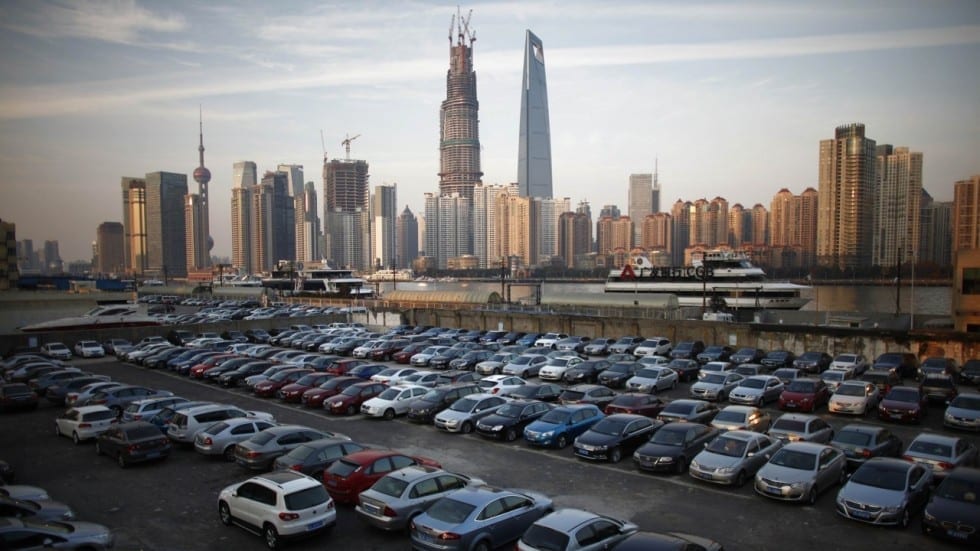
    “The number of China’s private passenger cars is growing at an annual rate of 10 per cent and the country has become the largest market in the world. But the number of parking spaces lags far behind the demand,” said Joseph Gagnon, managing director and head of Asia real estate at Warburg Pincus. “Beijing’s parking spaces to car ratio is just one third of Hong Kong’s.”

    According to a Bain & Company report, every car in Beijing and Shenzhen has 0.4 registered parking spaces, compared to 1.3 in Manhattan and 2.5 in central and western US.

    Other oft-cited data from China’s National Development and Reform Commission estimates there is a 50 million gap in the number of spaces in China. In Beijing alone, the gap was 3.55 million by 2016.

    The Bain survey showed 60 per cent of China’s drivers said they had difficulties finding a parking space in urban central areas, and the same number take more than five minutes to find a spot.

    It estimated that parking fees collected in China’s first and second-tier cities will grow by an average 13 per cent during 2016-2021, to 780 billion yuan (US$118 billion).

    “Car parks as an asset class is currently underestimated,” said Yan Liang, chairman of the Sunsea Parking Group.

    “The asset owns both the characteristics of real estate and financial products, which could potentially be the underlying asset of Reits.

    “More and more commercial properties are shifting from a sale model to leasing model (in terms of car parks), which involve more management, and there is huge potential for efficiency improvements and cost cutting.”

    Sunsea Parking now operates nearly 200,000 parking spaces across 40 Chinese cities and according to Red Star Macalline, its revenue from those increased by an average 50 per cent after Sunsea took control, which is why Red Star Macalline decided to invest in it, and hand over their management.

    Yan, the chairman of Sunsea, said rare foreign capital had been tapping into China’s parking space industry because few spaces carry independent, clear cut property rights, and are sporadically located, creating hurdles for management.

    “Clearly the value is underestimated. You see attached parking spaces can be sold for 5,000 yuan per sq m, while the whole flat is sold for 50,000 yuan per sq m,” said Yan.

    Cao Wenwei,,CEO of Limetree Capial, a US dollar private equity firm, which had invested in parking spaces, said what interests investors most is they can provide a steady cash-flow to develop financial products, for example asset securitisation.
  • A Permanent Pokemon Cafe is Coming to Japan

    A Permanent Pokemon Cafe is Coming to Japan

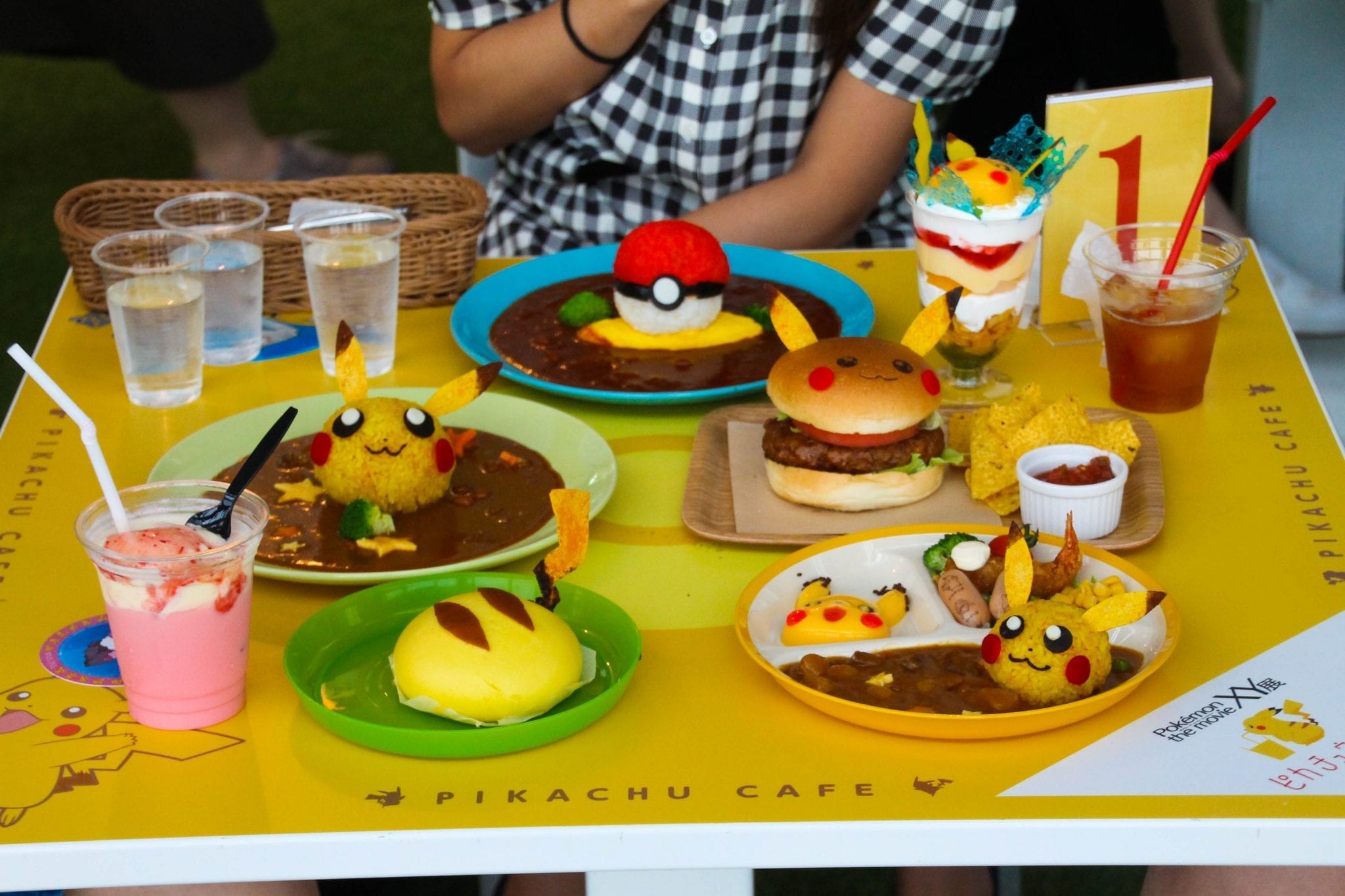
    Tokyo is getting the first ever permanent Pokemon Cafe. The Pokemon Company International announced that a new Pokemon Center “DX” retail store was opening up in the Takashimaya Nihombashi, an upscale department store in Japan. One of the main draws for the new retail center is that it will also have a permanent Pokemon Cafe restaurant, which will serve Pokemon-themed dishes to shoppers and tourists.

    Pokemon Center stores are usually big draws in Japan, as they have just about every kind of Pokemon goodie imaginable. From specialty plushes and figures to clothes and even stationary, the Pokemon Centers are major retail attractions all around Japan.

    Typically, Pokemon Cafes are pop up restaurants that only exist for a few months at a time. Both Japan and Singapore have hosted Pokemon Cafes before, but this is the first time that a Pokemon cafe is putting down roots.

    The new Pokemon Center DX and Cafe is expected to be a major tourist attraction when it opens in Tokyo next year. Tokyo already has three Pokemon Center stores, including the massive “Mega Tokyo” location. The new Pokemon Center DX will be the twelfth Pokemon Center store in Japan, each of which has its own mascot Pokemon and specialty merchandise.

    The Pokemon Center and Cafe will open on March 14, 2018, so start planning your Tokyo vacation now.

  • AirAsia, Malaysia Airlines provide alternative arrangements for passengers affected by Bali volcano

    AirAsia, Malaysia Airlines provide alternative arrangements for passengers affected by Bali volcano

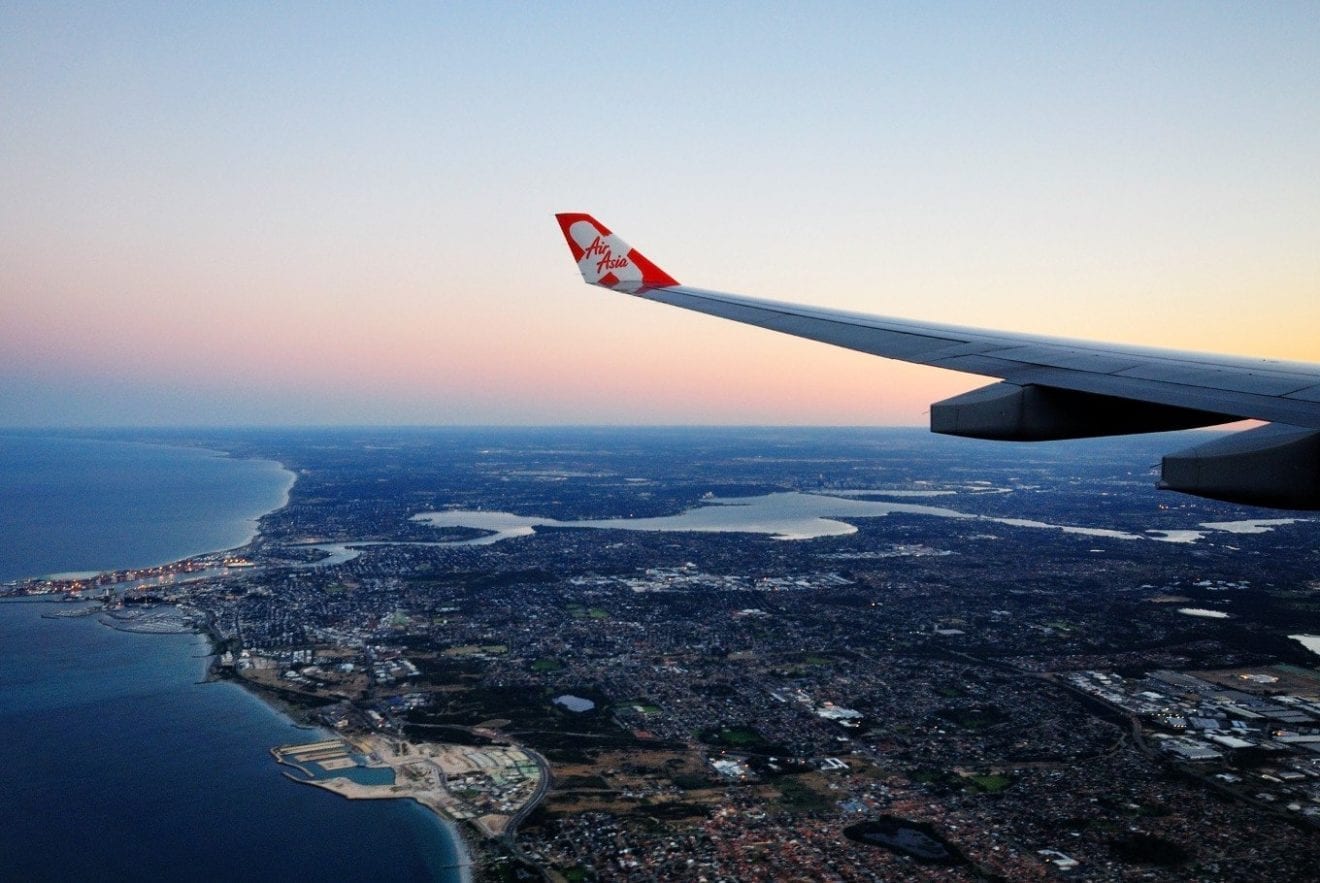
    AirAsia has provided alternative arrangements for travellers affected by the Mount Agung eruption in Bali.

    In a statement this evening it said all guests whose flights are affected will be entitled to choose one of the following service recovery options being offered:

    For flights to/from Bali and Lombok from Nov 25 2017 – Dec 25 2017:

    Option 1: Change to a new travel date on the same route within 30 calendar days from original flight date without additional cost and subject to seat availability; or,

    Option 2: Credit Account: Retain the value of fare in a credit account for future travel with AirAsia. The online Credit Account to be redeemed within 90 calendar days from the date of issue, for travel date of your choice; or,

    Option 3: Full Refund: Obtain a full refund in the amount equivalent to your booking. This can be done strictly via e-form available on support.airasia.com.

    For Flights to/from Bali and Lombok from Dec 11 2017 – Dec 31 2017:

    Option 1: Change to a new travel date on the same route up to Jan 31 2018 without additional cost and subject to seat availability; or

    Option 2: Reroute to other destination (within AirAsia network) with fare difference applicable, subject to seat availability; or,

    Option 3: Retain the value of fare in a credit account for future travel with AirAsia. The online Credit Account to be redeemed within 90 calendar days from the date of issue, for travel date of your choice.

    Guests are advised to check airasia.com and AirAsia’s social media pages for further announcements.

    AirAsia said it will continue to monitor the situation closely, and will keep guests informed of any developments.

    Meanwhile, Malaysia Airlines has arranged for alternative travel arrangements for its passengers stranded in Denpasar-Bali.

    The national carrier has arranged ground transport to Surabaya from the Ngurah Rai International Airport with onward connection to Kuala Lumpur.

    It urged affected passengers to register themselves at the airlines’ dedicated counter at Customer Service Desk, Level 3 at the airport.

    The journey from Bali to Surabaya will take approximately 12 hours, it said.

    “Malaysia Airlines will also be mounting rescue flights from Surabaya to Kuala Lumpur,” it said in a statement this evening.

    Malaysia Airlines said it will continue to monitor the situation and resume flights into and out of Denpasar as soon as it receives confirmation on improved weather conditions.

  • DHL invests $364 million to further develop Cyberjaya data center

    DHL invests $364 million to further develop Cyberjaya data center

    DHL expects to invest nearly RM 1.5 billion (US$364 million) between now and 2020 to further develop its IT Services Data Center in Cyberjaya, creating further opportunities for emerging IT talent in Malaysia and around the region.

    The IT Services Data Center has provided critical IT infrastructure, business application development and support initially for the company’s Asia Pacific and, subsequently, global operations over the past 20 years, with DHL investing more than RM 4.7 billion (EUR 941.1M) in its development since 1997.

    “Digitalization plays an increasingly strategic role in helping global logistics networks achieve the speed, reliability and accuracy needed to keep pace with today’s demands. The investment we have made in Cyberjaya demonstrates our commitment towards enhancing our capabilities — and helping our customers improve their market positions through best-in-class IT infrastructure and skilled talent,” said Alexander Pilař, Executive Vice President and Managing Director, IT Services, Deutsche Post DHL Group.

    Malaysia Digital Economy Corporation (MDEC), Chief Operating Officer, Dato’ Ng Wan Peng said, “We are heartened by the continued support from DHL, which reflects its unwavering commitment to Malaysia and its digital transformation agenda — as we race towards becoming a developed digital economy by 2020. In addition to employment creation, this move will greatly boost and strengthen the digital infrastructure and ecosystem crucial for a thriving innovation powered socio-economy. We look forward to the journey ahead with DHL, in our quest to make the digital economy a key engine of growth for Malaysia.”

    A team of more than 1,440 employees ensure the Cyberjaya IT Services Center, along with their counterparts in Prague, the Czech Republic and Mechanicsburg, Pennsylvania, deliver 24/7 IT support across all DHL divisions — DHL Express, DHL Global Forwarding, DHL Supply Chain, DHL eCommerce operations. It serves as platform through which DHL hopes to strengthen and level the playing field for talent, particularly for women looking to succeed in IT — which has traditionally been a male-dominated field. While the Malaysia team includes members from 27 different nationalities, the majority — nearly 70% — come from Malaysia, with women making up almost 40% of the total workforce.

    “We started our IT Data Center in Malaysia 20 years ago, occupying a floor in a suburban shopping mall with just 120 staff, facing risks of disruption from flooding to the building’s car park,” said Yogananthan S, Site Head of IT Services Cyberjaya, and VP Business Relations for IT Services, Asia Pacific, Deutsche Post DHL Group. “Since then, we’ve not only relocated to Cyberjaya but also established it as a key pillar in DHL’s regional and global logistics strategy, backed up by one of the most diverse and high-performing workforces in the country and globally.”

    “Over the past 20 years we’ve focused on not only building up the local IT talent market — including hiring almost 500 new graduates since 2006 — but doing so in a way that encourages diversity and equal opportunity for all,” added Yogan. “These values are not only at the core of DHL’s corporate culture — they also play a crucial role in how we effectively we serve our global ‘customer’ base in more than 220 countries and territories.”

    In addition to cultivating the local talent pool, DHL IT Services Cyberjaya plays an active role to give back to the local community and environment. Through the company’s “Living Responsibility” approach, staff volunteer time and expertise on sustainable projects that help address issues which go beyond the workplace.

    The IT Service Data Center in Cyberjaya plans to invest in a range of platform renewals and technical innovations through to 2020, including adoption of hybrid cloud, and higher-efficiency or renewable energy sources.

  • MyRodeo partners AirAsia for eye-catching OOH ad

    MyRodeo partners AirAsia for eye-catching OOH ad

    AirAsia Group stated (29-Nov-2017) it remained “the world’s lowest cost airline” in 3Q2017 with CASK of MYR0.128. CASK increased 5% year-on-year due to the weaker ringgit and higher fuel prices. The average fuel price increased 6.8% to USD63 per barrel. Non-fuel CASK increased 5% to MYR0.0824 (USD0.0202), largely due to higher staff costs in line with the airline’s growth targets and higher MRO charges.

  • Crown Equipment Boosts Guan Chong’s Capacity By 50 per cent

    Crown Equipment Boosts Guan Chong’s Capacity By 50 per cent

    One of the world’s largest cocoa processors is using Crown material handling equipment to help it keep up with the world’s growing appetite for chocolate.

    Guan Chong Bhd, which produces cocoa-derived food ingredients including cocoa mass, cocoa butter, cocoa cake and cocoa powder, runs a busy material handling operation exporting its products to Europe, the Middle East, China, Japan and other Asian countries from its facility in Pasir Gudang, Johor, Malaysia, using a full material handling solution from Crown.

    The company has been using Crown RMD and RD Series reach trucks, PE Series rider pallet trucks and CG Series LPG counterbalance forklifts for over 10 years and plans to continue expanding its operations with the brand because of the equipment’s reliability, efficiency and safety.

    The management of Guan Chong’s 10,000 pallet spaces – which are in use 12 hours per day with 200 daily dispatches seven days a week – is carried out by a large number of contracted staff.

    The company rents its equipment from Crown to best match staff numbers in busy periods.

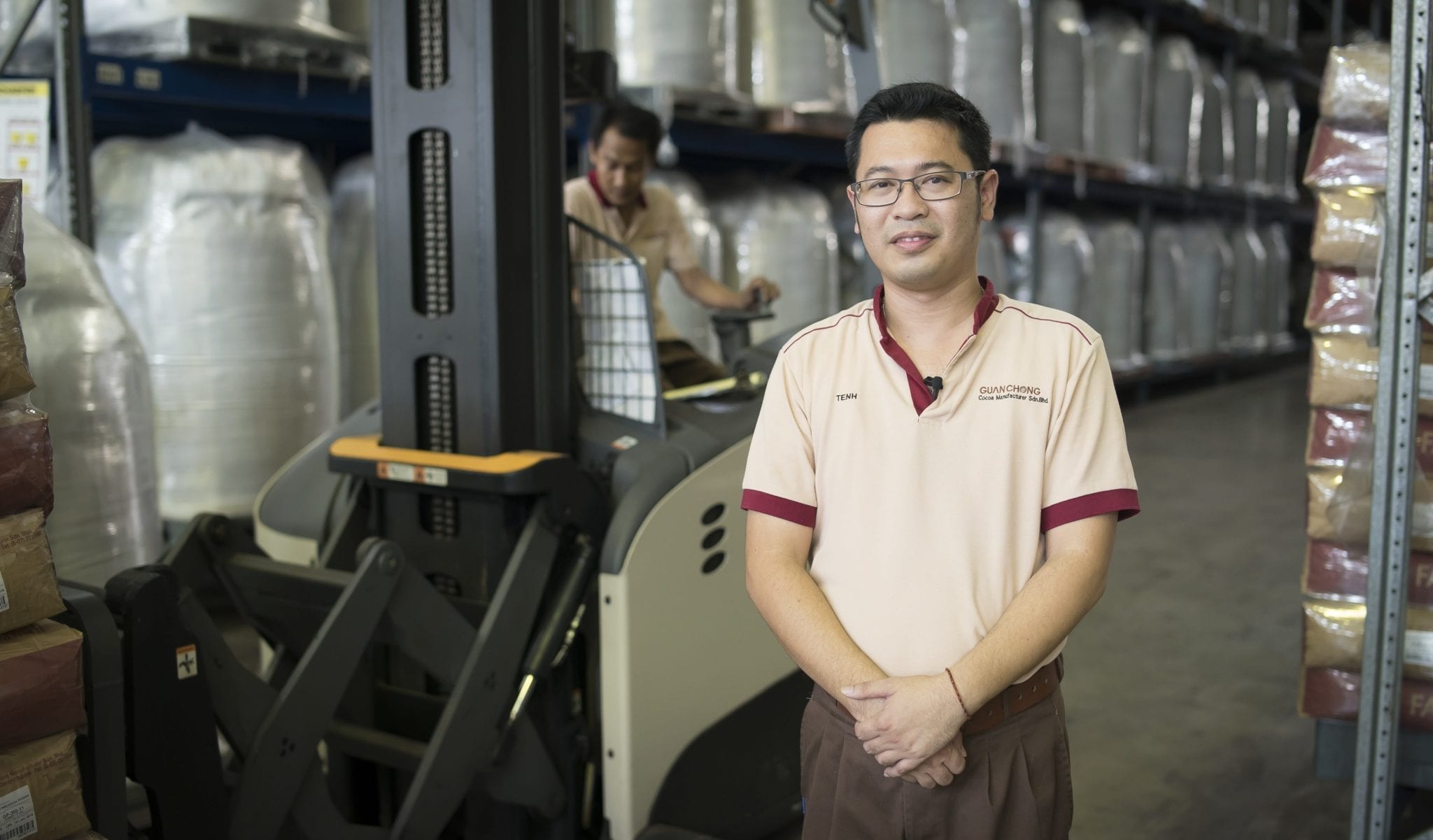
    Assistant Logistic and Warehouse Manager Tenh Swee Kheng said the use of Crown material handling equipment, which includes highly-efficient Crown pantograph-equipped double-deep reach trucks, has resulted in substantial efficiency increases across Guan Chong’s operations.

    “Using Crown lift trucks has added more than 50 per cent to our capacity, so it creates a lot of savings in material handling,” Mr Kheng said.

    “We have a number of these units in our warehouse and they are helping our operation to run more smoothly. Reliability and safety is another important factor for Guan Chong.

    “Of course, the equipment is very reliable and also our staff is very happy with the Crown trucks because they have safety factors built-in to the design; good visibility and a strong alert when reversing for picking and storage.”

    Guan Chong is expanding its operations on new frontiers and has continued to place Crown at the centre of its material handling operations.

    “We’ve also invested in Crown equipment in the next country where we’re setting up operations, which is Indonesia,” he said.

    “I think it’s a very good partnership in terms of the support Crown can offer our business.

    “Guan Chong has been in business for 30 years and we’ve been using Crown material handling equipment for the last 10. I think that continuing with the brand is a way to help grow our business in the future.

    “Crown is definitely the brand I would promote for high density, high-reach storage.”

    Guan Chong began operations in the early 1980s, originally trading cocoa beans then processing cocoa in its first factory in Muar, Johor.

    The company is one of the top cocoa processors in Malaysia with a capacity of 80,000 tonnes. It has recently expanded its operations with a grinding plant in Batam, Indonesia. Guan Chong’s output is contributing to Johor’s position as the ‘chocolate hub’ of Malaysia, making-up around 85 per cent of the country’s cocoa grinding capacity.

    Guan Chong is a proud member of the World Cocoa Foundation, an international membership organisation that promotes sustainability in the cocoa sector.

  • CapitaLand and CRCT to jointly acquire 100% interest in company that owns Rock Square

    CapitaLand and CRCT to jointly acquire 100% interest in company that owns Rock Square

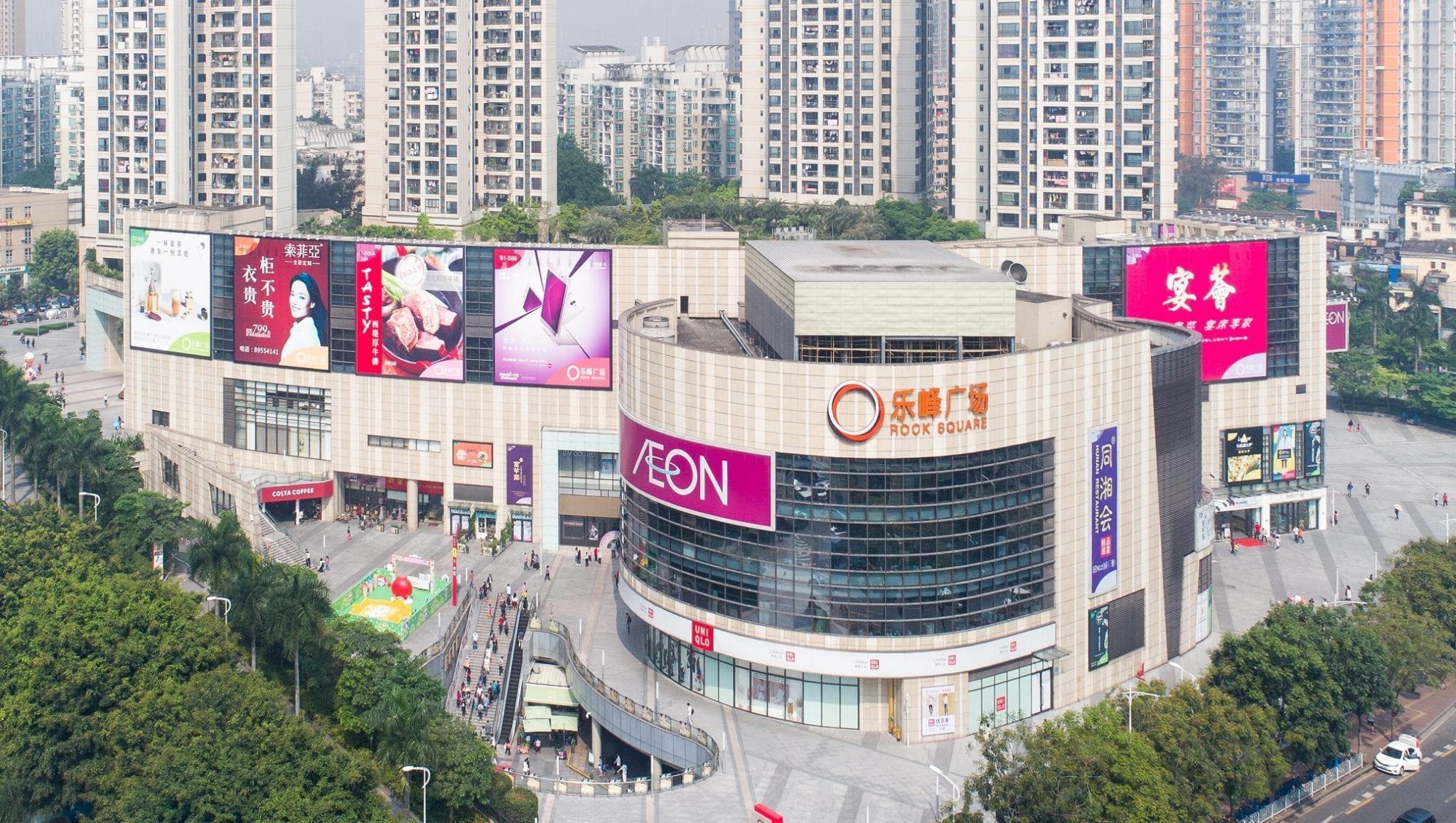
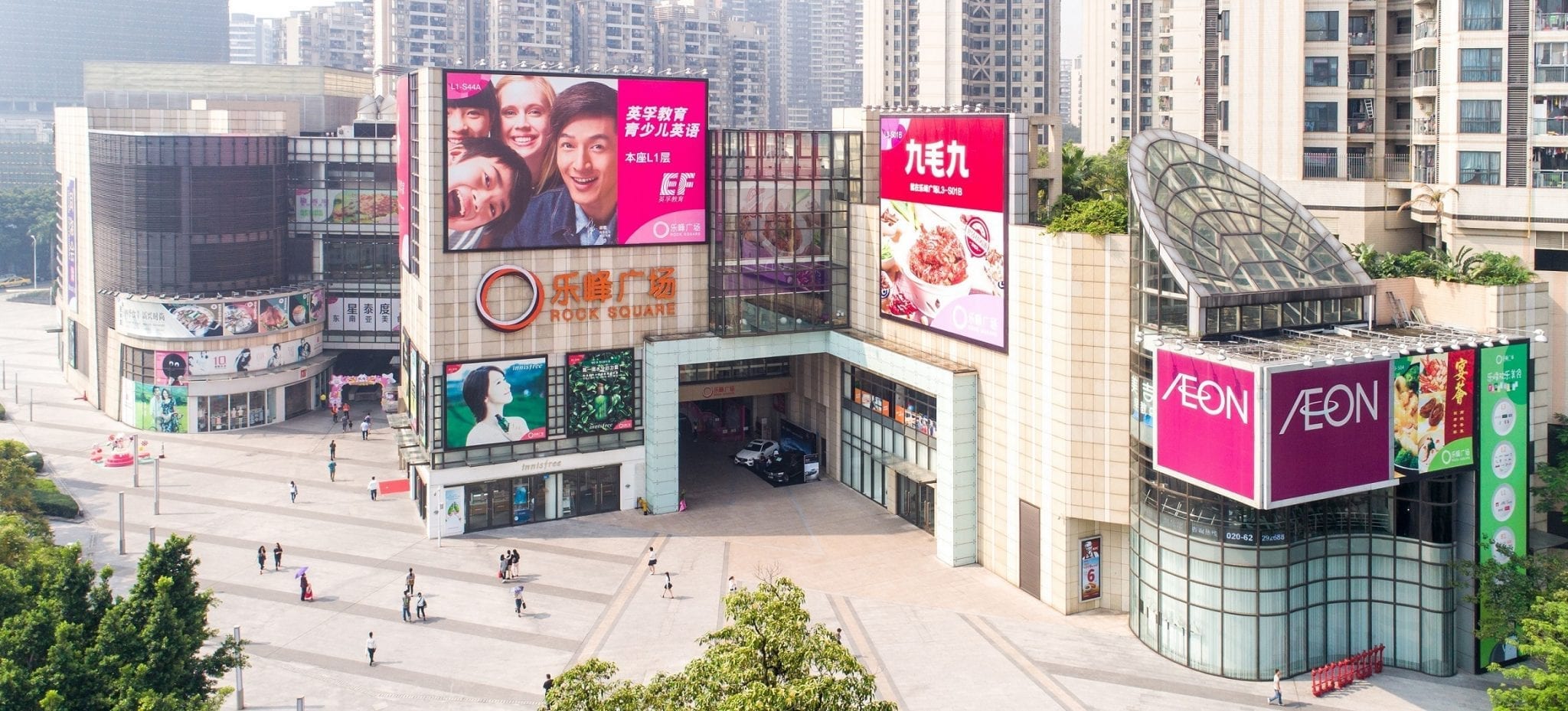
    CapitaLand and CapitaLand Retail China Trust (CRCT) have formed a joint venture to acquire all the shares in a company that owns an operational shopping mall, currently known as Rock Square, located in Haizhu District in
    Guangzhou. CRCT is the majority shareholder with a 51% stake in the joint venture, while CapitaLand owns the remaining 49%. This marks CapitaLand’s second mall and CRCT’s first in Guangzhou, the provincial capital of Guangdong Province in South China and one of four first-tier cities in China.

    Total purchase consideration payable is about RMB3,360.7 million (about S$688.9 million), which includes but is not limited to the company’s interests in Rock Square with an agreed value of RMB3,340.7 million (about $684.8 million). The transaction is expected to be completed by 1Q 2018.

    Rock Square is one of the largest malls in Haizhu District with a gross floor area (GFA) excluding car park of about 83,591 sq m. Surrounded by densely populated residential estates, the mall caters to about 800,000 residents from middle- and high-income households within a three-kilometre radius. The mall is directly connected to Shayuan metro station, which serves Line 8 that links Guangzhou’s eastern and western areas, and
    Guangfo Line that connects Guangzhou with Foshan. The planned extension of Line 8 and Guangfo Line by 2019 is expected to increase the mall’s population catchment.

    Mr Jason Leow, CEO of CapitaLand Mall Asia, said: “China is an important core market to CapitaLand. We continue to invest in our China shopping mall business under our ‘core city clusters, dominant assets’ strategy, which focuses on strengthening our presence in five city clusters with quality assets that command a dominant market position. Given Rock Square’s significant scale and strategic location with excellent transport links, the acquisition presents a rare opportunity to increase our exposure to the high-growth retail market in a first-tier city.

    As an operational mall with upside potential, the acquisition will also help CapitaLand to increase our recurring income base as we continue to expand our business.”

    Mr Leow added: “When completed, the acquisition will boost CapitaLand’s retail presence in Guangzhou, where we currently own and manage CapitaMall SKY+, which opened in 2015. By leveraging on our experienced team in Guangzhou to manage the new mall, we will be able to benefit from the network effect of an enlarged portfolio.”
    Mr Tan Tze Wooi, CEO of CapitaLand Retail China Trust Management Limited, said: “The acquisition marks CRCT’s strategic entry into another first-tier city after Beijing and Shanghai.

    It represents a progression of our portfolio reconstitution strategy, whereby capital from the sale of CapitaMall Anzhen is recycled into a multi-tenanted mall with a longer balance tenure and stronger growth potential. The addition of Rock Square serves to diversify CRCT’s tenant base and improve the quality of earnings by increasing our exposure to more varied and higher-yielding trade categories. Post-completion, the accretive acquisition will boost CRCT’s portfolio size by about 28% to approximately RMB15.1 billion (about S$3.1 billion).”

    Mr Tan added: “In view that leases accounting for over half of the mall’s total rent are up for renewal between 2018 and 2020, the timely acquisition will present us with a window of opportunity to achieve rental uplift through active tenant mix adjustments, unit reconfiguration and improvements to the layout. This is supported by the mall’s current mix of popular retailers, which serves as a strong base to attract more quality brands to enhance
    the overall shopping experience. Coupled with the cost synergies from working with our sponsor CapitaLand to manage the mall, we are confident of driving the growth of Rock Square and turning it into a significant contributor to our overall performance.”

    Opened in 2013, Rock Square is a five-storey shopping mall with three levels above ground and two basement levels. Positioned as a modern and trendy retail destination offering a wide range of fashion, F&B, children-oriented and entertainment options, the mall houses well-known international brands such as AEON, UNIQLO, ZARA and Victoria’s Secret. As at June 2017, the mall was 96.4% committed.

    The mall is located in Haizhu District, Guangzhou’s second most populous urban district that also ranks high in terms of disposable income per capita4. A popular residential area for Guangzhou’s new affluent class, Haizhu District is home to the Creative Industry Zone (where leading technology firms such as Tencent are based), the city’s landmark Canton Tower and top tertiary institution Sun Yat-sen University.

    Guangzhou is the most populous city of Guangdong Province with a population of 14 million. It is an important communications and transportation hub in South China with a flourishing high-tech industry. In 2016, Guangzhou’s GDP grew 8.2% year-on-year, outpacing the national average of 6.7%. In the same period, both disposable income per capita rose and total retail sales rose by 9.0%. These positive indicators are expected to see further growth support, as Guangzhou transforms into a major commercial centre in South China with a
    fast-evolving retail scene and an increased emphasis on driving domestic consumption.

  • BingoBox to bring unmanned stores to Hong Kong

    BingoBox to bring unmanned stores to Hong Kong

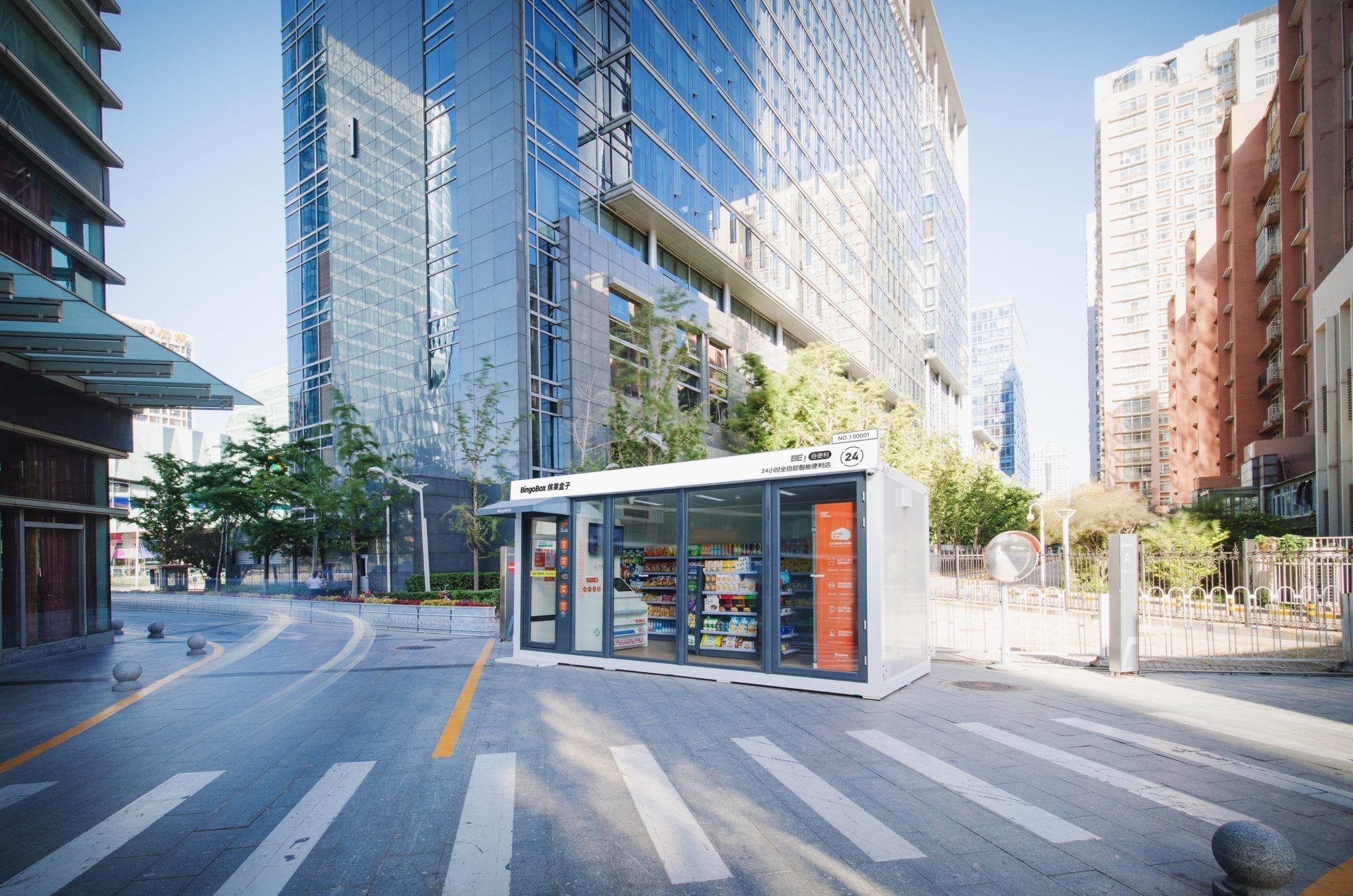
    China’s unmanned convenience-store brand BingoBox plans to introduce its cashierless concept to Hong Kong next year, targeting neighbourhoods and suburbs.

    “With unmanned stores the labour cost is eliminated, making them far more cost-effective, even in expensive cities like Hong Kong,” says BingoBox chief executive Chen Zilin.

    South Korea already has an unmanned 7-Eleven outlet, termed Signature, in Seoul, while as part of its “new retail” concept Alibaba runs an unmanned coffee shop that uses facial recognition for customer payments. Also in China, JD.com has launched unmanned convenience stores that use technology to track products and customer movements.

    In Hong Kong, BingoBox is talking with potential partners to jointly run its outlets. It will target areas that do not have convenience stores, such as parks, villages and public-housing estates, says Chen.

    On the mainland, the company has nearly 200 stores with the aim of reaching 5000 before the end of next year.

    Users scan a QR code to enter a BingoBox, place their purchases on a checkout counter that automatically scans and tallies up the total. Payments are made via mobile wallets such as Alipay or WeChat Pay.

    “As BingoBox is an unmanned store that entails almost no labour cost, we can open in areas with lower foot traffic, whereas traditional convenience stores pay high rents for prime locations,” Chen says. He is not specific about store numbers for Hong Kong, just saying “double digits”.

    The company is also looking to expand into South Korea and Malaysia within the next six months.

    Mainland BingoBox stores generate about RMB850 (US$130) in sales each day, some raking in as much as RMB6000. Chen says the shortest break-even time for a BingoBox store was five months.

    Bingbox partnered with French retail firm Auchan to launch a trial in Zhongshan, Guangdong province, last year before opening its first store, in Shanghai, in June.

  • Zalora Group to focus on Its in-house labels

    Zalora Group to focus on Its in-house labels

    Singapore-based Zalora Group is featuring its own in-house labels Something Borrowed and Zalora in its upcoming Chinese New Year collection.

    Both labels will have capsule collections offering themes and styles that can be mixed, matched and worn beyond the lunar festivities.

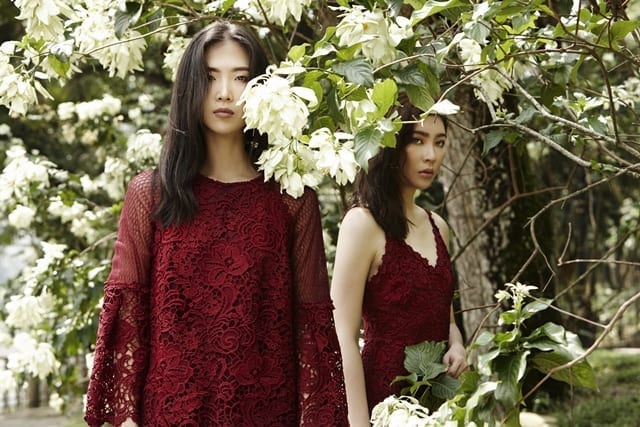
    With a Scarlet Garden theme, Zalora the label will have 105 SKUs featuring practical and sophisticated silhouettes in multiple colours such as deep red, jungle green, soft pink and gold. Jacquard fusion metallic and satin jacquard pieces will debut in its collection to put a contemporary spin on traditional elements.

    For street-inspired styles, Something Borrowed will offer a spring-themed collection with 89 new SKUs that mix youth culture with Chinese New Year colours. The floral biker jacket is a key statement piece, and the floral print is worked into the other stories of the collection. As an update to previous collections, Something Borrowed will feature a full range of embroidered and precious denims.

    Founded in 2012 as part of Global Fashion Group, Zalora has a presence in Brunei, Hong Kong, Indonesia, Malaysia, Singapore, Taiwan and the Philippines. It offers international and local brands and products across apparel, shoes, accessories and beauty categories for men and women.

  • Cath Kidston to change focus on expansion

    Cath Kidston to change focus on expansion

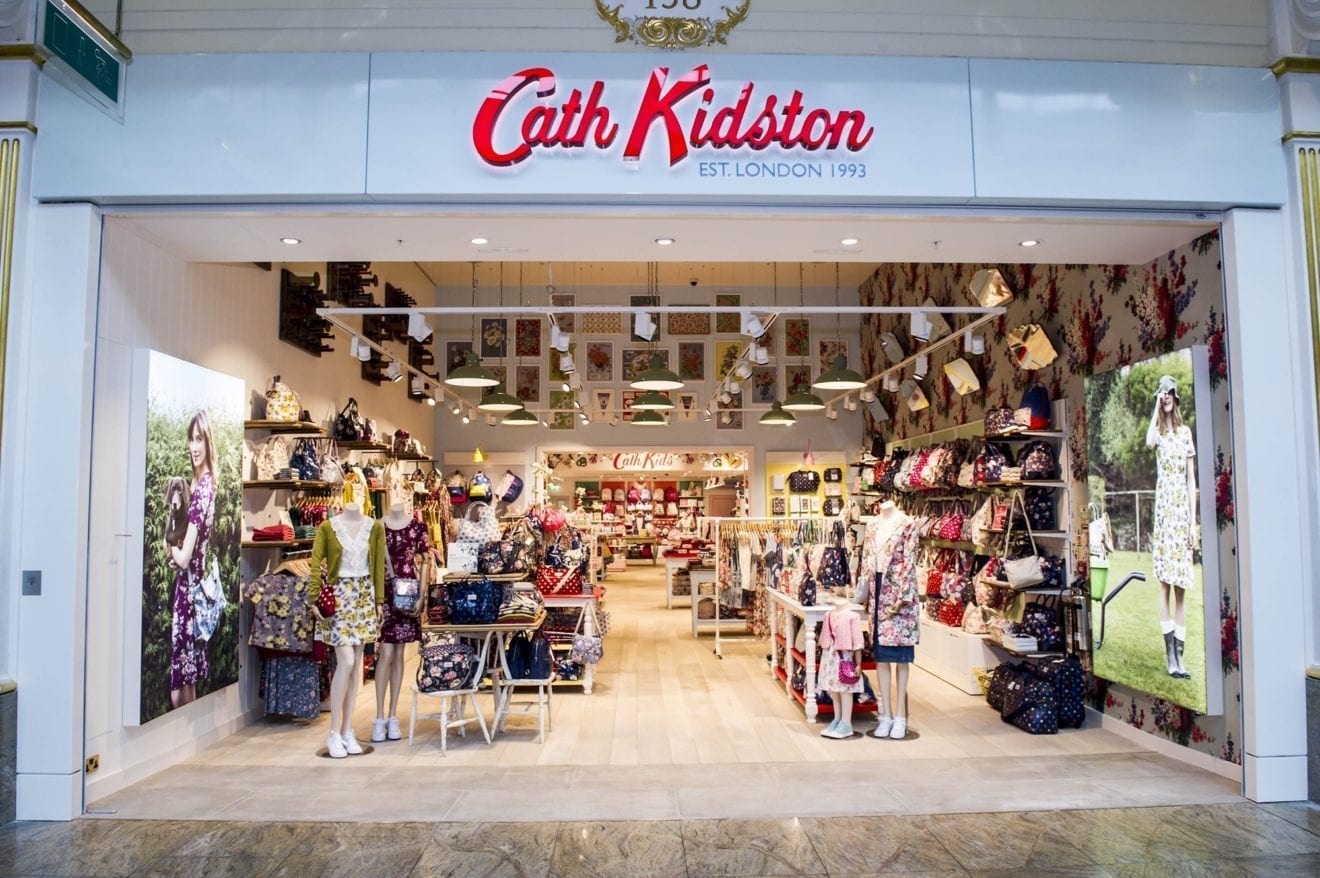
    As Cath Kidston China scales back because of diluted profits, the British handmade accessory chain is rolling out an expansion in other parts of Asia.

    It’s prime focus is Japan, where it plans to nearly double its presence over the next three years. South Korea and Thailand are the next two markets flagged for growth.

    CEO Kenny Wilson says the company plans to expand to about 55 stores in Japan, a decision based on two independent studies. Known for its flowery prints, the brand is likely to pop up soon in prime spots such as Tokyo’s Shibuya and Shinjuku shopping districts as well as cities like Chiba and Shizuoka.

    Cath Kidston also plans to bolster its online presence by creating synergy between its physical stores and e-commerce shop.

    Wilson believes the brand’s initial success in Japan comes from its “pretty, feminine, cute and colourful” products. “I think people in Japan like our business, because they love handcraft.” Each Cath Kidston print is hand drawn.

    Meanwhile, the brand has been growing about 20 per cent on average across Asia Pacific and expects the demand for design-focused accessories to increase against a backdrop of continued economic growth.

    It has upped its output of leather products, tapping into the business market, while collaborative items with Disney have also helped boost sales.

    As high rents cut into profitability, the company has shifted its strategy in China. This will see it close more shops and concentrate on e-commerce.

  • AmorePacific opens new headquarters in Yongsan

    AmorePacific opens new headquarters in Yongsan

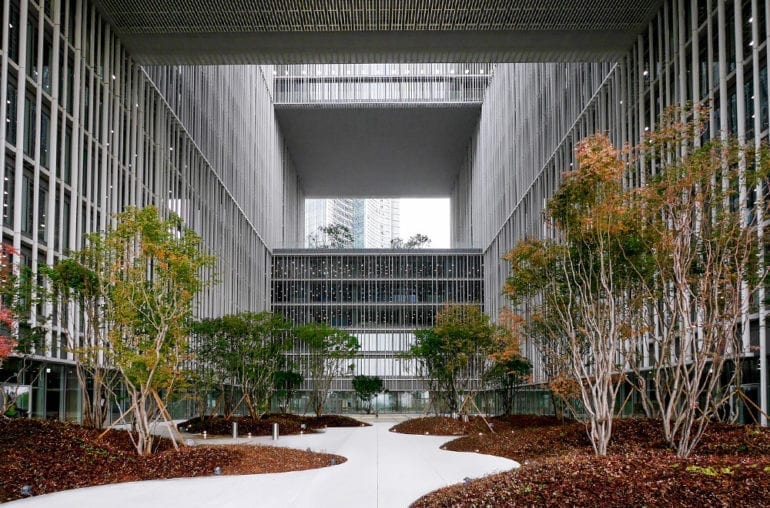
    AmorePacific has opened its new headquarters in Yongsan-gu, Seoul, beginning a new era for the 72-year-old cosmetics maker seeking to become one of the world’s top five “beauty” companies.

    The completion is expected to facilitate the firm’s Vision 2025 plan in which it aims to become a “great company. ” Toward that end, it is trying to bolster its overseas presence, innovate the way it conducts business, create additional value for employees and local companies, and expand its product portfolio.

    The construction, which began in August 2014, was to demolish the previous 10-story building and create the new 22-story structure on a 14,526 square-meter site. British architect David Chipperfield designed the structure in a moon-shaped jar of white porcelain, the company said.

    More than 3,500 employees from holding company AmorePacific Group and its subsidiaries, who used to work at Signature Tower near Cheonggye Stream in Jongno-gu, have moved into the new building.

    The building, which can accommodate as many as 7,000 people, will also host Samil PricewaterhouseCoopers that has signed a 10-year lease contract to use four stories from April 2018.

    Its entire fifth floor is reserved exclusively for AmorePacific employees as the space will be occupied by a cafeteria, a gym, a massage room and other amenities designed to improve workers’ wellbeing.

    On the first floor, AmorePacific has built a museum, a library, a daycare center and other facilities that can be used by its employees and visitors.

    “AmorePacific, which started its business in Yongsan in 1956, has become an exemplary corporate citizen that prospers with global communities,” CEO Suh Kyung-bae said. “Our new headquarters will become a hall of beauty for the entire world.”

    Suh said the company will continue to work hard to be recognized as one of the most sustainable and socially responsible businesses for its employee-friendly corporate culture, a win-win partnership with small businesses and active social giving programs.

    Founded in 1945 in Gaeseong, North Korea, by his late father Suh Sung-whan, AmorePacific started operations in Seoul in 1956 by purchasing a two-story building. In 1976, the company rebuilt it into a 10-story structure as it emerged as one of Korea’s largest cosmetics makers.

    In 2016, AmorePacific had 6.7 trillion won (US$6 billion) in sales with a 1.8 trillion won operating profit, ranking as the 12th largest cosmetics firm in the world. It exported products worth 1.7 trillion won in 2016, mostly to its three major markets: China, Southeast Asia and North America.