Author: Mei Ling Tan

  • Lotte Duty Free plans expansion in Nha Trang

    Lotte Duty Free plans expansion in Nha Trang

    Korea’s Lotte Duty Free will open its second Vietnam airport store in Nha Trang next year.

    The store is set to locate at Cam Ranh International Airport’s new terminal which is now under construction, and on track to be complete in first half of 2018.

    The operator expects to gain US$644 million in sales from the new store over the next 10 years.

    The operator has recently completed its first airport store in Da Nang, with a part re-launched in May.

  • Calvin Klein Vietnam opens Hanoi store

    Calvin Klein Vietnam opens Hanoi store

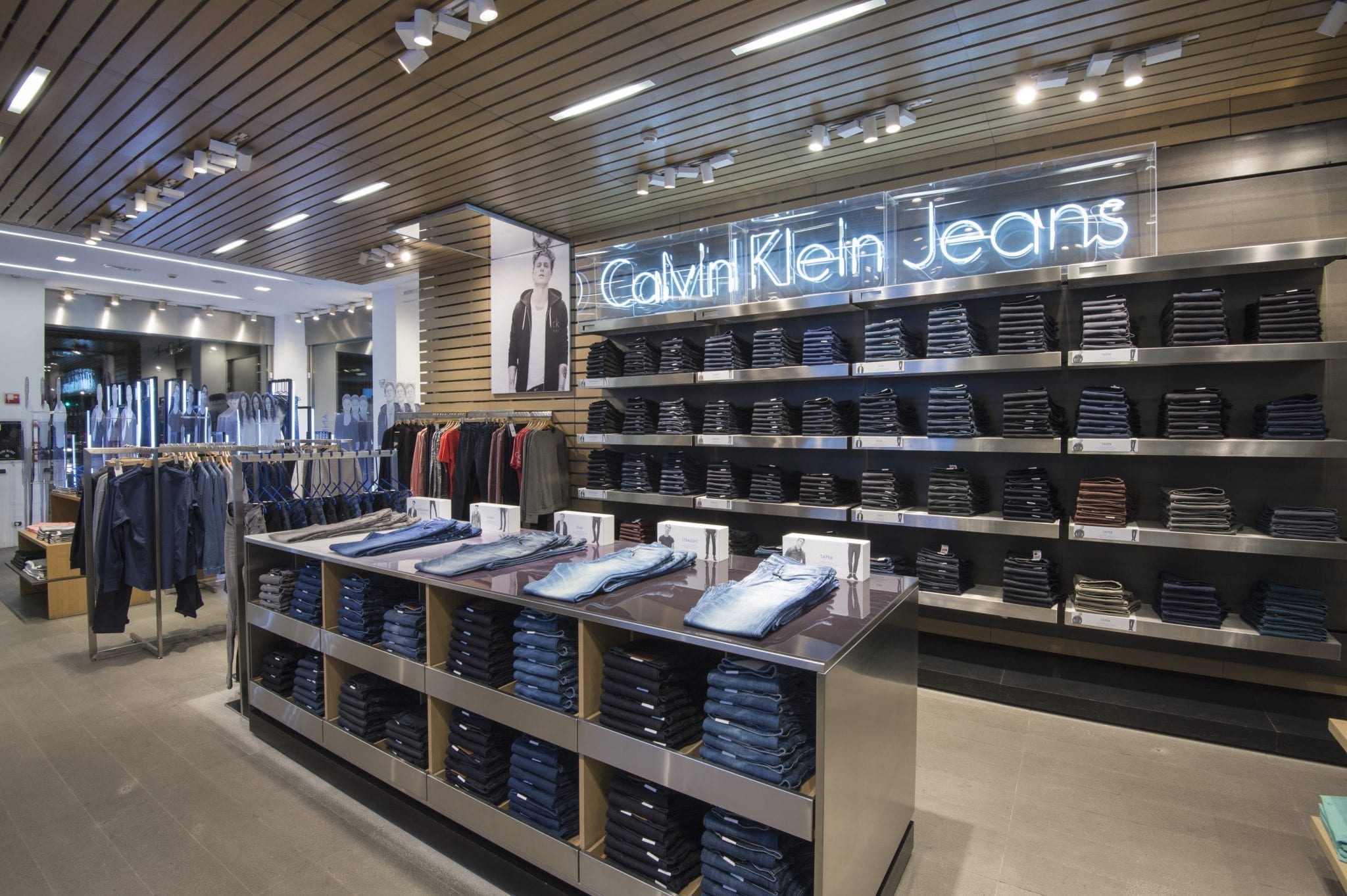
    Fashion house Calvin Klein Vietnam has opened a store in Vincom Ba Trieu, Hanoi.

    The store is located on level two of the shopping centre, and offers items from latest collections including jeans, underwear and accessories for women and men.

    Calvin Klein store Ha Noi Vietnam

    Inside the 147sqm shop, the interior is designed with neutral colors and “Simply as possible” spirit of the brand.

    Calvin Klein was brought to Vietnam in 2009 by IPP’s subsidiary ACFC.

    It now has 20 stores nationwide.

  • Unique Airstream trailer pop-up store by Aether

    Unique Airstream trailer pop-up store by Aether

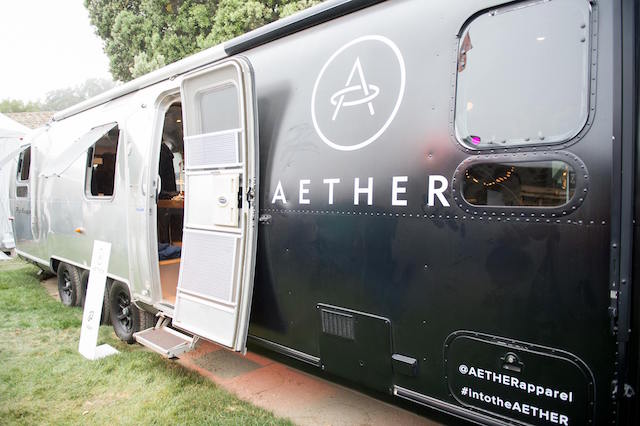
    High-end clothing company Aether has converted an Airstream trailer into a store that can travel and stop at locations chosen by customers.

    The mobile popup has already visited several cities near the brand’s home in Los Angeles.

    Trend monitoring website Springwise.com reports the fashion company wanted to find something which had the ease and portability of a pop-up, but was also reusable.

    Aether 2

    Working with designer Thierry Gaugain, the company created the Aetherstream, an Airstream trailer transformed into a travelling storefront complete with a wood burning stove, custom built sofas, furnishings and decorations from Parisian flea and antique markets.

    Destinations for the mobile store are selected by customers who are invited to email the company to suggest a stop.

    Springwise says the converted trailer is just one example of how small and independent companies are innovating to compete with online retail giants.

    “Other examples include modular, customisable street carts and a new gadget and platform that helps local shops rise to the top of area internet searches.”

  • In a bold and surprising move CHANEL debuts capsule of €1000 sneakers

    In a bold and surprising move CHANEL debuts capsule of €1000 sneakers

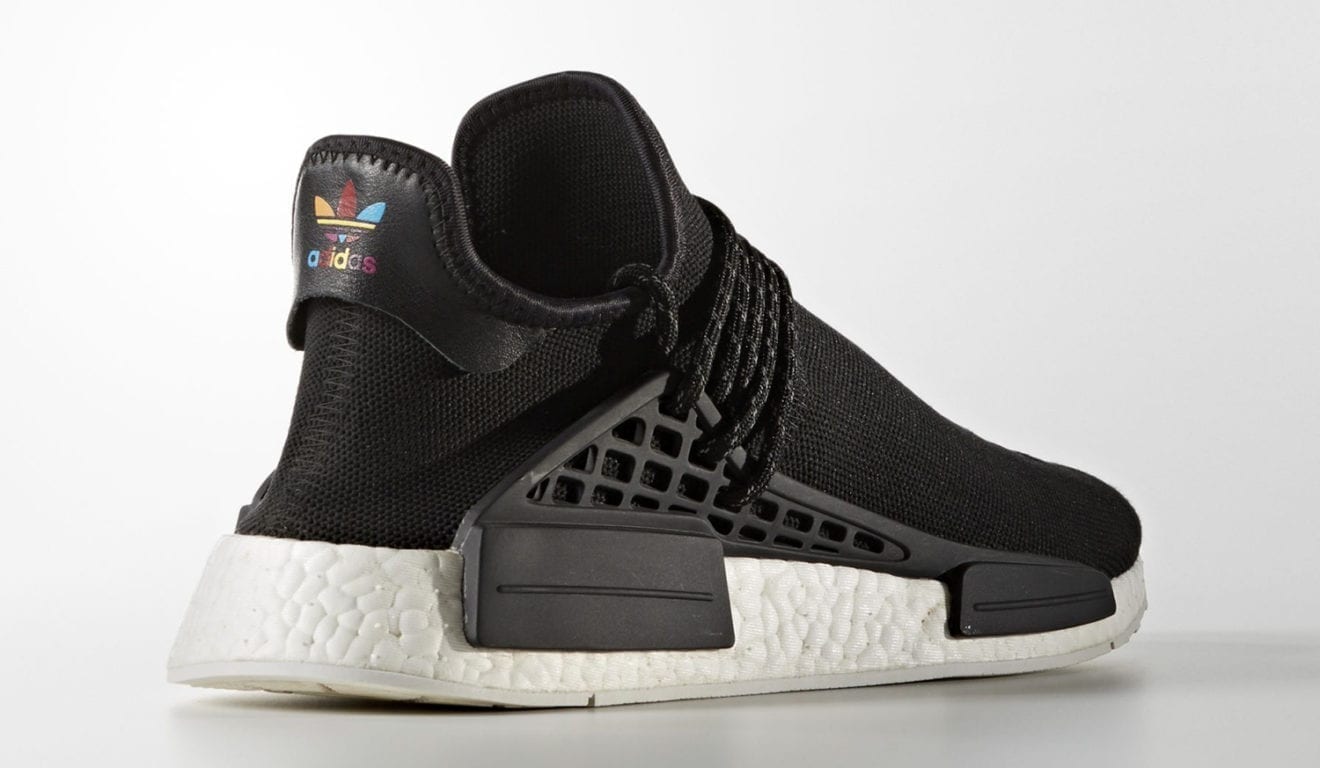
    French luxury brand Chanel has launched a capsule featuring 500 pairs of €1000 (US$1185) sneakers to celebrate its takeover of French high-fashion streetwear retailer Colette.

    Courtesy of Karl Lagerfeld, the sneakers are part of singer Pharrell Williams ongoing collaboration with Adidas Originals.

    The resale value of the sneakers have shot up to $32,000 after 120,000 shoppers registered to buy them. The 500 buyers will be chosen by an independent ballot process.

    Williams says he expects the resale value of the sneakers to go up to $40,000 as any of his merchandise is known to resell for multiple times its value. For example, his Adidas collaboration with his band Nerd is now going for up to $10,000.

    There is also a philanthropic twist to the collaboration as Williams and Chanel plan on donating profits to the Chanel Foundation, which supports women’s empowerment.

    It is one of the final collaborations for Colette with the department store set to close on December 20.

  • AsiaMalls Management and UnionPay International partner to launch QR Code payments

    AsiaMalls Management and UnionPay International partner to launch QR Code payments

    AsiaMalls Management signed a memorandum of understanding (MOU) with UnionPay International (UPI) to roll out acceptance of UnionPay QR Code payments across all six malls – Hougang Mall, Liang Court, Tiong Bahru Plaza, Tampines 1, White Sands, and Century Square when it reopens in 2018.

    As the first large-scale partnership between a mall manager and a global payment brand to deploy QR Code payments across malls in Singapore, this form of QR Code payments is compatible with SGQR and compliant with EMVCo standards. UnionPay International is a member of the SGQR taskforce led by Info-communications Media Development Authority (IMDA) and Monetary Authority of Singapore (MAS) to develop a common, interoperable QR Code to accelerate the adoption of mobile payments locally. UnionPay is also part of the EMVCo Global Workgroup developing an international standard for QR Code payments.

    This new partnership between AsiaMalls and UPI came from the mall management’s understanding of the shopper’s needs and the retail landscape, coupled with a mindset for innovation. AsiaMalls strives to go beyond meeting the basic necessities of their shoppers and the community around each mall by constantly seeking new and exciting retail experiences, of which this partnership serves as an example.

    Tapping onto existing payment infrastructure from AsiaMalls’ rewards programme, AMperkz, the initiative will enable UnionPay Cardholders to enjoy greater ease of payment at all participating AsiaMalls merchants when the enhanced system rolls out in phases starting 2018. UnionPay QR Code payments allow merchant discounts and payment transactions to be processed via a single scan of the consumer-presented QR Code, providing added convenience and simplifying the payment process for both consumers and merchants alike. It will also open up opportunities for shoppers without NFC-enabled smartphones to make contactless mobile payments.

    “With the nation’s move towards a cashless society, we saw the opportunity for AsiaMalls to anticipate our shopper’s wants and expectations, and to provide them with all the conveniences possible, by equipping our merchants with the ability to accept UnionPay’s QR Code payment option. This would allow the stores to expand their clientele base, and in time, enable them to be fully integrated and ready for the Smart Nation roll-out,” shares Tan Kee Yong, Managing Director, AsiaMalls Management.

    “Today’s cooperation is significant in multiple aspects: First, we are able to establish the acceptance of UnionPay QR Code on a sizeable scale in Singapore for cross-border payment by leveraging on AsiaMalls’ strong footprint in the local retail industry, offering the same seamless mobile payment experience to Chinese tourists in both Singapore and in China. Second, we choose to promote UnionPay QR Code payment first in everyday spend merchants like shopping malls as this will not only help us localise our business, but also help issuers like Bank of China Singapore branch and other local

  • Stelux Holdings slows down the bad trend

    Stelux Holdings slows down the bad trend

    While turnover and gross profit margin slid for watch/optical company Stelux Holdings International for its first half, it managed to cut back on its net loss.

    Group turnover was down by 6.9 per cent (6.3 per cent foreign-exchange neural) to HK$1.3 billion (US$166.4 million) and gross profit margin fell from 59.6 to 58.1 per cent. Group net loss reduced by 15.2 per cent to $62 million.

    Given the fragile retail environment, the group says it continued with consolidation measures to improve shop productivity. While group turnover fell by 6.9 per cent, largely because of an 11.3 per cent drop in shop number, same-store sales improved, particularly in Mainland China. Sales also stabilised in Hong Kong and Southeast Asia. Gross profit margin remained under pressure at 58.1 per cent, compared to 59.6 per cent in the same period last year.

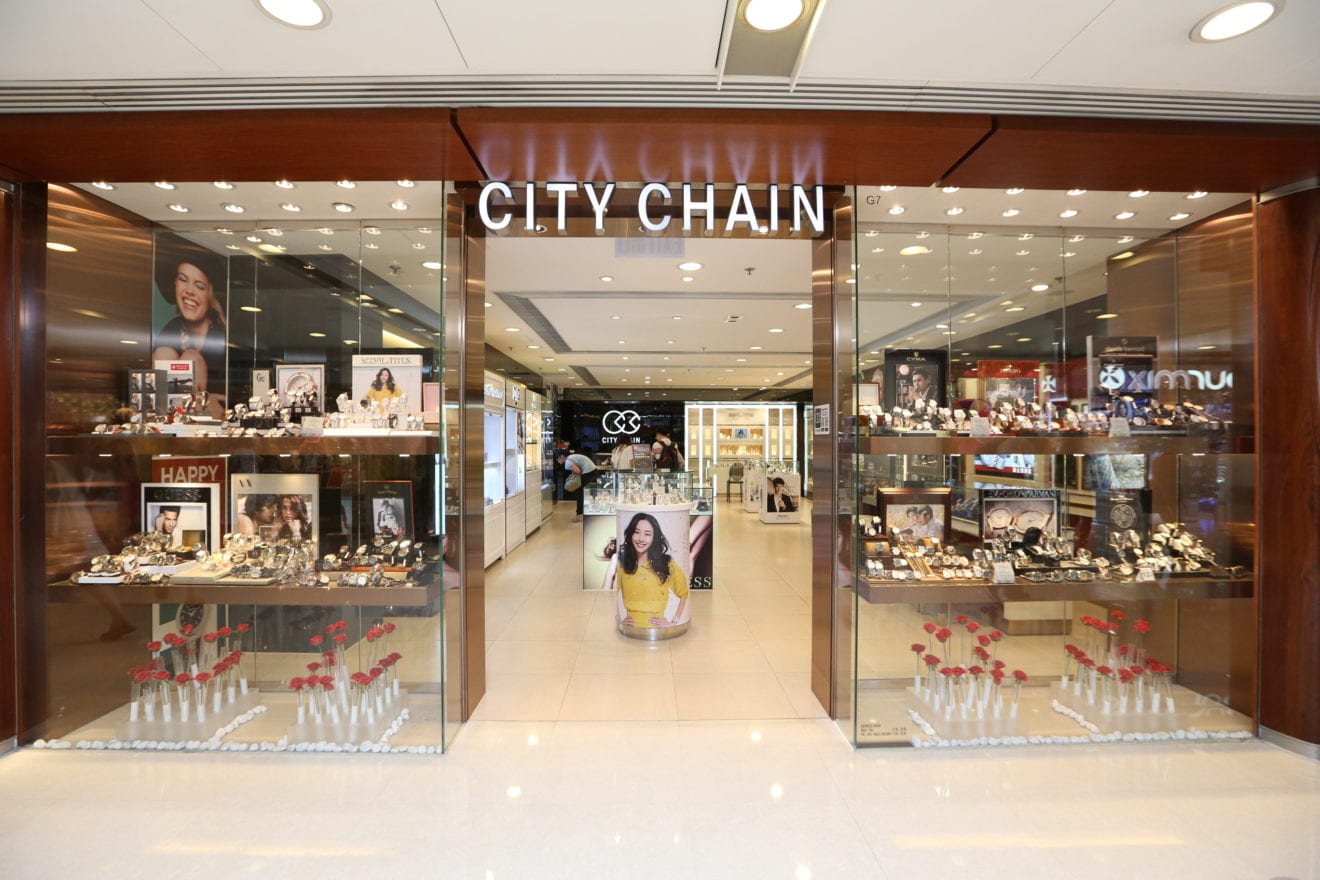
    City Chain Group

    Turnover fell 11.1 per cent for the City Chain Group, with a loss before interest and tax (LBIT) of $37.7 million from $49.4 million. The group has about 260 stores in Hong Kong, Macau, Mainland China, Malaysia, Singapore and Thailand together with three online stores.

    The drop in turnover from $668.5 million to $594.4 million was because of a 17.9 per cent decrease in shop numbers.

    In response, the chain is undergoing a major transformation to attract both a younger and local clientele. New store layouts have been introduced in Hong Kong, Guangdong, and Thailand.

    Turnover for the chain in greater China fell by 12.5 per cent to $439.8 million while LBIT was down 11 per cent to $34.8 million.

    Same-store sales growth has also resumed in Hong Kong and Macau since August with a freshed store image and enriched brand portfolio. The closure of loss-making shops and the positive impact from the expiry of high rental leases contributed to a 19 per cent fall in operating costs. City Chain tapped into the e-commerce business in Mainland China a few years ago, with the turnover of its watch e-commerce business increasing by more than 60 per cent compared to the corresponding period last year.

    With store consolidation in Southeast Asia, turnover fell 7 per cent to $154.5 million. There was a 16.5 per cent drop in shop numbers. Nonetheless, LBIT narrowed significantly to $2.9 million from $10.3 million.

    EBIT for Malaysian stores more than tripled while LBIT in Singapore fell by 79 per cent. With sustained recovery in Thailand, both turnover and same-store sales growth were “satisfactory”.

    Optical 88 Group

    Optical 88 Group turnover decreased by 2.9 per cent with EBIT rising to $32 million from $15.2 million. The group has 194 shops throughout Hong Kong, Macau, Mainland China, Malaysia,  Singapore and Thailand delivering professional eyecare/eyewear products and services, as well as hearing products and services.

    Turnover eased by 2.9 per cent to $504 million with 7.6 per cent fewer shops. EBIT more than doubled from $15.2 million to $32 million.

    In greater China, Optical 88 had a marginal 0.7 per cent decline in turnover to $414.2 million, with 4.1 per cent fewer shops. EBIT rose by 16.8 per cent to $38.2 million.

    Southeast Asia business had a 11.7 per cent drop in turnover to $89.8 million with 10.2 per cent fewer outlets delivering a narrowed LBIT of $6.2 million.

    Turnover rose 13.5 per cent of Egg Optical Boutique with LBIT widening from $7.1 million to $13.6 million. There are more than 80 stores in Hong Kong, Mainland China and Southeast Asia
    together with an online store.

  • Tokyo Milk Cheese Factory says Hello to Bangkok

    Tokyo Milk Cheese Factory says Hello to Bangkok

    Japanese bakery chain Tokyo Milk Cheese Factory is about to take a bow in Thailand with a store at Siam Paragon in Bangkok.

    Famed for its soft milk cheesecake made from French cream cheese and Hokkaido cream, the brand also offers cheese and milk mousses wrapped in crepes, Salt & Camembert Cookies Camembert Cheesecake with a chocolate filling. There is also a Honey and Gorgonzola Cookie flavoured with Spanish rosemary and featuring a chocolate filling.

    Its arrival in Thailand is thanks to Dolnapa Thammawatana and Khanchai Ongkamongkol, who were impressed by the brand’s flavours when visiting Japan.

    Thammawatana says their shop will also introduce Cow Cow Ice, a soft ice cream in a cheesy cone, as found in the brand’s shop in Shinjuku, Tokyo.

  • Christmas Fiesta at Landmark Hong Kong

    Christmas Fiesta at Landmark Hong Kong

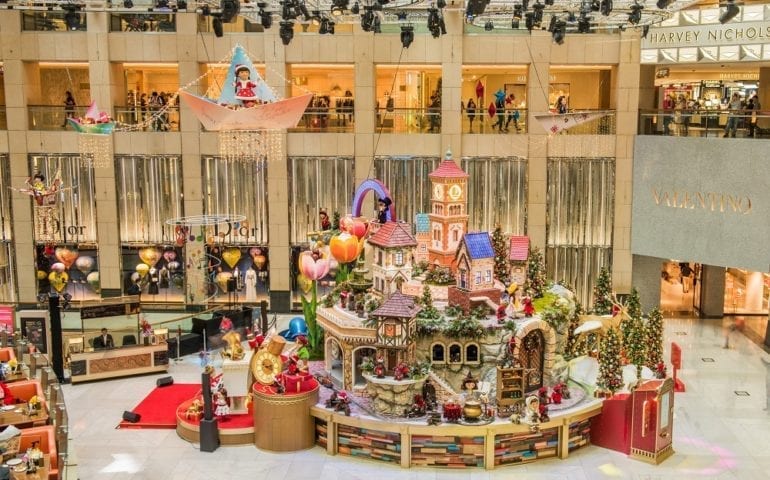
    A whimsical ideal world of the imagination begins at LANDMARK with the return of ‘Santa Paws’ and a cast of creative children and their inspired ideas to make our planet a better place this Christmas.

    In ‘Dream Square’ kids gather to share their Christmas hopes and wishes; ‘Aqua Island’ brings unlimited clean water to wherever it’s needed most; in the ‘Great Fruit Garden’ giant fruit blooms from the smallest seeds to feed the world; reindeers take flight amongst ‘Wishes in the Clouds’ bringing the message of Christmas joy to all; in the Recycle Depot, Robo, the recyclo-bot is given life from the old and unwanted; and in ‘Homegrown City’ there is a roof to spare for everyone.

    The imaginative installations of charming animated characters, in 10 amazing displays set across LANDMARK’s four buildings, showcase an idealised world of child-like wonders that celebrate the power of the imagination as the source of unlimited creativity, to imagine and build a better world.

    This year the festive magic also goes mobile and features in the “LANDMARK HONGKONG” app, which, from 24 November 2017 to 1 January 2018, enables shoppers to contribute to a better world by enjoying LANDMARK reward privileges.

    A wide variety of Christmas entertainment and shopping give rewards across LANDMARK’s iconic buildings.

    The app also reveals a special hidden scene within the ‘Harvest for the World’ display at LANDMARK ALEXANDRA.

  • All about blockchain in 2018

    All about blockchain in 2018

    The potential for blockchain technology to bring about widespread change has been predicted since 2011 and the emergence of Bitcoin. But in 2017 when the concept really started to capture people’s attention.

    Blockchain-focused financial services startups raised $240 million in venture funding during the first half of the year. However, its potential was beginning to be recognized across other sectors and industries.

    2018 is likely to see a continuation of this trend of innovation and disruption. Here, are the five key ways this is likely to happen.

    1.More use outside of finance

    While it’s implications for the financial sector might seem most apparent, any industry or organization in which recording and oversight of transactions is necessary could benefit. Healthcare, HR, and legal work have already piloted few applications.

    Meanwhile in manufacturing and industry, the Blockchain Research Institute, the founders of which include IBM, Pepsi Co and FedEx, say it expects blockchain to become the “second generation” of the digital revolution following the development of the internet. It has highlighted work by electronics manufacturer Foxconn to use blockchain to track transactions in its supply chain.

    2. Blockchain meets the Internet of Things

    Security is one reason they are a good fit – blockchain’s encrypted and trustless nature makes it a viable option when it comes to keeping the ever-growing number of connected devices in our homes and offices safe. Research envisages that blockchain compute power that is used to “mine” Bitcoin could be put to use safeguarding our smart homes from a new generation of cyber-burglars looking to break in and steal our data.

    Another proposed use is that the cryptocurrencies built on blockchains would prove ideal for automated micro-transactions made between machines. As well as recording machine activity on the ledger for record-keeping and analytical purposes, machines could effectively “pay” each other when smart machines operated by one organization interact and transact with those owned by others. This is likely to be further down the road, but it is likely we will see research and breakthroughs in this area in 2018.

    3. Smart contracts will come into their own

    “Smart contracts” are another possibility brought about by blockchain – the idea is that contracts will execute automatically when conditions are filled, meaning payments will be made, or deliveries dispatched, or anything else in business which is typically defined by a contract.

    Blockchains make smart contracts possible because of their consensus-driven nature. Once agreed-on conditions are met, then the contract is filled. This could mean paying bonuses when targets are hit, or despatching an order once a payment has hit your account.

    4. State-Sanctioned Crypto Currencies?

    Putin was the first – with the recent announcement of the “Crypto Rouble” – but it was inevitable that politicians would at some point start to consider the advantages of blockchain-derived currencies. In the wake of Bitcoin, it has often seemed that nation states have been lacking in their enthusiasm for this particular application – and probably with good cause. Bitcoin was after all envisaged as a way of creating a tradeable currency which couldn’t be manipulated by governments.

    Some such as China have been outright hostile – refusing to allow exchanges to operate in their borders and issuing warnings about the high risk of investing in cryptocurrencies. 2018 however could be the year that governments finally get on board the blockchain bandwagon – as its potential for creating efficiencies in both financial and public services become more apparent.

    5. A large number of blockchain initiatives will fail.

    Blockchain undoubtedly has the potential to be revolutionary. But like anything revolutionary it can be dangerous – in this case, mainly because rushing in without clear expectations of what you want to achieve is likely to be a costly waste of time.

  • A unique festive extravaganza at Pacific Place

    A unique festive extravaganza at Pacific Place

    Pacific Place has just put on an enchanting experience for the whole family. From 23 November 2017 until 1 January 2018, Pacific Place exhibits the spirit of “Christmas Spectacular” with festive surprises around every corner.

    Pacific Place becomes the season’s must-see destination, re-imagined as a bright and magical Christmas theater.

    Outstanding performances on the dramatic Garden Court stage, and a curated selection of seasonal pop-ups populate Pacific Place.

    Pacific Place is pulling out all the stops this year, hosting over 60 performances from world-class companies, including
    Asia’s foremost classical orchestra, Hong Kong Ballet, who will be performing excerpts from the quintessential Christmas ballet, ‘The Nutcracker’, the Hong Kong Philharmonic Orchestra, Opera Hong Kong, the City Chamber Orchestra of Hong Kong and the Hong Kong Bach Choir.

    The stage is set for truly magical performances from the likes of Elia Astorino as well as children’s choirs from across Hong Kong. Feast your eyes on the dreamlike scenery of the fairy-lit Christmas Theatre located in Garden Court, where the glorious sounds of Christmas music will fill your heart with joy and excitement.

    Christmas installations and programmes are only one part of the numerous initiatives that Pacific Place has planned to delight its aficionados.

    Pacific Place is aware of the changes in the retail industry and together with its tenants is unveiling a series of activities aimed to engage the demanding customers in Hong Kong.

    The programme is characterized by an interactive platforms which brings together art, craftsmaship (i.e. DIY workshops), music, and Christmas atmosphere, but more importantly tries to engage different demographics.

  • Auto firm links sales of used cars and new vehicles

    Auto firm links sales of used cars and new vehicles

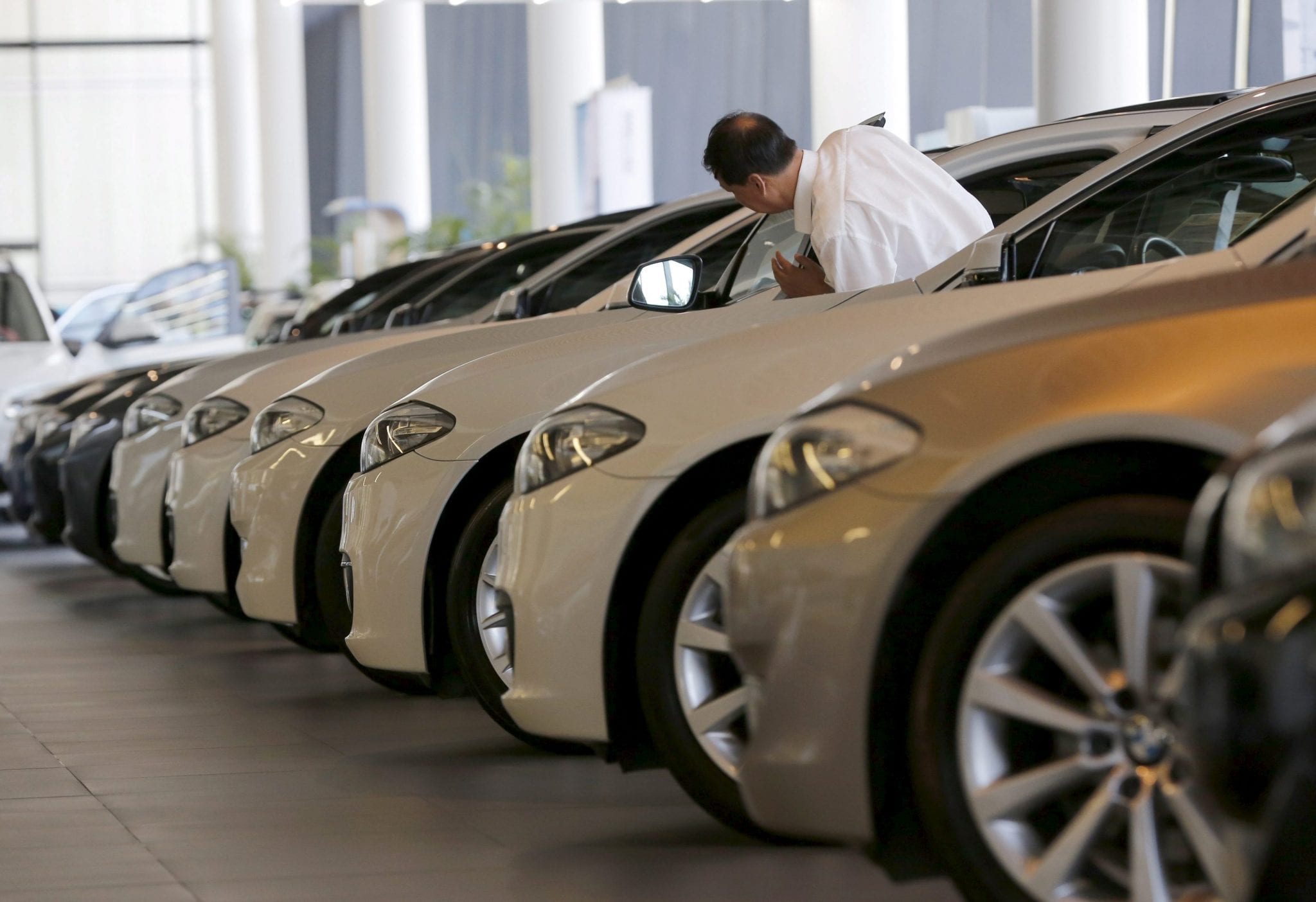
    An auto services firm is riding the internet and technologies such as big data to adopt a new business model that integrates used-car and new-car sales businesses, including features such as financing and after-sales services.

    On Oct 31, Guazi.com, China’s largest used-car dealer, announced its transformation into a car trading company, connecting its used-car business with Maodou.com, its newly developed brand of new-car retail.

    The integrated services span the entire life cycle of a car. Guazi’s user database and technical services would be used by Maodou.com as well.

    Called “CARS”, the new company offers its customers a “one-stop” shop for buying, selling and renting new cars and used cars, said Yang Haoyong, CEO of Maodou.com.

    “On Maodou.com, consumers can choose to rent a new car for up to four years, and then decide whether to buy the car or rent another new car,” he said.

    The used car will later be put up for sale on Guazi. The new car platform is especially welcome for young consumers, as price is a key factor for them, Yang said.

    “The down-payment for a new car is now as low as zero to 10 percent. Four years later, if the user wants, he can return the car and get another brand new one,” he said.

    “The market is now large. But consumers lack confidence in the used-car market in China. Maodou may be a great news for those who prefer a new car but haven’t saved enough money yet.

    “Additionally, the new brand satisfies the needs of those people, especially the millennials, who are constantly pursuing new things.”

    CARS has received funding from global investors such as Capital Today, Bank of China Group Investment Ltd, and Hong Kong-based DST Global.

    It has also teamed up with more than 10 financial institutions such as Bank of China, China Merchants Bank, Industrial and Commercial Bank of China, and Shanghai Pudong Development Bank, to build common digital platforms to push car sales and rentals.

    Zhao Xiang, an auto analyst at Beijing-based research firm Analysys, said: “The new-car service is a wise choice. Those selling used cars on Guazi usually tend to buy a new car, so Maodou would be helpful for them.

    “From this kind of ecosystem, auto companies can expand their business and broaden channels to monetize traffic (to their websites, apps and offline stores).”

  • Is Singles Day still the world’s biggest retail event?

    Is Singles Day still the world’s biggest retail event?

    As Americans prepare to savor the year’s best holiday sales opportunities, an even bigger sales extravaganza just took place in China: Singles Day.

    Singles Day is China’s annual e-commerce event, which takes place on Nov. 11 (hence its nickname, “11.11”), and this shopping phenomenon inspires consumers to buy things for themselves — especially if they are not currently in a relationship.

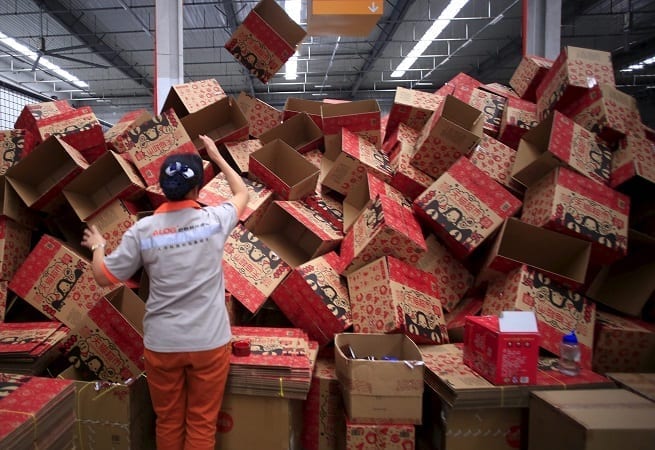
    Singles Day 2017 certainly lived up to the massive marketing hype by smashing global sales records yet again. The event earned $38 billion in total sales, with $25.3 billion from Chinese e-commerce giant Alibaba alone, up 42% from last year’s total of $17.8 billion.

    These results prove Single’s Day is the biggest retail event in the world — and it’s only getting bigger. Singles Day 2017’s success also reflects the stark contrast between booming Asian markets and the contraction of retail markets in Western countries, including store closures, bankruptcies and consolidation.

    China’s favorable market factors

    To take advantage of growth opportunities abroad, an increased number of U.S. and global retailers have expanded into China through cross-border e-commerce.

    Retailers around the world must understand the following emerging consumer and market trends, which have contributed to China’s retail expansion — especially if they are considering entering China in 2018.

    • Economic prosperity: The size of China’s middle class continues to surge, increasing 55% between 2015 and 2020. In addition, their increased affluence has led to a “consumption upgrade,” as Chinese consumers are now more likely to buy premium merchandise.
    • Tech-savvy consumers: Mobile sales accounted for an astounding 90% of total Singles Day sales. The convenience and efficiency of integrated mobile payment made it easy for Chinese to shop from anywhere.
    • Savvy shoppers: Increasingly discerning Chinese consumers often prefer foreign products for certain categories for their safety, quality and prestige. However, on Singles Day, shoppers prioritize irresistible pricing and smooth logistics. Top-selling categories for cross-border e-commerce include mom and baby, healthcare and nutrition products; on Singles Day, shoppers prefer apparel and footwear, cosmetics and consumer technology, and product placement is essential, as online visibility correlates with higher sales.
    • Regulatory influences: The Chinese government has agreed to postpone restrictions on imported products until at least December 2018, making cross-border e-commerce more attractive and lucrative for foreign retailers. In addition, China’s removal of the One-Child Policy has led to a mini baby boom — and major growth for companies selling mom and baby products.

    Proof cross-border e-commerce is hot

    As a result of these market trends, U.S. and global retailers (and consumers) are paying more attention to Singles Day than ever before. While Alibaba accounted for 66% of total Singles Day sales, we certainly see the theme of greater globalization of this sales event, as 2017 is only the second year that international goods have been available for sale in China on Singles Day. This year, on Amazon China’s website, 7.3% of sales came from overseas, compared to 5.4% of sales on Tmall (Alibaba’s online marketplace) and 4.9% of sales on JD.com (another Chinese e-commerce powerhouse).

    Early results show U.S. and foreign retailers don’t need to have a gigantic marketing budget like Amazon or Alibaba to succeed on Singles Day.

    One American retailer selling online in China hoped to achieve sales of 300 orders per day by December 2018; instead, the company shattered that goal, earning more than 1000 orders in a day, ahead of Singles Day. The retailer prepared well by stocking bestselling products in its Hong Kong warehouse for faster delivery; these few SKUs accounted for 15% of Chinese Singles Day orders. The campaign also boosted sales growth by 276% and the number of new users by 200%.

    Key success factors in China retail

    To succeed in China, especially on Singles Day, U.S. and foreign retailers need to invest in product placement; proactive and abundant stocking; competitive price offers; and fast, effective logistics.

    In summary, due to multiple advantageous market conditions in China’s retail market, more U.S. and global retailers are paying attention to, and participating in, Singles Day promotions using cross-border e-commerce. If your company plans to enter China in 2018, consider how you will adapt to these market trends to win in China’s retail market — and potentially earn explosive sales on Singles Day 2018. Here’s an infographic summarizing the results of a Singles Day campaign by one of Azoya’s clients:

    Franklin Chu is managing director U.S. for Azoya International, a provider of turnkey cross-border e-commerce solutions to assist retailers looking to expand into China through a cost-effective and lower risk method. To date, over 35 retailers in 11 countries are partnering with Azoya to expand into China with ease, including French fashion retailer La Redoute, Australia’s largest pharmacy group, Sigma, as well as Feelunique, the largest online beauty retailer in Europe.
  • A bit more work for Apple Korea flagship

    A bit more work for Apple Korea flagship

    Construction work on Apple Korea’s first flagship store in Seoul is set to be completed just before Christmas.

    On a 1300sqm site in fashionable Sinsa-dong, the two-storey Apple Store will feature an exterior glass wall.

    “The construction work that started in August is expected to be completed by December 23,” says a construction agency official, hinting at the opening being possibly early next year. The opening was delayed for about two months after Apple reportedly changed the building design at the last minute. Previously the firm had planned a five-storey building.

    Apple last year signed a contract to use the site until February 2036, paying a lease deposit of KW4.84 billion (US$44 million).

    While the brand has about signature stores in 22 countries, it has delayed opening in South Korea despite launching iPhone sales there in 2009 through telecom carriers and contract retailers.

    Apple’s latest iPhone X, its first OLED smartphone, was released today in Korea with telecom carriers KT and SK Telecom receiving pre-orders a week ago. The first batch of 150,000 phones sold out in less than in five minutes.

  • Franck Marilly, new President and CEO for Shiseido EMEA

    Franck Marilly, new President and CEO for Shiseido EMEA

    Japanese cosmetic giant Shiseido has named its new CEO for the Europe, Middle East and Africa (EMEA) region, after it confirmed earlier in the month that Louis Desazars is set to leave the company to “pursue other interests.”

    Franck Marilly has been appointed as President and CEO of Shiseido Group Europe, the Middle East and Africa (EMEA), effective January 1, 2018. Marilly will report to Shiseido Group President and CEO Masahiko Uotani.

    Marilly previously served as Managing Director Europe at Chanel’s Fragrance & Beauty division.

    At Shiseido, he takes over from Louis Desazars, who has served in the role since 2015.

    “Along his tenure at Shiseido Group, Louis made significant achievements and contributions such as initial development of BPI in Europe and in the United States and the successful brand development of Nars during his years in New York. Under his chairmanship in EMEA, he led the Shiseido Group EMEA new organization bringing the entities and brands within the region into ‘One Shiseido’ and directed the signature of a license agreement with the Italian fashion house Dolce & Gabbana,” said the company in a statement.

    Frank Marilly will oversee all of the countries and local affiliates that make up the Japanese cosmetic group’s EMEA region. He will also take charge of the perfume labels Dolce & Gabbana, Fragrance Designer Brands (made up of Alaïa Paris, Elie Saab, Issey Miyake, Narciso Rodriguez, Zadig & Voltaire) and Serge Lutens.

    Earlier in month, Shiseido published a third quarter net loss, despite notable growth for the first nine months of 2017. Shiseido said combined turnover over the nine months rose 17.4% to 731.2 billion yen, close to 6 billion euros.

    While the company recorded strong Asia revenues, particularly in Japan and China, European growth remained weak and sales slowed in the Americas, making up just 13.5% of total turnover.

    Shiseido CEO Uotani announced that the company is aiming to be one of the top five players in the luxury sector in the EMEA region, and wants to achieve 9% global market share of the perfume industry in the next five years.

  • Fast Retailing to launch in India

    Fast Retailing to launch in India

    Uniqlo parent Fast Retailing has applied to open stores in India.

    The Japanese fast-fashion giant has filed an application with India’s Department of Industrial Policy & Promotion to do business in the country under the Uniqlo brand.

    “India is a market with great potential,” says Fast Retailing spokeswoman Pei-Chi Tung. The company has long been interested in entering India, but has been beaten by H&M and Zara which are already established in the apparel market Euromonitor International has predicted will grow 29 per cent to INR3.76 trillion (US$58 billion) by 2021.

    Zara owner Inditex opened a flagship in Mumbai in May, which CEO Pablo Isla says has had a strong reception. It has just started online sales as well in India.

    Fast Retailing last month reported its biggest jump in annual earnings in more than a decade, driven by a near doubling of operating profit at Uniqlo stores outside of Japan. Operating profit for the brand in China jumped 37 per cent for the year ended August 31, compared with a 6.4 per cent slump in Japan.