Author: Mei Ling Tan

  • The Newly Renovated T Galleria By DFS Sydney Opened Door

    The Newly Renovated T Galleria By DFS Sydney Opened Door

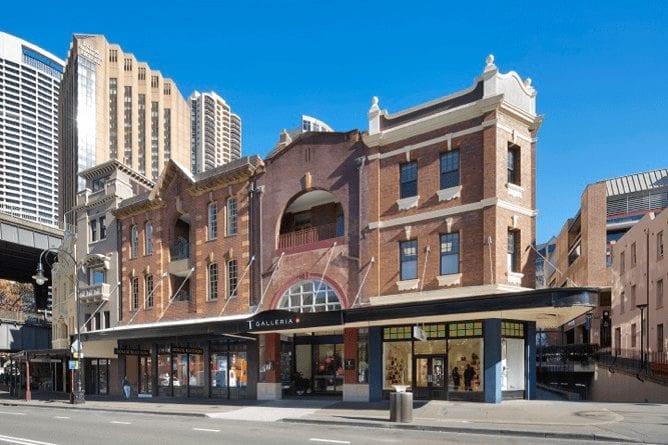
    DFS Group, the world’s leading luxury travel retailer, last week unveiled its newly renovated store, T Galleria by DFS Sydney. The modern interior, which boasts a fresh, clean look, complements the store’s attractive red-brick façade and offers customers a compelling shopping experience from the minute they step through its doors.

    Spanning over 70,000 square feet of space, T Galleria by DFS Sydney has occupied its historic George Street
    location for 29 years and is Sydney’s only duty and tax free destination, mere steps away from The Sydney Opera
    House and Harbour Bridge. Featuring more than 150 of the world’s most desirable brands, the store is a one-stop
    shopper’s paradise which aims to entice customers with its stylish layout and carefully curated collections. It
    showcases an extensive selection of products across all categories – fashion and accessories, beauty and
    fragrances, watches and jewelry, wine and spirits, food and gifts – with many items available exclusively to T
    Galleria by DFS Sydney, such as the Michael Kors x DFS collection and Tiffany & Co.’s Keys.

    Customers begin their exciting retail journey on the ground floor, which is devoted to 11 iconic brands that lead
    the way in global designer fashion. Each of these luxury retailers has created an intimate space in T Galleria by
    DFS Sydney that captures the essence of their respective flagship stores.

    An irresistible mix of fashion and accessory retailers greets shoppers arriving on the second floor. Contemporary
    fashion brands offer a younger, slightly edgier aesthetic to shoppers, whilst smart totes, travel essentials and
    suitcases cater for discerning travelers.

    With its double-height ceiling and black-and-white checkered flooring, Watch World on the third floor is the
    ultimate in retail elegance as befitting the 57 luxury watch brands that are showcased here. Bespoke joinery and
    special lighting accentuate the exquisite watches on display. Still on the third floor, warm wood flooring draws
    customers towards T Galleria by DFS Sydney’s selection of sunglasses, displayed alluringly on floating shelves.
    With 24 of the world’s most prestigious and iconic brands all in one area, travelers can be sure to find their
    perfect look.

    Beauty and fragrance lovers are well catered for too, with some of the beauty world’s biggest names positioned
    next to more niche brands on the fourth floor. Customers will also discover a tempting assortment of international
    and local food products, wine, spirits and gifts from over 50 brands. These include Ovvio organic certified teas,
    Yalumba wine, Steens manuka honey and delicious Tim Tam bites, Australia’s favorite cookies encased in
    Belgian chocolate.

    “The renovated T Galleria by DFS Sydney brings a whole new experience to visitors from all around the world,
    offering them a fresh, one-of-a kind duty free retail space in one of Sydney’s most vibrant and prestigious areas,”
    said Sibylle Scherer, President, Merchandising and Consumer Marketing, DFS Group. “With such a wide
    assortment of brands and products to choose from, we anticipate that many new customers will be eager to
    explore this beautiful city’s latest destination for luxurious shopping.”

    The refurbishment of T Galleria by DFS Sydney began in August 2016 under the direction of Australian design
    company PMDL, which was also responsible for the design of T Galleria Beauty by DFS, Studio City, Macau,
    and T Galleria Angkor by DFS in Siem Reap, Cambodia.

  • New Thai Vietjet route launches to bring more passenger traffic

    New Thai Vietjet route launches to bring more passenger traffic

    New route launches by Thai Vietjet is expected to bring significant increases in passenger traffic between Thailand and Vietnam starting next month. This follows the official announcement that Thai Vietjet has just received the recertified AOC (Air Operator Certificate) from the Civil Aviation Authority of Thailand (CAAT).

    The new certificate, bestowed to the airline by Transport Minister Arkhom Termpittayapaisit, is in line with ICAO (International Civil Aviation Organization) standards. It was presented to Vietjet during a special ceremony with the theme “Let’s Enjoy A New Journey” on November 8.

    The airline also announced a new international route from Bangkok to Dalat – known as the ‘City of Flowers’ and a much-loved mountainous retreat for local and international travelers, particularly from Thailand. Earlier, Thai Vietjet announced that it will introduce two new international routes connecting Phuket and Chiang Mai with Vietnam’s largest tourism and economic hub of Ho Chi Minh City.

    “We believe that the recertification will further reassure the confidence of travelers across the globe in our services and the Thai airline industry as well,” said Ms. Nguyen Thi Thuy Binh, Thai Vietjet’s management representative. “To further deliver our promise to contribute to the growth of Thai tourism, today I am also pleased to announce the opening of Thai Vietjet’s new international route from Bangkok to Dalat in the Central Highlands of Vietnam. The new flight will be launched just before the International Flower Festival of Dalat, which is held in December this year. I am delighted that people from these two countries can now enjoy their neighboring country even more through our expanding flight network.”

    The Transport Minister of Thailand, Mr. Arkhom Termpittayapaisit, said: “Thai Vietjet is the 12th carrier to pass the recertification process since CAAT started to recertify the AOC for airlines. I have witnessed the airline’s dedication on preparing and improving itself to successfully pass the overall operational standards of ICAO. And the new AOC, bestowed to Thai Vietjet today, is a remarkable milestone for the carrier to further prove its safety and services as it spreads its wings and continues to fly further and higher on this journey of sustainable development.”

    Commencing 18 December, 2017, the new Bangkok – Dalat route will be operated by an Airbus A320 with four return flights per week, flying every Monday, Wednesday, Friday and Sunday. The flight departs at 10:45am from Bangkok and returns at 12:45pm from Dalat with a flight time of one hour 45 minutes. One-way fares start from only THB 99 (HKD $23.33) (excluding tax and charges).

    Dalat is the capital city of Lam Dong province, located in the Lang Biang highlands – part of the Central Highlands region of Vietnam – 1,500 meters above sea level. Boasting thick pine forests and verdant valleys of postcard beauty as well charming old French villas, beautiful waterfalls and gorgeous lakes, the city of Dalat has become one of the most favorite destinations in the country and the region, particularly when it comes to winter where flowers blossom in full colors all over the city. Therefore, the city is known to Vietnamese by many lovely names such as Little Paris, the City of Love, the City of Poetry, the Green City.

    Following the newly-launched route to Dalat in December 2017, Thai Vietjet and Vietjet Group will operate a total of six direct routes between Thailand and Vietnam, including Bangkok to Hanoi/ Hai Phong/ Ho Chi Minh City and Dalat and Phuket/Chiang Mai to Ho Chi Minh City.

  • Winning the hearts and wallets of today’s tech-savvy customers

    Winning the hearts and wallets of today’s tech-savvy customers

    New-age digital customers are changing, so are the ways to keep them hooked. Today’s customers in Asia, like those elsewhere, expect seamless and consistent omnichannel experiences along with the best quality and price. Thanks to a plethora of touch-points, selling is no longer a linear process and requires a constant connect with customers. Customer engagement now rides heavily on technology, which, in turn, drives each step of the buying decision and beyond.

    As retailers struggle to come up to speed with fast-changing customer behavior, the threat from new-age global digital players has become very real – the disruption has happened in a very short time.

    A big challenge for retailers involves bridging the gap between what they have to offer and what customers want. A Forrester survey shows that while 60% of retailers believe their company provides an exceptional customer experience, only 31% of customers reported having consistently positive experiences.

    Retailers are also struggling to effectively utilize digital capabilities in serving customers. Around 84% retailers in the survey rated themselves over 8 (on a scale of 10) in digital maturity of the services they provide to their customers. But a whopping 51% reported challenges in leveraging those capabilities to provide consistent customer experiences.

    Walk alongside, not behind

     The customer is well and truly the king now. Retailers must adopt a customer-centric approach. An ideal customer-centric approach will ensure that the focus is on enhancing customer experiences while simultaneously understanding customer behavior and attitude.

    The ideal starting point towards this goal is to review the digital customer touch-points and assess whether customer interactions are designed to enhance both customer experiences as well as the organization’s ability to understand customer intent and preferences.

    While the fundamentals of product, price and service are just as relevant as ever, a 360-degree approach to understanding customer interests, attitudes and behaviors is necessary for retailers to meet customer expectations.

     Attention – the first step of the A-I-D-A (Attention, Interest, Desire and Action) model — is being grabbed by retailers who offer exciting technology experiences to customers. The likes of Alibaba and Myer introduced virtual shopping experiences earlier this year, allowing customers to wear headsets and enter virtual stores to browse through products. Several retailers are leveraging personalized products, interactive digital displays, touch-and-go payment applications, body scanners and magic mirrors, all of which have the potential to bridge the gap between the online and the offline worlds, accelerating the promise of a “smart” shopping experience that recognizes and delights the new-age consumer.

    Accelerate towards omnichannel 2.0 with caution

     While the basics of omnichannel retailing must be in place, customers today demand excellence. This means even one part of the experience falling short of expectations can undo the greater experience retailers may have delivered across other channels.

    Checking the box too quickly on omnichannel programs, before ironing out the issues with in-store operations, can lead to poor customer experiences, low adoption rates of these services, and even customer attrition. Retailers must look at their store environments to see where opportunities exist for improving not only digital experiences, but also the interactions and processes that form the key components of the shopper experience.

    Strengthen the purchase beyond purchase

    Buying is no longer a sequence of steps. There is much more back-and-forth, many comparisons, multiple channels and several decision points – all driven by technology. It is important to bring the customer back too. Customers are excited by technology, and technology becomes a companion to customers in their path to purchase and beyond.

    Retailers must design experiences that encourage shoppers to come back. Post-purchase experience is one of the important touch-points that can influence customers and inspire loyalty.  The first 24 hours after a purchase is the ideal time to build trust by delivering more content or asking for feedback. That helps capture emotional highs – both positive and negative – and translate them into better actions. Negative outcomes can be turned into opportunities to connect with customers and positive outcomes can be used to strengthen relationships.

     A big opportunity awaits

    Highly connected customers bring with them very high expectations, settling for nothing less than the best experiences and deals. This creates a lot of opportunities as well as challenges for retailers to gain and retain those customers. Successful retailers will be the ones who leverage technology to engage with customers – well beyond buying – in innovative ways, focus on all touch-points to impress customers and glean insights, and provide a seamless, integrated experience across channels.


    by  Singaravelu Ekambaram, Global Delivery Head, Retail and Consumer Goods, Cognizant

  • DHL eCommerce launches ServicePoints networks in Asia

    DHL eCommerce launches ServicePoints networks in Asia

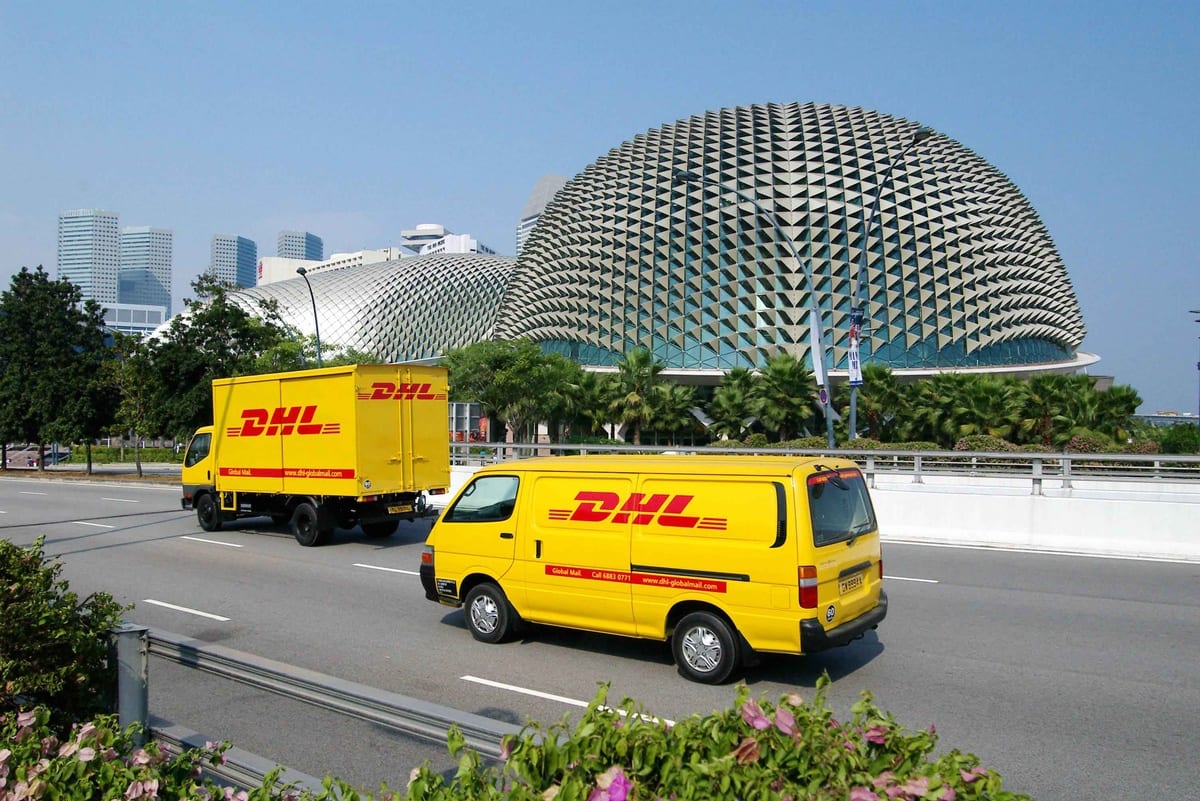
    DHL eCommerce has launched ServicePoints networks in key Asian markets. In a statement issued today (24 November), DHL eCommerce said that it has established a network of more than 200 ServicePoints in Thailand – which will enable commerce sellers to ship nationwide and for online shoppers to conveniently pick-up their orders. DHL added that over 1,000 ServicePoints will be launched over the coming months.

    “We are extremely positive about the e-commerce growth in Thailand, and have seen fantastic growth since we launched our domestic delivery network in Thailand in 2016. We will continue to enhance our existing solutions and launch new services to offer greater convenience and choice for sellers and shoppers across Thailand,” said Kiattichai Pitpreecha, Managing Director, DHL eCommerce Thailand.

    “We are really pleased to now be able to offer parcel drop-off and pick-up locations, all of which are easy to access, simple to use and provide a fantastic customer experience.”

    On Tuesday (21 November), DHL eCommerce also announced that it has launched a ServicePoints network in Vietnam.  The company statement said: “DHL eCommerce has already launched more than 100 ServicePoints and will continue to rapidly expand to more than 1,000 in the coming months.”

  • AirAsia adds 3 domestic flights from Clark Airport

    AirAsia adds 3 domestic flights from Clark Airport

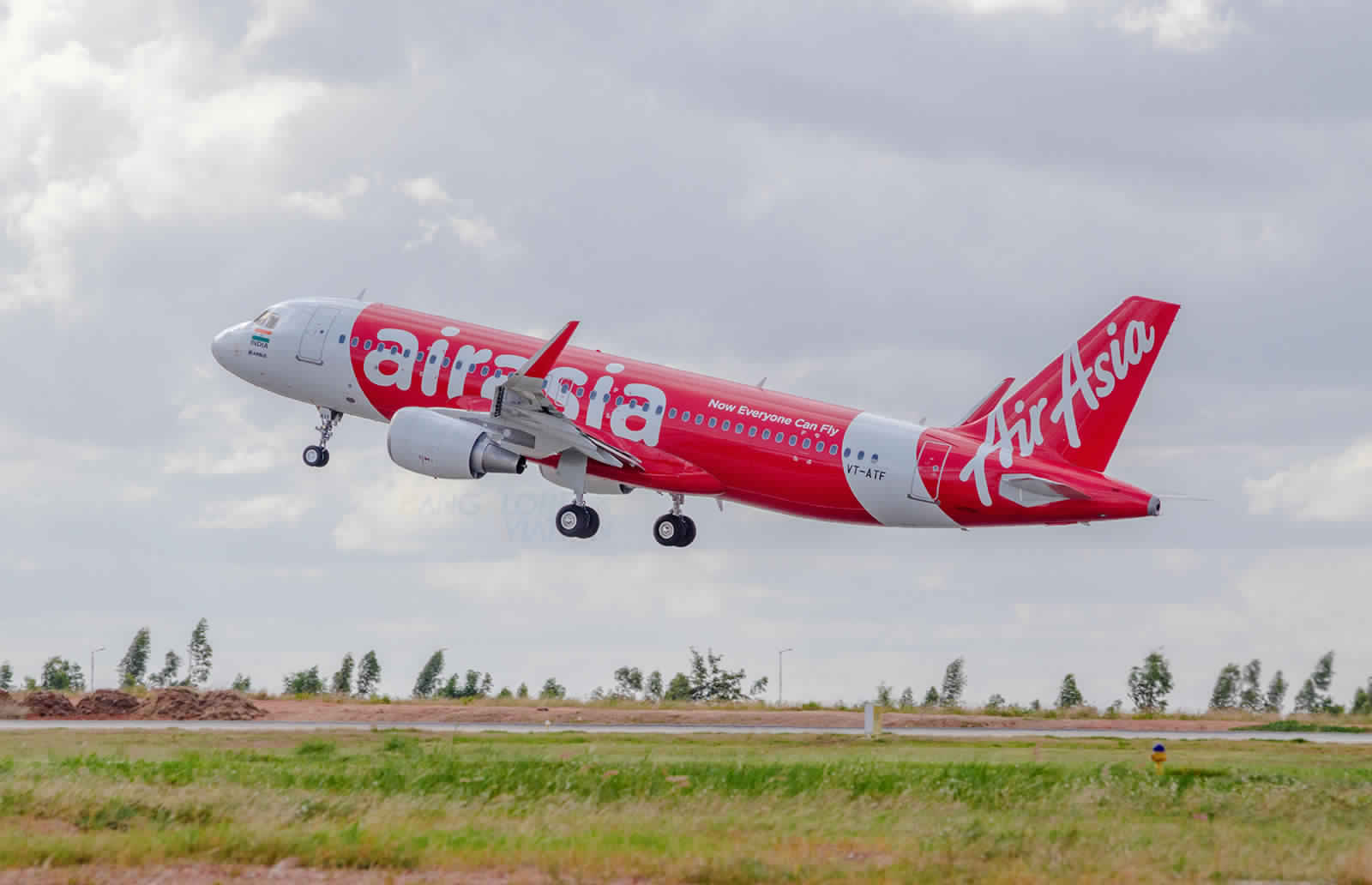
    AirAsia is flying to brand new destinations — Iloilo, Tacloban, Puerto Princesa — from Clark Airport in Pampanga starting next year. The world’s best low cost carrier for nine consecutive years will begin to fly from Clark to Palawan, Iloilo, and Tacloban starting January 26, 2018 with introductory fares now on sale from as low as P990 only. Captain Dexter Comendador, chief executive officer of AirAsia Philippines, said the airlines support the growth and development of cities outside Metro Manila.

    “We feel strongly by supporting this by providing more options and added convenience for travelers to fly to their desired destinations without going to the main airport in Manila,” Comendador added. AirAsia’s newest flights from Clark bring brighter, bigger, and better opportunities for Northern and Central Luzon, according to him.

    To celebrate, AirAsia is offering promo fares from as low as P990, all-in, and up for grabs now until December 10, 2017 at www.airasia.com for travel period between January 26, 2018 to January 31, 2019. Clark – Puerto Princesa and Clark – Iloilo routes will operate three times a week or every Tuesday, Thursday, and Saturday while Clark – Tacloban route is every Monday, Wednesday, Friday and Sunday. AirAsia also flies to Davao, Kalibo, and Caticlan from Clark International Airport using Airbus 320s that can accommodate up to 180 passengers. Aside from Clark, AirAsia also offers flights to Iloilo, Tacloban, and Puerto Princesa from the airline’s hub in Manila, Cebu, and Davao.

  • Lotte Duty Free reveals winter season retail promotions and prizes

    Lotte Duty Free reveals winter season retail promotions and prizes

    The campaign will begin 24 November and continue through to 4 January 2018, as the retailer aims to drive sales over the holiday season and New Year.

    Around 40 brands including fashion and accessories from Bally, Coach, Vivienne Westwood, Marc Jacobs and Tory Birch are on promotion for discounts between 20% and 80% at major downtown Lotte Duty Free shops in South Korea.

    The festive promotion includes the opportunity to win prizes such as tickets to film and music events with minimum purchase. Customers spending over US$2,000 at the Lotte Myeongdong store will be entered into a draw for tickets to the Gwanghwamun Sonata.

    At the Lotte World Tower and COEX stores, tickets to Hamlet: Alive are on offer. Customers spending over US$700 by 10 December at the three stores mentioned will also have the opportunity to attend the movie premiere of With God. VIP tickets for 70 winners (and a guest) to attend the premiere at the Lotte Cinema World Tower Hotel on 18 December are available.

    Lotte’s seasonal programme for customers also includes activities with Korean Wave (hallyu) models and the opportunity to collect pre-paid discount cards.

    Customers spending over US$300 at the Myeongdong, World Tower and COEX stores will receive pre-paid discount cards of up to KRW280,000 (US$221) depending on amount spent.

    For customers who spend more than US$150 with the retailer at either Incheon International and Kimpo Airports, Lotte will present a prepaid discount card of up to KRW140,000 (US$129) and KRW240,000 (US$221) respectively.

    Shoppers spending more than US$200 at Lotte stores can also receive additional discount cards by collecting stamps each time they visit.

    On 1 December, the retailer will present its ‘Lotte Duty Free Shop 2018 Play Calendar’ at the Myeongdong, World Tower, COEX, Busan and Jeju stores. The calendar features images of hallyu stars Lee Min Ho, Lee Jong-suk, Exo and Twis that customers can colour-in with pencils provided.

    The retailer is also running a lottery for five winners to win a flight to Vietnam in celebration of the launch of flights between Incheon and Nha Trang airports. Customers need only spend US$1 at the airport Lotte Duty Free store to enter.

  • Singapore Upgrades 2017 Growth Forecast to as Much as 3.5%

    Singapore Upgrades 2017 Growth Forecast to as Much as 3.5%

    Singapore raised its economic growth forecast for this year to 3 percent to 3.5 percent after third-quarter data beat projections on the back of stronger exports and manufacturing.

    Highlights of GDP Report
    • Gross domestic product rose at a seasonally adjusted, annualized rate of 8.8 percent in the third quarter from the previous three months, higher than an earlier estimate of 6.3 percent
    • Median estimate of nine economists in a Bloomberg survey was for 7.8 percent gain
    • GDP increased 5.2 percent from year earlier, the fastest pace in more than three years, versus median estimate of 5 percent
    • Economy seen expanding 1.5-3.5 percent next yearPrime Minister Lee Hsien Loong

    A healing in global trade this year has helped boost export-reliant economies like Singapore’s, with manufacturing buoyed by demand for electronics goods. Growth has started to broaden out to other industries, such as services, giving economists and the government reason to upgrade their full-year projections. said earlier this week that growth could exceed 3 percent in 2017.

    The trade ministry said on Thursday global growth is expected to improve next year, on the back of a pick-up in the U.S. and some emerging markets.

    “We also see signs that the recovery is broadening,” with business services and retail looking better even though third-quarter growth was “primarily supported by manufacturing,” Loh Khum Yean, permanent secretary at the trade ministry, told reporters.

    Manufacturing surged almost 35 percent in the third quarter from the previous three months, while the services industry, which makes up about two-thirds of economy, grew an annualized 3.2 percent. Construction continued to suffer, contracting for a third quarter by 5.3 percent.

    Southeast Asia Boom

    Growth has been surprisingly strong across Southeast Asia, with third-quarter data from the Philippines and Malaysia last week and Thailand this week exceeding forecasts, providing a more upbeat tone to the region as the U.S. Federal Reserve tightens monetary policy.

    Jacqueline Loh, deputy managing director at Singapore’s central bank, told reporters the monetary policy stance from October remains appropriate and the regulator will continue to monitor developments. The Monetary Authority of Singapore left its policy stance unchanged last month, but gave itself room to tighten if necessary.

    In a separate report, International Enterprise Singapore forecast export growth of 6.5-7 percent for this year, compared with a previous estimate of 5-6 percent, and estimated 0-2 percent expansion next year.

    “The pace of growth of the Singapore economy is expected to moderate in 2018 as compared to 2017, but remain firm,” the trade ministry said.

    — With assistance by Myungshin Cho, and Ailing Tan

  • Victoria’s Secret pins hopes on Shanghai show to enhance Chinese market share

    Victoria’s Secret pins hopes on Shanghai show to enhance Chinese market share

    Victoria’s Secret understands “sexy”.

    And with the retail market for women’s lingerie in China estimated at $25 billion – nearly twice that of the United States – China is the new “sexy”.

    Shanghai maga show

    This month, the retailer is debuting its Victoria’s Secret Fashion Show featuring its “angels”, young models clad in whiffs of lace and exotic, bejeweled wings, in Shanghai. The show will be globally televised on Nov 28 on CBS in 190 countries and regions worldwide.

    After the 2016 Victoria’s Secret Fashion Show in Paris, the company received complaints from Chinese bloggers about the use of Chinese-themed dragons and other Chinese cultural symbols. So a lot is riding on the success of the inaugural effort in Shanghai.

    Ed Razek, executive producer of the fashion show and Victoria’s Secret chief creative officer, told Xinhua that there will be performances by former One Direction boy band member Harry Styles, Grammy-winning artist Miguel, Tony Award winner Leslie Odom Jr., and Chinese popstar Jane Zhang and solo pianist Yundi Li.

    In addition, 55 models from 18 countries and regions will be strutting the catwalk, including top Chinese models Ju Xiaowen, Liu Wen, He Sui, Ming Xi, Wang Yi, Xie Xin and Estelle Chen.

    Founded in San Francisco in 1977, Victoria’s Secret burst onto the American market by styling itself as an alternative to more humdrum, purely functional women’s inner wear. The core strategy was to inject sex appeal into mass-market undies.

    The strategy paid off and it became the largest American retailer of women’s lingerie, pulling in $8 billion in revenue in 2016 despite an 11 percent dip in sales.

    Still, all is not rosy in the Victoria’s Secret boudoir.

    Women’s groups have long decried its objectification of women’s bodies. In “Victoria’s Dirty Secret”, a research article published by Canada’s Wilfrid Laurier University and the University of Waterloo, its authors asserted, “Victoria’s Secret sends a message to these adolescent girls and women that their models are the standard of beauty. Women in these ads are highly objectified, idealized, and sexualized. If women feel they have to live up to this sociocultural norm standard, it is only telling men that it is okay to objectify and sexualize women.”

    As varying body types have become more accepted, competitors have gained ground, and the athleisure movement is luring more women to place stylish comfort over high-maintenance sex appeal.

    Add to that the growing trend to shop online and even leading brands are feeling the burn. To trim corporate fat, Victoria’s Secret recently canceled its print catalogue, dumped its swimwear line, and announced plans to lay off 200 employees.

    So the booming Chinese market could be manna from heaven. Rapid economic growth and higher disposable income, combined with widespread exposure to leading global luxury brands has given Chinese consumers a taste for international brands and luxury merchandise.

    Big but no easy market

    After expanding internationally in the 1990s and 2000s in 38 countries and regions, Victoria’s Secret entered China in 2015, opening its first storefront in Shanghai. Plans for a second store in Chengdu are in the works.

    Spurred on by trends in social media and fashion-forward celebrities, Chinese women are increasingly embracing luxury lingerie, and are willing to pay a premium for it.

    In Victoria’s Secret’s pink glass-fronted, four-story flagship store on Huaihai Road near Shanghai’s fashionable Xintiandi shopping district, prices range from 300 yuan ($45) to 4,000 yuan ($605) or more.

    The store also features “The Angel Suite”, one of only three in the world, with the other two being in New York and London, catering to VIP customers seeking to view the latest in lingerie fashions in a private and exclusive setting.

    However, while the Shanghai fashion show may create greater exposure, it can’t solve the pressing issue of growing global competition.

    Luxury Italian lingerie maker La Perla already has eight stores in China with additional outlets coming down the pike. Canada’s athleisure yoga brand leader Lululemon is also weighing in with a flagship store in Shanghai. And China’s own Guangdong-based mass-market lingerie brand Cosmo Lady has already staked claim to 4 percent of the domestic market.

  • Digital wallet WeChat Pay launches in UK

    Digital wallet WeChat Pay launches in UK

    In the middle of London’s Camden Market, a trader from China hands red-bean cakes to a group of tourists from Sweden, as tattooed locals dressed in black leather weave their way between food stalls cooking up dishes including barbecued meat and fish and chips.

    The market, which has been at the heart of London’s punk scene since the 1970s, has evolved into one of the capital’s busiest tourist attractions. It draws hundreds of thousands of people every week to its maze of clothing shops, tattoo and piercing parlors, and food stands.

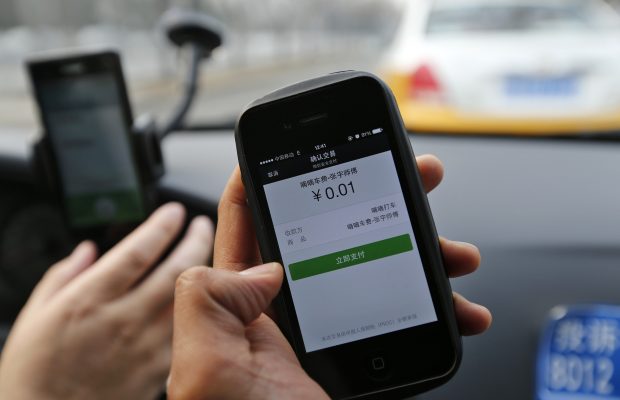
    And starting this month, Chinese visitors will be able to buy goods with the help of mobile payment platform WeChat Pay.

    Camden Market is a sharp contrast to luxury shopping hotspots such as Bicester Village and Oxford Street where Chinese tourists spend millions of pounds each year and might not seem the obvious choice for the United Kingdom launch of WeChat’s hugely popular digital wallet, which accounts for 40 percent of the Chinese mobile payment market.

    However, the number of Chinese visitors to Camden is climbing. In September 2016, 5 percent of visitors were Chinese. The proportion doubled to 10 percent in March.

    “In terms of demographics, the number of Chinese tourists in Camden is certainly growing, and in terms of a brand, Camden was an obvious choice. It’s iconic in London,” said Craig Jacoby, head of retail payments at SafeCharge.

    WeChat has worked with SafeCharge, a British payment technology company, to make WeChat Pay available at point-of-sale locations in the UK for the first time.

    During the next four months, SafeCharge will provide more than one thousand Camden Market vendors with a software update that enables in-store payment terminals to generate QR codes and perform transactions.

    Chinese tourists spent 513 million pounds ($681 million) in the UK last year, according to tourism authority VisitBritain. Camden Market’s management wants to better accommodate those bigspenders.

    Jacoby said WeChat Pay will soon be available at other shopping destinations in London, and it is also launching at six large retailers in Paris as WeChat moves forward with its international expansion.

    WeChat Pay rival Alipay has also made recent moves in Europe. In October, Alipay expanded its partnership with Dutch payment company Adyen to facilitate in-store mobile payments at retail partners in the UK.

    In Camden, merchants and customers were upbeat about the development. Yi-yin Wei, a shopkeeper from Taiwan who sells red-bean cakes at Wheel Cake Island, thought the update will be useful.

    “Chinese people are used to paying for things with their phones, so it will be like home for them,” Wei said.

    And Angel Chow, a tourist from Hong Kong, said Chinese shoppers will likely spend more now they have WeChat Pay as an option.

    “They will find it convenient if they can use their phones and will buy more. I think they will be excited to be able to use it in England,” Chow said.

    Other Camden merchants were not sure there would be enough demand. Vari McGeachy, manager of Books Iconica, said fewer than 5 percent of her customers are from Asia.

    “We don’t have many Chinese people coming through the doors, and when they do they don’t have a problem paying with cash or card,” McGeachy said. “It wouldn’t be worth having to train my staff about a new system.”

    SafeCharge Chief Executive David Avgi said in general there is great motivation to accommodate Chinese consumers in Europe, where 50 percent of luxury purchases are made by Asian tourists.

    And he said it is a matter of time before the mobile payment systems that are ubiquitous in China catch on in the West.

    “This innovative payment method is seen as the next big payment phenomenon in Europe,” Avgi said.

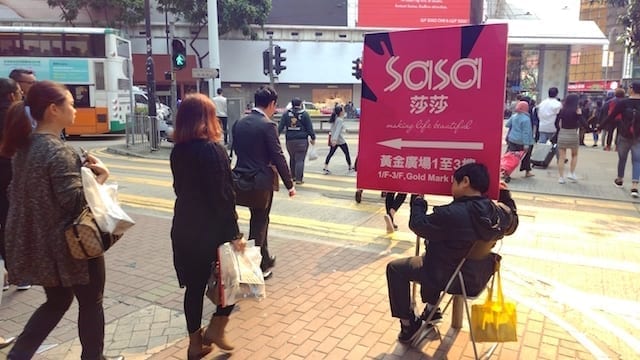
  • Sa Sa to open more stores after getting confidence

    Sa Sa to open more stores after getting confidence

    Skincare and cosmetics retailer Sa Sa International Holdings Ltd on Thursday posted a 14.5 percent rise in first-half net profit as consumer sentiment and mainland tourist arrivals improved.

    The Hong Kong-based retail chain operator’s net profit rose to HK$109.9 million ($14.1 million) for the six months ended in September from HK$96 million a year earlier. Analysts were expecting HK$118 million, according to Thomson Reuters SmartEstimate.

    Revenue climbed to HK$3.66 billion from HK$3.60 billion a year earlier.

    “We aim to capitalise on weakness in the rental cycle to establish more strategic locations to improve our brand exposure and stimulate sales,” Chairman Simon Kwok said in a filing to the Hong Kong bourse.

    Retail sales in Hong Kong and Macau rose 2.2 percent, while gross profit margin improved to 42.2 percent from 41.4 percent. The company operated a network of 283 stores and counters as of end-September, unchanged from the year-ago period.

    Sa Sa had earlier said that for the July-September quarter its retail and wholesale turnover rose 1.1 percent year-on-year, narrowing from a 2.1 percent growth in the previous quarter.

    In its home base of Hong Kong, retail sales grew in September at the fastest year-on-year pace in more than 30 months, government data showed, as increasing numbers of mainland visitors helped boost spending, particularly on watches and jewellery.

    Benefiting from improved consumer sentiment, China’s top jeweller Chow Tai Fook Jewellery on Tuesday posted a 46 percent profit rise in the first half and said it aimed to continue expanding in mainland China in the second.

    Sa Sa shares rose 2.5 percent on Thursday prior to the results announcement, outpacing a 0.1 percent gain in the benchmark index.

  • The most expensive, in-demand phone in China right now isn’t the iPhone X

    The most expensive, in-demand phone in China right now isn’t the iPhone X

    Even if you don’t intend to buy one, there’s a good chance you know how much the iPhone X costs, due to its $1,000-plus price gaining plenty of attention. Despite being one of the most expensive phones you can buy, it’s apparently not the one that’s most expensive, in-demand phone in China right now. That dubious honor goes to Huawei, and its Porsche Design-branded spin-off of the Mate 10 Pro.

    Even at standard retail price the Huawei Mate 10 Pro Porsche Design is more expensive than the iPhone X, but a high degree of demand has seen prices double, as people clamor to get their hands on the phone. In China, the Porsche Design version costs 9,000 yuan, or about $1,370 at today’s exchange rate. That’s if you can find one for sale at all.

    The limited edition phone has found plenty of buyers, and its rarity is pushing prices on the resale market up. Online retailers are selling the phone for between 18,500 yuan and 27,000 yuan, or $2,800 and $4,100. By comparison, the iPhone X is readily available on Taobao and JD.com for around 9,000 yuan, only slightly more than its official, cheapest retail price.

    A retailer selling the Mate 10 Pro Porsche Design on Chinese online site Taobao said he has received many enquires for the device, but few have been able to actually buy it. A 38 year-old who tried, but ultimately failed, to buy the phone through the official Huawei sales channel said the phone sold out in seconds. Huawei and Porsche Design have never said how many of the phone will be produced.

    In addition to China, the Porsche Design phone is sold in Europe, where it’s priced at 1,395 euros and is expected to ship at the beginning of December if you pre-order now. The European Porsche Design store also sells a Chinese version of the device, and orders will ship in January if placed now.

    Is the Porsche Design Mate 10 Pro worth not only the trouble of finding one, but also paying considerably more than the regular price, or even the standard Huawei Mate 10 Pro? We’ve used the phone, and definitely concluded that you’re better off saving some cash and just buying the superb standard Mate 10 Pro.

  • Alibaba And Singles Day Make Black Friday Look Small And Show The Future Of Retail

    Alibaba And Singles Day Make Black Friday Look Small And Show The Future Of Retail

    Singles Day may be an invented holiday, but Nov. 11 in China gives an indication of how retail will evolve globally over the next decade. And Alibaba is the company to watch. The numbers posted by e-commerce giant Alibaba on Singles Day — a holiday created as an antidote to China’s Valentine’s Day, which has caught on big time — in 2017 are mind-boggling. Alipay, the company’s payments system, processed $25B of payments, more than four times what the entire U.S. spent on Black Friday weekend and Cyber Monday in 2016.

    That is 1.5 billion individual transactions, 325,000 orders per second, at the day’s peak. Cainaio, the logistics company owned by Alibaba, processed 812 million delivery orders. The opportunity for brands is clear, and Alibaba said 167 companies each generated more than $15M in sales, 17 companies surpassed $75M, and six companies surpassed $150M.

    But as important as the numbers Alibaba posted was the way it posted them, because this gives an insight into how the worlds of online and physical retail will intertwine. “More than $25B of orders in one day is not just a sales figure,” Alibaba Chief Executive Daniel Zhang said in a statement. “It reflects how merchants and consumers alike have now fully embraced the integration of online and offline retail.”

    Ahead of Singles Day, Alibaba, founded by Chairman Jack Ma, sent an army of technicians across China to help more than 600,000 independent retailers — mom-and-pop stores, convenience stores and independents selling everything from clothes to hardware  — upgrade their computer systems.

    Those stores were able to sell goods through one of Alibaba’s online platforms, Tmail.com, and now serve as delivery and storage centres for goods sold on Alibaba. Wikimedia Commons Alibaba Chairman Jack Ma Convenience stores use an Alibaba app that helps manage these sales and deliveries, but also gives store owners advice on what they should be stocking to maximise profits and how their wares should be displayed. This is part of Alibaba’s wider effort to have deeper links into the world of physical retail.

    It is also working on the conversion of 100,000 retail stores into Alibaba-linked smart stores. If customers go into a shop and cannot find a product, they can find other stores nearby that might sell it, or have it delivered at home. “Alibaba plans to use these retailers to reach the elderly and children, who largely aren’t engaging with Tmail online,” said Henry Mason, managing director of consumer insights firm Trend Watching.

    “This move demonstrates that the future of retail is not a simple battle between online and offline. It is far more nuanced than that. As Alibaba in China and Amazon in the U.S. have noted, a purely online presence is not enough. “Because despite the proclamations of many online-obsessed, future-focused trend watchers, there are still hundreds of millions of consumers who aren’t pressing Amazon Dash buttons or using WeChat to order toilet paper via drone delivery on a daily basis.”

    Courtesy of Trend Watching Henry Mason Alibaba also has a chain of department stores called Intime, which double as fulfilment centres. Alibaba’s Singles Day numbers also highlight how smartphones will play an increasing role in retail, both online and offline — 90% of the payments Alibaba took were from mobile phones. “In major Chinese cities you hardly see cash machines anywhere,” Value Retail Chairman Scott Malkin said. “You pay for goods using your phone everywhere, whether it is at the street food stall or in the store.”

    Of course, the innovations being pushed by Alibaba will not be replicated exactly in other markets. The company has the advantage of working in a market which, because of the rapid pace of economic development and recent political history, does not have the pre-existing infrastructure and methodology of Western countries. “If you don’t have legacy companies like Marks & Spencer operating then you can go straight to what people want,” Malkin said. Its methods will not be adopted wholesale, but the way Alibaba is creating a platform that connects physical stores and online retailing is a development that will surely be replicated around the globe.

  • Europe and Asia give Guess strong quarter

    Europe and Asia give Guess strong quarter

    American fashion brand Guess’ third quarter turnover grew more than 3 %, mainly thanks to excellent sales in Asia and Europe. It did post a net profit loss however.

    Drop in America

    Guess’ total third quarter turnover reached 554.1 million dollars (470 million euro), which represents a 3.3 % turnover growth. European and Asian sales grew 19 and 17 % respectively, thanks to new stores and a good wholesale performance. North and South American sales did not fare as well: retail turnover dropped 13.4 % and wholesale turnover even dropped 16.8 %.

    “Looking at our company’s future, I can see more opportunities in Europe and Asia and we should achieve strong growth there next year as well”, CEO Victor Herrero said

    Despite that higher turnover, Guess did not manage a profit in the third quarter: it published a 2.9 million dollars (2.5 million euro) net loss, compared to a 9.1 million dollars (7.7 million euro) net profit the year before.

  • Chinese tourists still missing in Korea, but improvement may be on the horizon

    Chinese tourists still missing in Korea, but improvement may be on the horizon

    According to reports, the long-stagnant economic relationship between South Korea and China, prompted by tensions over the controversial missile defense system that was deployed is showing early signs of a revival, especially in sectors such as investment, tourism, and retail.

    Myeongdong, a well-renowned shopping street in Seoul, was often packed with Chinese tourists, but after the two countries’ relationship went sour, Myeongdong became more and more deserted. Recently a slight increase of Chinese tourists at Myeongdong are noticeable.

    A report by the Seoul-based Aju Business Daily published on Monday noted that a 25-people tour group from Shanghai will arrive at Jeju Island in South Korea around November 28, the first tour group from China to South Korea since political disputes cut off organized commercial tourism between the two countries. It did not give details about the organizers and participants of the tour.

    China’s trade with South Korea also rose by 11.4 percent year-on-year in the first ten months of this year, customs data showed on November 8.

    According to an Aju Business Daily report published on October 26, in the first nine months of this year, South Korea received about 3.19 million visitors from China, down almost 50 percent compared to a year ago.

    As revival signs emerged over recent days, South Korean retailers rolled up their sleeves to cater to Chinese consumers. For example, in mid-November, the Seoul-based Shinsegae duty-free store welcomed some Chinese Internet celebrities to help advertise some of their products, with the aim of attracting more Chinese customers to the country.

    Furthermore, the Seoul-based Shilla duty-free store has also designed a special app for Chinese tourists where they can exchange their tax bills for shopping coupons.

    A customer service staff member from Utourworld.com Inc, a Shanghai-based travel agency specializing in overseas tourism, said that the company canceled all its tours to South Korea around May and has not yet restarted them. She also said she is not sure whether those tours will be re-launched in the future.

    China CYTS Tours Holding Co, also a travel agency, made similar comments.

    Shanghai-based Spring Airlines, said that his company is running 32 flights to South Korea in the 2017 winter/spring season, compared with 46 flights in the same period in 2016.

    “Recently, we have not  added new routes to South Korea .

    A representative from Lotte China, whose business has slumped a lot due to the company’s deep involvement with the THAAD issue, said that so far, the company’s business in China has not seen any significant improvements. She also said that the company is formulating new plans concerning the Chinese market, but has not confirmed the plans yet.

    Time will heal the situation slowly.

  • Robot employees take on human tasks at UOB Singapore

    Robot employees take on human tasks at UOB Singapore

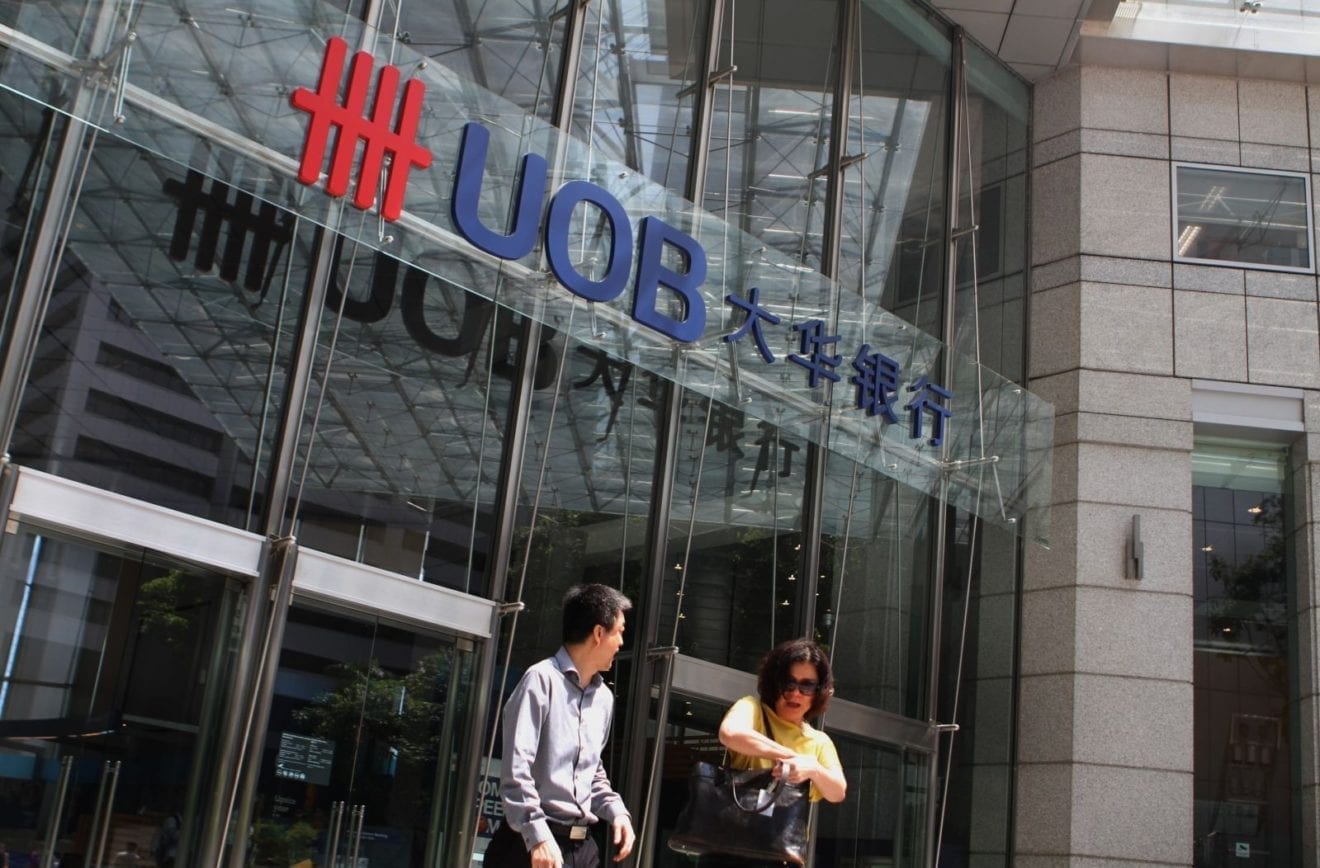
    UNITED Overseas Bank (UOB) has introduced two robots, or ‘virtual employees’, that will support its wholesale banking and retail businesses.

    In a press statement to Human Resources, the bank said its first robot employees, named Amy and Eve, started working at UOB three weeks ago, and have since cut the time taken to process a transaction by more than half.

    Amy and Eve have been taking on tasks that UOB’s human employees have found repetitive and time-consuming, allowing their human teammates to focus on more stimulating and challenging work.

    Feedback from the robots’ human colleagues have been positive, with most noting that they have been helpful and productive.

    Lim Ann Liat, managing director and head of markets and enterprise technology, group technology and operations, UOB, said: “By introducing robots into our workforce, we can improve our process using technology yet maintain a human touch. This also lifts the load off our people which in turn makes their jobs more fulfilling.”

    UOB plans to take onboard more robots in the coming months for other processes such as card operations, cash management and trade and remittance.

    Separately, in a whitepaper published today (Nov 23) by The Economist Corporate Network (ECN), it was reported that business leaders recognise the need for their leadership on automation and AI both inside and outside the company.

    The paper, based on a survey and focus group interviews with CEOs and other C-suite executives based in the Asia-Pacific region, revealed that 81% of CEOs would lead by example and automate parts of their job.

    According to the findings, CEOs find it difficult to clearly communicate their company’s automation and AI strategy to their employees.

    Dr Florian Kohlbacher, ECN Director for North Asia, commented: “We are talking too much about the potential negative impact of AI and automation on the workplace. What is needed instead is a proactive discussion on how companies can harness technology in order to strategically manage the transformation and systematically shape the workplace of the future.”