Author: Mei Ling Tan

  • Singapore stores going big for mega Black Friday sales event

    Singapore stores going big for mega Black Friday sales event

    Stores are upping the ante for Black Friday, the sales extravaganza that begins on Friday (Nov 24).

    The yearly American shopping affair has gained traction in Singapore and both online and bricks-and-mortar stores are pulling out the stops to attract consumers to their offerings.

    Country chief executive of Courts Singapore Ben Tan said: “Black Friday is one of the biggest shopping events of the year and a great platform to offer shoppers and bargain hunters unbeatable deals in both the online and offline space.”

    He added: “This year, our Black Friday promises to be bigger and better with discounts ranging between 12 per cent and 90 per cent off the recommended retail price, across IT, electrical and furniture products, and we plan for this annual sales event months ahead as an integral part of our retail calendar.”

    Courts began participating in Black Friday in Singapore in 2013, and signs advertising the event went up at its Tampines megastore on Thursday.

    Other stores are lengthening their sales period to give customers more time to shop and spend.

    All Robinsons stores will open at 7am on Friday and close at 1am on Saturday, instead of its normal opening hours of 10.30am to 10pm.

    When Robinsons opened at 7am last Black Friday, queues had already formed outside its store at The Heeren before dawn. Robinsons then said the turnout was “overwhelming”.

    Robinsons said the turnout last Black Friday was “overwhelming”, with queues already forming outside its store at The Heeren before dawn. 

    This year, Robinsons offers will last till Sunday, though the stores will resume their normal operating hours on Saturday.

    A spokesman said: “Preparation for this Black Friday Sale has taken us around six months. We have also added more cashier counters and installed additional fitting rooms to cater to the expected increase in customer traffic across all three Robinsons stores.”

    Other retailers are extending their sales periods to before Black Friday. For example, a Wing Tai Retail spokesman said: “Following overwhelming response to our offers last year, we are extending our main sale from two days to four days – so from Thursday to Sunday.”

    Wing Tai’s brands here include G2000, Topshop, Topman and Dorothy Perkins, and the spokesman added that this year, Fox Kids and Baby will enter the fray for the first time.

    Other stores participating in Black Friday for the first time include beauty firm Fujifilm Astalift. Fujifilm Asia-Pacific’s life science brand manager Joyce Foo said that the company plans to mark its first year by giving customers “a very attractive discount of 25 per cent storewide with a minimum purchase of two products”.

    Other industry players are expanding their Black Friday discounts to the offline space. Harvey Norman, for instance,has lined up hundreds of offers across all of its departments at all its bricks-and-mortar stores, in addition to its website.

    Some, however, are choosing to limit their promotions to their websites despite their bricks-and-mortar presence.

    Managing director of Gain City, Mr Kenny Teo, said: “We are running Black Friday specials on the Gain City website as we believe there is more traction for this campaign via e-commerce.”

    He said that for the home-grown electronics chain, “more people are willing to purchase bigger ticket items such as washing machines and refrigerators on our e-commerce website. This is in stark contrast to many e-marketplaces which tend to see smaller cart values and smaller ticket items being sold”.

    Pure e-commerce players want a slice of the pie too, with retailers such as Qoo10, Lazada and Beauty Carousel making more products available for the promotional sales period. Ms Cindy Leong, assistant manager of sales and marketing at Beauty Carousel, said: “We have expanded the categories for the Liberta Armpit Care Range, now covering all needs from head to toe.”

    However, not everyone is taking part in the sales frenzy, such as furniture giant Ikea.

    An Ikea spokesman said: “Low price has always been a part of the Ikea offer and we aim to provide a wide range of well-designed, functional home furnishing products that are affordable to as many people as possible.”

    He explained that the store constantly strives to reduce prices yearly, saying: “This way, we are able to offer low prices all year long, and will not participate in one-off discount events.”

    For those looking to snap up the best Black Friday deals, the Wing Tai Retail spokesman gave some advice.

    “Shop early. Very often, you get the best selection and offers on the first day of the sale.”

    Beauty Carousel’s Ms Leong went further, saying: “We recommend that consumers act fast to secure their purchases as products may sell out within seconds.”

  • Philippine tycoon Henry Sy’s grandson Howard aims to carve out his own niche with self-storage biz

    Philippine tycoon Henry Sy’s grandson Howard aims to carve out his own niche with self-storage biz

    Howard Sy, the grandson of Chinese-Filipino retail magnate Henry Sy Sr, is on a mission to establish his own business empire and he is starting with self-storage.

    Last year, the millennial businessman launched StorageMart, a self-storage service for individuals, households, and businesses. Howard said he is looking to expand to all the major cities in Metro Manila.

    “So far, we have two facilities in Makati. One in Yakal Street and the other in Eran Street, which is closer to [Bonifacio Global City]. We recently just opened StorageMart Eran, which now also includes climate controlled units for customers who need to store sensitive items,” he said.

    The 28-year-old entrepreneur is the third of the four children of Hans Sy, the second son of Henry Sy Sr, who is the richest man in the Philippines, according to Forbes. Sy, turning 93 in December, is chairman emeritus of diversified conglomerate SM Investments Corp. The tycoon began his mall empire from his first ‘Shoemart Store’ in Carriedo, Manila in 1958.

    It may be too early to predict that Howard could create a new business empire such as his grandfather’s SM Group of Companies, but the millennial businessman is bent on taking the same path — establishing a business through one’s own resources or bootstrapping.

    What made you decide to start your own business?

    Ever since I was young, I wanted to start my own business. One way or another, I was going to make it happen. I initially worked as an analyst for Macquarie Funds Group for three and a half years. We had a Philippine infrastructure fund investing in the local infrastructure. This provided me with the right foundation and work ethics, and a good amount of seed capital for my first business. One afternoon, I was watching the show “Storage Wars” on TV with my family and it hit me: “Is there a market for self-storage in the Philippines?” After a bit of research, I saw that there was, and that’s when the idea of StorageMart was born. After two years and a couple of failed property negotiations, I finalized my first property and opened StorageMart Yakal.

    How do you see self-storage business as a sector? What is your vision for StorageMart?

    The self-storage industry in the Philippines is currently in its infancy stage as there are only a few players in the industry so far. The primary goal of the sector is industry awareness. Filipinos need to be made aware that we now have the self-storage service in the country, and this is different from their stereotype thinking of what an extra storage space is. Currently, many people view the storage service as just a worn down dingy extra space you throw your extra stuff in at dirt cheap prices. This is where StorageMart comes in and educates the market that there is such a thing as quality convenient self-storage spaces at affordable rates.

    I plan on making StorageMart the benchmark of quality self-storage in the Philippines. I want to offer international quality self-storage service locally, while keeping it at affordable rates. Our self-storage facility locations will focus on convenience for our customers as they will be situated in extremely accessible locations.

    Although you belong to the millennial generation, you seem to be more traditional when it comes to business. Are there other brick-and-mortar businesses you want to explore and why?

    In terms of business, I am more traditional since I grew up under the tutelage of my family. They’re all very traditional, so I turned out somewhat similar, but that doesn’t mean I’m not interested in online businesses.

    Currently, there’s no other brick-and-mortar business I’m looking into, but there are definitely some online businesses I would love to explore. The biggest draw of an online business for me is the fact that the initial capex for one is just so much lower than a brick-and-mortar business. Expansion is not hindered by the lack of capital. Its potential to grow also won’t be hindered by a physical location. The potential is enormous, but so is the chance of failure.

    Are you also an investor? Are you interested in investing in online platform businesses?

    I’m not much of an investor. All of my savings and earnings are in StorageMart, so I don’t really have much capital for anything else. I am definitely interested in making an online platform business. Who wouldn’t be? It really just boils down to finding the right idea and executing it.

    Have you considered launching an IPO someday for StorageMart?

    I would consider launching an IPO for StorageMart. I’ve heard that in the US, self-storage REITs are one of the top performers throughout the years, so I would hope StorageMart could do the same.

    As a young businessman, are there other knowledge and skills you’re interested to learn and why?

    I would love to learn more with regards to the technical skills in running an online business. I, for one, am not too comfortable getting into an online business, where I would have to be reliant on someone with an IT background just because I literally have no knowledge about it. If I ever get into that, I’d definitely look into learning even some basic knowledge of the field.

    Belonging to a family of the most successful business people in the Philippines, what are the important lessons in life and business that you learned from them?

    Be extremely hands-on. Know every part of your business. There is no excuse to not understand or be on top of any part of your business when it is just starting up. How else will you compete with the bigger and more established companies? Be patient. Don’t expect to get rich quickly. Put in the hard work, so that when the opportunity comes, you will be ready. Be thrifty. Once you realize how hard and slow it is to earn money, you’ll naturally become thrifty.


  • Visa launching payment wearables for 2018 Winter Olympics

    Visa launching payment wearables for 2018 Winter Olympics

    With digital payment methods taking the world by storm, Visa is taking it in a new direction.

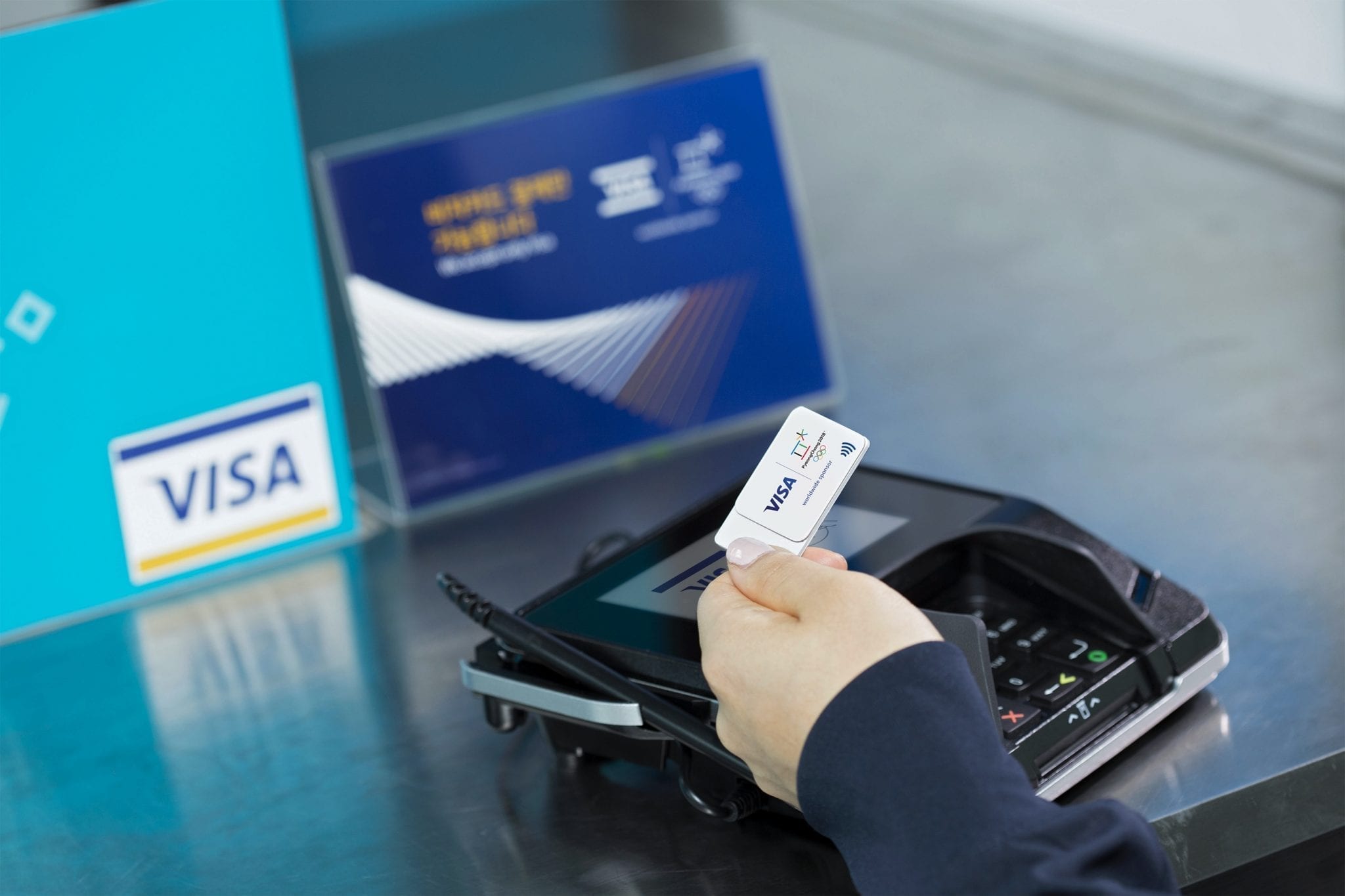
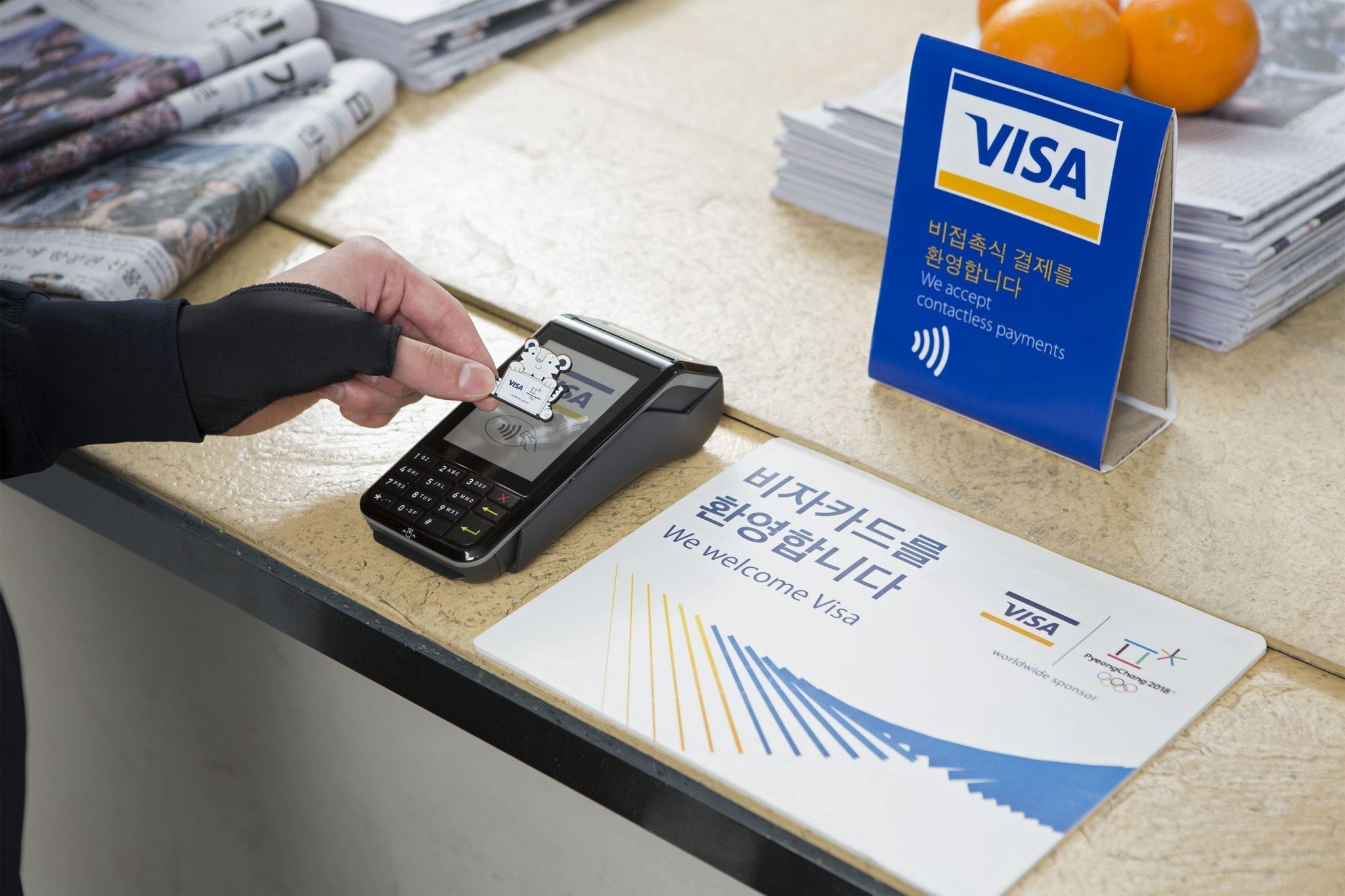
    The company is launching a line of three wearable devices that support contactless payments for fans and athletes attending the 2018 Winter Olympics in PyeongChang, South Korea in February.

    The line, which was produced in partnership with the financial arm of South Korean-based retail giant Lotte Department Store, includes payment-enabled gloves, as well as commemorative stickers and Olympic pins.

    “We are looking forward to transforming the payment experience for everyone who attends the upcoming Games in PyeongChang,” Iain Jamieson, Korea and Mongolia country manager at Visa, says in a Nov. 8 press release. “At Visa, we have been working tirelessly to ensure all of the Olympic venues are equipped with the very latest payment capabilities to provide the best experience possible for all those on-site.”

    With the average temperature in PyeongChang in February averaging around -4 or -5°C, the Visa gloves will allow fans to pay without getting cold hands. The gloves will have a dual interface chip with a contactless antenna built in, and come with prepaid amounts on them (KRW30,000 or KRW50,000, which is equivalent to approximately $35 or $60 CAD).

    Commemorative pins at Olympic games is a long-standing tradition, so Visa has introduced four unique designs that can be used to pay and then saved as a collectible. They will cost KRW5,000 (approximately $6 CAD), plus any amount fans want to load onto them.

    The Visa stickers will also have dual interface chips and antennas embedded in them, and can be stuck to almost anything. There will be eight distinct designs, and available in denominations of KRW30,000 ($35), KRW50,000 ($60), KRW100,000 ($117), and KRW200,000 ($235).

    While security is a concern, Visa said that its wearables “use the same EMV contactless standards, meaning it leverages the EMV crytogram security function to validate the authenticity of the wearables and the transaction.”

    “The wearables are powered by pre-paid products, there is no personal information attached to the wearable – no account number or token are used in the transaction process. If a wearable is stolen or lost, users should contact the Lotte Card call centre,” it adds.

    This is not the first time Visa has introduced wearables for the Olympics. At the 2016 Summer Games in Rio de Janeiro, Brazil, the company was selling payment-enabled rings that worked in a similar way to these new wearables for PyeongChang.

    “Growing up in South Korea, I am proud that my home country is hosting the 2018 Games, and is using this opportunity to introduce Visa payment innovations to the rest of the world,” Seung-Hi Park, a South Korean Olympic speed skating and Team Visa athlete, says in the release. “These payment gloves provide a hassle-free way to pay, even when it’s cold!”

    Available now, the gloves, pins, and stickers are available for purchase at Lotte Card’s customer centres in South Korea and online. During the games, they will also be available at Olympic Superstores in Visa vending machines.

  • Danone links with JD to grow west China business

    Danone links with JD to grow west China business

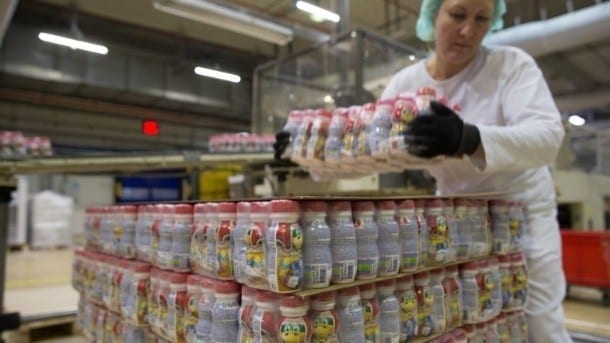
    Danone Waters China, a subsidiary of Danone Group, is tapping into the distribution network of China’s largest retailer and e-commerce giant JD.com as the French company expands its coverage of Southwest China.

    A shared warehouse will be built in Chengdu, the capital of China’s southwestern Sichuan province, that will store and manage inventory, merging Danone’s online and offline operations.

    “China is a market with both huge opportunities and major challenges when it comes to managing distribution across our many sales channels,” said Hanbin Lyu, vice president of Danone Waters China. The company has seven factories in China across six regions.

    Lyu said JD.com’s in-house logistics network and supply chain management technology would help Danone improve demand planning, inventory placement, warehouse and transportation management to increase efficiency across different sales channels.

    The Danone tie-up furthers JD Group’s push into the logistics business following the creation of JD Logistics earlier this year as a stand-alone business unit. JD operates China’s largest in-house fulfillment and last-mile delivery network with 405 warehouses.

    As part of the joint effort, JD will leverage its big data capabilities through the analyzing of billions of data points. The technology enables JD to help suppliers more accurately predict the ebb and flow of demand, and more efficiently manage stock. JD’s expertise in the area can help limit stock outs, waste, and higher logistics costs for last-minute replenishment that have traditionally plagued retail as a result of multiple layers of handling by a mix of third-party providers.

    “We believe our infrastructure and technology will benefit shippers and industries, including those that don’t sell directly on our platform,” said Wei Tang, vice president of logistics at JD. “Online retailers like JD can lead the way to more efficiency, transparency and reliability in commerce, benefitting both customers and suppliers.”

    A rapidly developing trend in China is the fast-growing demand for fresh products. During its Single’s Day promotion, JD.com sold over 20,000 tons of fresh products that included highly perishable items such as 500,000 tiger shrimp from Thailand and 2 million hairy crabs. There was also huge demand for Australian sirloin, Chilean frozen salmon, and Vietnamese base fish.

    The efforts in logistics are part of JD’s broader “retail as a service” strategy. As changing consumer demands force changes throughout global retail models, large-scale e-commerce companies are working on the development of an efficient and advanced supply chain.

    The need for efficiency is crucial to facilitate the growing cross-border e-commerce sales in China that are expected to reach $100.17 billion by the end of 2017, with the average spend per cross-border digital buyer at $882, according to eMarketer research. Average spend per buyer has increased because of growing awareness of overseas brands in China, as well as better logistics and the perception that foreign goods are of better quality.

    “The factors fueling the trend toward greater cross-border shopping are nothing new, as the average Chinese consumer is now more tech savvy, more exposed to foreign brands through overseas travel and the internet and, crucially, more willing to spend,” said Shelleen Shum, senior forecasting analyst at eMarketer.

    “With shopping sites such as TMall Global, JD Worldwide, and Kaola adding more brands to their offerings and improving cross-border logistics and processing times, there is an opportunity for foreign brands to tap into the demand for high-quality products, especially in categories like baby, maternity, health, and beauty.”

  • Asia to dominate global grocery market by 2022

    Asia to dominate global grocery market by 2022

    The region is expected to enjoy a CAGR of 6.6%.

    Asia is expected to dominate the global grocery retail market as it is projected to add $1.2t in sales which is more than Africa, Europe and Latin America combined, according to Institute of Grocery Distribution (IGD).

    IGD forecasts that Asia will enjoy a compound annual growth rate (CAGR) of 6.6%.

    Levels of consumer spending from Asia account for nearly half of additional sales generated until 2022 as the region’s grocery retail market is significantly boosted by its continuously rising population.

    Six countries from Asia secured a spot in the top 20 largest grocery markets by 2022, led by China at second place with a projected value of $1.67b.

    India follows at third place with an expected $812b value by 2022.

    Japan is at fifth place with a projected value of $455b; Indonesia notched seventh with $313b; Philippines at $153b and South Korea at $141b.

    “With China, India and Japan all in the top five, Asia’s grocery market continues to be in rude health thanks to growing populations and shoppers with more disposable income. Innovations in this market also continue apace, especially in China, where retailers are experimenting to drive the online and convenience channels,” said John Wright of IGD.

  • Sisma Auto opens Volvo showroom in Bukit Bintang

    Sisma Auto opens Volvo showroom in Bukit Bintang

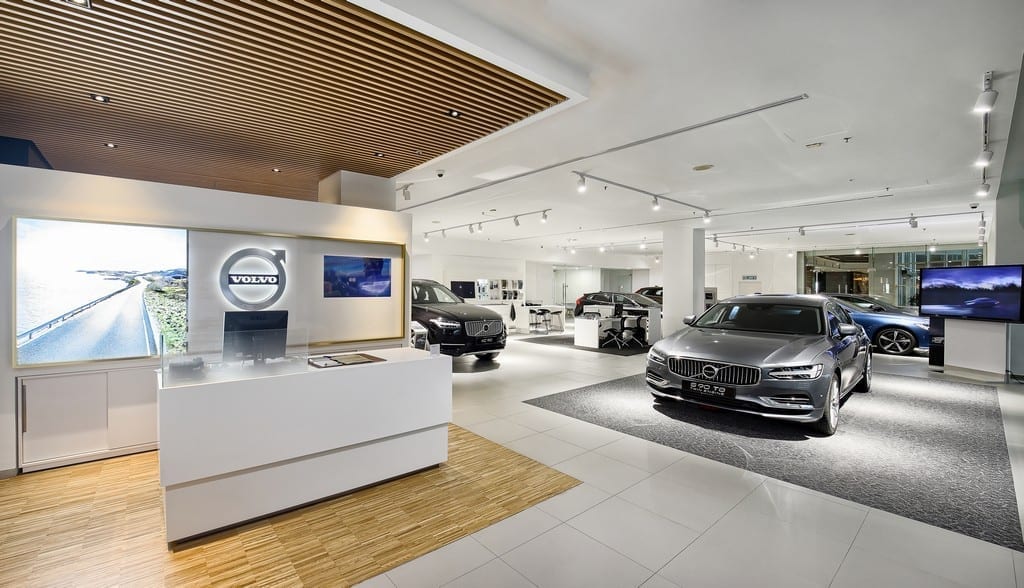
    The Volvo brand just got a new shot-in-the-arm with Sisma Auto, Volvo Car Malaysia’s newly appointed authorised dealer, officially opening its city centre showroom at Menara Worldwide on Jalan Bukit Bintang.

    Located in the heart of Kuala Lumpur’s premier residential and commercial district, the showroom is set to offer a touch of Swedish luxury to the Golden Triangle by featuring a luxurious retail environment influenced by Scandinavian design, known also as Volvo Retail Experience (VRE).

    “VRE is designed to reflect our Scandinavian-inspired values of calm with cleans lines that exude a cool and refreshing visual exterior appeal whilst the interior offers customers a warm and inviting feeling,” said Lennart Stegland, managing director of Volvo Car Malaysia.

    Sisma Auto managing director Syed Khalil Syed Ibrahim added that the new showroom would help enhance the visibility and awareness of Volvo’s latest range of highly acclaimed luxury cars.

    “We are very proud to be associated with Volvo, a brand that is clearly on the ascent after releasing an amazing range of new models from the XC90 to the new S90 T8 Twin Engine. With this new showroom, we hope to bring the Volvo experience closer to those who live or work in the city,” he said.

    Volvo owners who reside or work in the vicinity could also enjoy a premium ownership experience, a signature of Sisma Auto. The new showroom will feature Sisma Auto’s Concierge Service, which offers home or office vehicle pick-up and drop-off for customers.

    In conjunction with the opening of this new showroom, Sisma Auto is offering customers purchasing any new Volvo model from them, a chance to win an all-expense paid trip to Sweden.

    The new Sisma Auto Volvo Bukit Bintang showroom is located on Ground Floor, Menara Worldwide, 198 Jalan Bukit Bintang, 55100 Kuala Lumpur. Its opening hours are from 9am till 7pm, Monday to Friday and from 10am till 5pm on Saturday and Sunday.

  • Healey family to sell retail sites worth £144m

    Healey family to sell retail sites worth £144m

    Stadium Group, owned by the Healey family, has completed a conditional acquisition agreement with Ediston Property Investment Company (EPIC), which is based in Edinburgh.

     The sites, which are let to 23 tenants, include Kingston Retail Park in Hull, which has a market value of £25-30m, and Wombwell Retail Park in Barnsley, which has a market value of £10-15m.
    The value of all four sites nearly doubles Ediston’s portfolio to £317.6m.
    To fund the acquisition Ediston Property plans to raise £37m of capital by way of a new share issue.

    EPIC is currently trading at a marginal discount and the board is also increasing its annualised dividend by 4.5 per cent, to 5.75p per share.

    Stadium Group has agreed to subscribe for a maximum of £36.5m of new ordinary shares which will be subject to a 12 month lock-in.

    Ediston chairman William Hill said: “The board believes that acquiring the new portfolio will be accretive to the level of dividend cover and will provide a number of asset management opportunities which should enhance the income profile and the capital value of the group’s property assets.

    “There is a value play in retail parks as highlighted by low supply, good tenant demand and development potential all of which underpin future growth.”

    Retailing brothers Eddie and Malcolm Healey are the second wealthiest businessmen in Yorkshire with a collective wealth of £1.48bn, behind Robert Miller, the 84-year-old who co-founded the Hong Kong-based Duty Free Shop­pers chain of airport kiosks and is worth a total of £1.58bn.

  • Deutsche Bank to advice investors to avoid bitcoin

    Deutsche Bank to advice investors to avoid bitcoin

    Deutsche Bank has joined the ranks of those warning about the virtual currency bitcoin as an investment.

    “I would simply not recommend this to the everyday investor,” Ulrich Stephan, chief strategist at Germany’s largest lender, said on Wednesday.

    Stephan said that fluctuations are too great and regulation too scant. He noted that German investors were reluctant to invest in stocks, but were generating hype about bitcoin.

    Bitcoin smashed through the $8,000 level for the first time over the weekend and traded at $8,216 at 1523 GMT on Wednesday, with many experts saying $10,000 is possible.

    An eightfold increase in the value of the volatile cryptocurrency this year has led to multiple warnings of a bubble, and institutional investors are broadly staying away.

    Retail investors, however, as well as some hedge funds and family offices, are piling in despite JPMorgan Chase & Co Chief Executive Officer Jamie Dimon earlier this year calling bitcoin a “fraud”.

    Although UBS Chairman Axel Weber urged caution on bitcoin last week, he also said there was potential for the technology underpinning it.

    “At this point, I‘m very cautious about bitcoin as an entity. I‘m much more optimistic about the underlying technology,” Weber added.

    Sweden’s central bank is one organization which is investigating the potential for digital currencies.

    “An e-krona would have the potential to counteract some of the problems that could arise on the payment market in the future when the use of cash is rapidly declining,” the Riksbank said in a report in September.

  • E-Mart to tap Saudi Arabia with beauty specialty store

    E-Mart to tap Saudi Arabia with beauty specialty store

    E-Mart Inc., South Korea’s largest discount chain operator, said Thursday its beauty brand will open a store in Saudi Arabia next year, as the retailer attempts to expand its presence in the overseas market.

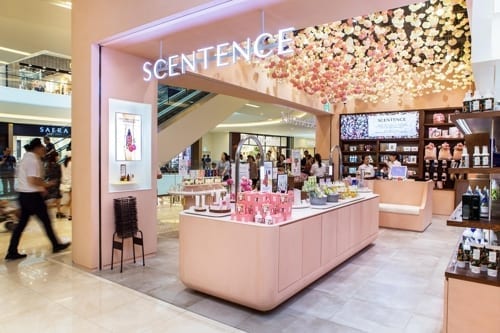
    The company said it signed an agreement with the Middle Eastern country’s major retail group Fawaz Alhokair to open its beauty store Scentence at a shopping mall operated by the Saudi firm.

    The store is likely to open in the Saudi capital city of Riyadh in March next year at the earliest, E-Mart said. It plans to open up to five more stores by 2018.

    The South Korean retailer has been pushing to tap deeper into foreign markets after withdrawing its business from China.

    This undated photo provided by E-Mart Inc., the operator of South Korea’s largest discount store chain, on Nov. 23, 2017, shows its beauty specialty store at a shopping mall in Goyang, northwest of Seoul. 


  • Emirates Leisure Retail roars in to Changi Airport

    Emirates Leisure Retail roars in to Changi Airport

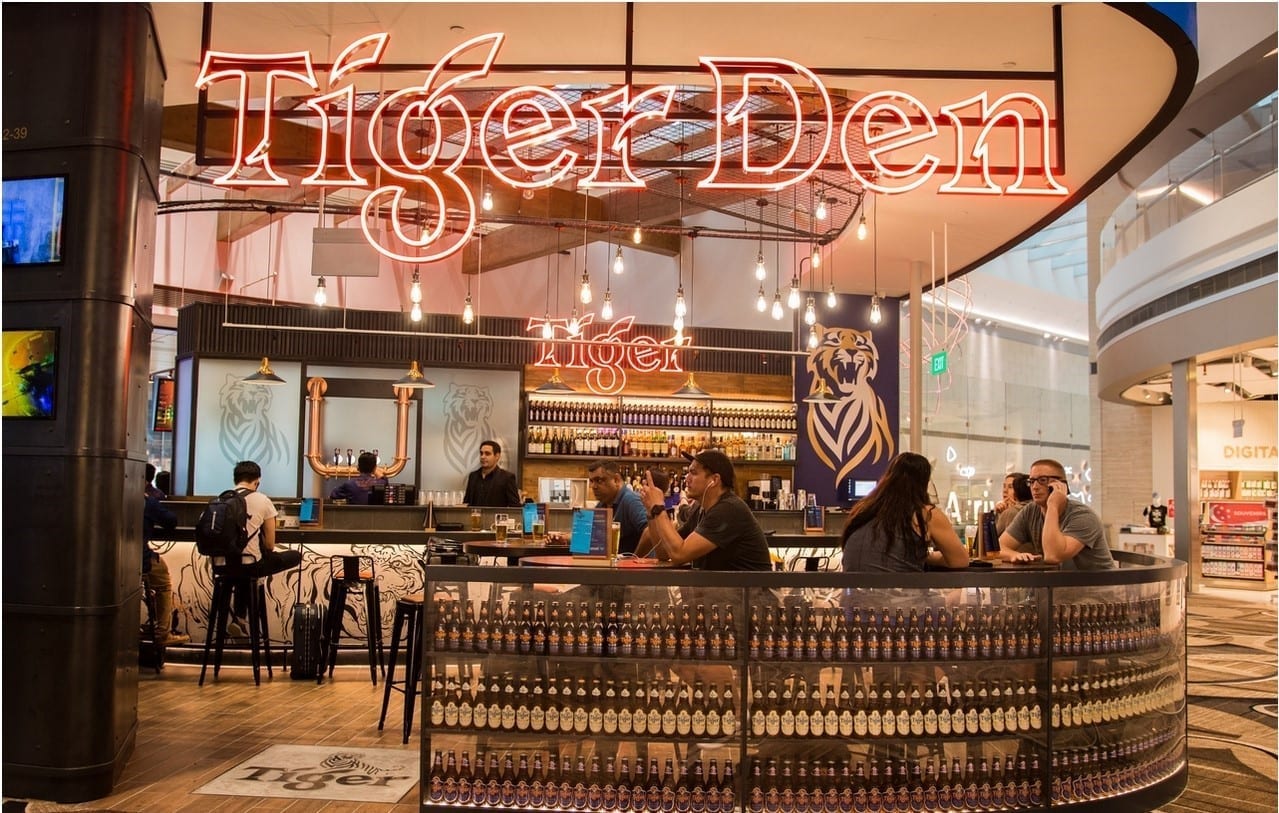
    Emirates Leisure Retail (ELR), has expanded its growing footprint across Asia with the launch of Tiger Den at the new Terminal 4 in Singapore’s Changi Airport.

    The new opening follows ELR’s expansion strategy into the Asian market, which is committed to elevating the travel experience and bringing world-class dining experiences to international and domestic air passengers. Tiger Den adds to ELR’s existing portfolio of outlets at Changi Airport including Pret a Manger, Kitchen by Wolfgang Puck and Hudsons Coffee.

    Paying tribute to Tiger Beer’s strong street food heritage, the 150 square-metre venue serves the lager as well as locally inspired hawker-style dishes such as Chili Crab Bao Bun, Keema Nachos and Beef Yakitori skewers.

    Commenting on the opening, Kevin Zajax, COO of ELR, said: “We are extremely proud to continue our partnership with Changi Airport Group and delighted in establishing a new partnership with Asia Pacific Breweries in the region. The launch of Tiger Den, as a global first, showcases ELR’s expansion commitments and continued growth.”

    Teo Chew Hoon, Group Senior Vice President of the Airside Concessions Division at Changi Airport Group, said: “The opening of Tiger Den adds to the variety of dining experiences we offer our passengers at Changi Airport. Passengers will be delighted with Tiger Den’s extensive range of Tiger Beers served fresh from a custom-built draft beer system, and their locally-inspired food selection. We hope to bring a new experience through this partnership with Emirates Leisure Retail by showcasing an established brand that resonates with travellers and locals alike.”

    Dubai-headquartered ELR manages and operates around 300 outlets, with 80 airport premises catering to hundreds of millions of passengers every year.

  • German automakers set for record output expect further growth in 2018

    German automakers set for record output expect further growth in 2018

    German automakers, on course for record production this year, expect further output growth in 2018 powered by strong demand in Asia, the VDA carmakers’ lobby said.

    Producers including Volkswagen, Daimler and BMW may increase output “significantly” this year from 2016 levels to between 5.6-5.7 million units in Germany and about 10.8 million in the rest of the world, VDA President Matthias Wissmann said.

    “The automotive sector is and will remain a growth market,” Wissmann told an industry conference on Tuesday, citing momentum in China and India.

    “Current projections indicate that 2018 will also be a stable year,” he said, without being more specific.

    Separately, Wissmann said he expects demand in Germany for electric cars to show “a further significant gain” over the next three years as German carmakers plan to more than triple their offerings of purely battery-powered vehicles and plug-in hybrids to nearly 100 models from about 30 at present.

  • $1 billion plan taxis onto runway to upgrade int’l airports in Vietnam

    $1 billion plan taxis onto runway to upgrade int’l airports in Vietnam

    Vietnam’s aviation agency has proposed a plan to upgrade three international airports near popular tourist destinations Ha Long, Hoi An and Hue over the next three years.

    The project is expected to cost VND23.3 trillion (more than $1 billion) and includes new passenger and cargo terminals, buildings and runway upgrades, the Civil Aviation Authority of Vietnam (CAAV) said in its proposal to the transport ministry.

    It said the money would be spent at Cat Bi Airport, which is 70 kilometers (43 miles) from Ha Long Bay, Phu Bai Airport just outside the former royal capital Hue, and Chu Lai Airport, 77 kilometers south of Hoi An.

    The CAAV said Phu Bai and Chu Lai were operating far above capacity last year, while Cat Bi, which offers the shortest route to Hai Phong, is likely to be overloaded next year.

    Vietnam’s aviation market is growing at the third fastest pace in Asia-Pacific and the country is grappling with an acute dearth of airport capacity.

    Aviation authorities estimated that the number of passengers on domestic flights soared 35 percent to 28 million in 2016, accounting for more than half of the total air travel in the country.

    Airports across the country served more than 55 million passengers during the first seven months of this year, according to the CAAV. The number in July alone reached 9.1 million, up 12.2 percent against the same month last year.

    In March, the Airports Corporation of Vietnam asked for VND32 trillion ($1.4 billion) from the state budget to upgrade large airports across the country.

  • More street food zones in the making for downtown Saigon

    More street food zones in the making for downtown Saigon

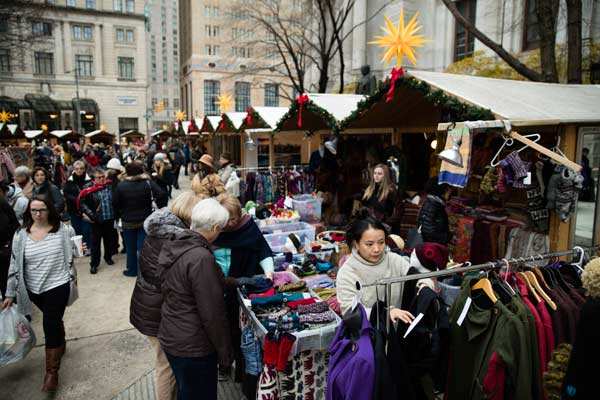
    People with a literal taste for the outdoors will be pleased to know that more street food zones are expected to open in downtown Saigon following the success of the first two areas and the need to keep the city’s sidewalks in order.

    Seven out of ten wards in District 1 want to set up street food zones, Tran The Thuan, the district chairman, said at a meeting Tuesday.

    The new zones will include two on Nguyen Thai Hoc Street and one on Phan Van Truong Street.

    Before the new zones are opened, District 1 will offer food safety training for vendors as it did at the first and second zones, which are located on Nguyen Van Chiem Street near Notre-Dame Cathedral and in Bach Tung Diep Park near Reunification Palace.

    The first two zones are open from 6 a.m. to 9 a.m. and from 11 a.m. to 2 p.m.. The district administration has said it is looking at plans to extend the opening times for the new zones.

    Vendors in the new zones will be selected from those who have been barred from selling their wares on the sidewalks in recent months in the same way as the first two zones, where vendors say they have finally found peace after years of playing cat and mouse with officers.

    District 1 has been making efforts to clean up its sidewalks since February.

    Led by the district’s vice chairman Doan Ngoc Hai, aka Captain Sidewalk, the campaign has taken a zero-tolerance approach to cars, bikes, vendors and structures that invade the sidewalks and rob pedestrians of their space.

    It has been widely applauded by locals, but has also raised concerns for being too extreme.

    Hai has been told by city leaders to tread carefully around diplomatic cars, and has also received death threats that warranted police protection.

    City leaders eventually stepped in to set up a new task force that will only react when complaints are made, essentially undercutting Captain Sidewalk’s authority.

    The move was welcomed by street vendors who have been left devastated, with many seen crying and yelling when police or soldiers seize their food stands.

  • Desire for cheap luxury drives counterfeit market in Vietnam

    Desire for cheap luxury drives counterfeit market in Vietnam

    Le Thu Trang recently switched from a Gucci bag to a Prada design for a fresh look, but the decision did not put a massive dent in her bank account.

    Both of her bags are counterfeits and cost 20 times less than the originals that can be found in the stores of luxury Italian brands.

    “I like to carry Gucci and Prada bags, but buying luxury goods is not easy because they’re expensive and fashion trends change quickly,” Trang said. “In that respect, fake bags are very appealing. They’re nice and quite cheap.”

    Trang’s case illustrates a trend among consumers, especially young people in Vietnam, who like buying fake products ranging from eyewear and shoes to garments and handbags. Their desire for cheap luxury has helped counterfeiters thrive in the country.

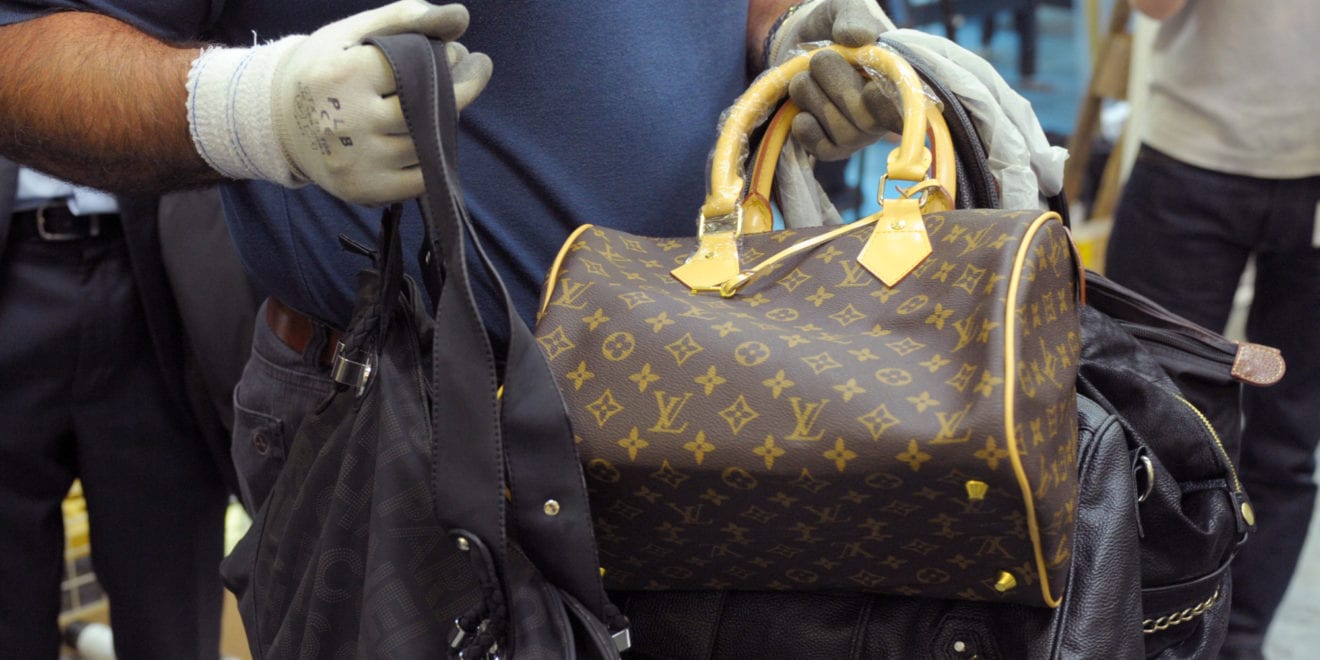
    On the streets of Hanoi and in some of its glistening air-conditioned malls, countless fake Hermes and Louis Vuitton handbags, Rolex watches and Gucci fashion accessories are openly on sale.

    Consumers who want an expensive logo or style can pick up goods for surprisingly cheap prices, even though they know the goods are illegal and might be confiscated by international customs agents who can impose heavy fines.

    Wealthy businessmen, savvy importers and even enthusiastic housewives are looking to make a profit from selling fakes from bricks and mortar stores or online, despite efforts to stop intellectual property right infringements.

    Retailers are also unconcerned about selling fake goods. “This is a knock-off, but no problem,” a woman said, pointing to a white polo shirt emblazoned with a Louis Vuitton logo.

    “Why should I have to worry about the police? I don’t sell drugs. I didn’t steal this shirt,” she said in a store on Hanoi’s Hang Ngang Street. “Lots of people here sell fake goods like me.”

    In a nearby handbag store, fake products with Chanel, Gucci and Louis Vuitton logos on them are on sale for $20-50.

    “The originals cost thousands of U.S. dollars,” the dealer said, convincing customers that her handbags look like the genuine article. “Same design. Same material. This one is made in China.”

    Fake products such as garments, footwear, eyewear, shampoo, body lotions and pharmaceuticals can be found all over Vietnam, from high-end shopping malls to street-side markets.

    Most of the knock-offs are smuggled in from China, Phan Hoan Kiem, head of the Market Surveillance Agency in Ho Chi Minh City, said at a recent meeting.

    However, some counterfeit products are made in Vietnam. Many households in Lich Dong Village, Thai Binh Province produce glasses and label them with famous international brands such as Ray-Ban, Gucci and Chanel, while Thao Noi Village in Hanoi is notorious for producing fake Chanel, Hermes and Louis Vuitton handbags.

    Without drastic measures to combat fake products, Vietnam could become a major counterfeiting center in the future, an official from the Department of the Intellectual Property under the Ministry of Science and Technology warned. Many handicraft villages that specialize in counterfeit goods have sprung up as farmland disappears as a result of the industrialization and urbanization process, he said.

    Vietnam has detected over 44,500 cases related to counterfeiting and piracy since 2014, said Truong Van Ba, a member of National Steering Committee 389, the government’s anti-smuggling body.

    Lack of enforcement

    Experts say Vietnam is not doing enough to stop the trend. Current laws do not impose fines on people who use counterfeit goods, but in many other countries buying and using these products is considered a crime.

    Hoang Van Truc, deputy director of the Investigation Bureau of Economic Crimes, said that only one in seven cases related to fake goods is prosecuted, while the rest receive administrative fines.

    Truc added that there’s a lack of cooperation between authorities, especially in border provinces, to prevent fake products from entering the local market. Many laws on counterfeiting and piracy overlap, while the current penalties aren’t enough of a deterrent.

    In addition, the fight against fake goods is made more difficult by the fact that some products are imported into the local market in the form of spare parts rather than finished products, making it almost impossible for authorities to identify them.

    Many enterprises also offer fake items that are 90 percent genuine, posing another problem for law enforcement officers.

    Even anti-counterfeiting stamps, which are used to protect trademarks, are being faked.

    The growing taste among local consumers for fake products has contributed to the market’s development in Vietnam, said Phan Thi Viet Thu, vice chairwoman of the Consumer Protection Association in Ho Chi Minh City.

    Her association rarely receives complaints about counterfeit products. “If consumers don’t say “no” to counterfeit goods, the trade will continue expanding.”

    Despite the warning, Trang is still happy with her fake bags. “I’ll buy genuine goods when I’m rich. For now, the cheap ones are still my best option.”

  • Asia leads global retail growth

    Asia leads global retail growth

    Asia’s grocery retail market will be significantly boosted by a rising population and increased shopper spend, with consumer spending in the region accounting for nearly half of additional sales generated to 2022.

    Global growth will be driven by several factors including inflation, population growth and increased consumer spending on grocery products, IGD said.

    Key findings from IGD’s global grocery forecasts to 2022 include:

    • Asia’s grocery market will add US$1.2 trn in sales, which is more than Africa, Europe and Latin America combined, and will enjoy a compound annual growth rate (CAGR) of 6.6 per cent
    • With a CAGR of 4.2 per cent, Europe is set to benefit from the biggest increase in shopper spend, driven by countries in Central and Eastern Europe (CEE)
    • North America will add almost US$100bn to its grocery retail market by 2022
    • Latin America’s market will be dominated by Brazil and Mexico, accounting for nearly 10 per cent of sales

    Commenting on the latest forecasts, Jon Wright, head of retail Insight, IGD, said: “Our new global grocery forecasts reveal a positive outlook for the sector as we predict that most regions will experience faster growth to 2022 than forecast in 2016, representing excellent opportunities for retailers and manufacturers.

    “However, an awareness of the underlying causes of growth in each region is key. Despite it being set to experience the strongest uplift, growth in Africa’s grocery market will be primarily driven by inflation rather than increased consumer spend. The most attractive and sustainable growth opportunities are in markets where sales increase will be due to population growth or consumers spending more money – for example, Asia, Latin America and North America.”

    On Asia, Wright said: “With China, India and Japan all in our top five, Asia’s grocery market continues to be in rude health thanks to growing populations and shoppers with more disposable income. Innovations in this market also continue apace, especially in China, where retailers are experimenting to drive the online and convenience channels.”