Author: Mei Ling Tan

  • Honda recalling 900,000 minivans because seats may tip forward

    Honda recalling 900,000 minivans because seats may tip forward

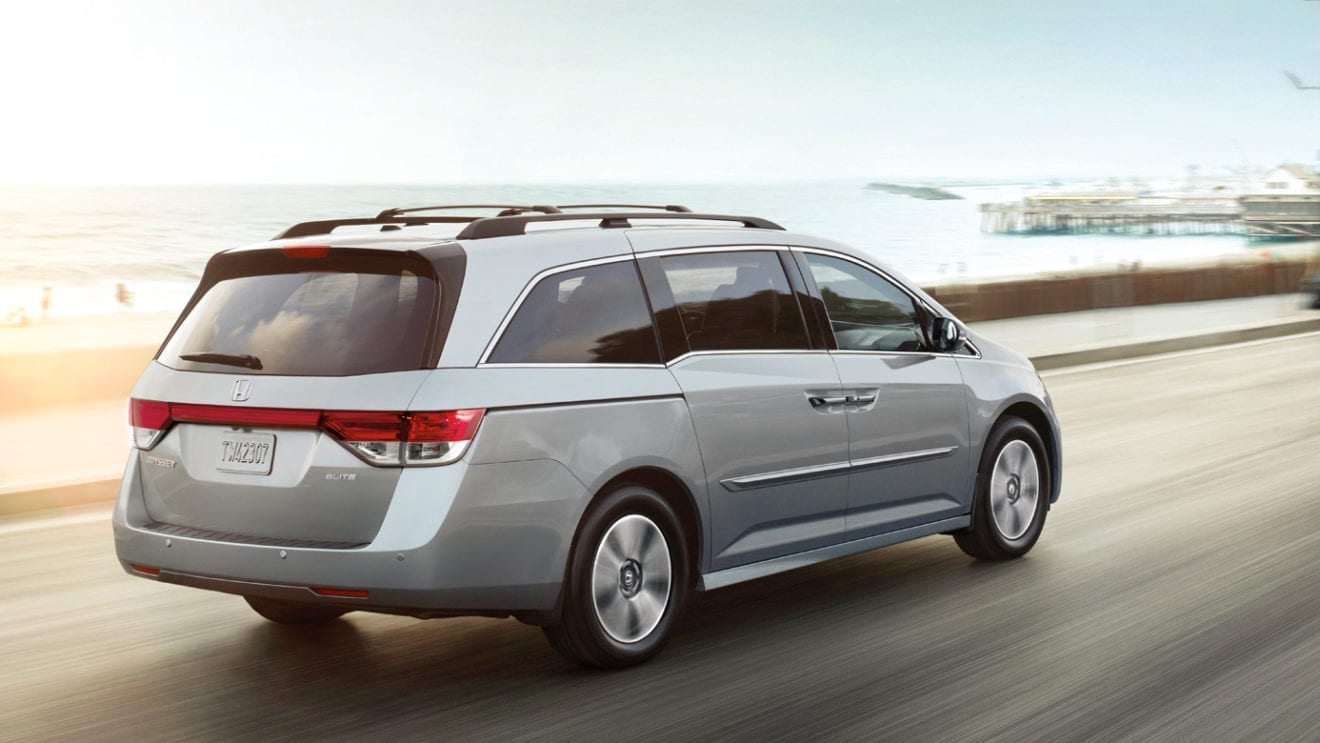
    Honda Motor Co said on Saturday that it was recalling about 900,000 minivans because second-row seats may tip forward if not properly latched after being adjusted.

    The Japanese automaker said the recall covered 2011-2017 Honda Odyssey minivans, all but 2,000 of which are in North America, and that it had 46 reports of minor injuries related to the issue. Honda said it was working on a recall fix to help ensure proper latching and, in the interim, had posted a detailed instruction sheet on how to ensure seats are properly latched.

  • KKR’s Emerald Media leads US$65 million funding in Bangkok startup

    KKR’s Emerald Media leads US$65 million funding in Bangkok startup

    KKR & Co-backed Emerald Media led a US$65mil funding round in aCommerce, a Bangkok-based startup that helps brands including Samsung, Unilever and L’Oreal sell their products online across South-East Asia.

    The four-year-old firm, which already operates in Singapore, Indonesia, Malaysia, Thailand and the Philippines, plans to use part of the proceeds to expand in markets such as Vietnam.

    The firm’s existing backers Blue Sky, MDI Ventures and DKSH also joined the series B round, the company said.

    aCommerce helps about 260 companies such as Samsung Electronics Co and Unilever NV with digital marketing, inventory and delivery for online sales in the region.

    “Brands are realising that in order to stay ahead of the retail game, they need to be omnipresent,’’ said aCommerce co-founder and group chief executive officer Paul Srivorakul.

    “Customers want to reach their favorite brands any time through any platform.”

    The deal marks Emerald Media’s first foray into e-commerce.

    Emerald Media was set up by New York-based private equity giant KKR in 2015 to invest in media, entertainment and consumer technology in Asia.

    KKR has committed US$300mil from its KKR Asia Fund II, and in June, the firm raised US$9.3bil for its third Asian fund to capitalize on the region’s growing consumption.

    “In e-commerce, we see a great deal of convergence in the future between demand generation, data analytics and consumer media and entertainment,’’ said Rajesh Kamat, managing director of Emerald Media.

    “aCommerce, an e-commerce enabler, fits our mandate perfectly.’’

    Emerald is the latest investor to bet on South-East Asia’s online retail industry, poised to surge from US$5.5bil in 2015 to US$88bil by 2025, according to a report by Google and Temasek Holdings Pte.

    Amazon.com Inc., Alibaba Group Holding Ltd, Tencent Holdings Ltd and JD.com Inc have made inroads in the region’s burgeoning industry in the past year.


  • Hello Cycling now can be found in 7-eleven

    Hello Cycling now can be found in 7-eleven

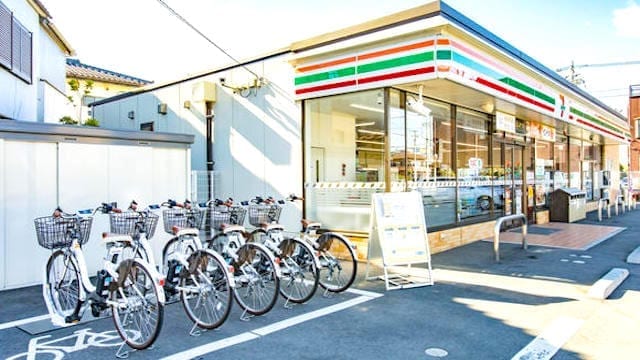
    Bicycle hubs are being rolled out at 7-Eleven Japan outlets in a partnership with the Hello Cycling bike-sharing business.

    The convenience store parent Seven & I Holdings has partnered with Hello Cycling, launched last year by tech company SoftBank Group and its subsidiary OpenStreet. Customers can rent and return bikes at the special 7-Eleven parking lots.

    So far the service is available at nine 7-Eleven locations in Saitama, north of Tokyo, with plans to have 5000 bicycles available at 1000 stores in the Tokyo metropolitan area and other cities by the end next year. There are about 20,000 7-Eleven stores throughout Japan.

    Hello Cycling members can search for bike-share stations and reserve bicycles via smartphone. If they register a transportation smart card, they can pick up bikes on the spot without a reservation. Payment can be made by credit card without entering the store, and bikes can be returned at any participating location.

    In February, 7-Eleven partnered with the Docomo Bike Share service, run by wireless carrier NTT Docomo, making about 150 bicycles available at 32 stores in Tokyo and elsewhere. The partnership will continue alongside the SoftBank service, which follows the Japanese debut of China’s Beijing Mobike Technology in August, with rival Ofo preparing to follow suit.

    Mercari, a Tokyo-based flea-market app company, also plans to break into bike-sharing early next year.

  • Vietnam’s richest man makes huge jump up global billionaires list

    Vietnam’s richest man makes huge jump up global billionaires list

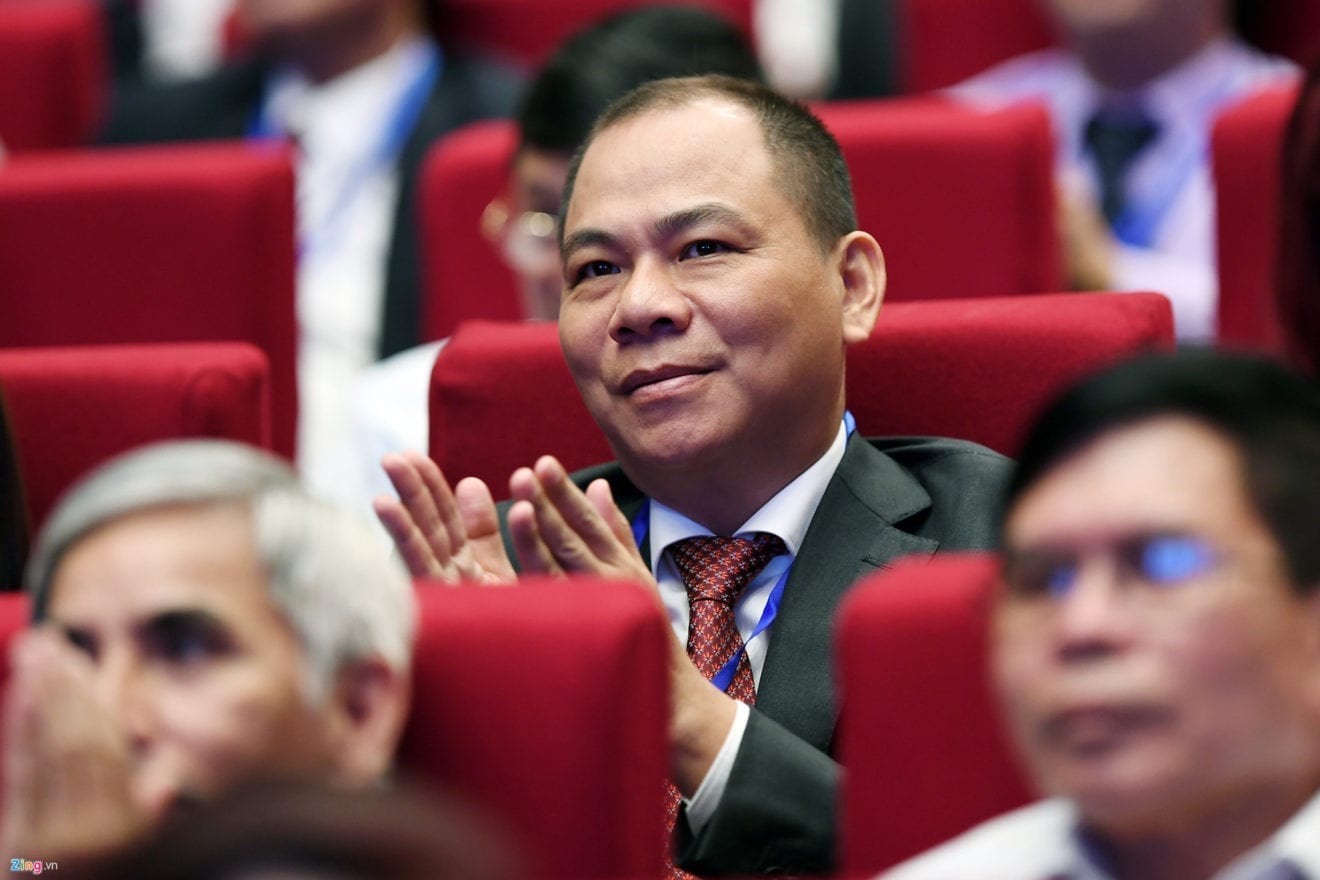
    Pham Nhat Vuong, Vietnam’s first billionaire and owner of giant conglomerate Vingroup, has leapt 97 positions to become the 543rd richest person in the world, released on Tuesday.

    The magazine’s real-time list of the world’s billionaires showed that Vuong’s assets had expanded by more than 14 percent to $4 billion in just 13 days.

    He’d already marked a milestone on November 8 by climbing 227 places in eight months to 640th on the list, with his net worth growing by more than $1 billion.

    His rise came following the IPO of Vingroup’s retail unit Vincom early this month, which was hailed as the biggest IPO debut ever in the country after raising nearly $709 million and valuing the mall operator at around $3.4 billion.

    Vingroup’s shares have also gained nearly 100 percent since mid-2017, closing at VND77,000 ($3.40) on Tuesday. Vuong, 49, owned more than a 27 percent stake in Vingroup as of June this year.

    Vingroup is one of Vietnam’s largest real estate conglomerates, and has been expanding rapidly into retail, logistics, agriculture, education and healthcare. As of the end of September, its subsidiary Vincom Retail was managing, operating and renting 41 shopping malls with a total area of over 1.1 million square meters (272 acres). It also has 22 projects under construction and another 50 in early development.

    Nguyen Thi Phuong Thao, the only other Vietnamese billionaire and owner of budget carrier Vietjet, now ranks 1,177th on the Forbes list with assets worth around $2 billion.

    At the top of the list are Amazon’s founder Jeff Bezos with a net worth of $94.9 billion, followed by Microsoft co-founder Bill Gates with $89 billion and Warren Buffet with $77.9 billion.

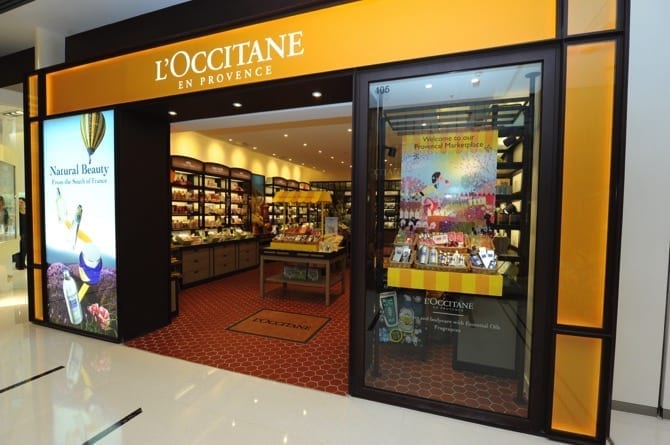
  • L’Occitane growth and China’s contribution

    L’Occitane growth and China’s contribution

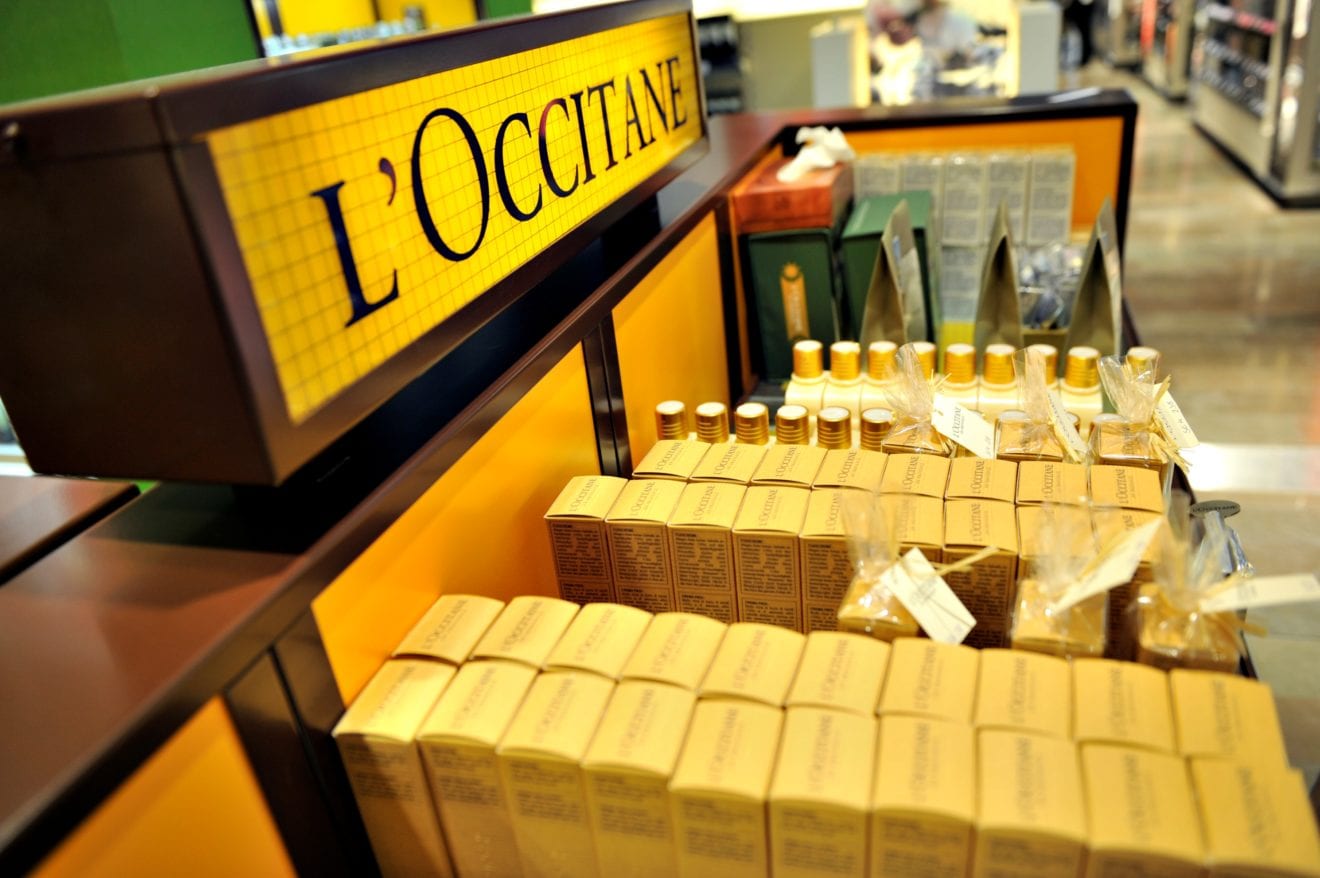
    China was among the fastest-growing markets for cosmetics and wellbeing products group L’Occitane International for the six months to September 30.

    Along with Japan and Hong Kong, it was among the key contributing countries to overall growth.

    China’s net sales rose 18.2 per cent year on year to €60 million (US$70 million), the group’s interim results show. At constant exchange rates, the growth was 22.7 per cent, driven mainly by same-store sales growth of 15.8 per cent. As well as the recovery of China’s retail market, the company says a marketing campaign featuring Chinese artist Lu Han continued to draw traffic both online and offline.

    T-mall sales continued to grow at triple digits and were ahead of plan, and B2B also delivered an excellent performance thanks to growing orders from independent hotels and the Shangri-La chain, says L’Occitane.

    In Hong Kong, net sales edged up 0.4 per cent to €51.1 million (2.6 per cent at constant exchange rates), growth being driven mainly by the travel retail channel. As well as duty free, this included airlines in China and Japan.

    The retail market was still sluggish, and two underperforming stores were closed. There were also some temporary closures for renovations.

    Hit by typhoons

    Typhoons forced store closures in Japan, where net sales fell 4.8 per cent (1.8 per cent at constant exchange rates) to €99.4 million. Same-store sales growth was 1.4 per cent. However, e-commerce showed low double-digit growth. Melvita remained the growth engine in Japan with new stores. At the end of September, Japan had 30 Melvita outlets.

    Same-store sales deteriorated by 7.9 per cent from the first quarter for Taiwan, where net sales for the six months dropped 3.6 per cent (71 per cent at constant exchange rates) to €15.3 million.

    “Retail sales were hindered by the less-generous summer promotion offered by department stores, a couple of mediocre launches and the timing difference in anniversary sales in department stores,” says L’Occitane.

    Nonetheless, sales of skincare products stayed strong, in particular the Immortelle and Reine Blanche ranges.

    Overall, despite a challenging retail backdrop, group net sales were €548.2 million, down 0.6 per cent (up 1.1 per cent at constant exchange rates), with like-for-like sales growth 2.3 per cent.

    Gross profit margin reached 82.8 per cent, 0.6 points higher, while operating margin fell by one point, mainly because of currency exchange headwinds. Profit for the period ended at €10.7 million.

    During the year the company disposed of Le Couvent des Minimes, and excluding this and a one-off deal for L’Occitane au Brésil in September last year, the group’s sales grew by 2.3 per cent at constant rates and 0.5 per cent at reported rates.

    Retail locations increased from 3037 at the end of March to 3104 as at September 30, while the group increased its own retail stores from 1514 to 1519.

  • Kendrick Lamar’s ‘DAMN.’ pop-up travels to Asia

    Kendrick Lamar’s ‘DAMN.’ pop-up travels to Asia

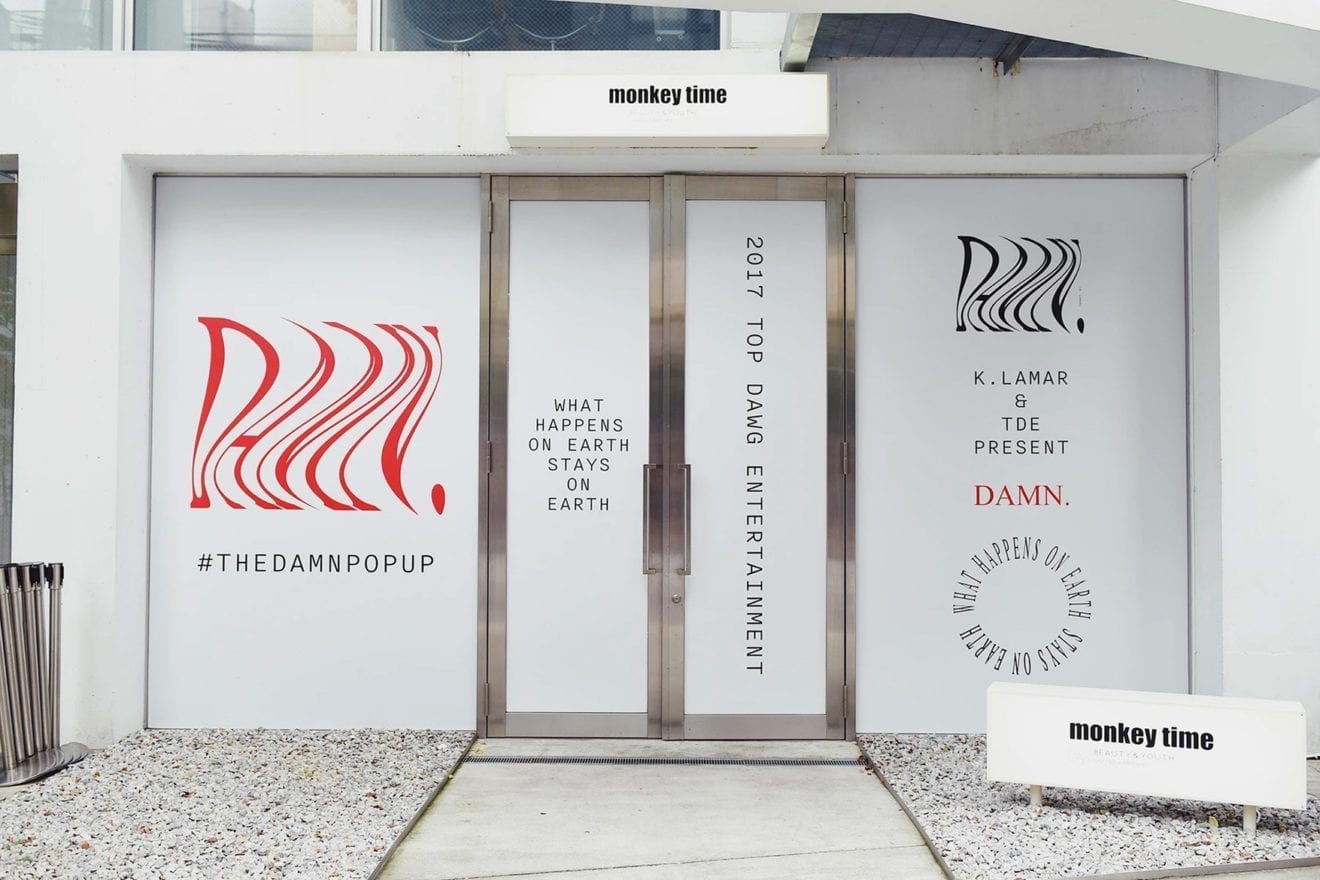
    After hitting 17 cities across North America, Kendrick Lamar‘s DAMN. pop-up tour heads to Asia. First stop: Tokyo, Japan, at monkey time‘s flagship store in Harajuku.

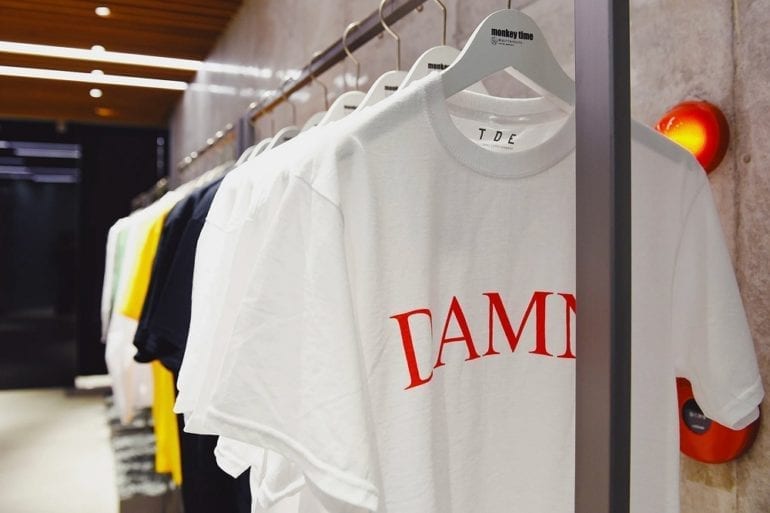
    Monkey time’s clean neutral interior was filled with vibrantly-hued DAMN. merch pieces such as lime green and yellow T-shirts, burgundy hoodies, and a range of streetwear staples in essential black, white and grey colorways.

    The product designer Jide Osifeso joined the opening of the pop-up  and shared bit more about the DAMN. collection.

    The DAMN. Tokyo pop-up took place at monkey time’s Harajuku location from 18 TO 19 November 2017, and it will travel to monkey time’s Osaka store on 26 November  2017.

    The product designer explained how this pop-up is aimed to bring the damn stuff to the fans who were not able to see the shows, especially people in Asia with the first one being in Tokyo. The pop-up will travel to Korea next and China afterwards.

    The graphics are all inspired by the music. The album has so many layers and textures.

    It is easy to draw inspiration from Kendrick and there is so much depth to everything he does.  What the merch was going to look like and how it would be represented is the result of a close collaboration. It is an easy process when you have the kind of music that Kendrick makes.

    Jide Osifeso’s favourite piece is the “Pray For Me” t-shirt, more specifically,  the “Nobody Pray For Me” verbiage throughout the album and how it was done.

    “At the live show”, Jide explains, “it really translates because there’s this echo of different people saying “Nobody Pray For Me” between two songs in the set. That’s just really gripping and amazing”.

  • More online super sales for Asia online market

    More online super sales for Asia online market

    While the US formulated online super sales, such as this week’s Black Friday, Asia has adopted the concept with a vengeance.

    In fact, China has increasingly been exporting Alibaba’s Singles Day (11.11) event, which this month racked up a massive US$35 billion in sales. November is the favoured month for this new consumer mania, offering the Singles Day, Black Friday and Cyber Monday sales.

    Both Black Friday and Cyber Monday themselves have been catching on in the Asia Pacific, growing by 29 per cent last year, according to global payments company WorldPay.

    It says that despite forking out $17.8 billion on Singles Day last year, Chinese consumers still went hunting Black Friday bargains, with overall spending on the day up by 37 per cent from the previous year. In Hong Kong, the rate of growth was 32 per cent, and in Singapore 21 per cent.

    While retailers are among the biggest Black Friday winners, new WorldPay data suggests this year could also be a great opportunity for savvy APAC businesses in the travel and digital sectors. In Hong Kong, spending with travel and airlines saw a 30 per cent surge last year, with Singapore figures up 20 per cent as travellers jumped online to search for flight and hotel deals.

    Not just retailers

    Shoppers are also increasingly seeking out bargains for digital content such as subscriptions, e-books and on-demand box sets. Black Friday spending in this sector last year grew 62 per cent in Hong Kong and 14 per cent in Singapore.

    Not just retailers can benefit from Black Friday, but also a range of e-commerce businesses, says WorldPay Asia Pacific GM Phil Pomford.

    “While Black Friday and Cyber Monday have typically been the realm of retailers, a more diverse range of businesses are now recognising they can also take can take advantage of this special online opportunity.

    Shoppers during this time are highly engaged, proactive and looking for a wide range of online deals, so the potential to reach new customers and strengthen brand loyalty is huge, regardless of sector.

    “E-commerce businesses should set themselves up for success by ensuring their websites are prepared for heavy traffic, and offer simple payment options to drive shopping-cart conversions. They might also consider following the example of Amazon and kickstart Black Friday deals a week early.”

    Black Friday online sales surpassed $3 billion last year and are expected to rise this week, says Adobe Digital Insights, as buyers seek to avoid long queues and lost hours in retail stores.

    In Southeast Asia, Google searches for “Black Friday” have surged over the past five years, and 12 months ago major offline/online retailers like Robinsons, Sephora and Zalora offered generous discounts for the event.

    “Many industries rely on this event to make up a large portion of their fourth-quarter sales, in particular toys and games,” says Euromonitor International senior toys and games analyst Matthew Hudak.

    ‘Sure to jump on’

    Digital campaign company RTB House says Black Friday last year attracted 106 per cent more people to online stores, with 204 per cent more transactions.

    “We anticipate conversion rates surging this time,” says RTB House Southeast Asia country director Chandra Kuncara. “Customers who missed out on Singles Day will be sure to jump on this event.”

    He says personalised retargeting is an important selling tool during Black Friday. With AI technology and deep-learning algorithms, marketers can highlight most-desired products for each individual customer.

    More purchases mean more packages being shipped, and international courier service FedEx is again expecting to handle a record number of packages over the peak holiday shopping period, which starts on Monday and runs to December 24. This year it is expecting 380 to 400 million packages.

    The growth of cross-border e-commerce is turning the peak shipping season into a global phenomenon, says FedEx. For instance, 37 per cent of Singles Day purchases in China last year were from international brands or merchants. Cross-border shopping is expected to make up 20 per cent of e-commerce sales by 2022, led by Asia Pacific.

    “While an online purchase takes just a few clicks, logistics providers are working hard behind the scenes powering every moment,” says FedEx Express AsiaPacific president Karen Reddington. “Our business is the backbone of the e-commerce market.”

    Meanwhile, while shoppers scramble for Black Friday bargains this week, outdoor retailer REI is closing its 154 US stores for the third consecutive year, offering its nearly 12,000 employees a paid holiday. It is truly going against the tide by also putting a hold on online orders.

  • Bursa Malaysia to push retail participation to 25%

    Bursa Malaysia to push retail participation to 25%

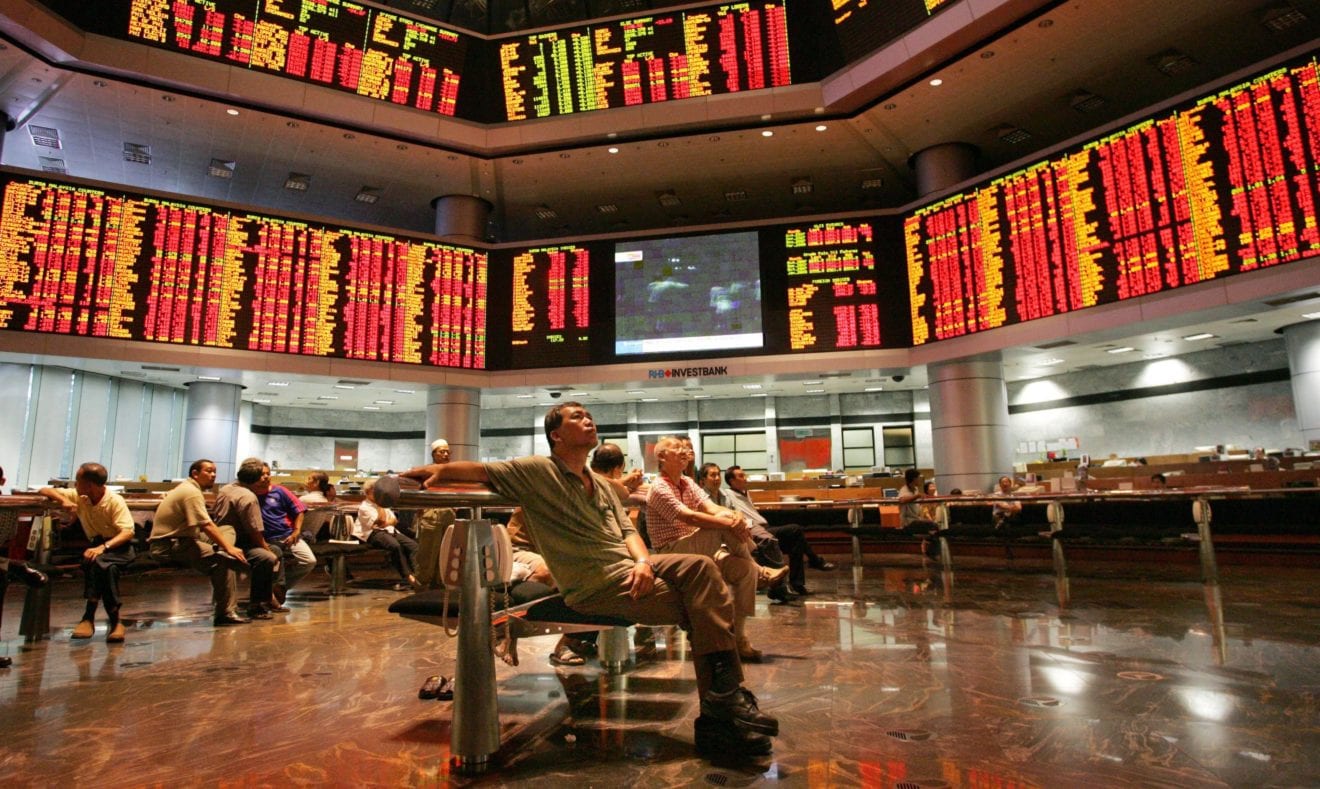
    Bursa Malaysia aims to boost retail investors’ participation to 25 per cent in the near term from the current 23.3 per cent with 80 programmes underway to increase financial literacy.

    Bursa Malaysia chief executive officer Datuk Seri Tajuddin Atan said only four percent out of the 853 respondents had chosen to invest in shares while the rest opted for less traditional investment tools.

    “The public should consider share investment as part of their investment portfolio and change the perception that share investments are too risky.

    “Investment in shares will help diversify portfolio with the opportunity to get higher returns compared to fixed deposit, current and savings account,” he said after launching the “What’s Your Goal” campaign to raise awareness on share investment opportunities today.

    “Besides shares, there are also other investmeny products on Bursa Malaysia like Exchange Trade Funds (ETFs), structured warrants and real estate investment trusts, which are attractive and can meet different risk appetite of investors,” he added.

    Tajuddin said ETFs did not have sales charge and have significantly lower management fee compared to other managed unit trust funds.

    “Stamp duty exemptions announced in Budget 2018 will further enhance the attractiveness of ETFs as a low cost investment product,” he added.

    As of September 27 this year, the trading average daily volume currently stands at RM572 million, 16 per cent higher that RM385 million last year.

    The campaign will run for three months from November 21 to February 2018.

  • JYUNKA, Homegrown Anti-Aging Skincare Brand, Opens Their First Concept Center in Singapore

    JYUNKA, Homegrown Anti-Aging Skincare Brand, Opens Their First Concept Center in Singapore

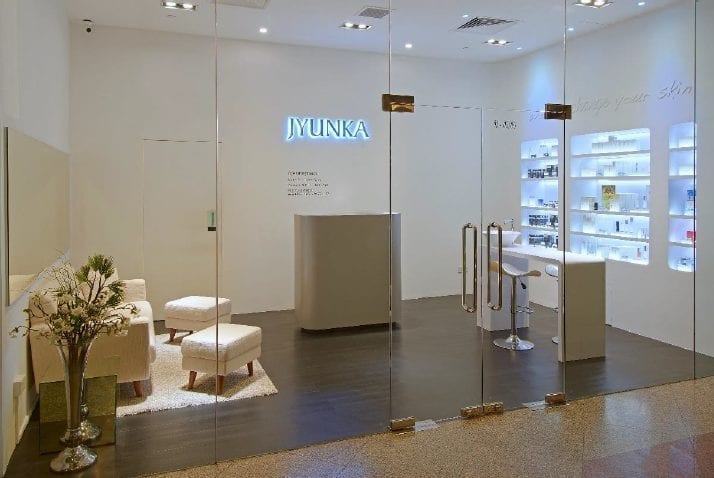
    Singapore’s best kept anti-aging secret, JYUNKA, has opened their first Concept Center for clients to fully experience the brand’s skin transformation products and pampering facial treatments.
    The intimately-appointed boutique at Pacific Plaza includes three facial rooms and carries the comprehensive range of JYUNKA’s revolutionary and efficacious products.

    “Aging skin is a key concern that everyone faces, and our products are designed to not just heal and restore but also to prevent and protect from deep within the skin. With the opening of our first JYUNKA Concept Center, we are pleased to offer our clients the complete pampering and skin-changing experience through our face treatments, complemented by our range of products that they can use at home,” shares Brand Founder Ms Jennifer Leng.

    JYUNKA aspires to bring out the inner beauty and confidence in everyone through a perfect harmony of science and nature. The products are created with patented technology that combines the safety of mass-market products and the effectiveness of professional treatment products, so skin can attain a luminous glow from within.

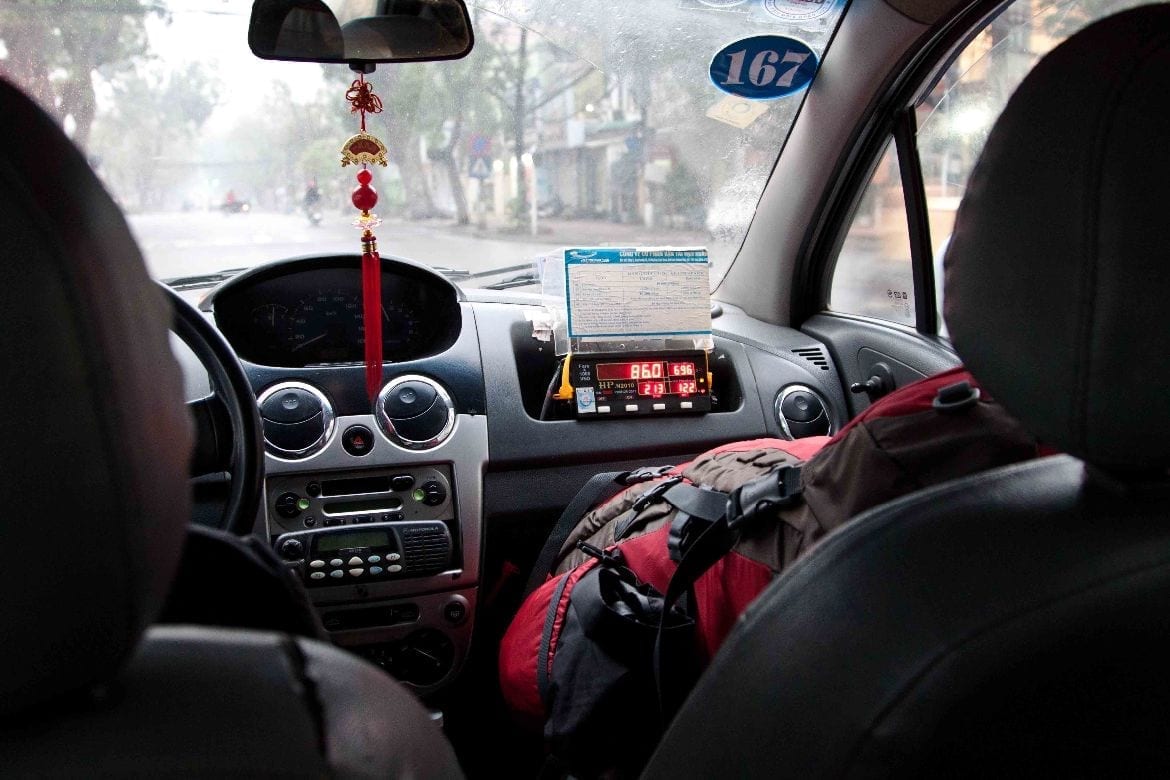
  • ‘Robo-taxis’ hold promise, and perils, for automakers

    ‘Robo-taxis’ hold promise, and perils, for automakers

    Are ‘Robo-taxis’ the future of public traffic?

    It’s November 22, 2028 and Sarah, a young mother, gives her two children a kiss goodbye before buckling them into the driverless car that will bring them to school.

    Sarah doesn’t have a car and has no plans to buy one. Living in a suburb, she has run the numbers and the result is clear: It’s much cheaper to order a car only when she needs one.

    The “robo-taxi” has also made her life easier, but only after such vehicles upended the business models which carmakers had relied on for decades.

    The revolution is already underway, with every major brand racing to create autonomous electric cars and trucks that will always be just a few clicks of a smartphone away.

    Fully electric cars are expected to make up 12 percent of the global market in 2025, before jumping to 34 percent in 2030 and 90 percent by 2050, analysts at Bank of America Merrill Lynch forecast last month.

    Adapt or perish

    The motivations are clear: Smog is becoming a serious menace in cities around the world, with China in particular demanding cleaner vehicles for its rapidly growing market.

    Traffic jams are also eating up hours of commuters’ time, meaning car ownership is already no longer a given for many city dwellers.

    And carmakers have nimble new rivals: Apple, Google and Tesla — which last week unveiled an all-electric semi truck — see a chance to dominate a market that will soon depend as much on software as on engineering.

    Industry chiefs aren’t waiting: France’s PSA is betting on car-sharing and other “services” with its Free2Move division, which it hopes will let it get back into the huge US market.

    In Germany, Daimler is working with Bosch to develop self-driving electric cars that could be on the road by the early 2020s, and has already launched its own car-sharing service, Car2Go, in some two dozen cities worldwide.

    Its German rival Volkswagen has created Moia, a “social movement” unit exploring e-shuttles, ride pooling and car hailing.

    “Even if in the future not everyone is going to own a car, with Moia we’re trying to make sure everyone will be a client of ours one way or another,” VW’s chief Matthias Mueller said.

    Robo-taxis could generate 40 percent of auto industry profits by 2030, according to German consulting firm Roland Berger, which expects demand for private vehicles to drop 30 percent in the period.

    And industry experts warn that the automakers which fail to adapt to the shift risk might not survive.

    Lagging behind Asia

    But that means investing billions in batteries, charging infrastructure and autonomous driving technologies with little prospect of seeing a payoff anytime soon.

    VW announced Friday a plan to spend 34 billion euros ($40 billion) over the next five years on hybrid and electric cars and services in a bid to “reinvent” the automobile.

    But for now, so-called “zero emission” vehicles remain a tough sell: Renault’s Zoe range of electric cars, which is has offered since 2012, made up just 1 percent of its sales last year.

    Its chief, Carlos Ghosn, is hoping that figure will reach 5 percent by 2022.

    The contest will be costly for all automakers, with PriceWaterhouseCoopers estimating that production costs for the next generation of electric cars will be 20 percent higher than traditional models, while warning of “serious problems” for returns on investment.

    “The speed” of the shift toward an electric future “will have to be taken on by all automotive companies,” PSA’s chief executive Carlos Tavares said at the Frankfurt auto show in September.

    Yet Western carmakers and government officials already fear they are lagging behind Asian rivals, with China in particular making headway on electric motors and batteries.

    That led the EU Commission to urge the creation of an “Airbus for batteries”, with European companies joining forces for large-scale battery production.

    “This technology is too important to import it from overseas,” the commission’s vice president charge of energy, Maros Sefcovic, warned.

  • Salvatore Ferragamo revamps its website in Europe and China

    Salvatore Ferragamo revamps its website in Europe and China

    Florentine luxury label Salvatore Ferragamo is busy deploying its new, revamped www.ferragamo.com website.

    After being first introduced in the USA and Canada, the new-look site, featuring fresh design and content, is now also available in Italy, the rest of Europe and China.

    “We wanted to blend the contemporary style of the Ferragamo world today with its brand’s unique heritage,” said Eraldo Poletto, the Ferragamo group’s CEO.

    The website will go live in the rest of Asia, in Australia and Latin America in 2018.

    Once fully deployed, it will be active in 28 countries, making it possible to buy and pay for the label’s products in 13 different currencies.

    The new site hosts all of Ferragamo’s collections: menswear, womenswear, accessories, handbags and footwear.

    The site’s omni-channel functionalities allow direct access to products available in-store, with the possibility of ordering online and picking up the items at the customer’s preferred store.

    The site is mobile and tablet-friendly and also features a news section with up-to-date information on the label’s initiatives and its history.

    As of the end of September 2017, the Ferragamo group employed about 4,000 people and, through its parent company and its US and Asian subsidiaries, it operated a network of 687 monobrand stores worldwide.

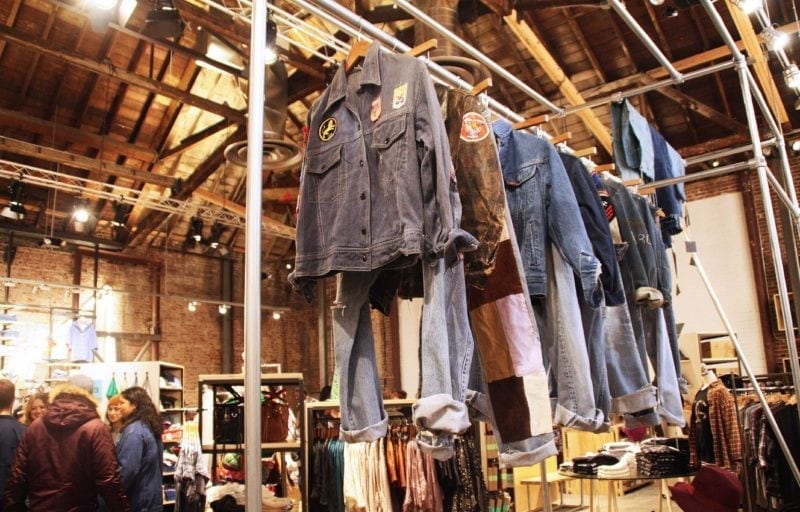
  • Urban Outfitters sales more by online

    Urban Outfitters sales more by online

    The latest Urban Outfitters sales figures make for happier reading, coming after a string of poor results.

    A 3.5 per cent uplift in total sales in the third quarter is welcome, but it is the return of all brands to positive comparable sales that is most agreeable. This rise came despite the negative impact of the hurricanes on some stores: without this, comparable Urban Outfitters sales would have risen by 2 per cent rather than the reported 1 per cent.

    As good as the numbers are, there are still some weaknesses in Urban Outfitters’ performance. Foremost among these is the growing disparity between stores and the online operation. The latter continues to grow strongly, while the former is still in decline. Although the two trends balance each other out in sales terms, the impact on profit is negative because of the higher costs associated with fulfillment. This is not a new dynamic, but it is one that Urban Outfitters is still largely failing to address.

    The impact of online joined with a couple of other trends in depleting gross margin by 142 basis points over the period. One of these was the higher proportion of lower-margin furniture products in the sales mix. The other was a higher percentage of lower-profit international sales. Taken together, these things contributed to the 4.8 per cent decline in net income over the prior year. While this is a lot better than the 31 per cent decline posted over the nine months to-date, it is still one that leaves Urban Outfitters in the red when it comes to profit growth.

    Putting these issues to one side, the better performance was also delivered against a more positive backdrop for apparel where demand was stronger than it has been for most of the year. This is not to take away from some of the progress made by Urban Outfitters, but it does suggest that when put in context, the company still has some work to do to lift its performance.

    While Urban Outfitters and Anthropologie stores are not unpleasant places to shop, they do not make the process of buying easy. The customer has to do a lot of work to find the right product, which is one of the reasons increasing numbers are opting to buy online where sorting and filtering options make it easier to identify items of interest.

    Furthermore, while the fall and winter apparel ranges appear to have a little more cohesion, the overall clothing offer is too eclectic. That’s the reason Urban Outfitters, and to a lesser extent Anthropologie, are still dropping off the radar of some consumers. To remedy this, both brands need to develop a much clearer and more compelling handwriting that resonates with the core customer.

    Free People does a much better job at creating a unique and interesting offer, which is one of the reasons its performance has been so much better. However, the Urban Outfitters’ over-reliance on this brand – where comparable sales rose by 5 per cent – is problematic. If it is to sustainably boost performance, the company needs to be firing on all cylinders, not just one.

  • Tappoo Group opens Bobbi Brown Cosmetics store at Nadi International

    Tappoo Group opens Bobbi Brown Cosmetics store at Nadi International

    Bobbi Brown Cosmetics has opened its first outlet at Nadi International Airport, Fiji, in partnership with traveller retailer Tappoo Group.

    The store officially opened on 19 November and offers Bobbi Brown’s range of colour cosmetics, brushes, accessories and skincare products.

    Tappoo Group Director Harnish Tappoo said: “Tappoo is extremely proud to be representing Bobbi Brown in Fiji; it is one of the best make-up brands. We have highly trained make-up artists who are fully geared up to offer the best service and advice to customers.”

    Bobbi Brown Travel Retail Asia Pacific Regional Education Manager Carina Choo said: “We are a unique brand; we are focused on building the team so that they are able to confidently talk to customers and to do it very well. The beauty industry is always very competitive but we always have to know what are our unique styling points.”

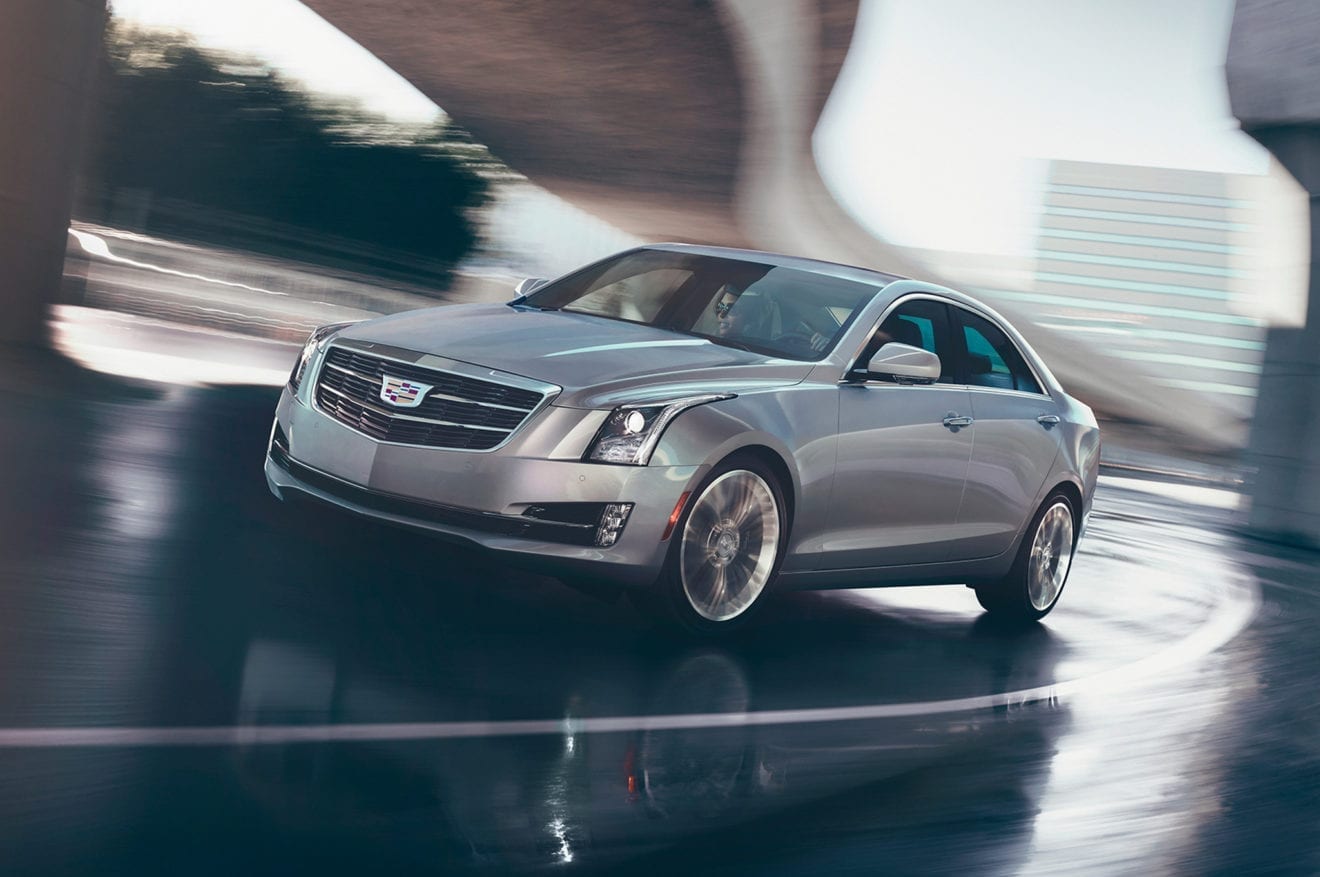
  • GM’s Cadillac expects China sales to jump 60 percent in 2017

    GM’s Cadillac expects China sales to jump 60 percent in 2017

    General Motors’ Cadillac luxury brand expects its China sales to surge 60 percent in 2017, faster than it had projected at the start of the year, on strong demand from younger buyers, the brand’s country chief said.

    The GM premium brand, which saw a sharp spike in sales after it opened its first dedicated factory in the country last year, had said in January that China sales would continue growing at a double-digit rate but at a slower pace than the roughly 50-percent growth it posted in 2016.

    Cadillac, relatively late to introduce local production in the world’s biggest auto market, is among a second wave of luxury car brands in China that seek to take market share from established brands such as BMW (BMWG.DE), Daimler’s (DAIGn.DE) Mercedes-Benz, and Volkswagen’s (VOWG_p.DE) Audi.

    In order to sustain the momentum in Cadillac sales in China, the brand plans to double the number of retail stores over the next five years to more than 300, from the current 180.

    “A lot of younger people in China are looking for something different to stand out of the crowd. We have a very young target audience. That is a significant difference to the other countries in the world,” Cadillac’s China chief, Andreas Schaaf, told Reuters in an interview on Friday.

    The average age of Cadillac buyers in China is 33 years, compared to 50 years in Europe and the United States combined, Schaaf said.

  • L’Occitane ‘bullish’ on China

    L’Occitane ‘bullish’ on China

    L’Occitane International, the French cosmetics and personal-care products company, said it was optimistic on its outlook for mainland China, despite what it called a “challenging” global retail environment.

    “We are still very bullish on China,” Andre Hoffmann, vice chairman and managing director, said at a press conference in Hong Kong.

    “Today, China is the No. 3 market globally for the L’Occitane group,” Hoffman said. “We expect by the end of the fiscal year it could reach the No. 2 market status after Japan,” surpassing the U.S.

    The comments came as the Hong Kong-listed company reported a drop in fiscal first-half net income for the period ended 30 September 2017.

    Net sales in China for the first half were 60 million euros ($70.7 million), up 18.2% from a year earlier, boosted primarily by a 15.8% increase in same-store sales, the company said in a statement, adding that a marketing campaign featuring Chinese singer Lu Han “continued to draw traffic both online and offline.”

    While the company maintains its own e-commerce website in China, Hoffmann noted that “it really cannot compete in terms of traffic and awareness with the major marketplaces like [Alibaba Group Holding’s] Tmall.”

    “It is better that we focus our energy and investments to build up the brand through Tmall,” he said.

    L’Occitane said first-half net profit fell 59.4% to 10.7 million euros compared with 26.4 million euros in the same period a year earlier.

    Thomas Levilion, executive director and group deputy general manager of finance and administration, attributed the drop to unfavorable exchange rates, one-off costs and seasonal effects.

    Those included expenses related to the opening of two new flagship stores in London and Paris, marketing and promotional costs in preparation for the important Christmas shopping season, and a tax credit of 6.5 million euros in the year-earlier period.