Author: Mei Ling Tan

  • Alibaba and JD in a war of words via lawyers over claims of dominating China’s e-commerce

    Alibaba and JD in a war of words via lawyers over claims of dominating China’s e-commerce

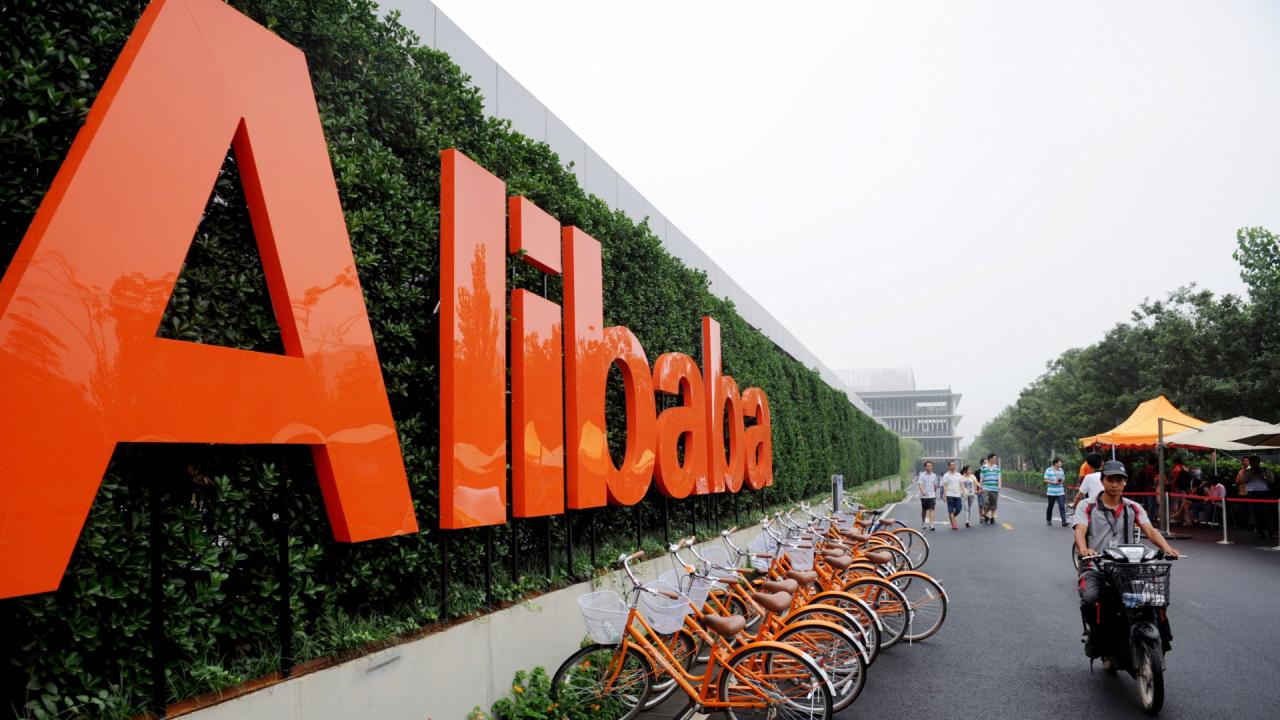
    China’s two dominant e-commerce platforms in the world’s largest online retail market are under the spotlight in an online debate via their legal representatives about their duopoly in the industry.

    On one side is Alibaba Group Holdings, owner of the South China Morning Post and operator of the world’s largest online shopping platform, claiming that it has been the target of an organised series of chat room postings and blogs aimed at tarnishing its reputation.

    On the other side is JD.com, China’s second-largest online retailer, which said it too had been the target of more than 100 attacks to cast aspersions on its reputation, as recently as during the November 11 online shopping gala.

    The attacks on Alibaba were designed to “manipulate public opinion,” and made “groundless accusations,” the company’s legal department said in a Friday post on its Weibo social media account. “We believe the authorities should investigate and punish the criminal groups who we believe have illegally profited from propagating such rumours,” the Weibo post said, without naming the perpetrator.

    Chat room posts and blogs have surged in the past month, accusing Alibaba of using its dominance of China’s e-commerce consumer market to force merchants to choose side, or be squeezed out of business.

    As many as 9,700 articles emanating from more than 500 social media accounts were posted on various online platforms in China to attack Alibaba, mostly before the Singles’ Day online shopping gala on November 11, according to a WeChat post on Wednesday by Alibaba’s legal adviser. Up to 4,600 of these accused Alibaba of forcing merchants to choose sides or accusing it of monopolising China’s e-commerce market.

    At stake is an e-commerce industry that has dwarfed every other country in the world, and is being dominated by two large companies.

    Alibaba’s Tmall platform has 80 per cent share of China’s online clothing sales, while JD holds 10 per cent, according to research by Analysys.

    Even though Alibaba hadn’t named the perpetrator of the online campaign, the company’s legal adviser had forwarded Weibo posts that claimed JD as the client behind a 2.6 million yuan (US$394,000) contract to hire ChinaLabs, a Beijing-based consulting services provider, to attack Alibaba of monopolising the market.

    JD paid ChinaLabs 600,000 yuan to initiate research and host media seminars to discuss Alibaba’s monopoly in China’s e-commerce market, according to the posts, which cited a contract between the two parties between August 1 and December 31.

    Another contract showed that ChinaLabs was receiving 2 million yuan from JD to instigate China’s antitrust regulators to investigate on Alibaba for monopolistic practices.

    The contracts in the Alibaba legal adviser’s posts could not be independently verified.

    Spokespersons at JD, an online retail platform whose market value is about a tenth of Alibaba’s capitalisation, did not respond to text messages and phone calls soliciting their comment.

    Jincheng Tongda Law Firm, acting on behalf of JD, issued a statement on Saturday denying any association with ChinaLabs.

    Separately, ChinaLabs’ chairman Fang Xingdong denied through a Weibo post that his company had ever signed the contracts with JD, saying that it will continue to conduct investigations and research on the antitrust situation in China’s e-commerce industry.

    Alibaba’s shares have doubled this year as the Hangzhou-based company broke its November 11 retail festival record and deepened its push to marry online and physical shopping. The company this month agreed to buy a 36 per cent stake in Hong Kong-listed Sun Art Retail Group, which runs one of the biggest hypermarket chains in China.
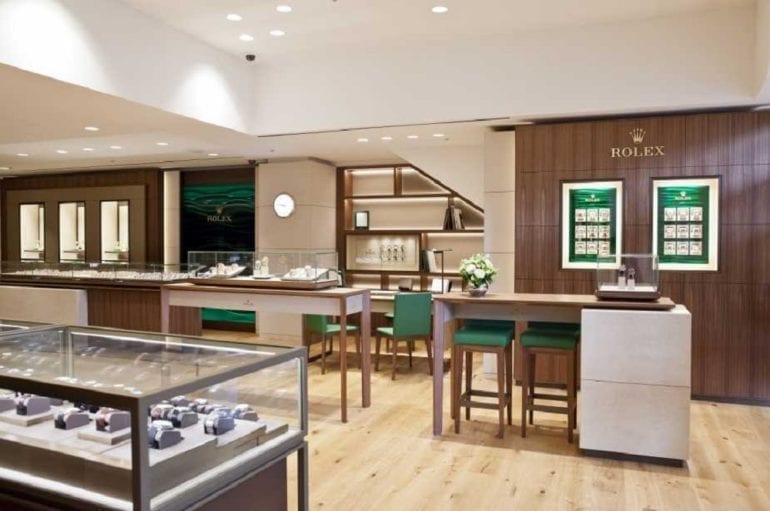

  • Oriental Watch Holdings sales back up

    Oriental Watch Holdings sales back up

    Easing rents, the closure of unprofitable stores and a trimmed-down inventory all helped Oriental Watch Holdings record a 10-fold increase in profit in its latest quarter.

    In the six months to September 30, Oriental Watch increased its post-tax profit from HK$4.12 million last year to $45.93 million, on sales down marginally from $1.545 billion to 1.508 billion. Same-store sales rose 14 per cent year on year.

    At the end of the period the luxury watch retailer operated 63 retail and wholesale points (including associate retail stores) in greater China: 47 in Mainland China, 12 in Hong Kong, three in Taiwan and one in Macau.

    Chairman Yeung Ming Biu said the return of mainland tourists and improving business confidence.

    “Most importantly, the stabilising sales performance along with rent adjustment has also become one of the key drivers for the group this year, which provided greater improvement in profitability with less rent burden suffered compared to the past few years.”

    During the quarter, the company’s rent costs fell by 26 per cent to $84 million, now accounting for 36 per cent of overall operating expenses, compared with 45 per cent in the same period last year.

    “The group has successfully negotiated better rental rates and more flexible leasing terms for the lease renewal,” he said. “In addition, regular internal assessment on the performance of all retail stores and closedown of high-rent yet non-performing stores are also the group’s strategy for better resources allocation.

    “The group will continue to closely monitor the store performance and its efficiency and hope the above measures together with the rent adjustments can improve profitability of each store in the forthcoming years.”

    Inventory management

    Yeung Ming Biu said careful monitoring of inventory of high-ticket items and reordering only when predetermined stock levels were reached had seen inventory cut by 10 per cent over six months.

    Meanwhile, Swiss watch exports by value increased by 4.1 per cent into Hong Kong and by 17.2 per cent into Mainland China between January and September, indicating that demand for luxury watches has rebounded.

    “Looking ahead, the group remains cautiously optimistic on the business outlook of the luxury goods market and expects retail sales in Hong Kong will hold stable amidst the sustained recovery in visitor arrivals and the resilience of local consumption demand,” he said.

    Same-store sales growth in China rose 14 per cent increase during the quarter.

    “On the other hand, the retail market in Hong Kong has begun to turn up after having bottomed out and these have provided good preconditions for the group’s development in Hong Kong,” he concluded.

  • Hej Home precedes Ikea Hyderabad store

    Hej Home precedes Ikea Hyderabad store

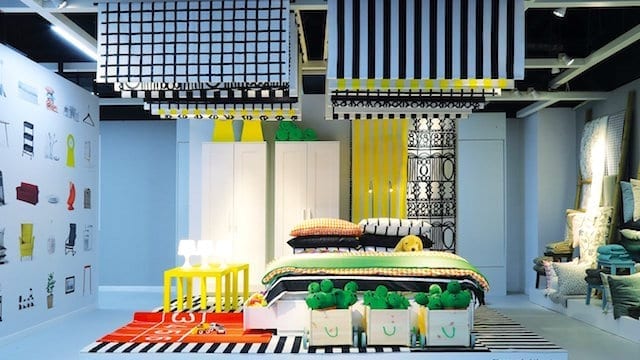
    Swedish home-furnishing retailer Ikea has opened a Hej Home experience centre in Hyderabad, where it will launch its first store for India next year.

    The centre will give visitors an idea of the type of products the store will offer when it opens next spring.

    Ikea country marketing manager Ulf Smedberg says the global retailer had also acquired land in Bengaluru and Gurgaon to establish stores in the coming months.

    Hyderabad’s store will cover 400,000sqft (37,160sqm) area in the city’s hi-tech area, and will display more than 7000 products, says manager John Achillea. “We’re still recruiting and also training young women to work in retail.”

    Smedberg says the company has been sourcing materials from India for 30 years. “For the Hyderabad store, we have local entrepreneurs who will help us with assembling and servicing.”

    He says Ikea. The company looked at more than 500 homes in India, and more than 100 in Hyderabad, over a range of demographics to decide on the final product line-up.

  • Dutch chain Topshelf to close down

    Dutch chain Topshelf to close down

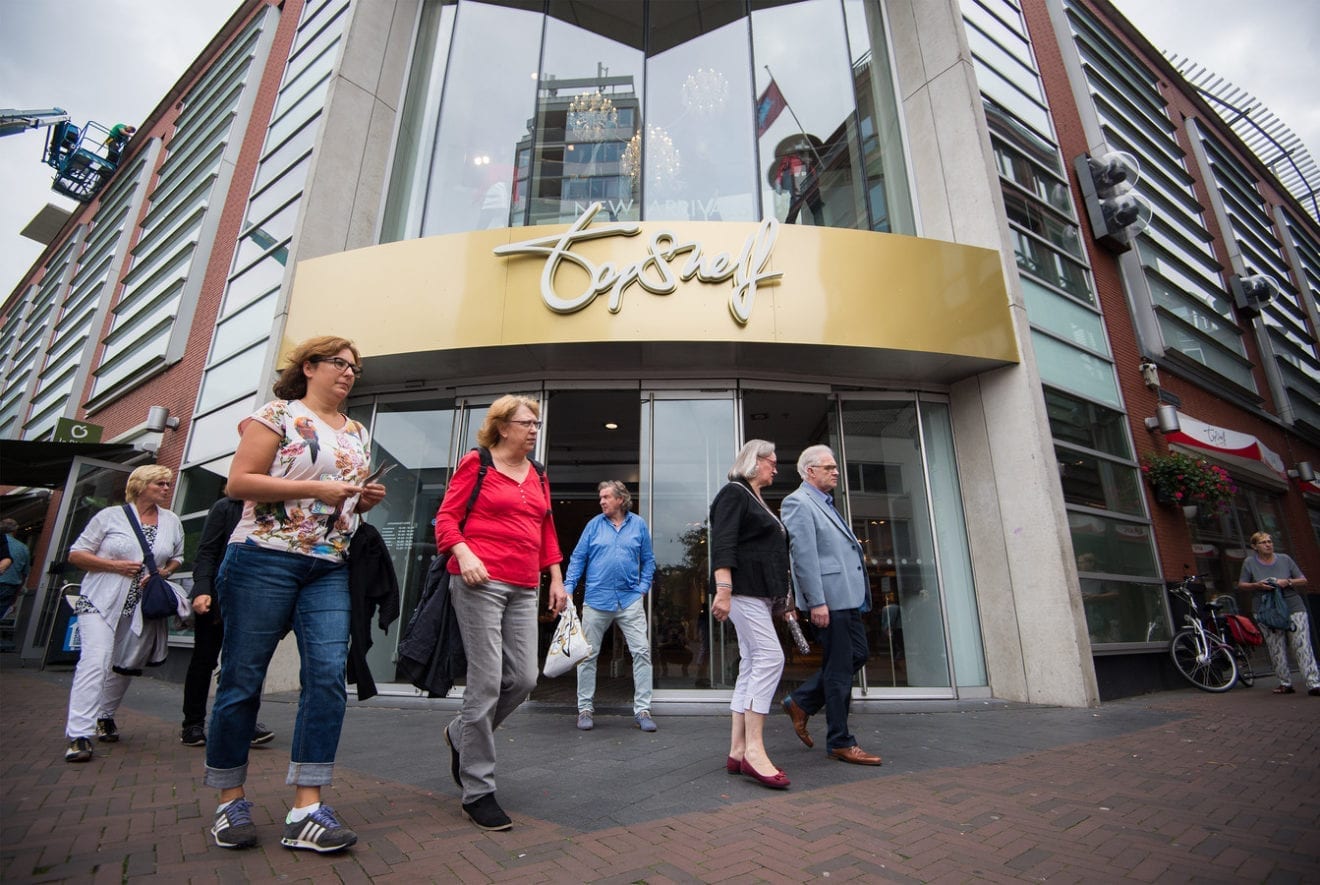
    Dutch department store operator Topshelf appears to be closing down.

    The company has announced its last store in Alkmaar will close in mid-January, following the shuttering of stores in Arnhem, Nijmegen and Groningen.

    The company has not filed for bankruptcy and it says it will continue to employ existing staff as it quits remaining stock. Disappointing sales were cited as the reason for the closure.

    Topshelf – no relation to the UK-headquartered Topshop and Topman retail brands – was launched in 1995 as a megastore, focusing on sports and outdoors wear, called Sportsworld. At the end of 2015, it opened stores in premises occupied by collapsed department store chain V&D, expanding further in April last year into Arnhem and Nijmegen en Groningen.

    With sales remaining weak last December, the company decided to convert the city stores – Arnhem, Nijmegen, Groningen and Alkmaar – to Topshelf, continuing to operate other branches in Beuningen, Leerdam and Cruquius, outside the city, as Sportsworld.

    The Topshelf stores stocked luxury gifts, fashion and homewares and ranged products from brands including Versace, Guess, McGregor, Superdry, Lacoste, Tommy Hilfiger, Speedo, Calvin Klein, Ray Ban, O’Neill and Atomic.

  • Trading house Itochu taking on Alibaba and JD.com

    Trading house Itochu taking on Alibaba and JD.com

    Itochu and two partners are investing roughly 7.6 billion yen ($67.6 million) in an e-commerce venture selling Japanese goods to the Chinese market in hope to enhance its own forays into China’s internet sector.

    The Japanese trading house is investing around 4 billion yen into the Tokyo-based startup Inagora, with telecom KDDI and financial services company SBI Holdings providing the rest.

    Itochu previously invested around 100 million yen in the company and will now hold a roughly 20% stake, making it the second-largest shareholder behind founder and CEO Weng Yongbiao.

    Founded in 2014, Inagora operates Wandou, a Chinese-language e-tailer with some 3 million users.

    The site boasts around 40,000 offerings, with a focus on cosmetics, clothing and foods from brands including Japanese fashion label Samantha Thavasa, Swiss lingerie maker Triumph International and Japanese food producer Ajinomoto.

    China’s cross-border e-commerce market is growing rapidly. The market for goods from Japan is seen nearing 2 trillion yen in 2020. The country’s overall e-commerce leaders currently have a strong grip on the cross-border segment: Top player Alibaba Group Holding commands a roughly 40% share, while second-place JD.com and major internet player NetEase control shares in the 10-20% range.

    Itochu has already taken its first step into the cross-border market, launching a high-end site in spring 2017 with Chinese state-owned conglomerate Citic, a major partner.

    But the trading house has realized breaking Chinese heavyweights’ grip will require savvy marketing that can respond nimbly to consumer tastes — hence its turn to Inagora, which excels at creating videos highlighting the appeal of Japanese products for local consumers.

    The trading house will supply products for Inagora’s site through units including food wholesaling arm Nippon Access and Edwin, Japan’s largest maker of jeans. In addition, Itochu will have the site carry local specialty items from across Japan stocked by convenience store chain FamilyMart, another member of the Itochu group.

    Itochu Logistics, with over 100 locations in China, will also cooperate with Inagora, which plans to add warehouses to its own distribution network using money from the latest round of investment.

    The startup will also hire more sales staff to encourage companies to list their products. Forays elsewhere in Asia are on the agenda as well: The company plans to bring its business to Taiwan, Malaysia and elsewhere in 2018.

    Inagora anticipates around 15 billion yen in transactions this year, six times the 2016 level. With help from Itochu and others, the startup targets 100 billion yen in transactions in 2019 and 176 billion yen a year later.

  • What to know about the hottest pop-up retailing trend in China

    What to know about the hottest pop-up retailing trend in China

    Pop-up stores are a very well established marketing strategy in the U.S. and Europe, and the wave coming from the West has already pervaded Asia.

    Research shows that the compound annual growth rate of pop-up retailing has been over 100 percent since 2015 and that by 2020 there will be over 3,000 pop-up stores opened in China.

    For foreign luxury brands who are still observing the phenomenon, here are five need-to-know things about pop-up stores in China.

    1. The pop-up store is a must-have

    It increases brand awareness at a low cost. For those who are not yet sure about China’s market, it is a good way to test the waters. Pop-up stores are temporary, but they create a long-term, lasting impression with potential customers.

    Even for luxury brands that already have a prominent presence in China, it is still a good way to display the latest lines and engage millennial consumers. Luxury brands’ pop-up stores are using interesting design features to attract attention, a tactic that huge brand names have already experimented with.

    For example, Dior set up pop-up stores displaying their new women’s line in Shanghai IFC and Beijing SKU right in front of its permanent storefronts this year.

    2. Location is key to the success of a pop-up store

    Unlike in the US and UK, where pop-up stores are often on the street, pop-up stores in China are mostly set up in shopping malls due to strict regulations. For example, the regulations of the Shanghai Municipality on urban road transport clearly state that the government will not grant any applications from companies to operate a business in front of their stores or on either side of the road. Many cities have adopted similar practices, which leaves brands little choice but to set up their pop-up stores in shopping malls.

    Nonetheless, these locations might actually give brands an edge. Shopping malls have a huge amount of foot traffic, attract the right demographics, and offer more convenient setups as amenities are already in place.

    In addition, China’s has plenty of shopping malls—the number of large to medium-sized shopping malls in China surpassed 4,000 by the end of 2016, and the number is currently increasing at the rate of 600 to 700 new malls each year.

    3. How to do it if you are not in China yet

    There are all kinds of pop-up stores—some for sales, some for brand awareness, and some for gaining market insights.

    For those who are interested in direct sales, China’s laws and regulations require brands to have a corporate presence in China in order to conduct sales directly. That means brands need to have a Wholly Owned Foreign Enterprise or Foreign Invested Partnership Enterprise in China in order to have a pop-up store to sell products. Brands can also conduct sales through partners, such as distributors or agents.

    However, for those brands who do not have the right to conduct sales in China, they can still set up a temporary store just for the sake of outreach to Chinese consumers by letting them experience products.

    If brands can successfully entice consumers with their samples, they can direct consumers to place orders on their websites.

    4. Use social media to drive traffic

    Having consumers take pictures and share location on WeChat Moments is a must.

    On the one hand, consumers want to demonstrate online that they have been to cool places. On the other hand, by giving consumers incentives—gifting them or rewarding them complimentary services if they post pictures online—brands will gain more lasting attention.

    Another way to increase exposure and gain traffic is by partnering with celebrities and KOLs. This has been practiced by local brands such as Suning Ecommerce Group and has achieved a great success.

    5 things to know about pop-up in China
    Source : nmplus.hk

    5. Food is customers’ best friend

    Many brands are engaging customers with food and beverages.

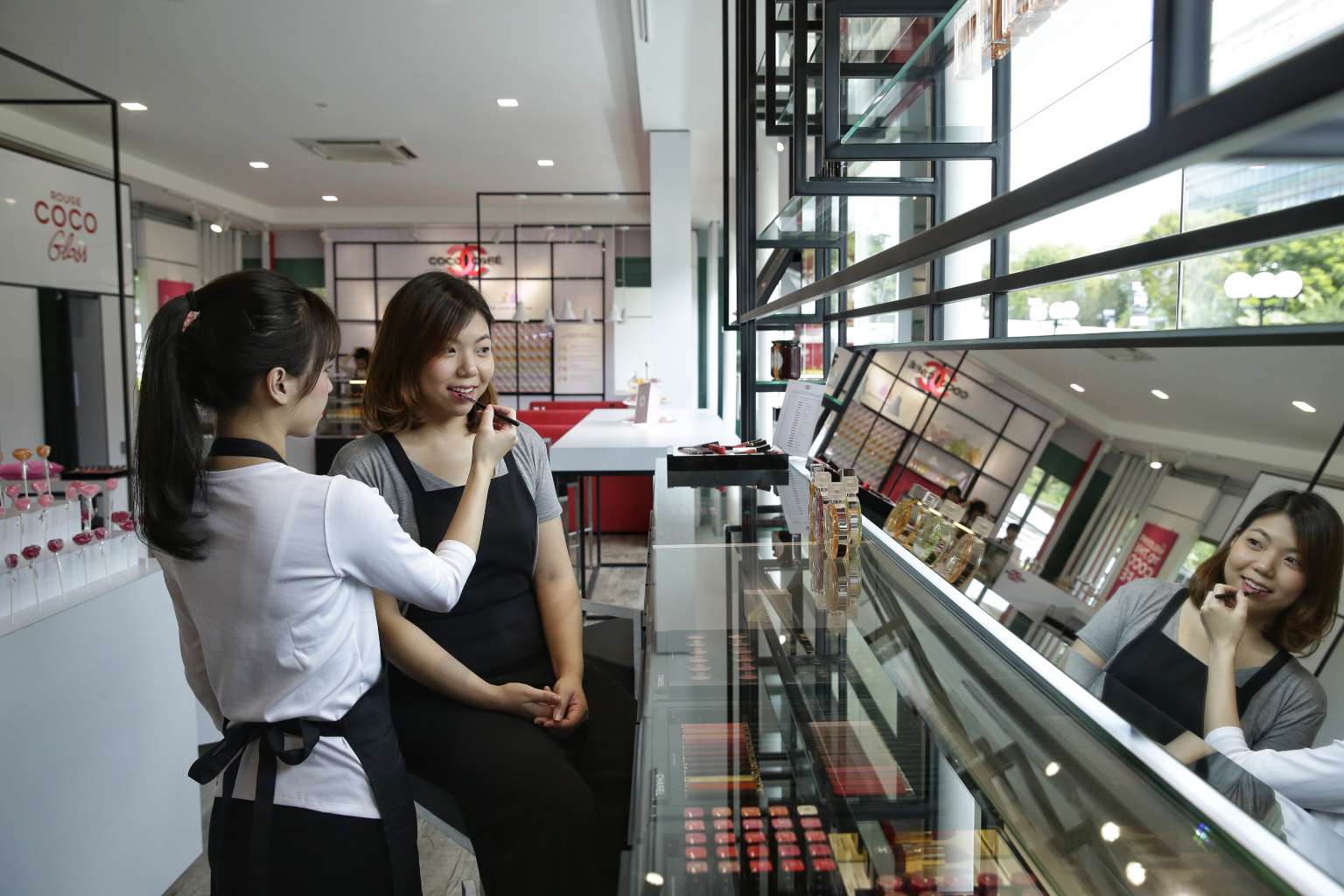
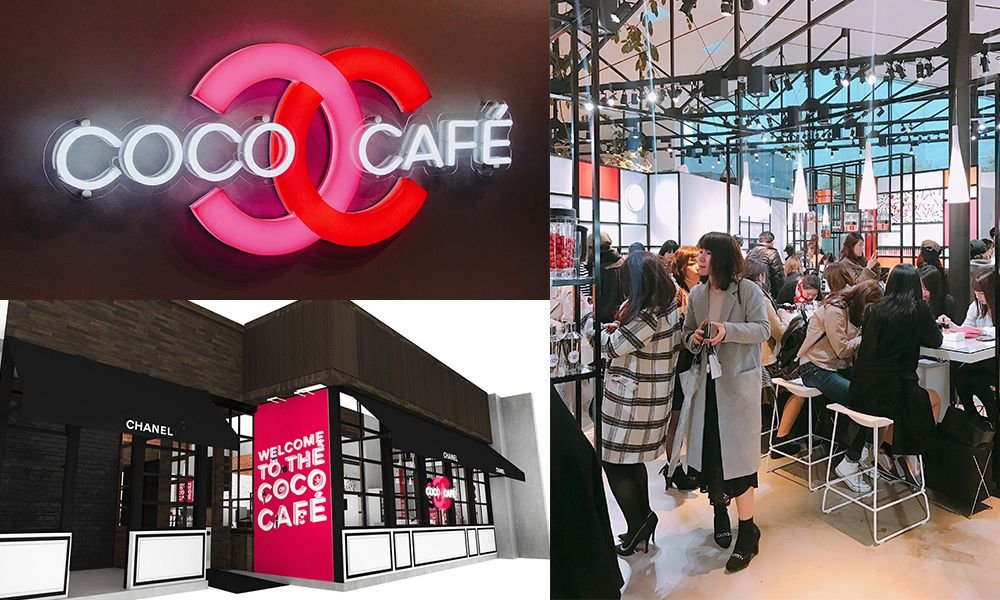
    Bobbi Brown and Kenzo have opened pop-up stores that offer coffee. Chanel opened Coco Café in Shanghai to sell lip glosses in April 2017, but it also provided consumers complimentary coffee and dessert. A report carried out by BFG-blueview shows that food pop-up retailing is the best way for brands to make waves.

    While skin-care, cosmetics, and fashion brands can use pop-up stores to expose more millennials to their products, combining the experience with food and drink will certainly help brands draw a larger crowd.

  • J Crew best bet to slow down the losses

    J Crew best bet to slow down the losses

    US listed fashion retailer J Crew’s woes are worsening, with the company’s namesake brand dragging the business towards a significant loss.

    As a result the company will shutter another 39 stores in the final quarter, taking the total closed for the year to 50.

    In the latest quarter, J Crew group-wide comparable sales slid 9 per cent to $566.7 million, a figure made worse by poor figures for the same quarter last year, when sales were down 8 per cent.

    The flagship brand’s sales slumped 12 per cent, following a 9 per cent decline in the same quarter last year.

    A 22 per cent increase in sales by Madewell, largely down to an expanded store network, failed to stem the damage. J Crew lost $17.6 million in the quarter, compared with $7.9 million last year.

    In the nine months year-to-date, the company has accumulated losses of $126.1 million compared with operating income of $34 million in the same period last year, but it says most of that figure is the result of non-cash impairments and restructuring costs.

    Jim Brett, who took over as CEO from founder Mickey Drexler earlier this year, put a brave face on the figures, promising to “reinvigorate the J Crew brand to reflect the America of today and to continue to drive strong momentum in the Madewell brand”.

    However, complicating any recovery plan is a massive $2 billion debt the company is in the process of restructuring.

    “The numbers for the year so far are painful,” observed Retail Dive writer Ben Unglesbee.

  • Jollibee International Expanding in Singapore

    Jollibee International Expanding in Singapore

    Philippine fast-food giant Jollibee International is opening at least 15 more outlets in Singapore in the next five years, with an incursion into Indonesia in 2019.

    Jollibee president and head of international business Dennis Flores says the Manila-based company will open its sixth store in Singapore in Jurong East in April. It joins the line-up of two stores at Lucky Plaza and one each in Changi, Novena and Paya Lebar.

    “We’ve gone to another level – half our customers now are Singaporeans, not just Filipinos,” says Flores. Jollibee opened its first store at Lucky Plaza in March 2013. While Filipinos formed queues, few Singaporeans went there – “only brave souls”.

    A second outlet at the mall’s basement drew more local diners, and Jollibee has since picked locations more accessible to Singaporeans. “The patronage of Singaporeans is really giving us a lot of encouragement…Our ability to connect with the Singaporean palate gives us a lot of excitement and encouragement that we can fulfil our goal to open 15 more stores,” says Flores.

    Meanwhile, the company aims to enter the 260-million-strong Indonesian market in 2019. “It’s a market we can’t ignore. It’s a chicken market – the big players are all ‘chicken players’.”

    Jollibee is hoping to open 150 stores in Indonesia in 10 years.

  • 250 to 300 international brands to enter India

    250 to 300 international brands to enter India

    A new wave of international fashion brands will be entering the Indian consumer market in the coming two years as an increasing number of mid-segment brands expand into India.

    Following the success of many international fashion brands in India including Zara, Mango, H&M, and Levis, many mid-segment brands are now looking to follow their lead and enter India.

    The retail solutions provider Franchisee India Holdings has estimated that between 250 and 300 such brands will enter India over the course of the next two years.

    With the entry of these brands, the business also estimated that an investment of about one billion dollars will accompany this, a figure that could transform India’s fashion market.

    “Now, it’s the turn of small and mid-sized brands as they look to cash in on the open retail policy and huge gap in the market for branded products,” said Gaurav Marya, the Chairman of Franchisee India Holdings. Anurag Mathur, a Partner at Pricewaterhouse Coopers, agreed: “Many international brands are lining up as the retail sector is growing and international brands like Zara and H&M have been really successful, with strong profits and revenue growth being reported in the country. Now, the slightly mid-level or smaller brands too want to explore the Indian market.”

    Some of the mid-section brands that are in the process of expanding into India include Kiabi, Mavi, Avva, Colin’s, Damat, Tudba Deri, and Dufy.

    It is expected that this wave of brands will focus their expansion efforts on Tier 1 cities and, for them to be able to reach out to Tiers 2 and 3, infrastructure will have to greatly improve.

  • VIP to invest in Australia

    VIP to invest in Australia

    A Chinese online shopping giant has arrived in Australia this week to unveil its new Sydney distribution centre.

    VIP.com is one of the largest players in China’s e-commerce space with total orders for the third quarter of 2017 increased by 23 per cent to 74.0 million from 60.1 million in the prior year period.

    “Australia is already a very strong market for VIP.com. We are looking to procure about AUD 500 million of Australian goods in FY18 and we expect to double that figure the year after,” said Hillary Wang, VIP.com’s head of global buying.

    “We have highly effective partnerships with many Australian businesses and have become their primary sales channel in China. We have serious aspirations to become the number one platform in China for many more of our suppliers’ businesses.”

    With Australian brands highly sought after in China – based on consumer’s perceptions of trust and value – VIP recently partnered with Australia’s largest food manufacturer, Nestle,  to introduce Australia’s Uncle Toby’s, Allen’s confectionery and Soothers trademarks to China.

    “We only deal with brand owners directly or through their authorised distributors. Authenticity is critical to building brands and Chinese shoppers know that VIP.com delivers that,” Wang said.

    VIP stated its female skewed audience (+80 per cent) and ability to customise the recommended range of products to shoppers, based on demographic and purchase history, give it major point of differences to its Chinese e-commerce competitors.

    “We are pleased to be investing in Australia,” said Wang.

    “Chinese consumers trust Australia’s production standards and quality of its natural resources.

    “Australia is our number one import market for nutrition and food and beverage, and whilst we have made much progress, we have plans for further significant growth. This trip is about deepening our partnerships with existing suppliers and inviting participation from potential new partners.”

    The online retailer will invest in local infrastructure to enable growth in trade between Australian businesses and its accessible database of 300 million Chinese shoppers.

    Investment is being channelled into supply chain capability and people in Australia to facilitate trade.

    “In discussions with our Australian partners, we are often told the Australian market is a highly contested and offers relatively low growth,” said Wang.

    “We are happy to bring a good news story to these businesses, the opportunity to share with Chinese shoppers brands that are rich in history, made with the best ingredients to the highest standards, by hard working Australians. These are exciting times.”

  • Minion Cafe Opens at Singapore Central

    Minion Cafe Opens at Singapore Central

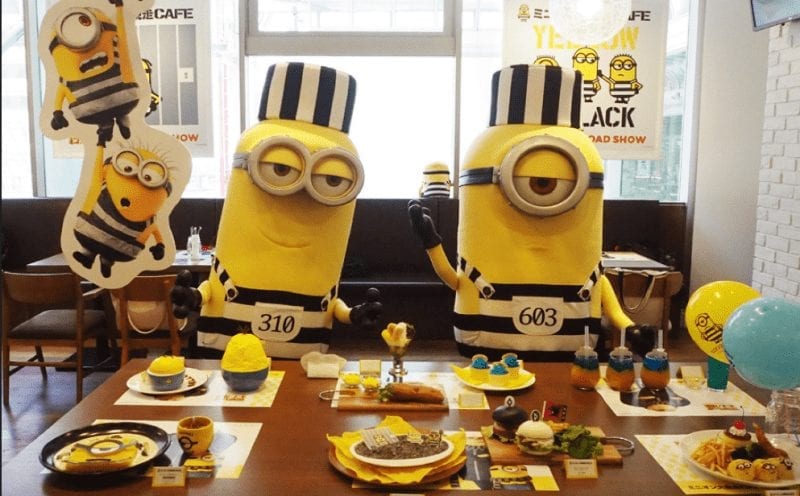
    A Singapore Minions Cafe has opened at Orchard Central – the first one to trade outside Japan.

    Minions, the yellow cartoon characters who made their debut in the Despicable Me movies and have now spurned their own films, will host diners on the mall’s third floor until January 31.

    Minions Cafe Sg


    The Minions said ‘bello’ – which is their language for ‘hello’ in five Japanese cities to coincide with the premiere of the Despicable Me 3 movie.

    The themed character cafe has a menu with 14 options inspired by the movie characters. Exclusive movie merchandise will also be sold on-site.

    The Singapore Minions Cafe popup is operated by Japanese cafe, The Guest Cafe & Diner, which collaborates with a different popular character every two to three months.

  • Farfetch yearly sales surge 74%, 2016 losses widen on investments

    Farfetch yearly sales surge 74%, 2016 losses widen on investments

    British online fashion retailer Farfetch said global revenue grew at a record speed in 2016, while losses widened for the year, on the back of increased investment in technology, customer acquisition and hiring.

    For the twelve months ending December 31, 2016, Farfetch said after-tax losses widened to 34 million pounds from 28.7 million pounds, while operating losses grew to 33.5 million pounds from 26.5 million pounds.

    The losses come despite Farfetch.com revenues growing 74 percent to 151.3 million pounds.

    In a statement to Companies House in London, the company reported “strong growth in both demand for, and supply of, products through the Farfetch platform. The company is confident in its future outlook, and well placed to manage its business risks successfully despite the current uncertain economic outlook.”

    Addressing the press post-earnings, founder and chief executive officer Jose Neves called Farfetch “a fast-growing company at an exciting stage in its journey, with over 21 million visits to our websites every month and relationships with over 500 partner boutiques and 200 brands.”

    He added, “the trajectory of rapid growth and substantial investment continued in 2016, and we are pleased to have seen 81 percent growth in gross merchandise value, as well as strong growth of 74 percent, in revenues.”

    Farfetch Group owns Farfetch.com and Browns. The aforementioned results pertain to Farfetch.com, the sales platform for luxury boutiques worldwide.

    Moreover, Browns saw its revenue more than double to 36.9 million pounds, while losses widened to 6.4 million pounds from 369,330 pounds in the 17 months to December 31, 2016.

    Looking ahead the group’s CEO was upbeat about the London-based retailer’s position moving forward.

    “We have very strong foundations in place and will continue to invest and grow our business as we build the definitive technology platform for the luxury industry,” Neves said.

  • Bolloré Logistics Strengthens Its Logistics Partnerships with Thales

    Bolloré Logistics Strengthens Its Logistics Partnerships with Thales

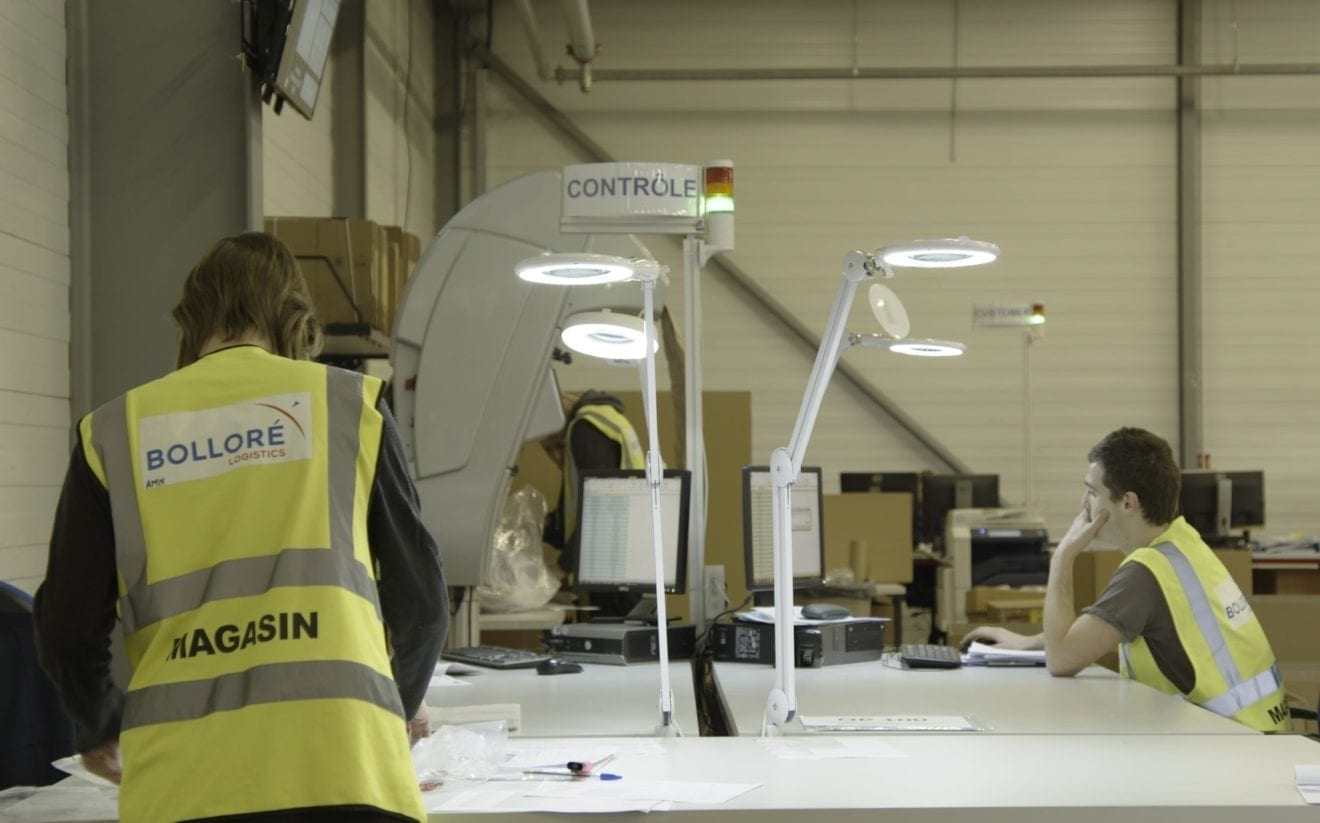
    This program promotes synergies between THALES entities. For this purpose, Bolloré Logistics is piloting six logistics platforms located in Toulouse, Bordeaux and Brest but also in the Ile de France, Val de Loire and PACA (Provence Alpes Côte d’Azur) regions for 10 different THALES entities.

    Our scope of work covers storage, orders management, final assembly line deliveries and quality controls. Bolloré Logistics’ central unit and innovative IT solutions enable optimized management of logistics flows, harmonization of processes and the conduct of an ambitious improvement plan.

    Bolloré Logistics thus confirms its leading position in Supply Chain solutions in the Aerospace and Defense sector. Our Aerospace expert teams and our supply chain specialists support manufacturers in their transformation on all continents.

  • Bolloré Logistics-Oro Inc. Partnership Launches Order-to-Delivery B2B E-commerce Platforms

    Bolloré Logistics-Oro Inc. Partnership Launches Order-to-Delivery B2B E-commerce Platforms

    International transport and logistics leader Bolloré Logistics has partnered with Oro Inc. in a global venture offering clients one-stop B2B e-commerce sales and processing service. The innovation creates an enhanced means for multichannel retailers to do business with customer companies, and simplifies and speeds order preparation, handling and delivery procedures orchestrated by Bolloré Logistics.

    The service harnesses the considerable success of direct digital sales to consumers by adapting those to the particularities of B2B e-commerce – an activity set to reach $6.7 trillion by 2020. ORO has helped Bolloré Logistics respond to needs that have not been fulfilled in the past, such as non-sellable inventory items. And with multinational companies prioritizing cost control to remain competitive, the Bolloré Logistics-ORO solution also creates value through a seamless customer experience portal.

    Under the offer, world-leading OroCommerce platforms – tailored to the specifics of B2B activity — are augmented with Bolloré Logistics’ LINK collaborative information network. LINK provides real-time tracking, inventory, first and last mile status and other updating, using the constant input of maritime, air and road transporters, warehouses, customs and other supply chains actors. LINK is already used by 5,300 customers, 20,000 specific users per month and receives 400,000 views per month.

    The new ensemble represents a powerful digital tool catered to customers’ individual business and sales requirements, and provides processing and handling services clients can track through LINK’s updating throughout transport and logistics operations.

    “B2C e-commerce sites have become the ambassadors of retailers’ online presence, and we import and adapt those efficiencies to simplify and increase B2B experience and activity,” explains Frédéric Serra, solutions director for Bolloré Logistics. “We then go further by integrating our transport and logistics expertise and IT assets into the offer, providing processing service and visibility from order placement and management to final destination delivery.”

    “Next step for us is to integrate well-known payment gateways in order to provide a complete, end-to-end offer for B2B” explains Ludovic Laungani, regional e-commerce solution for Bolloré Logistics Asia Pacific.

    The new service also provides cross-fertilization between clients’ popular consumer sales sites and
    enhanced B2B platforms, forging front-to-end logistics, transport and tracking management that
    can also be used for B2C activity.

  • Kerry Logistics Crowned Global Freight Solutions Provider of the Year

    Kerry Logistics Crowned Global Freight Solutions Provider of the Year

    Kerry Logistics Network Limited made its debut appearance at the 21st Lloyd’s Loading List Global Freight Awards (the ‘Awards’) in London, taking home the Global Freight Solutions Provider of the Year award.

    Held at the Lancaster London Hotel on 16 November 2017, the award ceremony was attended by more than 500 guests from the global freight and logistics industry.

    Organised annually by Lloyd’s Loading List, a freight publication of more than 160 years, the Awards recognise companies with innovative ideas and achievements and have set a benchmark for excellence in the global freight industry.

    Kerry Logistics was honoured for its innovative multimodal solutions and successful development of an integral Eurasian overland transportation network between Europe and China with new LCL rail options, providing greater flexibility to its international customers.

    Thomas Blank, Managing Director of Europe, Kerry Logistics, said, “We are excited to win the Global Freight Solutions Provider of the Year award. With the ambition to become a major logistics service provider for the new Silk Road, we are strategically expanding our network by sea, air, road and rail, devising new innovative solutions to offer our clients a competitive advantage. We are committed to offering a full range of upstream and downstream services to meet the demands of today’s shippers, from industrial freight, down to smaller e-commerce commodities.”

    In June 2017, Kerry Logistics enhanced its services and network under the Belt and Road initiative by adding a new subsidiary, Globalink Logistics, under its umbrella. This move expanded its presence in nine countries across Central Asia which include Kazakhstan, Uzbekistan, Kyrgyzstan, Tajikistan, Turkmenistan, Georgia, Armenia, Azerbaijan, and Ukraine. While Kerry Logistics continues to develop an overland transportation network for road, rail and multimodal freight services from China to Central Asia and Europe, it will also build upon its expertise in project logistics within its global network to explore new business opportunities.