Thai retail powerhouse Central Group has joined the series-B funding round of international online fashion company Pomelo, based in Bangkok.
Along with Start Today Ventures, it joins JD.com, Lombard Private Equity and Provident Capital Partners in the capital raise.
Start Today Ventures specialises in fashion business investments that use digital innovation and information technology, and is supported by Start Today which runs Japanese fashion e-commerce venture Zozotown.
“We are pleased to have Central Group and Start Today Ventures join us in building the first global fast-fashion brand out of Southeast Asia,” says Pomelo CEO David Jou. “This investment gives us further capital to continue to push our business forward.”
“We believe Pomelo and its team is best positioned to capitalise on the growing fashion-conscious middle class in Southeast Asia,” says Start Today Ventures general partner Reina Nakamura. “The company has established unique assets that distinguish it amid heating competition – a combination of data-driven business throughout a value chain that is competitive at a global scale, with an innovative interpretation of multi-channel (O2O) and an in-depth understanding of its customers across core markets in Southeast Asia.”
The extra capital raised will help the company continue to expand its product assortment, open innovative retail stores and continue moving into other markets.
Six-year-old Melbourne design brand Elliatt has opened its first-ever own-brand store – not in Australia, not in an established market of the West, but in China.
However, it did use its home city’s most famous sporting event, the Melbourne Spring Racing Carnival, to promote its arrival in Shanghai with the first of 16 stores for an initial roll-out.
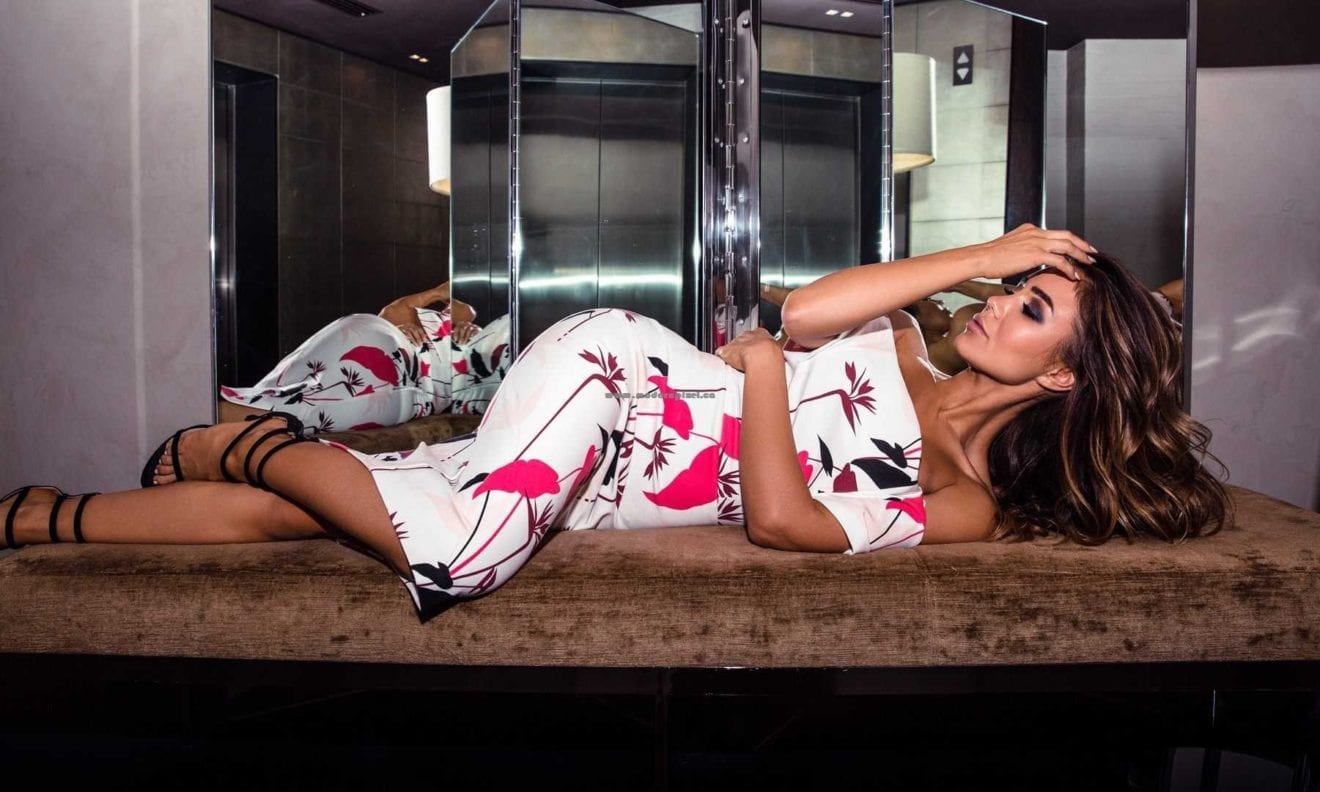
It invited Chinese actress Zhang Meng (“Lemon”) to socialise in the celebrity “birdcage” area at the race course for two days, showing off a range of Elliatt styles and, of course, sending out images and comments to her 7.6 million Weibo followers in China.
“Iconic sporting events like this provide a great opportunity for local brands and designers to launch themselves on to the world stage and break into new markets, especially in China,” says executive director for trade Gonul Serbest of Trade Victoria, a government department that connects state brands with international partners. “The races have always been a place for Melbourne to flaunt its reputation as Australia’s fashion capital.”
Elliatt’s target niche is consumers between 25 and 35 years old who want well-cut clothing with special details such as lace, embroidery and prints, and high-quality materials at a price point within the accessible luxury segment.
Global boutiques
Its fashions are stocked in more than 1200 boutiques globally, including Bloomingdale’s and Nordstrom, and the brand has distribution networks spanning Asia, Australia, New Zealand, Europe and the US. The brand has turnover of about US$5.3 million annually.
“China is our biggest growth market,” says Elliatt founder/designer Katie Pratt. “My business partner is Chinese and knows the market quite well. We are seeing more rapid growth with our brand in China in a shorter period than anywhere else.”
It was this that prompted Elliatt to finally launch an own-brand store, but not at home.
Pratt believes consumers in China identify strongly with the brand. “We’re quite quirky, we’re colourful, we’re detailed and quite feminine, and that is resonating really well with Chinese consumers. Also, in the areas of the market we are pitching at, there is less competition in China.”
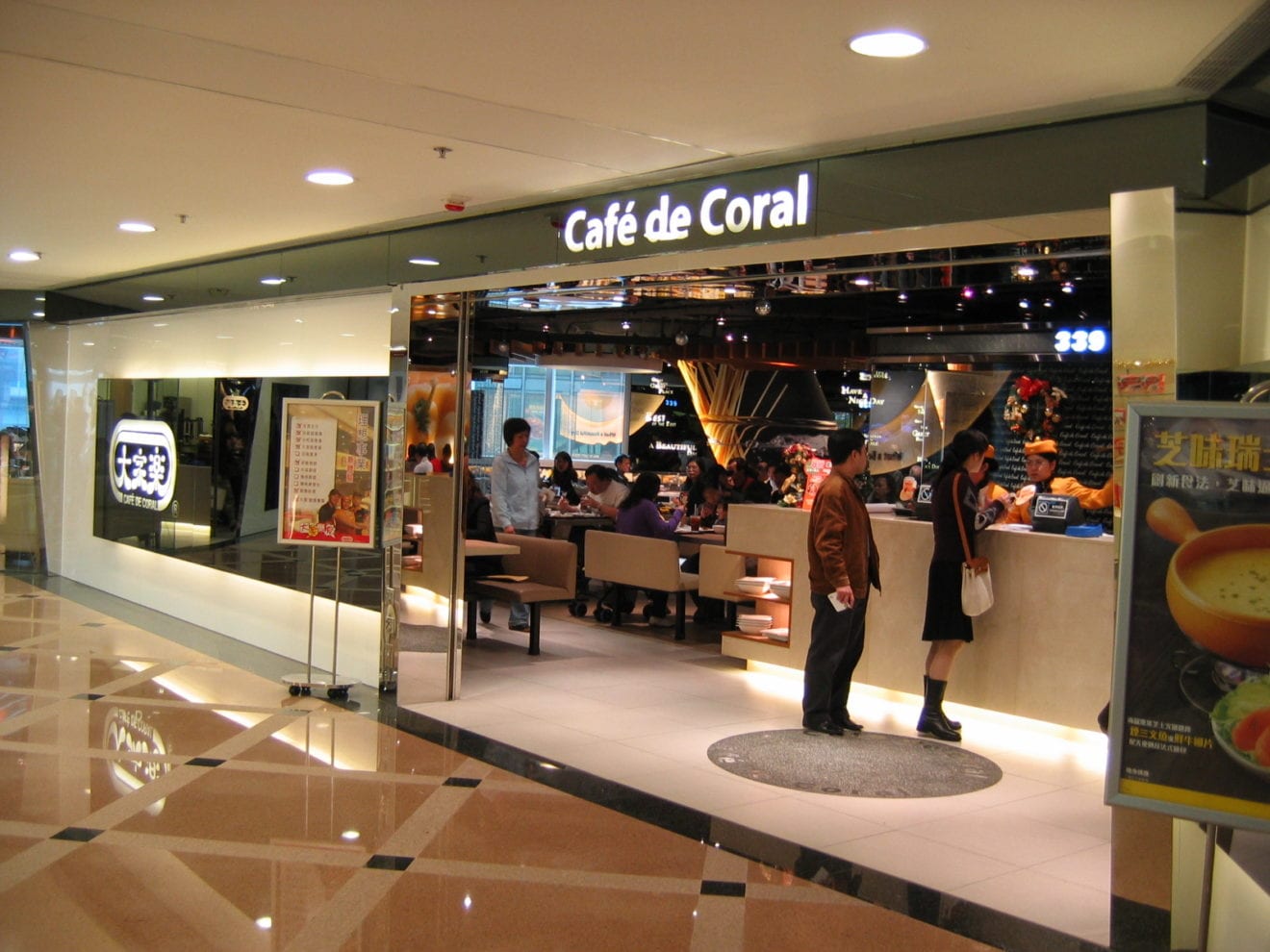
With expansion in Hong Kong and “outstanding” growth in China, restaurant/catering group Cafe de Coral Holdings says it has had six months of key achievements.
Its first-half revenue grew by 6.2 per cent to HK$4.1 billion (US$525 million), but profits were hit as rising staff costs exceeded the group’s pace of revenue growth. The profit attributable to shareholders, $205.7 million, was down 11.3 per cent on last year’s first half, while gross profit margin fell to 11.9 per cent from 13.3 per cent.
This decline, in Hong Kong, was largely because of the group’s investment in people for its core quick-service restaurant (QSR) business. “This was necessary for attracting and retaining talent in a highly competitive labour market,” says Cafe de Coral, which continued its network expansion by opening more outlets than in previous years.
However, the drop was partially offset by business growth in Mainland China. “Following our previous efforts to consolidate our branch network there, our product and promotion strategies began to pay off with strong growth in same-store sales and profit.”
QSR and institutional catering brands continued to dominate in Hong Kong, contributing to 74.6 per cent of the group’s total revenue for the period. Revenue from this division rose 5.7 per cent to $3 billion.
At September 30, the group’s QSR and institutional catering business had 306 units, up from 295 at the end of March.
Positive market
The market for fast-food service in Hong Kong was positive, with customers still price sensitive and value-driven. Cafe de Coral fast food achieved same-store sales growth of 3 per cent, and 10 branches were opened for the group to finish the period with 170 outlets.
Its other QSR brand Super Super Congee and Noodles had 51 stores at the end of September, with two new outlets since March 31. Same-store sales growth was maintained at 1 per cent.
Overall, the performance for institutional catering was steady, with both Asia Pacific Catering and Luncheon Star gaining new contracts. The total number of business units at the end of the review period was 85, up from 79 six months earlier.
After brand renovations and consolidation, casual-dining revenue grew 9.2 per cent to reach $422 million, and the first half ended with 72 shops, up from 64 at the end of March. Underperforming outlets of The Spaghetti House were closed, while Oliver’s Super Sandwiches had a rebranding program. The two restaurant chains had 10 and 18 shops respectively at the end of September, compared with 12 and 19 six months earlier.
Cafe de Coral’s homegrown brands established a stronger foothold through expansion. Three Shanghai Lao Lao outlets were added during the half-year, as well as six Mixian Sense restaurants.
China strategy
After a period of store consolidation, the company’s focus for the mainland was on developing a local management team and menus catering to local tastes. This strategy began to pay off with same-store sales growth of 15 per cent and “substantial profit growth” in southern China.
During the six months, the China division saw revenue rise 7.3 per cent to $548.3 million, while the total number of restaurants was consolidated at 96, down three from March 31. O2O delivery services were also launched, which the group says have been growing faster than the in-store market.
Late last month, the group closed its final two stores in eastern China as part of a short-term strategic adjustment while it focuses on developing the southern China market where the potential for growth is higher.
Meanwhile, the group set up six shops at the refurbished JP Plaza in Causeway Bay to demonstrate the synergy it can achieve across all its fast-food and casual-dining brands. These were set up in one 16,000sqft (1490sqm) complex, anchored by Cafe de Coral and including Mixian Sense, Shanghai Lao Lao and The Spaghetti House.
At the end of September, the Cafe de Coral network had 474 stores in Hong Kong and China, up from 45 six months earlier.
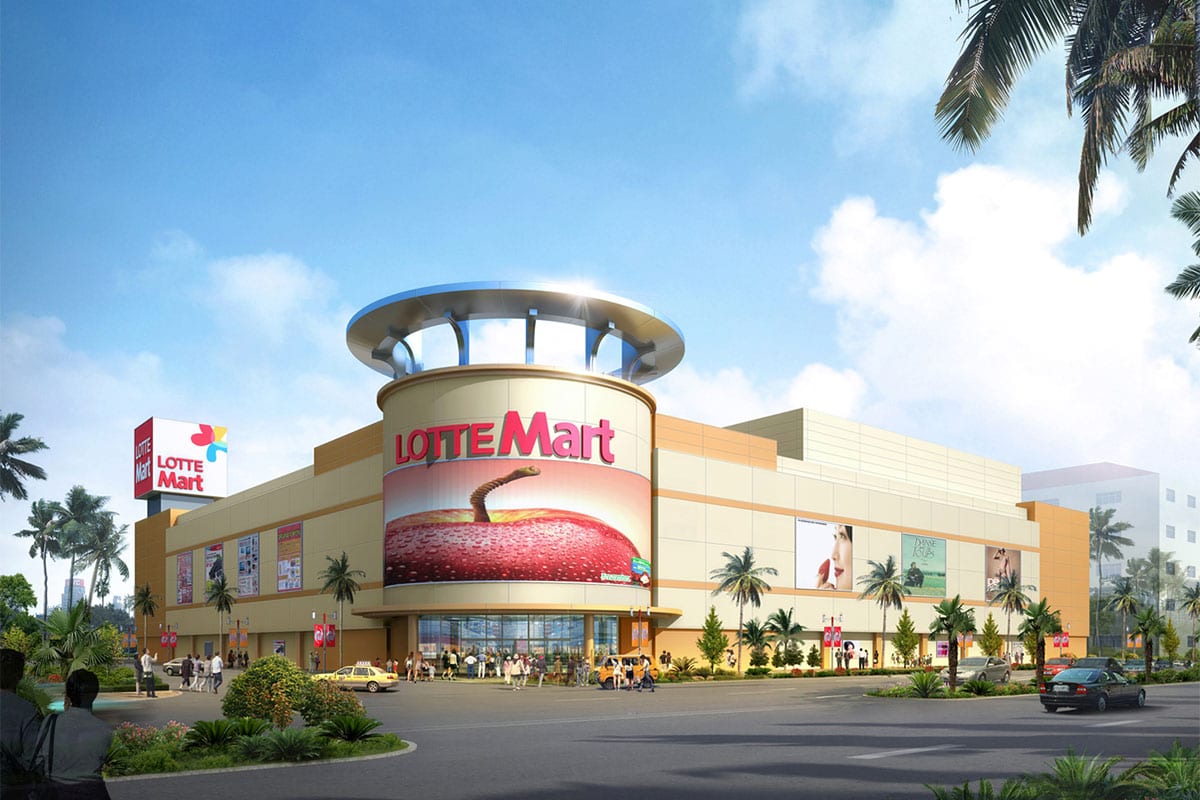
Korean retailer Lotte Mart has launched its Speed Lotte shopping app in Vietnam.
The app allows smartphone users to buy more than 1000 items from categories including fresh food, lunch boxes and Korean products as well as Lotte Mart’s Choice L home-brand products.
Free delivery within a radius of 10km will apply for purchases over VND100,000.
Both Lotte Mart members and non-members can shop through the app, although registered members can enjoy frequent promotions from the retailer.
The first 1000 customers to spend more than VND200,000 via the app will get vouchers worth up to VND100,000.
The app is being tested at Lotte Mart District 7 and Go Vap, in greater Ho Chi Minh City before being launched nationwide.
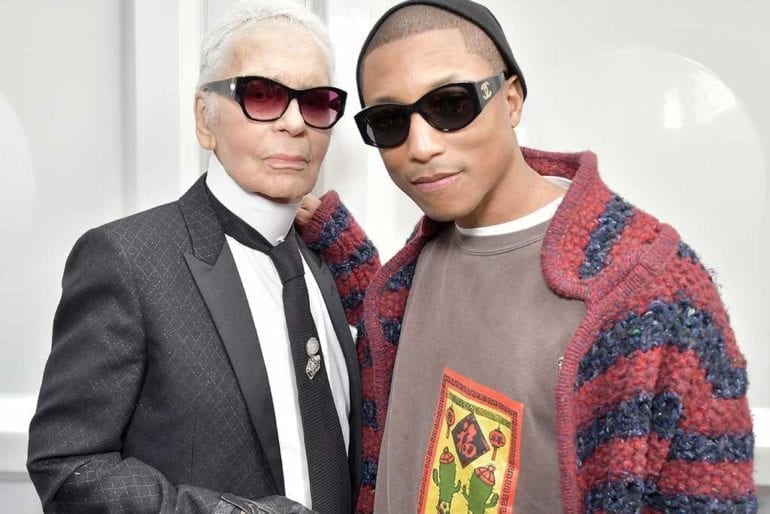
Pharrell Williams’ sneaker collaboration with Adidas Originals HU NMD and Chanel launched at the Paris boutique Colette.
Source : WWD
To celebrate, the luxury French house founded by Gabrielle Chanel threw a party attended by the likes of Karl Lagerfeld and Justin Timberlake. Indeed Williams has collaborated with Timberlake for his upcoming album.
The sneakers, 500 of which have been made and which 120,000 hopefuls pre-registered on the Colette website to be in with a chance of buying, are retailing for almost $1200. Williams, however, speculated that the might fetch up to $40,000 on the resale market.
Here, are 13 of the most illuminating takeaways from the day’s experience. Quotes from Pharrel Williams are used as explanations.
1. His relationship with Chanel began in an unexpected way.
“I used to listen to Notorious B.I.G. back in the day and he used to talk about bags by Chanel.”
2. Williams began wearing the label long before the unisex trend took shape.
“One day I had the audacity to buy a belt even though I knew it was a woman’s brand and other things that would fit me, like a couple of sweaters that felt like they were unisex.”
3. He’s also been customizing his sneakers since forever.
“I started writing the CCs on some of my sneakers and the rest is history.” He customized his own Chanel collaboration pair with slogans such as “Women’s Rights” on the back and “God Is The Greatest,” “Love Your Enemy” and “Others First” on the sides of the soles.
4. Williams does not consider himself a style beacon.
“I’m definitely not a style icon. I’m learning all the time and I pride myself on doing collaborations with people I can learn from.”
5. He was initially worried that Chanel might say no when he proposed the collaboration.
“I could not believe it [when they said ‘yes’] and I still cannot believe I’m here. It has been never done in the history of the brand.”
6. Yes, some people do actually say no to Pharrell Williams.
“My wife tells me no all the time.”
7. Those sneakers could have looked very different.
“We picked five different designs and these were the ones that Karl liked,” he said of the collaboration sneakers he sported. “They say Chanel on one foot and Pharrell on the other. There were some that just said Chanel or Gabrielle. There were different combinations. It is another level to have my name alongside Chanel. That’s what I was really honored by.”
8. Like many artists, Williams has synaesthesia, meaning he perceives music as colors.
“It is because [the artists’] minds are wired to perceive things metaphorically: If they hear something, they see a color. That’s an instant metaphor.” Indeed color plays a major role in his life, not least his hair. While he is now sporting an orange dye job, “two years ago I dyed my hair green and that was the tipping point when I decided to do another album with N.E.R.D. I am like a method actor.”
9. So what color is his “Lemon” track with Rihanna?
Yellow of course. And as for that eagerly anticipated, upcoming N.E.R.D. album, it involves “a lot of colors like crazy graffiti.”
10. Williams doesn’t like interviews.
“Talking about your art form too much drives out the lucidity and the vividness of it. So if it was a painting, by the time you’re done doing the interview the painting will have faded a bit.”
11. Women have taught him everything he knows.
“From my mom women I dated from fashion, taste, how to take care of my face how to see deeper into things and not just be hooked on aesthetics that’s how a woman’s mind works. They do not just stare at the painting, they figure out what it means.”
12. And as evidenced by the messages he wrote on the back of his shoes, he strongly believes in women’s rights.
“You guys deserve to get paid as much as we do. We owe the female species.”
13. Any more collaborations with Chanel in the pipeline?
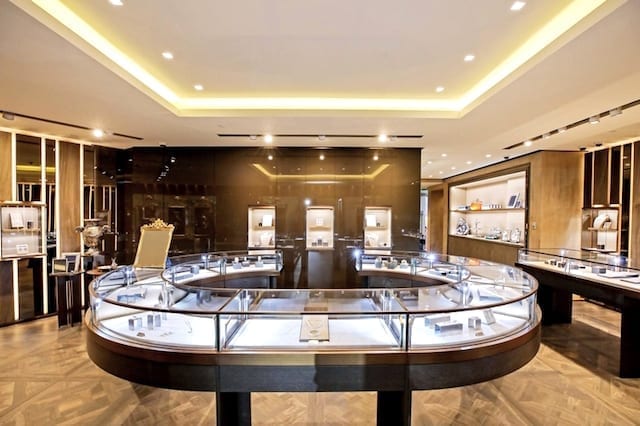
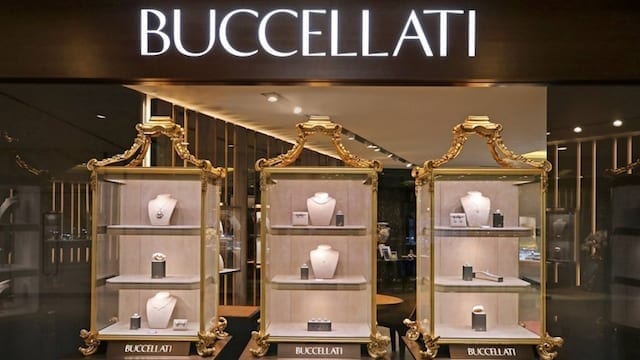
Buccellati China has opened its first store, in Shanghai’s Plaza 66 shopping mall.
To celebrate, the Italian luxury jeweller hosted a grand opening ceremony followed by a gala dinner attended by its brand ambassador, international actress Zhang Ziyi.
Buccellati also unveiled The Labyrinth High Jewelry capsule collection for Japanese luxury watches and jewellery store Wako featuring seven one-of-a-kind pieces, all embellished with diamonds and featuring such iconic Buccellati touches as tulle patterns and “rigato” engravings.
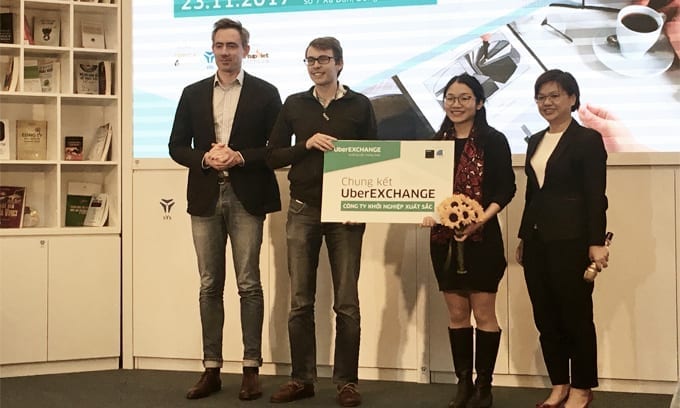
Ten aspiring Vietnamese start-ups went head-to-head on Thursday at the final of UberEXCHANGE, a nationwide competition offering a $4,400 prize and two tickets to visit Silicon Valley.
Logivan, a two-month-old start-up, emerged as the winner with its plan to ‘Uberise’ Vietnam’s road freight market.
“From my house I can see lots of empty trucks returning to their depots after completing their deliveries,” said CEO Linh Pham. “It’s a huge problem.”
The start-up already works with 300 trucks and ships up to 28,800 tons of freight per year.
Logivan hopes to step up in the giant market that will be worth an estimated $9 billion in 2017.
“If you bought something, a truck brought it!” the slogan says.
Last year, the Vietnamese government set a target of reaching one million new firms by 2020, turning the country into a start-up nation.
In the cozy conference room, both experts and competitors were positive about the country’s start-up scene.
“People say that Vietnamese start-ups are not tech-related, and that might have been true a few years ago when most people were focused on commercial start-ups,” Nguyen Thi Thu Van, said board member and vice president of the Vietnam Youth Union.
“But this year we’ve seen two clear tech trends: bio and information technology.
“I don’t think the government’s target is out of reach,” Van continued. “Since the plan was announced, remote provinces like Kon Tum have been the most supportive for start-ups.”
Diep Que Anh, head of communications for Uber Vietnam, shared Van’s optimistic view.
“We’ve seen a number of them reaching international markets in their very early stages,” Anh said. “So I think there’s a lot of reasons to be optimistic and excited about.”
Vietnam, particularly its biggest economic hub Ho Chi Minh City, has long been known to the global tech market as an outsourcing haven, but the nation is yet to register on the global startup map.
In the Global Startup Ecosystem Report 2017 released by U.S. research organization Genome, Ho Chi Minh City was not mentioned in its top 20.
Geektime, one of the biggest tech blogs that focuses on global innovation, estimated the number of tech start-ups in Vietnam stood between 1,400 and 3,000 in 2016, making the country the third largest ecosystem in Southeast Asia. However, around 95 percent of start-ups die within 3-5 years.
But Vietnam’s start-up spirit, its young, tech-savvy generation, and recently, ambitious leadership, make the country an attractive new ecosystem.
What Vietnamese start-ups are missing is access to experienced professionals.
“Even the best teams we’ve seen today don’t have the necessary presentational and persuasive skills,” said board member Van Nguyen.
“It helps to receive mentorship from successful startups to learn about management skills,” Van stressed.
Diep Que Anh, head of communications for Uber Vietnam, offered more advice.
“It’s always important to understand the landscape in which you are competing,” Anh said. “They need to look regionally and globally, not to solve just Vietnam’s problems.”
Despite all these problems, Phan Nguyen, CEO of another finalist, said it was a good start. “It’s good to see the quantity first, then the quality will improve.”
Uber’s Que Anh agreed.
“If these are the indications, then the future is very bright,” she said
A deal that will take the Puregold store count to 324 in the Philippines has been approved by the Securities and Exchange Commission.
It involves a merger for Puregold Price Club with three supermarket companies owned by Estenso Equities, its 50-50 JV with Ayala Land: Daily Commodities, First Lane Super Traders and Goldtempo Company.
The three Estenso Equities units comprise 17 stores mainly in Cabanatuan City, and the provinces of Aurora, Bulacan and Rizal. They will all soon carry the brand name and be converted to Puregold stores.
Under the merger terms, Puregold will issue paid-in capital of up to US$10.9 million (PHP922.7 million), and also common shares pegged at PHP14.5 million. The merger follows Puregold’s acquisition of five B&W (Black & White) stores in Roxas City, Capiz, in August, bolstering its store presence in the Western Visayas region.
Established in 1998, Puregold has evolved from one hypermarket. It now has an omni-market presence and claims to work with more than 1500 suppliers and trade partners, serving more than 300,000 sari-sari (mini retail) stores and small businesses as well as more than a million Puregold Perks members.
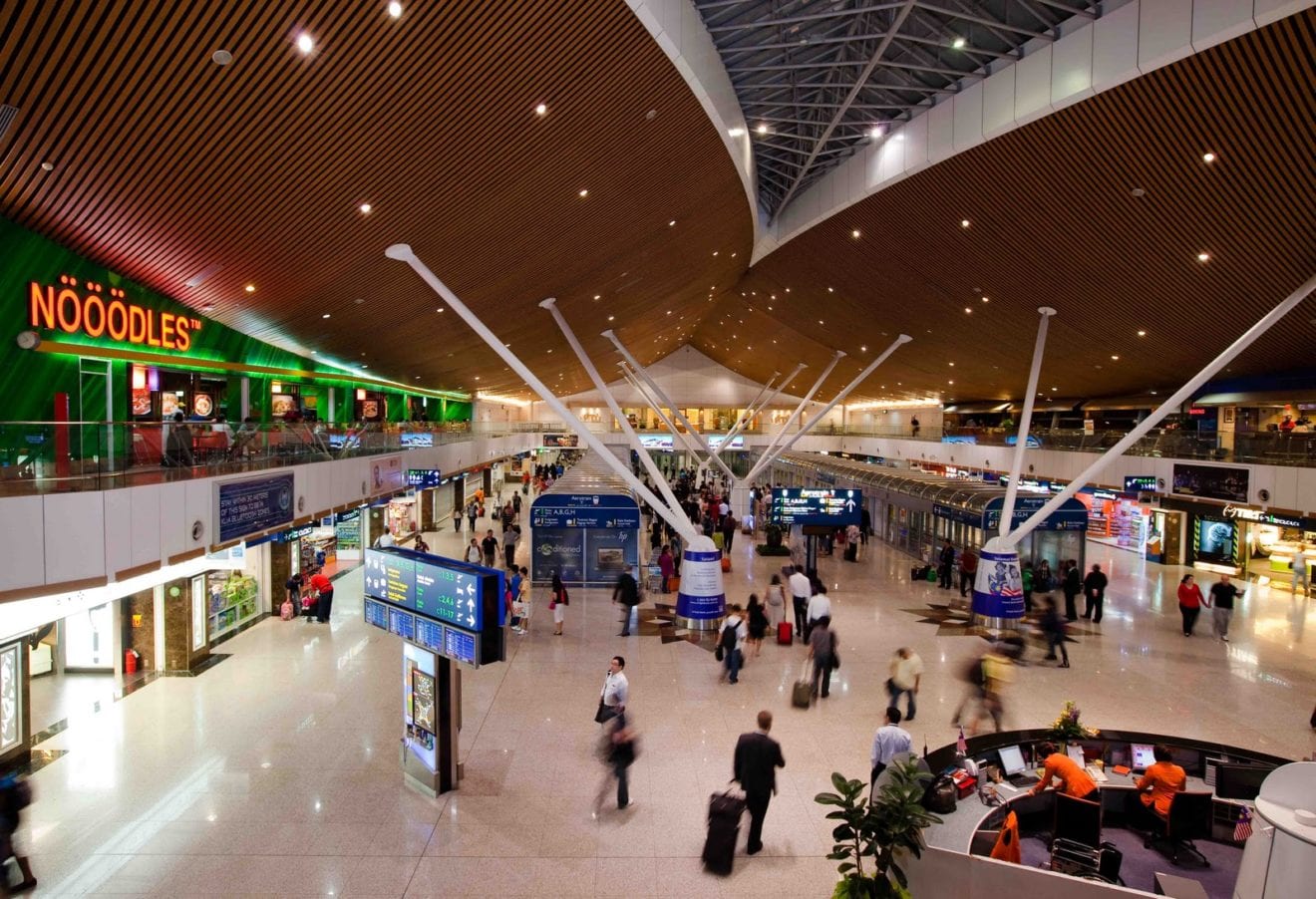
Malaysia Airports Holdings Berhad (MAHB) has reported a +17.0% year-on-year surge in retail revenue to RM623.5 million (US$151.8 million) in the nine months ended 30 September 2017.
Group retail and food & beverage sales per passenger increased +12.3%.
Non-aeronautical revenues at the group, which runs Malaysia’s major airports as well as having a stake in Istanbul Sabiha Gökcen Airport in Turkey, rose by +13.9% to RM1,169.2 million (US$284.7 million).
Retail and F&B sales at Kuala Lumpur International Airport (KLIA) and low-cost terminal klia2 combined – the key locations for commercial activities at the group –increased +26.7% to RM1,546.8 million (US$376.6 million).
Malaysia Airports’ retail arm Eraman posted revenue of RM536.3 million (US$130.6 million) across KLIA and klia2, up +15%. Sales per passenger increased +2.0% to RM12.37 (US$3).
At Istanbul Sabiha Gökcen Airport, where the concessionaire is Setur Duty Free, duty free spend per passenger fell -5.5% to €8.81. Non-aeronautical revenue slipped -7.8% to €62.9 million.
MAHB said group passenger traffic increased +8.6% to 95.3 million. International traffic growth in Malaysia (+14.7%) and Turkey (+6.6%) outpaced respective domestic growth.
MAHB group revenue was up +10.1% to RM3,405.5 million (US$828.4 million). EBITDA increased +10.6% to RM1,478.4 million (US$359.6 million).
Travel retail seems to be gaining a continuous growth, not only in Malaysia, but all Asia Pacific, without ignoring the high number of tourists purchasing goods in the country of origins of the brands.
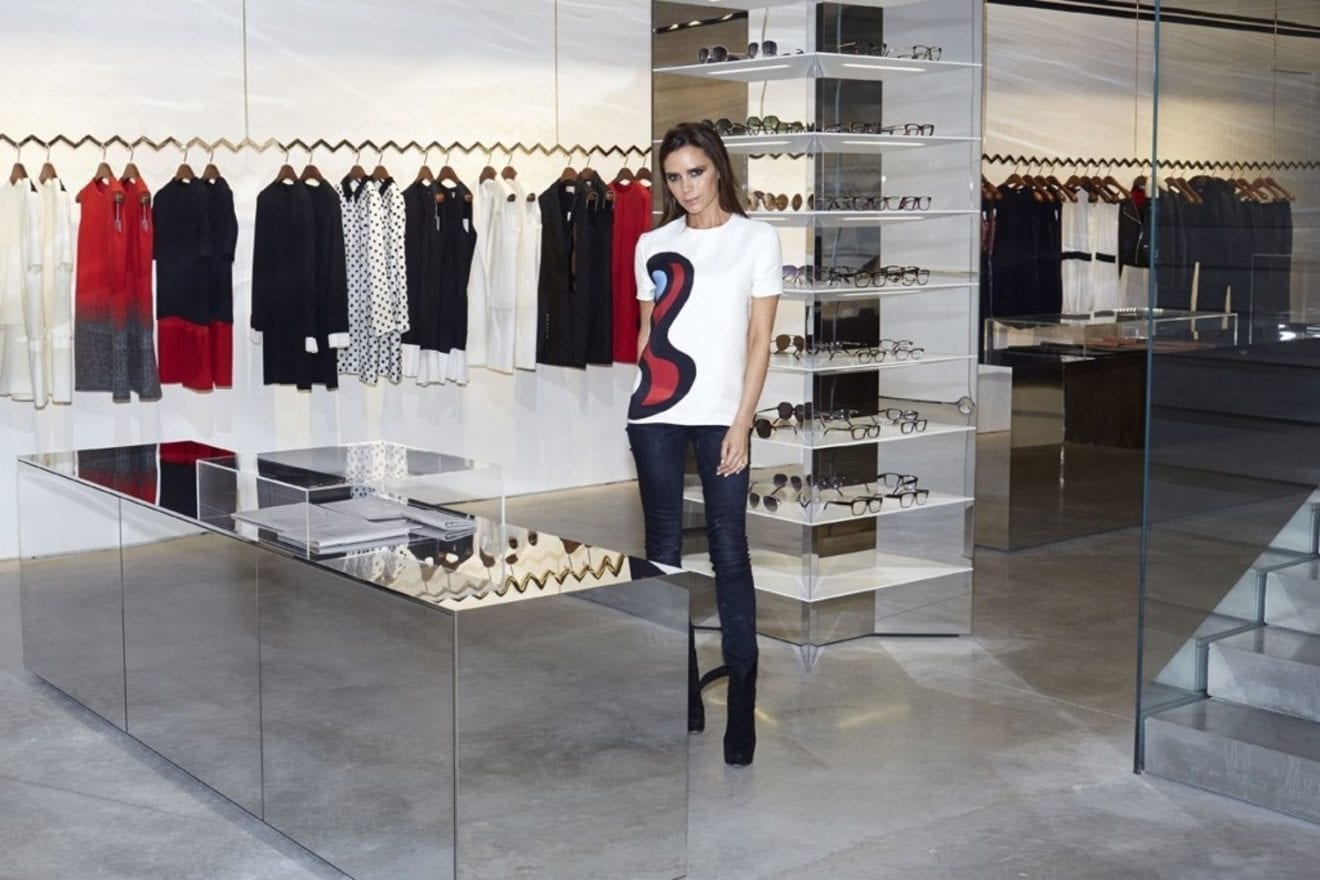
Fashion entrepreneur Victoria Beckham has raised £30 million (US$40 million) from growth equity firm Neo Investment Partners in exchange for a minority stake in her namesake luxury label.
While the terms of the transaction have not been disclosed, market insiders say the deal values the business at £100 million.
“As the business continues to grow, I appreciate the need for external investment which, in turn, would bring external expertise,” says the former Spice Girl. “Neo has shown it can take founder-led businesses with a global outlook to new heights. Our focus is on building a sustainable, profitable luxury brand.”
Neo Investment Partners founder/managing partner David Belhassen says Beckham is an inspiration to millions of women around the world. “She has built a unique, differentiated luxury brand with a strong identity and very high potential.”
Beckham plans to use the funding to expand the luxury womenswear brand’s physical retail and e-commerce presence, as well as drive growth of core product categories.
After a series licensing deals for eyewear, denim and fragrance, Beckham launched her own luxury womenswear line in 2008 with a range of dresses. Initially shunned by the fashion industry, she has since expanded into handbags, eyewear and shoes and currently employs 180 people with stores in London and Hong Kong as well as an e-commerce site.
Beckham teamed with Target last year for a capsule collection, and is now working on a collaboration with Reebok expected to launch late next year. “To challenge the traditional notions of fitness wear within a fashion context is something I have always wanted to do,” she says.
The Victoria Beckham label is controlled by Beckham Brand Holdings, a holding company that also owns the licensing of the former football star’s name. The company is owned by the husband-and-wife team of David and Victoria Beckham as well as Simon Fuller, the entertainment impresario who created the Idol franchise.
Burberry Japan will shutter its entire beauty retail network by 2018, comprised of Burberry Beauty and Burberry Beauty Box stores.
Following the closing of the Yokohama store in October 2017, Burberry Beauty before December 31 will have finalised mass store closures across Japan, after the British firm’s Japanese distributor Shiseido ended the contract partnership in April 2017.
The Japanese cosmetic giant Shiseido, who recently announced a strategic shift in operations to focus more on its own prestigious brands, formed its allegiance with Burberry back in 2015, and has since held the contract granting it distribution rights Burberry’s beauty line and fragrance in Japan.
Under the new store approach in Japan, Burberry Beauty has already closed its Lumine Yokohama store on November 13, and the Ikebukuro Seibu store is scheduled to close on 25 December 2017.
Moreover, the Ginza Mitsukoshi store and the Umeda Hankyu store will close on 31 December 2017.
Japanese customers are still able to buy the brand’s makeup items from the Burberry website even after the stores close. As for Burberry fragrances, the company will look for new distributors and gradually redeploy its retail presence in Japan.
The news follows Burberry Beauty’s new partnership with American company Coty, which has obtained the licencing rights for beauty products developed by the heritage brand.
Kicking of in October 2017, Marco Gobbetti, CEO of Burberry, said: “Following months of hard work to ensure a smooth transition, this strategic partnership, which brings together tremendous beauty experience and expertise, has begun.”
Coty will have overall responsibility for strategic direction on the portfolio’s development, leveraging its global capabilities in beauty strategy, innovation, supply-chain and go-to-market, working in partnership with Burberry.
Coty CEO Camillo Pane said the firm’s “world-class ability in developing and bringing to market beauty brands will help drive a new phase of development and growth for Burberry Beauty.”
In Japan, as well as in other Asian markets, Burberry beauty products will be sold in leading luxury beauty retailers globally as well as in remaining Burberry stores and digital channels.
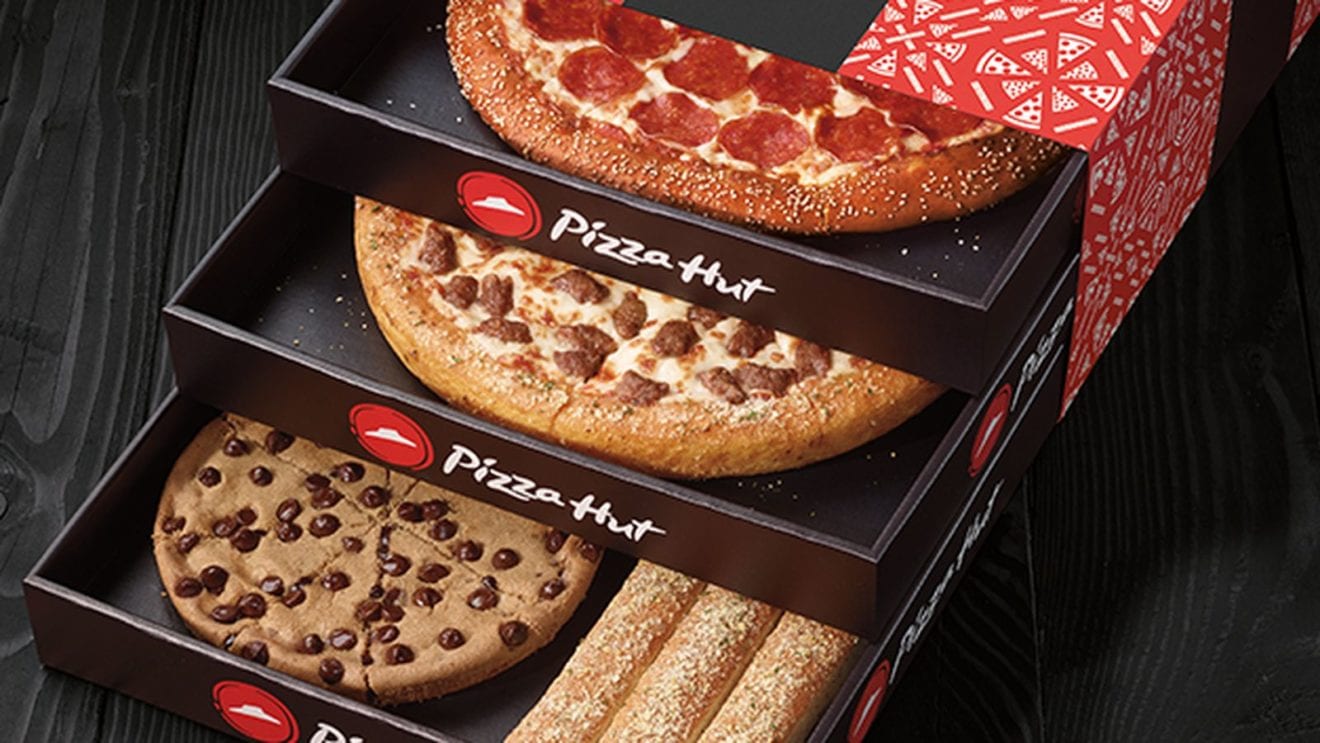
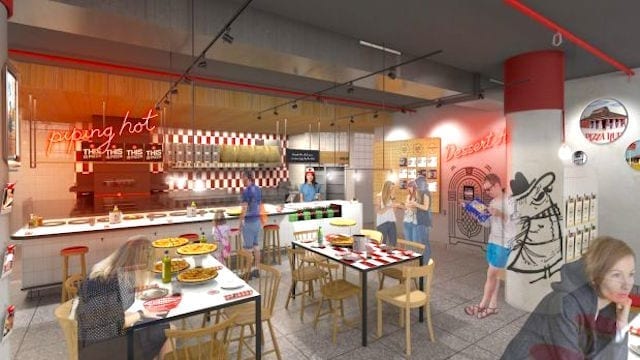
Pizza Hut Australia has taken its next big step back into the fore, unveiling a new brand image and concept store in a bid to redefine its position in Australia’s highly competitive pizza market.
The new store, launched yesterday in Sydney has been designed as a fresh take on contemporary Australia with ties to the brand’s US heritage and will inform a broader store refresh program, which began earlier this year.
Its original brand icon Pizza Pete has also been reintroduced into signage and internal designs alongside several menu innovations, such as localised flavours, designed to cement its point-of-difference as a dine-in pizza option – juxtaposed to market leader Domino’s delivery-focused offer.
The move is a sign that the chain’s owner, private equity firm Allegro Funds, is looking to bolster the consumer-side competitiveness of the chain, after it purchased the master-franchise license for Pizza Hut from American owner Yum! Brands in 2016.
Under Yum! Pizza Hut began falling behind rival Domino’s technologically enabled fast-delivery model, prompting management to spend the last year undertaking a broad-based improvement plan within the business that included the acquisition of Eagle Boys outlets late last year.
Allegro has also been busy bringing new talent into the business to reposition its future under the stewardship of former McDonald’s executives Peter Rodwell, Lisa Ransom and Chris Leslie. The chain’s new director of innovation, Matthew Sawyer, who was brought over from McDonald’s in December last year, said that the re-brand would deliver a local spin on a well-known brand with global credentials.
“Pizza Hut in previous years had lost its direction and when we took over the business we clearly identified that there was a lot of love for the brand – in particular the old dine-in restaurants with the all you can eat buffets and the self-service desserts,” he said. “We knew we had to do something around that to reconnect with the Australian community.”
Sawyer said dine in will be a point-of-difference for Pizza Hut’s new look, with franchisees given autonomy within a flavour toolkit to localise parts of the menu. He calls it ‘glocal’ – a play on the words local and global – a philosophy that will be rolled out through the 300+ store network.
“Over the next few years you’ll see significant change in the brand, how fast we roll this out will depend on how fast we learn about how well certain items work in different communities,” he said. “That’s the thing about global, it’s going to be different everywhere.”
In many ways the dine-in focus doubles down on Pizza Hut’s pre-existing market position, but made-to-order rather than pre-prepared pizzas as well as new delivery methods, such as electric bikes, will round out the new offer.
Allegro has previously said it has no intention of contesting Domino’s market leading position, but does want to cement itself as the number-two in the Australian market, making Retail Food Group (RFG)’s Pizza Capers and Crust brands relevant competitors.
RFG has been embarking on its own repositioning since last year, revamping its QSR division to focus more heavily on lunchtime business with new products and mobile food trucks. IBISWorld data from 2016 placed Pizza Hut’s share of the local market at just over 15 per cent after the Eagle Boys acquisition, compared to Domino’s 25 per cent share and RFG’s 4 per cent share.
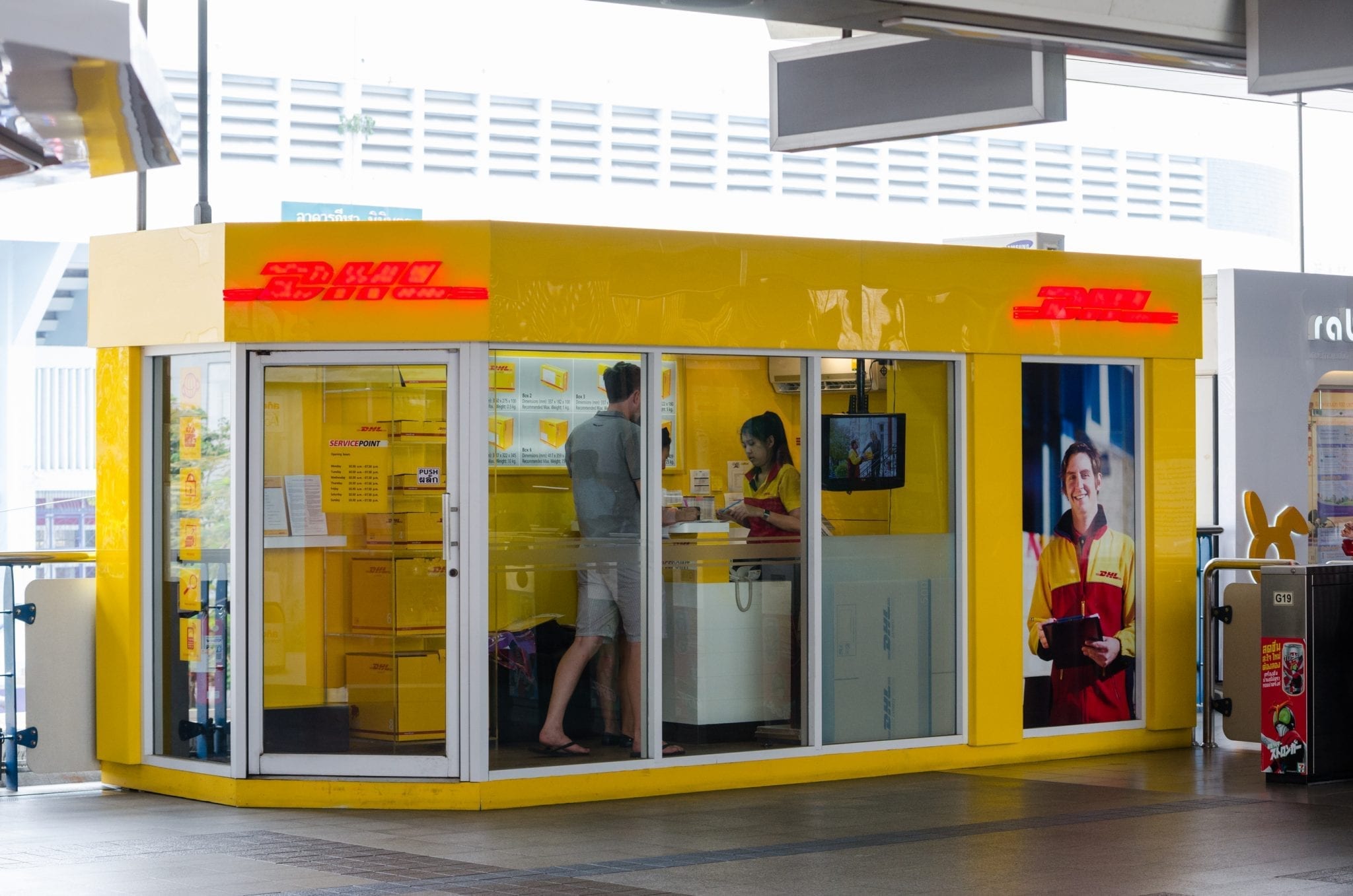
DHL said Thursday it would invest about 1.5 billion ringgit ($365 million) over the next two years to enhance an existing information technology services data center in Cyberjaya, located about an hour from the Malaysian capital.
The center, which was established in 1997, has provided IT infrastructure, business application development and support to the logistics company’s global operations. DHL, a unit of Germany’s Deutsche Post DHL Group, has spent more than 4.7 billion ringgit over the past 20 years to develop the center, the company said in a statement.
Along with counterpart hubs in Prague, Czech Republic, and Pennsylvania in the U.S., the center provides around-the-clock IT support to the group’s logistic operations that include DHL Express, DHL Global Forwarding, DHL Supply Chain and DHL e-commerce.
The latest investment will be spent on the introduction of new data platforms using energy-efficient sources and the adoption of hybrid cloud services, which mix private and public cloud computing. Part of the investment will also go towards training and career development for the center’s more than 1,440 employees.
“The investment we have made in Cyberjaya demonstrates our commitment towards enhancing our capabilities,” said Alexander Pilar, managing director for IT Services at Deutsche Post DHL.
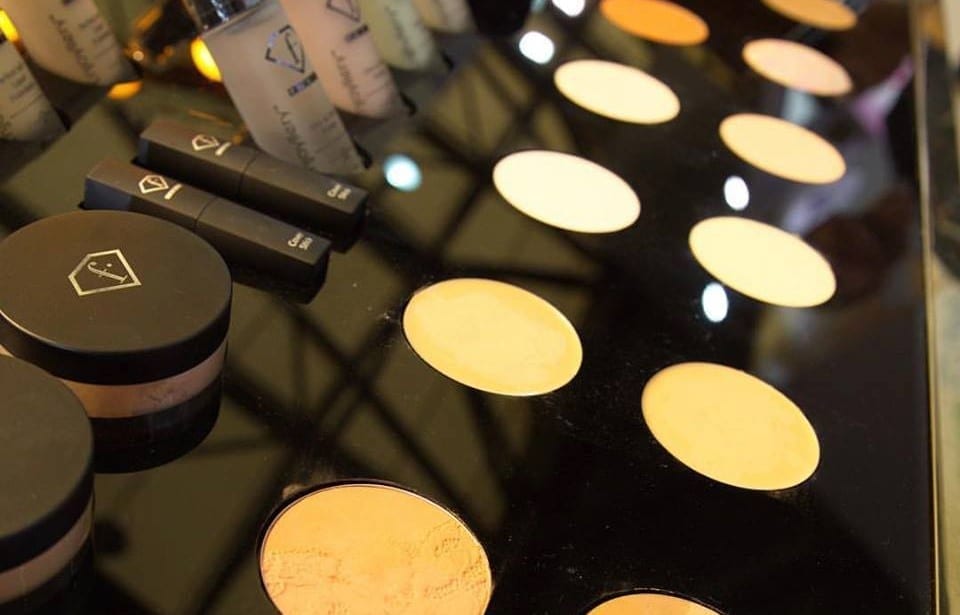
Inspired by models’ daily routines and backstage beauty secrets, FashionTV has introduced its beauty line, FTV Cosmetics, to Singapore.
With years of experience from working with industry experts, such as makeup artist Felix Shtein, FTV Cosmetics combines technology, natural ingredients and special formulas that cover makeup and skincare to haircare and styling, as well as bodycare.
On offer are more than 140 products, including its best-selling 24Karat Golden Hero Mega Mask, Translucent Highlighter Powder and FTV Perfect Selfie Liquid Foundation.
FTV Cosmetics debuts at Wisma Atria and within the next few days will follow up with a flagship store at 313 Somerset.
FTV Cosmetics already has a presence in China, Macau and the Philippines and plans further global expansion with 52 more outlets by the end of next year.
Chinese internet giant Tencent has surpassed Facebook in terms of market value just a day after it became the first Asian technology firm to reach the $500 billion valuation mark.
Tencent shares hit a record high of 439.6 Hong Kong dollars during Asian trading hours on Tuesday 21 November 2017, giving it a market capitalization of 4.17 trillion Hong Kong dollars ($534.5 billion).
The Chinese firm’s value overtook Facebook’s $519.4 billion market capitalization, which was hit at the close of the U.S. markets on Monday 20 November 2017.
Also Monday 20 November 2017, Tencent beat Alibaba to become the first Chinese technology company to hit the $500 billion market capitalization mark. Tencent is also within touching distance of Amazon’s $542.7 billion valuation.
Tencent went public in Hong Kong in 2004 at 3.70 Hong Kong dollars per share. Since then, it has rallied over 11,000 percent. Tencent’s stock this year alone is up 126.69 percent.
Still, the company is not well-known outside of China, but owns the country’s most popular messaging service, WeChat, which has close to 1 billion users. Tencent is a sprawling business that spans gaming, social media, news and content.
Online and mobile games are a key part of the business — the division brought in over $4 billion in revenue last quarter. In 2016, Tencent acquired a majority stake in Finnish smartphone maker Supercell, the company behind the popular “Clash of Clans” mobile game.
Tencent has also been trying to move outside of China, but not necessarily through the expansion of its own products. Instead, it has been making investments across the U.S. and Asia. It has acquired stakes in both Tesla and Snap, and invested in numerous start-ups in Asia, including India’s Uber rival Ola.
Analysts were positive on Tencent’s stock after it smashed past market expectations when it reported third quarter earnings earlier this month. Barclays raised its price target for Tencent from $49 to $59, and upped its revenue forecasts for 2018 and 2019.
“We mainly attribute accelerating revenue growth to the continued monetization improvement across multiple key business segments, such as gaming, video, and payment services, and note that user growth is still strong,” Barclays said.