Author: Mei Ling Tan

  • Singapore Airlines And SilkAir To Codeshare On Scoot Flights

    Singapore Airlines And SilkAir To Codeshare On Scoot Flights

    Singapore Airlines (SIA) and SilkAir customers can now enjoy more choice and convenience when travelling to more than 130 destinations across the SIA Group network as a result of new codeshare agreement with the Group’s low-cost subsidiary Scoot.

    Under the agreement, SIA will progressively add its ‘SQ’ designator code while SilkAir will add its ‘MI’ code to Scoot-operated flights between Singapore and more than 30 destinations1 served only by Scoot within the SIA Group. The codeshare arrangements will begin with Scoot flights serving Athens, Clark, Gold Coast, Hat Yai, Ipoh, Krabi, Kuching and Palembang. The new agreement will enable SIA and SilkAir customers to travel on single-ticket itineraries to these codeshare destinations, which means that their boarding passes and baggage tags will be issued up to their final destination at the first point of check-in, according to Singapore Airlines.

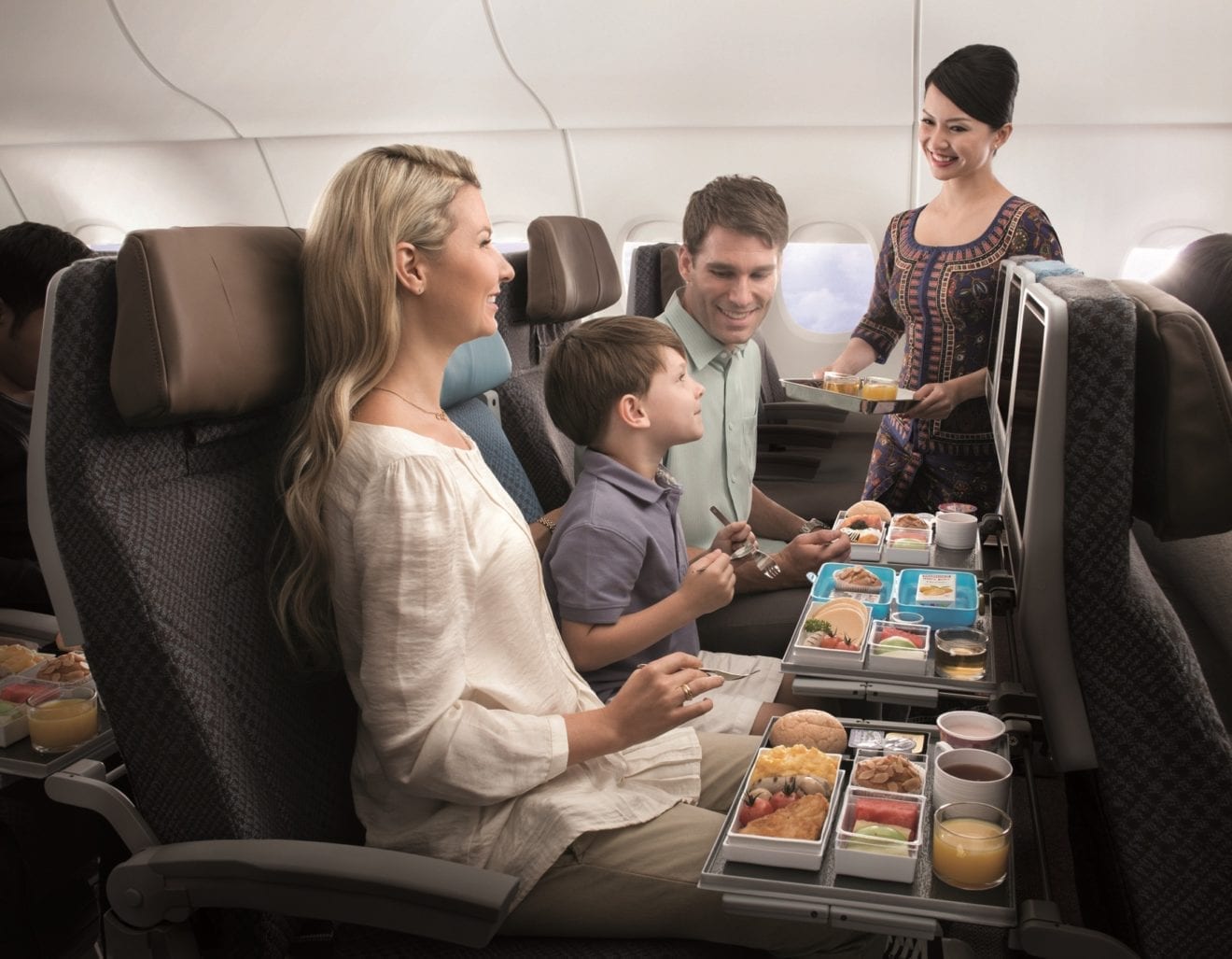
    In addition to through check-in service, SIA and SilkAir customers will be offered Scoot’s FlyBagEat privileges – which include checked baggage allowance, complimentary meal and beverage as well as blanket for flights above four hours. SIA and SilkAir customers will also be offered the flexibility to select seats on Scoot flights online through the SIA and SilkAir websites when booking their tickets, for a fee, in accordance with Scoot’s terms and conditions.

    The codeshare flights are subject to regulatory approvals. Tickets will be progressively made available through the various booking channels.

  • DHL simplifies air freight quotations and bookings

    DHL simplifies air freight quotations and bookings

    DHL Global Forwarding, the air and ocean freight specialist of Deutsche Post DHL Group, has introduced a new Online Freight Quotation & Booking service f or international air freight transportation. The new service rapidly creates competitive customer quotations based on door-to-door all-in rates and transit information. The quotation and booking service connects to DHL Interactive, DHL Global Forwarding’s online customer portal, where it additionally provides shipment tracking and the creation and distribution of customized shipment reports. This easy to use online service is available in more than 40 countries, covering most key lanes and point pairs globally. Through this new capability, shippers and consignee’s can quote and book shipments for all commonly used pre-paid and collect trade terms from a computer or any mobile device.

    “International shipping doesn’t need to be a complex task. From searching for the right supplier through to getting a competitive price, this should be easily available online,” says Angelos Orfanos, Global Head of Marketing & Sales, DHL Global Forwarding. “Our new Online Freight Quotation and Booking service has been designed to make it easy for any business to rapidly get a competitive air freight shipment quote that can then be booked with us online.”

    The quotation and booking service provides an immediate price for general cargo air freight up to 2,000 kilogram per shipment and offers two speeds of service through DHL’s Air Connect and Air Economy products. Customers can therefore select between different transit time options, giving them a choice between cost and speed of delivery.

    Customers are provided with a comprehensive quote based on the pick-up and delivery location plus their shipment details including weight and dimensions. The quoted door-to-door all-in rate can also include import and export customs as well as cargo insurance.

    “Customers are constantly looking for convenience, reliability and cost when searching for their logistics partner. With that understanding, we have developed this online tool to enable our customers to get cost-competitive quotes and make bookings instantly. The transparency of the e-tool and the ability for customers to track their shipments offer greater peace of mind throughout the transportation of their goods around the world,” said Piak-Hwee Tan, Senior Vice President, Marketing and Sales, Asia Pacific, DHL Global Forwarding.

    This online quotation & booking service is already available in over 40 countries around the globe including Australia, Canada, China, France, Germany, Japan, Malaysia, Singapore Spain, United Kingdom, USA and Vietnam. Through the introduction of this service, DHL Global Forwarding will become a digital industry leader by providing the most extensive offer of air freight services online.

  • Tesla cranks up big battery in Australia

    Tesla cranks up big battery in Australia

    Tesla has completed construction of the world’s largest lithium ion battery in Australia, putting it on track to meet a 100-day deadline for switching the battery packs on, the South Australian government said on Thursday.

    Tesla won a bid in July to build the 129 megawatt hour battery for South Australia, the country’s most wind power-dependent state, with a vow from Chief Executive Elon Musk to install it within 100 days of signing a grid connection agreement or give it to the state for free.

    When the grid connection deal was signed on Sept 29, Tesla was already half way through installing the battery packs.

    The Tesla Powerpacks have now been fully installed at a wind farm run by France’s Neoen, and testing is set to begin to provide grid security services in South Australia.

    “While others are just talking, we are delivering our energy plan, making South Australia more self-sufficient, and providing back up power and more affordable energy for South Australians this summer,” state Premier Jay Weatherill said in a statement.

    The state has yet to say how much it would pay for the battery, which is part of a AUS$510 million (US$390 million) plan that includes diesel-fired generators to help keep the lights on following a string of blackouts over the past 18 months.

    Australia’s energy market operator has warned that power supply will be tight this summer, particularly in South Australia and neighboring Victoria, where one of the market’s biggest coal-fired power plants was shut in March.
  • Lee’s Coffee Expands to New Markets in Southeast Asia

    Lee’s Coffee Expands to New Markets in Southeast Asia

    Lee’s Coffee, a subsidiary of Lee’s Sandwiches, is exporting their famous “Cà Phê Sữa Đá” to the Philippines, building on its partnership with S&R Membership Shopping. S&R offers high quality products with a wide- variety selection of imported grocery items from all over the world. In this world class shopping club, customers can purchase a variety of Lee’s Coffee concentrated latte, vanilla latte, and triple shot latte 16oz bottles.

    “We are proud to bring an elevated and unique coffee experience to Philippines with the introduction of our America’s #1 Vietnamese Coffee,” said Chieu Le, President of Lee’s Coffee. “For many Filipino Americans returning to their homeland, the coffee will also bring to their delight a familiar taste of the California refreshment.”

    Lee’s Coffee embarked on a mission to share their love and passion for Vietnamese style coffee in the United States. Through their family recipe, the “Cà Phê Sữa Đá” became a community favorite, propelling the flavors of their country into the mainstream with availability in Costco Wholesale, Lee’s Sandwiches, and leading Asian supermarket chains in the USAPhilippines, and Vietnam.

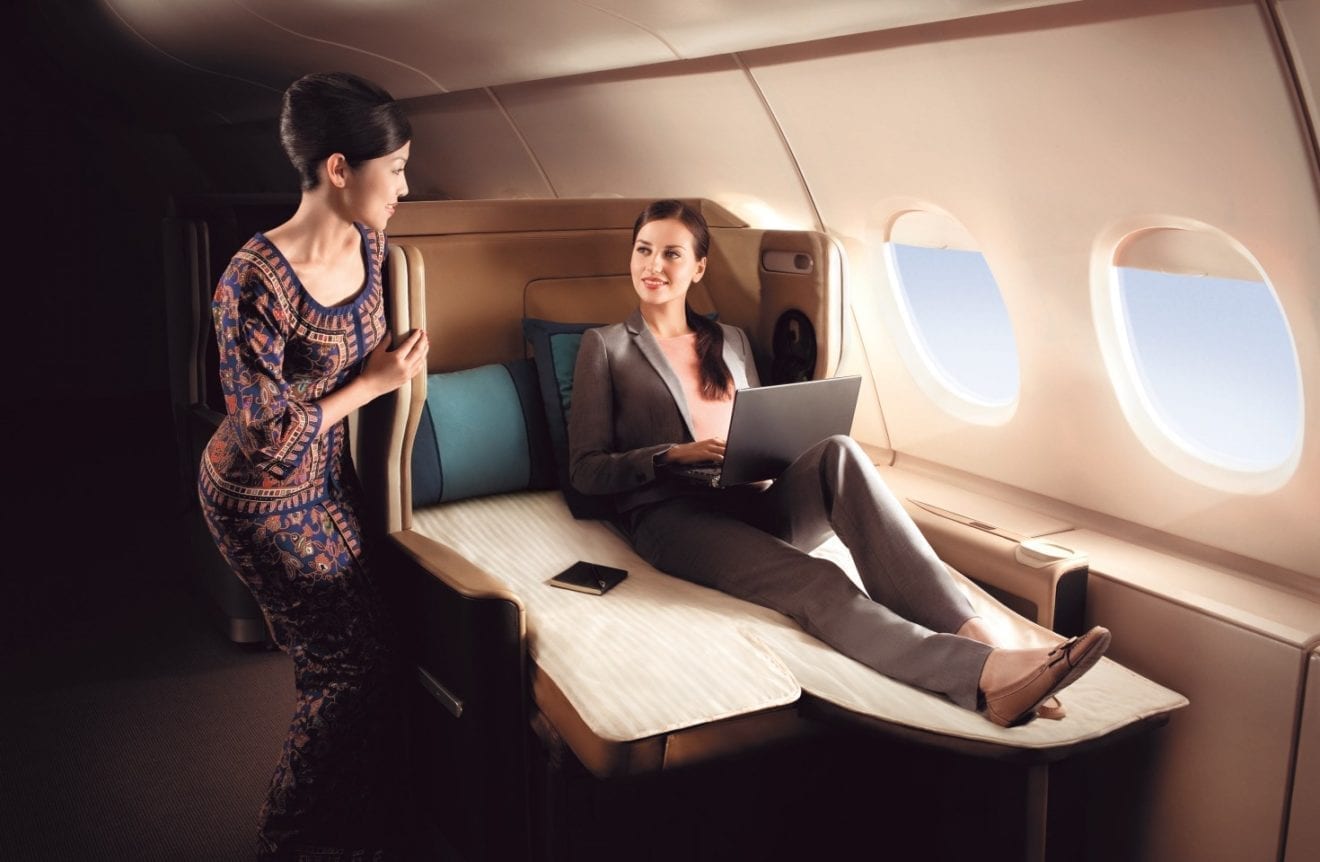
  • Singapore Airlines warns of scams touting free First Class tickets

    Singapore Airlines warns of scams touting free First Class tickets

    Singapore Airlines has warned of contests, emails and calls claiming to be from the company, informing recipients of free air tickets before proceeding to request for their personal data.

    “To appear more authentic, such callers are also able to modify their caller ID to imitate our official telephone numbers,” it added on an advisory posted on the Singapore Airlines website.

    Over the weekend, one such scam has been circulating on messaging app WhatsApp.

    The message read: “Hello, Singapore Airline is giving away 2 Free FirstClass Tickets to celebrate it’s 45th anniversary, Now you can get your tickets too !” followed by a link that closely resembled the airline’s official website.

    Upon clicking on the link, people were directed to a website asking them to share the promotion with 20 friends or groups via WhatsApp and enter their address details to claim their tickets.

    As of Monday, the website appeared to have been taken down.

    The scam comes days after Singapore Airlines unveiled its new first class suites, among other cabin offerings on its revamped Airbus 380s.

    To verify websites, emails and calls claiming to be from Singapore Airlines, customers can send the airline details via its website, the carrier said in the Facebook post.

    “Singapore Airlines also wishes to advise customers to be cautious of social media posts and phishing websites that appear similar to our official website singaporeair.com,” it added.

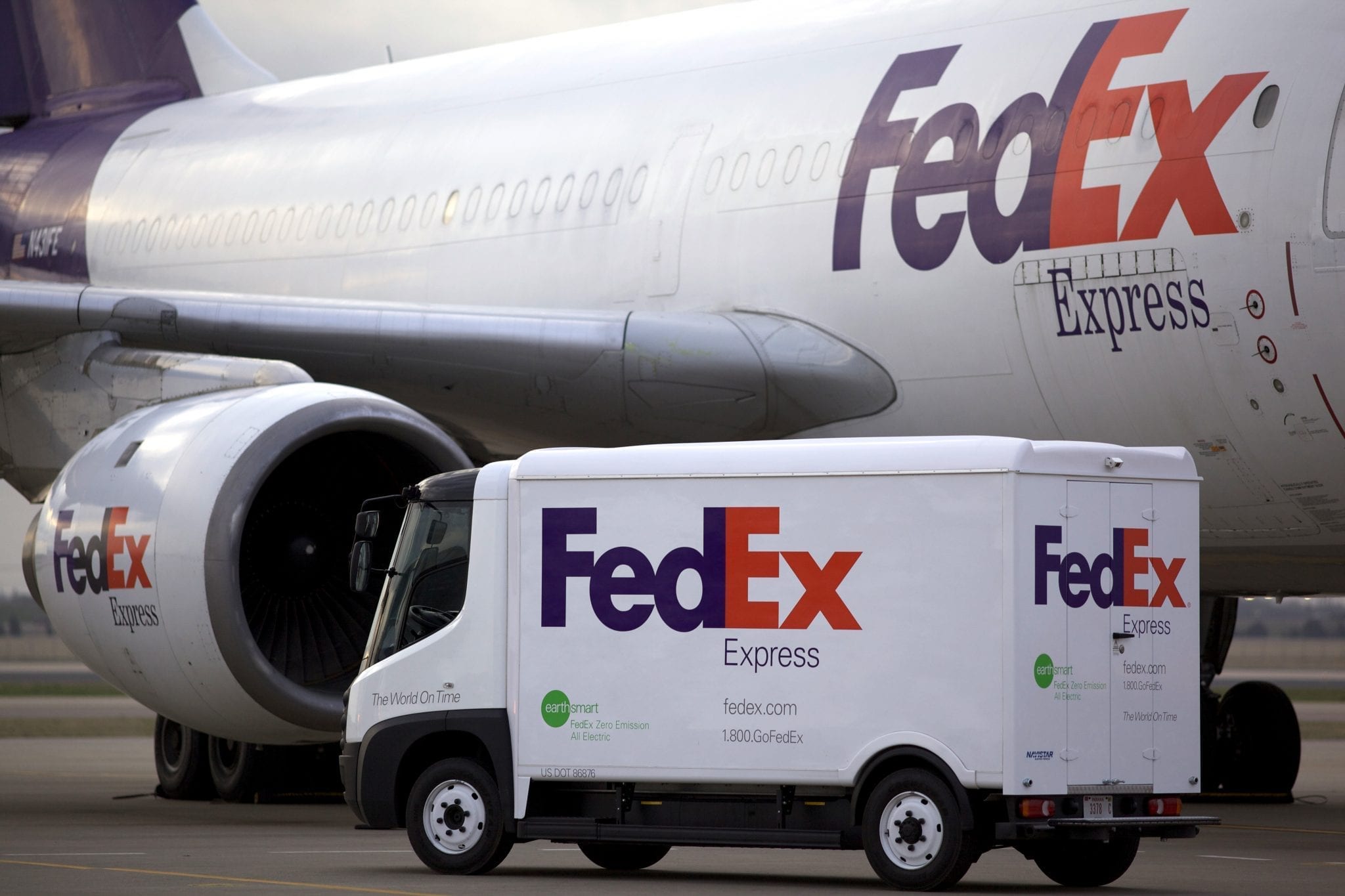
  • FedEx ready for the Christmas rush

    FedEx ready for the Christmas rush

    FedEx expects says it expects to handle 380-400million packages on its global network between Black Friday (24 November) and Christmas Eve.

    It also predicts that it will more than double its average daily volume of 13 million shipments on three Mondays over the Christmas period.

    It attributes the surge to e-commerce-savvy consumers making more last-minute purchases.

    FedEx’s main European hub at Paris-Charles de Gaulle regularly handles over 300 aircraft per week and handles around 1,200 tonnes of freight per day. The Central and Eastern Europe hub in Cologne handles 58 weekly flights to and from Europe, the US, and Asia.

    Worldwide, over 400,000 team members are preparing for the peak season on the FedEx global network, which consists of more than 650 planes (the second largest airline in the world in terms of number of aircraft) and more than 150,000 motorised vehicles.

  • Indonesia to Restrict Bitcoin Trading

    Indonesia to Restrict Bitcoin Trading

    The list of countries that are hawkish of Bitcoin or outright ban it has something in common: up and coming economies that have just emerged from decades with a large grey sector. Russia is a prominent example, where cryptocurrencies saw years of outright repression. Morocco is the most recent country to consider an outright ban. Ecuador and Bolivia have long-standing bans, as well as Bangladesh and Nepal. The reasons for the ban vary, but the biggest concerns are about money laundering.

    Macedonia and Kyrgyzstan have similar stories- long years of economic struggle, a large grey sector and skepticism of anything related to potential financial scams.

    But now, a new batch of countries is joining in attempts to curb the spread of Bitcoin. Indonesia, a nation with a conservative streak, plans to ban all cryptocurrency transactions. Local Indonesian media, cited by FinanceMagnates, has pointed to a possible blockage for providing money services to cryptocurrency users.

    The refusal to provide a bridge to cashing out is nothing new in Southeast Asian countries, where a booming cryptocurrency community of exchanges and projects clashes with local banks, who are reluctant to provide accounts and see cryptocurrencies as competitive.

    Agus Martowardojo, Governor of Bank Indonesia, said the sovereignty of the Indonesian Rupiah will not be undermined, and the regulator will curb ” arbitrage opportunities, unhealthy business practices and business controls”.

    “Level playing fields with formal financial institutions need to be maintained, we require all financial technology activists who move in the payment system to register with Bank Indonesia, report on activities, and conduct trials in the regulatory sandbox,” said Martowardojo.

    In effect, the language of the ban means Indonesians who own Bitcoin will not have access to exchanges any time soon. Such a move may do what has happened in the past to other countries with limits on legal exchanges- owners would resort to LocalBitcoins for even more speculative and risky trading.

    So far, very few countries have gone directly after the Bitcoin network, walling off nodes or banning local mining. And experience has shown that when it comes to Southeast Asia, neighboring countries keep offering options.

  • Burger King sales grow even as industry stagnates

    Burger King sales grow even as industry stagnates

    American fast-food chain Burger King, in the second year of its India operations, grew 69% to post sales of Rs 237 crore during FY17 when most quick-service restaurants were struggling with stagnant sales. In the 2016-17 fiscal, the company generated average sales of Rs 2.7 crore from each of its 88 outlets opened till March, while its rival Westlife Development, that runs McDonald’s in the south and west, posted average sales of Rs 3.6 crore from each outlet. Burger King, however, notched up higher numbers than Jubilant FoodWorksBSE, where average sales per outlet were at Rs 2.1 crore from both brands, Domino’s Pizza and Dunkin’ Donuts.

    Burger King’s losses rose to Rs 62 crore during last fiscal, compared with Rs 38 crore a year ago, as the company doubled its store count. Burger King, that now runs more than 100 stores in India, claims it is now profitable at both the store and company level. “Our restaurant EBIDTA (earnings before interest, taxes, depreciation and amortisation) has been positive since last July,” said Rajeev Varman, CEO, Burger King India. “Sales grew mainly due to three reasons — all our burgers are grilled similar to an Indian-stye tandoor which is healthy, our focus on entrylevel pricing, and we offer the largest vegetarian menu within QSR.”

    Burger King, that is popular for its Whopper burger, entered India in November 2014 when most quick-service restaurants were struggling with falling sales. There was a slight revival last fiscal but the overall market continued to face challenges, compounded further by demonetisation announced in November last year which saw consumers reduce discretionary spending. The 65-year-old burger chain partnered Everstone Capital in India, which holds a majority stake in the company through subsidiary F&B Asia Ventures.

    It has lined up $100 million for expansion over the next few years and expects to open at least 40-45 restaurants in India in the next few years. “There’s a significant room to grow as the potential in each of the 28 cities where we are present remains high,” said Varman. Leading quick-service restaurants have seen low same-store sales growth (SSG) since the past two years with consumers cutting back on discretionary spending.

  • DHL E-Commerce Launches New Service Points in Asia

    DHL E-Commerce Launches New Service Points in Asia

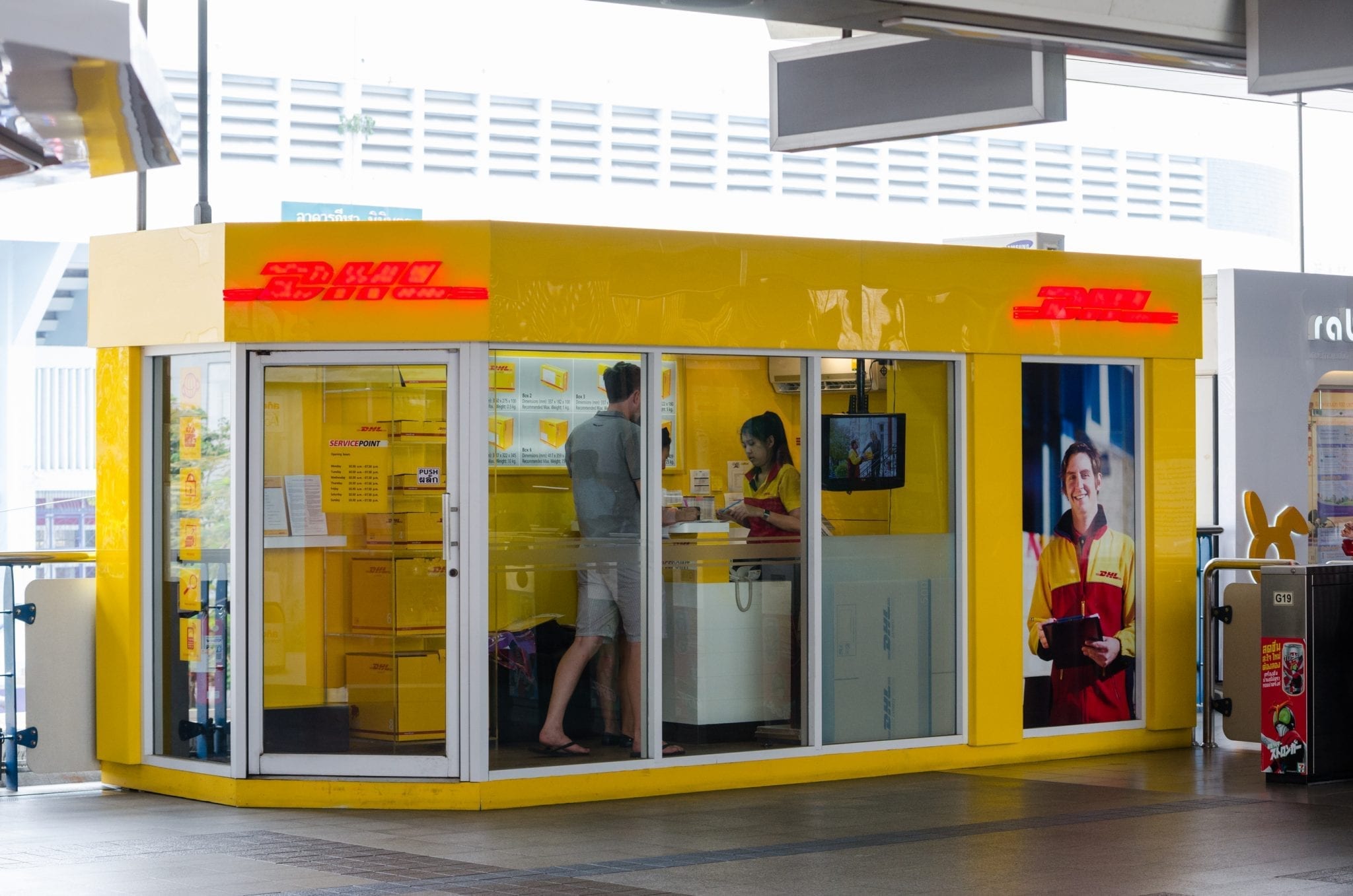
    DHL eCommerce has launched ServicePoints networks in key Asian markets.

    In a statement issued today (24 November), DHL eCommerce said that it has established a network of more than 200 ServicePoints in Thailand – which will enable commerce sellers to ship nationwide and for online shoppers to conveniently pick-up their orders. DHL added that over 1,000 ServicePoints will be launched over the coming months.

    “We are extremely positive about the e-commerce growth in Thailand, and have seen fantastic growth since we launched our domestic delivery network in Thailand in 2016. We will continue to enhance our existing solutions and launch new services to offer greater convenience and choice for sellers and shoppers across Thailand,” said Kiattichai Pitpreecha, Managing Director, DHL eCommerce Thailand.

    “We are really pleased to now be able to offer parcel drop-off and pick-up locations, all of which are easy to access, simple to use and provide a fantastic customer experience.”

    On Tuesday (21 November), DHL eCommerce also announced that it has launched a ServicePoints network in Vietnam.  The company statement said: “DHL eCommerce has already launched more than 100 ServicePoints and will continue to rapidly expand to more than 1,000 in the coming months.”

  • Retailers in South East Asia brace as Amazon makes debut in Australia

    Retailers in South East Asia brace as Amazon makes debut in Australia

    U.S. internet giant Amazon launched in Australia on Tuesday with retailers scrambling to cut costs and boost their online offerings as they brace for an expected shake-up of the sector.

    The arrival of the behemoth — which has grown from being an online bookstore to one of the world’s largest firms — poses a threat to a market already grappling with weak consumer confidence amid tepid wage growth.

    “Focusing on customers and the long term are key principles in Amazon’s approach to retailing,” Amazon Australia country manager Rocco Braeuniger said in a statement. “By concentrating on providing a great shopping experience and by constantly innovating on behalf of customers, we hope to earn the trust and the custom of Australian shoppers in the years to come.”

    The American giant is offering millions of products from well-known Australian brands as well as small and medium-size Australian businesses selling on Amazon Marketplace.

    Online shopping only accounts for 8 to 13 percent of total sales in Australia, leaving room for growth in a sector estimated to be worth more than 300 billion Australian dollars ($227 billion) annually.

    “We believe Amazon’s full entry into Australia will likely be a success,” UBS analysts said in a note ahead of the launch, adding that Australia was an “attractive market where online is under-penetrated.”

    “Australian online shoppers spend the third-most globally of Amazon’s markets,” UBS said.

    Retail categories most likely to be hurt by Amazon’s entry include electrical, appliances, apparel and cosmetics, UBS added.

    Amazon might also be willing to absorb losses initially to boost its market share, IBISWorld senior analyst Kim Do said, pressuring the profitability and margins of its competitors.

    Several top Australian retailers have recently succumbed to pressure from foreign giants, including Japan’s Uniqlo and Sephora of France, while others have cut back on brick-and-mortar stores.

    But Australian Retailers Association executive director Russell Zimmerman welcomed Amazon’s arrival, saying it provides an additional platform to boost sales.

    “With over 300 million active users already on Amazon’s Marketplace, the majority of Australian retailers view Amazon’s platform as a supplementary channel to their current retail offering,” he said.

    Some analysts warned that Amazon will face challenges such as low access to broadband and the large size of the island continent.

    “A key reason why Australia lags behind its peers (in the development of the e-commerce sector) is the low access to broadband,” BMI Research, Fitch Group’s research arm, said in a note.

    Broadband subscriptions in Australia stand at 57.3 per 100 people, rising to a forecast 60 in 2021, in contrast to markets like Singapore which is projected to have subscriptions of 75.3 per 100 that year, BMI said.

    “Slower delivery speeds due to the large geographic size of the country and as a result, more costly delivery services … will not bode well for the success of an e-commerce company.”

    Retail analyst Brian Walker said that according to his research, Amazon is “producing a positive return” in just one-third of the countries it is operating in outside of the U.S.

    “The rest are still in the various stages of growing. And that is the point about Amazon,” Walker said. “They will take in our view of somewhere between two and five years to hit any form of scale in Australia.”

    Amazon, a Seattle-based company, has expanded far beyond its roots as a digital bookstore, moving into the groceries and other retail sectors as well as cloud computing, streaming video, artificial intelligence and more.

    It has become one of the most valuable companies on the planet alongside U.S. tech rivals Apple, Facebook and Google parent Alphabet, and in October reported third-quarter profits of $256 million.
  • Hanoi finally gets its first McDonald’s

    Hanoi finally gets its first McDonald’s

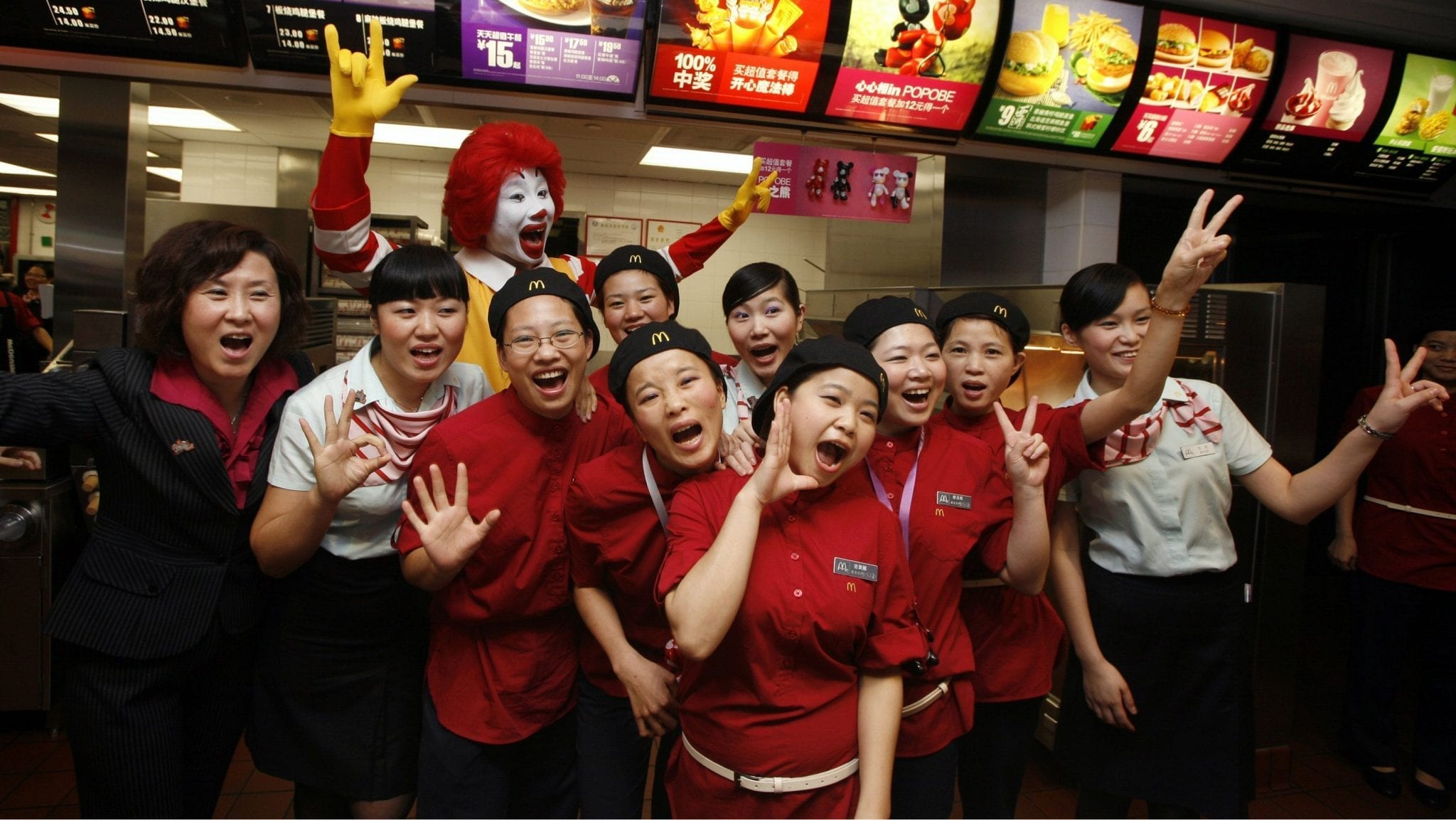
    Global burger behemoth McDonald’s opened its first branch on Saturday in the historic heart of communist Hanoi, a conservative city renowned for its traditional – and cheap – Vietnamese staples beloved by food-obsessed locals.

    Hungry customers lined up for Big Macs and Chicken McNuggets at the Vietnamese capital’s first McDonald’s outlet. It overlooks the tree-lined Hoan Kiem lake, which draws millions of tourists annually to see French-era colonial buildings and sample street-food favourites like pho noodle soup and banh mi sandwiches.

    The restaurant is the first outside of the southern commercial hub Ho Chi Minh City, where 16 branches have opened since McDonald’s first came to Vietnam in 2014 to much fanfare, especially among the rapidly-growing middle class and American-obsessed youth.

    The global fast food chain received a similarly warm welcome in Hanoi on Saturday, as hungry diners crammed into the two-storey eatery for a first taste of the Golden Arches.

    For 84-year-old Tran Dinh Luyen, who fought against the US in the Vietnam War, the restaurant was a sign of warming ties with a former enemy.

    “I am happy that McDonald’s has opened a restaurant in Hanoi. It’s a very famous American brand, so it shows how far US-Vietnam relations have come,” he told after mowing down on a Big Mac with his daughter and granddaughter.

    Some curious tourists stopped to see what all the fuss was about, perplexed that a brand ubiquitous in the West would draw so much attention.

    “It’s kind of random to see McDonald’s opening … it’s an interesting cultural experience to see how important it is that the store is opening here,” American Dan Moore told AFP, after his wife remarked she might not have expected to find one of the most salient symbols of capitalism in the communist country.

    The one-party state has seen dizzying economic growth in recent years as it has opened its doors to foreign investment, which has included an influx of western chains like Starbucks, KFC and Burger King.

    Growth in the fast food sector has been buoyed by rapidly rising incomes – annual per capita income has more than doubled in the past decade to about US$2,100 today – especially among under-30s, who make up half of Vietnam’s population of 93 million people.

    The fast food industry in Vietnam has seen double-digit growth annually for the past five years, and the country has the highest 2017 growth in Asia-Pacific for fast food chains, according to market research firm Euromonitor International.

    Though meals can cost as much as three times the local fare, customers are still showing strong appetite.

    “Young people like to hang out in fast food restaurants as they are seen as a cool and nice place … and these customers also like the taste of the food,” Euromonitor analyst Samuel Huynh told.

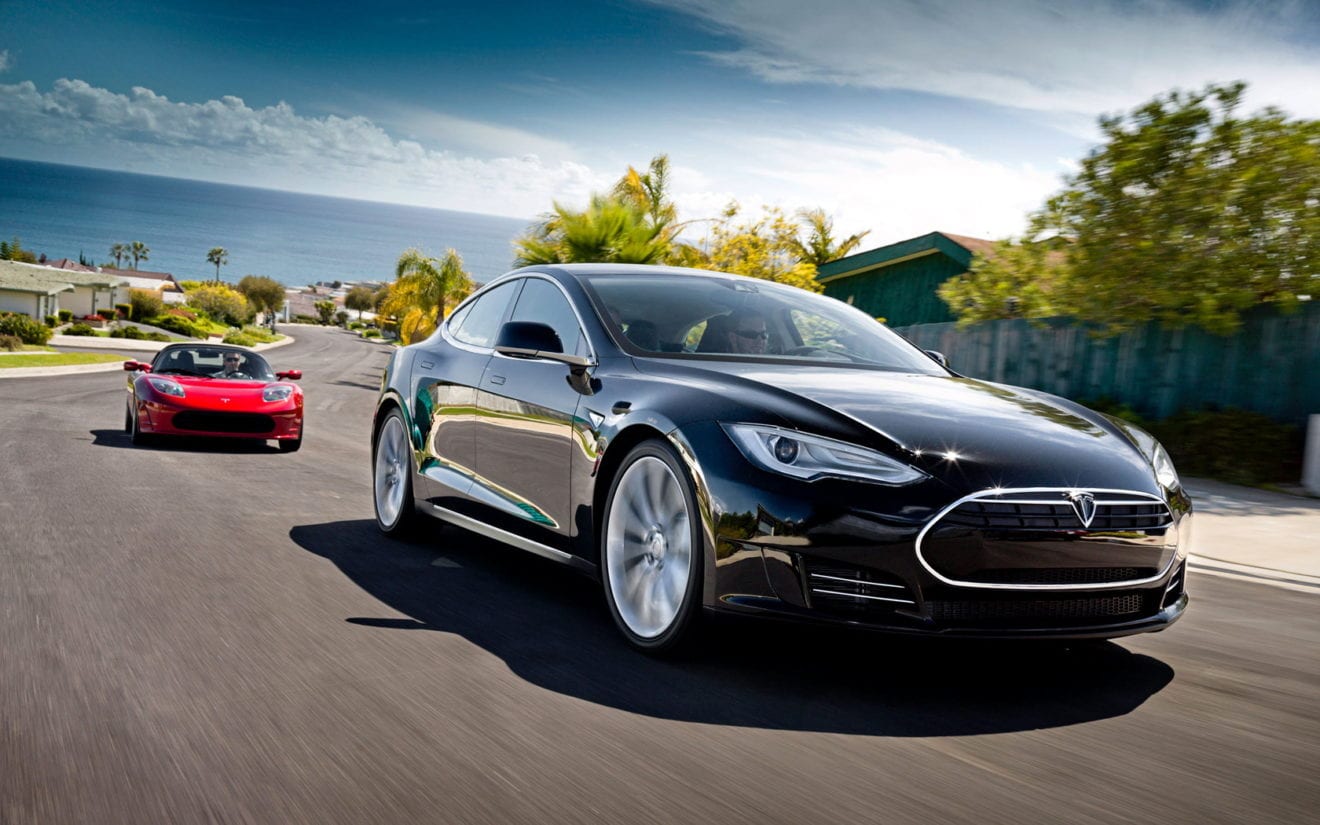
  • Tesla to set up electric-car R&D hub in Beijing

    Tesla to set up electric-car R&D hub in Beijing

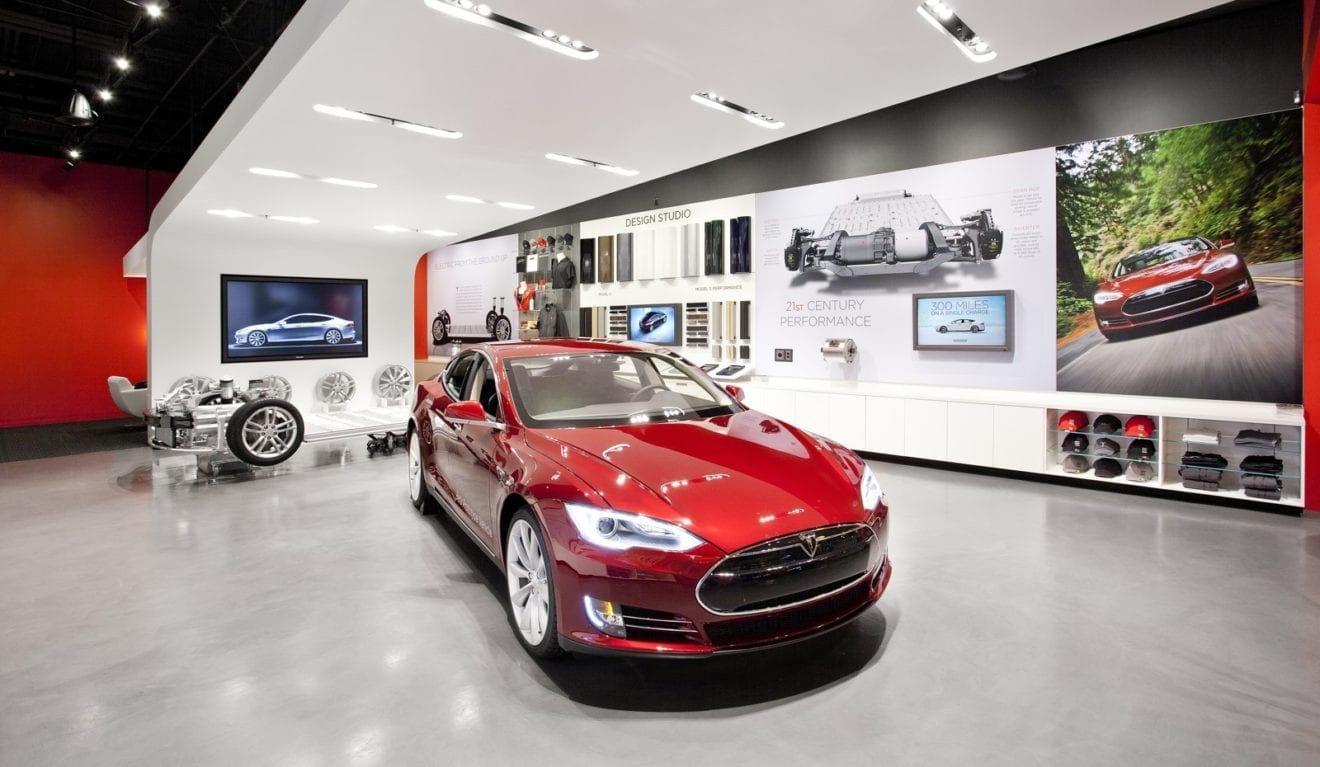
    U.S. electric-vehicle maker Tesla will set up an R&D center here as part of a Chinese expansion push that may also include local production.

    The automaker established in Beijing a company for research and development of “new energy” vehicles, a government filing shows. The new business, capitalized at $2 million, is wholly owned by a Hong Kong arm of Tesla, according to local media.

    Tesla sold an estimated 11,000 vehicles last year in China, its second-biggest market. Its cars are roughly 40% more expensive here than in the U.S., owing partly to a tariff on imported vehicles. Tesla is considering building cars in Shanghai to reduce prices, and it apparently decided that an R&D hub was needed as well in order to tailor its offerings to the Chinese market.

    The Beijing location is close to government agencies that handle standards and regulations for new-energy vehicles, in addition to being near the headquarters of a number of major companies.

    The Chinese government plans to relax ownership restrictions by June 2018 on joint ventures producing new-energy vehicles, letting foreign companies hold majority stakes in ventures based in free trade zones. The change — announced after U.S. President Donald Trump’s meeting this month with Chinese counterpart Xi Jinping — likely encouraged Tesla to expand its Chinese operations.

  • AirAsia resumes Singapore expansion following move to Terminal 4

    AirAsia resumes Singapore expansion following move to Terminal 4

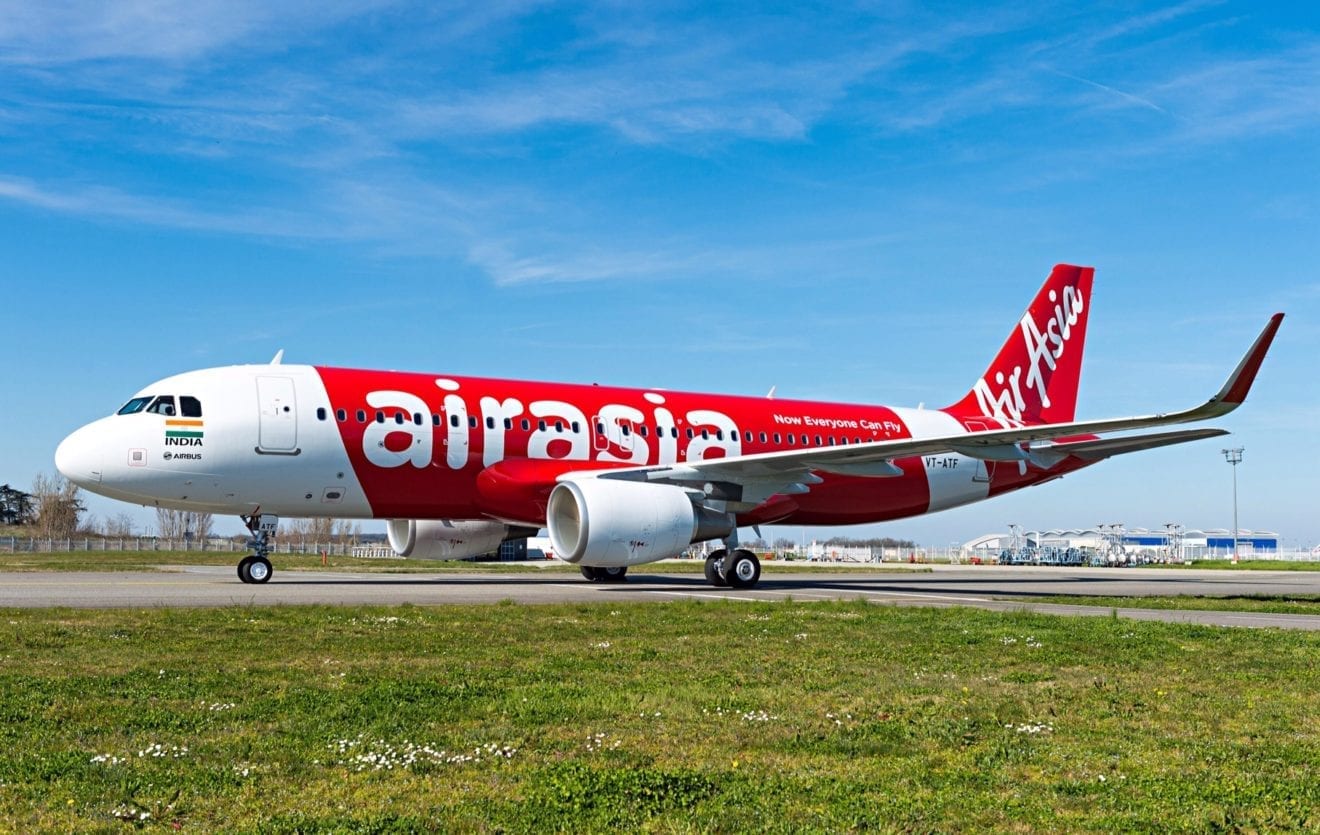
    The AirAsia Group is resuming expansion in Singapore over the next few months, with the launch of three routes and capacity increases on two of its 15 existing routes. AirAsia’s virtual hub in Singapore will increase from 261 to 289 weekly departures, resulting in the highest level of capacity since 2015.

    However, AirAsia’s Singapore capacity will still be lower than in 2013 and 2014, when it peaked at more than 300 weekly departures. At one point AirAsia had as much capacity in Singapore as the rival LCC groups Jetstar and Tigerair – despite not having a local affiliate.

    AirAsia is keen to regain market share in Singapore and drive a new phase of LCC growth at Changi, which has experienced faster FSC growth over the last three years. AirAsia’s recent move to Terminal 4, which has self-service technologies embraced by AirAsia in its digitalisation push, provides a potential platform for faster growth.

    However, T4 alone is not a panacea, and AirAsia needs a further reduction in its Singapore cost base in order to really accelerate its rate of growth at Changi Airport.

  • New face for Chanel Japan Flagship store

    New face for Chanel Japan Flagship store

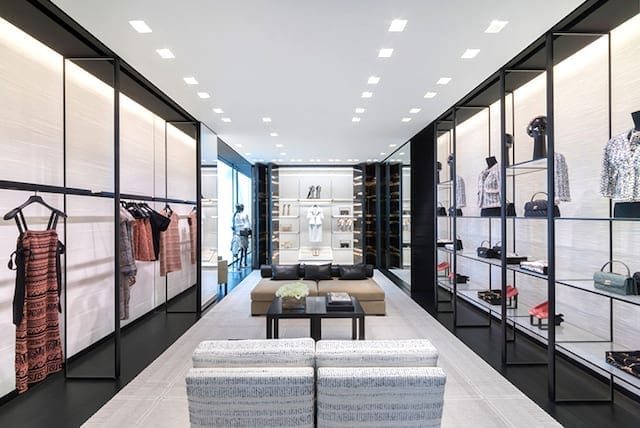
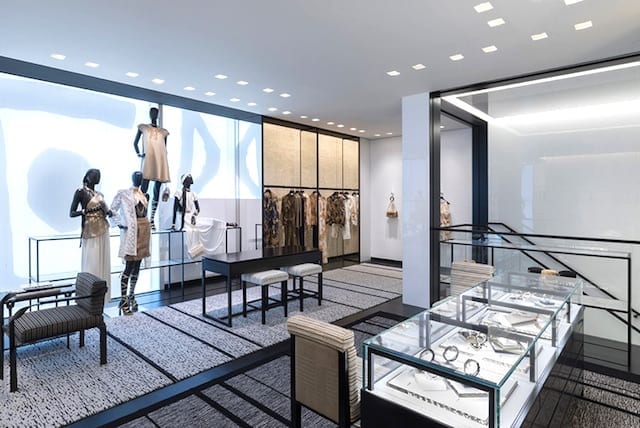
    Following a three-year renovation, Chanel Japan has re-opened its flagship store on Namiki Dori in Ginza.

    Initially opening in 1994, the store was the brand’s first Japanese standalone boutique. As well as new interiors, architect Peter Marino has given the nine-storey building a fresh facade with matte black and white panels alluding to Chanel’s iconic colour palette. For the first two months, the building will feature an artwork by Shuji Mukai.

    Inside, the store features curated works from international contemporary artists, including an ink painting by Heinz Mack, a bronze relief by Anthony Pearson and a painting by Gregor Hildebrandt.

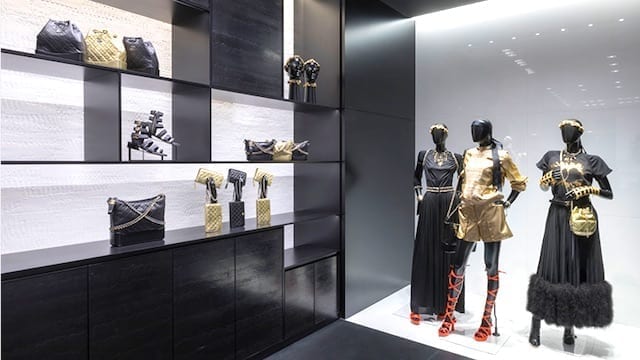
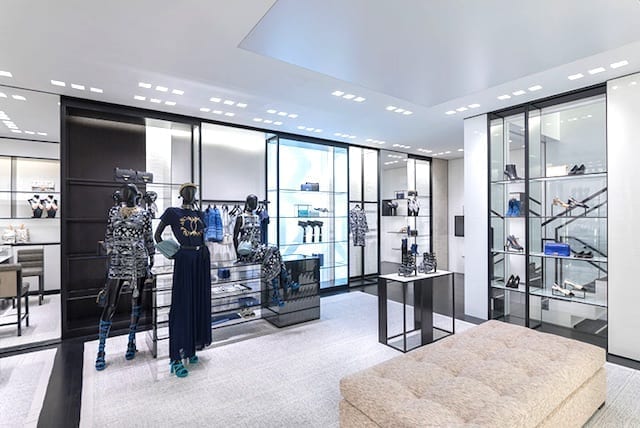
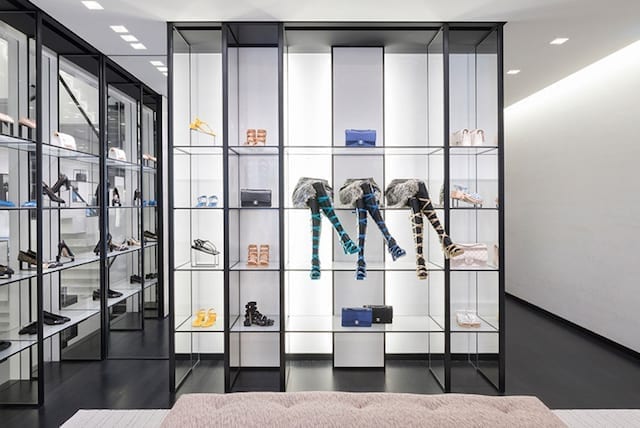
    On the ground floor, bags and accessories are displayed on sleek shelving and custom-made cabinets. On the second floor, the palette is softer with beige carpeting and matching furnishings to background shoes and more accessories.

    More bags feature on the third floor alongside the ready-to-wear collection, repeated on the next floor in a setting defined by gold and black accents.

    On the eighth floor is Le Salon Beaute, which offers a fusion of western and oriental face and body treatments, while the top floor is home to Le Salon Prive, an exclusive event space.

  • UNIQLO to Launch UNIQLO and JW ANDERSON Spring/Summer 2018 Collection

    UNIQLO to Launch UNIQLO and JW ANDERSON Spring/Summer 2018 Collection

    Uniqlo announces plans to launch a Spring/Summer 2018 UNIQLO and JW ANDERSON collection, following the positive response worldwide for its Fall/Winter2017 line. The new collection, created once again in collaboration with London-based fashion brand JW ANDERSON, will include items for men and women, and will be available in the upcoming Spring/Summer 2018 season at selected UNIQLO stores and online at www.uniqlo.com/sg.

    Commenting on the announcement, Jonathan Anderson said, “The first UNIQLO and JW ANDERSON collaboration was super exciting for me, and I am very happy with the results. I am proud of it and I think the pieces are incredibly well made. The line was also a good bridge between the ideal of British classicism and my own brand.”He added,“The Spring/Summer 2018 collection is about items that interlink with each other. It’s about layering this time. The idea is to mix and match things together, and I truly hope you will enjoy it.”