Author: Mei Ling Tan

  • Hyundai and Michelin join to develop nextgen tyres for EVs

    Hyundai and Michelin join to develop nextgen tyres for EVs

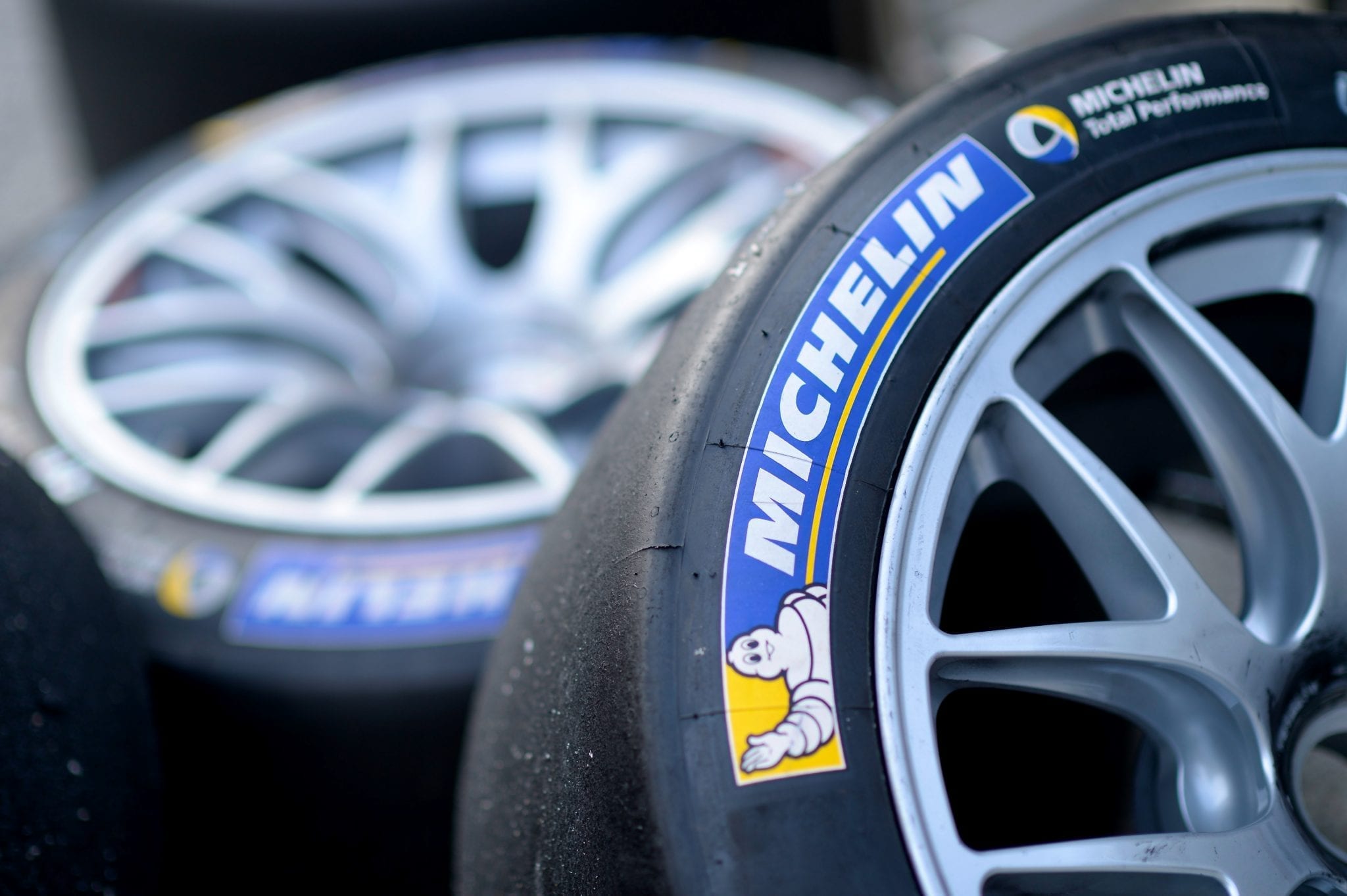
    Hyundai Motor has signed a technical partnership with Michelin to equip next-generation tyres for electric and luxury vehicles. The co-operative deal links the research and development work of the two companies and will enable Hyundai Motor to strengthen its capabilities in tyre performance technology.

    Within the partnership, Hyundai Motor and Michelin will work together to develop a new all-season tyre for electric vehicles. The use of Michelin’s next-generation tyre material and structural technology will help Hyundai Motor optimise overall vehicle efficiency and performance.

    Michelin will also collaborate in the development of a bespoke tyre for a successor model to the Genesis G80 luxury sedan. Co-operative testing and analysis will help determine tyre vibration characteristics at high speeds, both in a laboratory setting and using evaluation conditions set to match the Nürburgring circuit.

    The two companies are striving to achieve the best levels of ride and handling, while minimising noise, vibration and harshness (NVH). The resulting improvements in tyre performance and vehicle dynamics will also contribute to enhanced consumer satisfaction and driving pleasure.

    Woong-chul Yang, vice chairman of Hyundai Motor, said: “I am pleased to announce this new collaborative relationship with Michelin, which will allow Hyundai Motor to accelerate the development and deployment of new tyre technologies. With this enriched knowledge, the next generation of Hyundai Motor electric cars will offer improved performance and efficiency, bringing a direct benefit to the consumer. Working with Michelin will also strengthen Hyundai Motor’s tyre technology on a broader scale, as we also focus on developing luxury Genesis cars and high-performance vehicles.”

    Hyundai Motor representatives visited Michelin’s Research and Development Centre in Clermont-Ferrand, France, to sign the agreement.

    “This cooperation between our two groups is a major milestone for Michelin, and we are proud to have been chosen by Hyundai Motor to put together the best of our leadership and expertise in order to improve their future electric and luxury vehicles.” added Vincent Rousset-Rouviere, president of Michelin Original Equipment Division. “Michelin has been investing constantly in new technologies and innovations to enhance the performance of our tires, so that mobility becomes safer, more sustainable and more enjoyable for all consumers. This new partnership with Hyundai Motor will allow us to open a broad range of new opportunities.”

    Earlier this year, Michelin was awarded top honours in four segments of the 2017 JD Power Original Equipment Tyre Customer Satisfaction Study, excelling in the Luxury, Passenger Car, Truck / Utility, and Performance Sports categories.

  • AirAsia and Spotify team up to find ASEAN’s most promising music acts

    AirAsia and Spotify team up to find ASEAN’s most promising music acts

    AirAsia and Spotify are teaming up for a new nine-week campaign titled Dreams Come True with AirAsia. The campaign will pit 20 bands against each other over the course of nine weeks. At the end of the campaign, a single act will be chosen to perform with the legendary David Foster at one of his concerts next year.

    Foster, who is an AirAsia ambassador is also one of the biggest names in music production and composition, having worked with artists such as Michael Jackson, Madonna, Whitney Houston and many more. Foster has won 16 Grammy Awards for his efforts.

    The winning act will be selected via the number of streams it has garnered on Spotify over the nine weeks alone. Previous streaming numbers will not be counted.

    The 20 acts that will be partaking in the campaign are IV of Spades, Abirama, Airliftz, Axel Brizzy, Banna Harbera, Battle Bloom, BECKA, Ben Sihombing, Bil Musa, Jean Tan Li Juan, JinHo Bae, Keiko Necesario, Kuizz, Miss Lou, Reality Club, Rob and the Hitmen, Semenjana, Talitha Tan, The Façade and VVYND.

    In a statement released by AirAsia Group CEO Tony Fernandes, the mogul said “Music, Asean and making dreams come true are three big themes in my life, and it gives me great pleasure to be able to bring them all together in this way. Through this campaign, we hope to discover, hone and promote Asean’s next big musical sensation and to make a difference in their lives. I can think of no better mentor for this task than my good friend David Foster, who knows a thing or two about making hits.”

  • Cebu Pacific looks to grow further in Australia in 2018 with Melbourne

    Cebu Pacific looks to grow further in Australia in 2018 with Melbourne

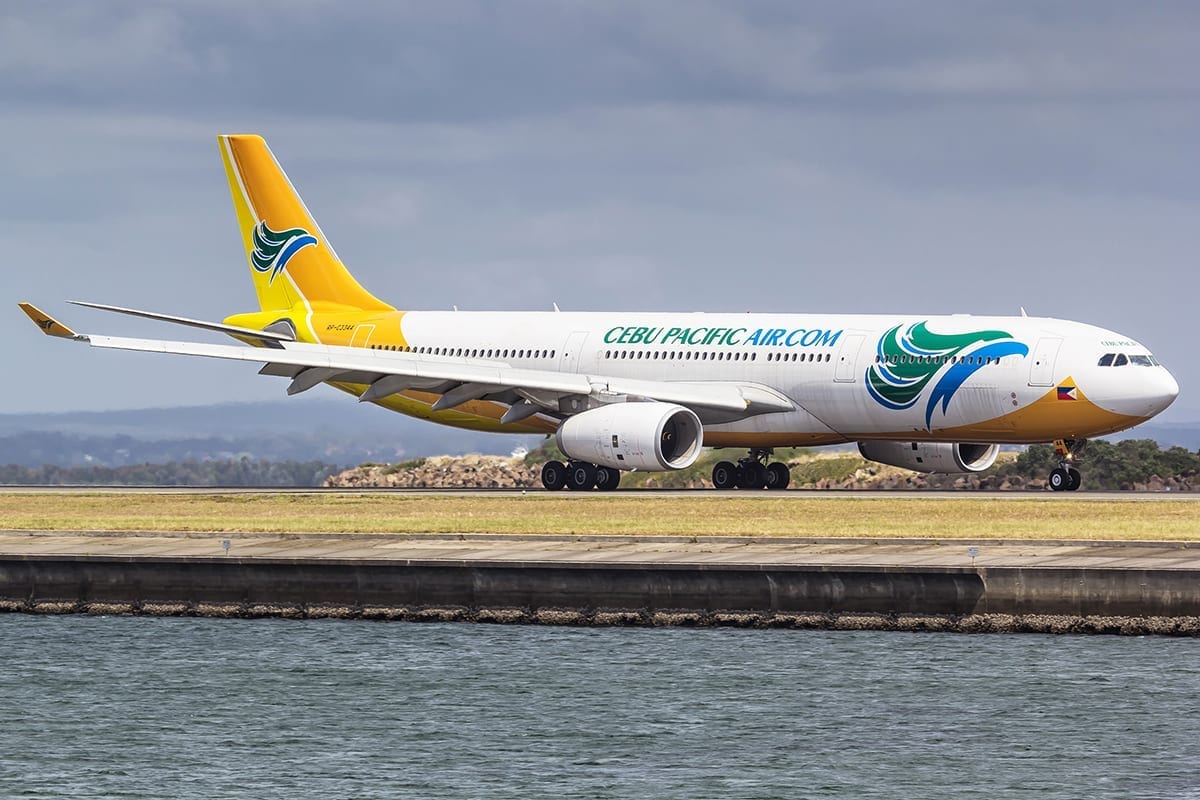
    Cebu Pacific is looking at launching services to Melbourne in 2018, further strengthening the Philippine low cost carrier’s position in Australia following the upcoming upgrade of Sydney to daily.

    Cebu Pacific has served Sydney for three years and has talked about the possibility of adding service to Melbourne since launching Sydney in late 2014. Talk about Melbourne has escalated over the last year as the performance on Manila-Sydney has improved, prompting the decision to upgrade Sydney to daily for the peak summer season. Sydney has until now been served with four to five weekly frequencies depending on the time of year.

    Cebu Pacific will operate seven weekly frequencies to Sydney in Dec-2017 and Jan-2018, compared to five weekly frequencies for the same period last year. Cebu Pacific for now has loaded a schedule of five weekly frequencies on Manila-Sydney from early Feb-2018. Cebu Pacific CEO Advisor Mike Szucs told CAPA on the sidelines of the 8-Nov-2017 CAPA Asia Aviation Summit that the airline plans to initially operate five or six frequencies during the non-peak and shoulder months but aims to eventually serve Sydney with a daily year-round schedule.

    “Australia is working well because it is selling well on both ends,” Cebu Pacific CEO Advisor Mike Szucs said. “Australia is a very good market for us.”

    Mr Szucs also said Cebu Pacific is now looking at launching services to Melbourne in 2018. “Australia is doing really well for us. We’ve grown the Manila-Sydney market phenomenally. We are the number one player in terms of passenger traffic on Manila-Sydney. We are increasing Sydney to daily frequencies from this December,” he said. “Melbourne is on the agenda for some time next year. We are not there yet – we need to go and finalise the numbers but Melbourne is looking interesting.”

    Philippine Airlines (PAL) is currently the only airline operating the Manila-Melbourne route, while Manila-Sydney has three nonstop competitors including PAL, Qantas and Cebu Pacific. PAL serves Sydney daily and Melbourne with three weekly flights, while Qantas has five to six frequencies on Sydney-Manila (depending on the time of year).

    Cebu Pacific has a fleet of eight A330-300s but has been using its widebody fleet mainly on short haul routes since suspending three Middle East services in mid-2017. Sydney and Dubai, which is served daily most of the year, are the only remaining long haul routes in Cebu Pacific’s network and use the equivalent of two aircraft.

    Mr Szucs said Cebu Pacific will have the opportunity to resume long haul growth in 2018 as A321s enter the fleet. Cebu Pacific mainly plans to use the new A321 fleet to up-gauge short haul routes from A320s but has the flexibility to use some of the A321s to replace A330s on short haul routes, freeing up A330s for new long haul routes. “As the A321s come in next year we will be able to start redeploying A330s again into some targeted long haul markets,” Mr Szucs explained.

    Under this scenario, Melbourne is on the top of the list as Cebu Pacific is not interested for now in resuming expansion in the Middle East, due to what it considers irrational competition in the Philippines-Middle East market. Cebu Pacific is also not interested, for now, in launching Manila-Honolulu, which originally was in its long haul network plan, as this market is highly competitive and unbalanced, consisting mainly of ethnic or VFR traffic.

    Manila-Melbourne is a less competitive route and the Australia-Philippines is a more balanced market. In the Sydney market, Cebu Pacific has been able to generate a relatively even mix of outbound and inbound traffic, covering the leisure, ethnic or VFR and business segments. For the latter, Cebu Pacific mainly targets SMEs as it does not have a premium product.

    “Australia is working well because it is selling well on both ends,” Mr Szucs said. “Australia is a very good market for us.”

  • Singapore Transforms into Pharma and Medtech Hub

    Singapore Transforms into Pharma and Medtech Hub

    Singapore is undergoing a significant infrastructure upgrade as its regional and international reach gains prestige. Research and consulting firm, GlobalData estimates Singapore’s pharmaceutical market at $948 million and increasing to $1.2 billion by 2021. With an estimated population of just shy of 6 million, Singapore’s domestic pharmaceutical market is small. However, its regional and international reach is well noted thanks to its pro-business environment and strong government support.

    Over 30 of the world’s leading pharmaceutical and medical technology firms including Abbott, GlaxoSmithKline, Lonza, MSD, Novartis, Pfizer and Sanofi-Aventis, have established their manufacturing, R&D and headquarter functions in Singapore.

    In 2015, GlaxoSmithKline designated Singapore as its Asia headquarters. The rapid growth of sales in the five biggest economies of the Association of Southeast Asian Nations (ASEAN) prompted the company to concentrate more business units in Singapore.

    US-based healthcare firm MSD opened an $8 million center also in 2015 to focus on innovation through data mining as well as conduct cyber-security surveillance. In addition, the company plans to develop mobile applications that help people live healthier lives and improve how patients follow their doctors’ instructions on taking medication.

    Pharma partnerships

    In September 2017, Singapore’s Agency for Science, Technology and Research, the National University of Singapore and pharmaceutical companies, GSK, Pfizer and MSD, signed a memorandum of understanding to launch an initiative to develop the country’s pharmaceutical sector.

    The initiative, the Pharmaceutical Innovation Programme Singapore, aims to transform the manufacturing operations and technologies of the industry including embracing such initiatives as enabling green and sustainable manufacturing and developing a fully automated supply chain that can predict and react to patient needs and market trends.

    Logistics hubs

    The logistics community has responded to Singapore’s plan to grow its pharmaceutical industry. One such example is the partnership between Singapore’s airport, Changi Airport Group and several airfreight providers including Bollore Logistics, CEVA logistics Singapore, DHL Global Forwarding, dnata Singapore, Expeditors Singapore, Global Airfreight International, SATS, Schenker Singapore and Singapore Airlines Cargo to create the Pharma@Changi initiative. All of the airfreight providers have achieved the IATA Center of Excellence for Independent Validators Certification for Pharmaceutical Handling (IATA CEIV Pharma).

    “Over the last three years, pharmaceutical cargo has consistently ranked among the top five cargo types transported via airfreight globally, in terms of total value. 

    As part of Pharma@Changi, the companies have promised to jointly pursue the best standards in pharmaceuticals handling, and promote Singapore Changi Airport as a trusted and reliable pharmaceuticals air freight hub in the region. According to Changi Airport Group’s Managing Director for Air Hub Development Mr Lim Ching Kiat, “Over the last three years, pharmaceutical cargo has consistently ranked among the top five cargo types transported via airfreight globally, in terms of total value. In the first eight months of 2017, Changi Airport handled more than 15,500 tonnes of pharmaceutical cargo.”

    The Changi Airport Group is also part of Pharma.Aero, an alliance founded by the Brussels and Miami Airports. The group is committed to sharing best practices and market knowledge to improve pharmaceutical handling for the air cargo industry worldwide.

    In early 2016, global logistics provider, Kuehne + Nagel opened its Singapore Logistics Hub facility. Within the facility, 46,000 sqm of the 50,000 sqm facility is dedicated to warehousing space, and 40% of the facility is furnished with advanced chilled storage, redressing and postponement facilities to support the growing base of pharmaceutical and healthcare companies in Singapore.

    Also in 2016, DHL Supply Chain opened its logistics center in Singapore in anticipation of increases in pharmaceutical and high-tech air cargo traffic in the Southeast Asian region. The 90,000-square-foot facility incorporates 130 robotic shuttles to retrieve and store products from up to 72,000 locations arranged in 26 levels.

    Other logistics providers including UPS, CEVA and Schenker have also established a pharmaceutical logistics presence in Singapore.

    Singapore’s medical technology sector is also a major contributor to Singapore’s life sciences industry. Due to a lack of domestic competition in other ASEAN markets and the strategic geographical location of Singapore in the region, medical device companies often decide to set-up their headquarters in the city state. According to consultant group, Dezan Shira & Associates, 10% of the world’s contact lenses, over 70% of microarrays, and roughly half of the world’s thermal cyclers and mass spectrometers are currently produced in Singapore.

    Singapore is well-positioned to be Southeast Asia’s hub for not only pharmaceuticals but also medical technology solutions.

    Currently most of the products are destined for international markets, as the region matures, domestic demand will increase and balance demand and thus logistical requirements.

  • Logistics providers keen on locker network

    Logistics providers keen on locker network

    At least four logistics providers, including the biggest player, Singapore Post, could be involved in the open network of parcel lockers that the Infocomm Media Development Authority (IMDA) called for yesterday in its plan to make deliveries more efficient.

    The pilot will go live in the second half of next year, involving some 75 lockers in public housing estates and train stations in Punggol and Bukit Panjang.

    IMDA will call for proposals for the six-to 12-month pilot from companies by the year end.

    The eventual system will allow logistics providers to operate this integrated network, which is expected to have some 760 lockers covering the whole island eventually. But the different operators have to provide a consistent user interface, much like how the Wireless@SG national Wi-Fi network works.

    SingPost, which operates the largest network of parcel lockers called POPStation at 153 locations, said it is keen to work with more players. It has since July last year been renting out locker space to those who want to use it to facilitate buying and selling on online marketplaces.

    “We would like to work with the Government to expand parcel locker use in Singapore,” said Mr Freddy Chang, head of SP Parcels, a subsidiary of SingPost. “Parcel lockers are an important solution to improving efficiency at the last mile of delivery.

    Local logistics start-up blu said the IMDA scheme is timely, given the increase in online shopping and urban congestion. It currently operates 49 bluPort lockers islandwide, mostly at petrol kiosks, malls and Cheers convenience stores.

    “Collaborating with IMDA allows us to explain and promote the benefits of a parcel locker network to both retailers and logistics sector stakeholders,” said Mr Cliff Lim, business development head at blu, which works with DHL and FedEx.

    Another local start-up, Go Plus, which has developed a parcel locker with biometric verification capabilities, and Ninja Van, which operates a handful of Ninja Boxes here, said they will consider taking part in the IMDA’s parcel locker network.

    For consumers and online shoppers, a nationwide network of lockers is a welcome development. Pre-school teacher Jasmine Kaur, 33, uses POPStation but there is none within walking distance of her home in Ang Mo Kio. “It would be great if consumers have more pickup points to choose from,” she said.

  • SingPost banks on e-commerce as Q2 net profit slips

    SingPost banks on e-commerce as Q2 net profit slips

    The e-commerce boom continued to prop up earnings at Singapore Post (SingPost), although it on Tuesday posted a fall in second-quarter profits, in the absence of a previous one-off gain.

    Net profit slipped by 9.5 per cent on the previous year, to S$28.47 million for the three months to Sept 30.

    But, with exceptional items excluded, underlying net profit was in fact up by 1.9 per cent, on the back of a 10.2 per cent rise in revenue to S$354.7 million. More than half of that sum – S$190 million, or 53.6 per cent – came from activities related to e-commerce.

    The postal service provider announced in August that it is going through a strategic review, and group chief executive Paul Coutts gave an update: “SingPost’s strategic vision of transforming from a postal provider to an e-commerce logistics player remains relevant and in the right direction.”

    Revenue was up by 16.9 per cent in the group’s postal segment, to S$148.3 million, on the back of more e-commerce deliveries. SingPost singled out China’s Alibaba Group – which owns marketplaces such as Taobao – as a key driver of international mail volume tied to online shopping.

    Meanwhile, logistics revenue increased by 7.6 per cent to S$165.9 million, spurred in part by higher last-mile e-commerce deliveries in Singapore and Australia, although profits were squeezed by the intense price competition in Hong Kong.

    The e-commerce division saw turnover dip by 0.8 per cent to S$63.48 million, largely from the poor performance of TradeGlobal, the United States firm that SingPost picked up in 2015 but has struggled to make money on.

    Mr Coutts said that SingPost is “fully focused on turning the company around”, particularly by drawing on best practices from its other American e-commerce unit, the “good-performing” Jagged Peak.

    This would include tapping automation to bring down manpower costs, he added: “We’re focused on moving from a labour-intensive organisation to being a technology-driven business.”

    Still, SingPost cautioned in its report that TradeGlobal is not expected to be profitable for the financial year ending March 31, 2018.

    Separately, cross-border e-commerce deliveries are expected to be hurt by upcoming changes in the international terminal dues system, although SingPost said that “mitigating measures” are under way.

    As margins are relatively low for international mail and domestic post drops amid a shift to electronic bills and statements, “blended postal margin is expected to decline”, it added.

    SingPost has declared an interim dividend of 0.5 Singapore cent a share, to be paid on Dec 8 – half the size of the one-cent dividend in the same period a year ago.

  • Clark development eyed by AirAsia Philippines

    Clark development eyed by AirAsia Philippines

    Airasia Group CEO Tony Fernandes is hoping for the full development of infrastructure at the Clark international airport to boost Asean travel. “The answer is Clark for the Philippines but while waiting for that to happen we will begin a line of smaller infrastructure with the tertiary airports we have in the country,” said Fernandes.

    Fernandes said the Philippines is the best kept secret of the ASEAN and described the year as a turning point for the airline in the country. On Tuesday, Fernandes graced the celebration of the 50th anniversary of the founding of AirAsia with the launch of the “I Love Asean” aircraft at the Villamor Airbase with Asean ministers led by His Excellency Dr. AKP Mochtan, and AirAsia Philippines CEO Captain Dexter Comendador.

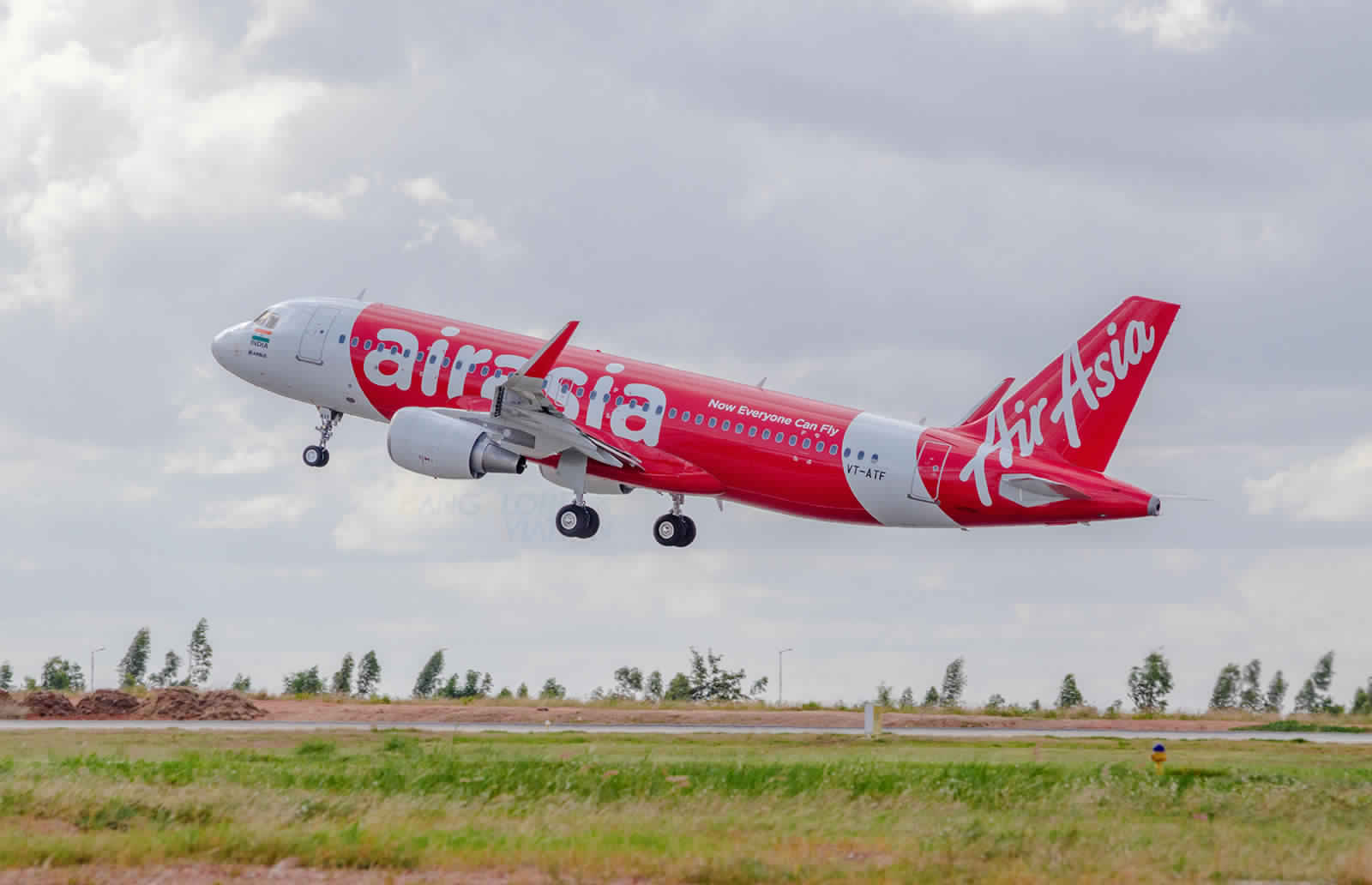
    “We are an Asean airline, this is a tribute to the Asean. We congratulate Asean for 50 years of peace and now look forward to 50 years of economic growth,” Fernandes said the success of AirAsia. AirAsia aircrafts showcase designs inspired by textiles of the 10 Asean nations: the Batik Cetak from Malaysia, Poom Khao Bin from Thailand, Ulos Batak from Indonesia, Tapis from the Philippines, Tong Dong from Vietnam, Kbach Chan from Cambodia, Lao Phouthai from Laos, Chate from Myanmar, the Jongsarat of Brunei and Vanda Miss Joaquim from Singapore. The Malaysian airline also launched the AirAsia loves Asean, a series of initiatives focused on education, talent development and the economy to celebrate 50 years of the Asean.

    Initiatives comprise the AirAsia Asean university partnership, Asean entrepreneurs day, Asean journalists camp and all stars exchange program. AirAsia launched commercial flights from Clark in March 2012 before transferring its hub to Metro Manila following a strategic partnership with a local carrier in 2013. AirAsia has since been operating on a much larger scale with additional fleet of aircraft from Metro Manila and has expanded its domestic and international network with flights from hubs in Manila, Cebu, and Kalibo. Clark International Airport is batting to become the gateway to the north in the next five years with massive infrastucture plan to catapult the area into the next major hub for travel.

    The Master Development Plan includes the building of a new passenger terminal with an eight million-passenger capacity being implemented by the Department of Transportation.

  • DHL turns to IoT to avoid truck-worker collisions

    DHL turns to IoT to avoid truck-worker collisions

    Logistics giant DHL has found substantial safety benefits from its initial trials of internet of things (IoT) technologies, and is planning to extend its use of IoT within its Asia-Pacific operations.

    DHL has been testing IoT technologies across its global business – particularly concentrated in Germany, the Netherlands and Poland with the help of Cisco and Conduce – since last year.

    The trials have involved sensors being attached to scanners and materials handling equipment and integrated with DHL’s warehouse management system to allow the company to monitor operational activities in real time.

    Resulting heat maps give DHL a visualisation of its operations and the ability to identify improvements to operational processes and employee safety.

    The company is also working with Huawei in China on an IoT pilot at its Liuzhou automotive plant that makes use of Narrowband IoT low power wide area (LWPA) technology to transmit data to and from detectors on vehicles, DHL’s yard management system, and a truck driver’s mobile app.

    The aim is to halve truck waiting times from the current average of 40 minutes by automating the process by which trucks are sent to docks.

    Closer to home, DHL’s APAC IoT trials have been more focused on improving worker safety.

    DHL supply chain CIO for APAC Steve Walker said the organisation had started with a “straightforward use case” of equipping forklifts and picking staff with sensors to detect when the two came close to each other to avoid collisions.

    “As soon as a truck came within two meters of a picker, the driver’s sensor would send an alert by both sounding and vibrating, allowing for an immediate reaction,” Walker wrote.

    DHL conducted the trial in its advanced regional centre warehouse in Singapore to ensure a controlled environment without the variables of a road or other outdoor-based test.

    Walker said IoT sensors had the ability to “maintain a level of vigilance and consistency that human operators can’t”.

    “IoT sensors and alerts can compensate for workers’ inevitable lapses in concentration, directly addressing some of the most common causes of safety incidents in the warehouse or plant floor,” he said.

    IoT solutions also don’t require workers to make major changes to their behaviour, Walker said – his Singapore trial only asked workers to pin a tag to their uniform.

    Tracking the number and location of alerts generated by the system allowed DHL to create heat maps of where the most forklift-employee collisions occured.

    This insight gave DHL the ability to reduce the likelihood of collisions and rework its warehouse layout for “faster and more efficient goods handling”.

    The forklift drivers who participated in the trial were also equipped with heart rate monitors so DHL could identify links between the number of close proximity alerts and the driver’s tiredness levels.

    The system alerted the driver’s manager when their heart rate fell during periods of fatigue so they could be given a break, Walker said.

    His team is now exploring whether this approach could also work with truck drivers.

    Walker said he expected the investment into IoT for safety and productivity purposes to pay for itself “sooner rather than later”.

    “The more we explore IoT’s practical uses, the more we find safety to be an inextricable part of its implementation,” he said.

  • Global delivery service boosts investment in Central Asia hub

    Global delivery service boosts investment in Central Asia hub

    DHL has announced a £300 million expansion of its strategic Central Asia Hub in Hong Kong to bolster regional trade. The expansion brings DHL’s commitment to this strategic hub to over £465 million, making it the largest infrastructural investment by DHL Express in Asia Pacific to date.

    Its announcement comes as the Central Asian Hub (CAH) recorded an average 12 per cent year-on-year growth in its shipping volume in the past decade. As one of three global hubs for DHL, the expanded CAH will continue to act as the core hub of the DHL Express global and Asia Pacific regional network, handling more than 40 per cent of its total Asia Pacific shipment volumes.

    Ken Allen, CEO of DHL Express, said: “Given the expected rise in international e-commerce and intra-Asian trade, DHL is committed to strengthening our global network and services. Based in a strategically important location to DHL, the expanded Central Asia Hub in Hong Kong will not only bolster our operational capacity in Asia Pacific, but also facilitate the rapidly-growing international trade demands in the region and around the world.”

    Webinar: Addressing the challenges of Total Airport Management

    During this webinar, we’ll be discussing the role data plays in airport ecosystems, how operators can connect disparate data sources and the importance of deriving truly actionable intelligence.

    The expanded CAH will be equipped with an enhanced material handling system that will improve productivity and increase the hub’s throughput capacity – from the current 75,000 pieces of shipments per hour to 125,000 pieces per hour. When operating at its full capacity, the annual throughput of the expanded CAH is expected to go up by 50 per cent to 1.06 million tonnes per annum. As a dedicated and purpose-built air express cargo facility at the Hong Kong International Airport, the expanded CAH will handle six times more in terms of shipment volume than when it was first established in 2004.

    Ken Lee, CEO of DHL Express Asia Pacific, said: “Connecting with more than 70 DHL Express gateways in the region, the Central Asia Hub plays a significant role in strengthening our existing network of hubs in Asia Pacific, including Shanghai, Singapore and Bangkok. The expansion will also help us capitalise the growth in intra-Asian trade lane that currently contributes to 40 per cent of our revenue in Asia Pacific. Equipped with fully automated X-ray inspection machines, it will increase the speed of our shipment inspection by three times – enabling us to expedite the processing speed of shipments that come through the CAH.”

    The expanded CAH is expected to begin operations in 2022, in time to capture strong demand in the Pan-Pearl River Delta (PPRD) region and completion of the Three Runway System for the Hong Kong International Airport in 2024. The expansion of the CAH will deliver about 50 per cent increase in warehouse space to 47,000m2.

    Already a TAPA Class A-certified facility, the expanded CAH will boast a state-of-the-art security system with a total of 520 CCTV cameras and an advanced access control system. The CAH also features a quality control centre (QCC) which monitors flight uplift/landing times in real time, reporting any irregularities on the spot, which in turn enables DHL to proactively notify customers in the event of flight delays or cancellations. The QCC is linked to the Asia Pacific Network Control Centre in Hong Kong and more than 70 gateways and over 500 service centres in over 40 cities in other Asian countries.

    Strategically located in Hong Kong, within a four-hour flight time to major cities in Asia Pacific and in the PPRD region, the CAH is complemented by a well-established Asia Air Network which is served by over 800 commercial daily flights.

  • Prices of retail space and retail rent fall slightly

    Prices of retail space and retail rent fall slightly

    The retail property market remained subdued in the third quarter although the decline in rents moderated, the Urban Redevelopment Authority said.

    Prices of retail space fell 0.9 per cent in the three months to Sept 30, compared with the second quarter. That followed a 3.2 per cent decline in the second quarter.

    Retail rent dipped 0.2 per cent in the third quarter compared with a drop of 1.2 per cent in the second – a sign that the worst may be over, analysts said.

    Ms Tay Huey Ying, JLL head of research and consultancy, said: “This is the mildest quarterly correction since the downturn started in the first quarter of 2015, and comes alongside the strongest quarterly net absorption so far this year.

    “Demand for islandwide retail space expanded by 15,000 sq m in the third quarter, a reversal from a contraction of 41,000 sq m in the first quarter and a contraction of 3,000 sq m in the second quarter.”

    Mr Desmond Sim, CBRE Research senior director, noted that the rental index for the Central area saw its first increase in 10 quarters, up 0.7 per cent in the third quarter from the second quarter.

    He said the retail market is finding its footing, thanks to improved tourism traffic. “Retail rents in Orchard Road are leading the recovery, as median rents of new leases recorded in the quarter inked its first quarter-on-quarter increase of 1 per cent after 10 quarters. This is in line with the continually strong interest for retail space in Orchard Road malls, particularly from new-to-market international brands.”

    Weakness still lies in the fringe areas, he added. While overall consumer sentiment has improved, challenges such as high operating costs, labour constraints, the threat of e-commerce and competition from shopping havens in other countries, remain.

    Edmund Tie & Company research head Lee Nai Jia noted that there are also more online shopping portals such as Reebonz opening brick-and-mortar stores.

    Cushman & Wakefield research director Christine Li said: “With Amazon Prime Now in the market, retailers are looking to innovate to stay relevant and compete for shoppers’ dollars.”

    “Many other big box retailers such as Courts, Decathlon, Gain City and Harvey Norman are upping their ante and investing heavily on their e-commerce platform to complement their brick-and -mortar presence,” she said.

    Shopping centres like Century Square, Funan Mall and SingPost Centre do not want to be left out and have embarked on aggressive asset enhancement works to refresh its tenant mix and overall look and feel, she added.

  • Incheon airport’s 2nd terminal ready to open in 2018

    Incheon airport’s 2nd terminal ready to open in 2018

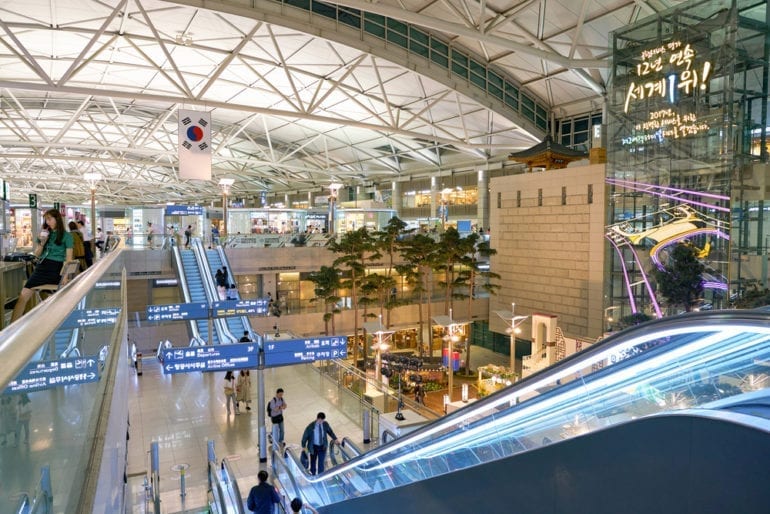
    Incheon International Airport plans to open its new terminal on 18 January 2018, about three weeks before the start of the PyeongChang Winter Olympics, the airport’s operator said.

    The opening date of Terminal 2 was set based on the consideration that the Olympic Village opens on 30 January 2018.

    The airport has been expanding its facilities to accommodate the athletes and officials who will be coming to Korea for the Winter Games.

    Four members of the SkyTeam alliance – Korean Air, Delta, Air France and KLM – will use the new terminal. Other carriers, including Asiana Airlines, will remain in the existing Terminal 1.

    The airport expects about 20 percent of the Games’ 300,000 visitors will go through Terminal 2.

    The new terminal will allow the airport to handle 72 million passengers and 5 million tons of cargo annually, according to data from the airport’s operator.

    The existing terminal had the capacity to handle 54 million passengers and 4.5 million tons of cargo a year.

    “Based on expanded infrastructure, we expect the airport to become the core airport in the Northeast Asian region,” an airport spokesman said, “and also win in the competition to become the world’s leading hub airport.”

    The new terminal will operate independently from Terminal 1 and have its own check-in, security and customs facilities. The airport said it has upgraded the technology to shorten the time from check-in to boarding. Self-check-in counters and guide robots will be installed for passenger convenience.

    “At Terminal 2, overall waiting time can be reduced by roughly 10 minutes compared to Terminal 1,” said Chung Il-young, chief executive of Incheon International Airport.

    The airport also announced a plan to continue expanding Terminal 2 through 2023. The airport has so far spent 5 trillion won on building the terminal and plans to add another 4.2 trillion won to expand its capacity so that it can handle up to 46 million passengers a year.

  • Richemont’s half-year is good in APAC

    Richemont’s half-year is good in APAC

    Asia Pacific sales accounted for 39 per cent of group sales for Swiss luxury-goods holding company Richemont for its half-year to September 30.

    Sales in Asia Pacific rose by by 25 per cent, with double-digit growth in most markets led by Mainland China, Hong Kong, Korea and Macau. While all product categories saw growth, the unaudited figures show jewellery and watch sales were particularly strong year on year, with watches benefiting as no inventory buy-backs were needed as in the previous year.

    For Japan, the 7 per cent rise in sales was driven by higher domestic and tourist spending, which benefited from a weaker yen. Jewellery and watches led sales growth, partly supported by the reopening of the Cartier flagship store in September last year and new flagships for Piaget (November) and Van Cleef & Arpels (April), all in Ginza.

    Overall, group sales rose by 10 per cent at actual exchange rates to €5.6 billion (US$6.5 billion) and by 12 per cent  at constant exchange rates. Excluding the previous year’s inventory buy-backs, sales increased by 8 per cent at constant exchange rates.

    Operating profit expanded by 46 per cent to €1.1 billion, with profit for the period up 80 per cent to €974 million.

    Gross profit increased by 13 per cent, representing 65.4 per cent of sales. The 190-point margin increase was mainly because of the non-recurrence of inventory buy-backs and improved manufacturing capacity absorption, says Richemont.

    Profit grew by 80 per cent to €974 million, mainly reflecting the higher operating profit and a €181 million reversal in net finance income.

  • Longchamp opens the biggest store in Asia

    Longchamp opens the biggest store in Asia

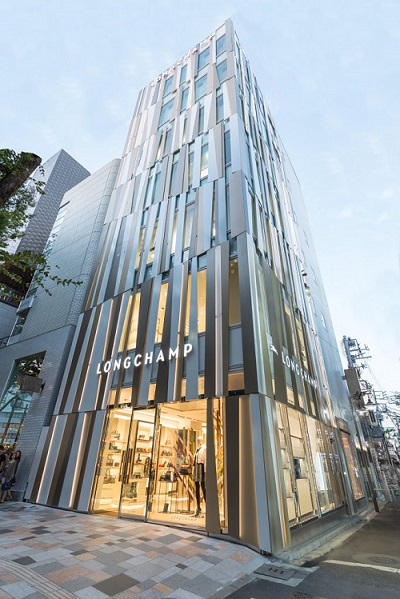
    French leather goods brand Longchamp officially opened its biggest Asian store in Tokyo in October 2017. The move signals a move to attract more Japanese clientele to the Parisian brand, as well as tourist shoppers visiting Japan.

    Dubbed ‘La Maison Omotesando’, the Japanese flagship store is located on Tokyo’s prestigious Omotesando Avenue. Standing 35 metres high and covering 500 square metres of retail floor space, the Asian flagship opened to much fanfare 19 October 2017, with the attendance of French actress – and Longchamp fan — Audrey Tatou.

    Inside, the Tokyo store sells Longchamp’s complete range of leather goods and handbags, as well as footwear, women’s fashion and menswear, the latter a collection-first for the Japanese market, which is located on the basement level of the multi-level store.

    Longchamp opens in ‘Maison Omotesando’ in Tokyo, biggest Asia store yet 2
    Source : prestigeonline.com

    In time for the new store launch, the luxury leather goods company unveiled its ‘Intempor’elle’ collection too. The autumn 2017 collection is composed of ready-to-wear pieces, handbags and boots. Key items include an updated two-tone Pénélope bag, studded and panther-print calf fur versions of the iconic “Mademoiselle Longchamp” messenger, and a clutch sporting a winged-horse motif.

    Speaking at the opening, Jean Cassegrain, Longchamp managing director, said the store will serve as a showcase of the brand’s way of life and collections.

    “This strategic and attractive store, which will serve as a showcase for our brand and our craftsmanship, allows us to welcome more Japanese clientele, but also tourists from across the globe, with whom we will have the pleasure of sharing the French way of life, and the creativity and quality of our collections,” said Cassegrain.

    With 210 sales points in Asia, the Asia market represented 28 percent of Longchamp’s total revenues in 2016.

    Founded in 1948, the Paris brand is sold in 80 countries across 1,500 sales points globally. This includes namesake stores and franchises, department store counters, leathergood retailers, airport concessions and online stores. The firm directly operates 300 stores worldwide.

  • Middle class driving Chinese cross-border e-commerce

    Middle class driving Chinese cross-border e-commerce

    A growing middle class in China that likes shopping for foreign brands is helping drive cross-border e-commerce spending, according to a forecast by research company eMarketer.

    However, it warns of a growth slowdown ahead.

    Total cross-border e-commerce sales in China are expected to reach US$100 billion by the end of this year, with the average buyer spend of $882. This average has increased since eMarketer’s previous forecast thanks to a growing awareness in China of overseas brands, as well as improved logistics and the perception that foreign goods are of better quality.

    Also contributing to the growth is the popularity of JD Worldwide, Kaola and Tmall Global, sites that have made it easier for shoppers to access overseas products, says the eMarketer report.

    It also notes that 23 per cent of digital buyers in China will make at least one cross-border purchase, but growth in these purchases will start to slow as preference switches to local brands for some categories, such as fashion. Realising the demand for better-quality goods, Chinese brands are starting to adapt, says the report.

    However, eMarketer senior forecasting analyst Shelleen Shum says that with shopping sites adding more brands and improving cross-border logistics and processing times, foreign brands still have an opportunity to tap into the demand for high-quality products, especially in categories like baby, maternity, health and beauty.

  • CapitaLand hits record with Suzhou Center Mall

    CapitaLand hits record with Suzhou Center Mall

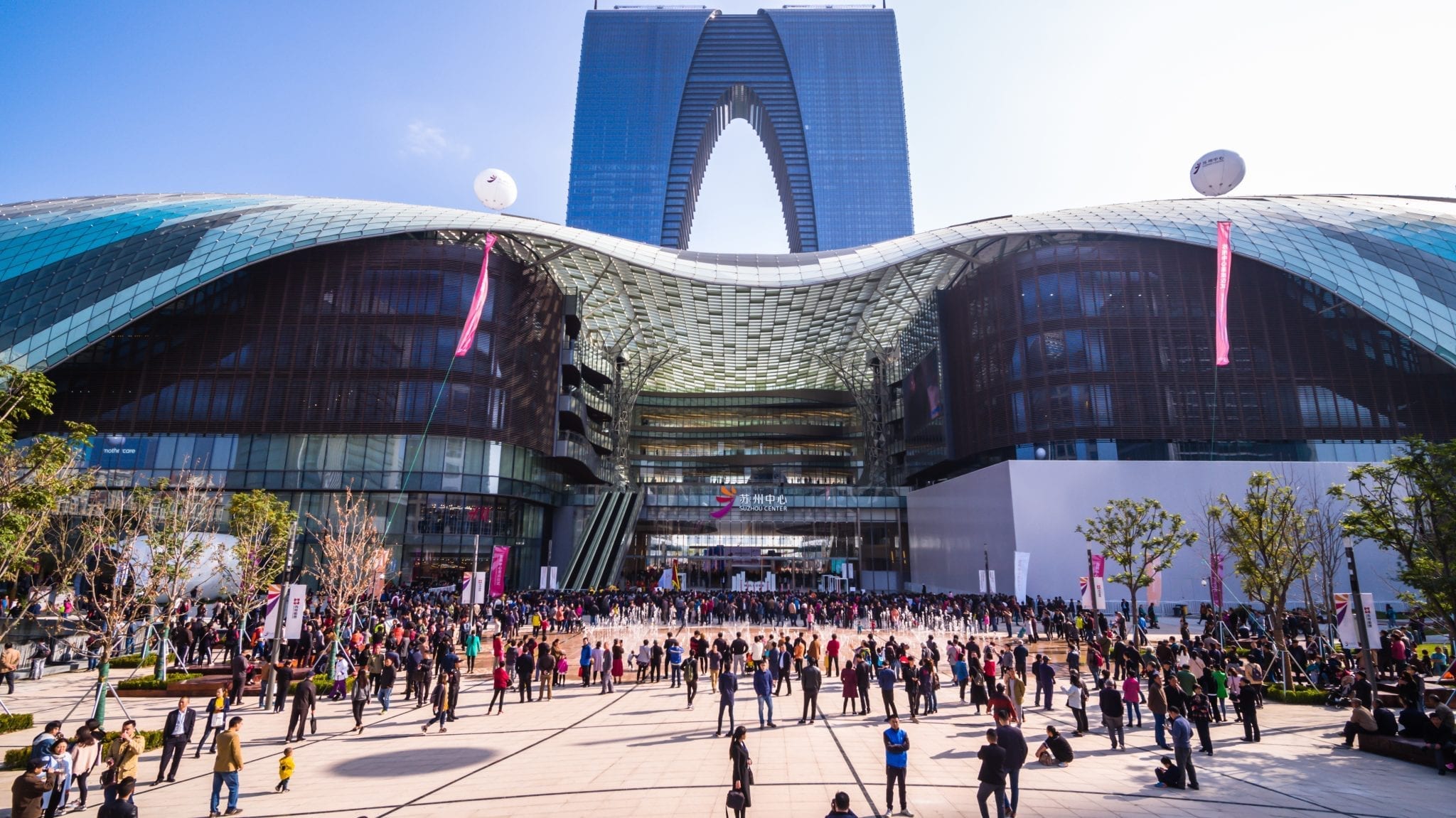
    With the opening of its largest shopping centre yet, Suzhou Center Mall, Singapore retail-estate company CapitaLand has marked a record year of a million square metres of retail space.

    More than three times the size of Ion Orchard in Singapore, the mall is also the largest shopping centre in the Chinese city. It spans nearly 300,000sqm in gross floor area (GFA), excluding car park.

    More than 600 retail brands are housed within the mall, in the heart of the western CBD of Suzhou Industrial Park, next to the historic Jinji Lake. It is the centrepiece of the Suzhou Center integrated development that also comprises four grade-A office towers, two luxury residential towers and the W Suzhou hotel tower, which are all interconnected.

    With a total GFA of 1.13 million square metres served by a 1570m tunnel leading to its basement car park and directly linked to two metro lines, Suzhou Center was master developed by Suzhou Hengtai Holding Group, owned by the Suzhou Industrial Park.

    CapitaLand, through its wholly owned shopping business CapitaLand Mall Asia, is co-owner and co-developer for the mall and two 21-storey office towers.

    World’s largest

    Designed by multiple award-winning architectural firm Benoy, the seven-storey Suzhou Center Mall has an undulating roof that is the world’s largest free-form monocoque roof at more than 36,000sqm. Shaped like a pair of phoenix wings to symbolise Suzhou’s growth taking flight, the multi-coloured roof comprises 6947 pieces of uniquely shaped glass.

    Suzhou Center Mall also boasts 60,000sqm of greenery across terraces, rooftops and the landscaped cantilever bridges that extend from two ends of the mall to the lakefront. A 45m-wide, 25m-high water curtain is a feature of the mall’s facade facing Jinji Lake.

    The mall opened with more than 90 per cent lease commitment for its net lettable area of about 152,000sqm. Anchor tenants include more than 600 brands including Suzhou’s first CGV cinemas, its first Fanpekka children’s theme park, first indoor simulated gaming centre, an Olympic-size ice rink, a gourmet supermarket and a food court.
    Nearly a third of the mall’s offerings are new to Suzhou, including Forever 21 and Victoria’s Secret. H&M and Zara will run triplex stores in the mall, their biggest outlets in the city.

    Suzhou center mall

    CapitaLand says that with the opening of Suzhou Center Mall, 61 of its total portfolio of 69 owned and managed malls in China are up and running.

    CapitaLand CEO Lim Ming Yan says the mall’s opening caps a record year for the company. “Nearly 1 million square metres of retail GFA across eight developments came on line this year, marking our largest-ever retail offering in a single year.”

    CapitaLand Mall Asia CEO Jason Leow says that about 85 per cent of the group’s total assets contribute to recurring income, of which shopping malls and integrated developments form the bulk. “As we increase CapitaLand’s recurring income base with mall openings, we will also continue to enhance our retail scale and network through acquisitions and management contracts, as well as reconstitute our portfolio to achieve an optimal asset mix.”