Author: Mei Ling Tan

  • Louis Vuitton losing past luster in Korean market

    Louis Vuitton losing past luster in Korean market

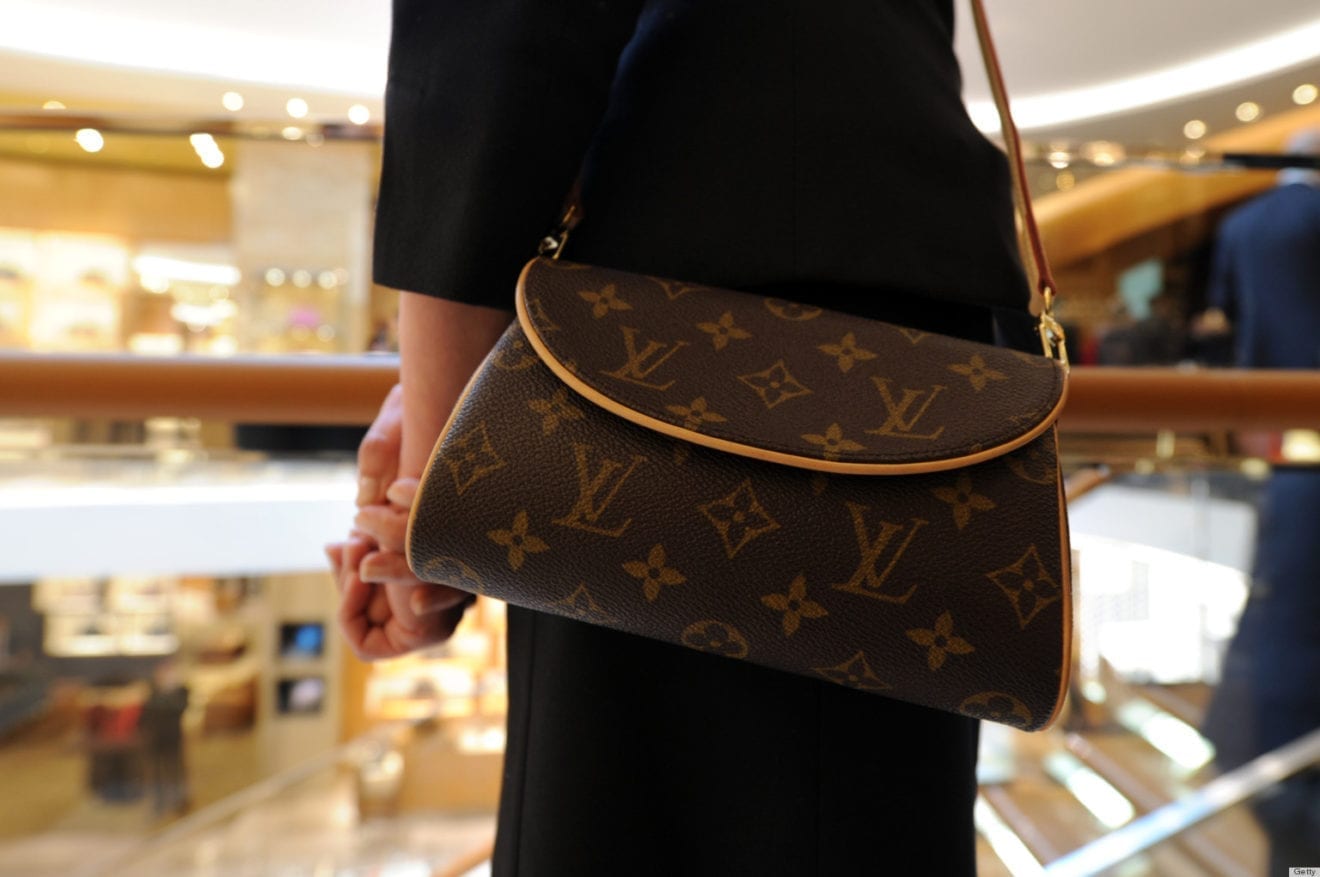
    The sales growth rate of Louis Vuitton has backtracked in 2017 at the nation’s major department stores, losing its market prestige as one of the most desired luxury brands, industry sources said on 13 November 2017.

    According to market insiders, sales of the French luxury brand at a department store between January and October 2017 slipped 5.3 percent from the same period of 2016, while that of its rival luxury brands, Chanel and Hermes, rose 11.2 percent and 16.5 percent, respectively.

    At another department store, sales of Louis Vuitton dropped 2.1 percent while Chanel and Hermes respectively surged 13.7 percent and 17.1 percent. The department stores were not identified.

    Louis Vuitton Korea, the local importer and distributor of the French fashion and jewelry brand, operates as a limited company here and is therefore not required to disclose its sales records.

    Chanel Korea and Hermes Korea are also not obligated to do so. Louis Vuitton Korea was launched as an incorporated company, but it became a limited company in 2012 in the face of public criticism over its low corporate outreach despite considerable profits here.

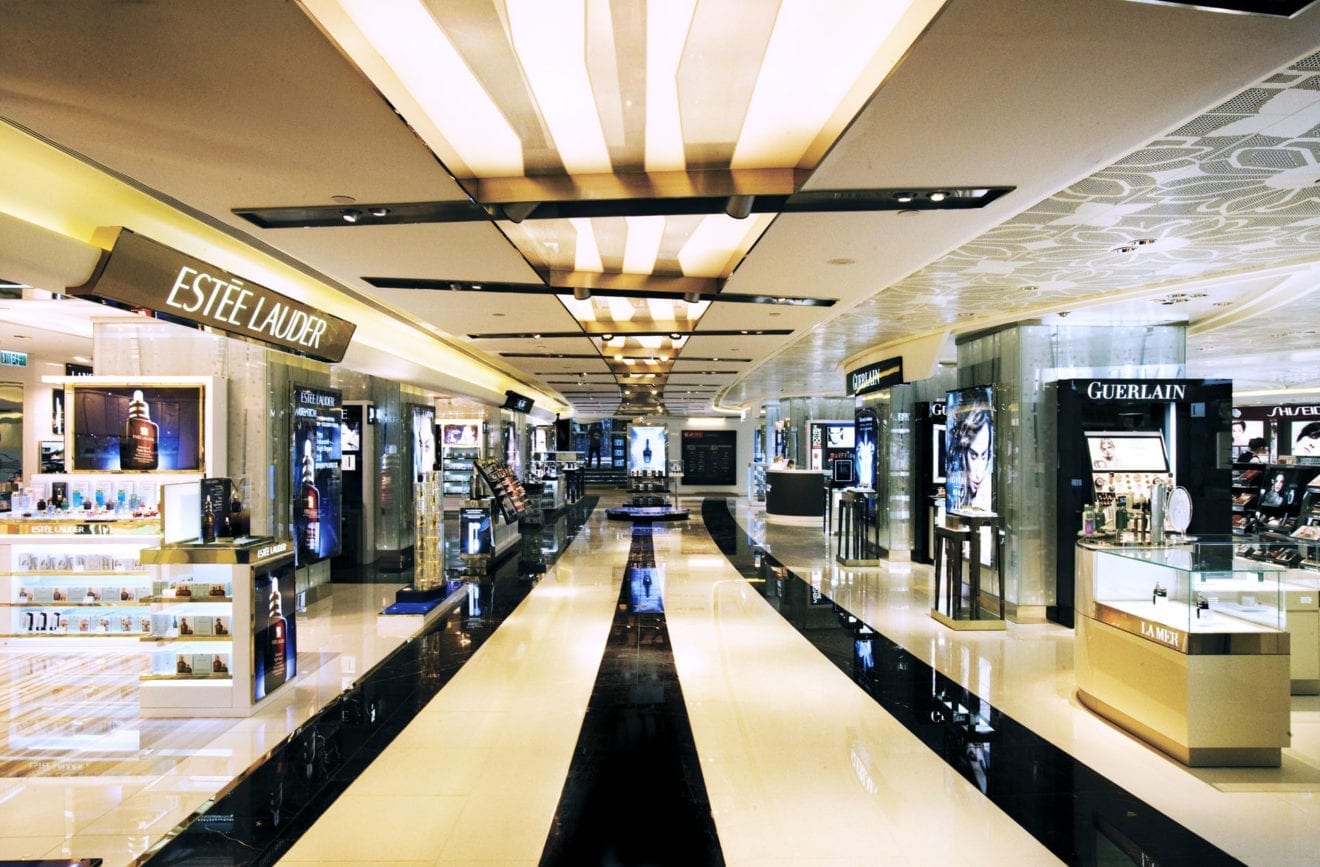
    The French fashion house has enjoyed popularity in the recent past, targeting young women with its monogram series. Market insiders say Louis Vuitton appears to have lost some of the brand value from its rarity, focusing on bags priced 2 million won (US$1,790) that have become an affordable range for customers in the luxury segment.

    The vast popularity of Louis Vuitton in the past and consequent sales have made the brand too common, taking away much of its cachet, a retailer said. “The popularity of its monogram series fizzled out, and there was no succeeding product, which is another reason for the slump,” he said.

    Meanwhile, Hermes and Chanel have targeted the higher end segment, keeping their price range within the highest level of the market.

  • Prime retail rents in Hong Kong still top Asian rankings

    Prime retail rents in Hong Kong still top Asian rankings

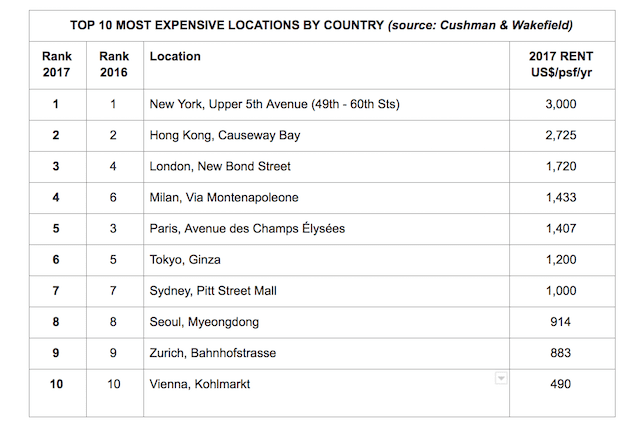
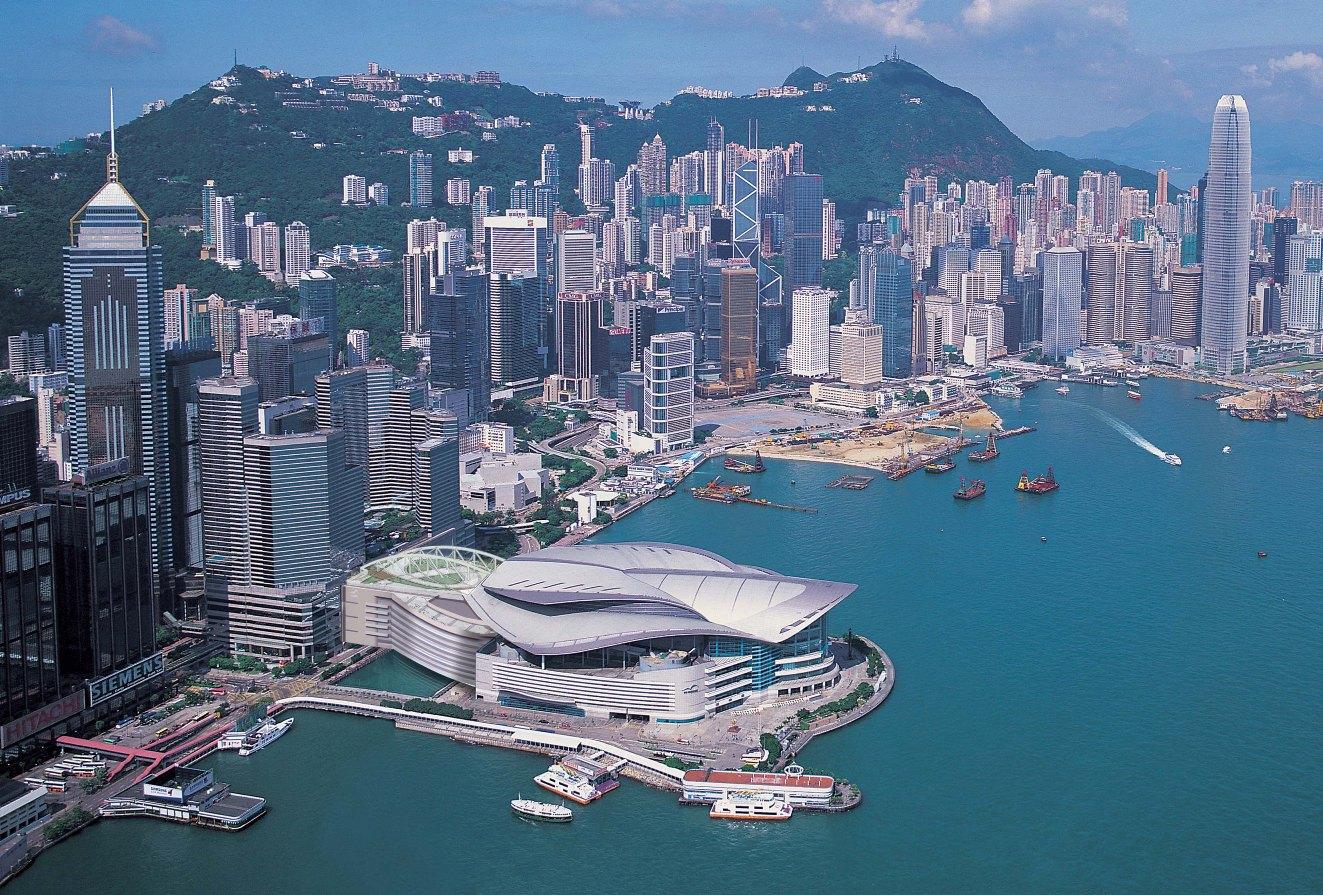
    Despite plummeting retail rents in Hong Kong, Causeway Bay has retained its ranking as Asia’s most expensive retail strip – and the world’s second, behind Upper 5th Avenue in Manhattan, New York.

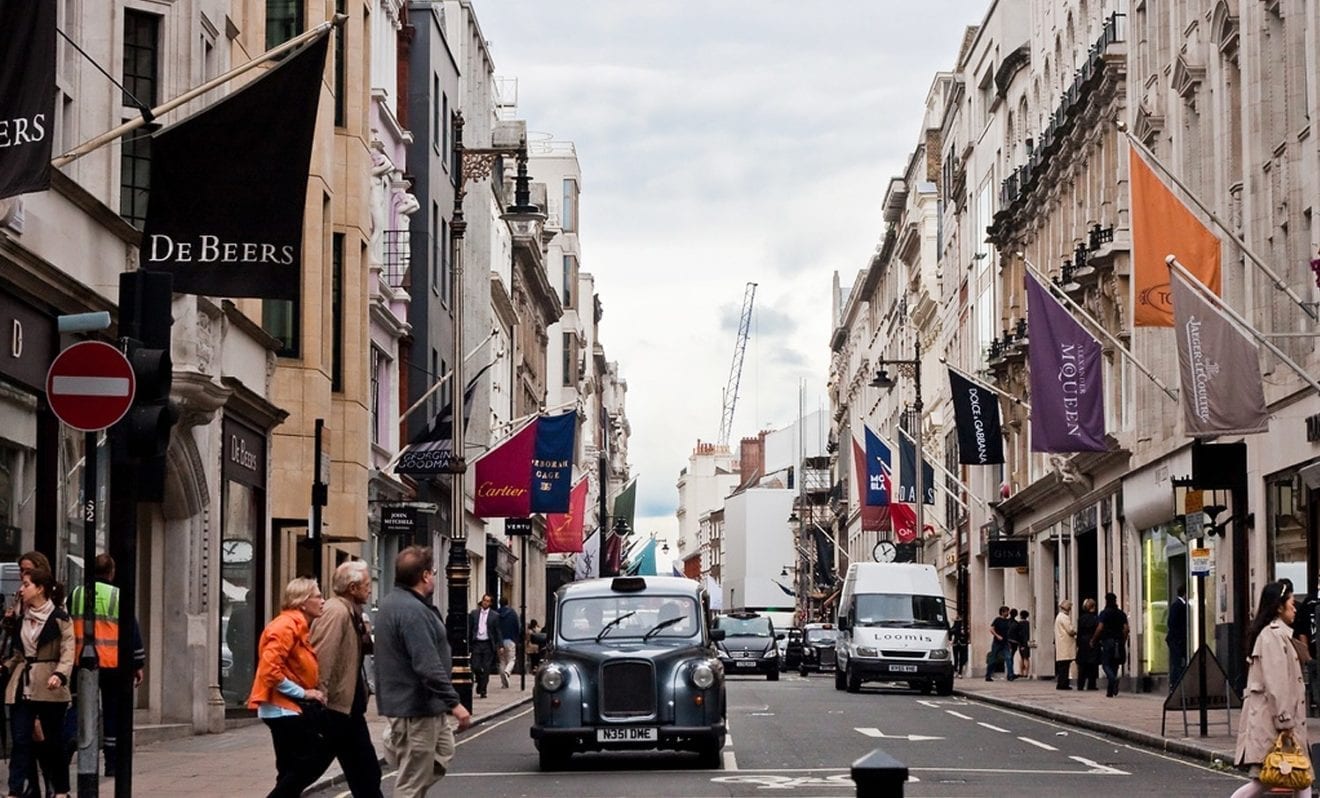
    Soaring London rents have seen New Bond Street rise to become the world’s third most expensive retail street, according to an annual survey by Cushman & Wakefield.

    The annual Main Streets Across The World report, now in its 29th edition, tracks 451 of the top retail streets around the globe and ranks the most expensive in 68 countries and regions by prime rental value using Cushman & Wakefield’s proprietary data.

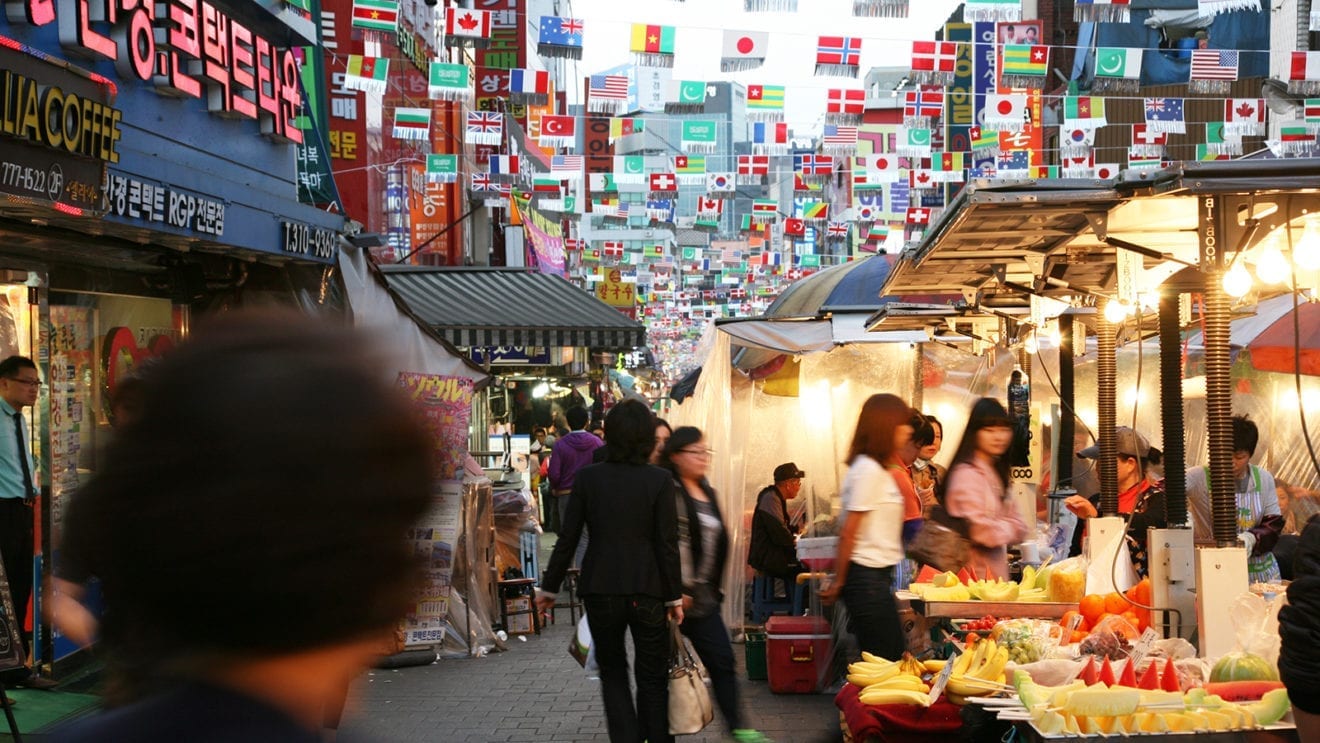
    Only three Asian cities feature in the top 10 globally, with Tokyo’s Ginza in sixth place, down one place from last year, and Myeongdong in Seoul eighth, its same ranking as before.

    The Top 10 list is as follows:

    Average annual rents on Upper 5th Avenue stayed the same as last year at  US$3000 (HK$23,400) per square foot. Despite a 4.7 per cent fall to US$2725 (HK$21,255) psf/yr, Hong Kong’s Causeway Bay retained its second place and Cushman & Wakefield observed the rental correction in the district “is almost complete” nearing the year’s end.

    London’s New Bond Street leapt into third place as rents increased by more than a third (in local currency) on the previous year to US$1720 psf/yr.

    Report author Darren Yates, head of EMEA retail research with Cushman & Wakefield, said that despite a lot of negative headlines, global retail remains as dynamic and vibrant as ever in response to technological and demographic change across the world.

    “Premium retail destinations, including Upper Fifth Avenue, Causeway Bay and New Bond Street, are highly sought after by international brands seeking to create engaging retail experiences that offer something new and exciting. The most innovative retailers are combining their online and physical platforms to create a seamless omni-channel experience for the customer, but profile and location play such a crucial role in the premium retail experience,” he said.

    Rents “will be better”

    Kevin Lam, Cushman & Wakefield’s executive director, head of retail services in Hong Kong , said that while rents eased in causeway Bay during this year, the pace of decline has slowed in the second half and the correction is expected to finish towards year-end.

    “Rents in Causeway Bay will be in a better position next year, although there will still be some distance between the rents of Causeway Bay and of Upper 5th Avenue in New York,” he said.

    “Ranking at second place globally reflected a softening of high street rents in Causeway Bay, but the plus side is this healthy correction has driven greater diversification in trade mix on the high street. Apart from the luxury trades which have always been dominant in Causeway Bay, there are more lifestyle merchandise, food and beverage and Mainland China brands entering the district, which would enhance the shopping experience for customers.

    “As cases of duplex and triplex leasing become rarer, we expect the number of varieties of shops will increase.”

    Meanwhile, Mainland China’s retail market continues to evolve as a rapidly growing consumer base of savvy, brand-aware shoppers seek out new and sophisticated retail experiences. Beijing’s Wangfujing is ranked 11th in the global table, with annual rents at $477 psf/yr. The city’s online retail market has experienced exceptionally strong growth and internet sales now account for about 18 per cent of the total, although 12.4 million sqft of new space is expected to become available in the Fengtai and Tongzhou districts in 2018 as new developments complete.

  • Korea retailers embracing self-checkout technology

    Korea retailers embracing self-checkout technology

    Unmanned convenience stores are slowly making their way in South Korea and may significantly change or eliminate jobs behind the counter.

    Due to a steep rise in the minimum hourly wage, which will come into force next year, and advancements in technology, local retailers are adopting unmanned operations.

    There are five unmanned convenience stores in the country, according to industry officials.

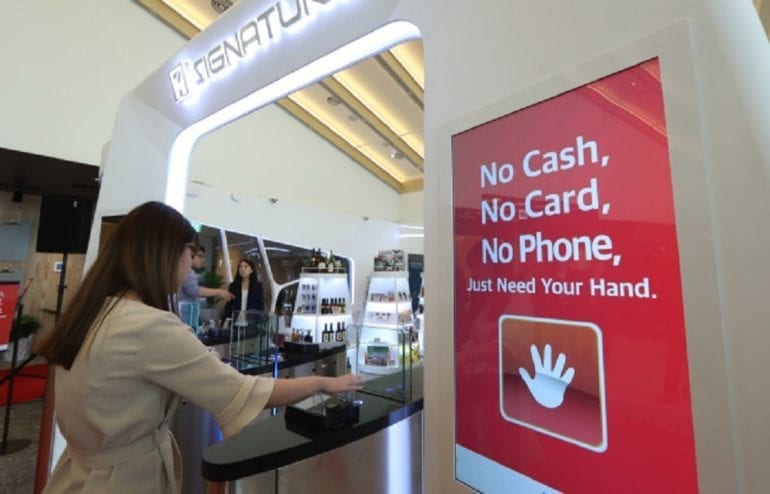
    Lotte Group‘s Korea Seven started operating its unmanned store 7-Eleven Signature at Lotte World Tower in May. Retail giant Shinsegae operates four unmanned E-mart 24 stores nationwide.

    At the unmanned stores, consumers can buy products by scanning them at auto-checkout counters.

    “Whenever there was a person behind counter, I instinctively felt like I had to pick products fast and go to the counter,” Lee Gil-yong told DongA News.

    “But now that there are no workers in the unmanned store, I feel like I can take my time to choose what I want to buy.”

    But some people have had difficulty adjusting to the stores and their security features.

    According to E-mart 24, three out of 13 people who visited its unmanned store in Seongsu-dong, Seoul, between 11 p.m. and 12:30 p.m. on Oct. 24 did not know how to get in. The store operates without workers from 11 p.m. to 6 a.m.

    To enter the unmanned E-mart 24 stores, shoppers must identify themselves with their credit cards. Also, they cannot buy alcoholic beverages ― a popular night-time product ― because unmanned stores cannot verify ages.

    E-mart 24’s unmanned stores suffered a decrease in sales, but cheaper labor costs meant the stores generated more profit.

    Concerns about the safety have also been raised because people entered without identifying themselves by waiting for the door to open for a shopper leaving the store.

    “We have not been able to operate the self-checkout machines in franchises because we have not yet found a way to prevent theft,” said an industry official.

    Only stores directly managed by headquarters operate unmanned checkout machines.

    “We are just checking the unmanned stores’ efficiency for now,” an E-mart 24 official said. “We have yet to decide whether to set up additional unmanned stores.”

    E-mart 24’s competitor 7-Eleven Signature has a HandPay system that identifies individuals by the pattern of their veins. Consumers can register their vein patterns on their Lotte Cards and the store will recognize the consumers.

    But shoppers have expressed discomfort because the store can only be accessed by those whose veins are registered.

    More retailers are expected to turn to automation due to the minimum wage hike next year, when the hourly minimum wage will rise to 7,530 won (US$6.67), up 16.4 percent from this year.

    Other major convenience stores such as GS Retail’s GS25 and BGF Retail’s CU also are preparing for unmanned stores.

  • Baby Milo try luck with popup store

    Baby Milo try luck with popup store

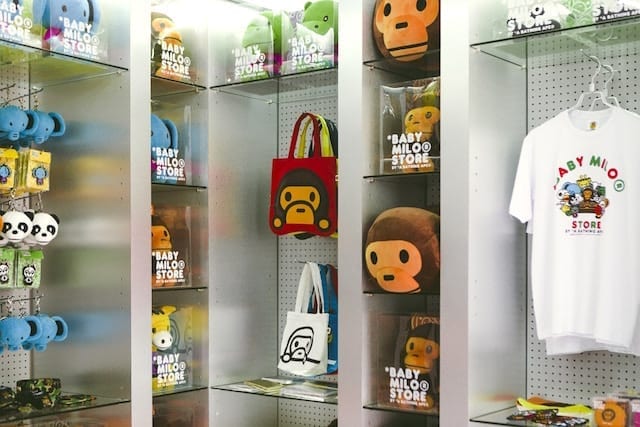
    A Baby Milo popup store has opened in Gala Place, Mongkok.

    The short-term store will trade through until January 1, according to our friends at Hypebae.

    “Streetwear lovers will be able to shop themed accessories and apparel, ranging from fluffy pillows to printed tote bags,” the site reveals.

    Baby Milo, is a monkey character developed by Japanese-founded Bathing Ape, now owned by I.T Group, one of Inside Retail’s Top 50 Innovative Hong Kong Retail Leaders in 2017.

    Besides accessories and limited-edition items, the popup features a three-metre tall Baby Milo DJ character playing music outside the boutique.

    Fans of the character can connect with the brand via social media and share selfies taken with the cute monkey for the chance to win a custom Baby Milo Walkman.

    Gala Place is located at the Park-in Commercial Centre at 56 Dundas Street, Mongkok.


  • New entry in the top highest rents globally

    New entry in the top highest rents globally

    Bond Street in London is the new entry in the podium of the highest rents globally, after overtaking the Champs Elysées in Paris.

    Property firm Cushman & Wakefield released the new list this week and said that Upper Fifth Avenue in New York stays top ($3,000 per square foot) with Hong Kong’s Causeway Bay next ($2,725). After Bond Street ($1,720) is Milan’s Via Montenapoleone, with the Champs Elysées now in fifth place.

    Bond Street rents raced ahead by almost 40% in the year 2017 to June as demand stayed strong despite fears over Brexit. In fact, the Brexit effect could have been partly responsible for the rise with a tourist surge as international visitors took advantage of the weak pound after the Brexit vote.

    Report author Darren Yates of Cushman & Wakefield’s Darren Yates said: “London’s major thoroughfares are some of the most desirable and expensive streets in the world. Although there was a pause in activity in London in the initial aftermath of the EU referendum, the start of 2017 brought a resurgence in leasing deals.”

    There had been fears this summer that some luxury brands would quite the area as it had become so expensive with Colliers International telling The Guardian that a number of Bond Street leases were being “quietly marketed”.

    Dolce & Gabbana, Hugo Boss, De Beers and DKNY were among the big names said to be looking at a move.

    But Yates said he hasn’t seen any signs of big brands wanting to move, although he added that with the property market slowing, they are probably less likely now to want to hand over million of pounds to encourage an existing tenant to move as they have done in the past.

    A new report from Savills earlier this year showed that Bond Street is evolving into a home for ultra-luxury brands with fewer affordable luxury or premium labels occupying stores there.

    Super-luxury retailers now occupy 73.9% of its retail space, up from 62.8% over the last five years, and following the launch of the report, Savills said it would see a further 12 new stores by year-end, a high number and on a level with the peak reached in 2012.

    The newcomers include several ultra-luxury names (Alaïa, Delvaux and Officine Panerai).

  • Changing face of retail becomes the focus in HKTDC Asian e-Tailing Summit

    Changing face of retail becomes the focus in HKTDC Asian e-Tailing Summit

    As e-commerce continues to grow, it is fundamentally changing the face of retail. It has already influenced how many products and services are being sold, from clothes, packaged goods and seafood to hotel bookings, music files and taxi services.

    Because of this, companies of all sizes in all sectors cannot afford to ignore this channel, which is the focus of the upcoming Asian e-Tailing Summit, being organised by the Hong Kong government’s HKTDC. It is aimed at e-commerce professionals, retailers, industry leaders, service providers and users, as well as brand owners and suppliers, online marketplaces and platforms, wholesalers and distributors.

    As social networks proliferate and supply chains improve, more and more people are buying from foreign online shops. E-commerce Foundation figures show that more than 300 million consumers worldwide are now buying from merchants outside their own immediate jurisdiction, and Euromonitor International says this number is expected to increase to nearly one billion by 2020.

    On the move

    Other research shows that the total value of purchases made by cross-border online consumers is growing at the rate of 28 per cent a year and is set to reach US$1 trillion by 2020, and much of this shopping is being done on the move by smartphone. As well as searching for products or services, smartphone users can easily compare product specs and prices, download coupons and make online purchases all in one go.

    Overall, m-commerce has been a game changer, making it a necessity for merchants to have a mobile-optimised website or app. Ideally, every retailer should offer omni-channel options, and also be aware of social-media opportunities.

    In China, meanwhile, billions of shops now accept payments via Alipay and/or WeChat Pay. On the international front, Apple Pay, Google Wallet and Tap & Go have also swelled the number of digital wallets available. Improved and safer e-wallet technology has been a key factor in optimising the O2O buying experience.

    An overview of this fast-growing side or retail will be offered at the Asian e-Tailing Summit, at the Hong Kong Convention and Exhibition Centre, on December 6, with speakers representing such companies as eBay, Fung Global Retail and Technology, Gartner, KPMG, Lazada, Macy’s China, PayPal, Sephora, Suning and Zalora.

    It launches with a plenary session that looks at the impact of rising digital consumption on the world economy.

    There will be two breakout sessions following the plenary. The first examines worldwide procurement for cross-border e-commerce, while the other looks at the social-commerce movement as an omnichannel priority.

    Two concurrent workshops wind up the event. The first offers practical tips on cross-border e-commerce, while the other covers best practice in e-commerce.

  • Korean retailers shifting to ASEAN from China

    Korean retailers shifting to ASEAN from China

    Lotte, Shinsegae and other retailers in Korea have been shifting their focus to Southeast Asia as it has become difficult to conduct business in China amid deteriorating Korea-Sino ties.

    The increasing number of middle-class consumers in Vietnam and other countries has also encouraged the retailers to establish a larger presence in the rapidly-growing region.

    The exodus from the Chinese mainland has been accelerating as the Chinese government shows no signs of easing economic retaliation against Korean firms and their products because of Seoul’s decision to deploy a Terminal High Altitude Area Defense (THAAD) battery here.

    Of the Korean retailers, Lotte Group has engaged most actively in the Southeast Asian markets, pushing ahead with its plan to carry out multi-complex construction projects in Southeast Asia as the group’s new growth engine.

    Lotte Mart, the hypermarket brand of the nation’s largest retailer, is currently operating 45 stores in Indonesia and 13 in Vietnam, industry sources said. It will also open another store in Lampung Province, Indonesia, in December 2017.

    In September 2014, Lotte built the Lotte Center in Hanoi, Vietnam. The 65-story multi-complex offers the group’s various shopping and accommodation brands, including Lotte Department Store, Lotte Mart and Lotte Hotel.

    Lotte is building a large-size shopping mall with a gross floor area of 200,000 square meters in Hanoi, with completion scheduled for 2020. It is also reviewing its plans to invest about 2 trillion won (US$1.74 billion) to build another 100,000-square meter multi-complex in Ho Chi Minh City.

    Lotte Duty Free, the group’s duty free store affiliate, has also recently entered Vietnam. It partnered with a local retailer to establish the Phu Khanh Duty Free at the Da Nang International Airport, and the company official said it has a similar plan to open business in other major cities in Vietnam.

    Shinsegae Group’s discount chain brand E-Mart is also shifting to Southeast Asian markets.

    It has officially announced its exit from the Chinese market, and chose Vietnam as its new overseas growth engine. E-Mart opened its first store in the Go Bap area of Ho Chi Minh City, in December 2015, and is planning to open its second store in the city soon.

    The E-Mart Go Bap store recorded 41.9 billion sales the previous year to exceed its sales target by 20 percent. Its sales performance also marked 25.8 billion won during the first half of this year, up 27.5 percent from the same period the previous year.

    It signed an MOU deal with Ho Chi Minh City last year to invest $200 million in September, and an E-Mart official said it will enter Laos, Indonesia and Cambodia soon.

    GS Retail, the nation’s convenience store brand is also entering Southeast Asian markets.

    GS Retail, which operates the GS25 convenience store chain, has recently established a joint venture with Vietnamese SonKim Group. Taking 30 percent in shares, GS Retail plans to open its first store in Ho Chi Minh City.

    GS Retail opened its first GS Supermarket in Indonesia in October 2017.

  • DHL Express to expand opration at HKIA hub

    DHL Express to expand opration at HKIA hub

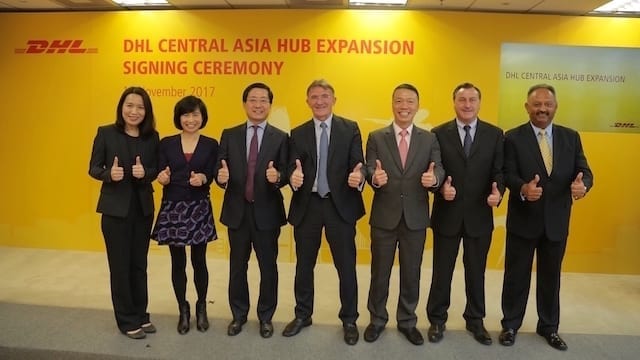
    Growing regional e-commerce trade has prompted DHL Express to expand its central-Asia hub (CAH) in partnership with Airport Authority Hong Kong.

    Costing about HK$2.9 billion (US$371.4 million), the expansion takes DHL’s commitment for the hub to about $4.5 billion.

    Recording an average 12 per cent year-on-year growth in its shipping volume in the past decade, CAH is one of three global hubs for DHL. With its expansion, it will handle more than 40 per cent of DHL’s Asia Pacific shipments.

    DHL Express CEO Ken Allen says the hub is based in a location that is strategically important for the company as the region’s international trade demands continue rapid growth.

    As part of the expansion, CAH will be equipped with an enhanced material-handling system that will improve productivity and increase throughput from 75,000 shipment items an hour to 125,000 items. The annual throughput of the expanded hub is expected to rise by 50 per cent to 1.06 million tonnes.

    As a dedicated air express cargo unit at Hong Kong International Airport (HKIA), the expanded CAH can handle six times more in terms of shipment volume than when it was established in 2004.

    Three times faster

    “Connecting with more than 70 DHL Express gateways in the region, the hub plays a significant role in strengthening our network in Asia Pacific, including Bangkok, Shanghai and Singapore,” says DHL Express Asia Pacific CEO Ken Lee.

    “The expansion will also help us capitalise on the growth in intra-Asian trade that currently contributes more than 40 per cent of our revenue in Asia Pacific. Equipped with fully automated X-ray inspection machines, the expansion will make our shipment inspection three times faster.”


    “The strong growth of cross-boundary e-commerce has generated new opportunities for the air-cargo industry,” says Airport Authority Hong Kong CEO Fred Lam. “We have taken an array of measures to further strengthen our role as an international and regional aviation hub, which include reserving land on both the airside and landside to support the growth in transshipment, cross-boundary e-commerce and the high value-added air-cargo business.”

    The CAH extension is expected to start work in early 2022, in time to capture demand in the Pan-Pearl River Delta region and completion of the airport’s three-runway system in 2024. The expansion will increase the CAH warehouse space by about 50 per cent to 47,000sqm.

    Its security system will have 520 CCTV cameras and an advanced access-control system, and a quality-control centre will monitor flight uplift/landing times and reporting any irregularities so DHL can notify customers of flight delays or cancellations.

  • Tiny Samsung Galaxy S9 Mini could be in the works

    Tiny Samsung Galaxy S9 Mini could be in the works

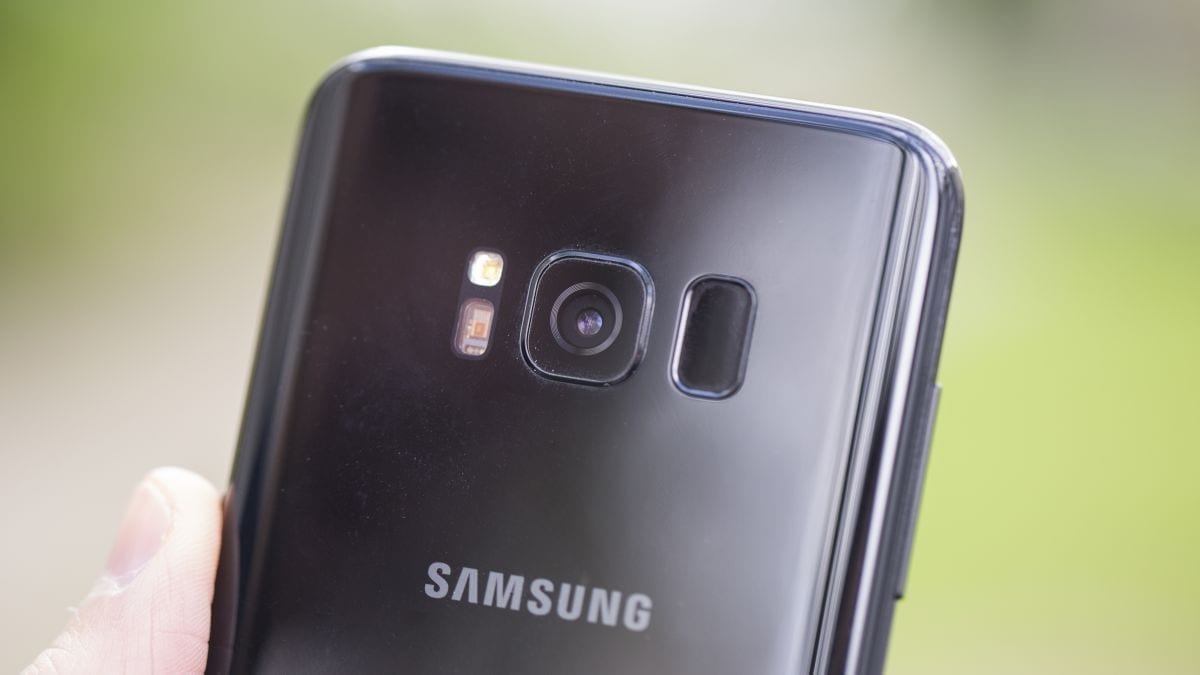
    Other than the iPhone 8, Sony Xperia XZ1 Compact and their predecessors there haven’t been many high-end compact phones in recent years, but Samsung could be about to add to the list with a Samsung Galaxy S9 Mini.

    Known leaker I ice universe has said as much on Weibo (a Chinese microblogging site), adding that the screen is less than 5 inches and that it has a “full screen”, which suggests that it will have minimal bezels and a super-widescreen 18.5:9 aspect ratio, just like the Samsung Galaxy S8 range.

    They don’t actually name the phone, but the mention of “full screen” suggests it will be using design language from the S series, so an S9 Mini is the obvious conclusion.

    Some sites are reporting that the Samsung Galaxy S9 Mini – or whatever it ends up being called – will also have a curved display, which would make sense if it uses the Galaxy S9 name, but the original information is in Chinese, and based on our own translation attempts we feel it could just as well be saying that the screen won’t curve.

    Coming soon… probably

    Similarly, there’s no suggestion that it will launch alongside the Samsung Galaxy S9 and Galaxy S9 Plus, despite what you might read elsewhere, though a launch in the first half of 2018 would seem likely if it’s going to arrive at all.

    And that’s a big if, I Ice Universe seems to say they’re not sure if it will be released or not (though this again is based on Google Translate).

    There’s reason to be skeptical, as Samsung hasn’t made a mini version of its flagships in years. But if the Samsung Galaxy S9 Mini is real we’d expect to hear more about it soon.

  • DFS Group Kicks Off Its Seasonal Gifting Campaign

    DFS Group Kicks Off Its Seasonal Gifting Campaign

    DFS Group kicked off its Give Joy Together seasonal gifting campaign in
    style with the Art of Personalization shopping experience, which was held on November 11 at T Galleria by
    DFS, City of Dreams, Macau. The world’s leading luxury travel retailer sshowcased a bespoke approach to gift
    giving through craftsmanship and customization, simultaneously drawing attention to the wide range of exclusive
    luxury items available at the store.

    Global retail influencers Bag Snob and Mr. Bags and world-famous contemporary pop artist Boyarde joined
    senior DFS executives including Sibylle Scherer, President Merchandising and Consumer Marketing, Christophe
    Chaix, Senior Vice President, Fashion, Watches, Jewelry and Accessories, Nelson Mui, Vice President of Global
    Fashion Merchandising and Trends, and Johan Pretorius, Managing Director, Cotai Limitada, DFS at the event.

    “The Art of Personalization demonstrated how bespoke craftsmanship can transform luxury handbags and
    accessories into highly desirable one-of-a-kind gifts, and we were delighted that Bag Snob, Mr. Bags and
    Boyarde were able to join us,” said Nelson Mui. “Their collective talent and knowledge of the luxury retail
    market is vast and we were honored that they were a part of this exciting event.”

    Each celebrity presented a curated selection of pieces as gift inspiration for the holiday season. Bag Snob,
    passionate bag lover and founder of BagSnob.com, highlighted her top choices for seasonal gifts that included a
    DFS exclusive Bulgari bag and watch, a Tiffany & Co Key necklace, exclusive Tod’s shoes and an exclusive
    wallet on chain by Valentino. Style guru Mr. Bags, who has more than three million followers on Chinese
    microblogging site Weibo, promoted eight of his favorite products from the many brands available at the store.

    These included a Tiffany & Co Key necklace, bags by Dolce & Gabbana, Burberry and Bulgari, shoes by Rupert
    Sanderson, Bing Xu and Tod’s, and whisky by Johnnie Walker. Pop artist Boyarde, whose playful designs are
    highly sought after around the world, conducted mini workshops and conducted live paintings. The British artist
    also presented a selection of exclusively designed and hand painted bag straps and charms for her customers.

    Bag Snob gave her tips on how best to spend 24 hours in Macau, while VIP guests had the opportunity to offer
    their own thoughts on personalization. The visiting influencers also highlighted the customization services
    available in store at the Make it Yours counter throughout the holiday season, such as tag embossing, bottle
    engraving and personalized gift wrap creation.

    A silent auction to raise money for Make-A-Wish, the world’s largest wish-granting organization, was run
    throughout the event, reminding guests that gifting is also about giving to others less fortunate. Bidders vied for a
    fabulous leather jacket donated by AllSaints and handbags chosen by Mr. Bags and Bag Snob, all personalized
    with Boyarde’s iconic and eye-catching designs. This is the fourth successive year that DFS has partnered with
    the foundation, which has made dreams come true for over 415,000 children around the world who suffer from
    life-threatening medical conditions.

    The evening culminated in a party featuring two spectacular balloon drops. Any guest catching a glitter-filled
    balloon stood the chance to win amazing prizes, whilst shoppers who spent over MOP1000 enjoyed MOP200 off
    their purchase.

  • Apple’s Asia Suppliers Rise on Forecast of Strong Holiday Sales

    Apple’s Asia Suppliers Rise on Forecast of Strong Holiday Sales

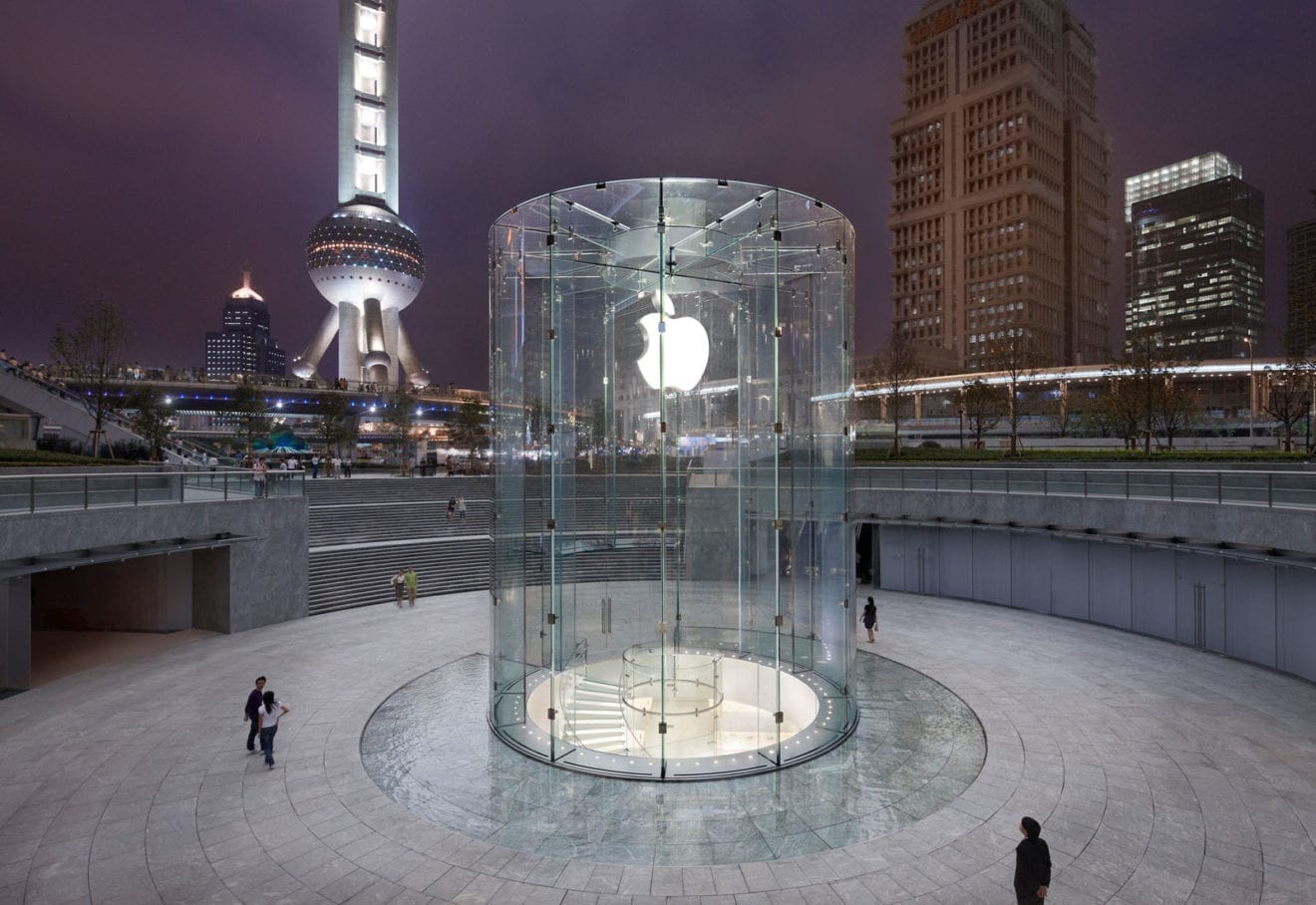
    Apple Inc.’s suppliers in Asia, including Hon Hai Precision Industry Co. and Wistron Corp., rose after Apple forecast revenue for the quarter ending in December that topped estimates amid strong demand for its 10th anniversary iPhone.

    Hon Hai, the main assembler of the iPhone X, rose as much as 1.8 percent in Taipei trading, while Wistron, another Apple assembler, rose as much as 4.3 percent. Quanta Computer Inc., Pegatron Corp. and Genius Electronic Optical Co. also rose.

    After concerns about production volumes this year, Apple signaled it’s fixing supply problems with the iPhone X and setting itself up for a better-than-expected holiday period. Supported by resurgent iPad and Mac sales, the 10-year anniversary iPhone will help push revenue to a record high of $84 billion to $87 billion in the quarter ending in late December, Apple said in a statement. Analysts had predicted $84 billion, according to data compiled by Bloomberg.

    Apple shares rose about 4 percent in late U.S. trading after the earnings report. The Cupertino, California-based company is the most valuable in the world with a market valuation of more than $850 billion.

  • A new multi-concept Japanese gourmet hall opens at Changi Airport Terminal 2

    A new multi-concept Japanese gourmet hall opens at Changi Airport Terminal 2

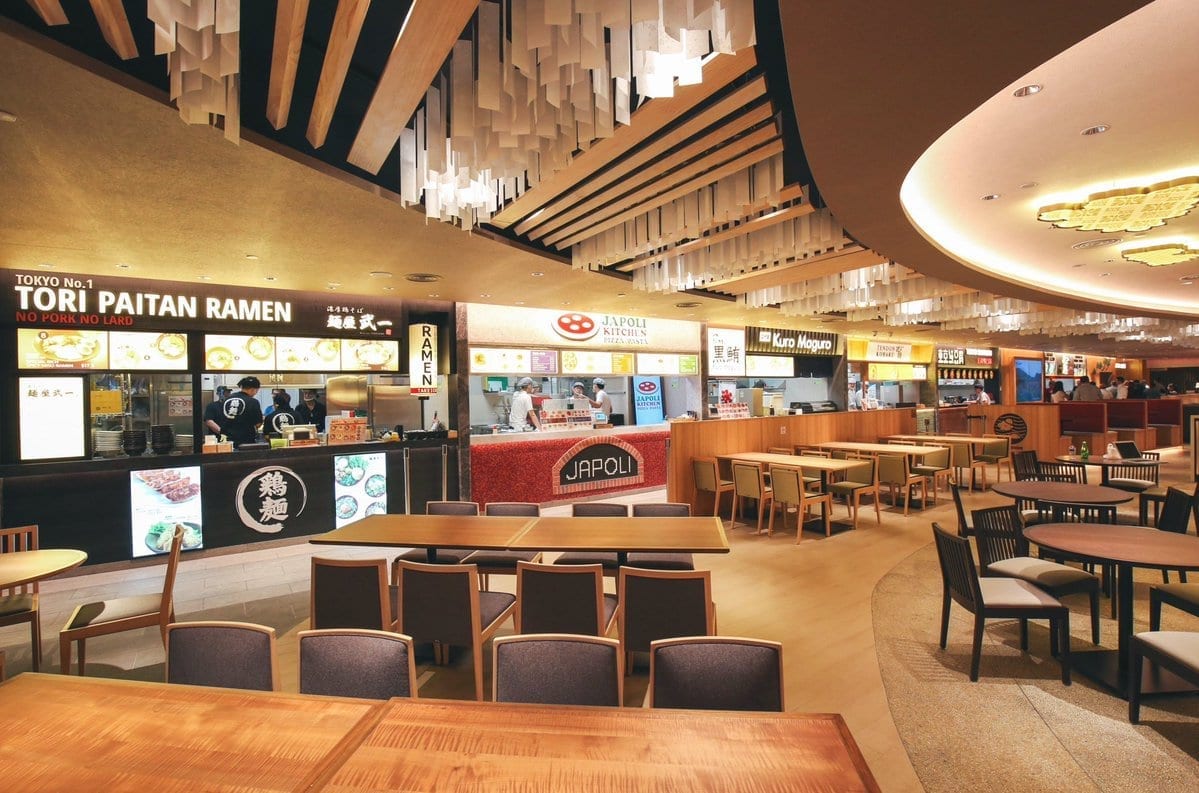
    Modelled after airline lounges, the Sora Japanese gourmet food hall opens at Changi Airport’s Terminal 2 today.

    Combining two concessions, the 7760sqft (720sqm) space seats about 300 diners and is the largest restaurant across the four terminals at the airport.

    At the public area on Level 3, the dining enclave houses six Japanese restaurant brands that serve up ramen, sashimi, okonomiyaki and Nippon-inspired desserts and beverages.

    Tendon Kohaku_Kohaku Tendon (Original)

    Sora, which is Japanese for “sky”, marks the first time that ANA Trading, a subsidiary of Japanese airline All Nippon Airways, has opened a food hall outside of Japan.

    “This is part of the company’s strategy to expand in Southeast Asia region,” says ANA Trading project director Kazuhiro Nakao, who is also director of SG Retail Partners, which is running the food hall in a JV with ANA Trading and Komars Group.

    Of the six restaurants in Sora, two are new-to-market brands: Japoli Kitchen and Tsuruhashi
    Fugetsu. From Osaka, Tsuruhashi Fugetsu is an okonomiyaki chain while Japoli Kitchen offers Italian/Japanese fusion cuisine.

    Tsuruhashi Fugetsu_Mix Yakisoba

    The other four restaurants are Tokyo chicken ramen chain Menya Takeichi, Kuro Maguro, which features fish flown in daily from Japan, tempura outlet Tendon Kohaku, and Tokyo Sundubu, which serves Korean stew.

    Sora Bar offers desserts and beverages including Hokkaido milk ice cream, sake and cocktails.
    Diners can order from any of the restaurants and bar to eat at the shared seating area.

    Sora offers both booth and tatami seating, and tables are fitted with charging points for mobile devices. There is also an interactive Kids’ Corner complete with a playground and television screen.

  • JD.com surprises with first profitable quarter

    JD.com surprises with first profitable quarter

    JD.com profit soared 50 per cent after a 39 per cent increase in sales during the Chinese online retailer’s latest quarter.

    Its unaudited results for the three months to the end of September show revenue of RMB83.7 billion (US$12.6 billion), with a record 50.3 per cent surge in gross profit to RMB13 billion. Non-GAAP gross profit was RMB12.8 billion, up 51.9 per cent.

    Active customer accounts increased by 34 per cent to 266.3 million in the 12 months to September 30.

    Chairman/CEO Richard Lio says the company is building robust product content and enhancing user engagement with innovative tools that enable brands to launch highly targeted online marketing programs.

    “The scale economies of our model are becoming clearer with every quarter,” says CFO Sidney Huang. “Looking ahead, we will continue to prioritise investments in technology and leading R&D talent as we execute on our vision to revolutionise China’s retail industry.”

    While releasing its third-quarter figures, JD.com also listed its latest business developments…

    In October, JD and Tencent expanded their partnership with the launch of a marketing initiative that integrates insights on consumer behaviour from Tencent’s social-media platforms with online and offline shopping data from JD and its brand partners. As well as enabling more precise target marketing, the move benefits consumers by offering them wider access to sales promotions and preferred discounts.

    Strategic partnerships

    During the past three months, JD.com also formed strategic partnerships with Baidu, iQIYI, NetEase, Sogou and Qihoo 360 with their big-data resources, massive user bases and AI algorithm technologies.

    JD also continued to strengthen its position among top-tier international brands, expanding its partnership with high-fashion brand Armani with the opening of official online stores for Armani Exchange and Emporio Armani.

    JD Worldwide also launched flagship stores for such companies as Reckitt Benckiser, Spectrum Brands and Tiger, while its new Toplife platform attracted marquee brands like Dyson, La Perla, Rimowa (LVMH) and Trussardi.

    During the quarter, JD Logistics test-launched an unmanned sorting centre, the first of its kind in the logistics industry. JD also signed agreements to lay the groundwork for the rollout of China’s largest drone network.

    In September, JD Logistics expanded its environmentally friendly logistics and packaging campaign, working with brands including  Johnson & Johnson, Kimberly-Clark, Lego, L’Oreal, P&G, Nestle, Unilever, Watsons and Wrigley. The aim is to minimise environmental impact by cutting back on packaging materials.

    Customer demand

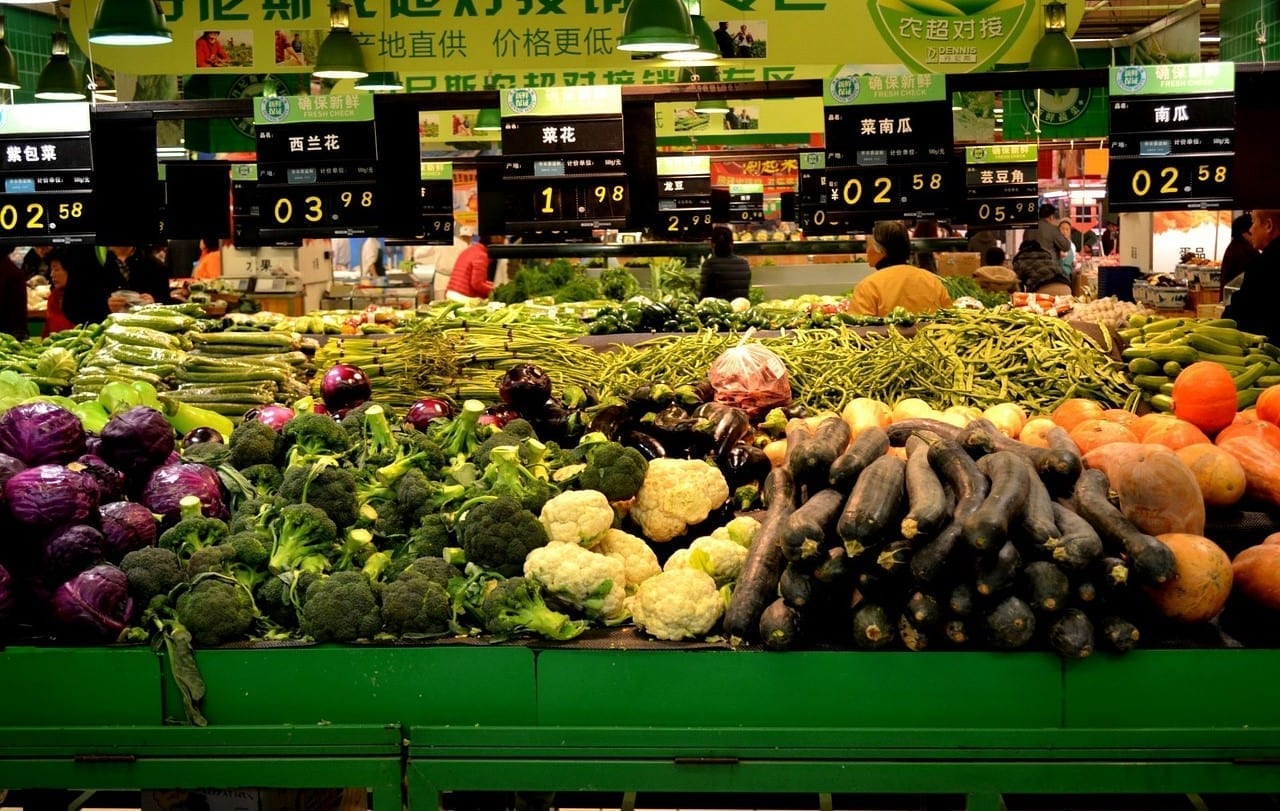
    JD also enhanced its fresh product offerings during the quarter to meet customer demand. In July, it launched the Canadian Fresh Food Pavilion, the first country pavilion for fresh products on the JD.com platform. Live lobsters from Canada can now be delivered to customers’ doorsteps in China in as little as 48 hours. During JD’s Super Canadian Day, 140,000 lobsters were sold within 24 hours.

    In September, JD.com, JD Finance, Central Group and Provident Capital announced agreements to establish two JVs in Thailand covering e-commerce and fintech services, with an aggregate investment of $500 million. JD.com is providing its expertise in technology, e-commerce and logistics while Central Group is drawing on its retail store network, brand and merchant relationships, and retail behaviour insights from its loyalty program.

    In October, JD and Sam’s Club launched a promotion offering customers discounted bundled memberships for Sam’s Club and the JD Plus paid-for membership service.

    By the end of October, JD.com JV New Dada had partnered with 146 Walmart stores and 301 Yonghui stores, as well as many other supermarkets and grocery stores, to provide online fresh grocery shopping with one-hour home delivery.

    At the end of September, JD.com had 405 warehouses and provided scheduled delivery services in 250 Chinese cities. It had about 160,000 merchants on its online marketplace, and 137,975 full-time employees.
  • Dairy Farm sales stagnate

    Dairy Farm sales stagnate

    Dairy Farm sales were described as “flat” in the third quarter to September 30.

    The Hong Kong-headquartered company said improved performances in health and beauty, Ikea, restaurants and Yonghui were offset by lower sales in the food and grocery division.

    “The lower food division sales, together with new store pre-opening costs in home furnishings, (Ikea) led to underlying profits being marginally below the same period in the prior year,” the company said in a statement issued in London, where it has a secondary listing. “Similar trading conditions are expected to continue for the remainder of the year.”

    Dairy Farm said the weakness seen in food and grocery sales was principally driven by difficult trading for the hypermarket and supermarket operations in Southeast Asia, where it operates Giant hypermarkets and Cold Storage supermarkets. It says reviews of “a number of the businesses” are being undertaken.

    The results from greater China (including its Hong Kong Wellcome supermarkets) showed improvement over the same period last year. Convenience store operations (including 7-Eleven stores in Hong Kong and Singapore) produced improved sales and profitability.

    Yonghui reported a strong 20 per cent  growth in revenue and 131 per cent increase in profit in the quarter.

    Improved sales in the health and beauty division (Manning’s, Guardian and Rose Pharmacy) were driven principally by a strong performance in Hong Kong and Macau. Home Furnishings (Dairy Farm has the Ikea franchises in Hong Kong and Taiwan) traded well, although profitability was reduced due to pre-opening expenses for the new store in Hong Kong.

    Maxim’s (which also includes Starbucks operations in Hong Kong, Vietnam and Cambodia) had a seasonally strong quarter in both sales and profit, benefiting from record mooncake sales during the Mid-Autumn Festival period. In September, Maxim’s acquired the existing business and exclusive rights to operate and develop Starbucks franchise stores in Singapore.

    In August, the group completed the acquisition of the remaining 34 per cent interest in Rustan’s in the Philippines from its joint venture partner.

  • AEON Celebrate its 25th Anniversary with 250 Prize Giveaway

    AEON Celebrate its 25th Anniversary with 250 Prize Giveaway

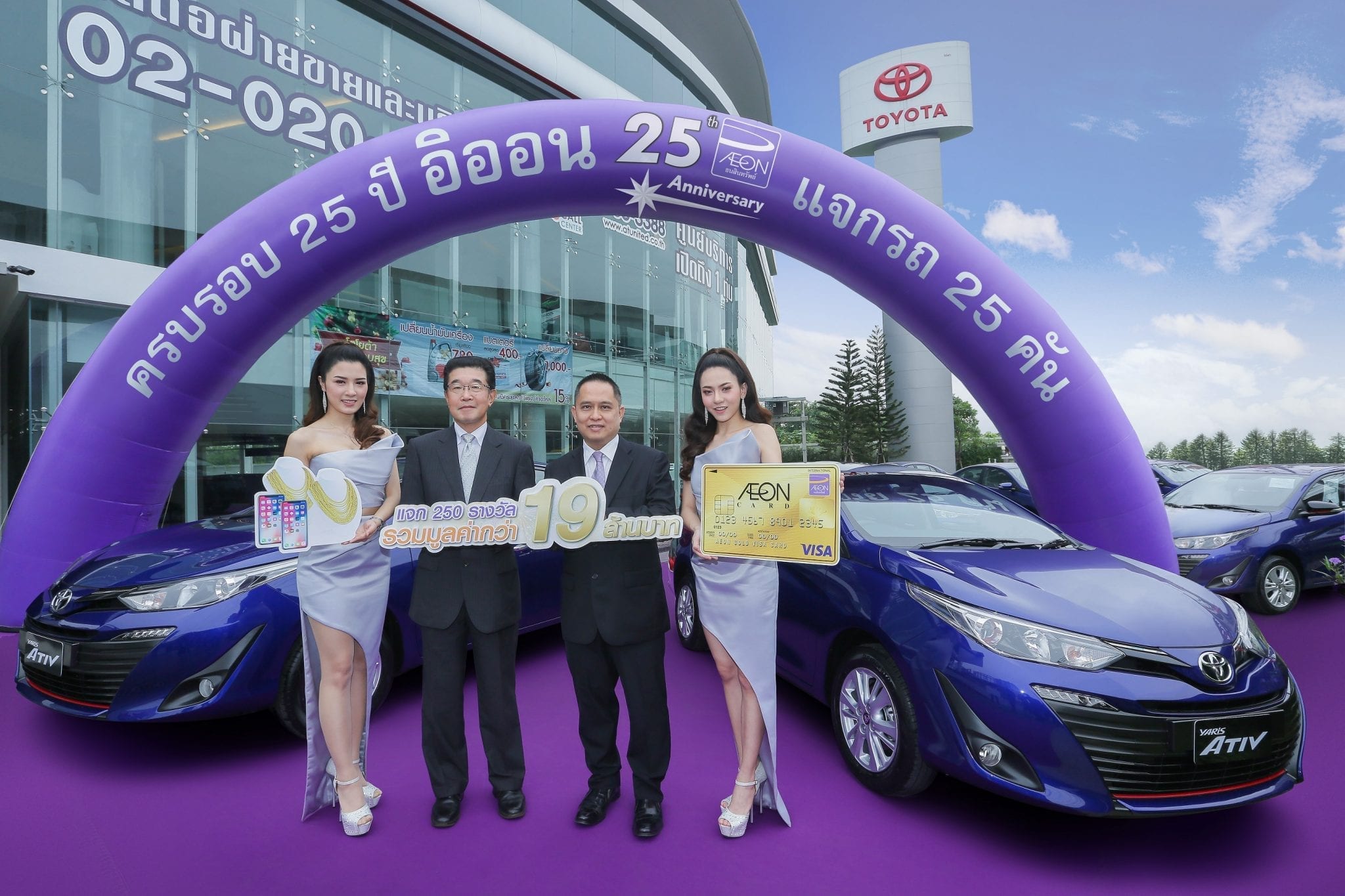
    Mr. Kiyoyasu Asanuma (2nd from left), Managing Director of AEON Thana Sinsap (Thailand) Public Company Limited, together with Mr. Nuntawat Chotvijit (2nd from right), Director of Marketing, AEON Thana Sinsap (Thailand) Public Company Limited, has announced a special campaign for its 25th Anniversary by giving away 25 Cars as prizes. To celebrate and thank to AEON cardholders for their support over 25 years, special prizes includes 25 Toyota Yaris ATIV 1.2 S, 25 iPhones X 256 GB, and 200 Fifty-Satang gold necklaces. There are a total of 250 prizes worth over 19 million baht.

    No register required, so customer eligible to join this campaign when AEON member card or credit cardholder spending, installment or cash withdrawal every 10,000 baht get 1 chance, new customer approved and active during promotion period or activate Your Cash function and withdraw cash as well as download and registration “AEON THAI MOBILE” application, will get X5 to win a prize. The special campaign will runs today until February 10th, 2018