Author: Mei Ling Tan

  • Decathlon Indonesia opens nation’s largest sports store

    Decathlon Indonesia opens nation’s largest sports store

    French sports equipment retailer Decathlon Indonesia has opened its first store, along Alam Sutera Boulevard in Tangerang City.

    Offering 2000sqm of retail space and 500sqm of community playground, it is the nation’s largest sports store. Before setting up the store, Decathlon Indonesia opened an e-commerce site.

    “In the next 10 years the local content in the store is planned to reach 50 per cent,” says Decathlon Indonesia CEO Jeremie Ruppert. “We believe the advancement of Indonesian industry can help us to localise Decathlon products with good quality.”

    He says the country’s landscapes, mountains and ocean access plus a love of sports activities ensure a potential market for the French brand.

    Founded in 1976, Decathlon has more than 1200 stores in more than 35 countries.

  • Customs service’s estimated revenue to double in 2018

    Customs service’s estimated revenue to double in 2018

    The estimated revenue of South Korea’s customs authorities is projected to more than double next year due to a surge in licensing fees for duty-free shops, a report said.

    According to the report by the National Assembly and related government agencies, the Korea Customs Service’s estimated revenue stands at 97.8 billion won (US$87.3 million) for 2018, up 118 percent from this year’s 44.7 billion won. The estimate includes fines, forfeits, additional charges and other income.

    The main reason for the sharp rise is an up to 20-fold increase in the licensing fees for duty-free stores, which accounts for 60.5 billion won, or 61 percent of the total.

    Last year, the government revised a related law to jack up the fee, which had been under fire for being too low and giving big favors to operators.

    Coveted by large companies, local duty-free shops had been called the goose that lays the golden egg before they took a big hit from a diplomatic row between South Korea and China over the deployment of an advanced US missile shield here in 2017.

    The government periodically selects duty-free operators after a close scrutiny of aspirants and has pledged to overhaul the selection system to root out any wrongdoing following irregularities during the government of ousted President Park Geun-hye.

    The sharp increase in licensing fees is said to have helped eliminate room for excessive favors but has come as a double whammy to duty-free shop operators hit hard by the tumble in the number of Chinese tourists.

    The missile defense row, which led to Beijing’s ban on group tours to South Korea, has dealt a harsh blow to local duty-free shops and department stores, as Chinese tourists were their key customers.

  • Sales plunge for Salvatore Ferragamo

    Sales plunge for Salvatore Ferragamo

    Asia Pacific, particularly China, was best dressed for Italian luxury brand Salvatore Ferragamo as it foundered overall in negative territory for the nine months to the end of September.

    Asia Pacific was its top market, with revenues growing by 2.8 per cent (3.5 per cent at constant exchange rates), despite softness in South Korea through significantly reduced tourism from China, and ongoing negative performance in Hong Kong.

    Meanwhile, says its consolidated interim report, China recorded 8.1 per cent retail grown (15.5 per cent at constant exchange rates) for the period, while there was a 6.7 per cent (4 per cent) drop in the Japanese market.

    Ferragamo says a strategic rationalisation of its wholesale channel saw revenues drop 0.8 per cent to €1 billion (US$1.1 billion), while overall retail revenue rose 1.2 per cent. The wholesale channel was also penalised by political tensions in South Korea and a strategic rationalisation in Japan.

    Its gross operating profit (EBITDA) fell by 25.1 per cent to €162 million, and its net profit by 28.3 per cent to €79 million.

    Footwear sales were down by 1.2 per cent, and handbags and leather accessories by 0.6 per cent, while fragrance sales were up 3.2 per cent.

    At the end of September, the group’s retail network comprised 687 points of sales including 407 directly run stores and 280 third-party outlets in the wholesale and travel retail channel, as well as its presence in department stores and multi-brand specialty stores.

    With a positive net financial position of  €100 million compared to debt of €18 million at the same time last year, Ferragamo says the current year is a transition period for the group which will see the introduction of strategic initiatives.

  • MoneyMax Holding More Ground Malaysia

    MoneyMax Holding More Ground Malaysia

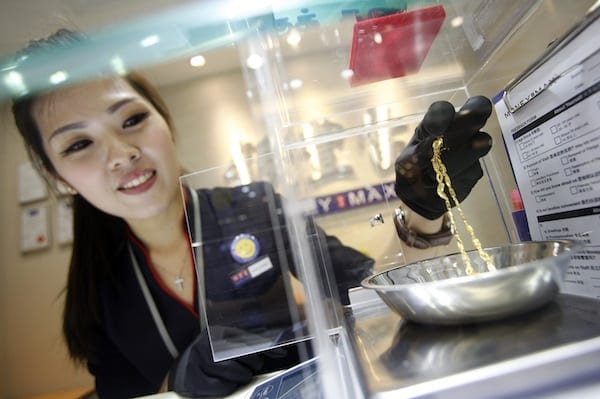
    Malaysian pawnbroker MoneyMax Financial Services – an offshoot of the Singapore group that specialises in pawnbroking, retail and trading in pre-owned jewellery, watches and branded goods – is buying into 13 pawnbrokers in Malaysia.

    It is acquiring interests in the traders from CMS Top Holdings for a consideration of RM56.6 million  (US$13.5 million) through its wholly owned subsidiary Cash Online. The transaction is being funded through internal resources and will underwrite expansion of its pawnbroking network in Malaysia.

    The target firms last year posted an aggregate net loss of about RM1.02 million, and have net tangible assets of about RM50.1 million.

    Separately, Chong Mei Sang, which established a JV with MoneyMax in 2014, will acquire about 1.96 million shares in the capital of each target company, including Pajak Gadai Bukit Gambir and Pajak Gadai Senai.

  • Koda is off to a flying start

    Koda is off to a flying start

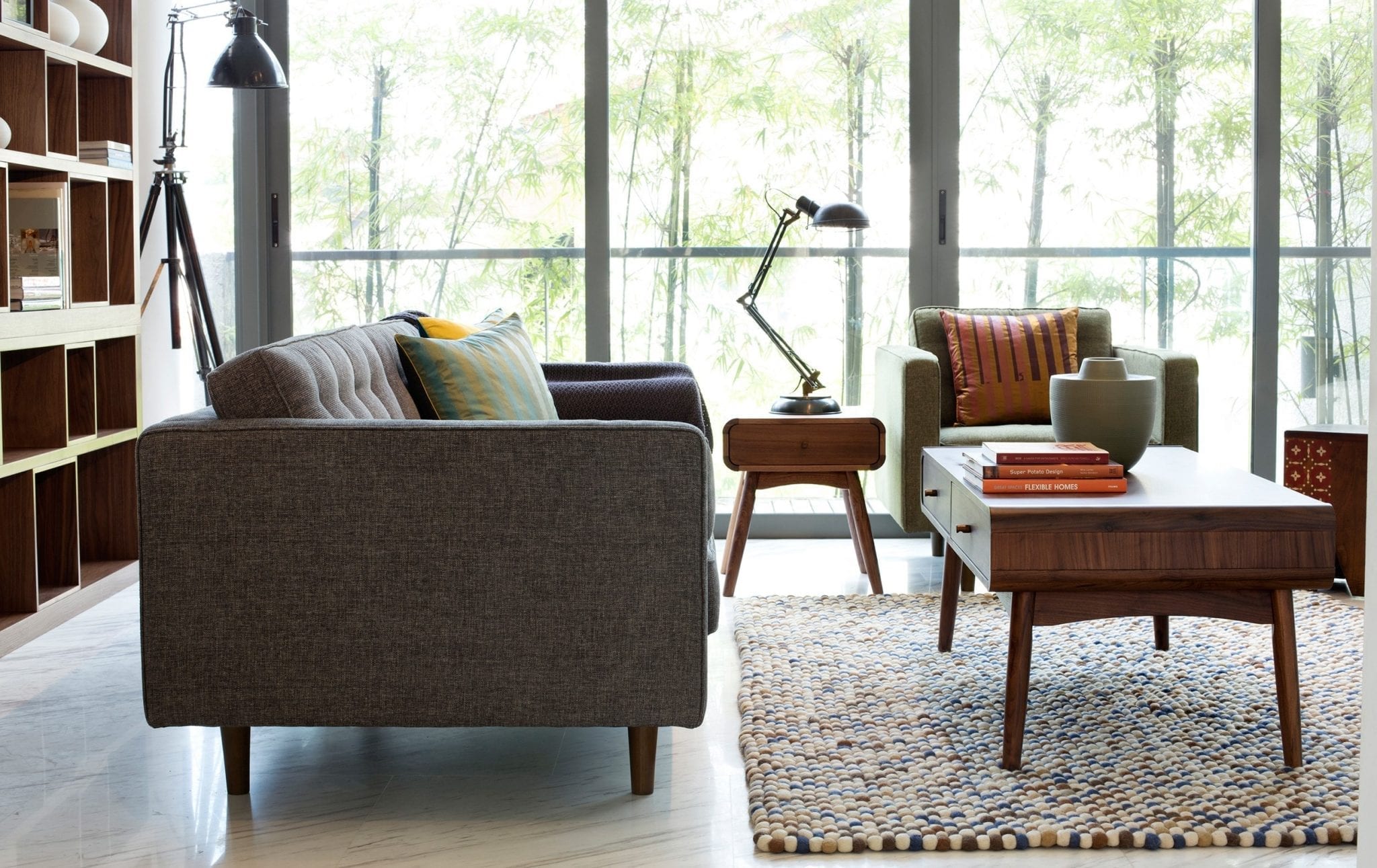
    Expansion in China of its in-house brand Commune has kickstarted the latest fiscal year for Singapore furniture group Koda.

    With seven more Commune stores on the mainland, coupled with rising exports, Koda’s first-quarter net profit jumped 64 per cent to US$1.4 million while revenue rose 4.5 per cent to $12.3 million.

    This, coupled with lower production costs, improved economies of scale and more efficient supply chain, lifted the group’s gross profit margin by 6.1 points to 34.5 per cent.

    At the end of the quarter on September 30, Commune had 50 outlets across Singapore, China, Malaysia and Australia, and says it is on track to setting up 100 outlets in China by 2020. Over the next 12 months, Commune will be rolled out in fresh markets within Asia.

    In China, Commune is seen as being different, even avant-garde, says Commune CEO Joshua Koh. “Commune’s growing appeal among younger home-owners gives us confidence to roll out more stores in China and elsewhere in Asia.”

    Founded in Singapore in 1972, Koda is an original design manufacturer that has production and sourcing bases in China and Vietnam, plus a specialist manufacturing plant in Malaysia. Established in 2011, Commune Lifestyle is a wholly owned subsidiary managed by the third generation of the founding Koh family.

  • Global Brands Group profit jumps high

    Global Brands Group profit jumps high

    Despite a slight revenue dip, Global Brands Group Holding has almost doubled its first-half operating profit.

    Its total margin continued its upward trajectory, increasing from 28.3 to 30.5 per cent, primarily because of sourcing optimisation.

    As a result of the increased total margin and lower running costs, operating profit for the period to the end of September increased by 94.1 per cent to US$80 million.

    However, revenue eased by 3.2 per cent year on year to $1.7 billion. The branded apparel, footwear and fashion accessories company says this was largely a result of a shift of retail buying to later in the year, as well as the anticipated end of the Quiksilver children’s fashion licence because of the company’s bankruptcy, and Coach taking its footwear business in-house following the expiration of its licence in June.

    “The global retail industry continues to experience a structural transformation, with consumers becoming progressively more powerful when it comes to defining their shopping experience,” says Global Brands CEO/vice-chairman Bruce Rockowitz. To meet ever-changing expectations, he says brands are increasingly looking to work with licensing partners such as Global Brands because of their product expertise, global platforms and multi-channel distribution networks.

    “The industry has seen a growing number of specialised brand investors continue to acquire brands, while looking to separate intellectual property (IP) ownership from brand operations.

    Global Brands has continued to benefit from this trend and has forged an increasing number of long-term licensing agreements with these IP owners.”

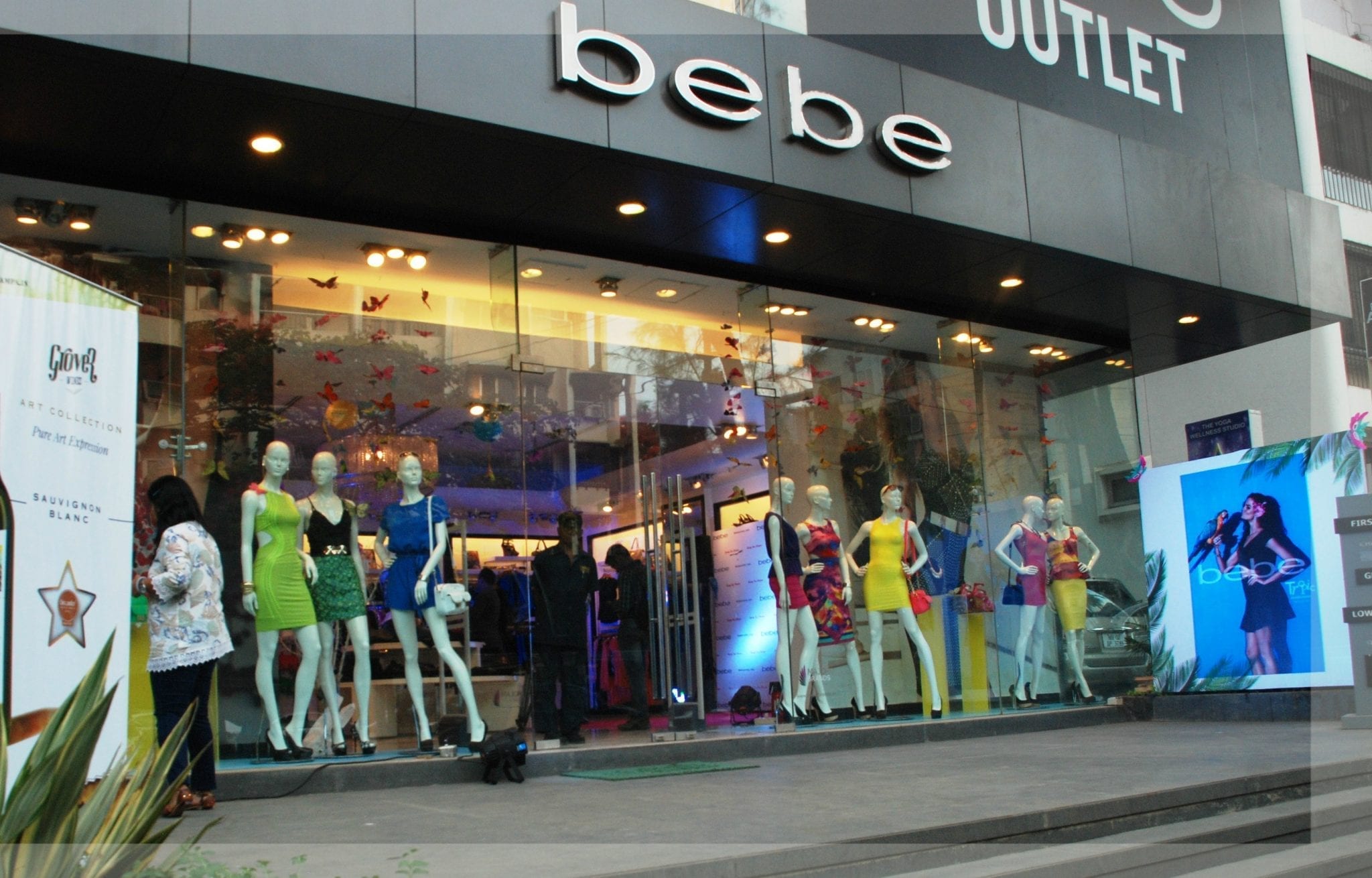
    During the reporting period, these notably included the BCBG and Bebe brands.

  • LG moving to acquire AI business

    LG moving to acquire AI business

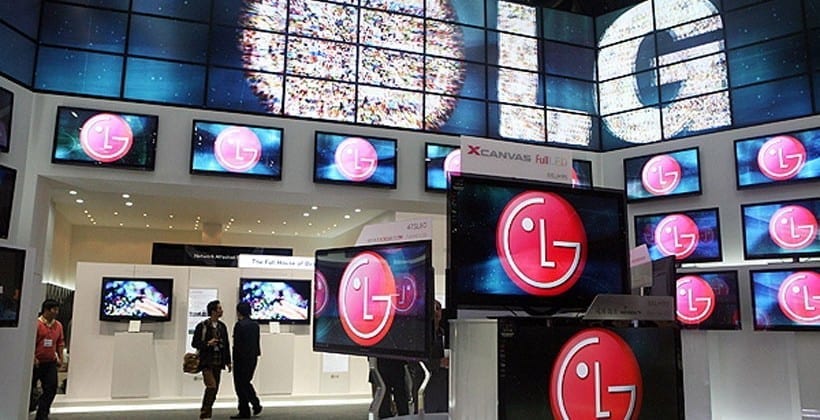
    As part of efforts to expand its smart home business, LG Electronics will double its investment by 2020 including mergers and acquisitions of promising artificial intelligence tech firms, said Song Dae-hyun, head of the company’s home appliance and air solutions division.

    At a press conference held at a hotel in Berlin, Song said LG would spare no efforts to boost its smart home business and continue investing to acquire AI and Internet of Things technologies.

    “As for the AI business, inorganic growth would be more effective,” Song said.

    “LG officially seeks to acquire some AI companies. But so far, many acquisition projects fell apart due to market conditions,” he continued.

    “LG is aggressively looking for a good AI company,” he added.

    Song visited the German capital to meet with major European clients and check out latest tech trends at the IFA 2017.

    “LG was the first to add Wi-Fi to all of the home appliance lineups this year. Based on connectivity, the company will try to bring value to consumers by establishing a smart home ecosystem pivoting on AI, IoT and robotic technologies,” he said.

    Recently, LG has been increasing partnerships with Google and Amazon to apply the two IT moguls’ voice recognition platforms to LG products for global consumers.

    “We do have our exclusive voice technology, but we apply the Google and Amazon technologies in order to allow consumers to conveniently use LG products with what they prefer to use,” Song said.

    “We are now working with Google to take advantage of its database accumulated through its search engine. But we are also continuing to develop our DeepThinQ AI platform at the same time,” he added.

    The CEO added robots would be a major pillar of the smart home business.

    “We are nearing commercialization of robots. We receive orders for robots from various industries, such as shopping malls and libraries,” he concluded.

  • When tech meets beauty to create skin solutions

    When tech meets beauty to create skin solutions

    In 2013, L’Oréal Group, one of the world’s top cosmetics makers, launched an advanced skin care system for cleaning and firming for Korean women, who are known for their intensive skin care routines.

    Since then, global electronics makers, including Philips, Panasonic and Toshiba, and South Korea’s big two cosmetic firms — AmorePacific Co. and LG Household & Health Care Ltd. — have all launched various skin care gadgets.

    Their introduction of innovative beauty products comes as the niche market is expected to grow even more, with tech-savvy consumers being more willing to use them on their skin.

    According to P&S Market Research, the global beauty devices market is likely to grow from US$27.8 billion in 2016 to US$94.3 billion by 2023.

    “Introduction of new beauty devices, increasing utilization of electronic beauty devices and rising inclination of consumers towards easy to use at home beauty devices are some of the major trends observed in the global beauty devices market,” the New York-based market researcher said in a report.

    “Increasing prevalence of skin diseases, growing aging population, increasing hormonal disorders and high disposable income are some of the major factors driving the growth of the global beauty devices market,” it added.

    Eyeing potential in the market, South Korea’s tech giants have started to showcase new beauty technology as they see more consumers seeking convenient ways to maintain themselves.

    In September, LG Electronics Inc. launched its “LG Pra.L” beauty appliance lineup, showcasing four items — the Derma LED Mask, the Total Lift-up Care, the Galvanic Ion Booster and the Dual-Motion Cleanser. Their price tags range from US$200 to US$700.

    Its LED mask and lift care use high-frequency LEDs and microcurrents to improve skin tightening. Its booster helps cosmetics penetrate deeper into the skin, and the cleanser is capable of washing skin 10 times better than conventional methods, the company said.

    “The home beauty business was born with a vision of applying artificial intelligence and big data technologies to the market,” Seo Young-jae, a senior official from LG Electronics’ home appliance division, said in a launch event. “Data is a crucial part of the cosmetics industry.”

    Samsung Electronics Co., the world’s largest smartphone manufactuer, has introduced two devices that analyze users’ skin and offer solutions for any issues they might have.

    During a Consumer Electronics Show (CES) in Las Vegas in January 2017, Samsung’s Creative Lab unveiled S-Skin, a home skincare and analysis solution, and Lumini, a portable device that checks your skin to identify and prevent skin problems.

    Lumini and S-Skin can scan skin for issues such as dryness, blemishes, excess sebum, wrinkles and more. Both devices send users’ information to corresponding smartphone apps that will offer solutions, products, and even recommend dermatologists that they can chat with in the app.

    “The gadgets will take a picture of the whole face and will analyze the skin condition immediately, and even track the history of wrinkles,” said Lee Sang-myung, a public relations officer at Lumini, which spun off from Samsung Electronics in May. “We plan to launch the product in the first quarter of 2018, first targeting cosmetic shops and skin care clinics.”

    While some devices promise an “instant” or “dramatic” effect on the skin, dermatologists say careful application is needed to use products that utilize lasers or certain forms of light because they could damage skin if used improperly.

    “Dermatologists have used blue lights to kill acne-causing bacteria for years,” No Do-gyun, a dermatologist in Seoul, said. “But even medical-grade red lights may not drastically improve wrinkles. They’re best for calming inflammation. Those with sensitive skin should use home beauty devices carefully, especially laser or light gadgets.”
  • Moncler to end their high-end brands

    Moncler to end their high-end brands

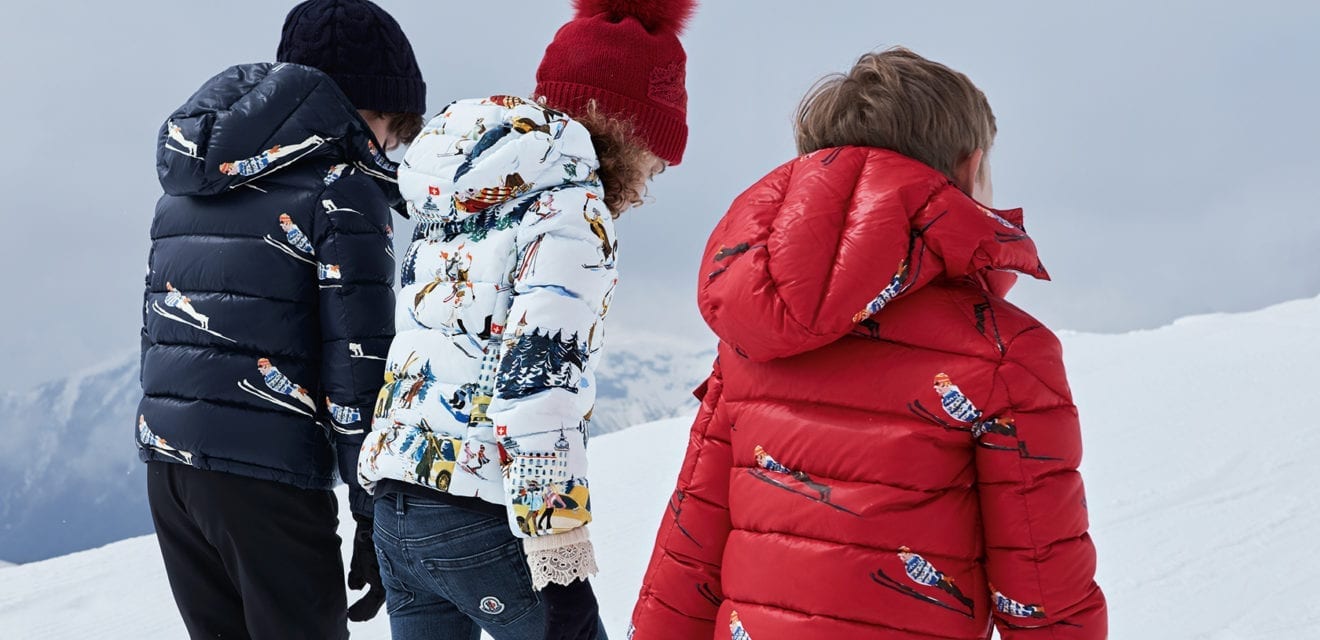
    Luxury puffer jacket maker Moncler announced on Monday it has ditched its two high-end secondary brand names, Moncler Gamme Bleu and Gamme Rouge, as well as saying goodbye to the their respective creative directors.

    “The group must vary and open up towards different horizons,” Chief Executive Remo Ruffini said in the statement from the brand.

    Moncler confirmed the end of its ready-to-wear catwalk collections Gamme Rouge and Gamme Bleu, meaning the high-end outfits would no longer take part in the Paris and Milan fashion shows in 2017.

    Moreover, fashion designers Giambattista Valli and Thom Browne will leave the brands to work on their own namesake brands, said Moncler.

    With the launch of a Milan flagship store last month, Moncler stores will become venues for more frequent launches of new designs, Ruffini told the Financial Times, in an interview.

    Without signalling more future plans, the move looks to increase Moncler’s digital strategy with a focus on Instagram-worthy events, as more digital-savvy fashion buyers emerge worldwide.

    A recent report on the luxury goods’ sector by global consultants Bain, found a huge percentage of growth – 85% – in the luxury goods market was coming from the younger generation.

    For the nine-month period ending September 30, Moncler posted a higher-than-expected 15 percent rise in total sales, adding it was working on “important projects.”

    The group’s 2016 sales topped 1 billion euros ($1.16 billion) and it expects further growth this year.

    Founded in the 1950s as a traditional skiwear brand in the French Alps, Moncler has gone on to establish itself as fierce fashion house. It was taken over by Ruffini in 2003 and then launched on the Milan stock market in December 2013.

  • MMUK to “make history” with first men’s make-up store

    MMUK to “make history” with first men’s make-up store

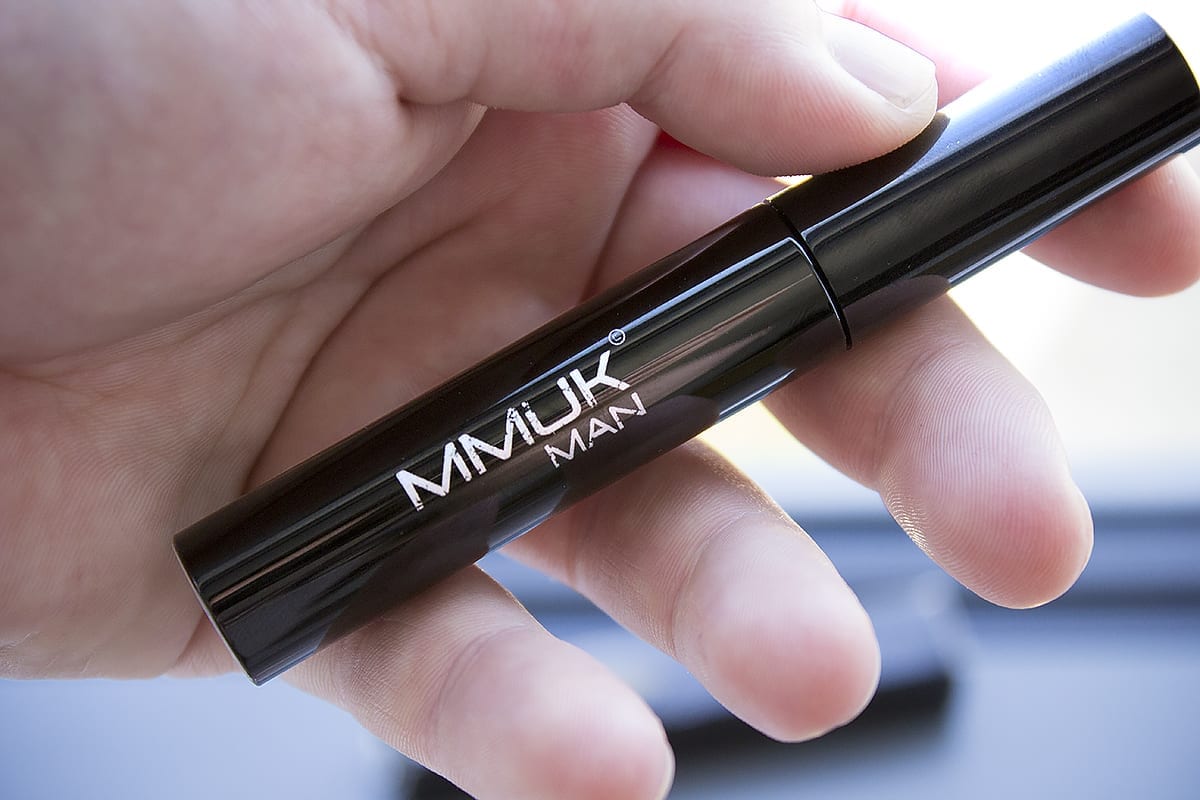
    Online make-up brand MMUK MAN has decided to make its first foray into brick and mortar retail by opening of the UK’s first make-up store for men, according to GlobalData.

    The brand has been one of the first ones to enter the nascent male make-up realm and made headlines earlier this year when it announced a deal to take its products into the mainstream market via Asos.

    10 MMUK products are now available on Asos, ranging from concealer and brow gel to ‘manscara’. While they were previously available online prior to this, the deal with Asos marked a step forward towards normalizing male beauty products in the marketplace and at a wider, societal level.

    And the new store will contribute to driving growth in the industry by providing a platform for consumers to interact, test and engage with products in real life, said GlobalData.

    “This development is indicative of a changing consumer landscape. Male cosmetics have traditionally only appealed to small niche groups. However, driven by the individualistic mindset of the millennial consumer in particular, the male grooming industry is seeing something of a revolution,” commented Lia Neophytou, Consumer Analyst at the data and analytics company.

    MMUK is tapping into a market that is ripe for growth, with 25% of European males willing to increase the number of products they use in their beauty/grooming routine to improve their appearance, according to research by GlobalData.

    And the launch of its first physical store could become a major catalyst for growth in the industry. “Both innovative products and effective marketing strategies are key in promoting the male beauty industry. However the availability of male beauty products in physical stores is an emerging opportunity that beauty manufacturers worldwide should tap into and will gain traction, particularly as the social barriers to wearing cosmetics and make-up among men continue to break down,” said Neophytou.

  • AW Lab Singapore to open in Suntec City

    AW Lab Singapore to open in Suntec City

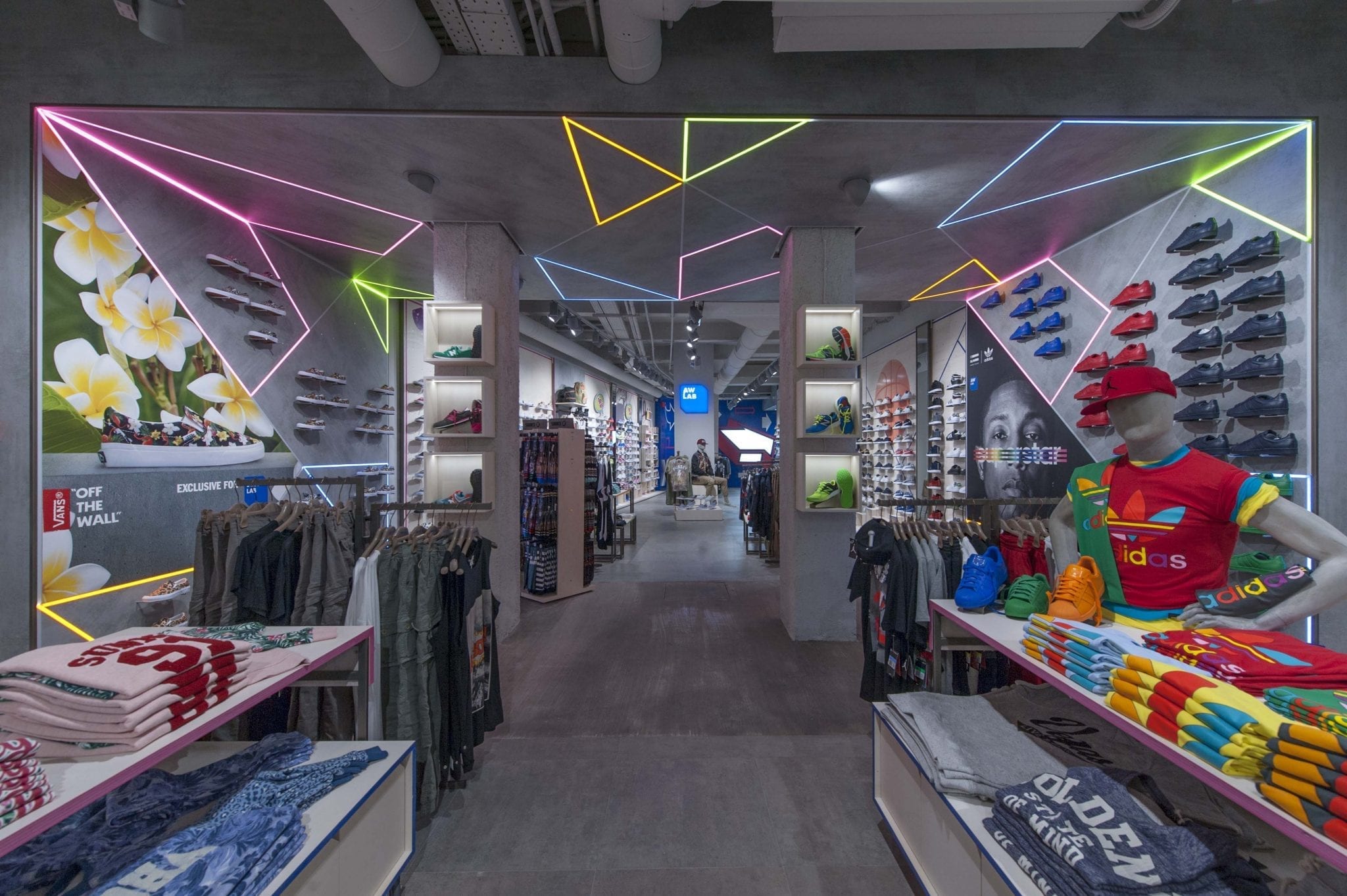
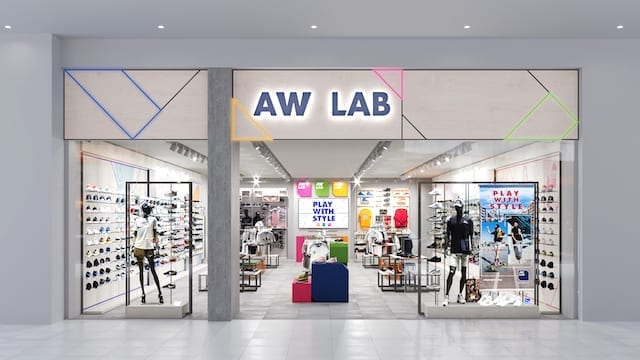
    AW Lab Singapore has opened a store in Suntec City, the first brick-and-mortar outlet in Asia Pacific for the Italian sports apparel retailer.

    Covering 2630sqft (240sqm), the store has a futuristic concept that invites young people to “play with style”. Whited out from floor to ceiling with blocks of bright colours, the outlet features ultra-sleek shelving and bright, stark lighting to present footwear from such brands as Adidas Originals, New Balance, Nike and Vans.

    Galvanised-steel racks are stocked with apparel from brands like Jordan and Under Armour, as well as AW Lab’s own fashion and street apparel labels, Down Up and Two of a Kind.

    The store also offers exclusive collaborations and limited-edition sneakers.

    “We have trust in the commitment and planning of the team to tap into the market’s potential, and it is high time we focus our attention here,” says head of Asia Giuseppe Nisi of AW Lab, which has opened more than 200 stores across Italy and Spain in its first three years.

    “Singapore has always offered its own style, and sometimes the best way to explore a city is simply to walk the streets,” he says. “That’s what we’ve always envisioned for AW Lab – to let the people define their own style while keeping it playful and exciting.”

    AW Lab is known for its exclusive collaboration collections with brands such as Adidas, Champion and Puma, and in Singapore will be releasing several special sneakers and collaborations in the coming months.

  • Anticipating your customers reaction to the launch of Amazon in Australia

    Anticipating your customers reaction to the launch of Amazon in Australia

    The Amazon juggernaut is coming to change Australian retailor so they say. There is also lots of conjecture over what their offering will be? What is their strategy? And how will they deliver it to the Australian consumer?

    A great deal of debate, conjecture and for some, abject fantascism and equally many opinions are somewhat isolated from the opinion that ultimately matters most – being the customer

    So, we decided, within our insights division at Retail Doctor Group, and supported by our partners at Lightspeed, to ask a wide range of Australian retail customers about Amazon.

    What do our customers think about this launch? What will their reaction be?

    Awareness of the Amazon brand was high however, the results also uncovered the lack of knowledge around what the Amazon proposition really is, with 38 per cent of Australians reporting not to be aware of the upcoming launch of Amazon, surprisingly millennials were even less aware.

    Retailers where naturally 100 per cent aware.

    Dig a little further into the fuller Amazon model and we see even less Australian consumer awareness.

    Knowledge of Amazon Prime was murky for consumers when asked to define it, with 24 per cent thinking TV streaming, 15 per cent thinking delivery subscription and a whopping 47 per cent admitting they’re not sure. Likewise, Alexa hadn’t been heard of by 65 per cent of respondents and only 27 per cent knew it was artificial intelligence.

    So, the process begins in earnest for Amazon to educate and convert customers, as all retailers need to do on an ongoing basis,

    Security, trust, fulfillment, value add, community build and experience are the currencies of competition with Amazon. As retailers, focus on improving service offerings, simplifying order processes, accelerating the speed to customer while still retaining a focus on quality.

    Only 22 per cent of consumers think Amazon will change their shopping behaviour. For those unlikely to shop at Amazon, the barriers were around a physical element as 33 per cent like to see, touch and feel the product before buying and 28 per cent prefer the shopping experience in a store.

    This confirms what we already firmly believe, that building a one channel retail ecosystem is key to customer loyalty, as we like to say “Interaction before transaction”. Retailers should be dialing up their in-store experience and emotionalising their brand attributes to build their customer connection and loyalty.

    During our recent event we asked some of the country’s most influential retail leaders some of the same questions we asked the consumers.

    Interestingly, we saw that retail professionals think 97 per cent of their customers are likely to start shopping at Amazon post Australia launch versus only 57 per cent of consumers who report this intention.

    Trust was a key area of difference between consumer and our retail leaders’ opinion.

    93 per cent of the retail professionals said Amazon was a brand consumers trust, whereas consumers themselves rated this at 58 per cent.

    Building your customers trust is key to customer loyalty, ensure you know everything about your customer. Knowing how to connect to them on an emotional level with strengthen their loyalty to your offering and brand.

    During these times, it is imperative to understand consumers to better build quality strategy

    The real risk lies with not understanding the changing customer needs and how to fulfil these, rather than Amazon itself.

    The world of retail is changing and as retailers we must keep up, but how can we realise this change if we do not understand our raison d’être, our customer.

  • Stuart Weitzman taps Gigi Hadid for footwear range

    Stuart Weitzman taps Gigi Hadid for footwear range

    Supermodel Gigi Hadid has partnered with Stuart Weitzman on two exclusive footwear styles for launch this fall.

    Hadid, face of the F/17 ad campaign has created the Eyelove and Eyelovemore ranges, pointed-toe mules which represent the first project for Stuart Weitzman’s new creative director Giovanni Morelli.  With hadid, he modified an existing brand silhouette to “reflect her sleek style and strong affinity for the mule”.

    Hadid says she was inspired by her personal connection to the mystical symbol the “evil eye” in creating the Eyelove, which comes in ballet suede and deep indigo suede. Reflecting her minimalistic design aesthetic, the shoes feature one “evil eye” symbol on just the right foot of each silhouette.

    The Eyelovemore, available in frosted suede, illustrates her playfulness with its bold multi-eye pattern on both shoes.

    Morelli says Hadid’s designs easily transition from season to season – the inside of each toe-box is lined with shearling. Packaged in a signature Gigi Hadid box with a matching dust bag, the shoes are available exclusively at Stuart Weitzman retail locations and global websites as well as Moda Operandi and Lane Crawford in Hong Kong, Singapore and Mainland China.

    “I’ve really been into slides lately and wanted a pair that can take me into fall… no more cold toes!,” exclaimed Hadid. “The evil eye is a powerful symbol meant to protect those who wear it from negative energies. It’s emotionally comforting and beautiful and captivating to look at. The bright colors are fun and remind me why we designed these shoes – they represent our commitment to build three additional schools with Pencils of Promise. Look Good, Do Good.”

    A short film The Season for Loving, starring Hadid, will kick off the Gigi Mule’s global retail debut on the brand’s online store. The film was directed by Cameron Duddy – a music video director who has worked with Bruno Mars and Jennifer Lopez, and bassist of country trio Midland. The film combines beautiful cinematography with edgy color treatments and strikes a perfect balance between the real and surreal – all while showcasing the shoes.

    Stuart Weitzman is part of the Tapestry Group, formerly known as Coach.

  • Shiseido Group brand role for Felicity Jones

    Shiseido Group brand role for Felicity Jones

    Academy Award-nominated English actress Felicity Jones has been appointed the new face of the Shiseido Group’s luxury skincare and cosmetics brand Cle de Peau Beaute.

    Her debut will be in a campaign to launch in January shot by British photographer David Sims.
    “Felicity is aspirational, yet highly relatable, which makes her the ideal face of Cle de Peau Beaute,” says brand director Yukari Suzuki. “She embodies the brand’s DNA: intelligent, uncompromising and exquisite.”

    Jones is best known for her role opposite Eddie Redmayne in James Marsh’s The Theory of Everything, which saw her nominated for four awards. Most recently, she led the cast of Rogue One: A Star Wars Story. The Oxford-educated actress stars next in the title role of a Ruth Bader Ginsburg biopic, On the Basis of Sex, focusing on the Supreme Court justice’s career struggles fighting for equal rights.

    “It’s important to me that my values align with any brand I’m affiliated with,” says Jones. “Cle de Peau Beaute made it clear they approached me because of my principles and dedication.”

    Her spring/summer campaign was shot over two days in London and will be featured globally in print and online, and Jones will attend exclusive launch events internationally.

    Cle de Peau Beaute means “the key to skin’s beauty”, and the Japanese brand is available in 13 countries including China, Hong Kong, Indonesia, Malaysia, Singapore, South Korea, Taiwan, Thailand and Vietnam.

  • Target US is recovering, slowly

    Target US is recovering, slowly

    With both total and comparable sales in positive territory, the latest results from Target US are undoubtedly another step in the right direction.

    Unfortunately, the pace at which the company is moving is slow, as attested to by the modest 0.9 per cent increase in same-store sales. It has also cost the company a great deal to travel even this short distance, with both operating profit and net income down sharply over the prior year. Sales reached US$16.67 billion in the quarter.

    All of this raises two questions. Is Target US on the right track? And, is the effort and expense of the company’s turnaround worth the potential reward? The answer to both queries is yes, albeit with some reservations.

    On the expense question, it is a fact that no retailer of Target’s scale and size can implement a quick turnaround in today’s retail market. The process of reinvention takes time, effort and money – all of which have to be expended before any eventual rewards are reaped. In Target’s case, pressure on the bottom line has come from increased staffing costs, lower prices, and improvements to stores and products. In our view, these things should not be seen as costs, but as investments in the future of the company. Without them, Target’s future would be bleak.

    The second question flows from this. If Target US needs to invest, is its current strategy going to deliver? Over the past few months, GlobalData Retail has undertaken extensive analysis on Target’s reinvention process, visiting new and refurbished stores, analysing sales patterns, surveying shoppers, and talking to staff. From this, we conclude that Target is making the right moves. However, we also recognise that there is room for improvement.

    One of the most significant blocks of investment is that directed at store refurbishment. Here, Target is completely reinventing the in-store experience by creating a more open format with improved visual merchandising and a more logical layout. Decor, fixture design, lighting, and signage are also being upgraded. The early results of this process are positive. A store like Talking Stick in Arizona has gone from being a dingy, down-at-heel shopping experience to an attractive, modern space which is pleasant and comfortable to shop.

    GlobalData Retail’s customer survey responses show shoppers have both recognised the transformation and are positive about it. Customer satisfaction for Talking Stick customers, for example, rose significantly after the conversion. Metrics like frequency of shop, amount of time spent in the store, and average basket size are all rising. However, they are doing so at a gradual pace which suggests the return on the improvement expense will only accrue over time. This is one of the reasons why store only comparables increased by a meager 0.1 per cent, with the rest of the increase coming from the digital operation.

    Brand direction

    Just as store improvements have been welcomed by customers, so too have Target’s new own brands. In apparel, Goodfellow & Co and A New Day are gradually attracting the attention of younger, fashion-conscious shoppers and clearly Target is starting to see better clothing sales as a result. However, this process is gradual: it is taking time to persuade people who have never bought clothing at Target to look again at the offer.

    One slight concern with the new brands is the execution in store, especially for the Project 62 home label. As much as the styling and positioning are solid, the assortment available in most shops is limited, and the way in which it is merchandised is poor. It is almost as if Target lacks the confidence to push this range heavily. Target needs to be bolder with these new brand assets if it is to attract more customers and improve sales.

    Pricing has been another area of expense, especially on the grocery side of the business. As much as this has helped to drive some sales, Target still lacks a comprehensive food strategy. This part of the operation will not see significant traction until Target comes up with much clearer points of differentiation – something that appears to be a long way off.

    As much as Target is making progress, we believe it needs to be bolder and more creative. Many legacy issues, such as a lack of stock control which leaves frequent gaps on shelves, also need to be resolved.

    All that said, the company is now in a much stronger position than it was at this time last year which bodes well for the holiday quarter and beyond.