Author: Mei Ling Tan

  • China faces waste hangover after Singles’ Day buying binge

    China faces waste hangover after Singles’ Day buying binge

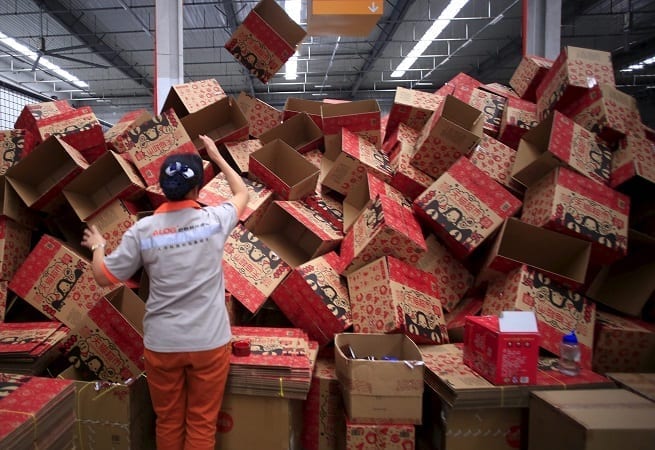
    China’s Singles’ Day online discount sales bonanza on Saturday saw bargain-hungry buyers spend over $38 billion, flooding the postal and courier businesses with around 331 million packages – and leaving an estimated 160,000 tonnes of packaging waste.

    The annual Nov. 11 buying frenzy is a regular fillip for giant online retailers like Alibaba and JD.com, but the mountains of trash produced from just one day of conspicuous consumption have angered environmentalists.

    “Record-setting over-consumption means record-setting waste,” said Nie Li, toxics campaigner at Greenpeace, which estimates this year’s orders will produce more than 160,000 tonnes of packaging waste, including plastic, cardboard and tape.

    Total sales from Singles’ Day hit 254 billion yuan ($38.25 billion), with 1.38 billion orders placed, state media reported. Around a quarter of the total sales involved household electric devices or mobile phones.

    China’s State Post Bureau (SPB) said postal and courier companies are having to deal with at least 331 million packages, up 31.5 percent from last year.

    Greenpeace described the annual promotion as a “catastrophe for the environment” that not only creates waste, but leads to a surge in carbon emissions from manufacturing, packaging and shipping. In a report published last week, it estimated that total orders last year produced 52,400 tonnes of additional climate-warming carbon dioxide.

    E-commerce firms have drawn up measures aimed at solving the problem, and aim to replace cardboard boxes with reusable plastic ones that courier companies can share. They have also experimented with biodegradable delivery bags and tape-free boxes, but Nie said the efforts were still not enough.

    “China’s online retail giants have taken few real steps to reduce delivery packaging waste,” she said. “Ultimately, packaging that we throw out after one use is not a sustainable option.”

    A spokesman for JD.com said it is “continually improving ways to better reduce waste and pollution” and, among other measures, aims to raise the proportion of biodegradable materials in its packaging materials to 80 percent by 2020.

    Alibaba’s Cainiao logistics arm said in emailed comments that it had launched initiatives aimed at minimising its environmental impact. “We are committed to work closely with different stakeholders to protect the environment and contribute to the sustainable development of the industry,” it said.

    MOUNTAINS OF WASTE

    China’s packaging waste problems are not confined to Singles’ Day.

    Official data shows China’s courier firms delivered around 20 billion orders in 2015, using 8.27 billion plastic bags, 9.92 billion packing boxes and enough sticky tape to go around the globe more than 400 times.

    Overall deliveries continue to surge, with the number of packages expected to hit 50 billion next year, up from 30 billion in 2016, according to forecasts by the SPB.

    But even that’s only a small part of China’s mounting waste problem, with large sections of the country’s soil and water contaminated by untreated industrial, rural and household trash.

    With China’s major cities producing around 2 billion tonnes of solid waste a year, they are already surrounded by circles of landfill known in Beijing as the “seventh ring road”.

    China has also struggled to finance the infrastructure required to handle surging volumes of discarded white goods, consumer electronics and batteries.

    Despite massive production volumes that have left the country dependent on imported raw materials, overall recycling rates in industries like steel, glass or textiles remain way behind their international counterparts.

    On top of that, China has only just started to impose restrictions on imported waste, which stood at 47 million tonnes in 2015.

    Recycling of foreign and domestic trash was traditionally handled by migrant workers, known as “scavengers”, who ripped apart discarded goods in back-street workshops.

    But rising economic prosperity means fewer people seek to make a living recycling waste, and tougher environmental regulations have forced small-scale recyclers to close.
  • Black Friday bargain hunting to benefit more than just retailers

    Black Friday bargain hunting to benefit more than just retailers

    Worldpay, a global leader in payments, has predicted that Black Friday and Cyber Monday mania will continue this year, but with a wider range of businesses expected to get in on the online action. Although the shopping event has traditionally been the realm of US retailers, the shopping event grew by 29% in Asia Pacific last year.

    Despite forking out $17.8bn on China Singles Day, Chinese consumers were still hunting Black Friday bargains, with overall spending on the day up by 37% compared to the previous year. The event is also growing fast in Singapore and Hong Kong, at a rate of 21% and 32% respectively.

    While retailers are among the biggest Black Friday winners, new data from the payments processor suggests this year could also be a great opportunity for savvy APAC businesses in the travel and digital sectors. In Singapore, spending with travel & airlines was up 20%3 compared to 2015. And in Hong Kong, travel and airlines saw a 30%4 surge, with eager travellers jumping online to search for great flight and hotel deals.

    Shoppers are also increasingly seeking out bargains for digital content such as subscriptions, e-books, and on-demand box sets, with Black Friday spending in this sector experiencing year on year growth of 62%5 in Hong Kong and 14%6 in Singapore.

    Phil Pomford, General Manager for Asia Pacific at Worldpay said based on the data, 2017 seems set to be another solid year for the shopping event and a fantastic opportunity for a variety of e-commerce businesses, not just retailers.

    “While Black Friday and Cyber Monday have typically been the realm of retailers, a more diverse range of businesses are now recognising that they too can take can take advantage of this unique online opportunity. Shoppers during this time are highly engaged, proactive, and looking for a wide range of online deals, so the potential to reach new customers and strengthen brand loyalty is huge, no matter what sector you operate in.

    “E-commerce businesses should ensure they set themselves up for success by making sure their websites are prepared for heavy traffic and offer simple payment options to drive shopping cart conversions online. They might also consider following the example of US retail giant Amazon and kickstart Black Friday deals a week early in order to generate excitement early on.”

  • Kerry Logistics Named Care & Positive Work Environment of the Year at Supply Chain Asia Awards 2017

    Kerry Logistics Named Care & Positive Work Environment of the Year at Supply Chain Asia Awards 2017

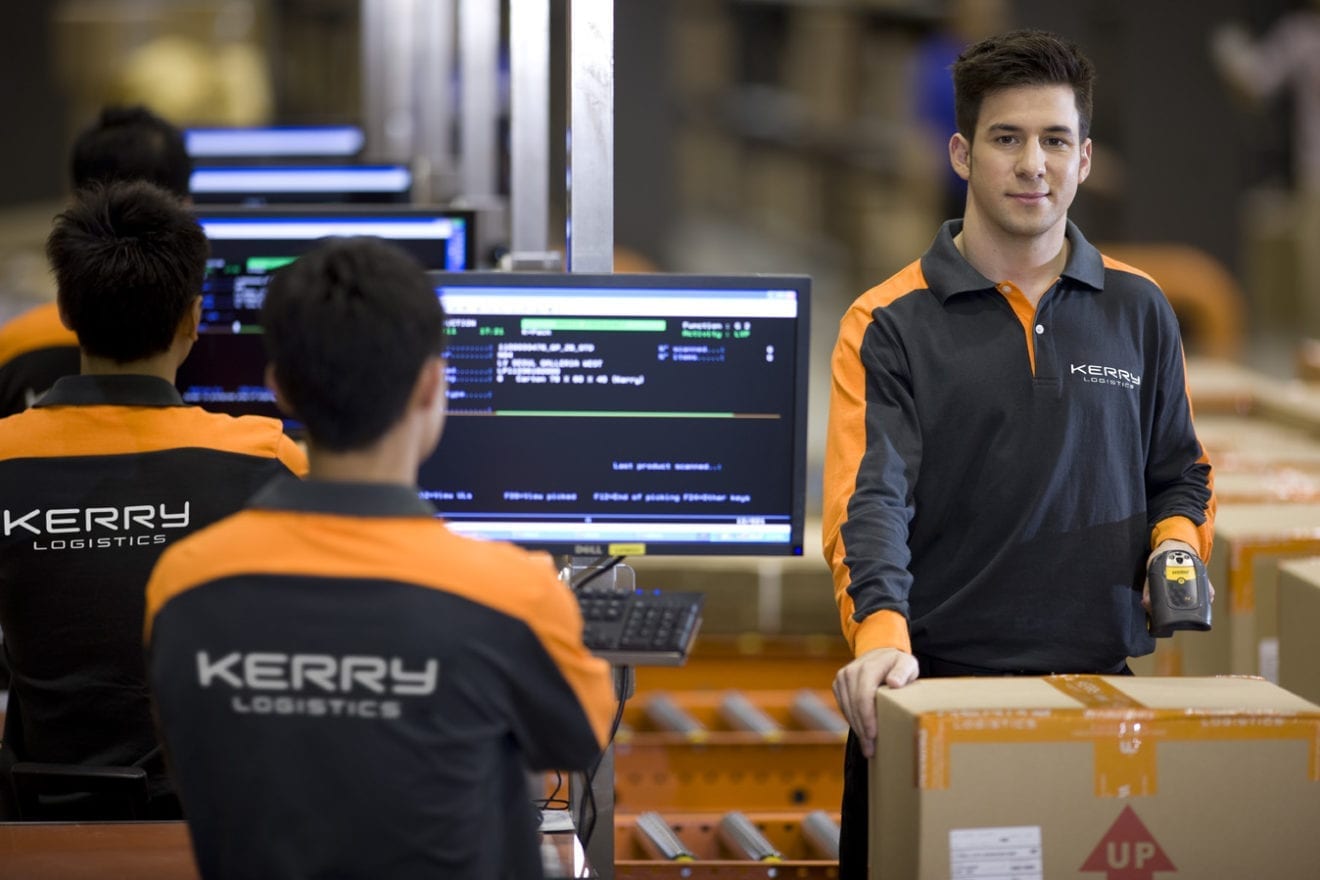
    Kerry Logistics Network Limited was named Care & Positive Work Environment of the Year at the Supply Chain Asia Awards 2017 (the ‘Awards’) in Singapore.

    Kerry Logistics was commended for its commitment to creating value for its employees through rewarding careers, an embracing workplace, and a healthy work-life balance. As the Group continues to expand, it will constantly invest in people development and recruit industry professionals as well as young talents of different cultures to build a winning team.

    Robert Tan, Managing Director of South and Southeast Asia, Kerry Logistics, said, “The esteemed award is a testament to our dedication in nurturing the growth of our staff. We are thankful for the trust and support our customers, business partners, and the entire staff force have put in us. We will continue to meet the needs of our stakeholders by holding the best business practices in pursuing business development.”

    Organised by Supply Chain Asia magazine (‘SCA’), the annual Awards celebrate businesses and industry practitioners for their distinguished contributions in the supply chain and logistics industry. Winners must be nominated by SCA readers, community members as well as the Awards Committee. The Awards are managed by an independent team of judges and the process of voting and counting is supervised by an Ernst & Young team.

  • Joyce Boutique loses more from stagnant market

    Joyce Boutique loses more from stagnant market

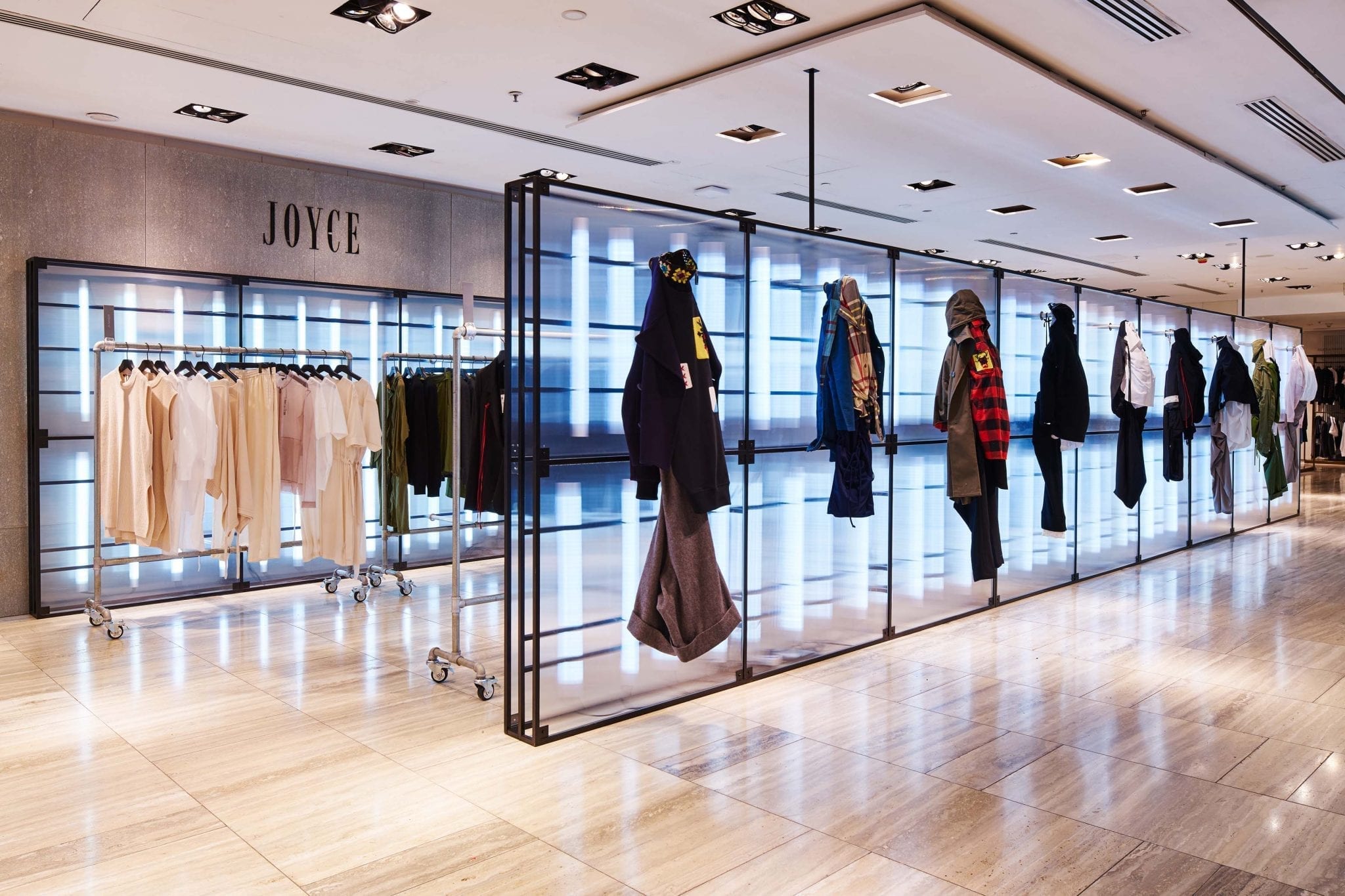
    A stagnant luxury market has made it a tough half-year for fashion retailer Joyce Boutique Holdings, its interim results showing an HK$28.1 million (US$3.5 million) net loss.

    This follows a HK$16.6 loss for the same period last year.

    The group says its results were also impacted by low visitor traffic from Mainland China as well as the closure of shops in the previous financial year. This was mitigated by the inclusion of a $5.8 million write-back of an “onerous contract provision” made for the Joyce shop at Shanghai IAPM plus the savings in running costs.

    Turnover dropped by 19.4 per cent to $386.7 million for the six months. Gross margin also fell by 1.5 points, mainly a result of a higher number of warehouse outlet sales during the period.
    Hong Kong turnover dropped by 15.8 per cent and accounted for 88.7 per cent of group turnover.

    The division pushed out its operating loss from $8.5 million the previous first half to $27.2 million, primarily caused by the decline in turnover coupled with the drop in gross margin.

    With difficult trading conditions and the closure of loss-making shops in previous year, China turnover dropped 40 per cent, but with cost efficiencies and the contract write-back, the division managed to make an operating profit of $1.6 million, a turnaround from a $6.9 million loss for the same period last year.
    Loss contribution from the Marni JV business increased from $400,000 to $600,000, mainly because of a drop in turnover.

    In July, the group opened Joyce Beauty shop in Yuen Long Yoho Mall to extend its customer base to the West and North Territories and Shenzhen. At the same time, two non-performing shops were closed when their lease expired.

    The group says its expects the retail environment will stay challenging in the near term as online specialty fashion retailing continues to impact on its core retail business. Rental levels in prime shopping malls, meanwhile, remain high relative to turnover.

  • Mr. Moncler takes over the city

    Mr. Moncler takes over the city

    Italian luxury brand Moncler has readied a special Hong Kong-based art-performance piece, entitled ‘Moncler | Destination Hong Kong.’

    The event is to celebrate the relocation of its local flagship store, the label is debuting a city activation centered around brand ambassador Mr. Moncler. With Moncler’s established history of collaborative endeavors with modern creatives and artists in mind, the energy and mix of cultures in Hong Kong has inspired this latest undertaking.

    Taking place under the city’s futuristic skyline, over 10,000 Mr. Moncler figures will be located at various landmarks throughout Hong Kong.

    At each spot, guests will be offered a chance to take home their very own collectible, with 350 sporting custom detailing, making them certified collector’s items.

    In the spirit of multiculturalism and borderless art, the silver duvet jacket worn by Mr. Moncler features the locations of and distances to Moncler’s five other flagship stores — Tokyo, St. Moritz, Melbourne, Berlin, and Los Angeles.

    Emblazoned on road signs, the locations of Moncler’s stores form a road map around the globe, which all leads to the new Hong Kong location.

    The new store, located in Canton Road, Harbour City, will feature a window display evocative of the event’s worldliness.

    The store’s exterior is decorated in white Calacatta marble and burnished brass, in accordance with the interior design, and features two large shop windows, one facing onto Canton Road and the other on the shopping mall.

    The ceilings and furniture are accented in fine woods and beige leather, creating an intriguing contrast with the white Calacatta and Nero Marquina marbles used for the floors. These fine materials contribute to creating a warm, sophisticated atmosphere inside the store, consistent with the label’s design codes and tradition.

    Alongside the contest, Moncler will release a special commemorative collection. This offering will be exclusive to the Hong Kong storefront, each item sporting the road sign motif seen on the rear of Mr. Moncler’s jacket.

    Encompassing a grey sweater, silver, down-filled gilet and duvet jacket featuring white hardware, the capsule even includes a dog-sized gilet for man’s best friend.

  • Gap results to be saved by Old Navy

    Gap results to be saved by Old Navy

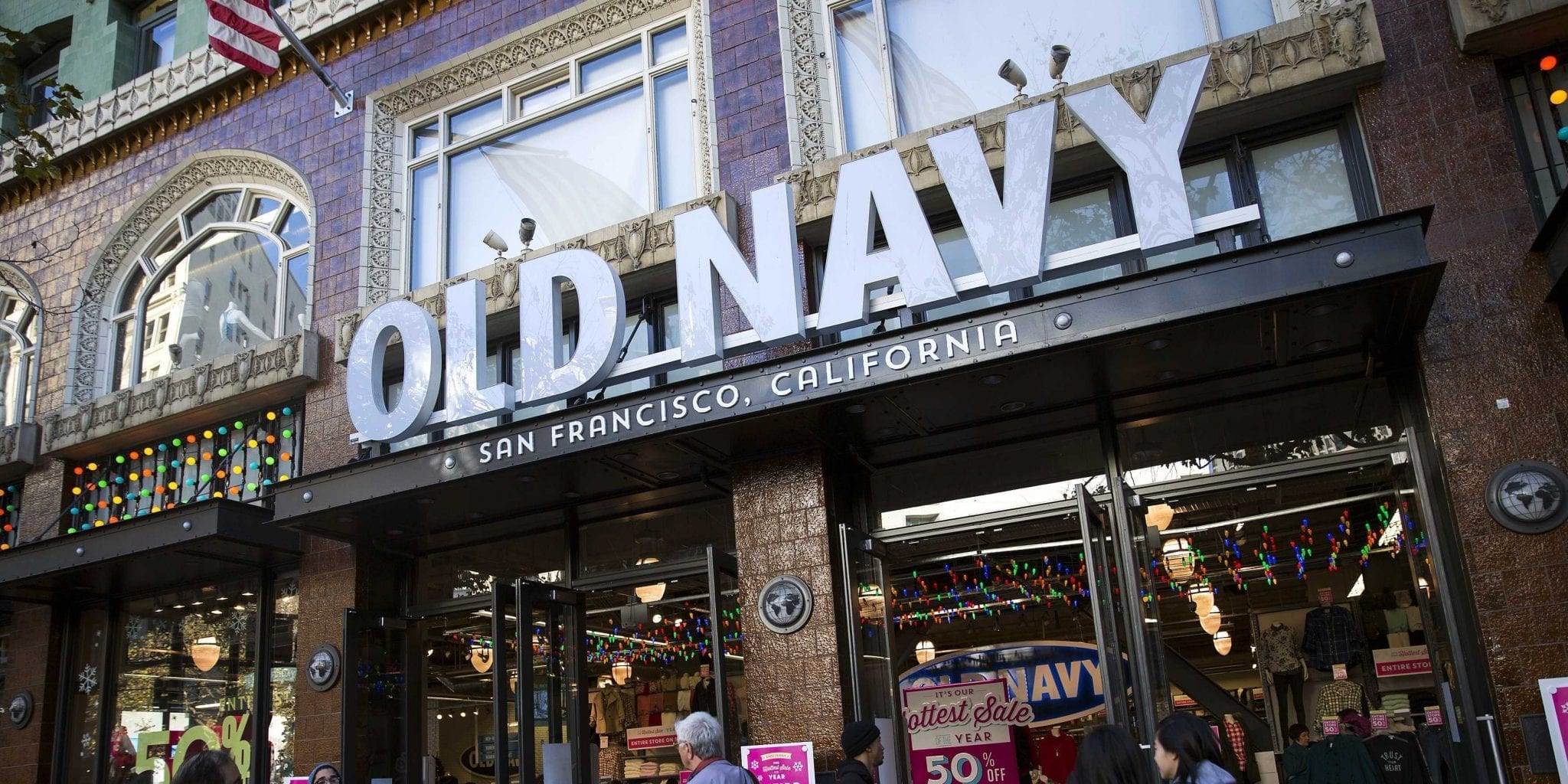
    At headline level, the latest Gap Inc results are not too bad. Overall revenue rose by 1.1 per cent, a respectable increase that is some way above that posted over the last two quarters. Net income also increased by 12.3 per cent compared to the previous year.

    Unfortunately, behind the headline, it is the same old story. Old Navy is driving group performance while the other two leading brands are struggling. Admittedly, the 0.8 per cent US revenue decline at Gap and the 2.6 per cent dip at Banana Republic are better than recent reporting periods, but neither demonstrates a fully-fledged recovery.

    Management has been keen to emphasise the changes that are being made to revitalize the challenged brands. On the ground, there is some evidence of this happening. At Gap, for example, there have been marginal improvements in quality and greater emphasis has been placed on in-demand products like athletic wear. However, the majority of the offer remains samey, as do things like store environments and point of sale material. In our view, Gap has very little newness to communicate and, as such, is still finding it difficult to inspire customers.

    The new marketing campaign, ‘Meet me in the Gap’, is not terrible, but neither is it particularly compelling. As such, while it has helped rather than hindered sales, it has not succeeded at pulling in new shoppers or getting lapsed shoppers to take a fresh look. Given the offer has not shifted very much, perhaps this is just as well.

    In essence, the change at Gap is lacklustre – especially when compared to a brand like Abercrombie & Fitch which has ripped up the rulebook and completely reinvented itself. Gap needs to emulate this bravery and do something radical to put the business back on a sustainable growth trajectory.

    Stuck in a rut

    If Gap has made some progress, Banana Republic still seems stuck in a rut. Despite a change of leadership, the proposition still lacks energy and focus. As such, it is hard to understand who the brand is targeted towards or what needs it is trying to address. Until these things are resolved, Banana Republic will remain on the back foot. To be fair, management always said that the latter part of this year would be about stabilising the brand rather than reinventing it, but this could amount to a tacit admission of not knowing what changes to make or how to make them.

    Fortunately, Gap Inc has been able to rely on Old Navy to push up performance. While sales growth moderated this quarter, the brand remains a popular destination for younger and family shoppers. The new winter and fall collections are compelling, which should benefit sales over the holiday quarter.

    There has been good progress within Gap’s stable of smaller brands like Athleta and Intermix. Both of these concepts have significant potential, with Athleta in particular positioned to grow its market share. Unfortunately, the revenue contribution of these divisions is insufficient to make a material difference to the group’s overall numbers.

    In summary, Gap has become a more stable business and sales declines appear to be starting to bottom out. However, the company has no real sense of direction or ambition for two of its major brands.

  • Korea domestic fashion market to grow in 2018

    Korea domestic fashion market to grow in 2018

    Korea domestic fashion market is expected to reach 44.32 trillion won, up 3 percent in 2018.

    Korea Federation of Textile Industries predicted that the fashion market will recover  in the next year as the Consumer Confidence Index is improving in the second half of 2017.

    Thus, Korea domestic fashion market is expected to grow by 3 percent thanks to the recovery in consumer sentiment index affected by the 2018 PyeongChang Winter Olympics and the growth of online and outlet distribution.

    As consumers are showing signs of improvement in the second half compared to the first half of the year, this trend will last until 2018.

    In addition, the fashion product purchasing index has been steadily declining compared to 2016, but the trend is gradually rising from the bottom of 2016, which is why we are looking at the domestic fashion market in 2018 positively.

    When it comes to categories, casuals are expected to continue to grow positive thanks to global SPA and online street-based casuals, and the market is expected to exceed 15 trillion won in 2018.

    In particular, the new bag market, which is emerging as a market, is also positively analyzed. On the other hand, the price of sportswear, men’s wear and women’s wear has been declining steadily, so they will have difficult time in 2018.

    Meanwhile, 2017 domestic fashion market is expected to fall by 0.3 percent compared to last year to 43.38 trillion won, as the economic instability caused by the North Korea’s provocation and THAAD e has also affected the domestic fashion market negatively.

  • Premier outlet malls to receive some financing

    Premier outlet malls to receive some financing

    A US$750 million fund to finance premier outlet malls in China has been set up by asset manager Allianz and realty investor TH Real Estate.

    The Eres APAC II – China Outlets fund will be established by the Allianz real-estate investment arm Allianz Real Estate. It aims initially to raise the target commitments ($750 million) to acquire two established outlet malls, Florentia Village Jingjin, between Beijing and Tianjin, and Florentia Village Shanghai.

    In fact, say the asset managers, the fund has identified a pipeline of targets.

    Allianz will be the anchor investor with a 30 per cent share, the balance to be held by institutional investors like TH Real Estate, which will also act as fund manager. RDM Asia, part of Italy’s Fingen Group, will be asset manager.

    It is not the first partnership for Allianz and TH Real Estate, but is their first bid to form an investment fund in China. In 2004, both parties invested in Europe Outlet Mall Fund followed in 2008 by the UK Outlet Mall Fund.

    Three months ago Allianz partnered with Singapore’s Keppel Group to buy Hongkou Soho in Shanghai for $525 million.

    “China is moving toward an economy led by services and domestic consumption,” says Allianz Real Estate Asia-Pacific CEO Rushabh Desai. “Alongside the traditional brick-and-mortar retail formats, outlet malls have been successful in attracting buyers looking for branded products at discounted prices. We look forward to replicating our European outlet mall performance in China.”

  • Walmart US’s online sales soars by 50 per cent

    Walmart US’s online sales soars by 50 per cent

    Walmart’s online sales in the US soared 50 per cent during the latest quarter, described as a stellar rate of increase which shows Walmart is growing its digital market share at pace.

    The world’s largest brick and mortar retailer recorded a revenue rise of 4.2 per cent, which equates to a US$5 billion increase in sales over the three months. Walmart US led the way with a 4.3 per cent increase in revenue and a 2.7 per cent increase in comp-store sales.

    GlobalData Retail MD Neil Saunders described that result as “impressive” and underscoring the company’s determination to not only defend its leading position but to extend it.

    That most of the online growth came from the core Walmart.com operation rather than from new additions, highlights the success of initiatives such as free two-day shipping and an expanded online selection, which now encompasses over 70 million products, said Saunders.

    “From GlobalData Retail’s figures, it is clear that Walmart is not only getting existing customers to spend more online but is also attracting new shoppers.

    “With a solid e-commerce base, Walmart is now looking to deepen its offer and experience in a select number of categories. This is one of the reasons it has struck deals with partners like Lord & Taylor in fashion and is building relationships with premium brands like KitchenAid and Bose.

    Walmart’s longer-term aim is clear: it wants to become the go-to online destination for both everyday and specialty items. The push into higher-end products should also help to bolster online margins.”

    Strong traffic

    However, although online has been a success story for Walmart, the second reason for its US growth is the performance of stores. Traffic held up well across the US, with price cuts helping to keep customers loyal, especially in categories like grocery. Some modest improvements to store layout and design have also aided conversion rates, particularly in non-food categories.

    “For a retailer of its size and scale, Walmart’s ability to keep its stores growing is impressive,” said Saunders.

    While he cautioned that some of the US sales success could be attributed to post-hurricane spending and recent acquisitions, the core business is performing well, with a broad pickup in both customer traffic and spending across all of Walmart’s channels.

    Sales outside the US also picked up. He said the Mexican operation is benefitting from investments in e-commerce, including an expanded online offer. Revenue in Canada has increased, mainly thanks to sharper pricing and expansion of the number of locations offering grocery pickup.

    In the UK, Asda posted its second consecutive quarter of comparable growth. “While this result comes off the back of a long run of weak performance and does not yet constitute a return to sustainable growth, we believe the investments made in price, offer, and service are starting to pay dividends.”

    Saunders said the latest results show Walmart is a retailer on the front foot.

    “Admittedly, the investments it is making in price and e-commerce are taking their toll on the bottom line, but they are also positioning the company for significant future success.”

  • Baselworld to halve exhibitor numbers in 2018

    Baselworld to halve exhibitor numbers in 2018

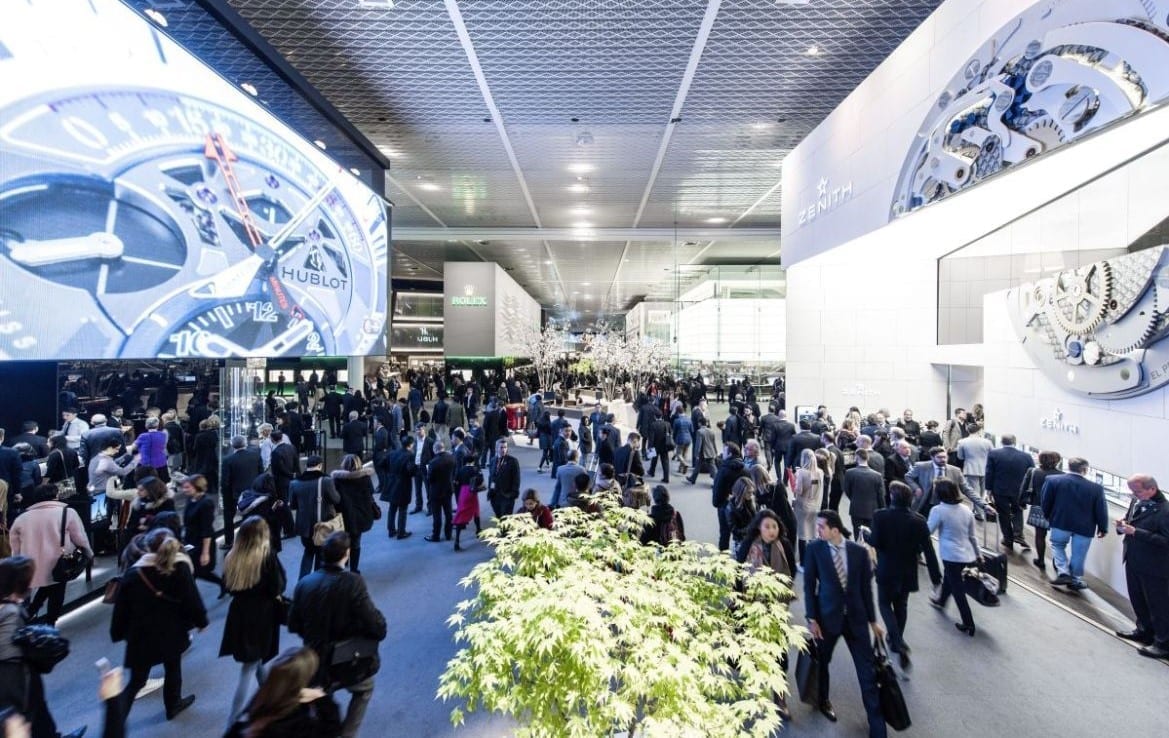
    Baselworld, the world’s leading show for watches and jewellery, will halve its exhibitor numbers and shorten the show’s duration by two days in 2018.

    The exhibitor numbers in 2018 are expected to be around 600-700, compared to around 1,300 this year. The prices for stand rental will also be lowered by -10%, the organizers revealed.

    Baselworld said the decision to reduce the number of exhibitors and length of the show is a result of market consolidation in terms of marketing and production and the challenges of digital technology.

    In a statement, Baselworld said: “Baselworld remains faithful to its strategy of quality and diversity. However, the watch and jewellery market is undergoing a period of profound change. Baselworld 2018 presents itself in a denser and more concentrated form in several respects.

    “Baselworld has decided to maintain its outstanding quality for the next edition. The show does not rely on quantity, but will remain the leading event for premier global brands. And this in all segments.”

    According to the Federation of the Swiss Watch Industry, Swiss watch exports fell by -9.8% in 2016 – their second consecutive annual drop.

    “The environment confronting the Swiss watch industry remained difficult throughout the year 2016. Demand for personal luxury goods fell, especially for the most expensive products. Timepieces therefore had to contend with changes in the choices made by consumers who are increasingly interested in the notion of experience associated with the world of luxury and less in shopping as used to be the case,” said the Federation of the Swiss Watch Industry.

    Baselworld is scheduled to take place from 22 to 27 March 2018.

  • Owndays Philippines opens flagship store in Manila

    Owndays Philippines opens flagship store in Manila

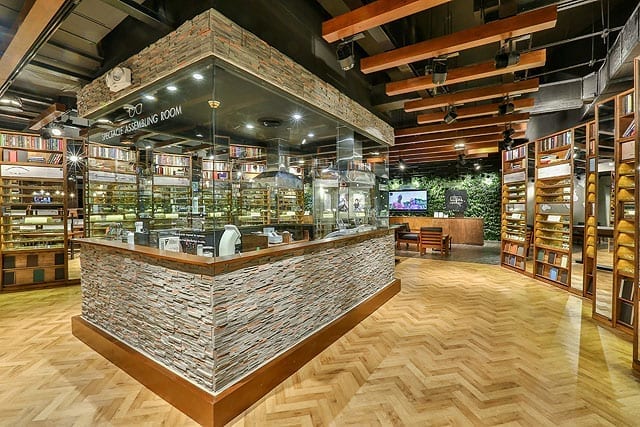
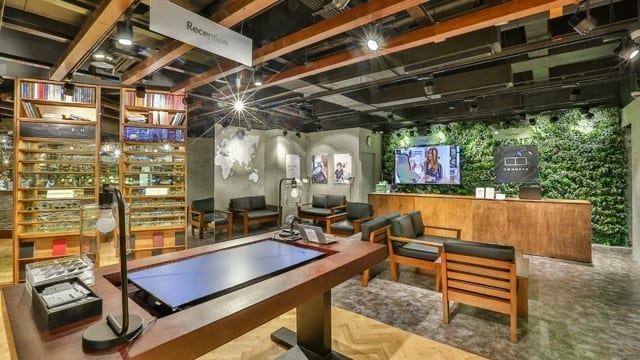
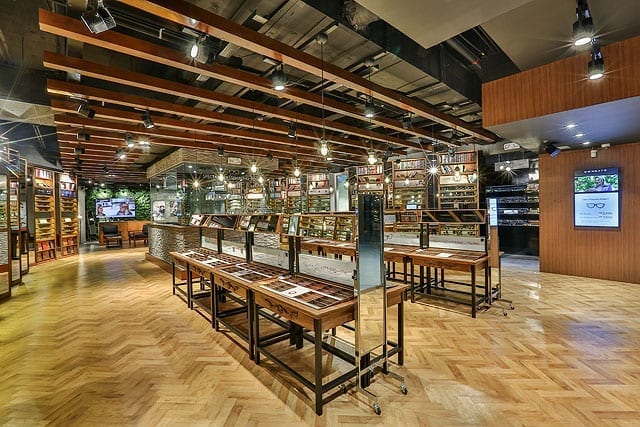
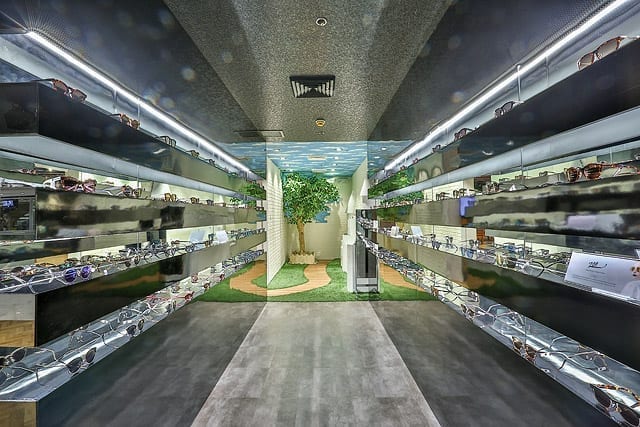
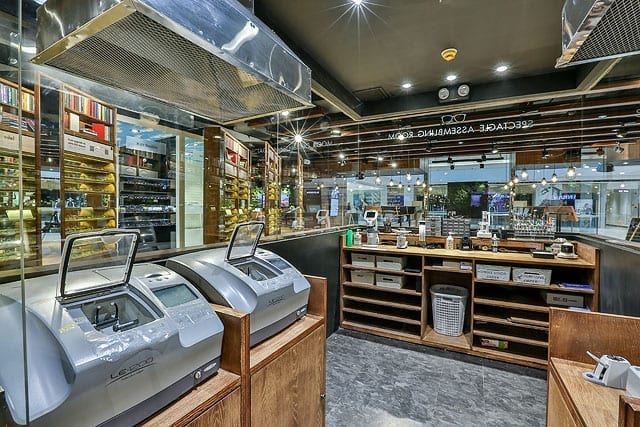
    Owndays Philippines has opened its largest optical shop yet, at SM Megamall in Manila.

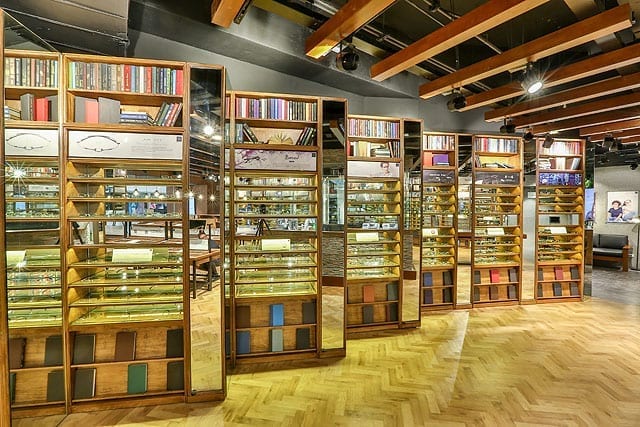
    With 1500 frames to choose from, the Japanese eyewear retailer can provide prescription glasses in 20 minutes.

    Its 280sqm flagship has a children’s department featuring the Junni brand. With its open module system, it is easier to try on glasses. Its pricing model is simplified, being inclusive of frames, ultra-thin multi-coated lenses and the eye examination. All products come with a warranty and lifetime cleaning and maintenance services.

    Owndays SM Megamall also has three refraction rooms for eye tests (there are usually two), and as well as the spacious shopping area offers a lounge. At the shop’s centre is the space where spectacles are assembled.

    Owndays has 21 outlets in the Philippines, with six scheduled to open soon.

  • Kim Kardashian to launch her first fragrance

    Kim Kardashian to launch her first fragrance

    Reality TV star and businesswoman Kim Kardashian has announced she will launch a gardenia-inspired fragrance collection under her KKW Beauty firm.

    The social media savant-turned-entrepreneur will release three eau de parfums via Kardashian’s online beauty portal kkwfragrance.com.

    Dubbed ‘Crystal Gardenia’, ‘Crystal Gardenia Citrus’ and Crystal Gardenia Oud’ – all variations on Kardashian’s preferred flower scent – the perfumes will be available in two sizes, both 30ml. and 75ml.

    For the Gardenia collection, Kardashian worked with fragrance house Givaudan.

    The brand’s signature scent, ‘Crystal Gardenia’, features notes of water lily, gardenia, tiara flower and velvet tuberose, rounded out by warm woods and skin musk for a deeper finish. ‘Crystal Gardenia Oud’ opens with top notes of bergamot, lavender, red rose and jasmine, featuring base notes of oud, patchouli and royal amber, while ‘Crystal Gardenia Citrus’ boasts top notes of sparkling citrus, woods and musks.

    Some 300,000 bottles with go on sale and are expected to sell out in minutes.

    “I think that with the social media aspect of it, [and] being able to really reach so many people, I think it’s going to work. Obviously I’m in the celebrity category, but I just wanted a bottle that was so simple that can look like it’s something sitting on your counter and be a beautiful object. I tried to make it really timeless so that it can’t just all be about a celebrity fragrance,” Kardashian told WWD, in an interview.

    Kardashian first unveiled her KKW Beauty brand in June this year, with the launch of a Creme Contour & Highlight Kit, available in four shades. The star then went on to launch a powder version of the first contour set, available in three shades.

    The businesswoman has been doing fragrance since 2009 through a licensing deal with Lighthouse Beauty that has since ended.

  • Non-retail business dents Metro Holdings

    Non-retail business dents Metro Holdings

    Despite a rugged first half, property development and investment group Metro Holdings has still managed positive results and has formed strategic partnerships in Indonesia.

    It had a net profit after tax of S$4.6 million (US$3.3 million) despite a net loss after tax of $13.6 million as the result of events not related to its retail developments.

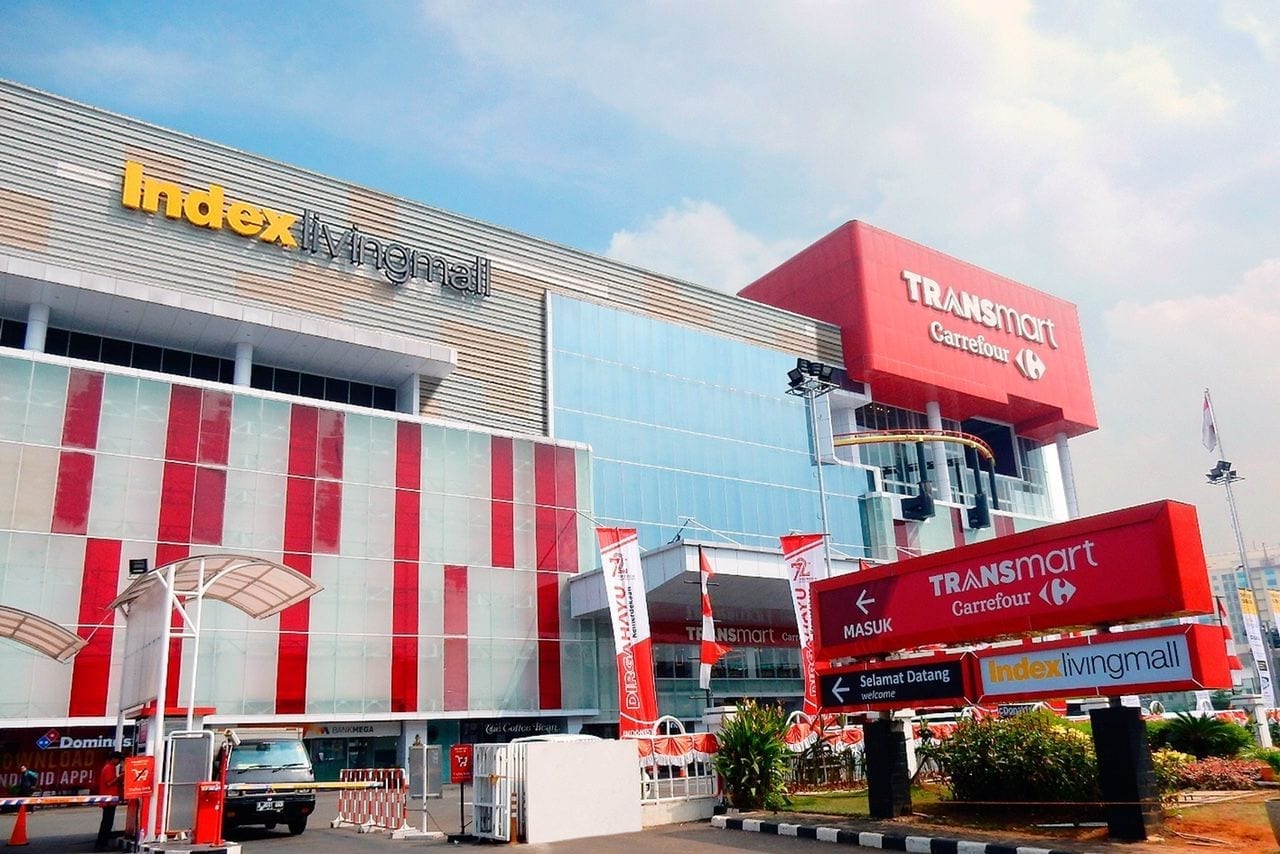
    Meanwhile, it is moving ahead with a IDR1.99 trillion (US$147.2 million) mixed project in Bekasi, Jakarta. For the retail component it is partnering with Trans Corp, while Lee Kim Tah Group will handle the residential side.

    Trans Corp will develop its trademark Transmart mall with a gross floor area of about 30,485sqm, including department stores, supermarkets and cinemas, as well as a theme park in conjunction with Kidcity and Snow Town.

    Metro chairman Winston Choo says the group has worked with Trans Corp since it took an initial stake in Metro Indonesia in 2008 to run Metro’s retail department store business.

    Metro’s retail arm runs three Metro department stores in Singapore and another nine in Indonesia.

  • Amazon Australia launch to happen “really soon”

    Amazon Australia launch to happen “really soon”

    US giant Amazon announced it plans to launch both an online retail and a “marketplace” presence in Australia, confirming that its arrival is imminent in the buoyant local retail market.

    In a conference in Melbourne, Amazon Australian country manager, Rocco Braeuniger said the e-commerce heavyweight was “getting really, really, really close” to opening trade, but failed to give an exact date.

    Braeuniger did confirm, however, that when Amazon opens, it plans to sell products from first Australian warehouse, and also host third-party retailers on its online marketplace.

    Right now, Amazon is in the process of converting a 24,000-square-metre warehouse in Dandenong South, in Melbourne’s outer east, into its first Australian fulfillment centre.

    The company has already taken out trademarks on private-label brands that sell electronics, home wares, baby products, and pantry staples.

    The company this week also booked out several photography studios around Melbourne for product shoots, according to local media reports, highlighting a push into fashion and accessories.

    Amazon said it would wait, however, before taking on Australia’s grocery market, saying “it is really, really complicated to make fresh food delivery a great customer experience.”

    “We have the long-term ambition to be successful and to earn the trust of Australian companies and the Australian customer,” Braeuniger told the crowd, made up of media and hundreds of small business owners hoping to sell their products on the website.

    “We will be focusing on listening to the Australian customer, inventing on behalf of the Australian customer, [and] delivering a great customer experience.”

    While a date has not been disclosed, experts predict the company will start taking orders before Christmas, particularly close to the Black Friday or Cyber Monday shopping events on 24 and 27 November 2017.

    For the three months ending 30 September 2017, Amazon Inc. said global revenues rose 34 percent to $43.7 billion in the third quarter. The world’s largest online retailer said net income rose to $256 million, or 52 cents per share.

  • DHL announces HK$2.9 billion expansion for Central Asia Hub

    DHL announces HK$2.9 billion expansion for Central Asia Hub

    DHL Express has announced that it will launch an approximate HK$2.9 billion expansion plan for its Central Asia Hub (CAH), in partnership with Airport Authority Hong Kong. This multi-year expansion brings DHL’s commitment for this strategic hub to approximately HK$4.5 billion.

    The expansion follows the CAHs record of an average 12% year-on-year growth in its shipping volume in the past decade. As one of three global hubs for DHL, the expanded CAH will continue to act as the core hub of the DHL Express global and Asia Pacific regional network, handling more than 40% of its total Asia Pacific shipment volumes.

    It is expected to begin operations in Q1 2022, in time to capture strong demand in the Pan-Pearl River Delta (PPRD) region and completion of the Three Runway System for the Hong Kong International Airport in 2024.

    Ken Allen, CEO of DHL Express, said that given the expected rise in international e-commerce and intra-Asian trade, the company looks to strengthen its global network and services.

    The CAH thus plays a key role in DHL’s strategy to strengthen its existing network of hubs in Asia Pacific, including Shanghai, Singapore and Bangkok.

    “Based in a strategically important location to DHL, the expanded Central Asia Hub in Hong Kong will not only bolster our operational capacity in Asia Pacific, but also facilitate the rapidly-growing international trade demands in the region and around the world,” he said.

    The expanded CAH will be equipped with an enhanced material handling system that will improve productivity and increase the hub’s throughput capacity from the current 75,000 pieces of shipments per hour to 125,000 pieces per hour.