Author: Mei Ling Tan

  • Robinsons Retail grows in net profit

    Robinsons Retail grows in net profit

    With its expanding store network, Robinsons Retail Holdings (RRHI) has grown its net profit for the first nine months by 5.8 per cent year-on-year to PHP3.49 billion (US$68.2 million).

    Excluding one-off items and earnings from its 40 per cent stake in Robinsons Bank, RRHI’s core retailing net profit increased by 12.9 per cent to PHP3.12 billion.

    Consolidated net sales reached PHP81.18 billion, up by 10 per cent on steady same-store sales and the contribution of the new stores. Excluding the new stores, same-store sales growth was 2.8 per cent. In various segments the growth was: supermarkets, 2.1 per cent; convenience stores, 2.6 per cent; DIY hardware, 7.2 per cent; drugstores, 2 per cent; and specialty stores, 8.4 per cent.

    Blended gross margins expanded by 80 points to 22.4 per cent for the period, attributed to increasing scale and improvement in category mix.

    Operating income rose by 16 per cent to PHP4.22 billion, and EBITDA went up by 13.2 per cent to PHP5.74 billion, the margin expanding by 20 points 7.1 per cent.

    Supermarkets continued to account for the largest share of the group’s consolidated net sales, contributing 46 per cent to total business in the nine months.

  • Sidney Toledano to Step Aside at Dior as LVMH Shakes Up Senior Ranks

    Sidney Toledano to Step Aside at Dior as LVMH Shakes Up Senior Ranks

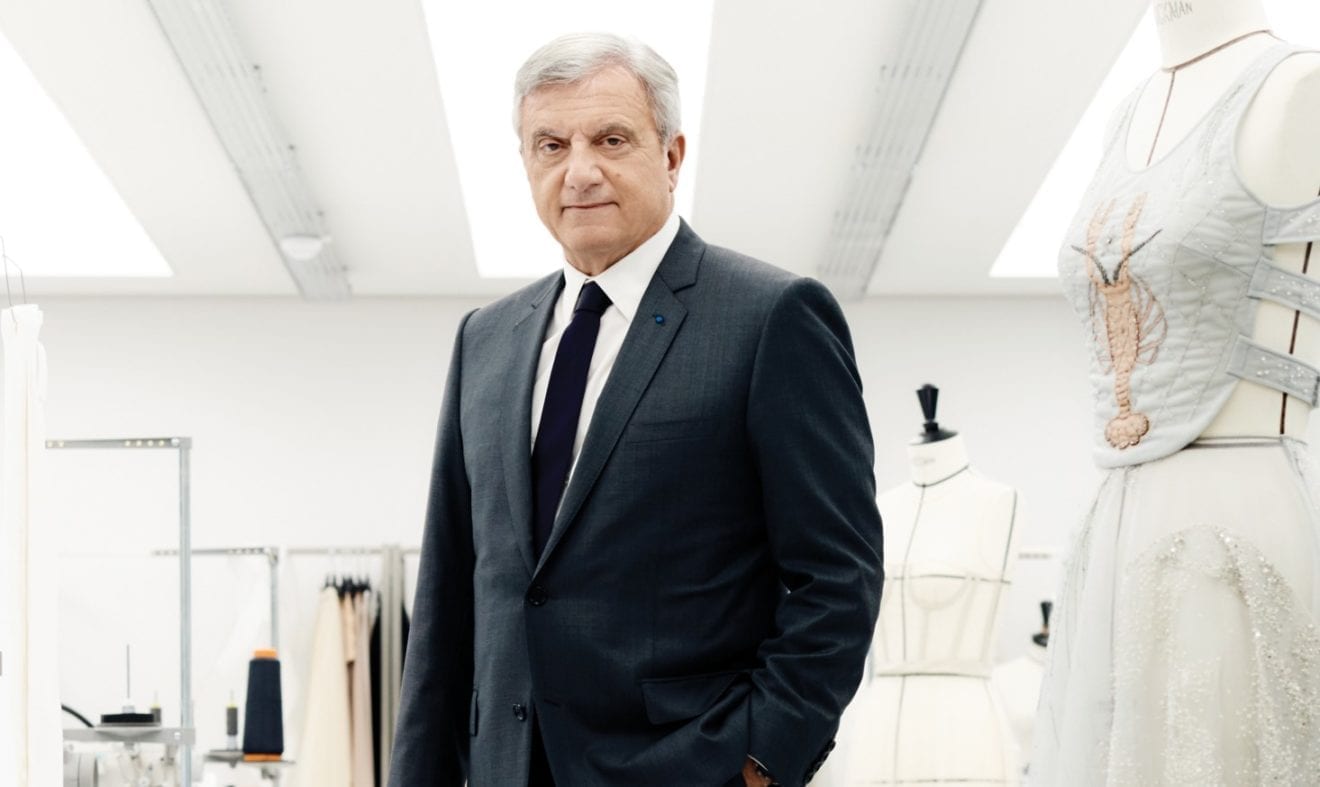
    Sidney Toledano plans to step aside after 20 years as chief executive of Christian Dior Couture as corporate parent LVMH Moët Hennessy Louis Vuitton seeks to inject new blood into its senior ranks.

    Wednesday’s announcement marks the end of an era at Dior, during which Mr. Toledano, 66 years old, turned the elite brand into a global fashion powerhouse with annual sales of more than EUR2 billion ($2.3 billion).

    Pietro Beccari, the current chief executive of Fendi, also part of LVMH, was named to replace Mr. Toledano. Mr. Beccari is highly regarded within LVMH for having engineered a turnaround at Fendi. Under his tenure, sales grew from an estimated EUR600 million to EUR1 billion.

    “Pietro has an excellent track record,” said Bernard Arnault, the French billionaire who is chief executive and controlling shareholder of LVMH.

    Mr. Arnault gave Mr. Toledano a new job as head of LVMH Fashion Group, which manages some of the brand’s smaller fashion labels including Celine, Givenchy and Marc Jacobs. Mr. Arnault suggested the move to Mr. Toledano, and he agreed, Mr. Toledano said. He will start the new role early next year.

    “He never imposed something on me,” Mr. Toledano said in an interview. “I said I want a new challenge.”

    Wednesday’s move is the first major shake-up at Dior since Mr. Arnault earlier this year spent EUR12 billion to unite the fashion house with LVMH. Previously, the Arnault family owned part of Dior through a holding company that also owned part of LVMH. But Dior the brand was independent from LVMH, even though the companies cooperated extensively under Mr. Arnault’s control.

    When Mr. Toledano took over at the brand in 1998, annual sales were around EUR200 million. He embarked on a store-building spree and expanded the business dramatically in Asia. He also anchored the company as designers came and went. He clashed with Hedi Slimane and fired John Galliano after the designer was recorded shouting anti-Semitic insults at a bar in Paris. Mr. Galliano apologized and said he was seeking help.

    The move elevates Mr. Beccari to one of the top spots in the fashion world and Mr. Arnault’s luxury empire. Dior’s sales have surged in recent years, propelled by strong demand in Asia. The brand, however, is significantly smaller than French rival Chanel and should have room to grow, says Luca Solca, analyst at Exane BNP Paribas.

    “The benchmark for Dior is Chanel,” Mr. Solca said. “It has a similar allure and sophistication and it’s coming from the same background, which is couture.”

    The move leaves a leadership hole at Fendi, which has become LVMH’s third-largest fashion brand after Louis Vuitton and Dior. Mr. Beccari helped turn around Fendi by boosting its digital-marketing efforts and introducing a line of new bags that could be accessorized with pompoms and shoulder straps.

    “The big thing will be how they’re going to replace Beccari,” Mr. Solca said. “Fendi needs to maintain its momentum.”

    Mr. Toledano will now devote his attention to smaller brands that collectively comprise a significant chunk of revenue for LVMH and are seen as growth opportunities for the company. The division also houses Marc Jacobs, which has been underperforming in recent years.

    “I will have to meet the team, talk with Marc, talk with the CEO,” Mr. Toledano said.

  • Asian expansion plan for Brotzeit

    Asian expansion plan for Brotzeit

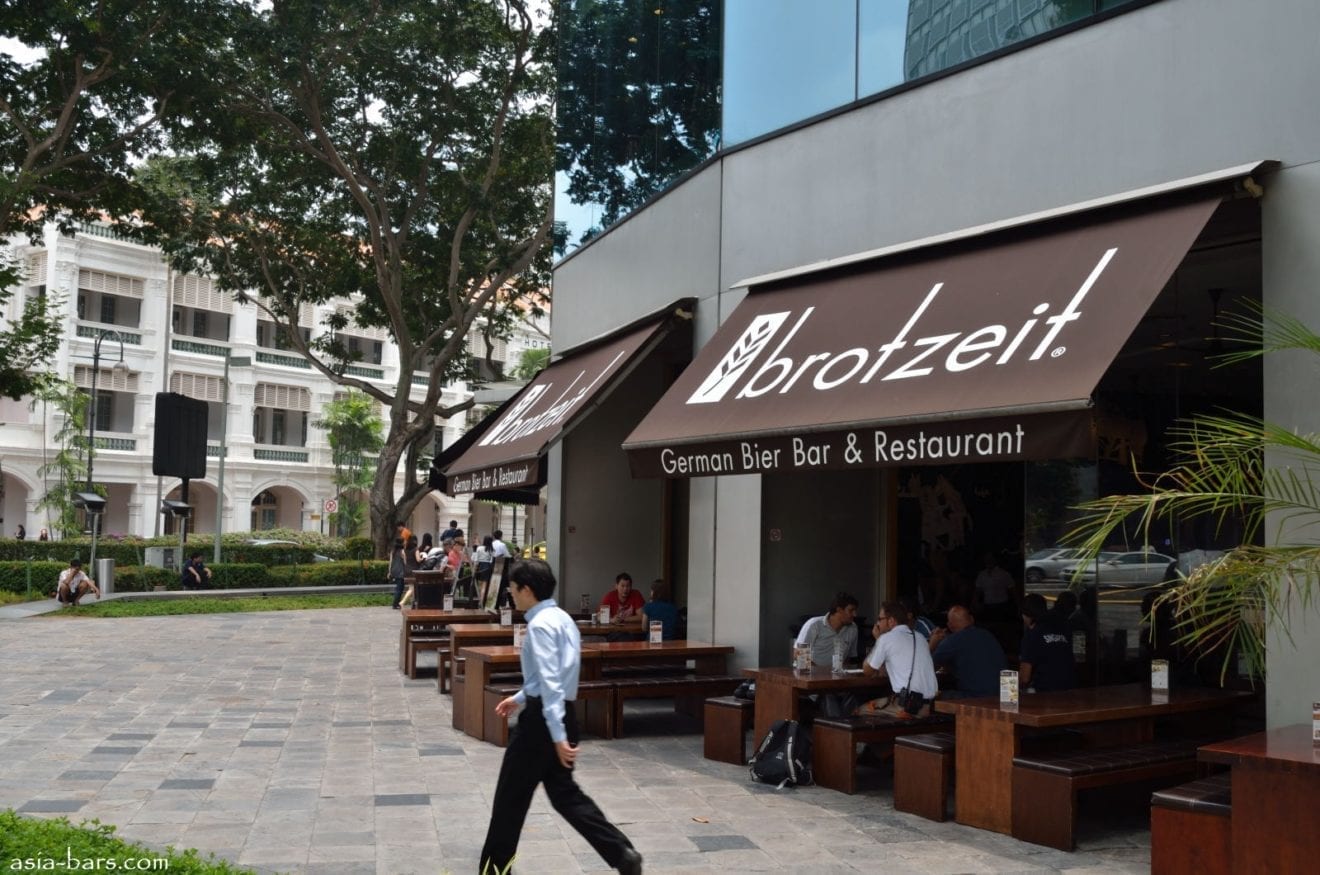
    Franchised German casual-dining restaurant concept Brotzeit is aiming to expand its Asian network to 50 outlets by 2020.

    The Singapore-headquartered company currently has 18 restaurants in seven markets – Singapore, Vietnam, Malaysia, Hong Kong, China, the Philippines and Australia.

    Now the company has partnered with VF Franchise Consulting to secure qualified area franchisees throughout Asia to reach its target.

    Brotzeit was founded in 2006 to introduce authentic German cuisine accompanied by authentic German beer in a chic and contemporary setting. The Singapore outlets are company owned, but since 2010 it has been franchising offshore.

    The next country market in Brotzeit’s sights is Cambodia and Sean T Ngo, CEO of VF Franchise Consulting, will be in Phnom Penh, on Thursday and Friday this week to meet with potential franchisees and investors in the brand.

    “The successful growth of Brotzeit is based on forging strong franchise partnerships,” said Ngo.

    “Asia is prime for a strong, German-inspired brand that focuses on traditional German foods, beers, and ambiance. German cuisine is well-liked by locals and expats throughout Asia, and Brotzeit is the leading restaurant chain in this segment with restaurants in seven countries in just a little over 10 years.”

    Founded in 2006, Brotzeit believes dining at its establishments should be a “unique, credible and memorable” experience.

    “At Brotzeit we believe in creating a warm, friendly and welcoming environment. Our passion as professionals drives us to provide high quality and innovative food and beverage offerings inspired by our German roots.”

  • Hundreds of new shops for China’s Auchan Minute

    Hundreds of new shops for China’s Auchan Minute

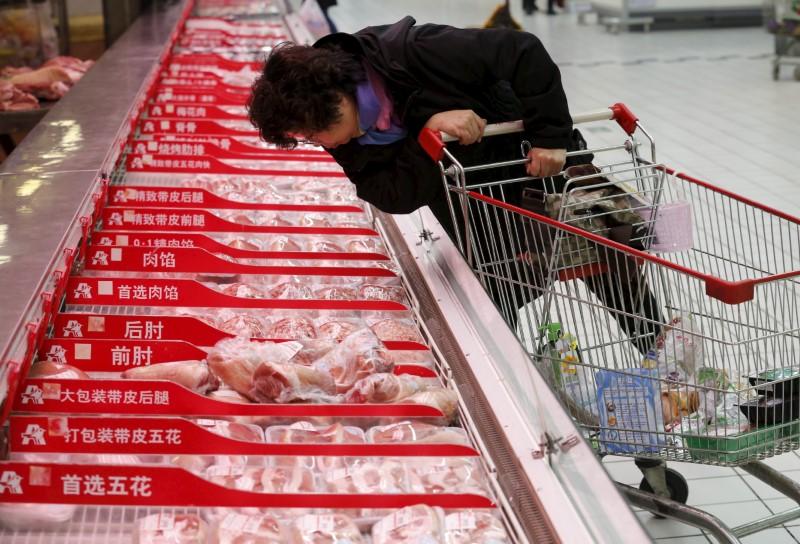
    “Several hundred” Auchan Minute shops without checkout counters are planned for China by year’s end.

    Customers enter by scanning a code via the WeChat app. After products are scanned, they are added to a virtual cart. The customer then pays via AliPay or WeChat Pay.

    Every Auchan Minute will offer 500 products 24 hours a day.

    Founded in 1961, Auchan is France’s second-largest retail group after Carrefour.

  • Barbie To Release Its First Doll Wearing a Hijab

    Barbie To Release Its First Doll Wearing a Hijab

    Mattel is about to release its first Barbie doll wearing a hijab.

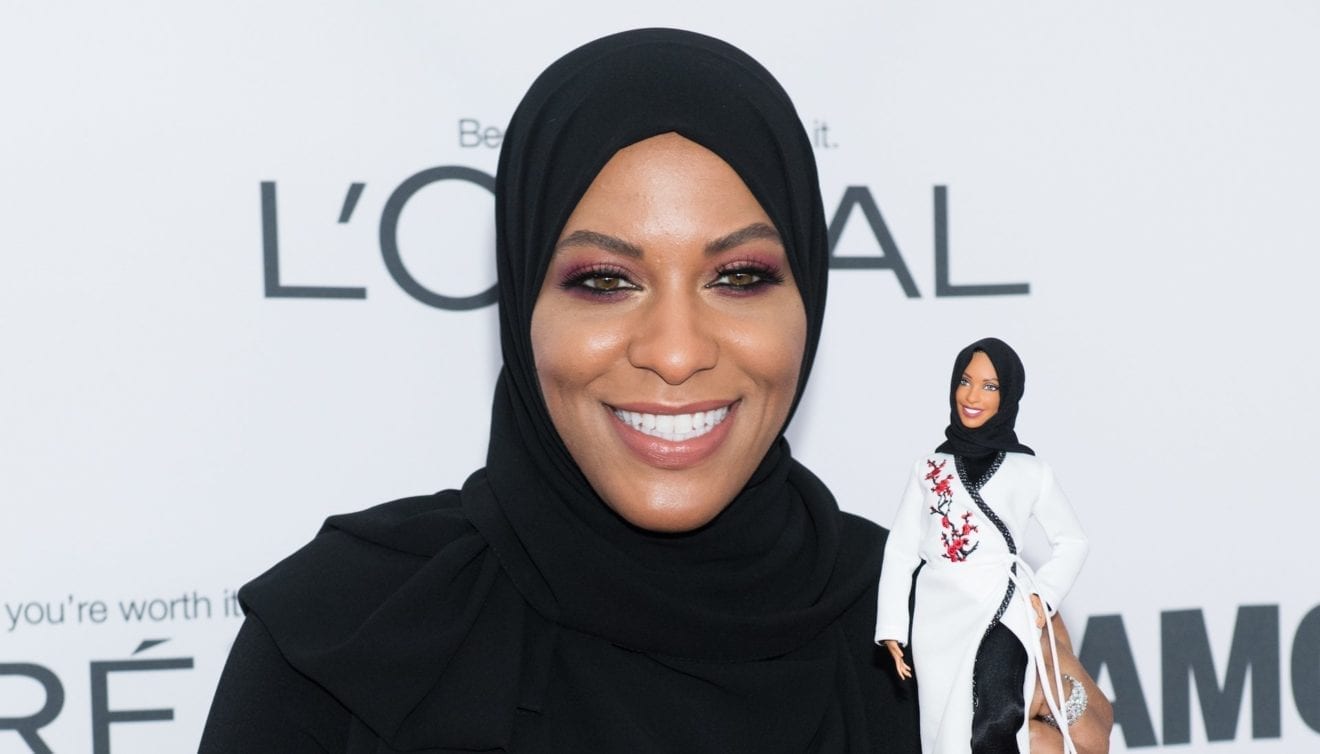
    This follows a partnership with fencer Ibtihaj Muhammad, who made history last year as the first member of the US Olympic team to compete while wearing a hijab. The special-edition Barbie has been designed after Muhammad, who visited the Mattel factory to take part in the process.

    She saw her doll for the first time at this year’s Glamour Women of the Year Summit, introduced by model Ashley Graham who debuted her own Barbie at last year’s summit.

    Barbie hijab 1

    Muhammad’s face lit up when she saw her Barbie replica, that includes her fencing uniform and white hijab. She recalled her childhood experiences playing with Barbie and wishing she had one that looked like her. To compensate, she would sew a hijab for her Barbie and for her sisters’ dolls.

    “Ibtihaj is an inspiration to countless girls who never saw themselves represented, and by honouring her story, we hope this doll reminds them they can be and do anything,” says Barbie VP of global marketing Sejal Shah Miller.

    Muhammad’s Barbie will be released next year as part of Mattel’s “Shero” line, which includes Barbies inspired by role models such as Olympic gymnast Gabby Douglas and director Ava DuVernay.

  • Richemont acquires Italian leather brand Serapian

    Richemont acquires Italian leather brand Serapian

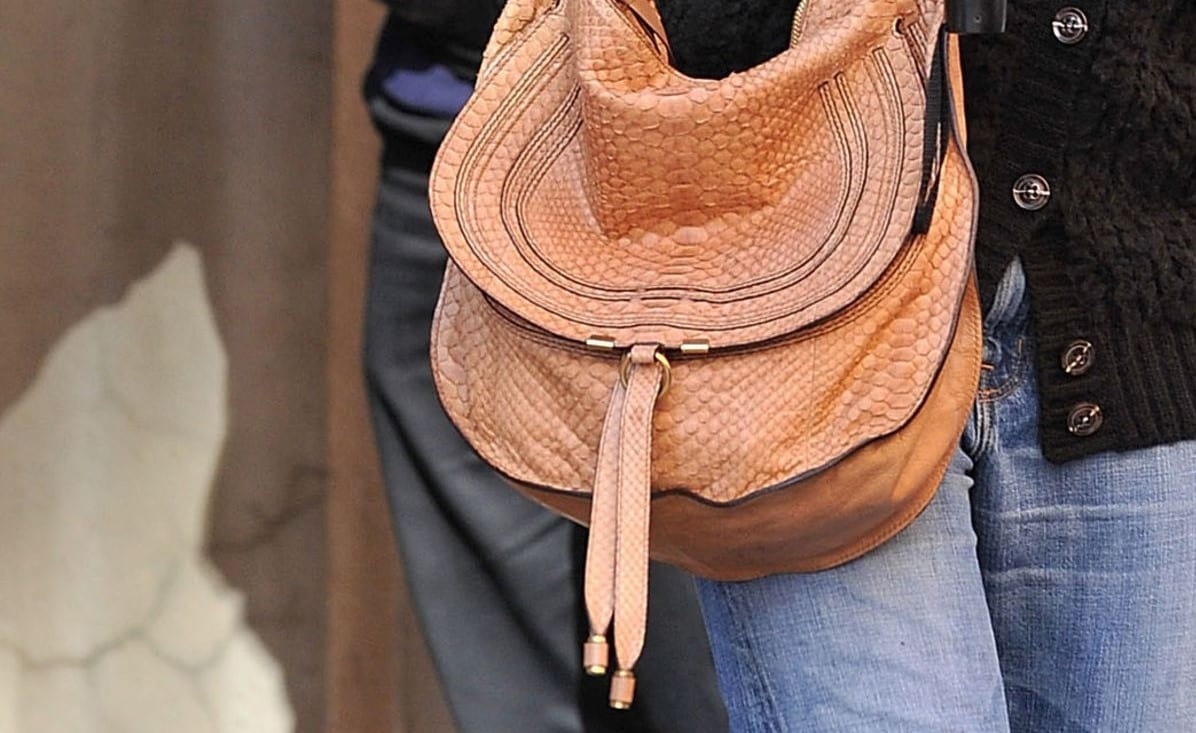
    Swiss luxury goods holding company Richemont Group has bought out Italian leather supplier Serapian, with the purchase price not disclosed.

    A managing director is to be appointed, with the founding Serapian family no longer a stakeholder. However, it will continue to fill key roles in the company.

    Richemont’s relationship with Serapian dates back to the 1970s when the Milanese firm supplied leather to Richemont brands Cartier and Dunhill, along with Azzedine Alaia, Chloe, Jaeger-LeCoultre, Lancel and Piaget.

    Richemont plans to develop Serapian and use it across its portfolio as well as supplying leather to outside luxury brands. Other areas of development include bespoke items.

    Serapian’s collections are all made in Italy, in a Milanese atelier that includes a laboratory, and in a factory on the outskirts of Milan.

  • Temasek Holdings to enter online fashion

    Temasek Holdings to enter online fashion

    Singapore state investor Temasek Holdings has led a new round of equity funding for US second-hand fashion marketplace Poshmark.

    Poshmark plans to use the cash to expand its footprint across Asia, broaden its product categories and develop data-driven shopping experiences. It will also introduce its voice-enabled Stylist Match service. Accessed via Amazon Alexa, this aims to offer shoppers a personalised experience through engaging with seller stylists on its platform.

    Founded in 2011, Poshmark hosts about 5000 brands and sells up to 7 million items daily.

    The latest funding round raised US$87.5 million, led by Temasek, with support from GGV Capital, Inventus Capital, Mayfield, Menlo Ventures, Uncork Capital and Union Grove Venture.

    That takes the aggregate equity investment in the business to date to $160 million.

  • More ‘Everyday Objects’ From Tiffany

    More ‘Everyday Objects’ From Tiffany

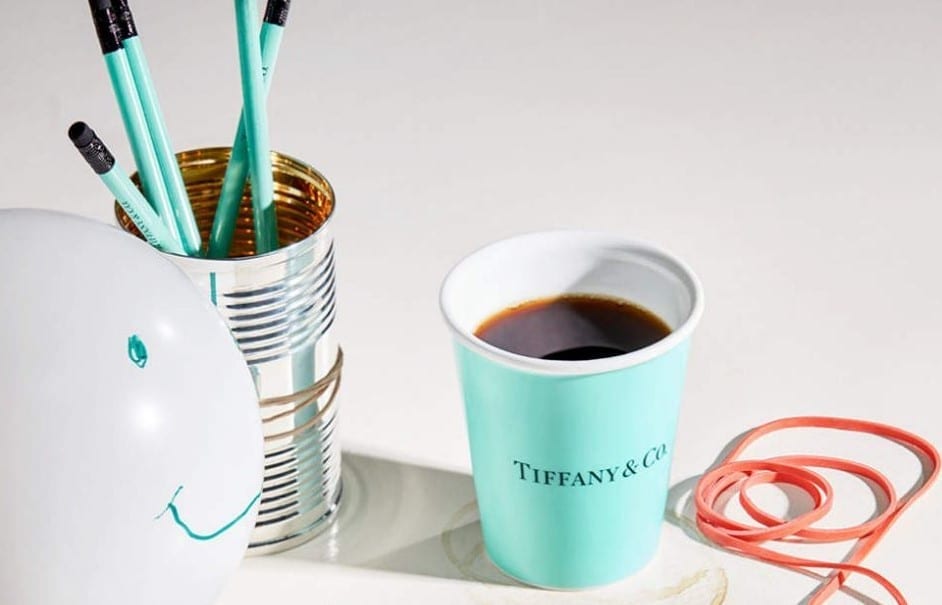
    Tiffany & Co has unveiled a collection of “everyday objects,” including a US$8970 ball of yarn made of handspun silver – all on sale at the brand’s new Blue Box Cafe.

    Located on the refurbished fourth floor of the New York City Tiffany & Co flagship, the cafe is described by the luxury jewellery brand as its first ever “retail dining concept”.

    The floor also features a tongue-in-cheek collection of everyday items along with a baby boutique, sterling silver hollowware, a selection of vintage books curated by Assouline and a Tiffany fragrance laboratory.

    Blue Box Cafe - Tiffany 3

    “Both the cafe and redesign of the Home & Accessories floor reflect a modern luxury experience,” said Reed Krakoff, chief artistic officer with Tiffany & Co. “The space is experimental and experiential – a window into the new Tiffany.”

    The everyday objects collection was born from the notion that beautiful things should not be limited to special occasions, explains Krakoff. “It’s Tiffany’s take on modern life where creativity and wit collide with the finest materials. I think what makes the collection unique is that it incorporates the best quality, craftsmanship and design with a level of functionality that allows you to use these things every day,” said Krakoff.

    Blue Box Cafe - Tiffany 4

    For example, Tiffany & Co “upgraded” an 11.5-centimetre-tall can by adding a sterling silver exterior and a gold vermeil interior lining, along with an enamel stripe in Tiffany’s famous blue.

    A “crazy straw” comes in silver ($330) and gold or rose gold ($430) with a blue enamel band.

    There’s an $850 pair of table tennis bats made from reclaimed American walnut and black and blue leather – which comes complete with a Tiffany-branded ping-pong ball.

    Other items include a protractor, ruler, first aid box, ornamental building blocks and paper cup – all “ordinary objects made extraordinary,” as the brand proclaims. An empty paint can has been reimagined as a crystal ice bucket with a sterling silver trim.

    “These covetable accessories possess a whimsical wink that is quintessentially Tiffany,” commented online design authority Dezeen.com. “The luxury house is known for its tongue-in-cheek approach to design, and the Tiffany Archives serve as a wellspring of inspiration for a series of objects in this collection, many of which can be engraved to make them uniquely personal.”

    Blue Box cafe Tiffany 7

    Striking interior

    The Tiffany & Co flagship’s new fourth floor incorporates industrial details the company believes evoke its craftsmanship and heritage. “Playful and unexpected touches sit harmoniously alongside elegant finishes like herringbone marble and amazonite stone, reflecting the new Home & Accessories collection’s emphasis on everyday luxury,” explained the company in an overview of the finished project.

    The staircase leading to the fourth floor features a modern trio of nearly 15-foot-high light chains, created by the Paris-based design duo Ronan and Erwan Bouroullec. It is surrounded by hand-drawn ampersands, a design motif from the latest Home & Accessories collection.

    Blue Box Cafe - Tiffany 2

    And a portrait of Charles Lewis Tiffany was commissioned, rendered with 8000 painted screws, offering a contemporary take on the luxury house’s founder.

    American classics on the menu

    Blue Box Cafe - Tiffany 5

    Meanwhile, the cafe features Tiffany’s famous blue colour throughout the floor. The Blue Box Cafe serves American classic dishes made with the high quality, regionally sourced ingredients. The simple menu – which will change and evolve through the seasons – is a refined take on signature New York dishes.

    “The setting is as inviting as the food is inspiring, serving customers who have always dreamed of having Breakfast at Tiffany,” the company said.
  • Aesop store pays tribute to Oscar Niemeyer

    Aesop store pays tribute to Oscar Niemeyer

    The new Aesop Duke of York Square store in west London was designed as a tribute to Brazilian modernist Oscar Niemeyer.

    While founded in Australia, skincare brand Aesop was recently bought by Brazilian retail group Natura and the new owner has been quick to add a touch of its own influence in store designs. Aesop is renowned for each of its shops being designed differently, eschewing the cookie-cutter approach of most global retail brands.

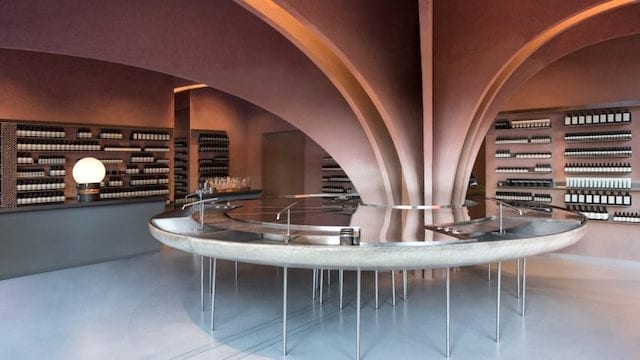
    Twelve rose-tinged clay arches fan out over a huge stainless-steel sink in the Snohetta-designed Aesop Chelsea store, reports architecture and design online publication Dezeen. It is located inside a luxury shopping area beside the Saatchi gallery in Duke of York Square off King’s Road.

    Dezeen reports a large column set in the centre of the 108sqm shop dictated the starting point of the design for Snohetta’s Oslo office.

    “The team placed 12 arching sections of wall – intentionally reminiscent of the concrete forms used by Oscar Niemeyer – around its edges. The arches splay out across the ceiling and touch the walls, to incorporate the column into the design.”

    Aesop West London 1

    A large disk-shaped sink with a polished stainless-steel top and fibre-glass base wraps around the centre of the column, cementing it as the centre point of the store.

    “There is this column, very odd, very strange, and we decided we would surround this column to accentuate it even more,” senior architect Peter Girgis told Dezeen.

    “Central to the space is this large disk sink, about four and a half metres in diameter, and from that we wanted this column of both light and emulating structure to come and loom,” added Girgis, who led the project with architect Gaute Simonsen.

    Aesop Duke of York Square is Snohetta’s first permanent project in the UK, but its seventh store for the skincare brand. It designed a store for Aesop in Singapore, likened to “an upside-down forest”.

  • Indonesia Posts Trade Surplus in October, Third Month in a Row

    Indonesia Posts Trade Surplus in October, Third Month in a Row

    Indonesia posted a trade surplus for a third straight month in October, the Central Statistics Agency said on Wednesday (15/11), as improved demand for commodities underpinned exports from Southeast Asia’s biggest economy.

    The trade surplus in October was $0.9 billion, the agency said. The surplus was supported by larger commodities shipments such as coal and metal, as well as manufactured goods.

    Demand from China continued to support Indonesian exports, the agency said.

    The surplus, however, shrunk from September’s surplus of $1.76 billion. Analysts polled by Reuters had expected a $1.63 billion surplus for the month.

    Exports rose 18.39 percent in October on an annual basis, compared with a 16.59 percent increase forecast in the poll.

    October exports were worth $15.09 billion.

    Meanwhile, imports jumped by 23.33 percent to $14.19 billion, picking up pace from a 13.13 percent rise in the previous month and compared to a forecast of 16 percent growth.

    The rise in imports was due to purchases of raw materials for industrial use.

  • Alibaba seeks approval to buy stake in India’s BigBasket

    Alibaba seeks approval to buy stake in India’s BigBasket

    Chinese internet giant Alibaba is seeking Competition Commission of India (CCI) approval to acquire a stake in online grocery startup BigBasket.

    Financial details have not been disclosed in the CCI filing, which relates to “the acquisition and purchase of shares” of BigBasket parent Supermarket Grocery Supplies by Alibaba Singapore.

    Alibaba Group Holding and its Indian associate PayTM E-Commerce were reported in July as having a 60-day exclusive pact with BigBasket. There were also reports of BigBasket being in merger talks with rival Grofers.

    BigBasket has a presence in Bengaluru, Hyderabad, Pune, Mumbai, Chennai, Delhi-NCR, Kolkata, Jaipur, Punjab and Lucknow as well as four other cities, and has raised more than $200 million from investors.

  • Parkson Retail Asia 1Q Net Loss Widens On Year As Sales Decline

    Parkson Retail Asia 1Q Net Loss Widens On Year As Sales Decline

    Parkson Retail Asia has had a lacklustre start to its fiscal year, its unaudited first-quarter figures show.

    Gross sales proceeds fell by 8.3 per cent year on year to S$202.4 million (US$148.9 million) for the quarter.

    Total merchandise sales generated $198.1 million, with concessionaire sales contributing 74.2 per cent, down from 77.9 per cent for the same period last year, and direct sales contributing the balance of 25.8 per cent.

    Attributable net losses to the owners of the company for the period, to September 30, reached $12.9 million. The group also had net current liabilities of $67.9 million at the end of September, the result of investments in new stores and ventures yet to reach optimal level. This was an increase of 22.5 per cent from its June 30 position.

    Same-store sales in Indonesia and Malaysia were impacted during the quarter by the absence of Lebaran/Hari Raya festival buying following a shift in the calendar.

    Malaysia remained challenging, with the country’s consumer sentiment index, at 77.1, continuing to register below the 100-point confidence threshold for the 13th consecutive quarter.

    Consumer spending appears to have also softened in Indonesia, where retail spending has been declining, while Parkson’s same-store sales in Vietnam dropped by 7.8 per cent. This is attributed to the “fading of novelty effects” arising from the entry into the market of such international players as H&M, Takashimaya and Zara.

    “Competition in Vietnam’s retail market remained intense,” says Parkson.

    In Myanmar, the group closed its store at FMI Centre, Yangon, in January with a new store at Junction Square in the city opening two months later.

    Parkson says its performance in the next quarter is expected to benefit from year-end school holidays and festive buying. However, it expects challenges with fragile consumer sentiment and stiff competition.

  • Internal combustion engine to be dead by 2050, says Toyota R&D boss

    Internal combustion engine to be dead by 2050, says Toyota R&D boss

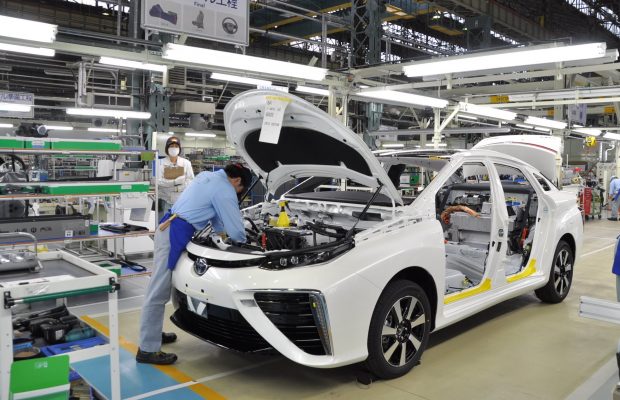
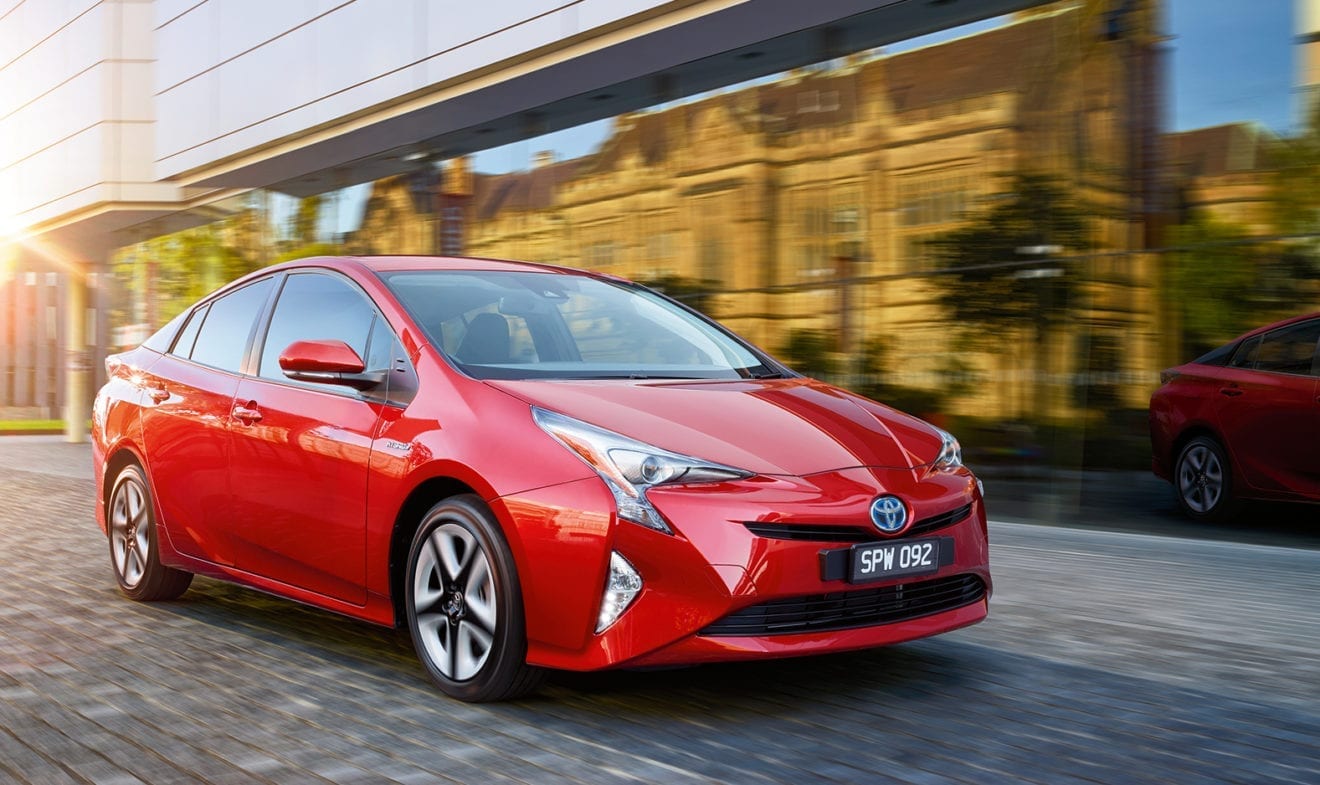
    When it comes to the future of the internal combustion engine, Toyota has long been on the cutting edge. Consider how the company went out early and successfully with the Prius hybrid line of vehicles and how it has come to define the category with the largest market share by far of any hybrid model.

    Now, Seigo Kuzumaki, Toyota’s head of advanced R&D and engineering, is forecasting that the internal combustion engine will be dead as the principal form of vehicle power by 2050 and will power only about 10% of new vehicles as part of a hybrid system.

    The impact on the environment will be profound. Kuzumaki says the reduction in emissions, compared with cars in 2010, will be 90%. Toyota’s technology plan coincides with growing policy making by governments. Last July, for example, United Kingdom Environmental Secretary Michael Gove sad that the sale of new 100% internal-combustion vehicles will be banned in his country by 2040.

    That position differs dramatically from the espoused position of the current U.S. administration, which, in keeping with the Republican political party, continues to deny the impact of human-generated carbon emissions on climate change. The chief reason for that recalcitrance is the fear of carbon taxes on businesses, and the lack of cooperation on extensive environmental standards by other big industrial countries like China and India.

    In the current tax legislation being drafted in the U.S. House of Representatives, there is a call, for example, to end tax incentives for EVs. “[This bill] would fully end the tax incentives for electric vehicles at the end of this year. That’s a shortsighted policy that will increase pollution and undermine an important and growing industry,” according to the Union of Concerned Scientists (UCS).

     But important states in the U.S. like California and New York are proceeding on their own with carbon reducing policies and EV tax credits, without the cooperation or consent of the federal government.

    Toyota is off to a huge start in the production of electric vehicles, producing some 43% of all electric vehicles globally. It has sold more than 11 million Prius brand hybrid and EV vehicles worldwide thus far.

    By 2020, Toyota plans to introduce a new family of EVs, which are expected to have a range of around 300 miles—the gold standard for consumer acceptance of EV vehicles.

    Toyota is far from the only company making heavy investments in EVs. GM, Ford, Nissan, Volkswagen, Honda and luxury makes like Mercedes, BMW and Audi are all making heavy investments. What remains to be seen is how changing governments will set new standards, and at what pace. In the U.S., the Trump administration, for example, is trying to roll back standards set by the Obama administration that proceeded it.

    And consumer tastes and preferences are an issue. Toyota and the other companies can bring out all the EVs they want. But it will take consistency of government policy to allow industry to make the appropriate investments required to meet the level of sales being predicted in the next few decades.

    “The progress of our growing electric vehicle market [can’t be allowed to] stall, because America will fall behind other countries that recognize how critical this technology is to the future of transportation,” says Don Anair, deputy director of the Clean Vehicles program at the UCS.


  • Toyota facelifts Hilux Revo pickup for 2018

    Toyota facelifts Hilux Revo pickup for 2018

    Brand’s bread-winning workhorse gets a more aggressive-looking face and a new style-led model called Rocco to rival the Ford Ranger Wildtrak and Isuzu D-Max X-Series.

    Toyota Motor Thailand has released the first pictures and details of the facelifted Hilux Revo ahead of its public debut at the year-ending 2017 Motor Expo.

    Featuring in the single- and double-cab models is a new face with a prominent grille to bring the Hilux Revo in line with the US-only Tacoma pickup. The meek looks of the pre-facelift Hilux Revo is alleged to have received a tepid reception from the pickup market.

    And for the first time, Toyota has introduced a new style-led range-topper called Rocco to rival the Ford Ranger Wildtrak and Isuzu D-Max X-Series.

    Available for both single- and double-cab variants, the Rocco features an even sportier grille with plenty of black accents around the vehicle. Other key exterior features are 18-inch alloys shod with 265/60 R18 all-terrain tyres and a sports bar in the cargo bed. The interior also gets the black colour treatment along with leather appointments here and there.

    The 150hp 2.4-litre and 177hp 2.8-litre diesel-turbo engines, plus 166hp 2.7-litre petrol unit, remain unchanged. The same goes for the six-speed manual and automatic transmission.

    As for the Rocco, only the 2.8-litre diesel is available either with manual or automatic and 2WD or 4WD. Depending on body style and transmission, the Rocco is priced between 1.129-1.199 million baht. While the regular single-cab sees prices starting from 572,000 baht, the double-cab kicks out at 672,000 baht.

  • Mazda launches all-new CX-5 in Thailand

    Mazda launches all-new CX-5 in Thailand

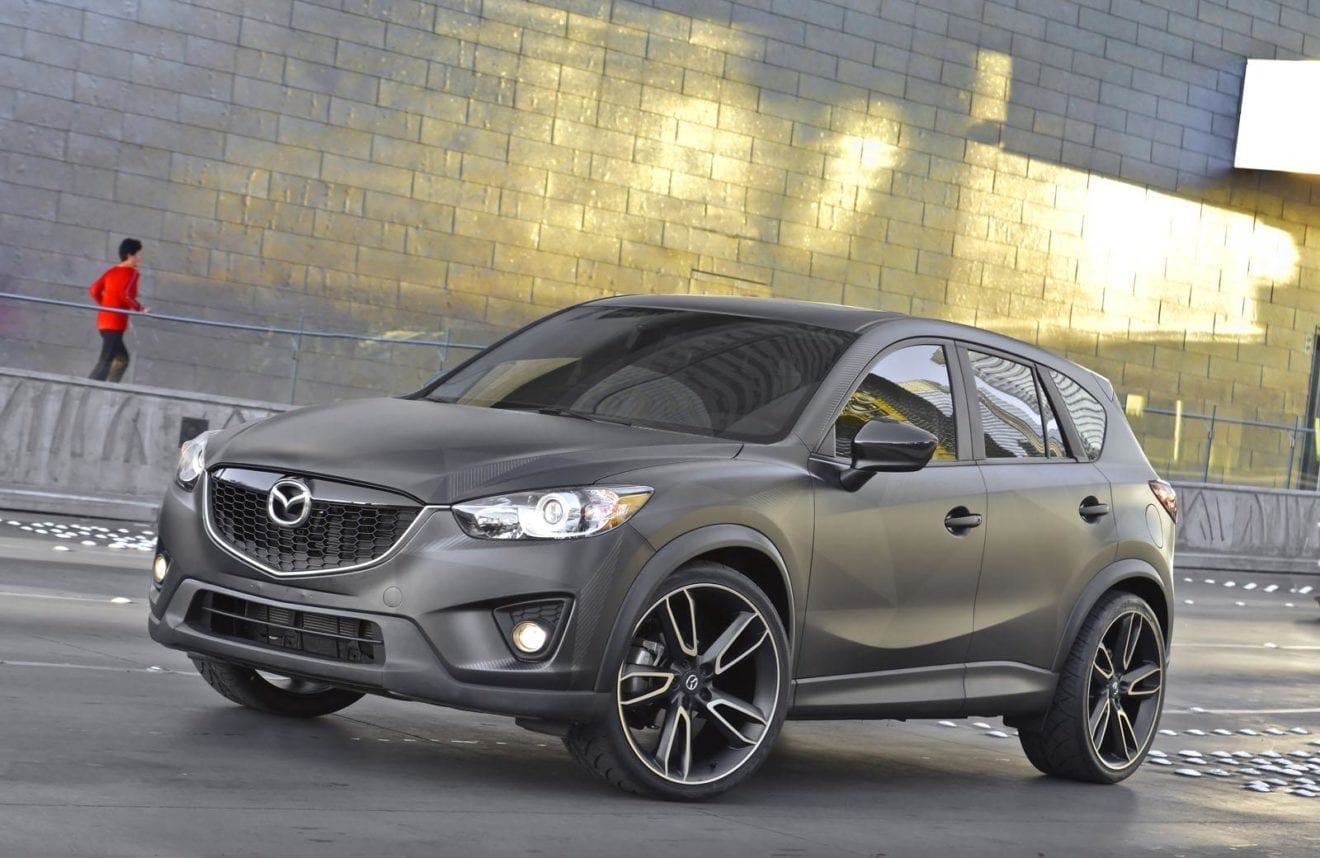
    Mazda Sales Thailand has launched the all-new CX-5 with prices mostly competing with those of the Honda CR-V, one of the most popular SUVs in the Thai market.

    The second-generation CX-5 comes with a completely redesigned exterior and interior, although it still uses the same platform, engines and transmission from its predecessor.

    The CX-5 comes with the same 175hp 2.2-litre diesel-turbo and 165hp 2.0-litre petrol motors, both equipped with a carried-over six-speed automatic driving either the front wheels or all four.

    The entry-level model is the petrol-powered C trim priced at 1.29 million baht, some 100k cheaper than the cheapest CR-V powered by 175hp 2.4-litre petrol engine.

    The higher S spec of the CX-5 goes for 1.33 million baht which, like the C, is 70k more expensive than before. A new grade is the 1.53 million baht SP that comes with the brand’s latest driver-assist technologies. All petrol models are purely front-wheel drive.

    As usual, the diesel-powered is available in just two versions: XD asking for 1.56 million baht and XDL 1.77 million baht, the latter getting those driver-assist tech and four-wheel drive. They are 30k and 80k dearer accordingly than the previous models.

    The CR-V, with 160hp 1.6-litre diesel-turbo, is priced at 1.549 million baht in basic E trim and 1.699 million baht in EL guise.