Author: Mei Ling Tan

  • OCBC Bank to distribute health insurance via Mobile and Internet Banking

    OCBC Bank to distribute health insurance via Mobile and Internet Banking

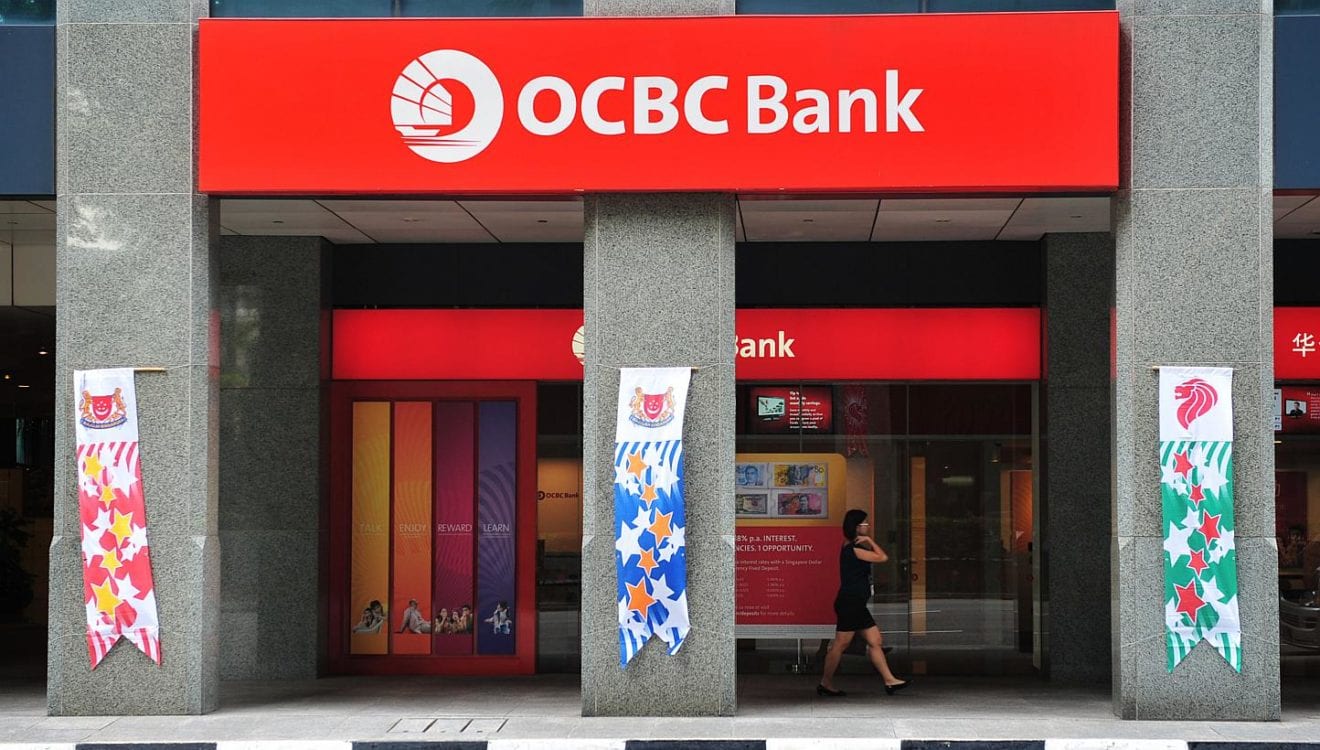
    Digitalising the way customers buy health insurance products, OCBC Bank has again launched a first in the digital wealth management space. This first-of-its-kind way of buying a health insurance plan in a few simple clicks via OCBC Bank’s mobile and Internet banking channels makes access to essential health and illness coverage fast and frictionless.

    Typically, health insurance plans like critical illness, disability, hospitalisation and surgical are not sold via online channels as they require a health check-up to evaluate the applicant’s medical condition. However, with Early Cancer Care, eligible OCBC Bank customers simply need to make a health declaration with the click of a button.

    Early Cancer Care is the first health insurance product to be rolled out on OCBC Bank’s mobile and Internet banking channels, with more non-general insurance plans to be added over time. Underwritten by Great Eastern, it is a cancer insurance plan that provides coverage in the event early or major cancer is detected.

    Depending on the plan purchased, upon diagnosis of major cancer, the insured will receive a cancer recovery benefit of up to S$3,000 monthly for six months, and a lump sum benefit of up to S$150,000, which can be used to cover treatment costs. If early-stage cancer is detected first, the insured will receive 40 per cent of the sum assured, cancer recovery benefit for six months, and all future premiums will be waived. The remaining 60 per cent of the sum assured will be paid out if major cancer is diagnosed subsequently.

    OCBC Bank has radically simplified the purchase of health insurance by offering Early Cancer Care via the bank’s mobile and Internet banking channels, while keeping the process private and confidential in a secured environment unlike unsecured webpages touting similar products. Once the customer has logged in via two-factor authentication, their personal information will be pre-populated on the insurance product application form, and they can make payment from their OCBC Bank accounts or credit cards.

    Mr Aditya Gupta, Head of E-Business Singapore, said: “This is a game changer. So far, our customers in Singapore have had to contend with general insurance products being available for purchase online. By offering our customers access to directly buy insurance solutions like Early Cancer Care via our digital channels, we have upped the ante in meeting their insurance needs simply, quickly and securely. It’s the start of what I call ‘democratisation of insurance’.

    Mr Jerry Ng, Head of Bancassurance, said: “Early Cancer Care is probably one of the most important insurance plans you will buy; that’s why we have made buying it easy and paperless for our eligible customers. We will soon be including other insurance products for purchase on our mobile and Internet banking channels. A majority of cancer plans are renewable yearly, with premiums increasing with age. Early Cancer Care provides cancer coverage for both early and major cancer detection, and the premiums do not increase with age throughout the policy term.”

    Mr Roy Tan, Head of Bancassurance, Great Eastern Life Singapore, added: “A key focus for us at Great Eastern is to harness advances in digital technology to better enable our channel partners such as OCBC to deliver our product solutions to customers more efficiently. We will continue to collaborate to create greater value and better experience for all our customers.”

  • Siam Paragon Luxury Property Showcase 2017

    Siam Paragon Luxury Property Showcase 2017

    The property market in 2017 and 2018 has a positive outlook thanks to several factors, including indicators of a continued recovery of the Thai economy, good purchasing power – especially for high-end and luxury property, and the government’s economic stimulation measures and policy to promote property development in preparation for an aging society. All these contribute to the emergence of new markets and increased demand for property ownership among the Thais and foreigners.

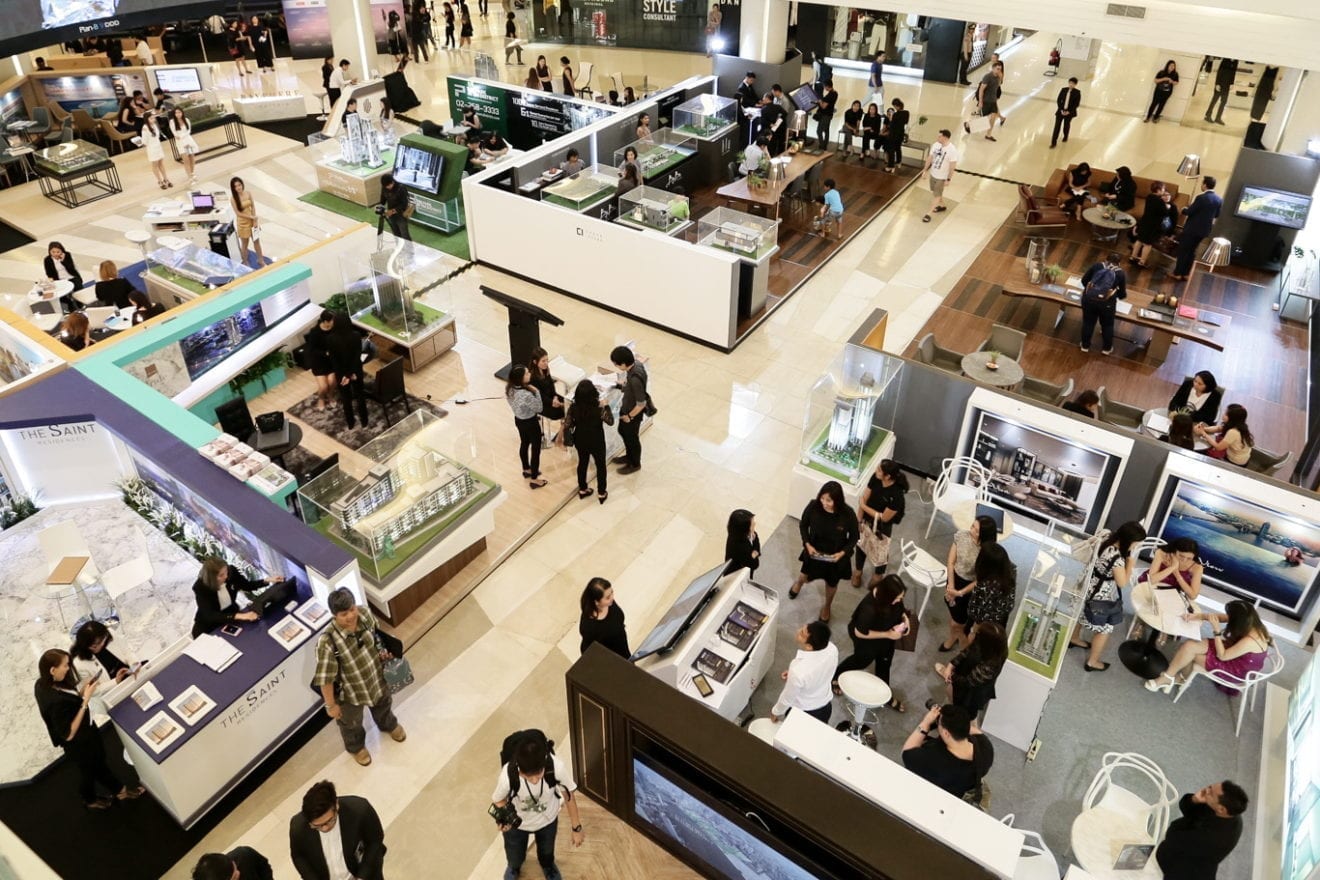
    Due to demand for superior luxury property, Siam Paragon Shopping Center will organize the Siam Paragon Luxury Property Showcase 2017, bringing together all the leading premium property developers in Thailand to showcase masterpiece and high-end residential projects and holiday homes. The event will be the eleventh edition of this grand expo, showcasing 14 projects of super-luxury houses, condominiums and resorts with more than 3,000 units by Thailand’s leading developers, plus luxury yachts for ultimate luxury living. The showcase, which comes with special offers to welcome the year’s end, aims to meet every need of potential buyers and investors, whether they are looking for opportunities to own high-end property and assets or for long-term investments.

    Chanisa Kaewruen, Deputy Managing Director of Marketing Events and Business Relations, Siam Paragon Shopping Center said, “Both the luxury and super-luxury condominiums and low-rise property markets have experienced continued growth since the beginning of 2017. Thanks to low interest rates and increased loan approval rates, the property market will grow further in the fourth quarter and get even better in 2018. The organizing of this showcase will offer a great opportunity for the developers to reach their target customers and for potential buyers to enjoy special offers, exceptional prices and promotions that will make the decision-making process easier,” said Chanisa.

    The projects to be showcased at this event are all residential and holiday home masterpieces on the best locations. They are ARNA EKAMAI, BLUEPHERE PATTAYA, CANAPAYA RESIDENCES, FOUR SEASONS PRIVATE RESIDENCES BANGKOK AT CHAO PHRAYA RIVER, LAVIQ SUKHUMVIT 57, THE LOFTS SILOM, MOVENPICK RESIDENCES & POOL VILLAS, NARA 9 BY EASTERN STAR, NIVATI, THE PANO, THE RESIDENCES at SHERATON PHUKET GRAND BAY, SWAN LAKE RESIDENCE KHAOYAI and WISH SIGNATURE II MIDTOWN SIAM. Special for this year, luxury yachts by BOAT LAGOON will also join the showcase, responding to demand for luxury assets.

    “Developers have prepared to meet investors and buyers’ demand in this year and next year by offering more mixed-use projects, increased private space, fully furnished units with high-end furniture, and other services and facilities for the best comfort and convenience. Strategies to satisfy the buyers’ lifestyle and special offers to attract investors are expected to be well received like previous years during this 11-day event,” said Chanisa.

    Neti Narumit, a condominium investor, property broker and ultra-luxury condominium specialist, has made interesting comments about the market, particularly for high-end property. According to him, the fact that the luxury and super-luxury property market has been growing every year is because they are not much affected by economic situations. This market still enjoys demand from the Thai upper class and foreigners as well as long-term investors. Luxury properties on great locations with extravagant design and quality materials remain the market that both developers and investors show great confidence in. As prices rise every year, this sector continues to grow with great strength.

    “The property market, especially the upper market, will continue to grow next year in line with the growing economy thanks to the flow of funds from foreign investors, the completed megaprojects that have resulted in high prices for land, the government’s special economic zone development and the growth of important cities across the country. This market receives great attention from investors and developers and is still able to create excellent capital gain, resulting in confidence by both Thai and foreign investors. In particular, the new generation of businesspeople – those who are good at financial management, have great lifestyle and look for a stable investment that offers long-term returns, will invest more in property, especially in the upper market. They feel confident that this market has sourced the best locations with high demand, such as the city center, areas connected to parks and water or the rapid transit systems, commercial districts and travel destinations like the sea and mountains, and that the prices of these properties will only increase. This group of investors also express confidence in brands with luxury design and use of technology and innovations to offer the best service and buyer satisfaction. They feel confident in both the value of property and the brands of high-priced projects.”

    The Siam Paragon Luxury Property Showcase 2017 will take place on November 9-19 at the Fashion Hall and the Fashion Gallery on the 1st Floor of Siam Paragon Shopping Center, where leading developers will showcase superb high-end residential projects and excellent investment opportunities with three special offers. The first offer is discounts and promotions for luxury residential projects and holiday homes on great locations. The second offer is for top spenders at the event. The customer with the highest spending will receive an exclusive yacht trip in Phuket worth 350,000 baht provided by Boat Lagoon Yachting. The prize includes one-day luxury stay on the yacht for ten people with complimentary food, drinks and champagne. The second and third top spenders will each receive a round-trip ticket to Phu Quoc, Vietnam for two people, worth 108,000 baht from Bangkok Airways and three-night accommodation at the Turquoise Suite at the JW Marriott Phu Quoc Emerald Bay Resort & Spa with complimentary meals worth 192,500 baht. The fourth and fifth top spenders will receive a powerful wireless vacuum cleaner from Dyson V8 Animal Vacuum worth 25,900 baht. The third offer is a special privilege for Kasikorn and Thanachart credit card holders. When spending with their respective credit card, Kasikorn customers will receive up to 12,000-baht cashback and an installment payment option with 0% interest for up to ten months while Thanachart customers will receive up to 14,000-baht cashback and an installment payment option with 0% interest for six months. For more information, please call 0-2610-8000.

  • Razer partners with Worldpay for seamless online payments

    Razer partners with Worldpay for seamless online payments

    Worldpay, a leader in global payments has announced that it has been selected by Razer, the leading global lifestyle brand for gamers, as one of its key online payments provider for the virtual credits service Razer zGold.
    Razer’s zGold service allows gamers to purchase virtual credits in exchange for digital content such as games and in-game items from different content providers.

    Worldpay was chosen by Razer as it offers global coverage and a comprehensive suite of payment services. The company will also provide deep analytics to help Razer better understand its customers’ online behaviour, as well as extensive customer support. Since implementing Worldpay’s suite of payment solutions and a revamped checkout, Razer has seen a rapid take-up of zGold and retention rates. Razer is now also able to accept additional payment options including Alipay.

    Ian Lim, Director of Software at Razer said: “The Razer zGold service is set to transform the virtual credits landscape and we chose Worldpay for its ability to help us scale quickly cross multiple regions. We have seen increased user take-up and retention rates since we began working with the Worldpay team and there is much growth ahead for both companies.”

    Stuart Thornton, VP Business Development APAC, Global eCom, Worldpay said: “We are entering a hugely exciting period for Razer, and are delighted to be supporting its vision to create a first-class experience for gamers. Whether purchasing the latest hardware in the online store, or buying new games and digital content with Razer zGold, gamers can expect a seamless online experience.”

  • Rough week for Tang Shing-bor

    Rough week for Tang Shing-bor

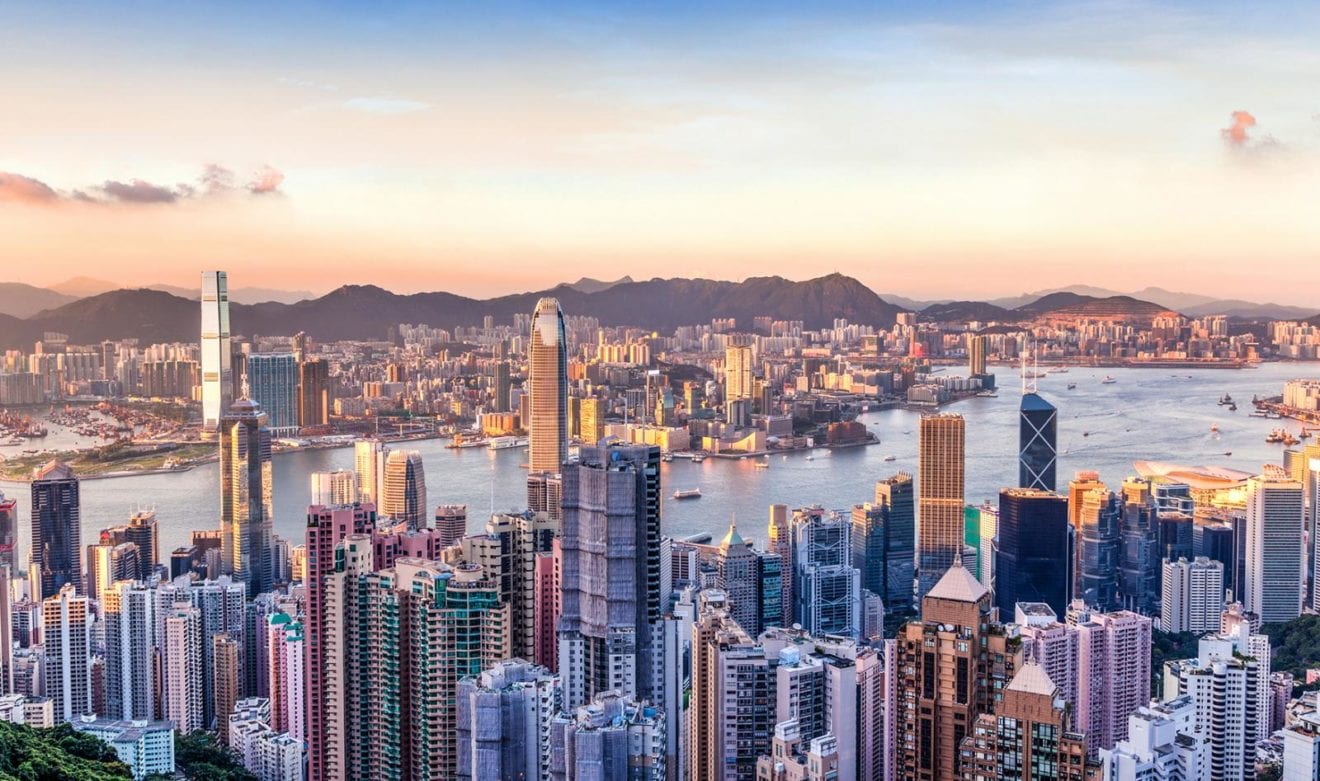
    Property tycoon Tang Shing-bor has sold a block of land next to Times Square shopping mall for a total of HK$950 million (US$122 million).

    Previously the Causeway Bay land housed two buildings, and the sale paves the way for it to be redeveloped into a 34,500sqft (3200sqm) retail tower, reports the Hong Kong Economic Times.

    The buyer of the Percival Street site is believed to be Hysan Development, which owns Hysan Place mall and neighbouring Lee Garden properties.

    Real-estate intelligence website Mingtiandi says the deal is another sign of Hong Kong’s robust commercial property market and the rising popularity of the “Ginza-style” vertical shopping-mall format.

    Dubbed Hong Kong’s “shop king”, Tang had been gradually buying up parts of the two adjacent buildings, culminating with his $250 million purchase last year of the 1100sqft ground-floor Kung Wo Tong tea shop. Before this, the billionaire founder of real-estate investment firm Stan Group had paid more than HK$100 million to acquire full ownership of the neighbouring five-storey building, since demolished.

    Market analysts predict the new owner will redevelop the combined site into a retail tower modelled after the high-rise buildings dominated by retail and nightlife offerings in Tokyo’s upscale shopping district Ginza, says Mingtiandi.

    Meanwhile, the Percival Street sale marks the third major disposal in less than four months for Tang, who is said to have had property transactions worth a total of $5.9 billion since July.

  • Cinnabon is back to Korea

    Cinnabon is back to Korea

    US-based bakery chain Cinnabon has returned to Korea with an outlet at Hyundai Department Store in Seoul.

    The menu includes Cinnabon Classic Rolls, Cinnabon Caramel Pecan, Minibon, and drinks such as Single Origin Coffee, three Coldbrew Ice Coffees, four Espresso Coffee drinks, Chillattas, Hot/Ice Chocolate and Fizzies.

    Cinnabon first came to Korea in 2001 with plans to open 50 outlets within six years, but failed to gain traction at the time.

    Owned by Focus Brands, Cinnabon now operates in 53 countries worldwide.

    Last year, the chain looked for its franchisees to expand to China.

  • Toyota forecasts tough outlook for U.S. sales, yen boost to overall profit

    Toyota forecasts tough outlook for U.S. sales, yen boost to overall profit

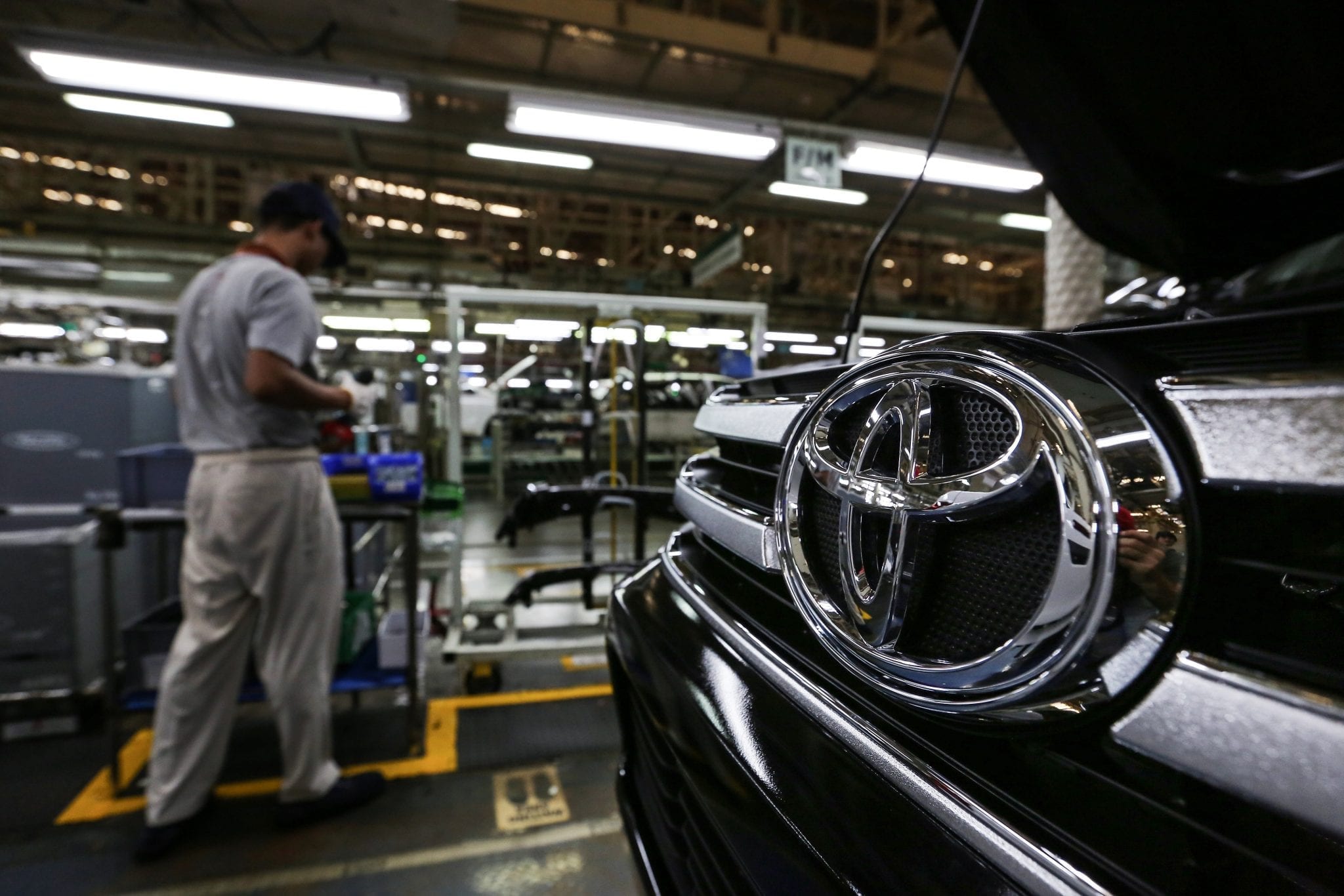
    Toyota Motor Corp upgraded its full-year operating profit forecast by 8 percent on expectations of a weaker yen but flagged a dour outlook for North America, its biggest market, where quarterly sales fell to the lowest in nearly three years.

    Japan’s largest automaker is struggling to sell more cars in North America, where automakers are battling for customers with aggressive discounts, particularly on sedans as driver preferences shift to bigger SUVs and pick-up trucks. This has raised marketing costs for Toyota and other automakers.

    Profitable growth in North America is important to Toyota to help it sustain big investments it is planning to make in fast-growing new technologies such as automated driving functions and artificial intelligence.

    Toyota said on Tuesday it now expects full-year operating profit to come in at 2.0 trillion yen ($17.54 billion), up from a previous forecast of 1.85 trillion yen, based on a revised assumption that the yen will trade around 111 yen JPY= to the U.S. dollar, from 110 yen.

    The updated profit forecast number is more or less similar to last year’s operating profit of 1.99 trillion yen and in line with forecasts of a profit of 2.04 trillion from analysts polled by Thomson Reuters I/B/E/S.

    Toyota Executive Vice President Osamu Nagata said that the improved forecast was largely due to a positive currency impact, adding that marketing activities, including financial incentives in the United States, would cut into overall profitability this year.

    “Weakening profitability in our U.S. operations is still having a negative impact,” Nagata told reporters at an earnings conference, adding that the shift in demand from sedans to SUVs and falling residual values of leased vehicles would continue to weigh on the company.

    “We still have a lot of work to do there.”

    In July-September, the maker of the Prius gasoline hybrid and the RAV4 SUV crossover sold around 672,000 vehicles in North America, down from around 684,000 a year ago. It was Toyota’s lowest quarterly sales there since the January-March 2015 quarter.

    The automaker anticipates lower annual retail sales in the region for the year to March. At home, sales fell 4.2 percent during the quarter to 543,000 units.

    QUARTERLY RESULTS, SHARE BUYBACK

    Honda Motor Co Ltd (7267.T), Japan’s third-biggest automaker, and smaller Subaru Corp (7270.T) both reported earlier this month that they sold fewer vehicles in North America during July-September and spent more on incentives to whittle down inventories.

    Nissan Motor (7201.T), the nation’s second-biggest vehicle maker, will report its results on Wednesday.

    Toyota is fighting to stay competitive in the U.S. market, which is coming off a strong run that culminated in record sales of 17.55 million vehicles industry-wide in 2016. For the past year or so, Toyota has been raising the production of its Tacoma and Tundra pick-up trucks and its RAV4 SUV crossover, to capitalize on strong demand for larger models.

    But improving sales in other markets have been offsetting weakness in the United States. Quarterly vehicle sales rose 8.0 percent in Europe, and 0.3 percent in Asia. In growing markets, which include central and South America, sales rose 0.6 percent.

    “Even if sales in the U.S. have flattened out, they’re seeing growth in a lot of other markets, like ASEAN, Brazil and Russia, which were considered weak spots not so long ago,” CLSA managing director Chris Richter said.

    Toyota posted a 10 percent rise in operating profit for the second quarter, exceeding analysts’ forecasts for 515.3 billion yen. It also announced a share buyback worth 250 billion yen, the latest in a series of buybacks it has been making over the past few years.

  • Giordano post a “quite okay” result

    Giordano post a “quite okay” result

    Third-quarter sales for apparel retailer Giordano International have been edging ahead in most markets, an exception being South Korea, a 48.5 per cent JV with an independent management team.

    While e-commerce sales jumped by 17.6 per cent in Mainland China, overall sales growth reached only 2.6 per cent, with a decrease of 2.5 per cent in directly run stores. The company closed 32 non-performing outlets.

    Comparative own-store sales grew by 8.4 per cent, with an 0.5-point decline in gross margin because of a change in channel mix as the contribution from the lower-margin e-business.

    In Hong Kong and Macau, sales for the three months to the end of September grew by 3.2 per cent.

    Gross margin fell 1.6 points as a result of sales promotions to counter an unusually hot and rainy summer and late autumn. These promotions pushed up sales volume by 13.8 per cent while reducing the average selling price by 9.2 per cent.

    Comparative-store gross profit rebounded in Taiwan, where sales and gross margin rose by 2.9 per cent and 1.1 points respectively. Giordano says the improvements are sustainable for the rest of the year. Gross margin also benefited from lower product costs on a strong local currency.

    In the rest of Asia Pacific sales increased by 5.4 per cent at constant exchange rates. The acquisition of Vietnam business in July contributed to 5.1 per cent of sales in the region.

    Unusually strong sales in Thailand last year resulted in an unfavorable year-on-year comparison for the quarter.

    Ramadan effect

    Indonesia sales rose by 3.5 per cent as a result of shop expansion. While comp-store sales fell by 4.1 per cent and gross profit eased 1.8 per cent as a result of the different timing of Ramadan, comp-store sales from June to September this year increased by 9.7 per cent against the same period last year.

    Early Ramadan also affected sales in Malaysia, which grew by 4.3 per cent. Comp-store sales rose by 2.6 per cent while gross profit eased 1.4 per cent. Comp-store sales for June to September strengthened 20.4 per cent compared with the same four-month period last year.

    Both comp-store sales and gross profit dropped in Thailand, by 4.9 and 6.3 per cent respectively, against an unusually high base in the same quarter last year.

    Sales fell 3.6 per cent in South Korea while gross margin improved by 0.7 points. The decline was mainly because of summer clearance sales and unusually hot weather in September hitting fall/winter merchandise sales.

    Overall group sales rose by 3.6 per cent to HK$1.2 billion (US$153.8 million). Group gross profit increased by 3 per cent on improved sales, partially offset by a 0.3-point decline in gross margin.

    Giordano attributes this partly to the change in channel mix and selective promotional activities. Group comparable-store sales and comparable-store gross profit for the quarter grew by 2.3 and 1.5 per cent respectively.

    At the end of September, the group’s distribution network comprised 2370 stores in more than 30 countries, about half of these being standalone stores. Most stores were in Greater China, South Korea and Southeast Asia.

  • Starbucks Japan opening in tourist attractions

    Starbucks Japan opening in tourist attractions

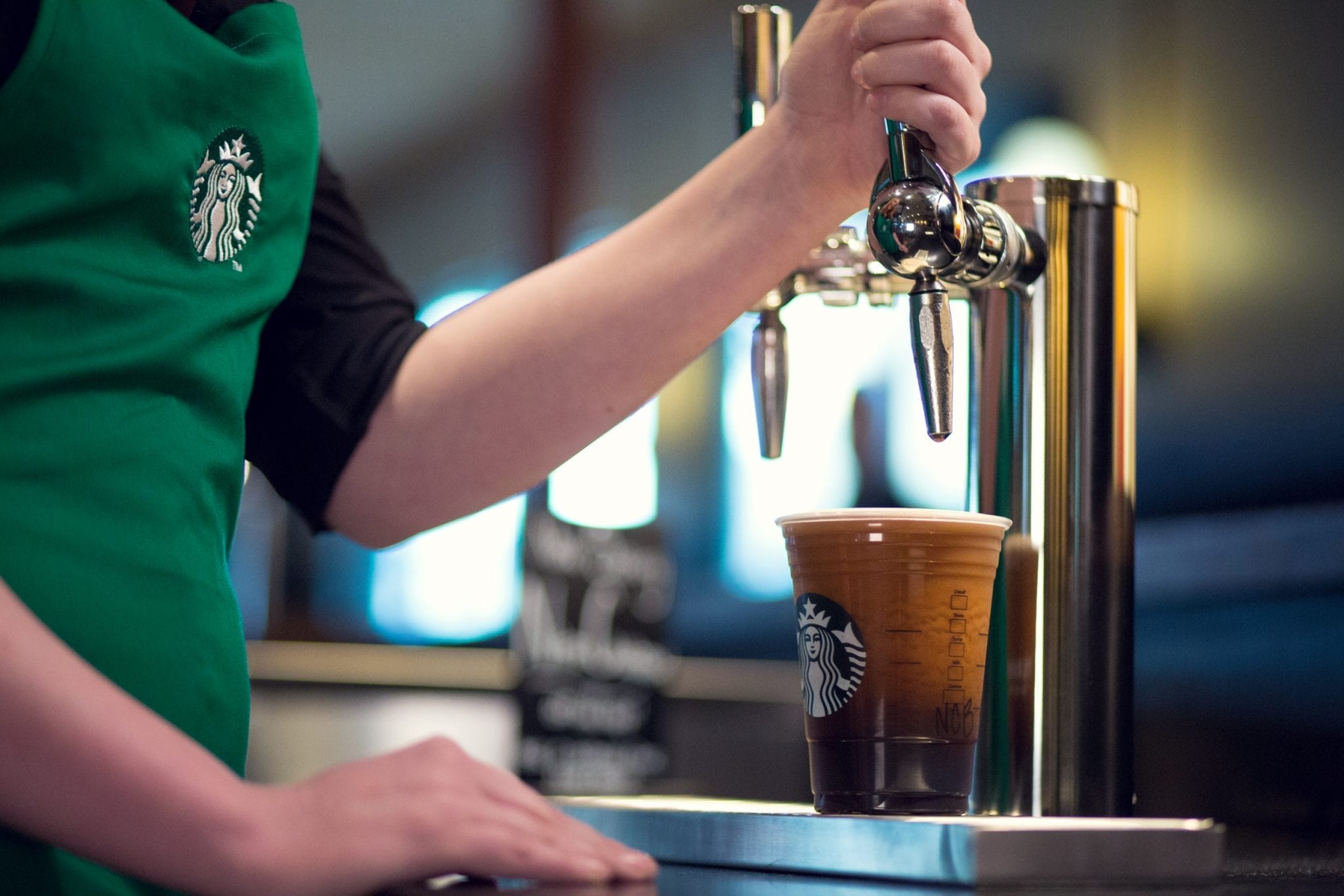
    Starbucks Japan is about to open stores at two tourist spots, Dogo Onsen and Miyajima (pictured).

    An island in Hiroshima Bay, Miyajima goes by the official name of Itsukushima and is known for its floating torii gate off the shore of Itsukushima Shrine, a Unesco World Heritage Site. Starbucks says its new location on the island, accessed by a 10-minute ferry ride from the mainland, is a first for the company as the only outlet that has to be reached by boat.

    Starbucks Japan- Miyajima 1

    Featuring wood panels, panoramic windows and a balcony, the new Starbucks will share a building with a brewery restaurant run by local company Miyajima Beer.

    Starbucks Japan- Miyajima 2

    Also on an island, Dogo Onsen is believed to be Japan’s oldest hot spring, reports Sora News 24. It is in Matsuyama, on the island of Shikoku.

    Starbucks Japan - Dogo Onsen station

    Starbucks will take up residence in the two-storey wooden replica of the island’s original station. Its interior will pay homage to the original building that dated back to 1911. The tables and chairs will be made from old rails and sleepers.

    Starbucks Japan - Dogo Onsen station 2

    Starbucks Japan - Dogo Onsen station 1

    The Miyajima Starbucks opens on November 22 while the Dogo Onsen outlet follows a month later.

  • Ford, China’s Zotye Auto invest $756 million in electric vehicle JV

    Ford, China’s Zotye Auto invest $756 million in electric vehicle JV

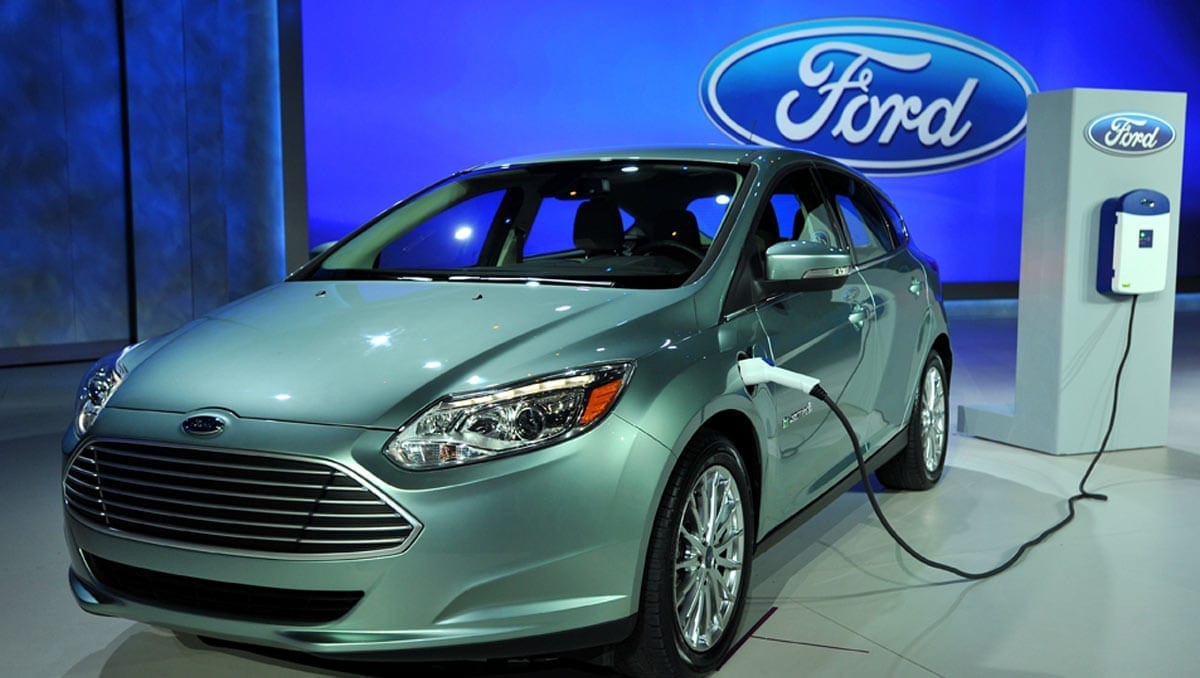
    Ford Motor and China’s Anhui Zotye Automobile have agreed to invest a combined $756 million to set up a 50-50 joint venture in China to build electric passenger vehicles, both companies said on Wednesday.

    The new joint venture, Zotye Ford Automobile Co. Ltd, plans to build a manufacturing plant in Zhejiang province and will sell all-electric vehicles under a new Chinese brand, tapping into a boom for such vehicles in the world’s top auto market, Ford Motor said in a statement.

    “Zotye Ford will introduce a new brand family of small all-electric vehicles,” Ford group vice president Peter Fleet said in the statement. “We will be exploring innovative vehicle connectivity and mobility service solutions for a new generation of young city-dwelling Chinese customers.”

    The JV deal was signed during U.S. President Donald Trump’s visit to China as the two countries inked commercial deals worth about $9 billion.

    In addition to the new JV, Ford and Zotye will explore offering mobility services to consumers in China as local demand for such solutions continues to grow, Ford’s statement added.

    China, struggling with alarming pollution levels in major cities, is aggressively pushing plug-in vehicles and has poured in tens of billions of yuan in investment, research funding and subsidies, drawing many new automakers to launch projects.

  • Mitsubishi Motors swings to operating profit in second quarter

    Mitsubishi Motors swings to operating profit in second quarter

    Mitsubishi Motors Corp said on Tuesday it swung to an operating profit for the second quarter, beating expectations as it rebounded from a mileage-cheating scandal a year earlier helped by cost cuts and favorable exchange rates.

    Healthy demand in Southeast Asia, Mitsubishi’s top market also lifted earnings with the automaker saying it was seeing strong orders for its new Xpander seven-seater multipurpose vehicles in Indonesia.

    Operating profit came in at 23.6 billion yen ($207.3 million) for the quarter, compared with a loss of 36.2 billion yen a year earlier when it was forced to stop sales of some domestic models due to the scandal.

    That exceeded forecasts for 20.14 billion yen from four analysts polled by Thomson Reuters I/B/E/S.

    During the first-half, retail vehicle sales at home climbed 48 percent while those in southeast Asia rose 15 percent.

    Mitsubishi kept its forecast for operating profit to surge 14-fold to 70.0 billion yen in the year to March. That reflects the rebound from the scandal as well as expectations of further growth in Asia and cost savings from its alliance with Nissan Motor Co (7201.T).

    The car maker has set ambitious goals for growth in Southeast Asia, China and the United States as well as for a comeback in Japan. Last month, it said it planned to boost global sales by 30 percent over three years.

    Under its new three-year strategy plan – Mitsubishi’s first since Nissan bought a controlling stake in 2016 following the scandal – the Japanese automaker will also ramp up R&D investment and capital spending.

    The company has reorganized the engineering division involved in the mileage manipulation scandal and has improved testing processes and compliance procedures.

    It expects the yen to trade around 105 yen to the U.S. dollar in the year to March.

  • Macy’s bad days in third quarter

    Macy’s bad days in third quarter

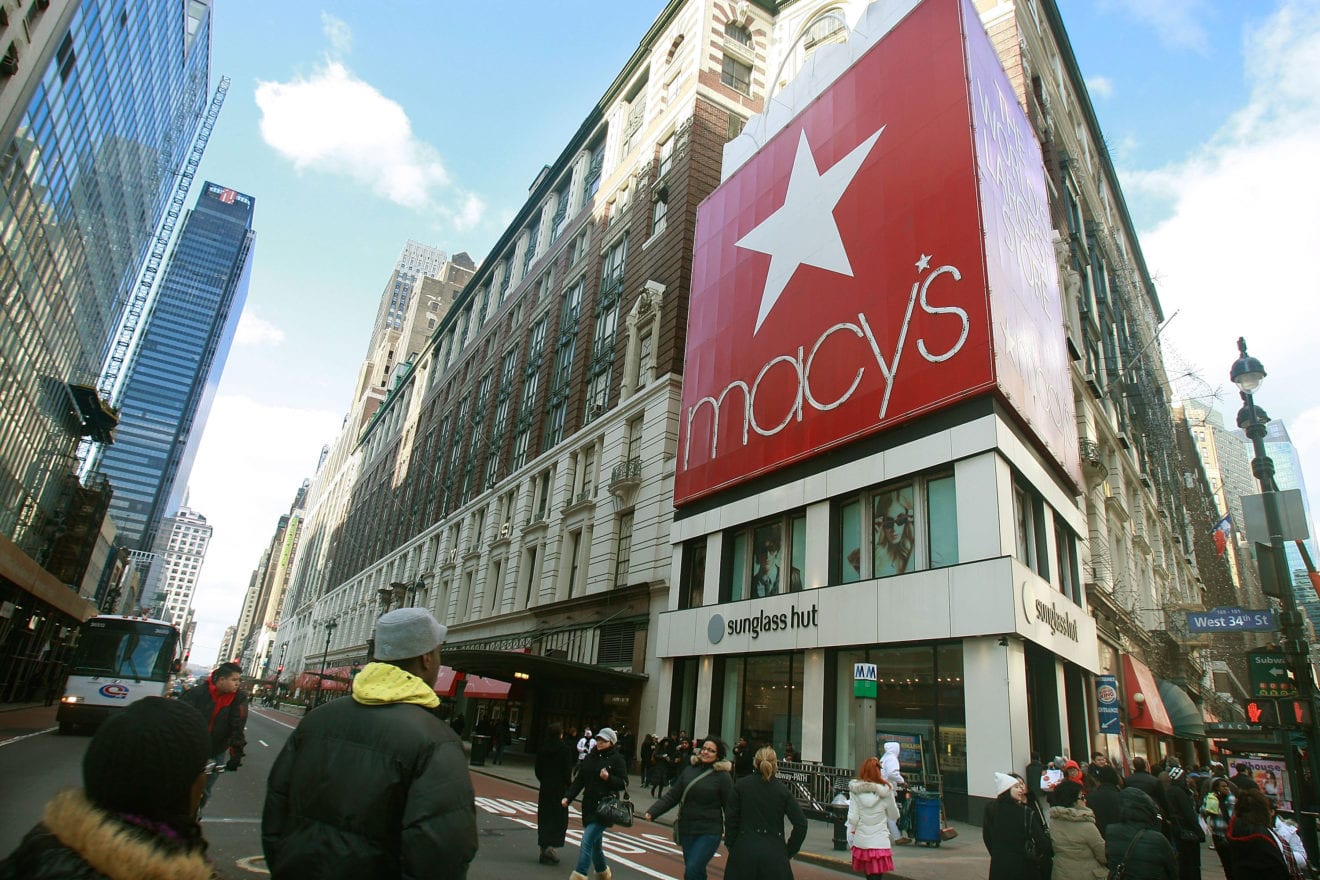
    Department store chain Macy’s has posted disappointing third quarter earnings, but tighter inventory controls has helped boost profit margins for the retailer.

    Macy’s posted a drop in sales of 6.1 per cent from $5.6 billion to $5.3 billion. Comparable store sales including licensed sales has seen a 3.6 per cent decrease. Gross margin increased from 39.8 per cent in FY 2016 to 39.9 per cent in the current year. Selling cost has remained high and has increased from 37.5 per cent to 37.8 per cent.

    Macy’s also reaffirmed its full-year outlook, citing heightened momentum heading into the all-important holiday shopping season.

    “We are excited about our plans for holiday, which is when Macy’s truly shines as a gifting destination,” said Jeff Gennette, Macy’s CEO.

    “The loyalty program, special in-store experiences and a strong mobile and online presence will help drive holiday sales.”

    During its third quarter, Macy’s opened eight new freestanding Bluemercury beauty specialty stores for a total of 135 stores and seven new Macy’s Backstage off-price stores within existing Macy’s stores for a total of 45 locations.

    During the quarter, the company announced that it will close the following stores in early 2018: Laguna Hills Mall in Laguna Hills, CA; Stonestown Galleria in San Francisco, CA; and Westside Pavilion in Los Angeles, CA.

    Neil Saunders, managing director of GlobalData Retail, said Macy’s has presented a rather mixed bag of results, with gains on the bottom line overshadowed by the continuing slide in sales.

    “Admittedly, total sales have been affected by the program of store closures, but the comparable number – which worsened since the last quarter – cannot fall back on the same excuse,” Saunders said.

    Saunders said in their view, one of the central issues with Macy’s is the patchiness of its turnaround program.

    “While there is no doubt that the company has made progress across some areas, change is far from comprehensive or far-reaching,” he said. “We get the sense that Macy’s fixes issues in a piecemeal way and that it lacks a unified vision for the future of the business.”

    Saunders said on the ground, this means it is hard for shoppers to see any material change, which is one of the reasons why Macy’s continues to suffer from customer defections.

    “None of this is to suggest that there have not been pockets of advancement: in shoes and jewellery, for example, Macy’s has enhanced its offer. However, on their own, these are insufficient to swing the top-line into growth.”

    According to Saunders, as a department store, the reinvigoration of Macy’s business means it must reinvent not only each department but the way in which all of those individual elements fit together.

    “In our opinion, the company is a very long way from achieving this and, more worryingly, seems to lack the will or the ability to do so,” he said. “Instead, Macy’s is focusing on smaller scale initiatives like the revamping of its loyalty scheme and improved marketing. As much as these things are valuable, they do not address the fundamental issues facing the business.”

    Saunders said all in all, Macy’s has made some progress, especially on the bottom-line where cost-saving initiatives are helping profit. However, the company needs to move further, faster and in a more coordinated way if it is to transform its fortunes.

  • Miniso Vietnam to open more stores

    Miniso Vietnam to open more stores

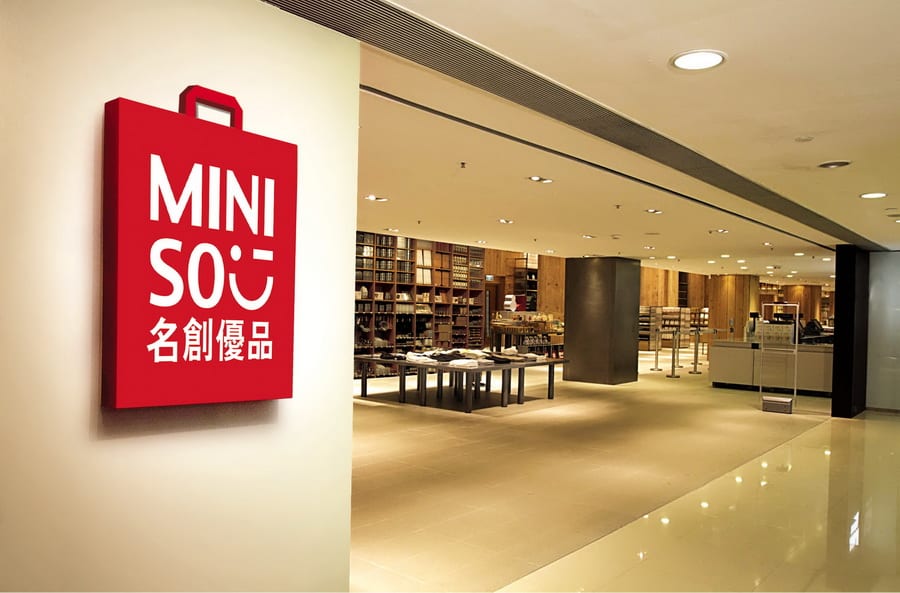
    Miniso Vietnam plans to open 500 more stores in the next two years, adding to the 30 outlets already established.

    Co-founder/chief designer Miyake Junya says he has signed a strategic co-operation agreement with Vietnamese developers, including Vincom, which includes plans for 300 stores next year.

    He says Miniso will open 10,000 stores in 100 countries by 2019, with expectations of global revenue reaching US$15 billion.

    In its four years, the Chinese discount chain already has 2000-plus stores in more than 60 countries and regions.

    Miniso Vietnam launched in August last year.

  • More luxe image for Burberry marketing

    More luxe image for Burberry marketing

    Trumpeting solid growth in China sales in the first half year, Burberry has revealed plans to head more upmarket and cull its store network.

    Burberry marketing, retailing and communication will be refocused to meet the changing demands of today’s luxury customers, explained CEO Marco Gobbetti.

    The British-headquartered company, which achieves about 90 per cent of its own-retail sales in Asia-Pacific, reported China sales growth in the mid-teen percentages, with a “broadly consistent performance across both quarters”.

    “Hong Kong continued to improve, returning to growth in the second quarter,” the company announced, further evidence that the city’s retail sales decline is finally over.

    But the region’s overall growth was a more muted “mid-single digit”, largely due to a continuing decline in South Korea, thanks to falling Chinese tourist numbers.

    “I am pleased with our performance in the half with strong double-digit underlying profit growth,” said Gobbetti. “Consumers responded positively to fashion and newness, particularly in rainwear and leather goods. Digital revenue grew in all regions, led by mobile, while growth was strongest in our own stores in Asia Pacific.”

    Global sales for the six months to September rose 4 per cent to £1.263 billion with adjusted operating profit up 14.6 per cent to £185 million.

    New direction

    But the solid performance was overshadowed by Gobbetti’s announcement on the brand’s future. He prefaced it by saying the luxury market has changed and today’s luxury consumer demands innovation, curation and excitement from brands and creativity at every turn.

    “To win with this consumer, we must sharpen our brand positioning.  This will require us to change our approach to product, communication and customer experience.

    “We will reshape our offer, increasing and invigorating the fashion content.  We will create compelling luxury leather goods and accessories to attract new customers.  We will build on the strength of our apparel and re-energise it.  We will build our offer to provide a complete look for our customers, while continuing to simplify our ranges.”

    He said Burberry will put product “at the centre of our communication”.

    “We will leverage our extensive digital reach to convey new energy.  We will be bold in the way we engage luxury consumers, reinventing our editorial content and experiences.”

    One of the first steps will be rationalising the brand’s non-luxury wholesale and retail doors, with an initial emphasis on the US and EMEIA.

    The company has earmarked about £200 million to “transform our in-store experience” by refurbishing stores and enhancing its luxury service.

    “We will continue to lead innovation in digital, delivering personalised experiences and true omnichannel services. Our actions will be underpinned by continued focus on productivity, simplification and financial discipline.  We will engage and motivate our teams, reinforcing our culture and values.  We will continue to be an industry leader in responsibility,” said Gobbetti.

    Late last month, Burberry announced the departure of its president and chief creative officer Christopher Bailey after 17 years with the brand. His phased exit will commence in March, before he designs the Spring/Summer 2018 collection before leaving the company in December next year.

  • Suning Holdings next move is smart retailing

    Suning Holdings next move is smart retailing

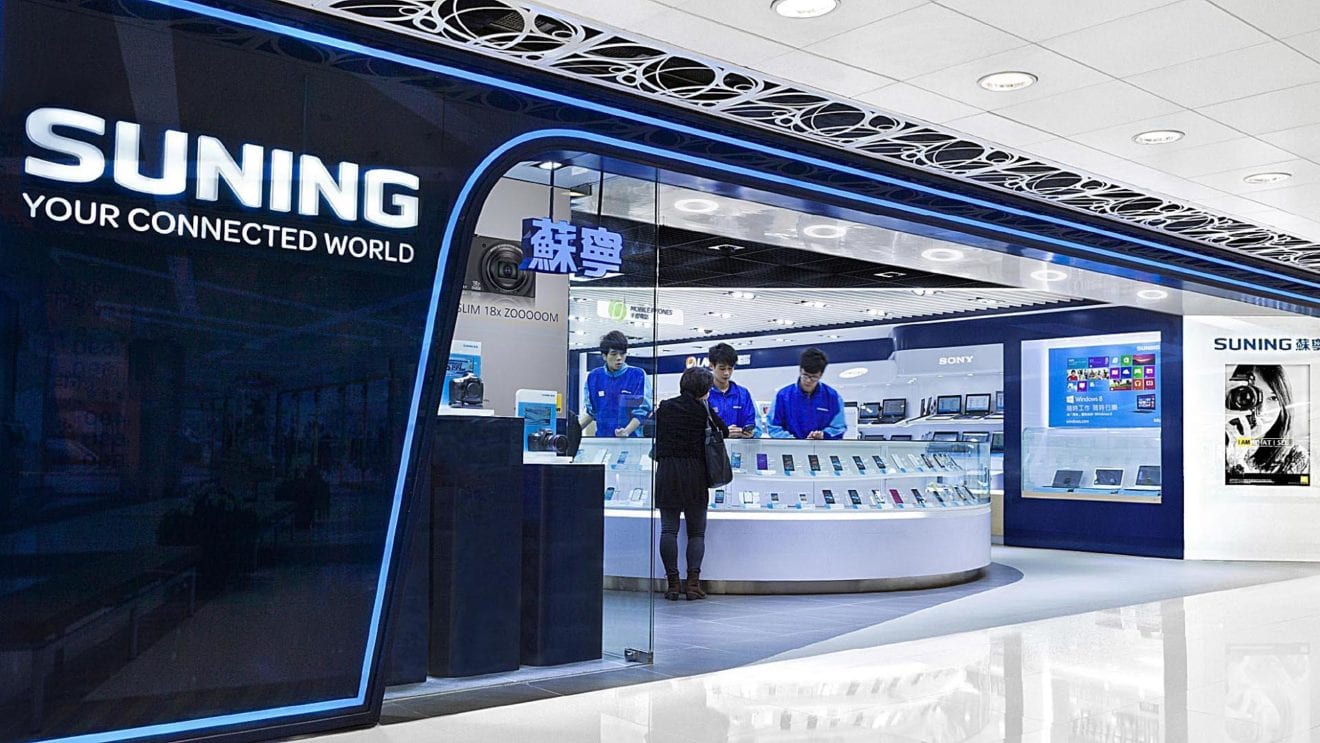
    China’s commercial conglomerate Suning Holdings Group is partnering with Hon Hai Technology Group in an “extensive retail co-operation” worth at least RMB50 billion (US$8 billion).

    Suning has also signed an RMB20 billion investment agreement with Evergrande Real Estate Group. Both moves are aimed at online/offline integration and expanding Suning’s smart-retail strategy.

    The property developer will help Suning develop its brick-and-mortar stores for personalised shopping experiences, and also help with its planned expansion of 5000 stores in the short term.

    The two companies will also explore smart home design, property management and other priorities.

    With Hon Hai, said to be the world’s largest contract electronics manufacturer, the co-operation focuses on the sharing of big-data analytics to optimise strategies and products for customised services. Hon Hai chairman Terry Gou says cross-industry co-operation should start from manufacturing to better satisfy customers’ needs.

    “By partnering with Evergrande, Suning’s advantages in innovative O2O physical stores will be strengthened more efficiently, and by working with Hon Hai we can create curated experiences through an open business model,” says Suning chairman Zhang Jindong.

    Suning ventured into e-commerce in 2010. By the third quarter this year it had 3748 stores in China and overseas. Revenue from its stores with online connections jumped by 35.27 per cent in the first three-quarters year on year. In the same period, its total transaction volume online reached RMB81 billion, a year-on-year rise of 55.64 per cent.

  • Blue Bottle Coffee heading for Korea

    Blue Bottle Coffee heading for Korea

    US brand Blue Bottle Coffee is expected to open in South Korea soon, followed by other Asian countries including China, Hong Kong and Taiwan.

    “We’re developing our contact here,” CEO Bryan Meehan said while attending the World Coffee Leaders Forum at the Seoul Cafe Show.

    He said Blue Bottle was researching the market and looking for a GM in Korea, with no specific set yet for a launch.

    Meehan said the company headquarters would directly manage its stores in Korea, as it does in other countries.

    “Actually, we had a lot of pressure for a joint venture in Japan. A lot of companies wanted licensed approaches,” he said. “We are very passionate about controlling the quality of Blue Bottle, so we like to do things ourselves. We have never franchised.”

    While local coffee chains in Korea have been hit by losses over the past few years, Starbucks Coffee has alone seen rapid growth, reports The Korea Times.

    “Blue Bottle has grown along with Starbucks in the US. We think we can survive side-by-side,” said Meehan.

    Known for its innovation, Blue Bottle has 44 stores in the US and Japan. Nestle acquired the chain for US$425 million in September.

    “Nestle CEO Mark Schneider has a wonderful vision of where specialty coffee should be in five years’ time, and he sees the value of Blue Bottle,” said Meehan. “Nestle is allowing Blue Bottle to remain a standalone company. I don’t report to anybody at Nestle.”

    Founded in Oakland, California, by musician James Freeman in 2002, Blue Bottle has expanded around San Francisco. Because of Freeman’s interest in Japan, the chain has expanded there and will open its eighth outlet next year in Kyoto.