Author: Mei Ling Tan

  • Cebu Pacific seeks Hong Kong, Bali entitlements

    Cebu Pacific seeks Hong Kong, Bali entitlements

    The operator of budget carrier Cebu Pacific is seeking entitlements to Hong Kong as well as Bali in Indonesia.

    Cebu Air Inc. filed an application with the Civil Aeronautics Board (CAB) for the allocation and re-allocation of entitlements on the Manila to Hong Kong route.

     The entitlements being requested are under a confidential memorandum of understanding between the Philippines and the Hong Kong Special Administrative Region in 2014.

    Aside from Hong Kong, Cebu Air has also filed an application with the CAB to get additional entitlements to fly to Denpasar, the capital of Bali.

    Cebu Air is seeking additional entitlements to Bali under the Association of Southeast Asian Nations Multilateral Agreement on the Full Liberalization of Passenger Air Services (Asean-MAFLPAS).

    The Asean-MAFLPAS removes third, fourth and fifth freedom restrictions among Asean cities except capital cities.

    At present, Cebu Pacific serves 25 international and 37 domestic destinations.

    Cebu Pacific is utilizing a fleet of aircraft which includes one Airbus A319, 35 Airbus A320s and eight Airbus A330s for its flights.

    Cebu Pacific’s wholly-owned subsidiary Cebgo meanwhile, has a fleet composed of eight ATR 72-500s and seven ATR 72-600s.

    From this year until 2022, the group expects the delivery of seven more brand-new Airbus A321ceos and 32 Airbus A321neo aircraft.

    The group recently designated Laguindingan Airport which caters to Cagayan de Oro City and neighboring areas Iligan City, Marawi City, and Bukidnon province, as its seventh hub as part of efforts to strengthen its domestic network.

    Aside from the Laguindingan Airport, the group’s other hubs are located in Manila, Cebu, Clark, Davao, Kalibo and Iloilo.

  • Nissan’s domestic sales drop after inspection scandal

    Nissan’s domestic sales drop after inspection scandal

    Japanese automaker Nissan Motor Co Ltd’s domestic sales for the Oct. 1 to Oct. 20 period plummeted 20 percent following recent allegations of misconduct in its inspection procedures, the Nikkei said.

    The Yokohama-based automaker’s domestic sales fell to 12,300 units during the period, the newspaper reported. (s.nikkei.com/2lc9nAm)

    Last week, the country’s second-largest automaker said it would halt production of domestic market vehicles at all six of its Japanese assembly plants to consolidate their inspection lines to comply with the country’s transport ministry requirements.

    The inspection scandal was expected to end the company’s 11-month streak of year-on-year domestic sales growth through September, the business daily said.

    The company could not immediately reached for comment.

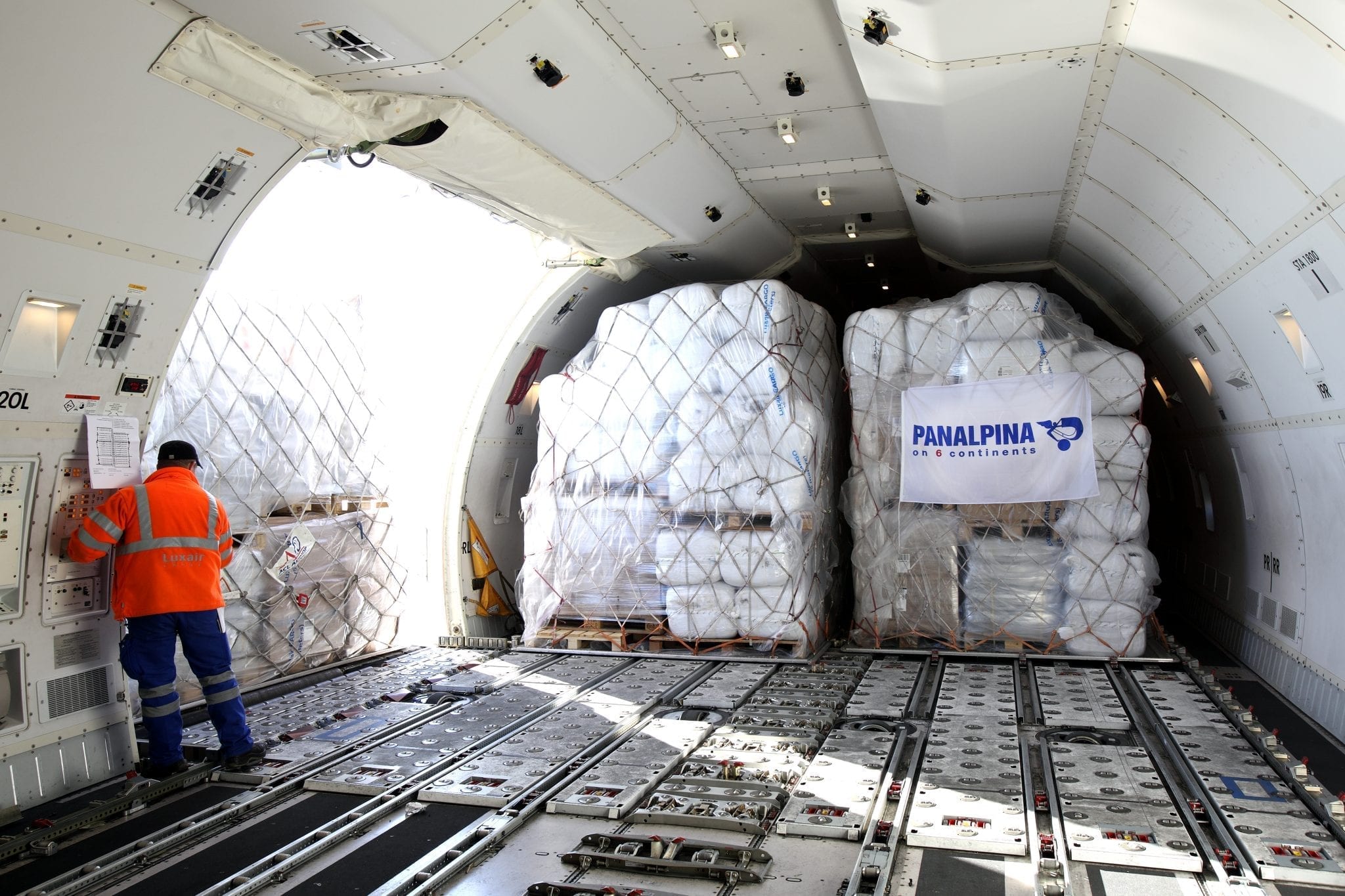
  • Panalpina airfreight profits and volumes continue to rise

    Panalpina airfreight profits and volumes continue to rise

    During the first nine months of 2017, Panalpina grew volumes in air freight and ocean freight compared to the same period last year. As the year progressed, group gross profit as well as EBIT increased with every quarter. Year-on-year, Panalpina’s reported EBIT increased from CHF 67.5 million (adjusted YTD 2016: CHF 93.6 million) to CHF 72.1 million and the reported consolidated profit increased from CHF 46.5 million (adjusted YTD 2016: CHF 72.6 million) to CHF 48.4 million.

    Panalpina’s air freight volumes increased 8% in the first nine months of 2017. From January to September, gross profit, unit profitability and EBIT in air freight increased with every quarter. Compared to the same period last year, gross profit per ton decreased 7% to CHF 632 (YTD 2016: CHF 678), resulting in a gross profit of CHF 456.0 million (YTD 2016: CHF 453.4 million). Reported EBIT in Air Freight increased from CHF 60.0 million (adjusted YTD 2016: CHF 72.6 million) to CHF 69.4 million. The EBIT-to-gross-profit margin for the first nine months of 2017 came in at 15.2% compared to 13.2% (adjusted YTD 2016: 16.0%) a year before.

    “Nine months into the year, Air Freight and Logistics are well under way and showing continued solid performance,” says Panalpina CEO Stefan Karlen. “We are well-prepared for another strong peak season in Air Freight, however it remains to be seen how dynamic the carrier market will be this year.”

    In Logistics, gross profit decreased 16% to CHF 245.4 million year-on-year (YTD 2016: CHF 293.3 million), but has stabilized throughout 2017. Logistics is now sustainably profitable,  posting an EBIT of CHF 8.1 million for the first nine months of 2017, compared to CHF 1.2 million (adjusted YTD 2016: CHF 5.0 million) for the same period last year.

  • Vietjet Celebrates Vietnamese Women’s Day with a Spectacular Airport Catwalk

    Vietjet Celebrates Vietnamese Women’s Day with a Spectacular Airport Catwalk

    Vietjet celebrated Vietnamese Women’s Day on October 20 with an unconventional and first-ever catwalk with impressive Ao Dai dresses at Tan Son Nhat International Airport in Ho Chi Minh City and onboard a special flight. Aside from Vietjet’s high-quality services, passengers could also enjoy the unique experiences brought by Vietjet.

    The alluring Ao Dai catwalk performance was accompanied by the melody of “Huong Vietnam” by Phuong Nguyen and Thierry David. Vietnamese supermodel, Vo Hoang Yen, ruled the catwalk alongside Vietjet’s team of models to beautifully showcase a collection of vivid colored Ao Dai dresses hand-drawn by the renowned Vietnamese designer, Thuan Viet. This is also the first time an Ao Dai catwalk performance has taken place at an airport in the world. Not only did the passengers enjoyed the catwalk at Tan Son Nhat International Airport lounge, but passengers on board of VJ126 flight from Ho Chi Minh City to Hanoi also had the exclusive privilege of admiring the catwalk performance in the skies.

    The designer, Thuan Viet, said, “I hand-drew the whole collection of these 10 Ao Dai dresses which draw on popular Vietnamese myths, such as Tam Cam (Cinderella), Son Tinh-Thuy Tinh (Mountain Spirit and Sea Spirit), Au Co Lac Long Quan (The Fairy and the Dragon), etc., and used 3D printing techniques to create the unique designs.”

    Vietjet especially would like to spread the messages of “love” to women on Vietnamese Women’s Day. Several female passengers onboard of Vietjet’s flights on October 20 received meaningful gifts and took part in a lucky draw for valuable prizes on board.

  • Fintech Firm TrueMoney Reaches 13,500 Customer Service Points in Indonesia

    Fintech Firm TrueMoney Reaches 13,500 Customer Service Points in Indonesia

    PT Witami Tunai Mandiri, the Indonesian operations of Southeast Asian fintech firm TrueMoney, has reached 13,500 Indonesia customer service points. Through these agent-managed service points TrueMoney provides a suite of e-money solutions, including depositing and withdrawing cash, paying for online purchases, and domestic fund transfers, which are fully compliant with Indonesian central bank regulations.

    TrueMoney is now one of the largest non-bank e-money providers, and the first non-bank fintech firms to hold a remittance license as well as a Shariah-complaint e-money license, critical for reaching a large percentage of Indonesian consumers.

    Alfamart, one of Indonesia’s largest convenience store operators, is TrueMoney’s latest partner, bringing its 13,168 outlets onto TrueMoney’s agent network. With TrueMoney’s suite of e-money solutions, Alfamart’s customers – many of which have no bank account or credit/debit card – can use digital financial services – pay, purchase, and transfer – that they may otherwise have no access to.

    Nussy Aryanto, President of TrueMoney Indonesia said, “Far too many of Indonesia’s people have no, or very limited access to financial services. By being mobile first and working with a number of partners such as Alfamart, we are able to offer access, convenience and completely new financial products to this large population. Our mission is to bring basic financial services to every single Indonesian.”

    According to the International Finance Corporation about 20%-25% of Indonesia’s 255 million population has a bank account, but there are around 325 million mobile subscriptions. With 85% of the population owning a mobile phone, about half are smartphones. This means digital services, including digital financial solutions, can reach a much larger segment of the population if delivered, at least in part, through mobile devices.

    Hans Prawira, President of Alfamart said, “We have millions of customers across Indonesia, especially outside of major cities. We are always trying to serve their needs, and our partnership with TrueMoney will bring a whole new set of products and services that will improve our customers’ lives. It will now be much easier and cheaper for them to send and receive funds from relatives, using cash at our outlets; their lives will be changed.”

    Marketing Magazine recently awarded TrueMoney Indonesia “The Best Innovation in Marketing” for it efforts at building an agent network of roadside shops and grocery stores to provide financial services across Indonesia.

    TrueMoney provides a number of e-payment services across Southeast Asia, including TrueMoney Wallet, WeCard (with MasterCard), TrueMoney Cash Card, Kiosk, Express, Payment Gateway, and Remittance. It also provides cash-in and cash-out services, which will be especially useful in Indonesia where a large number of the population is unbanked or underserved by banking and financial institutions. They can do this at any of TrueMoney’s 13,500 agent locations in ten provinces.

    Today, TrueMoney Indonesia introduced its newest service TrueMoney Remittance, with Alphamart as the service provider. TrueMoney Remittance is a cash-to-cash service which allows customers to send and withdraw cash from any of Alphamart’s 13,168 stores.

    TrueMoney launched its operations in Indonesia in June 2016. The partnership with Alfamart follows a number of important partnerships across Indonesia, including Samsung. TrueMoney is a subsidiary of Thailand-based Ascend Money, one of the largest fintech companies in Southeast Asia with over 20 million customers. Ascend Money is backed by Thailand’s CP Group and has recently secured a 20% investment by ANT Financial Services Group, operator of China’s most popular e-wallet Alipay.

  • Alipay mobile payment introduced in Denmark

    Alipay mobile payment introduced in Denmark

    The world’s leading mobile payment platform Alipay was launched in Denmark on Monday, enabling its Chinese users to enjoy its fast and convenient payment service when they travel to the Nordic country.

    “We are happy that Denmark and the Nordics are embracing Alipay for Chinese tourists. The adoption of Alipay services of both payment and marketing will not only enhance the experience of Chinese consumers but also help Danish businesses to reach out to their Chinese customers even before they depart from China,” said Wang Li, head of Alipay EMEA (Europe, Middle East and Africa).Operated by Ant Financial Services Group, an affiliate company of China’s Alibaba Group, Alipay users can hail a taxi, book a hotel, buy movie tickets, pay utility bills, make appointments with doctors, or purchase wealth management products directly from within the app.

    Alipay was launched in Denmark by APay Nordic AS, in cooperation with 2paynow, the technology platform provider of Alipay in Europe.

    “We are glad to see that APay Nordic is now introducing Alipay into Denmark, which will further strengthen the advantages of Denmark as a Chinese-friendly destination,” said Miklos Bengtsen, CFO of ILLUM, a premium department store in Copenhagen, adding that China is a very important market for the Danish retail business.

    According to Wang, Alipay’s in-store payment service is covering more than 30 countries across the world, and tax reimbursement via Alipay is supported in 24 countries and regions.

    Alipay has been launching its services in Europe since mid-2016. Denmark is the fourth Northern European country for Alipay to set foot in after Norway, Finland and Sweden.

    Alipay now has over 520 million active users and over 450 financial institution partners globally. Over 10 million merchants accept Alipay across China.

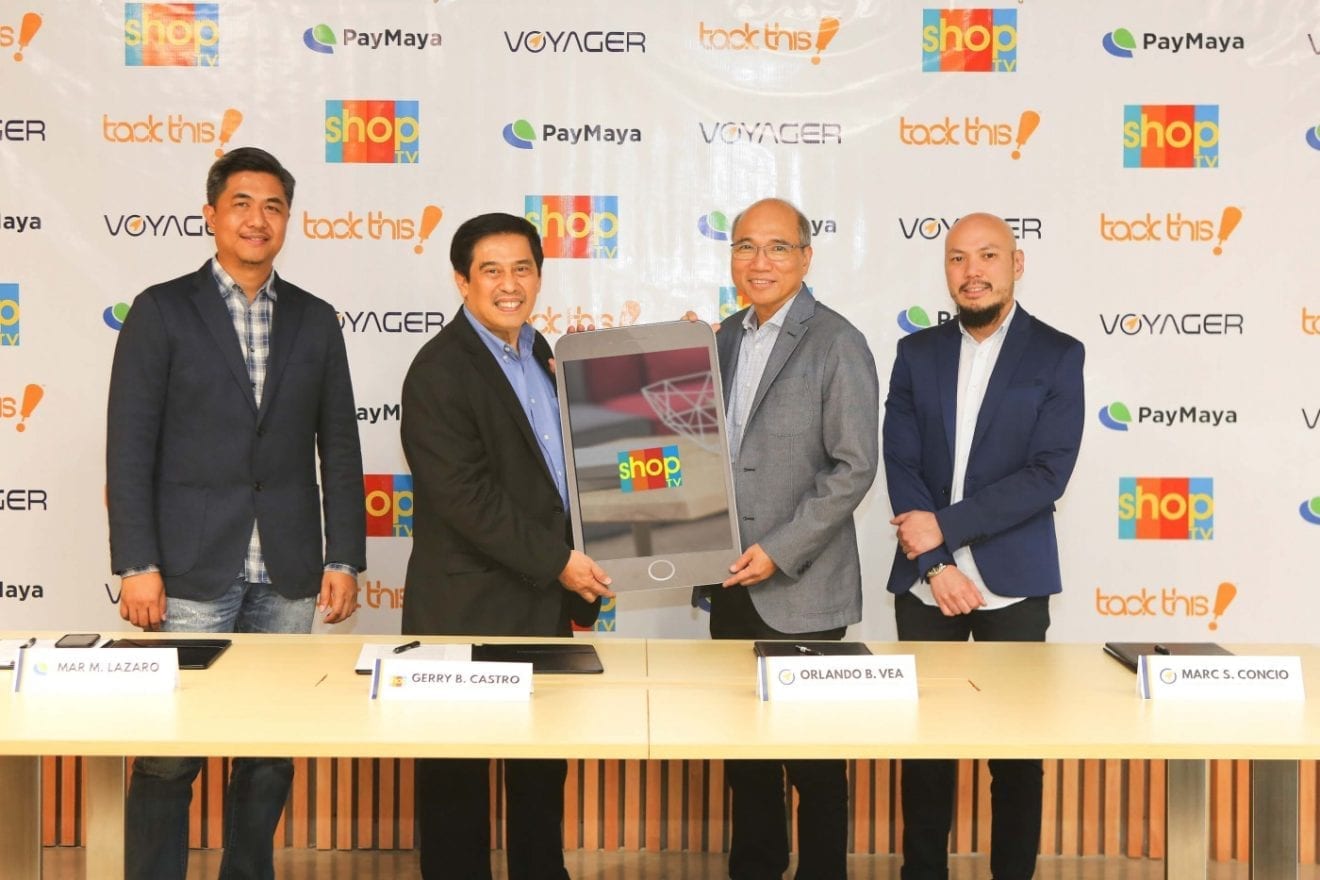
  • PayMaya, Smart boost rollout of QR code payments

    PayMaya, Smart boost rollout of QR code payments

    After it introduced the first Quick Response (QR) code payments via app in the Philippines last May, PayMaya Philippines has announced that the scan-to-pay technology is now available across the country, with Smart Stores and select merchants in key cities allowing consumers to conveniently pay by simply scanning QR codes through their PayMaya app.

    Smart subscribers have a new means to transact with their accounts as Smart Stores all over the country are equipped with PayMaya QR technology. PayMaya is also enabling merchants in communities starting with canteens in partner schools like STI and commercial establishments in cashless cities such as Muntinlupa and Malabon. Similarly, PayMaya is also tapping popular merchants in SmartSpots already enabled by WiFi connectivity in key cities such as Baguio, Cebu and Davao.

    In the near future, payments enabled by PayMaya will also be accepted online and in-store in popular food chains, supermarkets and malls such as McDonald’s, Army Navy, Domino’s Pizza and Gaisano Supermarkets, among others.

    To further bring the technology to more users, Smart and PayMaya are also set to equip Smart retail partners down to the sari-sari store level with the payment technology.

    “As PayMaya continues to grow nationwide, we take a giant step for our customers by making QR code payments available to all kinds of merchants. PayMaya is the leading digital payments wallet and on the merchant side, this will reinforce our position as the top mobile payments acquirer in the country,” said Orlando Vea, president and CEO, PayMaya Philippines and Voyager Innovations.

    “Convenient and secure cashless transactions complete the digital life experience of people and communities. Equipping our Smart Stores, partner merchants and retailers with PayMaya’s innovative platforms is a step in making our vision a reality,” said Eric Alberto, chief revenue officer, PLDT and Smart.

    Existing technology, new use cases, right conditions

    QR code technology has been in use for quite some time with many applications already in the market. However, wide adoption for payments had been previously hampered by various factors, such as lower smartphone and internet usage.

    The technology has now taken off around the world, with payment providers in various countries introducing use cases for adoption. Globally, Tencent’s WeChat app is the leader with close to a billion active users, most of them residing in China. Similar to PayMaya, every time their app is downloaded, so too is a QR code reader as the feature has already been integrated.

    In the Philippines, the growing smartphone and internet penetration is now being complemented by digital payments adoption, pioneered by PayMaya. It has made payments integration capability via QR codes available and is now accelerating consumer acceptance, as it further builds up and reinforces the payment ecosystem and infrastructure across the country.

    It takes a village to make ‘cashless’ work

    “For any kind of digital payments technology to be widely adopted, it is important to foster the right conditions and build the ecosystem. PayMaya is already leading the market toward this direction. Along with the strongest network of PLDT and Smart, we are seeing digital financial inclusion in action,” said Manuel V. Pangilinan, chairman of PLDT, Smart, Voyager Innovations and PayMaya Philippines.

    PayMaya Philippines is the digital financial services arm of PLDT and Smart’s Voyager Innovations. Its PayMaya wallet, accessible via mobile app and Facebook Messenger (@PayMayaOfficial) that comes with a virtual and physical Visa or MasterCard, is now the preferred prepaid payment by the millennial market.

    Any mobile subscriber can simply download the PayMaya app from the Play Store or the App Store and load up their wallet at any of the more than 15,000 reloading stations nationwide, which include SM Business Centers, Robinsons Department Stores Business Centers and 7-Eleven, Petron stations along NLEX and Ministop outlets with Touchpay Kiosks, UnionBank ATMs, Shopwise, Wellcome, 2Go outlets, Smart Padala centers, Palawan Pawnshop and online banking via BDO and UnionBank.

    PayMaya is also the platform of choice of local governments, enterprises and schools for disbursements and ID-plus payments cards.

    PayMaya-enabled ID-plus payment cards are being used by Balanga City, Malabon City, Malolos City, Muntinlupa City, Catbalogan City and Tacloban City, as well as by schools such as STI.

    Meanwhile, PayMaya Business, the company’s system solutions provider that allows businesses to receive online and card payments anytime, anywhere, is now the top mobile payments acquirer powering companies such as Cebu Pacific, Lazada, Meralco, Metro Pacific Tollways, Philippine Airlines, Smart, and Zalora, as well as numerous other merchants.

    Completing the cashless ecosystem is Smart Padala’s largest money-in/money-out remittance network.


  • Hokkaido Baked Cheese Tart heading for Vietnam

    Hokkaido Baked Cheese Tart heading for Vietnam

    Hokkaido Baked Cheese Tart will launch into Vietnam next month.

    The Japanese-inspired Malaysian brand has hinted at its debut with a sign over a kiosk under construction in the Saigon Center shopping mall in Ho Chi Minh City.

    Meanwhile, the company’s website announces it is seeking staff members for expansion into Vietnam.

    Hokkaido Baked Cheese Tart has been expanding throughout Asia with stores already in Brunei, Indonesia, Malaysia, Shanghai, Singapore and Australia.

  • Degussa GoldHandel exits Singapore after two years

    Degussa GoldHandel exits Singapore after two years

    Two years after opening its first precious metals store in Asia, on Orchard Road, German company Degussa GoldHandel has decided to close it at the end of the month.

    Its website carried the surprise one-sentence announcement.

    When it opened the branch in October 2015 as part of an international expansion strategy, the company said it saw Singapore as an “ideal market”.

    Near Dhoby Ghaut MRT station, the 93sqm Degussa Singapore store was run by Degussa Precious Metals Asia, offering branded precious-metal bars, coins and collectibles, plus safety deposit boxes and other secure storage.

    Degussa GoldHandel has 10 bullion product stores in Germany as well as branches in Spain and Switzerland.

    Degussa Precious Metal Asia last year had a net loss of S$2.8 million (US$2 million) on revenues of $59 million. At the same time, Degussa Singapore’s total liabilities exceeded total assets by $4.35 million.

    World Gold Council (WGC) data shows overall gold demand in Singapore this year totalled 17.1 tonnes, compared to 18.1 tonnes last year, while the demand for gold bullion has dropped to five tonnes from 5.9 tonnes.

  • Pure Group looking to sell majority stake

    Pure Group looking to sell majority stake

    Hong Kong gym chain Pure Group is seeking to sell, with insiders saying its value could reach as high as US$500 million.

    The company’s investors, including buyout firm Leonard Green & Partners and businessman Bruce Rockowitz, are working with an investment bank to find a buyer for a controlling stake.

    Founded in 2002, Pure Group has Pure Yoga and Pure Fitness centres in prime spots in Hong Kong such as IFC Mall, as well as Shanghai, Singapore, Taipei and New York. It also has the rooftop Red Bar + Restaurant with views over Victoria Harbour, and sells its own branded activewear and organic food.

    According to its website, the company has more than 70,000 clients and employs 1400 staff.

    Global Brands Group Holding CEO Rockowitz, who is married to Chinese pop singer Coco Lee, is believed to own about half of Pure Group.

    Fung Group is also seeking to offload its stake of about 10 per cent, insiders say, while Pure Group management is expected to keep a minority interest.

  • Makeup brand 3ina arrives from Singapore

    Makeup brand 3ina arrives from Singapore

    Spanish makeup brand 3ina has arrived in Singapore, opening stores in Ion Orchard and Tampines Mall.

    Pronounced Mina, the brand offers products in trending colours especially suited to younger women and those who like experimenting. Standouts include coloured mascara, liquid liners in iridescent finishes and nail polishes.

    All products are made in Europe, and as well as being vegan are free of paraben and are “cruelty-free”.

    There is also makeup for the less adventurous with staples such as a three-in-one foundation to brow pencils, matte lipsticks, chubby lip pencils, brushes and other makeup tools.

  • Warm-up starts for 11.11 Global Shopping Festival

    Warm-up starts for 11.11 Global Shopping Festival

    Pre-sale activities have launched for Alibaba Group’s latest 11.11 Global Shopping Festival.

    Three weeks of interactive marketing promotions, innovative retail experiences and new international product offerings lead up to the sale, with more details to be revealed by Alibaba at the end of the month.

    More than 140,000 brands will participate in this year’s 11.11 with more than 15 million product listings. The more than half a billion Chinese consumers visiting Alibaba’s platforms will be able to choose products from more than 60,000 international brands.

    A year after Alibaba announced its New Retail strategy, the festival will further showcase the possibilities for the future of retail by infusing physical retail elements in social media, interactive content and entertainment in one ecosystem at an unprecedented scale. Online-to-offline initiatives include:

    ● More than 1 million stores from different merchants will use various online and offline integrations under Alibaba’s New Retail models to create innovative customer experiences

    ● More than 1000 brands across various categories will be converting 100,000-plus physical locations into “smart stores” featuring New Retail experiences including browsing, shopping tours, virtual fitting rooms, payments and deliveries

    ● More than 600,000 neighbourhood convenience stores and 30,000 rural Taobao service centres will use Alibaba’s one-stop technology to digitise their businesses, and will partner international brands like Ferrero, Lay’s, Mondelez and P&G to serve more than 100 million consumers

    ● Augmented-reality games will let Chinese consumers earn promotion coupons and prizes when they find and scan the Tmall mascot using the Taobao app (the mascots will be stationed in thousands of retail stores including KFC and Starbucks outlets).

    For the first time, Tmall will take more than 100 Chinese brands overseas, offering special promotions targeting more than 100 million overseas Chinese consumers internationally.

    Alibaba’s logistics network, Cainiao Network, expects more than 3 million logistics personnel to handle the millions of packages generated from the 24-hour festival. The network will invest more than US$200 million to help merchants and logistics partners handle the spike in demand.

    For the second year in a row, Hollywood producer David Hill will direct the 11.11 Global Shopping Festival Gala in Shanghai on November 10. It will feature celebrity guests and performances livestreamed by Beijing TV, Shenzhen TV and Zhejiang TV.

    The 11.11 shopping festival launched in 2009 with just 27 merchants. Last year, nearly 100,000 merchants participated, with consumers spending RMB120.7 billion (US$17.79 billion) during the 24 hours.

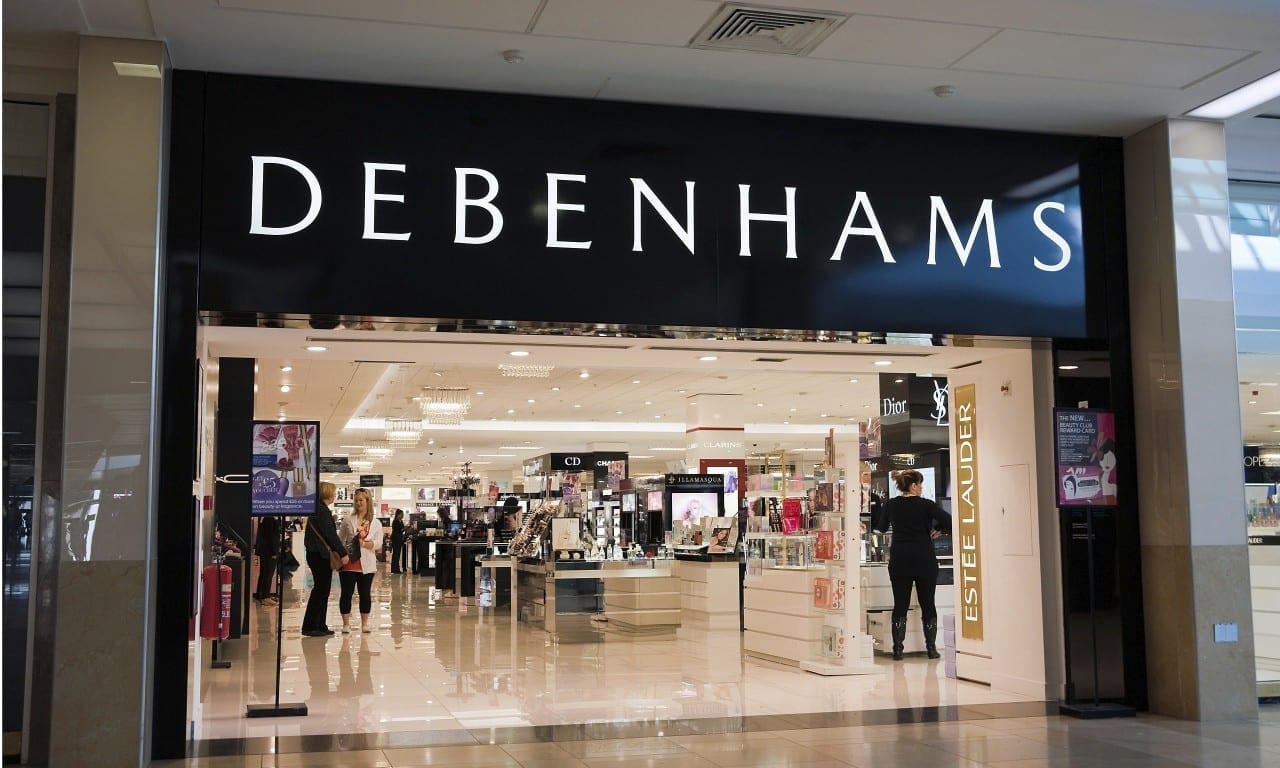
  • Debenhams kicks off at St Collins Lane

    Debenhams kicks off at St Collins Lane

    British retailer Debenhams has kicked off in the Australian market, today launching its first local department store at St Collins Lane in Melbourne.

    The heritage name said it has taken a deliberate shift away from the traditional department store format in Australia and will offer exclusive brands in a small-format layout – across two storeys and 3600sqm – which represents a new concept specifically developed for the Australian market and draws on over two centuries of experience.

    “Debenhams St Collins Lane is not a traditional department store – it is a new destination for the contemporary customer in Australia,” said Graham Dean, managing director of Debenhams Australia.

    “Our research shows that a Debenhams customer wants to not only enjoy the latest seasonal trends, but find the right item at the right time, and always have our store at their fingertips.

    “They are also frustrated by traditional department stores with limited assistance on the floor, confusing layouts and unnecessary waiting times.

    “We will complement world-class service and in-store services such as a style suite, beauty rooms, mobile POS and a café, with a new Debenhams Australia mobile app that will provide a better experience and ensure we are always there, where-ever and whenever our customers need us.”

    Dean told Inside Retail that the UK brand has curated a bespoke merchandising mix to the Melbourne demographic, both in mix and format.

    “We’re not a traditional department store in the way that you would view a David Jones, Myer, or indeed a Debenhams back in the UK. This is a new format, new proposition to market. A curated offer with majority exclusive products.”

    The smaller format is an aspect that the head office in the UK will be monitoring closely, with key executives set to see first-hand how the store is performing while in town attending the upcoming Melbourne Cup.

    “They definitely see this as the way of the future for department stores and super keen to see how it trades.”

    The offering will include an extensive collection of women’s and men’s apparel, sleepwear and intimates, athleisure, accessories and contemporary homewares, along with established beauty and fragrance brands including the likes of MAC, Tom Ford, Bobbi Brown, Gucci, Chloe and Valentino.

    The Designers at Debenhams collection for women and men will offer exclusive brands not available anywhere else in Australia and feature J by Jasper Conran, Star by Julien Macdonald, Nine by Savannah Miller, Butterfly by Matthew Williamson and Kate Middleton favourite, No. 1 Jenny Packham.

    Debenhams St Collins Lane will join a portfolio of 243 Debenhams stores across 28 countries worldwide, and supports the retailer’s Debenhams Redesigned global strategy launched in early 2017 to drive the business forward.

    The store will anchor the new St Collins Lane retail precinct, in a popular area of the Melbourne CBD considered by many to be the city’s traditional home of fashion and beauty.

    “The opening of Debenhams St Collins Lane is an evolution of our success with the Australian market, with online sales to Australia already the largest outside of the United Kingdom,” Mr Dean said.

    “There are more than 840,000 people in the Melbourne CBD every day and more than 2.2 million international visitors to the city each year, many of whom would have already been a customer in one of our Debenhams stores around the world.

    “We have a track record of getting retail right, and we are confident in this new offering for Australia.”

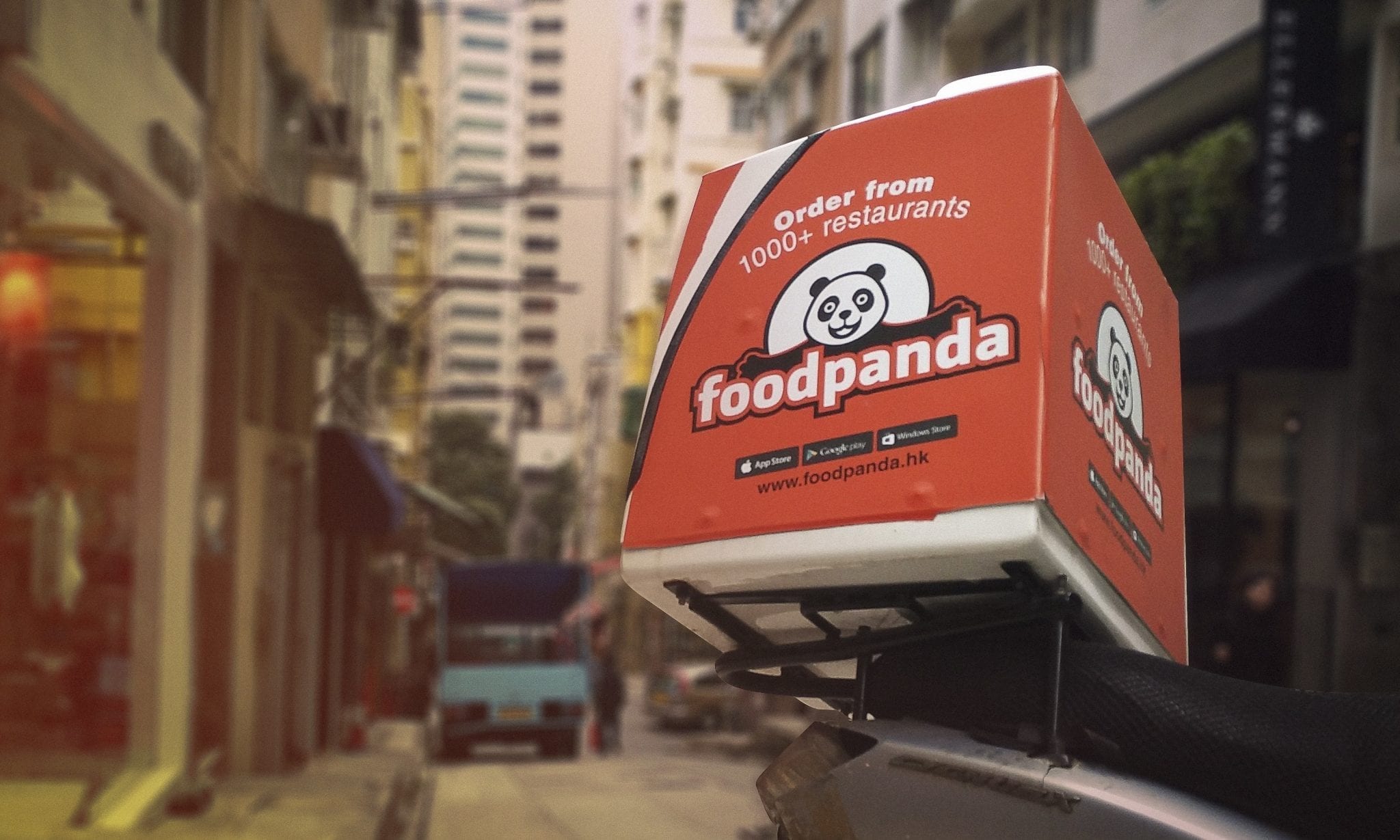
  • Foodpanda brand overhaul follows acquisition

    Foodpanda brand overhaul follows acquisition

    A Foodpanda brand overhaul has been launched following its acquisition by tech giant Delivery Hero last December.

    While the iconic panda is still part of the food delivery company’s logo, it has been tweaked to have a round face, while the brand colour has been changed from orange to pink with a slimmer more contemporary font.

    According to the company, the new logo aims to be more memorable.

    “Pink will be a strong differentiator for Foodpanda to stand out in markets in which orange is used extensively throughout the city,” says head of marketing Laura Kantor. Also, pink is the signature colour of its sister company Foodora.

    The rebranding will roll out in 190 cities across 12 countries, including Hong Kong, Malaysia, Singapore, Taiwan, Thailand and the Philippines.

    Along with the change in brand identity, Foodpanda has introduced an upgraded app and front end that introduces live tracking for orders.

    While declining to reveal the cost of the rebrand, Kantor says it has been a “mammoth task” to convert all its brand assets. It had to work on its app, website and other digital platforms, before moving on to more than 1500 restaurant partners in Singapore alone to replace all its collateral.

    Foodpanda also had to change out uniforms and delivery bags for its 3000-strong rider fleet, and also changed everything from orange to pink, including the walls, at its Singapore headquarters.

    Meanwhile, the company is working with restaurants to create celebratory dishes that will be available exclusively on Foodpanda for two weeks.

  • Vetter to expand secondary packaging service capacity

    Vetter to expand secondary packaging service capacity

    Vetter has announced a major expansion of its secondary packaging capacities as a response to rising customer needs and market demands for complex packaging solutions. The need for expansion is also a result of Vetter’s continuous growth in new filling lines and new lyophilisers, which is driving the need for increased downstream secondary packaging capacity. The project, already underway, is occurring within the second floor of Vetter’s existing Secondary Packaging (VSP) facility and will result in an increase of approximately 32,000 square feet of new packaging capacity.

    The planned undertaking, which is expected to be completed over the next several years, will include new fully-automated packaging lines, space for manual and semi-automated packaging processes and assembly equipment for a wide variety of formats. The Vetter serialisation and aggregation service, which fulfils current requirements and is prepared for future requirements of regulatory authorities, will also be expanded. A highly flexible, state-of-the-art syringe blister line will include safety device assembly and equipment for packaging Japan quality. The addition of new state-of-the-art assembly machines for pens and autoinjectors will allow Vetter to meet a majority of the growing market need for these systems. Because Vetter suppliers for the platform technologies are market leaders with a strong reputation in the market, a large selection of diverse pen and autoinjector types are offered.
    The Vetter VSP facility in Ravensburg is being expanded to include state-of-the-art packaging and assembly equipment to meet the growing need for complex secondary packaging services.

    “Often we hear from customers that a high level of expertise in the assembly and packaging of pens, autoinjectors and safety devices is critical for their success,” said Bernd Stauss, senior vice president production/engineering for Vetter. “Vetter has this experience and can offer a one-stop solution, from development to filling to secondary packaging including serialisation of products; a service that is greatly appreciated by our customers.” The demand for integrated solutions is steadily growing. In the future, the pharmaceutical service provider will continue to expand its offering for one-stop-shop solutions – especially in complex areas such as the secondary packaging of end-user friendly devices which support patient safety, convenience and compliance. As a result, Vetter has an eye on the entire product life cycle of its customers with the usual high quality standards.