Author: Mei Ling Tan

  • HKIA seeks luxury retailer for boutique space

    HKIA seeks luxury retailer for boutique space

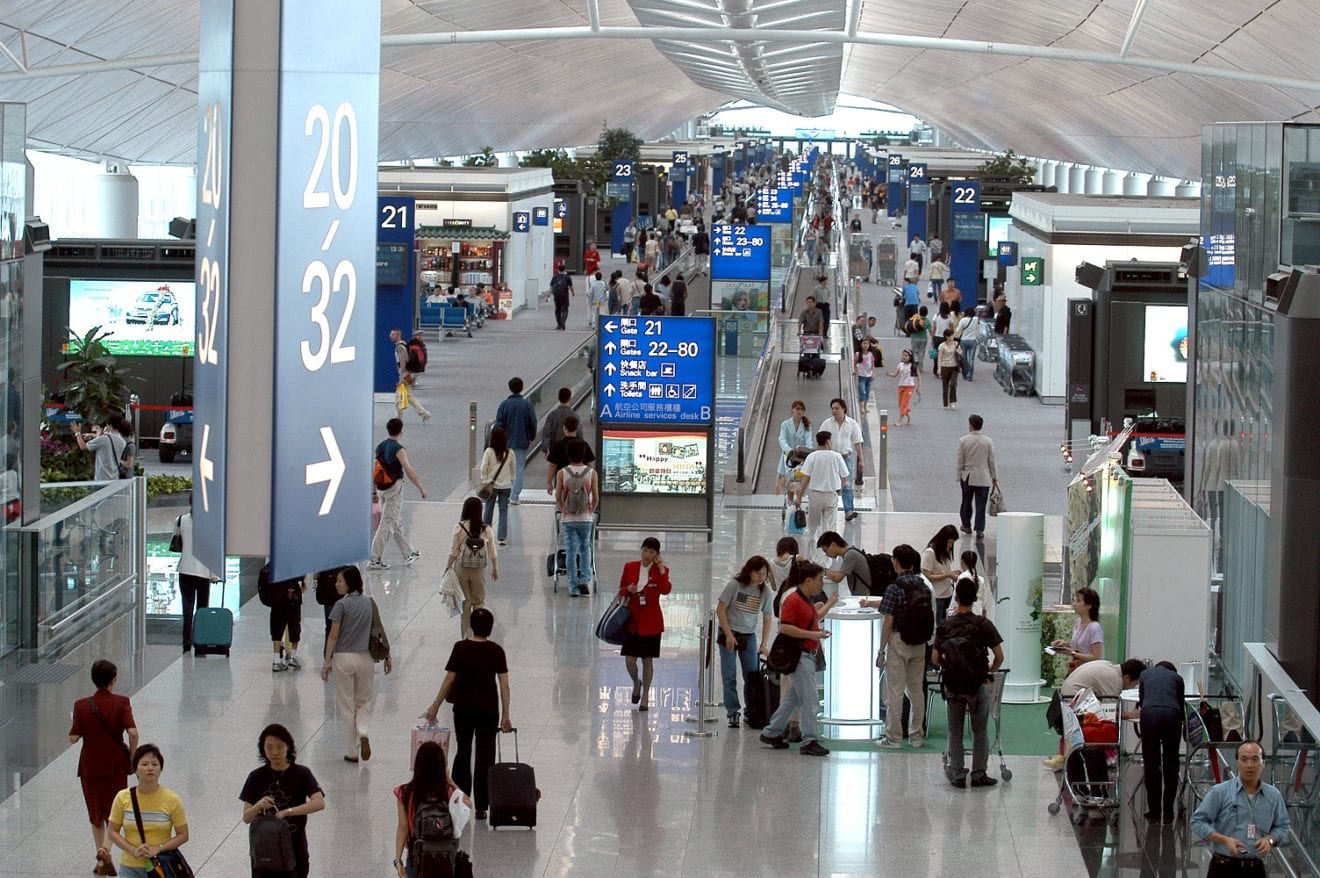
    Hong Kong International Airport (HKIA) is seeking a retailer to run a luxury boutique concession.

    Tenders have been invited for a 57sqm space in the restricted area of Level 6 Departures in Terminal 1’s East Hall.

    With air, sea and land links around the clock, HKIA serves more than 100 airlines and 70.5 million passengers and is still growing. Of the international travellers passing through the airport, about 45 per cent are executives, professionals and proprietors.

    Tenders, accompanied by a non-refundable cashier’s order of HK$500, must be submitted by December 14.

  • New IoT botnet discovered in the wild

    New IoT botnet discovered in the wild

    Check Point researchers have discovered a brand new botnet – dubbed ‘IoTroop’ – that is evolving and recruiting IoT devices at a far greater pace and with more potential damage than the Mirai botnet of 2016.

    IoT botnets are internet connected smart devices which have been infected by the same malware and are controlled by a threat actor from a remote location. They have been behind some of the most damaging cyberattacks against organizations worldwide, including hospitals, national transport links, communication companies and political movements.

    While some technical aspects lead Check Point to suspect a possible connection to Mirai, this is an entirely new and far more sophisticated campaign that is rapidly spreading worldwide.

    It is too early to guess the intentions of the threat actors behind it, but with previous Botnet DDoS attacks essentially taking down the internet, it is vital that organizations make proper preparations and defense mechanisms are put in place before an attack strikes, the company said.

    Ominous signs were first picked up via Check Point’s Intrusion Prevention System (IPS) in the last few days of September. An escalating number of attempts were being made by hackers to exploit a combination of vulnerabilities found in various IoT devices.

    With each passing day the malware was evolving to exploit a growing number of vulnerabilities in Wireless IP Camera devices such as GoAhead, D-Link, TP-Link, AVTECH, NETGEAR, MikroTik, Linksys, Synology and others. It soon became apparent that the attempted attacks were coming from a variety of different sourcesand IoT devices, meaning the attack was being spread by the IoT devices themselves.

    “So far we estimate over a million organizations have already been affected worldwide, including the US, Australia and everywhere in between, and the number is only increasing. Our research suggests we are now experiencing the calm before an even more powerful storm. The next cyber hurricane is about to come,” Check Point said.

  • Idea taps ZTE for 100G WDM backbone

    Idea taps ZTE for 100G WDM backbone

    India’s Idea Cellular has contracted ZTE and other vendors to deploy a 100G WDM backbone and metro area network (MAN) for the operator.

    ZTE announced it has secured a 95% market share in the MAN project, and will deploy an OTN device with ultra-large cross-connect capacity.

    Idea Cellular is upgrading its existing transport network from a 10G system to a 10G-100G hybrid transport system to ensure it is able to meet the exponential growth in demand for traffic for its mobile services.

    The solution ZTE will deliver will cover all scenarios from the edge aggregation layer to the core backbone layer to meet Idea Cellulars’ requirements for transparent transmission, flexible scheduling, aggregation processing of mass data services and service management monitoring.

    Idea Cellular is India’s third largest mobile operator with around 189 million subscribers. The company provides GSM, UMTS and FDD-LTE services India-wide.

  • Safe.Shop moves to unify e-commerce certification

    Safe.Shop moves to unify e-commerce certification

    Global trustmark Safe.Shop is rolling out an international umbrella for e-commerce certification.

    In launching Safe.Shop, the Ecommerce Foundation says its aim is to help improve customer confidence while boosting e-commerce trade globally.

    National e-commerce associations from 13 countries are already partners, including China, Hong Kong, Japan and Malaysia.

    The foundation says there are already more than 300 e-commerce trust marks worldwide, most being solely national initiatives. Some focus explicitly on legal compliance, while others focus on financial reliability, security, reviews or anti-counterfeiting policies. And some try to cover most of these aspects.

    Separate certification for national trust marks can cause complications, says the foundation, and can be especially complex for small- and medium-sized e-commerce companies. Safe.Shops aims to bridge the borders. Webshops certified by a local trust partner offer reliability and uphold consumer rights.

    “We are not building a trust mark from scratch,” says Ecommerce Foundation director Jorij Abraham.

    “Many national retail and e-commerce associations already have a trusted certificate. They know the local market and can serve local retailers and online stores much better than could a central organisation. Collaborating with local trust-mark partners enables us to use the strength of the local brand and to build a global trust mark together.”

    Safe.Shop’s launch will take about three months as processes and systems need to be optimised.

    Online stores can apply for the trust mark through their national e-commerce association or via www.safe.shop. The organisation wants to have 30 countries linked to the initiative by next year, and is negotiating with e-commerce associations in a further seven countries including South Korea.

    Initiated by the Ecommerce Foundation, Safe.Shop is managed by Ecommerce Operations, a company based in The Netherlands. It creates free reports about the e-commerce market in more than 50 countries, and has set up EcommerceWiki as an online community and knowledge-sharing platform for e-commerce students, professionals and managers.

  • Singtel unveils managed SDN solution for enterprises

    Singtel unveils managed SDN solution for enterprises

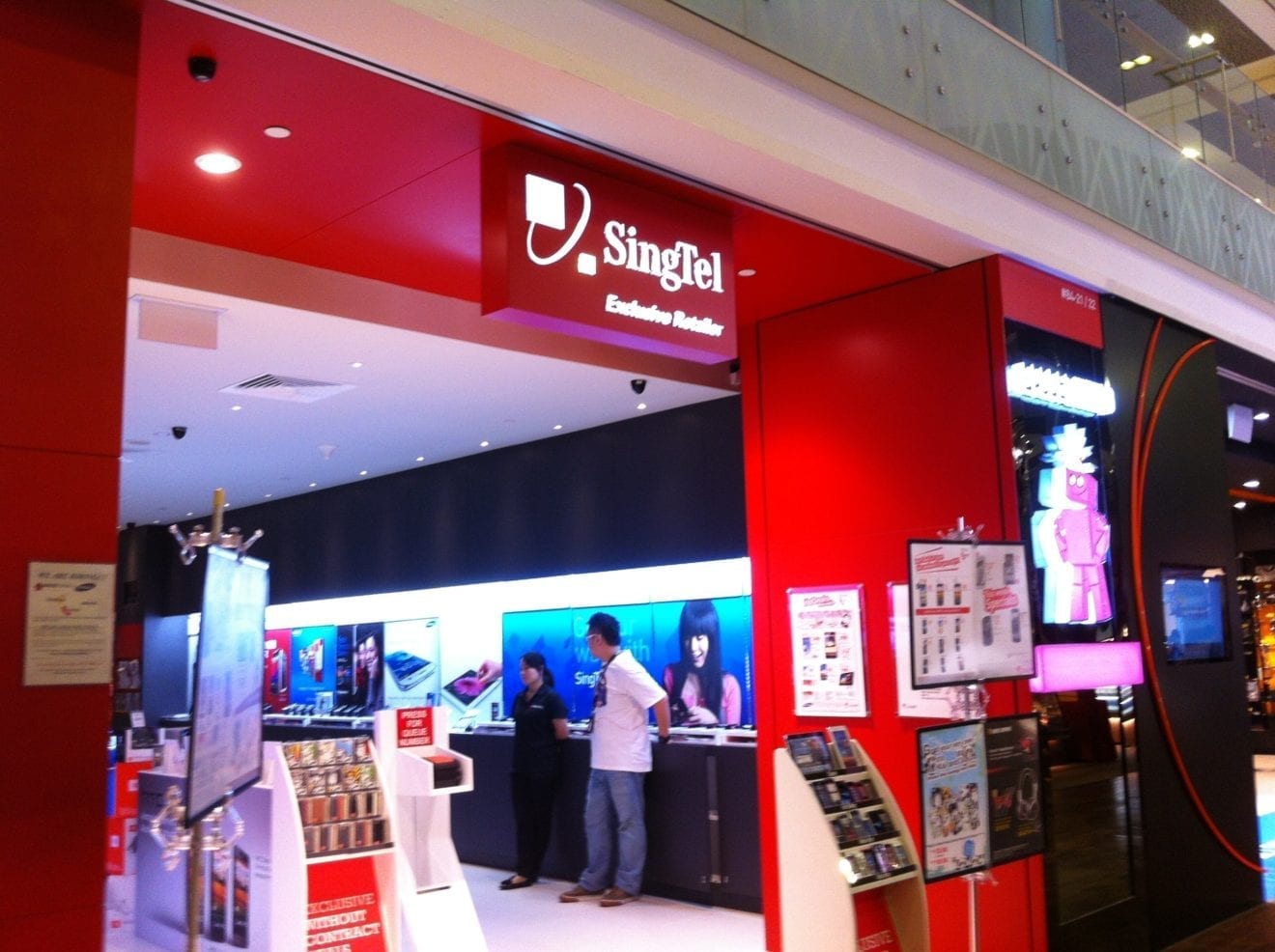
    Singaporean incumbent carrier Singtel has launched a new network solution to support enterprises’ evolving networking needs across the globe.

    The new solution, touted as Singtel Managed Software-Defined Branch (Singtel SD Branch), is delivered through a “white box” or generic hardware that enables enterprises to manage multiple and virtualized network functions at their existing sites or when they expand into new branch offices, Singtel said in a statement released Monday.

    Goh Boon Huat, vice president of global products at Singtel Group Enterprise said the new managed SDN solution is designed to help enterprises to tackle challenges of complex hybrid WAN architecture encompassing private and public Internet networks.

    “Singtel SD Branch provides a way to spin up and take down services seamlessly, offers full service visibility and manageability up to the application layer. This simplifies their WAN infrastructure, enabling agile managed network solutions to keep pace with growing business needs in different geographical regions,” Goh said.

    With Singtel SD Branch, enterprises are assured of enhanced security and optimal performance of their networks and applications.

    They can better monitor network usage, issues real-time as well as add new functions, such as unified threat management, to the same hardware without incurring additional installation charges. These will in turn reduce their capital and operating expenditures, Singtel said.

    Singtel SD Branch is available globally and integrated with Singtel’s underlay assets of submarine cables, IP VPN network of 428 Points of Presence, and its Global Internet service in more than 200 countries.

    Developed based on the network functions virtualization (NFV) concept, Singtel SD Branch is the latest addition to Singtel’s suite of next generation SD network solutions following the launch of its SD-WAN in 2015 and cloud-based NFV service last year.

  • RCom cleared to merge with SSTL

    RCom cleared to merge with SSTL

    India’s Reliance Communications (RCom) has secured approval from the Department of Telecom to merge with Sistema Shyam Teleservices (SSTL), operator of the MTS India brand.

    The telecoms ministry has granted final approval for the share swap deal.

    Under the terms of the merger agreement, SSTL shareholders will receive a 10% stake in RCom. RCom will meanwhile take on SSTL’s spectrum installment payment obligations, which amount to 3.9 billion rupees ($59.9 million) per year for eight years.

    RCom will in return acquire around 2 million new customers, as well as 30 MHz of 800-MHz spectrum in eight of India’s 22 telecoms circles including Delhi.

    The operator projects that the merger will contribute additional annual revenue of around 7 billion rupees. RCom reported total revenue of 35.9 billion rupees for the year ending in June, down 33% year-on-year.

    RCom had also been pursuing a merger with Aircel as part of the wave of consolidation sweeping India’s mobile market, but this deal collapsed recently due to regulatory uncertainty and opposition from some of the operator’s creditors. The operator is seeking to reduce its roughly $6.8 billion in debt by around $3 billion, and may pursue an asset fire sale to achieve this goal.

  • Dropee Launches Full Release of its B2B Marketplace with a New Web Interface

    Dropee Launches Full Release of its B2B Marketplace with a New Web Interface

    Dropee, a local based technology start-up, today launched the full release of its B2B marketplace and introduced a new web interface to further streamline trading between suppliers and retailers.  Prior to the full release, Dropee was running on beta since early this year.

    Unlike previously, current Dropee is able to support any number of suppliers and retailers. In addition, it also brings a new web interface that contains enhancements to help improve and optimize the way suppliers trade products with retailers. For instance, suppliers now have a new dashboard that has greater functionalities to help speed up documentation processing, to better manage relationships with customers and more. Dropee full release is now accessible by registered retailers and suppliers and it is available at a same low rate, starting at RM388 per month.

    Key enhancements brought by the new Dropee are:

    1. Targeted promotional campaigns: Unlike previously, suppliers now can launch promotional campaigns where they can choose to specify which customers that are eligible for additional discounts from the listed prices on Dropee. Dropee system is flexible enough for them to key in any amount of discounts to be given to eligible customers. Additionally, frequent customers of the suppliers will be able to request to be a part of this additional discount feature by clicking on the “Request For Additional Discounts” button on the their respective dashboard.
    2. Better streamline ordering process: With the new interface, the process of ordering can be done more efficiently where retailers can place new orders and to re-order directly without relying on a sales person from the supplier to help them. Subsequently, this empowers suppliers and their sales team by enabling them to focus on closing more new accounts and servicing a larger pool of retailers than they previously could.
    3. Easier discovery of wholesale pricing goods (buyers): Different than the old interface, current Dropee allows retailers to discover products easier based on their categories of interests such as Convenience Stores, F&B Restaurants, and others which are curated by Dropee team for each category after making sure that the products listed are at wholesale prices.

    Lennise Ng, chief executive officer (CEO) and co-founder of Dropee said, “We are truly excited that the Dropee’s full release is here and we now have a new web interface. After months of running on beta, we’ve improved our system to be ready to take on any number of suppliers and retailers. We have also decided to revamp the interface of our B2B marketplace to benefit both retailers and suppliers. We are pleased with the result where it is now easier for suppliers to manage their sales and for retailers to get the best deals that meet their needs and budget.”

    Aizat Rahim, chief operating officer (COO) of Dropee said, “We’ve run a test for the new enhancements with some of our users and they have noted an increase in recurring sales due to a faster replenishment process from reduced documentation time. On top of that, their process ordering rate has increased by 30 percent within two months, based on an internal survey conducted.”

    Lennise Ng added, “Our target is to have 1000 small- and medium-sized enterprise (SME) retailers sourcing from our platform in the next six months. Currently, we have more than 1000 of products of fast-moving consumer goods (FMCG) and, the number is growing rapidly. With just a few clicks of a button, retailers can find products that they want and from the suppliers and brands that they trust.”

    “We plan to expand our on-ground sales team and form strategic partnerships with organizations who aim to provide better services to SME business owners across Malaysia. We will be looking to enter different states in the first quarter of 2018,” Lennise explained about her plan for market acquisition.

    Some of the retailers that have used Dropee include offline retailers such as Shell Select, Pusrawi and local F&B outlets such as Kopi Time, as well as, online retailers such as GrubCycle and Giftr.


  • Online retail grocery in South East Asia : Alibaba or Amazon?

    Online retail grocery in South East Asia : Alibaba or Amazon?

    In South East Asia, online retail grocery is growing as an increasing number of  Singaporeans  prefer to do their shopping online.

    “It is getting better and better,” said Mr Vikram Rupani, president of RedMart, an online grocery company based in Singapore that is part of Alibaba‘s push into the region, “but it’s a continuous process that never ends.”

    Alibaba and American giant Amazon already dominate online retail in their home markets. Increasingly, they are competing against each other on neutral ground.

    Alibaba’s bigger bet is in South East Asia. It has spent more than US$2 billion (S$2.7 billion) to take control of Lazada, a five-year-old online shopping company based in Singapore and doing business in six countries. In 2016, Lazada bought RedMart, the online retail grocery.

    The promise is there, as the region’s young middle class grows and goes online. South East Asia’s e-commerce sales could total US$88 billion by 2025, projections from Google and Temasek Holdings, the Singaporean sovereign wealth fund, show. Volume was less than one-tenth that in 2015.

    Alibaba and Amazon are seeking consumers like Singaporean Janice Lee Fang, who decided she needed to buy a robot to amuse her six-year-old daughter home sick from school. Through Amazon’s Prime Now service, introduced in Singapore in July 2017, she bought a Sphero SPRK Plus – a clear plastic ball that can skitter across the floor with a tap of a smartphone – that arrived in less than a day.

    But South East Asia is no China. A diffuse area of 600 million people, the region is divided by politics, language and culture. Some places are modern, like Singapore. Others lack the roads and other infrastructure to get people what they need.

    The challenges have forced Lazada, Alibaba’s biggest South East Asian operation, to be creative.

    In Vietnam, local post offices take customer returns and give cash refunds. In Malaysia, customers can collect merchandise from lockers at 7-Eleven stores. And in the Philippines, Lazada uses petrol stations as places where merchants can drop off their goods for delivery personnel to pick up.

    Alibaba’s international arm has seen its latest quarterly sales more than double in a year, in part from Lazada’s contribution. Still, Lazada and its RedMart subsidiary remain a tiny, and unprofitable, part of Alibaba’s empire. Lazada’s chief executive Max Bittner said its Chinese parent has been willing to spend money to build its delivery capabilities and draw more customers.

    “E-commerce is an economy-of-scale game,” Mr Bittner said. “I can go after this opportunity with the amount of firepower I need.”

    Amazon so far counts Singapore as its only South-east Asian market, though industry experts expect it will expand into other countries.

    Until recently, direct Alibaba-Amazon rivalry has been rare. Amazon has a modest presence in China. Alibaba sells goods in the United States through its AliExpress platform but has backed away from further expansion efforts.

    South East Asia could offer a test of their vastly different business models on neutral turf.

    Amazon owns more of the inventory it sells. By contrast, most of Lazada’s sales are from outside vendors who use its platform as a digital middleman to reach customers. That approach, which keeps costs low, is similar to what Alibaba does in China. But in China, the company’s Taobao platform has been accused of offering counterfeit goods. Alibaba says it is working to fight fakes.

  • Lazada’s logistics battle to win Southeast Asia

    Lazada’s logistics battle to win Southeast Asia

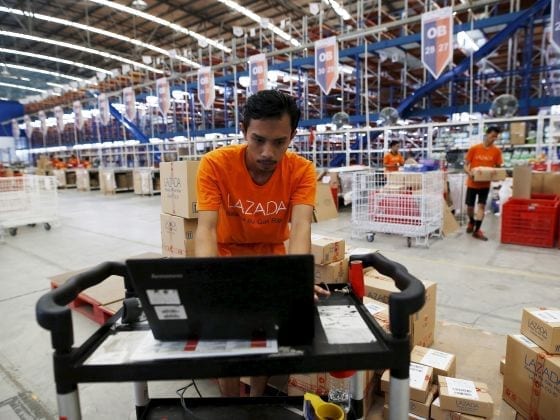
    Southeast Asia is on the verge of a logistics “boom” thanks to e-commerce, but will require huge investment in cities and last-mile networks to cope, says Pierre Poignant, the man behind the systems that keep Alibaba-owned Lazada moving.

    Mr Poignant, chief operating officer, said the Singapore-based marketplace, for its part, would continue to bet on delivery and other partnerships as demand grows. It already works with more than 100 companies in delivery and cross-border logistics, from Ninjavan in Singapore to ride-hailing start-up Go-Jek in Jakarta.

    But it will expand its footprint to cut costs and improve services, with smaller local hubs closer to customers, as well as a major warehouse it can use in Malaysia for goods that move less often. Lazada, with 130,000 merchants on its platform, has 14 warehouses and over 2 million square feet of space — and plans to open another five to six warehouses next year. It also has 130 smaller distribution centres.

    “Logistics in Southeast Asia is going to look very different from the rest of the world. It is hard to believe one player can do everything,” Mr Poignant said in an interview.

    “The distance from Aceh to Papua [in Indonesia] is bigger than the distance from Miami to Seattle. People don’t realise.”

    Already the world’s fourth-largest internet market, Southeast Asia is expanding at a rate of almost 4 million users a month, making it the fastest-growing e-commerce market globally, according to a 2016 report co-authored by Google.

    But while there are key growth engines — a young population of active mobile users and a patchy local retail network — there are also major challenges, as companies like Lazada try to conquer a region made up of thousands of islands, with poor roads and traffic-clogged cities.

    Some regions have no formal system for home addresses, Mr Poignant said, complicating deliveries, returns and even payment — more than half of transactions are still settled in cash.

    That leads to experiments, combining online purchases with offline pick-up in malls, as in Singapore — or in Indonesia, where Lazada handles a bulk of the last-mile delivery itself, using three-wheeled electric vehicles for bigger parcels. Cars and vans are too slow in traffic, Mr Poignant said.

    Taking the lead

    Amazon and others, including local players, have not failed to notice the region’s potential: Amazon is using Singapore as its beachhead, while China’s second largest e-commerce company JD.com is making Thailand its point of departure, partnering with the country’s largest retailer, Central Group.

    But Mr Poignant argues Lazada’s experience is hard to beat.

    “When it comes to logistics we are developing a distinct competitive advantage. We are the only ones to have this open network approach — combining our own infrastructure and partners,” Mr Poignant said.

    “Setting up a logistics network is a complex, long process.”

    Critical to keeping the advantage is also data, and Lazada is linking up with fast-moving goods producers like Unilever, to turn knowledge into target sales.

    Alibaba bought into Lazada last year in an effort to seek growth outside China. The $1-billion deal in April 2016 was Alibaba’s largest overseas deal and it raised its stake to over 80% this year.

    Last November, Lazada bought Singapore online grocer Redmart, a purchase that it hopes will help it crack cold storage and expand groceries into the rest of the region, though there is no concrete plan yet, Mr Poignant said.

    “One of the reasons why we acquired RedMart is that groceries is a very specific set of skills that you need to develop,” Mr Poignant said. “We have the ambition to develop this category across the region.”

  • Bangkok moves up the food chain

    Bangkok moves up the food chain

    According to the Mastercard Global Destinations Index, Bangkok is the most visited city in the world with 21.47 million overnight visitors in 2016.

    There are several factors that make Thailand’s capital the world’s leading destination and one of them is food.

    Anyone familiar with Thailand is aware of Thais’ love of food and now the world is learning more about Thai cuisine. There are few cities in the world without a Thai restaurant. Today, Bangkok is delivering a wide range of authentic Thai food and is growing as a foodie destination.

    The Tourism Authority of Thailand has been using ‘Thai Food’ as their strategy to promote sustainable tourism. Social media platforms, such as YouTube and Facebook, are the most effective channels to reach travelers, especially independent travelers who rely on the internet to plan their trip. For example, the ‘Thai-Licious Journey’ series campaign on YouTube aims to promote Bangkok as a food capital of the world.

    In addition to the government’s effort to promote Thai cuisine, the private sector is also playing a role to raise awareness. The Minor Group—one of the largest hospitality and leisure companies in APAC—has expanded their Thai Express restaurant brand across six countries in Asia Pacific. Thailand’s Mudman Group has also established their Greyhound Café restaurant brand in Hong Kong and Beijing.

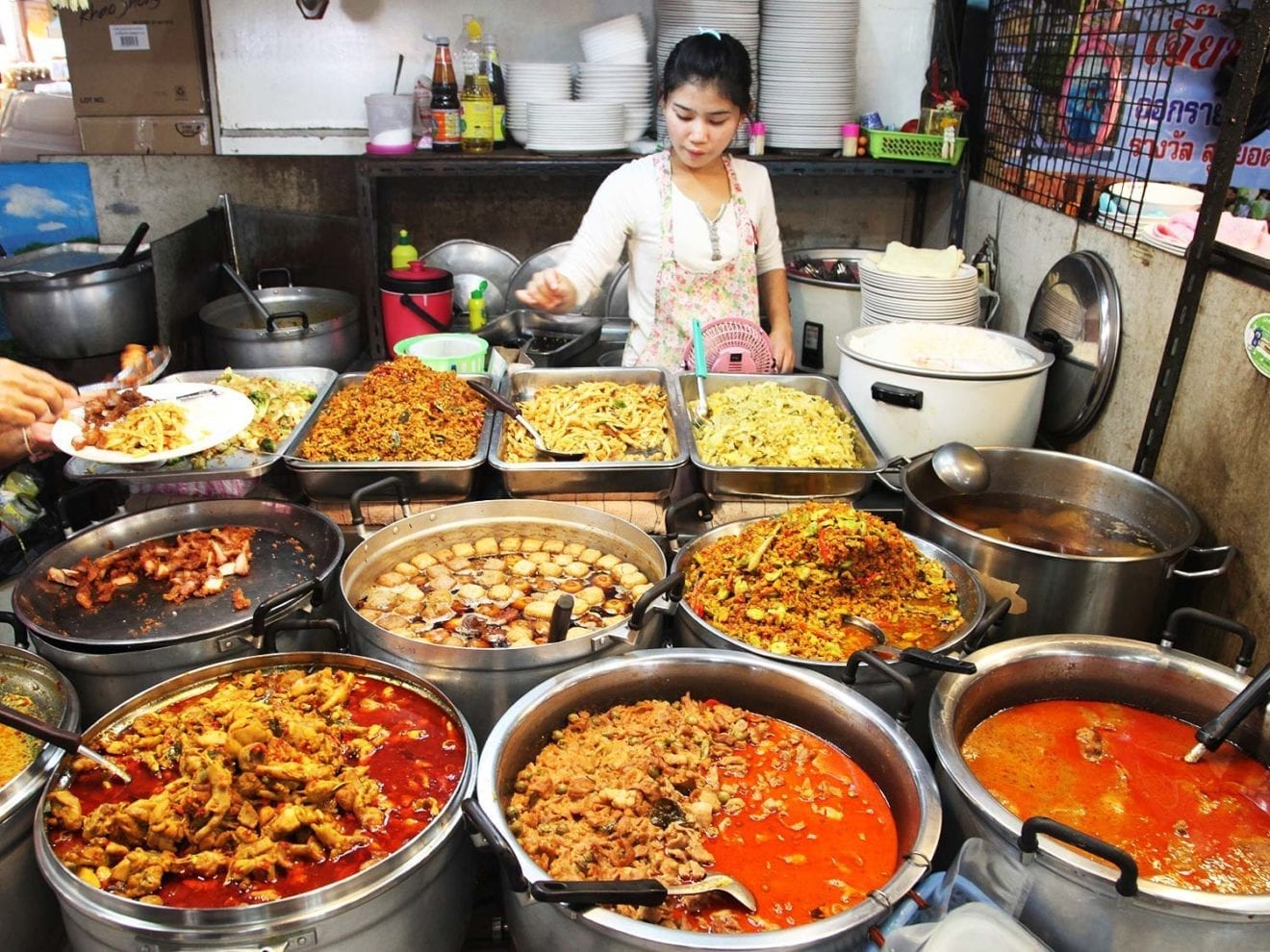
    In terms of variety, Bangkok offers a range of dining experiences from local street food to cutting-edge restaurants. Bangkok was ranked by CNN as the Best City in the World for Street Food in 2017. On the other end of the scale, the city is now home to two out of the fifty finest culinary establishments on the planet, according to the EATER website—Gaggan and Nahm. Bangkok’s bars are also world-famous; Sirocco Sky Bar featured in ‘The Hangover Part II’ movie.

    Retail landlords have been revising their retail mix by adding more F&B tenants, ranging from international restaurants to an indoor street food experience. For example, the Terminal 21 shopping center offers Thai local street food at affordable prices, as well as Tim Ho Wan, a one-star Michelin restaurant.

    Many of today’s travelers, especially millennials, have become more sophisticated and want authenticity and experience; Bangkok is increasingly catering to this market. Retail landlords who are using a placemaking strategy want restaurants that can give them a competitive edge to attract locals as well as international visitors.

    Traditionally, fast-food tenants have been the highest F&B rent payers but nowadays, landlords of many Bangkok shopping centers want to create a unique selling point, which means accepting lower rents to secure a wider range of restaurants.

    Bangkok is growing as a foodie destination and we can expect to see a wider and more sophisticated range of restaurants for Thai regional and international cuisines.

  • Asics tapped a DJ for its new brand campaign

    Asics tapped a DJ for its new brand campaign

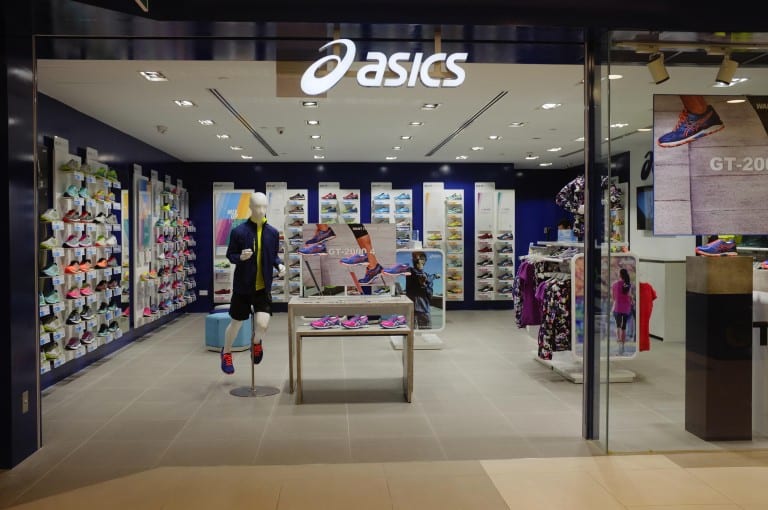
    Asics is debuting a new brand campaign called “I Move Me,” which features DJ Steve Aoki. The athletic shoe and apparel company aims to reset what shoppers know its products for.

    The sports retail market was already facing headwinds before Amazon decided it wanted to encroach on the space. Now, those pains are only being exacerbated.

    In October 2017, Amazon declared that is working with some of the sporting goods’ industry’s biggest suppliers, looking to create its own private-label lines. It is a move that could threaten companies ranging from Dick’s Sporting Goods and Foot Locker, to Lululemon and Gap’s Athletanameplate.

    The sports world could take some “important lessons” from so-called fast-fashion players like Zara, analysts say.

    After he took the helm at Asics, Asics America Group Chief Executive Gene McCarthy  brought in new management, pulled product out of some third-party retailers and even held a “tough” conversation with Amazon, deciding it was best to renegotiate that relationship.

    Asics will sell directly to Amazon, he said, but shoppers can still find the brand on Amazon.com through third-party sellers, or those relationships McCarthy has made a priority as CEO.

    Nike, in comparison, caved earlier this year when it announced plans to sell some of its product assortment on Amazon’s U.S. e-commerce platform.

    Asics is repositioning its brand by telling a story that dates back to the company’s inception in Japan in 1949. Founder Kihachiro Onitsuka built the brand around motivating children to “move” and be active, McCarthy explained.

    Today, Asics is still publicly traded in Japan, and its name is an acronym for the Latin phrase “anima sana in corpore sano,” which translates to “healthy soul in a healthy body.”

    Asics’ “I Move Me” campaign, which rolls out online and in Asics’ handful of stores on Wednesday, was crafted by working with international DJ Steve Aoki. The shoe company has taken a nontraditional approach, using a brand ambassador who isn’t a star athlete, but Asics aims to be unique and hopes to reach a larger audience with its refreshed messaging.

    “My life is not only about music and fashion, but also fitness, nutrition and health,” Aoki said in a statement.

    Aoki is also of Japanese descent. He is already begun promoting the brand on his social media channels, where he boasts millions of followers.

    Asics has also promised more nontraditional brand ambassadors for an athletic shoe company to come. The goal is to have a greater voice in an increasingly crowded market.

    To many shoppers, Asics is considered a brand for “performance” activity, not so much for casual wear. While McCarthy said he doesn’t want Asics to get away from its core and what it does best, he wants to reach more consumers and encourage a healthier lifestyle, just as Onitsuka was trying to do in the ’40s in Japan.

    In addition to beefing up its online platform, Asics is opening a slew of new stores and growing its relationships with its closest third-party retailers, like Foot Locker, McCarthy said.

    To be sure, companies like Foot Locker, Hibbett Sports and Finish Line are facing their own challenges, as big-name brands decide to scale back product in stores and sell more online or through their own channels, like Nike.com.

    McCarthy said he’s noticed the environment become tumultuous and competitive in recent years. But he doesn’t see a world without retail, or without brands.

  • Mercedes-Benz retains No. 1 foreign car brand in Korea for 4 straight month

    Mercedes-Benz retains No. 1 foreign car brand in Korea for 4 straight month

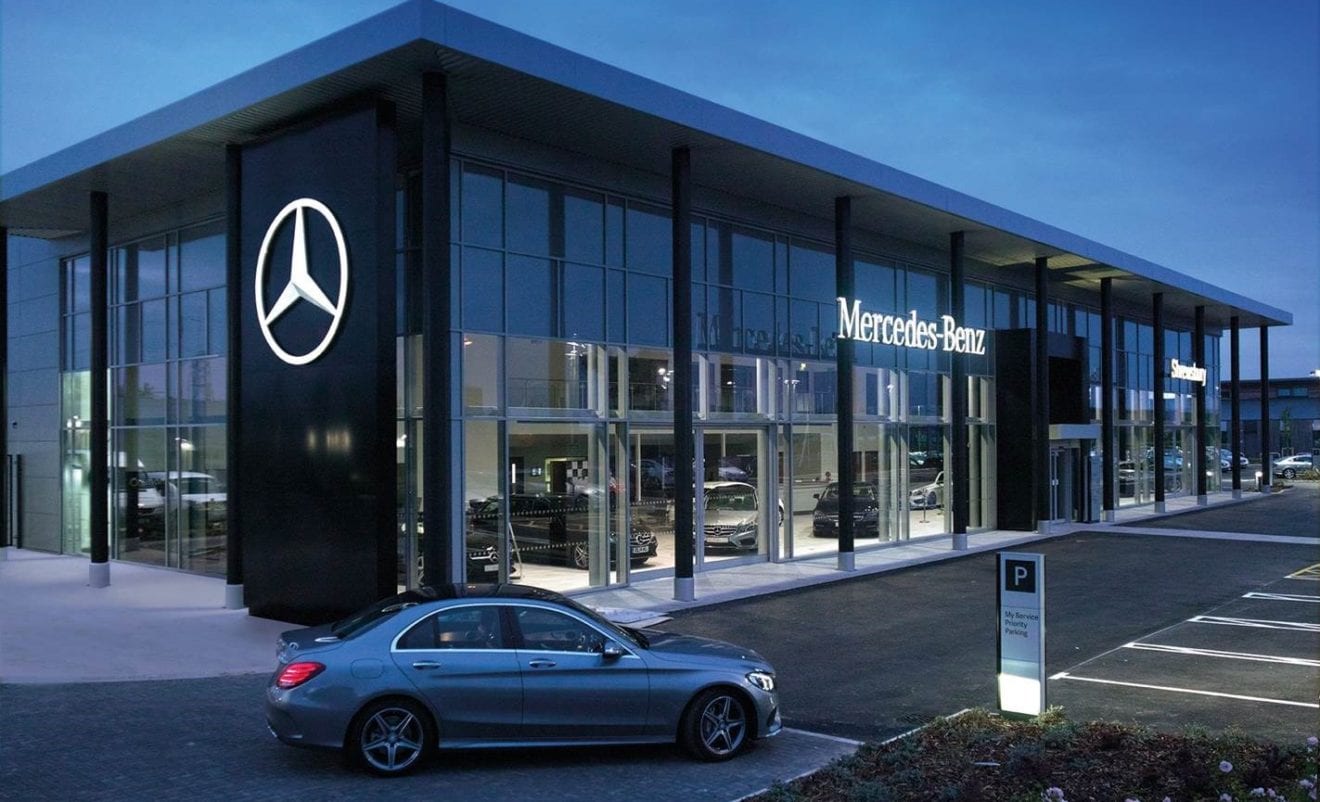
    Mercedes-Benz has successfully defended its dominance as the largest foreign car seller in the Korean imported car market for four straight months in September 2017.

    But, the BMW 520d has held the lead as the best-selling model for two consecutive months after it snatched the crown from Mercedes-Benz’s E-Class sedan in August 2017.

    According to the Korea Automobile Importers and Distributors Association (KAIDA) on Oct 13, a total of 20,234 imported vehicles were sold in September, up 20.6 percent from a year ago and 15.3 percent from a month ago.

    By brand, Mercedes-Benz ranked first after selling 5,606 units. It was followed by BMW (5,299 units), Land Rover (1,323 units), Lexus (1,128 units), Honda (1,022 units), MINI (933 units), Ford (832 units), Chrysler (767 units), Toyota (755 units), Nissan (541 units), Volvo (466 units) Jaguar (414 units) and Peugeot (306 units), according to KAIDA data.

    Land Rover was the most noticeable among them as it has moved up four notches to the third largest seller only in a month thanks to the Discovery Sport TD4 that sold 600 units.

    The best-selling model in September 2017 was BMW 520d, delivering 1,382 units, followed by BMW 520d xDrive with 886 units and Mercedes-Benz’s E200 with 854 units.

    Six out of 10 imported vehicles sold in Korea last month were from Germany, the statement said, and seven out of 10 imported vehicles sold during the first nine months of the year were from Europe.

    The share of imported vehicles in the Korean passenger car market rose to 15.1 percent in the first nine months of the year from 14.6 percent during the same period last year, an association spokeswoman said.

  • Charlotte Tilbury makeup coming to Hong Kon

    Charlotte Tilbury makeup coming to Hong Kon

    Makeup artist Charlotte Tilbury is bringing her award-winning makeup, skincare and scent collections to Asia.

    Her Makeup Revolution will be launched in Asia next year, starting at Lane Crawford in Hong Kong.Further details have yet to be announced.

    This follows her opening her first store outside of the UK, in Kuwait last week, one of three stores for the Middle East.

    Tilbury says there has been a huge demand already from loyal customers in Asia, while Lane Crawford chief brand officer Joanna Gunn says the exclusive launch of the brand in Hong Kong will be supported on the store’s online platform.

    With more than 25 years in the makeup industry working with A-list models, celebrities and designers, Tilbury has poured her best-kept secrets into her “all you need” skincare, makeup and scent collection.

    Her products have won more than 110 industry awards.

    Her colour products are curated into 10 colour-wardrobes: The Bombshell (inspired by Marilyn Monroe, Scarlett Johansson), The Dolce Vita (Beyonce, Penelope Cruz, Sophia Loren), The Glamour Muse (Jennifer Lopez, Jerry Hall), The Golden Goddess (Elle McPherson, Kate Moss, Ursula Andress), The Ingenue (Alexa Chung, Kirsten Dunst, Mia Farrow), The Rebel (Debbie Harry, Grace Jones, Lady Gaga), The Rock Chick (Anita Pallenberg, Brigitte Bardot), The Sophisticate (Audrey Hepburn, Natalie Portman), The Uptown Girl (Grace Kelly, Gwyneth Paltrow, Kate Middleton) and The Vintage Vamp (Lauren Bacall, Rihanna).

    Tilbury has created cover looks for such fashion magazines as GQVanity FairW and Vogue. She has also created runway trends for designers and brands including Alexander McQueen, Bottega Veneta, Donna Karan, Lanvin, Miu Miu, Prada and Tom Ford; and crafted campaigns for brands including Burberry, Louis Vuitton. Missoni, Roberto Cavalli and Stella McCartney.

    Her client list includes Carina Lau, Jennifer Aniston, Jennifer Lopez, Kate Moss, Penelope Cruz, Rihanna and Salma Hayek.

  • Marc Jacobs Hong Kong opens second store

    Marc Jacobs Hong Kong opens second store

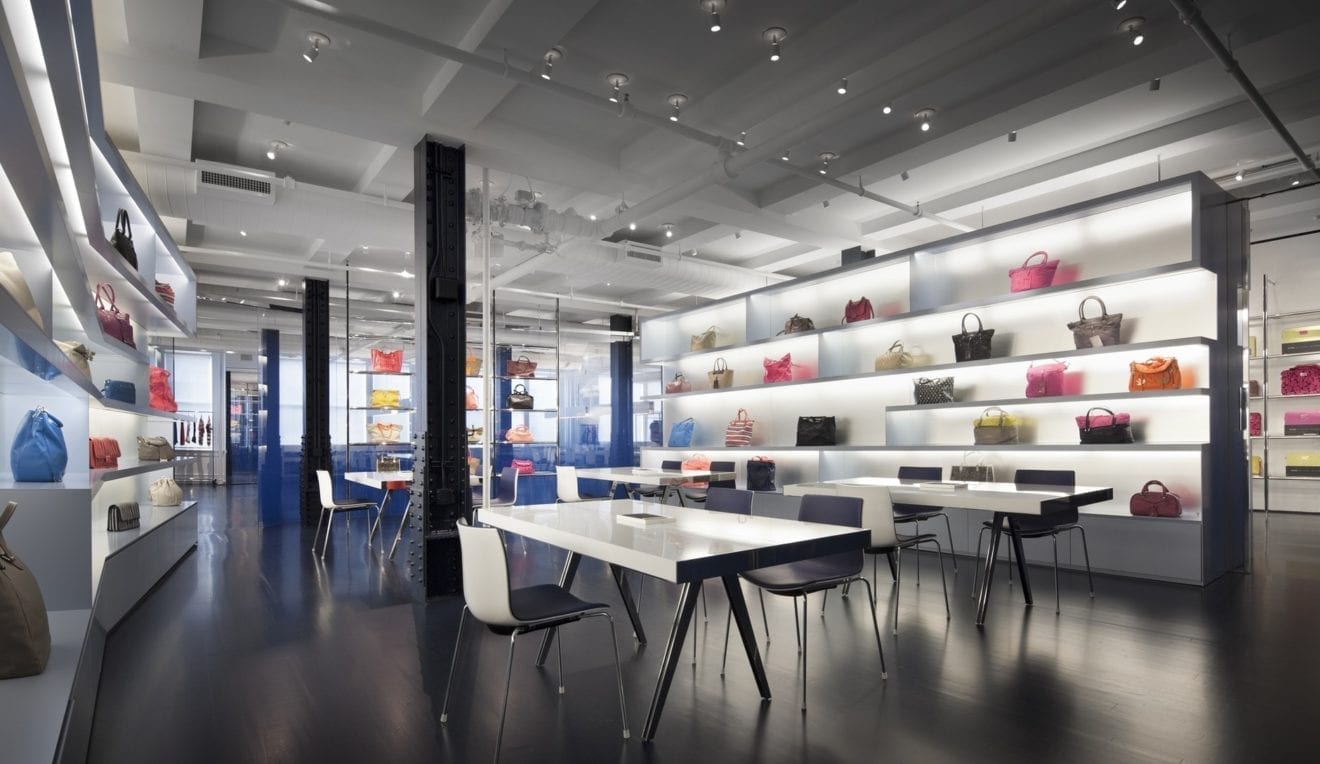
    Marc Jacobs Hong Kong has opened a boutique store at Gateway Arcade in Tsim Sha Tsui.

    With a new store concept featuring a curved display podium, the 121sqm boutique showcases the US fashion label’s latest collection including ready-to-wear, handbags, shoes, tech accessories, jewellery, fragrance, watches and eyewear.

    To celebrate the opening, the store is exclusively offering the Mini Grind handbag from the Resort 2018 Collection.

    Marc Jacobs Hong Kong has one other store, directly across the harbour at Landmark in Central.

    Earlier this month, Marc Jacobs China launched its first online flagship store with VIPlux, which carries international luxury and premium brands.

  • Ajisen China has mixed third quarter

    Ajisen China has mixed third quarter

    A high in China almost equally matched by a dip in Hong Kong has resulted in a mixed third quarter for Ajisen China Holding’s fast-casual restaurant business.

    Same-store sales in Hong Kong fell by 9 per cent for the three months to the end of September, while the growth rate in China had an upswing of 9.7 per cent.

    Overall, the group’s business sales saw 6.4 per cent growth compared to the same period a year ago.

    Chairman Poon Wai says the figures have not yet been reviewed or audited.