Author: Mei Ling Tan

  • Paul & Shark sportswear opens Elements flagship

    Paul & Shark sportswear opens Elements flagship

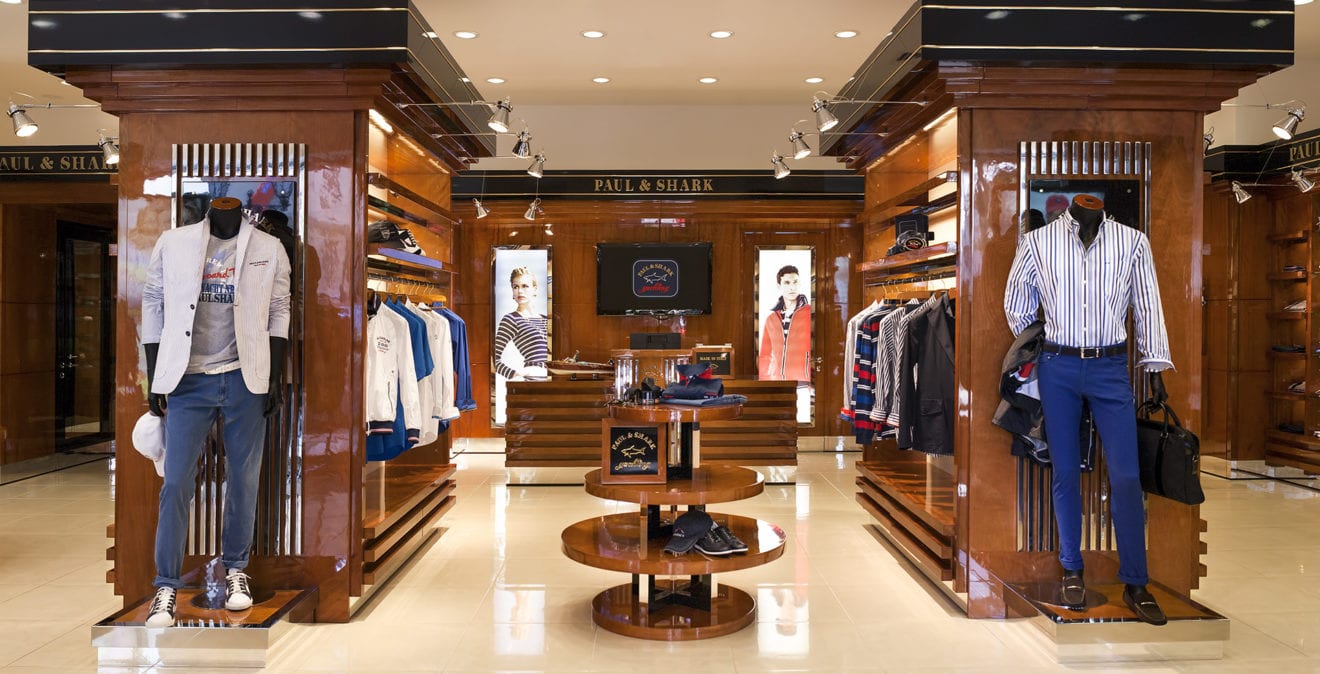
    Paul & Shark sportswear has taken more than year to reach the city after landing at Hong Kong International Airport with a boutique store.

    Its new a flagship at Elements mall in Tsim Sha Tsui covers 140sqm and features a minimalistic design in white with the brand’s iconic blue using mirrored steel, marble, metal, glass and wood.

    To mark its opening, the brand presented a photo exhibition by Chinese visual artist Chen Man focused on the shark spirit. It will be open until the end of Tuesday.

    A special guest at the official opening was Hong Kong Women’s Federation honorary president Pansy Ho. Paul & Shark is donating a share of the proceeds of sales to support the federation, which supports women’s leadership and gender equality, and protects women’s legal rights.

    Paul & Shark was founded in 1975 and is distributed in 73 countries and 458 cities, including Singapore.

  • Singapore eyewear market looking at U$400m, says report

    Singapore eyewear market looking at U$400m, says report

    The Singapore eyewear market is expected to reach US$400 million in value in the near future, says a new study.

    The Ken Research report notes amplified demand for premium eyewear brands as consumer awareness grows, with an emphasis on individualisation.

    “The market is transitioning toward a large number of diverse products and short product cycle,” says Singapore Eyewear Market by Type (Spectacles & Contact Lenses), by Sunglasses and Eyeglasses and by Sales Channel – Outlook to 2021.

    Also, the market is set to benefit from a $49 billion merger announced by spectacles maker Luxottica and lens manufacturer Essilor, especially with an expected strong demand for prescription spectacles and sunglasses because of an aging population and increasing awareness about eyecare.

    The research also notes a 1.3 per cent increase in people with myopia. The aging population has also strengthened demand for spectacles to correct presbyopia and for ready-made reading glasses. Presbyopia has increased by 3.3 per cent.

    Despite continuous growth over the past five years, e-commerce has only a meagre share of the Singapore eyewear market, says the study.

    While more than 75 per cent of customers prefer to buy eyewear products at optical shops, higher use of mobile devices and the internet have encouraged major companies to start offering their products online, the latest being Owndays and Zoff.

    The report also provides information on frames, glass, contact lenses and distribution channels as well as major industry players.

  • Miu Miu pop-up lands at Harbour City

    Miu Miu pop-up lands at Harbour City

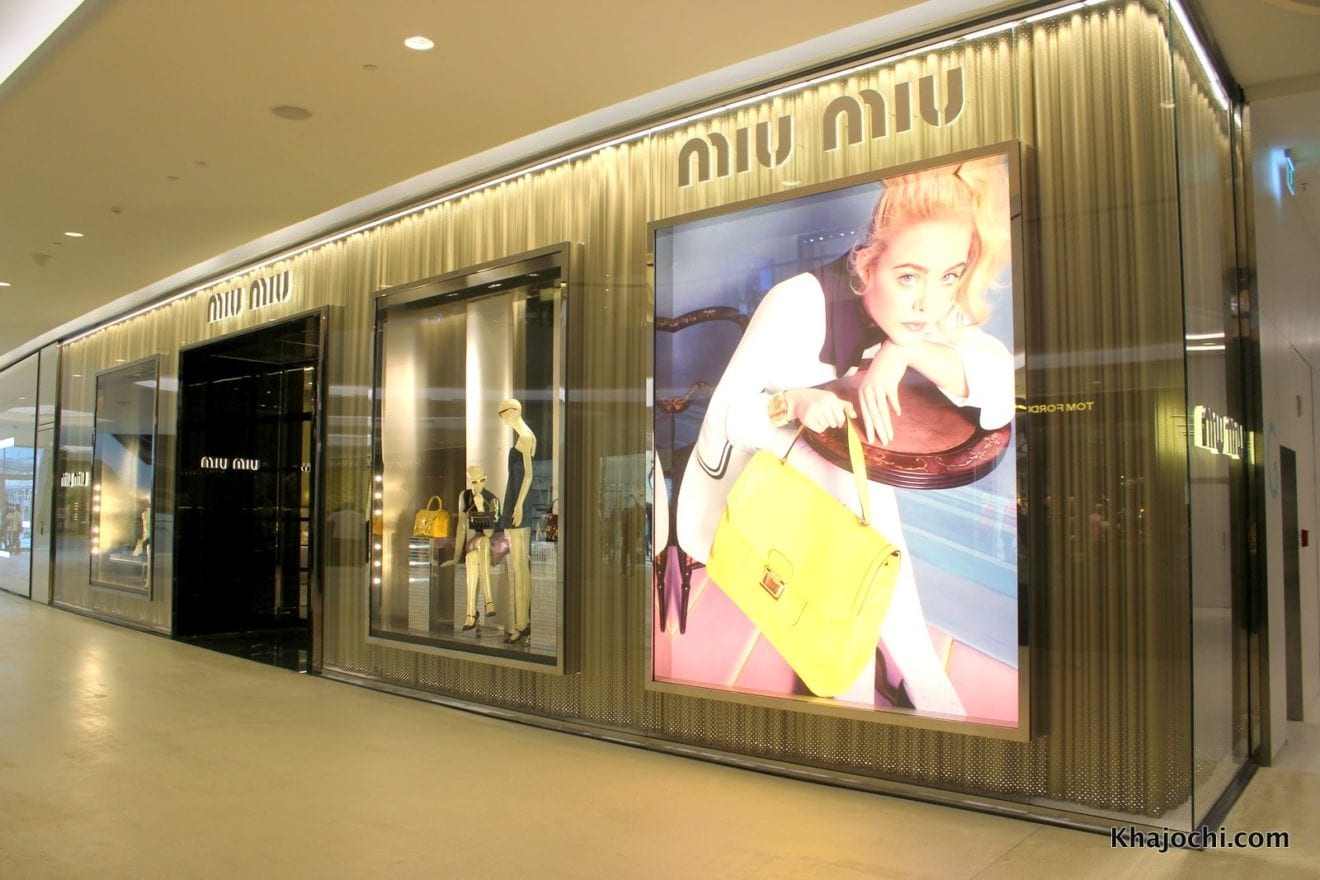
    The Miu Miu Lady pop-up exhibition is in the midst of its Hong Kong stop, part of a global tour.

    At the centre of the Miu Miu pop-up are two giant handbags decorated with the jewel buckle for which the Prada-owned brand is renowned.

    The Hong Kong pop-up is located at Harbour City where it will remain until November, before the installation is packed up and shipped to Macau where it will be erected at Galaxy macau Resort from November 25 to December 10.  Already, the display has run at Kuala Lumpur, Shanghai and Nanjing.

    Readers can watch the time-lapse video of the Miu Miu pop-up being built here.

    In Hong Kong, a limited edition green version of the bag is exclusively available at the pop-up shop.

    Miu Miu hosted a cocktail party to launch the pop-up early this week.

    Besides the oversized bags, the pop-up features a series of short movies portraying the history of the Miu Lady bag.

  • Asia helps Moncler apparel revenue climb

    Asia helps Moncler apparel revenue climb

    International markets, including Asia, helped produce double-digit growth for Moncler outdoor apparel brand in its first nine months.

    Its interim figures show revenues of €622.9 million (US$724.9 million) for its international markets, up 18 per cent (or 19 per cent at constant exchange rates).

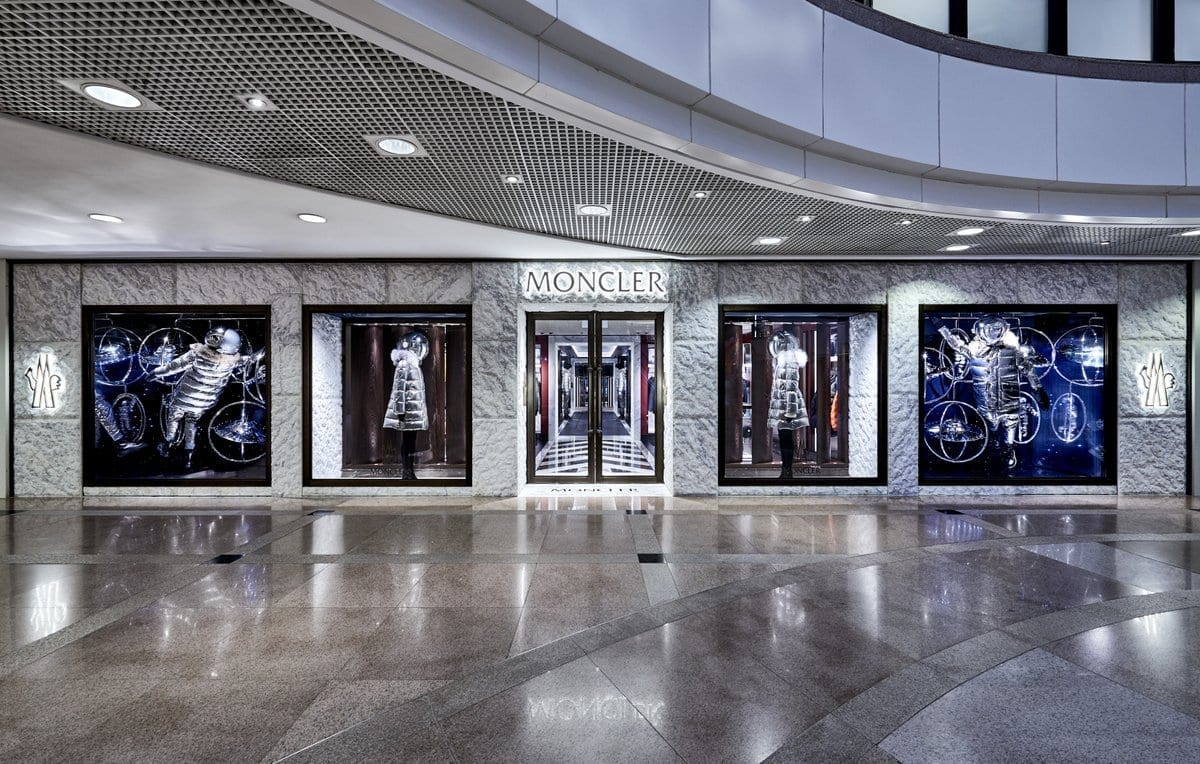
    Asia Pacific accelerated in the third quarter, says the company, thanks to strong performances and organic growth in the retail channel as well as network expansion including the relocation of the Hong Kong Harbour City store to a flagship on Canton Road.

    Both Japan and Korea had double-digit growth.

    Overall, consolidated revenues for the nine months rose 15 per cent to €736.8 million (16 per cent at constant exchange rates). For retail revenues the rise was 19 per cent (20 per cent) to €477.8 million, which Moncler attributes to organic growth and the development of its monobrand retail store network.

    With rapid evolvement in the luxury goods industry, consumers are running along paths far different to the past, at times breaking well-established moulds, says Moncler chairman/CEO Remo Ruffini.

    “Engaging this consumer means using new tools and codes alongside more traditional approaches. I believe it is essential, today more than ever, to look ahead with even more boldness and courage. For this reason, we are working on important new projects.”

    As at the end of September, Moncler’s monobrand distribution network comprised 195 directly run stores, an increase of five, and 48 wholesale shop-in-shops, up six units. Of these, 95 were international, with two additions.

    Moncler was founded in Grenoble, France, in 1952 and now has its headquarters in Italy. Ruffini took over the company in 2003.

  • Chinese millennials driving luxury goods sales

    Chinese millennials driving luxury goods sales

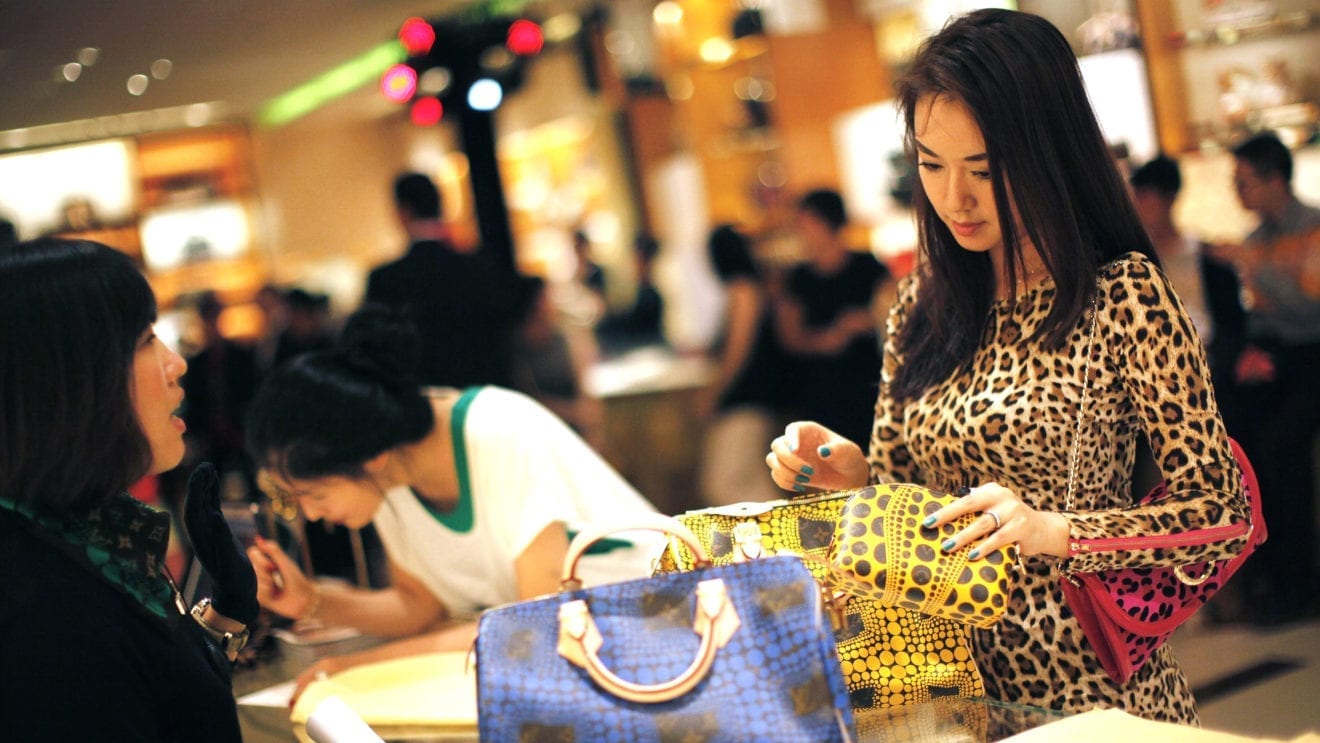
    Chinese millennials are driving faster growth than expected for worldwide sales of luxury goods, says consultancy Bain & Co.

    It says there is a thriving demand in China for items such as high-end handbags, shoes and jewellery.

    After stalling in 2016, revenues from personal luxury goods are set to rise 6 per cent at constant exchange rates this year to €262 billion (US$308 billion), Bain forecasts in an annual report compiled with the help of Altagamma, the trade association for Italian luxury brands. Earlier projections were for 2 to 4 per cent growth.

    Already, stronger earnings are being reported by luxury retailers including Brunello Cucinelli and LVMH, which owns Bulgari and Louis Vuitton.

    Bain says retailers’ efforts to connect with younger buyers and to bridge a price divide between Europe and Asia (more expensive) were also paying off.

    “Luxury goods companies have rethought strategies and are now regaining the trust they lost from customers,” says Bain partner Federica Levato, who co-authored the report.

    She says this year’s growth is “healthier”, being driven by a rise in volumes rather than in prices, and is balanced between tourist purchases and local buyers.

    Chinese buyers now make up 32 per cent of the luxury goods market, more than any other nationality, thanks to increased purchases in both their home market and abroad.

    As a whole, the industry could notch up annual growth rates of 4 to 5 per cent until 2020, says the Bain report, with online sales growing steadily and expected to reach a quarter of all sales by 2025, up from the present 9 per cent.

    Millennials already represent a third of the market, with the later “generation Z”, which grew up with smartphones, starting to make a dent in the luxury market, says Bain.

    Brands have been increasingly turning to social media or pairing up with pop stars and influencers, and branching into casualwear and streetwear, with t-shirts, sneakers and denim.

    However, while 65 per cent of luxury firms will grow sales this year, only 35 per cent will manage to increase their operating profit, says the report.

  • Meats eatery offers visual feast as well

    Meats eatery offers visual feast as well

    A focal point of the new Meats eatery in SoHo, described as a “meat bar”, is a custom-made  rotisserie and robata grill.

    Guests can sit in front of the glass-fronted kitchen to watch the chefs as they marinate, grill, roast and carve.

    On Staunton Street, the bar offers casual dining without reservations, offering sharing-style dishes. As well as slow roasting and grilling, its kitchen even prepares smoked meat.

    Brought to Hong Kong by Pirata Group, Meats has warm lighting, eclectic mismatched seating and vintage touches, thanks to Melbourne’s boutique interior design firm Samantha Eades. Exposed raw building materials are offset with European tiles and hand-painted depictions of forest animals on textured walls.

    Head chef Paddy McDermott says the knowledge and science behind preparing meat “almost takes us back to our primal instincts”.

    “I’m fascinated by the skill that goes into knowing how to use the whole animal, respecting unappreciated cuts of meat to create amazing dishes.”

    Each table has tongs, miniature meat cleavers and carving forks for diners. A one-page menu divides the offering into Small, Meats, Sides, Veggies and Sweets.

    Meats dishes that can be seen turning on the rotisserie include rustic Iberian porchetta with crispy crackling and aromatic herbs. Another slow-cooked signature is the chicken, which is salted overnight and basted in its own juices. A feature dish is appropriately titled Chef Give Me Meats!, which includes exclusive items not listed the menu.

    As well as wines, the bar offers bourbons, cocktails and craft beers by the bottle and draught.

    Meats seats up to 78 diners, including discrete corners and casual counter stools.

    Pirata Group, run by Manuel Palacio and Christian Talpo, also has the restaurants Pirata, The Optimist, Pici and TokyoLima.

  • Sheng Siong profits surge 25 per cent

    Sheng Siong profits surge 25 per cent

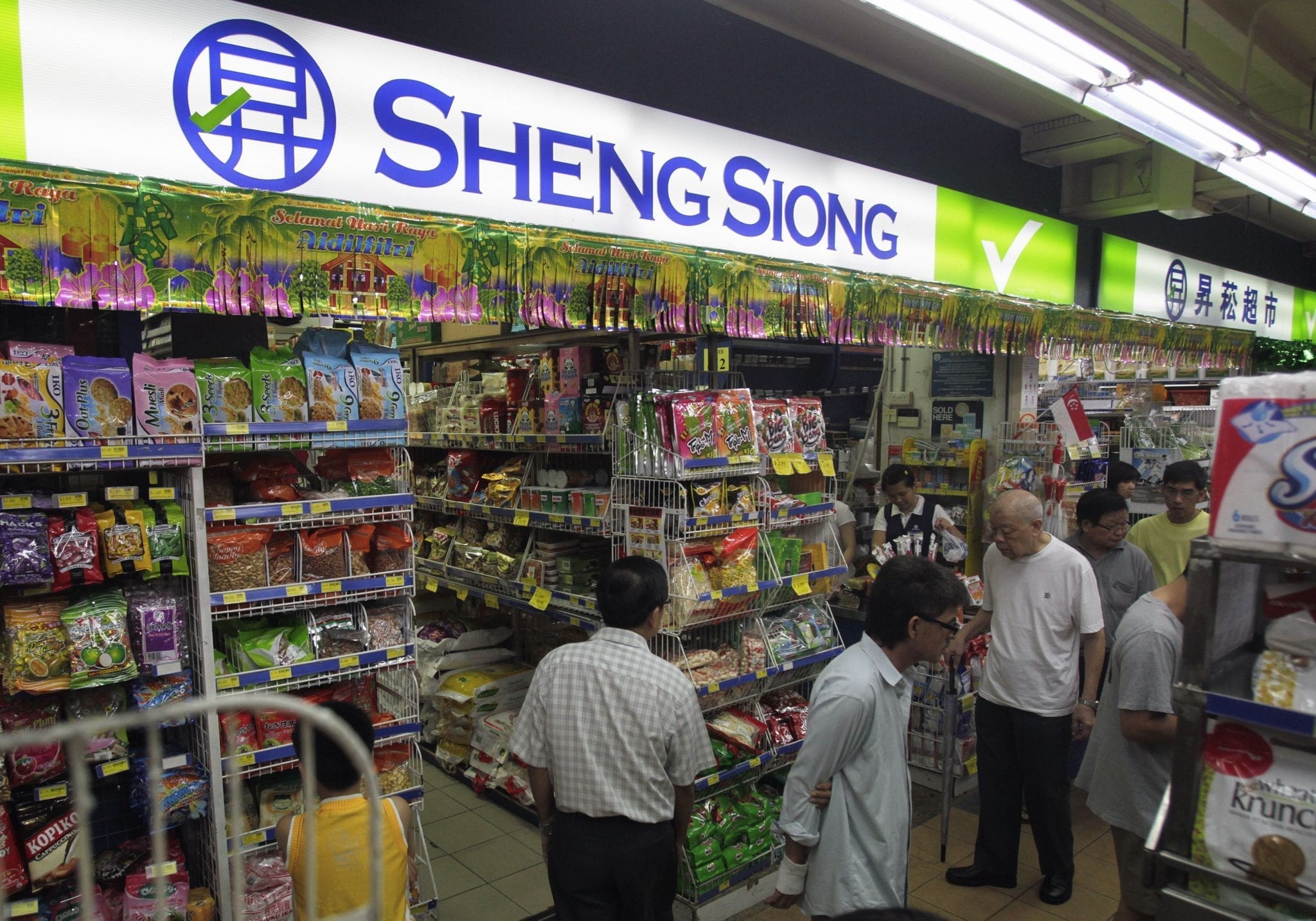
    Sheng Siong profits rose a stunning 25.3 per cent for the three months to September 30, to S$19.6 million.

    The supermarket operator cited higher sales, a tax refund and lower operating costs for the improved fortunes. Excluding its $2.2 million tax refund, the profit rise was a more modest 11.5 per cent.

    Revenue for the quarter rose 4.2 per cent. New stores contributed an increase of 3.9 per cent, with same-store sales up 1.7 per cent.

    Sheng Siong said consumer sentiment remained cautious during the quarter and sales at supermarkets “remained flattish” for the greater part of the first nine months of the year.

    Lim Hock Chee, the group’s CEO, said competition in the supermarket industry is expected to remain keen, particularly with the influx of large online retailers.

    “Moving ahead, we will remain focused on our store expansion plans in Singapore, particularly in areas where our potential customers are residing. Concurrently, we will continue to drive growth of our new and existing stores.

    Besides this, we remain committed to improve cost efficiencies through lowering input costs and operating overheads. Such initiatives include increasing direct purchasing, bulk handling, changing the sales mix to a higher proportion of fresh produce and reducing operating expenses by improving productivity,” he said.

    During the quarter, Sheng Siong opened a new store of 4000sqft in Fajar 446, expanding its total retail square footage to 431,000sqft.

    The group has successfully bid for three new HDB shops at Woodlands Street 12 (11,800sqft), Edgedale Plains Block 660A in Punggol (3100sqft) and Anchorvale Crescent Block 338 in Sengkang (5100sqft). Subject to the execution of tenancy agreements with HDB, these three new stores should be operational by the end of this year.

    The group is still looking for suitable retail space particularly in areas where it does not have a presence. However, competition for retail space, particularly for new HDB shops is expected to remain keen but rational, judging by the prices at the recent biddings.

    The store at Woodlands, with an area of 41,500sq ft will be permanently closed in November because the HDB is redeveloping the area.

    Meanwhile, the fit-out of the new store in Kunming China is now completed and subject to regulatory approvals, the supermarket should commence operation before the end of the year.

  • NBN Co to deploy G.fast from 2018

    NBN Co to deploy G.fast from 2018

    Australia’s NBN Co, the state-owned company building the national broadband network, has revealed it will deploy the G.fast copper acceleration technology on its network from 2018.

    The company will adopt G.fast for the fibre-to-the-building and fibre-to-the-curb components of its networks to provide an upgrade path for these users to ultra-fast speeds.

    G.fast and the more advanced XG FAST can accelerate the speeds of VDSL lines to fibre-like speeds. XG FAST can deliver speeds of up to 1Gbps depending on the condition and length of the copper last mile.

    NBN Co said its trials of the technology in 2015 achieved speeds of 600Mbps over a 20 year old stretch of 100 meter coper cabling. But the average age of a copper connection in Australia is 35 years.

    “Adding G.fast to the toolkit for the FTTC and FTTB networks will allow us to deliver ultra-fast services faster and more cost effectively than if we had to deliver them on a full FTTP connection,” NBN Co chief strategy officer JB Rousselot said.

    The NBN project as envisioned by the previous labor government would have delivered FTTP connections to 93% of Australian premises, with fixed wireless and satellite technologies reaching the remaining 7%. But this plan was controversially scrapped by the current government in favor of a multi-technology mix of FTTP, FTTN, FTTC, HFC, fixed wireless and satellite.

    “Our FTTP and HFC end-users already have the technology to support Gigabit services and adding G.fast over FTTC provides the upgrade path for our FTTN end users to ultimately receive Gigabit speeds too,” Rousselot continued.

  • MSY Technology fined for misleading warranties

    MSY Technology fined for misleading warranties

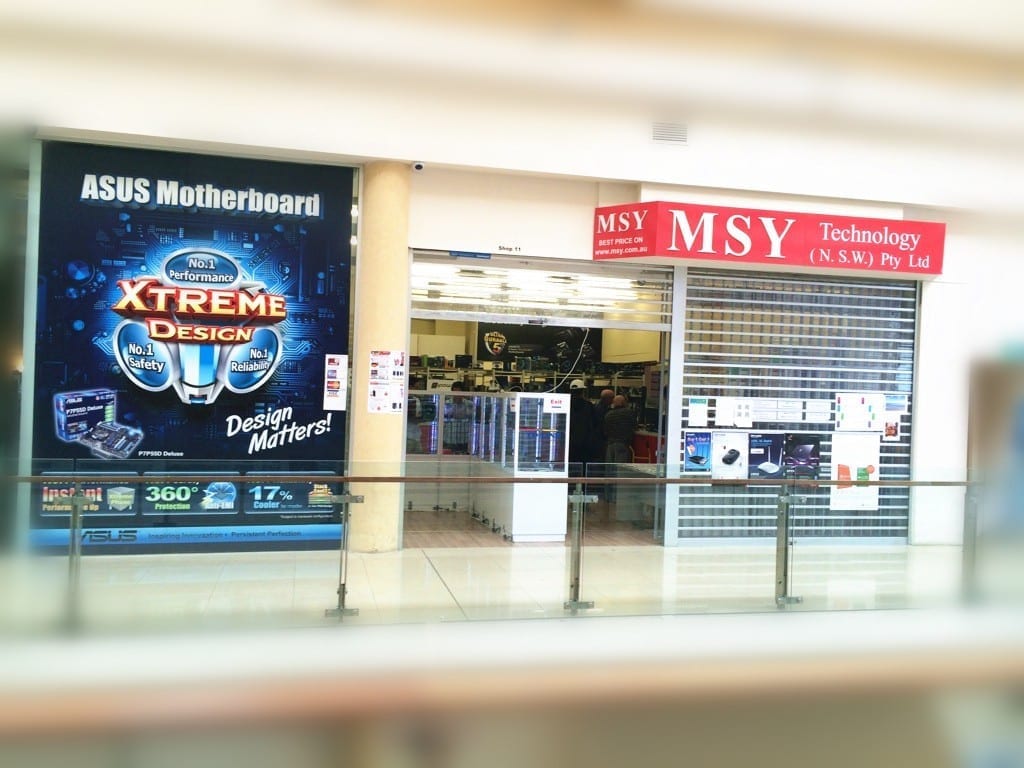
    Consumer electronics retailer, MSY Technology, has been fined $750,000 for misleading warranties.

    The Federal Court has penalised MSY Technology Pty Ltd, MSY Group Pty Ltd, and M.S.Y. Technology (NSW) Pty Ltd (MSY Technology) a total of $750,000 for misrepresenting consumers’ rights to remedies for faulty products.

    The Australian Competition and Consumer Commission (ACCC) took the electronics retailer to court late last year claiming MSY breached the Australian Consumer Law by misrepresenting consumers’ rights to repairs, replacements or refunds when they purchased faulty products.

    “Businesses much ensure their refund and returns policies, and any representations accurately reflect their obligations under consumer law,” said ACCC deputy chair Delia Rickard.

    MSY Technology, which operates 28 retail stores across Australia and online, selling computers, computer parts, accessories and software, admitted that it made false or misleading representations on the MSY website, and in oral and e-mail communications to consumers about their rights.

    “These proceedings and the penalties imposed signal to businesses that the ACCC will not hesitate to take appropriate enforcement action where it identifies misleading representations about consumers’ rights,” Rickard said.

    “This is the second time the ACCC has taken action against MSY entities. The court imposed penalties in 2011 for misleading consumer warranty representations.”

    The Federal Court also made other orders by consent including injunctions, a comprehensive ACL compliance training program, publication orders, and payment of $50,000 towards the ACCC’s costs.

    Following the commencement of proceedings, the ACCC announced MSY Technology made admissions and agreed to joint submissions on liability and relief (including penalty) that were filed with the Court.

  • Singapore named most robust data center market

    Singapore named most robust data center market

    Despite a large amount of supply coming through 2015–2016, the data center market in Singapore continues to lead some of its large neighbors in the Asia-Pacific (APAC) region in a race to the top of data center location rankings.

    According to Cushman & Wakefield’s Data Center Risk Index, Singapore is the most robust market out of 10 Asian countries in terms of business operations for data centers. Out of 10 Asian countries included in the index, Singapore scored 84.50 out of 100, ahead of Korea (83.23), Hong Kong (78.73) and Japan (76.48).

    The Data Center Risk Index identifies the top risks likely to affect data center business operations. It considers such criteria as energy, internet bandwidth, ease of doing business, political stability, natural disaster and energy stability.

    Singapore ranks strongly for network infrastructure, diverse connectivity to major APAC markets, its pro-business environment and political stability.

    Singapore has seen an influx of new data center capacity in the last two years, with an additional 130 MW on top of the existing capacity of 240 MW at the beginning of 2015.

    There has been some price and vacancy pressure, particularly among smaller data center players.

    However, over the medium to long term, Singapore should be able to expand its capacity by another 100 MW on the back of the Smart Nation initiative, as the government pushes for a national digital transformation program.

    Local data center providers such as Singtel, Keppel Data Centres and ST Telemedia stand to be the primary beneficiaries of this, while the international data center providers will continue to focus on winning international deals from medium to large enterprises coming into Singapore.

  • 7-Eleven opens 500th fuel store

    7-Eleven opens 500th fuel store

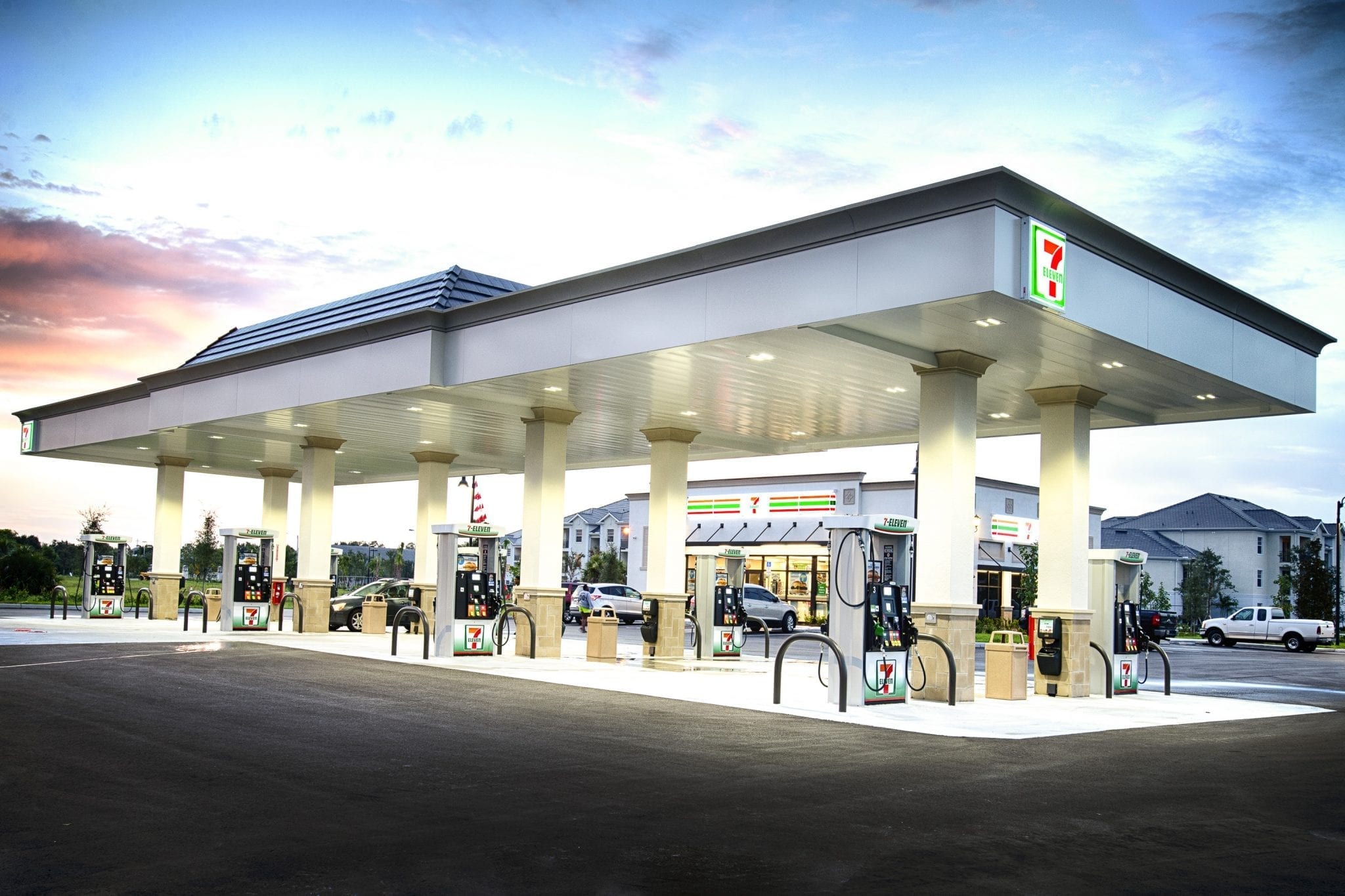
    Convenience store chain, 7-Eleven, has opened its 500th fuel store at Burpengary in Queensland on Thursday, bringing its total network size to more than 670stores across Victoria, New South Wales, Australian Capital Territory, Queensland and Western Australia.

    Braeden Lord, 7-Eleven’s general manager retail operations, said that the new store was one of 40 new stores the company planned to open before the end of 2017, including 20 in Queensland.

    “We are experiencing solid growth in our network with 40 stores opening this calendar year, about half of those in Queensland,” Lord said.

    “We have another approximately 40 stores planned for 2018. The combination of our customer focused convenience offer, quality Mobil brand fuels, and the wonderful team members in our stores, positions us well to continue to grow our network.”

    Lord said the company continues to innovate to ensure it meets the needs of its customers and giving consumers choice was critical to achieving that.

    “As a business we are investing to develop new products and services, and we also look for opportunities to work with our suppliers to bring new offers and innovations to the channel,” he said. “It’s a real focus for us to not only offer the products and services consumers expect from us today, such as snacks, drinks and quality fuels, but also to be looking to what they might want from us in the future, such as food on the go including healthy options, and in-store services such as parcel lockers and digital products.”

    The new Burpengary store’s offer includes the 7-Eleven Iced Coffee which lets customers make their own drink with freshly ground coffee and fresh cold milk, and the new 7-Eleven sushi range.

    Customers will also be able to take advantage of the company’s fuel app to save when they fill up with Mobil brand fuels. The fully additised fuels include Supreme Plus 98, Extra 95, Special E10, Special Unleaded 91 and Special Diesel.

    Approximately 700,000 consumers have downloaded the 7-Eleven Fuel App and in the 18 months since its launch have saved more than $2 million.

  • Nike CEO says Undifferentiated, mediocre retailers won’t survive

    Nike CEO says Undifferentiated, mediocre retailers won’t survive

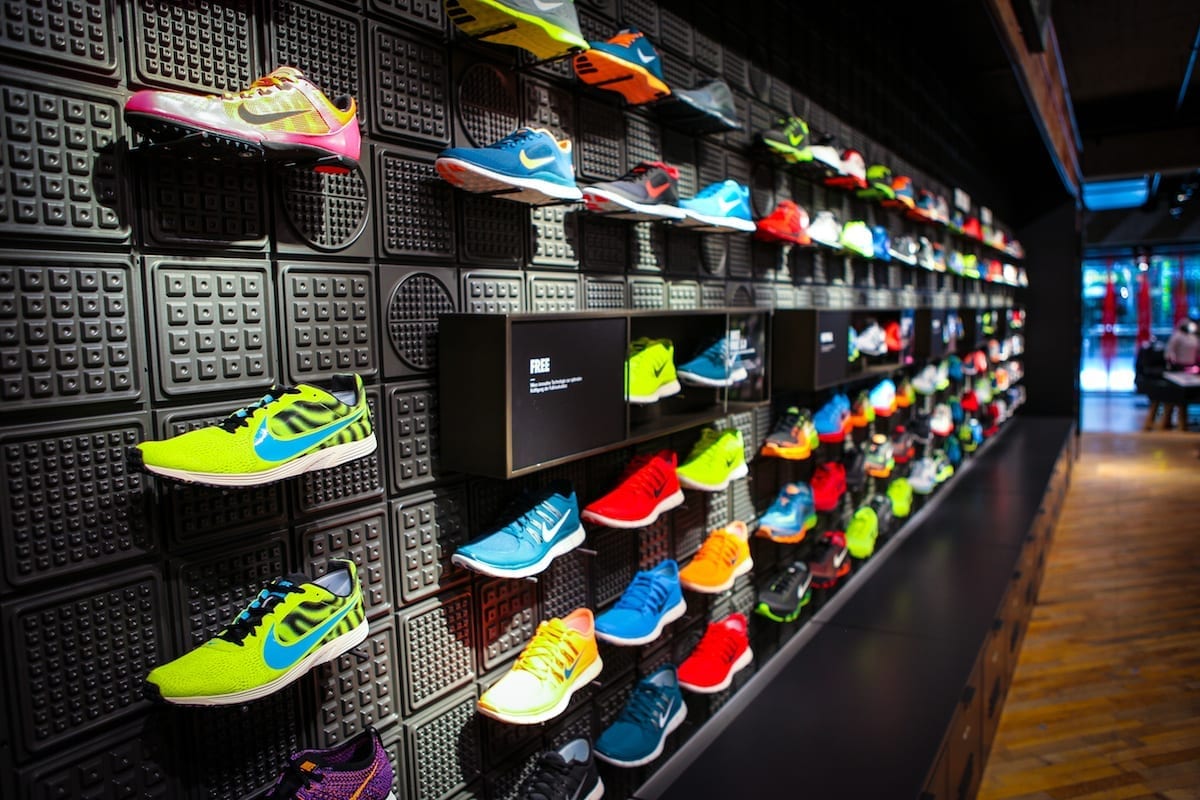
    Sportswear giant Nike has a message for its thousands of retail partners around the world: shape up or ship out.

    Speaking at an investor day in the US yesterday, Nike brand president Trevor Edwards outlined a step-change for the iconic business in the way it deals with its retail partners, saying that “undifferentiated, mediocre retailers won’t survive,” and committing Nike to “moving away from this over the next five years.”

    Nike, which currently has 30,000 retail partners globally, plans to select around 40 “differentiated retailers”, such as Nordstrom, Footlocker and Amazon, for special collaborations and branded space in-stores.

    No-names were mentioned in terms of who might be on the chopping block in the coming years, but the company is drastically stepping up its direct-to-consumer efforts as part of its plan to reach its $50 billion annual sales target by 2020 – a goal set in 2015 that investors have previously expressed scepticism about.

    To service its ambitions Nike laid out a raft of new targets under a “triple double strategy” laid out by chairman, president and CEO Mark Parker.

    “The consumer today expects a premium experience, with innovative product and services delivered faster and more personally,” Parker said. “Fueled by a transformation of our business, we are attacking growth opportunities through innovation, speed and digital to accelerate long-term, sustainable and profitable growth.”

  • EU mulls digital firms’ global profits tax

    EU mulls digital firms’ global profits tax

    The European Union is asking its citizens to help decide on a fairer tax regime for large digital corporations that may include a tax on their global profits.

    Firms such as Amazon, Google and Facebook have often been accused of paying too little tax within the bloc by establishing their regional headquarters in low-tax countries such as Luxembourg and Ireland.

    The executive European Commission wants binding legislative proposals for a fair taxation of the digital economy by March.

    In a public consultation published on Thursday, it listed new ideas on what such a blueprint might contain.

    It is seeking responses on a “unitary tax” that would be levied on a share of digital companies’ global profits, divided up between the EU countries where they operate.

    This option has never appeared in EU documents before.

    It would be a long-term solution, as would a proposed tax using the corporate rate of the countries where the firms’ consumers are, rather than where the firms are based.

    That would eliminate the incentive for multinationals to set their EU headquarters in low-tax states.

    The commission also sought reactions to the idea of changing the principle of corporate establishment, so that companies could be taxed when they have a “digital” presence in a country. That was an option listed in a document published in September .

    In the short term, EU states could impose a tax on revenues from “digital activities” or services, like the sale of online ads.

    They could also consider a withholding tax on digital payments or a “digital transaction tax” levied on companies selling consumers’ personal data.

    The move is set to gauge public support for an initiative that is backed by the EU’s big states but opposed by smaller, low-tax countries who fear losing revenues.

  • M1 launches 10Gbps symmetrical PON

    M1 launches 10Gbps symmetrical PON

    Singapore’s M1 has upgraded and expanded its suite of services for corporate customers, including through the introduction of the world’s first 10Gbps symmetrical passive optical network.

    The new symmetric PON service will allow M1 to provide low-latency 10Gbps symmetrical speeds with guaranteed bitrates across Singapore, for applications including SDN, cloud computing and 4K or 8K video transfers.

    In addition, M1 has introduced a new unified operations monitoring centre to provide real-time information on both network service and public or private cloud IT infrastructure to enterprise customers.

    This will include early warning of impending equipment failure to allow companies to conduct proactive maintenance to rectify potential faults before they occur.

    Finally, M1 has expanded its fiber network to the famous Shenton Way and Orchard Road major streets and the Buona Vista housing estate in Singapore.

    This will allow the operator to offer high-speed corporate connectivity services to more than 55 shopping malls, offices and commercial buildings in those areas.

    “The corporate segment is a key growth sector for M1, and we have accelerated our investments in technology, infrastructure and expertise to better serve our customers,” M1 chief corporate sales and solutions officer Willis Sim said.
    “With the successful launch of our symmetrical PON solution, next-generation unified operations monitoring centre and fibre to the building infrastructure, M1 can offer advance customised high bandwidth connectivity to meet the growing requirements of Internet of Things, smart nation, cloud and big data solutions from our customers.”

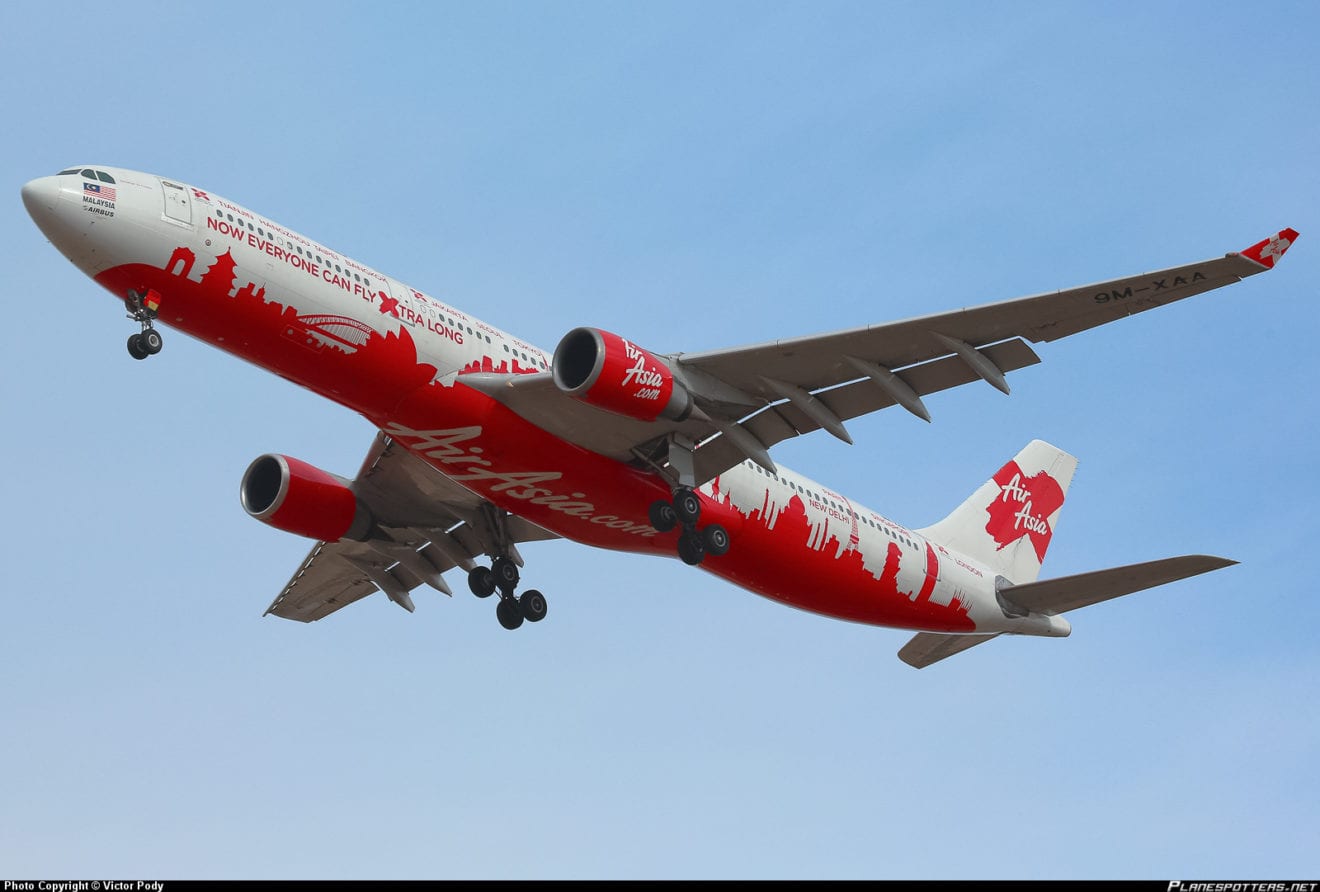
  • AirAsia X celebrates a decade of long-haul service at Gold Coast

    AirAsia X celebrates a decade of long-haul service at Gold Coast

    Low-cost carrier AirAsia X celebrated its 10th anniversary on Thursday at its maiden destination – Gold Coast, Queensland, Australia.

    Since its first flight in Nov. 2, 2007, AirAsia X, the long-distance arm of the region’s biggest budget carrier, has flown over 1.8 million passengers between Kuala Lumpur and Gold Coast.

    From the initial four weekly flights, the airline now flies 11 times a week between the two cities.

    Kuala Lumpur-Gold Coast was AirAsia X’s very first route before Melbourne and Perth were added a year later, followed by Sydney in 2012.

    “We have grown from strength to strength since our inception in 2007, having flown more than 30 million passengers to over 25 destinations in different regions, including more than 12 million guests to and from Australia alone,” AirAsia X Malaysia CEO Benyamin Ismail told a gathering at Skypoint’s private function.

    He said the company’s growth focus would be on tapping underserved markets and high-traffic routes.

    Executive General Manager of Business Development and Marketing at Queensland Airports Paul Donovan said AirAsia X was Gold Coast airport’s first long-haul international carrier to Asia when they started operating 10 years ago.

    “That was a game changing moment and it gave Gold Coasters an affordable and convenient travel option to Asia and, just as importantly, put the growing Asian market within easy reach for us,” he said.

    Gold Coast Tourism CEO Martin Winter said that air connectivity remains the most important factor in driving demand out of Asia. AirAsia X has provided a valuable gateway to the Gold Coast, ferrying international passengers from Asia and New Zealand, both important sources of visitors.