Author: Mei Ling Tan

  • Self-driving startups race down a narrowing road

    Self-driving startups race down a narrowing road

    U.S. automotive and technology firms likely have invested some $40 billion to $50 billion in self-driving technology in recent years.

    Lei Xu and Justin Song once worked at electric carmaker Tesla Inc, one of the hottest companies in Silicon Valley. But with interest and investments in autonomous vehicles mounting, they left to pursue what they see as the next big thing.

    Their company, Nullmax, is one of more than 240 startups worldwide, including 75 in Silicon Valley, attempting to design software, hardware components and systems for future self-driving cars, according to a Reuters analysis.

    Xu and Song are bankrolled by corporate money, but unlike many of their fellow entrepreneurs, they skipped funding from Silicon Valley venture capitalists. Founded in August 2016, Nullmax got $10 million from a Chinese firm, Xinmao Science and Technology Co.

    By seeking corporate backing in China, the Nullmax founders managed to sidestep an issue facing other startups in the sector: While big automotive and technology companies are pouring billions into the autonomous vehicle space, Silicon Valley investors so far have been fairly restrained in increasing their bets.

    Headlines have been dominated by old-line players such as General Motors Co, which jolted the industry last year when it bought a tiny San Francisco software company called Cruise Automation for a reported $1 billion. Just this week, top-tier supplier Delphi Automotive PLC acquired Boston-based software startup nuTonomy for $450 million.

    Now, “every startup thinks they will get a billion dollars” in valuation, said Evangelos Simoudis, a Silicon Valley venture investor and an advisor on corporate innovation.

    However, investment in untested startup companies remains relatively modest despite all the buzz and lofty expectations. Total funding of self-driving startups from both corporate and private investors has barely topped $5 billion, the Reuters analysis of publicly available data shows.

    With the notable exceptions of Andreessen Horowitz and New Enterprise Associates, few of the big Valley venture capital firms are heavily invested in the sector. Overall, only seven of the top 30 self-driving startups have received later-stage funding, the Reuters analysis shows, an indication that some venture capitalists are ambivalent about the industry’s potential.

    Skeptics note that few of the startups are making money. And established auto and parts companies have not demonstrated a clear path to revenue and profitability in autonomous vehicles despite their big bets in the space.

    Another sticking point: While the initial wave of self-driving vehicles is expected to begin commercial service in 2019-2020, experts expect the transition from human-driven to automated cars could take a decade or more to roll out.

    Cautions Sergio Marchionne, chief executive officer of Fiat Chrysler Automobiles: “You can destroy a lot of value by chasing your tail in autonomous driving.”

    Corporate investments

    All told, U.S. automotive and technology firms likely have invested some $40 billion to $50 billion in self-driving technology in recent years, mainly through acquisitions and partnerships. The full extent is hard to know because big players such as Alphabet Inc, whose Waymo subsidiary is considered among the front-runners in the arena, have not revealed the full scope of their investments, although it is believed to be in the billions.

    Among the top corporate investors in the sector are Samsung Group, Intel Corp, Qualcomm Inc, Delphi and Robert Bosch GmbH. Corporate investors also have backed five of the six self-driving startups with valuations of $1 billion or more.

    Whether the industry is poised to produce more such unicorns is now a topic of much debate. Two former investors in Cruise Automation, for example, are poles apart in their views of self-driving vehicles and technology.

    Veronica Wu, managing partner in Palo Alto-based Hone Capital, said her company continues to invest in “quite a number” of self-driving startups, while acknowledging that the technology will take time to deploy.

    “It’s a matter of when, not if,” she said. “We’re fairly optimistic.”

    In contrast, Sunny Dhillon of Signia Venture Partners, another Cruise investor, said his firm does not see any attractive investments in the sector right now.

    The hefty price paid by GM for Cruise, he said, “made the space very frothy, with every computer vision and robotics PhD student seemingly emerging with a new self-driving car startup.”

    In addition, he said many established players “already have made their big investments (and) acquisitions” in the sector. That could limit investors’ potential returns and entrepreneurs’ payoffs down the road.

    Quin Garcia, a partner in San Francisco-based AutoTech Ventures, concurs that the space is crowded and valuations are inflated. There may still be “a select few IPOs, but there will be many failures of autonomous vehicle startups” by 2021, he said.

    Nullmax in China

    Those odds haven’t deterred Nullmax founders Xu and Song, who are looking to differentiate themselves.

    With many self-driving startups looking to supply U.S. and European automakers, the Chinese-born entrepreneurs, whose specialties are camera-based vision systems and artificial intelligence, are focused on China. They expect to deliver the first partially automated systems to Chinese automakers by 2020.

    The U.S.-educated entrepreneurs, both 35, now work out of a small shop in Fremont, Calif., not far from Tesla’s sprawling home factory. Xu once worked at Tesla as a senior engineer while Song specialized in supply chain and quality engineering. Tesla declined to confirm their prior employment.

    Xu said the company employs about 50 people, most of them in a larger office in Shanghai. He said the company wants to keep a foot in California, which is a hub of U.S. tech talent, and where regulators have smoothed the way for testing of self-driving vehicles.

    As for how Nullmax plans to cash out, Xu navigated around that question.

    “We’re pretty busy,” he said. “We don’t much time to think about an IPO right now.”

  • Facebook moves toward revealing political ad backers

    Facebook moves toward revealing political ad backers

    People will be able to click ‘view ads’ on a page to determine the source. Facebook said Friday it would take steps to deliver on a promise to reveal backers of political advertisements to boost transparency in the wake of criticism of the social network’s role in the 2016 U.S. election.

    The leading social platform said it will begin testing and refining political ad transparency tools next month in Canada, with a goal of having them in place in the US before elections next year.

    Under the plan unveiled by Facebook vice president Rob Goldman, people will be able to click “view ads” on a page to determine the source.

    “Transparency helps everyone, especially political watchdog groups and reporters, keep advertisers accountable for who they say they are and what they say to different groups,” Goldman said in a blog post.

    “People should be able to tell who the advertiser is and see the ads they’re running, especially for political ads, That level of transparency is good for democracy and it’s good for the electoral process.”

    Facebook founder and chief executive Mark Zuckerberg said in a separate post this is more transparency than required for other media.

    “We’re making all ads more transparent, not just political ads,” Zuckerberg said.

    Additionally, he noted that political advertisers “will now have to provide more information to verify their identity.”

    Facebook in September announced a plan to increase “transparency” regarding political advertising and hire more than 1,000 people to thwart deceptive ads crafted to knock elections off course including “dark” messages crafted for specific demographic groups but invisible to others.

    Facebook has turned over to Congress some 3,000 Russia-linked ads that appeared to use hot-button issues to turn people against one another ahead of last year’s U.S. election.

    Facebook’s second-ranking executive, Sheryl Sandberg, has acknowledged that “things happened on our platform in this election that should not have happened, especially foreign interference.”

    According to Facebook, some 10 million people may have viewed the ads placed by a Russian entity that appeared aimed at sowing division and mistrust.

    Some 470 accounts spent a total of approximately $100,000 between June 2015 to May 2017 on ads that touted fake or misleading news, according to Facebook.

    Goldman said Canada is a “natural choice” to test the new system.

    “Testing in one market allows us to learn the various ways an entire population uses the feature at a scale that allows us to learn and iterate,” Goldman said.

    Twitter this week unveiled similar steps that will disclose the sources of political ads. The messaging platform separately said it would ban ads from Russia-based RT and Sputnik, accused of spreading disinformation during the 2016 campaign.

  • Lazada Online Revolution offering 210 million items

    Lazada Online Revolution offering 210 million items

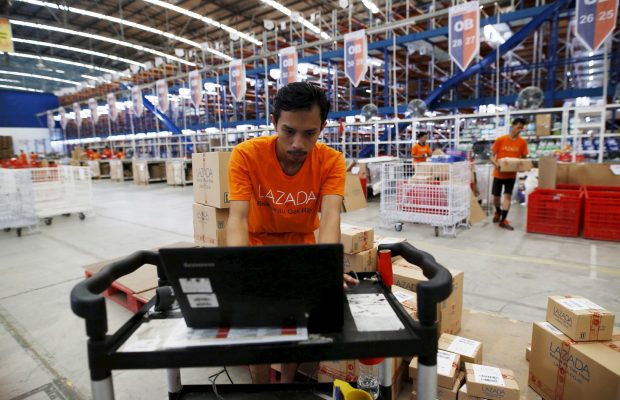
    In its sixth year, the Lazada Online Revolution mega-sale will be the biggest yet when it takes off on November 11 across six countries – Indonesia, Malaysia, the Philippines, Singapore, Thailand and Vietnam.

    Themed “Shop the Universe”, the sale will offer 210 million products, up sevenfold from last year, and has expanded its product categories to include fashion, luxury cosmetics, groceries, pet supplies and digital goods such as e-vouchers and prepaid mobile-phone top-ups. International brands include Huawei, Laneige, Levi’s, Mac, Ray-Ban, Shiseido and Triumph.

    There will be about 26 million deals offering discounts of up to 90 per cent, including items from the Taobao Collection, which offers kitchenware, furnishings, fashion apparel and accessories.

    Shoppers in Southeast Asia ordered about two million items within the first 24 hours of last year’s Online Revolution 2016. Among the top sellers were VR glasses, smartphones, shower gels and mascaras.

    As well as its own 130 delivery centres across the six countries, Lazada will work with more than 80 delivery companies to handle demand during the sale.

  • Hermes pop-up on WeChat introduces smartwatch

    Hermes pop-up on WeChat introduces smartwatch

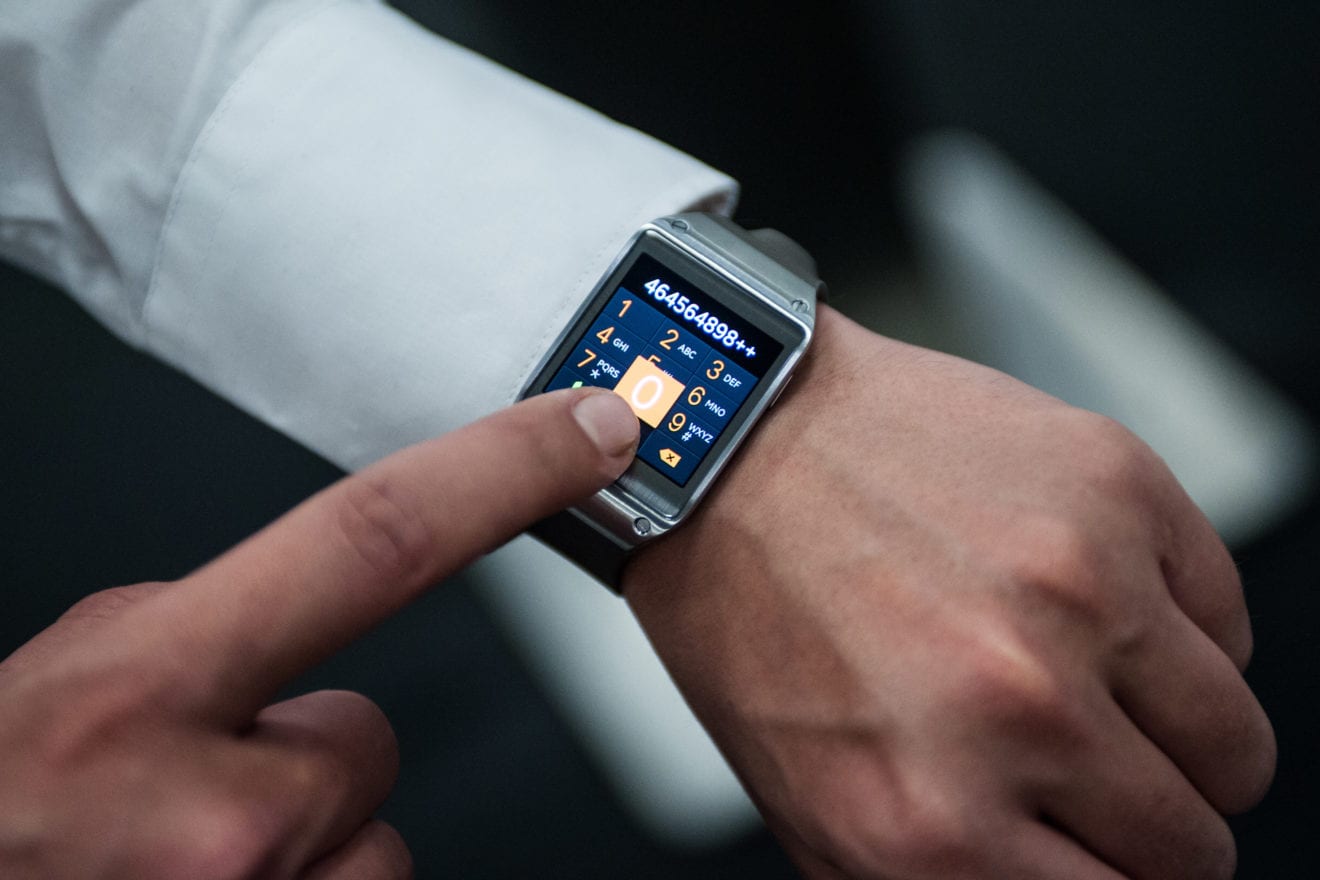
    A Hermes pop-up store, its first on WeChat, features a 13-second promotional video for its new Eperon d’Or Hermes x Apple smartwatch.

    The French luxury brand is offering six options of wristband, each based on a classic Hermes scarf pattern.

    When clicking on “read more” at the bottom of the post, readers are taken directly to Hermes’ watch collection page which offers a detailed view of six models. The prices range from RMB8988 (US$1354) to RMB10,988.

    Buyers need to register an account on the site to track the order, and use WeChat Pay to complete deals.

    The pop-up ends on November 5.

    Meanwhile, Hermes sales in Asia Pacific, excluding Japan, have grown by 14.3 per cent year on year. Its WeChat experiment indicates the brand has taken a significant step toward digital marketing, reports CIF News.

    CEO Axel Dumas says Hermes has excellent sales track records in China, and has expanded from major cities, gradually developing in  growing centres such as Chengdu and Hangzhou.

  • L’Oreal adds Paris to digital start-ups

    L’Oreal adds Paris to digital start-ups

    L’Oreal, the world’s biggest cosmetics company wants to see more beauty tech like sensory hair brushes that tell you how to care for your hair, and skin patches that let you know how much sun you are getting.

    So, it plans to launch a program of start-up collaborations in Paris as it ramps up digital investments and seeks out new beauty products like its “smart” hairbrushes.

    L’Oreal makes an ever greater slice of sales online and has rolled out services and items for tech-savvy consumers, such as a phone app for virtual make-up tests.

    The French group says it is looking to develop more inventions at a site for start-up companies in Paris, where 10 to 12 firms will work on projects with L’Oreal every year.

    “The world of beauty has already become very digitalised…this will allow us go even further than what we do today,” L’Oreal chairman and chief executive Jean-Paul Agon said, at a reconverted 1920s railway depot in Paris that now houses a start-up campus.

    Known as “Station F” and launched by billionaire businessman Xavier Niel, it will now have a L’Oreal workshop.

    Agon did not say how much L’Oreal had invested so far in start-up ventures and online development, but did say the group’s budget for all things digital was growing fast.

    L’Oreal now spends 35 per cent of its media budget on digital campaigns and had recruited 1,700 people to work in this area, he said. Five years ago staffing in this section was closer to 150.

    L’Oreal derives about seven per cent of its revenues – which totalled 13.4 billion euros ($A20.2 billion) in the first half of the year – from online sales, up from just over five per cent in 2015. It has not disclosed online growth targets.

    The company has already invested in London’s Founders Factory, a so-called start-up incubator, in 2016, and it has its own innovation program in San Francisco.

    Products developed there include an electronic UV skin patch that measures exposure to the sun.

    Aside from seeking new technology, such as developments in artificial intelligence or voice recognition software, L’Oreal will also work with start-ups developing new beauty products, be it creams or make-up, the company said.

    L’Oreal’s push comes as Paris seeks to overtake London as a leading European tech centre for investors and inventors, in a “start-up nation” championed by France’s pro-business President Emmanuel Macron.

    “We’re also happy to be contributing to that project,” Agon said. L’Oreal is France’s fourth-largest listed company.

  • JB Hi-Fi sales slow as New Zealand turnaround begins

    JB Hi-Fi sales slow as New Zealand turnaround begins

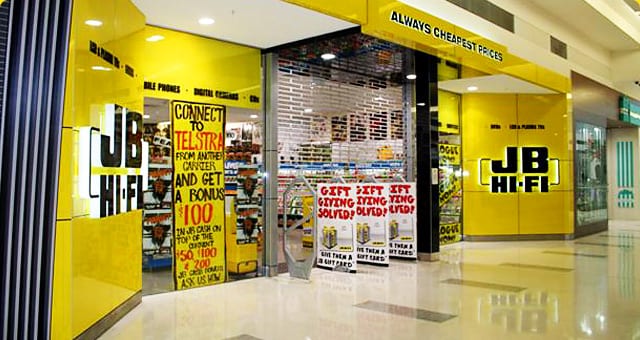
    JB Hi-Fi has recorded significantly lower sales on the prior corresponding period (pcp) in the first weeks of FY18 trading, outlining an expectation that the market will remain competitive heading into the Christmas trading period.

    In a trading update delivered at its Annual General Meeting on Thursday, JB Hi-Fi advised that year-to-date sales growth to October 22 was 6.2 per cent, down from 14.3 per cent in the pcp.

    Comparable sales growth for JB Hi-Fi was 3.2 per cent, down from 10 per cent in the pcp, while The Good Guys booked 3.1 per cent total sales growth and 2.4 per cent comparable sales growth.

    Sales moderated in September and October due to changes in the timing of “key product releases” from last year, which the company said had elevated sales growth in the pcp.

    “[We] expect the market to remain competitive as retailers drive for market share in the lead up to the key Christmas period,” the company said on Thursday.

    “In JB Hi-Fi and The Good Guys, we believe we have to unique and relevant brands, particularly in the eyes of our customers … we are confident we will maintain our market leading competitive position.”

    JB Hi-Fi Group CEO Richard Murray told investors at the AGM that since Terry Smart had been appointed as managing director of The Good Guys in April a variety of positive changes had been made to the business.

    This has reflected in TGG’s year-to-date trading, which is well up on the 1.3 per cent decline in comparable sales that JB Group booked for the business between November 2016 and June 2017.

    Murray reiterated his confidence in JB’s prospects against incoming competitors like Amazon, saying the strategy that’s been adopted to deal with the changing retail landscape has been extensively researched.

    “We have engaged and researched internationally and have challenged our current and future strategies, particularly as they relate to new competitors,” Murray said.

    “From price intelligence and benchmarking, delivery and fulfilment capability, digital infrastructure to customer experience, we have undertaken detailed analysis and planning and are confident in our go to market plans.”

    Murray also signalled that the first stages on his turnaround of NZ operations, which he called out at the full-year result in August, are underway, with the launch of a new e-commerce website.

  • SmarTone names winners of 24-hour hackathon

    SmarTone names winners of 24-hour hackathon

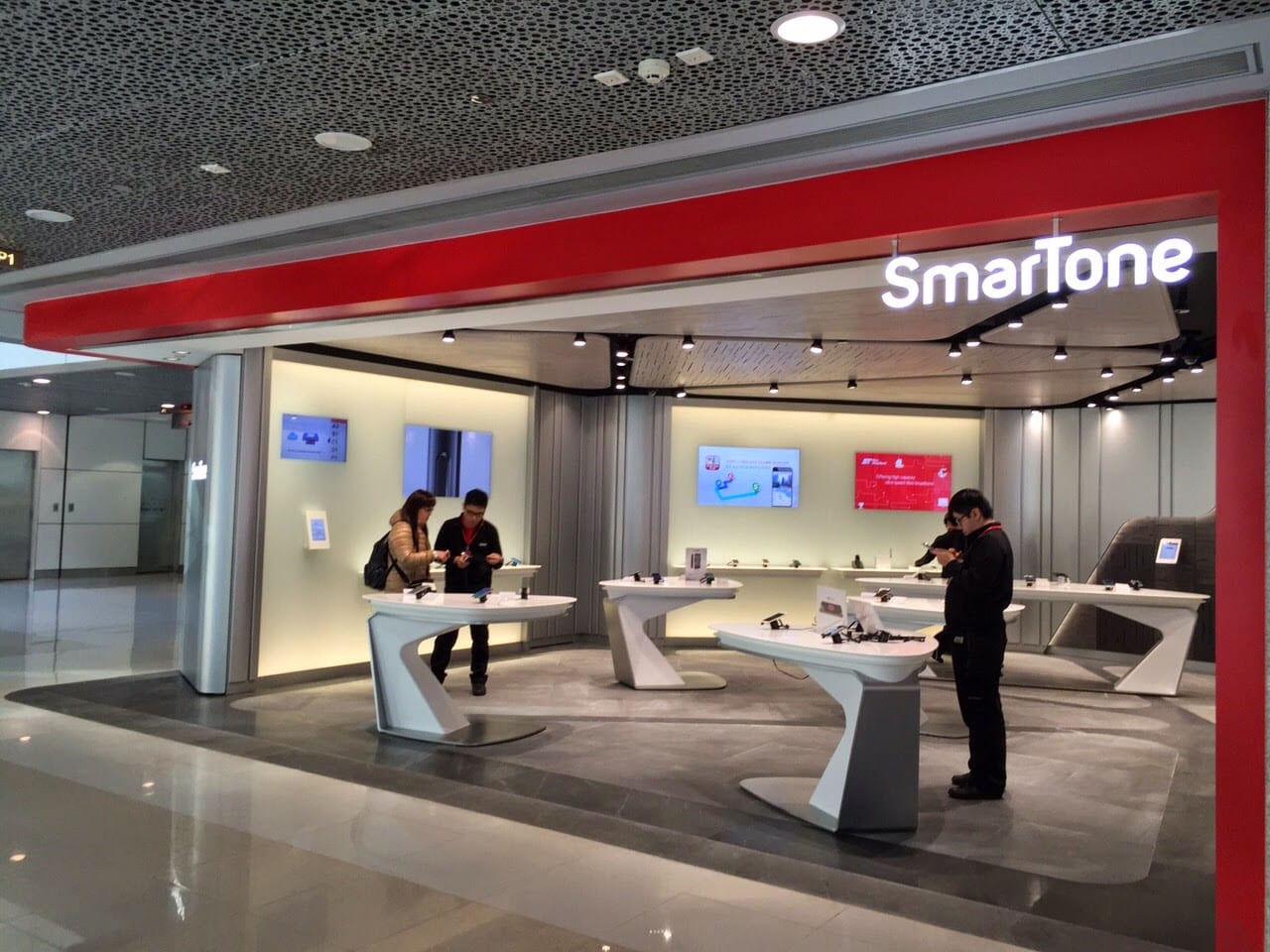
    An international team of students has won Hong Kong mobile operator SmarTone’s first smart Hackathon with a predictive maintenance solution for utilities.

    The team of of four university students and programmers from India, Poland, the Philippines and the US developed Prodict during the 24-hour hackathon, which had the theme of smart properties.

    Prodict analyzes data collected from various sensors and uses machine learning technology to predict the imminent failure of utilities services before they happen.

    The runner up was Pop UP, a virtual guidebook for office equipment that uses augmented reality technology, while third place went to Softhard.io, a property management solution that leverages internet of things (IoT), low-power wide area networking (LPWAN) and machine learning technology.

    The three winning teams shared in cash prizes of HK$50,000, HK$30,000 and HK$20,000 respectively, as well as new devices from sponsor Samsung.

    In addition, the winners will also be given the chance to join the Microsoft BizSpark Program and be entitled to a fast-track interview for the Cyberport Creative Micro Fund (CCMF) or Cyberport Incubation Program.

    “Hong Kong’s future depends on maximizing the potential of the next-generation and SmarTone Hackathon is the ideal platform to identify and nurture the brightest and best from Hong Kong’s budding technology talent pool,” SmarTone CEO Anna Yip said.

    “It is essential we foster the creativity and enthusiasm of the younger generation and events like the hackathon can serve to ignite their innovative thinking to fulfill Hong Kong’s smart city ambition.”

    The event was announced in August, and co-sponsored by Sun Hung Kai Properties and SUNeVision as well as Microsoft and Samsung. The hackathon attracted 120 participants.

  • Unisys wins Payload Asia Customer Choice for IT Service Provider of the Year for excellence in air cargo

    Unisys wins Payload Asia Customer Choice for IT Service Provider of the Year for excellence in air cargo

    Unisys Corporation has won the Customer Choice Award for IT Service Provider of the Year at the Payload Asia Awards, honouring innovation and excellence in the air cargo supply chain. Unisys was recognised for Digistics, a holistic and integrated digital logistics solution that enables air cargo carriers to streamline their freight management and improve operational efficiencies.

    The awards, hosted by leading industry publisher Payload Asia, were presented in Singapore on 12 October 2017. Determined by popular online voting, the awards spotlight air cargo supply chain companies that have excelled despite a challenging global air freight market – demonstrating agility, innovation and superior strategic planning – and having a beneficial impact on market trends.

    Digistics features a modern, cloud-based architecture that greatly improves a carrier’s speed to market, while advanced analytics and machine learning technologies analyse past, present and future data to optimise supply chain operations and route planning. The cloud-based solution allows for seamless integration into existing systems and supports multiple device types – including mobile devices, tablets, touchscreen devices, and PCs – enabling a more agile, digital workspace.

    “This award is a testament to our clients as much as it is to us,” said Tony Windever, vice president and general manager, Unisys Asia Pacific. “We have seen first-hand the commitment and dedication our clients have toward embracing digital transformation to foundationally transform their business operations, and through our partnership and collaboration, have developed software to meet those most critical business needs.”

    This acknowledgement is the latest recognition for Unisys cargo capabilities. In July, Unisys’ predictive freight capability was honoured at the ICMG 2017 Australasian & Asia Pacific Architecture Excellence Awards, and in September, Digistics won the global award for “Best Software Architecture” at the ICMG 2017 USA Architecture Excellence Awards.

    Digistics is the first comprehensive digital air cargo solution that offers catalogue-based disruptive solutions via the cloud, providing end-to-end functionality from operations to route planning. The solution bridges the gap to the digital age of travel and transportation, leveraging advanced analytics – powered by machine learning – to help carriers improve their speed-to-market while also reducing costs.

    “The increasing list of third-party awards and recognition validates and supports our approach to transforming supply chain operations. We are thankful to our clients and business partners in further endorsing Digistics as their choice of product for air cargo operations,” said Dheeraj Kohli, vice president and global head of Travel and Transportation for Unisys.

    Unisys has more than 55 years of experience providing innovative IT solutions to the travel and transportation industry. Unisys cargo solutions are used by many of the world’s leading carriers, who collaborate via the Unisys Cargo User Group (UCUG). Unisys and UCUG members have worked with the International Air Transport Association (IATA) for more than 20 years on initiatives such as e-Freight, Cargo iQ and XML messaging.

  • Oracle to accelerate Singapore cloud startups

    Oracle to accelerate Singapore cloud startups

    Oracle has launched a new six-month Oracle Startup Cloud Accelerator program in Singapore, announcing the class of six startup participants selected from hundreds of applicants.

    They are Arya.ai, FlexM, FOMO Pay, Hacker Trail, RL Club, and Unscrambl. These startups leverage new technology solutions across industries such as retail, recruitment, and finance.

    Arya.ai is an enterprise deep learning platform designed to automate complex data science tasks involved while building neural network based application or predictive models and in production.

    FlexM is a fast-growing Singapore-based fintech company working toward the financial inclusion of migrant and foreign domestic workers.

    FOMO Pay is a one-stop QR code payment solution platform that enables merchants to accept a full suite of new payment methods including WeChat Pay, NETSPay, mVISA, and more.

    Hacker Trail is a curated, cloud-based marketplace for the technology industry, designed to source, engage, curate and connect the right candidates with the right job opportunities across Southeast Asia.

    RL Club is a rewards and loyalty club mobile app that rewards consumers for brand engagement and advertisement consumption.

    Unscrambl is an Atlanta-based startup that has developed a disruptive, next generation real-time cognitive analytics platform.

    The startups will be granted technical and business mentoring by Oracle and industry experts, state-of-the-art technology with free Oracle Cloud credits, full access to a co-working space within Oracle’s premises, as well as access to Oracle’s global ecosystem of startup peers, customers, investors and partners.

    “Singapore has a vibrant entrepreneurial ecosystem and we received a brilliant response from the community,” Oracle group VP of R&D Sanket Atal said.

    “These startups are an exciting mix with expertise in artificial intelligence, machine learning, deep technology, payment gateways and other disruptive technologies.”

    Launched in April 2016, the Oracle Startup Cloud Accelerator Program is a next-generation acceleration initiative driven by Oracle R&D. The program focuses on reimagining enterprise innovation through collaborations with startups that foster co-development and co-innovation.

  • Uniqlo’s Tadashi Yanai plans to retire

    Uniqlo’s Tadashi Yanai plans to retire

    Tadashi Yanai, the founder and president of Uniqlo parent Fast Retailing, has indicated he plans to retire.

    He is seeking a successor in the next two years.

    Under Yanai’s supervision, the original Uniqlo in western Japan was transformed from a small shop into the world’s third-largest apparel brand in one generation.

    With a Bachelor’s degree in economics and political science, Yanai started in business in 1971 selling kitchenware and men’s clothing at a supermarket.

    A year later he quit to join his father’s roadside tailor shop, and launched Uniqlo in Hiroshima in 1984. He changed the name of his father’s company, Ogori Shoji, to Fast Retailing in 1991.

    The 68-year-old has a net worth estimated at US$15.1 billion.

  • LG U+ and Huawei trial UHD IPTV

    LG U+ and Huawei trial UHD IPTV

    South Korea’s LG U+ and Huawei have completed a trial involving ultra-high definition IPTV streaming over 5G fixed wireless access with chipset based 5G millimeter wave customer premise equipment.

    The world-first trial demonstrated UHD (3840 x 2160) resolution IPTV over 5G, achieving up to a 2Gbps capacity over an end-to-end 5G network operating in the 28-GHz band.

    It used Huawei’s end-to-end 5G portfolio including 5G gNodeB, NG Core and 5G CPE offerings. Huawei said its new 5G CPE is the world’s first chipset based CPE ready for commercial engineering, including both outdoor and indoor equipment

    “This world’s first end-to-end FWA test shows that, following LG U+ and Huawei’s successful cooperation in the LTE era, the investment of the two sides in 5G research has had breakthrough results,” LG U+ 5G network strategy VP Kim Dae Hee said.

    “We will work with Huawei to maintain in-depth cooperation, and prepare for the coming 5G commercial launch.”

  • New iPhone brings face recognition to the masses

    New iPhone brings face recognition to the masses

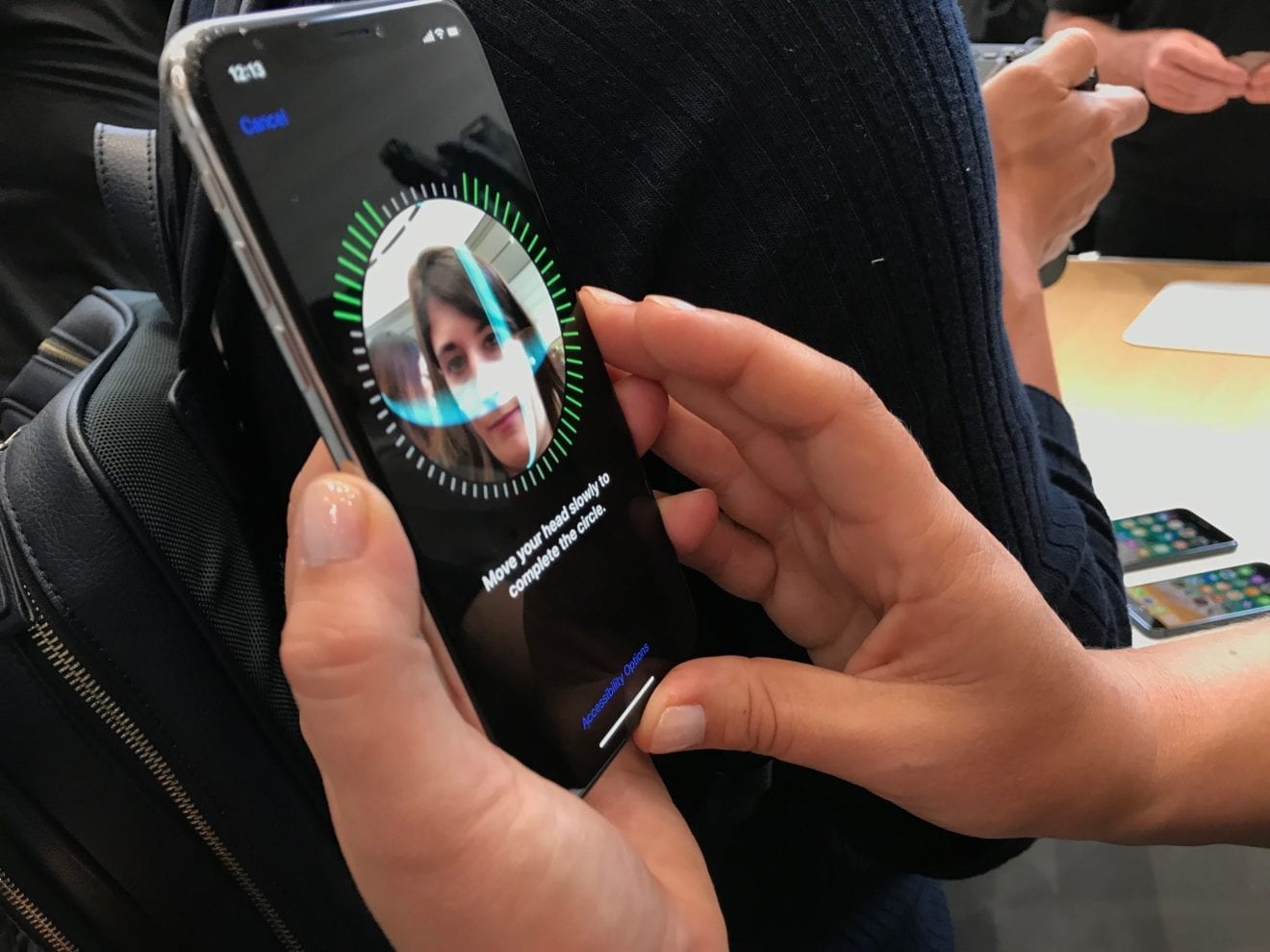
    While other devices have offered facial recognition, Apple is the first to pack the technology allowing for a three-dimensional scan into a hand-held phone. Apple will let you unlock the iPhone X with your face — a move likely to bring facial recognition to the masses, along with concerns over how the technology may be used for nefarious purposes.

    Apple’s newest device, set to go on sale November 3, is designed to be unlocked with a facial scan with a number of privacy safeguards — as the data will only be stored on the phone and not in any databases.

    Unlocking one’s phone with a face scan may offer added convenience and security for iPhone users, according to Apple, which claims its “neural engine” for FaceID cannot be tricked by a photo or hacker.

    While other devices have offered facial recognition, Apple is the first to pack the technology allowing for a three-dimensional scan into a hand-held phone.

    But despite Apple’s safeguards, privacy activists fear the widespread use of facial recognition would “normalize” the technology and open the door to broader use by law enforcement, marketers or others of a largely unregulated tool.

    “Apple has done a number of things well for privacy but it’s not always going to be about the iPhone X,” said Jay Stanley, a policy analyst with the American Civil Liberties Union.

    “There are real reasons to worry that facial recognition will work its way into our culture and become a surveillance technology that is abused.”

    A study last year by Georgetown University researchers found nearly half of all Americans in a law enforcement database that includes facial recognition, without their consent.

    Civil liberties groups have sued over the FBI’s use of its “next generation” biometric database, which includes facial profiles, claiming it has a high error rate and the potential for tracking innocent people.

    “We don’t want police officers having a watch list embedded in their body cameras scanning faces on the sidewalk,” said Stanley.

    Clare Garvie — the Georgetown University Law School associate who led the 2016 study on facial recognition databases — agreed that Apple is taking a responsible approach but others might not.

    “My concern is that the public is going to become inured or complacent about this,” Garvie said.

    Advertisers, police, porn stars 

    Widespread use of facial recognition “could make our lives more trackable by advertisers, by law enforcement and maybe someday by private individuals,” she said.

    Garvie said her research found significant errors in law enforcement facial recognition databases, opening up the possibility someone could be wrongly identified as a criminal suspect.

    Another worry, she said, is that police could track individuals who have committed no crime simply for participating in demonstrations.

    Shanghai and other Chinese cities have recently started deploying facial recognition to catch those who flout the rules of the road, including jaywalkers.

    Facial recognition and related technologies can also be used by retail stores to identify potential shoplifters, and by casinos to pinpoint undesirable gamblers.

    It can even be used to deliver personalized marketing messages — and could have some other potentially unnerving applications.

    Last year, a Russian photographer figured out how to match the faces of porn stars with their social media profiles to “doxx” them, or reveal their true identities.

    This type of use “can create huge problems,” said Garvie. “We have to consider the worst possible uses of the technology.”

    Apple’s system uses 30,000 infrared dots to create a digital image which is stored in a “secure enclave,” according to a white paper issued by the company on its security. It said the chances of a “random” person being able to unlock the device are one in a million, compared with one in 50,000 for its TouchID.

    Legal battle brewing 

    Apple’s FaceID is likely to touch off fresh legal battles about whether police can require someone to unlock a device.

    FaceID “brings the company deeper into a legal debate” that stemmed from the introduction of fingerprint identification on smartphones, according to ACLU staff attorney Brett Max Kaufman.

    Kaufman says in a blog post that courts will be grappling with the constitutional guarantees against unreasonable searches and self-incrimination if a suspect is forced to unlock a device.

    U.S. courts have generally ruled that it would violate a user’s rights to give up a passcode because it is “testimonial” — but that situation becomes murkier when biometrics are applied.

    Apple appears to have anticipated this situation by allowing a user to press two buttons for two seconds to require a passcode, but Garvie said court battles over compelling the use of FaceID are likely.

    Regardless of these concerns, Apple’s introduction is likely to bring about widespread use of facial recognition technology.

    “What Apple is doing here will popularize and get people more comfortable with the technology,” said Patrick Moorhead, principal analyst at Moor Insights & Strategy, who follows the sector.

    “If I look at Apple’s track record of making things easy for consumers, I’m optimistic users are going to like this.”

    Garvie added it is important to have conversations about facial recognition because there is little regulation governing the use of the technology.

    “The technology may well be inevitable,” she said.

    “It is going to become part of everyone’s lives if it isn’t already.”

  • Apple reduced Face ID accuracy to ease production

    Apple reduced Face ID accuracy to ease production

    The Face ID system  uses a mathematical model of users’ faces to allow them to sign on to their phones or pay for goods.

    Apple Inc recently allowed its suppliers to reduce the accuracy of the iPhone X’s facial recognition system to speed up production of the smartphone, citing people familiar with the situation.

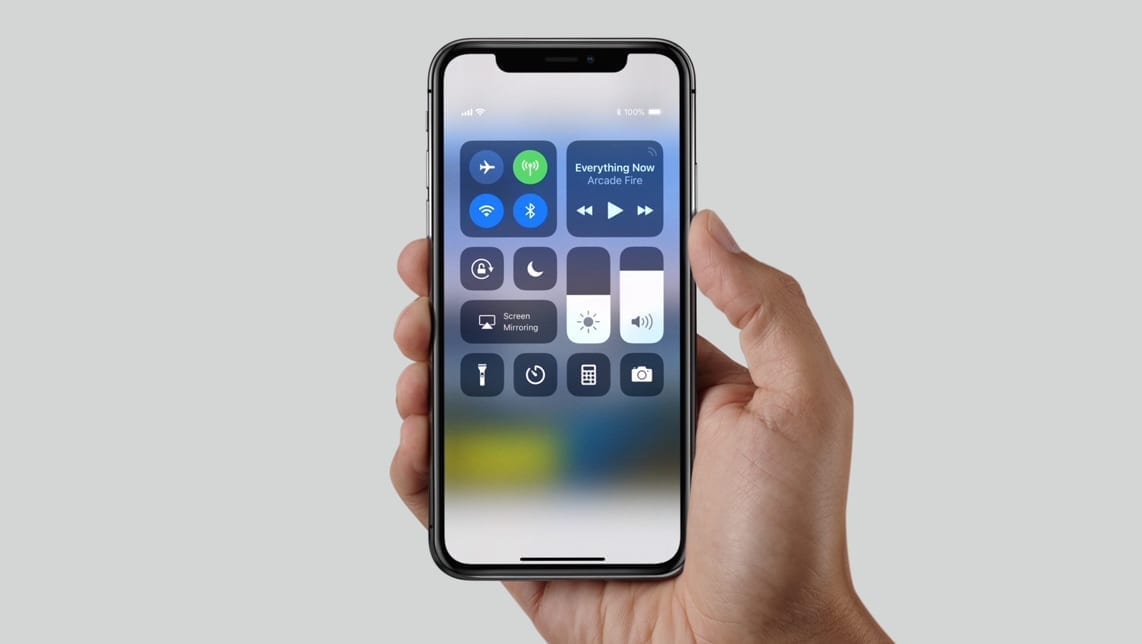
    The Face ID system – among the $999 iPhone X’s most talked about features – uses a mathematical model of users’ faces to allow them to sign on to their phones or pay for goods with a steady glance at their phones.

    Apple could not immediately be reached for comment outside regular business hours.

    Apple has been facing a slew of issues with its latest set of phones that it launched on Sept. 12, with the iPhone 8 and 8 Plus facing muted demand, and news and analyst reports suggesting reduced shipment plans for the iPhone X.

    The iPhone X is set to be released on Nov. 3.

  • Vietnamese tech university to accept controversial Bitcoins for tuition fees

    Vietnamese tech university to accept controversial Bitcoins for tuition fees

    Experts say the decision is risky for both the school and its students as Vietnam has yet to legalize the crypto-currency.

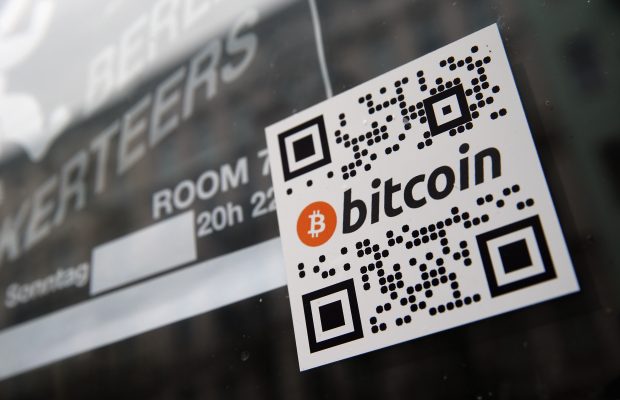
    Vietnam’s top technology university FPT has raised eyebrows by announcing plans to allow students to use Bitcoins to pay for their tuition fees at a time when the country is still groping for ways to manage the virtual money.

    Le Truong Tung, the university chairman, has confirmed the plan, saying FPT University will allow foreign students to use Bitcoins first.

    Tung said in a Facebook comment following his post that the digital currency is a feasible solution for students from Africa because they always face difficulties transferring money out of their countries.

    But critics of the move say it may pit FPT against the government because Vietnam is yet to recognize Bitcoins as legal currency.In an interview with Tuoi Tre (Youth) newspaper on Friday, he said Bitcoin is a technology product and as a tech university in the age of Industry 4.0, FPT sees it necessary to try using the digital currency.

    Others were worried that the regulation will encourage FPT students to spend most of their time and efforts mining Bitcoins, a process that experts have warned is very risky.

    For now, Bitcoins will remain illegal in Vietnam, according to the central bank, but the government is looking to manage the virtual money through a new legal framework.

    Several government ministries and the central bank have been tasked with drawing up such framework by the end of next year, and tax policies for cryptocurrencies must be finalized by June 2019.

    Since news of this legal framework was released, Bitcoin has become more attractive in Vietnam, with computer component providers saying they have ran out of graphics cards due to the increasing demand for Bitcoin hardware.

    As explained by Business Insider and Investopedia, the process of mining Bitcoins involves miners solving complex mathematical problems, and the reward is more Bitcoins generated and awarded to them.

    Bitcoin’s value has been on the rise since early this year, hitting a new all-time high by breaking $6,000 last week.

    Yet financial expert Nguyen Tri Hieu told VnExpress earlier that investing in Bitcoins at this time is a bold move because miners may face legal action or risk going broke as it is possible that the latest price rise in Bitcoins is a speculative bubble.

    In late May, nearly $4 billion was wiped off of the value of Bitcoin in just four days after a correction that saw the cryptocurrency’s price fall almost 19 percent to $2,260.

    The central bank has warned organizations and individuals in Vietnam not to invest in Bitcoins or conduct transactions in the currency, saying they would be taking a huge risk with no legal protection.

  • China lifts soft cheese ban

    China lifts soft cheese ban

    Fans of soft cheeses in China have reason to celebrate after the country reversed a ban on mould-ripened cheeses, allowing imports of Camembert, Brie and Roquefort, European Union officials said Monday.

    From early September, businesses in the country were forbidden from importing cheeses made with certain moulds and bacteria.

    The ban was lifted following meetings last week between European Commission representatives and Chinese quarantine and health officials, the EU’s China delegation said in a statement.

    The National Health and Family Planning Commission issued a note to customs authorities clarifying that bacterial cultures used for the production of these cheeses were not harmful to consumers’ health, thus allowing trade to resume, according to the delegation.

    The statement added that China’s cheese quality standards are “outdated,” and the delegation and French embassy will organize a seminar with Chinese experts to “(limit) the risk of such events re-occurring in the future”.

    Axel Moreaux, manager at French restaurant Paradox in Beijing, celebrated the news.

    “The ban was in place for a short time, so it hasn’t affected our business. Now we can go ahead as normal,” he told.

    “It’s a real relief,” said Vincent Marion, co-founder of Cheese Republic, one of China’s leading online cheesemongers.

    “It is now written in black and white that this category of cheese is legally importable. So it is very positive for the French and European dairy industry,” Marion said.

    The European Union Chamber of Commerce in China previously said efforts were underway to revise China’s national food safety standards for cheese.

    It is unclear why the ban was put into place.

    China has seen a series of scandals over food safety but Western products are widely seen as made to higher standards.

    Dairy products are not a typical part of a Chinese diet, but in recent years cheeses such as mozzarella have become popular as more Chinese hanker after Western dishes such as pizza.

    Strongly flavored mould-ripened cheese is usually only available at restaurants and markets that cater to foreigners.