Author: Mei Ling Tan

  • Samsung Electronics profit nearly doubles

    Samsung Electronics profit nearly doubles

    Samsung Electronics profit nearly doubled in the third-quarter, mainly led by strong returns from its chip business amid an industry-wide boom.

    And it had a helping hand from rival Apple, for whom it makes screen for the iPhone X.

    Samsung Electronics profit reached 11.1 trillion won (US$9.87 billion), jumping from 4.53 trillion won posted a year earlier.

    Sales rose 29.7 per cent to reach 62 trillion won and operating profit came to 14.53 trillion won in the July-September period, also rising sharply from 5.2 trillion won posted last year.

    CNBC reported that Samsung is on track for record full-year profit, with analysts forecasting even better fourth-quarter on strong memory chip prices and organic light-emitting diode (OLED) screen sales for Apple’s iPhone X.

    The company’s operating margin reached 23.4 per cent in the third quarter, significantly rising from 10.9 per cent posted a year earlier.

    Samsung Electronics said its chip business raked in a record operating profit of 9.96 trillion won, helped by the rising seasonal demand. Its products’ prices increased due to limited supply in the market.

    For the fourth quarter, Samsung said the shipment of its products is expected to continue growing, as more mobile devices are adopting high-end memory chips and demand from data centres rising.

    “Looking to 2018, high demand from data center infrastructure expansion is forecast to continue while demand for contents growth in mobile products will rise on the widespread adoption of dual camera, 3D sensors and on-device AI offerings,” Samsung Electronics said.

    The tech giant added that the IT and Mobile Communications division, which covers smartphones, posted an operating profit of 3.29 trillion won, a huge turnaround from the meagre 100 billion won posted a year earlier, when the handset business was hurt by the suspended production of the Galaxy Note 7.

    The company, however, said while its shipment of smartphones in terms of units remained strong due to the release of the Galaxy Note 8 and robust sales of the Galaxy J series, the rising portion of budget models in the portfolio led to a decrease in earnings from 4.06 trillion won posted a quarter earlier.

    Industry watchers said the mobile arm’s performance is still better than expected, as the business was widely seen to remain sluggish due to increasing expenditure on marketing projects for the Galaxy Note 8.

    Preorders for the Galaxy Note 8 in South Korea came to 850,000 units, more than doubling the 400,000 units posted by its predecessor, the Galaxy Note 7.

    Experts said Samsung’s fourth-quarter performance is also anticipated to improve on the full-fledged sales of the Galaxy Note 8.

    The South Korean electronics company said it expects tougher competition in the market for the fourth quarter, saying it will release the new phablet in more countries in order to maintain sound returns.

    The consumer electronics division posted an operating profit of 440 billion won. Samsung said the performance falls behind the 790 billion won posted a year earlier due to changes in TV panel prices, although the increased shipments of premium products led to an on-quarter rise.
  • Dooney & Bourke launches on Tmall Global

    Dooney & Bourke launches on Tmall Global

    American heritage handbag and fine leather-goods brand Dooney & Bourke has launched into China via Tmall Global.

    With more than 1000 retail stores throughout the US and 60-plus boutiques internationally, its foray online in China could be a hint at a physical presence to come.

    Dooney & Bourke is known for its designs, materials and craftsmanship, says director of advertising and PR Liz Kane.

    She describes the Tmall Global opening as a major milestone for the company.

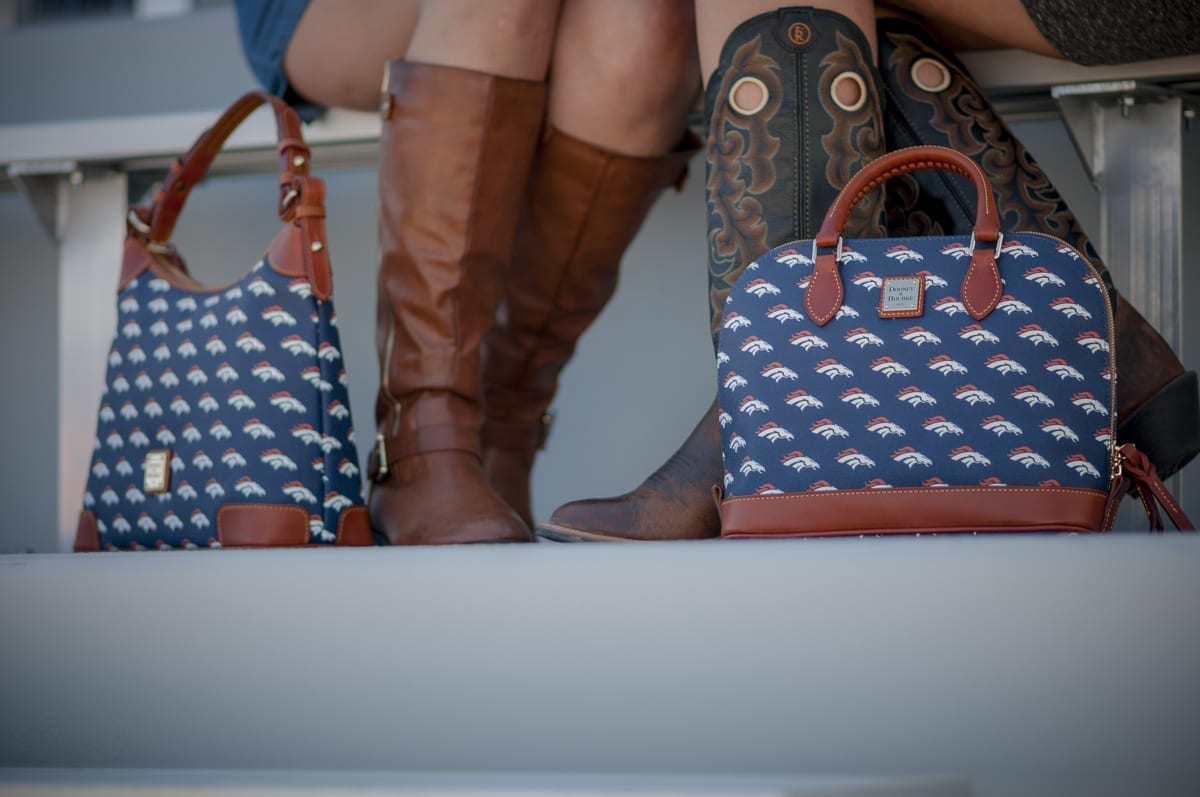
    In its new online store, the brand will offer Chinese shoppers a range of handbags and leather accessories such as wallets, phone cases and wristbands.

    Founded in Connecticut in 1975, the brand has a client list including celebrities Indian actress Freida Pinto, singer Lady Gaga and actress Zooey Deschanel.

    Formerly Taobao Mall, Tmall Global was launched by Alibaba in February 2014 as a crossborder marketplace for foreign brands and merchants to sell directly to Chinese consumers.

  • Two new floors for Onitsuka Tiger Shinjuku

    Two new floors for Onitsuka Tiger Shinjuku

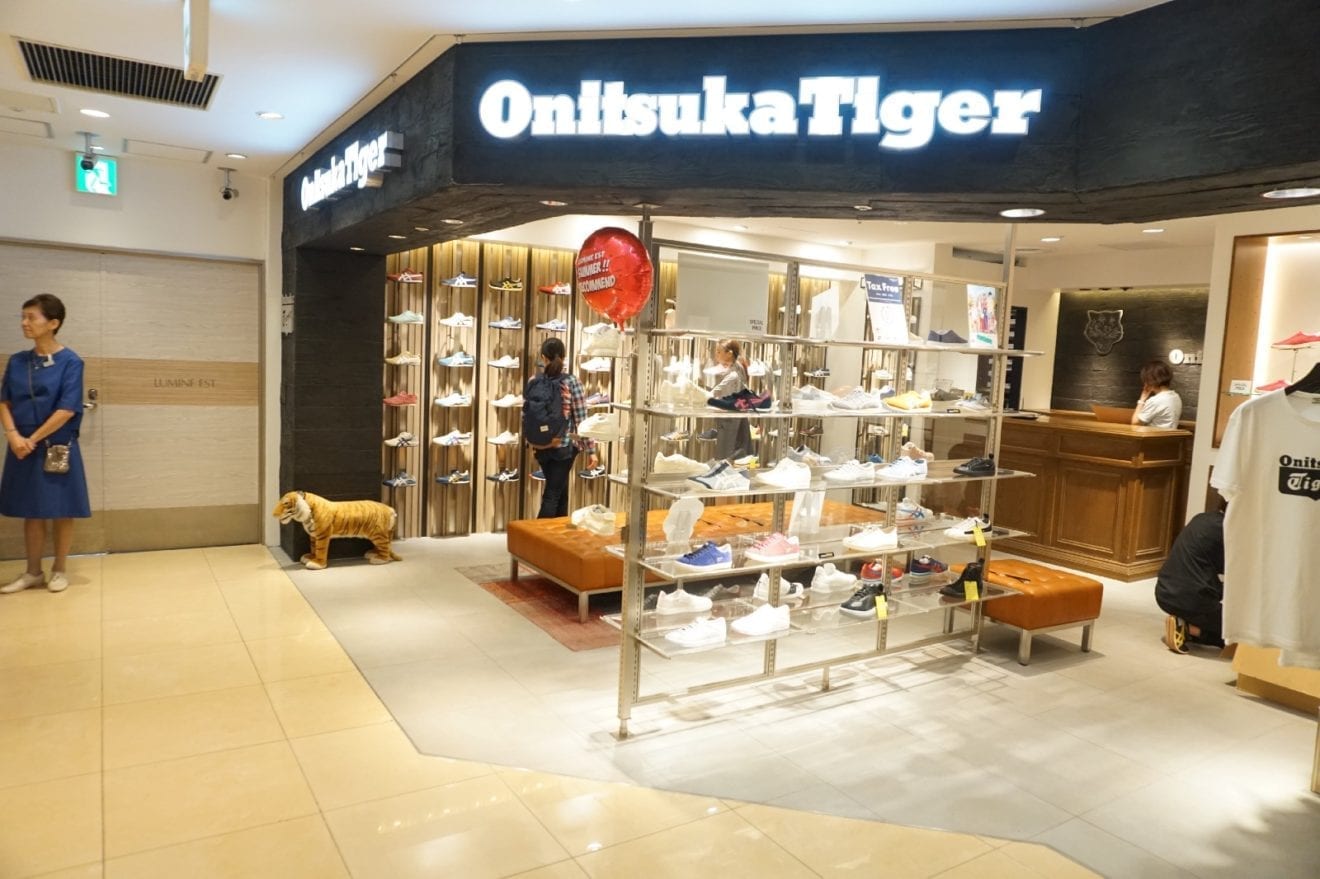
    Onitsuka Tiger Shinjuku store will open on Friday with an interior design that fuses traditional and futuristic along with eastern and western worlds, reflecting the sports fashion brand’s design philosophy.

    Its black-toned exterior makes its simple white name sign and gold logo stand out, while the entrance is framed with a subtle black and grey weave pattern.

    Staple items and the Nippon Made series are displayed on the ground floor, with clothing and accessories upstairs. The store is close to the NeWoMan shopping complex, Takashimaya Department Store and Japanese lifestyle store Tokyu Hands.

    To celebrate its opening, Onitsuka Tiger Shinjuku will offer a special on its white-and-blue California 78 Vin model. The retro design, based on shoes made when Japan was in the midst of a jogging boom, features tricolour stripes and reflective heels.

    Onitsuka Tiger India last month opened its first monobrand store, in Mumbai’s Palladium Mall.

  • Tealive says “Hi” to Vietnam

    Tealive says “Hi” to Vietnam

    Bubble-tea brand Tealive has made its debut in Vietnam with two stores in one month.

    The first one is located in Vincom shopping centre while the second one is a standalone store on Le Thanh Ton Street, near Ben Thanh market.

    To mark its debut in Vietnam, Tealive introduced five exclusive drinks.

    Bryan Loo, founder and CEO of Tealive, is confident the brand will win over local millennials.

    Tealive Vietnam plans to open three more stores before the end of this year, targeting 20 next year.

    Tealive, owned by Loob Holdings, rebranded from Chatime after a dispute with outlets.

  • Le Saunda loses anniversary shine

    Le Saunda loses anniversary shine

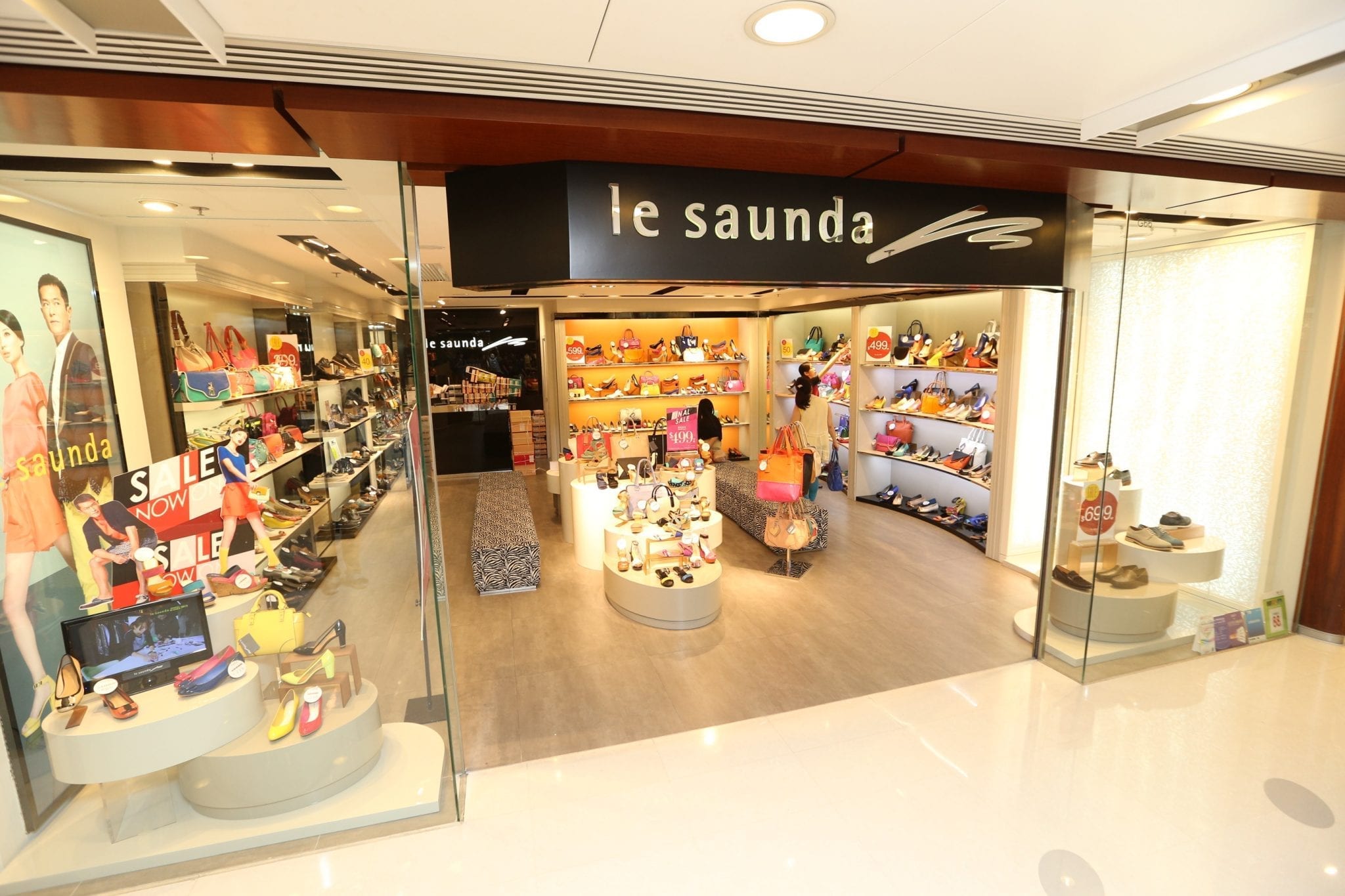
    In its 40th anniversary year, footwear group Le Saunda Holdings has little to celebrate with falls in sales and profits for its first half.

    In releasing its unaudited results for the six months to the end of August, the company says it has been hit by continuing sluggish markets in China and Hong Kong.

    Total revenue dropped by 17.4 per cent year on year to RMB537.7 million (US$81 million), while its overall gross profit margin fell 1.2 points to 66.1 per cent. Consolidated profit attributable to the owners of the company plunged 22.1 per cent to RMB32.4 million.

    In Mainland China, the total retail revenue of the group decreased by 17.3 per cent to RMB508.4 million, attributed mainly to an ongoing weakness in the overall retail market, negative growth in same-store sales and an acceleration in closing underperforming stores. Another factor was consumer demand being restrained by the ongoing booming property market.

    As shop rentals remain high in Hong Kong and Macau, the operating loss grew there with sales falling 19.2 per cent to RMB29.4 million. The group has adopted cost-cutting measures, including closing unprofitable stores and leasing cheaper office premises.

    Meanwhile, the group says it has been vigorously tapping into online retail business, expanding its online exclusive products as well as supply of men’s footwear and handbags. During the six months, the group’s e-commerce revenue dropped by about 30.6 per cent because of it becoming continuously more expensive to acquire online customers.

    A series of promotional and brand-marketing campaigns were held during the first half to celebrate the company’s 40th anniversary, and an online leisure brand, Pitta Donna, was launched.

    Le Saunda says Mainland China is still its key retail market. At the end of August it had 726 stores in China, Hong Kong and Macau – 110 fewer than at the same time last year. Self-owned stores dropped by 96 while there were 14 fewer franchised stores.

    There were 518 Le Saunda stores and 40 Le Saunda Men stores, down respectively by 86 and 17 stores. The number of high-end Linea Rosa stores was steady at 72, while CNE stores decreased by nine to 13.

  • China’s JD.com is keen to link with Saudis

    China’s JD.com is keen to link with Saudis

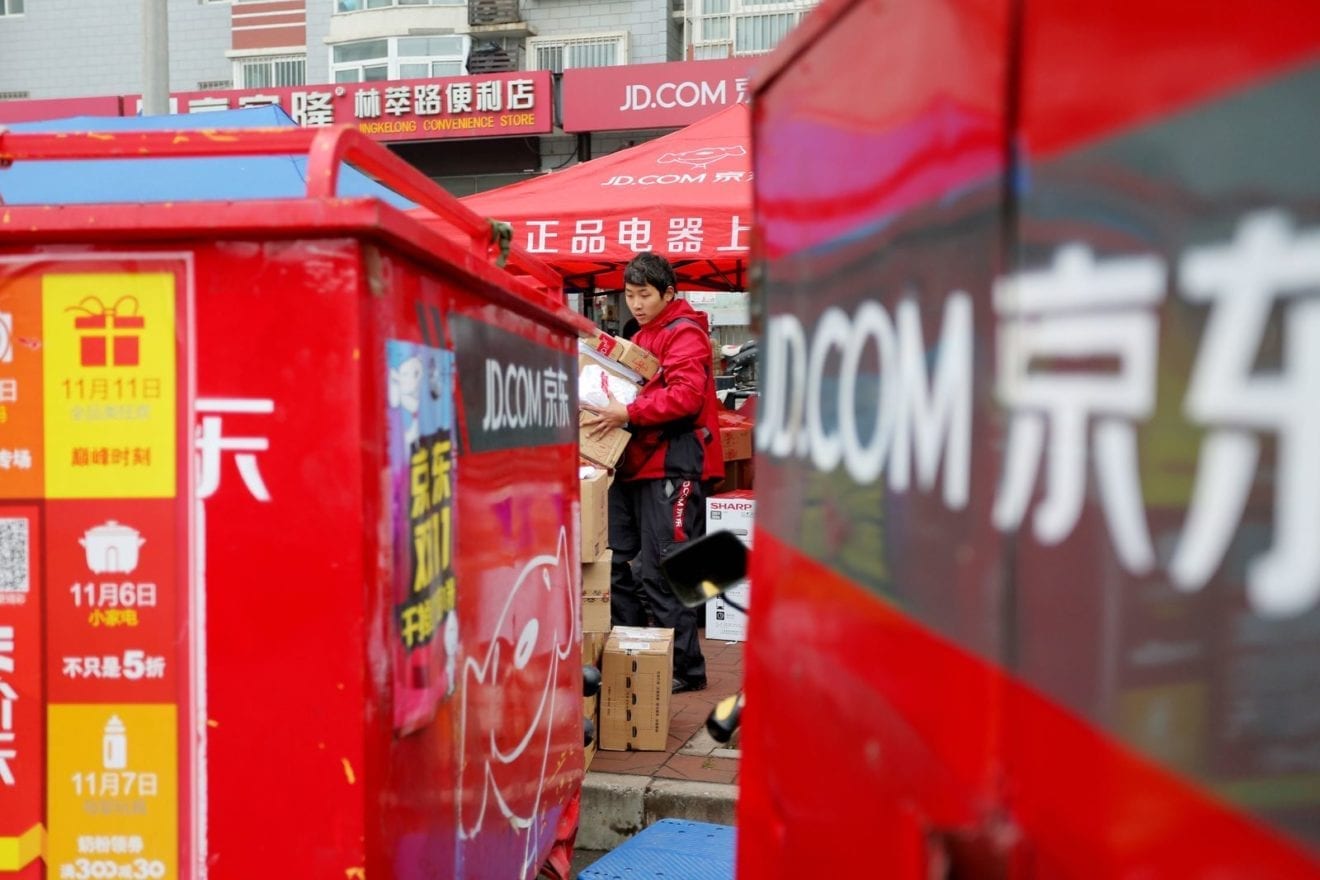
    With the Middle East in its sights, China’s JD.com is keen to team up with the Saudi government.

    “We want to have a partnership with the Saudi government,” says the e-commerce company’s international business president Winston Cheng.

    He describes Vision 2030, Saudi Arabia’s economic reform plan aimed at boosting private-sector growth and developing non-oil industries, as an incredible opportunity.

    “This region is the next new frontier,” says Cheng. “We’re looking to move very fast.”

  • Ikea extends her online shopping to Sydney

    Ikea extends her online shopping to Sydney

    Global Swedish furnishing retailer Ikea has made its online shopping service available to Sydney residents starting today. The new service, which follows the roll out of online shopping in Tasmania, the Australian Capital Territory, Northern Territory and most recently Queensland, offers customers the option to Click and Collect in-store at Ikea Tempe, Rhodes and Marsden Park; or they can choose to have their products delivered to their home.

    The retailer has also opened last month a 70,000sqm distribution centre in Marsden Park.

    Michael Donath, multichannel manager at Ikea Australia, said the new service will make shopping at Ikea easier and more convenient for time-poor Sydney residents.

    “We are thrilled to be able to bring online shopping and Click and Collect to Sydney residents and surrounding suburbs, where shoppers will have easier access to our extensive range of 9,000 quality home furnishing products at the click of a button,” Donath said.

    “The service is great value for customers who are looking to create an entirely new look for their home, or for those who simply want to refresh with the changing seasons.”

    Donath said opening up online shopping for Sydney-siders is the next phase of their expansion, as they strive to make Ikea more widely available.

    The Swedish furniture retailer recently announced it will give its Richmond store in Melbourne a multi-million-dollar facelift to upgrade the store’s layout with new entrance points and better lift accessibility.

  • Hard Rock Asia CEO comes from Sands China

    Hard Rock Asia CEO comes from Sands China

    As Hard Rock International (HRI) ramps up expansion in Asia, it has a new CEO for the region, Edward Tracy, formerly CEO of Sands China.

    Owned by the Seminole tribe of Florida, HRI has international hotel/casino locations including Bali, and has just opened the Hard Rock Hotel Shenzhen in China. Other projects by Hard Rock Asia are slated for Dalian and Haikou, while upcoming Hard Rock Cafe locations include Chengdu and Phnom Penh.

    Meanwhile, Tracy is working with Hard Rock Japan toward opening a signature integrated resort. The company will be bidding for a resort licence following the government passing an Integrated Resorts Promotion Bill. Hard Rock Cafe outlets have been in Japan for 30 years.

    “As the former CEO of Sands China and CEO of the Trump Organization, Tracy brings more than 30 years of proven gaming, hospitality and integrated-resort experience to Hard Rock Asia,” says HRI chairman Jim Allen.

    Tracy joined Sands China, a subsidiary of Las Vegas Sands Corp, in July 2010 as its president and COO, becoming CEO 12 months later. He was responsible for overseeing China’s largest integrated-resort company by revenue, capacity and content, with 13,000 hotel rooms and 30,000 team members. It develops, owns and runs integrated resorts and casinos in Macau.

    Before Sands, Tracy was president/CEO of Capital Gaming, a multi-jurisdictional manager of regional casinos in the US, and also served as president/CEO of the Trump Organization, where he was responsible for managing more than 12,500 employees, 3000 luxury hotel rooms and 240,000sqft (22,300sqm) of casino space.

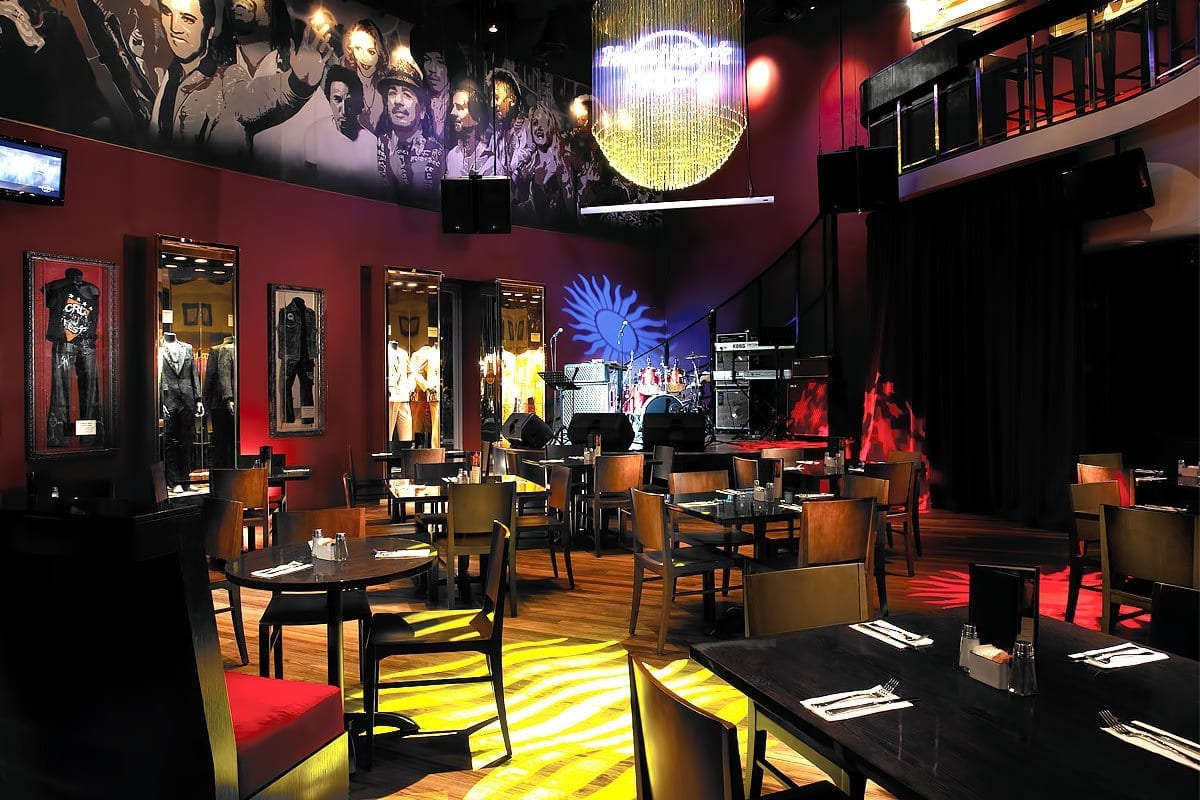
    HRI has venues in 73 countries including 178 cafes, 24 hotels and 11 casinos. Starting with an Eric Clapton guitar, Hard Rock owns a collection of music memorabilia displayed at its global locations. It is also known for its collectible fashion and music-related merchandise, Hard Rock Live performance venues and an award-winning website.

  • Nissan’s October passenger car sales in Japan likely halved amid scandal

    Nissan’s October passenger car sales in Japan likely halved amid scandal

    Nissan Motor said Japan sales of new passenger vehicles probably fell by half in October from a year ago after the discovery of improper final inspection procedures at its domestic plants caused it to suspend some production.

    The Japanese automaker found last month that uncertified technicians had been carrying out final inspections of vehicles for decades. That has prompted it to recall 1.2 million vehicles, including all passenger cars it produced for sale in Japan over the past three years.

    The plants will resume production once the final inspection procedures have been brought in line with transport ministry requirements and the ministry has approved the measures, a spokesman for the automaker said.

    Nissan has completed those measures at one of its assembly plants and expects to have made similar changes at five other plants by the end of the week, he said.

    Tightened procedures will mean only certified inspectors will be allowed into the final inspection area, and there will be regular checks that inspections are carried out properly.

  • China Telecom signs IoT deal with Bridge Alliance

    China Telecom signs IoT deal with Bridge Alliance

    China Telecom has forged an IoT business partnership agreement with APAC and MEA mobile industry group Bridge Alliance.

    Under the agreement, China Telecom will be able to provide IoT and M2M services to multinational enterprise customers across Bridge Alliance’s footprint of 34 markets.

    Bridge Alliance members will likewise be able to take advantage of the partnership by extending their own IoT services into China.

    The partnership will leverage Bridge Alliance’s technical and commercial capabilities to provide homogeneous solutions across its footprint, taking advantage of the simplicity of a single point of integration with China Telecom.

    Both China Telecom and Bridge Alliance members have deployed common connectivity platforms to provide customers with a unified experience when deploying their solutions across multiple markets.

    The Asia-Pacific excluding Japan IoT market is predicted to surge to $455 billion in 2021, making it the top region for IoT investments in the world, according to IDC.

    “We are excited to join Bridge Alliance as a business partner. China Telecom has a strong portfolio of multinational enterprise customers who are looking to deploy their products and services across the Asia Pacific, Middle East and Africa regions. Bridge Alliance is the ideal partner to fulfil such requirements,” Chian Telecom managing director of global business Deng Xiao Feng.

    “Likewise, China Telecom is also ready to support any inbound opportunities from the member operators into China. With the supporting common platform and the business opportunities across these different regions, we are confident this partnership will be a mutually beneficial and win-win business collaboration.”

  • SmarTone, Ericsson trial FDD massive MIMO in Hong Kong

    SmarTone, Ericsson trial FDD massive MIMO in Hong Kong

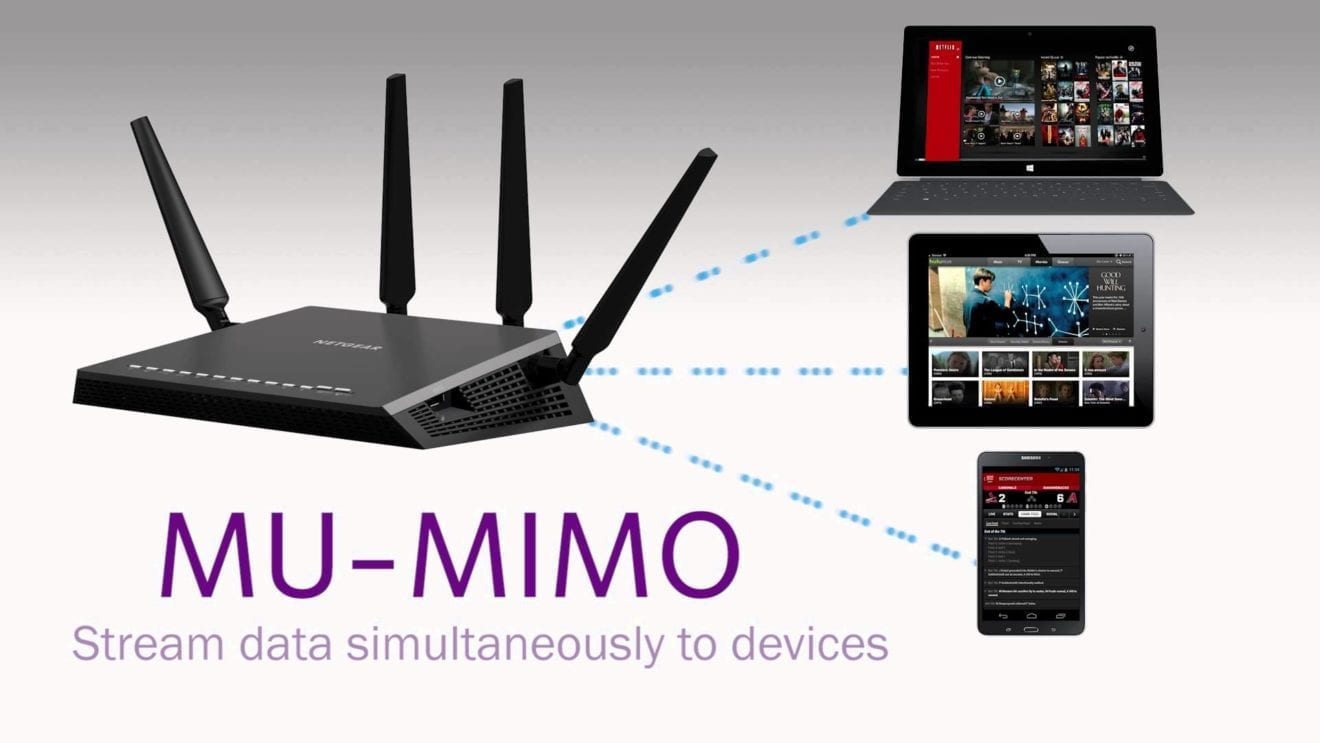
    Ericsson and Hong Kong mobile network operator SmarTone have begun to trial FDD (Frequency Division Duplex) massive MIMO (Multiple Input, Multiple Output) technology as part of the operator’s network evolution plan towards 5G, said the companies in a press event in Hong Kong Monday.

    The trial, involving FDD massive MIMO on 1800 MHz, represents the first of its kind for operators in Hong Kong. The trial comes ahead of 2018’s planned deployment of AIR 3246, Ericsson’s new radio that can support massive MIMO over 4G/LTE with Ericsson’s 5G massive MIMO plug-in, said the companies.

    “Our extension of the strategic partnership with Ericsson in October last year includes a five-year network evolution plan towards 5G,” said Stephen Chau, CTO, SmarTone. “Ericsson’s FDD massive MIMO solution will play an instrumental part in providing our customers in dense urban environments with [the] enhanced user experiences they have come to expect from SmarTone.”

    “We are working closely with SmarTone to develop, trial, and deploy key 5G technologies that will further enhance the user experience,” said Nishant Batra, head of product area network infrastructure, Ericsson. The recent LAA field trial, and now the trial of FDD massive MIMO, enable us to jointly shape the next-generation network technology.”

    Ericsson recently launched its first radio, AIR 3246, supporting FDD massive MIMO for both 4G and 5G. The technology is designed to enable operators—especially in metropolitan areas—to bring 5G to subscribers using today’s mid-band spectrum and boost capacity in their LTE networks.

  • Optus Wholesale launches home wireless broadband

    Optus Wholesale launches home wireless broadband

    Australia’s Optus Wholesale has added home wireless broadband to its product suite for MVNOs utilizing the Optus 4G network.

    The Optus subsidiary is providing the service to give wholesale customers the ability to provide home wireless broadband as an alternative to fixed broadband, particularly in areas where the national broadband network (NBN) has not yet been deployed.

    The company will provide a home wireless broadband kit with a Huawei wireless modem and SIM card included.

    Optus Wholesale customer Exetel will be the first company to roll out the new product.

    The company says the service will deliver speeds of 12Mbps down and 1Mbps up in metropolitan areas where there is 2300-MHz coverage, or 5Mbps down 1Mbps up where this coverage is not available.

    Speeds will be capped to 256Mbps once the maximum data allowance included in the plan is reached.

    “We work closely with our partners to deliver a service that will improve customer experience, and we’ve developed this following market demand for a more flexible solution,” Optus Wholesale VP of marketing John Castro said.

    “Home Wireless Broadband is an alternative to fixed broadband, so our wholesale partners are now able to offer a solution for people living in areas where NBN has not yet been rolled out or for people that like a plug and play option for their home internet service.”

    Optus Wholesale already provides fixed broadband services for wholesale customers. Parent company Optus is Australia’s second largest mobile operator, and is itself a wholly-owned Singtel subsidiary.

  • Cebu Pacific shelves plans to fly to Honolulu

    Cebu Pacific shelves plans to fly to Honolulu

    Cebu Pacific Air is rethinking its long-haul strategy, shelving—for now—plans to fly to Honolulu in the United States.

    The low cost carrier, controlled by the Gokongwei family’s JG Summit Holdings, is instead keen on expanding operations within the Philippines and neighboring areas in Asia, CEO Lance Gokongwei said in a recent interview.

    It was also keeping alive the possibility of flying to Melbourne, its second destination in Australia after Sydney.

    “We would rather focus our resources on meeting existing demand for regional and domestic flights,” Gokongwei said.

    Cebu Pacific earlier announced a significant cutback in its Middle East operations. From June to July, it suspended operations to Kuwait, Doha and Riyadh. It still flies to Dubai in the United Arab Emirates.

    Gokongwei acknowledged that Cebu Pacific was suffering “immense losses” on those Middle East routes.

    Those flights, once a key part of Cebu Pacific’s long-haul strategy, were launched between 2014 and 2015. The budget airline briefly operated flights between Manila and Dammam before suspending the service in early 2015.

    “The other airlines, we believe, are perhaps benefiting from some subsidies from their governments,” Gokongwei adding, likely referring to state-owned Gulf carriers— Cebu Pacific’s main rivals on those routes.

    “Privately owned airlines like ourselves really could not sustain the operations,” he said.

    Gokongwei said its fleet of Airbus A330s had since been redeployed to cater to high demand destinations like Hong Kong, Korea, Japan, Davao and Cebu.

    “We’ve seen increasing demand more for international and short-haul traffic,” he noted, adding that Cebu Pacific was still targeting to carry around 20 million passengers this year, about a tenth better than 2016.

    Gokongwei said its pipeline of plane orders would likewise remain unchanged.

    Its fleet of aircraft includes one Airbus A319, 35 Airbus A320s and eight Airbus A330s while the Cebgo fleet is composed of eight ATR 72-500s and seven ATR 72-600 aircraft.

    Between 2017 and 2022, Cebu Pacific expects delivery of seven new Airbus A321ceo and 32 Airbus A321neo aircraft.

    Cebu Pacific’s route network spans 25 international and 37 domestic destinations.

  • Dairy Queen Korea to debut in theatre district

    Dairy Queen Korea to debut in theatre district

    Dairy Queen Korea is about to make its debut.

    The fast food chain will open a DQ Grill and Chill store in Seoul’s theatre district, Daehangno.

    The American restaurant chain, famous for its Blizzards – McFlurry-esque ice cream treats that don’t drip even when held upside down – plans to open 50 stores in Hongdae, Gangnam, Itaewon and other areas of South Korea within the next five years.

    DQ Grill and Chill is a full-service concept restaurant which offers an expanded menu.

    There are over 6800 Dairy Queen stores globally, with the company’s shareholders including billionaire investor Warren Buffett.

  • VW brand upbeat as cost cuts, new models boost earnings

    VW brand upbeat as cost cuts, new models boost earnings

    Cost cutting and new models such as the Arteon fastback should continue to boost Volkswagen’s main car brand in the fourth quarter after it doubled core earnings in July-September, it said on Monday.

    Analysts see reviving the VW brand, which has long suffered from high staff and development costs, as crucial to the group’s ability to recover from its diesel emissions scandal.

    The brand said on Monday it expected sales and profits to keep growing in October-December, despite the hit across the industry to demand for diesel vehicles and their resale value in the wake of the German carmaker’s 2015 scandal.

    “Our model offensive is increasingly paying off, the turnaround programs in the markets are having an effect,” VW brand chief Herbert Diess said in a statement.

    Operating profit at the brand doubled to 728 million euros ($847 million) in the three months to Sept. 30, helped by cost cuts and staff reductions agreed with labor unions last year.

    Volkswagen shares were up 2.9 percent to 156.40 euros at 1150 GMT.

    By contrast, the group’s premium Audi division said it was bracing for a “demanding quarter” with costs for vehicle overhauls including the high-end A6, A7 and A8 as well as the Q3 and A1 compacts weighing on results.

    Audi’s quarterly profit and sales were broadly flat, held back by spending on foreign capacity and electrification of its model fleet.

    The VW brand now expects its operating margin to moderately exceed a 2.5-3.5 percent target range this year, it said.

    That is in line with the more upbeat profit outlook announced by parent Volkswagen on Friday.

    The VW brand is aiming to raise the margin to at least 4 percent by 2020 and 6 percent by 2025 – still lagging some major competitors such as Japan’s Toyota and PSA Group.

    Brand revenue could increase around 10 percent this year on 2016 levels, VW said, keeping previous guidance and citing demand in markets such as the United States, Brazil and Russia after reporting an 8.3 percent gain in year-to-date revenue.

    Fixed costs at the brand were flat in July-September, despite a growing number of model launches which have included the top-of-the-line Arteon and the redesigned Polo subcompact, it said, without being more specific.

    Analysts expect VW brand earnings to keep growing next year on the back of more higher-margin sport-utility vehicles such as the all-new T-Roc and redesigned Touareg, as well as the ongoing restructuring efforts.

    VW’s upbeat comments echo recent announcements by peers.